Author: Ethan

  • What happened when a hippo crossed paths with a crocodile

    What happened when a hippo crossed paths with a crocodile

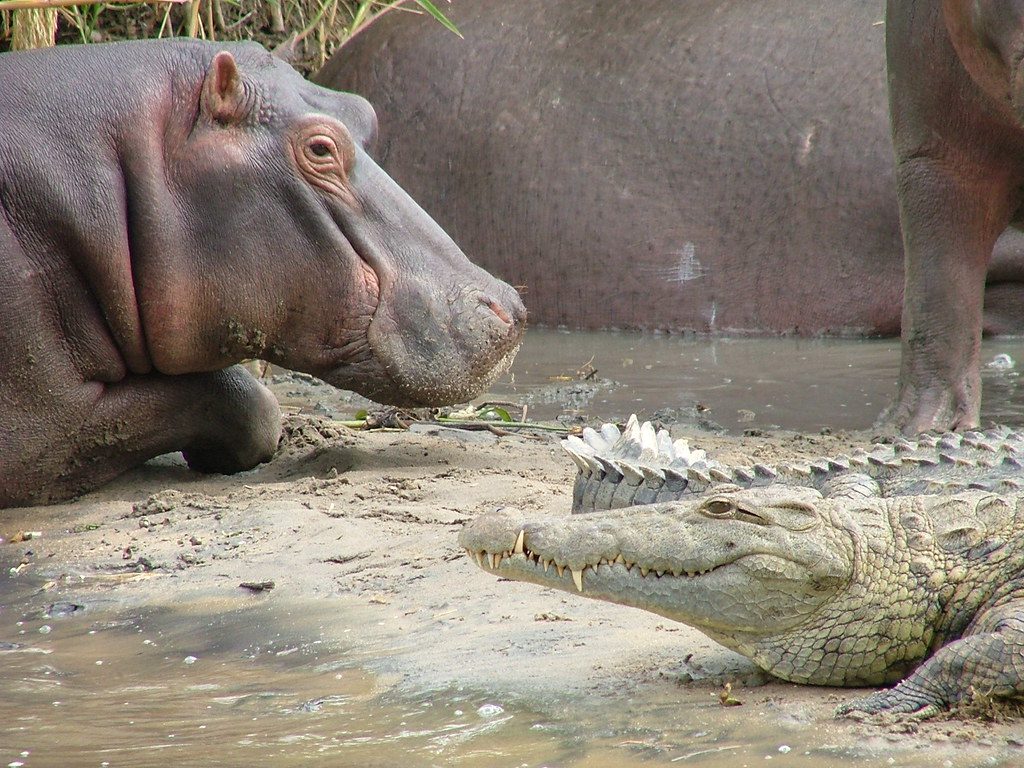
    What happened when a hippo crossed paths with a crocodile? It may sound like a simple question, but these meetings can be some of the most dramatic events in African rivers. Both animals are large, powerful, and highly protective of their space. While crocodiles are famous hunters, hippos are known for their strength and fearless behavior.

    Understanding how they interact helps explain why these encounters rarely end the way people expect. In this article, you’ll learn why hippos and crocodiles usually avoid serious fights, what happens when they do meet, and how each animal survives in the same waters.

    Why do hippos and crocodiles share the same rivers
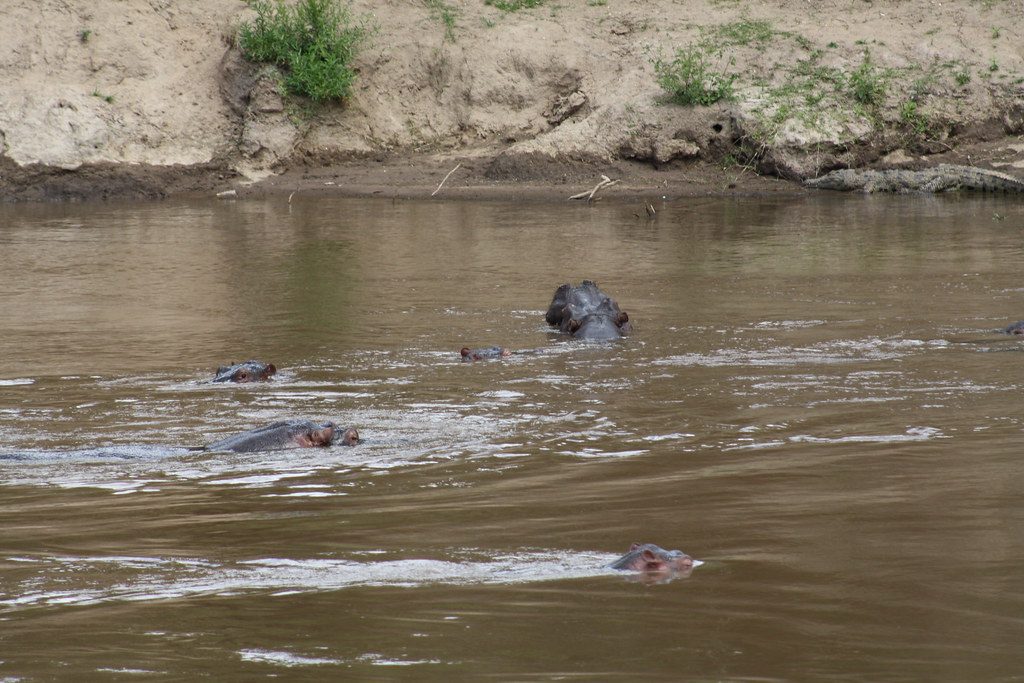
    Hippos in the Masai River” by shankar s. is licensed under CC BY 2.0

    Hippos and crocodiles live in many of the same rivers, lakes, and wetlands across sub-Saharan Africa. They depend on fresh water to survive, especially during the hot, dry season. Hippos spend most of the day in the water to keep their skin cool, while crocodiles rest near the banks or float quietly as they wait for prey.

    Even though they share the same habitat, they use it differently. Hippos mainly eat grass at night and return to the water before sunrise. Crocodiles are meat-eaters that hunt fish, birds, and mammals. Because they have different diets, they usually do not compete for food.

    What happens when they meet
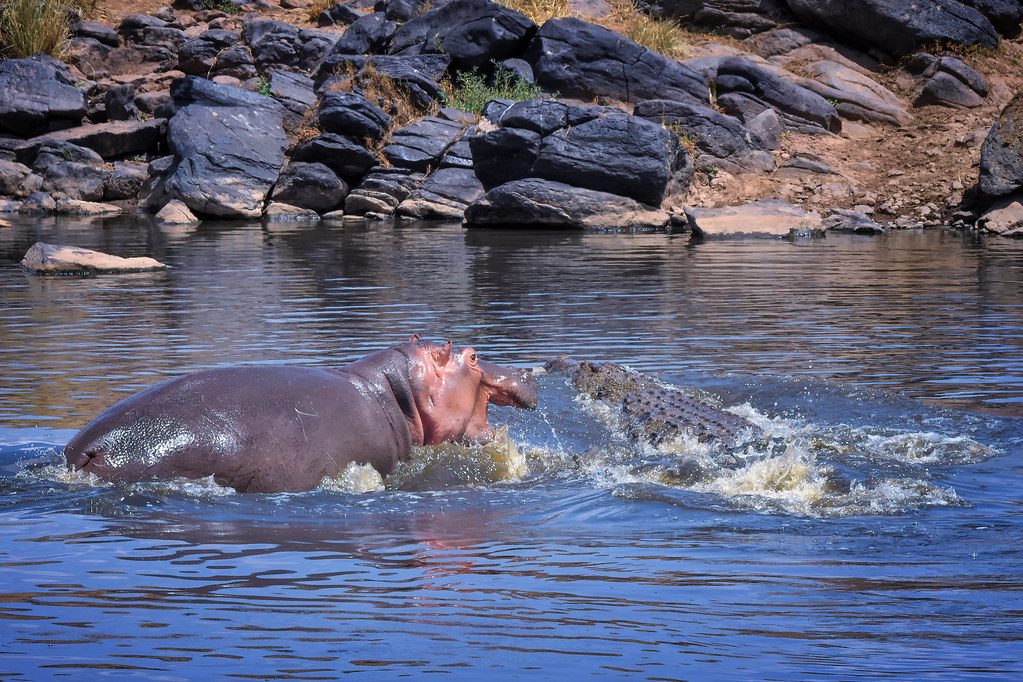
    Hippopotamus chasing off a crocodile in the Mara River, Masai Mara, Kenya, East Africa” by diana_robinson is licensed under CC BY-NC-ND 2.0

    Most meetings between a hippo and a crocodile are calm. A crocodile often moves away when a hippo comes too close because a full-grown hippo is much larger and stronger. Hippos can weigh over 3,000 pounds, while even the biggest Nile crocodiles are much lighter.

    Sometimes a hippo will charge or open its huge mouth to warn the crocodile away. These displays are usually enough to end the encounter. Serious fights are uncommon because both animals can be badly injured if they attack each other.

    Why hippos usually have the advantage
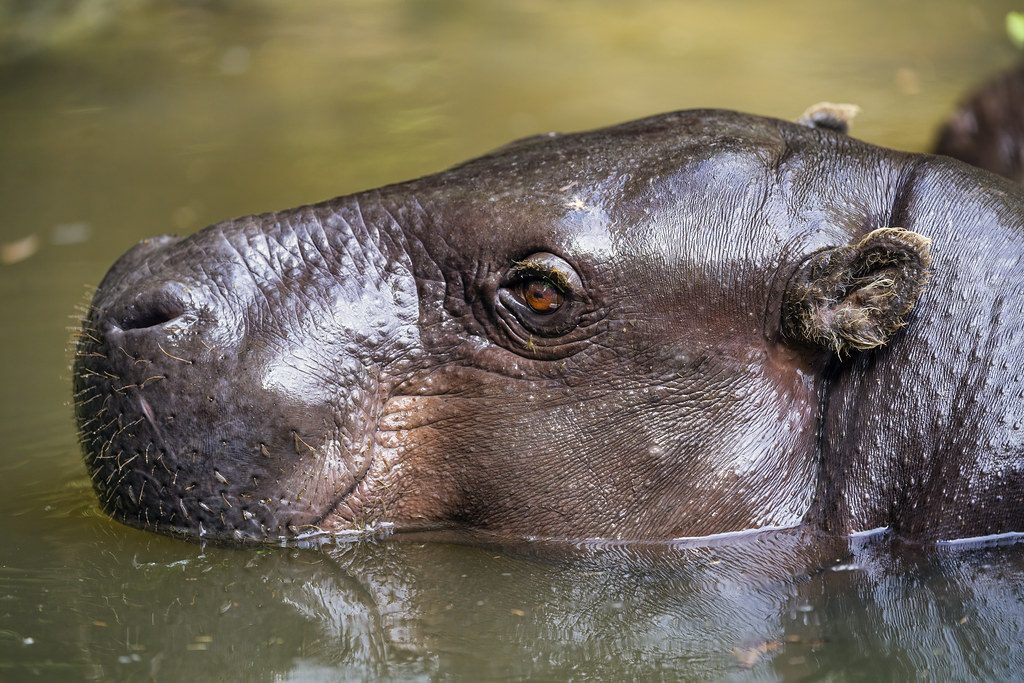
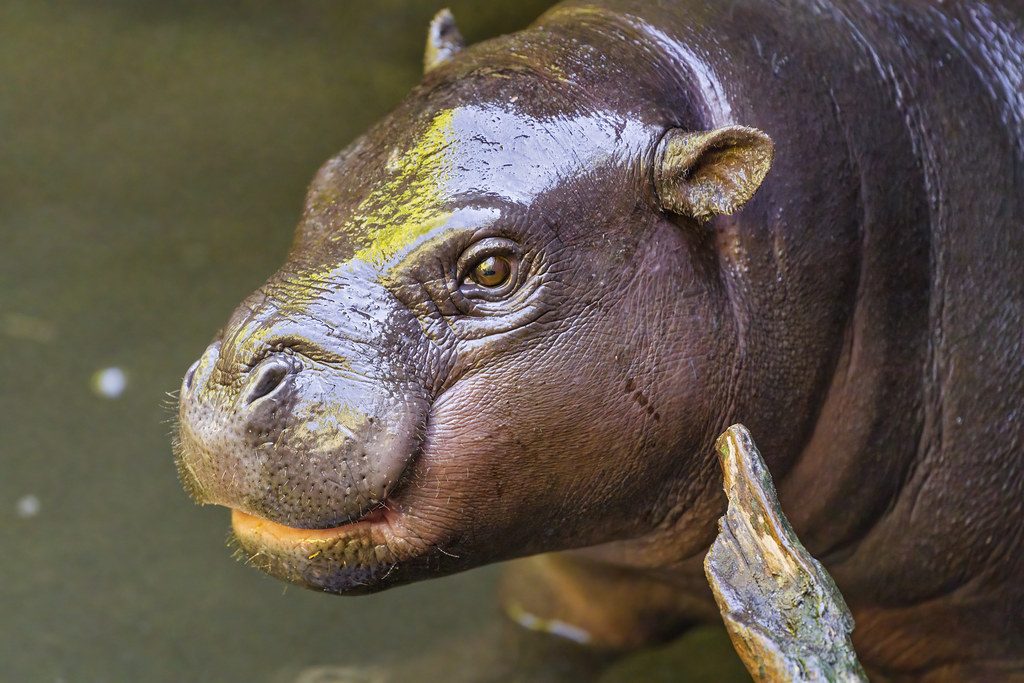
    Pygmy hippo in the water” by Tambako the Jaguar is licensed under CC BY-ND 2.0

    Hippos are among the strongest animals in Africa. Their thick skin protects much of their body, and their massive jaws can open about 150 degrees. They also have long tusk-like canine teeth that can cause severe injuries.

    A crocodile’s greatest strength is its surprise attack and powerful bite. However, that advantage is reduced against a healthy adult hippo. The hippo’s size, strength, and aggressive behavior make it a very risky target for even the largest crocodiles.

    When crocodiles become a danger
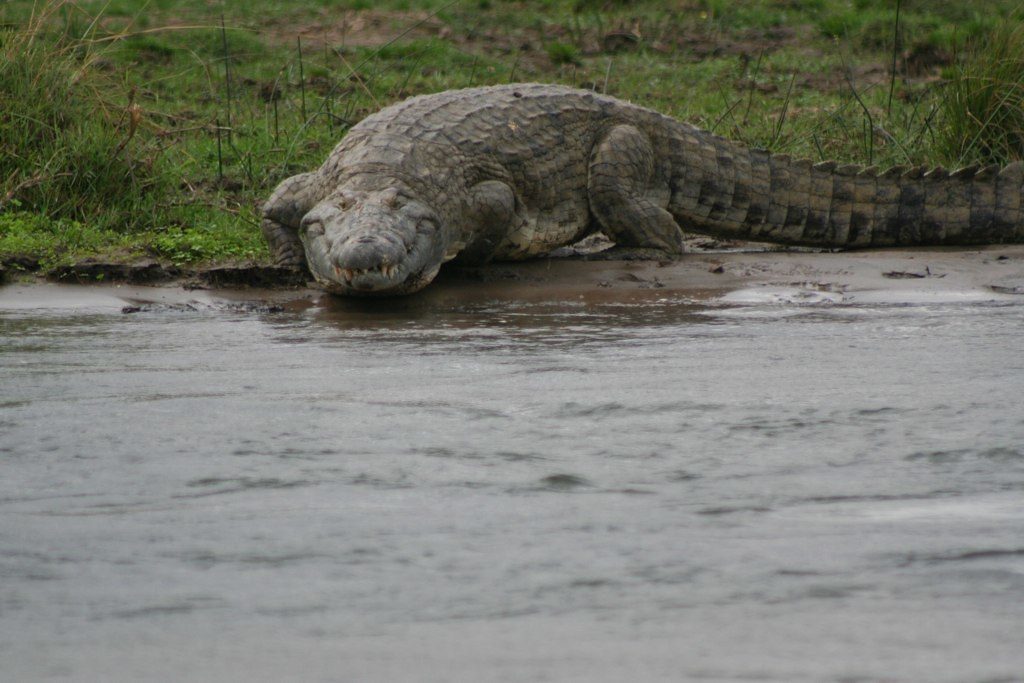
    Nile crocodile” by pk2004 is licensed under CC BY 2.0

    Young hippos face much greater danger than adults. A calf can become a target if it is separated from its mother or enters deep water where crocodiles are waiting. In these situations, crocodiles may try to grab the young animal.

    Mother hippos are extremely protective and often rush to defend their calves. They may charge through the water, bite at the crocodile, or force it to let go. This strong parental care greatly improves a calf’s chance of surviving.

    Can a crocodile ever beat a hippo?
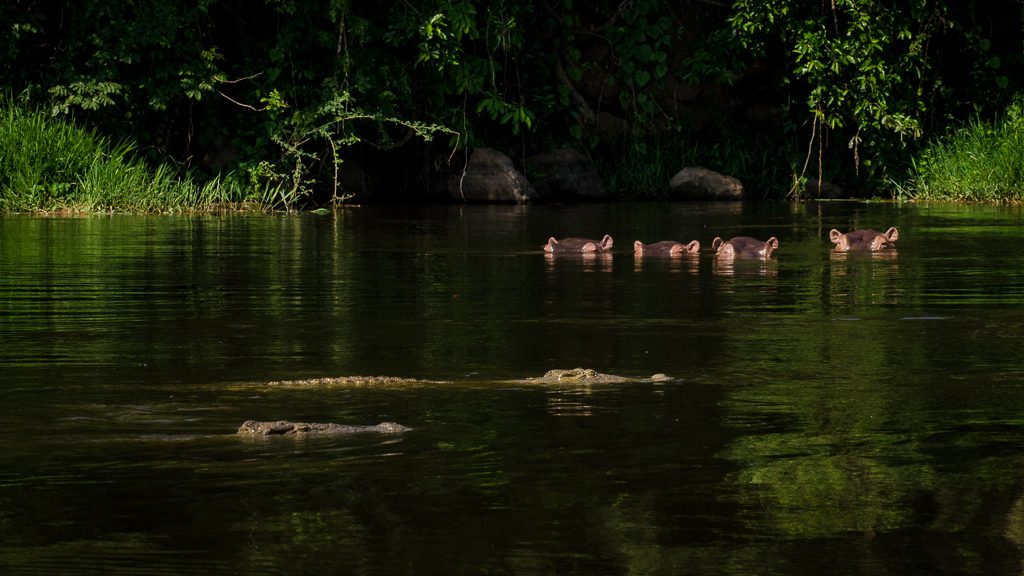
    Murchison Falls, Uganda” by Mirko.Eggert is licensed under CC BY-NC-SA 2.0

    There are rare cases where a crocodile injures or kills a very young, weak, or sick hippo. Large crocodiles may also work together when feeding, but this behavior is not organized teamwork like that seen in wolves or lions. Healthy adult hippos are almost never killed by crocodiles.

    On the other hand, hippos have been seen biting, tossing, or even killing crocodiles during territorial disputes. These events show just how powerful a hippo can be when it feels threatened or wants to protect its space.

    Why both animals avoid long fights
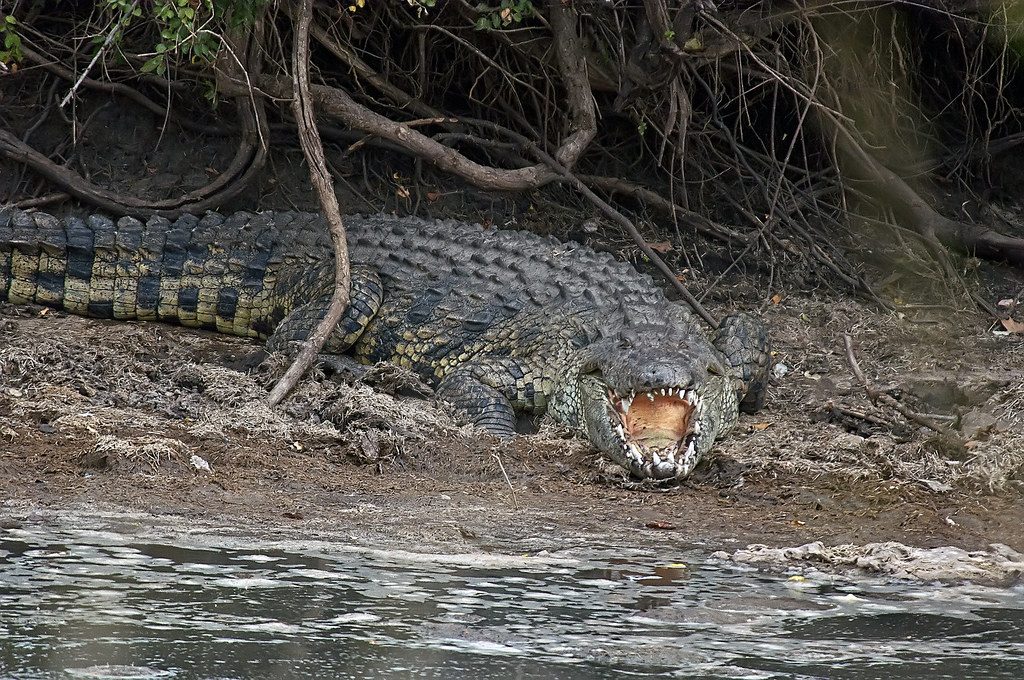
    What A Croc !” by puliarf is licensed under CC BY 2.0

    Despite their strength, neither animal benefits from a long battle. A serious injury can make it difficult to hunt, feed, or defend territory. For that reason, most encounters end after warning displays, short chases, or quick pushes instead of deadly combat.

    This balance allows both species to live in the same rivers for generations. Each animal understands the risks, and avoiding unnecessary conflict helps both survive in one of the world’s toughest environments.
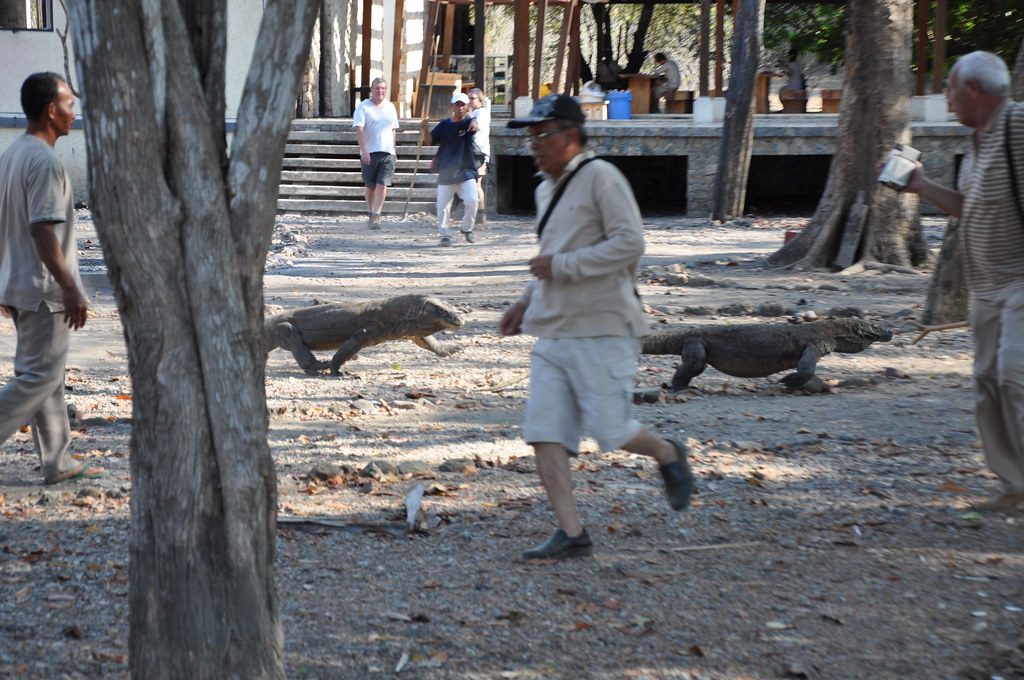
  • How a Komodo dragon tracked its prey for days

    How a Komodo dragon tracked its prey for days

    Have you ever wondered how a Komodo dragon tracked its prey across rough land? Many people believe these giant lizards bite an animal and simply wait for it to die. The real story is more interesting. Komodo dragons are smart hunters that use stealth, sharp senses, and patience to catch food.

    They usually try to kill prey during the attack, but they can also follow an injured animal if it escapes. In this article, you’ll learn how Komodo dragons hunt, how they track wounded prey, and why their hunting skills make them one of nature’s most successful predators.

    Komodo dragons are patient hunters

    Close-up of a Komodo dragon on mossy rocks in Jakarta, Indonesia, showcasing its scales and natural habitat.
    Photo by Tom Fisk on Pexels

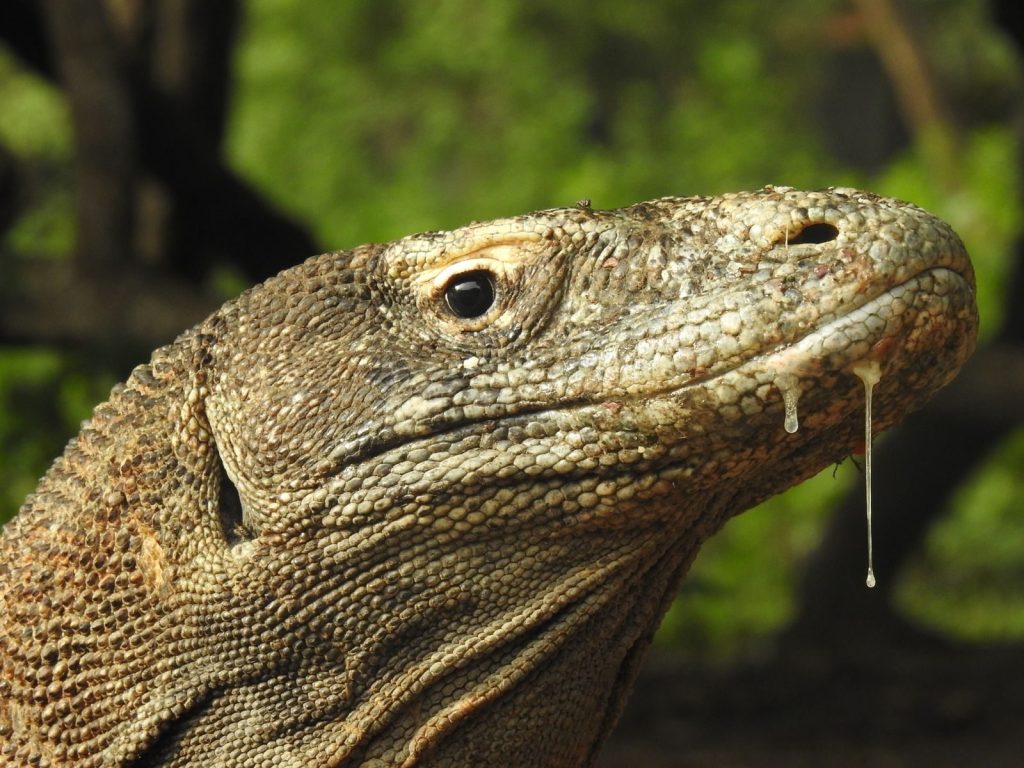
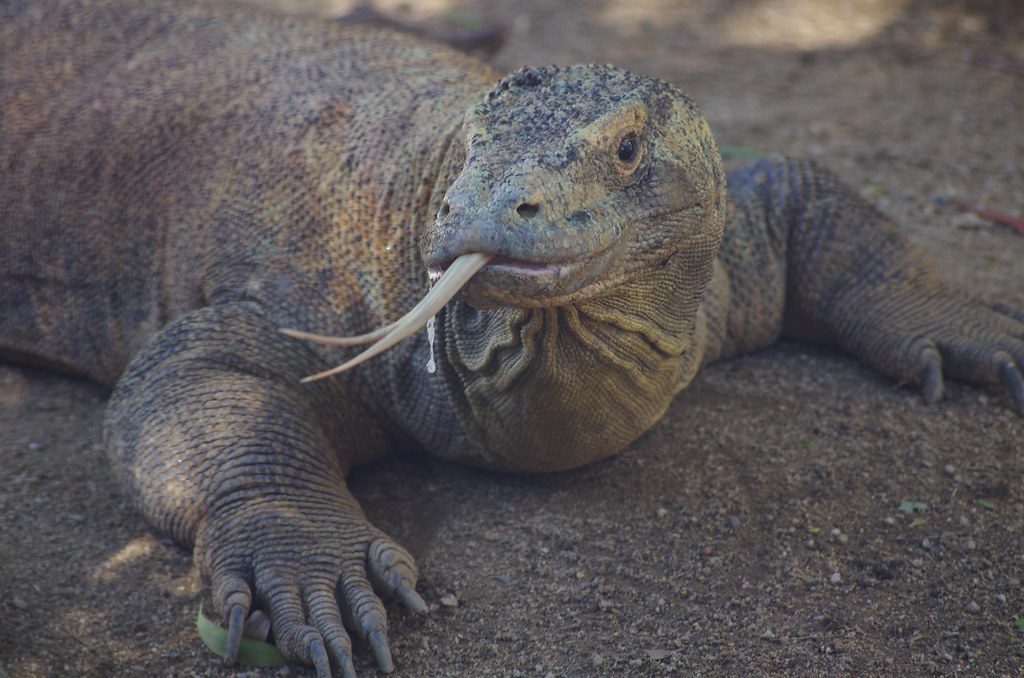
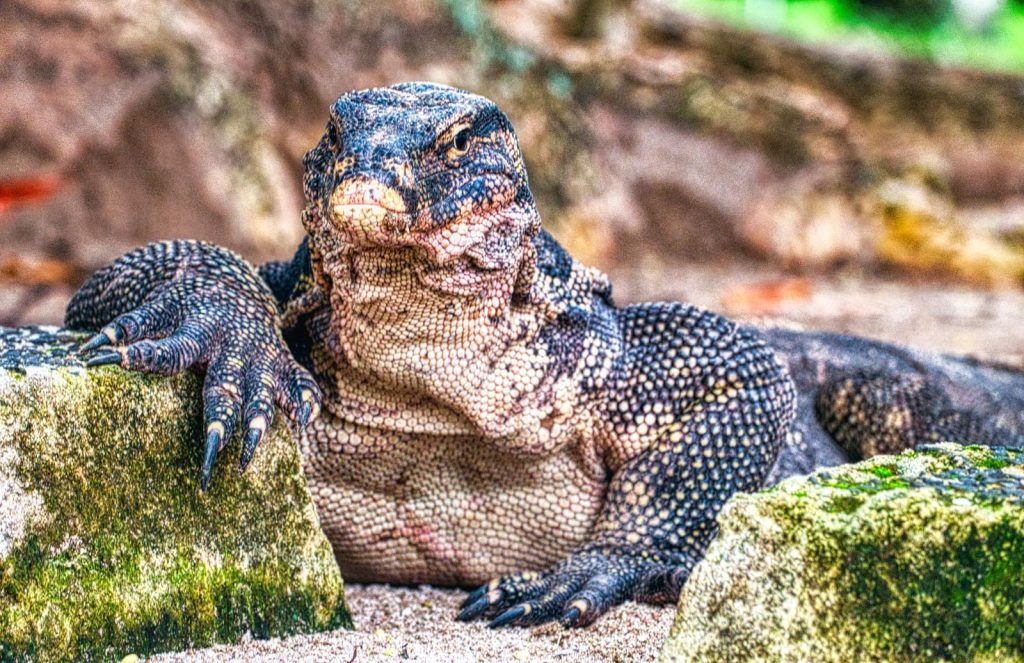
    Komodo dragons live on a few islands in Indonesia, where they hunt deer, wild pigs, goats, and other animals. They often stay still for long periods near trails or water sources where prey is likely to pass. This saves energy and gives them a better chance of surprising an animal.

    When the right moment comes, the dragon bursts forward with surprising speed. It aims for the legs, neck, or belly using powerful jaws and sharp, curved teeth that tear deep wounds. Many hunts end quickly because of heavy blood loss and shock.

    How they track injured prey

    Detailed close-up of a Komodo dragon's head displaying its textured scales and natural habitat.
    Photo by Rikardus nanggar on Pexels

    Sometimes a wounded animal escapes the first attack. When that happens, the Komodo dragon may slowly follow the prey over a long distance instead of giving up. It uses its excellent sense of smell to stay on the trail.

    The dragon constantly flicks its long, forked tongue to collect tiny scent particles from the air. A special organ in the roof of its mouth studies these scents, helping the dragon tell which direction the injured animal traveled. This ability lets it follow blood and body odors even after the prey has disappeared from sight.

    The truth about the bite

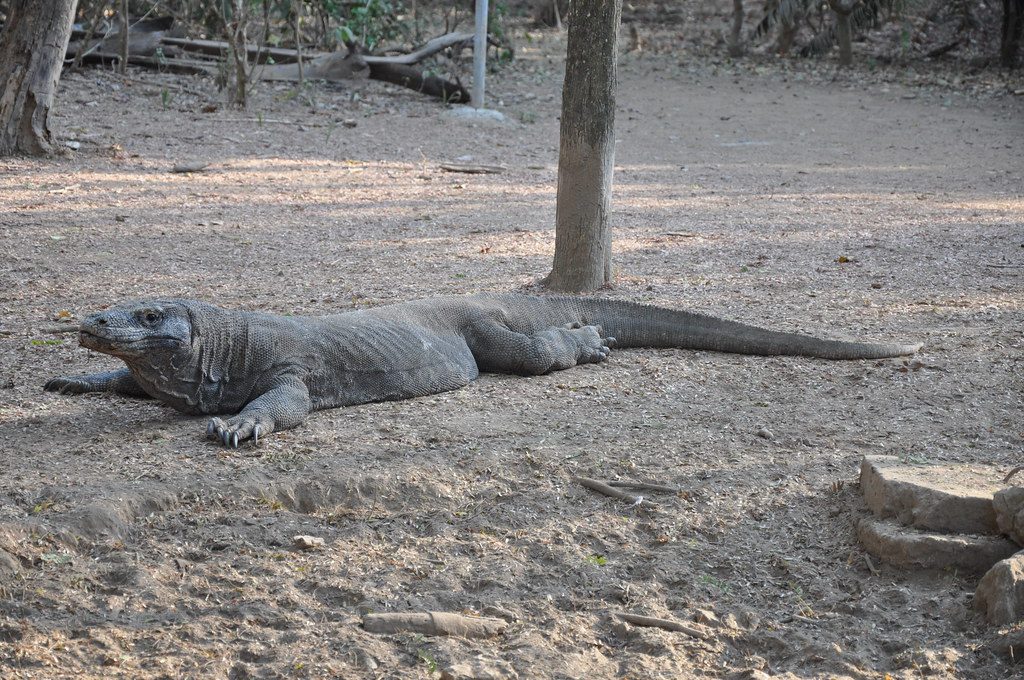
    Wild Komodo dragon – Komodo island” by Jorge Lascar is licensed under CC BY 2.0

    For many years, people believed dangerous bacteria in a Komodo dragon’s mouth killed wounded animals. Scientists now know that this idea is mostly incorrect. Research has shown that Komodo dragons have venom glands that produce substances that lower blood pressure and make it harder for blood to clot.

    Even so, the bite itself causes major damage. Sharp teeth slice through flesh, creating deep wounds that bleed heavily. Most successful hunts end because of severe injuries and blood loss, not because the dragon waits days for bacteria to kill the animal.

    Why some hunts last longer

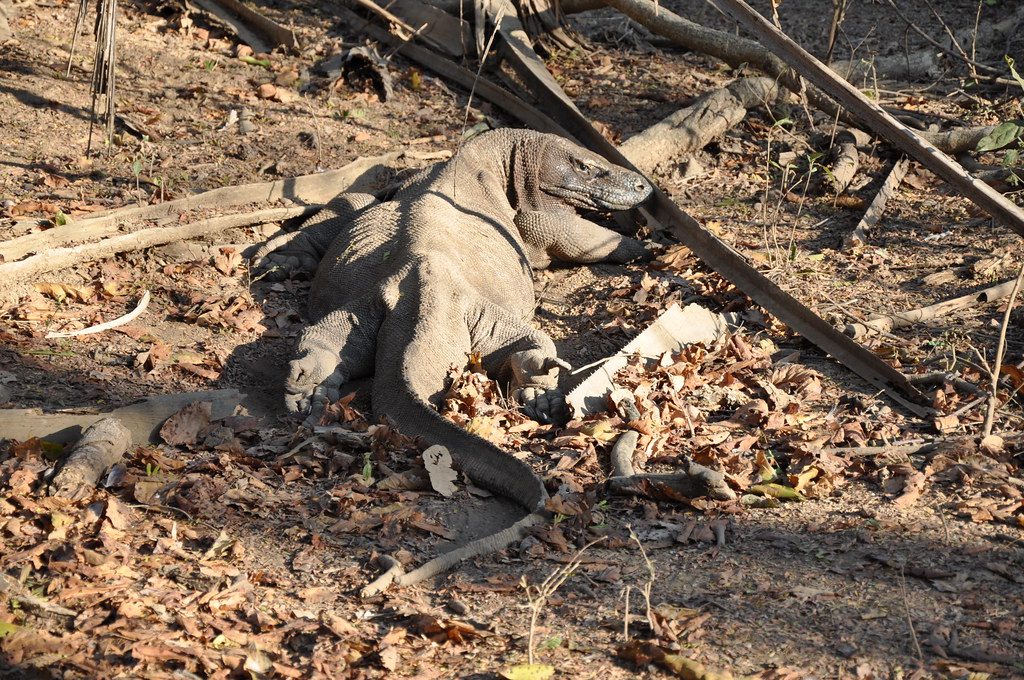
    Wild Komodo dragon – Komodo island” by Jorge Lascar is licensed under CC BY 2.0

    Not every attack goes as planned. A strong deer or wild pig may break free after being bitten. If that happens, the Komodo dragon may continue following the injured animal as it becomes weaker from blood loss and exhaustion.

    Older stories often claimed dragons always waited several days before eating their prey. Modern field studies show this is not the normal hunting method. Successful attacks usually end within minutes, and even when prey escapes, the dragon’s tracking behavior is based on following an injured animal rather than simply waiting for infection.

    Senses built for survival

    Detailed close-up of a Komodo Dragon (Varanus komodoensis) among tropical foliage.
    Photo by Mehmet Turgut Kirkgoz on Pexels

    A Komodo dragon has poor hearing for high-pitched sounds, but its sense of smell is one of the best among reptiles. Under the right conditions, it can detect the scent of a dead or injured animal from several miles away, especially when the wind carries the odor.

    Strong legs, sharp claws, and a muscular tail also help during the hunt. Although these reptiles cannot run for long distances, they can sprint quickly over short distances, making surprise attacks very effective.

    Why this hunting method works

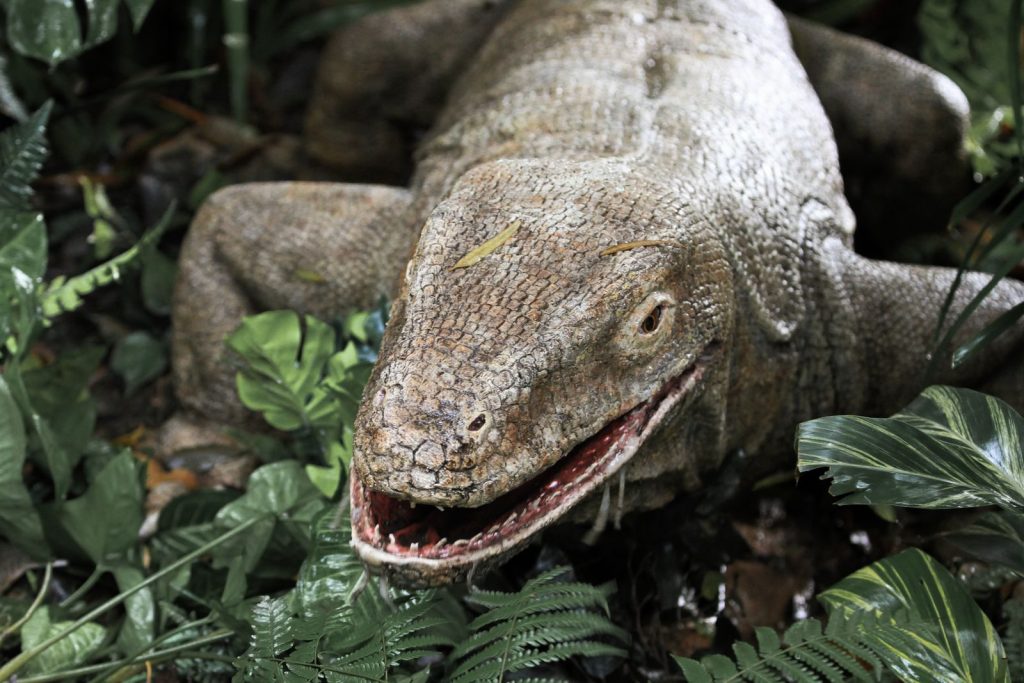
    KOMODO DRAGON” by NAPARAZZI is licensed under CC BY-SA 2.0

    Tracking injured prey gives Komodo dragons another chance to eat if the first attack fails. Following scent trails uses less energy than chasing healthy animals over long distances, making it a smart survival strategy.

    This mix of patience, stealth, speed, and powerful senses has helped Komodo dragons remain top predators on their islands for thousands of years. Their hunting style shows that success in nature often depends on skill and timing as much as strength.

  • Meet the giant bear that terrified ancient North America

    Meet the giant bear that terrified ancient North America

    Have you ever wondered what the biggest bear in North America looked like long before people built cities? The giant bear that terrified ancient North America was the giant short-faced bear, known to scientists as Arctodus simus.

    It lived during the Ice Age and was one of the largest land meat-eating mammals on the continent. While it looked scary, scientists have learned that it was more than just a fierce hunter. In this article, you will discover where it lived, how big it grew, what it ate, why it disappeared, and what fossils have taught us about this amazing Ice Age animal.

    What was the giant short-faced bear?

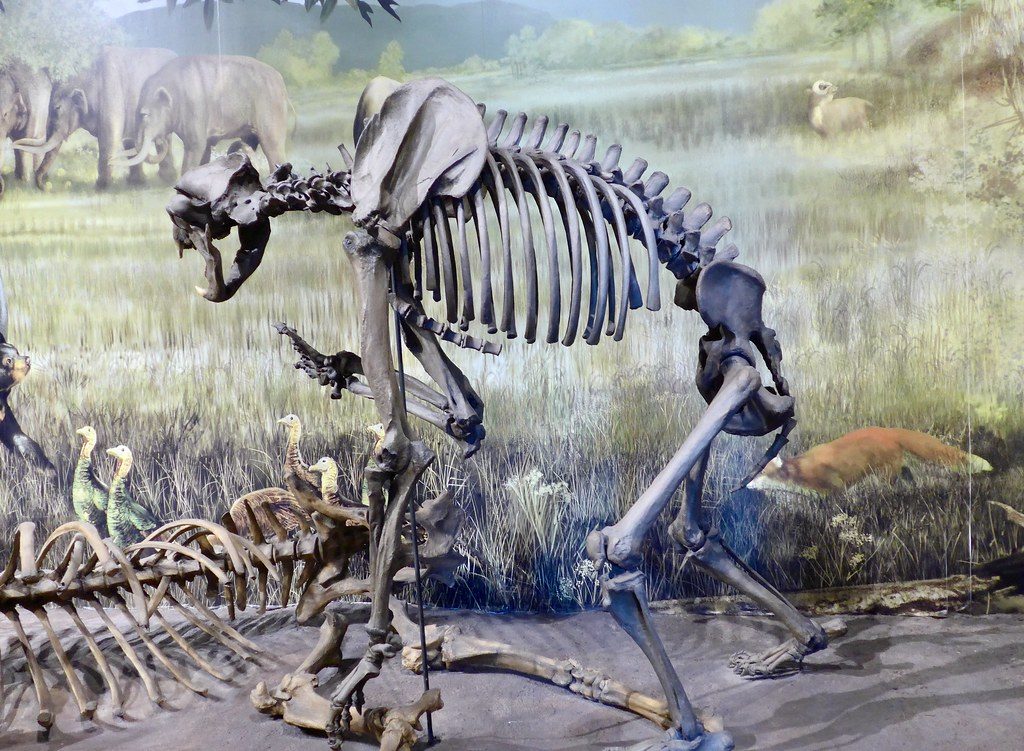
    Ice Age: The Lost Kingdom – Birmingham Botanical Gardens – Archtodus (Giant short faced bear)” by ell brown is licensed under CC BY-NC-SA 2.0

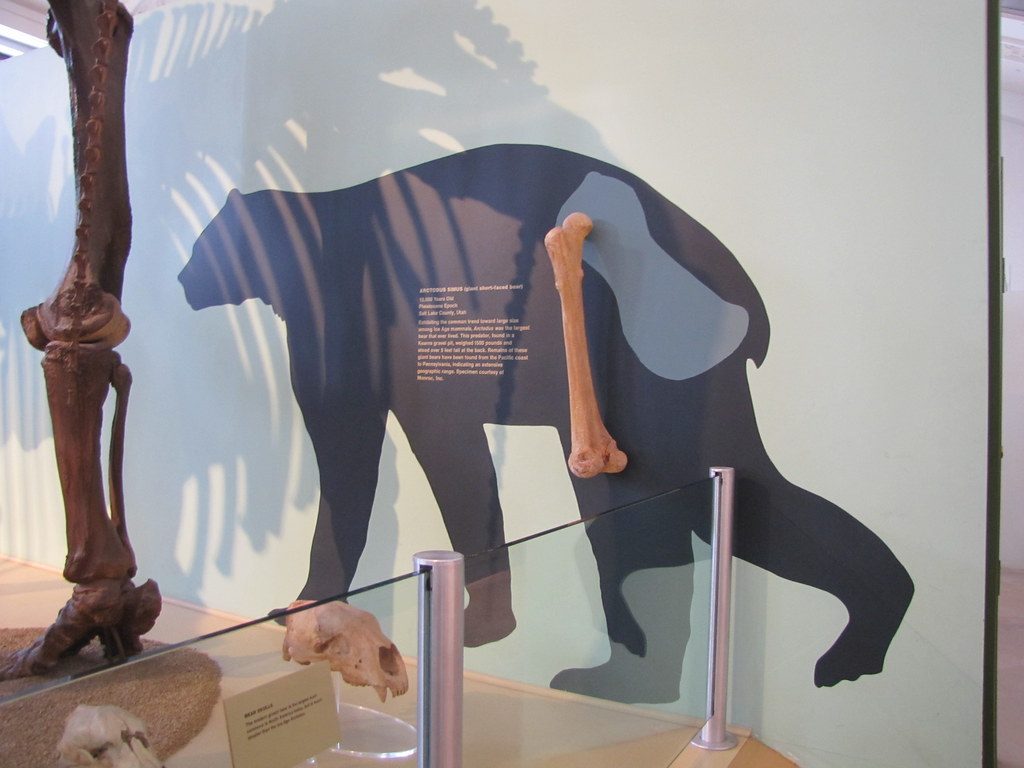
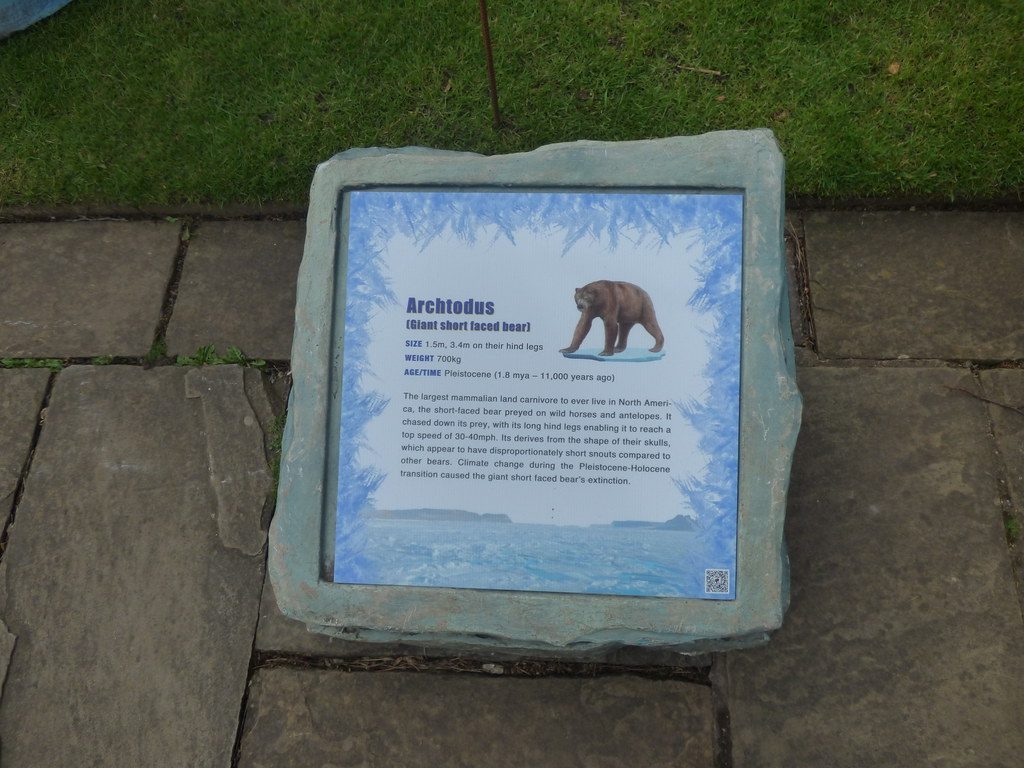
    The giant short-faced bear lived across much of North America during the Pleistocene, also called the Ice Age. Fossils have been found in the United States, Canada, and Mexico. It lived until about 12,800 years ago, when many large Ice Age animals disappeared.

    Its scientific name was Arctodus simus. It belonged to a group of bears found only in the Americas. Although people often imagine it as a monster that chased everything, scientists now believe it was a flexible animal that could survive in many different environments.
    How big was this Ice Age giant?

    Girls with giant short-faced bear” by oddharmonic is licensed under CC BY-SA 2.0

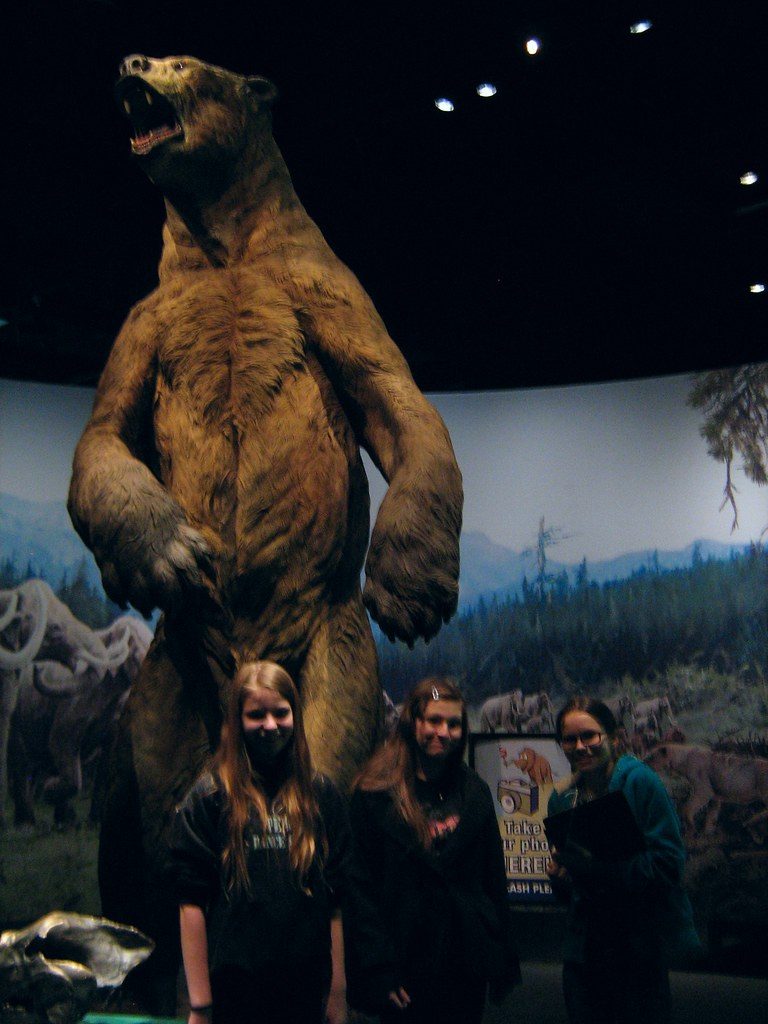
    The giant short-faced bear was much larger than today’s grizzly bear. Large males may have weighed around 1,700 pounds or more. When standing on its back legs, some individuals could reach over 11 feet tall, making them one of the tallest bears known.

    Its long legs gave it a different shape from modern bears. Instead of looking short and stocky, it had a taller body that helped it travel long distances across open land while searching for food.

    What did the giant bear eat?

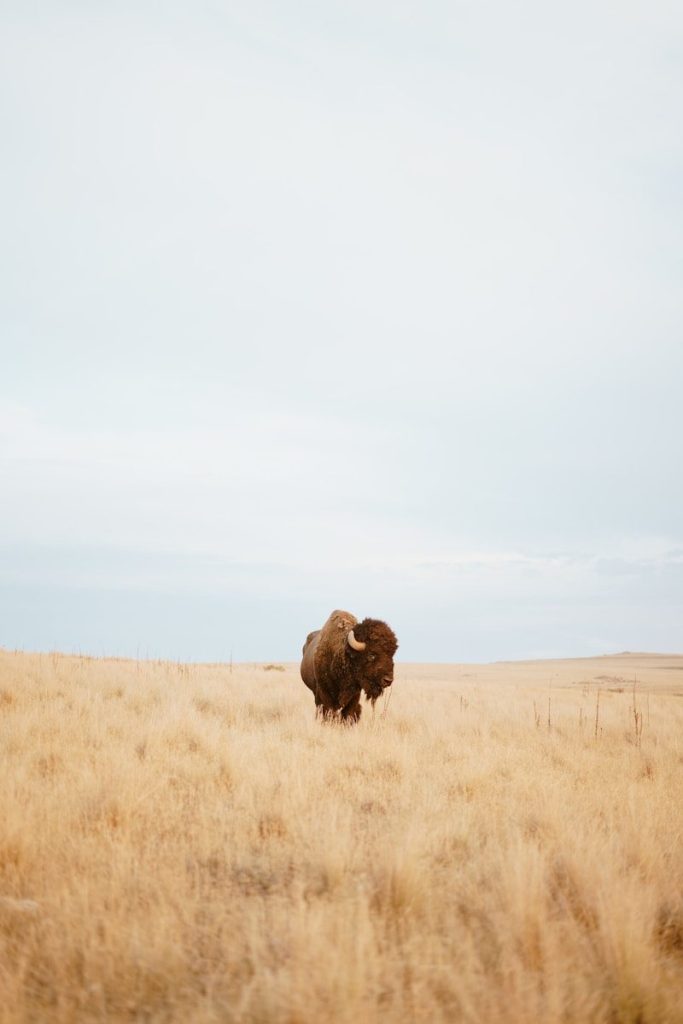
    bison standing on brown field during daytime
    Photo by Bryce olsen on Unsplash

    For many years, scientists believed the giant short-faced bear was mainly a powerful predator that hunted large animals. Newer studies show the picture was more complex. Like many living bears, it was likely an omnivore that ate both plants and animals when possible.

    Its menu probably changed depending on where it lived and what food was available. It may have eaten deer, young bison, camels, tapirs, berries, roots, and other plants. It also likely scavenged meat from animals that had already died, using its huge size to claim carcasses from other predators.

    Why was it such a successful animal?

    Giant Short-faced Bear (Late Pleistocene 200,000 yrs. ago)” by ali eminov is licensed under CC BY-NC 2.0

    The giant short-faced bear had powerful muscles, strong jaws, and an excellent sense of smell. These features helped it find food across large areas. Its long legs also allowed it to cover more ground than many other Ice Age bears.

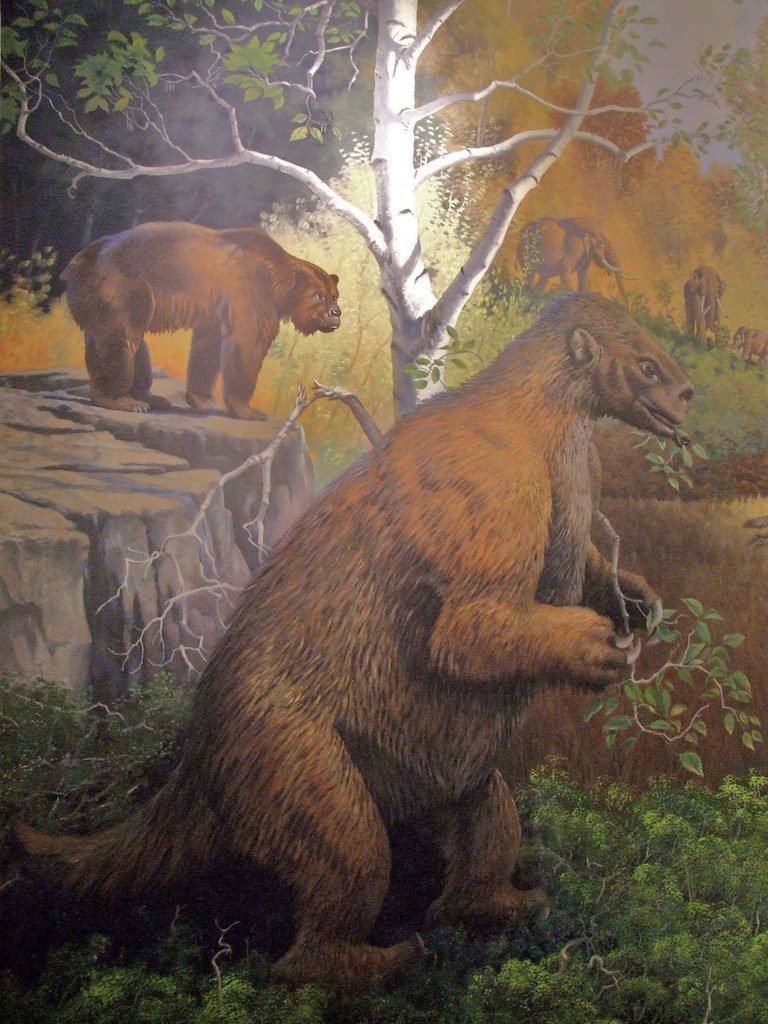
    It shared North America with mammoths, giant ground sloths, saber-toothed cats, dire wolves, and American lions. Instead of always fighting these animals, it probably used different feeding strategies depending on the situation, helping it survive in changing environments.
    Why did the giant bear disappear?

    Ground Sloth & Short-Faced Bear” by Travis S. is licensed under CC BY-NC 2.0

    The giant short-faced bear vanished near the end of the Ice Age, about 12,800 years ago. Scientists believe no single cause explains its extinction. Instead, several changes happened at the same time.

    As the climate warmed, habitats changed and many large plant-eating animals became rare or disappeared. These losses reduced important food sources. Human hunting may also have added pressure to already stressed ecosystems, making survival even harder for many large Ice Age species.

    What have fossils taught scientists?

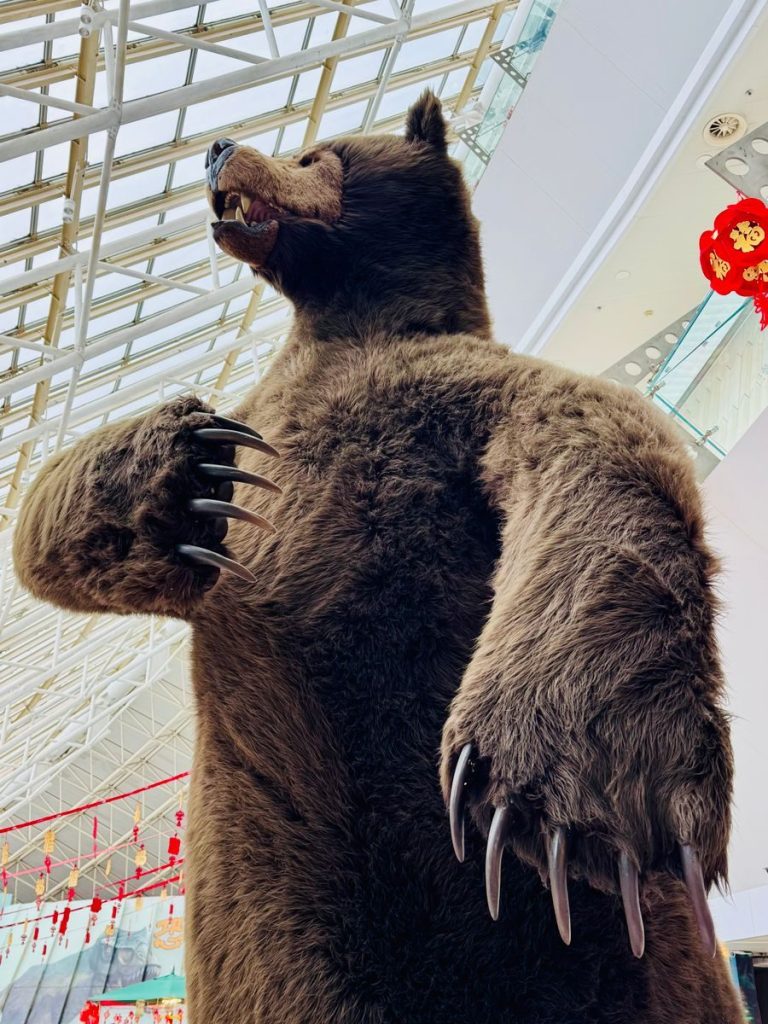
    A large bear statue displayed indoors, surrounded by modern architecture and festive decor.
    Photo by Shuaizhi Tian on Pexels

    Fossils found across North America have helped scientists rebuild the story of this giant bear. Bones, teeth, and chemical studies show that its diet was more varied than once believed. This changed the old idea that it was only a fearsome meat hunter.

    Researchers continue to study new fossils and use modern technology to learn more about its behavior. Each discovery helps explain how this impressive bear lived, adapted, and finally disappeared, giving us a better understanding of North America’s ancient wildlife.

  • What 5,000-year-old wolves reveal about early dogs

    What 5,000-year-old wolves reveal about early dogs

    Have you ever wondered how wolves became the friendly dogs that live with people today? The story is still being uncovered, and 5,000-year-old wolves reveal about early dogs in surprising ways. Ancient bones and DNA are helping scientists learn how wolves, early dogs, and humans lived together thousands of years ago.

    These discoveries show that the path from wild hunter to loyal companion was long and complex. In this article, you will learn what researchers found in ancient wolf remains, how early dogs changed over time, and why these discoveries matter for understanding one of humanity’s oldest friendships.

    Ancient wolf remains tell a bigger story

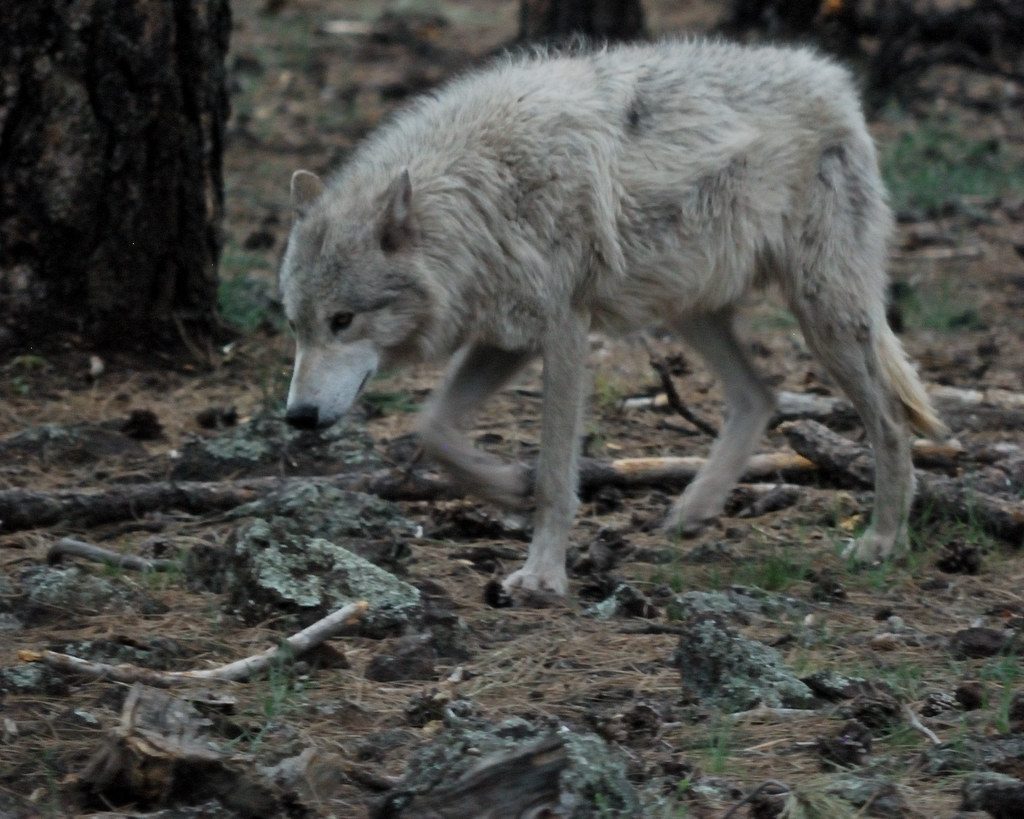
    wolves-200408-6” by Ganders is licensed under CC BY-NC 2.0

    Scientists have found the bones of wolves that lived about 5,000 years ago in different parts of Europe and Asia. By studying these remains, they can compare ancient wolves with modern wolves and dogs. DNA preserved inside the bones acts like a history book, showing how these animals were related.

    The evidence shows that ancient wolves were not exactly the same as today’s wolves. Some belonged to populations that no longer exist. This helps explain why modern dogs do not descend directly from today’s gray wolves but from ancient wolf groups that disappeared long ago.

    Early dogs were different from modern pets

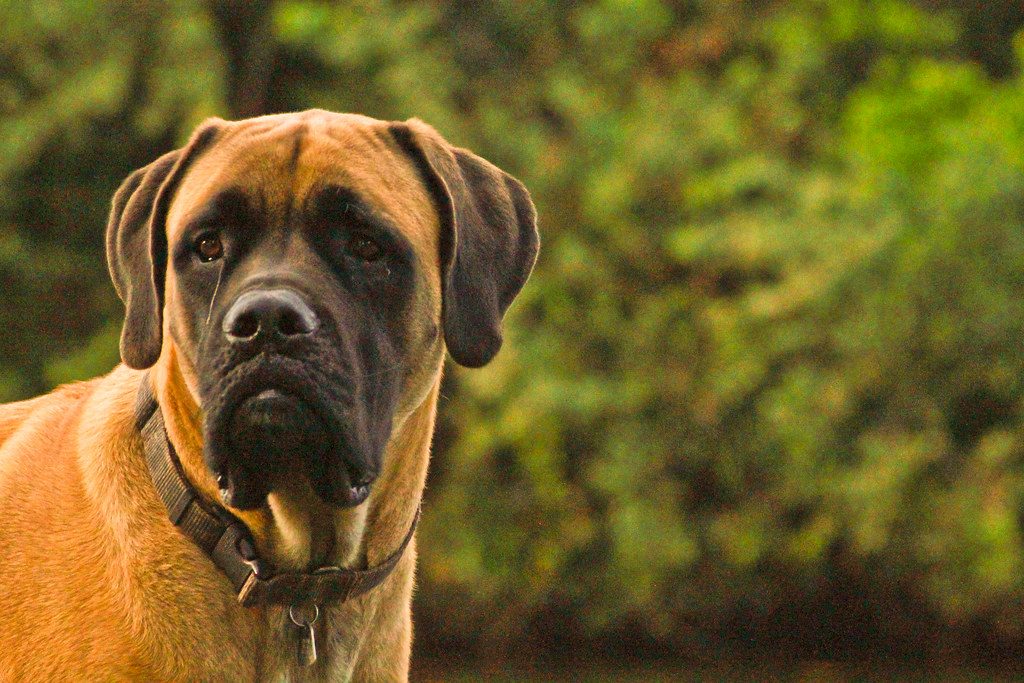
    Odis, one Huge Dog” by CalebSantos is licensed under CC BY-ND 2.0

    The first dogs did not look like many breeds we know today. They were often similar in size and shape to wolves, making it hard for scientists to tell them apart by looking only at their bones. DNA studies are helping solve this problem.

    Early dogs slowly developed traits that made them better suited to living with people. Over thousands of years, they became less fearful, easier to train, and more social. These changes happened gradually instead of all at once.

    Humans and wolves built a unique partnership

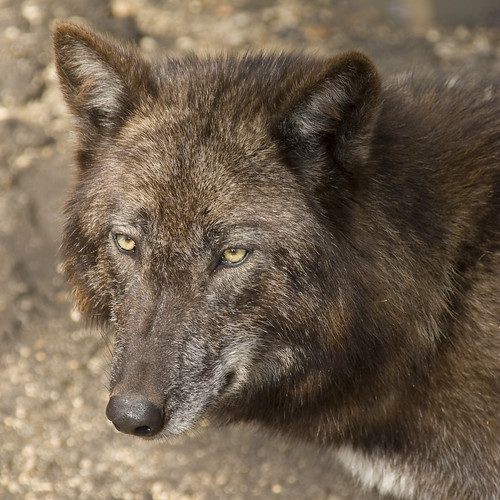
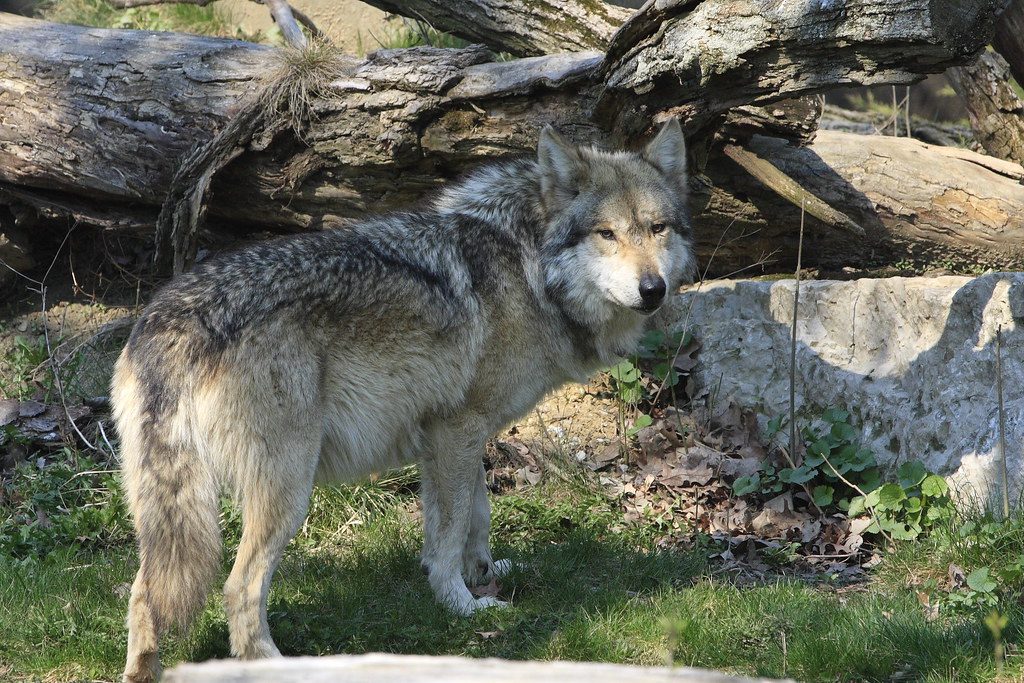
    Wolves of Brookfield_02” by Cryptowolfe is licensed under CC BY 2.0

    Experts believe some wolves began living near human camps because food scraps were easy to find. The calmer wolves likely stayed closer to people, while more aggressive wolves remained wild. Over many generations, this relationship became stronger.

    People also benefited from these animals. Early dogs could warn of danger, help during hunts, and protect camps. This partnership improved survival for both humans and the animals that stayed close to them.

    DNA reveals surprising family connections

    three people in lab coats looking at a tablet
    Photo by National Cancer Institute on Unsplash

    Ancient DNA has shown that dogs have a more complicated family history than once believed. Research suggests that more than one ancient wolf population contributed genes to early dogs. This means dog ancestry is not linked to a single group of wolves.

    Scientists have also discovered that wolves and dogs continued breeding with each other even after domestication began. Because of this, some modern dogs still carry small amounts of wolf DNA from later mixing events, not just from their original ancestors.

    Why 5,000-year-old wolves matter today

    people having meeting on rectangular brown table
    Photo by Christina @ wocintechchat.com M on Unsplash

    The study of 5,000-year-old wolves helps researchers understand how domestication worked. It shows that becoming a dog was a long process shaped by changing environments, human behavior, and natural selection over many thousands of years.

    These discoveries also help scientists protect modern wolves and dogs. Learning how ancient populations changed over time gives researchers a better understanding of animal evolution, genetic diversity, and how species adapt to new conditions.

    Questions scientists are still trying to answer

    a group of people working in a lab
    Photo by National Institute of Allergy and Infectious Diseases on Unsplash

    Although researchers have learned a great deal, many mysteries remain. Scientists still debate the exact place where dogs were first domesticated. New discoveries of ancient bones and better DNA technology may provide clearer answers in the future.

    Each new fossil adds another piece to the puzzle. As researchers study more ancient wolves and early dogs, they continue to improve our understanding of how one of the world’s oldest friendships began and why it has lasted for thousands of years.

  • The strange traits that make octopuses so extraordinary

    The strange traits that make octopuses so extraordinary

    Have you ever wondered why octopuses seem almost like aliens from another world? The strange traits that make octopuses so extraordinary have amazed scientists for years. These incredible sea animals can solve problems, change color in seconds, and squeeze into tiny spaces that seem impossible.

    They are very different from fish and even from other ocean creatures. In this article, you will discover the amazing body features, smart behaviors, and survival skills that make octopuses some of the most fascinating animals on Earth. By the end, you’ll understand why these eight-armed creatures continue to surprise experts.

    Octopuses have an unusual body

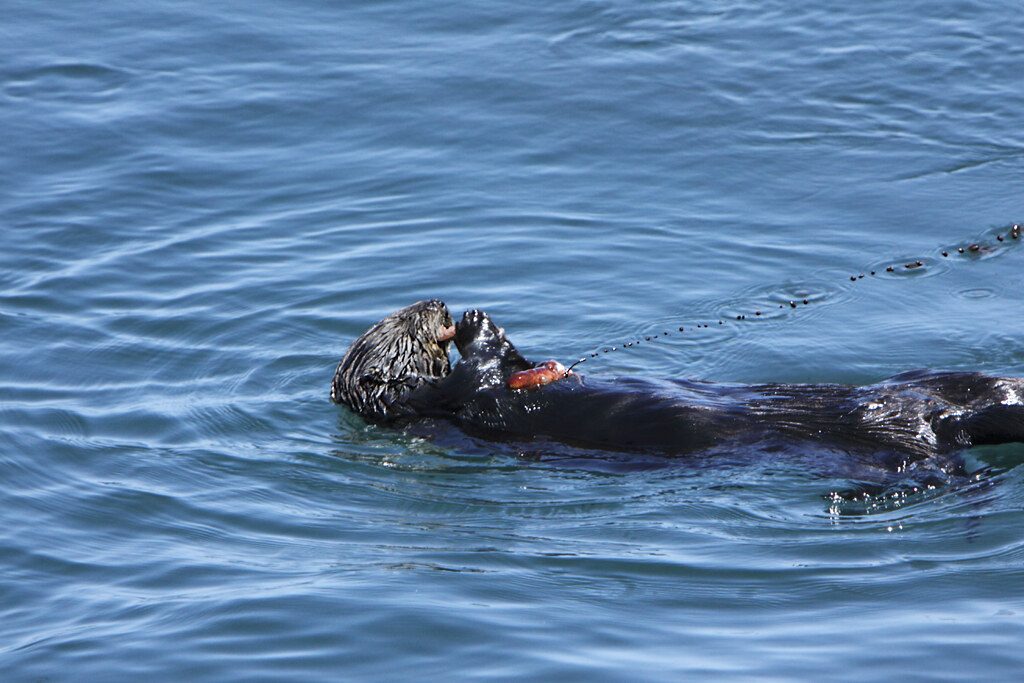
    Octopus squirting ink whilst being eaten by a Sea Otter” by Alan Vernon. is licensed under CC BY-NC-SA 2.0

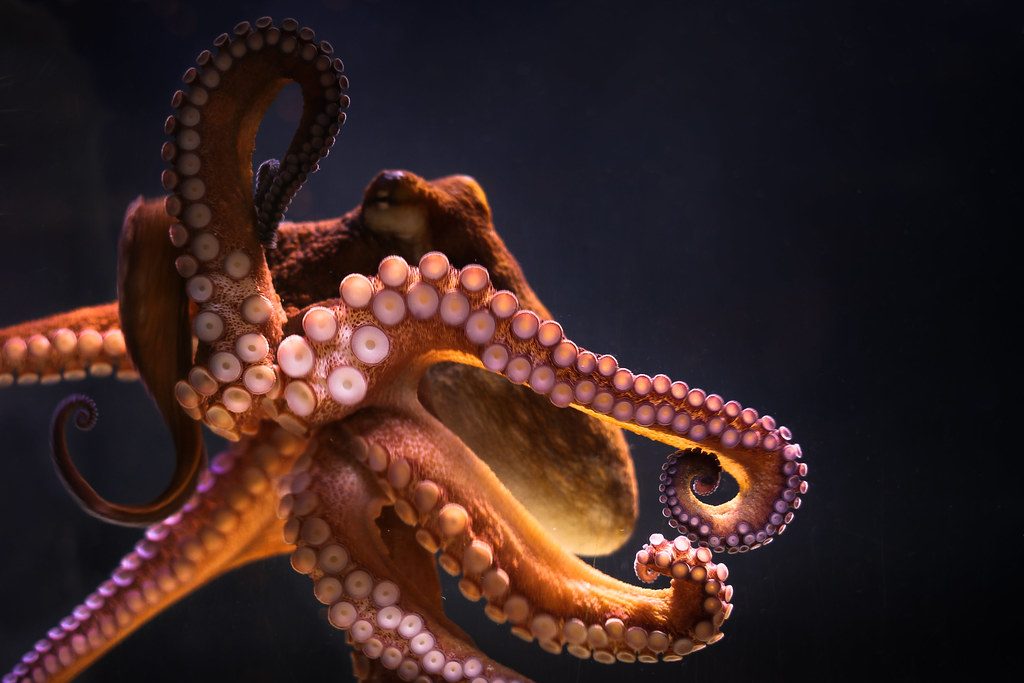
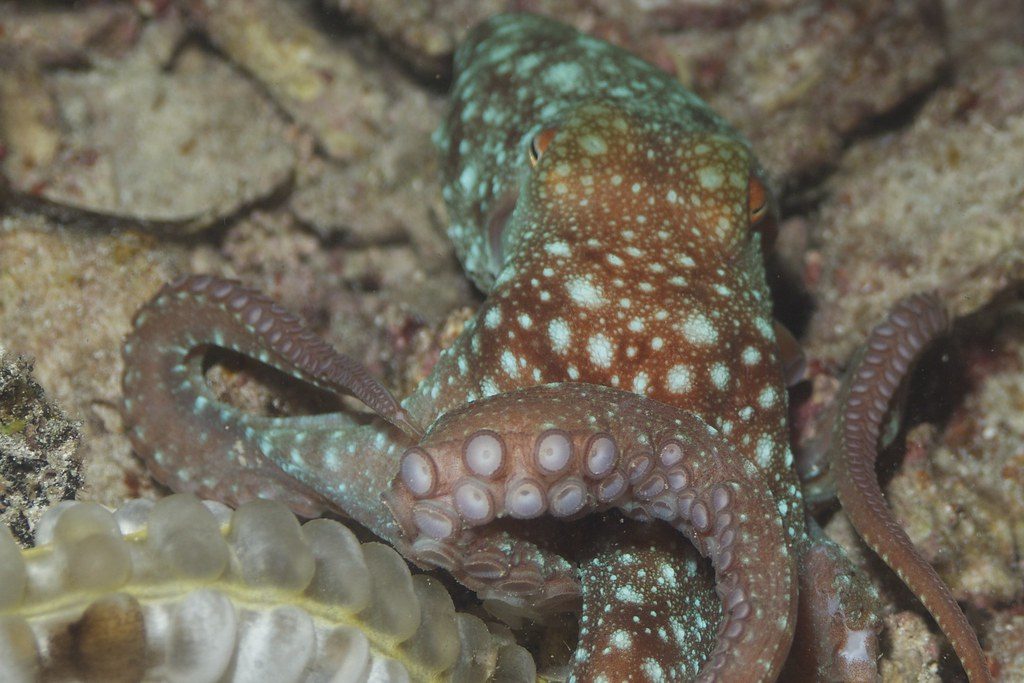
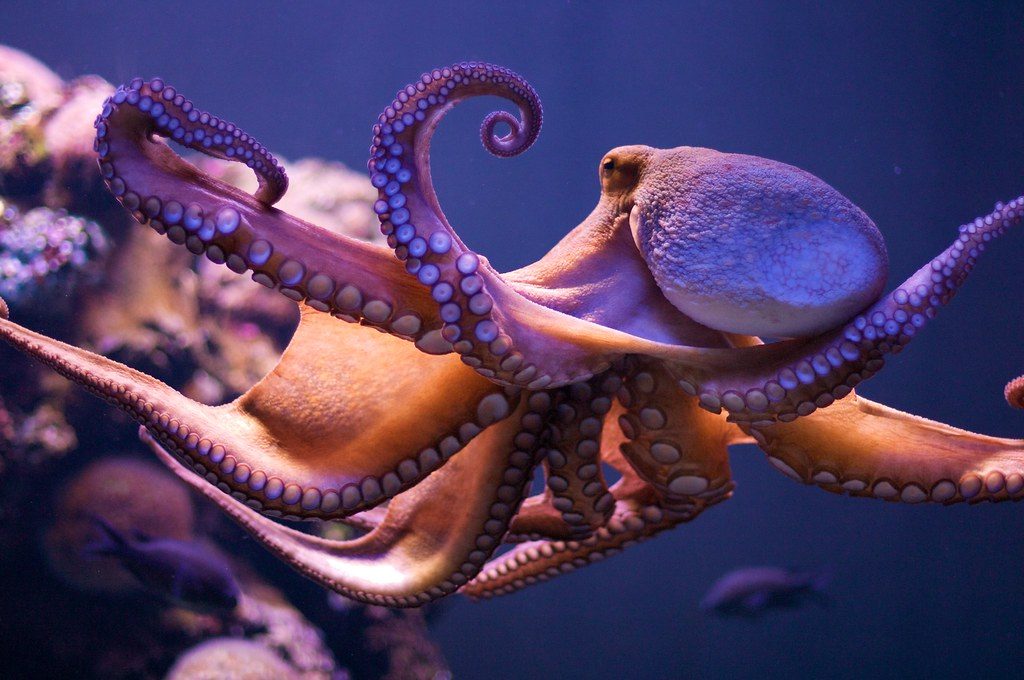
    An octopus has a soft body with no bones, which lets it squeeze through very small openings. If its hard beak can fit through a gap, the rest of its body usually can too. This helps it escape predators and hide in rocky cracks on the ocean floor. Most octopuses have eight arms covered with powerful suckers that help them grab food and explore their surroundings.

    Their bodies are also very different on the inside. Octopuses have three hearts, and their blood is blue because it uses a copper-rich protein called hemocyanin to carry oxygen. Two hearts pump blood to the gills, while the third sends oxygen-rich blood to the rest of the body.

    Their brains are built for learning

    octopus” by Tom Clifton is licensed under CC BY-NC 2.0

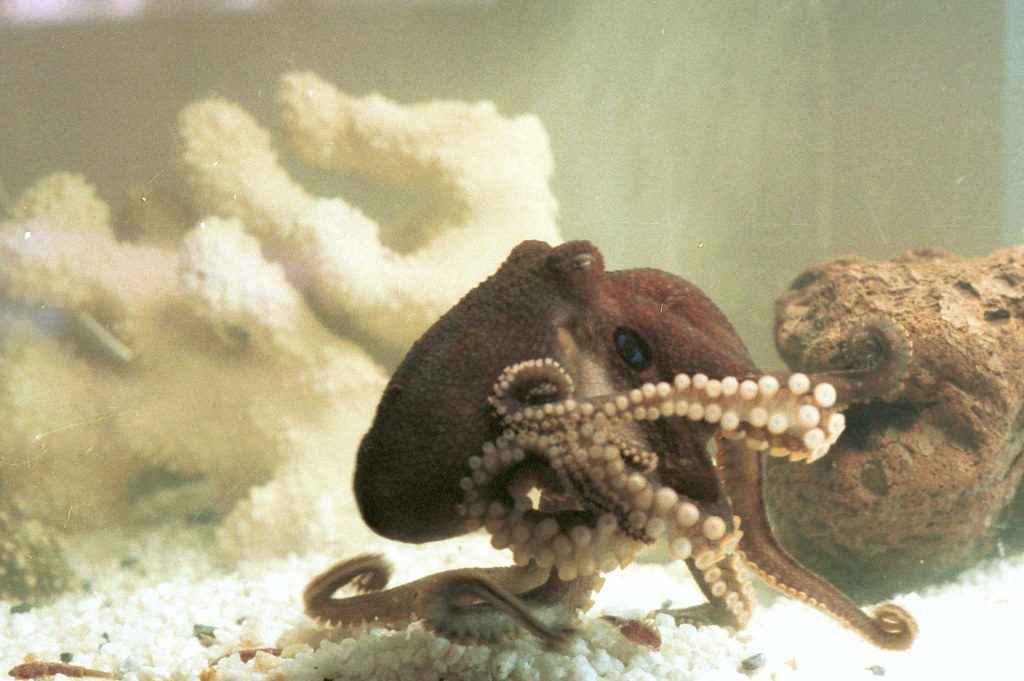
    Octopuses are among the smartest animals without backbones. They can solve puzzles, remember solutions, open containers, and learn from experience. Scientists have even watched some octopuses escape from aquariums by finding small openings or lifting lids.

    Their nervous system is also unusual because many of their nerve cells are located in their arms instead of only in the main brain. This allows each arm to perform complex movements while still working with the rest of the body. It gives octopuses excellent control when hunting or exploring.

    They are masters of camouflage

    Octopus dance” by Morten Brekkevold is licensed under CC BY-NC-SA 2.0

    Octopuses can change both the color and texture of their skin in moments. Special skin cells called chromatophores help them match rocks, sand, coral, and seaweed. Some species can even create moving patterns that confuse predators and prey.
    This amazing camouflage is more than just hiding. It also helps octopuses sneak close to prey without being noticed. Some species, like the mimic octopus, can even copy the appearance and movements of other sea animals to stay safe.

    They have clever ways to survive

    Octopus” by Greenstone Girl is licensed under CC BY-NC 2.0

    When danger appears, an octopus has several ways to escape. One of its best defenses is releasing a cloud of dark ink. The ink distracts predators, giving the octopus enough time to swim or crawl away and hide.

    If an arm is badly damaged or lost, many octopus species can grow it back over time. This ability improves their chances of surviving attacks from hungry predators. Combined with their flexible bodies, these traits make octopuses very hard to catch.

    Their arms are amazing tools

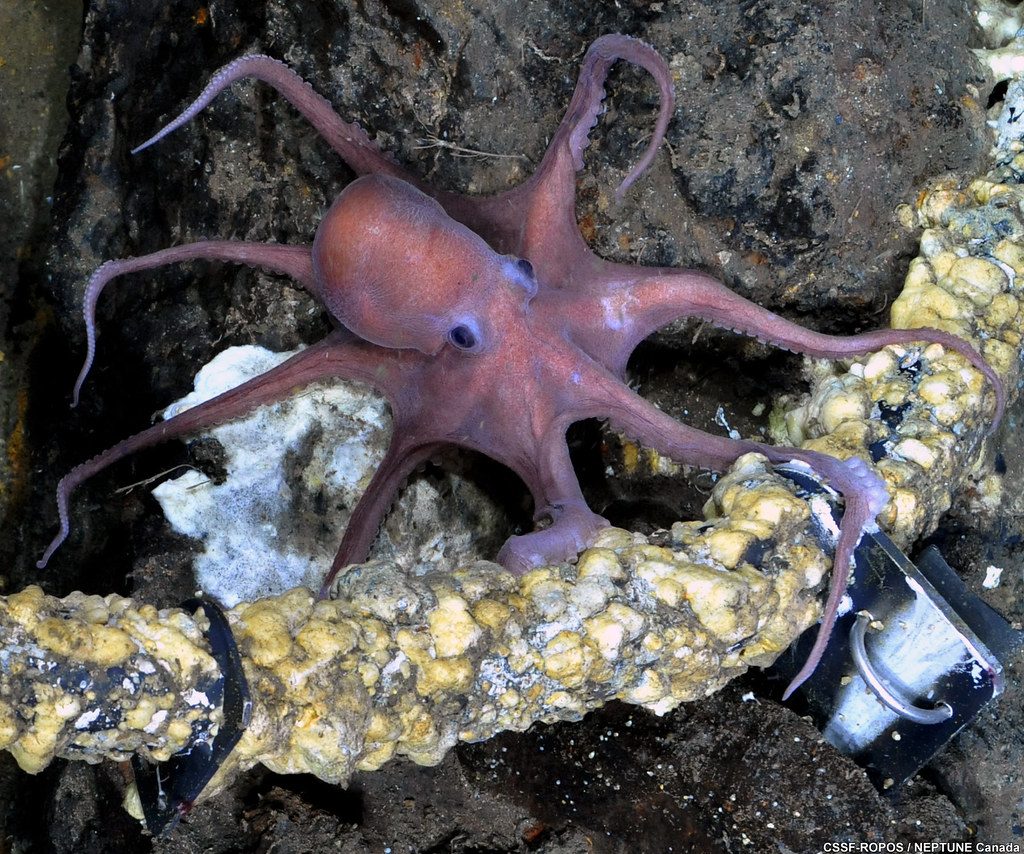
    Octopus at Mothra” by OceanNetworks Canada is licensed under CC BY-NC-SA 2.0

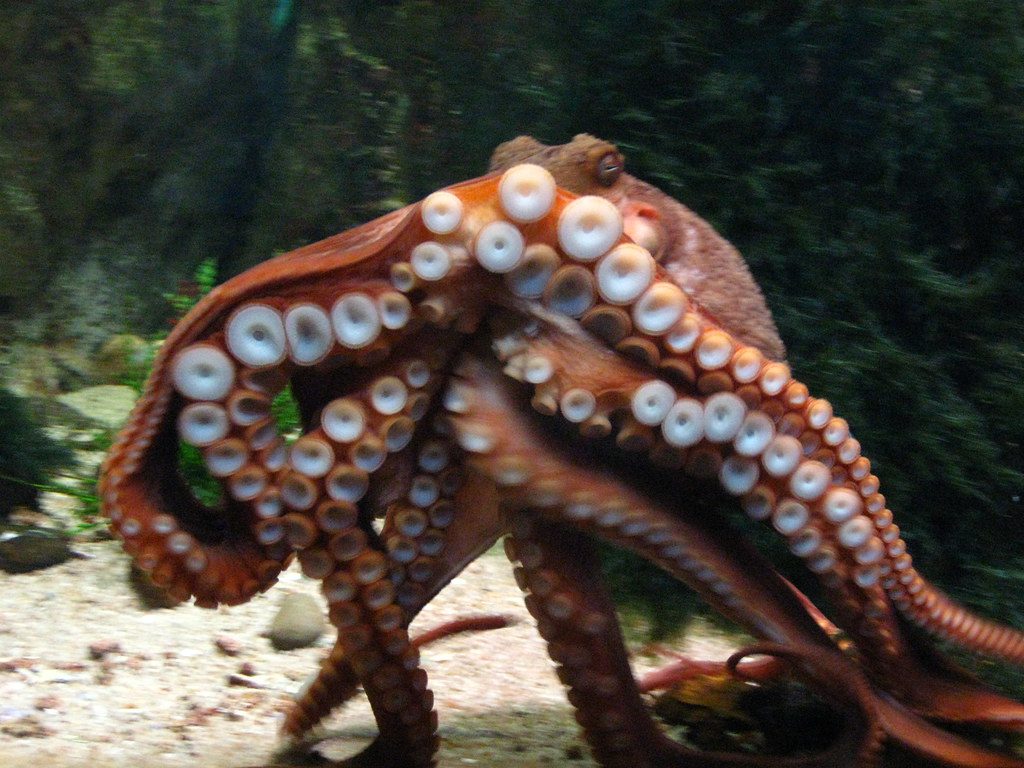
    Each arm is lined with hundreds of suckers that do much more than hold objects. The suckers can also detect touch and taste at the same time. This allows an octopus to explore its environment and identify food even when it cannot clearly see it.

    Because their arms are so flexible, octopuses can open shells, move rocks, and carefully handle objects. Some species have even been observed carrying coconut shells or other items to use later as protective shelters.

    Their lives are short but remarkable

    Octopus” by Elias Levy is licensed under CC BY 2.0

    Even with their impressive abilities, most octopus species live only one to three years. They grow quickly, reproduce once, and then die. Female octopuses spend their final weeks protecting and cleaning their eggs until they hatch, often without eating.

    Scientists continue to study octopuses because they combine intelligence, flexibility, and unique biology in ways rarely seen in other animals. Every new discovery helps us better understand how these extraordinary creatures survive and thrive in oceans around the world.

  • The enormous sea creatures most people never see

    The enormous sea creatures most people never see

    The enormous sea creatures most people never see live far below the ocean’s surface, where sunlight barely reaches. Because these animals stay in deep or open waters, very few people ever see them alive. Some are the biggest animals on Earth, while others are so rare that scientists have only recently captured them on camera.

    In this article, you’ll discover six amazing ocean giants, where they live, why they are so hard to find, and what makes each one special. By the end, you’ll have a better understanding of the hidden giants that call the ocean home.

    Blue whales rule the ocean

    Blue Whale” by flickkerphotos is licensed under CC BY-NC-ND 2.0

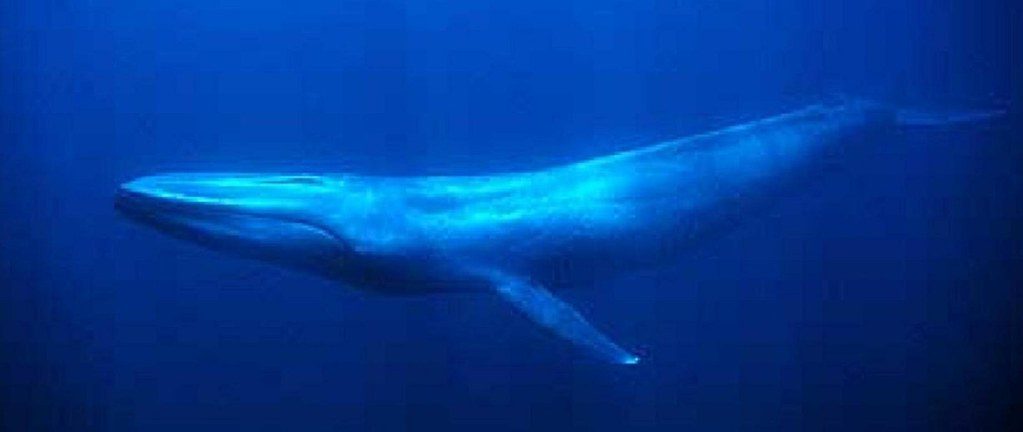
    The blue whale is the largest animal ever known to live on Earth. Adults can grow to about 100 feet long and weigh more than 150 tons. Even though they are huge, they mostly eat tiny shrimp-like animals called krill by filtering them from seawater.

    Blue whales spend much of their lives in deep offshore waters, which is why many people never see one. They travel long distances between feeding and breeding areas and are protected in many parts of the world because commercial whaling greatly reduced their numbers in the past.

    Giant squids stay hidden in the deep

    Giant Squid and Normal Squid” by Zach Bonnell is licensed under CC BY-NC-ND 2.0

    The giant squid is one of the ocean’s greatest mysteries. It can grow more than 40 feet long and has some of the largest eyes in the animal kingdom. Those giant eyes help it spot predators and prey in the dark depths.

    Scientists rarely see giant squids alive because they usually live hundreds or even thousands of feet below the surface. Most early knowledge came from animals caught in fishing nets or remains found inside sperm whales. Only in recent years have cameras captured more evidence of these elusive giants.

    Colossal squids remain a mystery

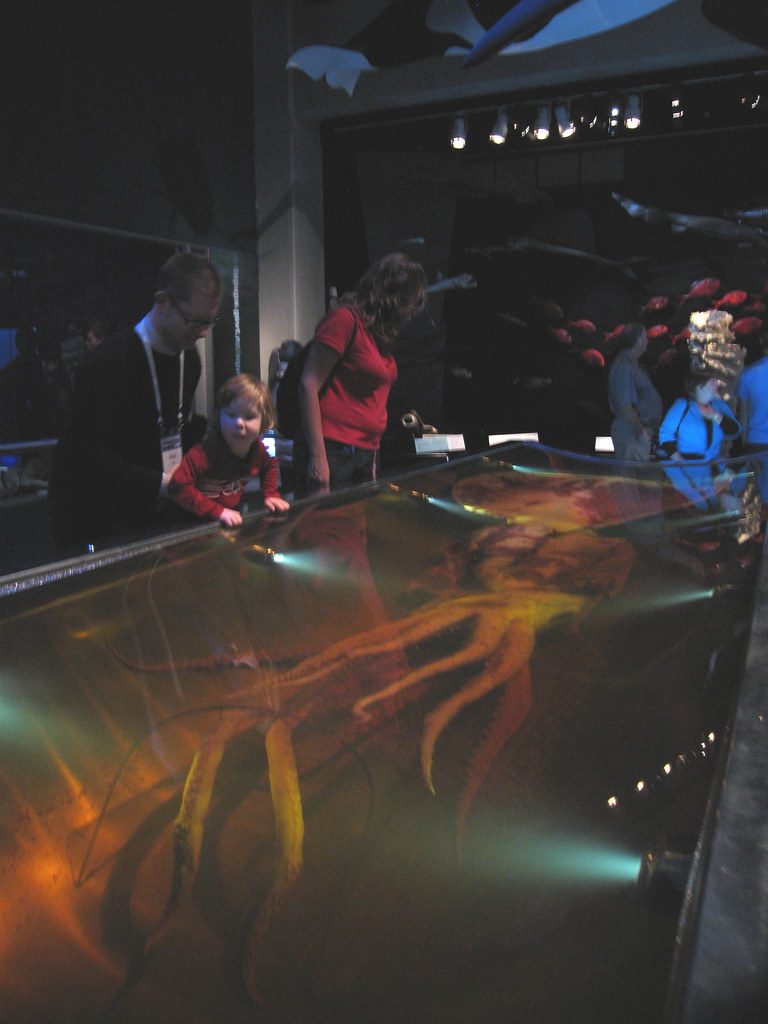
    Colossal squid at Te Papa” by Armchair Caver is licensed under CC BY-NC 2.0

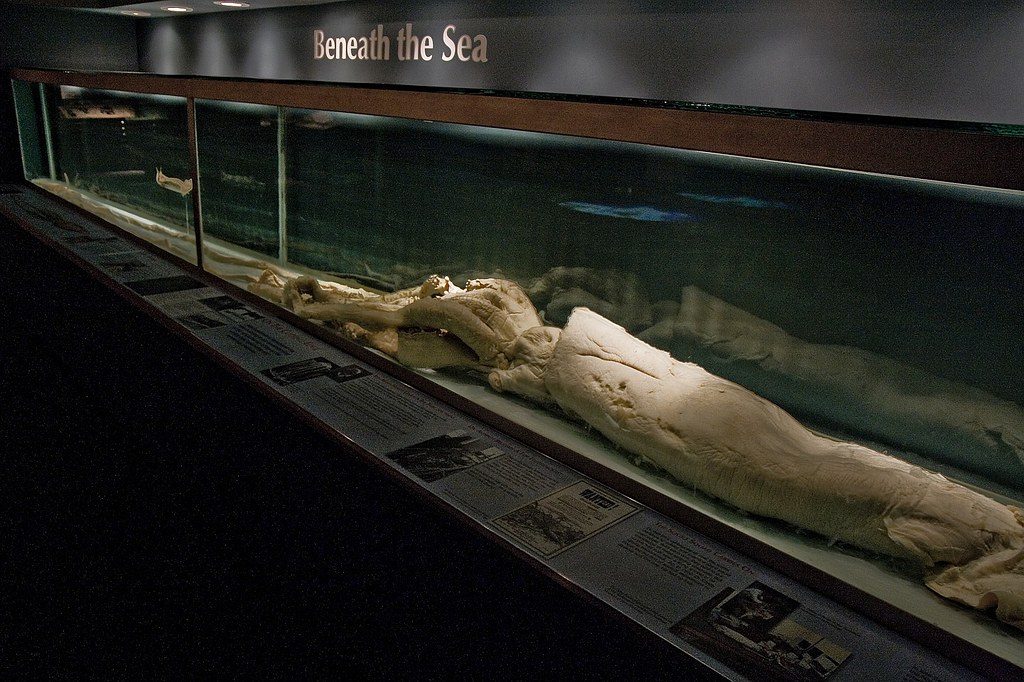
    The colossal squid is different from the giant squid. It is shorter but much heavier and is considered the world’s heaviest invertebrate. It also has sharp hooks on its arms and huge eyes that help it survive in the dark waters around Antarctica.

    For more than 100 years, scientists searched for a living colossal squid in its natural habitat. In 2025, researchers recorded the first confirmed video of a live juvenile colossal squid in the deep ocean, showing how little we still know about this remarkable animal.

    Whale sharks are gentle giants

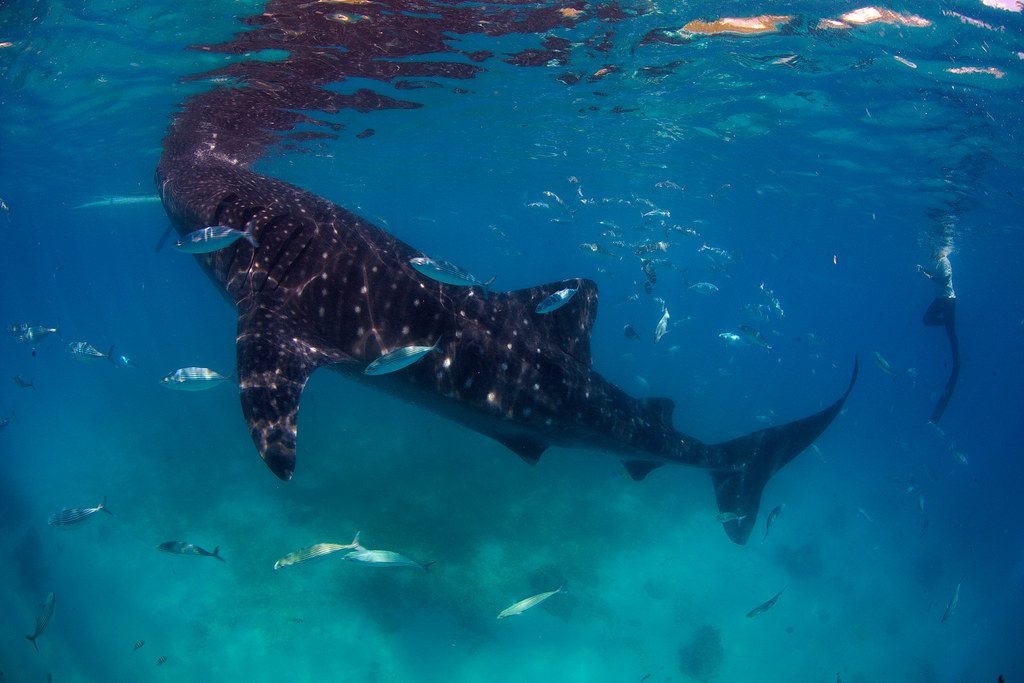
    Look at the small human next to the whale shark” by PacificKlaus is licensed under CC BY-NC 2.0

    The whale shark is the largest fish alive today. It can grow over 40 feet long, yet it feeds mainly on tiny plankton, small fish, and fish eggs. Despite its size, it is calm and is not known to hunt people.

    Whale sharks live in warm oceans around the world but spend much of their time far from shore. Because they travel across huge areas of open ocean and dive deep, many people never have the chance to see one in the wild. The species is listed as endangered because of fishing, ship strikes, and habitat threats.

    Giant oarfish inspire sea monster stories

    oarfish” by Tim Evanson is licensed under CC BY-SA 2.0

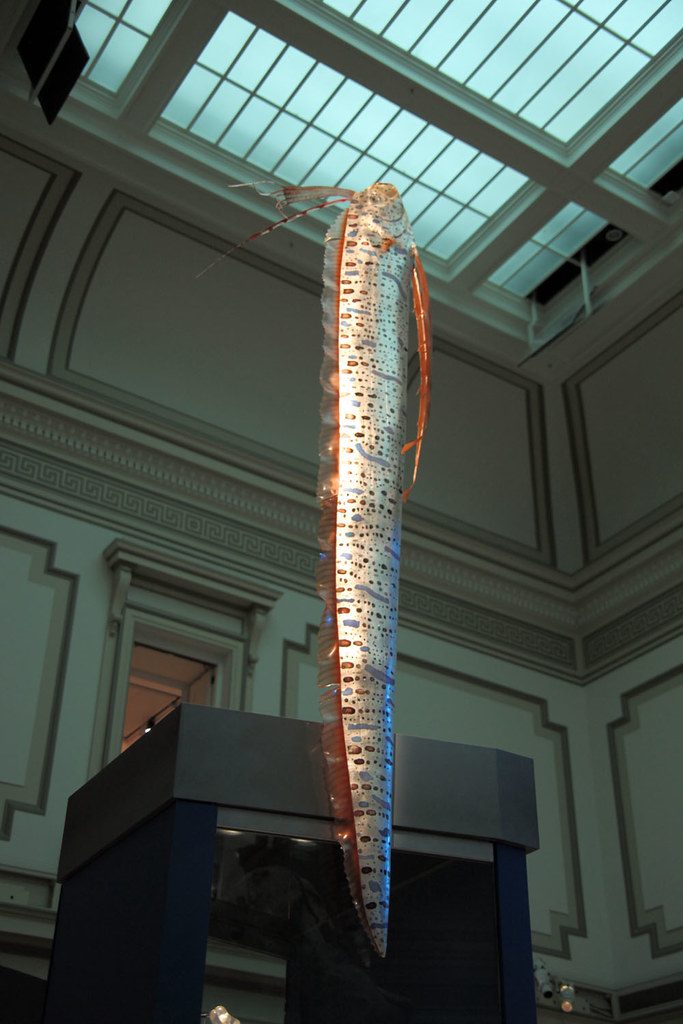
    The giant oarfish is a long, silver fish that can reach about 30 feet in length. It has a ribbon-like body and bright red fins, giving it a strange appearance unlike most other fish.

    Oarfish usually live in deep ocean waters and are rarely seen by humans. Most sightings happen when sick or dying fish drift close to the surface or wash onto beaches. Their unusual shape has inspired many old stories about mysterious sea serpents.
    Giant siphonophores stretch for amazing distances

    Giant Siphonophore, Praya dubia” by J.J. Maughn is licensed under CC BY-NC-ND 2.0

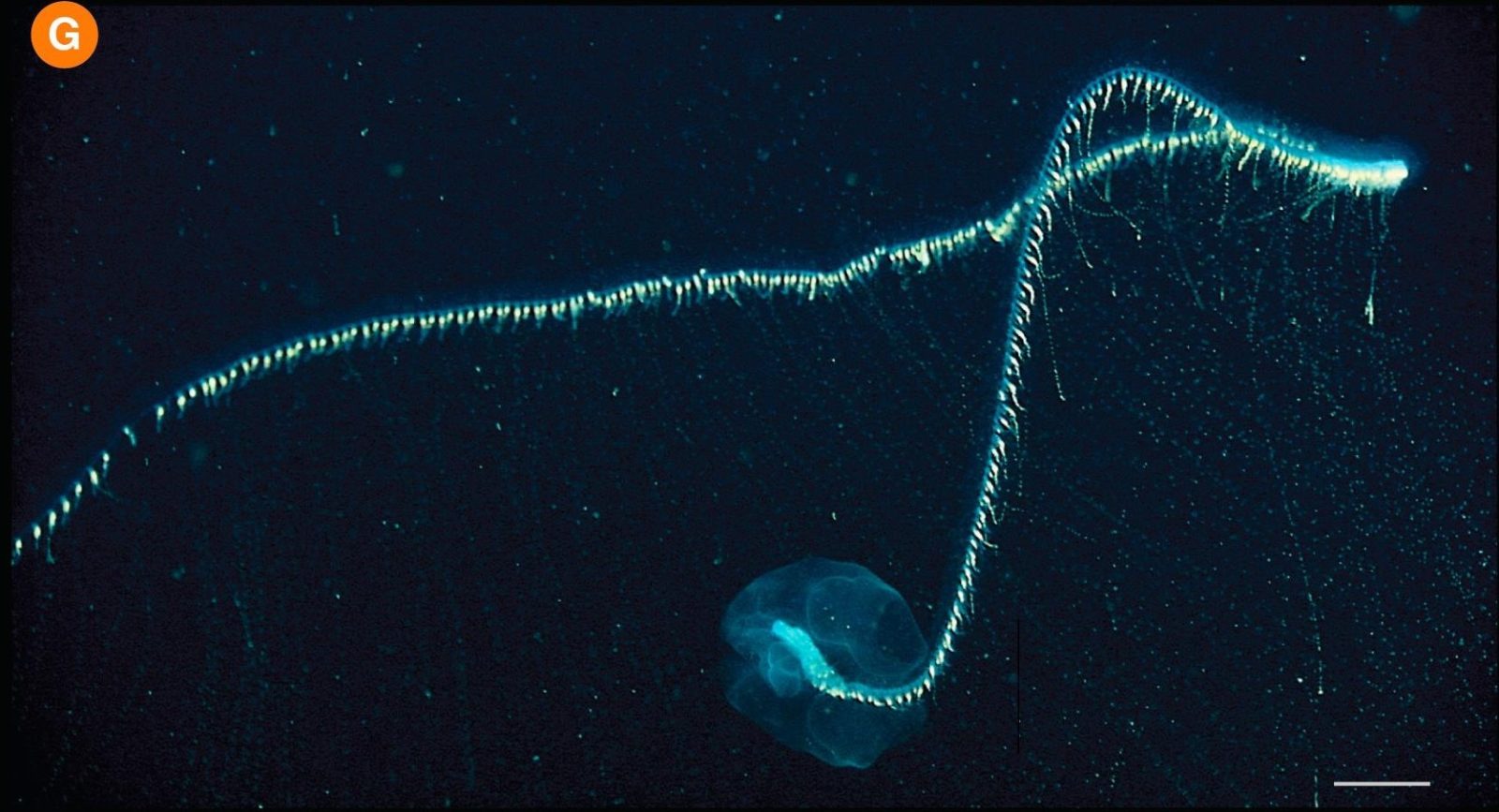
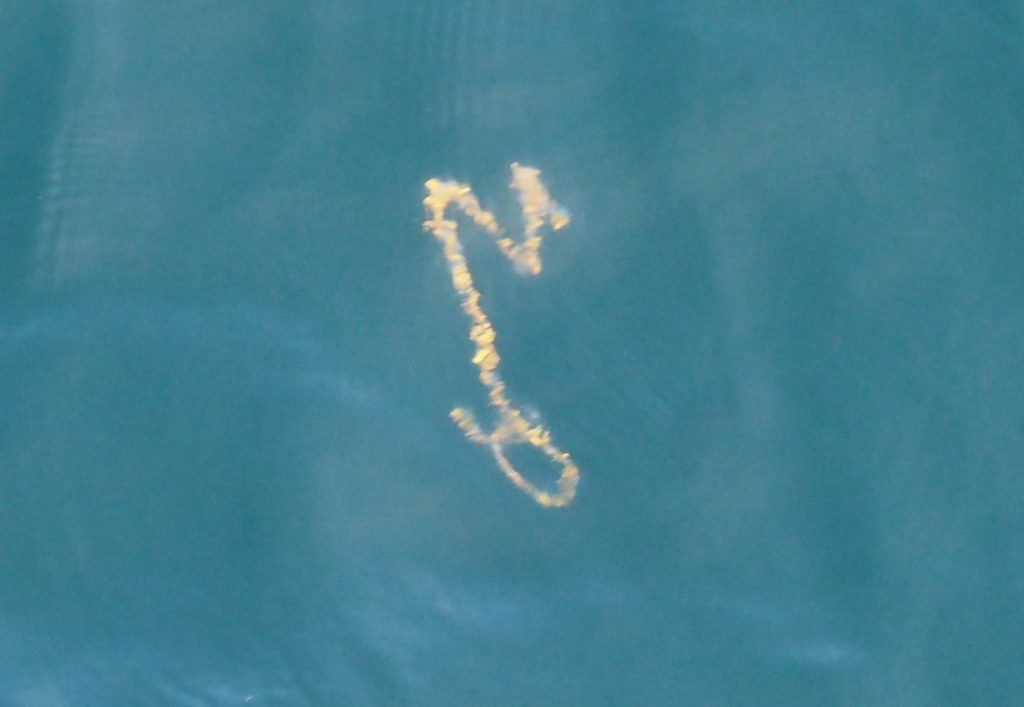
    A giant siphonophore may look like one giant animal, but it is actually a colony made of many tiny animals working together. Each part has its own job, such as feeding, swimming, or reproducing.

    Some giant siphonophores can grow longer than a blue whale, making them among the longest animals ever recorded. They drift through deep ocean waters, where special underwater vehicles have helped scientists discover just how large these fragile creatures can become.

  • A baby deer’s unexpected visit melted everyone’s hearts

    A baby deer’s unexpected visit melted everyone’s hearts

    Have you ever wondered what happens when a wild animal chooses to trust a human? The story of a baby deer’s unexpected visit has touched millions of people online because it shows how kindness can change a life. According to a widely shared online story, a woman named Julia rescued two newborn roe deer after finding them alone in the forest.

    Although only one survived, the little deer, called Banchik, formed a remarkable bond with his rescuer. This article explores the viral story, explains why it captured so many hearts, and shares what it teaches us about caring for wild animals with compassion and respect.

    How Julia found the tiny fawns

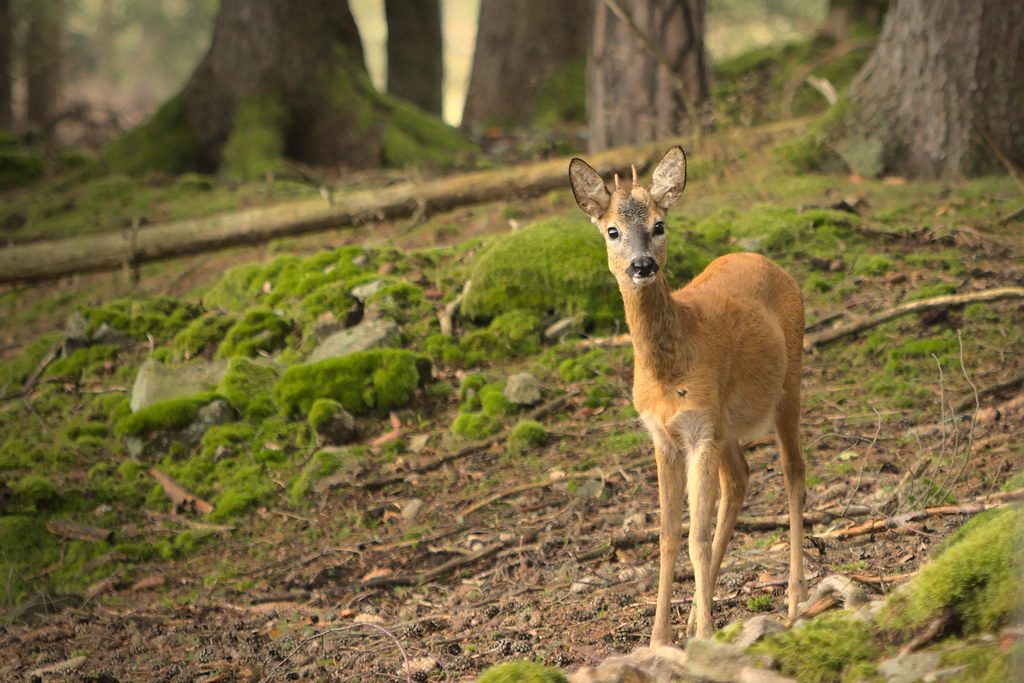
    Roe Deer at Forest How” by Peter G Trimming is licensed under CC BY 2.0

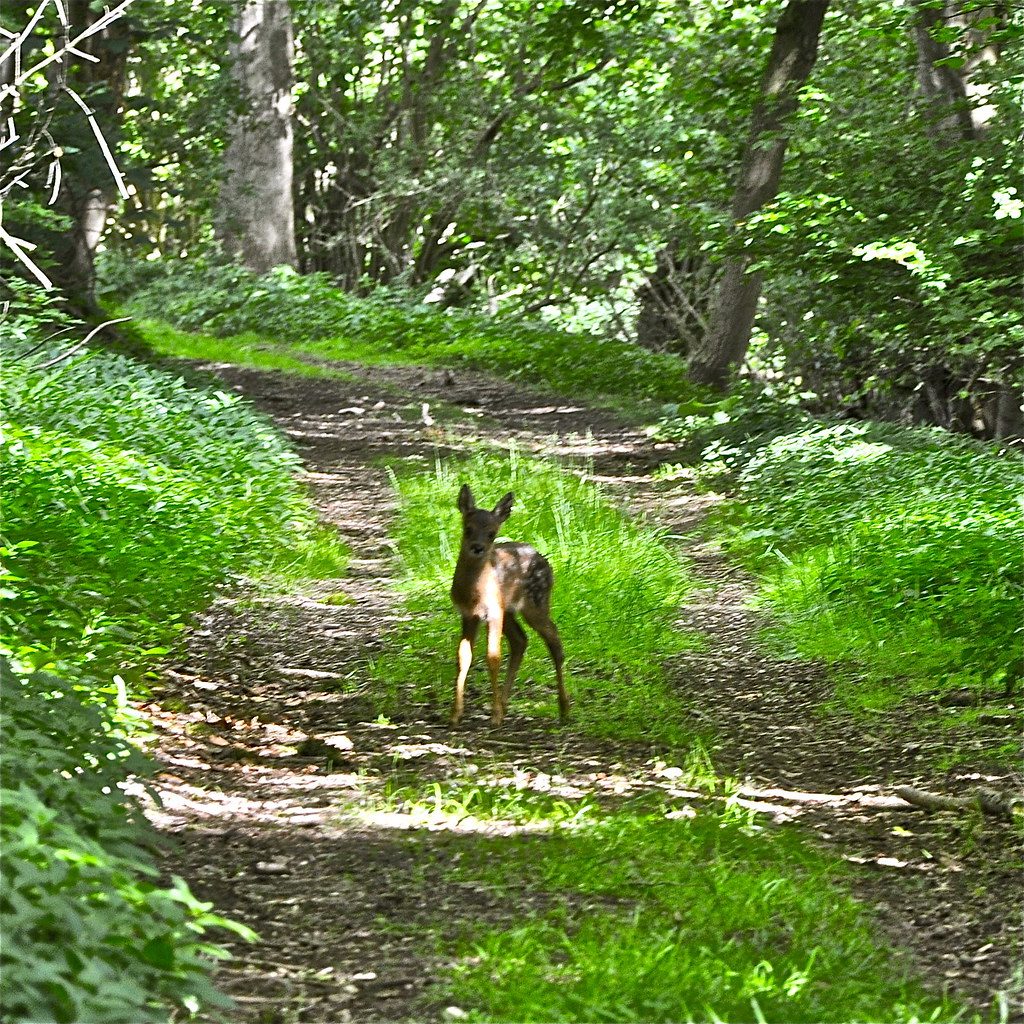
    According to the widely shared story, Julia discovered two newborn roe deer lying alone in the forest. They were so weak that they could not stand on their own, and after waiting for their mother to return, it became clear that the fawns needed help.

    Julia began feeding the babies with bottles and cared for them day and night. Sadly, one of the fawns did not survive. The remaining deer, named Banchik, slowly grew stronger thanks to her dedicated care.

    Banchik formed a special friendship

    Jeune chevreuil – young roe deer” by Jeanne Menjoulet is licensed under CC BY 2.0

    As Banchik recovered, he became very comfortable around Julia. Instead of staying far away, the young roe deer often followed her and enjoyed spending time close to the person who had saved his life.

    Videos shared online show Banchik visiting Julia’s home, hopping inside, curling up on her bed, and happily accepting hugs. These gentle moments helped the story spread across social media and touched viewers around the world. The story is primarily documented through Julia’s videos rather than independent news reporting.

    Why the story touched so many people

    A person holding a smart phone with social media on the screen
    Photo by Berke Citak on Unsplash

    People connected with the story because it showed trust between a wild animal and a human. Seeing a normally shy roe deer act so relaxed around Julia reminded many viewers that kindness can have a lasting impact.

    The story also highlighted the patience required to care for orphaned wildlife. Bottle-feeding a newborn deer takes constant attention, making Julia’s commitment especially meaningful to animal lovers.

    The importance of helping wildlife correctly

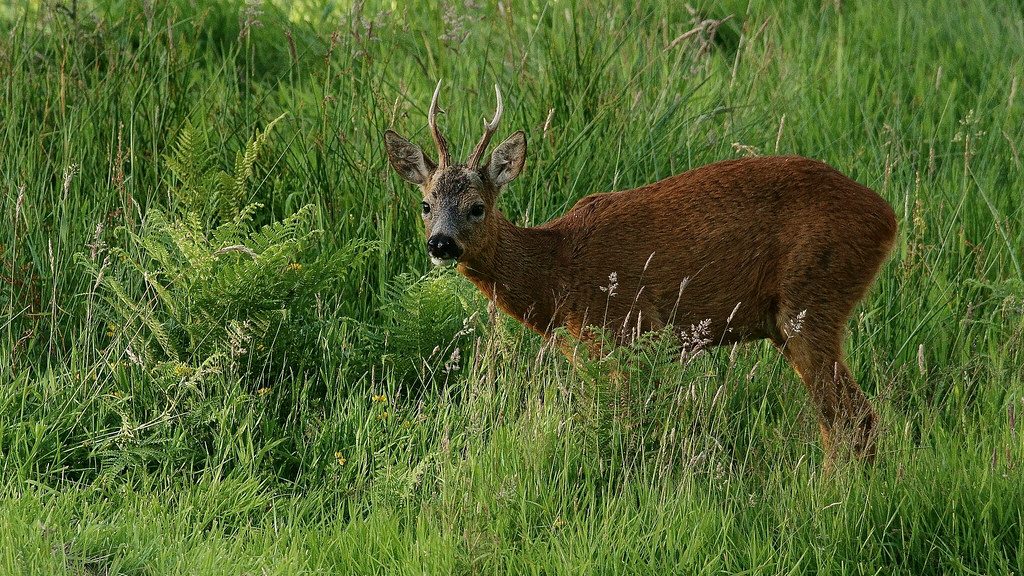
    Inquisative young Roe Deer” by petelovespurple is licensed under CC BY-NC 2.0

    Wildlife experts remind people that not every fawn found alone needs rescuing. Mother deer often leave their young hidden while they search for food and usually return after several hours.

    A fawn should only be rescued if it is clearly injured, in immediate danger, or truly orphaned. In those situations, licensed wildlife rehabilitators are the best people to provide proper care and give the animal the greatest chance of returning to the wild.

    Banchik’s memory lives on

    Man is looking at a screen with his head down.
    Photo by Alicia Christin Gerald on Unsplash

    Although Banchik’s life was sadly short, the memories he created continue to inspire people. His playful visits and loving personality remain some of the most memorable moments shared by Julia.

    The story reminds us that every rescued animal matters, even if the time together is brief. Acts of compassion can leave a lasting impression on both people and animals.

    What we can learn from this story

    Young Roe Deer (Capreolus capreolus)” by Vulpes_podšitá is licensed under CC BY 2.0

    Whether every detail of the viral story can be independently confirmed or not, its message is easy to understand. Caring for animals with patience, respect, and responsibility can make a real difference when they truly need help.

    At the same time, wild animals belong in nature whenever possible. The best way to protect them is to admire them from a safe distance and contact wildlife professionals if they are genuinely in trouble.

  • The crocodile blamed for hundreds of terrifying attacks

    The crocodile blamed for hundreds of terrifying attacks

    Have you ever wondered if one crocodile could terrorize an entire region for decades? The crocodile blamed for hundreds of attacks is known as Gustave, a giant Nile crocodile that has become one of Africa’s most famous wildlife legends.

    While stories about him have spread around the world, not every claim has been proven. In this article, you’ll learn who Gustave is, where he lives, why people fear him, what experts know for sure, and how fact and legend have mixed together over the years.

    Who is Gustave the crocodile?

    jeans et chemises vagues” by unautreroman is licensed under CC BY-NC-SA 2.0

    Gustave is a large male Nile crocodile believed to live in Burundi, East Africa, mainly in the Ruzizi River and along the northern shores of Lake Tanganyika. He was named by French naturalist Patrice Faye, who studied the crocodile for years and tried to capture him for research.

    Experts estimate Gustave may be over 20 feet long and weigh close to one ton, although no one has ever measured him directly. He is easy to recognize because of several scars on his body that likely came from failed attempts to kill him.

    Why is he linked to so many attacks?

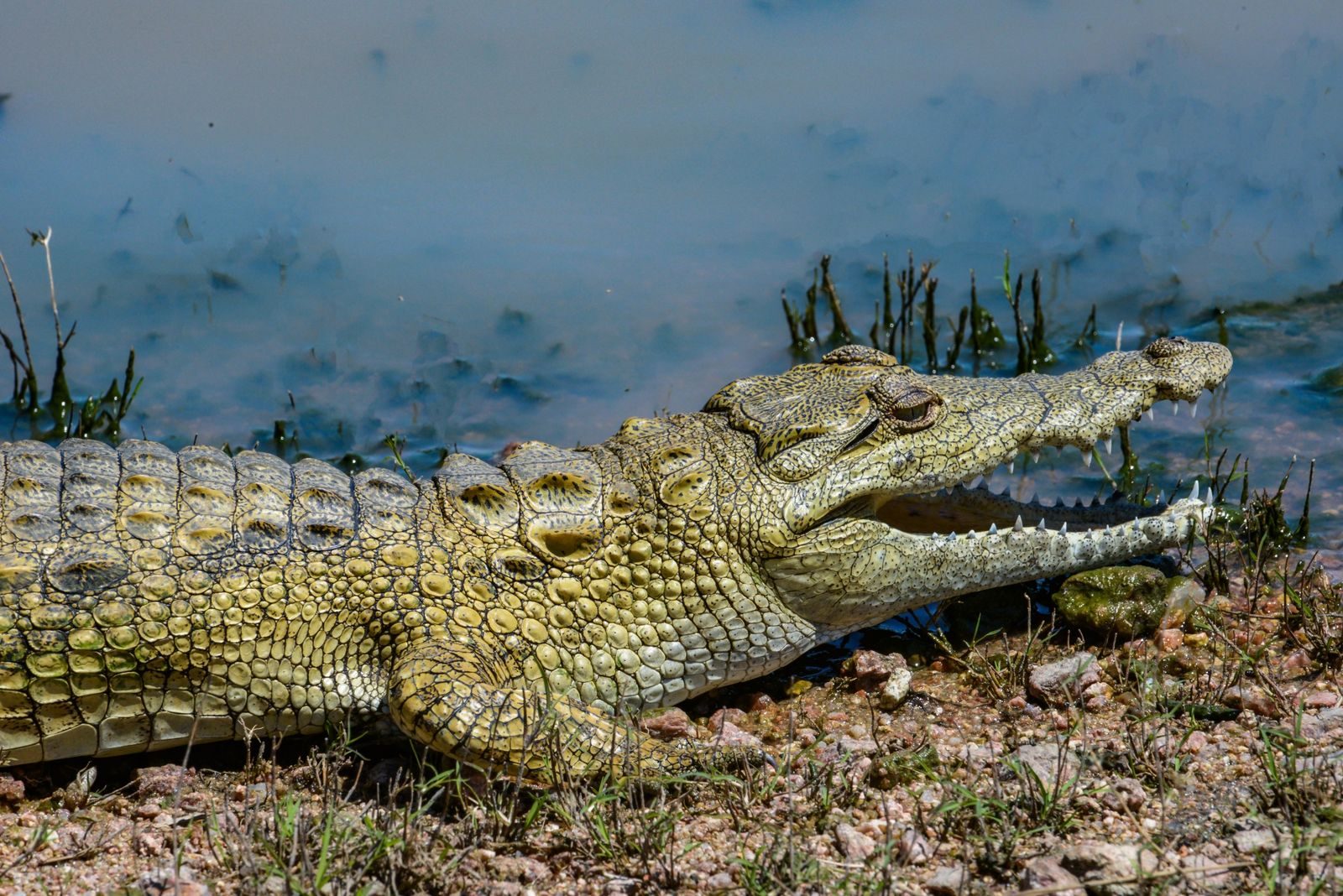
    Nile crocodile” by pk2004 is licensed under CC BY 2.0

    Gustave is often blamed for killing as many as 200 to 300 people since the late 1980s. However, wildlife experts say those numbers cannot be fully verified because many attacks in remote parts of Burundi were never officially recorded.

    Some researchers believe the true number of victims may be much lower, possibly around 60 or fewer. Even so, Gustave has earned a frightening reputation because witnesses have connected him to multiple deadly attacks over many years.

    Why are Nile crocodiles so dangerous?

    Nile Crocodile (Crocodylus niloticus)” by Arno Meintjes Wildlife is licensed under CC BY-NC-SA 2.0

    The Nile crocodile is one of the world’s most dangerous reptiles. It lives close to rivers and lakes where people fish, collect water, wash clothes, or travel by boat. This close contact increases the chance of attacks.

    Unlike many predators, Nile crocodiles are patient ambush hunters. They wait quietly beneath the water before striking with incredible speed. Large adults are strong enough to overpower people and many large animals, making them responsible for more fatal crocodile attacks than any other crocodile species.

    Why has Gustave never been captured?

    man in orange and black backpack
    Photo by Matthew Maaskant on Unsplash

    Several attempts have been made to catch Gustave, including the use of large traps and heavy cages. None have succeeded, and the crocodile has continued to avoid capture.

    His survival is not necessarily because he is unusually intelligent. Experts say capturing an enormous wild crocodile is extremely difficult. These animals may eat only occasionally, making baited traps less effective, and they can easily disappear into large river systems.

    Fact versus legend

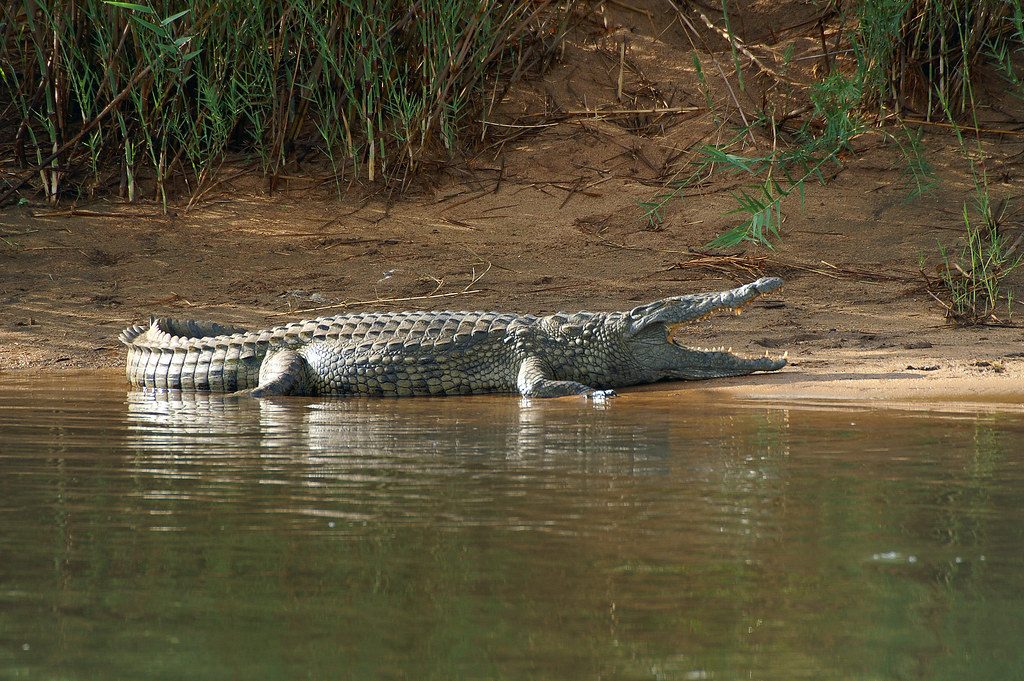
    Nile Crocodile / Masai River / Kenya” by fotopamas is licensed under CC BY 2.0

    Many stories claim Gustave kills people without eating them or hunts simply for sport. Scientists have found no strong evidence to prove these claims, and many details have likely grown through local storytelling over time.

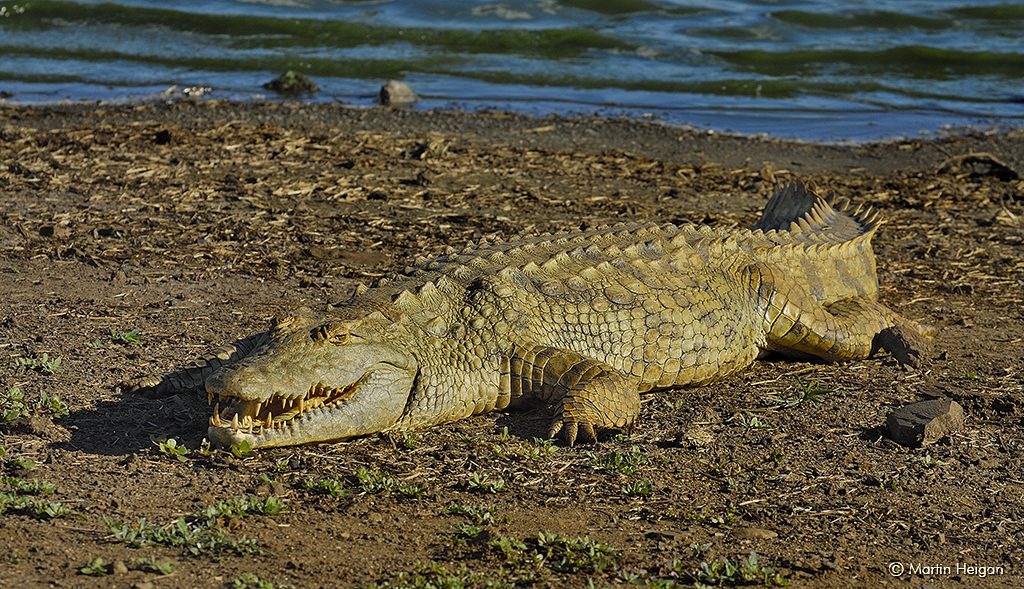
    What is supported by evidence is that a very large scarred Nile crocodile has lived in Burundi and has been photographed. Researchers also agree that he has become a symbol of the danger crocodiles can pose where people and wildlife share the same waterways.

    What can people learn from Gustave?

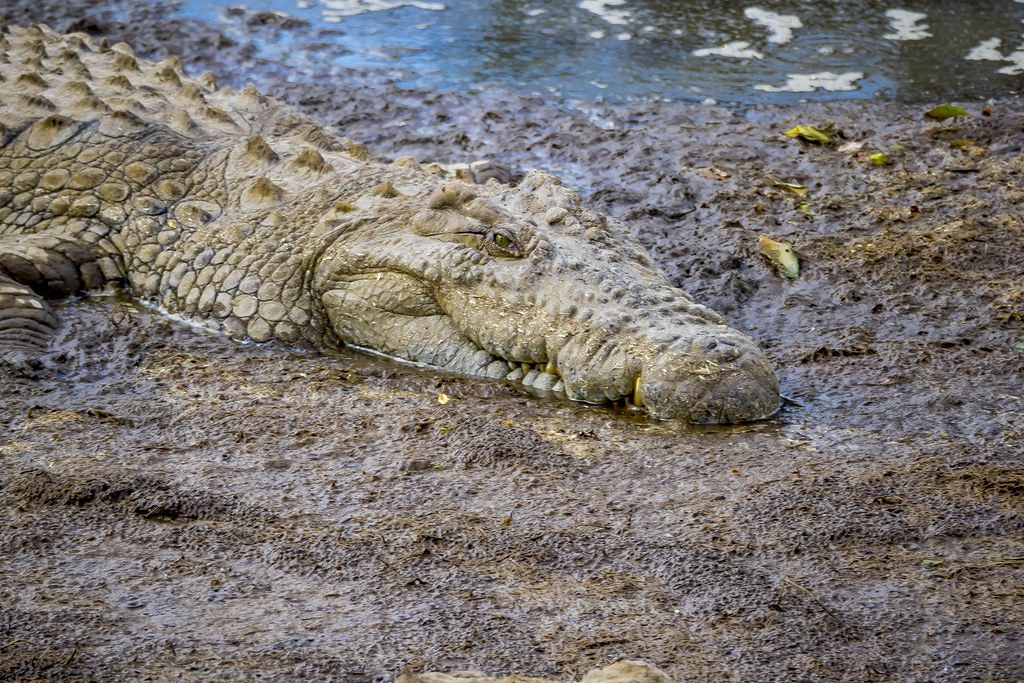
    Nile crocodile” by Martin_Heigan is licensed under CC BY-NC-ND 2.0

    Gustave’s story reminds us that wild animals deserve both respect and caution. People living near crocodile habitats can reduce risk by avoiding riverbanks at dawn and dusk, staying away from known crocodile areas, and using safe places to collect water whenever possible.

    The story also shows why it is important to separate proven facts from rumors. While Gustave’s exact number of victims remains uncertain, his legend has helped raise awareness about crocodile safety and the challenges of living alongside one of Africa’s top predators.

  • How one tiny hippo captured hearts around the world

    How one tiny hippo captured hearts around the world

    Have you ever wondered how one baby animal became one of the biggest stars on the internet? How one tiny hippo captured hearts around the world is the story of Moo Deng, a playful pygmy hippopotamus whose funny faces and energetic personality made millions of people smile.

    Her rise to fame was about more than cute videos. It also brought attention to an endangered species and started conversations about wildlife care. This article explains who Moo Deng is, why she became famous, and what people can learn from her incredible journey.

    Meet Moo Deng

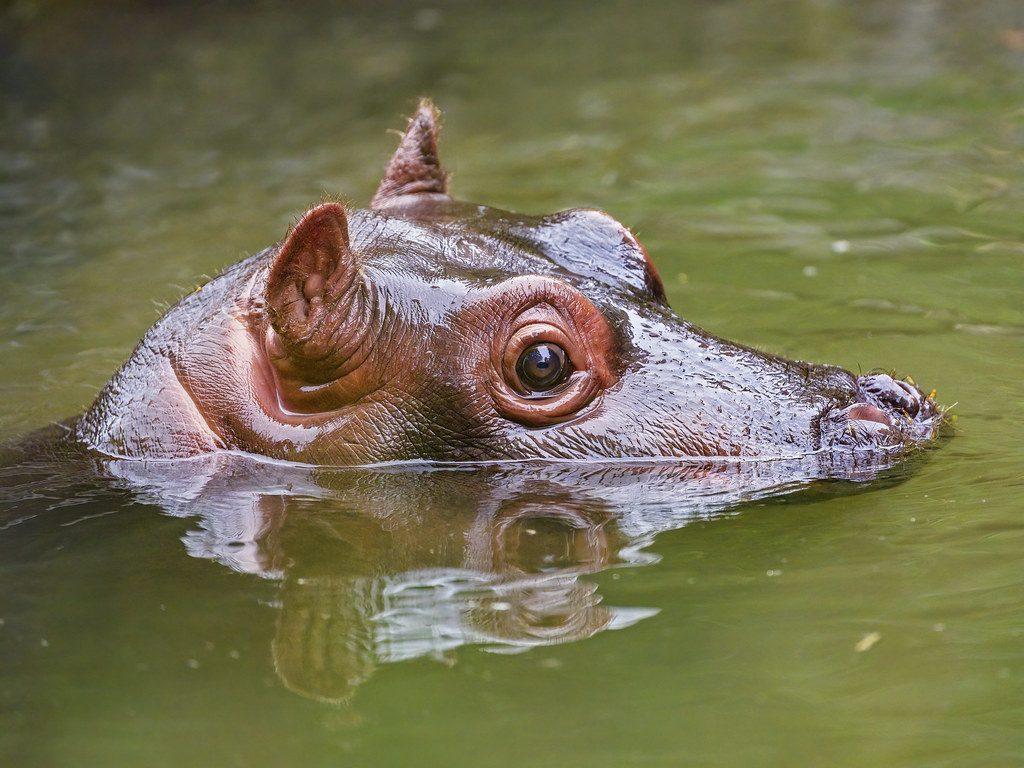
    Baby hippo at the surface” by Tambako the Jaguar is licensed under CC BY-ND 2.0

    Moo Deng is a female pygmy hippopotamus born on July 10, 2024, at Khao Kheow Open Zoo in Chonburi, Thailand. Her name means “bouncy pork” in Thai and was chosen through a public vote with more than 20,000 participants.
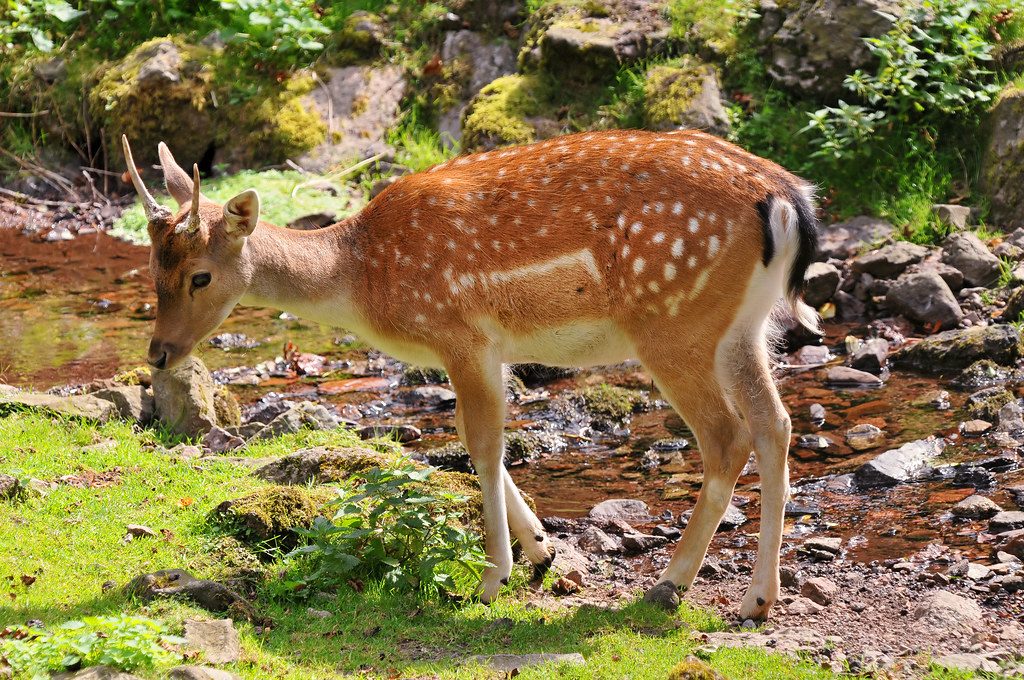
    Unlike the much larger common hippo, pygmy hippos are smaller, shy animals that naturally live in the forests and swamps of West Africa. They are listed as endangered because of habitat loss and hunting, making every healthy birth important for the species.
    Why the internet fell in love

    A person holding a smart phone with social media on the screen
    Photo by Berke Citak on Unsplash

    Moo Deng became famous in September 2024 after her zoo shared videos and photos of her online. People loved her bright eyes, tiny size, playful runs, and funny habit of gently nibbling on her caretakers during feeding and playtime.

    Her videos spread quickly across social media, inspiring memes, artwork, toys, and even makeup trends. Fans from many countries followed her daily adventures because her playful personality brought joy during stressful times.

    A boost for the zoo

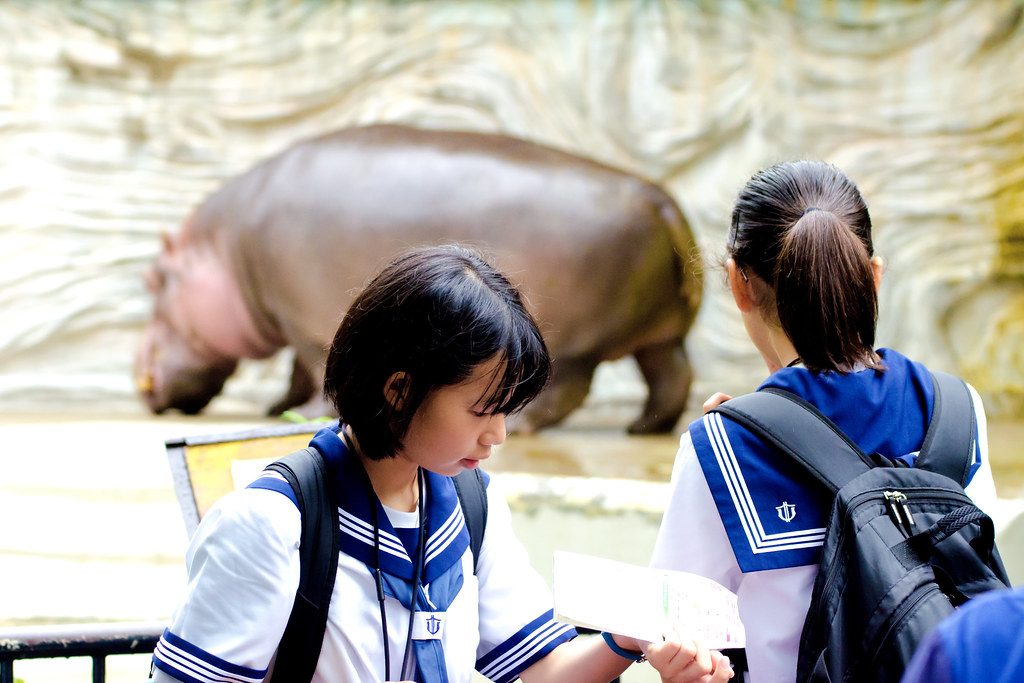
    Pygmy Hippopotamus with Junior High School Girls in Ueno Zoo : 女学生とコビトカバ(上野動物園)” by Dakiny is licensed under CC BY-NC-ND 2.0

    As Moo Deng’s popularity grew, thousands more people visited Khao Kheow Open Zoo. Visitor numbers doubled within weeks, and the zoo added time limits so everyone had a chance to see the tiny hippo without overcrowding her exhibit.

    The zoo also launched official merchandise featuring Moo Deng and expanded its online content. Her success helped introduce many people around the world to a zoo they had never heard of before.

    Fame also brought challenges

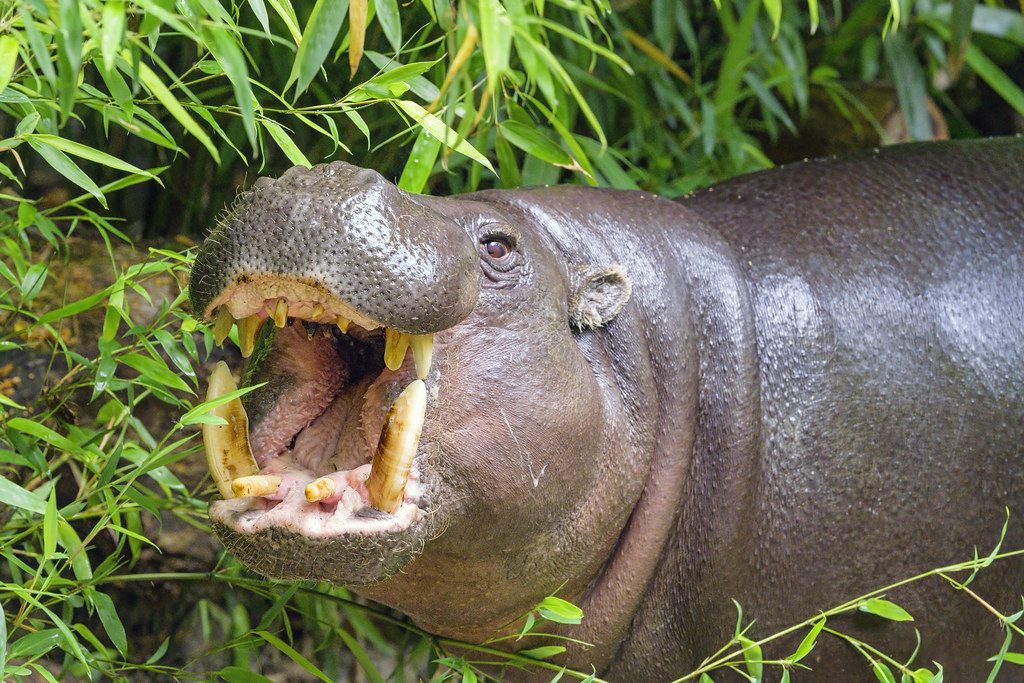
    Pygmy hippo with open mouth” by Tambako the Jaguar is licensed under CC BY-ND 2.0

    Not every part of Moo Deng’s fame was positive. Some visitors threw objects or splashed water to wake her while she was sleeping so they could record videos. Zoo officials strongly condemned this behavior and installed security cameras to protect her.

    Animal welfare groups also reminded people that wild animals deserve respect, even when they become internet stars. The situation showed that popularity should never come before an animal’s health and well-being.

    Helping people learn about pygmy hippos

    Man is looking at a screen with his head down.
    Photo by Alicia Christin Gerald on Unsplash

    Before Moo Deng became famous, many people had never heard of pygmy hippos. Her story encouraged children and adults to learn about this rare species and the forests where it lives.

    Conservation experts hope that public interest in animals like Moo Deng will inspire more people to support wildlife protection. Even though viral fame alone cannot save endangered species, it can help start important conversations about conservation.

    Why Moo Deng’s story still matters

    Closeup of the baby hippo” by Tambako the Jaguar is licensed under CC BY-ND 2.0

    Moo Deng became more than an internet celebrity because she reminded people how powerful simple moments can be. Her playful videos connected people from different countries and cultures through laughter and curiosity.

    Her story also shows that social media can do more than entertain. When used responsibly, it can introduce people to endangered animals and encourage greater appreciation for wildlife around the world.

  • Meet some of the world’s strangest animals

    Meet some of the world’s strangest animals

    Have you ever wondered why some animals look so unusual? The world’s strangest animals may seem like they belong in a science fiction movie, but they are real. Each one has special features that help it survive in its own habitat.

    From deep oceans to thick forests, these amazing creatures have adapted in surprising ways. In this article, you will meet some of the world’s strangest animals, learn where they live, and discover why their odd looks are actually important for survival. By the end, you will see that nature is full of incredible surprises.

    Axolotl never grows up

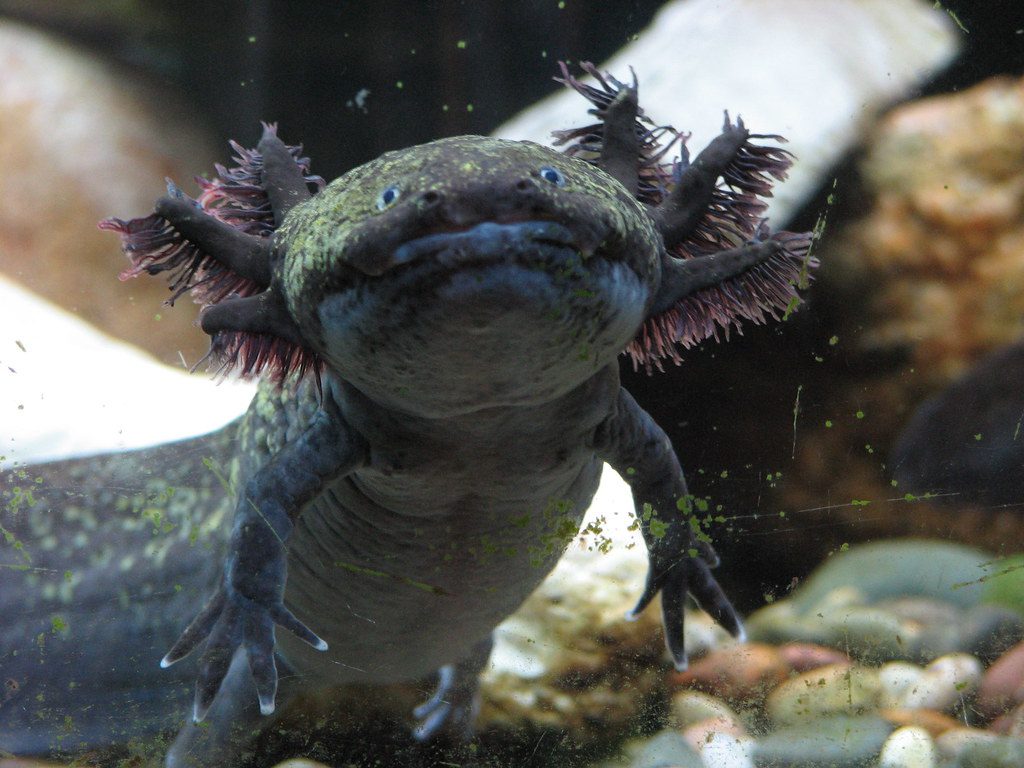
    Axolotl” by guppiecat is licensed under CC BY-NC-ND 2.0

    The axolotl is a rare salamander that lives in the canals of Mexico City. Unlike most salamanders, it keeps its baby features for its entire life. It has feathery gills on the outside of its head that help it breathe underwater. This strange animal spends almost all of its life in water instead of moving onto land.

    Scientists are especially interested in the axolotl because it can regrow lost legs, parts of its heart, its spinal cord, and even sections of its brain. Sadly, wild axolotls are now very rare because of pollution, habitat loss, and invasive fish that eat their eggs.

    Platypus looks like three animals in one

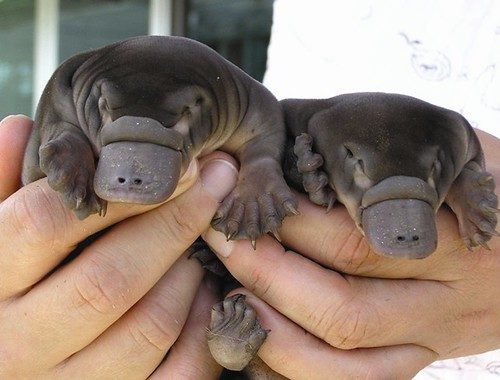
    Baby platypus” by NSW DPI Schools program is licensed under CC BY-NC-SA 2.0

    The platypus is one of the most unusual mammals on Earth. Native to eastern Australia, it has the bill of a duck, the tail of a beaver, and webbed feet like an otter. It lays eggs instead of giving birth to live young, making it one of only a few egg-laying mammals.

    This animal also has amazing hunting skills. It closes its eyes, ears, and nostrils underwater and uses special sensors in its bill to detect tiny electrical signals from moving prey. Male platypuses even have venomous spurs on their back legs that can deliver a painful sting.

    Aye-aye hunts with a long finger

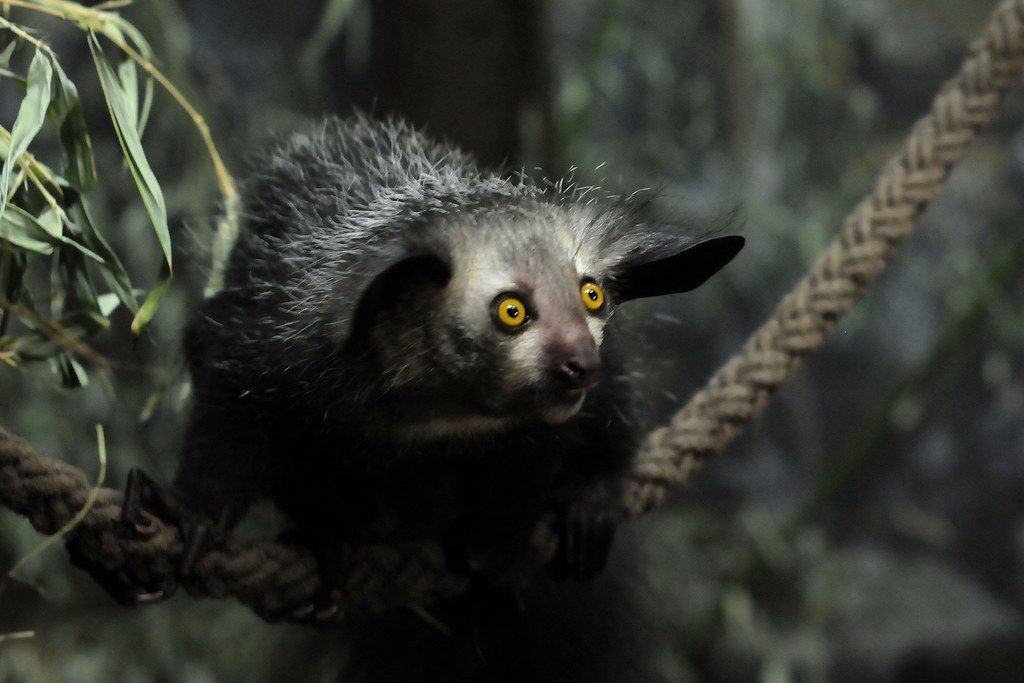
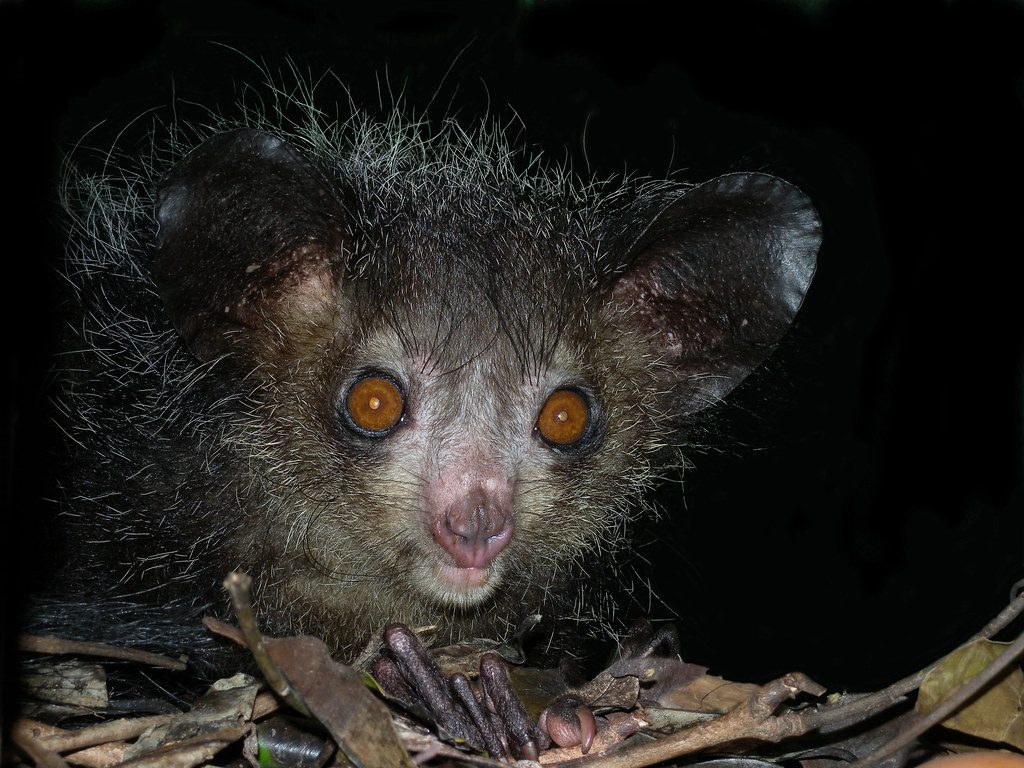
    Aye-aye (Daubentonia madagascariensis), Tsimbazaza Zoo, Madagascar” by Frank.Vassen is licensed under CC BY 2.0

    The aye-aye is a type of lemur found only in Madagascar. It has large eyes, big ears, and a very long middle finger that makes it easy to recognize. While some people once believed it brought bad luck, it is simply a unique animal with helpful adaptations.

    The aye-aye taps on tree bark to find empty spaces where insects are hiding. It then chews a hole with its strong teeth and uses its long finger to pull the insects out. This feeding method helps it find food that many other animals cannot reach.

    Goblin shark lives deep underwater

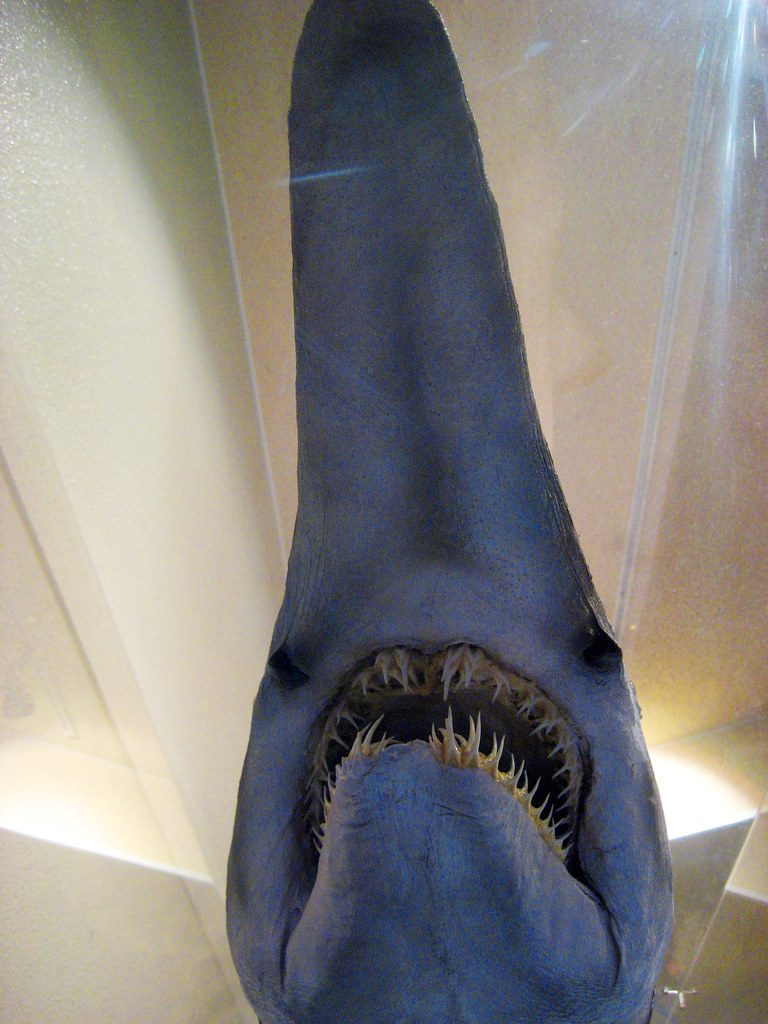
    Snaggle Tooth Hob Goblin” by Hungarian Snow is licensed under CC BY-SA 2.0

    The goblin shark is a deep-sea shark that is rarely seen by people. It has a long, flat snout and pinkish skin because its blood vessels are close to the surface. Scientists often call it a living fossil because its family has existed for millions of years.

    Its most unusual feature is its jaws. When prey comes close, the jaws shoot forward very quickly to grab fish and squid before pulling back into place. This fast strike helps the goblin shark catch food in the dark waters where it lives.

    Saiga has a nose like no other

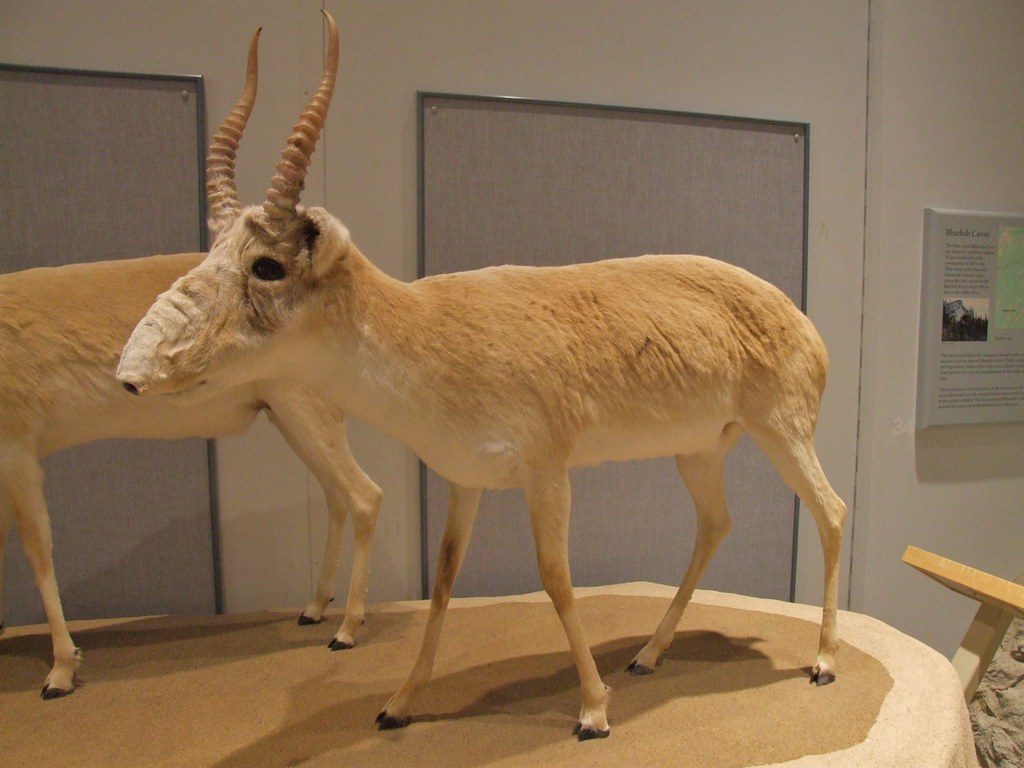
    Saiga Antelope” by Travis S. is licensed under CC BY-NC 2.0

    The saiga is an antelope that lives across the grasslands of Central Asia. Its large, flexible nose gives it a very unusual look, but it has an important job. The nose filters dust during dry seasons and warms cold air before it reaches the lungs in winter.

    Although millions once roamed the grasslands, saiga numbers dropped sharply because of disease outbreaks, habitat changes, and illegal hunting. Conservation work has helped some populations recover, showing that careful protection can make a real difference.

    Star-nosed mole finds food in seconds

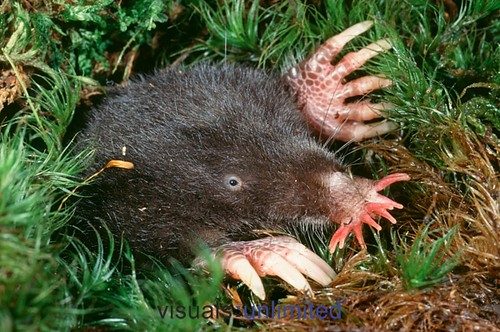
    star-nosed-mole-3” by gordonramsaysubmissions is licensed under CC BY 2.0

    The star-nosed mole lives in wet areas of North America. Its nose is covered with 22 soft, finger-like rays that form a star shape. These tiny touch organs are packed with nerves, making the nose one of the most sensitive body parts found in any mammal.

    Because it cannot see well, the mole depends on its nose to explore the ground. It can identify and eat tiny insects and worms in just a fraction of a second. This incredible sense of touch helps it survive in dark underground tunnels where eyesight is not useful.