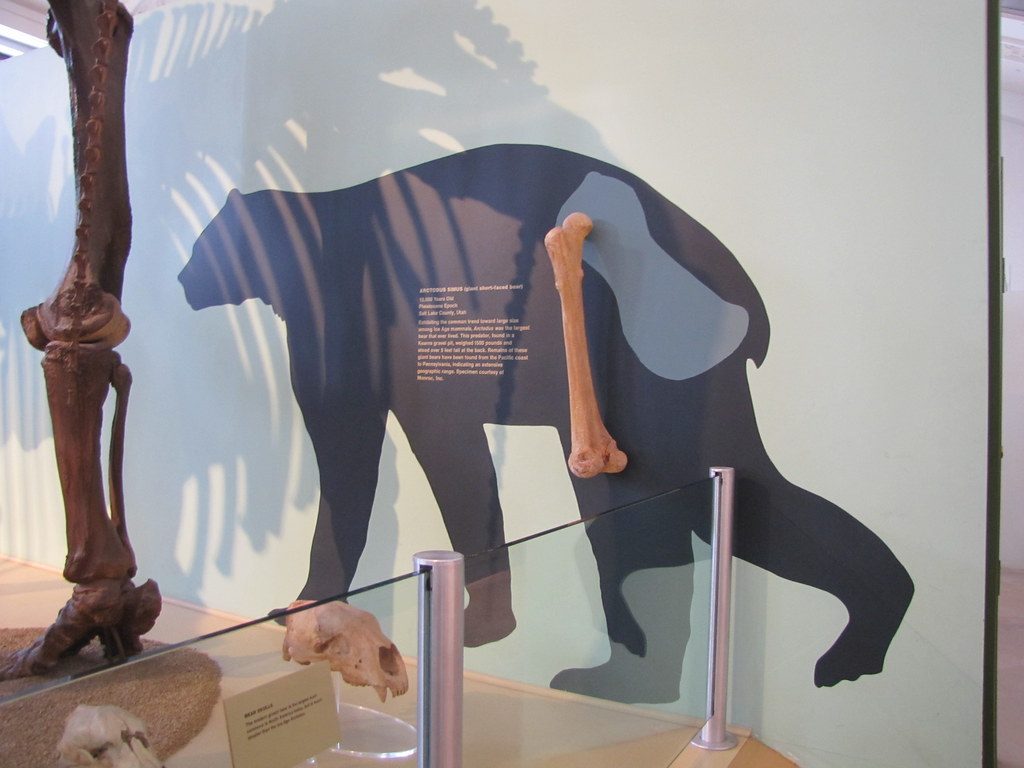
Have you ever wondered what the biggest bear in North America looked like long before people built cities? The giant bear that terrified ancient North America was the giant short-faced bear, known to scientists as Arctodus simus.
It lived during the Ice Age and was one of the largest land meat-eating mammals on the continent. While it looked scary, scientists have learned that it was more than just a fierce hunter. In this article, you will discover where it lived, how big it grew, what it ate, why it disappeared, and what fossils have taught us about this amazing Ice Age animal.
What was the giant short-faced bear?
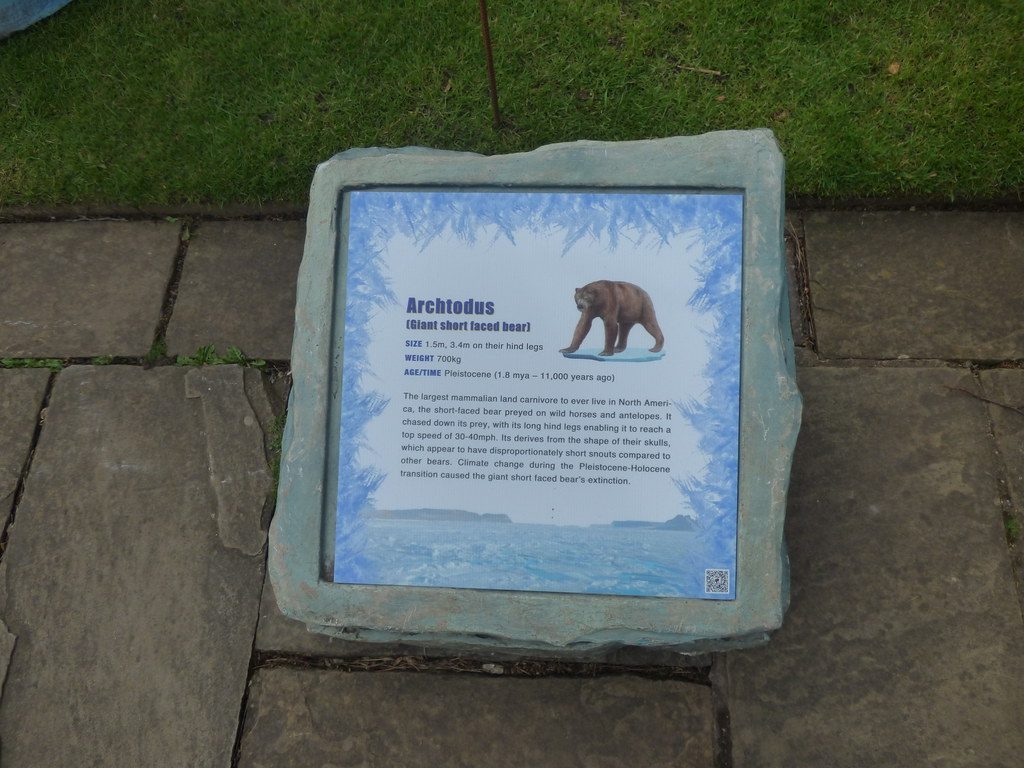
The giant short-faced bear lived across much of North America during the Pleistocene, also called the Ice Age. Fossils have been found in the United States, Canada, and Mexico. It lived until about 12,800 years ago, when many large Ice Age animals disappeared.
Its scientific name was Arctodus simus. It belonged to a group of bears found only in the Americas. Although people often imagine it as a monster that chased everything, scientists now believe it was a flexible animal that could survive in many different environments.
How big was this Ice Age giant?
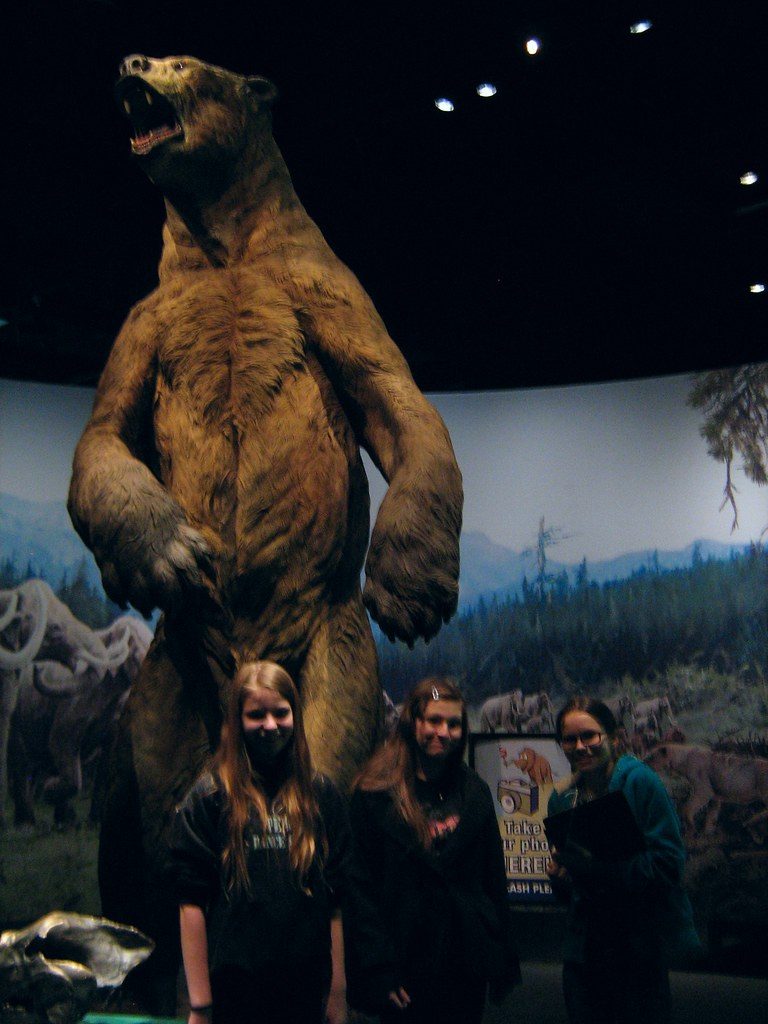
The giant short-faced bear was much larger than today’s grizzly bear. Large males may have weighed around 1,700 pounds or more. When standing on its back legs, some individuals could reach over 11 feet tall, making them one of the tallest bears known.
Its long legs gave it a different shape from modern bears. Instead of looking short and stocky, it had a taller body that helped it travel long distances across open land while searching for food.
What did the giant bear eat?
For many years, scientists believed the giant short-faced bear was mainly a powerful predator that hunted large animals. Newer studies show the picture was more complex. Like many living bears, it was likely an omnivore that ate both plants and animals when possible.
Its menu probably changed depending on where it lived and what food was available. It may have eaten deer, young bison, camels, tapirs, berries, roots, and other plants. It also likely scavenged meat from animals that had already died, using its huge size to claim carcasses from other predators.
Why was it such a successful animal?
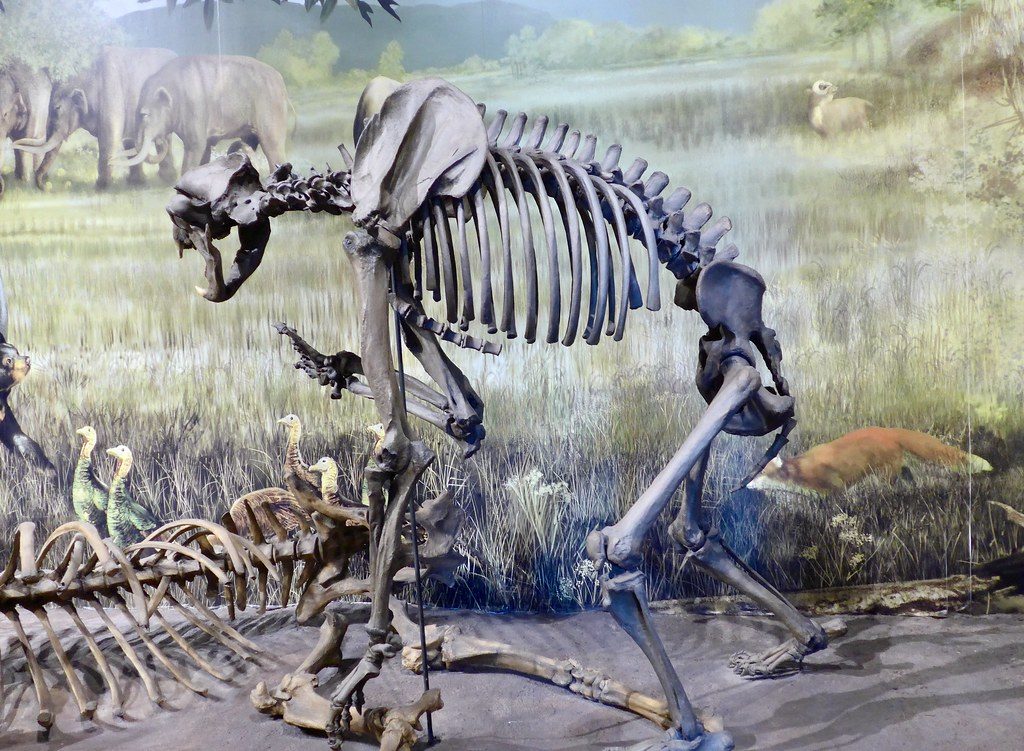
The giant short-faced bear had powerful muscles, strong jaws, and an excellent sense of smell. These features helped it find food across large areas. Its long legs also allowed it to cover more ground than many other Ice Age bears.
It shared North America with mammoths, giant ground sloths, saber-toothed cats, dire wolves, and American lions. Instead of always fighting these animals, it probably used different feeding strategies depending on the situation, helping it survive in changing environments.
Why did the giant bear disappear?
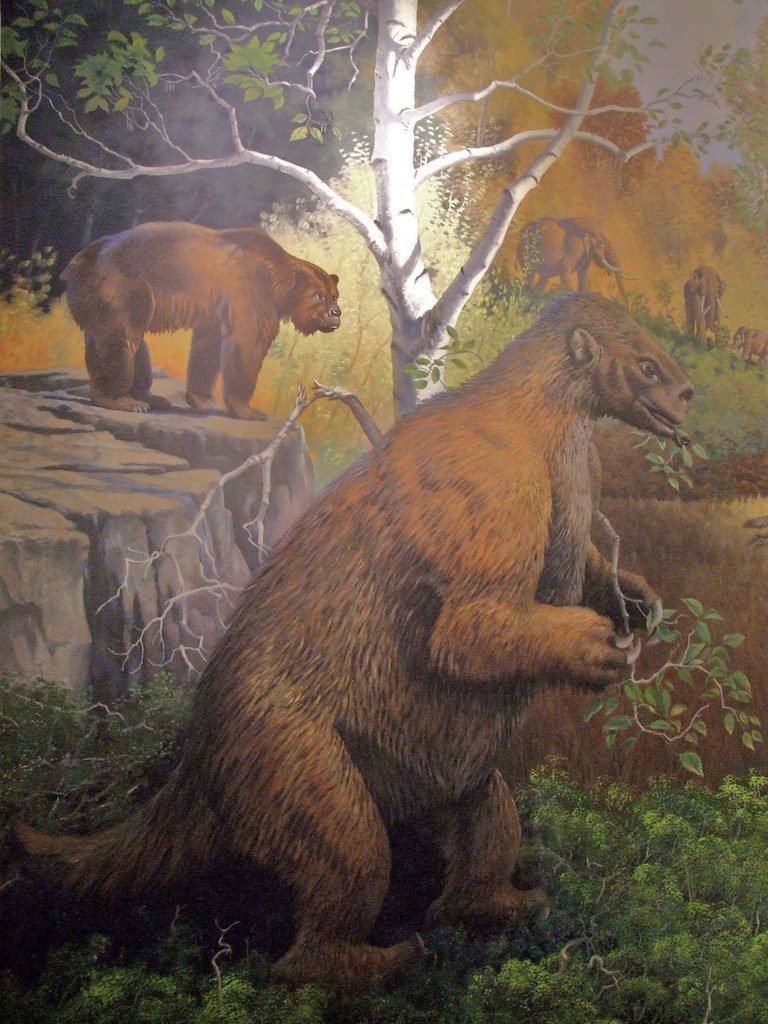
The giant short-faced bear vanished near the end of the Ice Age, about 12,800 years ago. Scientists believe no single cause explains its extinction. Instead, several changes happened at the same time.
As the climate warmed, habitats changed and many large plant-eating animals became rare or disappeared. These losses reduced important food sources. Human hunting may also have added pressure to already stressed ecosystems, making survival even harder for many large Ice Age species.
What have fossils taught scientists?

Fossils found across North America have helped scientists rebuild the story of this giant bear. Bones, teeth, and chemical studies show that its diet was more varied than once believed. This changed the old idea that it was only a fearsome meat hunter.
Researchers continue to study new fossils and use modern technology to learn more about its behavior. Each discovery helps explain how this impressive bear lived, adapted, and finally disappeared, giving us a better understanding of North America’s ancient wildlife.
Leave a Reply