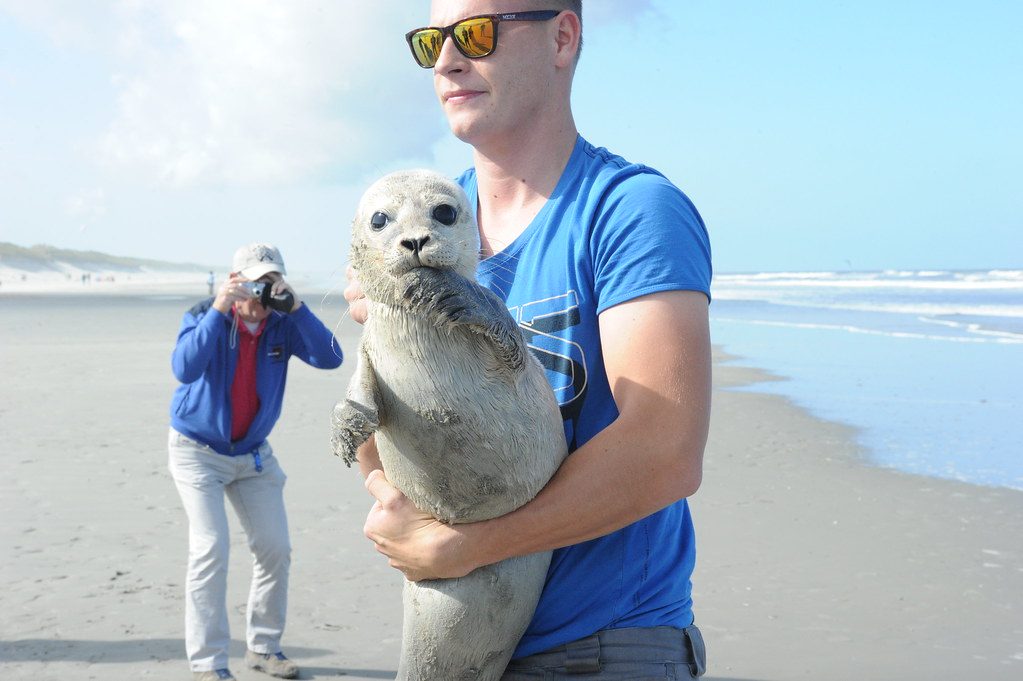
Category: News

  • Pregnant stray cat rescues orphan kitten and forms an unexpected family

    Pregnant stray cat rescues orphan kitten and forms an unexpected family

    What happens when a homeless pregnant cat gets a second chance at life? In this story about a font cat rescuing an orphaned kitten, a stray mother cat not only survives but also shows powerful care for another helpless baby. Her journey began on the streets of a residential complex, where she struggled alone while expecting kittens.

    This article explains how Font was rescued, how her kittens were born, and how she later accepted an orphaned kitten with no hesitation. You will also learn how her story shows strong survival instincts and unexpected kindness in animals. It is a simple but powerful example of care, loss, and new beginnings.

    Rescue of a pregnant stray cat in Texas

    orange and white cat walking on gray concrete floor
    Photo by Mahdi Rezaei on Unsplash

    Font’s story began in a residential complex in Corpus Christi, Texas. Residents noticed a pregnant cat wandering around, trying to survive on her own. She had no safe place and was clearly struggling.

    The neighbors decided not to ignore her situation. They contacted a local rescue group called Coastal Bend Cat Rescue. The organization stepped in quickly to help the vulnerable cat. Font was taken in by a foster family just in time. She was described as calm and very sweet from the beginning. This gave her a safe space before giving birth.

    Birth of five kittens and early challenges

    orange tabby kitten on white fur textile
    Photo by Kym Ellis on Unsplash

    A few days after being rescued, Font gave birth to five ginger male kittens. The foster home provided warmth and care for the new family. It was a moment of joy for everyone involved.

    Sadly, one kitten, the runt named Wingding, was very weak. Despite care and attention, he did not survive. He passed away peacefully, surrounded by comfort. The other four kittens grew stronger over time. They began to show different personalities as they developed.

    Life of Font caring for her kittens

    orange tabby cat on blue plastic basin
    Photo by Prasad Panchakshari on Unsplash

    Font quickly settled into her role as a mother. She stayed close to her kittens and constantly watched over them. Her behavior showed strong focus and calm protection.

    She gave all her attention to keeping her babies safe. The foster family observed her deep commitment every day. Her care helped the surviving kittens grow healthier and stronger. The kittens became more active as time passed. Their energy increased, and their personalities started to shine.

    Discovery of an abandoned kitten

    a cat in a cardboard box
    Photo by Rishabh P S on Unsplash

    Just when things felt stable, something unexpected happened. A landscaping team found a very small ginger kitten hidden in a bush. The kitten was only about a week old.

    The newborn was alone, hungry, and abandoned. Animal services took the kitten and brought it to the rescue center. It was clear the kitten needed urgent care. He was much smaller than Font’s four kittens. Even so, the rescue team saw a possible solution.

    Font accepts an orphaned kitten

    orange and white tabby cat
    Photo by eko tavkhelidze on Unsplash

    The volunteers decided to carefully introduce the orphaned kitten to Font. They were unsure how she would react. The situation could have gone either way.

    Font surprised everyone with her immediate acceptance. She did not reject the tiny newcomer at all. Instead, she welcomed him as if he belonged there. The orphaned kitten quickly became part of her care. Font treated him with the same attention as her own babies.

    A growing family ready for adoption

    A group of cats sitting on top of a stool
    Photo by Thomas de Fretes on Unsplash

    Over time, all five kittens grew stronger and healthier. Their eyes opened, and their energy increased each day. They became playful and full of life.

    Because they were doing so well, the rescue group made a decision. The Cattery, a cage-free shelter, agreed to take them in earlier than planned. This step prepared them for future adoption. Font’s story became a clear example of resilience and care. From a homeless stray to a loving mother, her journey inspired many.

  • Rare Przewalski’s horse foal born at Bronx Zoo marks major conservation win

    Rare Przewalski’s horse foal born at Bronx Zoo marks major conservation win

    A rare moment at a major zoo has drawn global attention. A Przewalski’s horse foal at Bronx Zoo was recently born, marking an important step for one of the rarest horse species on Earth. These horses were once completely gone from the wild.

    This article explains the foal’s birth and why it matters for conservation. It also covers why the species became so rare and how humans helped bring it back. You will also learn where these horses live today and how they are still being protected.

    Birth of Przewalski’s horse foal at Bronx Zoo

    Przewalski’s horses” by СмdяСояd is licensed under CC BY-NC-SA 2.0

    The Bronx Zoo in New York City announced the birth of a Przewalski’s horse foal on April 21. This event is considered an important milestone in protecting a species that nearly disappeared from the planet. It highlights ongoing efforts to support rare wildlife. The foal is part of the zoo’s Wild Asia Monorail exhibit. Visitors can see the young horse and its herd for a limited time until October.

    Zoo officials called the birth a special moment worth celebrating. The Wildlife Conservation Society also confirmed the news in a press release. They emphasized how important the birth is for conservation work. The announcement drew attention from wildlife supporters worldwide.

    Why Przewalski’s horses are so rare

    Mongolei: Przewalski-Pferd – Mongolia: Przewalski’s horse” by Daniela Hartmann (alles-schlumpf) is licensed under CC BY-NC-SA 2.0

    Przewalski’s horses, also called Mongolian wild horses, were once found across parts of Asia. Over time, their population declined due to human activity. This decline continued until they disappeared from the wild. By the 1960s, the species was completely extinct in the wild.

    Hunting, habitat loss, and human expansion were major causes of this loss. Only captive populations remained to keep the species alive. Today, the species is still endangered despite recovery efforts. Fewer than 2,000 are estimated to exist worldwide. Their status is listed as endangered by conservation authorities.

    Physical traits of the wild horse species

    Dubbo Zoo. Przewalski’s horse also known as Takhi. From Mongolia.” by denisbin is licensed under CC BY-ND 2.0

    Przewalski’s horses have a strong and stocky body. They are built to survive in harsh grassland environments. Their appearance makes them easy to identify in the wild or in zoos. They have a dun-colored coat and a short, upright, dark mane.

    These features help them blend into dry landscapes. Their legs are short but powerful for rough terrain movement. Adult horses weigh between 550 and 800 pounds. They can reach up to about 5 feet in height. This makes them smaller than many common domestic horse breeds.

    How conservation programs brought them back

    Przewalski’s Horse Dies at the Smtihsonian Conservation Biology Institute” by Smithsonian’s National Zoo is licensed under CC BY-NC-ND 2.0

    Even after disappearing from the wild, the species was not completely lost. Breeding programs in captivity helped keep the population alive. These programs became essential for survival. Zoos and conservation groups worked together to protect genetic diversity.

    Their goal was to avoid inbreeding and maintain a healthy population. Careful planning helped the species slowly recover. These efforts became one of the most successful wildlife recovery stories. The species began to grow again through managed care. Reintroduction programs later returned them to their natural habitats.

    Role of Bronx Zoo and global breeding efforts

    Przewalski’s Horse Dies at the Smtihsonian Conservation Biology Institute” by Smithsonian’s National Zoo is licensed under CC BY-NC-ND 2.0

    The Bronx Zoo has played an important role in saving this species. It participates in coordinated breeding programs with other institutions. These programs help manage population growth carefully. Officials have described the zoo’s role as “pivotal” in conservation efforts.

    This work supports the long-term survival of the species. It also helps ensure genetic health across populations. Zoo-bred horses were reintroduced into the wild in China in 1989. They were also released in Mongolia in 1992. These steps helped restore wild populations in their native regions.

    Wild survival stories, including the Chornobyl Exclusion Zone

    National Zoo Mourns Loss of Przewalski’s Horse” by Smithsonian’s National Zoo is licensed under CC BY-NC-ND 2.0

    Przewalski’s horses have also been seen in unusual places. One of these is the Chornobyl Exclusion Zone in Ukraine. The area became mostly empty of humans after the 1986 nuclear disaster. In the late 1990s, horses were introduced into the region.

    About 31 horses were first released as part of a rewilding effort. Over time, their population began to grow. Today, estimates suggest between 150 and 180 horses live there. The area has become a refuge for wildlife with little human presence. It shows how nature can recover in unexpected ways.

  • Viral “Donald Trump” buffalo spared from Eid sacrifice at the last moment

    Viral “Donald Trump” buffalo spared from Eid sacrifice at the last moment

    A rare albino buffalo in Bangladesh became the center of attention just days before Eid al-Adha. The unusual animal, nicknamed “Donald Trump” because of its blond tuft of hair, was already sold for sacrifice when the government stepped in at the last moment. Videos of the buffalo spread quickly online, and huge crowds traveled to see it in person.

    The growing public interest raised security concerns, leading officials to stop the sacrifice and move the buffalo to a zoo in Dhaka. This story shows how one rare animal captured national attention and how a sudden decision changed its fate during one of the year’s busiest livestock seasons.

    How the albino buffalo became famous

    Albino Buffalo” by andy_tyler is licensed under CC BY-ND 2.0

    The albino buffalo first gained attention for its unusual appearance. In Bangladesh, most cattle are dark, so the blond fringe on the buffalo made it stand out immediately. People visiting the farm were surprised by its appearance and calm behavior, which quickly made it popular online.

    Videos and photos of the animal spread across social media within days. Crowds soon began gathering at the farm to see the buffalo for themselves. Some visitors even traveled long distances just to take pictures and watch the rare animal up close during the busy Eid livestock season.

    Why was the buffalo called Donald Trump

    President Donald Trump
    Photo by Library of Congress on Unsplash

    The buffalo received the nickname “Donald Trump” because of its blond tuft of hair. Farm owner Ziauddin Mridha explained that his younger brother noticed the similarity and gave the animal the name. The unusual nickname quickly caught people’s attention online, making the buffalo even more famous.

    As the videos spread, many people became curious about the animal. The combination of blond hair and the rare albino coloring made the buffalo stand out from the others being sold during Eid. The nickname helped turn a normal livestock sale into a nationwide talking point.

    Government steps in before Eid

    A woman holding a green and red flag
    Photo by Refat Ul Islam on Unsplash

    The nearly 700-kilogram buffalo had already been sold for ritual sacrifice before officials intervened. According to a Home Ministry official, the government decided to stop the slaughter because of growing security concerns linked to the large public crowds gathering around the farm.

    Home Minister Salahuddin Ahmed ordered that the buffalo be spared and relocated to the national zoo in Dhaka. Officials also arranged for the buyer to receive a refund. The decision came at the last moment, just before Eid al-Adha celebrations were set to begin.

    Crowds gathered to see the rare animal

    albino buffalo” by Magalie L’Abbé is licensed under CC BY-NC 2.0

    The buffalo’s sudden popularity brought large numbers of visitors to the farm. Many people wanted to see the rare albino animal in person after watching videos online. The crowds continued growing as news spread across the country.

    Farm owner Ziauddin Mridha said the buffalo was gentle and needed careful upkeep. He explained that the animal required frequent feeding and regular baths. Visitors were not only interested in its appearance but also in its calm nature, which added to its popularity.

    Why are albino buffalo so unusual?

    Albino Buffalo” by naamanus is licensed under CC BY-ND 2.0

    Albino buffaloes are very rare in Bangladesh. Most cattle in the country are dark in color, which made this buffalo especially noticeable during the Eid livestock season. Its pale appearance immediately separated it from other animals at the farm.

    The buffalo’s rare coloring and famous nickname likely helped save its life. What started as a regular Eid animal sale became a national story because so many people became emotionally attached to the buffalo after seeing it online and in person.

    Eid struggles continue in Mali

    a white building with a domed roof
    Photo by Daniel Jankovic on Unsplash

    While the buffalo story captured attention in Bangladesh, many families in Mali faced serious problems ahead of Eid al-Adha. A blockade by armed groups linked to al-Qaeda caused sheep prices to rise sharply, making it difficult for many people to afford animals for sacrifice.

    The blockade affected Bamako, the capital city of Mali, where fighters attacked trucks carrying goods and fuel into the area. Analysts said the blockade was meant to weaken the economy and damage confidence in the military government. As prices rose, many families struggled to uphold the important Eid tradition of sharing meat with the poor.

  • US Fish and Wildlife Service sparks debate over expanded hunting access

    US Fish and Wildlife Service sparks debate over expanded hunting access

    Millions of Americans enjoy hunting and fishing every year, but many people say access to public land can be difficult. Now, the U.S. Fish and Wildlife Service has announced a major proposal that could change that. The plan would expand hunting and sport-fishing opportunities across many national wildlife refuges and fish hatcheries nationwide.

    The proposal could open or expand more than 1,450 hunting and fishing opportunities across 111 stations in 32 states. Readers will learn what the plan includes, why officials support it, why some groups are concerned, and what may happen next if the rule moves forward.

    The new proposal would expand access

    A man standing on top of a lush green field next to a lake
    Photo by Alex Moliski on Unsplash

    The Interior Department said this proposal would be the largest expansion of hunting and sport fishing opportunities in the history of the U.S. Fish and Wildlife Service. Officials explained that the plan would affect national wildlife refuges and fish hatcheries across many states. The proposal would increase outdoor access for people who enjoy hunting and fishing on public lands.

    According to the Fish and Wildlife Service, more than 92 million acres of refuge lands could become available for hunting if the proposal is approved. That would mean about 95 percent of National Wildlife Refuge System lands could allow hunting access. Officials believe this would give Americans more opportunities to enjoy outdoor recreation activities on federal lands.

    Hunting and fishing groups support the move

    2 men standing on brown grass field during daytime
    Photo by BĀBI on Unsplash

    The Fish and Wildlife Service said the proposal supports the Trump administration’s goal of expanding public land access. Officials also said the plan would reduce what they described as unnecessary rules and barriers for hunters and anglers. Earlier this year, Secretary’s Order 3447 directed agencies to review and remove restrictions related to hunting and fishing on Interior Department lands.

    Many hunting and fishing supporters welcomed the proposal because they believe it gives Americans greater access to outdoor recreation. Government officials also pointed to the economic impact of these activities. The most recent National Survey of Fishing, Hunting, and Wildlife-Associated Recreation showed that nearly 40 million Americans fish and 14.4 million hunt, contributing about $144 billion to the national economy each year.

    The proposal covers many wildlife areas

    an ostrich and a bus on a dirt road
    Photo by Florentina Tilvic on Unsplash

    The proposed rule would increase access at 111 field stations around the country. These stations include 107 national wildlife refuges and four national fish hatcheries. Officials also said some locations would offer hunting or sport fishing for the very first time if the proposal becomes final.

    The Fish and Wildlife Service explained that the plan includes more than 1,450 additional opportunities. The agency defines an opportunity as the ability to hunt or fish a certain species at a specific location. Some areas may expand access to upland game, migratory bird, and big game hunting, as well as sport fishing, on additional acres of land and water.

    Officials say conservation remains important

    a man in a suit speaking into a microphone
    Photo by Ali Khadem on Unsplash

    U.S. Fish and Wildlife Service Director Brian Nesvik said the agency wants to increase access while still protecting wildlife and natural resources. He explained that the agency remains committed to responsible management practices that support future generations. Officials say the goal is to balance recreation with conservation efforts.

    The National Wildlife Refuge System was created to protect fish, wildlife, and plant resources. It is considered the world’s largest network of lands and waters focused on conservation. The system includes 573 national wildlife refuges and 38 wetland management districts and attracts more than 71 million visitors each year for outdoor activities and wildlife experiences.

    Some groups have raised concerns

    a group of men standing next to each other in a field
    Photo by Evgeniy Smersh on Unsplash

    While hunting groups have largely supported the proposal, some conservation organizations have raised concerns about potential effects. These groups worry about wildlife management challenges and visitor safety in certain areas. They believe expanding access too quickly could create problems for protected habitats and species.

    The proposal would also update station-specific regulations to match current conditions and management practices. Officials say these updates are meant to improve how the lands are managed. Even so, conservation groups continue to watch the proposal closely as discussions continue during the public review period.

    The public will have a chance to comment

    a fenced in area with mountains in the background
    Photo by Rob Martin on Unsplash

    Secretary of the Interior Doug Burgum said America’s public lands belong to the people and should be easier to access. He said the administration wants to reduce duplicate restrictions and make land management more practical and consistent. Supporters believe the proposal could make outdoor recreation more available for hunters and anglers across the country.

    The Fish and Wildlife Service said the public comment period will last for 30 days after the proposal is published in the Federal Register. During this time, people can share opinions and concerns about the proposed changes. After reviewing the comments, officials will decide whether to move forward with the expansion plan.

  • The simple art of keeping saltwater fish healthy and thriving

    The simple art of keeping saltwater fish healthy and thriving

    Keeping saltwater fish healthy can seem hard at first. Many people worry about water quality, feeding, and tank care. The good news is that saltwater fish care becomes much easier when you follow simple routines and keep the tank stable. Small daily and weekly habits can help fish stay active, colorful, and healthy for years.

    This article explains how to make saltwater fish care simple and enjoyable. Readers will learn why stable water conditions matter, how small steps can improve tank health, and how to prevent common problems before they begin. With the right setup and regular care, a marine aquarium can become a peaceful and beautiful part of any home.

    Why stability matters in saltwater fish care

    grey school of fish under water
    Photo by Jeremy Bishop on Unsplash

    Saltwater fish live in large ocean environments where water conditions stay very stable. In a home aquarium, even small changes in temperature, salinity, or pH can cause stress. Fish and corals depend on balance to stay healthy and active. This is why stable conditions are among the most important aspects of saltwater fish care.

    A steady environment helps fish avoid illness and stress. Maintaining consistent water parameters provides marine life with a safer environment. Simple habits, like checking temperature and salinity, can often make a big difference. Over time, these small actions help create a healthy and colorful aquarium.

    How small steps lead to better results

    a fish tank with some plants and rocks in it
    Photo by Yosuke Ota on Unsplash
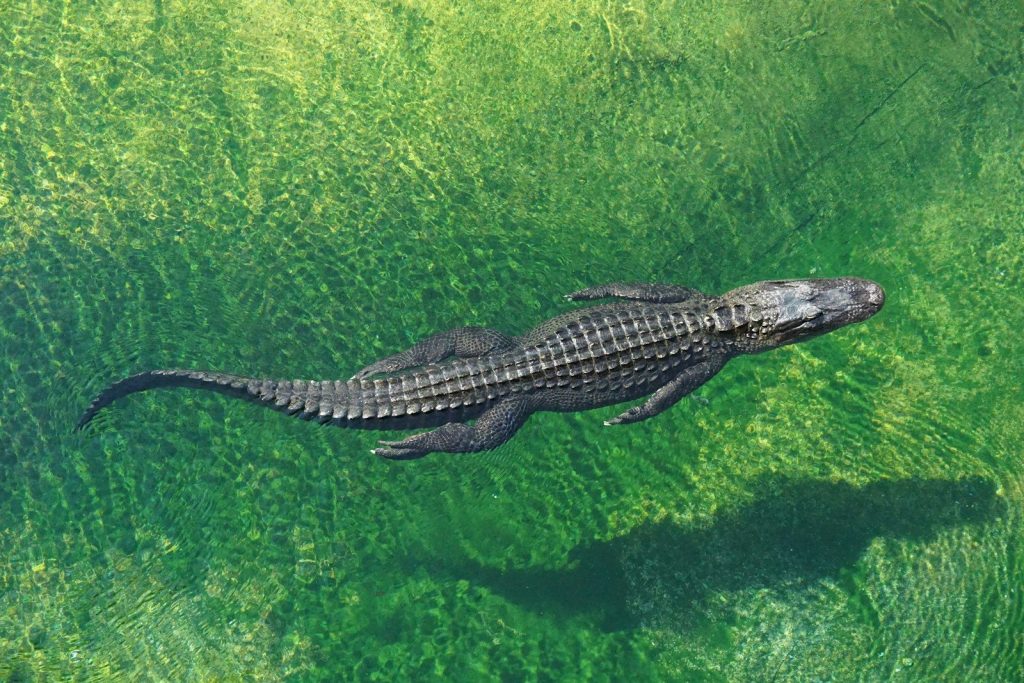
    Many people think large cleanings are the best way to care for a tank. In reality, small and regular maintenance works much better. A weekly 10% water change keeps the aquarium clean without causing sudden changes that may shock fish or corals.

    Small water changes also help preserve beneficial bacteria in the tank. These bacteria help maintain a balanced environment and support healthy water conditions. Regular care makes the aquarium easier to manage and reduces stress for both the fish and the owner.

    Setting up the tank the right way

    a fish tank filled with water and plants
    Photo by Christian Ang on Unsplash
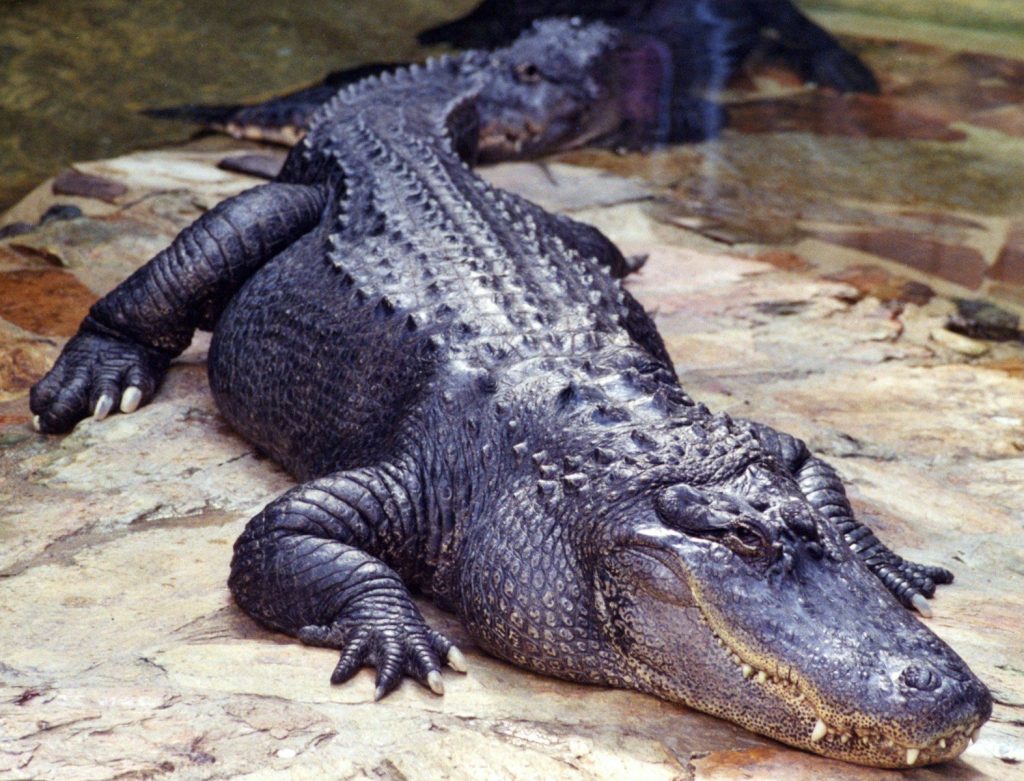
    Choosing the right tank size is an important first step in saltwater fish care. A proper setup gives fish enough room to swim and helps maintain stable water conditions. Quality filtration is also necessary because it helps remove waste and keeps the water clean.

    A good water testing kit is another key tool for aquarium owners. Testing ammonia, nitrate, and salinity helps spot problems early before they become serious. Regular checks make it easier to keep the tank balanced and healthy for marine life.

    Monitoring fish and water conditions daily

    yellow Oscar fish photography
    Photo by Craig Lovelidge on Unsplash
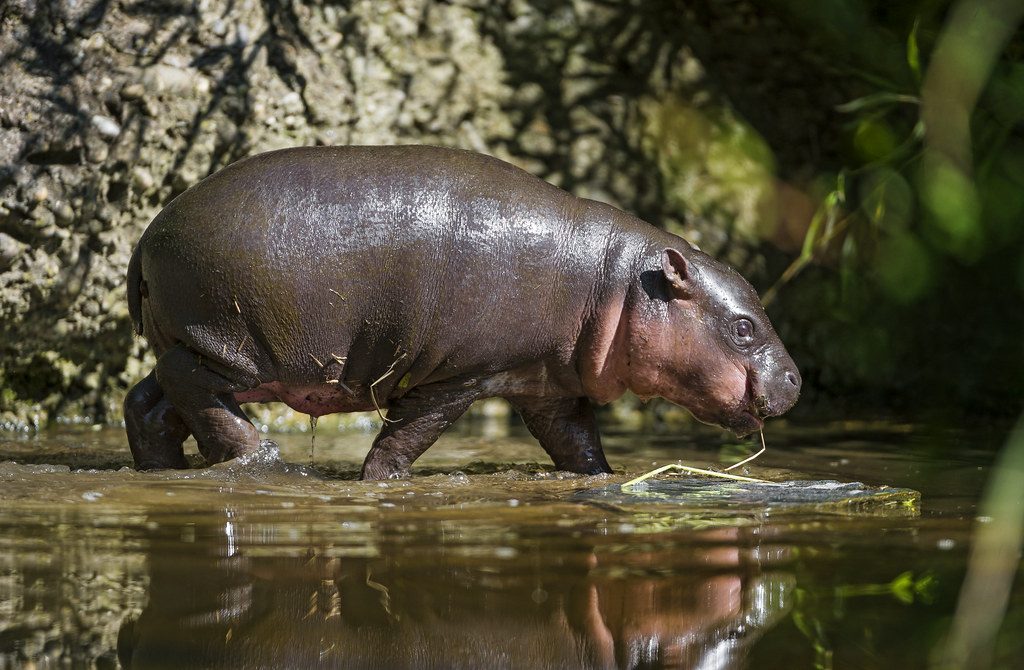
    Daily observation is one of the easiest ways to protect saltwater fish. Watching how fish swim, eat, and behave can help owners quickly notice signs of stress or illness. Healthy fish are usually active and comfortable in their environment.

    Checking water conditions often is just as important as watching fish behavior. Monitoring temperature, salinity, and other parameters helps prevent sudden changes. When small problems are caught early, they are usually much easier to fix before they grow into larger issues.

    Preventing problems before they happen

    shoal of fish near coral
    Photo by David Clode on Unsplash
    One of the best ways to protect a marine aquarium is to quarantine new fish before adding them to the main tank. Keeping new fish separate for at least two weeks helps reduce the risk of spreading disease. This simple step can protect the entire aquarium community.

    Preventive care also includes staying aware of the needs of different fish species. Some fish may need special care or more stable conditions than others. Consistent maintenance and careful observation help create a peaceful and healthy environment for all marine life.

    Making saltwater fish care enjoyable

    silver fishes underwater
    Photo by Sebastian Pena Lambarri on Unsplash
    Caring for saltwater fish becomes more enjoyable when routines are simple and consistent. Small tasks like feeding properly, checking water levels, and doing regular maintenance can quickly become easy habits. Over time, these habits help the aquarium stay beautiful and healthy.

    A thriving marine tank brings color, movement, and calmness into a home. Watching fish swim in a stable and healthy environment can be relaxing and rewarding. With patience and steady care, anyone can enjoy maintaining a successful saltwater aquarium.

  • South African court case questions the welfare of three zoo elephants

    South African court case questions the welfare of three zoo elephants

    Can elephants become sad when they live in small spaces for too long? A new South African elephant welfare case is raising that question in court. Animal welfare groups believe three elephants living at a zoo in Johannesburg are unhappy and mentally distressed. They say the animals need more space, better surroundings, and a chance to live in a more natural environment.

    The case has drawn attention because it focuses on the emotional and mental health of animals, not only their physical care. Experts are expected to explain why elephants need large social groups and open land to live healthy lives. Readers will learn why this case matters, what both sides are saying, and how it could affect animal welfare in South Africa.

    Why the court case started

    architectural photography of trial court interior view
    Photo by David Veksler on Unsplash
    Animal welfare groups in South Africa started the legal case because they believe three elephants at the Johannesburg Zoo are suffering mentally. The elephants, named Lammie, Ramadiba, and Mopane, are said to be living in conditions that do not meet their emotional and social needs.

    The groups argue that the government has a duty to protect animals under the South African Constitution. They want the elephants moved to a larger conservation park where they can live in a healthier, more natural setting with better stimulation and greater freedom.

    Concerns about the elephants’ behavior

    an elephant standing in front of a body of water
    Photo by Srivenkata Subramanian on Unsplash
    According to David Bilchitz from Animal Law Reform South Africa, experts will present evidence in court showing that the elephants are unhappy. He explained that elephants are highly social animals with complex needs that cannot easily be met in a small zoo enclosure.

    Bilchitz said the elephants have shown signs of psychological distress. He described behaviors such as standing still for long periods, rocking back and forth, and repeating actions over and over. Animal welfare groups believe these behaviors are signs of sadness, frustration, and depression.

    The living conditions at the zoo

    A couple of elephants that are standing in the dirt
    Photo by selcuk sarikoz on Unsplash
    Animal welfare groups say the elephants live in an enclosure that is not much larger than a soccer field. They argue that the area lacks key features elephants typically need, such as trees for feeding and mud pools for bathing and cooling.

    Experts say elephants in the wild often live in herds of 20 to 50 animals and travel across large areas. The groups bringing the case believe the zoo environment is too small and limited for animals that naturally need space, social interaction, and daily activity.

    How the zoo has responded

    an elephant standing next to a body of water
    Photo by Janosch Diggelmann on Unsplash
    Johannesburg Zoo has defended the way it cares for the elephants. In a public statement, the zoo said it had faced strong media criticism over the condition of the animals, but maintained that the elephants are healthy and properly cared for.

    The zoo also stated that the elephants are well-liked by both visitors and staff. Officials added that moving elephants from zoos to semiwild sanctuaries does not always work well and may create new problems for the animals instead of improving their lives.

    The story of Charley the elephant

    gray elephant
    Photo by Eric Heininger on Unsplash
    The current case is not the first elephant relocation issue in South Africa. In 2024, an older elephant named Charley was moved from another zoo to a game reserve after experts believed he was lonely following the loss of his elephant companions.

    Charley had spent many years in captivity, including around 16 years in a circus. The zoo eventually agreed that he should retire in a more natural environment. Animal welfare groups now cite Charley’s relocation as an example of how elephants may benefit from living in larger, more open spaces.

    Why this case matters for animal welfare

    elephant walking during daytime
    Photo by Nam Anh on Unsplash
    This legal battle may become important for the future of animal welfare in South Africa. The court’s decision could help define the extent of authorities’ responsibility for protecting the mental and emotional health of animals in captivity.

    The case is also bringing attention to the special needs of elephants. Many people are now discussing whether zoos can truly provide the social life, freedom, and stimulation that elephants need. Whatever the court decides, the case has already started a larger public conversation about how animals should be treated.

  • Frightened stray kitten transforms after rescue changes her life

    Frightened stray kitten transforms after rescue changes her life

    A small stray animal can change everything in a single moment. This is what happened in the story of a stray kitten rescue in Montreal, where a tiny life went from being lost outside to finding safety and care. The kitten, later named Bouskie, was discovered in a difficult state and needed help fast.

    This article explains how the rescue began, how a kind person stepped in, and how the kitten slowly changed after being taken in by a rescue group. Readers will learn how a simple act of kindness can save a life and how trust can grow even after fear and hardship.

    Two stray kittens looking for food on a patio

    white and gray kitten on green grass during daytime
    Photo by Maksym Diachenko on Unsplash
    Two small stray kittens were seen exploring a patio in Montreal, Canada, searching for food and trying to survive on their own. Their behavior showed they were not living in a safe home and had likely been outdoors for some time without proper care or regular food. At first, the kittens stayed together, moving around the area as they looked for anything they could eat.

    However, their situation changed quickly when one of the kittens suddenly ran away, leaving the other behind. The remaining kitten stayed near the patio, where she could be seen more clearly by someone nearby. Although she initially appeared fine, a closer look showed she was very thin and weak, making it clear she was struggling to survive outside. This moment marked the beginning of a life-changing rescue.

    Linda notices a kitten in need of help

    brown tabby cat sitting on concrete
    Photo by Emre on Unsplash

    Linda, who lives in Montreal, came across the stray kitten while she was outside. She noticed the small animal still staying around the patio after the other kitten had left. Something about the situation made her stop and pay attention.

    Even though the kitten appeared calm, Linda could see that she was very underfed. Leaving her there was not an option. The situation felt urgent, and Linda decided she needed to step in and help the small animal before things became worse.

    A safe rescue and a new name for the kitten

    a woman holding a black and white cat in her arms
    Photo by Jack Plant on Unsplash

    Linda managed to safely capture the kitten and bring her to safety. The goal was to remove her from danger and give her a chance to recover. Once she was secure, arrangements were made for proper care.

    The kitten was then taken in by a Montreal rescue organization called Chatons Orphelins Montréal. The team welcomed her and gave her a new name, Bouskie. This marked the start of her journey from a life as a stray to a life as a cared-for animal.

    First days of fear and silence in a new space

    brown tabby kitten on white textile
    Photo by Tobias on Unsplash

    When Bouskie first arrived at the rescue, she was very scared. The new environment was unfamiliar, and she did not immediately trust the people around her. Her behavior showed that she was still adjusting to being indoors and safe.

    She was given a small and cozy space to help her feel more comfortable. However, she often stayed hidden. She would only come out of her carrier when she needed to eat or use the litter tray, and she did this only when no one was nearby.

    Slowly learning to trust people again

    white and gray kitten on white textile
    Photo by Kote Puerto on Unsplash

    After several days, Bouskie began to change in small but important ways. She started to feel more comfortable in the presence of her foster family. Even though she was still cautious, she slowly began to understand that she was safe.

    The rescue team continued to give her time and space. They did not rush her or force interaction. This patience helped her gradually open up. She began leaving her hiding spots more often and observing her surroundings.

    A new life filled with care and affection

    orange tabby kitten in grasses
    Photo by Andriyko Podilnyk on Unsplash

    As Bouskie adjusted more, her personality began to shine. She started exploring her environment and showing curiosity about everything around her. The change from a frightened kitten to a more relaxed cat became clear.

    She also became more affectionate with people. The same kitten who once hid now began to enjoy attention. She would purr when held, showing that she was comfortable and happy in human arms.

  • Injured cat thrown into underground bin sparks outrage in France

    Injured cat thrown into underground bin sparks outrage in France

    The Argo cat rescue in France is a powerful story that shows both cruelty and kindness in action. It begins in the early morning hours in Tours, France, where a woman witnessed something disturbing involving a cat and an underground bin. What followed was a fast rescue, urgent medical care, and an unexpected wave of public support.

    In this article, you will learn how Argo was found, how rescuers saved him, and how donations helped cover his treatment and recovery. It also shows how a small act of reporting and teamwork among citizens, police, and rescuers can completely change an animal’s life. Argo’s story is painful at first, but it becomes one of hope and healing.

    The moment of cruelty witnessed in Tours

    a cat sitting on the back of a person's leg
    Photo by Charles Snow on Unsplash

    At around 4:30 am on Friday, 24th April, in Tours, France, a woman named Camille saw something shocking. She witnessed a man throwing a cat into an underground bin. When confronted, the man said, “The cat is dead.” The moment was disturbing and confusing, leaving Camille unsure of what she had just seen.

    But something did not feel right to her. Instead of walking away, she paid closer attention and stayed near the scene. That decision would become very important. What seemed like a hopeless moment quickly turned into the start of a rescue effort that would save a life.

    Discovery of a living cat in the bin

    jealous?” by cwl76 is licensed under CC BY-NC-SA 2.0

    After the man left, Camille and her partner listened carefully and heard meowing coming from inside the bin. This proved that the cat was still alive. They immediately called the police and the fire brigade, who rushed to the location to help.

    When the rescuers arrived, they worked quickly to reach the bottom of the underground bin. There, they found a cat in very poor condition. The animal had deformed legs and was clearly in pain. The rescuers carefully removed him and transported him to urgent care.

    Emergency veterinary care and diagnosis

    Check up time for Milli #cat. #vet” by voyagevixen2 is licensed under CC BY-ND 2.0

    The cat was taken to a vet for emergency treatment as soon as he was rescued. The medical team began checking his injuries to understand how serious his condition was. They quickly saw that he needed immediate attention to survive and recover properly.

    X-rays later revealed the full extent of his injuries. Both of his front legs were broken, and he had multiple fractures. No one knew exactly how he got hurt, but his condition was severe. Because of his situation, the cat, later named Argo, required urgent and complex medical support.

    The challenge of covering urgent medical costs

    Waiting for the X-ray results, but not looking too good.. #BrokenLeg #cat #vet” by monicamüller is licensed under CC BY-NC-ND 2.0

    The vet bill for Argo’s surgery came to €2,000, which was a large amount for the rescue team. The organization helping him, Les Mustaches de Roméo rescue center, knew they could not delay treatment. They needed a fast solution to raise the money.

    To solve this problem, they created an online fundraiser. Their goal was simple: give Argo a chance to live without pain. Without quick financial support, his surgery and recovery would not have been possible. The situation depended entirely on how quickly people could respond.

    Public support and fundraising success

    two Euro banknotes
    Photo by Christian Dubovan on Unsplash

    The public’s response was extremely fast and surprising. Within only a few hours of launching the fundraiser, people donated enough money to reach the €2,000 needed for Argo’s surgery. This allowed the medical team to move forward without delay.

    A few days later, the rescuers launched a second appeal to help cover recovery costs. In total, they received €4,000 in donations. The shelter said they had never seen such strong support before. The extra funds also helped support other cats at the rescue center.

    Argo’s recovery and hope for a new life

    a cat sitting in a cat tower
    Photo by Henry Lai on Unsplash

    With surgery completed and care underway, Argo began his long recovery process. The donations ensured he could receive full treatment and proper rehabilitation. His condition improved over time, and he was placed in a safe environment to heal.

    The rescue team hopes Argo will one day find a loving family. They want him to leave his painful past behind and start a new life filled with care and safety. His journey shows how rescue efforts and public kindness can completely change an animal’s future.

  • Two helpless red squirrels were saved after a terrifying fall from a tree

    Two helpless red squirrels were saved after a terrifying fall from a tree

    The red squirrel rescue in Scotland has drawn attention after two baby squirrels were found in a serious situation in a ditch. These young animals were discovered soaking wet and in urgent need of care, underscoring how fragile wildlife can be when something goes wrong in nature. This story is not just about a rescue, but also about the efforts to protect one of Scotland’s most loved native species.

    In this article, you will learn how the squirrels were found, how experts saved them, and what their recovery looks like today. You will also understand the dangers red squirrels face in Scotland and why conservation efforts are so important to their survival in the wild.

    Discovery in Oban ditch

    oban scotland” by mariusz kluzniak is licensed under CC BY-NC-ND 2.0

    Two baby red squirrels were discovered at the base of a tree in Oban, Argyll and Bute. The incident happened on April 1 when a member of the public spotted the tiny animals in a ditch and quickly alerted the Scottish SPCA. The squirrels were soaking wet and alone, which made the situation urgent.

    It is believed the young squirrels may have fallen from their nest, known as a drey. No adult squirrel was seen nearby, which raised concerns about their safety. One of the kits was also thought to have an injured leg, possibly caused by the fall.

    Rescue by Scottish SPCA

    Scottish SPCA Glasgow opening” by Scottish Government images is licensed under CC BY-NC 2.0

    After receiving the alert, the Scottish SPCA quickly stepped in to rescue the two baby squirrels. The animals were carefully collected and taken away from the dangerous location. At the time of rescue, the squirrels were estimated to be around one month old and still very dependent on care.

    They were then transported to the Scottish SPCA’s National Wildlife Rescue Center in Fishcross, Clackmannanshire. This center is designed to help injured and orphaned wildlife recover in a safe environment. The rescue marked the start of their journey toward healing and survival.

    Health condition and treatment

    Baby Squirrel” by Twix is licensed under CC BY-SA 2.0

    When the squirrels arrived at the rescue center, they needed immediate medical attention. One of the kits had a suspected leg injury, possibly caused by a fall from its nest. Being exposed to cold and wet conditions also made their condition more delicate.

    The small mammals team at the center began treatment right away. The squirrels were given a course of antibiotics to help prevent infection and support recovery. Their names were later given by the staff caring for them as Fanta and Tango.

    Life at the rescue center, Fishcross

    Phnom Tamao Wildlife Rescue Center” by Seyemon is licensed under CC BY-NC-ND 2.0

    At the National Wildlife Rescue Center in Fishcross, Fanta and Tango received constant care from wildlife experts. They were placed under the supervision of the small mammals team, which closely monitored their progress every day. The goal was to help them grow stronger in a safe and controlled environment.

    As they recovered, the kits were moved to a large outdoor enclosure within the center. This space allows them to explore more naturally while still being protected. It helps them slowly build strength and prepare for life in the wild again.

    Threats facing red squirrels in Scotland

    brown squirrel eating nuts
    Photo by Caleb Martin on Unsplash

    Red squirrels are a much-loved species in Scotland, known for their russet fur and tufted ears. Scotland is home to around 80% of the UK’s red squirrel population, making it a very important place for their survival. Many people enjoy spotting them in woodlands and sometimes even in parks and gardens.

    However, red squirrels face several serious threats. They are at risk from invasive non-native grey squirrels, which compete for food and habitat. Grey squirrels can also carry squirrelpox, a disease that is deadly to red squirrels. On top of this, habitat loss, habitat fragmentation, climate change, and road collisions all add pressure on their survival.

    Conservation efforts and future release

    brown squirrel on tree branch at daytime
    Photo by Ilnur Kalimullin on Unsplash

    Efforts across Scotland are focused on protecting red squirrels and helping their populations survive in the long term. Campaigns like Save Our Reds Day are part of a wider UK effort to protect these animals and their natural habitats. Groups such as the Scottish Wildlife Trust and the Scottish SPCA work together, with public support, to monitor and protect red squirrels across the country.

    Fanta and Tango are included in these conservation efforts. Once they reach about 16 weeks of age, they are expected to be released back into the wild when they are fully independent. Both squirrels have been microchipped so experts can track them after release and better understand their survival. People are also encouraged to report sightings of red and grey squirrels, which helps conservation teams protect habitats and manage squirrel populations more effectively.

  • A coyote pup appears in their backyard and soon becomes part of the family forever

    A coyote pup appears in their backyard and soon becomes part of the family forever

    A coyote puppy shows up in a backyard, and what starts as a surprising wildlife moment quickly turns into a life-changing experience for one family. At first, they think the tiny animal is just a lost puppy needing help. But as days pass, they realize it is actually a wild coyote pup that somehow wandered far from its natural habitat.

    In rare and carefully managed cases like this, human contact can lead to unexpected bonds, especially when wildlife experts step in to guide the situation safely. This story is not just about a cute backyard visitor. It also shows how wild animals behave when they lose their way and how humans respond with care, caution, and responsibility.

    How the coyote puppy appeared in the backyard

    Coyote Puppies” by Zac Garrett is licensed under CC BY-NC 2.0

    The coyote puppy did not arrive with a warning or sound. One day, it simply appeared in the backyard, small, curious, and clearly alone. Families often first notice behavior that seems unusual, like the pup watching from a distance or slowly exploring the yard without fear.

    Wildlife experts explain that young coyotes can sometimes become separated from their parents while exploring or due to natural movement through territory. In many documented cases, they end up near homes because suburban areas overlap with natural wildlife spaces. This creates rare but real encounters like this one.

    Mistaking a wild pup for a lost pet

    At first, the family believed the animal might be a lost dog. This is a very common reaction because young coyotes can look soft, friendly, and harmless. Their size and behavior can easily confuse people who are not used to seeing wildlife up close.

    However, trained professionals always warn that wild pups should never be treated as pets. Even if they appear calm, they are still wild animals with instincts that develop quickly. Approaching or trying to keep them can create safety risks and also harm the animal’s ability to survive naturally.

    When concern turns into care and caution

    Man is looking at a screen with his head down.
    Photo by Alicia Christin Gerald on Unsplash

    Once the family realized the pup might not be a domestic animal, they became more careful and contacted wildlife experts. This step is very important in real-life situations because trained responders know how to assess the animal safely without causing stress or harm.

    In similar documented cases, wildlife teams check for injuries, dehydration, or signs that the pup is truly separated from its family. They also decide whether the animal should be monitored, temporarily cared for, or guided back toward its natural environment. Every decision is made to protect both the animal and the public.

    Why the coyote pup stayed nearby

    brown fox on green grass during daytime
    Photo by Cornelius Ventures on Unsplash

    The pup did not leave right away. Instead, it kept returning to the backyard, which made the situation more emotional for the family. Wildlife experts explain that young coyotes may stay close to human areas if they feel safe, especially if they are not reunited with their pack quickly.

    During this time, the family observed behaviors that seemed almost playful and curious. However, experts stress that this behavior is still part of a wild animal’s development. Even when they appear friendly, coyotes are learning survival skills that they will need later in life.

    The role of wildlife experts in the situation

    2 men standing on brown grass field during daytime
    Photo by BĀBI on Unsplash

    Wildlife professionals played a key role in managing the situation. Their job is not to turn wild animals into pets but to guide them back to a natural life whenever possible. They carefully monitor behavior and decide the safest next steps.

    In many real cases like this, pups are either reunited with their family or taken to rehabilitation centers where they can grow without losing their natural instincts. Human interaction is limited, controlled, and always focused on long-term survival in the wild.

    The emotional bond and final outcome

    Coyote pup” by J. N. Stuart is licensed under CC BY-NC-ND 2.0

    Over time, the family developed a strong emotional connection to the coyote pup. Watching it grow and return daily created a sense of attachment that is difficult to ignore. However, the most important goal remained the same: giving the animal the best chance to survive in the wild.

    Eventually, the pup either returns to its natural environment or is placed in a controlled wildlife setting where it can safely develop before release. While the bond feels personal, experts remind everyone that the true success is when the animal can live freely and safely in nature again.