Category: News

  • An abandoned dog tied to a tree in the forest waits for a second chance

    An abandoned dog tied to a tree in the forest waits for a second chance

    What happens when a young dog is found completely alone, tied to a tree with no food or water? The story of an abandoned dog rescue in a French forest shows both the sadness of neglect and the hope that follows a life-saving rescue. On a quiet day in the Eu forest in Saint-Pierre-en-Val, walkers came across a situation that no animal lover wants to see.

    This article explains how the dog was found, his condition, and how rescuers stepped in to help. It also shows the next steps for his recovery and adoption. Readers will learn how rescue teams handle abandonment cases and why community action can save lives.

    A shocking abandoned dog rescue story in France forest

    Forest during daytime
    Photo by Degleex Ganzorig on Unsplash

    The abandoned dog rescue story in the French forest began on Sunday, May 3rd. Walkers exploring the Eu forest in Saint-Pierre-en-Val, France, discovered a young dog tied tightly to a tree. He had no food, no water, and no one nearby to care for him.

    The dog was about one year old and completely unable to free himself. The walkers, who were part of the “Trail de la Forêt d’Eu” association, stayed with him to make sure he was safe. They waited until the SPA rescue team arrived from Etalondes.

    A friendly dog was left in dangerous conditions

    brown short coated dog on brown tree trunk
    Photo by Jamie Street on Unsplash

    Despite his situation, the dog showed a gentle, affectionate personality. He was friendly toward the walkers who found him and seemed to enjoy human company. This made the discovery even more heartbreaking for those who helped him.

    Leaving a young dog alone like this created a serious risk to his health and safety. Without food, water, or freedom to move, he could have quickly become weak or sick. The rescuers acted quickly to ensure he received care as soon as possible.

    Rescue team response and first medical check

    man in black jacket and brown dog walking on forest during daytime
    Photo by Rūta Celma on Unsplash

    Once the SPA rescuers arrived, they carefully took the dog from the forest. He was then examined by a veterinarian to assess his condition and ensure he had no major injuries. Thankfully, he was stable, but his situation still needed attention.

    One important issue was that the dog had neither a microchip nor a collar. This made it impossible to identify his owner. Because of this, rescuers began searching for his family and shared information online, asking the public for help.

    Public appeal and search for the owner

    chocolate brown Labrador retriever lying on moss covered rock in woods
    Photo by Jamie Street on Unsplash

    After the abandoned dog rescue story in the French forest became known, the rescue team posted appeals on social media. They asked people to come forward if they recognized the dog or knew who its owner might be. The goal was to find answers and understand how he ended up alone in the forest.

    These appeals are important in cases like this because they help connect lost animals with their families. At the same time, they also help determine if the dog was truly lost or intentionally abandoned. The investigation is still ongoing as rescuers wait for responses.

    Waiting period before adoption begins

    black and white border collie sitting on ground surrounded by trees during daytime
    Photo by Tadeusz Lakota on Unsplash

    For now, the dog cannot be adopted immediately. He must go through a legal waiting period before any adoption process can begin. After that time, he will need additional veterinary checks to make sure he is healthy and ready for a new home.

    This waiting period is standard in rescue cases like this. It ensures that all legal steps are followed and gives the original owner a chance to come forward. Only after this process can the dog be officially placed for adoption.

    Overcrowded shelter and hope for the future

    a couple of gates that are next to each other
    Photo by Siebe Vanderhaeghen on Unsplash

    The abandoned dog rescue story in the French forest happened during a difficult time for the SPA rescue center. The shelter is already full, with all 40 kennel spaces occupied by 40 dogs. This means resources are stretched, and each new case adds pressure to the system.

    Even with limited space, rescuers remain hopeful for the young dog’s future. His sweet and affectionate nature makes him a strong candidate for adoption once he is cleared. The team believes he will find a loving home when the time comes.

  • Why are more Americans pushing back against cyanide bombs in wildlife control?

    Why are more Americans pushing back against cyanide bombs in wildlife control?

    Across the United States, more people are speaking out against cyanide bombs used in wildlife control. These devices, called M-44s, are meant to kill predators like coyotes that attack livestock. But many Americans now believe the risks are too high. Families, animal experts, hunters, hikers, and even some ranchers are questioning whether the devices are safe or humane.

    The debate has grown stronger after reports of pets, protected wildlife, and even children being harmed by the traps. Critics also argue that older wildlife control methods no longer match modern views about conservation and animal welfare. This article explains what cyanide bombs are, why they are controversial, how public opinion has shifted, and what alternatives many Americans now support.

    What cyanide bombs are and how they work

    2 men standing on brown grass field during daytime
    Photo by BĀBI on Unsplash

    Cyanide bombs are spring-loaded devices known as M-44s. They are placed in the ground with bait on top to attract animals. When an animal pulls on the bait, the device shoots sodium cyanide powder into its mouth and face. The poison quickly reacts with moisture and creates deadly gas inside the body. These devices are mainly used to kill coyotes and other predators that ranchers believe threaten livestock.

    The traps have been used in the United States for decades through a federal program called Wildlife Services, which is part of the United States Department of Agriculture. Supporters say the devices help ranchers protect sheep, goats, and cattle. However, critics say the traps are dangerous because they cannot tell the difference between a coyote, a pet dog, or another wild animal. Once triggered, the poison spreads instantly, which is why many people call them cyanide bombs instead of predator control devices.

    Public anger grew after pets and people were harmed

    woman in white long sleeve shirt and blue denim jeans sitting on bed
    Photo by Lensabl on Unsplash

    Public concern exploded after several well-known accidents involving pets and children. One of the most famous cases happened in Idaho in 2017. A teenage boy accidentally triggered an M-44 device while walking near his home. The blast killed his dog and exposed him to toxic chemicals. Reports said the wind likely prevented him from suffering even worse injuries. The story spread across the country and changed how many Americans viewed the devices.

    Stories like this continue to shape public opinion. Dog owners who hike on public lands worry their pets could stumble onto one of the traps. Parents also fear that children could unknowingly touch them. Critics argue that warning signs are often too small or difficult to notice in remote areas. Online discussions and local news stories have added to the growing anger. Many Americans now believe public lands should not contain hidden poison traps that could hurt people or family pets.

    Wildlife advocates say the traps are cruel and outdated

    people sitting on chair in front of table while holding pens during daytime
    Photo by Dylan Gillis on Unsplash

    Animal welfare groups strongly oppose cyanide bombs because they believe the deaths caused by the poison are extremely painful. Experts say animals exposed to sodium cyanide can suffer seizures, breathing failure, panic, and severe distress before dying. Critics argue that modern wildlife management should focus on safer and more humane methods instead of poison traps that cause suffering.

    Many conservation groups also say the devices are outdated. They point to newer tools that can reduce predator attacks without killing animals. Some ranchers now use guard dogs, fencing, flashing lights, and range riders who patrol livestock areas. Wildlife advocates argue these methods can lower conflicts while protecting ecosystems. Coyotes and other predators play an important role in nature by controlling rodent populations and helping keep ecosystems balanced. Because of this, many Americans now see widespread predator killing as unnecessary and harmful.

    Concerns over unintended wildlife deaths keep growing

    orange cat on brown rock during daytime
    Photo by Federico Di Dio photography on Unsplash

    One major criticism of M-44 devices is that they often kill animals that were never meant to be targeted. Government data has shown that pets and non-target wildlife are regularly harmed. Animals such as foxes, raccoons, skunks, opossums, and even bears have died after triggering the traps. Environmental groups argue the real numbers may be even higher because not every death is discovered or reported.

    Protected species are also part of the concern. Conservation groups worry endangered animals could accidentally encounter the baited traps. Since M-44s attract carnivores using scent, almost any curious animal may approach them. Critics say this creates major risks on public lands where wildlife moves freely. Many Americans now believe the possibility of harming endangered species and beloved pets outweighs the benefits of the devices. These concerns have pushed several states and federal agencies to reconsider how and where the traps can be used.

    Government agencies have faced mounting pressure

    a judge's gaven on a wooden table
    Photo by Sasun Bughdaryan on Unsplash

    Pressure on federal agencies has increased over the past several years. Environmental organizations have filed lawsuits and petitions asking for nationwide bans on M-44 devices. Public campaigns have also gained traction online, especially after emotional stories involving dogs and children spread across social media. Thousands of comments have been submitted to government agencies demanding tighter restrictions or complete bans.

    Some government actions have reflected this pressure. In 2023, the Bureau of Land Management announced a ban on M-44 devices across millions of acres of public land. Animal welfare groups celebrated the move as a major victory. However, debate returned after reports in 2026 that the policy could be reversed in some areas. These changes have kept the issue in the national spotlight. Americans on both sides of the debate continue to argue over whether predator control should prioritize ranching needs or public safety and wildlife protection.

    Americans are demanding new wildlife control solutions

    two men talking
    Photo by LinkedIn Sales Solutions on Unsplash

    A growing number of Americans now want wildlife control methods that avoid poison and focus on prevention instead. Some ranchers have started using nonlethal methods with success. Guard animals, stronger fencing, motion lights, and better herd management can reduce attacks from predators without wiping them out completely. Wildlife experts say these approaches may also help reduce long-term conflict because predators do not simply move back into empty territories as quickly.

    Public opinion has also shifted because more Americans value coexistence with wildlife than in the past. Many people enjoy seeing coyotes, wolves, foxes, and other predators in nature. Hunters, hikers, photographers, and outdoor families often share public lands with these animals. As a result, there is growing support for balanced conservation policies that protect livestock while avoiding unnecessary suffering. The debate over cyanide bombs has become part of a larger national conversation about how humans should manage wildlife in a modern world.

  • Woman adopts “Lab puppy” and is stunned by what the DNA test reveals

    Woman adopts “Lab puppy” and is stunned by what the DNA test reveals

    What happens when the perfect working dog turns out to be something completely unexpected? Many people searching for a Labrador retriever rescue dog story expect a simple journey with a predictable outcome. But sometimes, rescue dogs bring surprises that completely change the direction of a life.

    This story follows Desirea Auten, a professional dog trainer, who was looking for a Labrador retriever to train as a working dog. Instead, she found a rescue puppy named Venom from Las Vegas. What began as a foster placement slowly turned into a deep bond filled with training work, personal loss, and a shocking discovery about his true identity. This article shows how Venom grew from a rescue puppy into a trusted helper dog.

    A Labrador retriever rescue dog story begins with Venom

    black short-coated dog sitting in between concrete railings during daytime
    Photo by Ben Hanson on Unsplash

    The Labrador retriever rescue dog story started when Desirea Auten saw a photo of a small black puppy with soft, soulful eyes. He was the last puppy from his litter still waiting for adoption at the Retriever Rescue of Las Vegas. This rescue group works to save dogs from difficult situations, including the meat trade and breeding farms in Korea.

    Auten was searching for a Labrador retriever to train as a working dog. The puppy seemed like the right match, so she decided to foster him and named him Venom. From the beginning, she introduced him to training and daily life, hoping he would grow into her ideal working partner.

    Life as a foster in a working dog home

    short-coated black dog sitting
    Photo by Alexander Grey on Unsplash

    At first, Venom was only meant to stay temporarily. Auten already had a Saint Bernard who helped with her training work, and both dogs lived in Las Vegas, Nevada. Venom quickly began learning basic manners while spending time with the older dog.

    During this period, Auten planned to eventually find Venom another home. However, she soon noticed he was different from most foster dogs. He showed strong potential, a calm personality, and a natural ability to connect with other dogs in a gentle way.

    Loss and the decision to keep Venom

    black dog sitting on grass
    Photo by Ben Hanson on Unsplash

    The Labrador retriever rescue dog story changed suddenly when Auten’s Saint Bernard suffered a health crisis and passed away. This loss deeply affected her life and created a major shift in how she viewed Venom’s future.

    After this tragedy, she decided to officially adopt Venom. What was once a temporary foster placement became a permanent home. Over time, it became clear that Venom was not just a foster dog but an important part of her life and work.

    Venom’s special role as a neutral dog

    brown short coated dog lying on gray carpet
    Photo by RYNA studio on Unsplash

    As Venom grew, Auten discovered something unique about him. He had a natural talent for calming other dogs, especially those that were fearful or reactive. This made him very useful in her training sessions.

    She called him a “neutral dog” because he helps other dogs feel safe around new animals and people. His calm and social nature helped nervous dogs learn that meeting others can be a positive experience rather than something scary.

    Unexpected growth and DNA discovery

    black labrador retriever on green grass field during daytime
    Photo by YBag Media on Unsplash

    As months passed, Venom grew much larger than expected. The Labrador retriever rescue dog story began to feel uncertain as he kept getting bigger and bigger. Auten and her son even started taking photos to track his surprising growth.

    His appearance added to the mystery. He looked like a mix of different large breeds, and it became clear he was not a typical Labrador. To solve the confusion, Auten decided to use a DNA test from Embark Vet.

    Venom’s true identity and rescue success

    black labrador retriever on road during daytime
    Photo by Delia Giandeini on Unsplash

    The DNA results revealed the truth. Venom was part Labrador retriever, but the other half was Tosa Inu, a rare Japanese mastiff known for its large size. The report also showed he had many relatives in the United States, including several pages of family connections.

    Today, Venom continues working as a helper dog in training programs. He helps other dogs gain confidence and trust, even though he is much larger than most of them. What started as a simple search for a Labrador turned into a remarkable rescue story about a unique dog with a surprising background and a gentle heart.

  • Experts warn that many indoor cats may secretly be unhappy

    Experts warn that many indoor cats may secretly be unhappy

    Indoor cats are often seen as calm and easy pets, but many owners overlook an important issue: their boredom. A cat may look relaxed, but that does not always mean it is mentally happy or fully stimulated. When cats spend all their time indoors without enough activity or mental stimulation, they can become bored, which can affect both behavior and health.

    This article explains how to spot boredom in indoor cats and what you can do to help. You will learn the common signs, the risks of low stimulation, and simple ways to improve your cat’s daily life. With the right care and environment, indoor cats can live happier, healthier lives without needing outdoor freedom.

    Why indoor cats get bored

    orange tabby cat lying on brown textile
    Photo by Fernando Lavin on Unsplash

    Indoor cats may seem satisfied because they sleep for many hours a day, but experts say this can sometimes hide a lack of stimulation. Cats are natural hunters, climbers, and explorers. When they lose chances to use these instincts, their environment can feel dull and repetitive. Even if they are safe indoors, their minds may not be fully engaged.

    Veterinarians explain that boredom may not always be obvious. An indoor cat can look calm on the outside while still feeling under-stimulated inside. This mismatch often leads owners to believe their pet is content when it actually needs more mental and physical activity.


    Signs of boredom in indoor cats

    brown and white cat on gray concrete floor
    Photo by Himanshu Choudhary on Unsplash

    One of the hardest parts of indoor cat boredom is recognizing the signs early. Experts explain that signs of under-stimulation can look similar to those of illness, which can confuse owners. A cat that hides often may not just be shy but could be feeling stressed or bored. Changes in behavior are usually the first warning.

    Other common signs include changes in eating habits, overgrooming, and digestive issues such as vomiting or diarrhea. Some cats may also avoid the litter box during stressful changes in the home. These behaviors are often mistaken for random habits, but they can point to a deeper problem: boredom or a lack of stimulation.

    Behavior changes owners often miss

    orange and white tabby cat sitting on brown wooden table in kitchen room
    Photo by Paul Hanaoka on Unsplash

    Many indoor cats show boredom through behavior that owners may not immediately connect to mental stress. These can include house soiling, excessive meowing, or destructive behaviors such as scratching furniture. Some cats may even become aggressive or overly demanding for attention. These changes are often misunderstood as bad behavior rather than as signs of boredom.

    In more serious cases, cats may develop unusual habits, such as eating non-food items or constantly following their owners. These behaviors show that the cat is seeking stimulation wherever it can. Without proper outlets, the frustration builds and leads to repeated behavior problems that can be hard to correct later.

    Health risks of low stimulation

    Check up time for Milli #cat. #vet” by voyagevixen2 is licensed under CC BY-ND 2.0

    Boredom in indoor cats is not just a behavior issue. It can also affect physical health in serious ways. When cats feel under-stimulated, they may pester their owners for attention or food. This can lead to overfeeding, which often results in weight gain and related health problems over time.

    Veterinarians also warn that stress and boredom can contribute to other health issues. Cats may injure themselves during restless behavior or develop urinary issues from avoiding the litter box. These problems show that mental stimulation is directly linked to a cat’s overall well-being, not just its mood or behavior.

    How to enrich an indoor cat’s life

    a small kitten sitting on top of a green blanket
    Photo by Rohit Tandon on Unsplash

    Improving an indoor cat’s environment is one of the best ways to reduce boredom. Experts recommend adding items that encourage natural instincts, such as climbing, exploring, and hunting. Cat trees, window perches, and interactive toys can help recreate parts of the outdoor world indoors.

    Simple changes can also make a big difference. Rotating toys keeps things fresh so cats do not lose interest. Everyday household items like boxes or paper bags can also become fun play areas. Some safe sensory options, like catnip or silver vine, can also help stimulate a cat’s mind and keep it engaged.

    Daily habits that keep cats happy

    “Black Footed Cat (Kitten)” by Asten is licensed under CC BY-NC 2.0

    Daily interaction is one of the most important ways to prevent boredom in indoor cats. Experts suggest that about 30 minutes of play and attention each day is enough for most cats. Younger or more active cats may need even more time to stay mentally balanced and physically active.

    Outdoor experiences are not required, but can help if done safely. Options like harness walks or enclosed outdoor spaces give cats new sights and smells without danger. Creating a quiet, safe space inside the home is also important so cats have a place to relax and feel secure when they need time alone.

  • The dog adopted as a puppy ends up back where her journey began

    The dog adopted as a puppy ends up back where her journey began

    The story of a senior rescue dog, Lola, who returns to the shelter, has touched many people online because it shows how quickly life can change for an older pet. Lola is a senior dog who ended up back in an animal shelter many years after being adopted as a young pup. Her situation raises questions about care, responsibility, and what happens to pets as they age.

    This article explains Lola’s journey, how rescue groups stepped in, and why senior dogs often struggle in shelters. It also examines the stress dogs experience in these environments and how foster homes can make a real difference. By the end, readers will better understand both Lola’s story and the larger challenges faced by older shelter dogs.

    Lola’s journey back to the shelter

    white and brown long coat large dog
    Photo by Pauline Loroy on Unsplash

    Lola is believed to be around 13 years old. She first arrived at a shelter in 2014 when she was estimated to be about one year old. After being adopted, she lived in a home for many years and seemed to have found stability and care.

    Twelve years later, Lola was returned to the same shelter where she had begun her journey. Records of her past made her return even more emotional for staff and supporters who remembered her early days. Her story quickly gained attention online after being shared by a rescue organization.

    How Caitie’s Foster Fam Rescue stepped in

    short-coated tricolor dog standing on bed
    Photo by Kara Eads on Unsplash

    When Lola’s situation became known, Caitie’s Foster Fam Rescue stepped in to help. The organization responded quickly after learning that she had been surrendered and left without anyone coming forward to reclaim her.

    According to a rescue post shared on social media, Lola was brought in by someone who said they had taken her from a previous owner but could no longer keep her due to “medical reasons.” Even though she was microchipped, no owner came forward. The rescue group decided to give her another chance at life.

    Emotional toll of returning to a shelter

    white and brown jack russell terrier puppy
    Photo by Gemma Regalado on Unsplash

    Returning to a shelter after living in a home can be very stressful for dogs like Lola. The sudden change in environment, sounds, and routines can overwhelm them both mentally and physically.

    Research shows that dogs entering shelters often experience higher stress levels, including increased cortisol, which is linked to anxiety. They may exhibit behaviors such as pacing, panting, and vocalizing. Even simple human interaction, such as calm petting or quiet presence, can help reduce stress and make them feel safer again.

    Why senior dogs struggle in shelters

    white and tan dog laying on floor
    Photo by Anna Dudkova on Unsplash

    Senior dogs often face extra challenges when they end up in shelters. Even though many are already trained and calm, they are frequently overlooked by adopters who worry about medical costs or shorter lifespans.

    Studies show that age affects how long dogs stay in shelters. Older dogs tend to remain longer than younger ones, making it harder for them to find homes. This extended stay can also add to their stress and reduce their overall well-being while waiting for adoption.

    Foster homes change outcomes for dogs

    a dog sitting on a chair
    Photo by Laura Roberts on Unsplash

    Foster care can play a major role in improving a dog’s chances of adoption. It provides dogs with a quieter, more stable place to recover from shelter stress while also helping caregivers better understand their needs.

    A large study found that dogs placed in foster homes were far more likely to be adopted compared to those who stayed in shelters. Foster care reduces stress by removing dogs from loud environments and increasing positive human interaction. This support can completely change a dog’s future.

    Lola’s health and future adoption hopes

    a brown and white dog standing on top of a hill
    Photo by Shashwat Narkhede on Unsplash

    Lola is now in a foster home in Houston, Texas, where she is starting to decompress after leaving the shelter. This new environment gives her a chance to rest and adjust after a difficult late-life transition.

    However, Lola still faces medical challenges. She is heartworm-positive and has a mass on one of her paws that will require veterinary evaluation and treatment. Despite these issues, the rescue team says she will be available for adoption once she is ready, giving hope that she can still find a loving forever home.

  • A woman discovers a stray kitten hiding in her car and instantly falls in love

    A woman discovers a stray kitten hiding in her car and instantly falls in love

    Meeting a stray calico kitten can change everything in just a few seconds. In Los Angeles, one simple moment turned into a life-changing bond when painter and drapery artist Kelly Eden found a small cat hiding in her car. This story shows how unexpected encounters with stray cats can quickly turn into deep connections. The stray calico kitten in this story didn’t just appear by chance—it felt like a moment meant to happen.

    This article explains how Kelly met the kitten, how their bond formed so quickly, and why so many people feel emotional about rescue stories like this. You will also learn how trust builds between humans and stray cats, and what small actions can help outdoor cats in everyday life.

    An unexpected encounter in Los Angeles

    a small kitten sitting on top of a green blanket
    Photo by Rohit Tandon on Unsplash

    In Los Angeles, outdoor cats are often seen in many different places. Kelly Eden, a painter and drapery artist, is used to seeing stray cats in her area. Still, nothing could prepare her for the moment she met a small calico kitten that would soon change her life.

    This meeting did not happen on schedule. It came suddenly, in a quiet moment that felt surprising and emotional. The stray calico kitten appeared in a place where most people would never think to look, making the encounter even more unforgettable.

    Hiding in the car discovery

    white and brown kitten
    Photo by weston m on Unsplash

    The moment everything changed began when Kelly noticed something unusual. A small cat was hiding in her car. Most people would not expect to find a stray animal in such a place, but this kitten had found warmth and safety there.

    This discovery was both shocking and heartwarming. Instead of running away, the kitten stayed calm and curious. The way she looked at Kelly made the moment feel even more special, as if she was waiting to be noticed.

    Resemblance to a childhood cat

    brown and white cat on gray concrete floor
    Photo by Himanshu Choudhary on Unsplash

    One of the strongest emotional moments for Kelly was how much the kitten looked like her childhood cat. This similarity made the connection feel deeper and more meaningful. It was no longer just a random stray cat.

    The kitten’s big eyes and gentle expression drew a strong emotional response. Kelly felt an instant connection, as if memories from her past were coming back through this small animal. This made the decision to bring her home feel natural.

    Building trust and calm behavior

    orange and white cat on gray concrete floor
    Photo by Daniel Mačura on Unsplash

    Trust between humans and stray cats doesn’t always come quickly, but this kitten showed something different. She remained calm, even during moments like being washed. This behavior surprised many people who saw the story.

    Her calm nature helped Kelly feel even more confident about helping her. The kitten’s behavior showed that she was ready to accept care and safety, which strengthened the bond in a very short time.

    Rescue and adoption moment

    Check up time for Milli #cat. #vet” by voyagevixen2 is licensed under CC BY-ND 2.0

    What started as a simple discovery quickly turned into a life-changing decision. Kelly went from hesitation to fully embracing the idea of becoming a cat mom. The connection happened so fast that it felt almost natural.

    Many people who follow rescue stories say this kind of moment is familiar. When the right pet meets the right person, the change can happen instantly. For Kelly, the stray calico kitten was no longer just a stray, but part of her home.

    Helping stray cats in everyday life

    “Black Footed Cat (Kitten)” by Asten is licensed under CC BY-NC 2.0

    Adopting every stray cat is not always possible, but small actions can still make a big difference. Leaving water outside for outdoor cats is one simple way to help them survive in hot or difficult conditions.

    There are also programs that focus on trap-neuter-return methods to help manage stray populations. Even a single vet visit can improve the life of a stray cat, especially those who are not ready to live indoors.

  • Abandoned baby deer rescued just in time after struggling to survive

    Abandoned baby deer rescued just in time after struggling to survive

    The orphaned fawn rescue at Magnolia Fawn Rescue shows how quickly a wild animal’s life can change in just a few days. In this story, a very small baby deer was found weak and dehydrated, unable to survive alone in the wild. The orphaned fawn rescue became urgent when a family discovered him just in time and rushed him to professionals who could help.

    This article explains what happened to the baby deer, why he was in danger, and how rescuers saved him. You will also learn about his condition, the care he received, and what to do if you ever find a fawn alone in nature.

    A critical orphaned fawn rescue at Magnolia Fawn Rescue

    deer lying on brown dirt soil
    Photo by Bonnie Kittle on Unsplash

    Every orphaned fawn rescue is emotional for the team at Magnolia Fawn Rescue because they see many baby deer each year. On May 21, they received a very small fawn who had been abandoned by his mother. A family found him alone and quickly brought him to the rescue center before it was too late.

    The rescuers knew right away that this case was serious. The baby deer had been without proper care for too long, and his body showed signs of stress. Even though he was extremely small, weighing only 2.8 pounds, he was still alert and strong. The rescue team worked quickly to provide him with the support he needed to survive.

    Why was this fawn abandoned by its mother

    brown deer on green grass during daytime
    Photo by Robert Woeger on Unsplash

    This orphaned fawn rescue had a surprising cause behind the abandonment. The baby deer had an overbite that prevented him from nursing from his mother. Because he could not feed properly, he became weaker over time and could not survive in the wild with his mother.

    His condition shows how even small physical problems can become life-threatening in nature. A baby deer depends fully on its mother for milk and protection. Without that ability to eat, the fawn was left behind and forced to struggle alone until it was found by the caring family.

    Warning signs of dehydration and weakness

    A baby deer standing on top of a lush green field
    Photo by Charly Seyler on Unsplash

    During this orphaned fawn rescue, rescuers noticed clear signs that the baby deer was in danger. His ears were curled, which can be a sign of dehydration or illness. People who saw him online also pointed out that these signs usually mean a baby animal has been without milk or water for too long.

    One commenter said that three days without care is already too long for a fawn like this. When animals reach this point, their bodies begin to weaken quickly. Even though the fawn still looked alert, his condition showed that he needed urgent help to avoid serious harm or death.

    Emergency care and incubator treatment

    a man in a blue shirt
    Photo by Haim Charbit on Unsplash

    Once the orphaned fawn rescue team took him in, they placed him under close care. The baby deer was moved into an incubator where he could rest and recover in a safe environment. This type of care helps weak animals stay warm and stable while their bodies recover.

    Even though he was in serious condition, the fawn stayed strong and alert during treatment. The rescuers focused on giving him the support he needed to regain strength. Over time, his condition improved, and the team became hopeful about his recovery.

    Public reactions to the orphaned fawn rescue

    brown and white deer on green leafed grass during daytime
    Photo by Julie Marsh 🇨🇦 on Unsplash

    The orphaned fawn rescue quickly gained attention from people online who were touched by his story. Many viewers commented that he looked small and fragile. Some were surprised by his tiny size, while others noticed his curled ears and weak condition.

    One viewer even said that his little overbite looked cute, even though it caused his health problem. While the situation was serious, many people felt relieved knowing that he was finally safe. The story showed how deeply people care about animals in need and how quickly they respond to rescue efforts.

    What to do if you find a fawn alone in the wild

    brown and white spotted deer on green grass during daytime
    Photo by Erika Fletcher on Unsplash

    This orphaned fawn rescue also highlights an important lesson for everyone. If you find a fawn alone in nature, it is usually best not to touch or move it. Mother deer often leave their babies alone for long periods while they search for food, and they usually return later.

    However, if the fawn shows clear signs of illness, like curled ears or nonstop crying, it is important to contact a wildlife rehabilitator. Small actions, like moving a baby deer off the road, can help, but feeding or handling them without proper training can do more harm than good.

  • Denver Zoo bids farewell to beloved black rhino Rudy

    Denver Zoo bids farewell to beloved black rhino Rudy

    Losing a favorite zoo animal can be difficult for staff, visitors, and animal lovers alike. Many people were saddened to learn that Denver Zoo said goodbye to Rudy, a beloved black rhino who spent nearly a decade touching the lives of everyone around him. Rudy was known for his gentle personality, strong bond with his caretakers, and important role in rhino conservation.

    In this article, you’ll learn about Rudy’s life, why he became so special to the Denver Zoo community, the health challenges he faced, and the lasting impact he leaves behind. His story is not only about loss but also about conservation, animal care, and the deep connections that can form between animals and the people who care for them.

    Rudy became a favorite at the Denver Zoo

    Black Rhino’s Halloween Costume for Boo at the Zoo” by GollyGforce – Living My Worst Nightmare is licensed under CC BY 2.0

    Rudy, whose full name was Rudisha, arrived at Denver Zoo in 2016 after coming from Oklahoma City Zoo. He had previously been part of a breeding recommendation program before retiring. Once he arrived in Denver, he quickly became one of the zoo’s most recognizable animals. Visitors often stopped by his habitat to watch him explore, rest, and interact with his care team.

    What made Rudy stand out was his calm and friendly personality. Caregivers described him as curious, gentle, and eager for attention. Rather than focusing only on food, he often enjoyed scratches behind his ears and spending time near the people who cared for him. These simple interactions helped create a strong bond between Rudy and the zoo staff.

    Rudy lived an unusually long life

    AFRICAN BLACK RHINO” by cuatrok77 is licensed under CC BY-SA 2.0

    Black rhinos are critically endangered animals native to eastern and central Africa. Their numbers have declined dramatically over the years because of habitat loss and poaching. Every black rhino living in human care contributes valuable information that helps conservationists better understand and protect the species.

    At 32 years old, Rudy was considered one of the oldest black rhinos living in human care. Reaching that age was a significant achievement. His long life allowed researchers and veterinarians to learn more about black rhino health, aging, and care. It also gave thousands of visitors an opportunity to connect with a species that many people may never see in the wild.

    Health challenges became harder to manage

    Black rhino having fun in the mud #worldrhinoday” by Derek Keats is licensed under CC BY 2.0

    As Rudy grew older, he began experiencing several age-related health problems. One of the biggest challenges was reduced mobility. Like many aging animals, moving around became more difficult over time. His care team worked closely with veterinarians to monitor his condition and help keep him comfortable.

    Rudy was also affected by Iron Overload Disorder, a condition that can impact black rhinos living in human care. The disorder causes excess iron to build up in the body over many years. This buildup can damage important organs and affect overall health. Although animals can live with the condition for a long time, it often becomes more serious as they age.

    A compassionate decision was made

    Black rhino half coated in wet mud #worldrhinoday” by Derek Keats is licensed under CC BY 2.0

    During the final month of his life, Rudy entered end-of-life care. His caretakers and veterinarians closely watched his condition and provided extra support to maintain his comfort. They adjusted treatments, monitored his quality of life, and worked hard to ensure his remaining time was as peaceful as possible.

    Unfortunately, Rudy’s health continued to decline despite these efforts. After careful evaluation, the zoo made the difficult decision to humanely euthanize him. Animal welfare experts often consider euthanasia when an animal’s quality of life can no longer be maintained. According to the zoo, Rudy passed peacefully while surrounded by the people who loved and cared for him throughout his years in Denver.

    The bond between Rudy and his caregivers

    Feeding Bhopu the Greater one-horned male Rhinoceros (Rhinoceros unicornis)” by warriorwoman531 is licensed under CC BY-ND 2.0

    The loss of Rudy deeply affected the animal care team. Many staff members shared heartfelt memories about the rhino and the special relationship they had developed with him over the years. Caregivers described him as more than an animal in their care. For many, he became a trusted companion and a daily source of joy.

    Several caretakers recalled how Rudy would approach them for attention, lean against barriers to ask for scratches, or run around the habitat during playful moments. Others remembered how his calm nature helped brighten difficult days. These stories showed that Rudy’s impact extended far beyond his exhibit and became part of the lives of the people who worked with him every day.

    Rudy helped advance rhino conservation

    Safari Park North of Johannesburg – Apr 1992 – Rhino Roadblock – Patience Is a Virtue” by Gareth1953 All Right Now is licensed under CC BY 2.0

    Even as he aged, Rudy continued contributing to important conservation efforts. Throughout his life, he participated in studies designed to improve veterinary care and animal welfare for black rhinos. The information gathered from these programs helps researchers better understand the species and develop improved care practices.

    His contributions are especially important because black rhinos remain critically endangered. Every piece of knowledge gained from animals like Rudy can help support conservation programs around the world. Researchers can use this information to improve health management, nutrition, and medical treatment for future generations of rhinos both in zoos and conservation facilities.

  • Neighbors block a road after a moose leads her twin calves across it

    Neighbors block a road after a moose leads her twin calves across it

    Over Memorial Day weekend in Park City, Utah, a quiet neighborhood turned into a wildlife safety zone when neighbors block a road after moose leads twin calves across it. A mother moose had just given birth and began guiding her newborn calves across a residential street, creating an unexpected but delicate situation for drivers and residents.

    Neighbors quickly reacted by stopping traffic and using garbage cans to block the road so the animals could pass safely. The moment was rare, emotional, and a little surprising for many who had never seen a newborn moose crossing a neighborhood street. This article explains what happened, why moose behave this way, and why people stepped in to protect the animals during such a vulnerable time.

    A surprising encounter in a quiet Park City neighborhood

    Moose – Animal – Wildlife – Alaska” by blmiers2 is licensed under CC BY-NC-SA 2.0

    Residents in Park City did not expect to see a moose family walking through their neighborhood, especially one with newborn calves. According to local reports, a cow moose gave birth to twin calves nearby and soon began guiding them across a residential road. The sight left neighbors both amazed and concerned, as newborn moose are extremely small and fragile compared to adults.

    One resident described the moment as something she had never experienced before, saying she was used to seeing older calves but not newborns just after birth. In areas like Park City, moose sightings do happen, but seeing a mother with freshly born twins crossing a street is rare and attention-grabbing for anyone nearby.

    How neighbors became temporary crossing guards

    Tehran Traffic Jam” by Hamed Saber is licensed under CC BY 2.0

    When the mother moose started leading her calves across the street, residents quickly realized the danger of passing vehicles. Instead of waiting for an accident risk, they stepped in immediately. People used garbage cans and their presence to block the road and slow down or stop traffic, effectively acting like informal crossing guards.

    This kind of community response is not unusual in wildlife-heavy areas. People who live near forests often understand how quickly animals can appear on roads. By creating a safe barrier, the neighbors gave the mother enough time and space to guide her twin calves across without panic or interruption from cars.

    Why newborn moose are especially vulnerable

    20140830_01 Baby moose (4 days old) | Sweden” by ratexla (protected by Pixsy) is licensed under CC BY-NC-ND 2.0
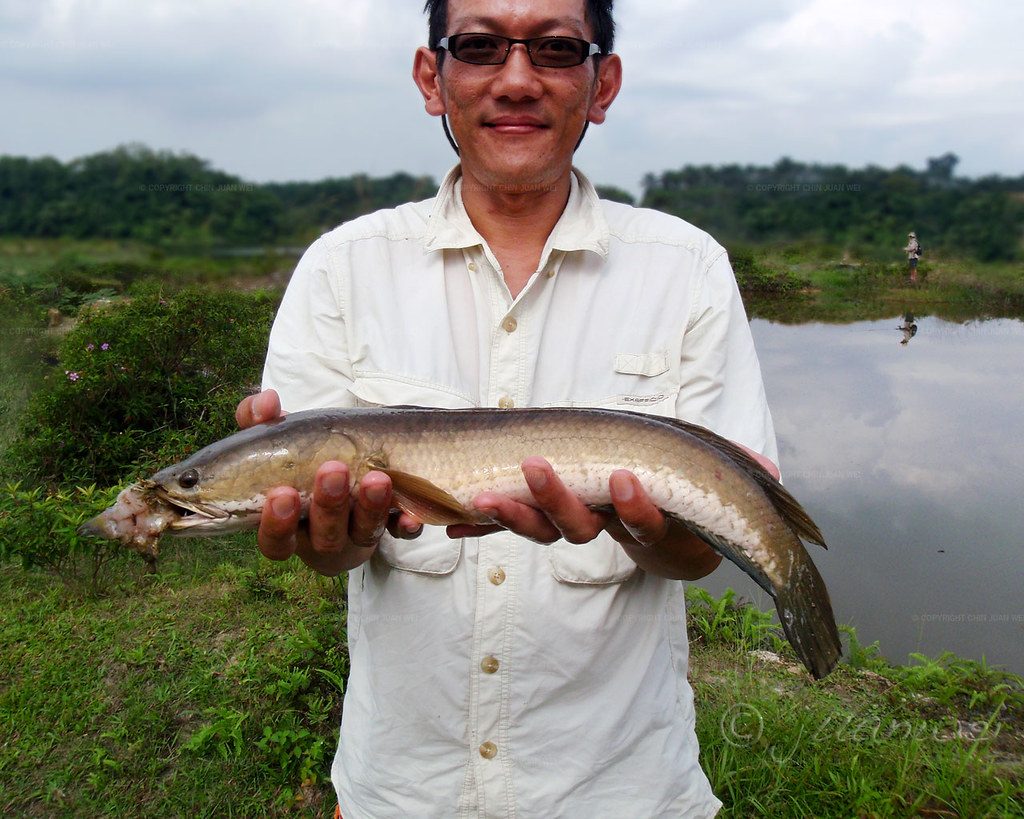
    Moose calves are extremely vulnerable in their first days and weeks of life. They cannot move quickly, tire easily, and rely completely on their mother for protection and guidance. Twin calves, like the ones seen in Park City, require even more attention because the mother must monitor two young animals at once.

    At this stage, even small dangers can become serious threats. Roads are especially risky because of fast-moving vehicles and unpredictable noise. Wildlife experts note that early summer is a sensitive time because moose calves are still learning how to walk, follow, and respond to their surroundings.

    Why moose enter neighborhoods like Park City

    Moose” by davebailey is licensed under CC BY-NC 2.0
    Moose are commonly found in Utah, especially in forested regions near the Wasatch Front and northern parts of the state. Wildlife officials estimate there are thousands of moose in Utah, and it is not unusual for them to wander into residential areas while searching for food, water, or safer travel routes.

    Environmental conditions can also play a role. Dry weather or changes in habitat can push moose to lower elevations where neighborhoods are located. As a result, residents sometimes encounter these large animals moving through streets, yards, or open spaces, especially during early summer months.

    Understanding moose behavior during calving season

    Smiling Moose in Yellowstone” by szeke is licensed under CC BY-SA 2.0

    Moose mothers are known to be highly protective, especially shortly after giving birth. In late May and early June, cows with calves can become more defensive than usual because they are focused on keeping their young safe. Even though moose are not predators, they can react strongly if they feel threatened.

    Experts also warn that dogs can make these situations more dangerous. Moose often see dogs as predators, which can trigger defensive behavior. For this reason, wildlife officials stress that pets should always be kept on a leash in moose country. During calving season, even simple encounters require extra caution from people living nearby.

    How to safely respond when a moose appears

    Moose in McDonald Creek” by GlacierNPS is licensed under CC PDM 1.0
    Wildlife officials advise that people should always give moose plenty of space. The safest response is to stay calm, avoid sudden movements, and slowly back away while keeping the animal in view. Approaching or trying to feed a moose is strongly discouraged because it can increase risk for both people and animals.

    If a moose shows signs of stress, such as lowered head, pinned-back ears, or raised neck hair, it is best to leave the area immediately. If a moose charges, experts recommend placing a solid object between yourself and the animal or getting into a vehicle or building if possible. In busy neighborhoods like Park City, officials also encourage residents to report sightings rather than attempt to manage the situation alone.

  • Emotional moment as dying Husky visits her farm animal companions one last time

    Emotional moment as dying Husky visits her farm animal companions one last time

    Saying goodbye to a beloved pet is one of the hardest moments any animal lover can face. The story of Bianca’s final goodbye shows just how deep the bond between animals can be. As Bianca, a senior Husky, reached the end of her life, she spent time with the animal friends she had known for years. Her touching farewell moved thousands of people and sparked questions about how animals react when another animal is nearing the end of life.

    In this article, you will learn about Bianca’s final goodbye, the special moment she shared with a horse friend, and why many people believe animals can sense important changes in one another. It is a heartfelt story about friendship, love, and compassion.

    Bianca’s final journey with her friends

    close-up photography of white and gray horse standing on green grass field
    Photo by Oscar Nilsson on Unsplash

    Bianca was an 18.5-year-old Husky who had spent many years surrounded by farm animals. As her health declined, her family knew the time was coming to say goodbye. They wanted to make her final days as peaceful and meaningful as possible.

    Knowing Bianca was nearing the end of her life, her family helped her visit the animals she loved. These moments allowed her to spend one last time with familiar companions. It was a touching way to honor the friendships she had formed throughout her life.

    A touching moment with her horse companion

    two horses and a dog running in the snow
    Photo by Sheila Swayze on Unsplash

    One of the most emotional moments happened when Bianca was brought to see her horse friend. In a video shared on social media, Bianca was gently carted to the horse’s enclosure so the two animals could spend time together.

    The horse greeted Bianca with loving licks and gentle nose snuggles. Bianca appeared very weak and could barely respond, but the interaction seemed meaningful. The quiet exchange between the two animals touched the hearts of many people who watched the video.

    A farewell that touched thousands

    three horses on green ground
    Photo by Annika Treial on Unsplash

    The video of Bianca’s final goodbye quickly gained attention online. More than 8,000 people liked the post and shared their feelings about the touching moment. Many viewers were moved by the connection between Bianca and the horse.

    Bianca’s family shared an emotional message about their beloved dog. They explained that the sad day had arrived and that Bianca was ready to cross over. They described her as a sweet and perfect angel who would always be loved and remembered.

    Why do people believe the horse understood?

    selective focus photography of two brown horses
    Photo by Raphael Wicker on Unsplash

    Many viewers felt that the horse somehow knew Bianca was nearing the end of her life. One emotional follower commented that the horse knew what was happening and praised animals for their remarkable abilities.

    Others focused on how precious the moment was. Watching the horse stay close and show affection made many people feel that the animal sensed Bianca needed comfort. The interaction appeared gentle, caring, and full of emotion.

    Can animals sense the end of life?

    white horse running on grass field
    Photo by Helena Lopes on Unsplash

    Bianca’s story naturally raises questions about whether animals can sense when another animal is dying. Experts believe animals may recognize signs that a human or animal is approaching the end of life.

    There is no evidence that animals understand death in the same way humans do. However, they may notice changes in scent, body language, breathing patterns, body chemistry, and behavior. These signals can help animals recognize that something is different about a companion.

    How animals show care and compassion

    brown and white horses on green grass field during daytime
    Photo by Lucia Macedo on Unsplash

    Animals often respond to changes in others in different ways. Some may howl, cry out, or gently nudge a human or animal that is nearing the end of life. These behaviors suggest a strong awareness of the condition of those around them.

    While some animals may distance themselves from a dying companion, that was not the case with Bianca’s horse friend. Instead, the horse stayed close and showed affection during their final meeting. It was a beautiful example of companionship and care.