Category: News

  • How divers saved a gentle whale shark from a life-threatening rope trap

    How divers saved a gentle whale shark from a life-threatening rope trap

    A routine dive in the Maldives turned into an extraordinary wildlife rescue when divers spotted a whale shark struggling with a thick rope wrapped tightly around its body. The enormous fish continued swimming despite the dangerous entanglement, but the rope threatened to cause serious injury over time.

    Without hesitation, experienced dive guides entered the water and carefully worked together to remove the rope. The remarkable rescue not only saved one of the world’s largest fish but also highlighted the growing threat posed by discarded fishing gear to marine life.

    Divers spotted the whale shark in trouble
    photography of two persons underwater
    Photo by Francisco Jesús Navarro Hernández on Unsplash

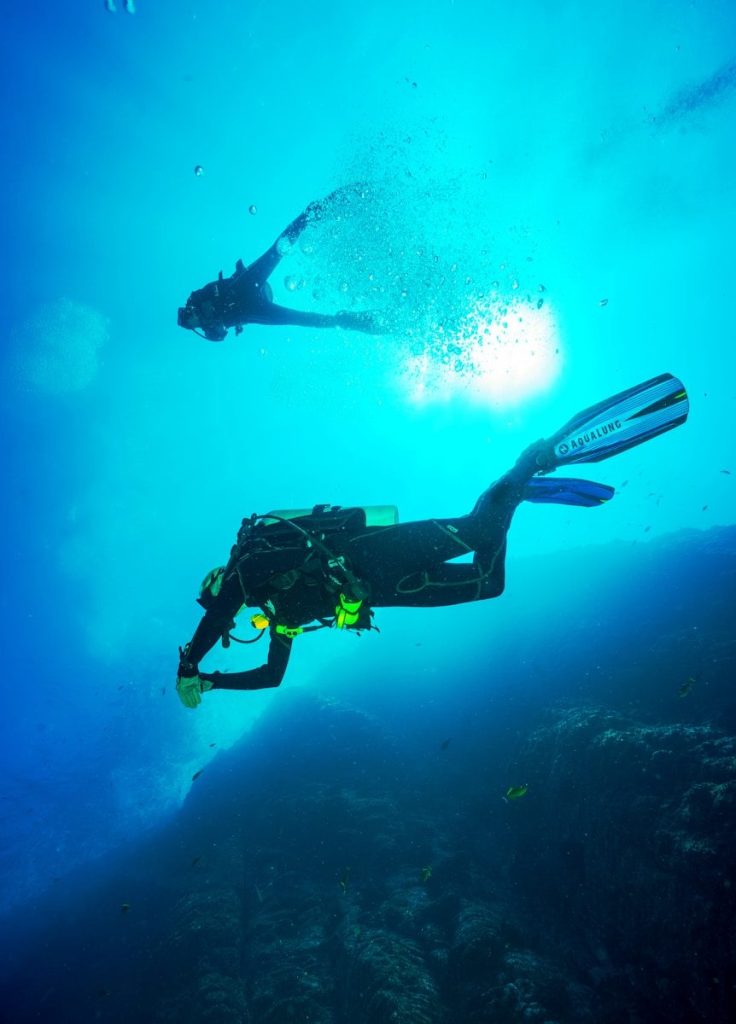
    In December 2019, dive guides Simone Musumeci and Antonio Di Franca were leading a group near Fuvahmulah Island in the Maldives when they noticed a whale shark swimming close to their boat. As it approached, they saw a thick rope tightly wrapped around its body between the head and pectoral fins.

    The rope had already left visible indentations in the shark’s skin, raising concerns that it could eventually restrict movement or cause severe injuries if left in place.

    The rescue required careful teamwork
    two people scuba diving underwater
    Photo by Sebastian Pena Lambarri on Unsplash

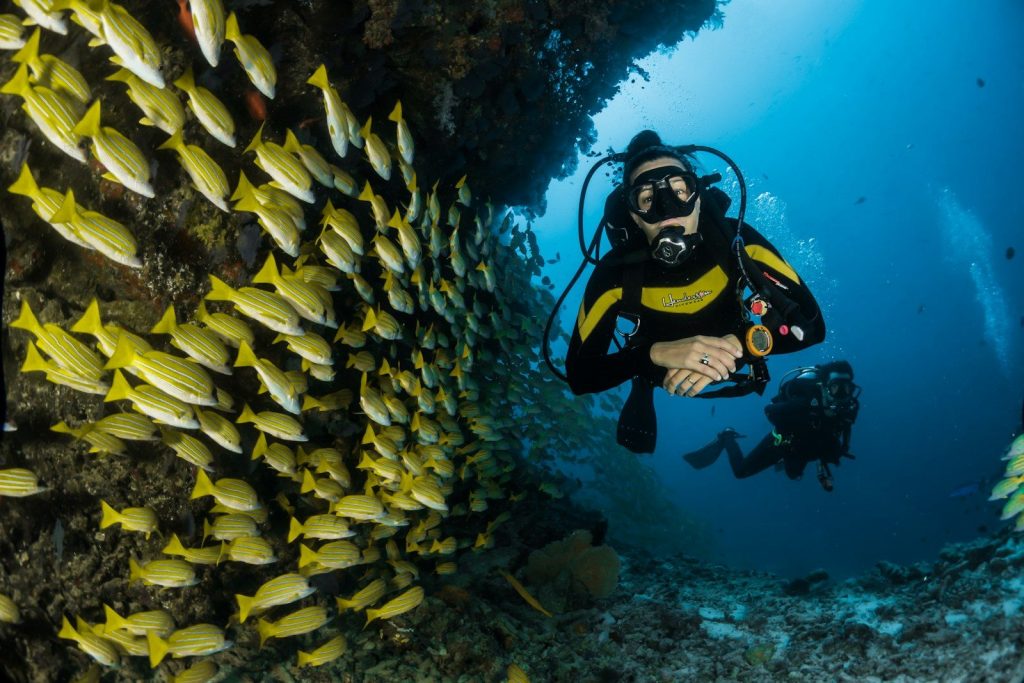
    The two divers immediately re-entered the water carrying dive knives. Working beside the moving whale shark, they carefully cut through the thick rope while avoiding injury to the animal.

    The rescue lasted about 10 minutes as the whale shark continued swimming, pulling the divers with it to depths of roughly 14 meters before the rope was finally removed.

    The whale shark stayed remarkably calm
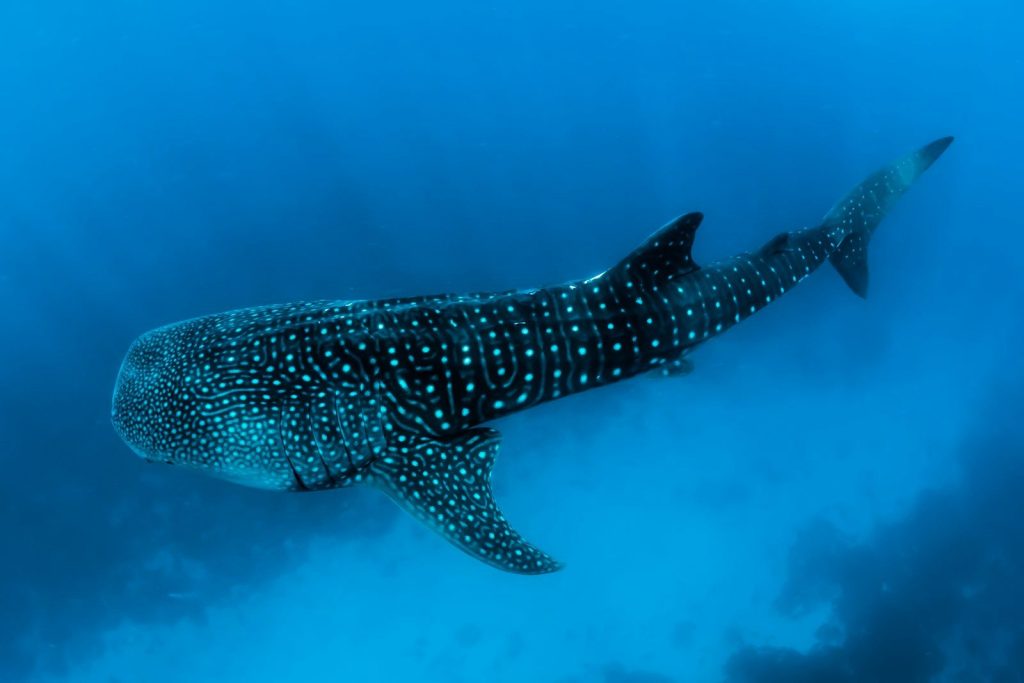
    underwater photography of black fish
    Photo by Sebastian Pena Lambarri on Unsplash

    Despite the unusual situation, the whale shark remained calm throughout the rescue. Once the final section of rope was cut away, the giant fish paused briefly before swimming toward deeper water.

    One of the divers later recalled that the shark returned for a short moment after being freed, creating what they described as an unforgettable encounter before it disappeared into the blue.

    Whale sharks face growing threats
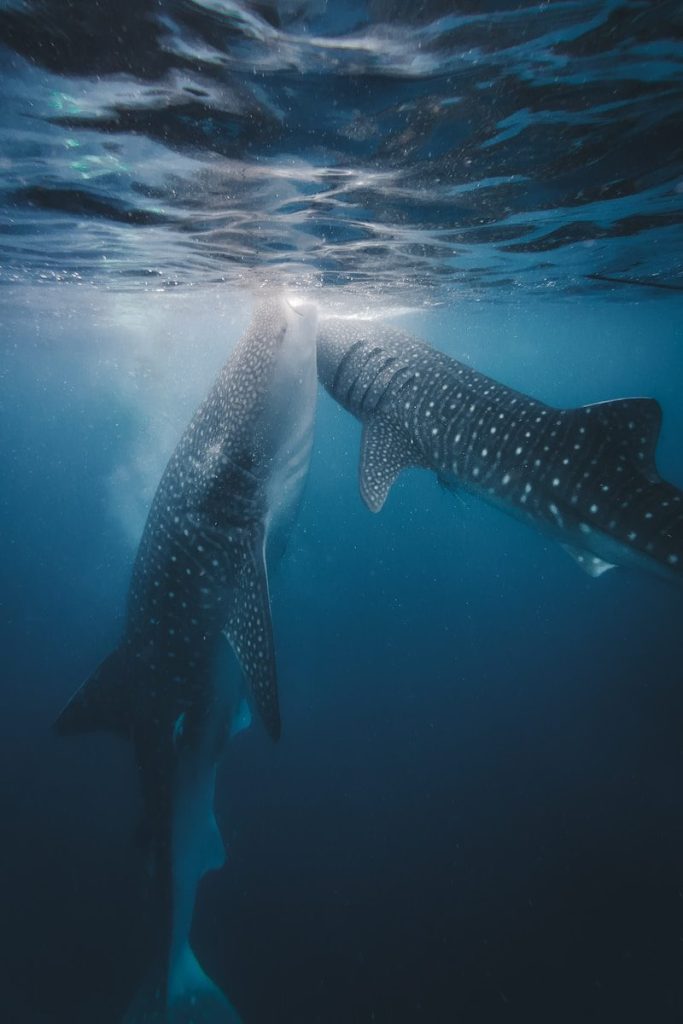
    a large whale and a smaller whale swimming in the ocean
    Photo by Kevin Charit on Unsplash

    Whale sharks are the largest fish in the world and are gentle filter feeders that consume plankton and small marine animals. They are listed as endangered because of threats including ship strikes, accidental capture, habitat loss, and marine pollution.

    Discarded fishing ropes, nets, and other marine debris can entangle whale sharks, making it difficult for them to swim, feed, or breathe normally as they continue to grow.

    Marine debris affects countless ocean animals
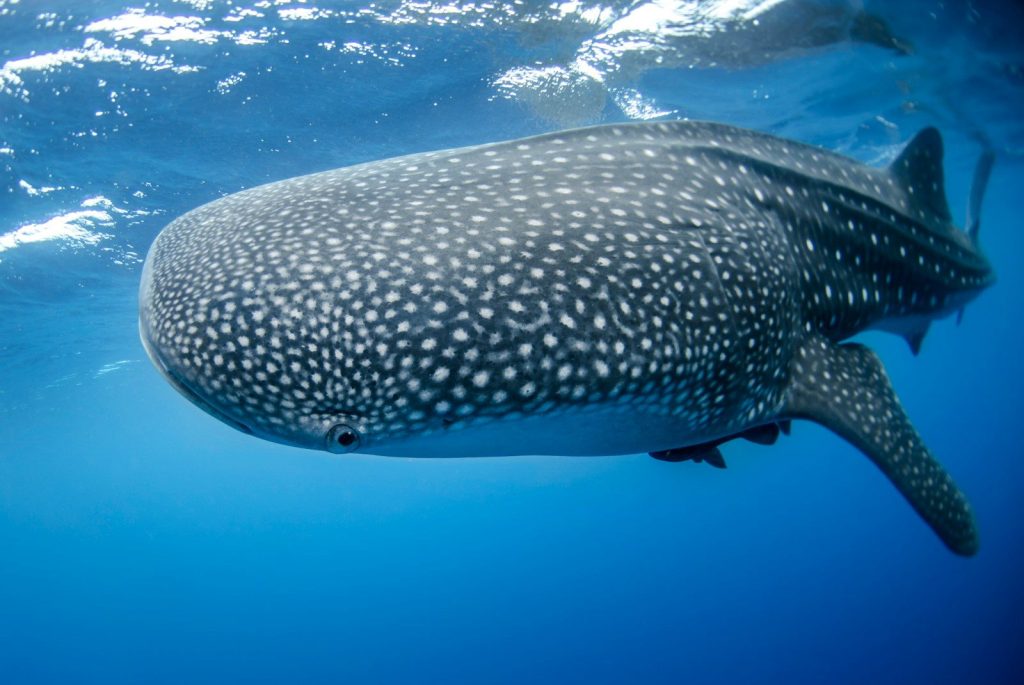
    gray whale underwater
    Photo by NOAA on Unsplash

    Ghost fishing gear is responsible for injuring or killing thousands of marine animals every year. Sea turtles, whales, dolphins, seals, and sharks can all become trapped in abandoned ropes and nets.

    Conservation groups encourage proper disposal and recovery of lost fishing equipment to reduce these preventable injuries and protect vulnerable marine species.

    Every successful rescue raises awareness
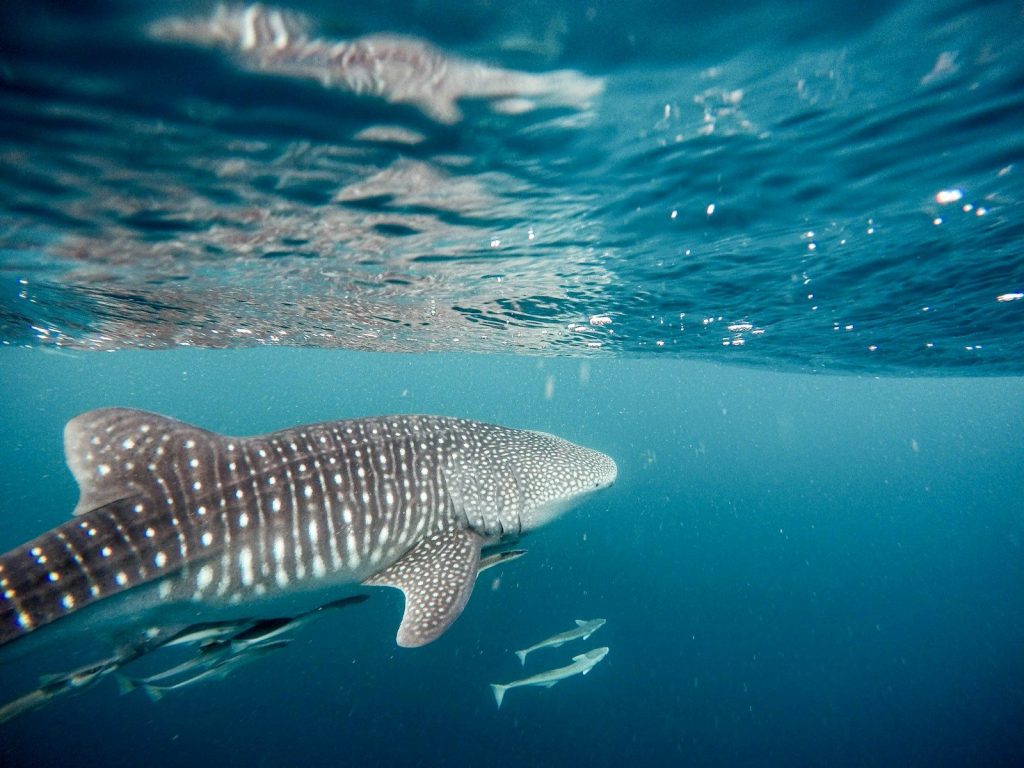
    black whale on sea
    Photo by Jeremy Bishop on Unsplash

    Although rescuing entangled wildlife is not always possible, this successful operation demonstrated how trained professionals can sometimes intervene safely when conditions allow. The video has since inspired many people to learn more about marine conservation.

    Scientists hope stories like this will encourage greater efforts to reduce plastic pollution and lost fishing gear, so fewer marine animals are trapped in the future.


  • Boy dies after fleeing dog attack as California owner faces criminal charges

    Boy dies after fleeing dog attack as California owner faces criminal charges

    A tragic afternoon at a California park ended with the death of a 12-year-old boy after he reportedly jumped into a lake while trying to escape three dogs. Police say the incident also left the boy’s younger sister seriously injured. The case has shocked the local community and raised questions about responsible pet ownership and public safety.

    Authorities have since arrested the dogs’ owner, who now faces multiple criminal charges. This article explains what investigators say happened, how the case developed, and what comes next in the legal process.

    The incident unfolded at a city park

    people walking on green grass field near green trees under blue sky during daytime
    Photo by Martins Cardoso on Unsplash

    According to police, the incident happened on June 18 at Central Park Lake in California City. Authorities say 12-year-old Fernando Torres Moreno entered the lake while trying to escape three dogs that had allegedly chased him.

    Emergency responders found Fernando at the bottom of the lake and immediately began CPR before taking him to a hospital. Despite medical treatment, he later died from his injuries.

    Another child was also injured

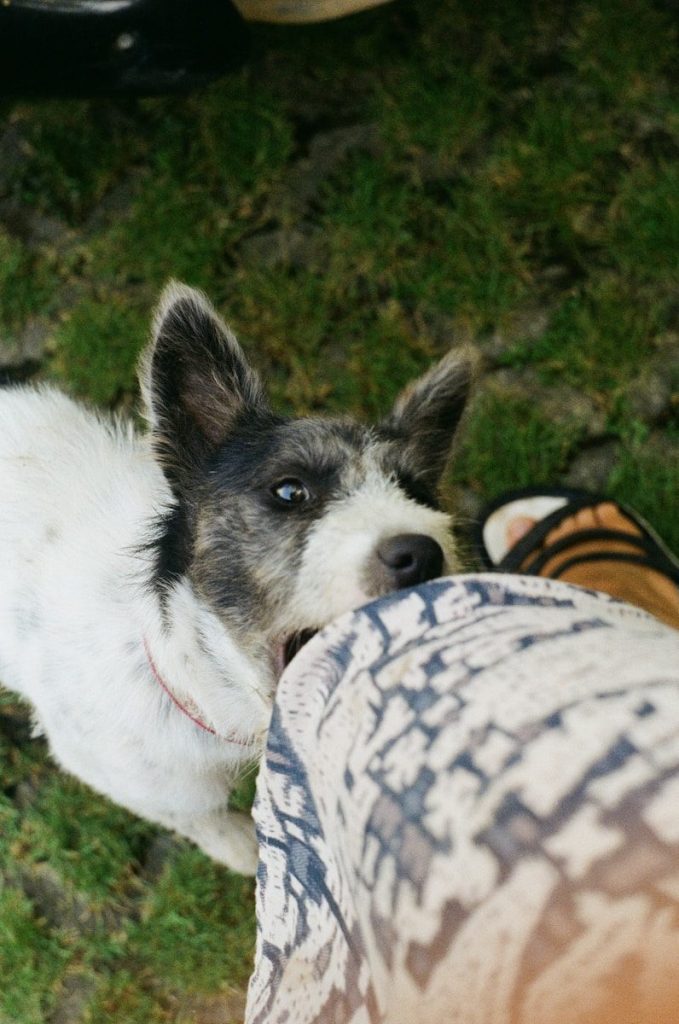
    white and brown short coated dog lying on green grass during daytime
    Photo by Alexas_Fotos on Unsplash

    Police say Fernando’s 8-year-old sister was also attacked during the incident. She suffered serious dog bite injuries but survived after receiving hospital treatment.

    Investigators allege the dogs belonged to 68-year-old Kenneth Dobbins. Witness statements and the subsequent investigation led authorities to identify his three dogs as those involved in the attack.

    Police arrested the dog’s owner

    2 men standing beside white and blue police car
    Photo by Erik Mclean on Unsplash

    After several days of investigation, police obtained an arrest warrant for Dobbins. Authorities later located and arrested him in Lancaster after receiving information about his whereabouts.

    Investigators also recovered one of the dogs involved in the incident, while authorities initially continued searching for the remaining animals.

    Prosecutors filed multiple charges

    dog eating wood log
    Photo by Jordan Whitt on Unsplash

    The Kern County District Attorney’s Office later charged Dobbins with second-degree murder, involuntary manslaughter, and additional felony counts related to allegedly failing to control dangerous animals. He has pleaded not guilty to all charges.

    As with every criminal case, prosecutors must prove the allegations in court. The charges remain accusations until the legal process is completed.

    The community mourned Fernando

    man in blue and yellow long sleeve shirt standing beside man in black jacket
    Photo by Freddy Kearney on Unsplash

    Fernando’s family described him as a kind and joyful boy who loved spending time outdoors with his siblings and friends. A fundraising campaign was created to help cover funeral expenses.

    The tragedy deeply affected California City, where community members gathered to remember the young victim and express support for his family during an extremely difficult time.

    The investigation continues

    white and black short coat small dog on green grass field during daytime
    Photo by Dasha Urvachova on Unsplash

    Authorities continue reviewing evidence as the criminal case moves through the court system. Future hearings will determine how the prosecution and defense present their cases before a judge.

    The incident has also renewed discussion of responsible pet ownership, leash laws, and ways to prevent dangerous encounters between aggressive animals and the public. Regardless of the legal outcome, the tragedy serves as a painful reminder of the importance of keeping pets under proper control.

  • The elephant springs into action after seeing its owner in the water

    The elephant springs into action after seeing its owner in the water

    Elephants are famous for their intelligence, strong family bonds, and remarkable memory. In one widely shared video, an elephant quickly rushed into the water after appearing to believe its handler was in danger. The touching moment captured the animal’s immediate response and reminded millions of viewers how closely elephants can bond with the people who care for them.

    While scientists are careful about assigning human emotions to animals, research shows that elephants regularly display complex social behaviors, cooperation, and protective instincts. This article explores what happened, why the behavior is so fascinating, and what science tells us about elephant intelligence.

    The elephant reacted immediately

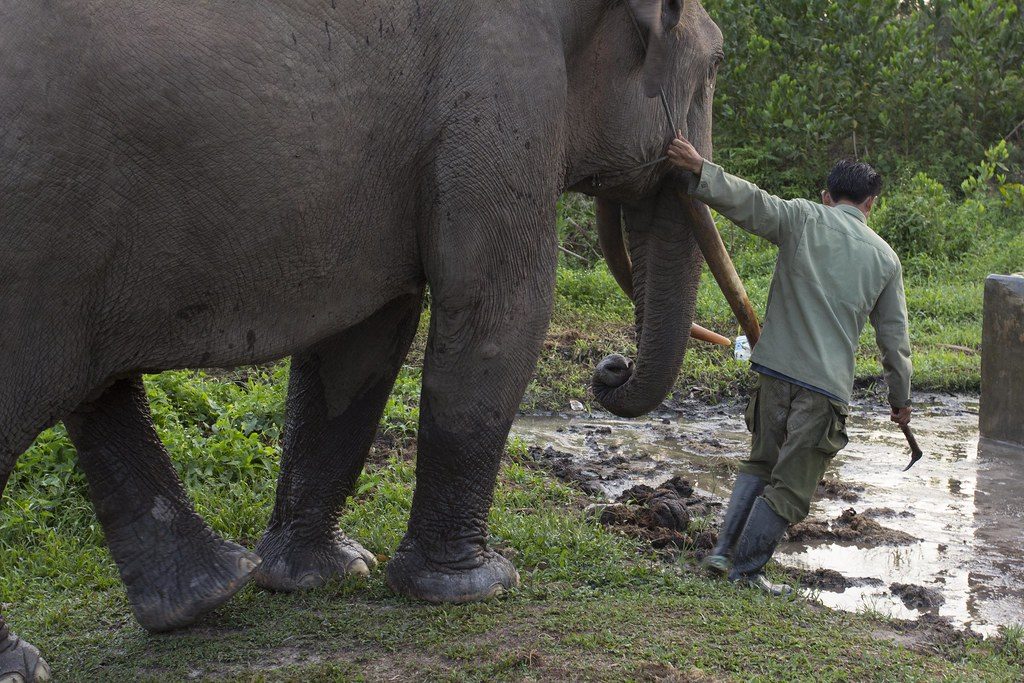
    Elephant in the WWF Flying Squad” by World Bank Photo Collection is licensed under CC BY-NC-ND 2.0

    As the handler entered the water, the elephant quickly followed and moved toward the person without hesitation. The animal appeared determined to reach its caretaker as fast as possible, creating an unforgettable moment for everyone watching.

    Observers believed the elephant may have interpreted the situation as an emergency. Although researchers cannot know exactly what the elephant was thinking, the rapid response demonstrated a strong awareness of its surroundings.

    Elephants form strong social bonds

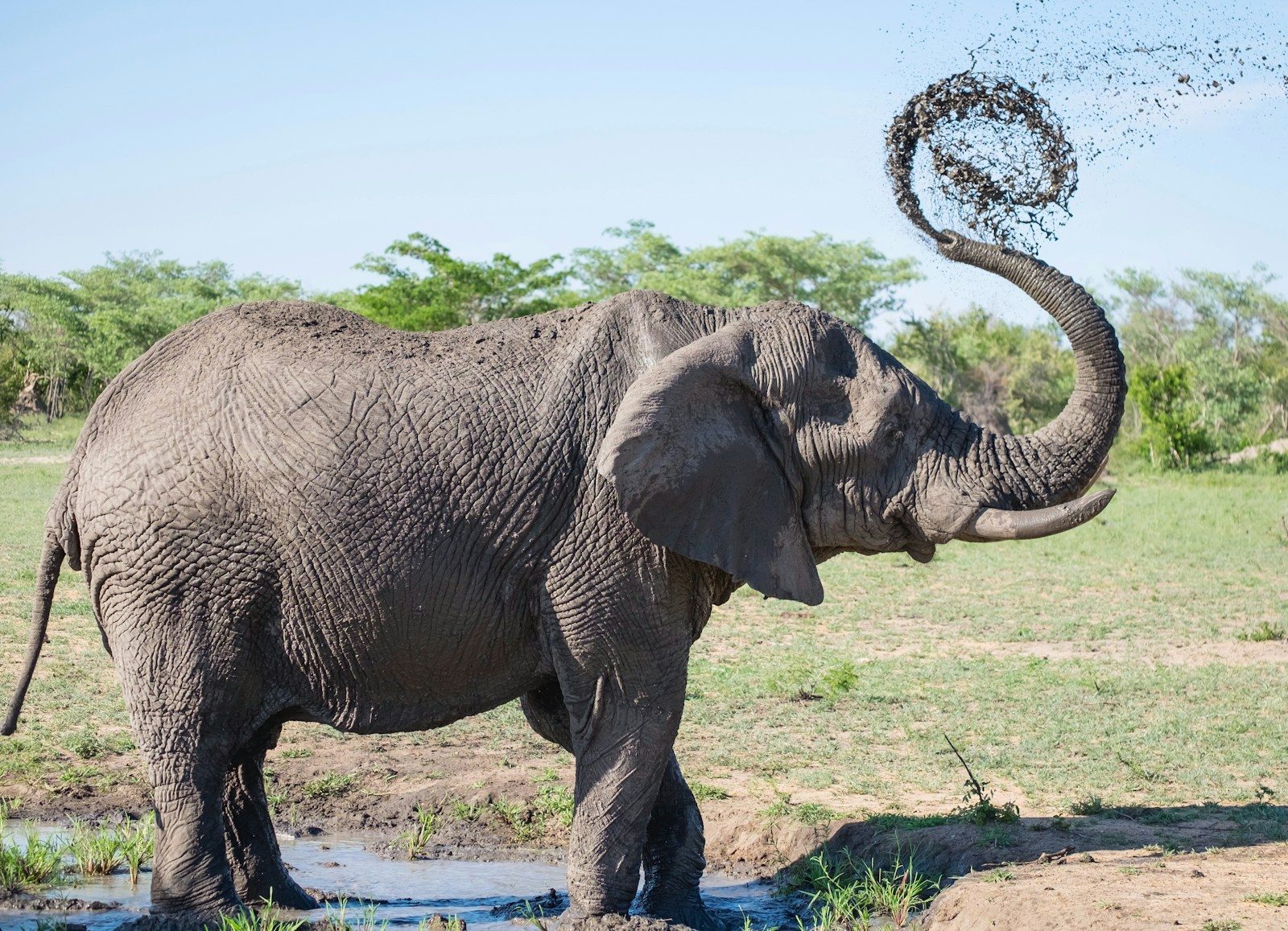
    elephant standing on green field
    Photo by Karly Nelson on Unsplash

    Wild elephants live in close family groups where cooperation is essential for survival. They communicate constantly and often work together to protect calves and assist injured herd members.

    Scientists have documented elephants helping one another during difficult situations, including supporting weak individuals, defending companions, and responding to signs of distress. These behaviors highlight their complex social lives.

    Intelligence plays an important role

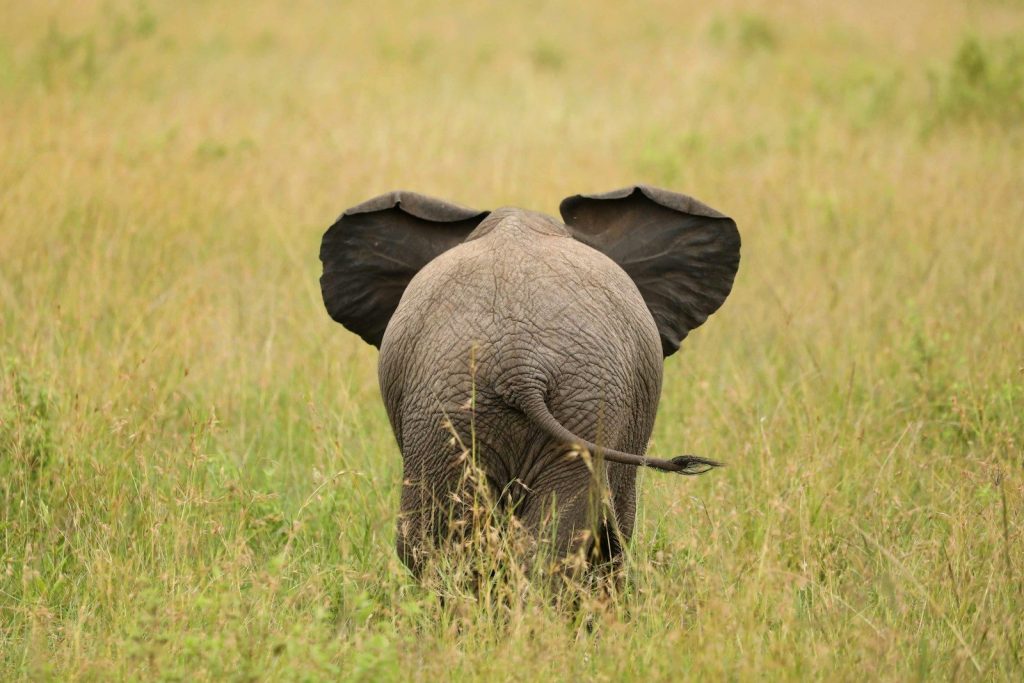
    brown elephant on green grass field during daytime
    Photo by Wolfgang Hasselmann on Unsplash

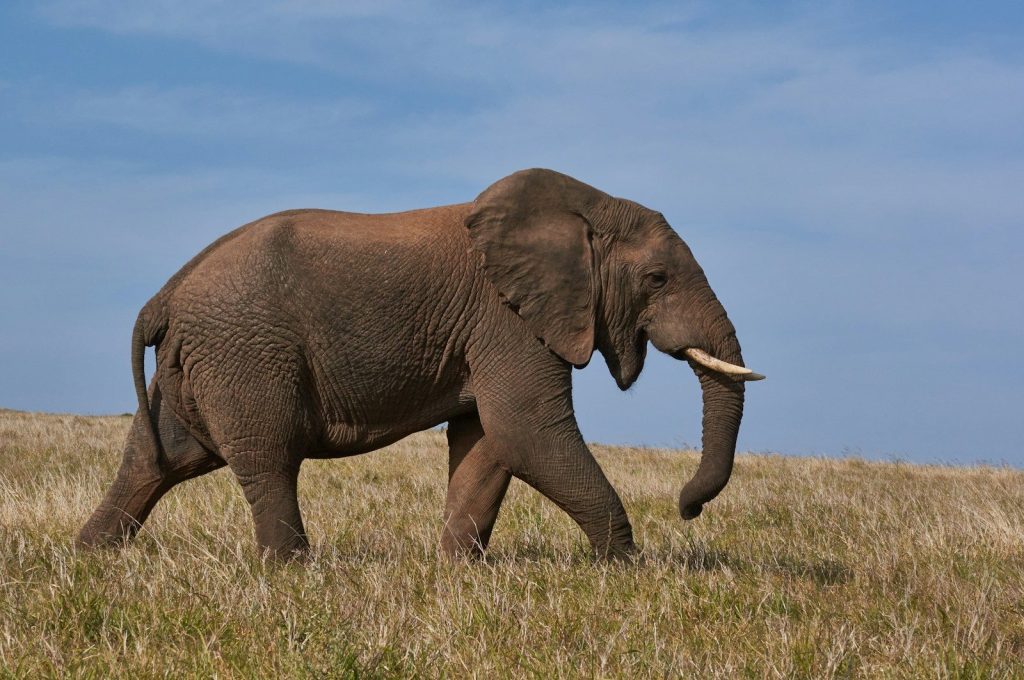
    Elephants possess some of the largest brains of any land animal. They can recognize individuals, remember important locations, solve problems, and learn from experience.

    Researchers also believe elephants are capable of flexible decision-making. Rather than reacting only through instinct, they often adjust their behavior based on changing situations and past experiences.

    Human and elephant relationships

    woman in white shirt and blue pants standing beside brown elephant during daytime
    Photo by Craig McKay on Unsplash

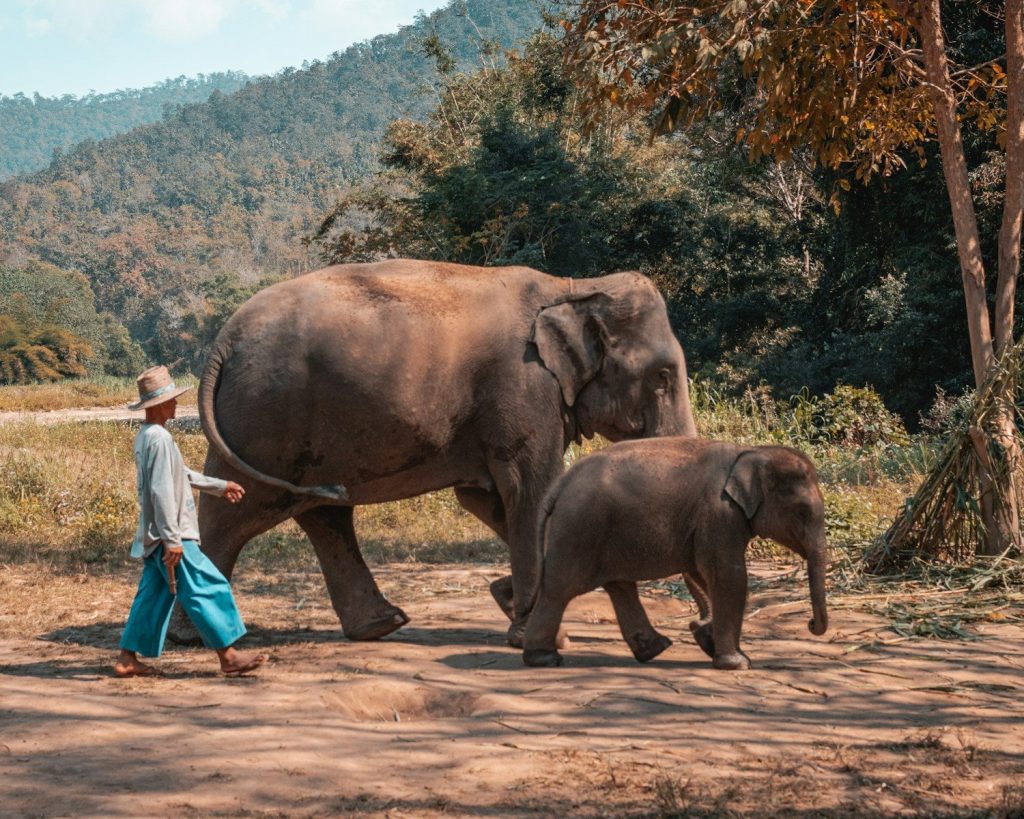
    People who work closely with elephants often develop long-term relationships built on trust and familiarity. Daily interaction allows both humans and elephants to recognize each other’s behaviors and routines.

    Even so, elephants remain powerful wild animals that deserve respect. Their behavior can change depending on their environment, health, stress level, and previous experiences.

    Scientists study helping behavior carefully

    person near two brown elephants near body of water
    Photo by Kym Ellis on Unsplash

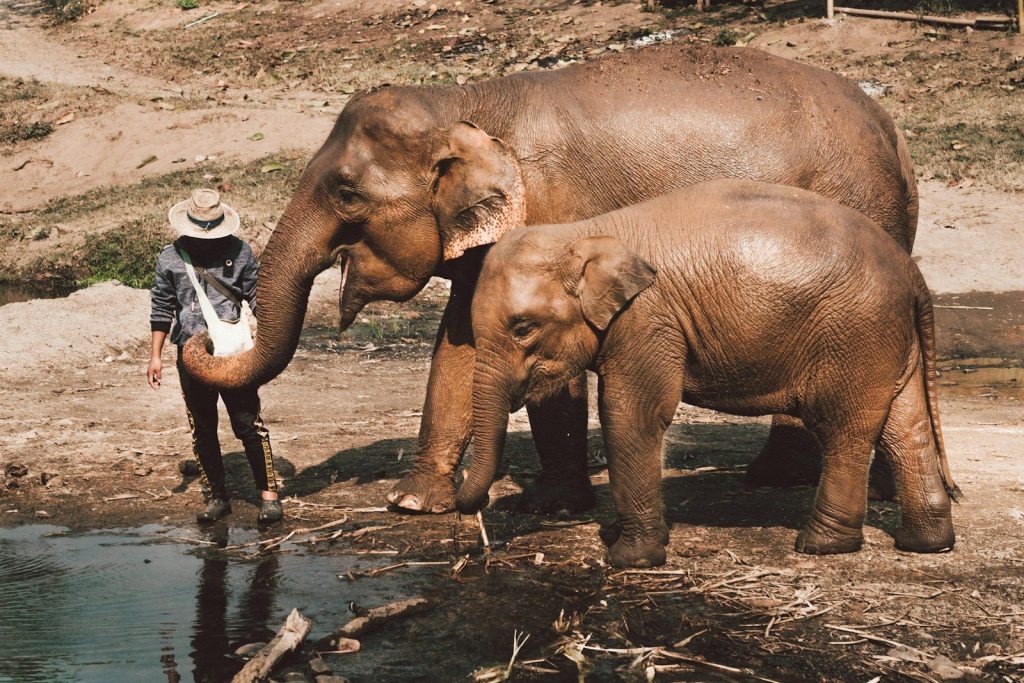
    Researchers are interested in moments when elephants appear to assist others because these events may provide clues about animal cognition. However, scientists avoid assuming an animal experiences events exactly as humans do.

    Instead, they focus on careful observation and repeated evidence. Studying many similar behaviors over time helps researchers better understand how elephants respond to companions that appear to need help.

    A reminder of nature’s complexity

    an elephant standing in the dirt eating grass
    Photo by prabin basnet on Unsplash

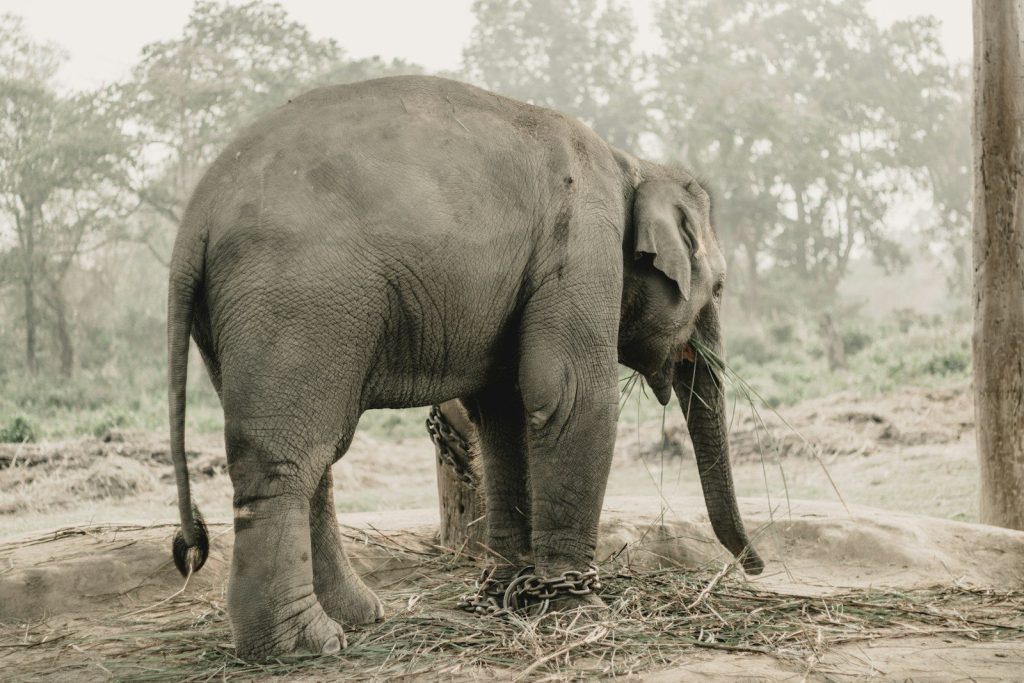
    The video captured a remarkable interaction that inspired people around the world. Whether the elephant believed its handler was truly in danger or simply responded to an unusual situation, the behavior reflected the species’ extraordinary awareness and social nature.

    Every observation like this helps scientists ask new questions about intelligence, communication, and cooperation in one of Earth’s most remarkable animals. It also reminds us why elephant conservation remains so important.

  • Decades-old fossil finally recognized as Antarctica’s first dinosaur bone

    Decades-old fossil finally recognized as Antarctica’s first dinosaur bone

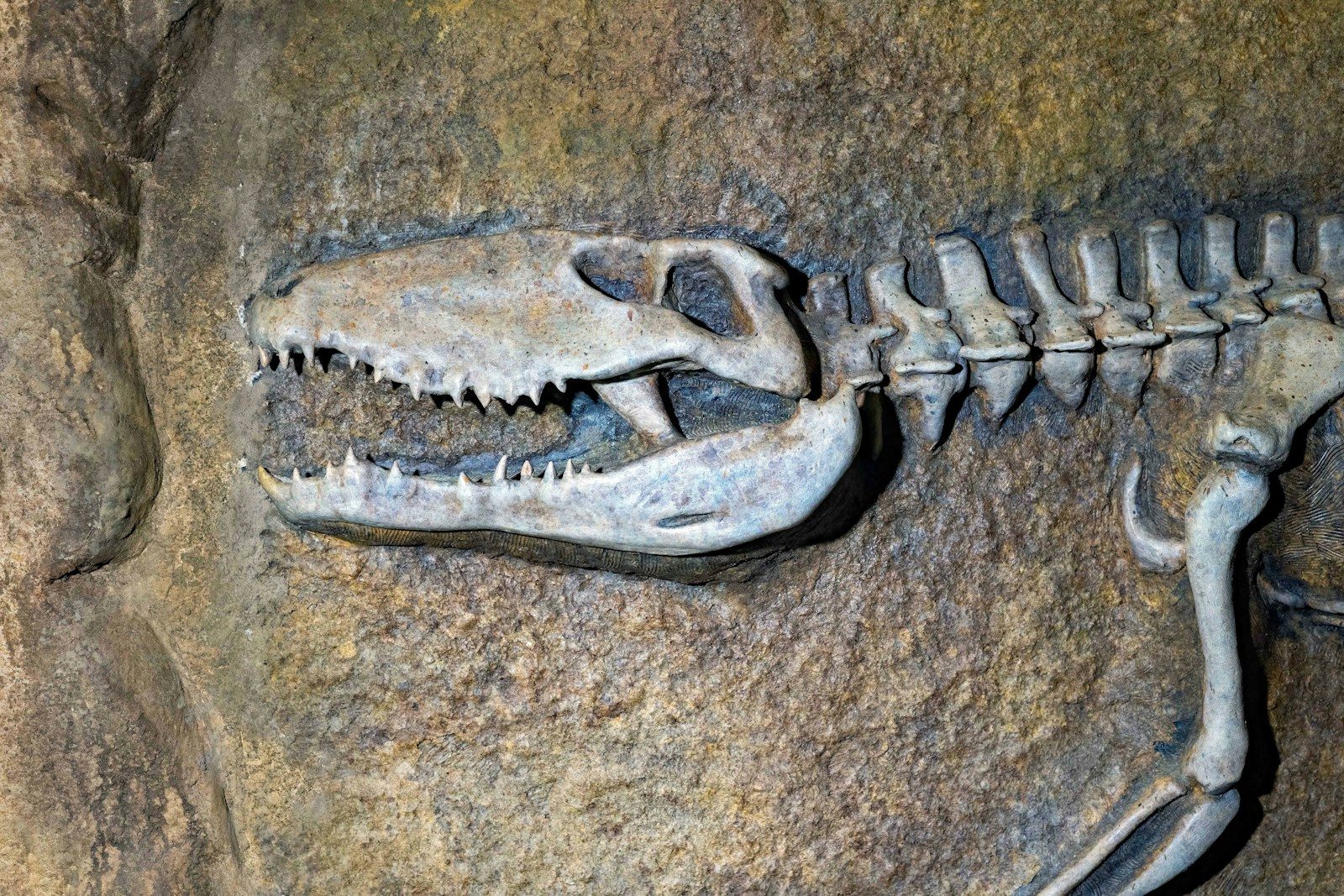
    Some of the world’s greatest scientific discoveries happen in the field. Others happen inside museum collections. A fossil collected in Antarctica more than 40 years ago recently changed history after scientists realized it had been identified incorrectly.

    What was once believed to be the bone of a marine reptile turned out to be the first dinosaur fossil ever found on the frozen continent. The discovery provides new clues about Antarctica’s ancient forests, giant dinosaurs, and the connections between the southern continents millions of years ago.

    The fossil remained hidden for decades

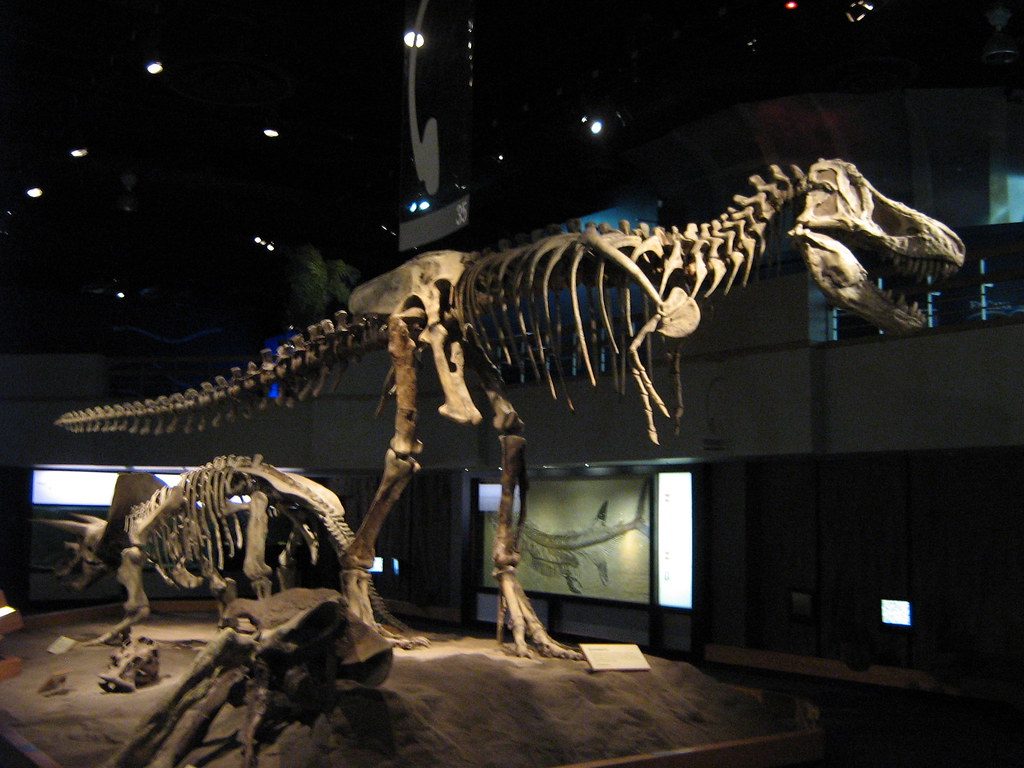
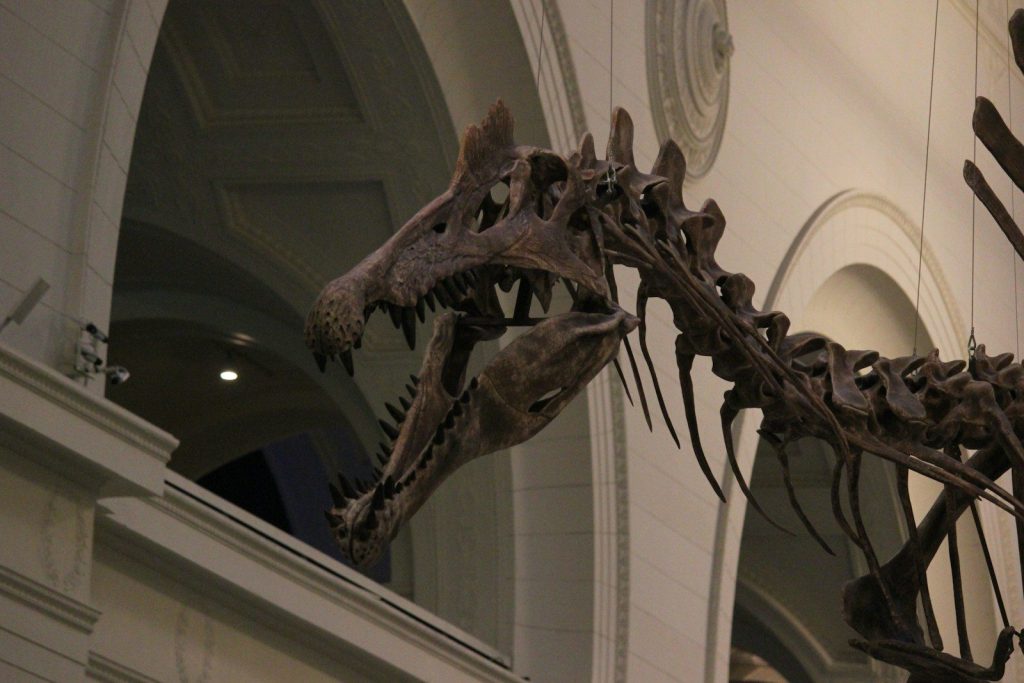
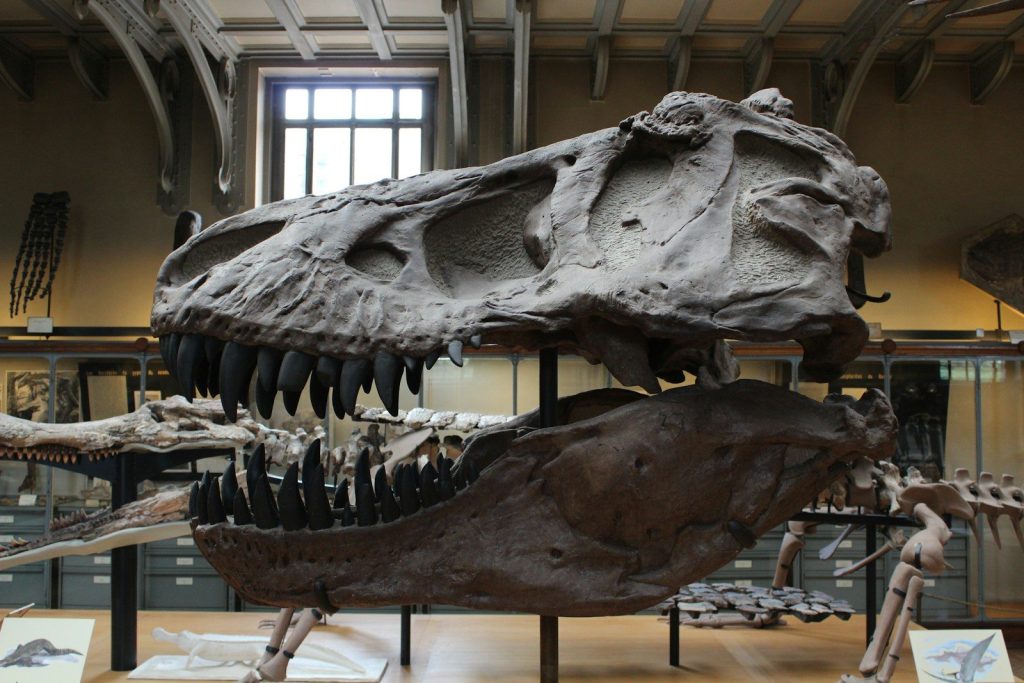
    Tyrannosaur Tyrannosaurus Rex Huxley Alberta Skeleton fossil dinosaur dinosaurs” by Craig T Dylke is licensed under CC BY-NC-ND 2.0

    The fossil was collected in 1985 during a British Antarctic Survey expedition on James Ross Island. At the time, researchers believed the bone belonged to a large marine reptile, so it was carefully stored with thousands of other specimens.

    Years later, paleontologist Mark Evans noticed that the fossil looked unusual while examining the British Antarctic Survey collections. After detailed comparisons with dinosaur fossils, researchers confirmed it was actually a dinosaur vertebra.

    The bone belonged to a titanosaur

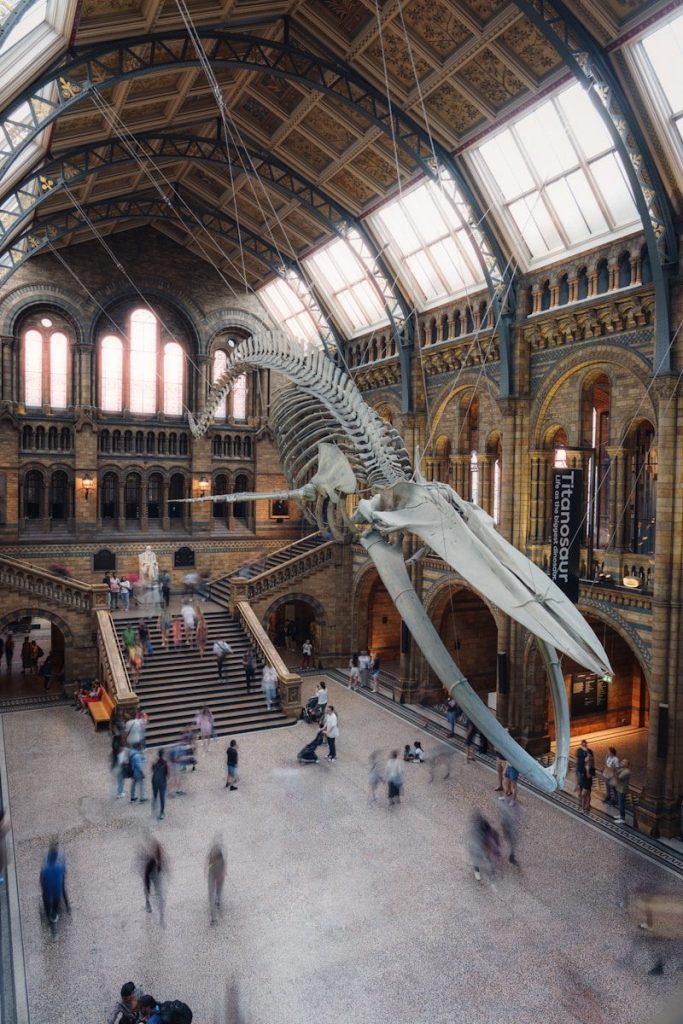
    Whale skeleton suspended in a grand museum hall.
    Photo by Petar Avramoski on Unsplash

    Scientists identified the fossil as a tail vertebra from a titanosaur, a group of giant, long-necked, plant-eating dinosaurs that lived across the Southern Hemisphere during the Late Cretaceous.

    Although titanosaurs included some of the largest land animals ever to exist, this individual was much smaller. Researchers estimate it measured about 6 to 7 meters long and may have been a juvenile or a small adult.

    Antarctica once looked very different

    glacier during daytime
    Photo by Derek Oyen on Unsplash

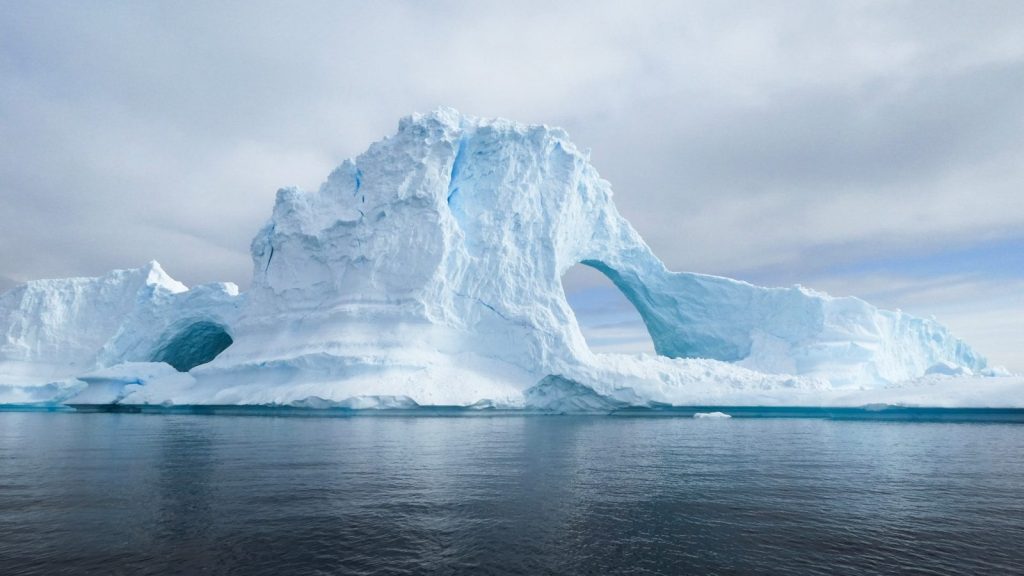
    Around 82 million years ago, Antarctica was not covered by thick ice sheets. Instead, it supported forests with a much warmer climate that could sustain large herbivorous dinosaurs.

    At that time, Antarctica formed part of the ancient southern supercontinent known as Gondwana. Land connections allowed animals to move between what are now South America, Antarctica, and Australia.

    One small fossil has enormous importance

    A dinosaur skeleton is on display at the museum.
    Photo by Frolicsome Fairy on Unsplash

    Even though the fossil consists of only a single vertebra, scientists consider it historically significant because it represents the first dinosaur fossil ever recovered from Antarctica.

    Researchers say discoveries like this help explain how dinosaurs spread across southern continents and adapted to different ancient environments. Every fossil adds another piece to Earth’s prehistoric history.

    Museum collections still hold surprises

    dinosaur skelleton
    Photo by Adam Mathieu on Unsplash

    This discovery demonstrates why museum collections remain valuable long after fossils are collected. Advances in technology and new scientific knowledge allow researchers to recognize details that may have been overlooked decades earlier.

    Scientists believe many museum collections worldwide still contain specimens awaiting proper identification. Careful reexamination can lead to discoveries without collecting a single new fossil.

    Antarctica may reveal more dinosaurs

    mountain with snow near body of water
    Photo by henrique setim on Unsplash

    Because most of Antarctica remains buried beneath thick ice, dinosaur fossils are exceptionally rare. Scientists expect additional discoveries as more exposed rock formations are explored during future research expeditions.

    Each new fossil improves our understanding of Antarctica’s ancient ecosystems and the remarkable animals that once lived where glaciers now dominate the landscape. The forgotten vertebra serves as a reminder that important discoveries can sometimes wait decades before their true significance is recognized.

  • The enormous shark that looks prehistoric but survives by eating tiny plankton

    The enormous shark that looks prehistoric but survives by eating tiny plankton

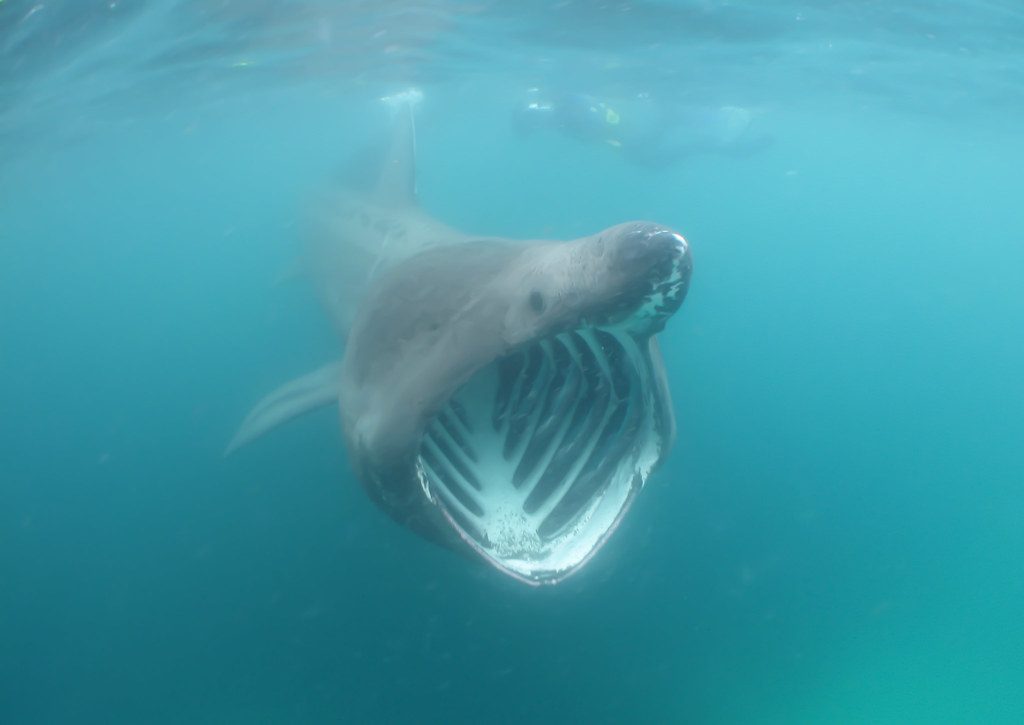
    Few ocean animals are as surprising as the basking shark. With its enormous mouth and massive body, it can look like a prehistoric predator from another age. Yet this gentle giant spends its days filtering tiny plankton from the water instead of hunting large animals.

    A recent rare sighting off the coast of San Diego amazed researchers and whale watchers, offering an unforgettable glimpse of one of the world’s largest and least understood sharks. This article explains why basking sharks are so special, how they feed, and why seeing one in the wild is an extraordinary event.

    A rare sighting thrilled researchers

    basking-shark-Cetorhinus–003” by jidanchaomian is licensed under CC BY-SA 2.0

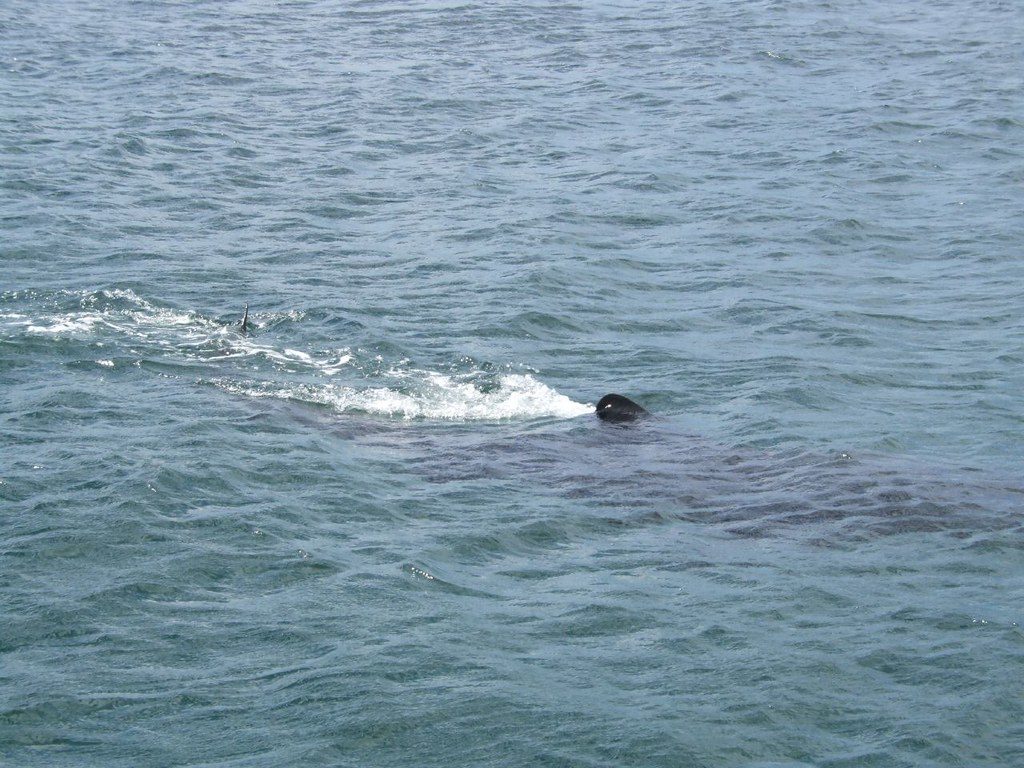
    Scientists and whale watchers aboard a Scripps Oceanography expedition unexpectedly spotted a basking shark off the coast of San Diego. The encounter happened during a whale watching trip, making it an exciting surprise for everyone on board.

    Researchers described the experience as a once-in-a-lifetime opportunity because the shark remained close enough for detailed observation. Seeing a basking shark calmly feeding near the surface is uncommon along the California coast.

    One of the largest fish on Earth

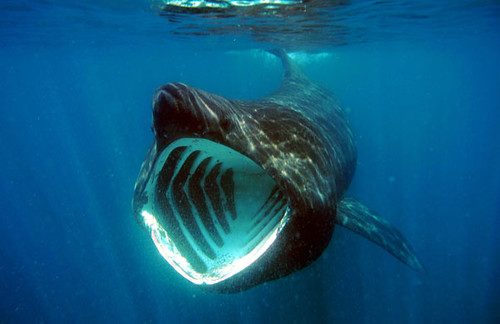
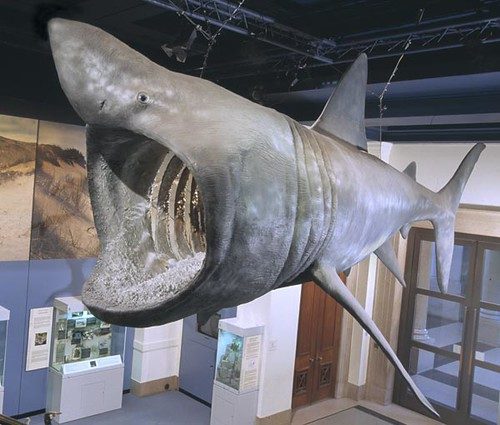
    Basking Shark Model” by MuseumWales is licensed under CC BY-NC 2.0

    The basking shark is the second-largest living fish, surpassed only by the whale shark. Adults commonly reach about 8 meters in length, while exceptionally large individuals can grow beyond 10 meters.

    Despite their impressive size, basking sharks are gentle animals that pose little danger to people. Their enormous mouths are designed for filtering tiny food rather than capturing large prey.

    Tiny food powers a giant shark

    Krill” by tim ellis is licensed under CC BY-NC 2.0

    Instead of hunting seals or fish, basking sharks feed mainly on zooplankton, krill, and other tiny drifting animals. As they swim slowly with their mouths open, specialized gill rakers trap food while seawater flows back out.

    Researchers estimate that a feeding basking shark can filter around 2,000 tons of seawater every hour. This remarkable feeding strategy allows the shark to consume enormous amounts of microscopic prey every day.

    Why are they called basking sharks

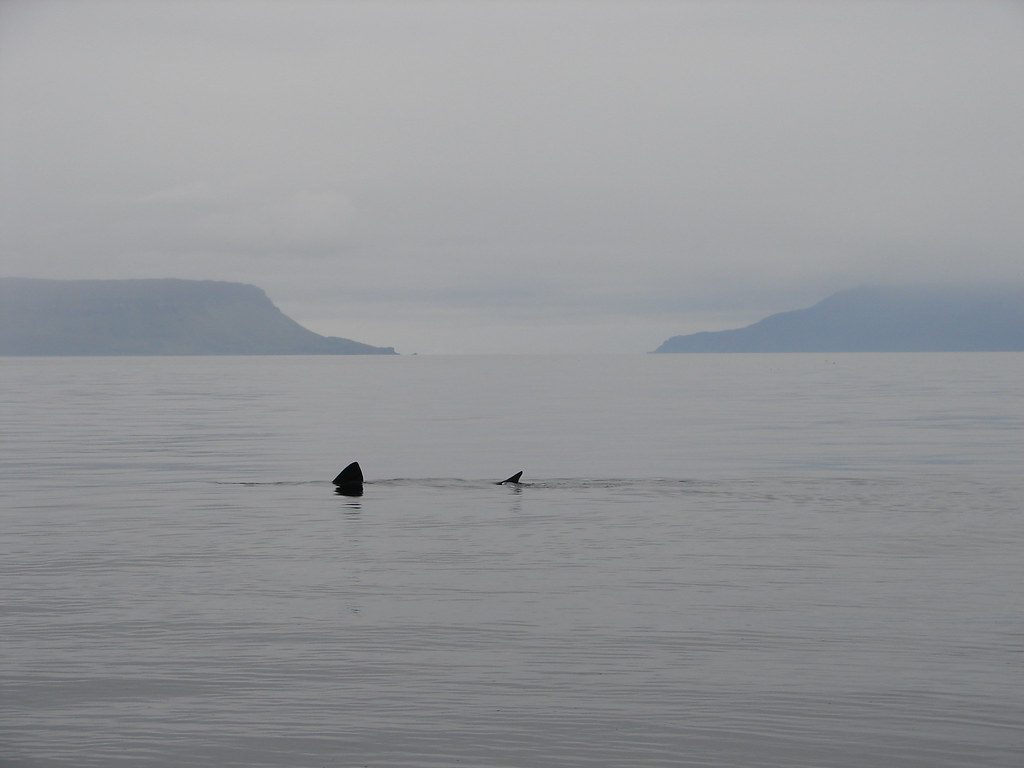
    Basking Shark in front of Iona” by wjmarnoch is licensed under CC BY 2.0

    The species gets its name because it often feeds near the ocean’s surface, appearing to bask in the sunlight. In reality, it is following dense patches of plankton rather than relaxing.

    These sharks are migratory and travel long distances to locate productive feeding areas. Their movements often follow seasonal changes in plankton abundance across temperate oceans.

    Gentle giants face real threats

    Basking Shark, with Eigg and Rum in the background” by gripso_banana_prune is licensed under CC BY-SA 2.0

    Although basking sharks are harmless, they have faced serious population declines because of historical fishing for their meat, fins, and liver oil. Today, they remain protected in many parts of the world.

    Scientists continue tracking basking sharks to better understand their migration routes, breeding habits, and habitat needs. This information is important for protecting the species in the future.
    Every rare encounter matters

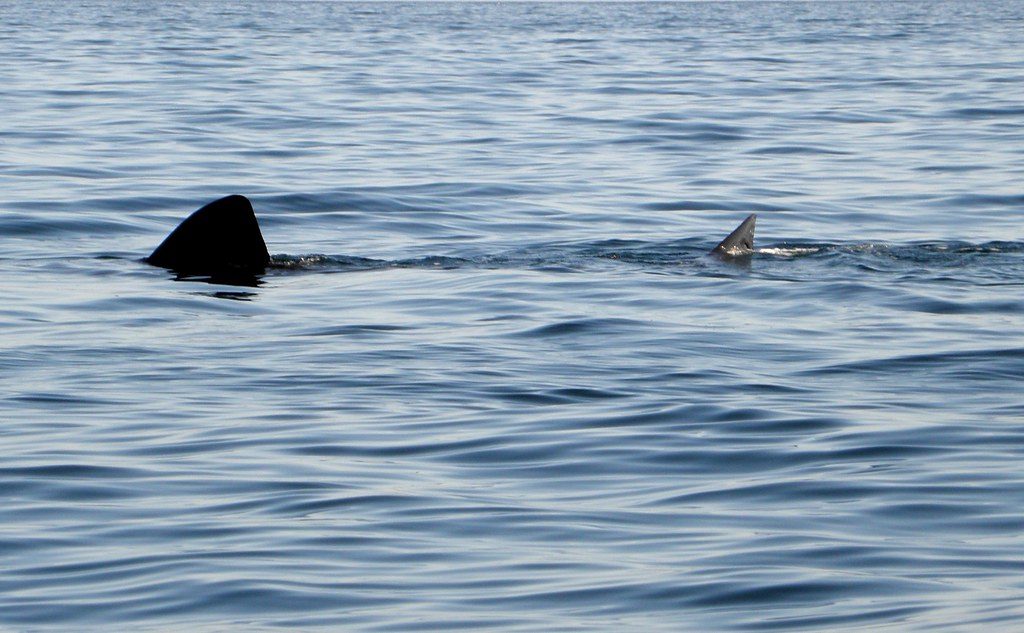
    Basking shark” by IrenicRhonda is licensed under CC BY-NC-ND 2.0

    Because basking sharks spend much of their lives moving across vast oceans, sightings provide valuable scientific information. Each observation helps researchers learn more about where the sharks travel and how they behave.

    The San Diego encounter reminded everyone that some of the ocean’s most spectacular animals are also among its most peaceful. Even one brief sighting can improve scientific understanding while inspiring greater appreciation for these remarkable, gentle giants.

  • The emotional rescue of a stranded baby dolphin that finally made it back to the ocean

    The emotional rescue of a stranded baby dolphin that finally made it back to the ocean

    A stranded baby dolphin lying alone on a beach is a heartbreaking sight. Away from the water, these intelligent marine mammals can quickly become exhausted, overheated, and dehydrated. In one remarkable rescue, a young dolphin received a second chance after a caring person noticed its struggle and helped it return toward the sea.

    While the rescue touched millions of people, it also highlights the challenges stranded dolphins face and why trained responders play an important role in protecting marine wildlife. This article explores how dolphin strandings happen, how rescues work, and why every successful release matters.

    A young dolphin became stranded

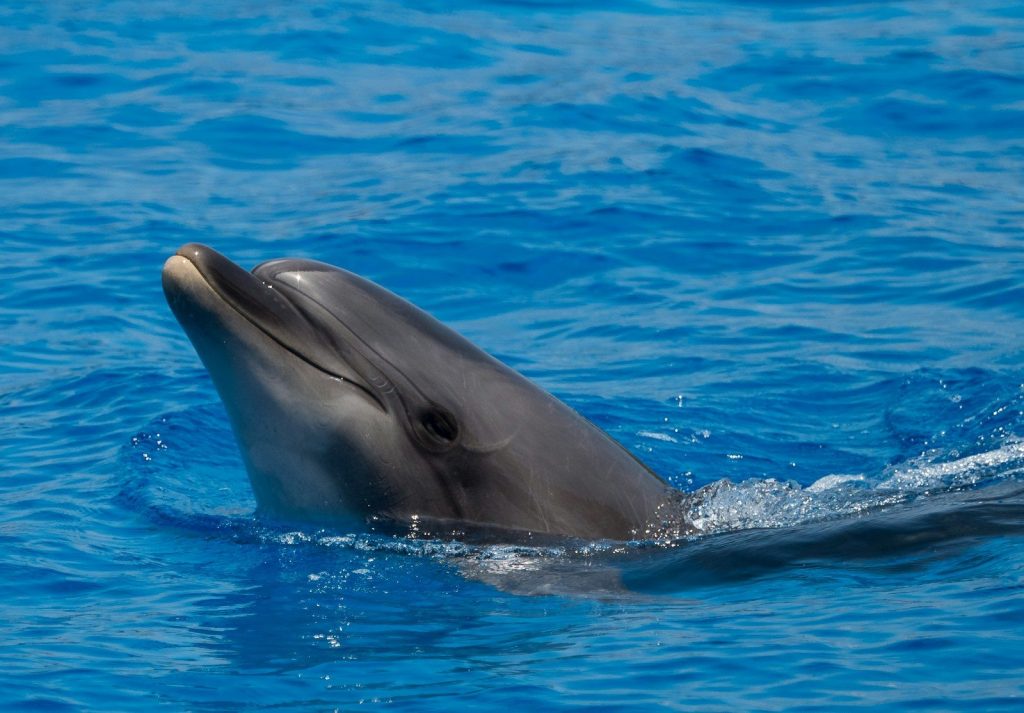
    dolphin with head sticking out of water during daytime
    Photo by Damian Patkowski on Unsplash

    The young dolphin was found alone on the beach, unable to return to the ocean without help. Exposed to the sun and out of the water, it was becoming increasingly weak and vulnerable.

    In one widely shared rescue from Namibia, a kayak guide carefully picked up the stranded baby dolphin and carried it back to the water, where it quickly swam away. The rescue became an inspiring reminder of how quickly human action can sometimes save wildlife.

    Why dolphins become stranded

    gray dolphin in the water
    Photo by Paul Orford on Unsplash

    Dolphins can strand for many reasons, including illness, injury, tidal changes, rough weather, or becoming separated from their group. Young dolphins are especially vulnerable because they depend heavily on their mothers during early life.

    Sometimes a stranded dolphin appears healthy but is actually suffering from an underlying medical problem. This is why experts recommend careful evaluation before any release back into the ocean.

    Every rescue requires careful decisions

    a dolphin with its mouth open in the water
    Photo by Kirill Sh on Unsplash

    Returning a dolphin directly to the sea is not always the safest solution. If an animal is sick or injured, it may strand again or face even greater danger after release.

    Marine mammal rescue organizations are trained to examine stranded dolphins, provide medical treatment when necessary, and release them only when they are strong enough to survive on their own.

    Dolphins depend on healthy oceans

    white and black penguin in water
    Photo by Guido Hofmann on Unsplash

    Dolphins are highly intelligent mammals that rely on communication, cooperation, and strong family bonds. Young calves often stay close to their mothers for several years while learning how to survive.

    Healthy oceans are essential for dolphin survival. Pollution, fishing gear, boat strikes, habitat degradation, and disease all create challenges for wild dolphin populations around the world.

    Human compassion can make a difference

    a dolphin is swimming in the blue water
    Photo by William Warby on Unsplash

    Successful rescues often involve lifeguards, wildlife experts, volunteers, and members of the public working together. Quick reporting gives rescue teams the best chance of saving stranded marine mammals.

    Even when a rescue cannot guarantee survival, providing professional care gives stranded dolphins a far better chance than leaving them without assistance. Every response also helps scientists better understand why strandings occur.

    A powerful reminder from the shoreline

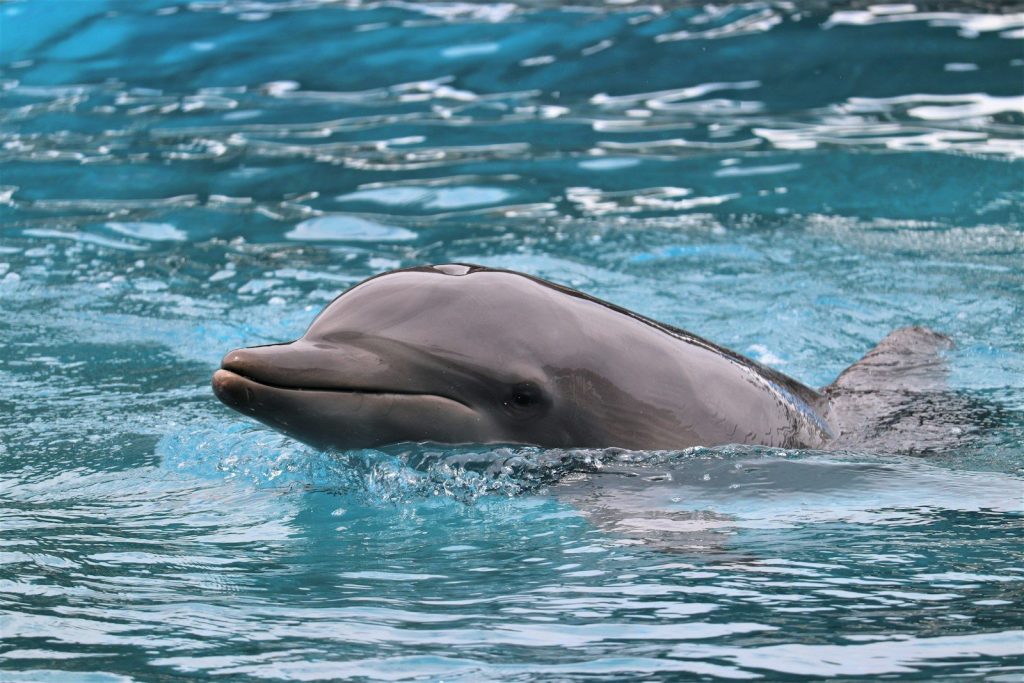
    a dolphin swimming in a pool of water
    Photo by sandeep sapkota on Unsplash

    The sight of a frightened young dolphin returning to the sea is emotional because it reflects both the fragility and resilience of wildlife. These moments remind people how connected humans are to the natural world.

    Protecting marine habitats, supporting rescue organizations, and reporting stranded animals quickly can help more dolphins receive the care they need. Every successful rescue offers hope for another life returned to the ocean.

  • The mysterious Lost City beneath the Atlantic could reveal the origin of life

    The mysterious Lost City beneath the Atlantic could reveal the origin of life

    Nearly 2,300 feet beneath the Atlantic Ocean lies one of the strangest places ever found on Earth. Known as the Lost City Hydrothermal Field, this hidden landscape is filled with towering white chimneys that emit hydrogen and methane rather than smoke. Unlike most hydrothermal vents, it is not powered by volcanoes.

    Instead, chemical reactions between seawater and rocks deep inside Earth’s crust provide the energy that supports life without sunlight. This remarkable ecosystem has become one of the world’s most important natural laboratories for studying the origins of life and the possibility of life beyond Earth.

    A hidden city beneath the sea

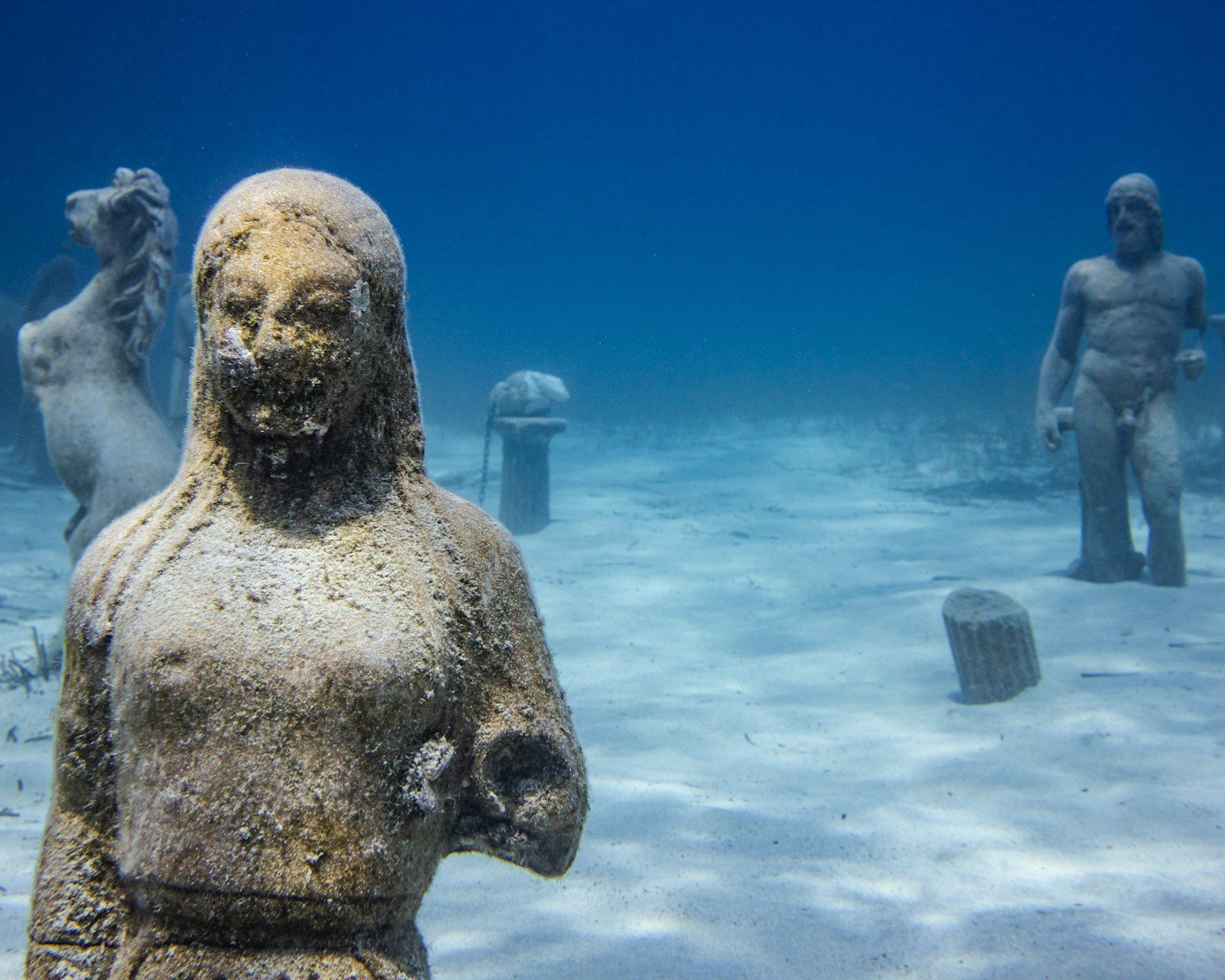
    Underwater city” by ecotist is licensed under CC BY-NC-ND 2.0

    The Lost City Hydrothermal Field was discovered in 2000 on the Atlantis Massif along the Mid-Atlantic Ridge. Scientists found dozens of pale carbonate towers rising from the seafloor, creating an underwater landscape unlike any previously known.

    Some of these chimneys reach more than 60 meters, or about 200 feet, in height. Warm alkaline fluids continuously flow through them, creating a unique environment where life thrives despite complete darkness.

    A different kind of hydrothermal vent

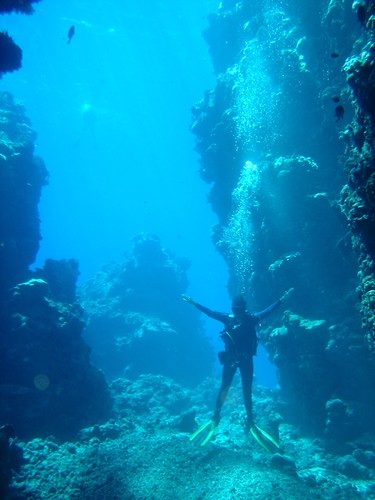
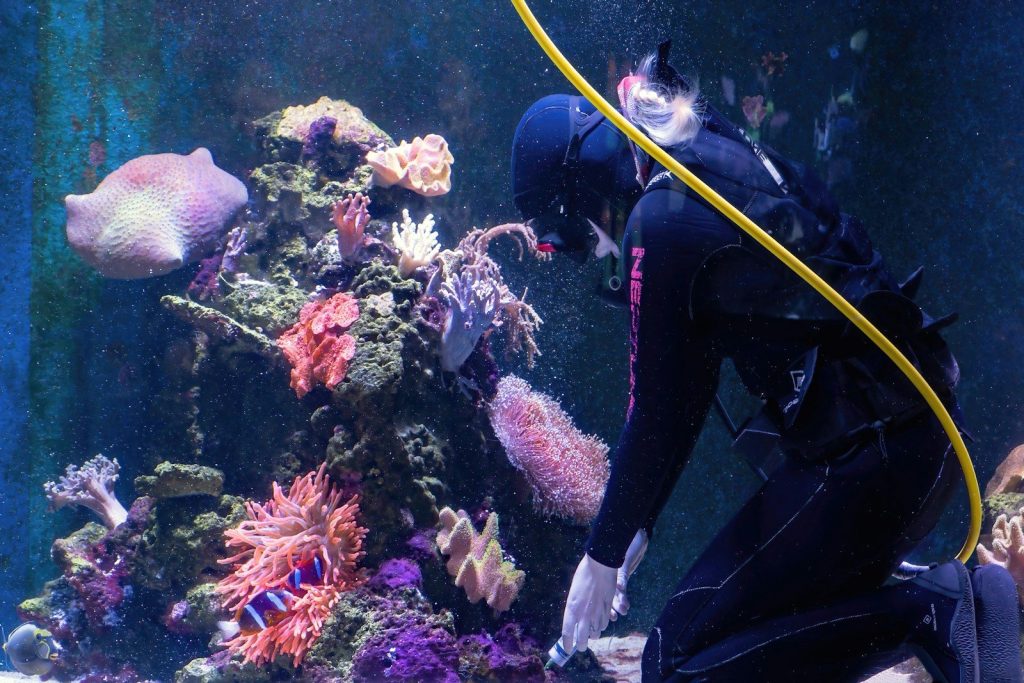
    a person in scuba gear underwater
    Photo by David Clode on Unsplash

    Most hydrothermal vents form because seawater is heated by underground magma. Lost City works differently. Water reacts with mantle rocks in a natural process called serpentinization, producing hydrogen, methane, and heat without volcanic activity.

    These chemical reactions create an energy-rich environment while releasing very little carbon dioxide or dissolved metals. The unusual chemistry makes Lost City very different from the better-known black smoker vents found elsewhere in the oceans.

    Life survives without sunlight

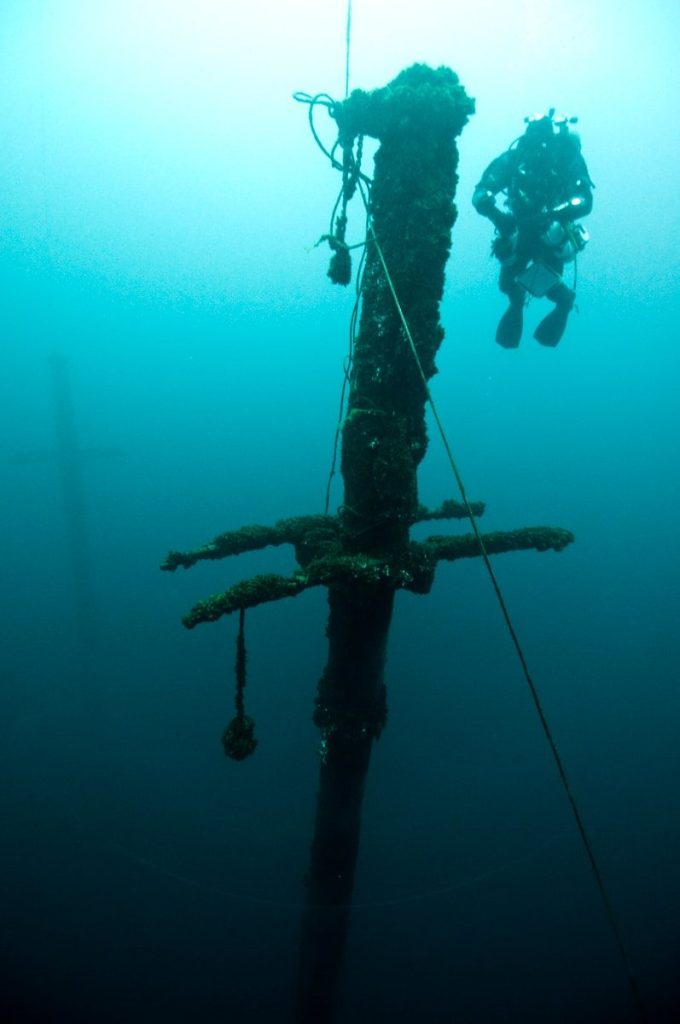
    person wearing diving suit near sunken ship
    Photo by NOAA on Unsplash

    Inside the carbonate chimneys, dense communities of microorganisms live entirely on chemical energy. Instead of depending on sunlight through photosynthesis, they use hydrogen and methane produced by the vents to survive.

    Scientists believe ecosystems like this may resemble some of the earliest habitats on Earth. They also provide a valuable model for understanding how life can exist in environments that appear completely inhospitable.

    A guide in the search for alien life

    underwater city” by herkan is licensed under CC BY-ND 2.0

    Researchers are especially interested in Lost City because icy moons such as Europa and Enceladus contain oceans beneath their frozen surfaces. These worlds may also experience water-rock interactions capable of producing hydrogen and methane.

    Although no evidence of extraterrestrial life has been found, studying the Lost City helps scientists understand what types of environments could potentially support simple organisms elsewhere in the Solar System.

    An ancient ecosystem under threat

    a view of a city from above
    Photo by geoff trodd on Unsplash

    Scientists estimate that Lost City has remained active for at least 120,000 years, making it much older than most volcanic hydrothermal vent systems. This extraordinary longevity has allowed a rare ecosystem to develop over thousands of generations.

    Despite its importance, the site lies in international waters and lacks full international protection. Researchers have expressed concern that nearby deep-sea mining activities could disturb the fragile environment even if mining does not occur directly on the vent field.

    The ocean still holds many mysteries

    a large ship in the ocean with a lot of debris on the bottom of it
    Photo by Nott Peera on Unsplash

    The Lost City reminds us how little of Earth’s oceans have been explored. Every expedition continues to reveal new geological features, unusual life forms, and unexpected scientific discoveries.

    As technology improves, scientists hope to learn more about this remarkable underwater ecosystem while protecting it for future generations. The Lost City remains one of the strongest examples of how Earth’s deepest oceans can reshape our understanding of biology, geology, and the search for life beyond our planet.

  • The remarkable story of the diver who survived a tiger shark attack and returned to the ocean

    The remarkable story of the diver who survived a tiger shark attack and returned to the ocean

    Losing a leg to a tiger shark would leave most people afraid of the ocean forever. Instead, one survivor chose a very different path. After recovering from a life-changing shark attack, he returned to the water to photograph, study, and protect the same animals that had injured him.

    His experience challenged many common beliefs about sharks and showed that fear does not always reflect reality. This article explores his remarkable journey, what scientists know about tiger sharks, and why conservation has become just as important as public safety.

    A life changed in seconds

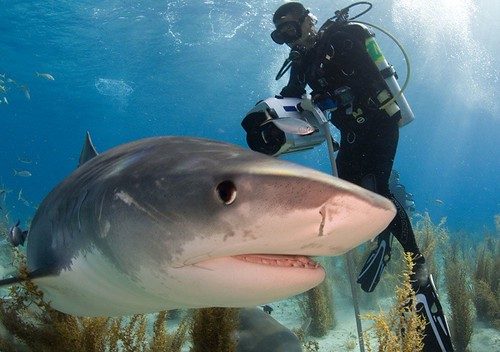
    Tiger shark with diver” by WIlly Volk is licensed under CC BY-NC-SA 2.0

    As a teenager surfing in Hawaii, Mike Coots was attacked by a tiger shark and lost his right leg below the knee. The injuries were severe, but he survived and eventually began rebuilding his life.

    Only a short time after the attack, he returned to the ocean instead of avoiding it. Rather than allowing fear to define his future, he chose to continue surfing and later became a photographer and shark conservation advocate.

    Returning to the water

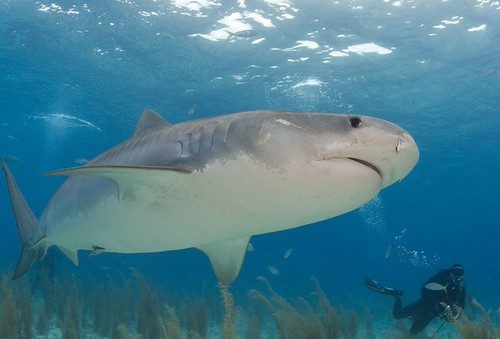
    Tiger shark and diver” by WIlly Volk is licensed under CC BY-NC-SA 2.0

    Many people expected Coots to stay away from sharks forever. Instead, he began diving and photographing them to better understand their behavior and help change public attitudes toward these often misunderstood animals.

    His experience taught him that sharks are wild predators, not mindless killers. He has repeatedly explained that the attack was a rare event rather than evidence that sharks deliberately hunt humans.

    Tiger sharks deserve respect

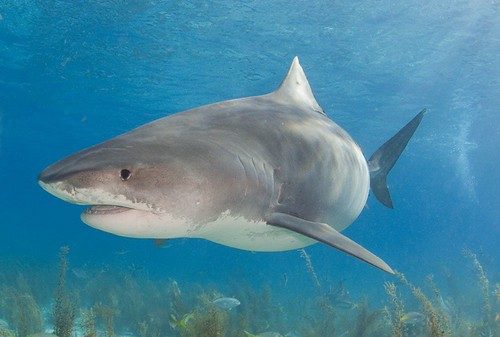
    Tiger Shark” by WIlly Volk is licensed under CC BY-NC-SA 2.0

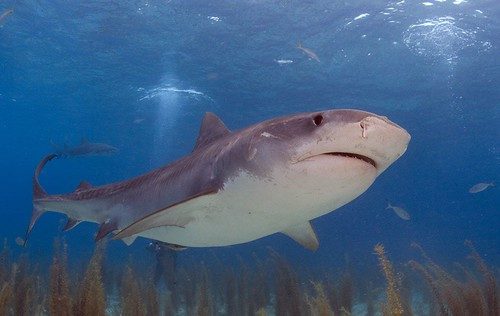
    Tiger sharks are among the largest predatory sharks and are found in warm oceans around the world. They eat a wide variety of prey and are naturally curious animals that investigate unfamiliar objects in their environment.

    Although tiger sharks are involved in more confirmed attacks on humans than many other shark species, serious incidents remain uncommon compared with the millions of people who enter the ocean each year. Scientists emphasize that humans are not their preferred prey.

    Fear and reality are often different

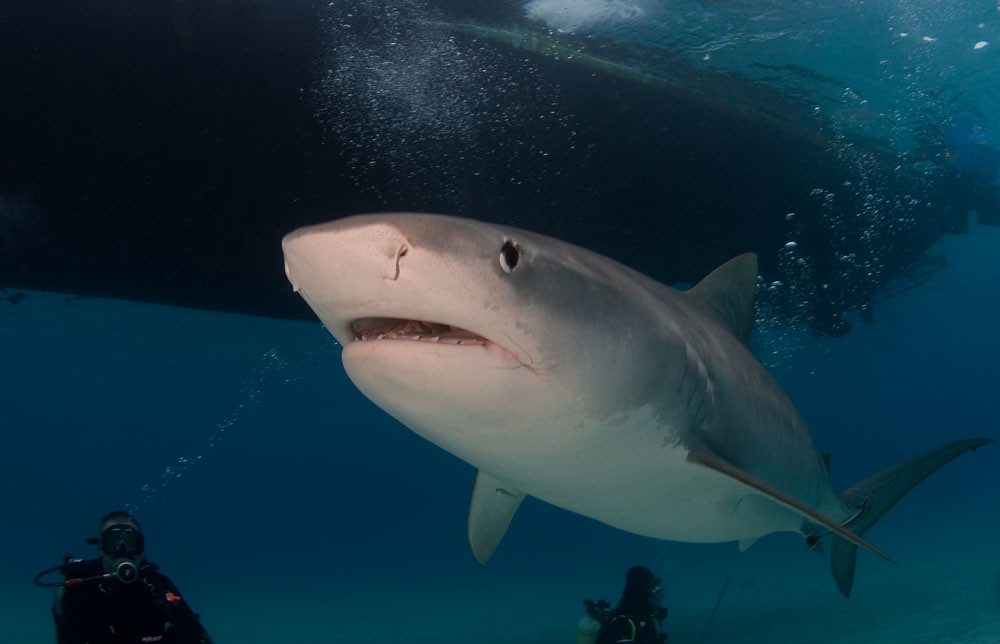
    Emma, the Tiger Shark” by WIlly Volk is licensed under CC BY-NC-SA 2.0

    Shark attacks receive worldwide attention because they are dramatic and unusual. As a result, many people believe sharks are a much greater danger than they actually are.

    Conservationists point out that sharks face far greater threats from people than people face from sharks. Commercial fishing, bycatch, and the shark fin trade have caused major declines in many shark populations around the world.

    Conservation became his mission

    Tiger Shark!” by CK | PHOTOGRAPHER is licensed under CC BY 2.0

    Following his recovery, Coots began speaking publicly about shark conservation and educating people about their importance in marine ecosystems. His personal story gives him a unique perspective that few conservation advocates possess.

    By sharing photographs and educational programs, he encourages people to replace fear with knowledge. He believes healthy shark populations are essential for balanced ocean ecosystems.

    Understanding leads to respect

    Tiger shark” by WIlly Volk is licensed under CC BY-NC-SA 2.0

    The story of Mike Coots shows that one frightening experience does not always define an entire species. His decision to return to the ocean demonstrates how understanding wildlife can change even deeply personal perspectives.

    Tiger sharks remain powerful wild animals that deserve caution and respect. At the same time, scientific research and conservation remind us that protecting these apex predators is an important part of protecting the oceans themselves.

  • The shocking crocodile investigation that uncovered a tragic missing person case

    The shocking crocodile investigation that uncovered a tragic missing person case

    A search for a missing businessman along South Africa’s Komati River turned into an extraordinary wildlife investigation. After days of searching flood-damaged riverbanks, rescuers noticed a giant crocodile resting unusually close to where the man had disappeared.

    What followed was a complex recovery operation involving helicopters, forensic experts, and DNA testing. The investigation confirmed a tragic outcome while raising new questions about the crocodile’s past. This article explains how the search unfolded, why investigators focused on the reptile, and what experts know so far.

    A flood turned into a tragedy

    brown and white concrete house beside river during daytime
    Photo by Chris Gallagher on Unsplash

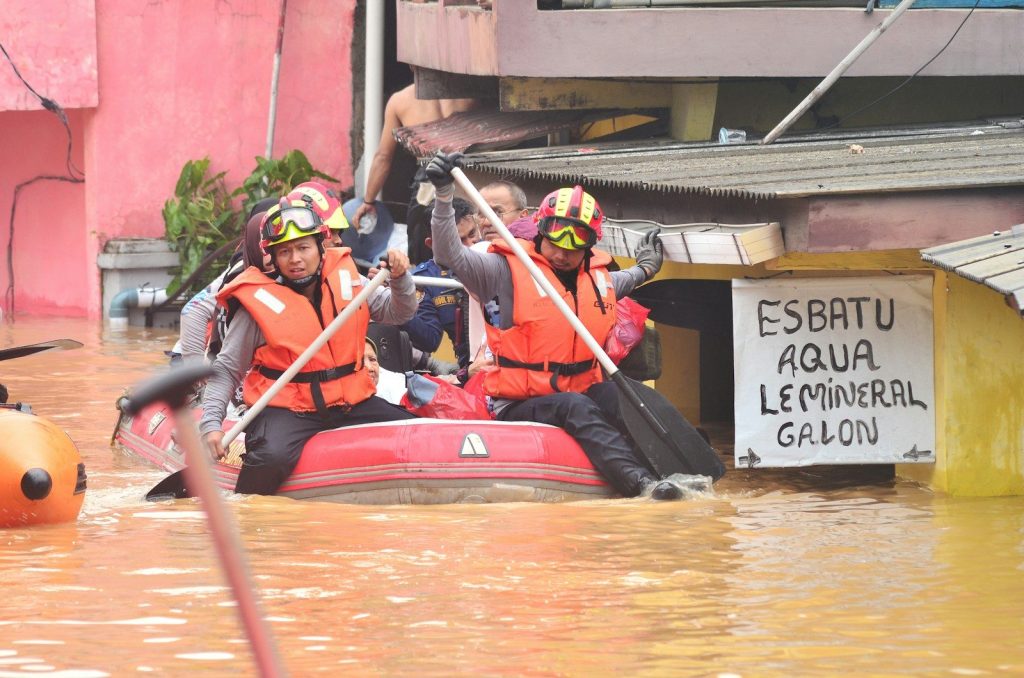
    Gabriel Batista, a 59-year-old hotel owner, disappeared after his vehicle became trapped in rising floodwaters near the Komati River. Rescue teams searched the dangerous river for about a week but found no sign of him.

    The Komati River is known for strong seasonal flooding and a healthy population of Nile crocodiles. These conditions made the search especially difficult for emergency crews working in the area.

    A crocodile attracted the investigators’ attention

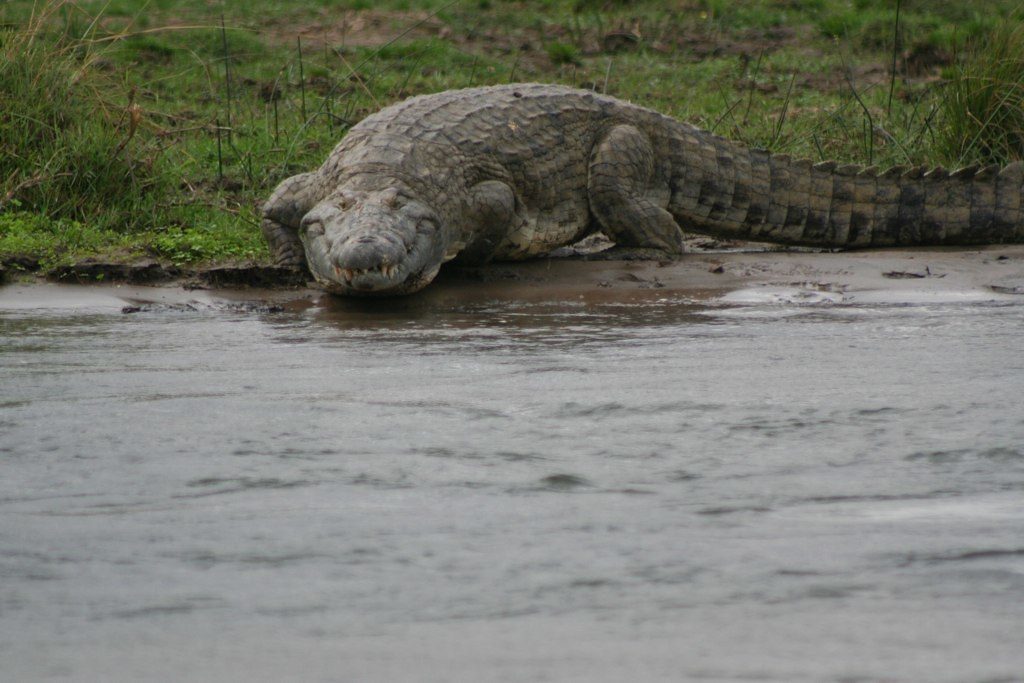
    Nile Crocodile (Crocodylus niloticus)” by Arno Meintjes Wildlife is licensed under CC BY-NC-SA 2.0

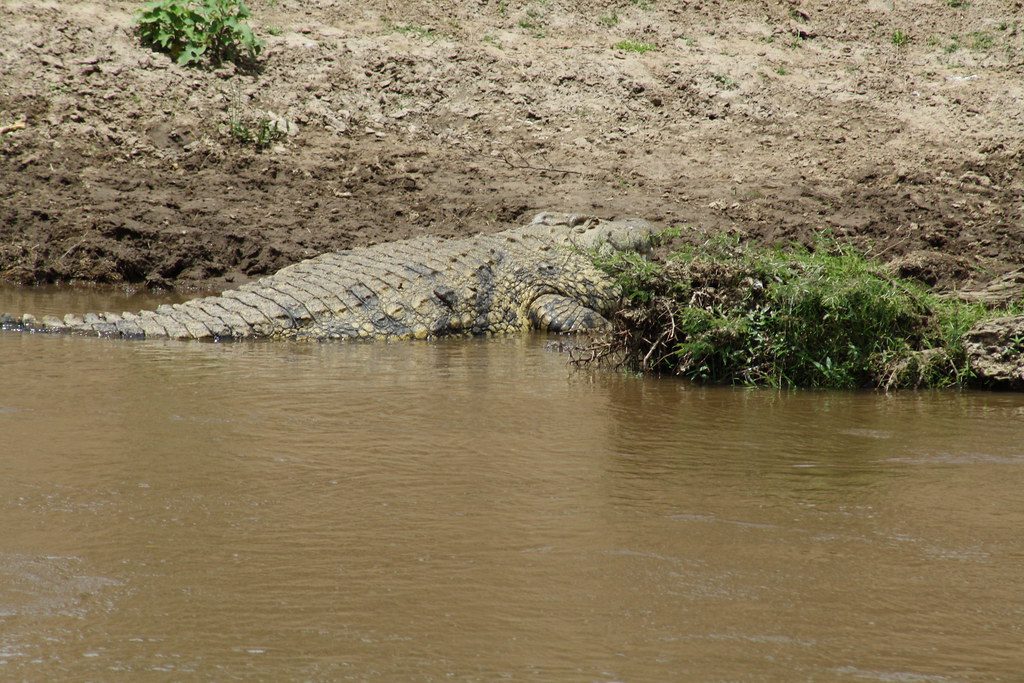
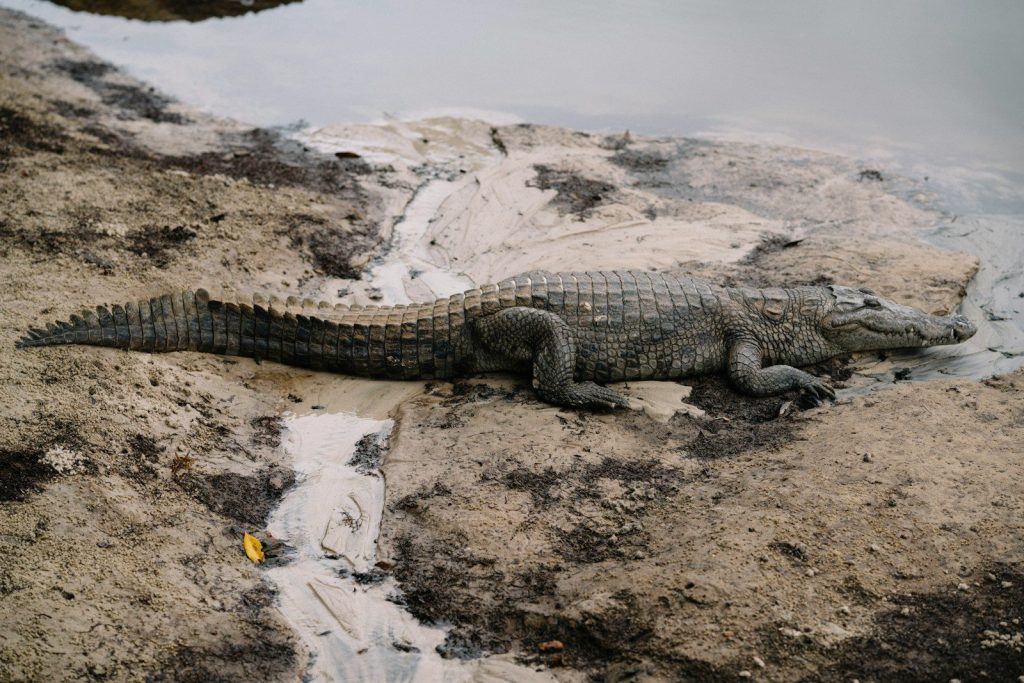
    Search teams eventually noticed a very large crocodile resting on a riverbank about 150 meters from where Batista was last seen. The animal remained unusually still and showed signs that it had recently eaten, leading investigators to examine it more closely.

    Because crocodiles often bask in the sun after feeding to help digestion, investigators considered the possibility that the reptile could be connected to the missing person case. This observation guided the next stage of the investigation.

    A complex recovery operation followed

    Rescue workers navigate floodwaters in a boat.
    Photo by Iqro Rinaldi on Unsplash

    Authorities first euthanized the crocodile before carrying out a difficult recovery operation. A police officer was lowered by helicopter into the crocodile-inhabited river to secure the animal so it could be safely airlifted for forensic examination.

    The operation required careful coordination because other large crocodiles remained nearby. Once transported to a secure location, forensic specialists began examining the animal.

    DNA confirmed the victim’s identity

    gloved hands drawing vaccine from vial with syringe
    Photo by National Cancer Institute on Unsplash

    During the examination, investigators recovered human remains, including body parts and a ring believed to belong to Batista. DNA testing later confirmed that the remains belonged to the missing businessman.

    Investigators also discovered several pairs of shoes inside the crocodile. However, police have not confirmed whether those shoes are connected to any other missing person cases, and that part of the investigation remains unresolved.

    Floods increase risks near crocodile habitats

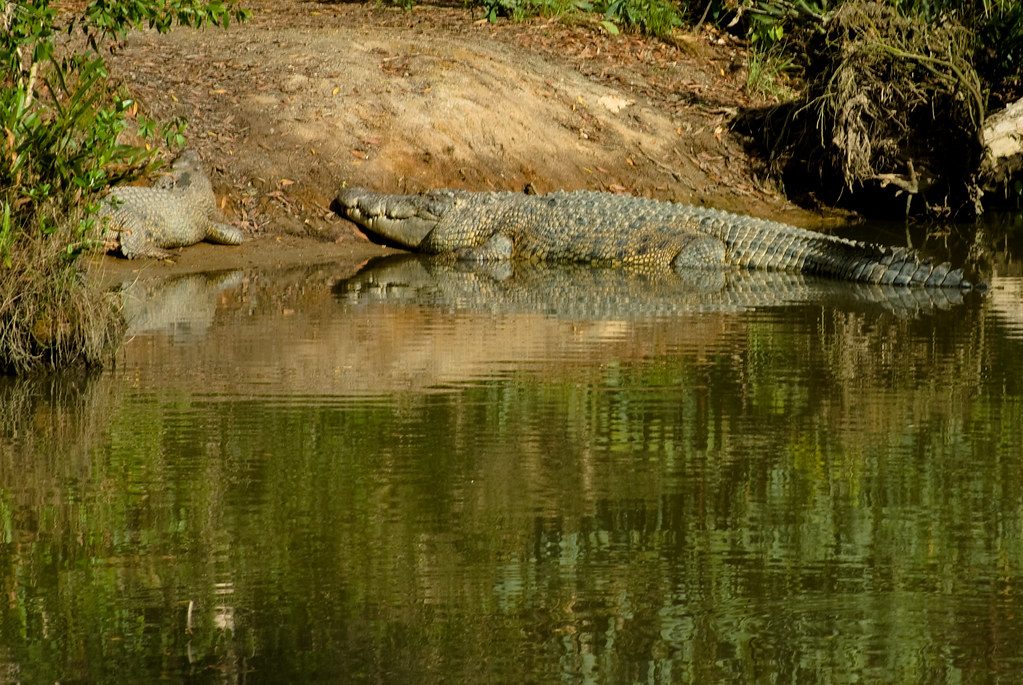
    Nile crocodile” by pk2004 is licensed under CC BY 2.0

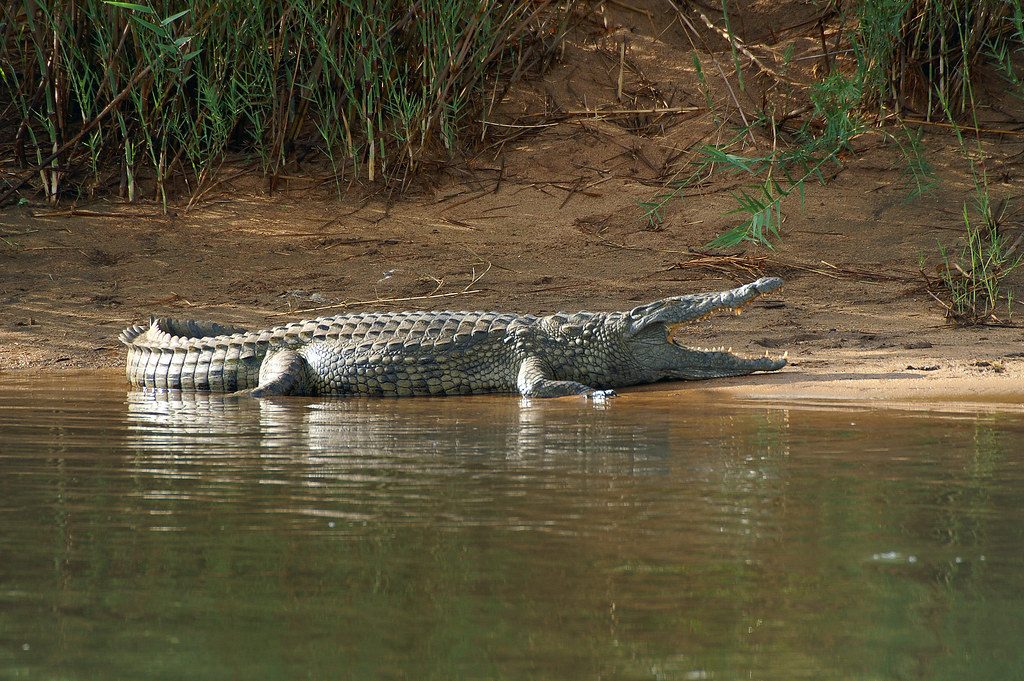
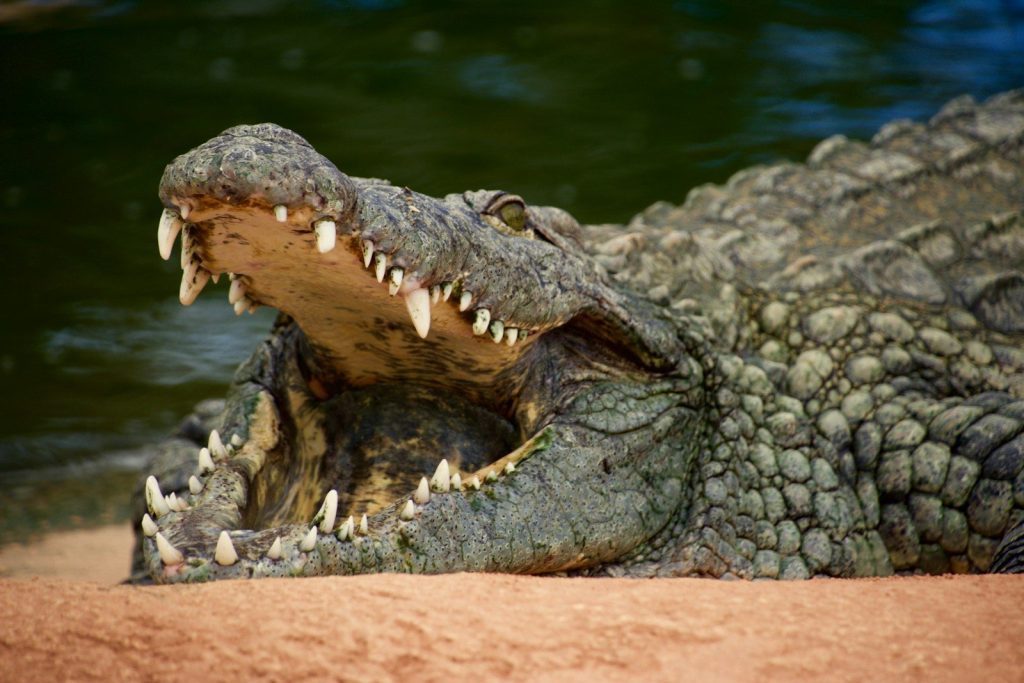
    Nile crocodiles naturally live in many rivers across southern Africa. Heavy rainfall and flooding can expand waterways, increasing the chances that people and crocodiles may come into contact.

    Wildlife experts recommend avoiding flooded rivers and remaining alert in known crocodile habitats, particularly after storms when water levels and animal movements become less predictable. Crocodiles are powerful ambush predators that should always be treated with caution.

    A reminder about living alongside wildlife

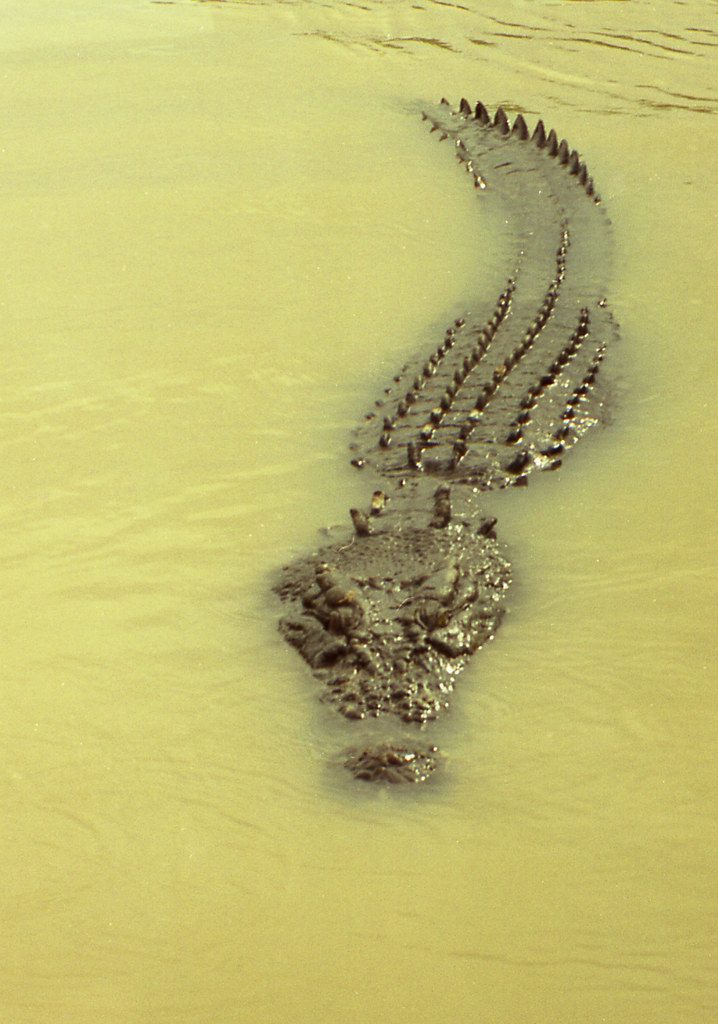
    Saltwater Crocodile” by iansand is licensed under CC BY-NC 2.0

    The investigation demonstrated how natural hazards and wildlife can combine during extreme weather events. Although tragic, the case also highlighted the professionalism of rescue teams and forensic specialists working under difficult conditions.

    As authorities continue investigating the unexplained shoes, the incident serves as a reminder that respecting wildlife habitats and avoiding dangerous waterways can reduce the risk of similar tragedies in the future.
  • What happened during the deadly crocodile attack at a busy Puerto Vallarta beach

    What happened during the deadly crocodile attack at a busy Puerto Vallarta beach

    A relaxing evening at a popular beach in Puerto Vallarta turned into a tragedy when a crocodile attacked a 28-year-old man near Marina Vallarta Beach. Tourists nearby rushed to help after hearing screams, but the rescue came too late.
    The incident has renewed attention on crocodile safety in coastal areas where people and wildlife increasingly share the same environment. This article explains what happened, why crocodiles are being seen more often near tourist destinations, and how experts recommend staying safe in areas where these powerful reptiles live.
    A peaceful evening turned tragic

    Nile crocodile” by pk2004 is licensed under CC BY 2.0

    The attack happened around 6:30 p.m. near Marina Vallarta Beach in Puerto Vallarta, Mexico. Witnesses initially believed the man had become caught in a strong current after hearing calls for help.

    A California couple staying nearby tried to rescue him by throwing a life preserver and later paddling toward him in a kayak. Before they could reach him, the crocodile dragged the man underwater. His body was recovered about 12 hours later.

    Why crocodiles are appearing near beaches

    black crocodile on brown soil
    Photo by Random Institute on Unsplash

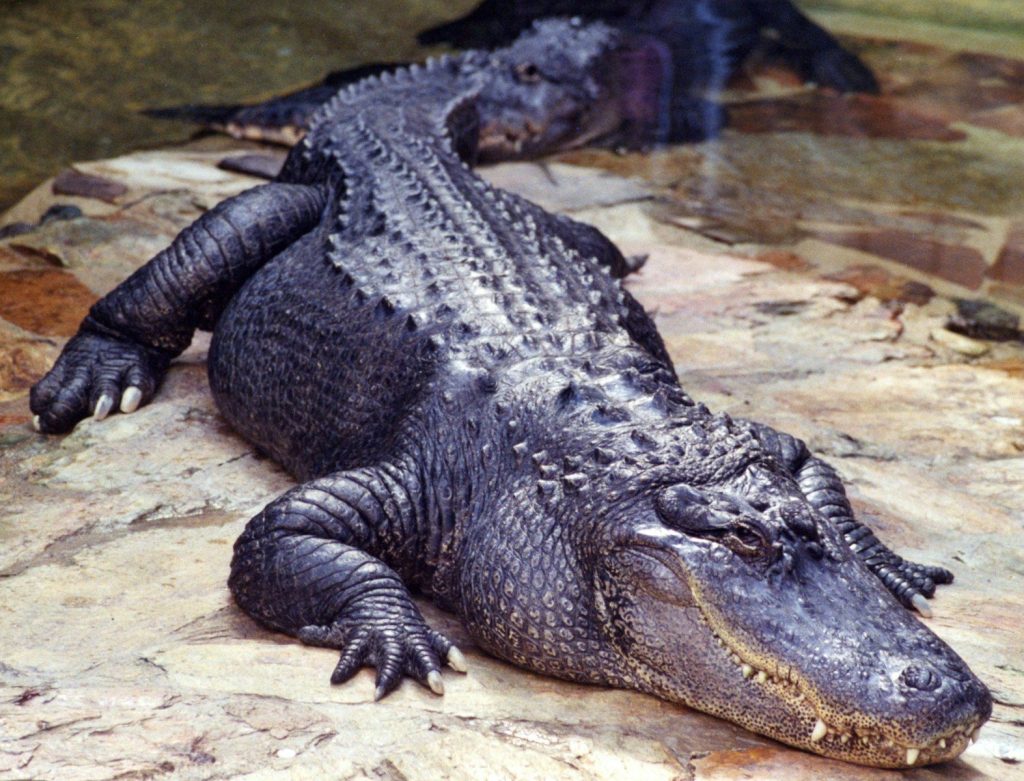
    Puerto Vallarta is home to American crocodiles that naturally inhabit rivers, estuaries, mangroves, and coastal lagoons. During the rainy season, rising water levels can expand their range and bring them closer to beaches and resort areas.

    Experts also say urban growth has reduced some natural habitats, increasing the chances that crocodiles and people will encounter each other. As development expands, wildlife is often forced to move through areas used by residents and tourists.

    Warning signs may not always be enough

    crocodile on body of water during daytime
    Photo by Thomas Couillard on Unsplash

    Witnesses said warning signs near the beach mentioned crocodiles along with other natural hazards such as jellyfish and stingrays. However, some visitors said they did not fully recognize the danger before the attack.

    Following the incident, some visitors called for clearer warnings and additional safety measures. Authorities have increased surveillance in areas where crocodiles are known to appear, while investigations into the incident continue.

    Crocodile attacks remain uncommon

    black crocodile on water during daytime
    Photo by Lisa Yount on Unsplash

    Although crocodile attacks receive widespread attention, fatal encounters remain rare compared with the large number of people who visit coastal regions each year. Most crocodiles avoid people whenever possible.

    Risk increases when people enter waters connected to estuaries, rivers, or mangroves where crocodiles naturally hunt and travel. Wildlife experts recommend treating these habitats with caution, especially during breeding and rainy seasons.

    Living alongside wildlife

    alligator on lake
    Photo by Matthew Essman on Unsplash

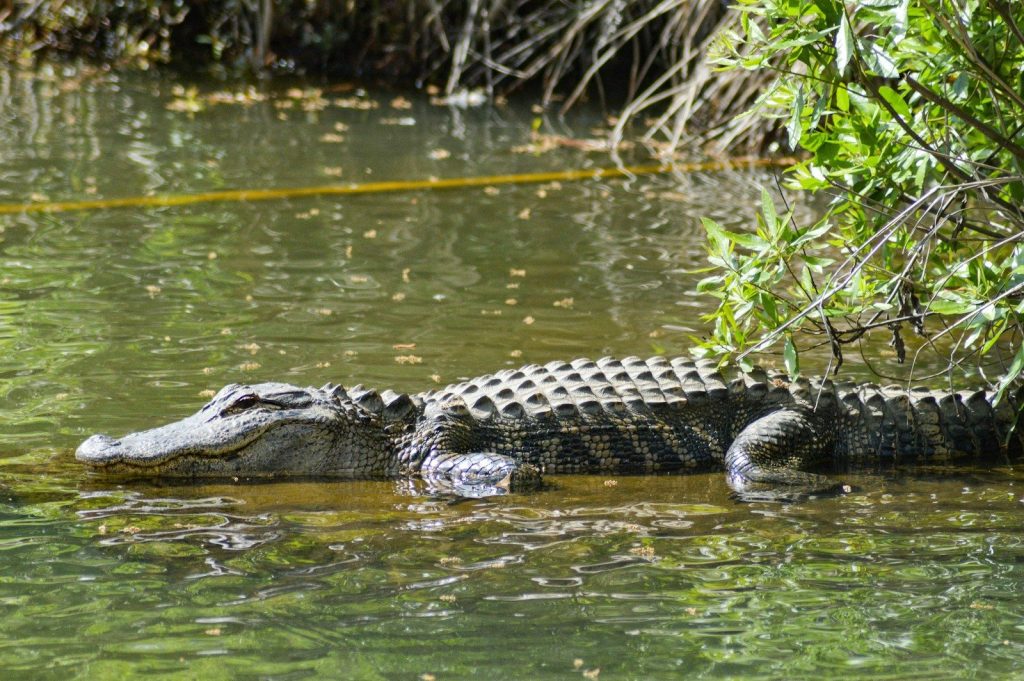
    As cities expand into natural habitats, encounters between people and wildlife are becoming more common in many parts of the world. Crocodiles play an important ecological role, but they also require space to live safely away from heavy human activity.

    Protecting both people and wildlife depends on education, habitat management, and public awareness. Respecting warning signs and avoiding known crocodile habitats helps reduce unnecessary risks for everyone.

    A reminder to respect natural habitats

    gray alligator near grass field
    Photo by Bas van Brandwijk on Unsplash

    The tragedy in Puerto Vallarta serves as a reminder that wild animals remain unpredictable, even near developed tourist areas. Understanding where crocodiles live and recognizing local warnings can help people make safer decisions.

    Conservation and public safety can work together. Protecting natural habitats while improving public awareness helps reduce dangerous encounters without harming wildlife that has lived in these ecosystems for generations.