Category: News

  • Mysterious big cat spotted roaming a Norfolk field

    Mysterious big cat spotted roaming a Norfolk field

    Have you ever wondered what you would do if you spotted a big cat walking through a field? That question became real after a mysterious big cat was seen in a Norfolk field. The unusual sighting quickly caught people’s attention because large wild cats are not supposed to roam free in the British countryside.

    Experts and animal welfare groups soon began looking into the case to learn what the animal really was. This article explains what happened, where the cat was seen, what experts believe it may be, why officials are taking the sighting seriously, and what people should do if they ever come across a similar animal.

    The unusual sighting in Norfolk

    man beside dog walking in pathway surrounded by trees
    Photo by Julia Vivcharyk on Unsplash

    The sighting happened near the village of Bramerton in Norfolk. A man named Tom Baker was walking his dog when he noticed what first looked like a large fox in a nearby field. After taking a closer look with his camera, he realized the animal looked much larger than a normal house cat and even reminded him of a small leopard.

    The animal was filmed walking calmly across the field before disappearing into the countryside. The video quickly spread online and drew attention from local wildlife groups, the RSPCA, and many people who were curious about what the mysterious animal could be.

    What experts think the animal was
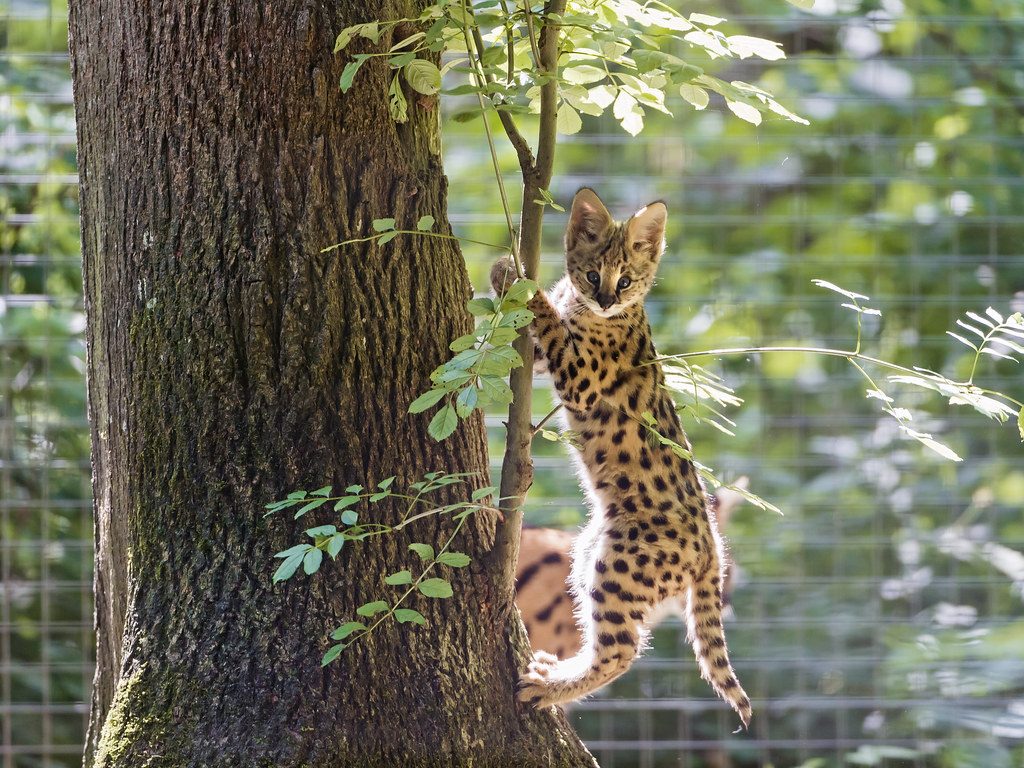
    Climbing serval kitten II” by Tambako the Jaguar is licensed under CC BY-ND 2.0

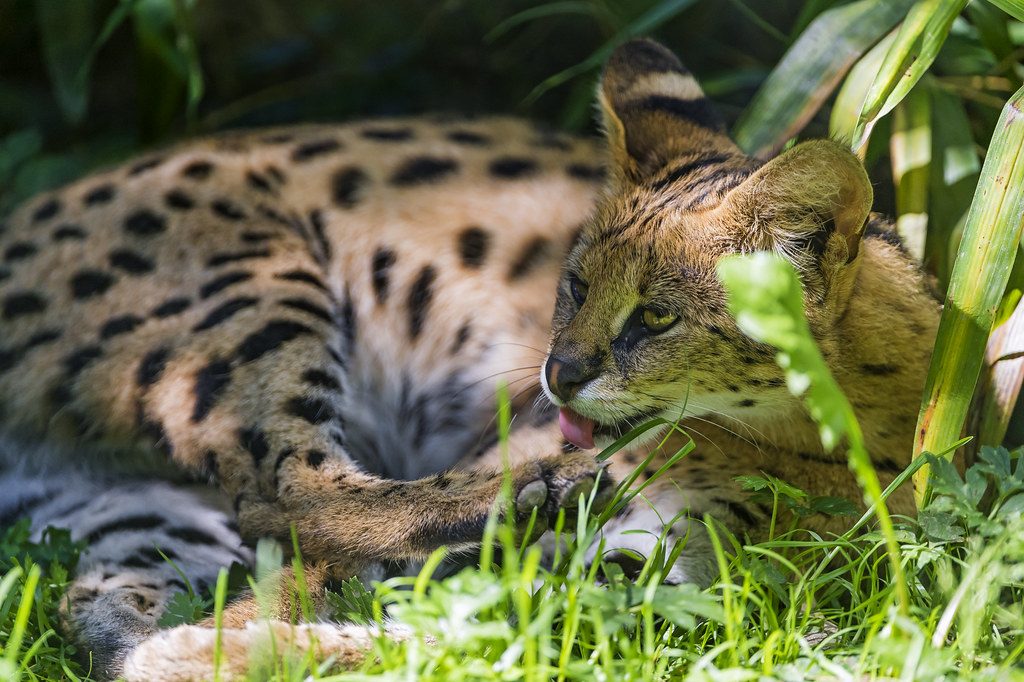
    Although many people called it a “big cat,” wildlife experts do not believe it was a wild leopard. Instead, they think it was most likely a serval or a Savannah cat. A serval is a wild cat from Africa with very long legs, large ears, and a spotted coat. A Savannah cat is a hybrid created by breeding a serval with a domestic cat.

    These animals are much larger than normal pet cats, which explains why they can surprise people. Their size, long legs, and unusual markings often make them look like small leopards, especially from a distance or in low light.

    Why officials are investigating
    RSPCA Thank You” by psd is licensed under CC BY 2.0

    The RSPCA and local wildlife groups took the sighting seriously because an escaped exotic cat could face many dangers outdoors. Officials said they had not received any official reports of a missing serval or Savannah cat at the time of the sighting, but they encouraged anyone with information to come forward.

    Norfolk Wildlife Rescue later said that someone claiming to be the animal’s owner had contacted them. Wildlife experts advised people not to chase or corner the cat because frightened animals can become stressed and harder to rescue safely.

    Are people in danger?
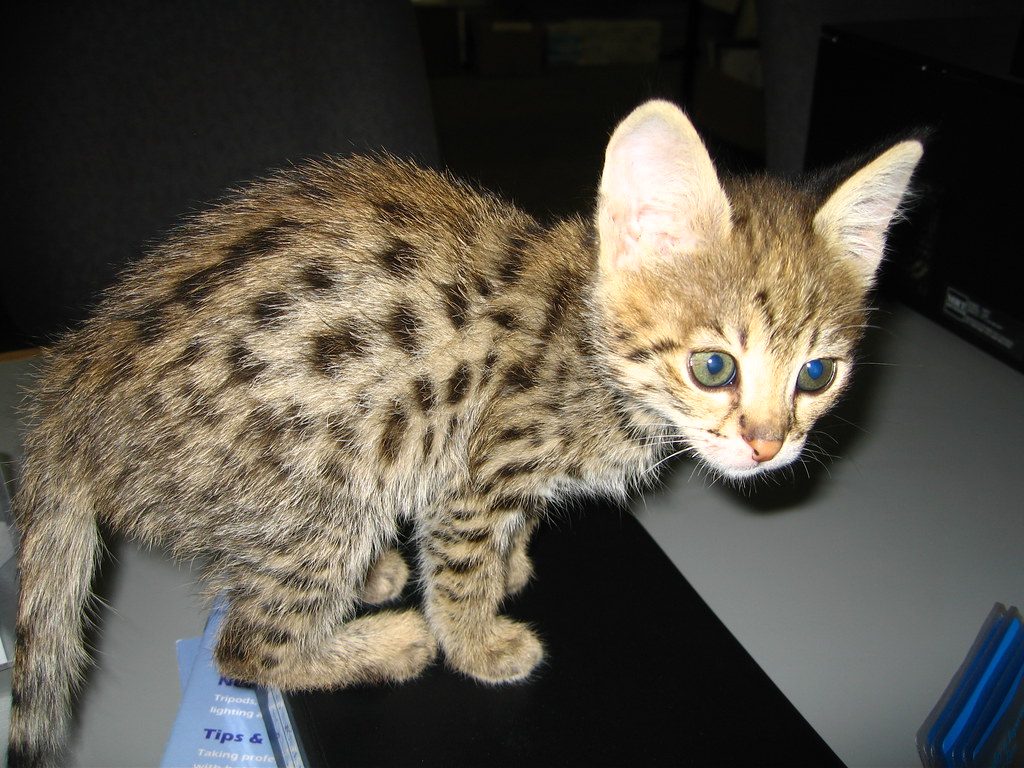
    Savannah Cat” by johncpiercy is licensed under CC BY-NC-ND 2.0

    Experts believe the risk to the public is low. Servals and Savannah cats usually avoid humans and prefer to escape rather than confront people. Even so, they are still powerful animals with sharp teeth and claws, so keeping a safe distance is important.

    Anyone who spots an unusual animal should avoid trying to feed it or capture it. Instead, they should contact local animal welfare organizations or the police so trained professionals can safely handle the situation if needed.

    Why exotic pets can become a problem

    people having meeting on rectangular brown table
    Photo by Christina @ wocintechchat.com M on Unsplash

    The Norfolk sighting has also raised questions about keeping exotic animals as pets. Animals such as servals have complex needs that are difficult to meet in a normal home. They require plenty of space, special diets, and expert care throughout their lives.

    Animal welfare organizations have long warned that exotic pets can become a problem if owners are not fully prepared. If these animals escape or are abandoned, they may struggle to survive while also creating concern for nearby communities.

    What happens next

    a group of people sitting around a white table
    Photo by UK Black Tech on Unsplash

    Officials will continue gathering information to confirm exactly what the animal was and whether it has been safely recovered. If the reported owner is confirmed, the focus will likely be on making sure the cat returns safely and receives proper care.

    While the video created excitement, experts say it should not be treated as proof that wild big cats are living across the British countryside. Instead, this case appears to involve an unusual escaped exotic cat rather than a naturally wild predator.

  • Boy dies after fleeing vicious dogs by diving into a California lake

    Boy dies after fleeing vicious dogs by diving into a California lake

    A tragic California lake drowning has left a family and community heartbroken after a 12-year-old boy tried to escape a group of aggressive dogs. What began as a normal day at a local park quickly turned into a deadly emergency.

    The heartbreaking case has also raised questions about dog owner responsibility and public safety. This article explains what happened, how the investigation unfolded, what the police have said, and why this incident has drawn so much attention across California.

    What happened at the California park

    brown and white short coated dogs on gray concrete floor
    Photo by Jason Murphy on Unsplash

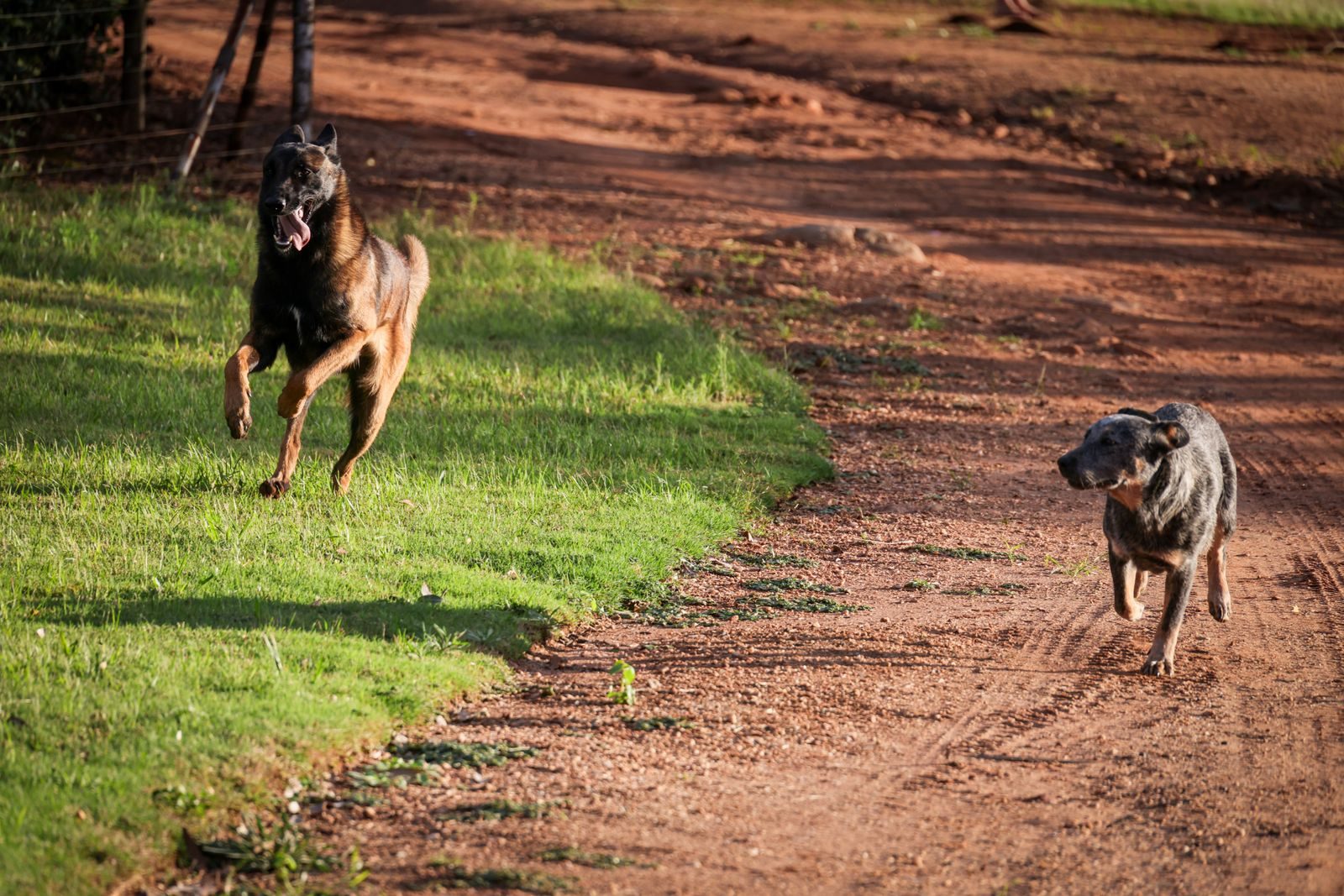
    The tragedy happened on June 18, 2026, at Central Park in California City, located in Kern County. According to police, 12-year-old Fernando Torres Moreno was at the park when three dogs allegedly began chasing him and another child. In an effort to escape, Fernando jumped into the park’s lake.

    Emergency responders arrived within minutes after receiving reports of a drowning. Officers found Fernando at the bottom of the lake, pulled him from the water, and immediately started CPR. He was taken to a local hospital before being transferred to Children’s Hospital in Bakersfield, where he later died despite lifesaving efforts.

    Another child was seriously injured

    an ambulance driving down a street next to a building
    Photo by Walter Dziemianczyk on Unsplash

    The incident did not affect only Fernando. An 8-year-old girl was also attacked by the same dogs and suffered serious dog bite injuries. Thankfully, her injuries were not considered life-threatening, and she was treated at a hospital before being released.

    Police focused on helping both children while also securing the area and collecting evidence. Witness statements and early findings helped investigators understand how the attack unfolded and identify the dogs believed to have been involved.

    Police identified the dog’s owner

    man in white and green adidas jersey shirt and black hat
    Photo by Ethan Wilkinson on Unsplash

    During the investigation, officers contacted 68-year-old Kenneth Dobbins, who told police he had been at the park with three dogs. At the time, officers photographed him and the animals but did not arrest him because the full extent of the children’s injuries was not yet known.

    As investigators gathered more evidence, they concluded that Dobbins’ dogs were allegedly responsible for chasing and attacking the children. Police later obtained an arrest warrant charging him with involuntary manslaughter and negligent ownership of an animal that caused serious injury or death.

    Search for the suspect and the dogs

    Two police officers investigate a crime scene at night, entering a house with caution.
    Photo by cottonbro studio on Pexels

    When officers returned to arrest Dobbins several days later, they discovered he had left the area. Authorities launched a search for both the suspect and the three dogs connected to the incident.

    Police later located and seized one of the dogs in Los Angeles County. At the time authorities announced the investigation, they were still searching for Dobbins and the remaining dogs. Officials asked anyone with information to contact law enforcement instead of approaching the suspect themselves.

    A community mourns a young life

    Beautiful red roses placed on a tombstone, symbolizing love and remembrance in a cemetery setting.
    Photo by Ivan Cuesta on Pexels

    Fernando’s death deeply affected his family, friends, and the California City community. Family members described him as a kind, caring boy who loved spending time outdoors, playing with his siblings, and making new friends.

    Community members organized memorial gatherings to honor Fernando’s life, while an online fundraiser was created to help his family with funeral expenses. Many people shared messages of support, remembering him for his bright personality and the happiness he brought to those around him.

    Why this case matters

    A dog is looking out from inside a box.
    Photo by Vicky on Unsplash

    This case has renewed discussion about responsible pet ownership and the dangers that can arise when aggressive dogs are not properly controlled. Dog owners have a legal responsibility to prevent their animals from harming others, especially in public places where children and families gather.

    The tragedy also shows how quickly emergencies can become deadly. Fernando was not attacked by the water itself but lost his life while trying to escape a frightening situation. Authorities continue to investigate the case, and the legal process will determine responsibility based on the available evidence.

  • Scientists find thousands of living giant eggs inside an underwater volcano

    Scientists find thousands of living giant eggs inside an underwater volcano

    Scientists find thousands of living giant eggs inside an underwater volcano, and the discovery is changing what experts know about life in the deep sea. While exploring an ancient seamount off Canada’s Pacific coast, researchers expected to study old volcanic rocks. Instead, they found a huge nursery filled with giant egg cases belonging to Pacific white skates.

    Even more surprising, the volcano was still releasing warm, mineral-rich water. That gentle heat appears to help the eggs develop in one of the coldest places on Earth. This article explains where the eggs were found, why the volcano matters, how the skates use it as a nursery, and why scientists believe this rare habitat deserves protection.

    Scientists found a hidden nursery

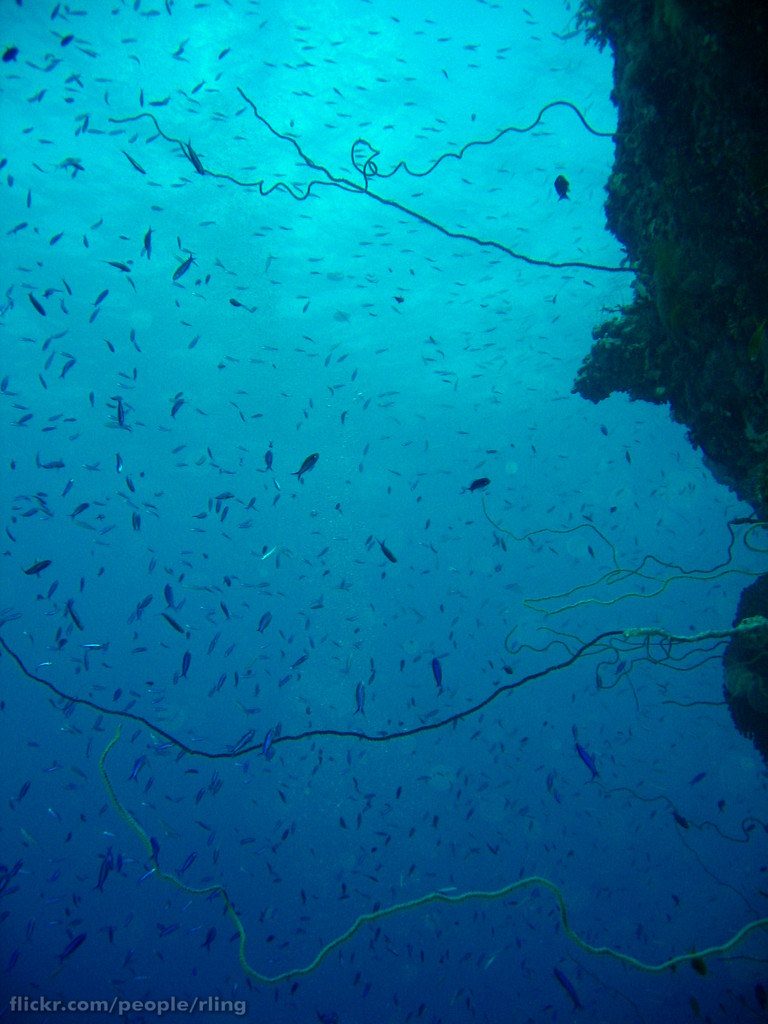
    Whip Corals and Anthias” by richard ling is licensed under CC BY-NC-ND 2.0

    The discovery happened during a research expedition to an underwater volcano off the coast of British Columbia, Canada. Scientists believed the volcano had gone extinct long ago. When they sent remotely operated vehicles to the summit, they found warm water flowing from the seafloor along with thousands of giant egg cases spread across the rocky surface.

    The eggs belong to the Pacific white skate, a deep-sea relative of sharks and rays. Researchers estimate that the volcano may hold hundreds of thousands, and possibly close to one million, egg cases. It is now considered one of the largest known skate nurseries ever discovered in the deep ocean.

    Why the volcano helps the eggs survive

    An egg underwater, North Horn, Coral Sea Great Barrier Reef, Australia.jpg” by gruntzooki is licensed under CC BY-SA 2.0

    Most of the deep ocean is freezing cold, which slows the growth of developing animals. Pacific white skate embryos spend several years inside their egg cases before hatching. Even a small increase in water temperature can help speed up this long process.

    The volcano releases warm, mineral-rich fluids through cracks in the seafloor. Scientists believe this natural heat acts like an underwater incubator, giving the eggs a better chance to develop successfully. Similar nesting behavior was previously observed near hydrothermal vents in the Galápagos, but the Canadian site is much larger.

    The giant eggs belong to a deep-sea skate

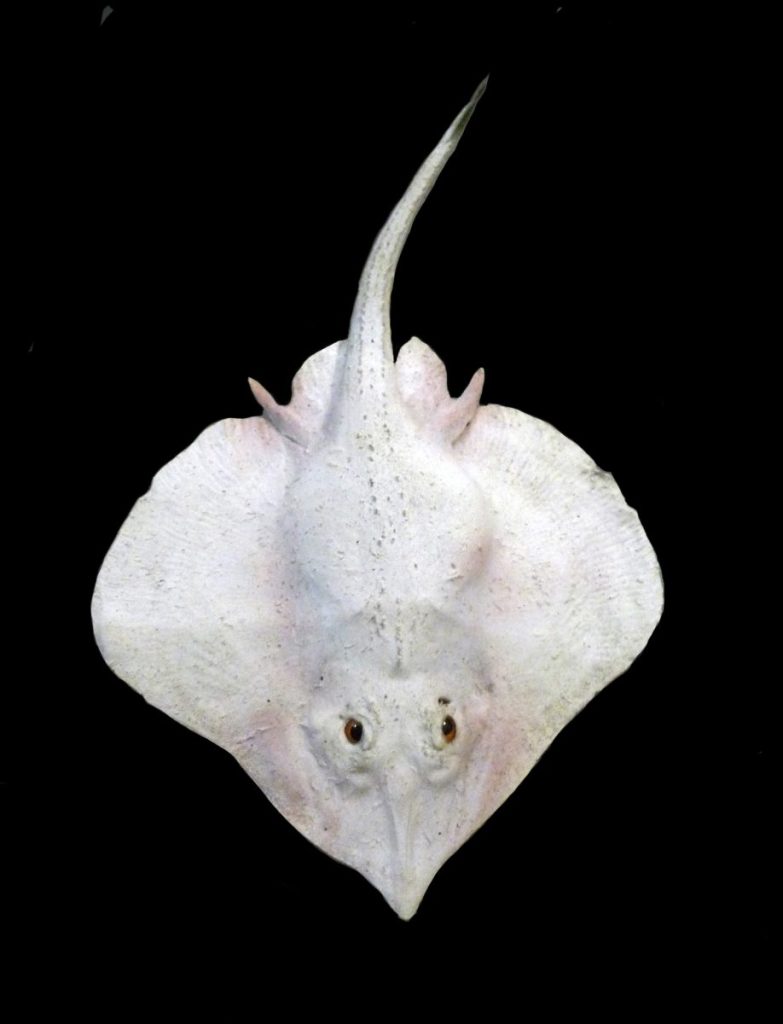
    Bathyraja” by This illustration was made by Citron You must credit this : Citron / CC-BY-SA-3.0 is licensed under CC BY-SA 3.0

    Pacific white skates are among the deepest-living skates in the world. They can live nearly 9,500 feet below the ocean’s surface and grow to more than 6 feet long. Unlike many fish that release thousands of tiny eggs into the water, female skates lay fewer but much larger egg cases.

    Each egg case measures about 20 inches long, making it one of the largest known egg cases produced by any marine animal. The leathery cases are often compared to oversized ravioli or the familiar “mermaid’s purses” sometimes found on beaches, although these are much larger than those from shallow-water species.

    A rare look at deep-sea life

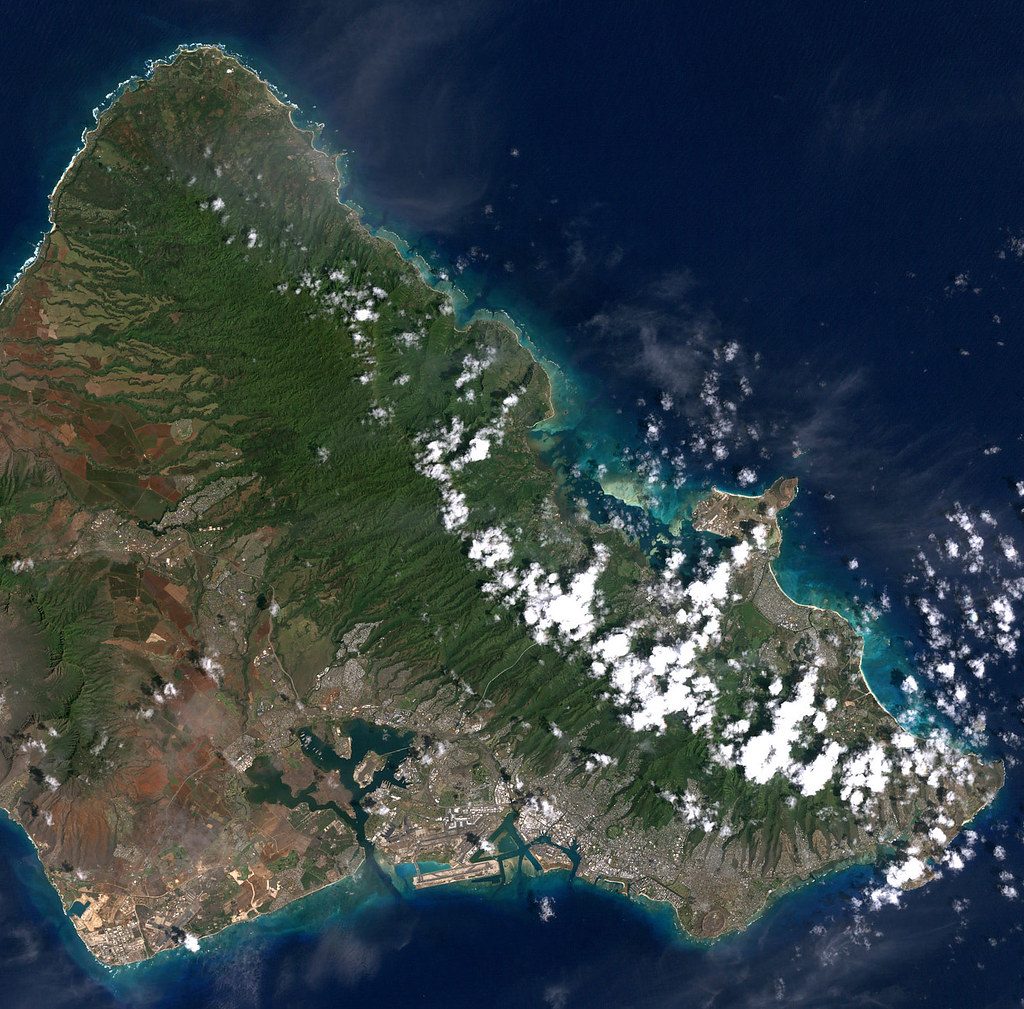
    Pearl Harbor, Hawaii” by NASA Goddard Photo and Video is licensed under CC BY 2.0

    The expedition captured something scientists had never recorded before. Cameras filmed a female Pacific white skate laying an egg directly on the volcano’s summit. This provided the first direct evidence that these skates intentionally use warm volcanic habitats as breeding grounds.

    Researchers also found healthy deep-sea corals and sponges growing around the volcano. Together, these animals create a rich ecosystem that supports many forms of marine life. The discovery shows that underwater volcanoes can provide safe habitats instead of being empty stretches of seafloor.

    Why scientists want to protect the site

    three people in lab coats looking at a tablet
    Photo by National Cancer Institute on Unsplash

    Deep-sea ecosystems grow very slowly, making them especially vulnerable to damage. If fishing gear or other human activities disturb the volcano’s summit, the eggs and surrounding coral communities could take many years to recover.

    Scientists plan to return to the site to learn how often Pacific white skates use the nursery and how much the volcanic heat affects embryo growth. The findings may also help researchers understand how other deep-sea animals survive in extreme environments where warmth is rare.

    What this discovery means for science

    a group of people working in a lab
    Photo by National Institute of Allergy and Infectious Diseases on Unsplash

    The underwater volcano has shown that geology and biology can work together in surprising ways. Heat rising from deep inside Earth creates conditions that help one of the ocean’s largest skates raise its young in an otherwise harsh environment.

    The discovery reminds scientists that many parts of the deep sea remain unexplored. New technology continues to reveal hidden ecosystems that were impossible to study just a few years ago. Each expedition adds valuable knowledge about marine life and highlights the importance of protecting these remarkable underwater habitats for future generations.

  • Rare four-eyed toad found in Canada puzzles experts

    Rare four-eyed toad found in Canada puzzles experts

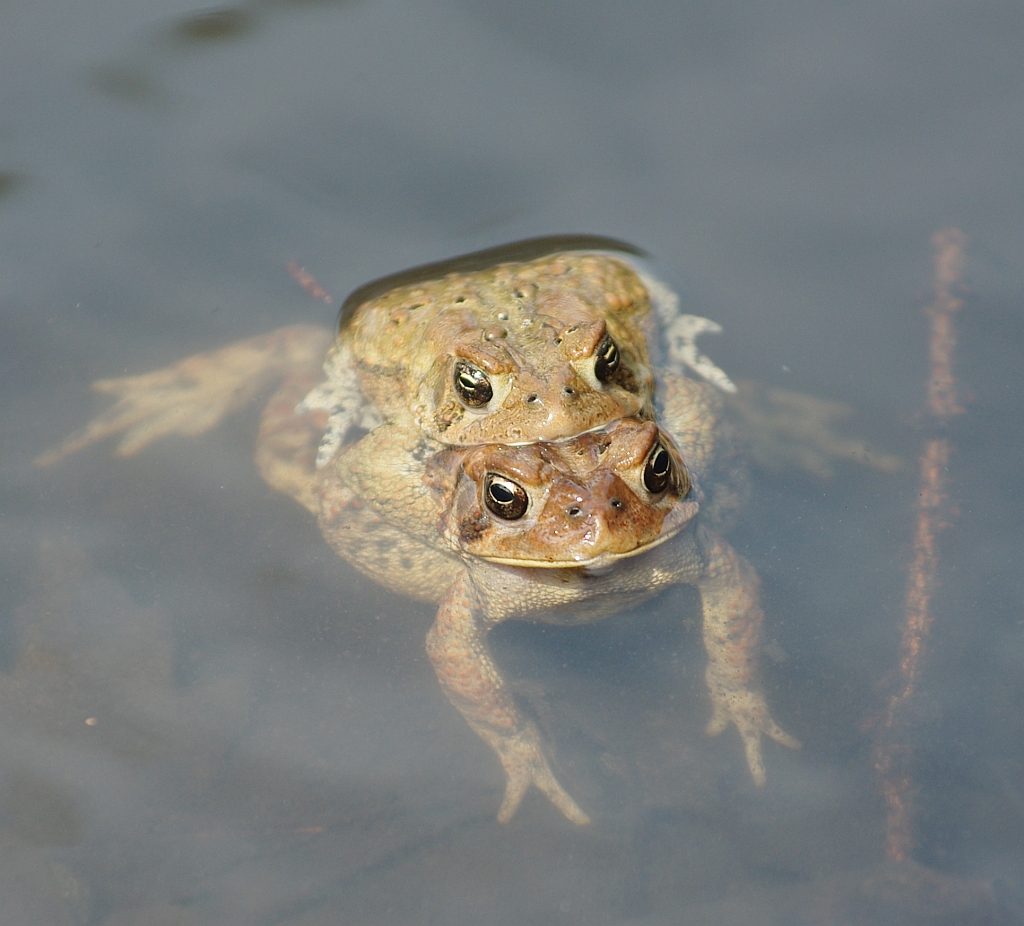
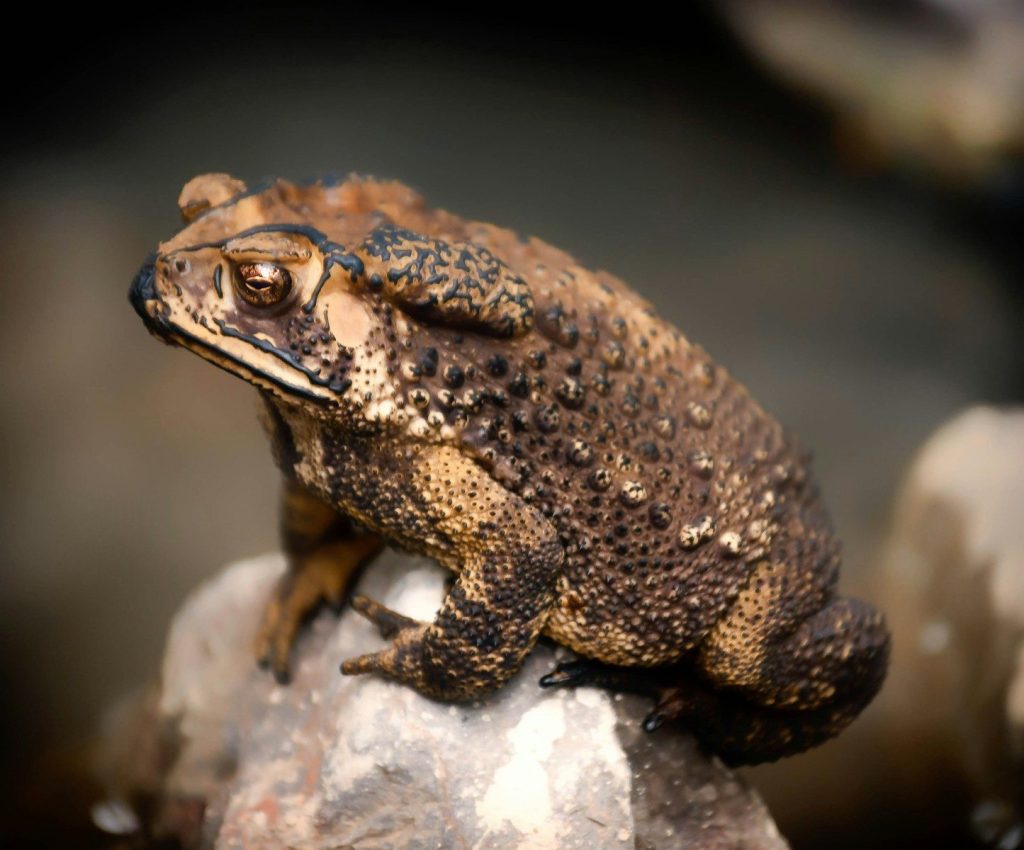
    A rare toad discovery in Canada is giving scientists a new mystery to solve. The unusual amphibian was found in Ontario with an extremely rare genetic mutation that caused it to develop four eyes instead of the usual two. Researchers have confirmed the animal is real, not a fake or edited image, but they still do not know what caused the condition.

    Discoveries like this can help scientists learn more about how amphibians grow, how healthy their habitats are, and what environmental changes may affect wildlife. Here’s what experts know so far and why this unusual toad matters.

    The rare discovery surprised researchers

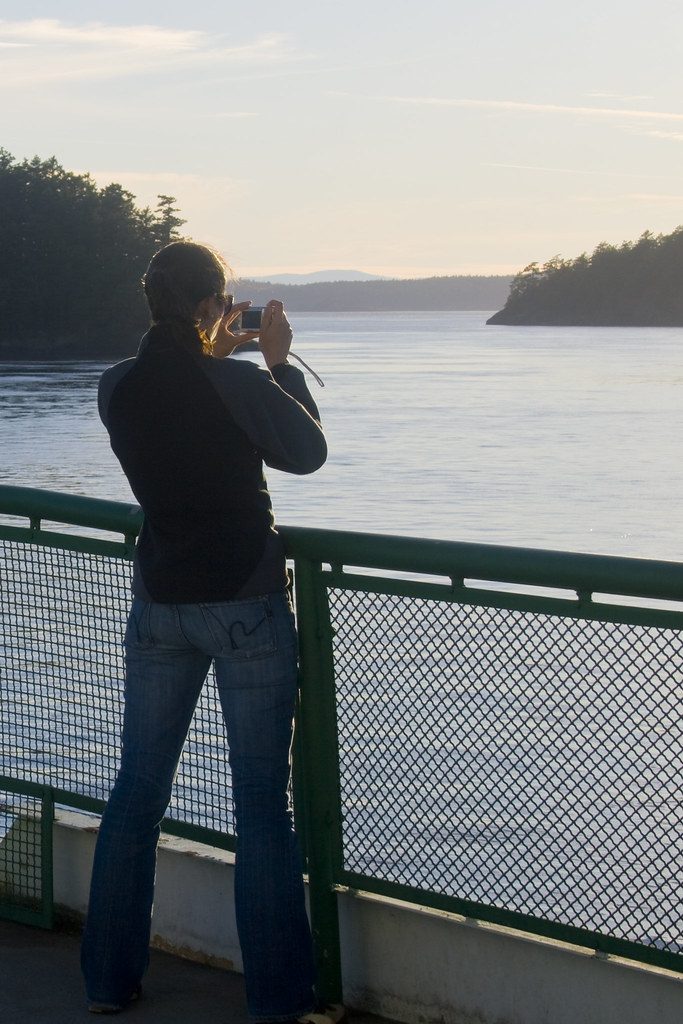
    Photographer, San Juan Islands, Washington” by woodleywonderworks is licensed under CC BY 2.0

    The unusual toad was photographed in Ontario, Canada, where it caught the attention of wildlife experts because of its four visible eyes. Scientists later examined the case and confirmed that the animal had a real developmental mutation rather than an injury or camera trick.

    Cases like this are extremely uncommon in wild amphibians. While frogs and toads can sometimes be born with physical differences, a four-eyed mutation is exceptionally rare. Because of that, researchers see this animal as an important chance to study how such changes happen during early development.

    Scientists are still searching for answers

    three people in lab coats looking at a tablet
    Photo by National Cancer Institute on Unsplash

    Researchers have not identified the exact reason why the mutation happened. It may have occurred naturally while the toad was developing as an embryo, but there is currently no evidence proving a specific cause.

    Scientists also caution against blaming pollution, chemicals, or other environmental factors without solid proof. Many genetic mutations happen naturally in wildlife, and a single animal cannot be used to draw broad conclusions about the health of an ecosystem. More research is needed before experts can explain what happened.

    Why amphibians are important indicators

    brown frog on gray rock
    Photo by Thomas Oxford on Unsplash

    Toads and frogs are often called indicator species because they are very sensitive to changes in their environment. Their thin skin absorbs water and chemicals easily, making them among the first animals to show signs of habitat problems.

    When scientists study unusual amphibians, they also learn more about wetlands, forests, and freshwater ecosystems. Healthy amphibian populations usually suggest healthy habitats, while declining populations may point to larger environmental concerns that deserve closer attention.

    Rare mutations help advance science

    a group of people working in a lab
    Photo by National Institute of Allergy and Infectious Diseases on Unsplash

    Although unusual mutations may look strange, they can provide valuable scientific information. Researchers study these rare cases to better understand genetics, embryo development, and how different body parts form before an animal is born.

    Every documented case adds to scientific records. By comparing similar discoveries over time, experts may find patterns that improve their understanding of amphibian biology and help protect vulnerable species in the future.

    Canada is home to many native toads

    black frog on wet surface
    Photo by Jonathan Gagnon on Unsplash

    Canada has several native toad species that live in forests, wetlands, grasslands, and other natural habitats. These animals play an important role by eating insects and serving as food for larger wildlife.

    Many amphibian populations face growing challenges from habitat loss, climate change, disease, and invasive species. Because of these threats, scientists regularly monitor wild populations to better understand how amphibians are changing over time and what conservation steps may be needed.

    What happens next for the unusual toad

    brown and black frog on brown soil
    Photo by Pete Bread on Unsplash

    Researchers hope additional study will reveal more about the mutation, but they may never know exactly why it occurred. Rare genetic events can happen without leaving clear evidence, making some questions difficult to answer with certainty.

    Even so, the discovery reminds scientists that nature still holds many surprises. Every unusual finding helps improve scientific knowledge, encourages further research, and highlights the importance of protecting the habitats where wildlife continues to thrive.

  • Abuse investigation begins after 700 animals disappear in California

    Abuse investigation begins after 700 animals disappear in California

    An abuse investigation after 700 animals disappear in California has shocked animal lovers across the country. Authorities are trying to find out what happened to hundreds of dogs and other animals that were sent to a Northern California rescue known as Miranda’s Rescue. Investigators say more than 900 animals arrived at the rescue over the past year, but around 730 of them cannot currently be accounted for.

    The case has led to a large investigation involving local, state, and federal agencies. As officials continue searching the property and gathering evidence, many shelters and pet owners are hoping for answers. Here’s what investigators know so far and why this case has become one of California’s biggest animal welfare investigations.

    What started the investigation?

    dogs inside cages
    Photo by Sasha Sashina on Unsplash

    The investigation centers on Miranda’s Rescue, an animal rescue facility in Fortuna, California, located in Humboldt County. The rescue accepted hundreds of dogs and other animals from shelters across the state. Authorities became concerned after receiving reports that some animals could not be located and that records did not match what shelters had been told.

    In May, investigators searched the property and found several dead dogs. Some of the animals were later identified through microchips, raising more questions about whether shelters and former owners had been given accurate information. Those discoveries led to a much larger investigation into possible animal cruelty, fraud, and theft. No criminal charges have been filed, and the investigation remains active.

    Why are more than 700 animals missing?

    a close up of a police car with its lights on
    Photo by Max Fleischmann on Unsplash

    According to the Humboldt County Sheriff’s Office, Miranda’s Rescue received more than 900 animals from shelters between January 2025 and the spring of 2026. Investigators say they have confirmed only a small number of documented adoptions, leaving about 730 animals unaccounted for. Officials are now working to determine where those animals went and whether records were accurate.

    The large number of missing animals has raised serious concerns among shelters that trusted the rescue. Several organizations have started reviewing their own records while working with investigators to trace animals they previously transferred. Officials have stressed that “missing” does not automatically mean every animal died, but they are investigating every possibility until all animals are accounted for.

    What investigators have found so far

    FBI
    FBI Police Chevy Tahoe” by JLaw45 is licensed under CC BY 2.0

    Authorities recently returned to the property with a second search warrant. The operation included the Humboldt County Sheriff’s Office, the FBI, forensic veterinarians, and other experts. Investigators used special equipment to search the land for buried animal remains and other evidence that could help explain what happened.

    During the excavation, investigators recovered additional animal remains, including a horse and another smaller animal believed to be about the size of a dog. Earlier searches had already uncovered several dead dogs, some of which were identified through implanted microchips. Officials say forensic testing will help determine how the animals died and whether any crimes were committed.

    How shelters across California are responding

    people having meeting on rectangular brown table
    Photo by Christina @ wocintechchat.com M on Unsplash

    The investigation has affected shelters throughout California because many of them worked with Miranda’s Rescue to help place animals into new homes. After learning about the investigation, several shelters stopped sending animals to the rescue and began trying to recover any pets that were still there. Some dogs have already been returned to local shelters for care.

    The case has also led shelters to review how they choose rescue partners. Many public shelters depend on nonprofit rescues when they run out of space, but this investigation has shown why careful recordkeeping and regular inspections are important. Animal welfare groups say they hope stronger oversight will help prevent similar situations in the future.

    What the rescue owner has said

    silver corded microphone in shallow focus photography
    Photo by Kane Reinholdtsen on Unsplash

    Shannon Miranda, the founder of Miranda’s Rescue, has denied intentionally harming animals. In a public statement released after the investigation became public, he said that not everything being reported was true and that he planned to defend himself against the allegations. He has since limited public comments following advice from his attorney.

    Law enforcement officials have reminded the public that the investigation is still ongoing. At this stage, authorities have announced no arrests or criminal charges. Investigators say they are continuing to examine evidence, interview witnesses, and review rescue records before making any decisions about possible legal action.

    What happens next in the case?

    text
    Photo by Brett Jordan on Unsplash

    The investigation is expected to continue as forensic experts analyze evidence collected from the property. Authorities are also reviewing transfer records, adoption documents, and information from shelters throughout California. Anyone with knowledge about animals sent to Miranda’s Rescue has been asked to contact investigators to help piece together what happened.

    Animal welfare advocates hope the investigation will provide answers for shelters, former pet owners, and families who trusted the rescue. Whatever the final outcome, the case has already sparked statewide discussions about rescue oversight, animal tracking, and the need for stronger safeguards to protect vulnerable animals placed in nonprofit care.

  • How a teenager saved his younger brother after a terrifying shark attack in the Bahamas

    How a teenager saved his younger brother after a terrifying shark attack in the Bahamas

    A dream family vacation turned into a fight for survival when a 12-year-old boy was attacked by a shark in the Bahamas. Swimming about 60 miles offshore with his older brother, Parker Roll suddenly suffered severe injuries after a large shark bit his leg.

    What happened next likely saved his life. His 16-year-old brother, Jack, acted within seconds to stop the bleeding while help was still far away. This article explains how the attack unfolded, why prompt first aid was crucial, and what made this remarkable rescue possible.

    A peaceful swim became a terrifying emergency

    person swimming on body of water
    Photo by Dallas Morgan on Unsplash

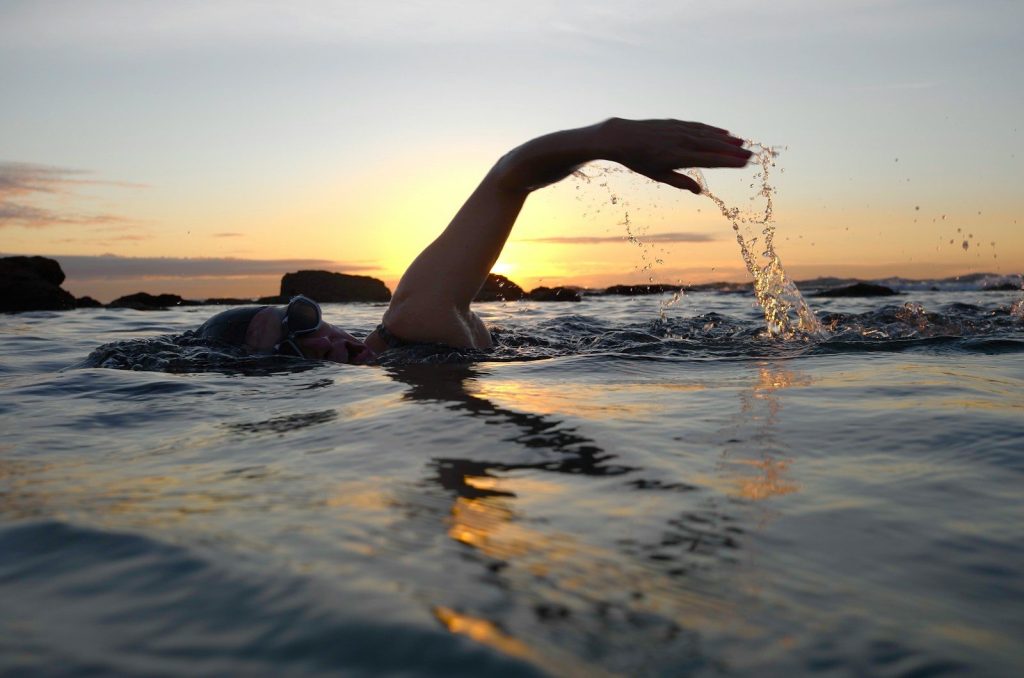
    Parker Roll and his older brother Jack were exploring a shallow bay near Staniel Cay during a family boat excursion in the Exuma Cays. Parker noticed what he first believed was a large rock before realizing it was actually a shark.

    Only moments later, the shark attacked. Parker managed to reach the shoreline despite serious injuries to his leg and foot, while Jack witnessed the clear water quickly fill with blood. Authorities have not identified the shark species involved.

    A brother acted without hesitation

    a group of people swimming in a body of water
    Photo by Lawrence Krowdeed on Unsplash

    Jack immediately shouted for everyone to get out of the water before rushing to help Parker. He removed his brother’s swimsuit and tied it tightly around the injured leg to slow the severe bleeding.

    Doctors later told the family that stopping the bleeding so quickly may have saved Parker’s life. Without that fast response, the outcome could have been far more serious because they were so far from medical care.

    Rescue was difficult because of the remote location

    white and black shark under water
    Photo by Fiona Ayerst on Unsplash

    The attack happened about 60 miles offshore in a remote area of the Bahamas. The brothers had explored far from the rest of their group, making it difficult for rescuers to reach them quickly.

    There was no cell phone or radio service where the attack occurred. It took about 45 minutes for the boat crew to regain communication, and emergency responders could be contacted. An ambulance was waiting when they reached the dock.

    Parker is expected to recover

    a person in a hospital bed with an iv
    Photo by Olga Kononenko on Unsplash

    Parker received emergency treatment for severe injuries to his leg and foot. According to his family, he required about 1,000 stitches and remains unable to walk without assistance while recovering.

    Despite the seriousness of the attack, doctors expect Parker to make a full recovery. His family believes Jack’s quick actions and the boat crew’s quick actions made that possible.

    Shark attacks remain extremely rare

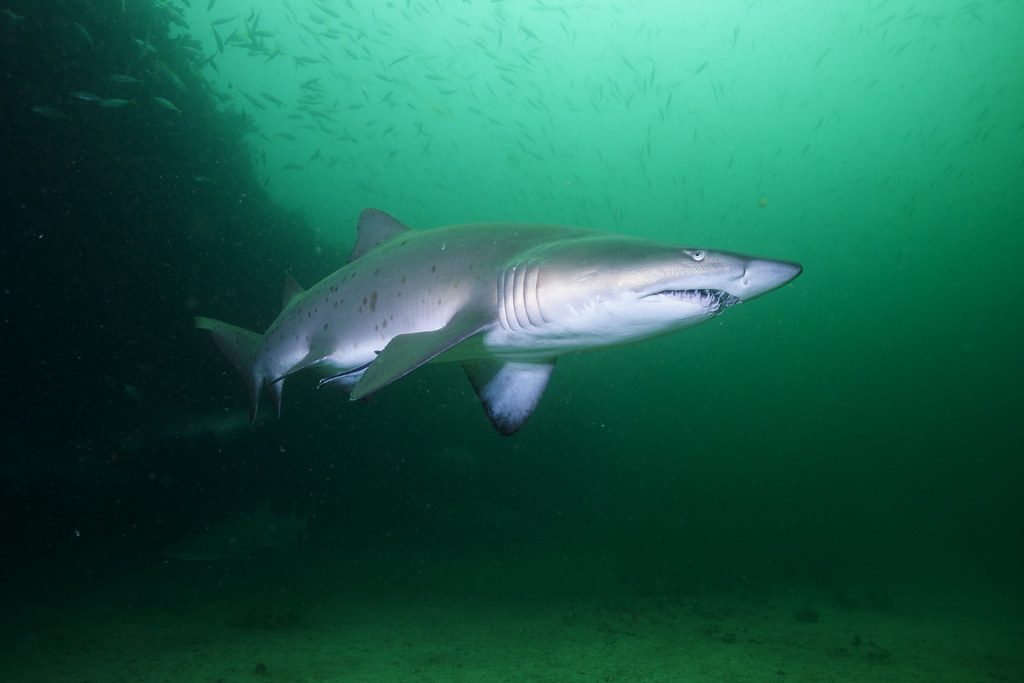
    Gray Nurse Shark
    Gray Nurse Shark” by PacificKlaus is licensed under CC BY-NC 2.0

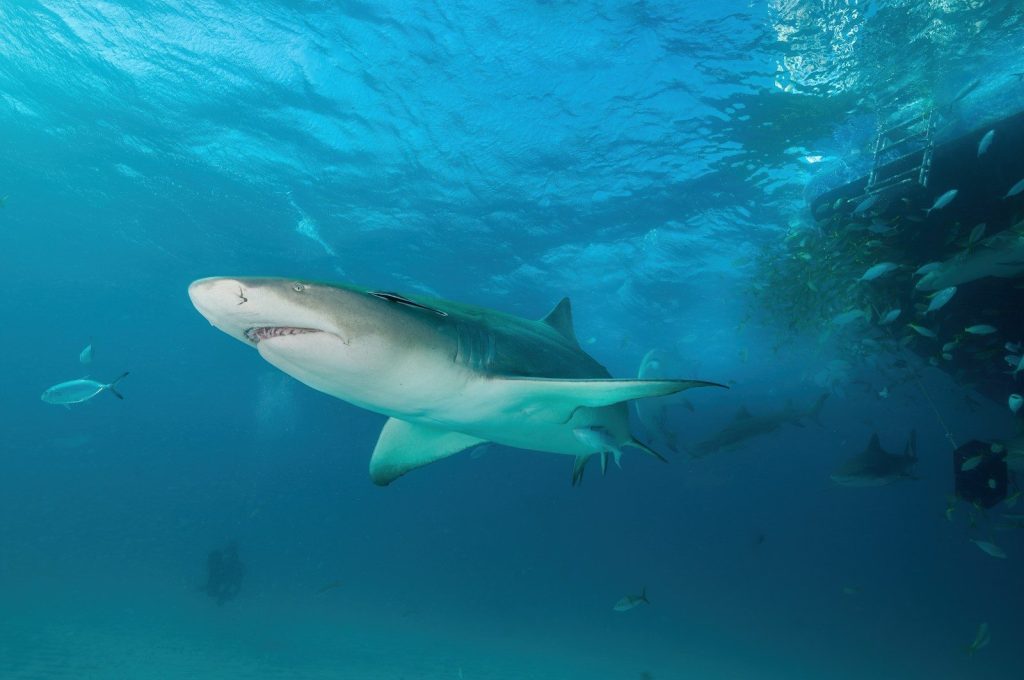
    Although shark attacks receive widespread attention, they remain very uncommon compared with the millions of people who enter the ocean each year. Most sharks avoid people, and serious attacks are rare.

    Officials have not confirmed what type of shark attacked Parker. Researchers say identifying the species is often difficult unless there is clear evidence from the incident.

    A story of courage and survival

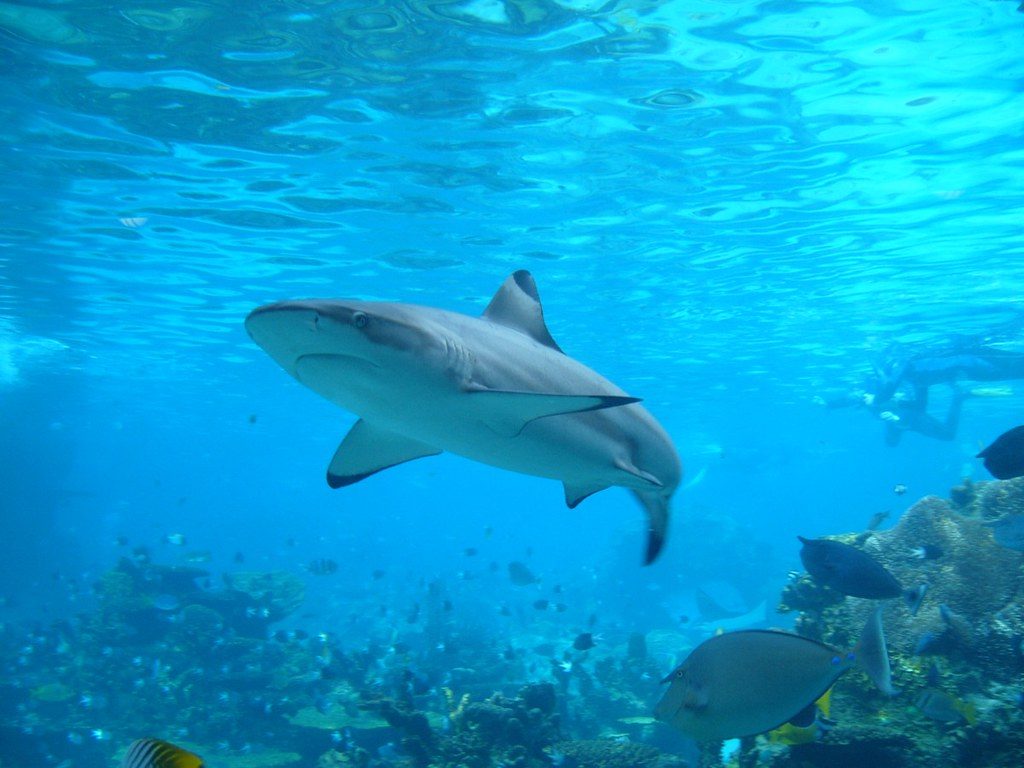
    Shark” by StormyDog is licensed under CC BY 2.0

    The attack was frightening, but it also showed how quickly courage and clear thinking can make a difference during an emergency. Jack remained focused while helping his younger brother under extremely difficult conditions.

    Parker’s survival is a powerful reminder of the importance of staying calm and acting quickly during emergencies. Thanks to the efforts of his brother, nearby helpers, and emergency responders, a tragic situation became an inspiring story of survival.

  • Rescuers could not believe what was wrapped around the seal’s neck

    Rescuers could not believe what was wrapped around the seal’s neck

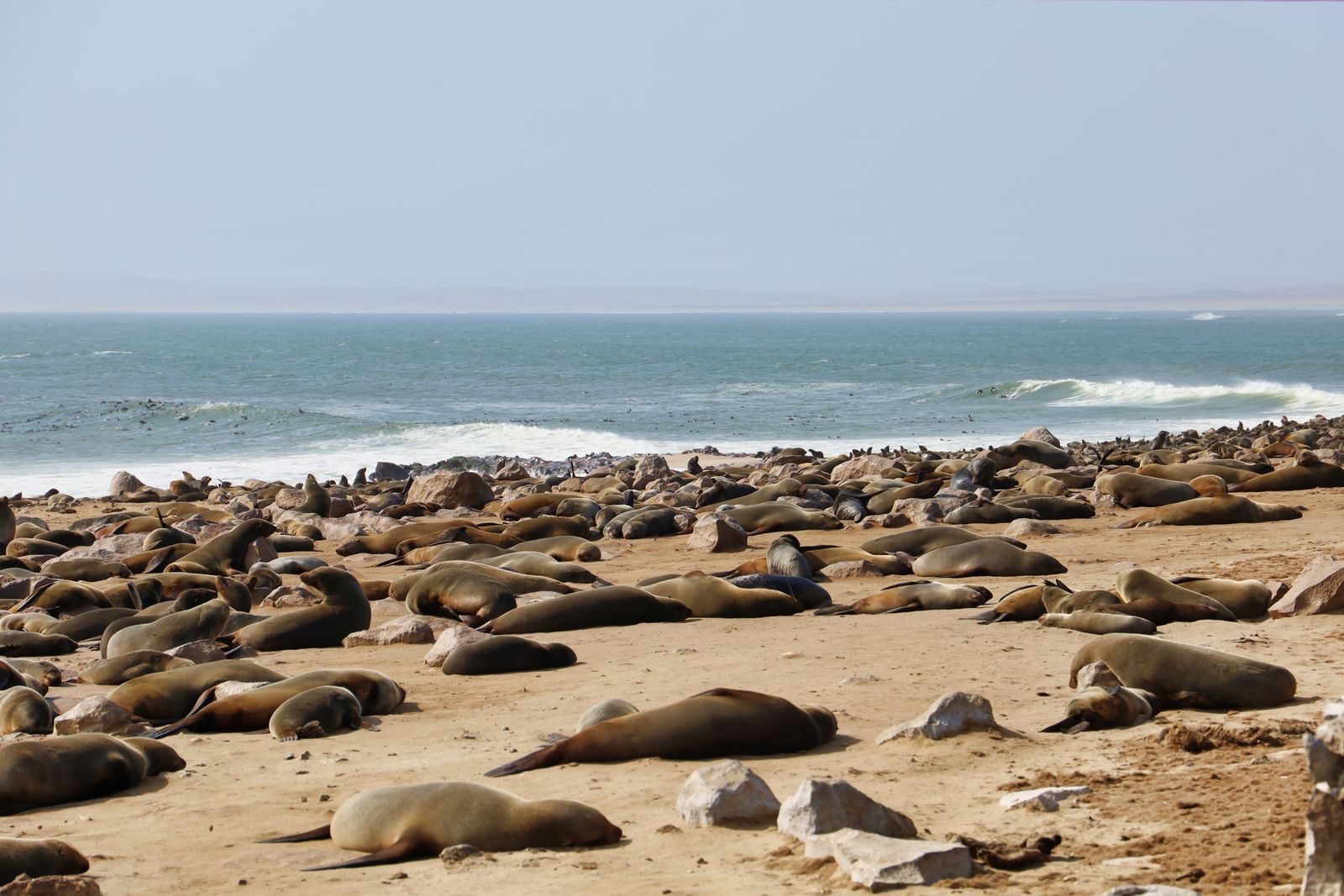
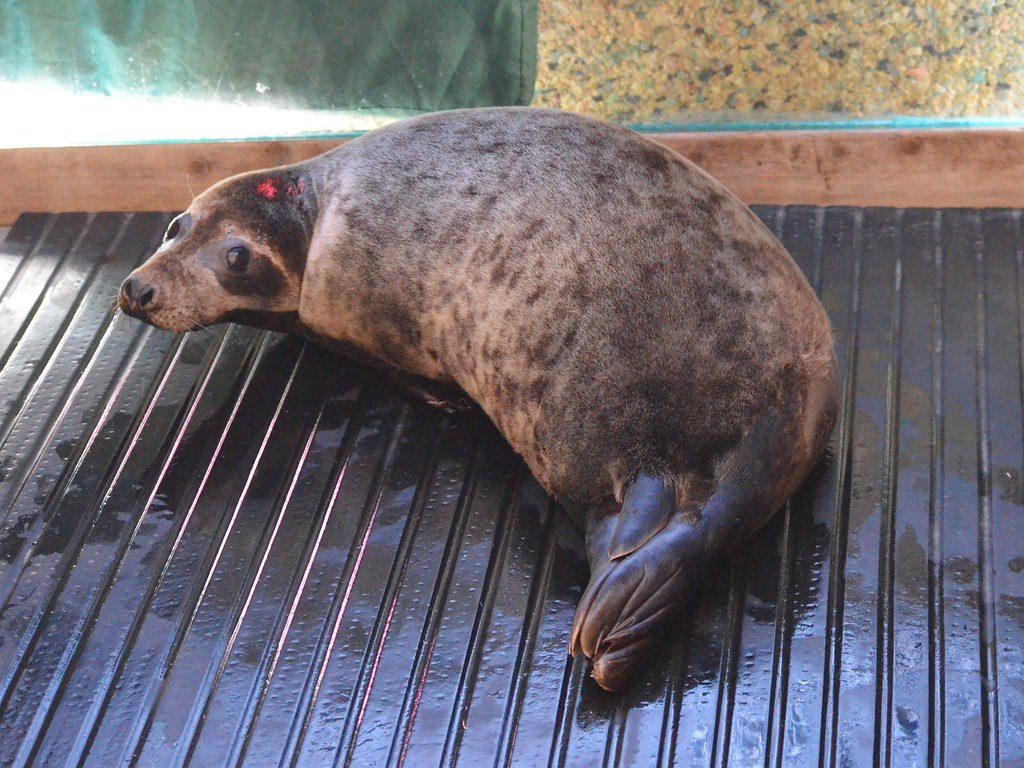
    When rescuers spotted a seal with something unusual wrapped around its neck, they expected to find the kind of marine debris they often remove from animals. Instead, what they discovered surprised even experienced wildlife rescuers. The object was linked to a larger story unfolding along Namibia’s coastline, where thousands of seals had recently died from starvation. As surviving seals searched desperately for food, they began hunting prey they would not normally target, leading to unexpected and sometimes dangerous encounters.

    This article explores the remarkable rescue, the severe seal die-off that preceded it, the strange fish involved, and what rescuers learned from the discovery. By understanding what happened, readers can gain a deeper appreciation for how environmental changes can affect wildlife behavior and create surprising challenges for marine animals.

    A devastating seal crisis along Namibia’s coast

    Pelican Point Peninsula” by D-Stanley is licensed under CC BY 2.0

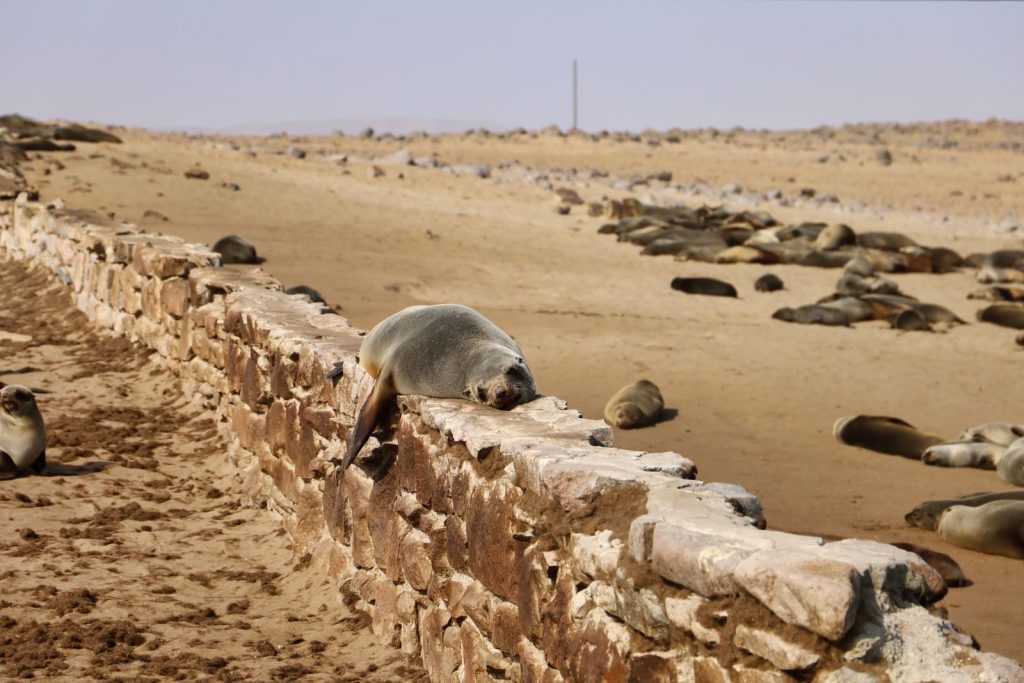
    Before rescuers found the seal with the strange object around its neck, Namibia’s coastline was already facing a major wildlife crisis. Thousands of seal pups and many adult seals had been dying over a period of weeks. Observers reported that the animals appeared extremely thin, showing clear signs of starvation. Many pups died before they had a chance to grow strong enough to survive on their own.

    Starvation affects more than just an animal’s health. When food becomes scarce, wildlife often changes its behavior in an attempt to survive. Animals may travel farther, take greater risks, or hunt prey they would normally avoid. For Namibia’s seals, the lack of food created a desperate situation that pushed them toward unfamiliar hunting opportunities in nearby waters.

    Hungry seals began targeting unusual prey

    seal lying on gray sand during daytime
    Photo by Steve Adams on Unsplash

    Seals are skilled hunters that normally feed on fish, squid, and other marine creatures they can safely catch and swallow. During periods of food abundance, they tend to focus on prey that provides the most energy with the least risk. However, when food becomes difficult to find, survival often becomes more important than caution.

    Rescuers and researchers began noticing something unusual in several seals they examined. Some animals had sharp objects stuck in their bodies, especially around the throat and neck area. At first, these objects appeared to resemble stingray barbs. Since stingrays possess dangerous spines capable of causing injuries, this seemed like a reasonable explanation. Yet the mystery remained unsolved because no one had direct proof of where the sharp objects were coming from.

    The surprising discovery that solved the mystery

    Seal Rescue Ireland” by chripell is licensed under CC BY-SA 2.0

    The answer finally became clear when rescuers encountered another seal carrying evidence that could not be ignored. This animal still had part of a fish associated with the injury. The discovery allowed rescuers to identify the true source of the mysterious spikes that had been appearing in seals over the previous weeks.

    The fish was identified as a St. Joseph shark, a species known for having a long, sharp spine near the front of its body. This spine can appear very similar to the barbs found on stingrays, which explains why rescuers originally believed stingrays were responsible. Finding the fish attached to the injury provided the missing piece of the puzzle and revealed that hungry seals had been attempting to eat a prey species that carried its own natural defense weapon.

    What rescuers found around the seal’s neck

    Seal Rescue Ireland” by chripell is licensed under CC BY-SA 2.0

    When the rescue team approached the seal, they quickly realized something unusual was wrapped around its neck. Upon closer inspection, they found fishing line and hooks embedded around the animal. Entanglement in fishing gear is a common problem for marine wildlife around the world. Seals are especially vulnerable because they are curious animals and often investigate objects floating in the water.

    The rescuers carefully worked to remove the fishing line and hooks without causing additional harm. During the process, they also observed a significant cut on the seal’s chest. Such injuries can become serious if left untreated because open wounds may become infected or make it harder for an animal to move normally. Fortunately, the team was able to free the seal and give it a better chance of survival.

    How the St. Joseph shark injured the seals

    White Shark Cage Diving, Gansbaai” by Sara&Joachim is licensed under CC BY-SA 2.0

    The discovery of the St. Joseph shark helped explain the injuries rescuers had been seeing. According to observations from the rescue team, seals likely caught the fish in their mouths and then shook it violently, which is a common feeding behavior. Shaking prey helps seals tear food apart and position it for swallowing.

    However, this behavior may have worked against them when hunting the St. Joseph shark. As the fish was shaken, its sharp spine could become lodged in the seal’s throat or neck. Bite marks found on some of the fish supported this explanation. The seals were trying to eat an unfamiliar food source, but the fish’s defensive spine created a dangerous obstacle. While the spine could cause painful injuries, rescuers noted that its venom is generally believed to be less severe than the venom associated with many stingray species.

    What this event teaches us about wildlife survival

    A serene scene of Cape fur seals lounging on a sandy, rocky beach in Namibia.
    Photo by Rino Adamo on Pexels

    The rescue highlights how closely wildlife health is connected to environmental conditions. When food sources decline, animals often change their behavior in ways that increase risk. The starving seals of Namibia were not hunting St. Joseph sharks because they preferred them. Instead, they were likely taking advantage of whatever prey they could find in order to survive.

    This event also demonstrates the importance of wildlife rescue organizations. Without careful observation and intervention, the true cause of the injuries might have remained unknown. The rescue team not only freed an entangled seal but also uncovered valuable information about how starvation was affecting seal behavior. Their work provided insight into a larger ecological problem and helped improve understanding of the challenges these animals were facing.

  • Dead ducks spark Reflecting Pool investigation

    Dead ducks spark Reflecting Pool investigation

    The recent discovery of three dead ducks near the Lincoln Memorial Reflecting Pool has raised new questions about the ongoing renovation of the pool. While some people have suggested algae or water treatment chemicals could be involved, no official cause has been confirmed.

    Wildlife experts are now examining the birds to learn what happened. This article explains why the duck deaths are receiving attention, what scientists know so far, how the Reflecting Pool renovation has faced repeated challenges, and why experts say it is too early to reach conclusions.

    Three ducks were found near the Reflecting Pool

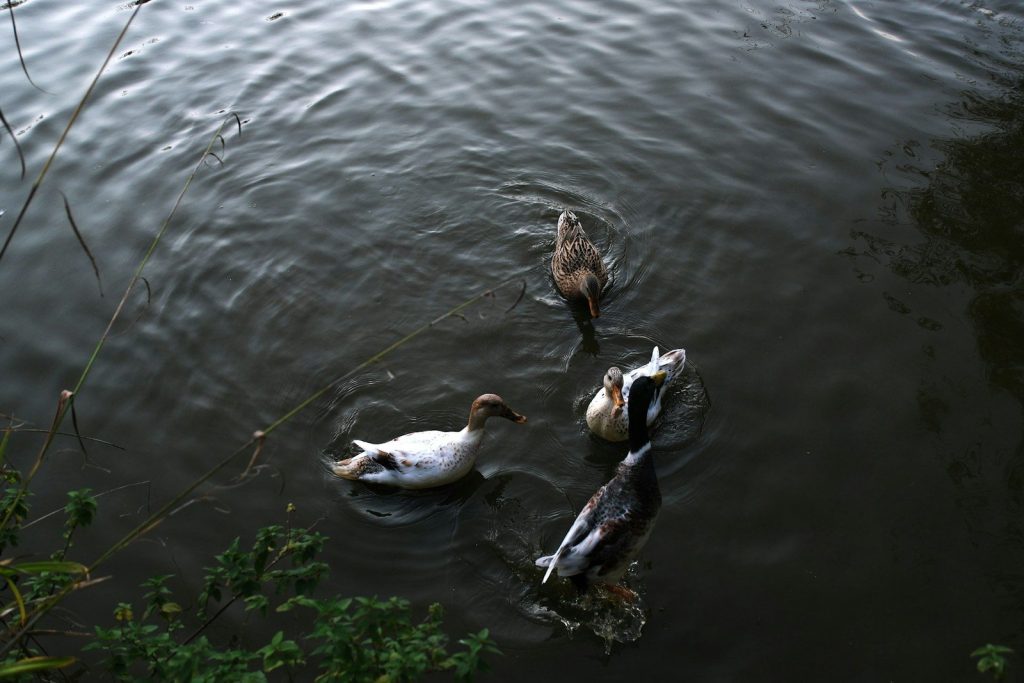
    A group of ducks floating on top of a lake
    Photo by Jean-Luc Picard on Unsplash

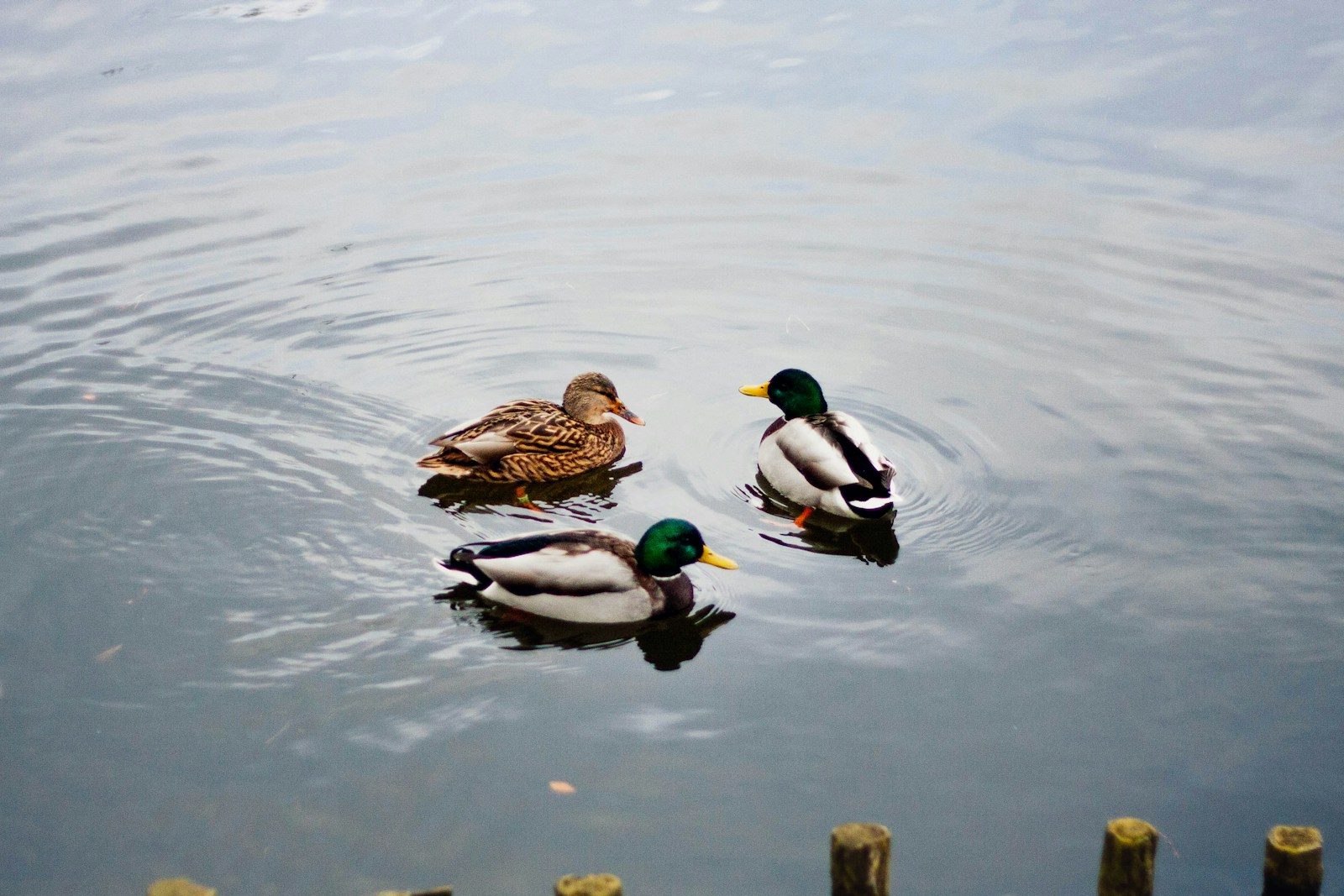
    Concern grew after two dead ducks were collected from a nearby pond by City Wildlife, a Washington, D.C., wildlife rehabilitation organization. On the same day, another young duck was seen floating in the Lincoln Memorial Reflecting Pool.

    The discoveries quickly raised questions because the pool has recently experienced algae growth and other problems following a major renovation. However, wildlife officials have stressed that the cause of death remains unknown until testing is complete.

    Wildlife experts are investigating

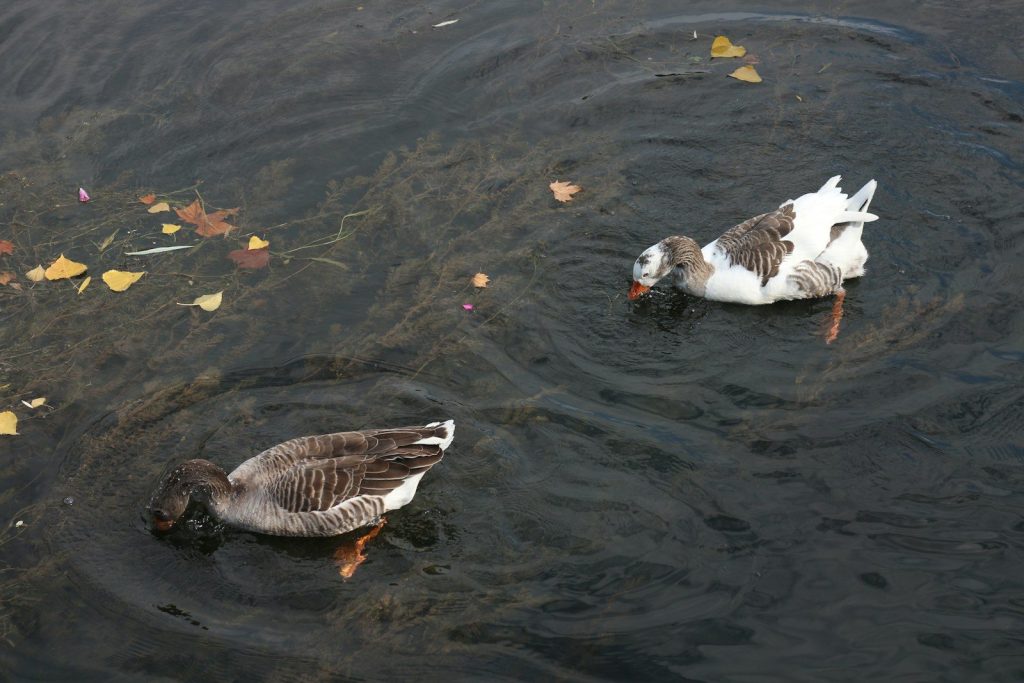
    brown and white duck on water
    Photo by Matusalem Marques on Unsplash

    City Wildlife announced that it plans to perform necropsies on the recovered ducks. The examinations are expected to help determine whether the birds died from disease, injuries, environmental conditions, or another cause.

    The organization has also continued its daily monitoring of ducks around the Reflecting Pool. Until laboratory results are available, it says it cannot comment on the cause of the deaths.

    Questions about algae and water treatment

    green and black abstract painting
    Photo by James Lee on Unsplash

    Some observers have wondered whether harmful blue-green algae, known as cyanobacteria, could be present in the green water. Others have questioned whether recent algae treatment methods played any role in the incident.

    Federal officials have previously said the hydrogen peroxide used to control algae is a standard treatment and does not pose harmful side effects to wildlife when used correctly. Former U.S. Fish and Wildlife Service official Brad Bortner also said that hydrogen peroxide at algae-control levels is unlikely to have caused the duck deaths.

    The renovation has faced several problems

    Water reflects the surrounding greenery and tiles.
    Photo by Maria Ernesto on Unsplash

    The Reflecting Pool renovation was intended to prepare the landmark for upcoming national celebrations. Soon after the pool was refilled, algae spread across the water, and workers also discovered areas where the new liner had begun peeling.

    Officials have treated the algae with peroxide and ozone, and used cleaning equipment, while continuing to investigate the liner problems. The National Park Service has also reported suspected vandalism involving damage to the liner, although investigations remain ongoing.

    Many possible causes remain

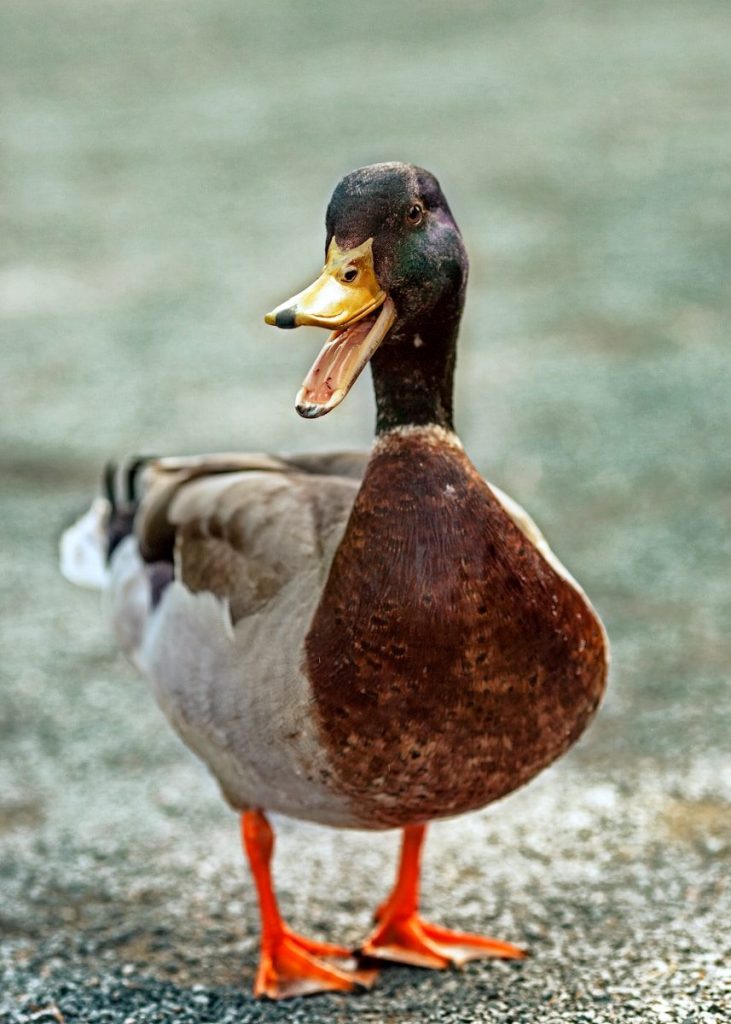
    brown and white duck on gray concrete floor
    Photo by Ross Sokolovski on Unsplash

    Wildlife experts caution that ducks can die for many different reasons. In urban areas, young ducks often fall victim to predators, injuries, disease, drowning, or other natural hazards.

    Experts say it would be wrong to assume the renovation caused these deaths without scientific evidence. Water testing and necropsy results will be needed before investigators can determine whether the ducks were exposed to harmful algae or any other environmental factor.
    Waiting for scientific answers

    a couple of birds on the ground
    Photo by Mykyta Kondratov on Unsplash

    For now, the duck deaths remain under investigation. Conservation groups continue to monitor the area while scientists work to identify what happened.

    The situation highlights why evidence is important before reaching conclusions. Whether the cause turns out to be natural, environmental, or unrelated to the renovation, the ongoing investigation will help guide future decisions about protecting wildlife at one of Washington’s best-known landmarks.

  • A loud bang echoed inside the deepest dive ever attempted

    A loud bang echoed inside the deepest dive ever attempted

    The Mariana Trench is the deepest known place in Earth’s oceans. Hidden beneath the western Pacific Ocean, it plunges nearly 36,000 feet into a world of crushing pressure, total darkness, and near-freezing temperatures.

    In 1960, two explorers decided to travel to the bottom of this underwater abyss. What followed became one of the greatest exploration achievements in history. Along the way, they heard a terrifying crack from their vessel — a sound that could have ended the mission instantly. Instead of turning back, they continued deeper into the unknown.

    A mission to the deepest place on Earth

    gray turtle
    Photo by Francesco Ungaro on Unsplash

    The expedition was led by U.S. Navy Lieutenant Don Walsh and Swiss oceanographer Jacques Piccard. Their vessel, called the Trieste, was unlike a traditional submarine.

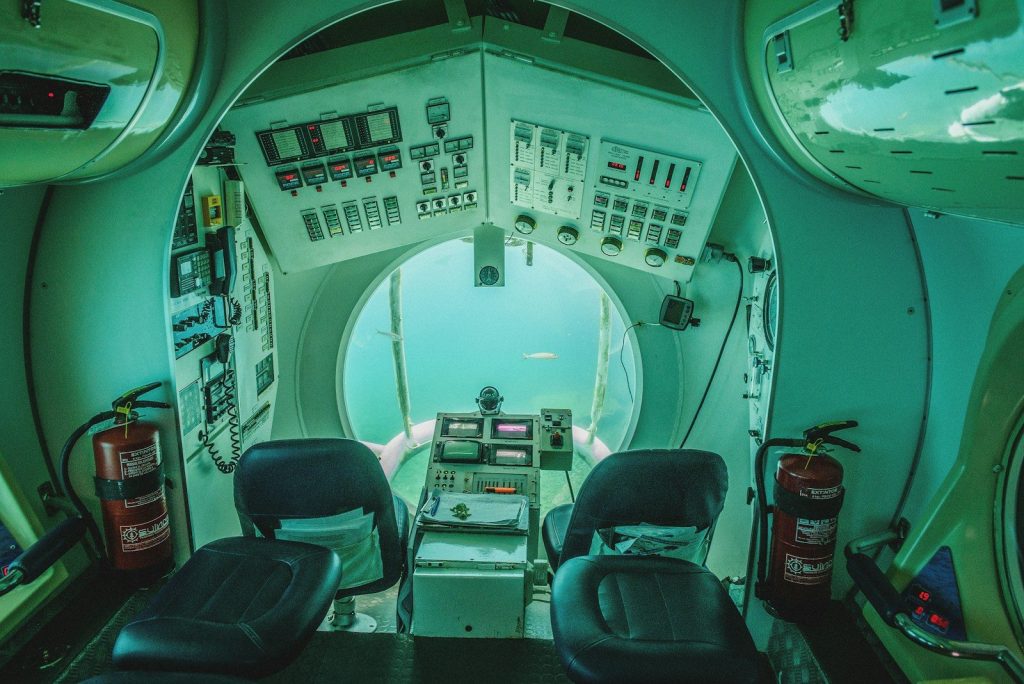
    The craft consisted of a small pressure sphere suspended beneath a large gasoline-filled float. The sphere was designed to withstand immense pressure as it carried the two men toward Challenger Deep, the deepest point of the Mariana Trench.

    The pressure becomes unimaginable

    yellow and black gas lamp
    Photo by NOAA on Unsplash

    As the Trieste descended, the pressure outside increased dramatically. Every few feet brought greater force from the surrounding water.

    At Challenger Deep, pressure reaches more than 16,000 pounds per square inch — over 1,000 times the atmospheric pressure at sea level. Under such conditions, even the smallest structural failure could have catastrophic consequences.

    A terrifying crack in the darkness

    statue under ocean water
    Photo by Jeremy Bishop on Unsplash

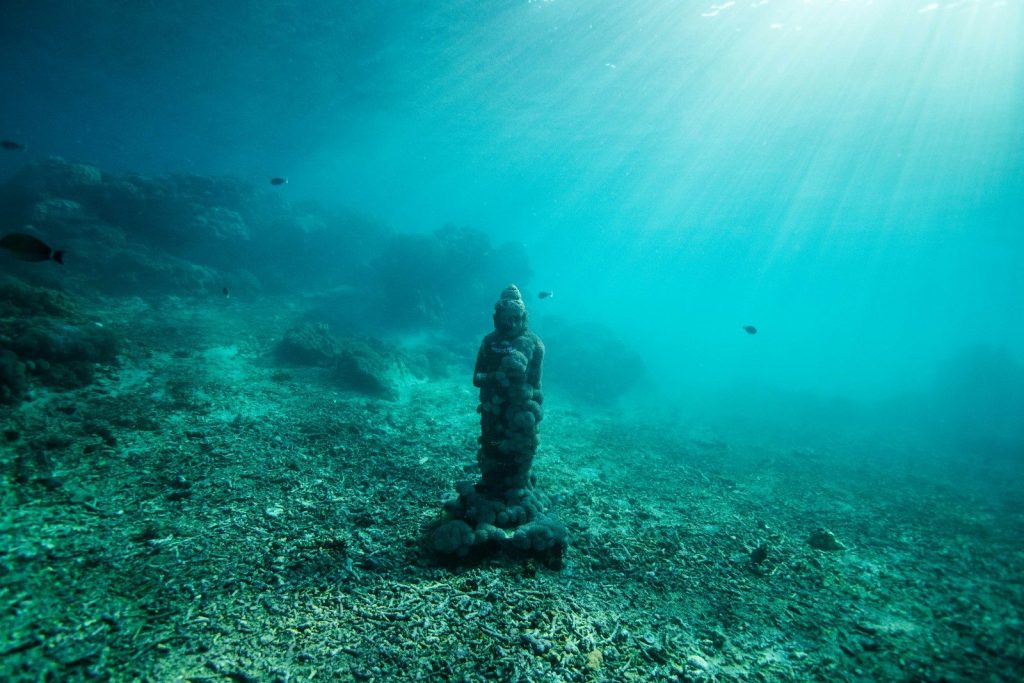
    At roughly 29,500 feet below the surface, the explorers heard a loud bang echo through the vessel. The noise immediately raised concerns that something critical had failed. After checking their systems, they discovered that one of the outer Plexiglas window blocks had cracked under the extreme pressure.

    Fortunately, the damaged section was not the main pressure-bearing window. The inner window remained intact, and the vessel was still safe to continue. Even so, hearing a crack nearly six miles beneath the ocean surface was enough to test anyone’s nerves.

    Reaching Challenger Deep

    man wearing black headphones
    Photo by Teo D on Unsplash

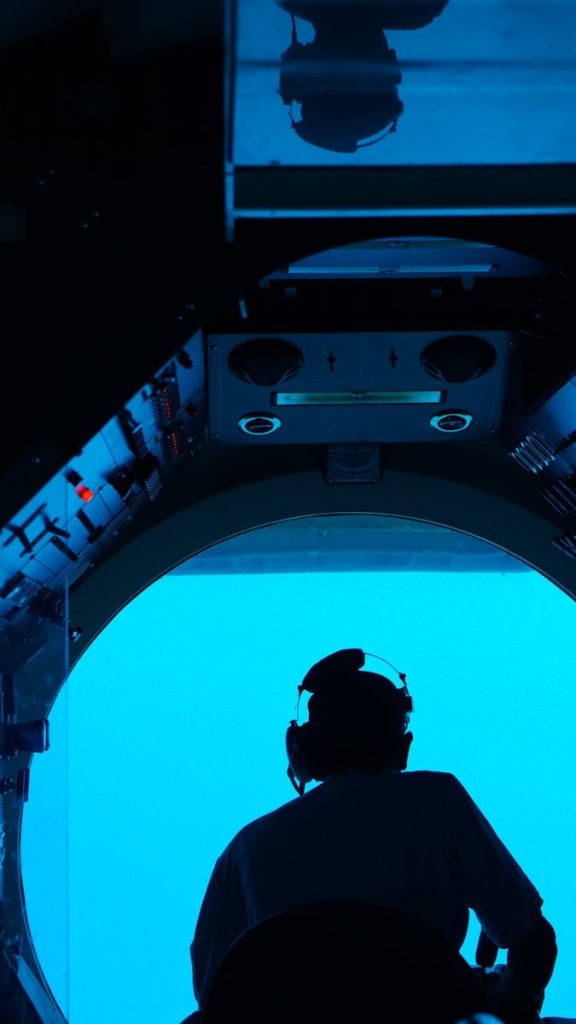
    Despite the frightening incident, Walsh and Piccard continued descending. After nearly five hours, they reached the bottom of Challenger Deep on January 23, 1960. For the first time in history, humans had arrived at the deepest known point on Earth.

    The seafloor appeared surprisingly flat and covered with fine sediment. Visibility was limited because the descent stirred up mud, creating a cloud around the vessel. Still, the achievement marked a historic milestone in ocean exploration.

    Life where none was expected

    a turtle swimming in the water
    Photo by Adél Grőber on Unsplash

    One of the most surprising discoveries came when the explorers reported seeing signs of life on the ocean floor.
    At the time, many scientists believed such extreme depths might be too hostile to support complex organisms. The immense pressure, lack of sunlight, and scarcity of food made survival seem unlikely.

    Yet the observations suggested that life could exist even in one of the harshest environments on the planet. Later research would confirm that deep-sea ecosystems thrive throughout the trench, supported by remarkable biological adaptations.

    A legacy that changed ocean science

    empty seats inside vehicle with fire extinguishers
    Photo by Michal Mrozek on Unsplash

    The Trieste mission proved that humans could safely reach the deepest parts of the ocean and return. It also transformed scientific understanding of life in extreme environments.

    More than six decades later, the Mariana Trench remains one of Earth’s most mysterious places. While technology has improved dramatically since 1960, only a handful of people have visited Challenger Deep.

  • This shark tore off his arm in 8 seconds, and he survived

    This shark tore off his arm in 8 seconds, and he survived

    Most people would never return to the ocean after losing a limb in a shark attack. Paul de Gelder did something very different. In 2009, the Australian Navy diver was conducting a training exercise in Sydney Harbor when a bull shark attacked without warning. The violent encounter lasted only seconds but left him missing his right hand and part of his right leg.

    Against overwhelming odds, he survived thanks to his training and his teammates’ quick actions. Instead of letting fear control his life, he later returned to the water and became one of the world’s most recognizable shark advocates. His story is one of survival, resilience, and a surprising new understanding of sharks.

    A routine training mission turned into a nightmare

    white and black shark underwater
    Photo by Gerald Schömbs on Unsplash

    In February 2009, Paul de Gelder was taking part in a military counterterrorism training exercise in Sydney Harbor. The mission was routine, and there was little indication that anything unusual was about to happen.
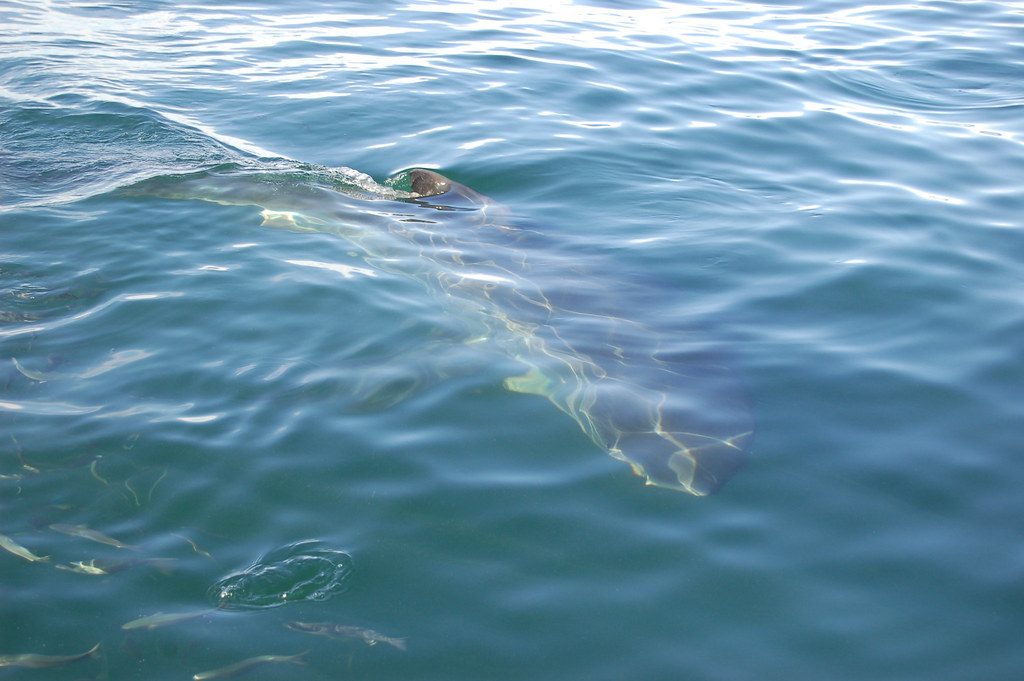
    As he floated in the water, a bull shark suddenly attacked. The shark struck with incredible force, grabbing his arm and leg during a terrifying encounter that lasted only a few seconds. By the time the attack ended, he had suffered catastrophic injuries.

    The fight for survival began immediately

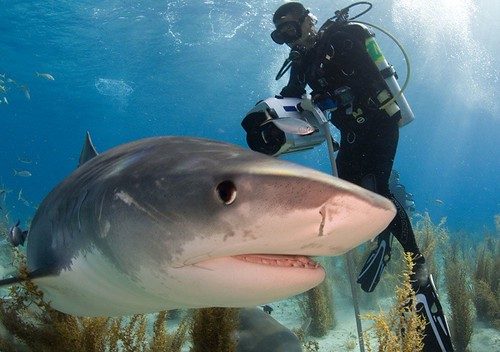
    Tiger shark with diver” by WIlly Volk is licensed under CC BY-NC-SA 2.0

    The attack left Paul critically injured and losing blood rapidly. Despite the shock and trauma, he managed to stay focused and move toward safety. His military training helped him remain calm during one of the worst moments imaginable.

    His teammates acted quickly once he reached the safety boat. They applied emergency first aid and worked to control the bleeding until medical help arrived. Medical experts later said those actions played a crucial role in saving his life.

    Losing two limbs changed everything

    Great White Shark” by Elias Levy is licensed under CC BY 2.0

    The shark attack resulted in the loss of Paul’s right hand and part of his right leg. For many people, such injuries would completely alter their future plans and goals.

    Recovery required extensive rehabilitation and adjustment. He had to learn how to live with prosthetic limbs while rebuilding his strength and confidence. The physical challenges were enormous, but he refused to allow the attack to define him.

    He refused to fear the ocean

    man in black and white diving suit under water
    Photo by Adrien Delforge on Unsplash

    One of the most remarkable parts of Paul’s story is what happened after his recovery. Instead of avoiding the ocean, he returned to the water and continued working around marine life.

    He eventually began diving with sharks and speaking publicly about shark conservation. His experiences convinced him that sharks are not mindless killers but important predators that play a vital role in ocean ecosystems.

    What he learned about sharks surprised many people

    Great white shark” by Gussy (Luke) is licensed under CC BY-NC-ND 2.0

    After the attack, Paul spent years studying shark behavior and educating the public. He frequently challenges common misconceptions about sharks and explains that attacks remain extremely rare.

    He has repeatedly emphasized that humans are not a preferred food source for sharks. While attacks can be devastating, he believes fear and misinformation often create a misleading picture of these animals.

    An 8-second attack became a lifelong mission

    An angry Great White Shark” by TheGrantPeters is licensed under CC BY 2.0

    Today, Paul de Gelder is known worldwide as a motivational speaker, television personality, and shark advocate. His story has inspired countless people facing adversity and personal challenges.

    What began as an eight-second encounter with a bull shark ultimately became a lesson in resilience. Rather than focusing on what he lost, Paul chose to focus on what he could still achieve, turning a near-fatal tragedy into a powerful message about courage and determination.