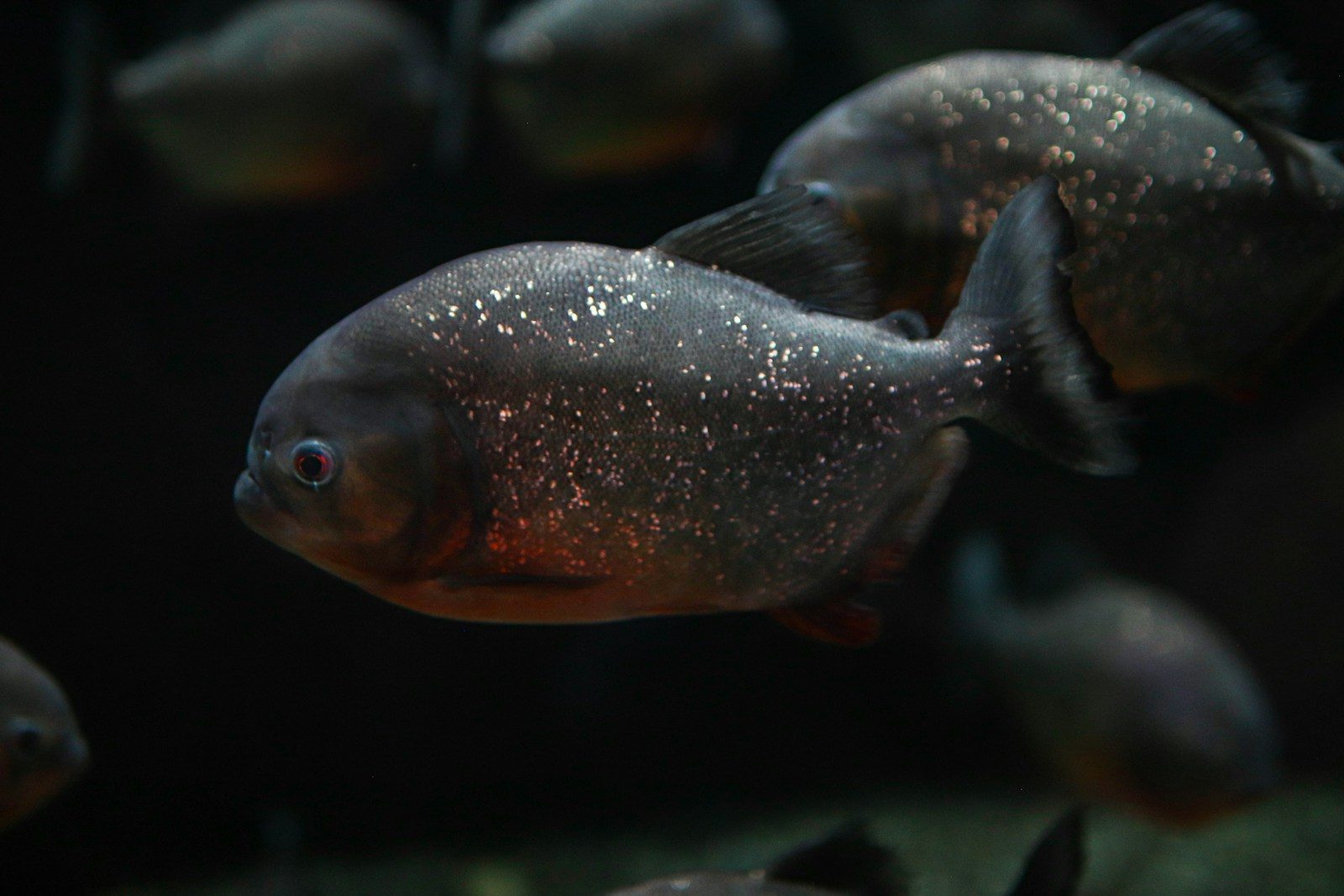
A quiet pond can hide an amazing surprise beneath the surface. What looks like empty water may actually be full of fish moving together below. In one Florida pond, hundreds of young pacu and other piranha-like fish were seen swimming in large schools.
Their presence shows how invasive fish can quietly become part of local waterways. This article explains what was found, why these fish are often mistaken for piranhas, and how non native species can establish themselves without many people noticing.
A pond that looked completely empty
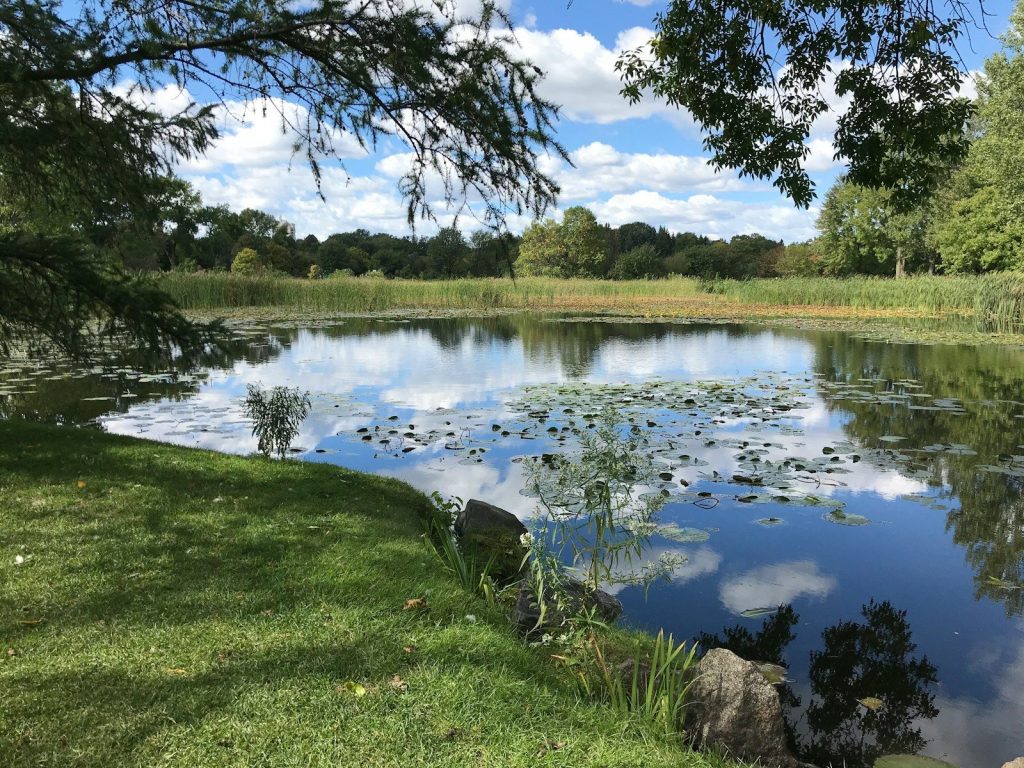
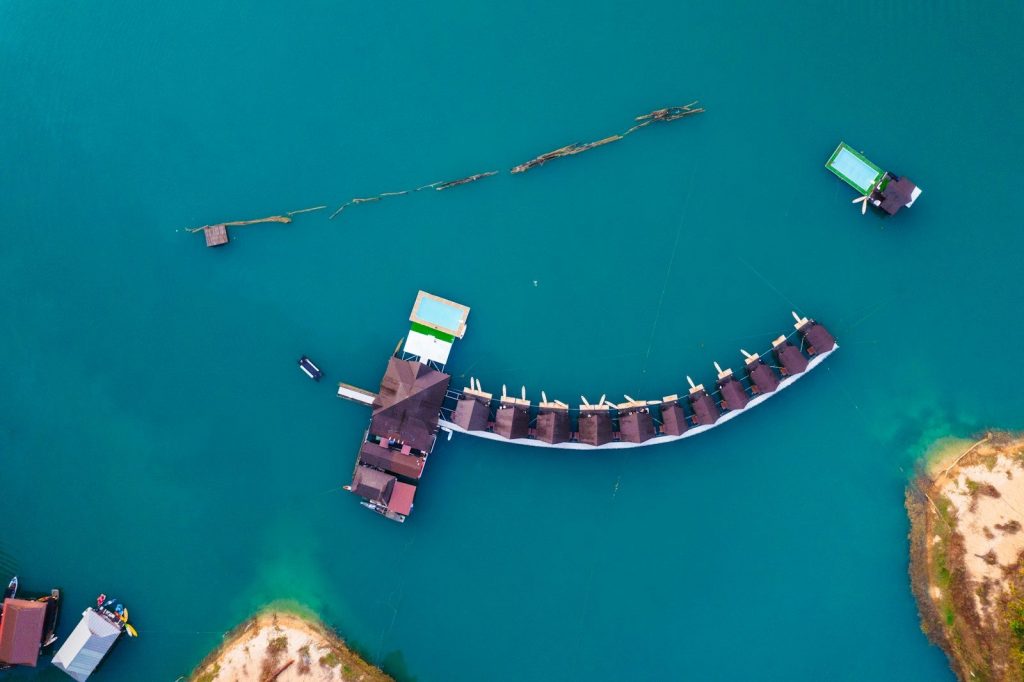
From above, the pond appeared calm and lifeless. There were no obvious signs that anything unusual was living below the surface.
Once the camera looked underwater, the scene changed completely. Hundreds of juvenile fish were swimming together, filling the pond with movement that could not be seen from the shore.
Why do these fish look like piranhas?
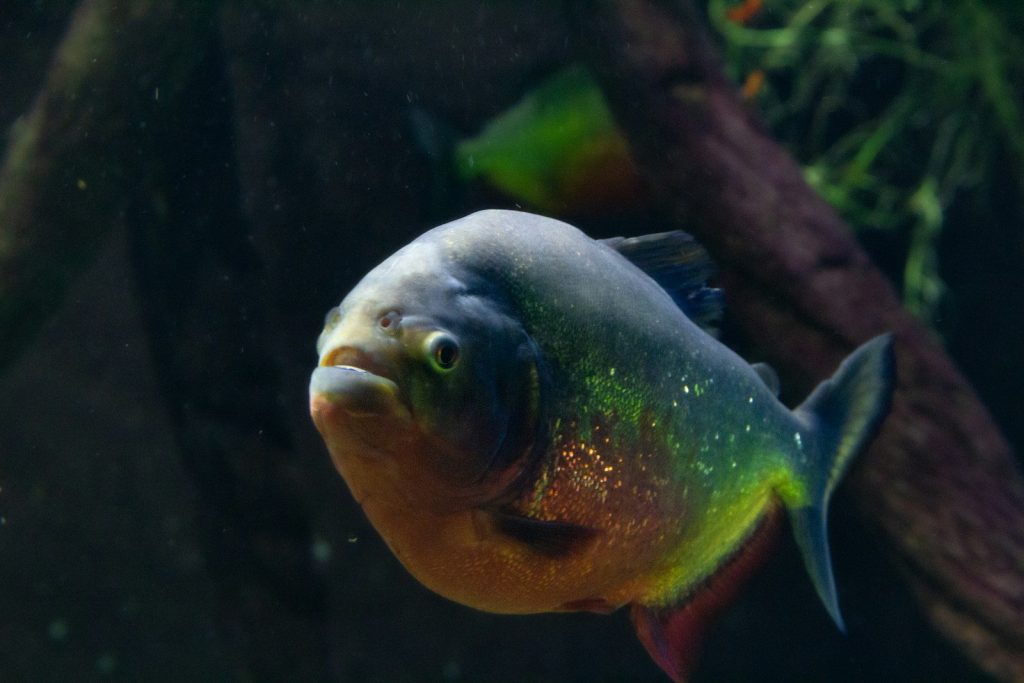
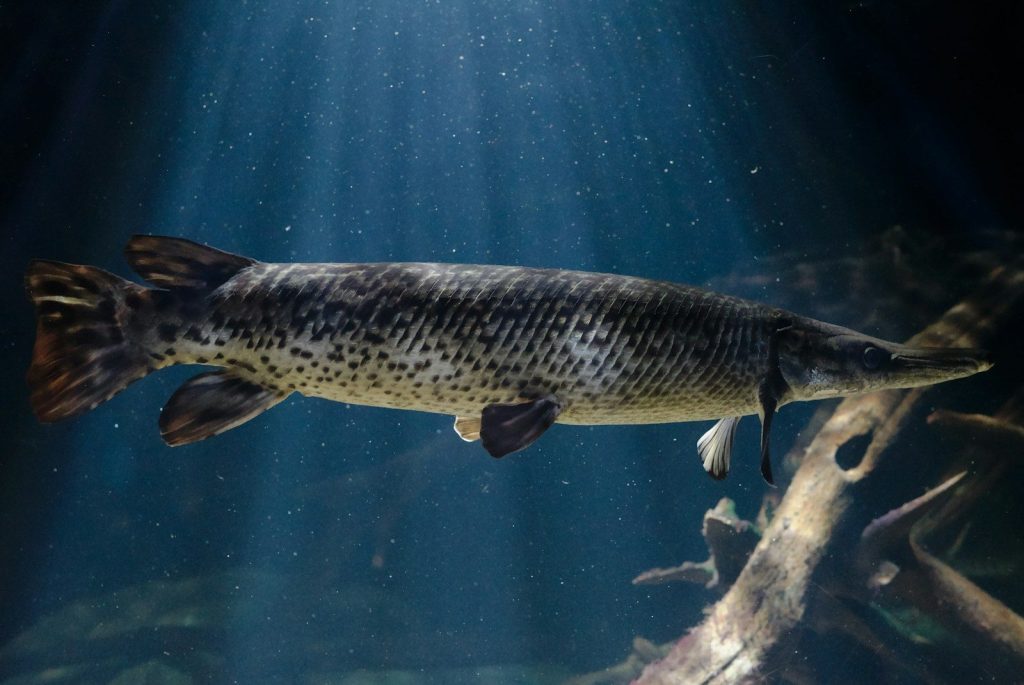
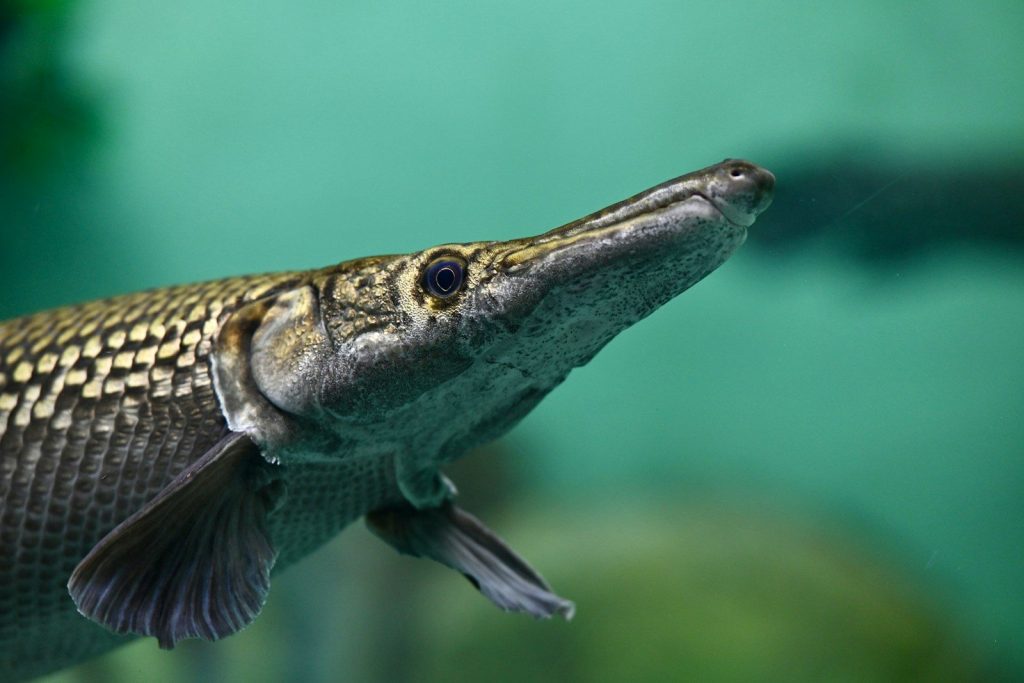
Many people call these fish piranhas because they share a similar body shape. In reality, many Florida sightings involve juvenile pacu, which are close relatives of piranhas but have different diets and teeth.
Young pacu often resemble piranhas when they are small. As they grow, they become much larger and mainly feed on plant material rather than hunting like true piranhas.
How invasive fish reach Florida waters
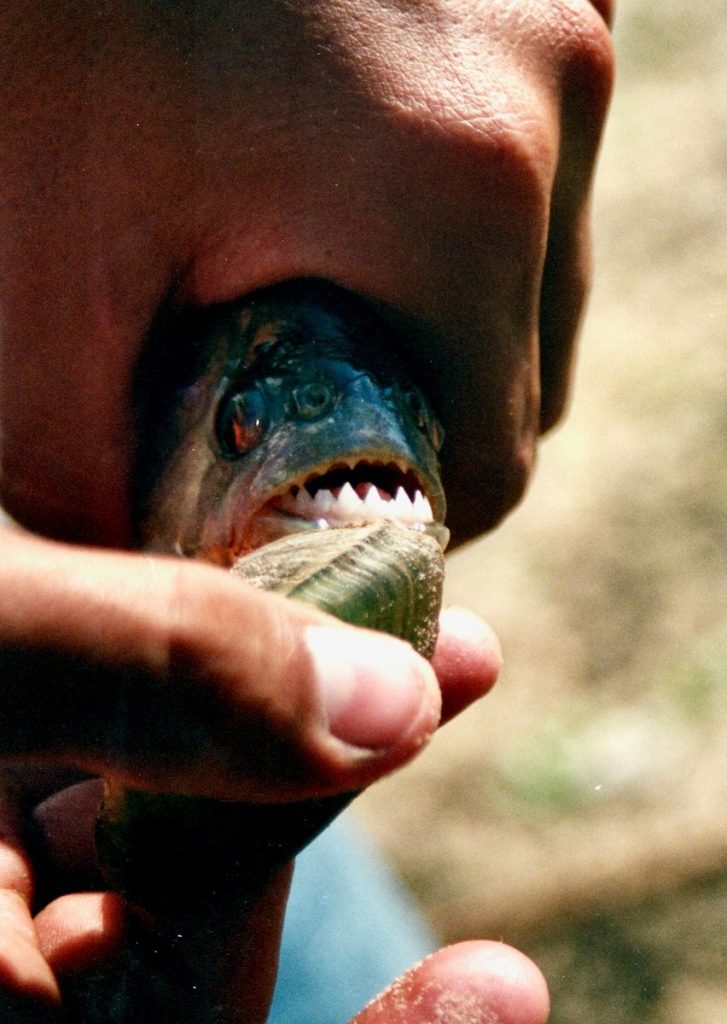
Most non native fish do not arrive naturally. Many are released into lakes, canals, or ponds after being kept as aquarium pets and becoming too large for home tanks.
Once released, some species can survive and reproduce if the environment is suitable. In warm parts of South Florida, certain tropical fish have successfully established wild populations.
Why schooling helps young fish
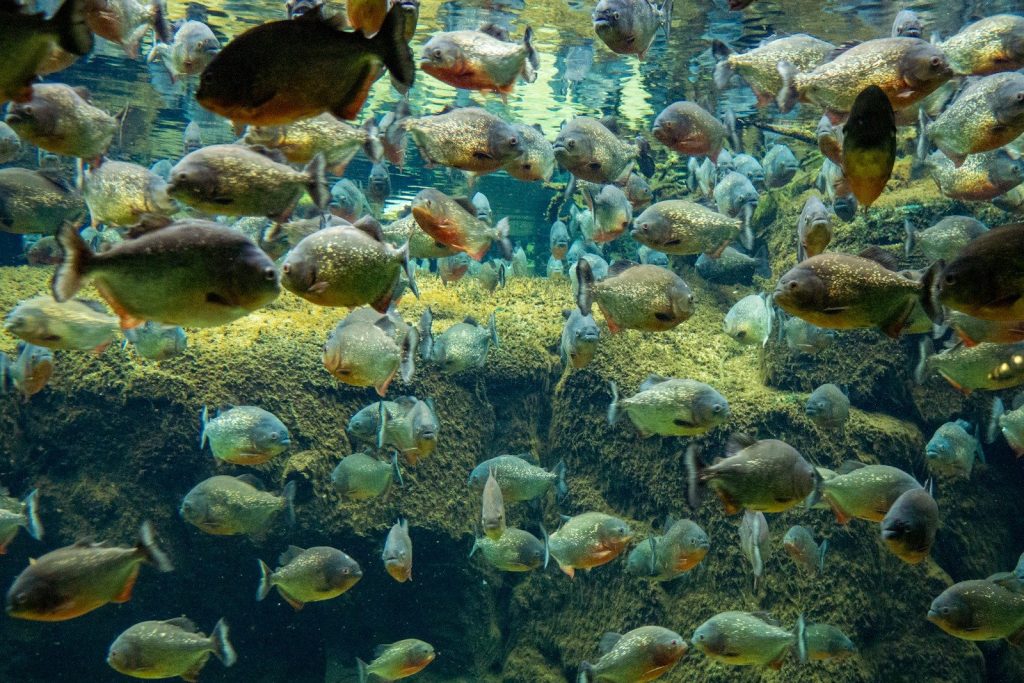
Swimming together in large groups gives juvenile fish several advantages. A school can make it harder for predators to single out one individual and helps young fish stay together while searching for food.
Seeing hundreds of fish moving as one group can be surprising. It also shows that a pond that appears empty may support far more life than people expect.
The impact of invasive species
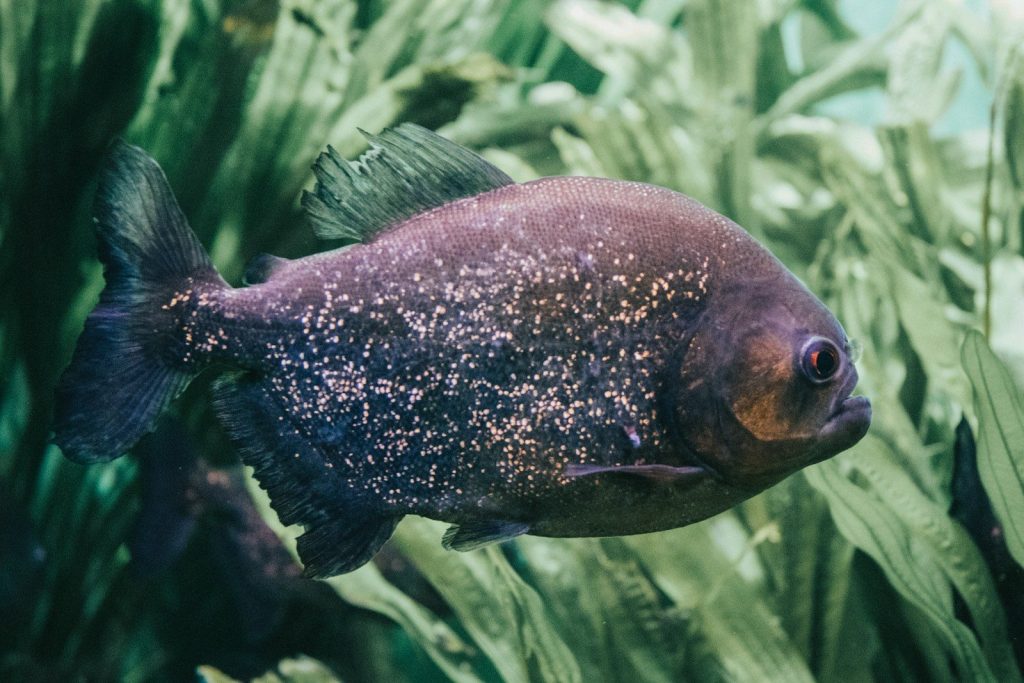
When non native fish become established, they can compete with local species for food, habitat, and other resources. Over time, this may alter the ecosystem’s balance.
Wildlife experts encourage people not to release aquarium fish into natural waters. Even a small number of released fish can create long-term challenges for native wildlife if they survive and reproduce.
Looking below the surface
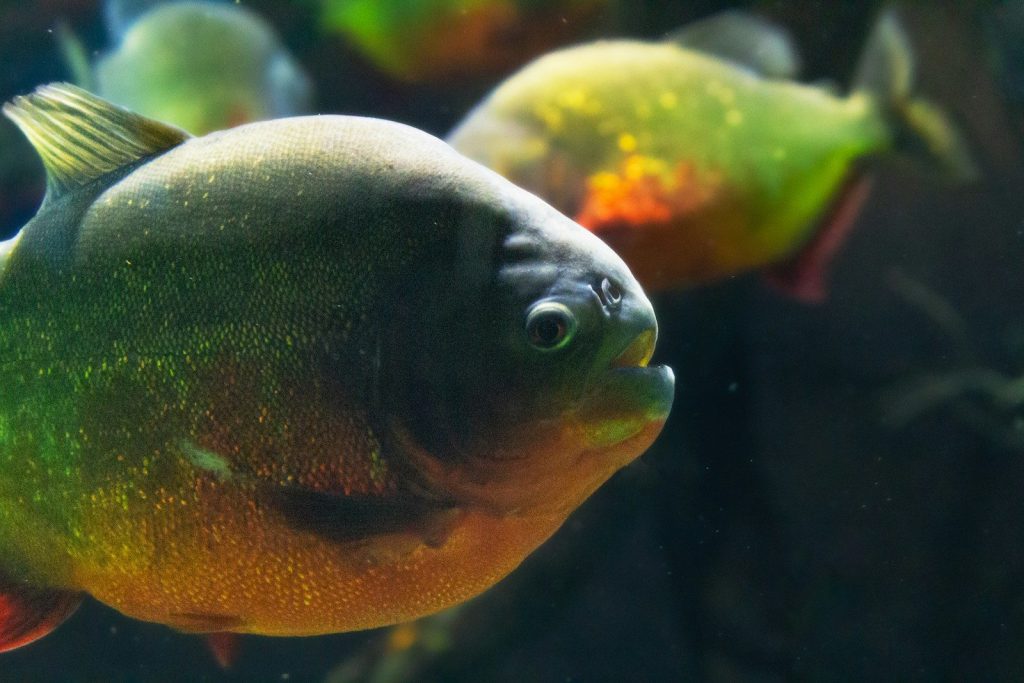
The pond may have seemed empty, but it was full of life hidden beneath the water. The large school of juvenile fish offered a rare look at how invasive populations can quietly grow over time.
It was also a reminder that nature is often more active than it appears. A single glance from the shoreline does not always reveal the remarkable world that exists just below the surface.