Category: News

  • Scientists detect a giant squid hidden deep below the ocean

    Scientists detect a giant squid hidden deep below the ocean

    Few creatures inspire more mystery than the giant squid. For centuries, sailors told stories of enormous tentacled animals lurking in the deep ocean, yet sightings remained incredibly rare. Even today, giant squids are among the least understood animals on Earth because they spend most of their lives far below the surface.

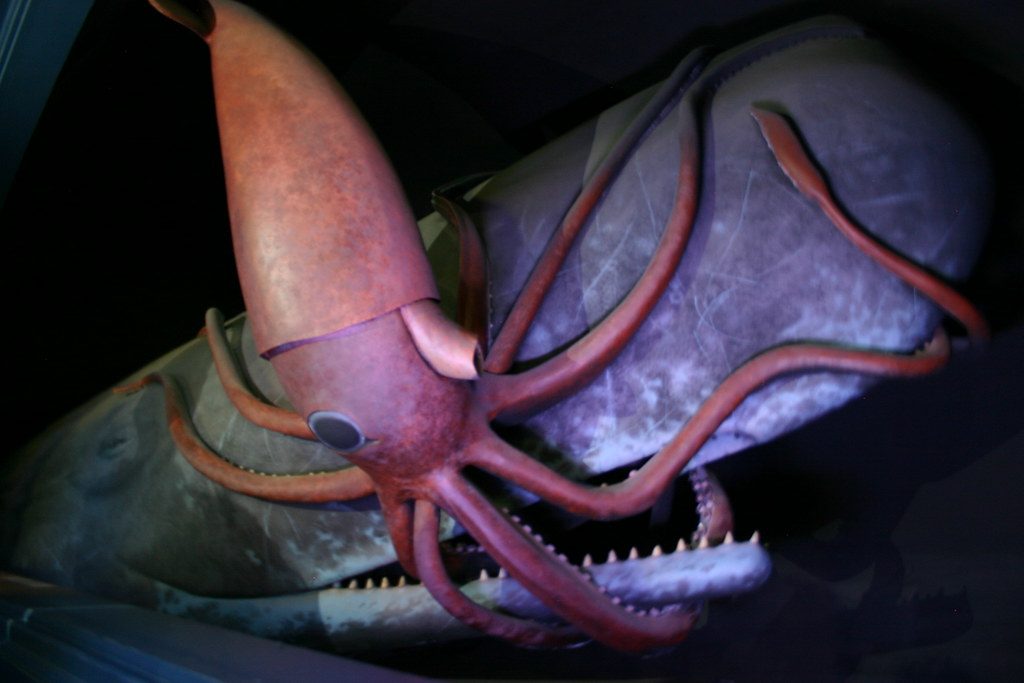
    Now, scientists have uncovered new evidence that one of these elusive giants is living in deep-sea canyons off Western Australia. Remarkably, they did not find the animal itself. Instead, researchers detected traces of its genetic material in seawater, revealing a creature that had remained hidden in the darkness of the deep ocean.

    A discovery made from seawater
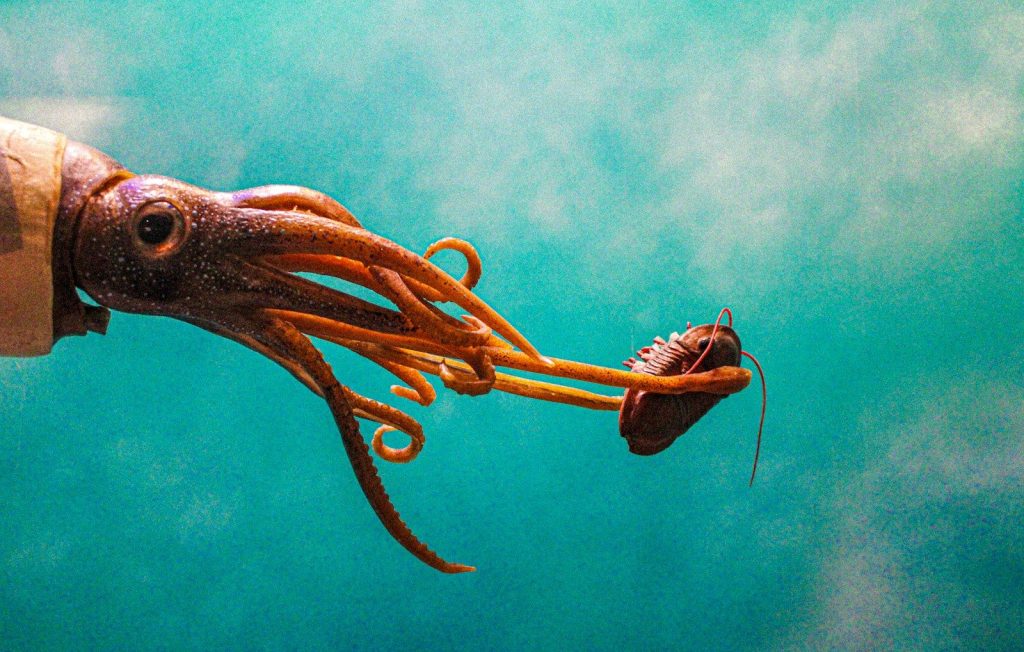
    an octopus and a squid swimming in the ocean
    Photo by Meressa Chartrand on Unsplash

    The breakthrough came during a scientific expedition near the Ningaloo coast of Western Australia. Researchers were exploring deep-sea canyons and collecting water samples at different depths.

    Rather than searching for animals directly, the team analyzed environmental DNA, also known as eDNA. This technique allows scientists to identify species by examining tiny traces of genetic material left in water by skin cells, mucus, waste, and other biological material.

    Exploring the deep ocean
    Thresher Shark Tail” by PacificKlaus is licensed under CC BY-NC 2.0

    The expedition took place aboard the Schmidt Ocean Institute’s research vessel RV Falkor. Scientists collected nearly 200 water samples from two deep-sea canyons known as Cape Range and Cloates Canyon.

    The samples came from five different depth levels, reaching nearly 2.8 miles below the ocean’s surface. These depths remain among the least explored environments on the planet and are home to many species that scientists rarely encounter.

    Evidence of a legendary creature
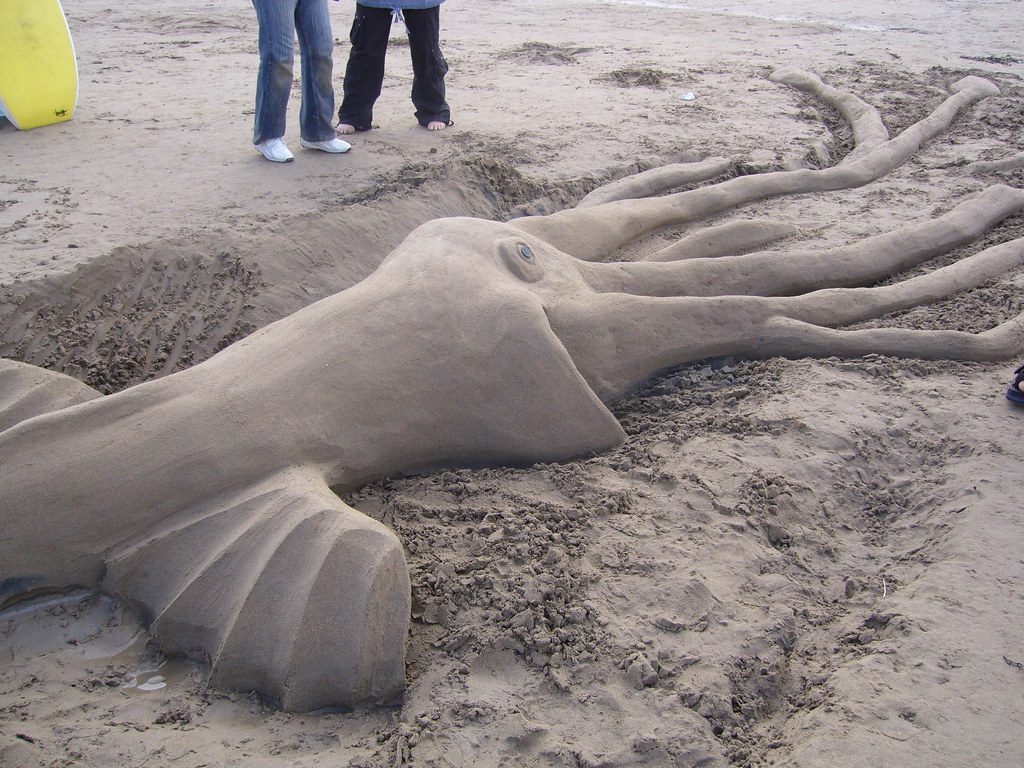
    Giant squid sand sculpture” by Graham Tait is licensed under CC BY-NC-SA 2.0

    When researchers compared the DNA fragments to genetic databases, they found evidence of a giant squid in both underwater canyons. The discovery was especially significant because giant squids are rarely detected anywhere in the world.

    According to the researchers, scientists had documented a giant squid in Western Australian waters only twice before. The last confirmed evidence from the region occurred more than 25 years ago, making the new finding particularly important.

    More than just a giant squid
    Giant Squid and Normal Squid” by Zach Bonnell is licensed under CC BY-NC-ND 2.0

    The study revealed far more than evidence of a single species. Researchers identified a total of 226 marine species living within the deep-sea ecosystem.

    Among the discoveries were animals not previously recorded in Western Australian waters, including the faceless cusk eel and sleeper shark. The findings highlighted how much remains unknown about life in the deep ocean and how many species may still await discovery.

    Every depth tells a different story

    Giant squid” by Derek Keats is licensed under CC BY 2.0

    One of the study’s most important findings was that different parts of the deep sea contained different communities of animals. Species varied not only by location but also by depth.

    Researchers found that the two canyons supported distinct ecosystems, suggesting that deep-ocean habitats cannot be treated as identical environments. Understanding these differences may become increasingly important when planning future conservation efforts.

    A powerful new tool for ocean science
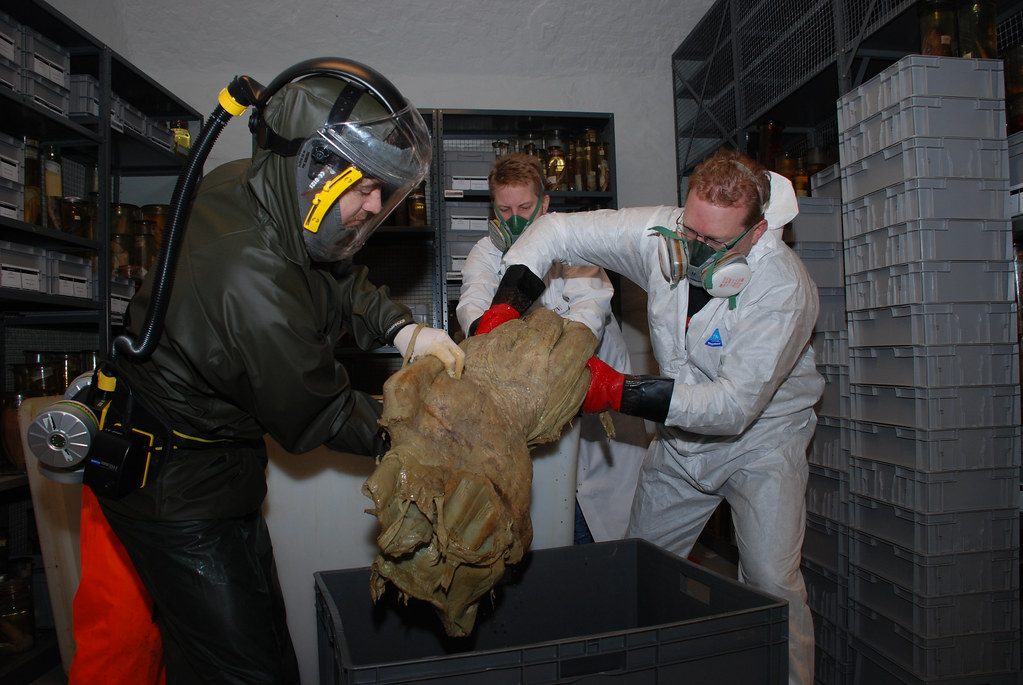
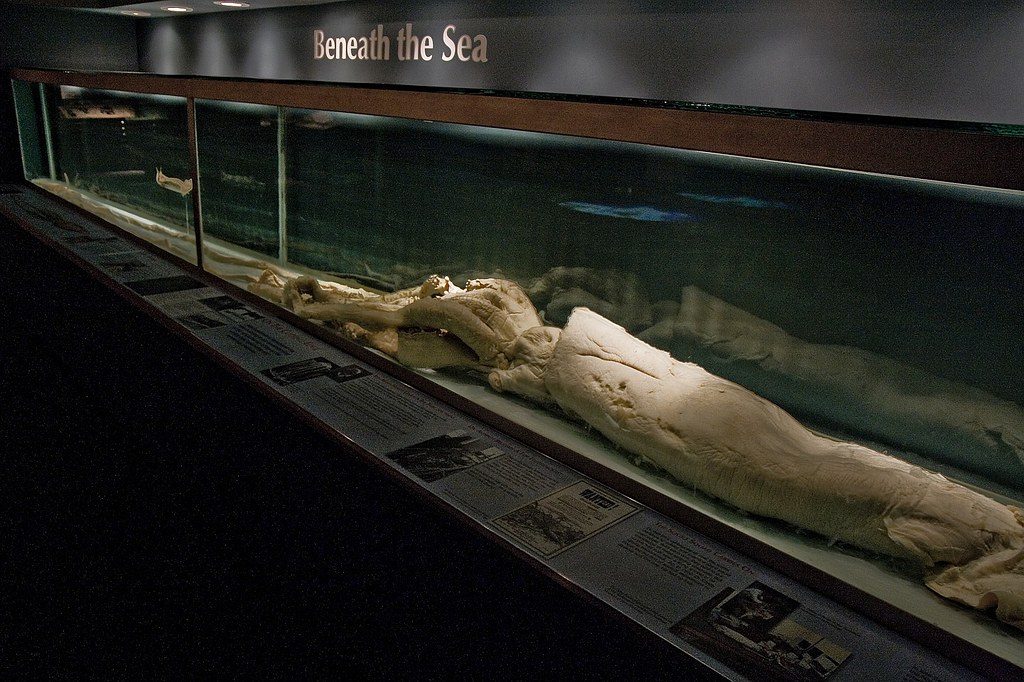
    Kjempeblekksprut – Giant Squid” by NTNU Vitenskapsmuseet is licensed under CC BY 2.0

    Environmental DNA is becoming one of the most valuable tools available to marine researchers. Unlike cameras or fishing nets, eDNA can detect rare, fragile, or fast-moving species without disturbing them.

    By analyzing a single water sample, scientists can identify evidence of many different animals living nearby. As technology continues to improve, researchers hope it will help reveal more hidden species, track changes in marine ecosystems, and guide conservation efforts in some of the ocean’s most mysterious regions.
  • A giant ocean predator just returned after a decade

    A giant ocean predator just returned after a decade

    For years, scientists feared one of the Pacific Ocean’s most important predators was disappearing for good. Billions of sea stars died during a devastating disease outbreak that transformed marine ecosystems along North America’s west coast. The losses were so severe that many underwater habitats struggled to recover.

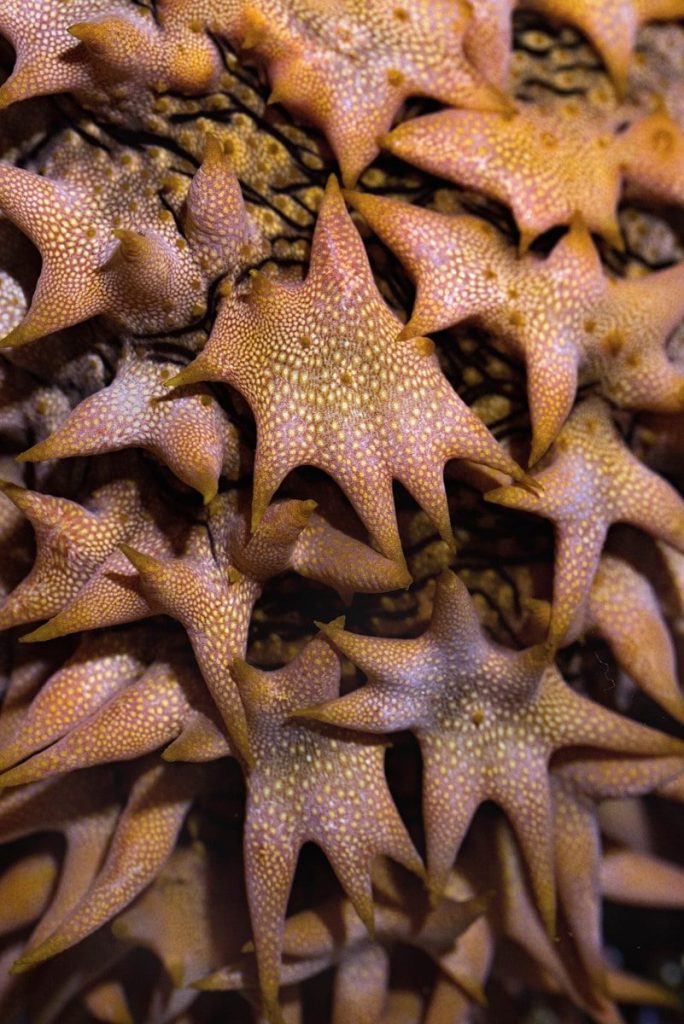
    Now, researchers have discovered a hopeful sign in Northern California. Eighteen giant sunflower sea stars, once thought nearly gone from the region, have been found living in the waters of the Greater Farallones National Marine Sanctuary. Their return could play an important role in restoring fragile kelp forests and rebuilding balance in the ocean ecosystem.

    A surprising discovery beneath the waves

    starfish lot
    Photo by David Clode on Unsplash

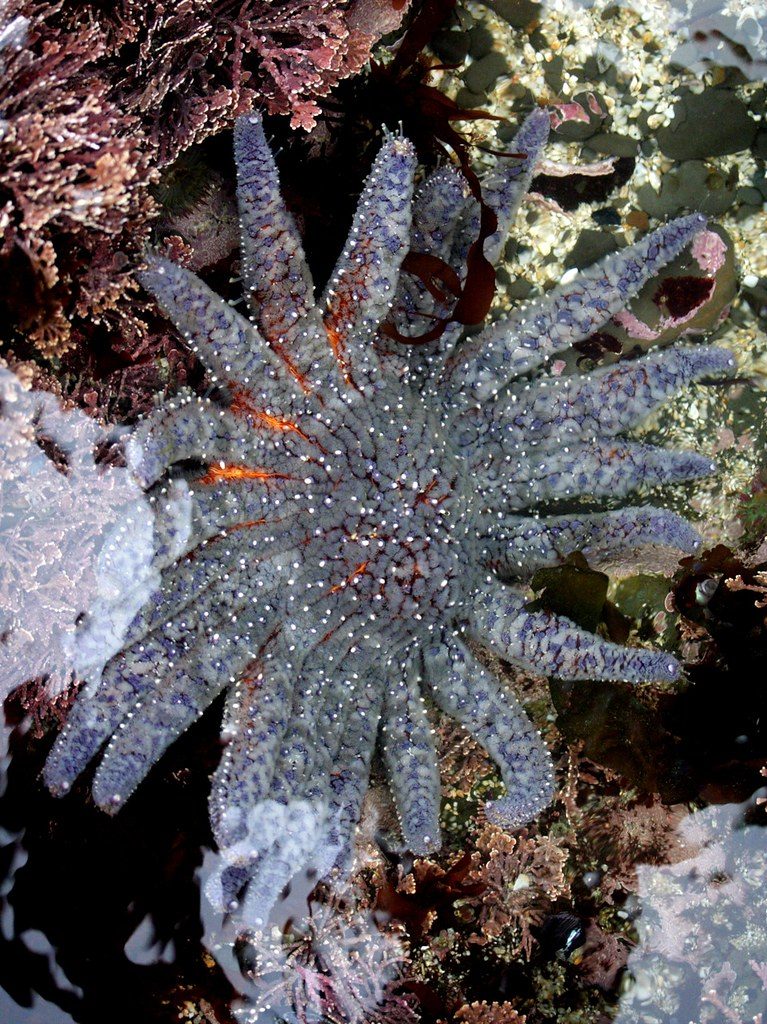
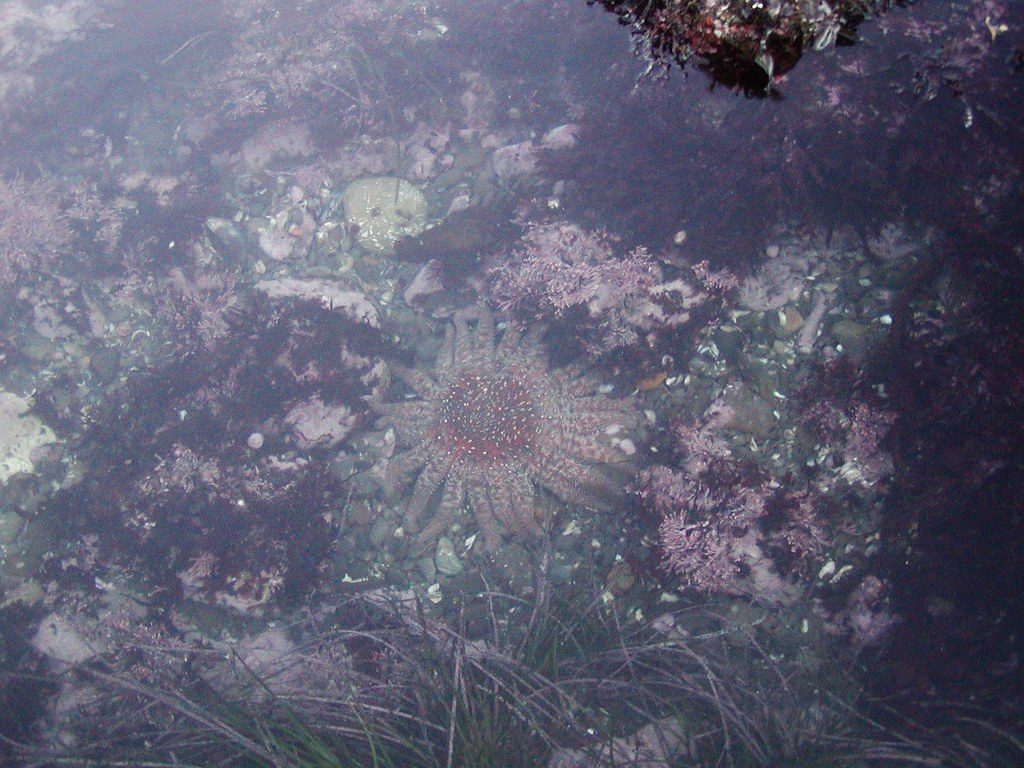
    Last summer, scientists exploring waters off Northern California located 18 sunflower sea stars in the Greater Farallones National Marine Sanctuary. The discovery marked one of the most encouraging sightings of the species in years.

    Sunflower sea stars are among the largest sea stars on Earth. Some individuals can grow more than three feet across and display striking colors ranging from orange and purple to brown and red. Their appearance makes them one of the most recognizable marine invertebrates in Pacific waters.

    The disease that changed the coastline

    turtles swimming in the water
    Photo by Rafaëlla Waasdorp on Unsplash

    Between 2013 and 2017, sea star wasting disease caused one of the largest marine epidemics ever recorded. The outbreak killed billions of sea stars across the Pacific coast, devastating populations throughout their range.

    Researchers now believe a bacterium called Vibrio pectenicida played a major role in the disease. Scientists continue studying why the illness spread so widely and what environmental factors may have contributed to the massive losses.

    Why sunflower sea stars matter

    brown sea creature
    Photo by Lachlan on Unsplash

    Sunflower sea stars are not just another marine species. They serve as important predators within kelp forest ecosystems. Using their many arms and surprising speed, they hunt purple sea urchins that feed on kelp.

    When sunflower sea star populations collapsed, sea urchin numbers increased dramatically. Without enough predators to control them, the urchins consumed vast areas of kelp, causing severe habitat loss throughout parts of the Pacific coast.

    The connection to kelp forests

    a starfish laying on the sand in the water
    Photo by Dulcey Lima on Unsplash

    Kelp forests are often called the underwater jungles of the ocean. They provide shelter, food, and breeding grounds for hundreds of marine species, including sea otters, sharks, fish, and many invertebrates.

    In the Farallones region, the loss of sunflower sea stars contributed to a dramatic decline in kelp forests. Scientists estimate that roughly 90 percent of some kelp habitats disappeared after sea urchin populations expanded without natural control.

    A possible path to recovery

    an underwater scene of an octopus and an octopus fish
    Photo by Andre Fourie on Unsplash

    Researchers believe the return of sunflower sea stars could help restore balance to affected ecosystems. By feeding on sea urchins, the sea stars may allow kelp forests to recover naturally over time.

    Scientists involved in conservation efforts collected tissue samples, water samples, and ecological data from the newly discovered sea stars. This information may help future restoration and repopulation projects designed to strengthen wild populations.
    Hope for the future

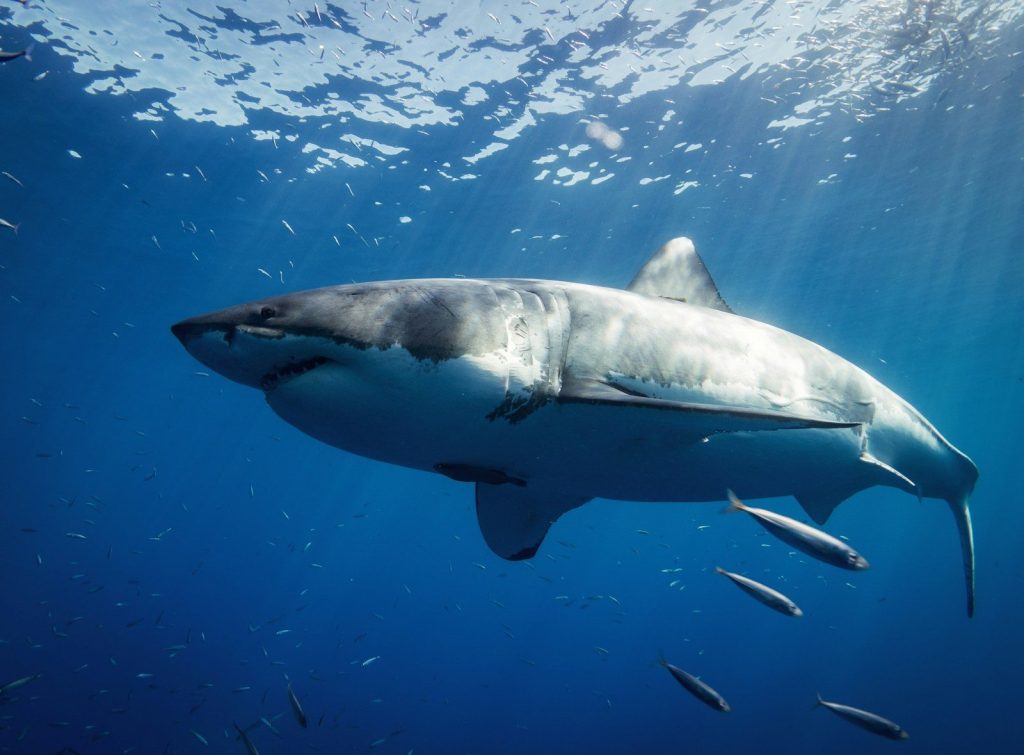
    Sunflower Sea Star” by Ken-ichi is licensed under CC BY-NC 2.0

    The discovery has given marine scientists renewed optimism. Researchers are exploring several ways to support recovery, including breeding programs and studies focused on disease resistance and climate resilience.

    While sunflower sea stars remain threatened, their reappearance shows that recovery is still possible. For ecosystems damaged by disease, warming oceans, and habitat loss, the return of these giant predators offers a rare and encouraging sign that nature can sometimes begin to heal.

  • Dramatic shark pursuit turns into life-or-death ocean encounter

    Dramatic shark pursuit turns into life-or-death ocean encounter

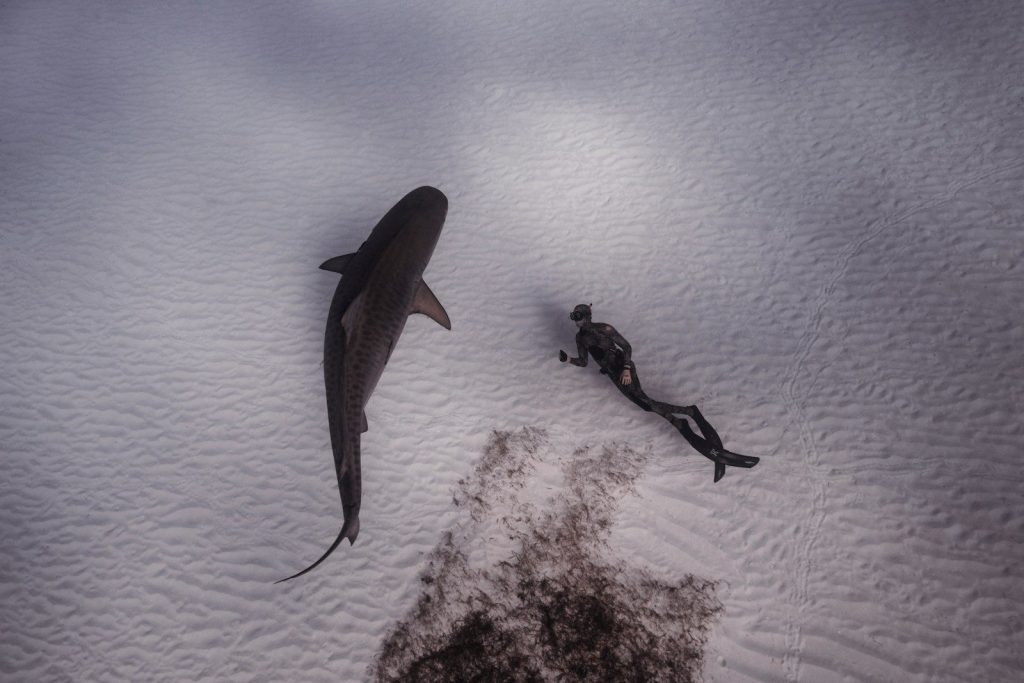
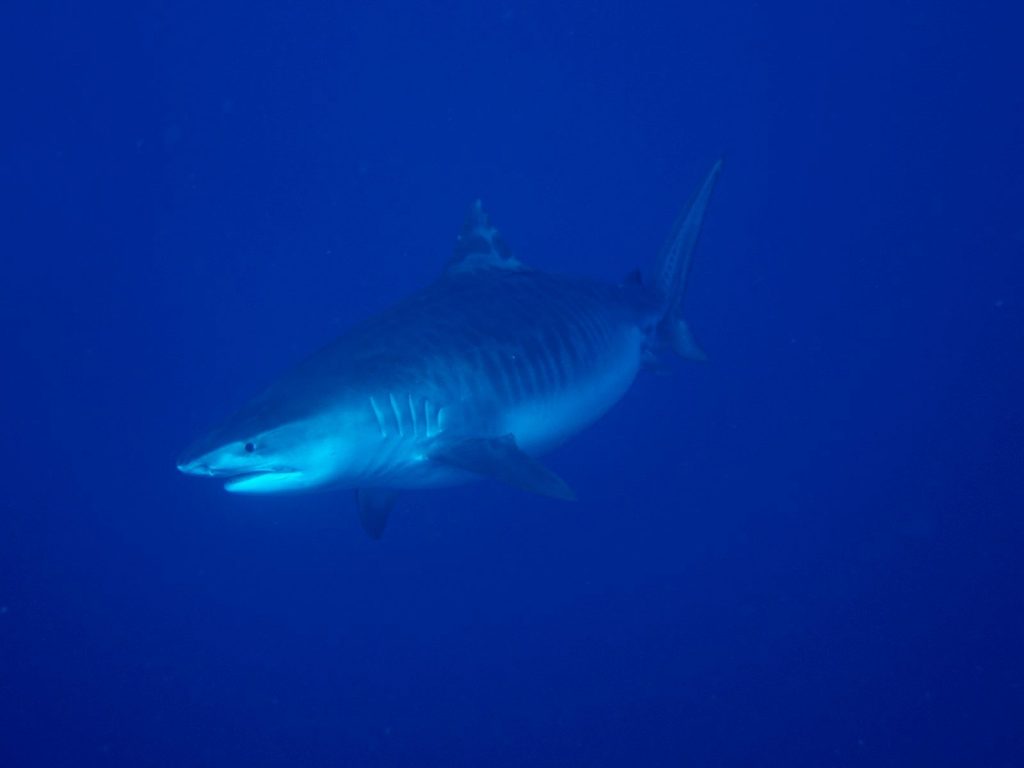
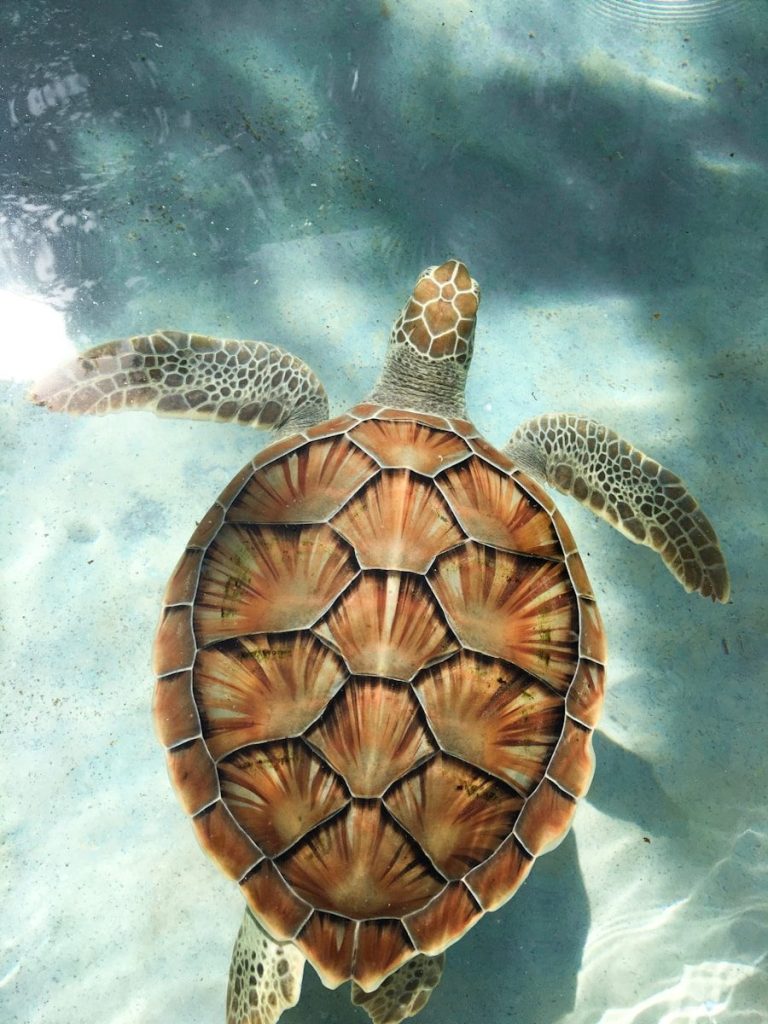
    The open ocean can seem calm and peaceful, but survival often depends on split-second decisions. A remarkable video captured off the coast of the Bahamas shows exactly how quickly life can become a fight for survival. What began as unusual splashing in the water soon revealed a dramatic chase between a tiger shark and a sea turtle.
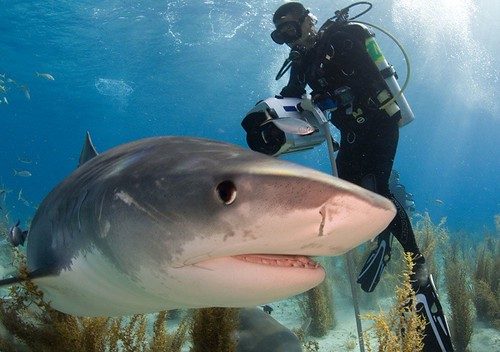
    The footage, recorded by Kai Survance and a friend on November 22, 2020, shows a sea turtle desperately trying to escape one of the ocean’s most powerful predators. As the tiger shark closed in, the turtle made an unexpected move, turning an already intense encounter into a truly unforgettable moment.

    An ordinary day changed in seconds

    a shark and a scuba in the snow
    Photo by Michael Worden on Unsplash

    Kai Survance and a friend were fishing near Abaco in the Bahamas when they noticed unusual activity ahead of their boat. At first, the disturbance looked like a large fish moving near the surface.

    As they got a better view, they realized something much more dramatic was unfolding. A tiger shark was actively pursuing a sea turtle, and the chase was happening at high speed across open water.

    A sea turtle fights for survival

    brown turtle swimming underwater
    Photo by Wexor Tmg on Unsplash

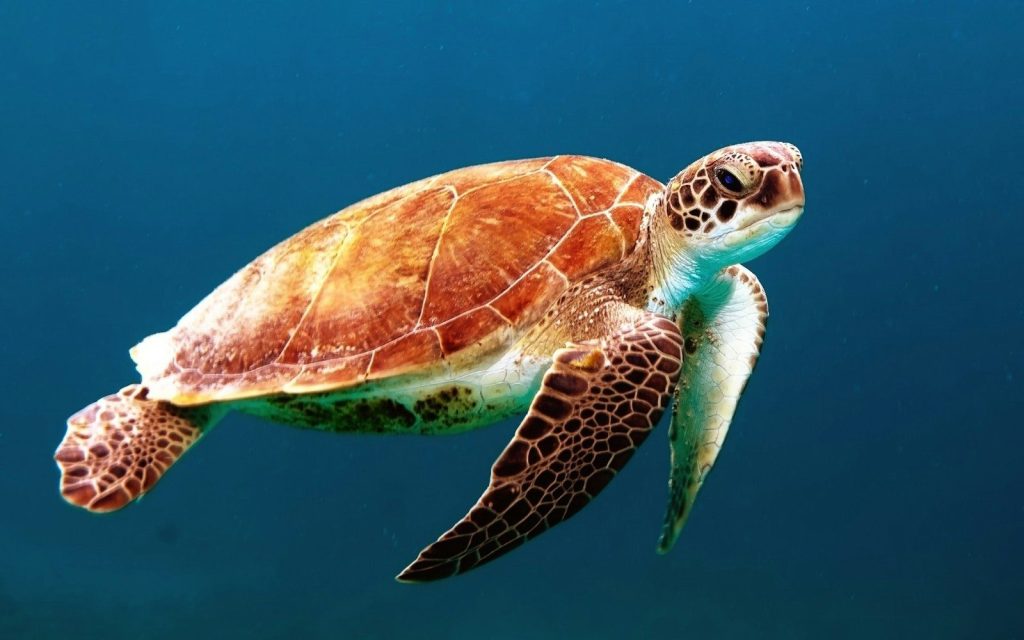
    The sea turtle moved rapidly through the water in an apparent attempt to escape the shark. Every turn and burst of speed seemed focused on creating distance between itself and the predator.

    Sea turtles face numerous threats in the ocean, and large sharks are among their natural predators. In moments like this, speed, awareness, and quick reactions can make the difference between life and death.

    Why tiger sharks are such effective hunters

    white shark in blue water
    Photo by Jeremy Lanfranchi on Unsplash

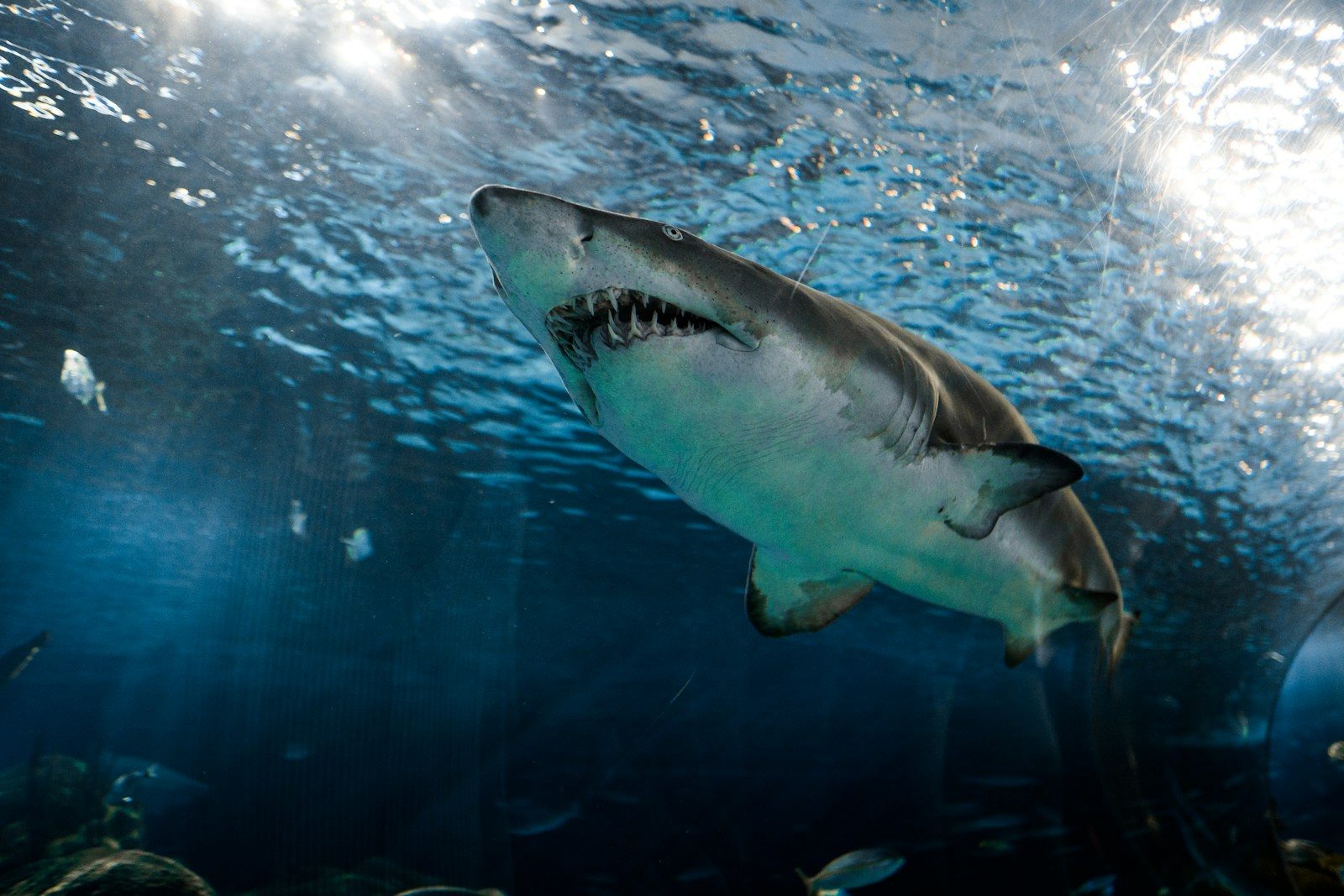
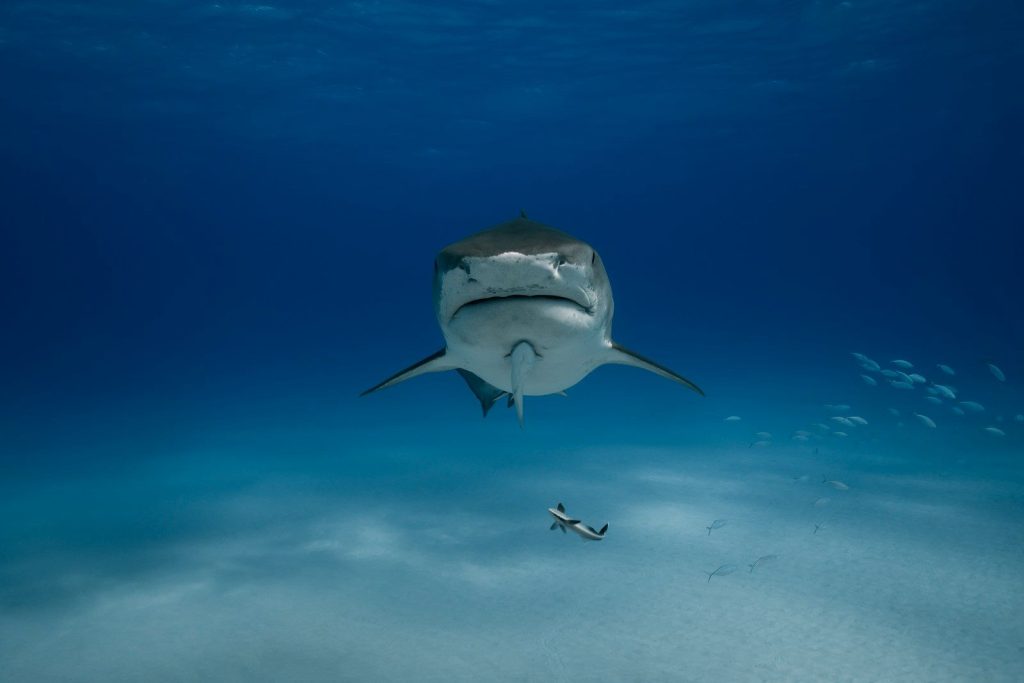
    Tiger sharks are among the ocean’s most powerful predators. Their strong bodies, sharp senses, and ability to adapt to different hunting situations make them highly successful hunters.

    Unlike predators that rely on a single strategy, tiger sharks often combine patience, stealth, and sudden bursts of speed. This flexibility allows them to target a wide variety of prey throughout their range.

    The turtle makes an unexpected move

    brown turtle swimming in water
    Photo by Abner abiu Castillo diaz on Unsplash

    As the chase continued, the sea turtle suddenly changed direction and headed toward the fishing boat. Instead of continuing into open water, it appeared to seek refuge near the vessel.

    The turtle moved toward the diving platform at the rear of the boat while the tiger shark followed closely behind. The decision created a dramatic scene as predator and prey approached within just a few feet of the observers.

    A rare look at predator and prey behavior

    gray and black fish in body of water
    Photo by Jeremy Lanfranchi on Unsplash

    Wild encounters like this provide a unique glimpse into the realities of ocean life. While many people see sharks only as fearsome hunters, these interactions also highlight the constant challenges faced by prey species.

    For the turtle, survival depended on recognizing danger and reacting quickly. For the shark, the chase represented a natural hunting opportunity that is part of maintaining balance within marine ecosystems.

    Why moments like this fascinate people

    a shark swimming in the ocean with a fish nearby
    Photo by Michael Worden on Unsplash

    Videos of predator-prey interactions often capture attention because they reveal behaviors rarely witnessed firsthand. The raw unpredictability of nature can be both exciting and educational.

    This encounter reminds viewers that the ocean is home to complex predator-prey relationships. Every day, countless survival stories unfold beneath the surface, most of them unseen. In this case, a camera happened to be in the right place at the right time to capture one of those extraordinary moments.

  • One splash and the fish was gone in seconds

    One splash and the fish was gone in seconds

    At first, it looks like an ordinary feeding. A fish is released into the water, and everything seems calm. Then, without warning, a giant predator explodes from below. In a split second, the fish disappears, swallowed whole before anyone has time to react.

    Moments like this remind us how fast life can change beneath the surface. While ponds and lakes may appear peaceful, they are home to powerful hunters that rely on surprise, speed, and perfect timing. This encounter, captured on camera, reveals the harsh reality of aquatic ecosystems and the incredible abilities of the predators that live there.

    The calm before the strike

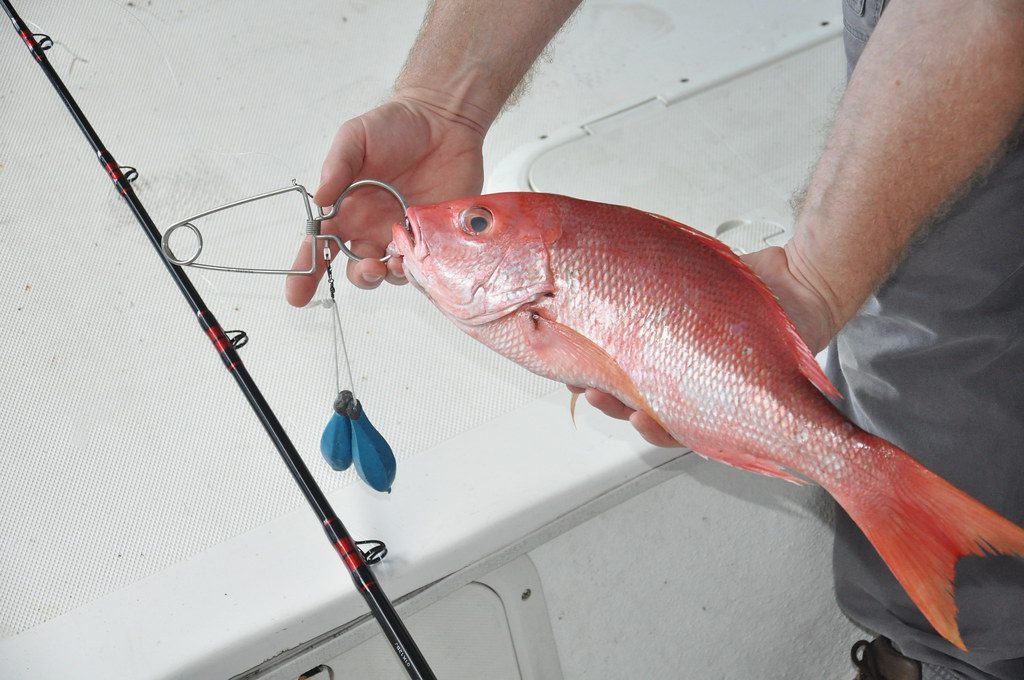
    Descending Device Example on Red Snapper” by MyFWC Florida Fish and Wildlife is licensed under CC BY-ND 2.0

    The water appeared completely still as the fish entered the pond. There were no obvious signs of danger, and nothing suggested a predator was waiting below.

    Many aquatic predators depend on this advantage. By remaining motionless and hidden, they can avoid detection while waiting for the perfect opportunity to attack. The fish had only moments to adjust to its new surroundings before the situation changed dramatically.

    A predator attacks in an instant

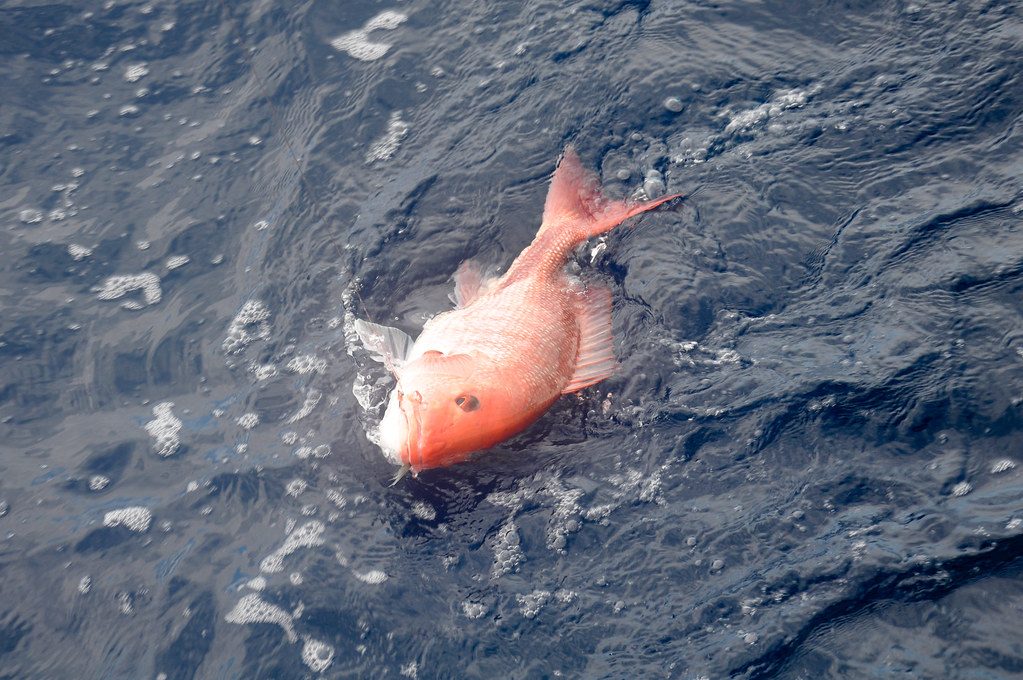
    Red Snapper” by MyFWC Florida Fish and Wildlife is licensed under CC BY-ND 2.0

    As soon as the fish entered the water, a massive predator launched its attack. The strike happened so quickly that it was almost impossible to follow with the naked eye.

    This kind of ambush is common among large predatory fish. Rather than chasing prey over long distances, they often rely on explosive bursts of speed. The sudden attack leaves prey with almost no chance of escaping once the predator commits to the strike.

    Why ambush hunters are so effective

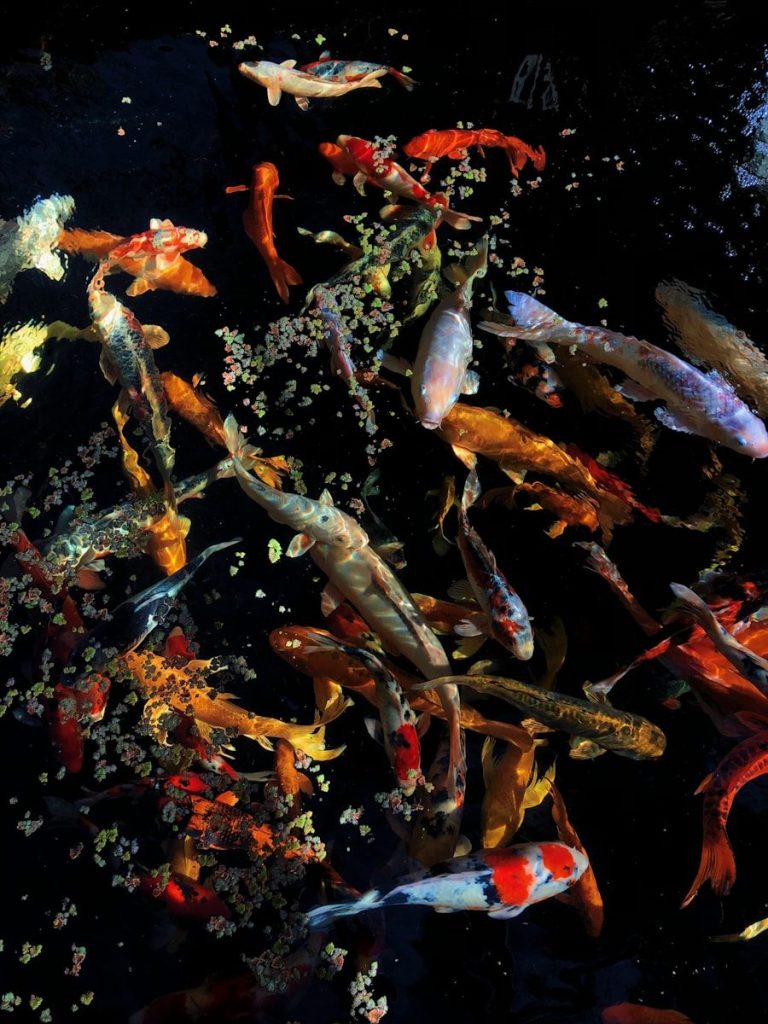
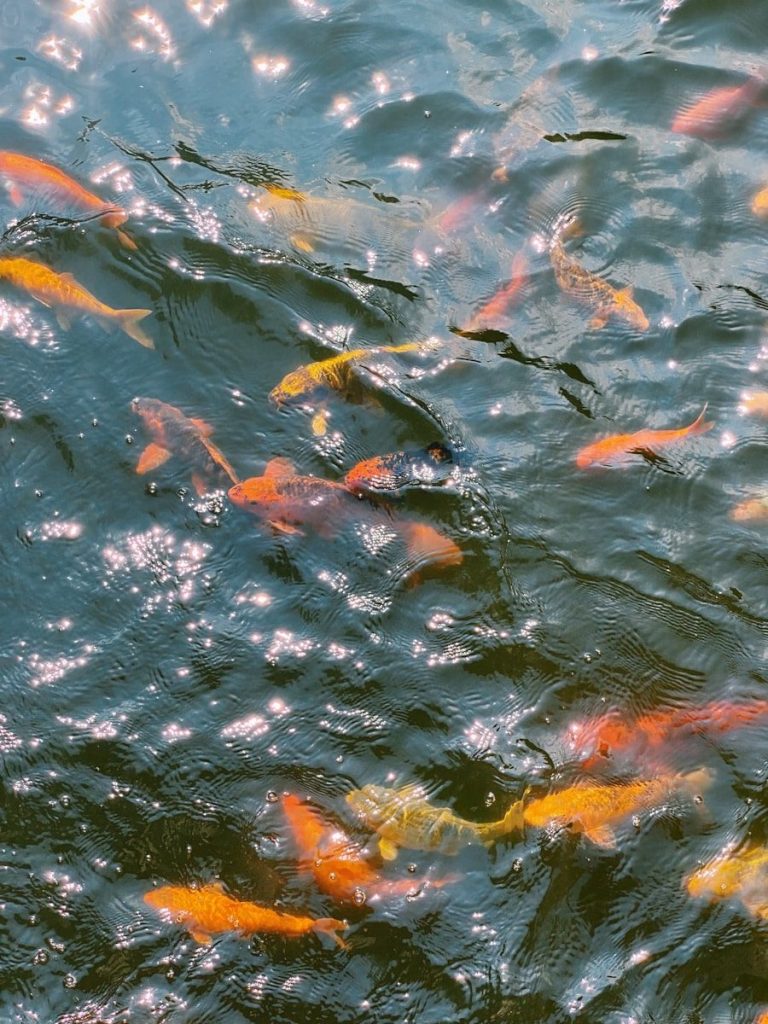
    shoal of koi fish
    Photo by paris on Unsplash

    Many large freshwater predators succeed because they conserve energy. Instead of constantly searching for food, they remain hidden and wait for prey to come within range.

    When the moment arrives, powerful muscles allow them to accelerate rapidly. The attack may last only a fraction of a second, but it is often enough to secure a meal. This strategy helps predators maximize success while minimizing energy spent hunting.

    Swallowing prey whole

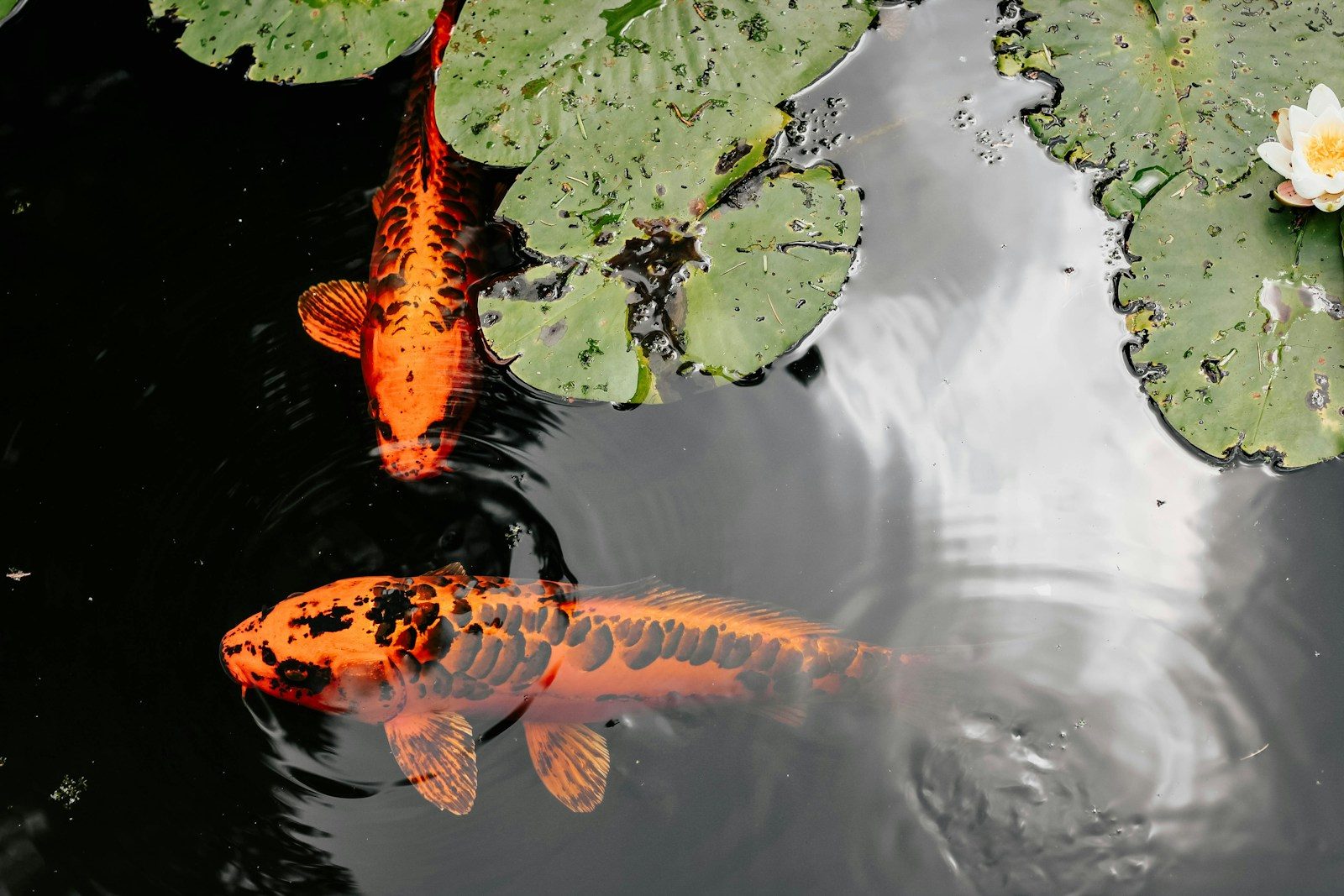
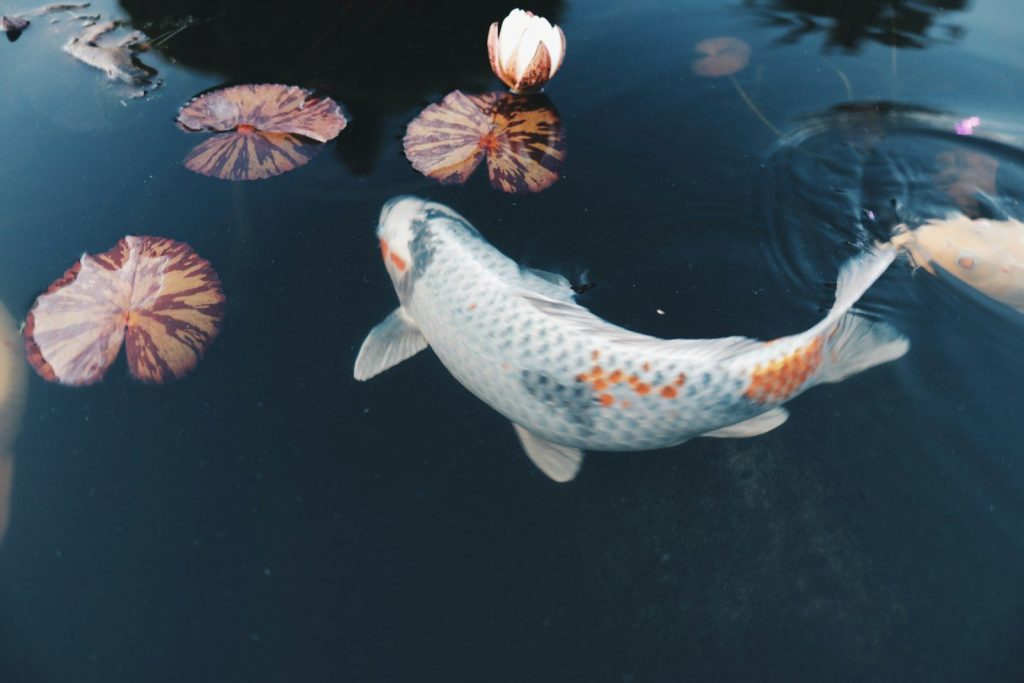
    a koi fish swimming in a pond with lily pads
    Photo by Frank Zhang on Unsplash

    One of the most shocking parts of the encounter was how quickly the fish disappeared. The predator swallowed it whole, ending the struggle almost immediately.

    Large predatory fish often have jaws designed to grip and consume prey efficiently. Rather than tearing food apart, many species simply engulf smaller animals in a single motion. This allows them to feed quickly and reduces the risk of losing a meal to competing predators.

    The hidden dangers beneath the surface

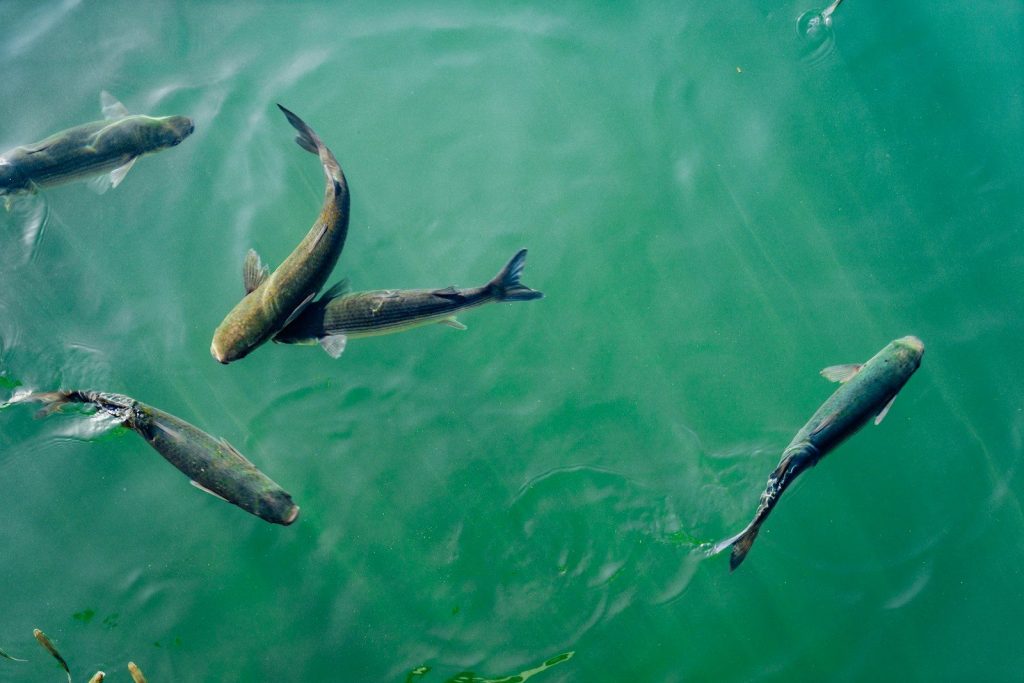
    five black fish in body of water
    Photo by Dan Gold on Unsplash

    To people standing above the water, ponds often seem peaceful and harmless. Beneath the surface, however, a completely different world exists.

    Predators constantly patrol their territory, searching for opportunities to feed. Fish, insects, amphibians, and other creatures must remain alert because danger can appear without warning. What seems calm on the surface may hide intense competition below.

    Nature’s unforgiving reality

    school of koi fish in water
    Photo by Elena Gordienko on Unsplash

    Videos like this capture the raw reality of life in aquatic environments. Survival often depends on speed, awareness, and luck. One mistake or one moment of bad timing can have immediate consequences.

    Although the scene may appear brutal, it is a natural part of healthy ecosystems. Predators help maintain balance by controlling prey populations and supporting the complex food webs that exist in ponds, lakes, and rivers around the world.

  • Ancient underwater city near Cuba stuns researchers

    Ancient underwater city near Cuba stuns researchers

    A remarkable discovery beneath the waters off Cuba’s coast has captured worldwide attention. Researchers using advanced sonar technology identified what appear to be geometric structures and formations deep underwater, leading some to describe the site as a possible lost city. If confirmed, the discovery could offer valuable clues about ancient civilizations and human history.

    At the same time, many questions remain unanswered. Scientists continue to study the site carefully to determine whether the formations were created by humans or natural geological processes. Regardless of the final answer, the discovery has sparked renewed interest in underwater archaeology and the mysteries hidden beneath the ocean.

    Sonar technology revealed unusual formations

    a person in scuba gear underwater
    Photo by David Clode on Unsplash

    The discovery began when researchers used advanced sonar equipment to scan the seafloor off the coast of Cuba. The technology produced images showing geometric shapes and patterns that appeared different from the surrounding underwater landscape.

    Scientists were intrigued by what appeared to be organized structures beneath the ocean floor. The sonar data suggested formations resembling streets, buildings, or city-like layouts, prompting further investigation of the site.

    Researchers used modern tools to investigate

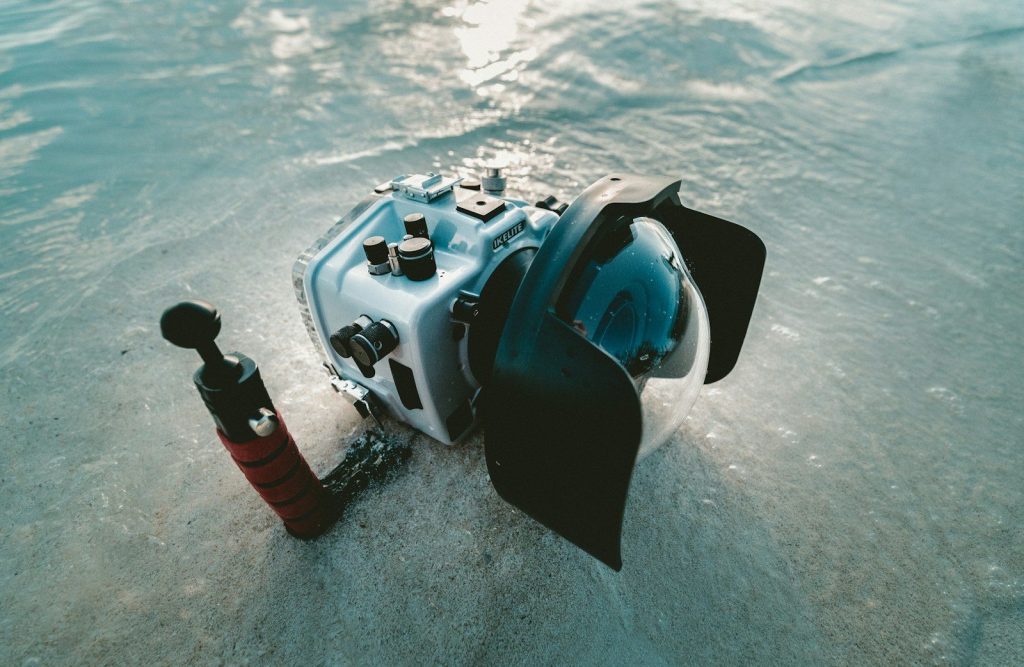
    gray and black underwater camera
    Photo by Jakob Owens on Unsplash

    After the initial discovery, teams relied on satellite imagery, underwater drones, and specialized equipment to study the area in greater detail. These technologies allowed scientists to examine the formations without disturbing the site.

    High-resolution imaging helped researchers create maps of the underwater environment. The combination of sonar and drone technology provided a clearer view of the structures and helped confirm their unusual appearance.

    The site could have historical importance

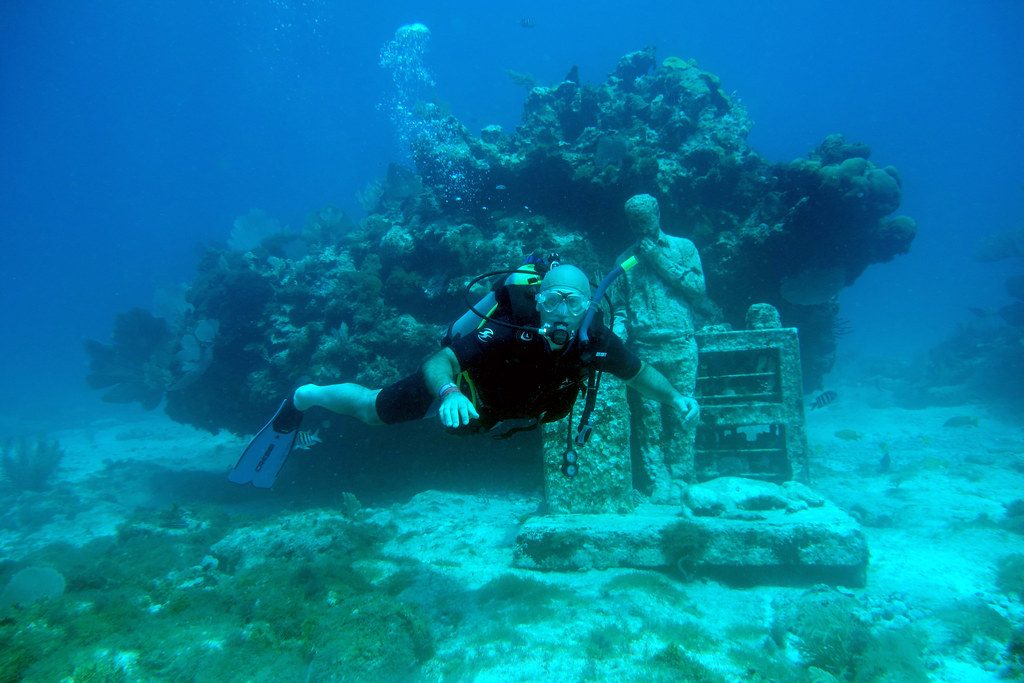
    Me at the Museo Subacuático de Arte” by snackariah is licensed under CC BY-SA 2.0

    Some researchers believe the formations resemble features found in ancient urban centers. Comparisons have been made to early civilizations known for organized city planning and engineering achievements.

    If the structures were built by humans, the discovery could provide new insights into ancient settlement patterns in the Caribbean. It may also encourage scientists to reexamine existing theories about early human societies in the region.

    Questions remain about who built it

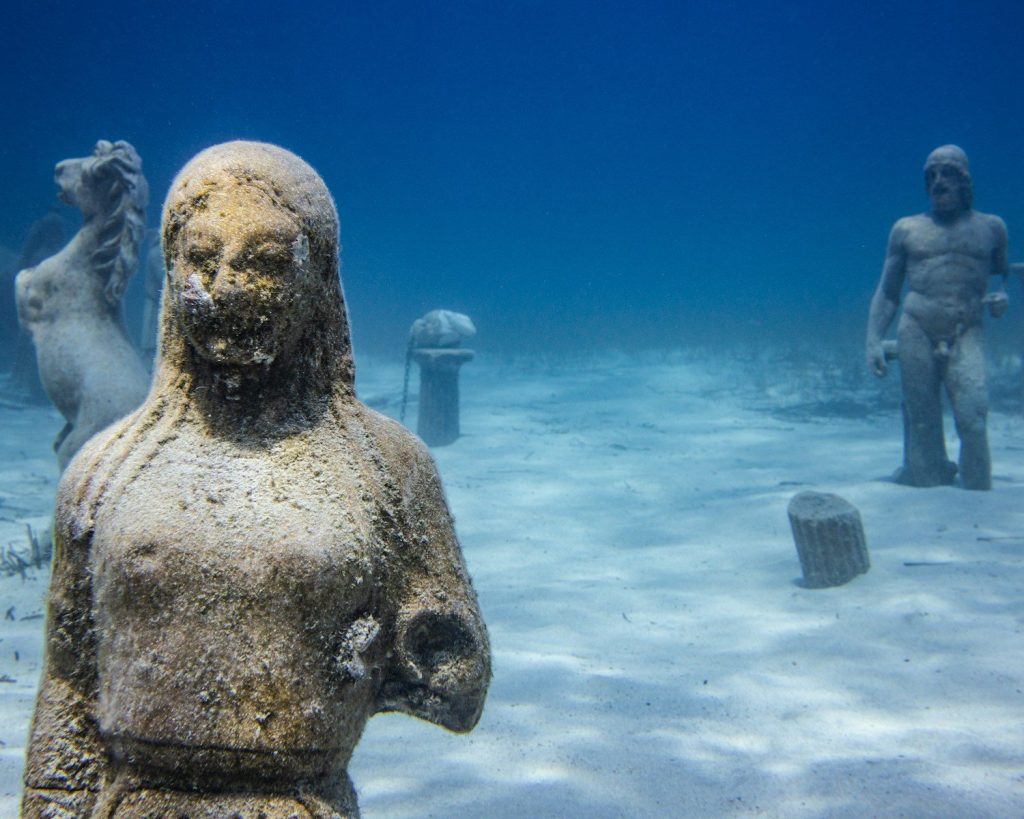
    a statue of a man and a woman in the water
    Photo by Mikhail Preobrazhenskiy on Unsplash

    One of the biggest mysteries surrounding the site is the identity of the people who may have created it. Various theories suggest the city could be linked to an unknown culture that existed before well-known civilizations in the Americas.

    Others believe environmental changes or natural disasters may have contributed to the area’s submergence. At present, researchers do not have enough evidence to determine exactly who built the structures or why they ended up underwater.

    The discovery highlights advances in archaeology

    Tools are laying out on a piece of wood
    Photo by Trnava University on Unsplash

    Modern underwater archaeology depends heavily on technology. Sonar systems, underwater drones, and remotely operated vehicles now allow scientists to explore areas that were once impossible to study.

    These tools have transformed the search for submerged sites around the world. As technology continues to improve, researchers expect to discover more locations hidden beneath oceans, lakes, and other bodies of water.

    Preservation is becoming increasingly important

    statue under ocean water
    Photo by Jeremy Bishop on Unsplash

    Discoveries like the Cuban underwater site raise important questions about conservation. Archaeologists must balance scientific research with the need to protect historically significant locations.
    Preserving underwater sites helps ensure future generations can continue studying them. Careful exploration methods are essential to avoid damaging structures or artifacts that may hold important clues about the past.

  • Scientists discover one of the oldest giant sharks ever found

    Scientists discover one of the oldest giant sharks ever found

    Long before great white sharks ruled the oceans and millions of years before the giant megalodon appeared, another massive predator was already hunting ancient seas. Scientists studying fossilized shark vertebrae found near Darwin, Australia, have identified what may be the earliest known giant shark from the modern shark lineage.
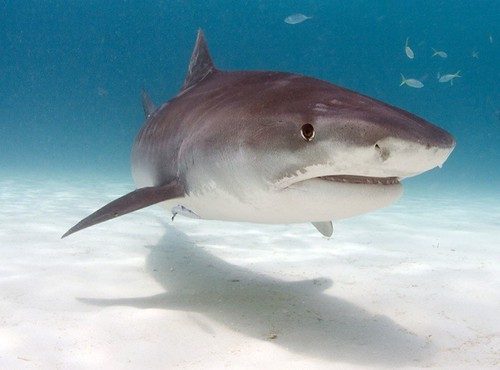
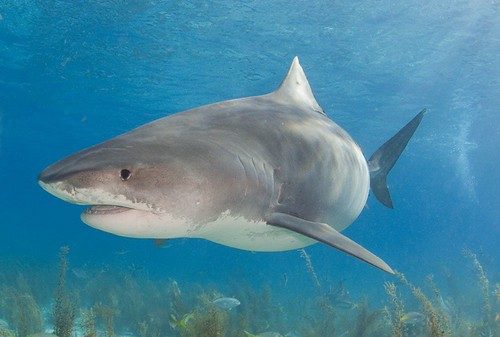
    The discovery pushes back the timeline for mega-predatory sharks by about 15 million years and offers a fascinating glimpse into life during the age of dinosaurs. Researchers believe this ancient hunter reached lengths of around 26 feet, making it one of the largest sharks known from its era.

    Fossils hidden in a museum revealed a surprise

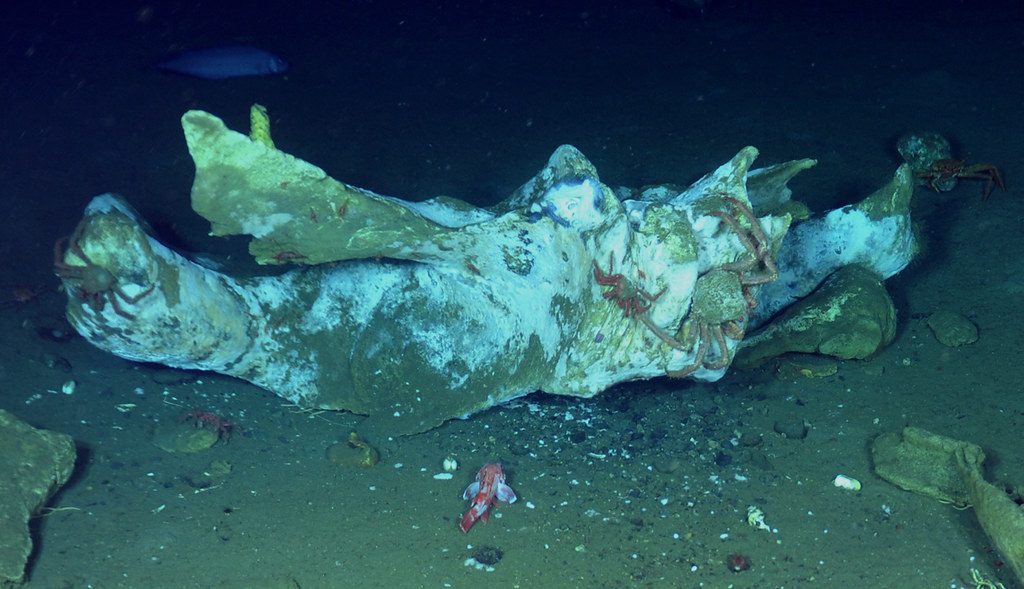
    Whale Bone with Crabs” by OceanNetworks Canada is licensed under CC BY-NC-SA 2.0

    The discovery began with five fossilized vertebrae found near Darwin in northern Australia. Although the fossils were unearthed during the late 1980s and 1990s, they remained largely overlooked in a museum collection for years.

    When researchers reexamined the specimens, they realized the vertebrae were unusually large. Measuring about 12 centimeters across, they hinted that the shark they belonged to was far bigger than scientists had previously expected for that time period.

    An ancient ocean once covered the region

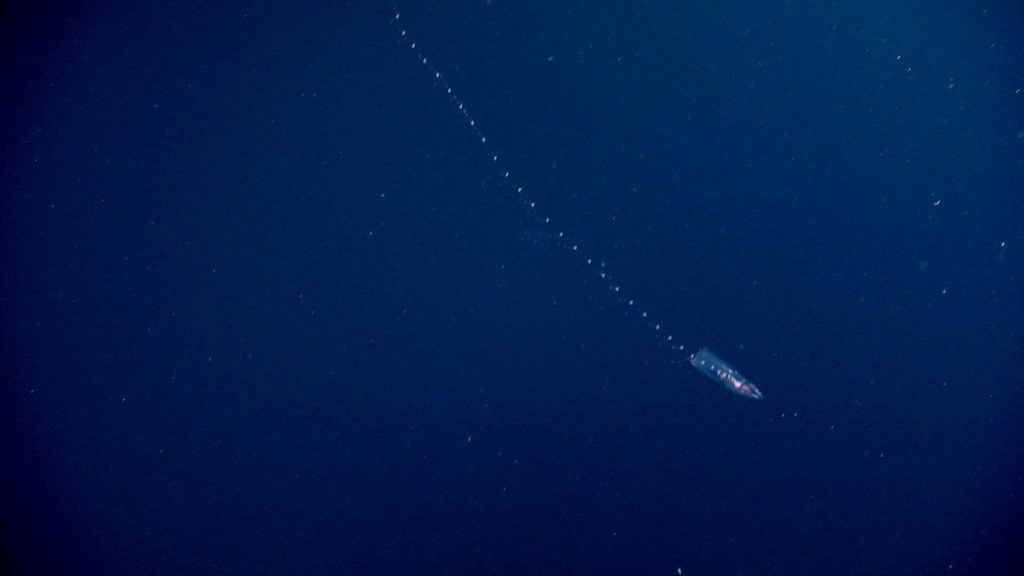
    Salp or Siphonophore” by OceanNetworks Canada is licensed under CC BY-NC-SA 2.0

    Today, Darwin sits on Australia’s northern coastline, but more than 100 million years ago, the area was covered by a vast ocean. This ancient marine environment connected parts of the supercontinents Gondwana and Laurasia.

    The region has produced many important fossils, including plesiosaurs and ichthyosaurs. These discoveries show that the waters once hosted a rich ecosystem of large marine predators and prey.

    The shark lived during the age of dinosaurs

    Shark Hunting” by steven and darusha is licensed under CC BY-NC 2.0

    The newly studied shark belonged to the group Cardabiodontidae. These ancient predators lived during the Cretaceous Period, when dinosaurs still dominated life on land.

    Researchers estimate the shark lived around 115 million years ago. That makes it roughly 15 million years older than previously known giant members of the same lineage, pushing the history of massive sharks much further back in time.

    Scientists used technology to estimate its size

    a woman looking through a microscope at a piece of paper
    Photo by CDC on Unsplash

    Because shark skeletons are made mostly of cartilage, complete fossils are extremely rare. Most shark fossils consist of teeth, which can make size estimates difficult.

    To better understand the animal, researchers used fisheries data, CT scans, mathematical models, and comparisons with modern sharks. Their analysis suggested the predator reached about 26 feet in length, making it one of the largest sharks of its era.

    It may have looked surprisingly familiar

    “Great Hammerhead Shark with Black Tip Reef Shark in Background :)” by angel_shark is licensed under CC BY-NC-SA 2.0

    Despite living more than 100 million years ago, the ancient shark may have looked similar to large sharks alive today. Researchers believe it likely had a streamlined body built for speed and efficient hunting.

    Scientists described its body design as an evolutionary success story. The same general shark shape has remained effective for more than 115 million years, helping sharks survive major changes in Earth’s history.

    The discovery may lead to more giant shark finds

    white and black shark underwater
    Photo by Gerald Schömbs on Unsplash

    Researchers believe this giant predator did not appear suddenly. Like all animals, it must have evolved from earlier ancestors that have yet to be discovered.

    The finding encourages scientists to search similar fossil-rich environments around the world. Additional discoveries could reveal even older giant sharks and help explain how these predators became top hunters in ancient oceans.

  • What happens when you punch a tiger shark in the face?

    What happens when you punch a tiger shark in the face?

    A massive tiger shark attack sounds like something from a movie. One moment, an 18-year-old was enjoying the ocean. Next, a powerful predator struck from beneath a wave. In seconds, his leg was gone, and his fight for survival had begun.

    Most people would never return to the water after an experience like that. Yet instead of letting fear control his life, he chose a different path. His journey back into the ocean challenged many assumptions about sharks and raised important questions about how humans view these misunderstood predators.

    The attack came without warning

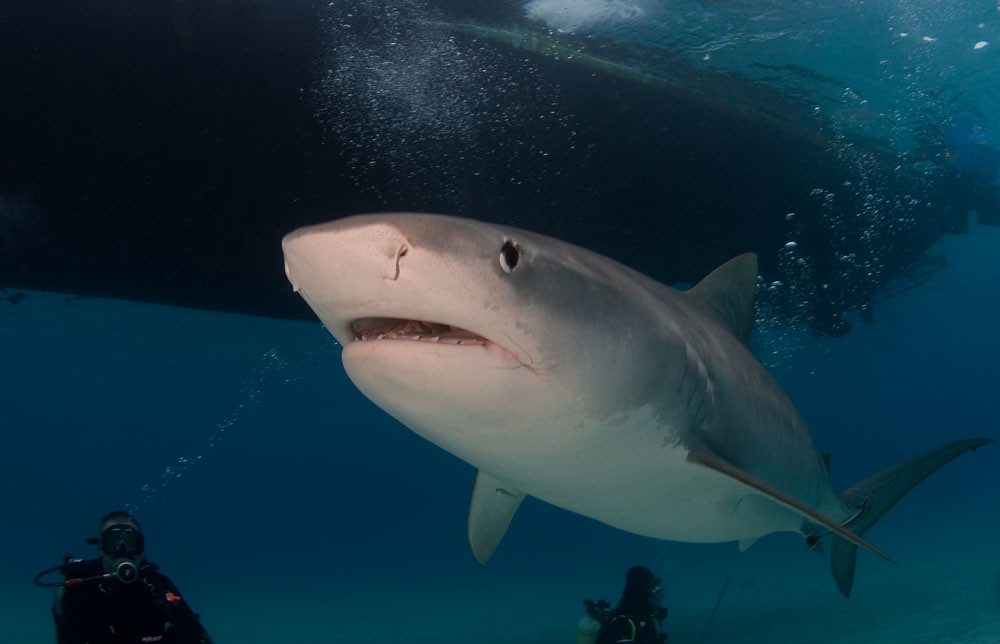
    Tiger shark” by WIlly Volk is licensed under CC BY-NC-SA 2.0

    The encounter happened in an instant. Hidden beneath the water, a large tiger shark struck with incredible force. Like many shark attacks, there was little warning before the bite occurred. Shark experts note that attacks often happen suddenly, leaving victims little time to react.

    Tiger sharks are among the largest predatory sharks in the ocean and rank second only to great whites in recorded fatal attacks on humans. Even so, attacks remain extremely rare compared to the millions of people who enter the ocean every year.

    Fighting back against a giant predator

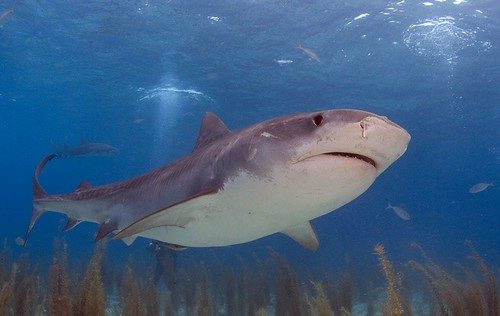
    Tiger shark” by WIlly Volk is licensed under CC BY-NC-SA 2.0

    Faced with a life-threatening situation, the young surfer did what many people might do in pure survival mode. He fought back. Stories of shark attack survivors often include attempts to strike sensitive areas such as the nose or eyes when escape is the only option. Some documented survivors have reported successfully causing a shark to release its grip after hitting it.

    In one well-known case from Hawaii, a fisherman escaped after punching a tiger shark in the nose when it clamped onto his leg. The shark released him, allowing him to swim toward safety.

    Survival was only the beginning

    Emma, the Tiger Shark” by WIlly Volk is licensed under CC BY-NC-SA 2.0

    Losing a limb is a life-changing event, but surviving the attack was only the first challenge. Recovery involved overcoming physical injuries, adapting to a new reality, and dealing with the emotional impact of the experience.

    Many shark attack survivors describe months or years of rehabilitation. Some never return to the ocean. Others eventually find the confidence to swim, surf, or dive again despite the trauma they experienced.

    Returning during tiger shark season

    Tiger Shark” by WIlly Volk is licensed under CC BY-NC-SA 2.0

    What made this story unusual was the decision to return to the water during a period when tiger sharks are commonly present. For many people, that choice seems impossible to understand.

    Yet several survivors have explained that returning to the ocean helped them regain control over their fears. Rather than seeing every shark as a threat, they learned more about shark behavior and recognized that attacks are rare.

    Sharks are not the villains many imagine

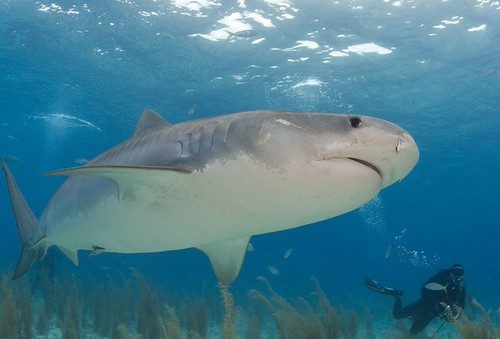
    Tiger shark” by WIlly Volk is licensed under CC BY-NC-SA 2.0

    Movies and headlines often portray sharks as relentless man-eaters. Scientific research paints a different picture. Shark attacks are rare, and only a handful of species account for most serious incidents involving humans.

    Most sharks do not view humans as prey. Experts believe many bites occur because sharks are investigating unfamiliar objects or mistakenly identifying potential food. While attacks can be devastating, they are not evidence that sharks are actively hunting people.

    A story bigger than fear

    Tiger shark and diver” by WIlly Volk is licensed under CC BY-NC-SA 2.0

    The lasting lesson from this experience is not about violence or danger. It is about perspective. After surviving one of the most frightening encounters imaginable, the young man refused to let fear define his relationship with the ocean.

    His story challenges the idea that sharks are mindless killers. Instead, it highlights the complexity of these animals and the resilience of people who survive extraordinary events. While respect for sharks is essential, fear alone does not tell the whole story. Understanding often begins where fear ends.

  • The worst shark attack in history wasn’t what people think

    The worst shark attack in history wasn’t what people think

    The sinking of the USS Indianapolis is often remembered as the deadliest shark attack in history. Movies and popular stories have created the image of hundreds of sailors being hunted by sharks in a massive feeding frenzy. While sharks were present, the real story is far more tragic.

    After Japanese torpedoes sank the ship in July 1945, hundreds of sailors were left stranded in the Pacific Ocean for nearly five days. They faced injuries, dehydration, exposure, exhaustion, and hallucinations while waiting for rescue. The sharks became the most famous part of the disaster, but they were only one piece of a much larger tragedy that became one of the worst losses in U.S. Naval history.

    A secret mission changed everything

    Statue 50th Anniversary 10-28-36 USS Indianapolis (NPS)” by StatueLibrtyNPS is licensed under CC BY 2.0

    The USS Indianapolis had just completed one of the most important missions of World War II. The ship delivered key components of the atomic bomb that would later be used on Hiroshima. Most of the sailors had no idea what they were carrying because the operation was highly classified.

    After successfully delivering its cargo to Tinian, the Indianapolis began its next voyage toward the Philippines. The crew believed the dangerous part of their mission was over, but they were unknowingly heading toward disaster.

    The ship sank in just 12 minutes

    Sinking Ship Day Two 009” by tony.evans is licensed under CC BY-ND 2.0

    Shortly after midnight on July 30, 1945, a Japanese submarine spotted the Indianapolis and launched torpedoes. Two direct hits caused catastrophic damage to the ship and left the crew with very little time to react.

    The Indianapolis sank in only 12 minutes. Many sailors were killed instantly by explosions, burns, and debris, while hundreds more escaped into the ocean. Those who survived the sinking suddenly found themselves stranded in open water with almost no supplies.

    The ocean became a nightmare

    blue and white bubbles in water
    Photo by Jeremy Lanfranchi on Unsplash

    The survivors faced brutal conditions from the moment they entered the water. Many were injured, covered in oil, and exposed to the intense heat of the tropical sun. They had no food and almost no fresh water.

    As the days passed, dehydration became a deadly threat. Some sailors drank seawater, which caused salt poisoning and severe hallucinations. Men began seeing islands, rescue ships, and even the Indianapolis itself beneath the waves, leading many to swim away from safety.

    What sharks really did

    three white-and-black sharks
    Photo by Thomas Borb on Unsplash

    Sharks arrived soon after the sinking, likely drawn by the noise, debris, and bodies in the water. Oceanic whitetip sharks and tiger sharks are believed to have been among the species present around the survivors.

    However, historians and survivor accounts suggest the role of sharks has often been exaggerated. Sharks did feed on some corpses and attacked some survivors, but many more sailors died from injuries, dehydration, exposure, and exhaustion than from shark attacks.

    A rescue that almost never happened

    Sinking Ship 001” by tony.evans is licensed under CC BY-ND 2.0

    One of the most tragic parts of the disaster was that the rescue did not come quickly. Distress signals had been sent, but they were not properly handled, and no major search effort was launched.

    The survivors were eventually discovered by chance on August 2 when a patrol pilot spotted oil and debris in the water. Rescue operations began immediately, but by then only 316 of the 1,195 crew members aboard the Indianapolis were still alive.

    The tragedy did not end after survival

    a great white shark swimming in the ocean
    Photo by Chase Baker on Unsplash

    The story continued long after the survivors reached shore. Captain Charles McVay was court-martialed and blamed for the loss of the ship, despite evidence suggesting the attack could not have been avoided.

    For decades, survivors fought to clear their captain’s name. His conviction was eventually overturned, but he did not live to see it happen. Today, the legacy of the Indianapolis is remembered not just for the sharks, but for the courage, sacrifice, and endurance shown by the crew during one of the most devastating naval disasters in American history.

  • The mystery behind South Africa’s missing great white sharks

    The mystery behind South Africa’s missing great white sharks

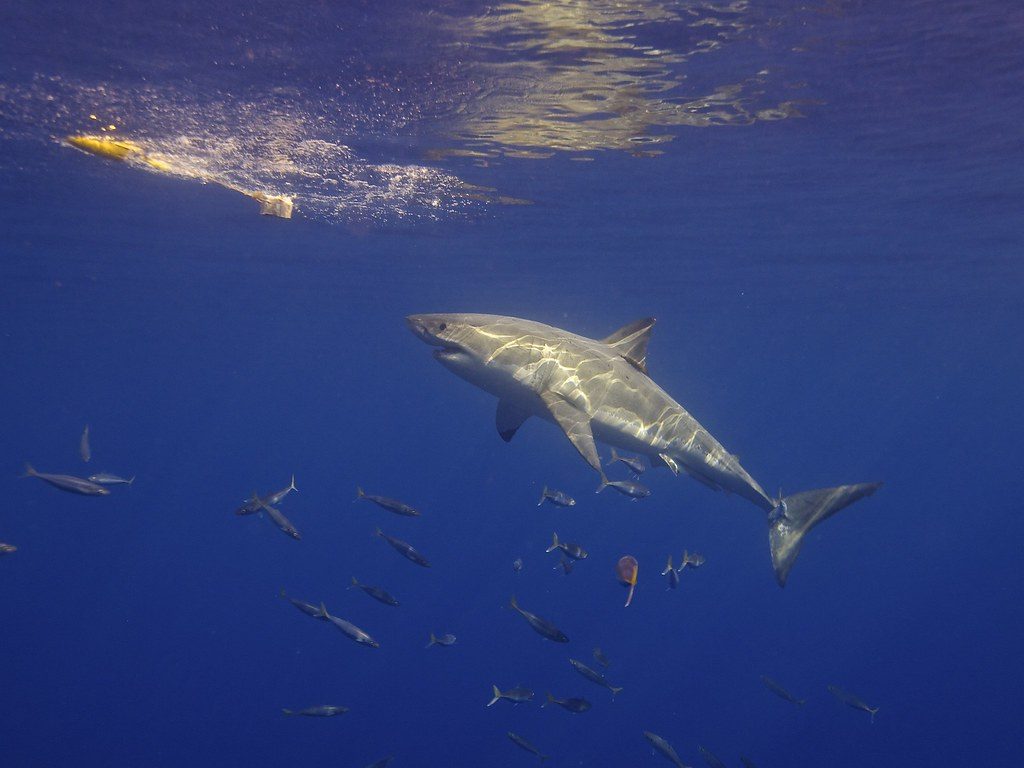
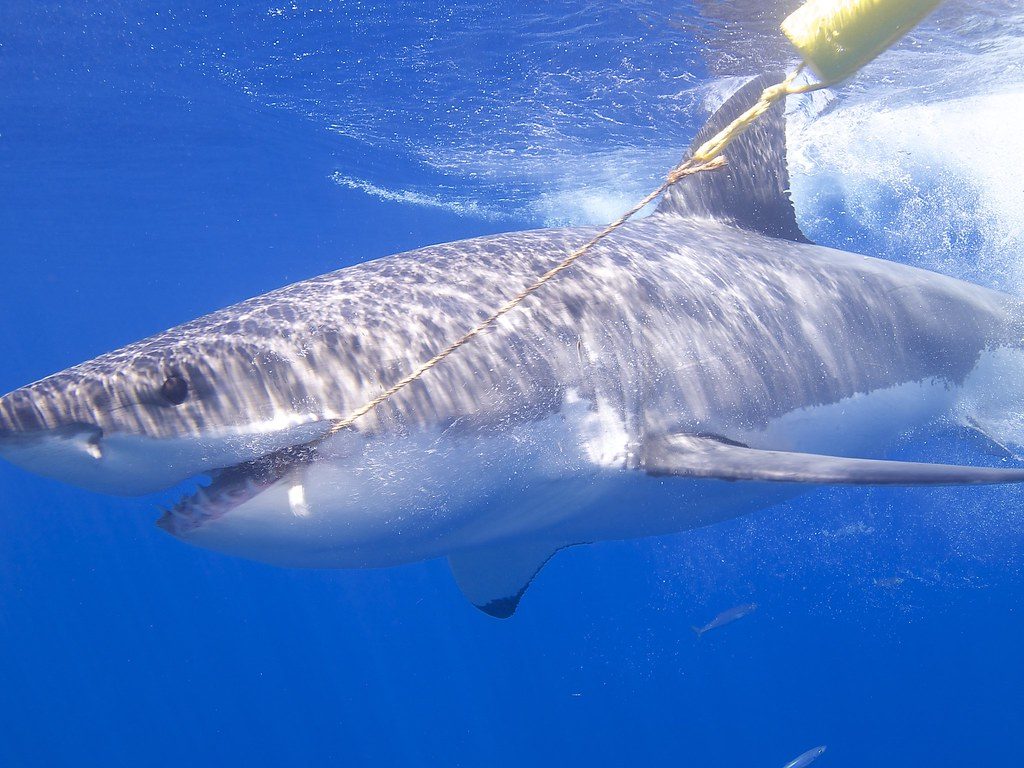
    For decades, the waters around Cape Town, South Africa, were famous for great white sharks. Tourists traveled from around the world to watch these powerful predators hunt near Seal Island. Then something changed. Shark sightings began to drop, tourism slowed, and scientists started searching for answers. The mystery deepened when shark carcasses began washing ashore with their livers missing.

    Some researchers believe orcas are responsible for driving great whites away, while others argue that human activities are to blame for the decline. Today, the debate continues as scientists work to understand what happened to one of the world’s most famous shark populations.

    Cape Town was once a great white hotspot

    aerial view of city near mountain during daytime
    Photo by Tobias Reich on Unsplash

    For many years, the waters near Cape Town were considered one of the best places on Earth to see great white sharks. Large numbers of sharks hunted around Seal Island, where thousands of seals gathered.

    Photographers, researchers, and tourists regularly witnessed dramatic shark behavior. Great whites became a major attraction, drawing visitors from around the world who wanted to see these iconic predators in their natural habitat.

    Shark sightings began to disappear

    Great White Shark” by Elias Levy is licensed under CC BY 2.0

    Around a decade ago, researchers and tour operators noticed a troubling trend. Great white shark sightings became less common, and the decline continued over time.

    People who once observed hundreds of individual sharks each year suddenly struggled to find them. Areas that had been famous for shark encounters became unusually quiet, raising concerns about what was happening beneath the surface.

    The mystery of the missing livers

    Great White Shark” by Elias Levy is licensed under CC BY 2.0

    Scientists searching for clues discovered shark carcasses with unusual wounds. Several sharks were found with clean openings in their bodies and missing livers.

    At first, some researchers thought humans might be responsible because the injuries looked so precise. Further examination revealed tooth marks, suggesting that another predator had carried out the attacks.

    Orcas became the prime suspects

    A serene group of orcas gliding through the calm waters of Telegraph Cove, BC.
    Photo by marnock on Pexels

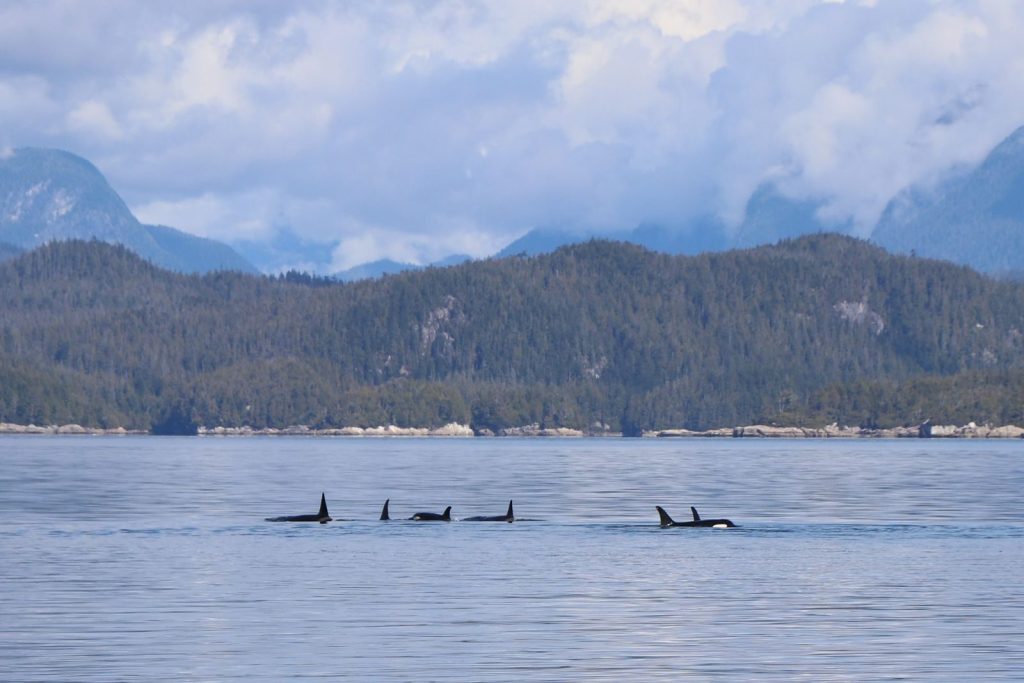
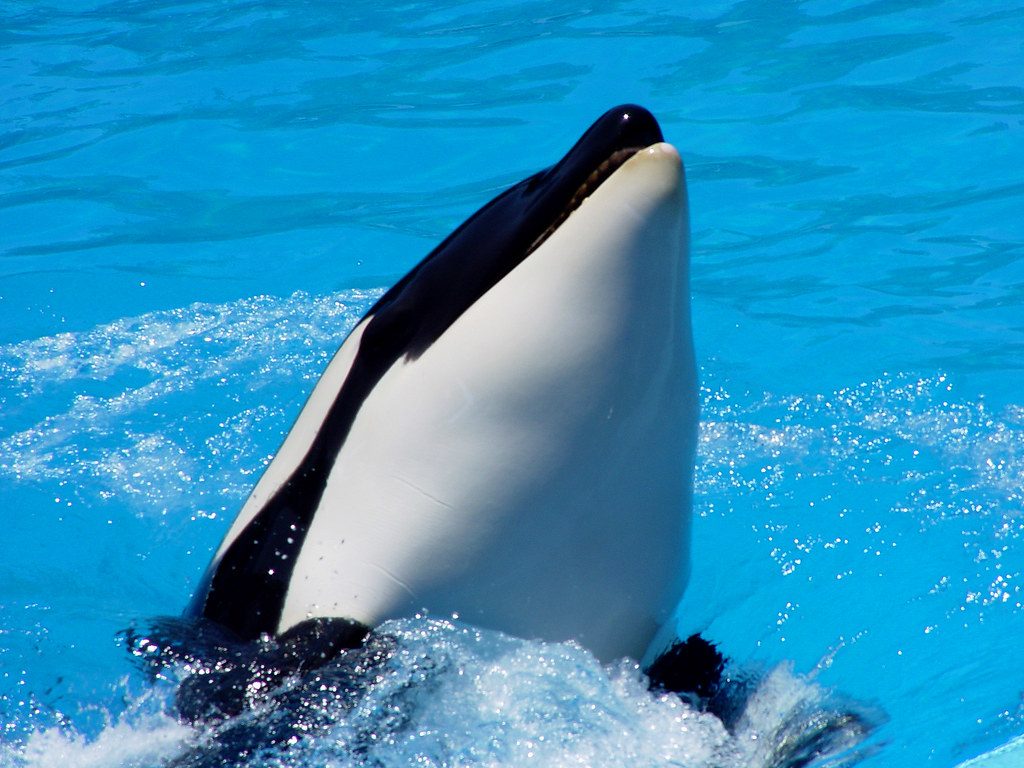
    Researchers eventually connected the attacks to orcas, also known as killer whales. Two males with distinctive collapsed dorsal fins became especially famous after being linked to shark-hunting activity.

    Named Port and Starboard, the pair appeared to specialize in targeting shark livers. Scientists later documented additional evidence showing orcas attacking and killing sharks in the region, supporting the idea that they were influencing shark behavior.

    Not everyone agrees with the explanation

    Killer Whale (Orcinus orca)” by Franco Folini is licensed under CC BY-SA 2.0

    Some marine scientists believe orcas’ presence created a landscape of fear, prompting great white sharks to leave the area. According to this view, the sharks moved elsewhere to avoid becoming prey.

    Other researchers disagree. They point out that shark numbers appeared to decline before the orcas became widely associated with attacks. They argue that the disappearance cannot be explained by the actions of just two predators.

    Lessons from conservation success

    Great White Shark” by Elias Levy is licensed under CC BY 2.0

    While the debate continues, many researchers believe the situation offers important lessons about conservation. They point to humpback whales as an example of how species can recover when pressures are reduced.

    Conservationists hope similar efforts can help great white sharks. Whether the main cause is orca predation, human activity, or a combination of factors, many agree that protecting healthy ocean ecosystems remains essential.

  • Sperm whales may communicate more like humans than expected

    Sperm whales may communicate more like humans than expected

    What if humans are not the only species with a highly structured communication system? A new study suggests that sperm whales may use vocal patterns that share surprising similarities with human speech. Researchers analyzing thousands of whale recordings discovered sound structures that resemble vowel patterns found in human languages.

    The findings are helping scientists better understand how sperm whales communicate and raising new questions about the intelligence of these deep-diving marine mammals. As researchers continue decoding their clicks, they may be uncovering one of the most complex communication systems ever found in the animal kingdom.

    Sperm whales communicate through clicks

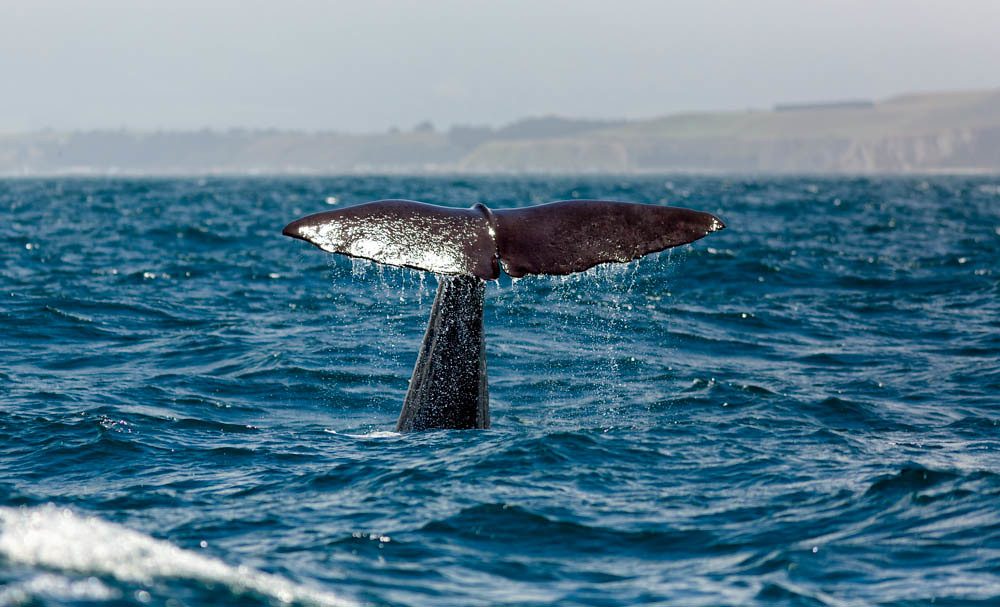
    Sperm Whale Diving” by stewartbaird is licensed under CC BY-NC-ND 2.0

    Unlike humpback whales, which are known for their songs, sperm whales communicate using rhythmic clicking sounds called codas. These clicks allow whales to exchange information while living in the vast ocean.

    Scientists have studied codas for years, hoping to understand what they mean. Early research focused mainly on the timing of the clicks, similar to how people might analyze Morse code to uncover hidden messages.

    Researchers discovered speech-like patterns

    Bowhead whale / Grønlandshval / Balaena mysticetus)” by Anne-Line Brink is licensed under CC BY-NC-ND 2.0

    A team from Project CETI and the University of California, Berkeley, took a different approach. Instead of focusing only on timing, they examined the frequencies of the clicks produced by sperm whales.

    Their analysis revealed patterns similar to human vowel sounds. The researchers identified two categories of whale vocalizations that they described as a-vowels and i-vowels, opening a new area of study in whale communication.

    Two types of whale “vowels”

    black fish dove into ocean at daytime
    Photo by Abigail Lynn on Unsplash

    The newly identified vocal patterns have characteristics similar to vowels used in human languages. Some contained a single resonance peak, while others showed two resonance peaks.

    Researchers also found that these sounds could rise and fall in pitch. In some cases, two pitches appeared within a single vocalization, creating a pattern similar to diphthongs used in certain human languages.

    Gathering years of whale recordings

    a woman looking through a microscope at a piece of paper
    Photo by CDC on Unsplash

    To conduct the study, scientists attached small underwater microphones to 15 sperm whales. Over four years, they collected thousands of recordings that captured the animals communicating naturally.

    Computer analysis allowed researchers to examine the sound waves in detail. By studying these recordings, they were able to identify consistent patterns that appeared throughout the whales’ vocal behavior.

    Similarities to human language

    two woman sitting by the window laughing
    Photo by Christina @ wocintechchat.com M on Unsplash

    The findings surprised researchers because some features closely resemble patterns found in human speech. For example, certain human languages distinguish words by changing the length or structure of vowel sounds.

    Scientists noted that sperm whale vocalizations appear to follow organized rules rather than being random noises. This suggests the animals may be using a highly structured communication system that carries information.

    Evidence of possible whale accents

    a humpback whale swims beneath the surface of the water
    Photo by Oliver Tsappis on Unsplash

    Another interesting discovery involved differences between whale groups. Researchers found that separate pods often used different types of clicks and vocal patterns.

    These variations suggest that sperm whales may have regional communication styles, similar to accents found among human populations. While scientists do not yet know the exact meaning of these differences, they indicate a remarkable level of complexity.