Category: News

  • When a 27-ton whale revealed hidden legs

    When a 27-ton whale revealed hidden legs

    Imagine hauling a massive whale out of the ocean and discovering it has legs. That is exactly what happened in 1919 when whalers caught a 27-ton humpback whale near Vancouver Island. What looked like a sea monster story soon became one of the most fascinating discoveries in whale evolution.

    The whale with legs revealed evidence of a distant past when the ancestors of modern whales walked on land. Scientists later studied the unusual animal and found that its strange limbs offered a rare glimpse into millions of years of evolution. This remarkable discovery continues to help researchers understand how land mammals transformed into the giant whales that swim through Earth’s oceans today.

    A shocking discovery aboard a whaling vessel
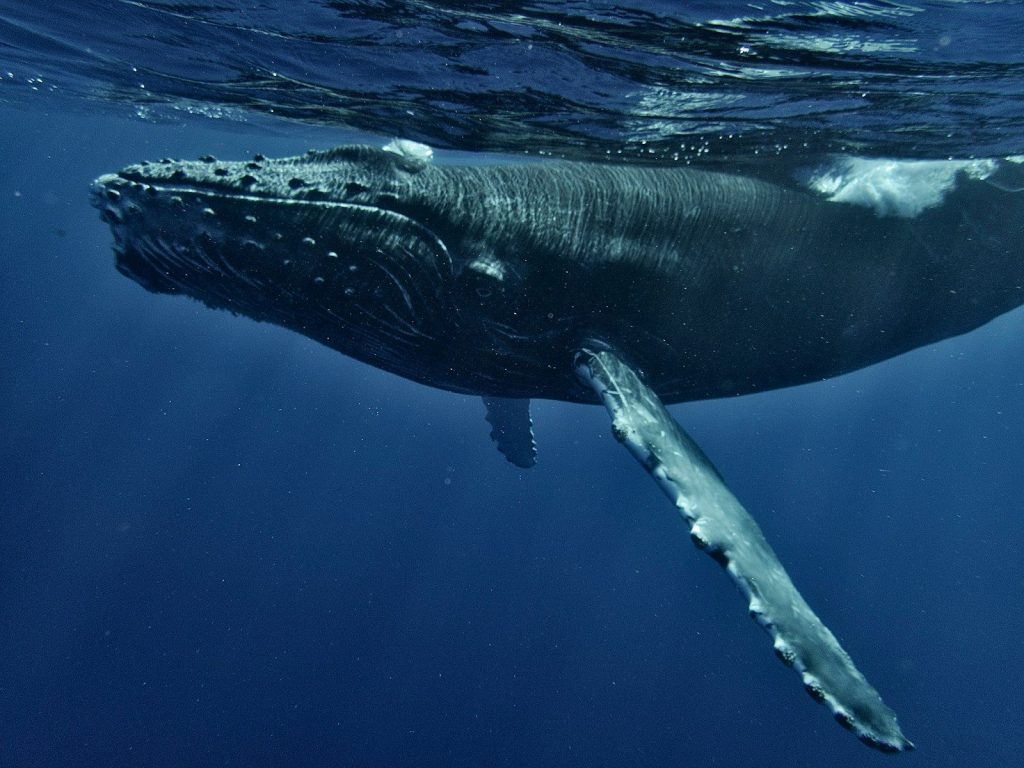
    a humpback whale swims under the surface of the water
    Photo by Chinh Le Duc on Unsplash

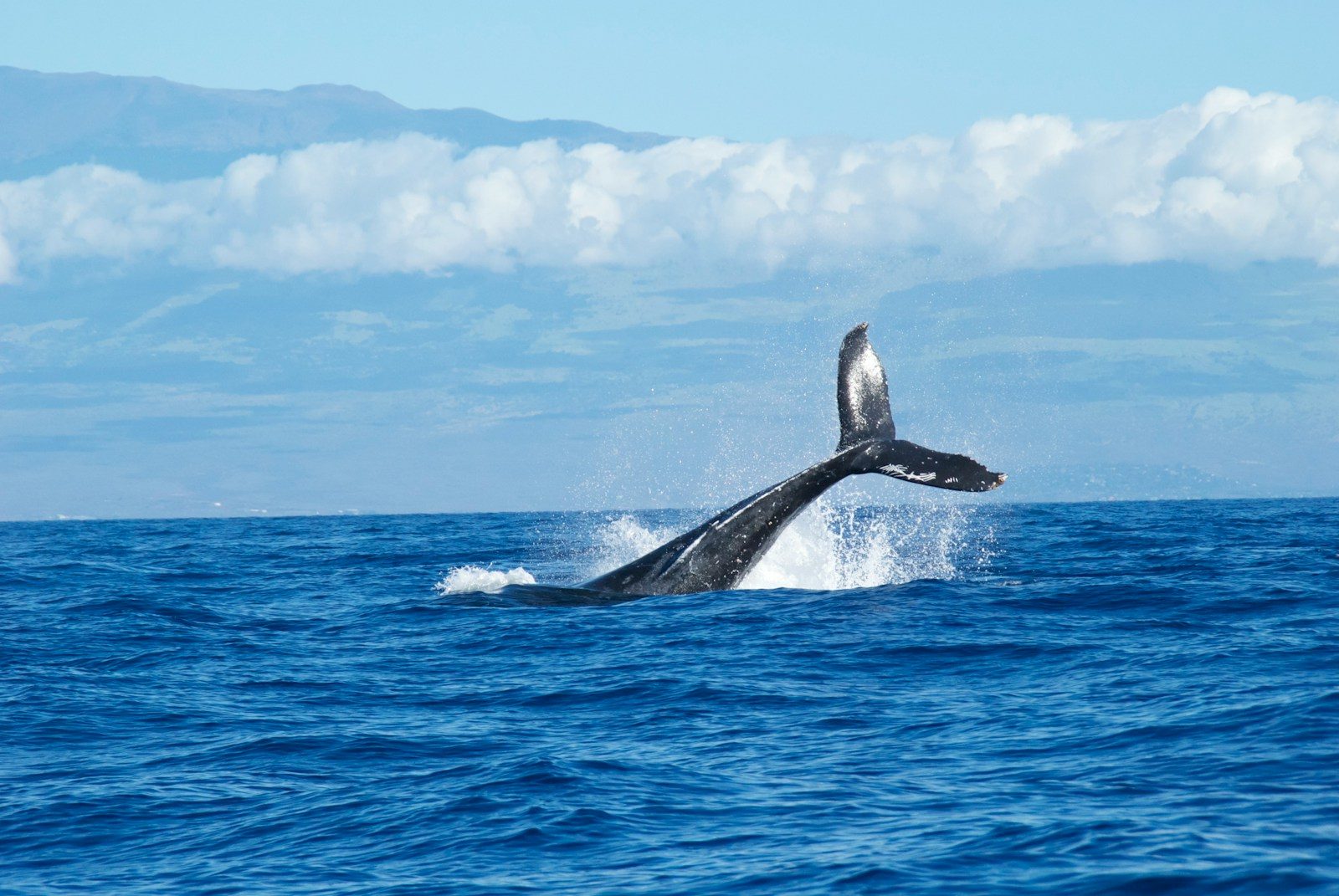
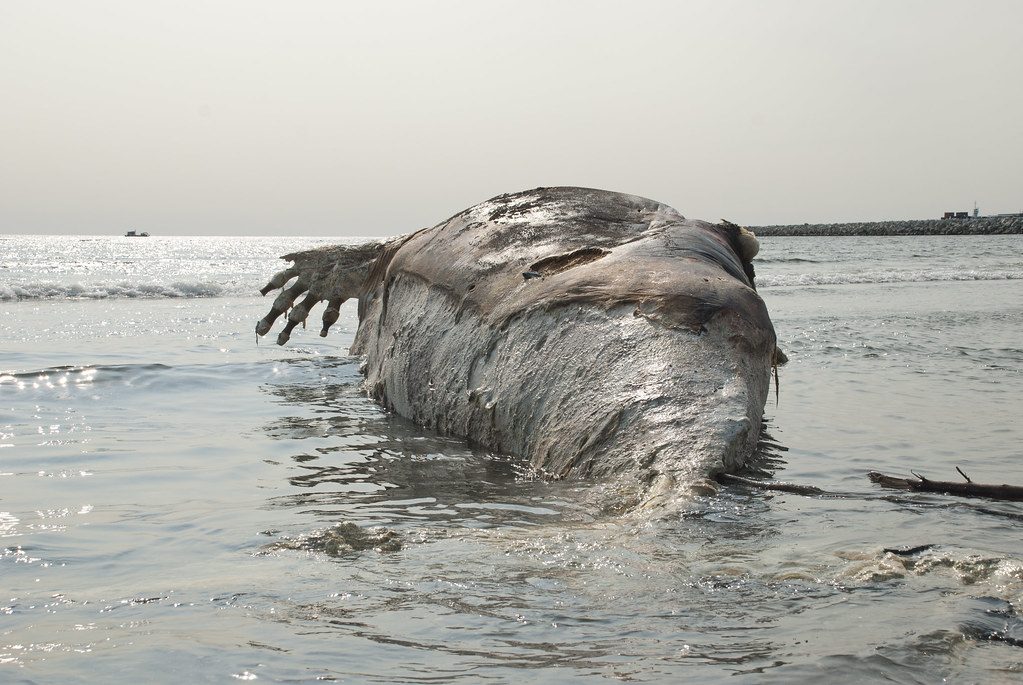
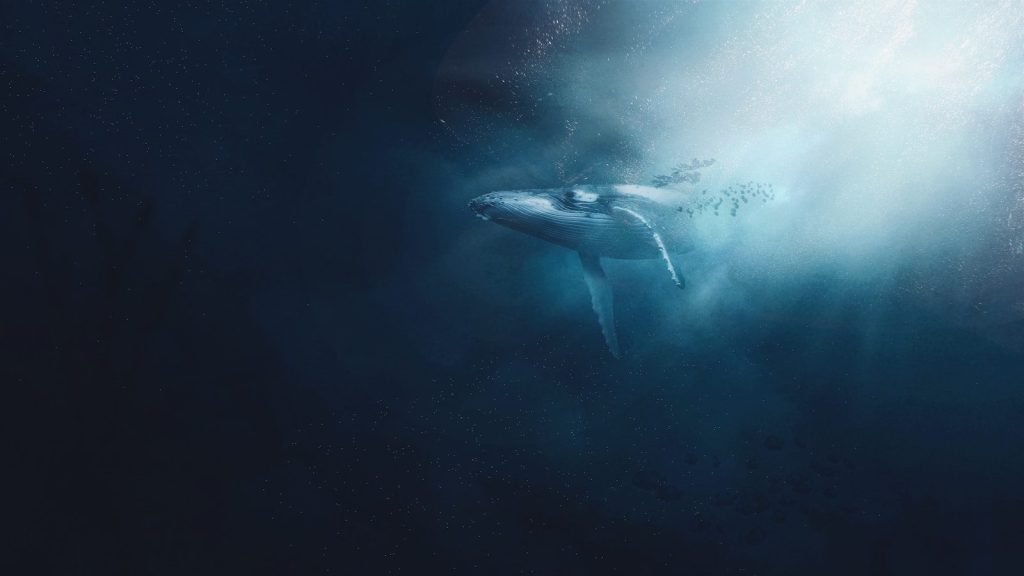
    In July 1919, a female humpback whale was captured by a whaling ship operating near Vancouver Island in British Columbia. The whale appeared normal at first, but the crew soon noticed something extraordinary. Two leg-like structures were protruding from the body near the genital opening.

    According to reports, the limbs extended about 4 feet 2 inches from the whale’s body and were covered with blubber. One of the limbs was accidentally removed and lost, but the other remained available for scientific study. The unusual find attracted immediate attention because modern whales are not supposed to have external hind legs.

    Scientists examined the mysterious limbs
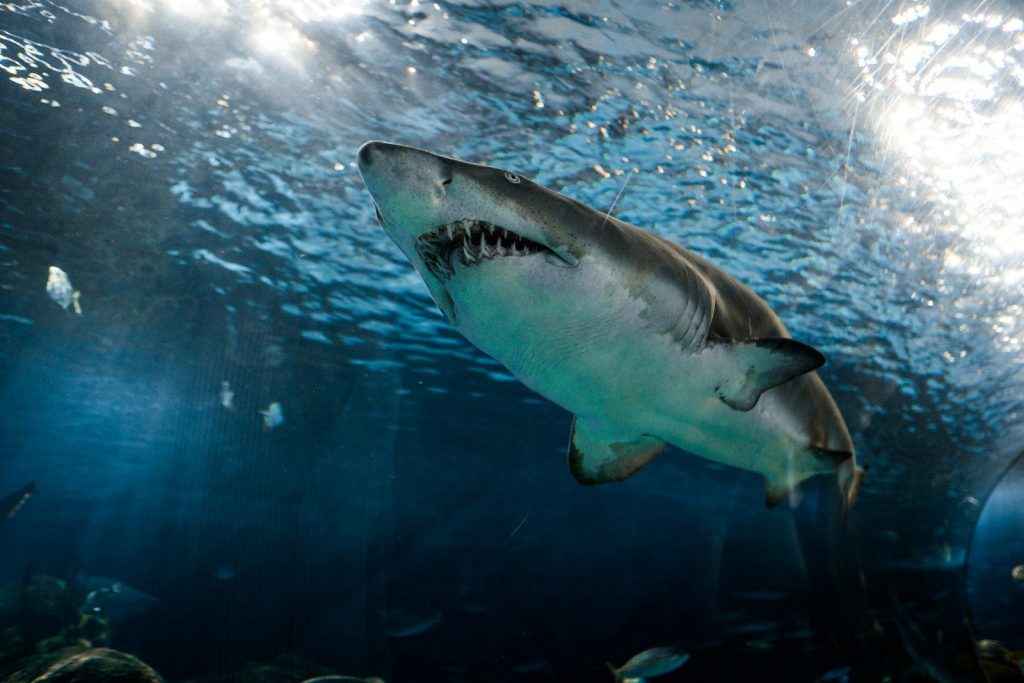
    white and black shark in water
    Photo by Gabriel Dizzi on Unsplash

    The remains and photographs were sent to zoologist Roy Chapman Andrews at the American Museum of Natural History. Andrews carefully studied the bones and cartilage that made up the strange appendage. His findings were published in 1921 in a paper titled A Remarkable Case of External Hind Limbs in a Humpback Whale.

    The structures contained parts that Andrews identified as a femur, a tibia, a tarsus, and a metatarsal. These are bones associated with the hind legs in land animals. Based on the evidence, he concluded that the protrusions were genuine vestigial hind limbs rather than injuries or unusual growths.

    Modern whales still carry traces of legs
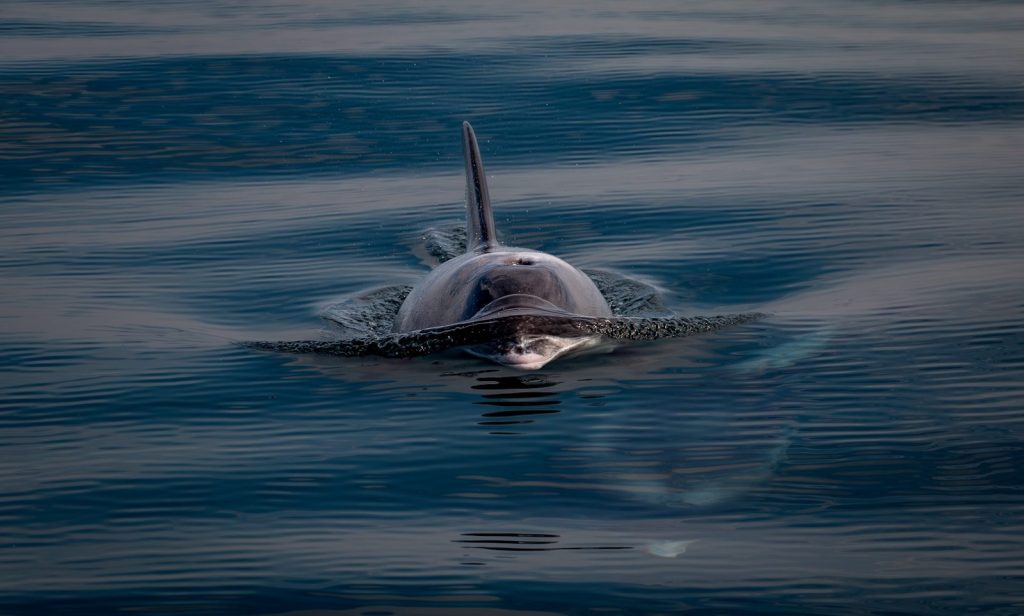
    grey dolphin on body of water during daytime
    Photo by Todd Cravens on Unsplash

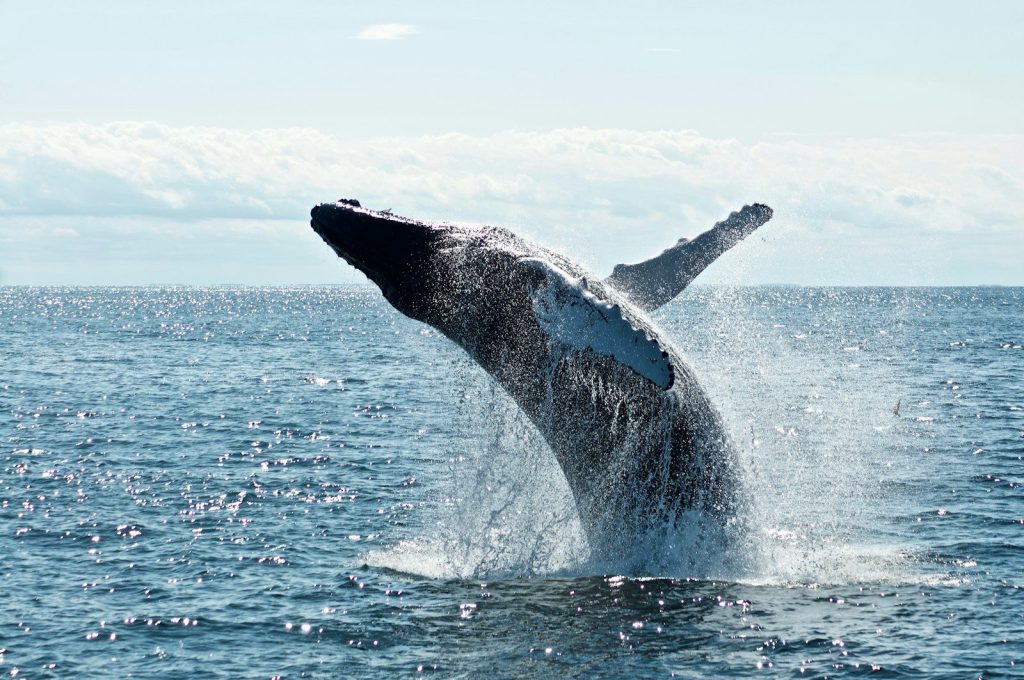
    Although whales no longer walk on land, they still retain hidden remnants of their ancestors’ hind limbs. Scientists have long known that modern whales possess small pelvic bones buried inside their bodies. These structures no longer function as legs, but they remain part of the whale’s skeleton.

    The 1919 humpback whale was unusual because some of these ancient features developed beyond their normal state. Researchers call this phenomenon an atavism. An atavism occurs when a trait from distant ancestors unexpectedly reappears after remaining hidden for many generations. Similar cases have occasionally been reported in dolphins and other whales.

    The discovery supported whale evolution
    two black whales swimming in body of water
    Photo by guille pozzi on Unsplash

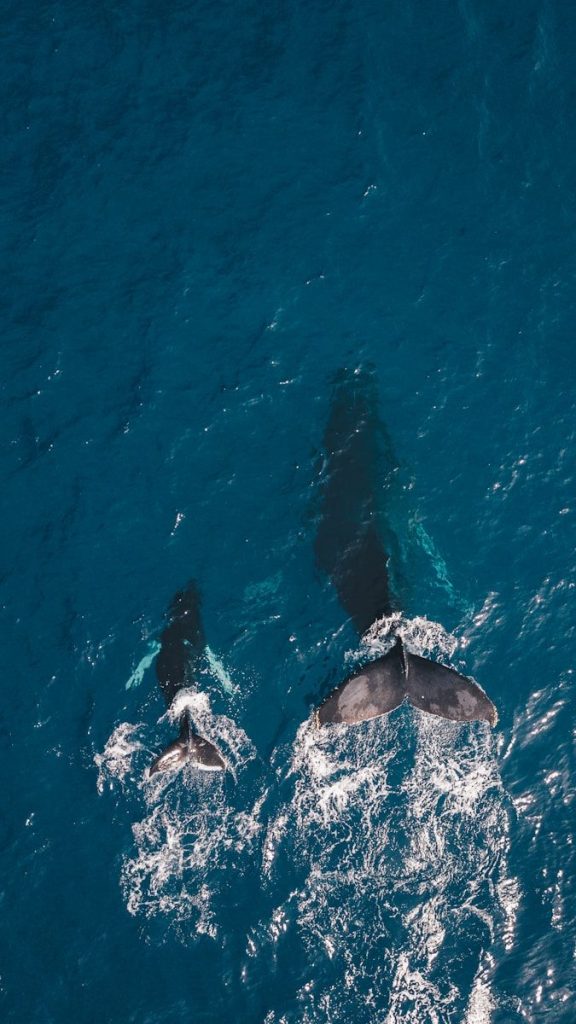
    The whale with legs provided powerful evidence that whales evolved from land-dwelling mammals. Modern research shows that whales descended from four-legged mammals that gradually adapted to life in the water. Over millions of years, their bodies changed dramatically as they became fully aquatic animals.

    Fossils discovered around the world reveal different stages of this transition. Early whale relatives had functioning legs and could move on land. Later forms became increasingly adapted to swimming, while their hind limbs shrank and eventually disappeared from the outside of the body. The 1919 whale appeared to briefly reconnect modern whales with that ancient past.

    Whale embryos reveal the same hidden history
    Two humpback whales swimming in the ocean
    Photo by Jonathan Hsu on Unsplash

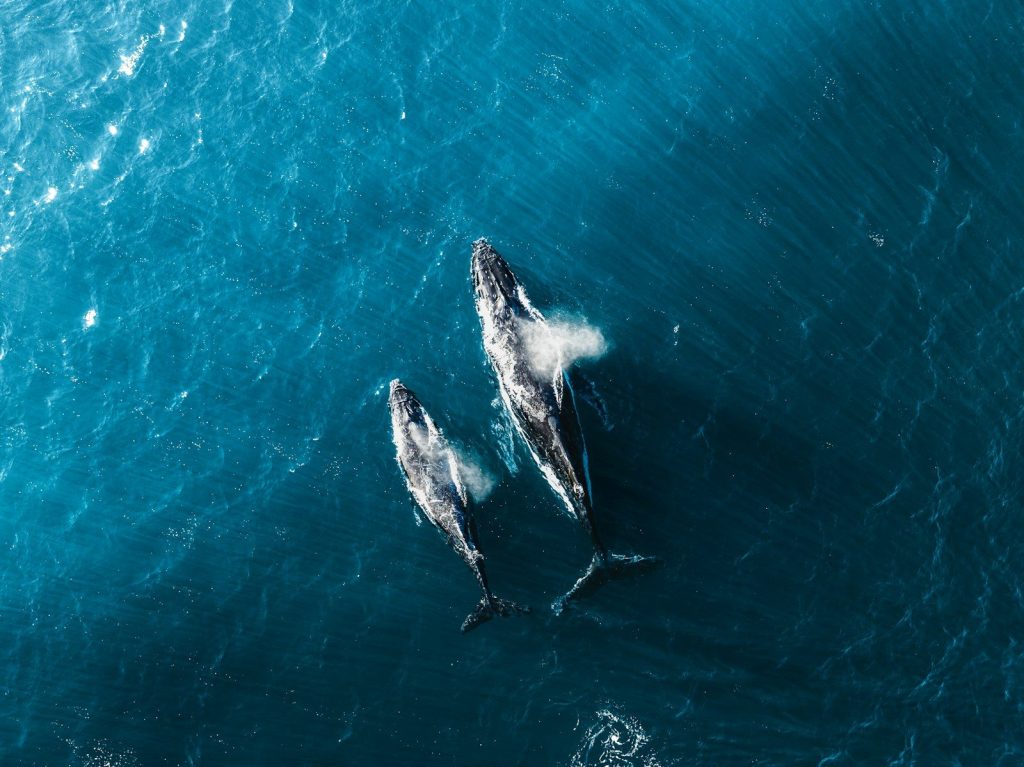
    Evidence of whale ancestry does not come only from fossils. Scientists have found that whale embryos briefly develop hind limb buds during early growth. These structures appear briefly before disappearing as development continues.

    Researchers believe the 1919 humpback whale may have experienced an unusual developmental event that allowed those structures to continue growing. This would explain why external hind limbs appeared on an otherwise normal adult whale. The discovery matched what scientists already knew about whale embryos and their evolutionary heritage.

    Why the whale with legs still matters today
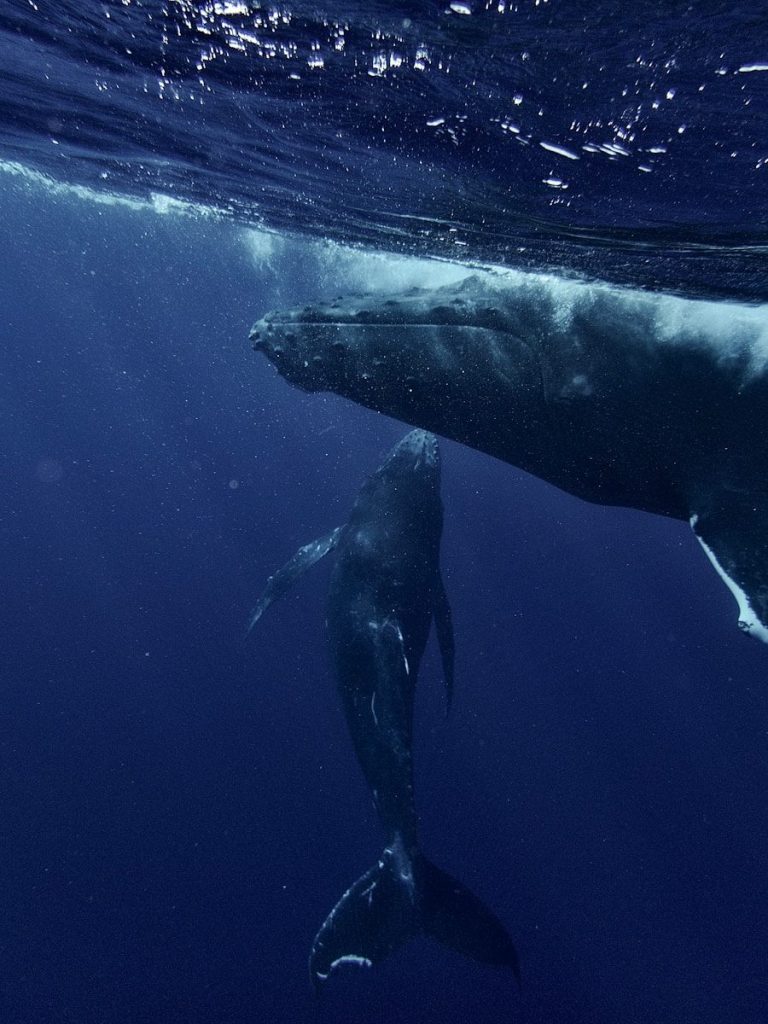
    two humpback whales swimming in the ocean
    Photo by Chinh Le Duc on Unsplash

    More than a century after its discovery, the whale with legs remains one of the most famous examples of evolutionary atavism. It offers a rare and dramatic illustration of how ancient genetic information can persist long after a physical feature disappears.

    Today, scientists continue studying whale genetics, fossils, and anatomy to better understand how one group of land mammals returned to the sea and eventually produced the largest animals ever known. The strange humpback whale caught in 1919 serves as an unforgettable reminder that evolution leaves clues hidden deep within living creatures.
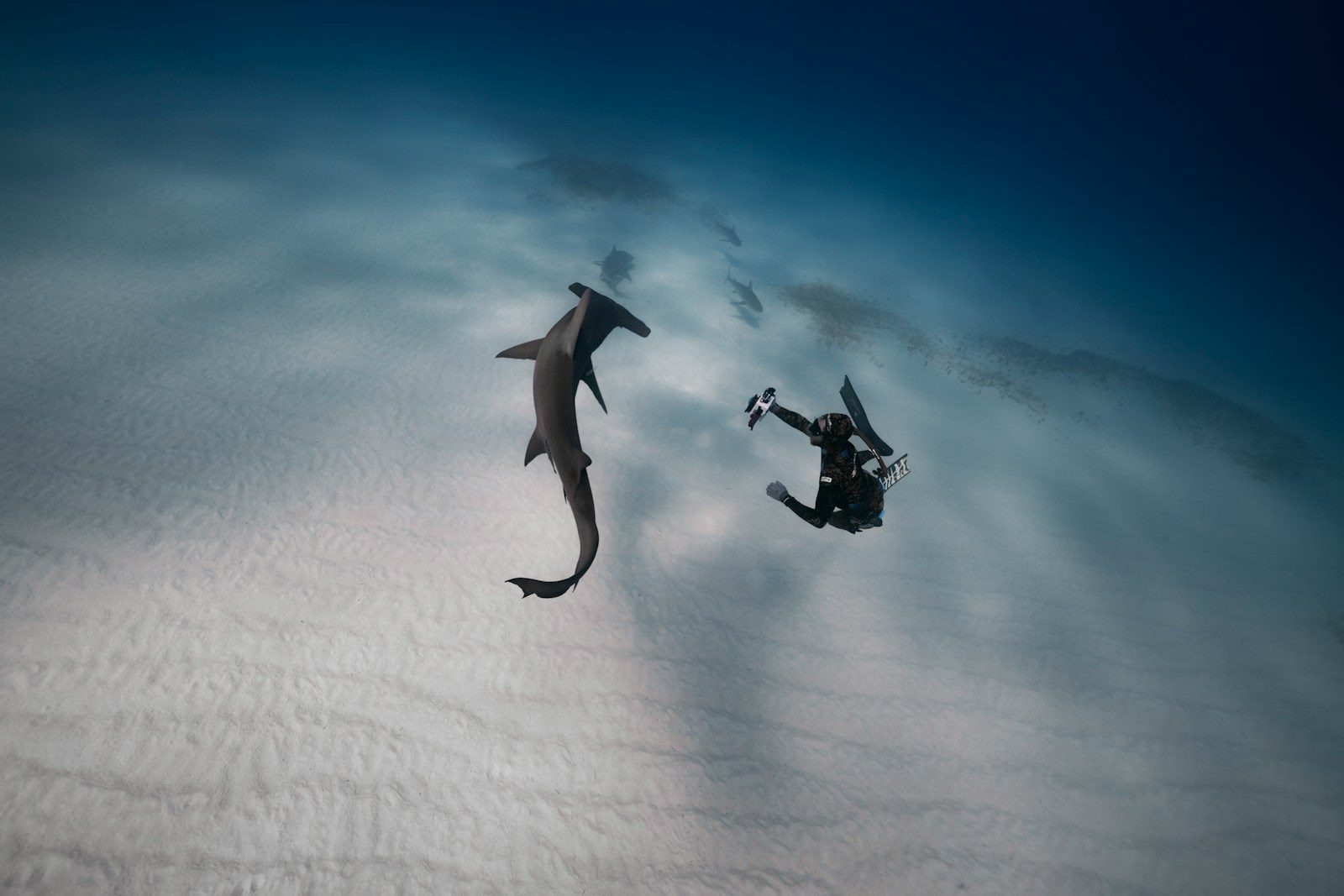
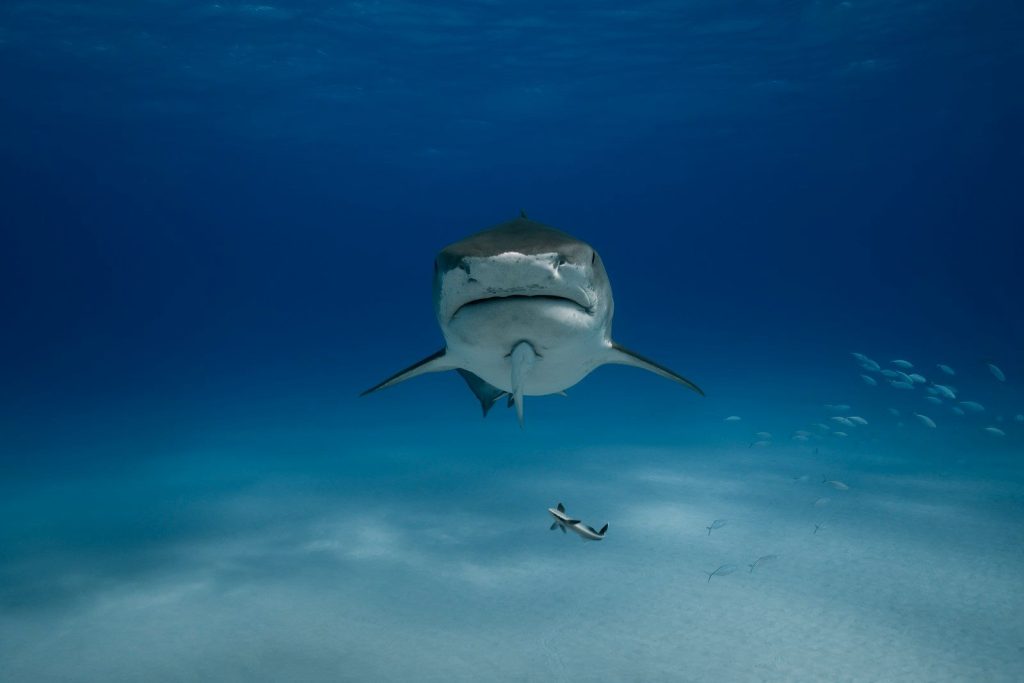
  • Giant hammerhead shark surprises Mark Vins off the Bahamas

    Giant hammerhead shark surprises Mark Vins off the Bahamas

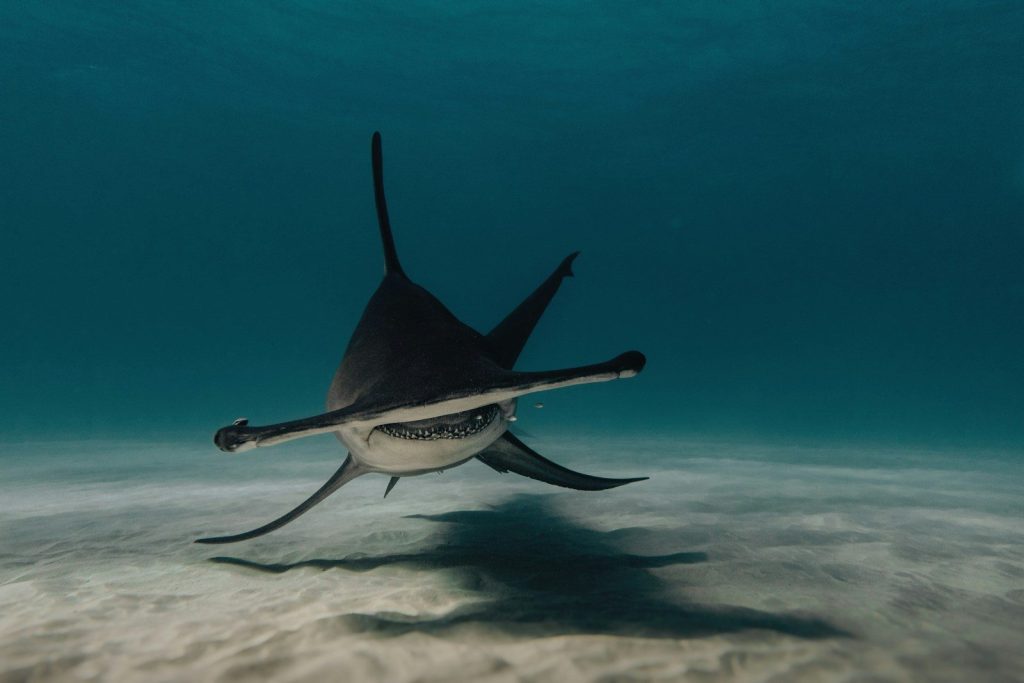
    Few ocean encounters are as exciting as coming face-to-face with a giant shark. That is exactly what happened when wildlife host Mark Vins and his crew traveled to the Bahamas in search of some of the ocean’s most impressive predators.

    During an episode of Blue Wilderness, the team visited the world-famous Tiger Beach, a location known for large shark encounters. Just when it seemed their adventure was coming to an end, Mark spotted a massive hammerhead shark swimming through the waters off the Bahamas. The unexpected sighting became one of the most memorable moments of the expedition.

    The journey begins at Tiger Beach

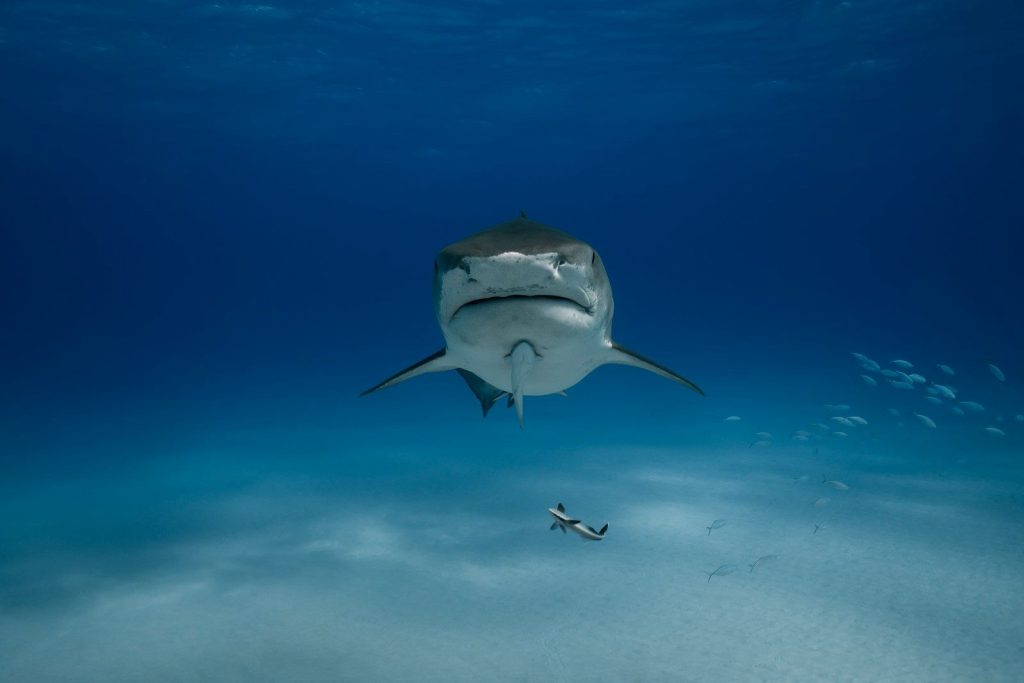
    a shark swimming in the ocean with a fish nearby
    Photo by Michael Worden on Unsplash

    Mark Vins and his crew traveled to Tiger Beach with hopes of encountering large sharks in their natural habitat. The Bahamas’ location has earned a reputation among divers and marine enthusiasts for attracting impressive shark species.
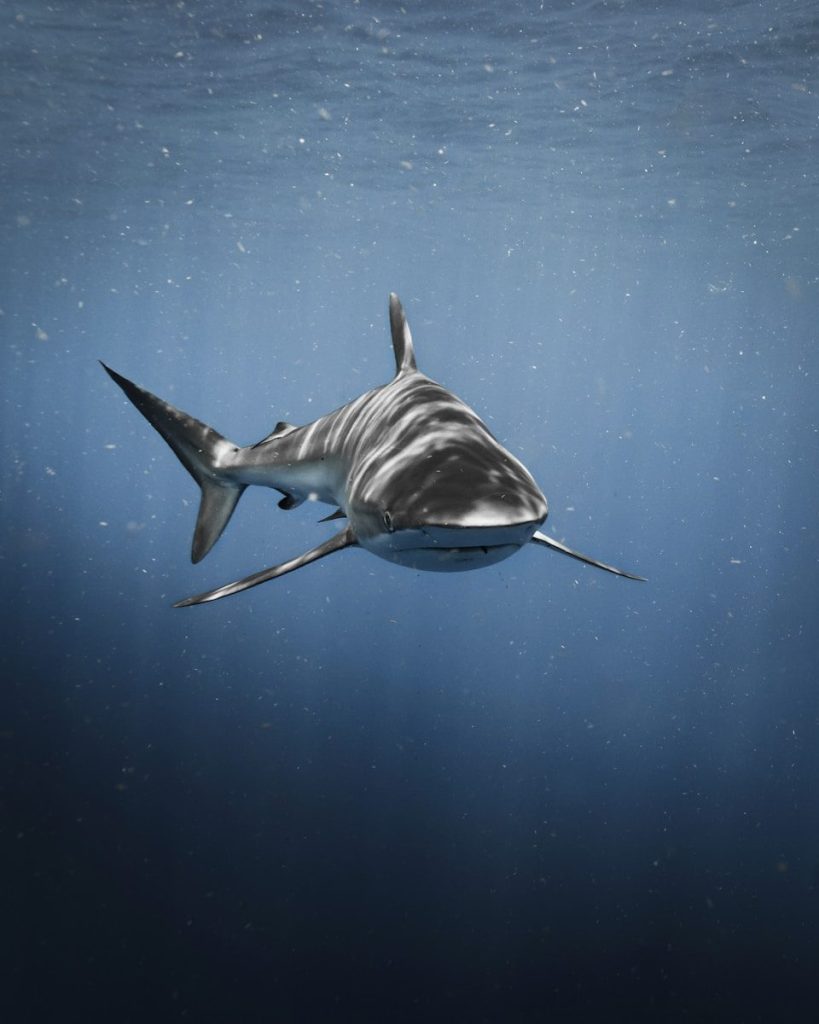
    The team spent time exploring the waters and documenting marine life. As the expedition continued, they had close encounters with several sharks, making the trip a success even before the most dramatic moment.

    An unexpected discovery

    a shark swimming in the ocean with its mouth open
    Photo by Gerald Schömbs on Unsplash

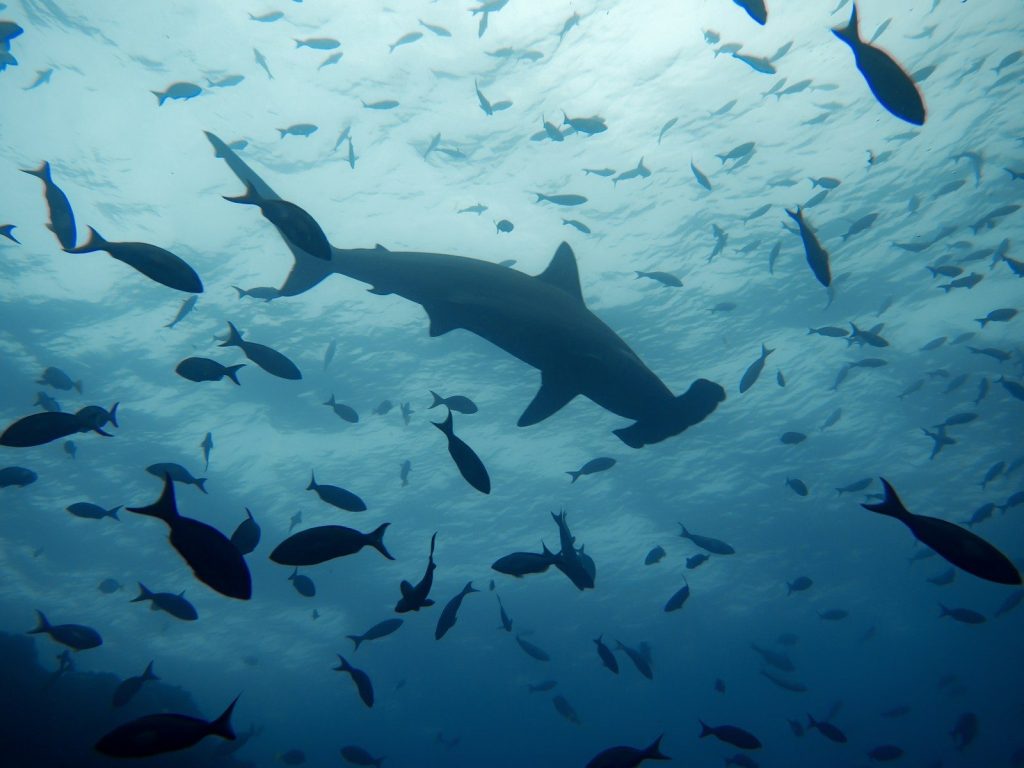
    As the adventure was winding down, Mark noticed something remarkable in the water. A giant hammerhead shark appeared near the group, creating an unforgettable moment for everyone involved.

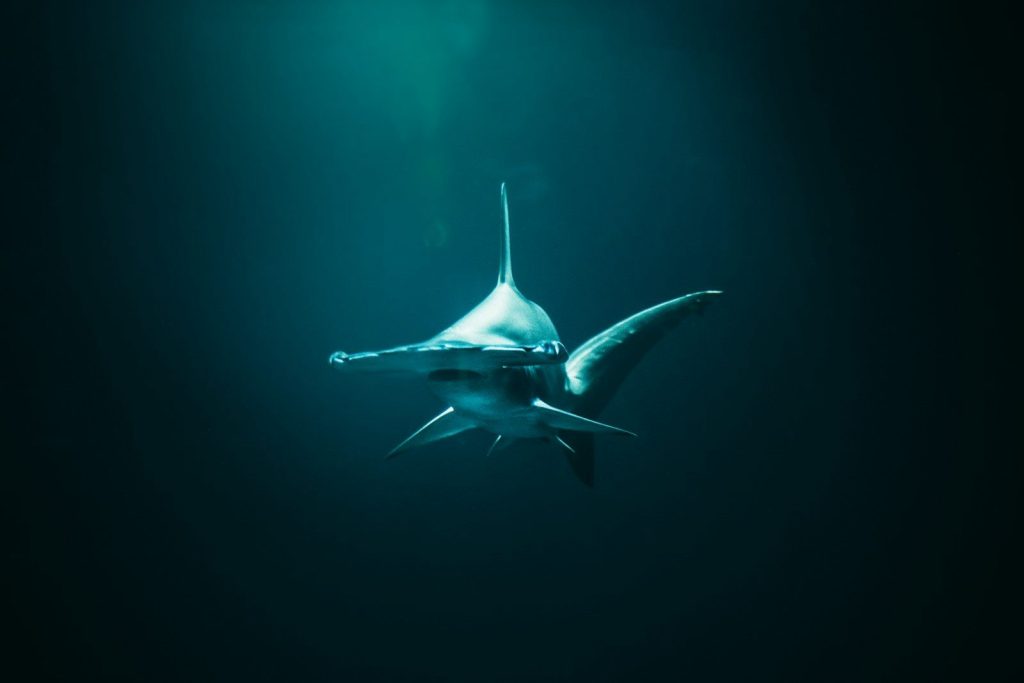
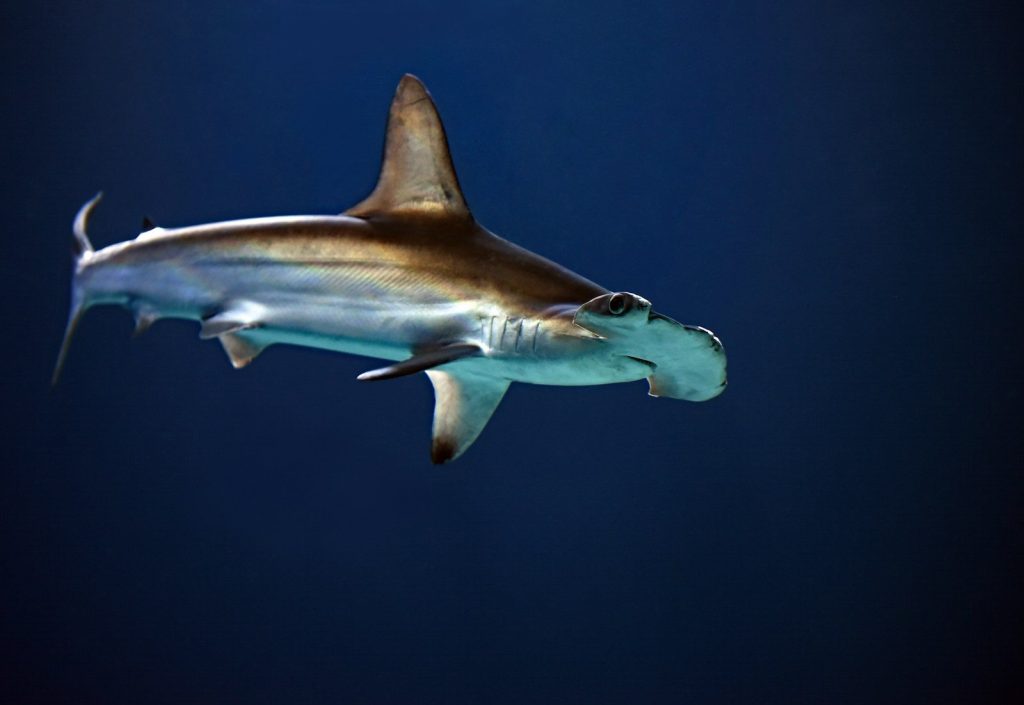
    The shark’s enormous size immediately stood out. Hammerhead sharks are already among the most recognizable shark species because of their unique head shape, but this individual seemed especially impressive for its sheer size.

    A close look at a giant predator

    closeup photo of hammerhead shark
    Photo by Jonas Allert on Unsplash

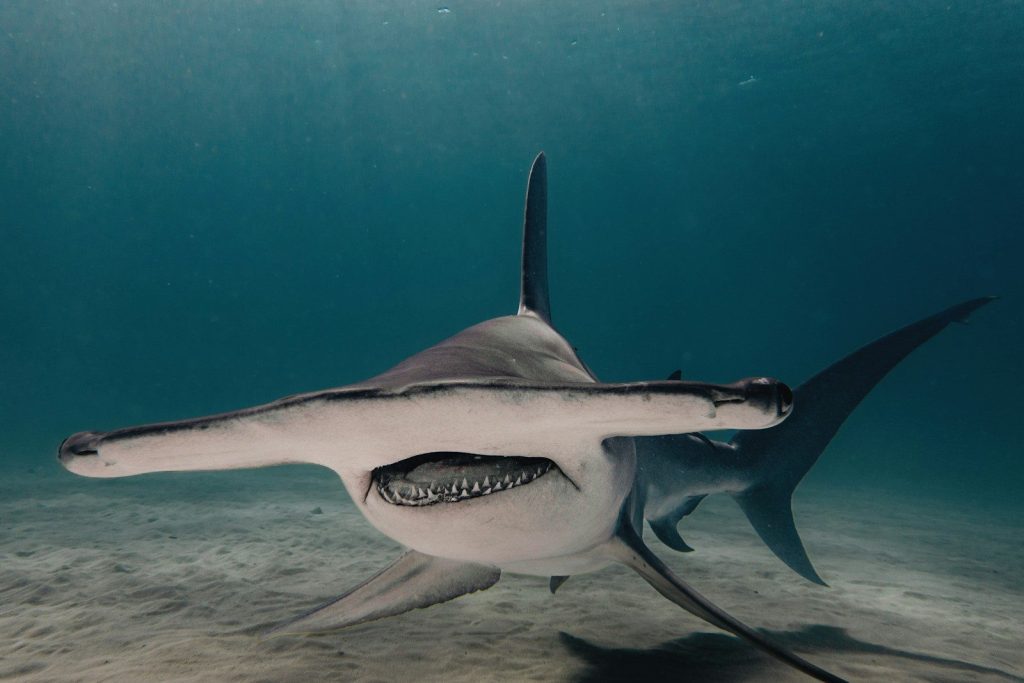
    The sighting allowed Mark and the crew to observe the hammerhead shark in its natural environment. Watching such a large predator move through the water provided a rare opportunity to appreciate its power and grace.

    Great hammerhead sharks are among the largest hammerhead species in the world. Some individuals found in Bahamian waters can reach impressive sizes, making encounters with them especially memorable for divers and wildlife filmmakers.

    Why the Bahamas attracts shark enthusiasts

    a large group of fish swimming in the ocean
    Photo by Heidi Bruce on Unsplash

    The Bahamas has become one of the world’s most famous destinations for shark encounters. Areas such as Tiger Beach attract visitors hoping to observe large marine predators in clear ocean waters.
    The region is known for hosting a variety of shark species, including tiger sharks, reef sharks, and hammerheads. These conditions make it a popular destination for wildlife photography, conservation awareness, and marine education.

    The importance of shark encounters

    hammerhead shark
    Photo by David Clode on Unsplash

    Experiences like Mark Vins’ encounter help people better understand sharks and their role in ocean ecosystems. Seeing these animals in the wild often replaces fear with appreciation and curiosity.

    Wildlife programs also give viewers a chance to learn about species they may never encounter themselves. By showcasing sharks in their natural habitats, filmmakers help highlight the importance of protecting healthy marine environments.

    A memorable ending to the expedition

    a large black and white shark swimming in the ocean
    Photo by Gerald Schömbs on Unsplash

    What began as a search for large sharks turned into an extraordinary encounter with a massive hammerhead shark. The animal’s unexpected appearance created a dramatic ending to the Blue Wilderness adventure.

    For Mark Vins and his crew, the sighting served as a reminder that the ocean still holds many surprises. Moments like these continue to inspire fascination with marine life and encourage people to learn more about the creatures that inhabit the world’s oceans.

  • Why do orcas keep targeting boats off Spain and Portugal?

    Why do orcas keep targeting boats off Spain and Portugal?

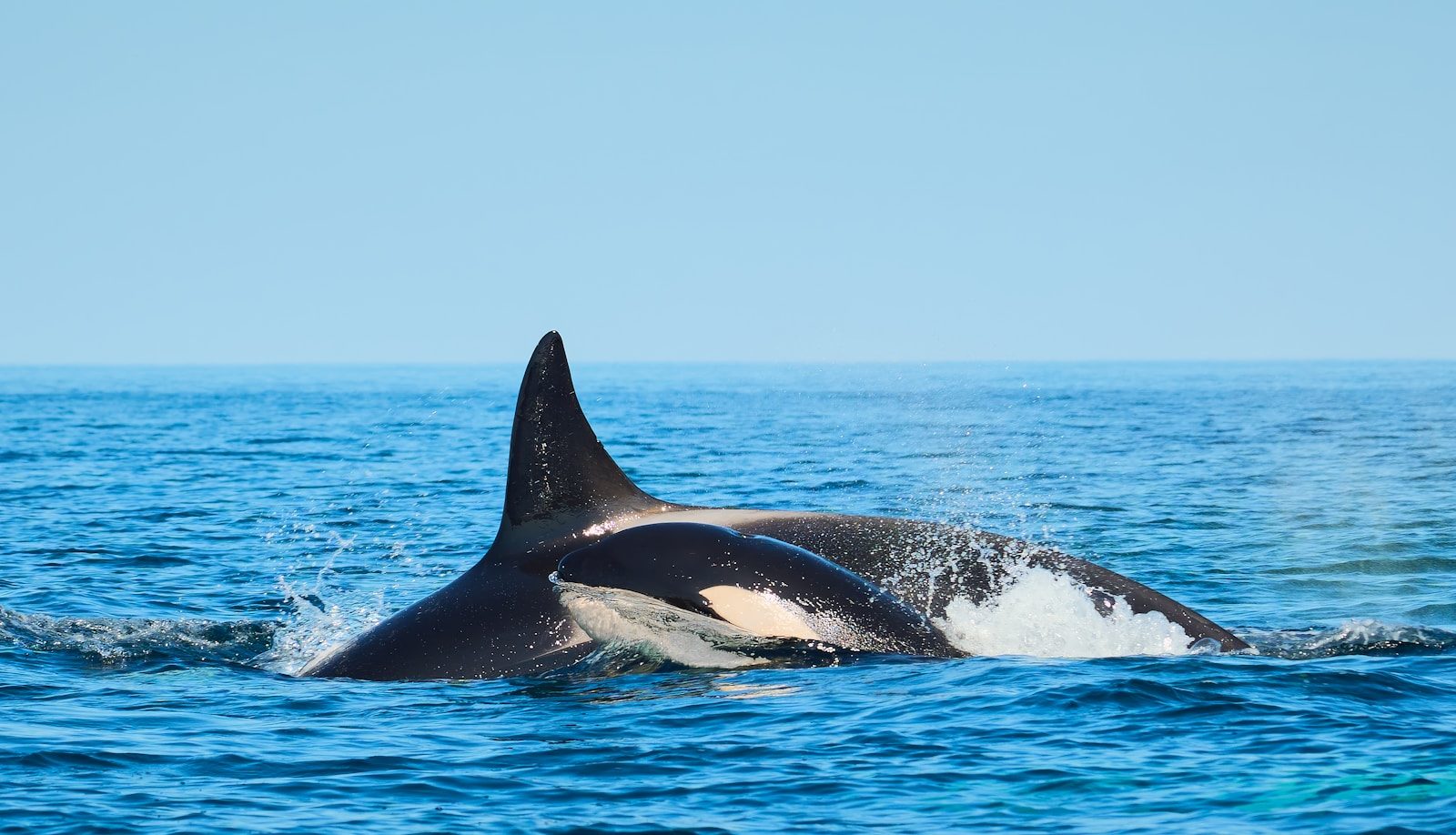
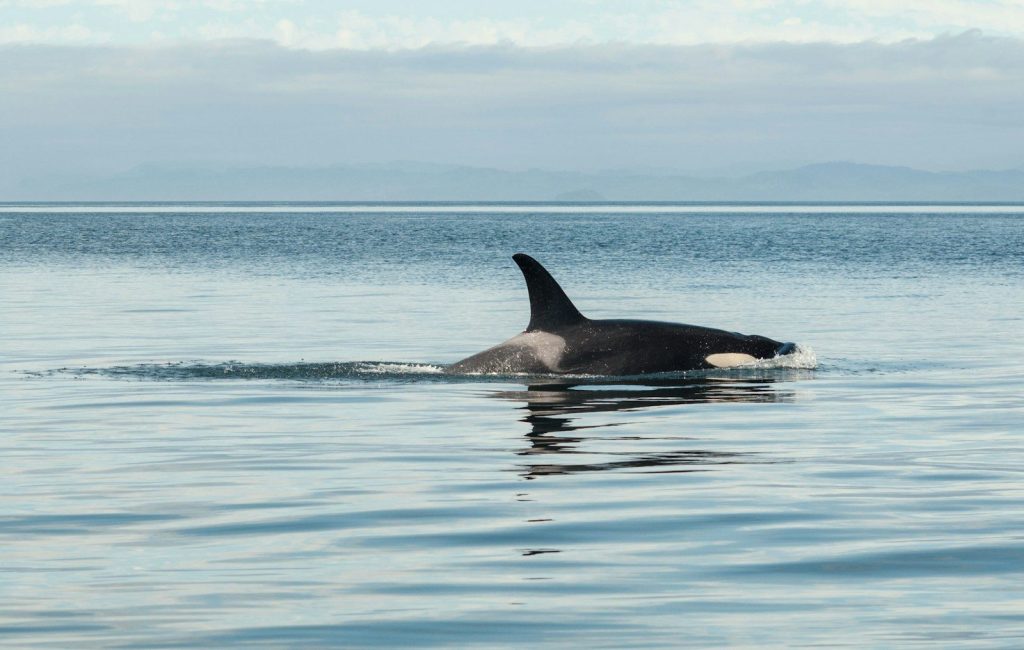
    For centuries, orcas have been known as intelligent and highly social animals. But in recent years, a group of killer whales has been displaying a behavior that has surprised sailors and scientists alike.

    Since 2020, orcas living near Spain and Portugal have repeatedly approached boats, rammed them, and damaged their rudders. Some vessels have even sunk after these encounters. With hundreds of reported interactions and no clear explanation, researchers are working to understand why these orcas are targeting boats and whether the behavior could continue spreading through the population.

    A new behavior appeared in 2020

    black killer whale on top of water
    Photo by Tim Cole on Unsplash

    The unusual encounters began in May 2020 in the Strait of Gibraltar. Sailors reported that orcas were approaching boats and making physical contact with them in ways that had not been documented before.

    Since then, the behavior has continued across the waters near Spain, Portugal, Morocco, and Galicia. Researchers estimate that more than 500 interactions occurred between 2020 and 2026, making this one of the most unusual marine wildlife events in recent history.

    Meet the orcas known as the Gladises

    a whale in the water
    Photo by Lachlan Gowen on Unsplash

    Scientists have identified a number of individual orcas linked to these interactions. The animals involved have been given the shared designation “Gladis,” a reference to an older scientific name once used for killer whales.

    Researchers have documented multiple members of different pods participating in the encounters. By 2023, at least 15 individual orcas had been associated with the behavior, suggesting it may have spread between family groups.

    How the attacks typically happen

    a whale jumping out of the water
    Photo by Lachlan Gowen on Unsplash

    Most encounters follow a similar pattern. The orcas usually approach from behind and focus their attention on the rudder, the part of a boat used for steering.

    Researchers have observed orcas pushing, ramming, biting, and twisting rudders. In some cases, the animals have completely broken or torn off the rudders. Most targeted vessels are slow-moving sailboats with large rudders, which are easy for orcas to reach.

    Hundreds of boats have been affected

    Ship sinking in the Strait of Gibraltar” by ^ Johnny is licensed under CC BY-SA 2.0

    The number of incidents has grown steadily over time. Reports increased from dozens of encounters in 2020 to hundreds over the following years as more sailors reported contact with the animals.

    More than 250 boats have reportedly suffered damage. Several vessels have sunk following encounters, although researchers note that the majority of interactions end without severe damage, and no humans have been injured during any documented event.

    Scientists still debate the cause

    Scientists in group discussion” by IITA Image Library is licensed under CC BY-NC 2.0

    Researchers have proposed several explanations for the behavior. Some believe the orcas may simply be playing or exploring objects in their environment because of their natural curiosity and intelligence.

    Others suggest the behavior may be defensive or linked to a previous negative encounter involving one of the animals. Additional theories include frustration with boat activity, reactions to underwater noise, or even a temporary cultural trend that spread between orca groups through social learning.

    How humans are responding

    a large ship in the water
    Photo by William Rudolph on Unsplash

    The increase in encounters has prompted new efforts to protect both sailors and the endangered Iberian orca population. Scientists, government agencies, and conservation groups have formed working groups to monitor and study the incidents.

    Authorities have issued navigation warnings, tested deterrent methods, and explored tracking programs to better understand the whales’ movements. Researchers continue collecting data in hopes of learning why the behavior started and whether it will continue in the future

  • Boy critically injured after being thrown into crocodile enclosure

    Boy critically injured after being thrown into crocodile enclosure

    A visit to the zoo turned into a nightmare when a three-year-old boy was thrown into a crocodile enclosure by another visitor. The shocking incident happened at a zoo in the United Kingdom and left the child with life-threatening injuries.

    The boy reportedly fell about 15 feet into the crocodile exhibit below after being thrown from an overhead walkway. He was later rescued and rushed to the hospital, where he remains in critical condition. The incident has sparked concern about visitor safety and led to an ongoing investigation.

    A normal zoo visit turned tragic

    two alligators are sitting on some rocks
    Photo by Didin Hasbullah on Unsplash

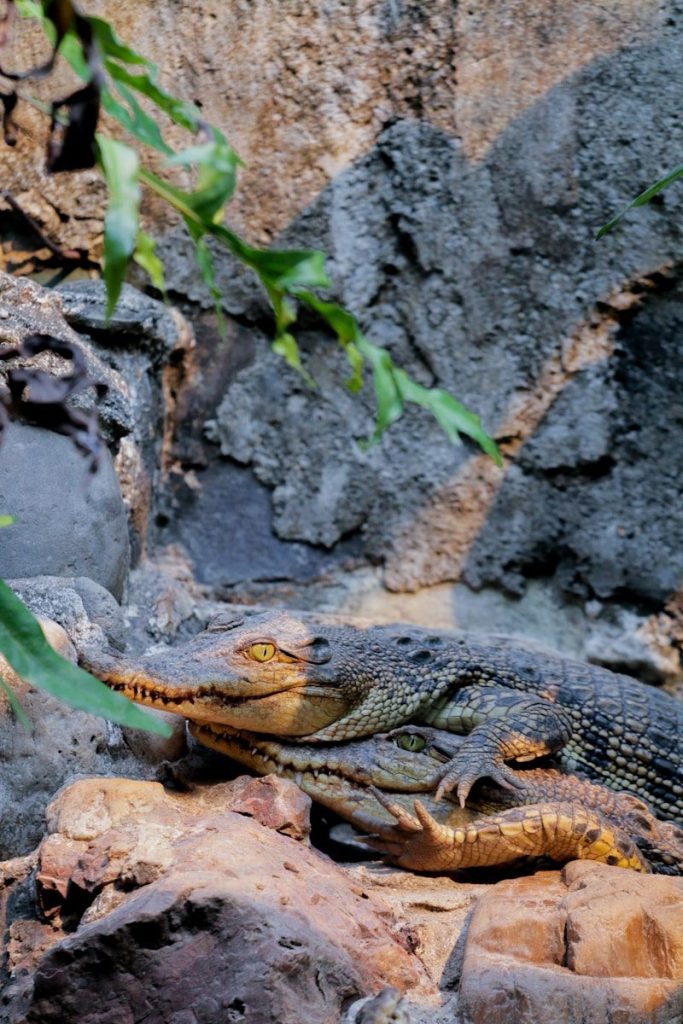
    The young boy was watching crocodiles from an overhead viewing area when the incident occurred. According to reports, a man described as having learning difficulties suddenly threw the child into the enclosure below.

    The fall sent the boy approximately 15 feet into an area occupied by multiple crocodiles. What began as a routine day at the zoo quickly became a frightening emergency for visitors and staff.

    Crocodiles reportedly attacked the child

    green crocodile
    Photo by Anthony Choren on Unsplash

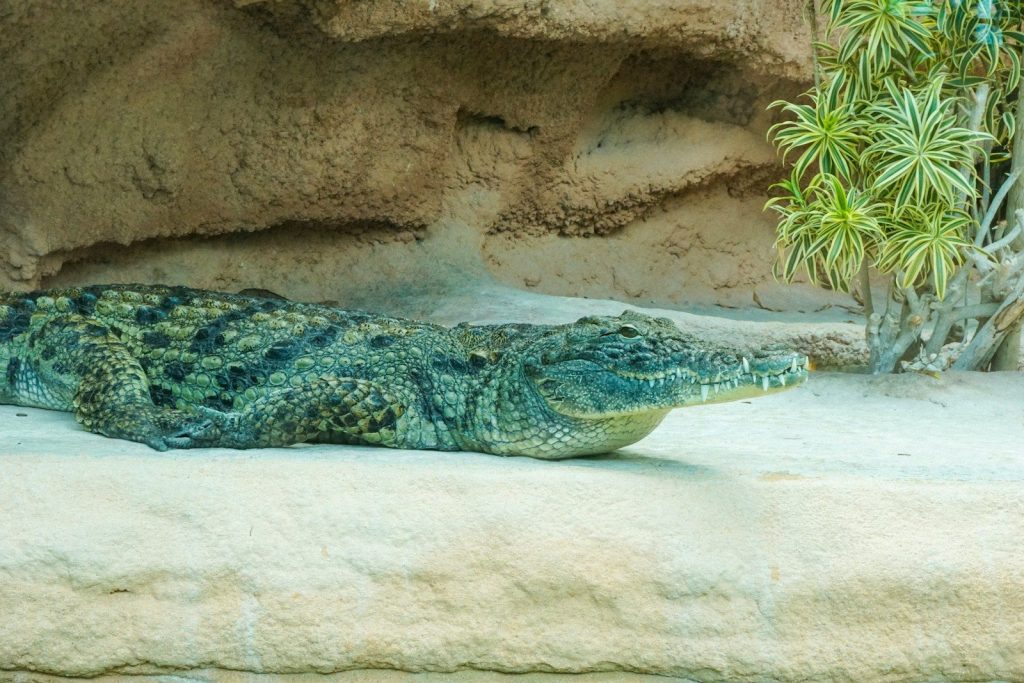
    Experts believe the boy was attacked by at least one crocodile after landing inside the exhibit. The enclosure housed more than a dozen crocodiles, including Nile crocodiles named Romeo and Cuddles.

    Wildlife specialist Chris Newman explained that even a single investigatory bite from a crocodile could cause devastating injuries to a small child. The presence of numerous large reptiles made the situation especially dangerous.

    Heroic rescue efforts followed

    Three people standing in a forest
    Photo by Frederick Shaw on Unsplash

    As the emergency unfolded, Tracey Johnson, the zoo owner’s wife, entered the enclosure to save the child. Her actions helped raise awareness of the urgency of the situation.

    Emergency responders and zoo staff worked quickly to remove the boy from danger. Their rapid response helped ensure the child received immediate medical treatment following the incident.

    Child remains in critical condition

    child lying on bed while doctor checking his mouth
    Photo by National Cancer Institute on Unsplash

    The boy was transported to a hospital, where doctors continue to treat his injuries. Reports indicate that he suffered a broken pelvis and a broken arm, along with other serious injuries.

    Medical teams are closely monitoring his condition as he receives ongoing care. The incident has generated widespread concern, and many people continue to hope for his recovery.

    The investigation focuses on the suspect

    a close up of a police car with its lights on
    Photo by Max Fleischmann on Unsplash

    Authorities arrested a 30-year-old man in connection with the incident. Investigators initially detained him on suspicion of attempted murder following the child’s injuries.

    However, police later released the man on bail after determining he was not fit to be interviewed. Officials continue to investigate the circumstances surrounding the incident and the factors that may have led to the shocking event.

    Zoo closes reptile facility

    white and black wooden signage
    Photo by Andrew Winkler on Unsplash

    Following the incident, the zoo closed its tropical house indefinitely. The facility contains more than a dozen crocodiles and remains off limits while authorities review the situation.

    Zoo co-owner Andy Johnson said his thoughts remain with the injured child and his family. The closure reflects the seriousness of the incident as investigations and safety reviews continue.

  • Orca shocks scientists with solo great white shark hunt

    Orca shocks scientists with solo great white shark hunt

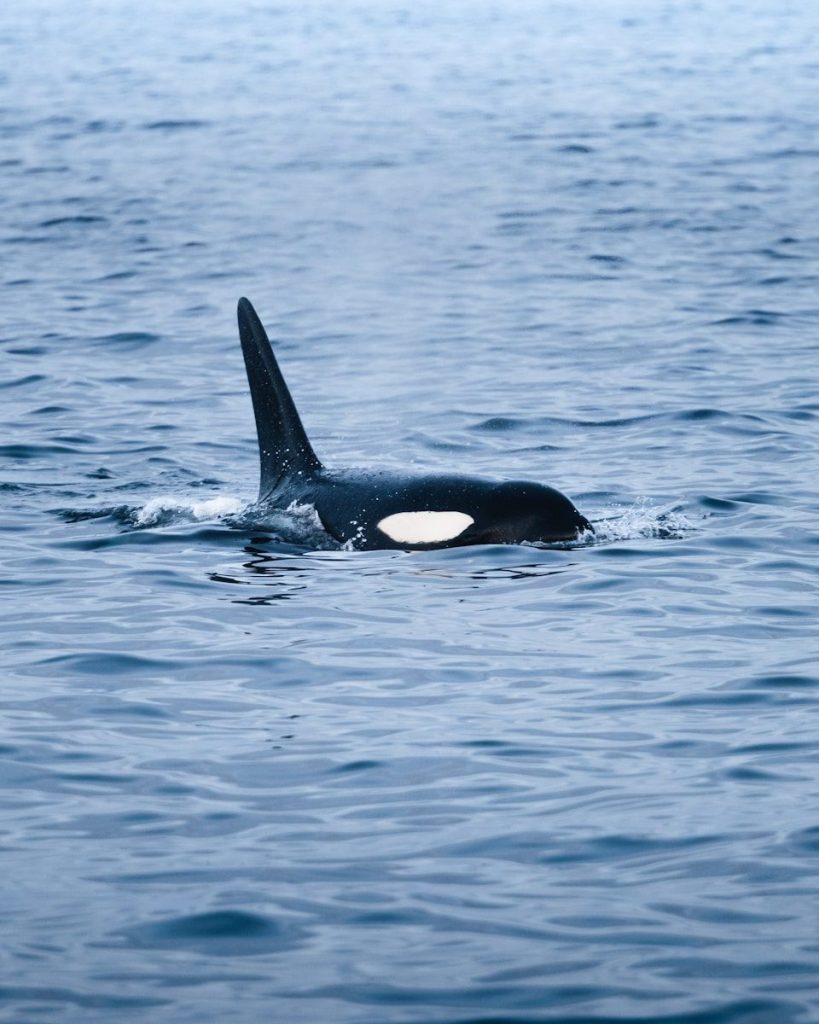
    Great white sharks are often considered among the ocean’s most powerful predators. But a recent event off the coast of South Africa showed that even these feared hunters can become prey.

    Researchers captured rare drone footage of a lone orca killing a great white shark in less than two minutes near Mossel Bay. The remarkable attack challenged previous beliefs about how orcas hunt sharks and raised new questions about the future impact on shark populations and marine ecosystems. Scientists are now studying whether this unusual behavior could spread among other killer whales.

    A rare hunting event surprises researchers

    a black and white animal swimming in the ocean
    Photo by Tomáš Malík on Unsplash

    The attack near Mossel Bay marked the first documented case of a single orca killing a great white shark so quickly. Until now, scientists believed that attacks on great white sharks typically involved coordinated efforts by two or more orcas.

    The footage provided researchers with a unique opportunity to observe the behavior in detail. The event demonstrated that a lone killer whale may be capable of taking down one of the ocean’s most powerful predators without assistance.

    The attack lasted less than two minutes

    A whale is swimming in the ocean
    Photo by Vidar Nordli-Mathisen on Unsplash

    According to researchers, the entire encounter was remarkably brief. The orca attacked and killed the great white shark in approximately 2 minutes, highlighting the predator’s efficiency.

    The speed of the attack surprised scientists because great white sharks are large, powerful animals. The incident showed how quickly an experienced orca can overpower a shark despite the shark’s size and reputation as an apex predator.

    The shark’s liver was the target

    grey and white shark underwater
    Photo by Hunter Newton on Unsplash

    Researchers observed that the orca specifically targeted the shark’s liver during the attack. This behavior has been documented in previous encounters involving multiple orcas.

    The liver of a great white shark is rich in nutrients and energy. The fact that a single orca successfully performed this specialized hunting technique suggests that the behavior may be more advanced and adaptable than previously understood.

    Scientists question how the behavior develops

    a whale in the water
    Photo by Lachlan Gowen on Unsplash

    One of the biggest questions involves whether this was an isolated event or part of a larger trend. Researchers do not yet know if the same orca has repeated the behavior on other occasions.

    Scientists are also unsure whether multiple orcas are independently learning the technique. Without additional observations, it remains difficult to determine how widespread this hunting strategy may become among killer whale populations.

    Potential effects on shark populations

    a lone orca swimming in a large body of water
    Photo by Yuanpang Wa on Unsplash

    If more orcas begin hunting great white sharks in this manner, researchers believe shark numbers at key aggregation sites could decline more rapidly. Such changes could affect the balance of marine ecosystems.

    Great white sharks play an important role as top predators. A significant reduction in their numbers could affect prey populations and alter relationships throughout the food chain.

    Economic and environmental concerns

    a dolphin swimming in the ocean with its head above the water
    Photo by Ray Harrington on Unsplash

    The possible spread of this hunting behavior could also affect communities that rely on shark tourism. Many coastal regions attract visitors who hope to observe great white sharks in their natural habitat.

    Researchers emphasize that more data is needed before drawing firm conclusions. Understanding whether solo shark hunting becomes common among orcas will help scientists evaluate the long-term ecological and economic consequences of this remarkable behavior.

  • Shark attack victim remains on life support as infection fears grow

    Shark attack victim remains on life support as infection fears grow

    A shark attack can change lives in a matter of seconds. For Leah Stewart and her family, that reality became painfully clear after a suspected great white shark attacked her at Coogee Beach in Australia. While the dramatic rescue saved her life, her recovery remains far from certain.

    Leah Stewart is still in intensive care and on life support as doctors work to treat her severe injuries. Her family has warned that infection remains one of the biggest threats because her wounds were contaminated with sand and debris during the attack. The incident has also sparked fresh debate about shark safety measures and beach protection policies across Australia.

    Leah Stewart remains in critical condition

    a woman laying in a hospital bed with an iv in her hand
    Photo by Stephen Andrews on Unsplash

    Leah Stewart continues to receive treatment at St Vincent’s Hospital after suffering serious injuries in the shark attack. According to her family, she has undergone additional complex surgeries involving several specialist medical teams.

    Doctors remain concerned about the condition of her wounds. The injuries were contaminated with sand and debris, creating an extreme risk of infection. This complication has added another challenge to an already difficult recovery process as medical staff works to stabilize her condition.

    Community support grows during recovery

    a person in a hospital bed with an iv
    Photo by Olga Kononenko on Unsplash

    As Stewart continues her fight for recovery, support from the community has poured in. More than $420,000 has been donated to help her family cope with the challenges ahead.

    The support has gone beyond financial contributions. Friends, strangers, and local residents have provided meals, messages of encouragement, and decorations for her hospital room. These gestures have helped lift her family’s spirits during an incredibly difficult time.

    The terrifying attack at Coogee Beach

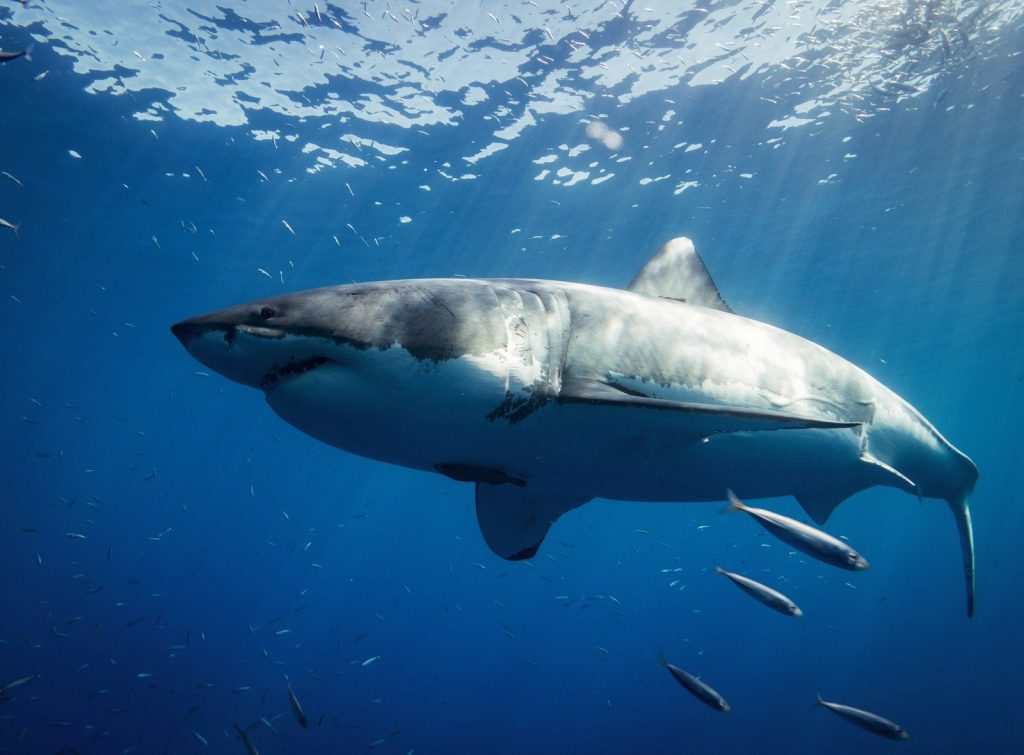
    great white shark
    Photo by Marcelo Cidrack on Unsplash

    The attack occurred on June 13 while Stewart was swimming at Coogee Beach. Reports indicate she was less than 30 meters from shore and inside the designated safety flags when the incident happened.

    Witnesses described seeing blood in the water as panic spread across the beach. The shark involved is believed to have been a great white measuring about 3.5 meters in length. The incident shocked beachgoers because it happened in an area where swimmers generally expect a higher level of safety.

    A heroic rescue saved her life

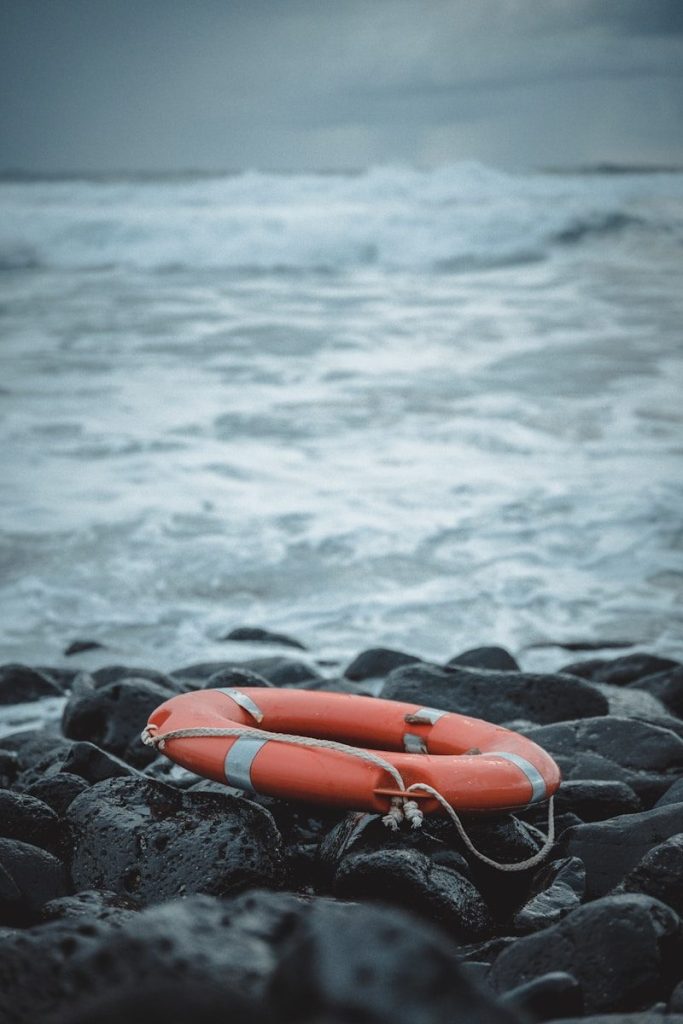
    red inflatable ring on black rock near body of water during daytime
    Photo by Janosch Diggelmann on Unsplash

    One of the most remarkable parts of the story was the response from those nearby. Off-duty lifeguard Charlie Verco quickly entered the water and paddled toward Stewart despite the dangerous conditions.

    After reaching her, Verco pulled Stewart onto his paddleboard and brought her back to shore. Once on the beach, bystanders and an off-duty doctor helped provide emergency care, including the use of life-saving tourniquets. Their quick actions are widely credited with helping keep her alive until professional medical teams arrived.

    Debate grows over shark safety measures

    a great white shark with its mouth open in the water
    Photo by Alex Steyn on Unsplash

    The attack has reignited discussion about how authorities should respond to shark incidents. Former Australian Prime Minister Tony Abbott called for a shark cull, arguing that public safety should come first.

    However, New South Wales Premier Chris Minns rejected the proposal. He pointed to the protected status of great white sharks and said there is no clear evidence that culling would improve swimmer safety. Marine scientists have also argued that shark behavior is complex and that removing sharks may not reduce future attacks.

    Emergency surveillance and future concerns

    a great white shark swimming in the ocean
    Photo by Oleksandr Sushko on Unsplash

    Following the attack, authorities approved temporary drone surveillance at Coogee Beach. Drones were not operating at the location when the incident occurred because the area lies beneath a flight path.

    The attack also comes during a year that has seen an unusually high number of shark-related fatalities in Australia. By mid-June 2026, four fatal shark incidents had already been recorded, exceeding the country’s typical annual average. Experts believe environmental factors, including water conditions and prey movement, may be affecting shark activity near popular beaches, leading to renewed calls for expanded monitoring and prevention efforts.

  • A new study challenges how scientists classify sharks

    A new study challenges how scientists classify sharks

    Sharks have been swimming through Earth’s oceans for hundreds of millions of years. They are among the oldest groups of animals still alive today and have become symbols of ocean life through documentaries, research, and popular culture. Because sharks seem so familiar, many people assume scientists fully understand how they are related to one another.

    However, new genetic research suggests the story may be far more complicated. By studying the genomes of nearly 40 shark species, researchers uncovered evidence that challenges long-held assumptions about shark evolution. The findings suggest some animals traditionally called sharks may belong to a distinct evolutionary branch, potentially changing how scientists understand one of the ocean’s most famous groups.

    Sharks have an ancient history

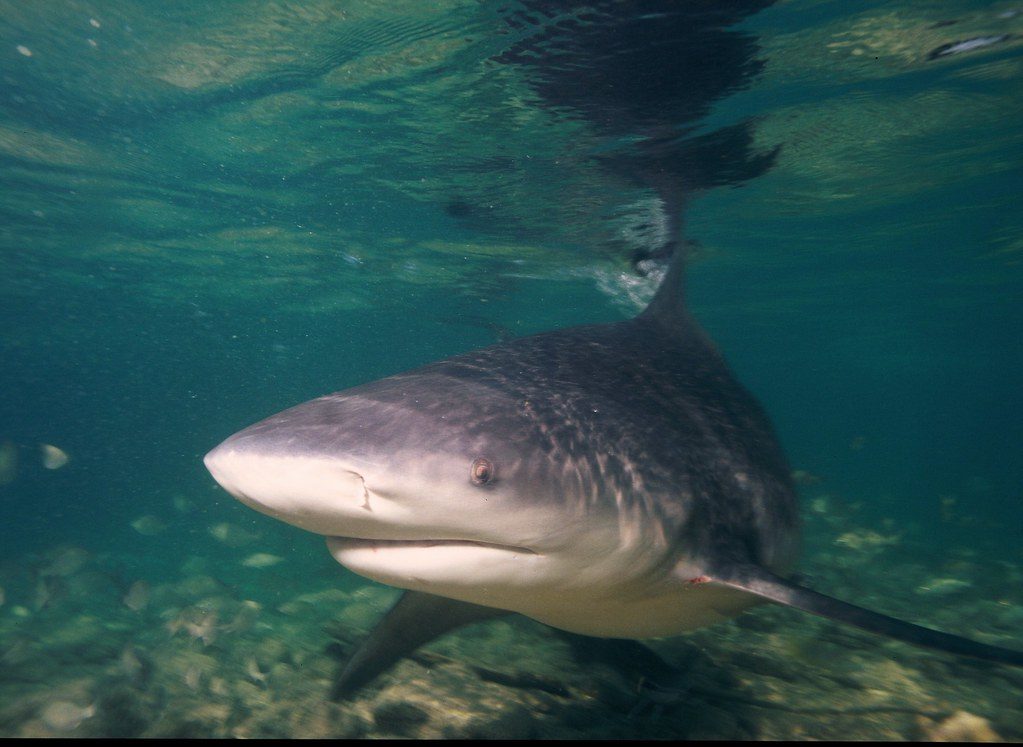
    bull shark 1” by AlKok is licensed under CC BY-NC-SA 2.0

    Shark-like fish are believed to have appeared around 450 million years ago. This means they existed long before many other familiar forms of life and have survived multiple mass extinction events throughout Earth’s history.

    Their long evolutionary journey has allowed sharks to diversify into many forms. Today, they are found in oceans worldwide and include species ranging from small bottom-dwelling sharks to large apex predators such as the great white shark.

    Scientists studied dozens of shark genomes

    a great white shark swimming in the ocean
    Photo by Chase Baker on Unsplash

    To better understand shark relationships, researchers analyzed 38 published shark genomes. Genomes contain genetic information that can reveal how species are related and when different evolutionary branches emerged.

    The study focused on comparing major groups of sharks, skates, and rays. By examining genetic similarities and differences, researchers were able to build a more detailed picture of how these animals evolved over time.

    Rays and skates may be closer to sharks than expected

    “Tiger shark” by WIlly Volk is licensed under CC BY-NC-SA 2.0

    One of the study’s most surprising findings involved skates and rays. Traditionally, these animals have been viewed as separate from sharks despite belonging to the same broader group of cartilaginous fish.

    The genetic evidence suggested that rays and skates may actually be more closely related to many sharks than certain species currently classified as sharks. This finding challenges the traditional understanding of shark ancestry and evolutionary relationships.

    Some sharks may represent a separate lineage

    Cow shark (Notorynchus cepedianus)” by Derek Keats is licensed under CC BY 2.0

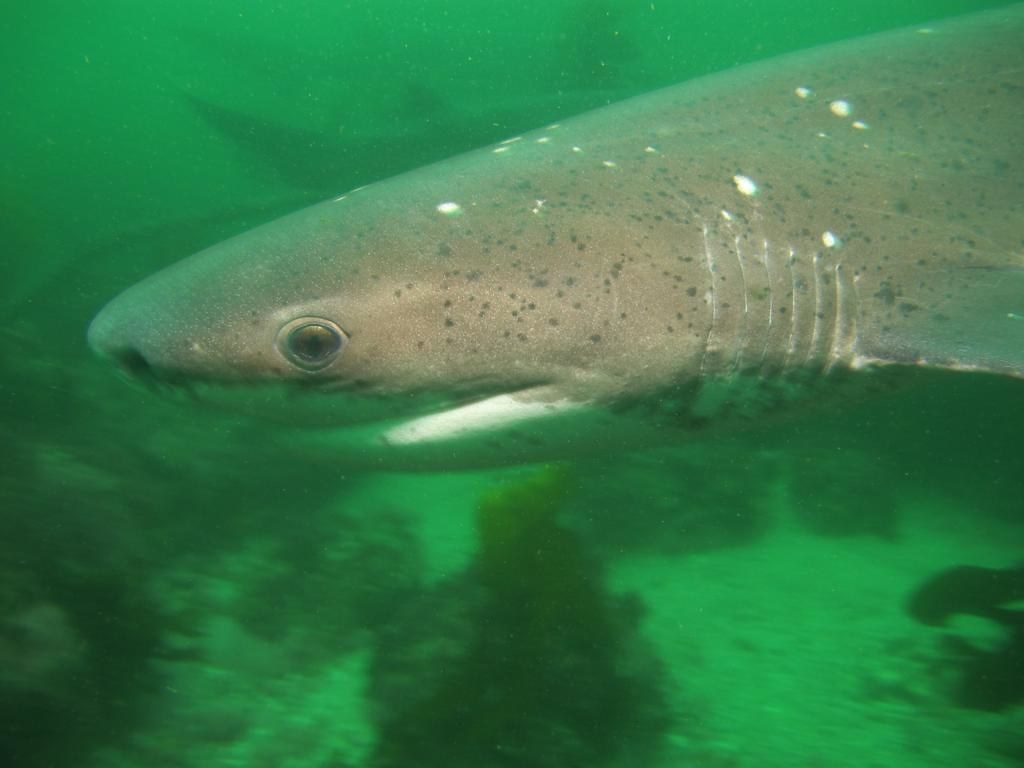
    The study identified a group, the hexanchiform sharks, which includes frilled and cow sharks, as evolutionarily distinct from other sharks. These species possess several unusual physical traits compared with more familiar shark species.

    Characteristics such as additional gill openings, primitive jaws, and eel-like bodies have long set them apart visually. The genetic analysis now suggests those differences may reflect a much deeper evolutionary separation than previously recognized.

    What it means to be paraphyletic

    white and black shark underwater
    Photo by Gerald Schömbs on Unsplash

    Researchers concluded that sharks may form a paraphyletic group. In simple terms, this means the group shares a common ancestor but does not include all descendants of that ancestor.

    If this interpretation is correct, some animals traditionally considered separate from sharks, such as rays and skates, may belong within a broader shark lineage. Meanwhile, certain shark species may occupy a more distant branch of the evolutionary tree.

    Why the discovery matters

    a shark swimming in the ocean with a fish nearby
    Photo by Michael Worden on Unsplash

    Genetic research continues to transform how scientists understand the history of life. As new technologies enable researchers to examine genomes in greater detail, long-accepted classifications can be tested and, in some cases, revised.

    The findings also highlight the importance of studying species that face conservation challenges. Understanding evolutionary relationships helps scientists better appreciate biodiversity and may support efforts to protect ancient lineages that have survived for hundreds of millions of years.

  • A whale carried a 19th-century harpoon for more than 100 years

    A whale carried a 19th-century harpoon for more than 100 years

    Some animals live long enough to witness major changes in the world around them. Few, however, carry physical evidence of that history inside their bodies. In 2007, a bowhead whale harvested during a subsistence hunt in Alaska revealed an extraordinary secret. Embedded deep within its flesh were fragments of a harpoon dating back to the late nineteenth century.

    The discovery provided researchers with a rare opportunity to estimate the whale’s age and offered powerful evidence of the remarkable lifespan of bowhead whales. The find also connected modern scientists to the era of commercial whaling, revealing how one animal survived for more than a century after a potentially deadly encounter.

    A discovery hidden beneath the skin

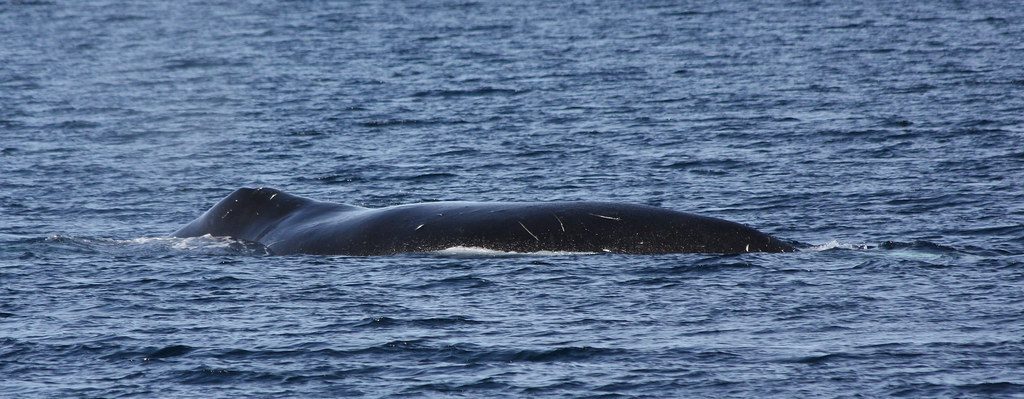
    Dead Bowhead Whale” by Bering Land Bridge National Preserve is licensed under CC BY 2.0

    The remarkable find was made while the bowhead whale was being processed following a subsistence harvest in Alaska. During the examination, a biologist noticed several unusual metal fragments buried within the animal’s tissue.

    The fragments appeared old and did not resemble modern equipment. Recognizing their potential significance, researchers sent the pieces to experts who specialized in whaling history. What they discovered would reveal an incredible story spanning more than a century.

    The harpoon dates back to the 1800s

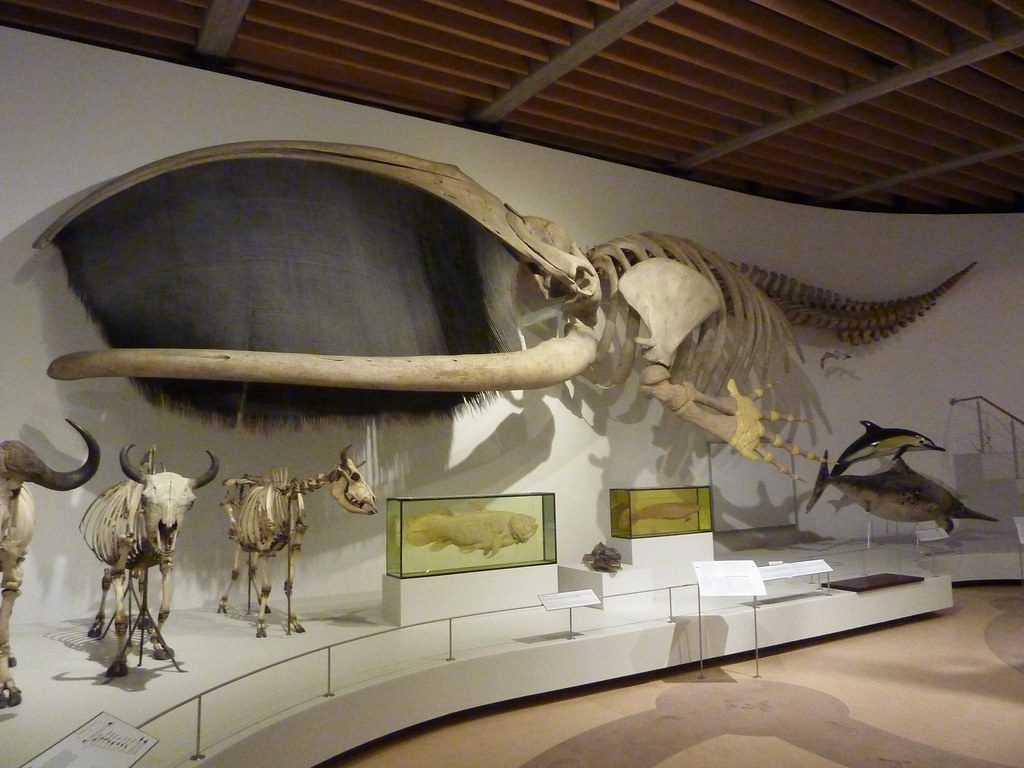
    Bowhead whale skeleton with baleen” by Beth M527 is licensed under CC BY-NC 2.0

    Historians identified the metal fragments as parts of an exploding lance, a type of harpoon used during the height of commercial whaling. The weapon was commonly associated with whaling operations based in New Bedford, Massachusetts.

    Experts determined that the harpoon design matched a model produced between 1879 and 1885. Based on the available evidence, researchers estimated the whale was likely struck around 1890. The fact that the animal survived and remained alive in 2007 suggested an astonishing age.

    A whale that lived through history

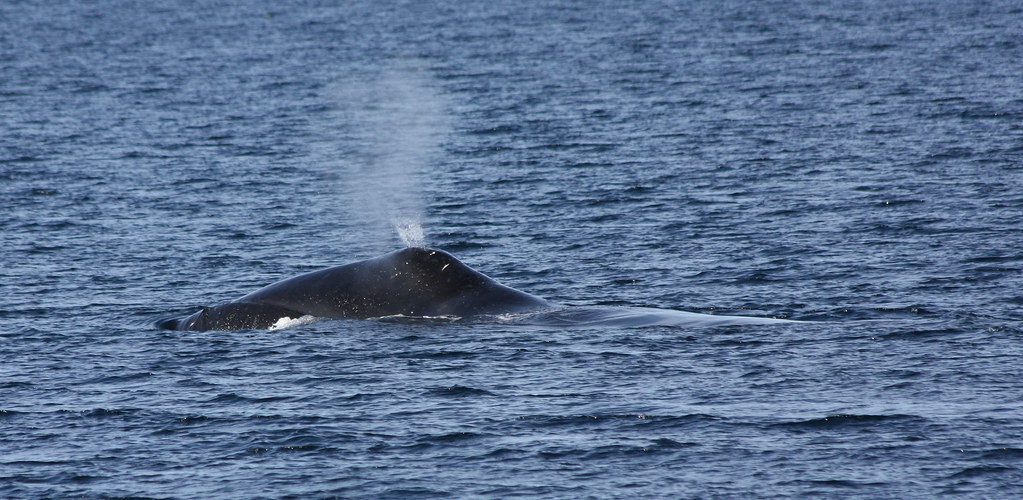
    Bowhead whale / Grønlandshval / Balaena mysticetus)” by Anne-Line Brink is licensed under CC BY-NC-ND 2.0

    Using the estimated date of the harpoon strike, scientists concluded that the whale was approximately 115 years old. The actual age may have been even greater, since the animal could have been several years old before the encounter occurred.

    This meant the whale had lived through dramatic changes in both human history and the natural world. It survived the final decades of commercial whaling and continued swimming through Arctic waters long after the industry that targeted its species had disappeared.

    The rise and recovery of bowhead whales

    Bowhead whale / Grønlandshval / Balaena mysticetus)” by Anne-Line Brink is licensed under CC BY-NC-ND 2.0

    Bowhead whales faced intense hunting pressure during the commercial whaling era. Their populations declined sharply as whalers hunted them for valuable resources, driving them to dangerously low levels.

    Commercial hunting of bowhead whales effectively ended in 1921. Since then, conservation efforts and legal protections have helped populations recover. Today, estimates suggest there are between 10,000 and 23,000 bowhead whales, showing significant improvement from historic lows.

    How scientists estimate a whale’s age

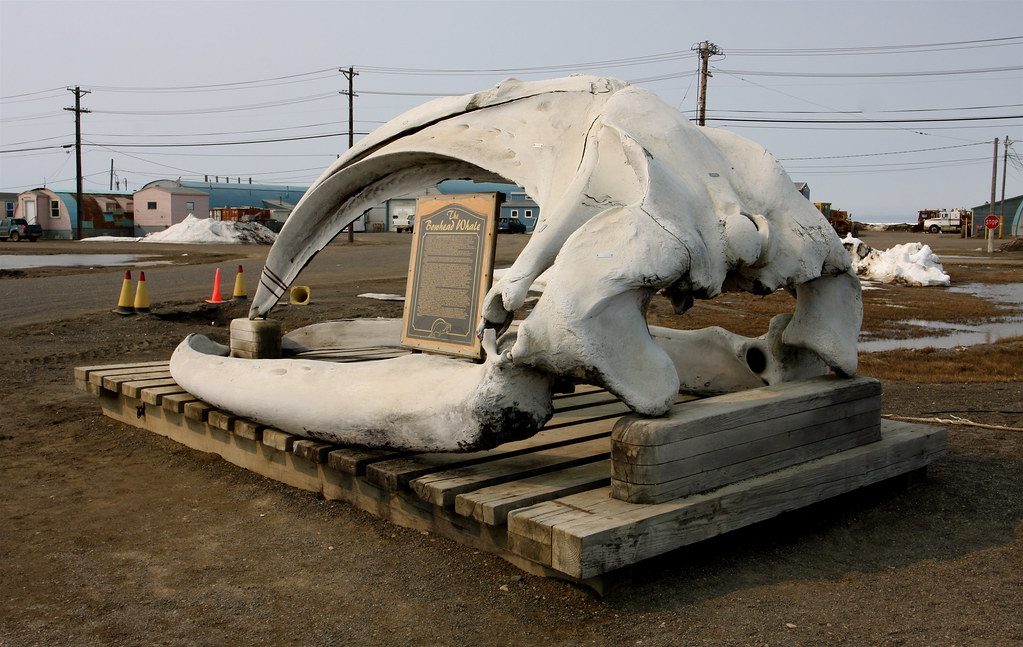
    Bowhead Whale Skull – Barrow, Alaska” by TravelingOtter is licensed under CC BY-SA 2.0

    Finding a century-old harpoon inside a whale is extremely rare, so researchers normally rely on different methods to estimate age. One of the most useful techniques involves studying amino acids found in the eye lens.

    The balance of these amino acids changes in predictable ways over time. By measuring those changes, scientists can estimate how old a whale may be. This method has provided evidence that some bowhead whales can live for more than 200 years, making them among the longest-lived mammals on Earth.

    The secret behind their remarkable longevity

    Whale Fall” by OceanNetworks Canada is licensed under CC BY-NC-SA 2.0

    Scientists continue to study why bowhead whales live so much longer than most mammals. One theory suggests that unique genetic traits may allow their cells to repair damage more effectively before dividing.

    These biological advantages could contribute to their extraordinary lifespan. Researchers believe that understanding these mechanisms may provide valuable insights into aging, longevity, and how living organisms maintain health over long periods.

  • The discovery that changed what scientists knew about deep-sea life

    The discovery that changed what scientists knew about deep-sea life

    The deepest place on Earth seems like an unlikely location for life. Buried nearly 36,000 feet beneath the Pacific Ocean, the Mariana Trench experiences crushing pressure, complete darkness, and extreme conditions. For many years, scientists wondered whether anything could survive there at all. In 1960, explorers Don Walsh and Jacques Piccard descended into the trench aboard the Trieste submarine and made a surprising observation.

    After reaching the ocean floor, they saw what appeared to be life moving through the mud. That discovery challenged assumptions about the limits of life on Earth. Today, scientists continue exploring the trench and uncovering remarkable organisms that survive in one of the planet’s most extreme environments.

    The deepest known place on Earth

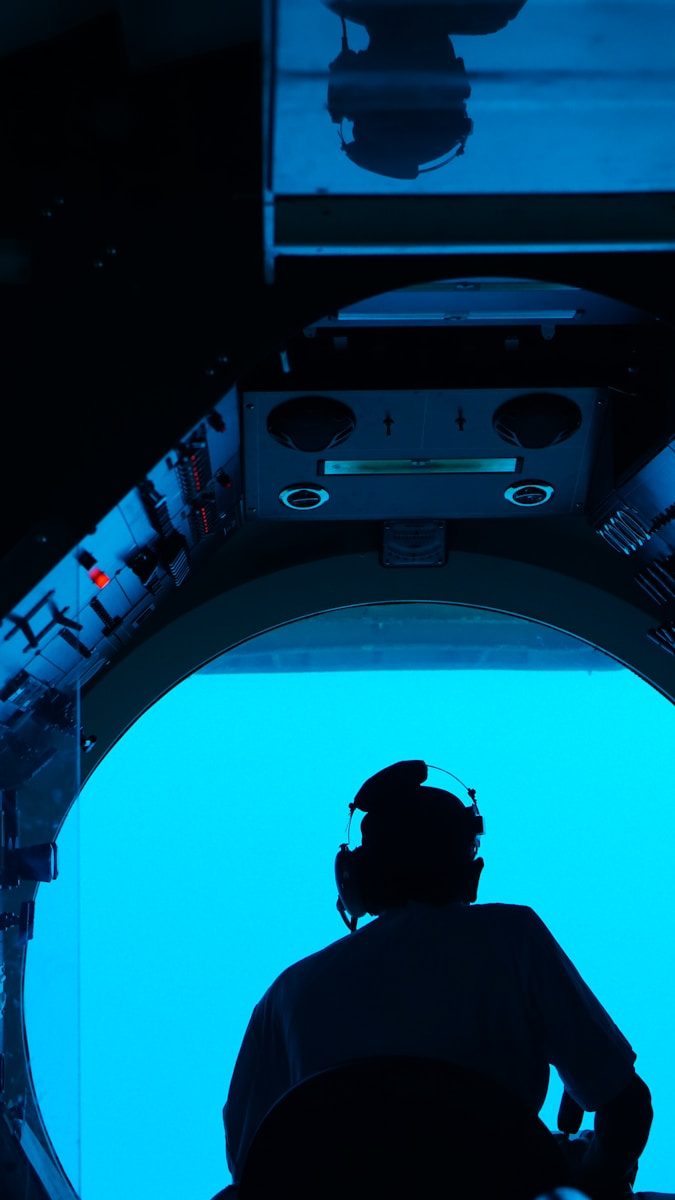
    man wearing black headphones
    Photo by Teo D on Unsplash

    The Mariana Trench is located in the Pacific Ocean and is recognized as the deepest ocean trench on the planet. Its deepest section reaches nearly 36,000 feet below the surface, making it one of the most challenging environments ever explored by humans.

    The trench is so deep that Mount Everest could fit inside it with more than a mile of water still above the mountain’s peak. These extreme depths create conditions unlike anything found closer to the surface.

    A historic journey to the ocean floor

    clear blue body of water
    Photo by Cristian Palmer on Unsplash

    In 1960, explorers Don Walsh and Jacques Piccard undertook one of the most ambitious deep-sea missions ever attempted. Their vessel, the Trieste, was specially designed to withstand the enormous pressure found at such depths.

    The descent was not without danger. During the journey, a window block cracked under pressure. Despite the setback, the mission continued, and the explorers successfully reached the bottom of the trench, making history in the process.

    An unexpected discovery in the mud

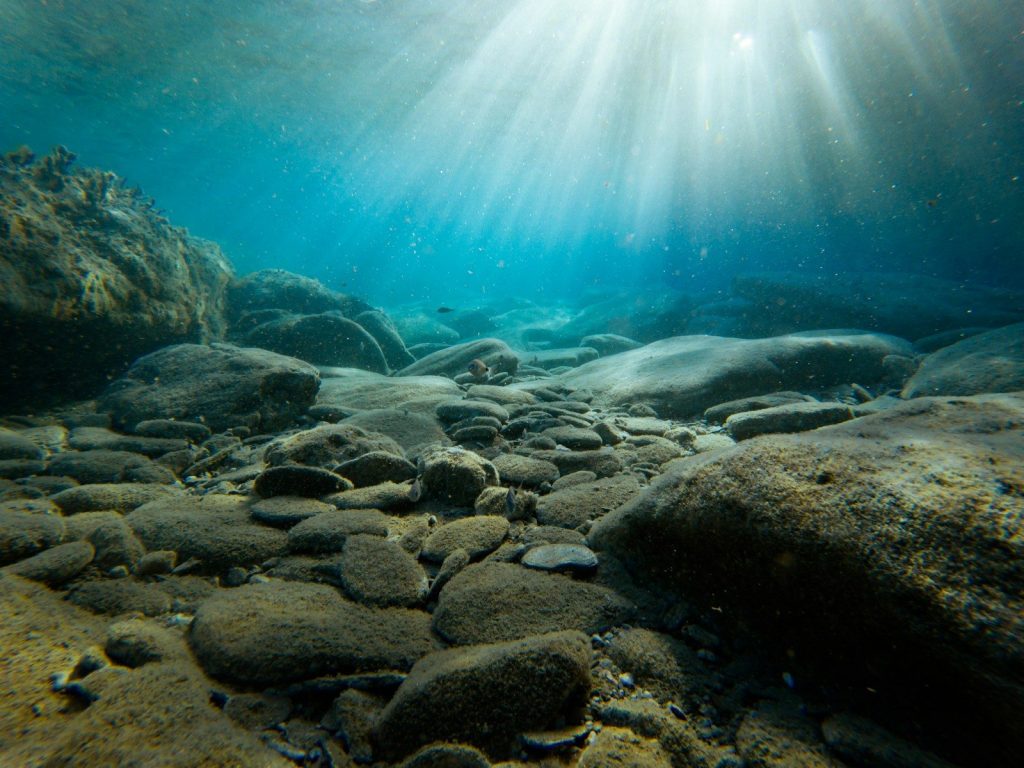
    rocks on sea bed
    Photo by Yannis Papanastasopoulos on Unsplash

    Upon reaching the ocean floor, the explorers noticed something surprising. They observed what appeared to be life moving through the muddy seabed, suggesting that even the deepest part of the ocean was not lifeless.

    This observation challenged previous assumptions about the limits of survival. Scientists had long questioned whether complex life could exist under such extreme pressure and darkness. The sighting suggested that the trench supported living organisms despite its harsh conditions.

    Life thrives in extreme environments

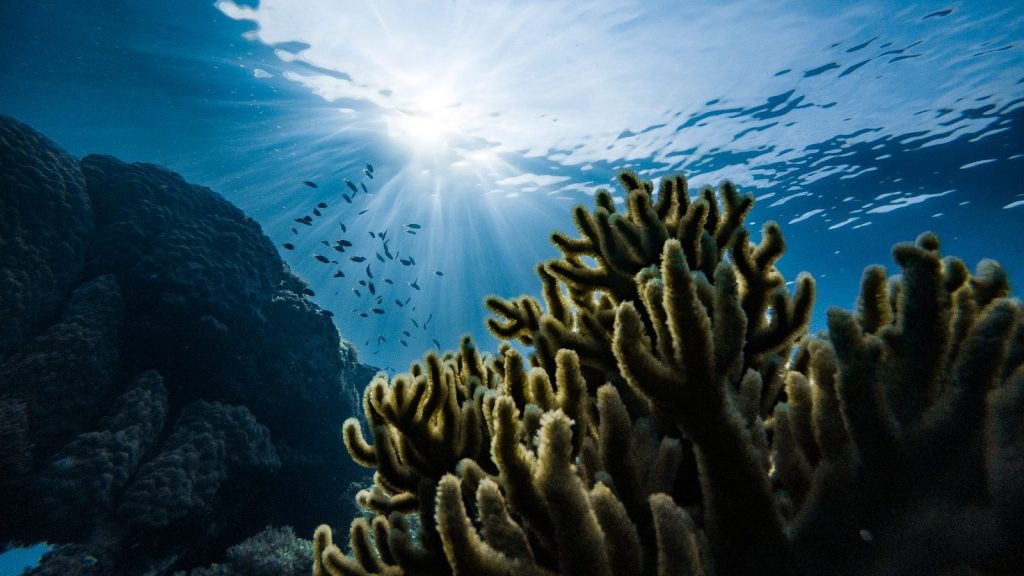
    green corals under water
    Photo by Marek Okon on Unsplash

    Modern research has confirmed that a variety of organisms live in the Mariana Trench and other deep ocean trenches. These creatures have adapted to conditions that would be impossible for most forms of life.

    Among the species discovered are giant amphipods, sea cucumbers, microbial mats, and unusually large single-celled organisms. Each of these life forms has evolved unique characteristics that help it survive in the deep ocean.

    The mysteries of the hadal zone

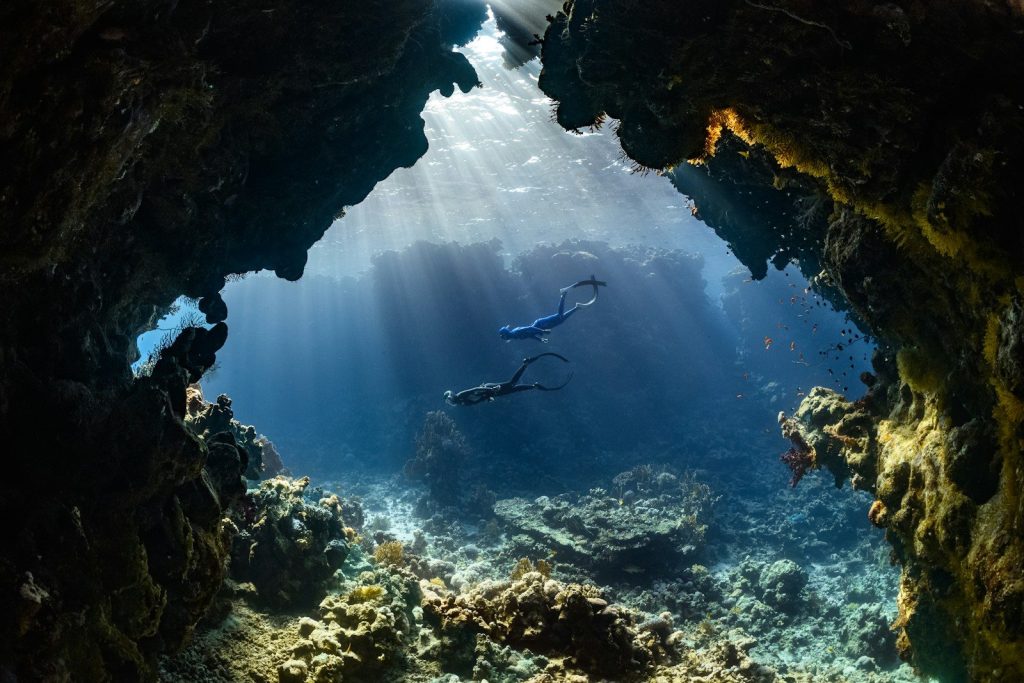
    a scuba diver swims through an underwater cave
    Photo by NEOM on Unsplash

    The deepest regions of ocean trenches are known as the hadal zone. These environments remain among the least explored places on Earth due to the technical challenges of reaching them.

    Despite decades of research, scientists have identified only about 400 species across the entire hadal zone. This relatively small number suggests that many organisms may still remain undiscovered in the deepest parts of the world’s oceans.

    Why deep-sea exploration still matters

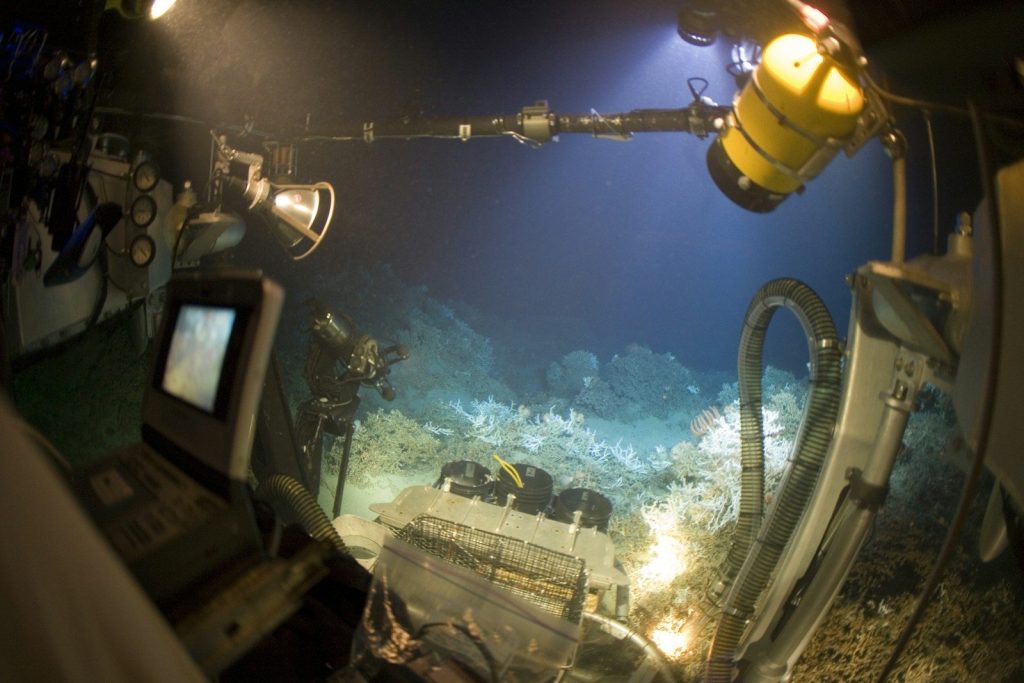
    yellow and black gas lamp
    Photo by NOAA on Unsplash

    The Mariana Trench continues to attract scientific interest because it provides insights into how life adapts to extreme conditions. Studying these organisms helps researchers better understand biology, evolution, and the limits of survival.

    Every expedition has the potential to reveal something new. As technology improves, scientists are gaining access to areas that were once impossible to explore. These discoveries continue to expand our understanding of life in one of Earth’s final frontiers.

  • The astonishing size of the largest tuna ever caught

    The astonishing size of the largest tuna ever caught

    Most people know tuna as a popular food found in grocery stores and kitchen pantries. However, many are surprised to learn that tuna are also among the largest and most powerful fish in the ocean. These fast-swimming predators can travel long distances and reach sizes that seem almost unbelievable.

    Over the years, fishermen have caught some truly enormous specimens that have amazed experts and fishing enthusiasts alike. Among them was one record-setting giant that showed just how large tuna can become. Understanding the size, strength, and importance of these fish helps explain why the largest tuna ever caught remains such a fascinating part of fishing history.

    Tuna are built for life in the open ocean

    a school of fishes
    Photo by James Thornton on Unsplash

    Tuna are highly adapted ocean predators. Their streamlined bodies allow them to move quickly through the water while searching for food across vast distances. This speed and endurance make them some of the most successful fish in marine ecosystems.

    Unlike many smaller fish, tuna continue growing throughout their lives. Given enough time and favorable conditions, some individuals can reach extraordinary sizes. Their combination of strength, speed, and growth potential has helped make them famous among commercial and recreational fishermen.

    Americans consume tuna on a large scale

    a person holding a piece of raw meat
    Photo by Big Dodzy on Unsplash

    Tuna remains one of the most widely consumed seafood products in the United States. Millions of households regularly purchase canned tuna as a convenient and affordable source of protein.

    Because canned tuna is so common, many people rarely think about the actual fish behind the product. The image of a small can often make it difficult to imagine that some tuna can grow large enough to rival the weight of much larger land animals.

    Some tuna grow to astonishing sizes

    a couple of fish sitting on top of a sidewalk
    Photo by Sean Robertson on Unsplash

    Among the many species of tuna found around the world, some are capable of reaching truly impressive dimensions. These fish can weigh hundreds or even thousands of pounds, making them among the largest bony fish in the ocean.

    Their size is supported by a powerful muscular body designed for constant movement. Large tuna can cover great distances while maintaining the speed needed to hunt prey in open-water environments.

    The largest catches continue to amaze fishermen

    PEI Tuna Fishing 2012-2148” by Bill Brine is licensed under CC BY 2.0

    Fishing records often capture public attention because they reveal the extraordinary size some marine animals can achieve. Over the years, several giant tuna have become famous for their remarkable weight and appearance.

    When fishermen land one of these enormous fish, the catch often attracts widespread interest. The sheer scale of these animals can be difficult to appreciate until they are seen beside people, boats, or fishing equipment.

    Why giant tuna seem almost unreal

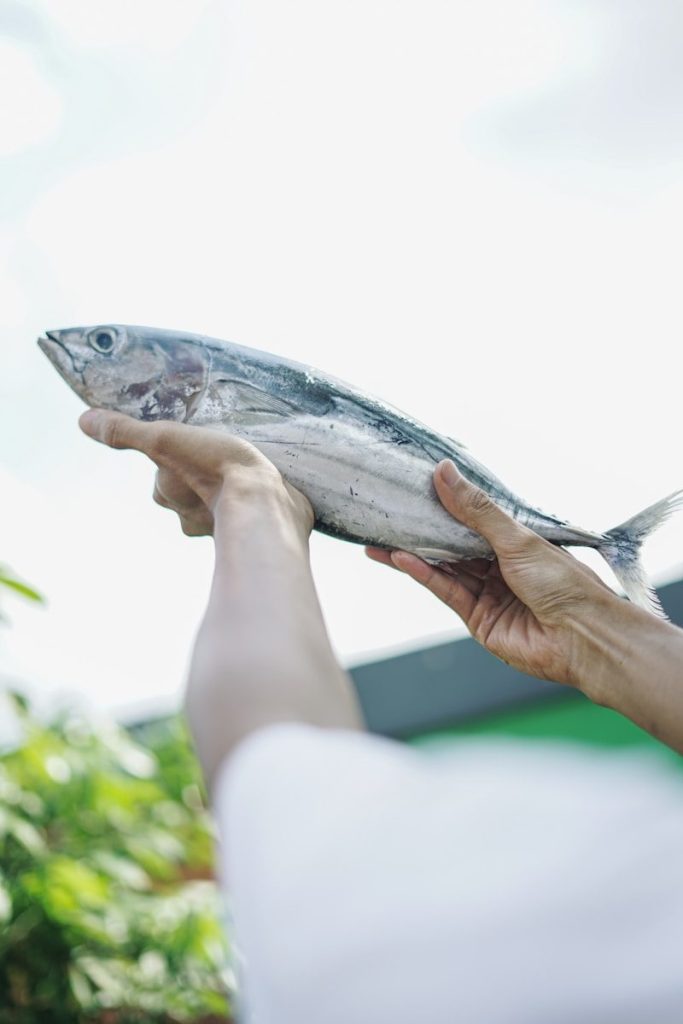
    A person holding a fish in their hand
    Photo by Wahyu Adhian Chandra on Unsplash

    Many people associate fish with relatively small sizes compared with those of large mammals. Giant tuna challenge that perception because their weight can approach that of animals more commonly associated with farms and ranches.

    The sight of a massive tuna often surprises people who are unfamiliar with the species. Their immense bodies serve as a reminder of the incredible diversity and scale that exists beneath the ocean’s surface.

    Tuna remains one of the ocean’s most impressive fish

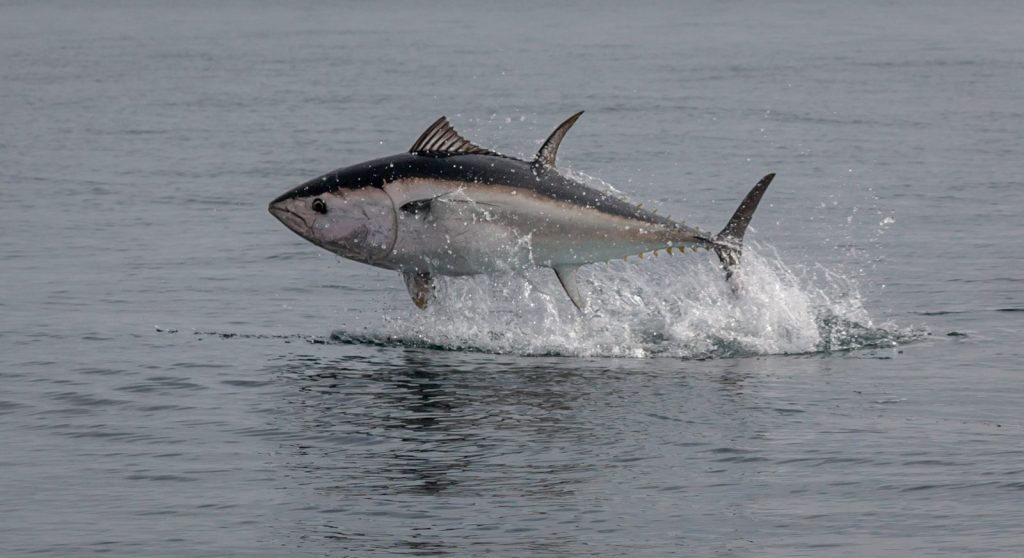
    a fish is jumping out of the water
    Photo by Ray Harrington on Unsplash

    Beyond their size, tuna are respected for their strength and athletic ability. Anglers often consider them among the most challenging fish to catch because of their speed and endurance.

    Their combination of power, size, and importance to both ecosystems and fisheries has earned them a special place in marine history. The largest tuna ever caught continues to capture attention because it represents the remarkable potential of one of the ocean’s greatest fish.