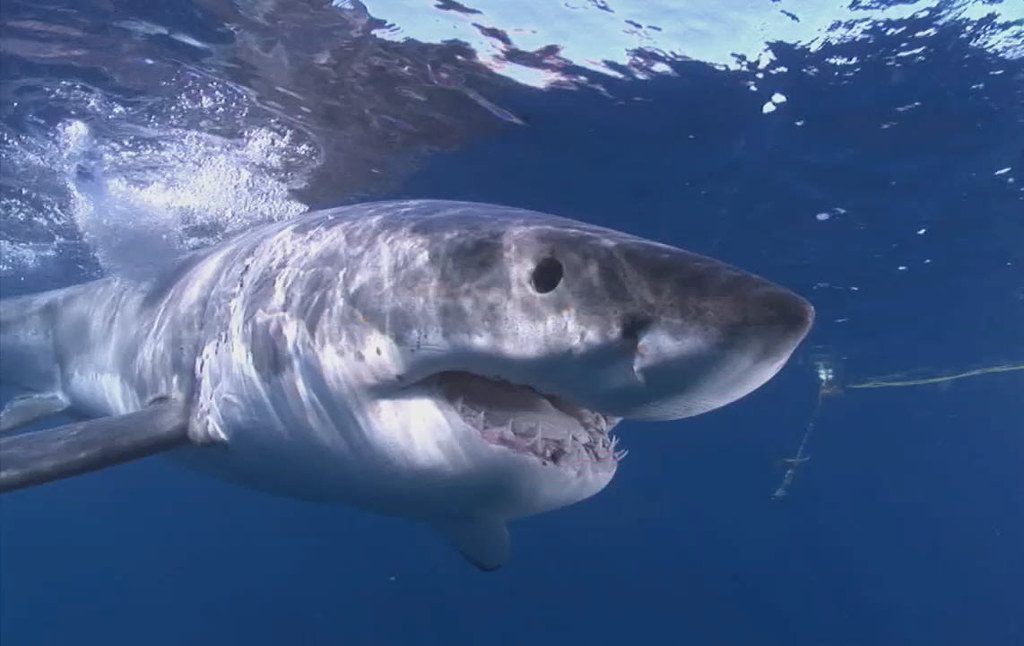
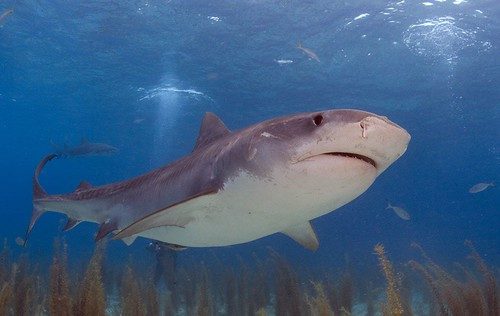
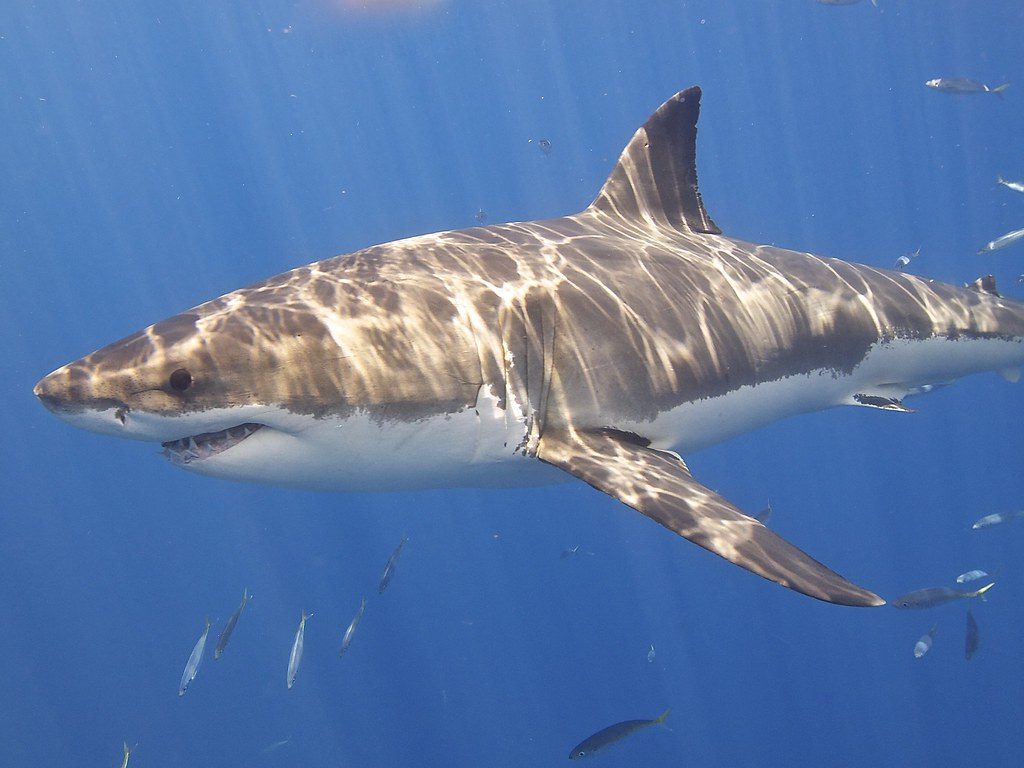
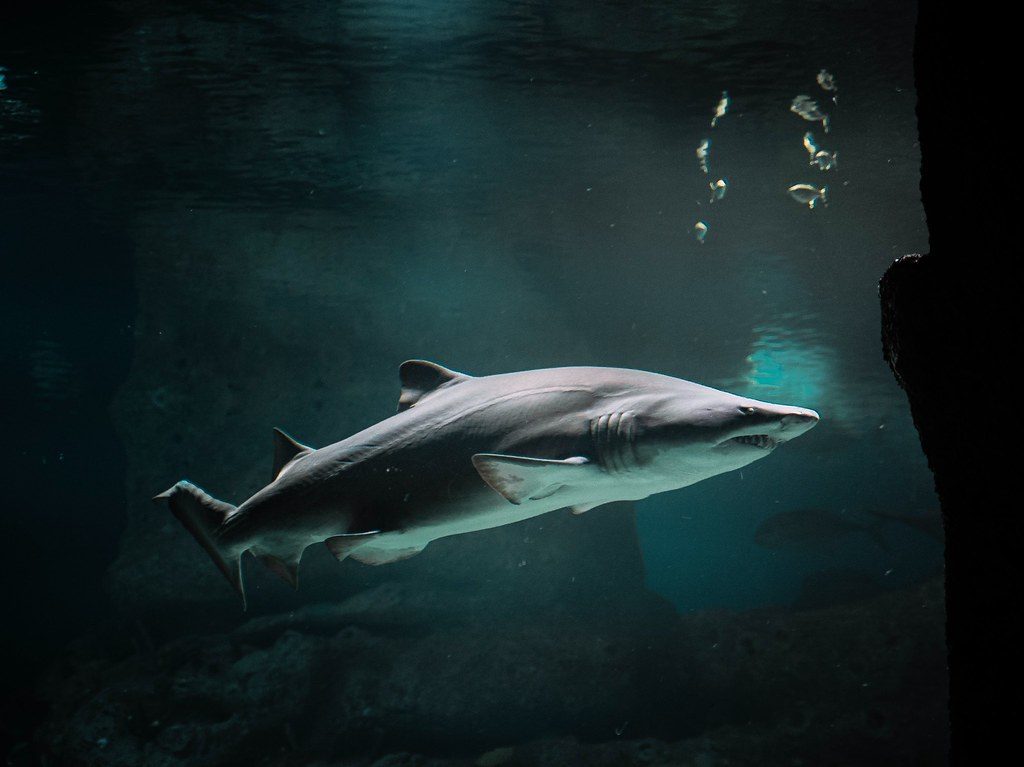
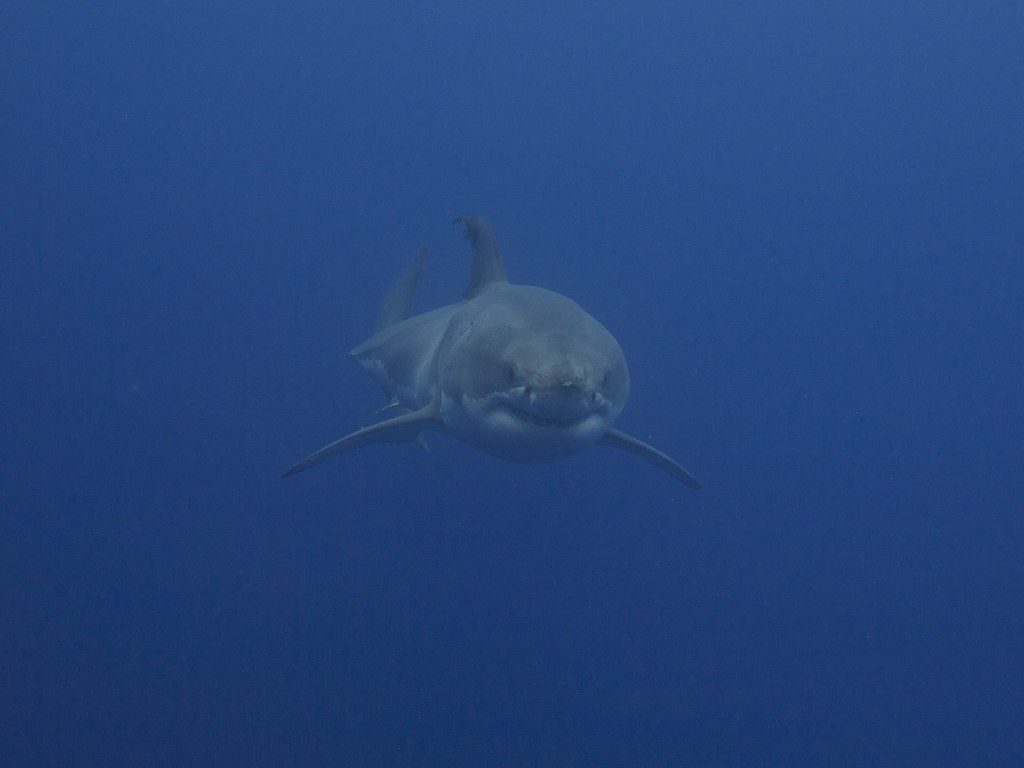
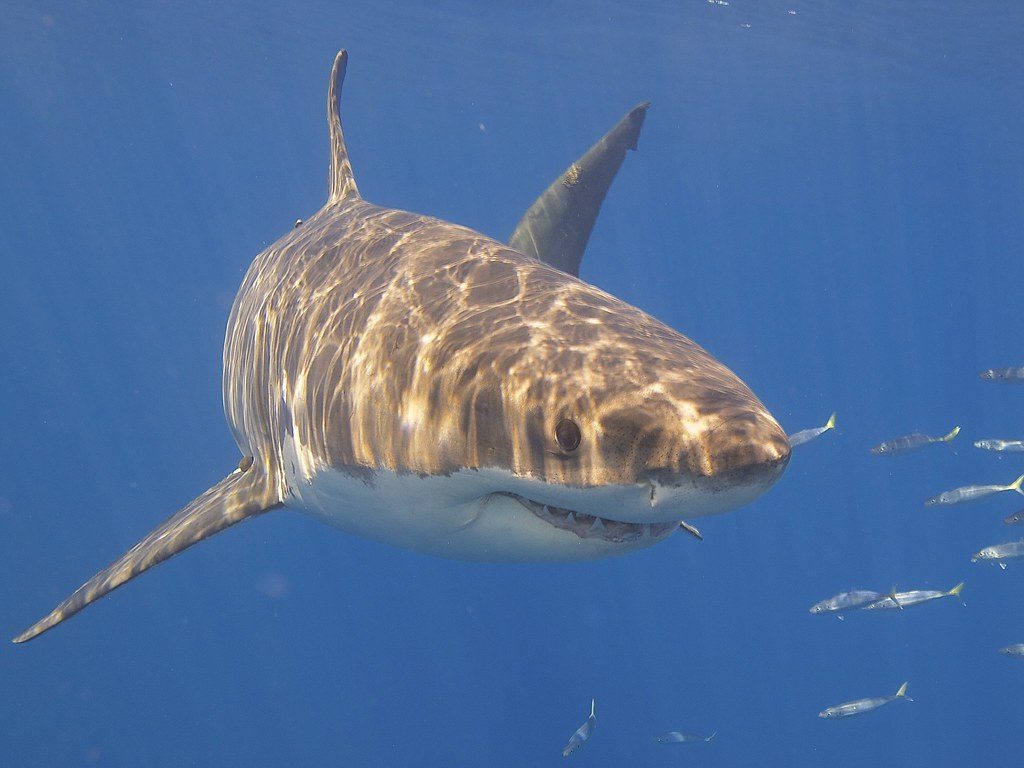
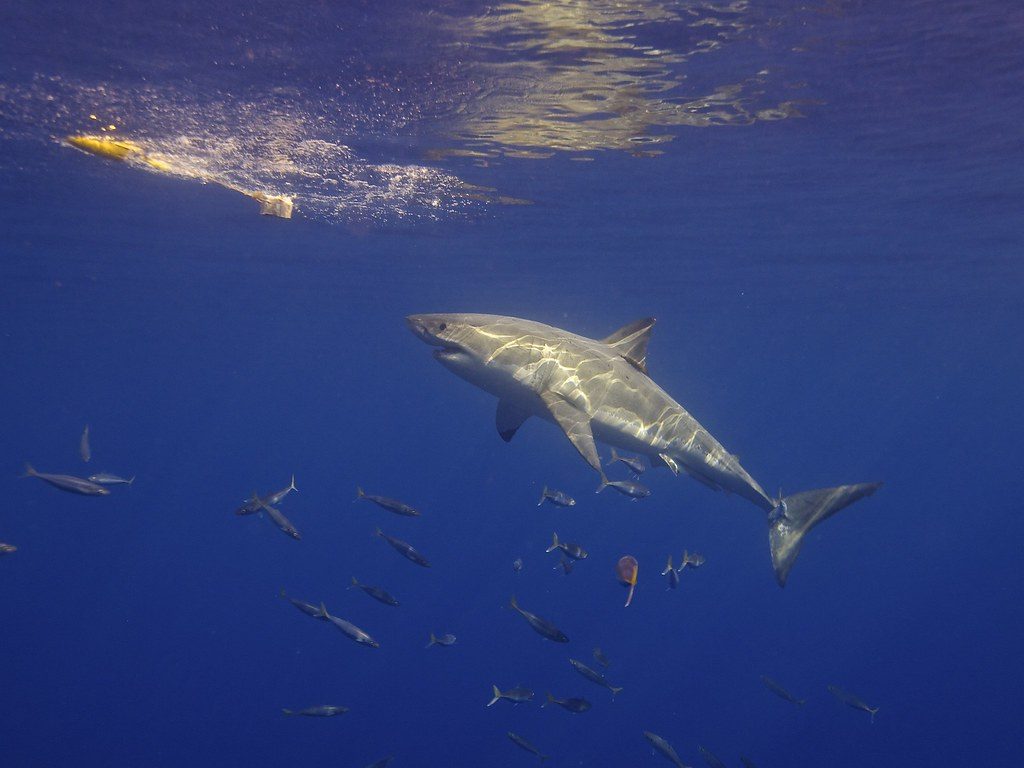
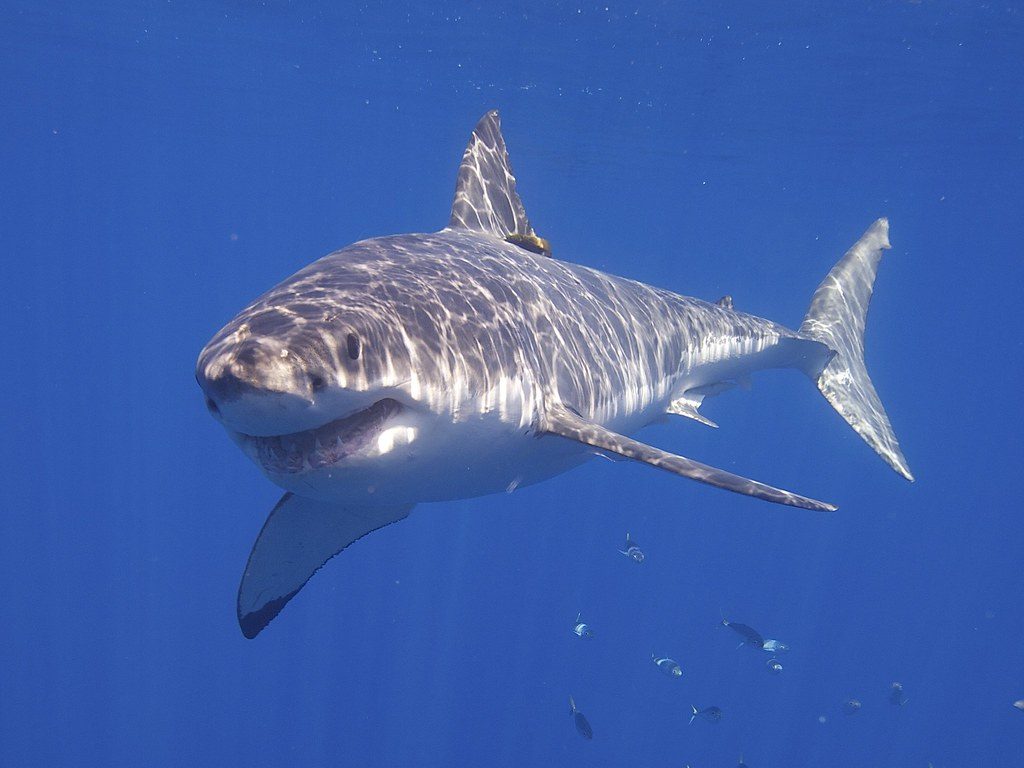
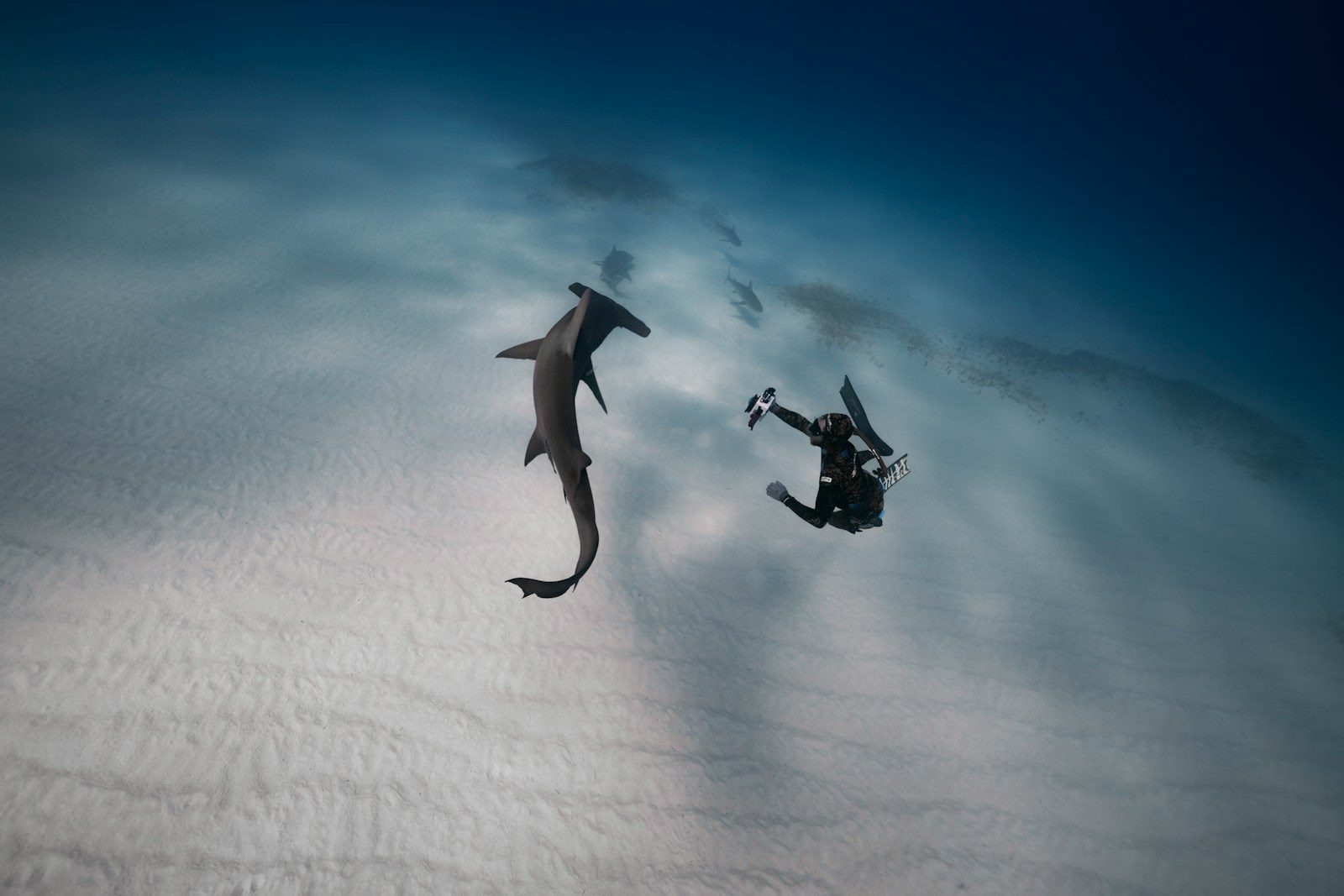
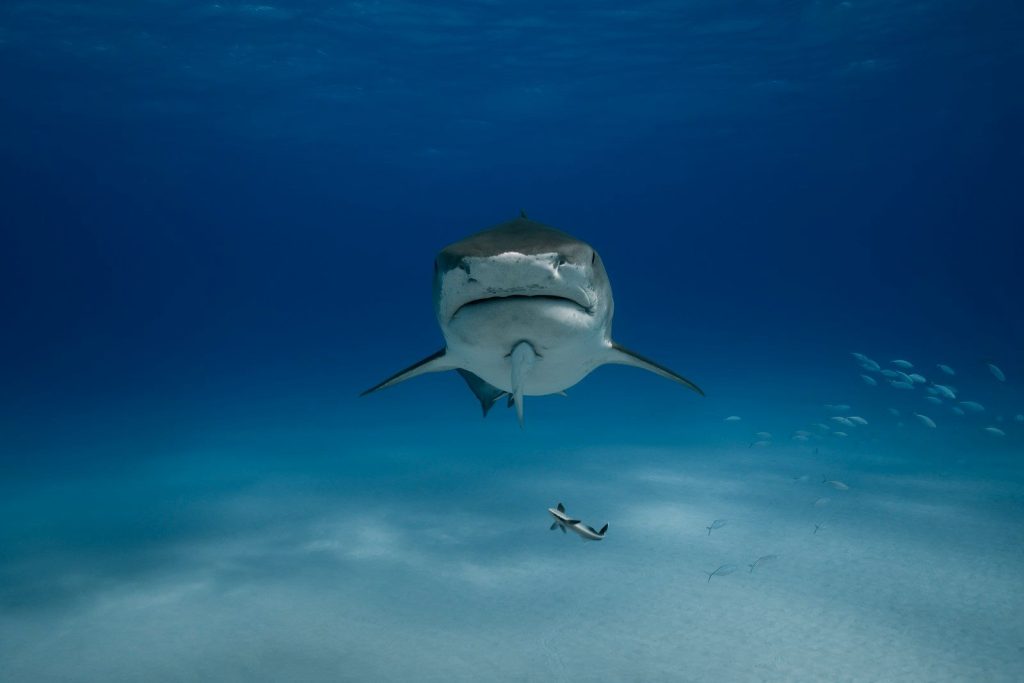
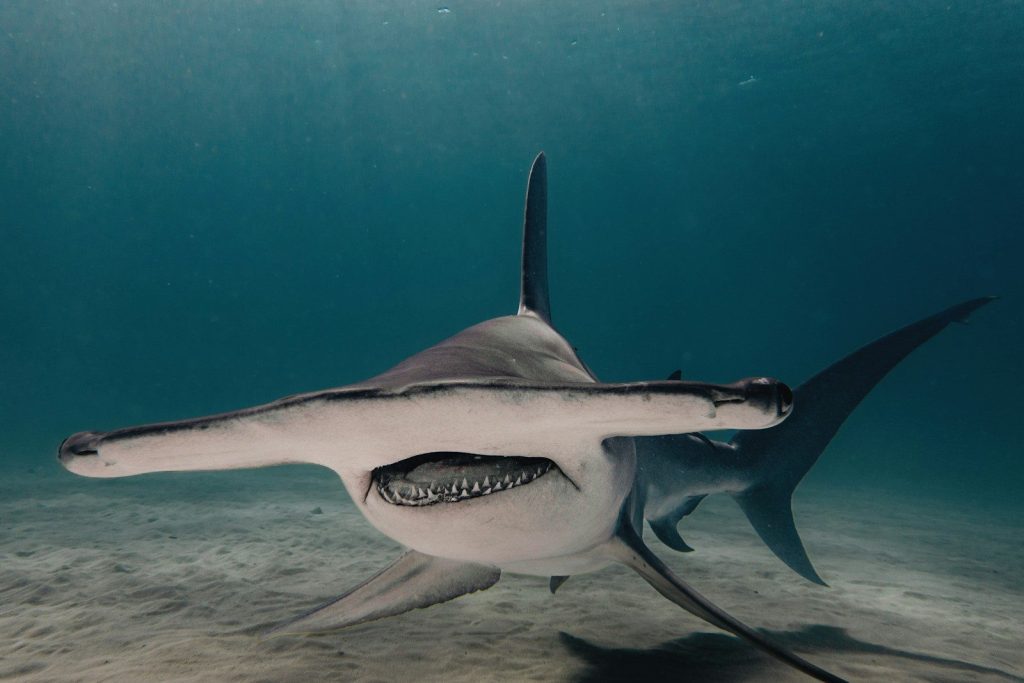
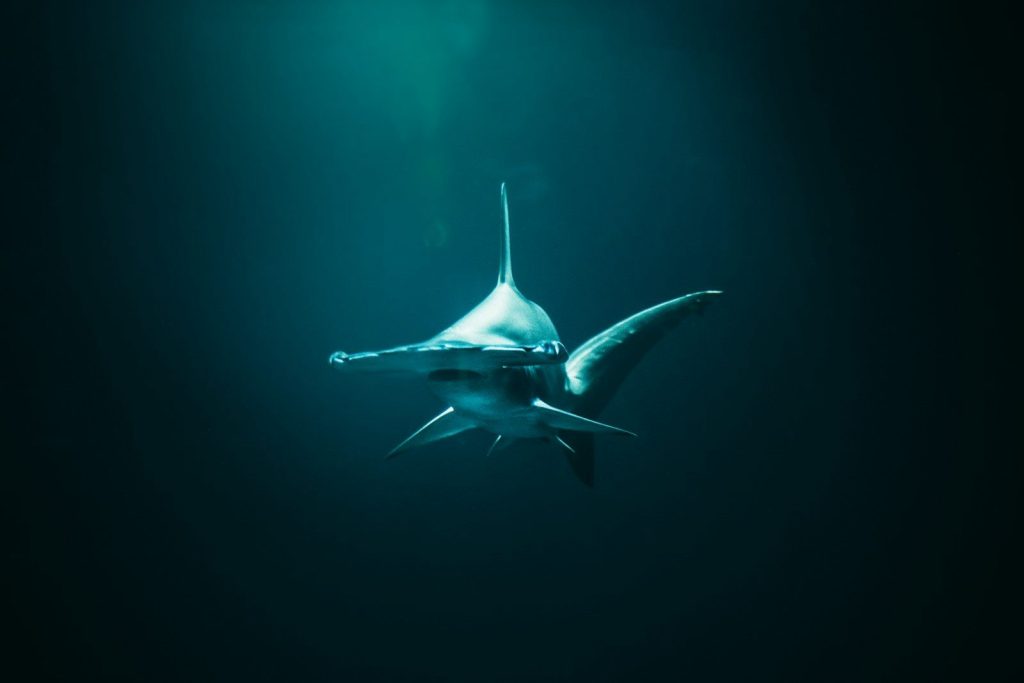
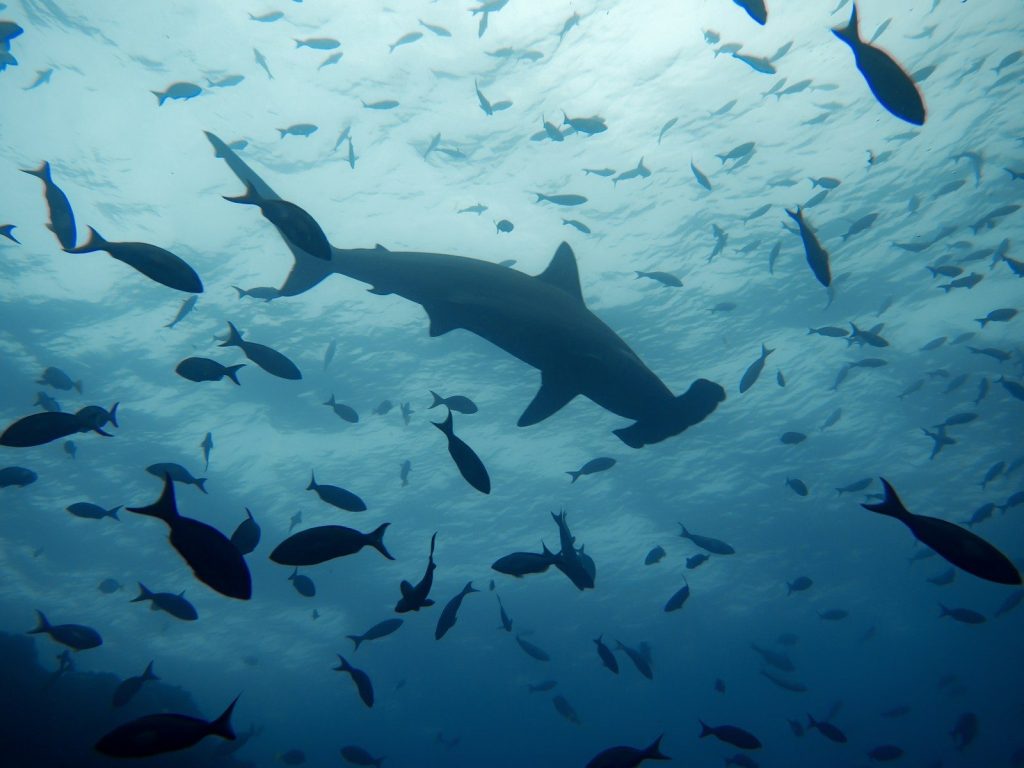
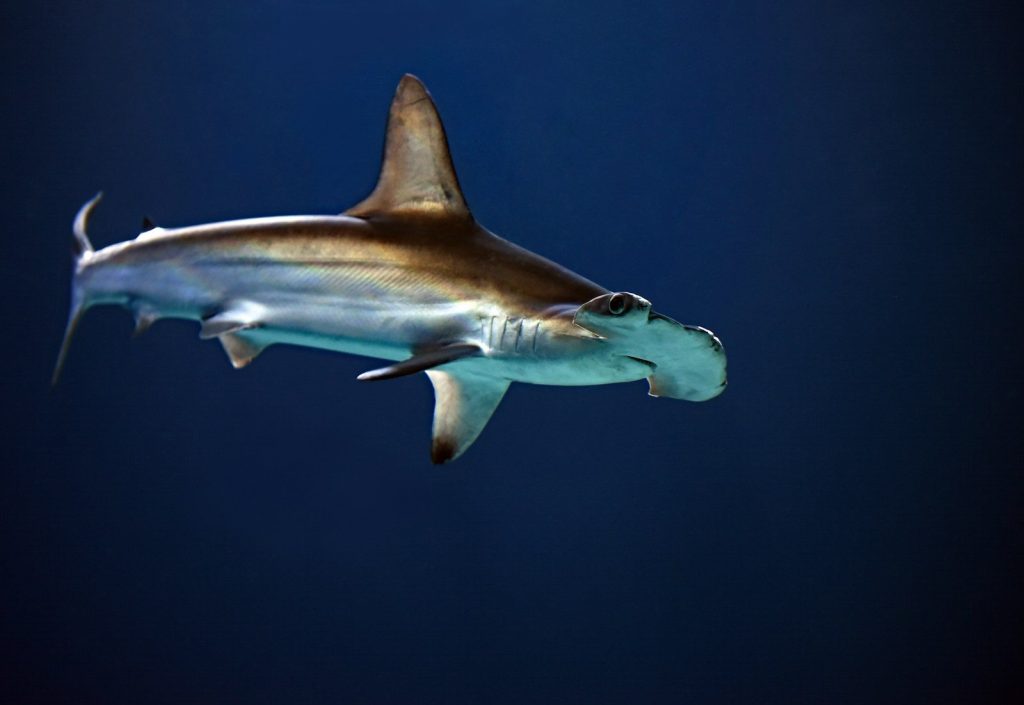
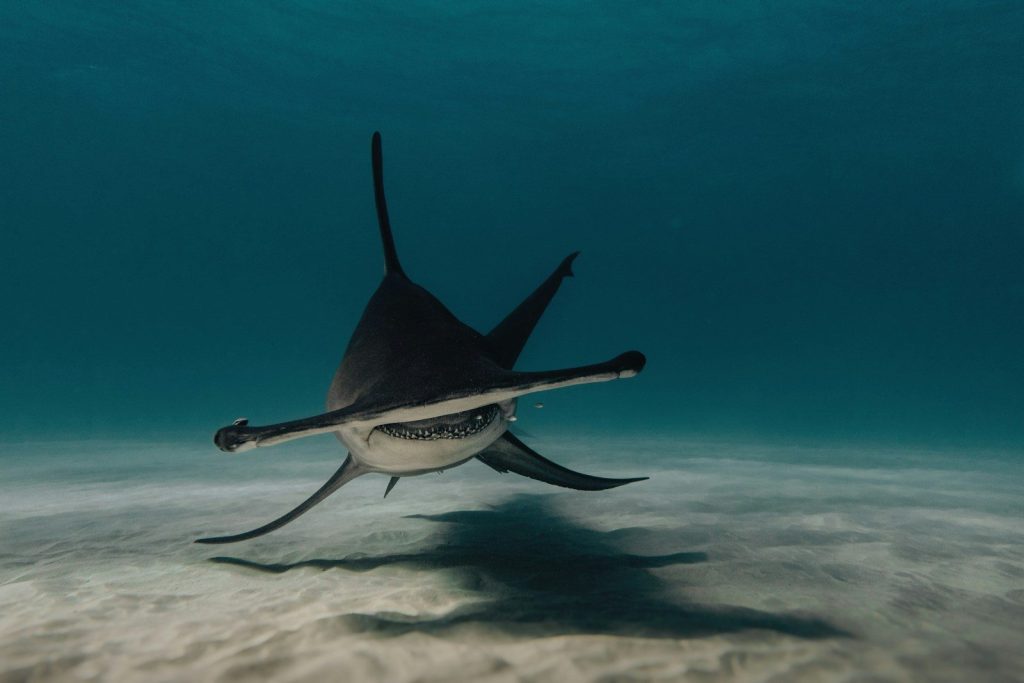
The Bahamas is often considered one of the most beautiful places on Earth, with clear blue waters, colorful coral reefs, and thriving marine life. But a new study has revealed a troubling reality hidden beneath the surface. Researchers testing sharks near Eleuthera Island in the Bahamas discovered that many carried traces of drugs in their blood.
The findings surprised scientists and raised new concerns about how human pollution is affecting ocean ecosystems. From caffeine to painkillers and even cocaine, the substances found in these sharks show that pollution can reach even the most remote and seemingly untouched environments.
For generations, sharks in the Bahamas have lived among coral reefs and tropical waters known for their beauty. The region is often viewed as one of the world’s most pristine marine environments.
That image was challenged by a recent study that examined sharks living near Eleuthera Island. Scientists expected to learn more about shark health, but the results revealed something far more concerning about the surrounding ecosystem.
Researchers collected blood samples from 85 sharks living in the waters around the island. The project was led by biologist Natascha Wosnick from Brazil’s Federal University of Paraná.
When the samples were analyzed, scientists found that 28 sharks contained detectable levels of different substances. This meant that nearly one-third of the animals tested had traces of human-related contaminants in their bloodstreams.
Caffeine appeared most often
“Tiger shark” by WIlly Volk is licensed under CC BY-NC-SA 2.0
Among all the substances discovered, caffeine was the most common. This finding stood out because caffeine had never previously been documented in any shark species anywhere in the world.
The discovery highlights how widespread human pollution has become. A substance commonly found in drinks consumed by people had somehow reached marine predators living far from major population centers.
Researchers also detected acetaminophen and diclofenac in some of the sharks. Both substances are commonly used medications and are not naturally found in marine environments.
Even more surprising was the discovery of cocaine in two sharks. Scientists believe the animals may have encountered the drug after biting objects or packages that entered the ocean. Some sharks were found to have multiple substances in their blood at the same time.
One of the most striking parts of the study is where it took place. Eleuthera Island is considered one of the more remote parts of the Bahamas and is located far from major cities.
Many people assume that isolated tropical waters remain protected from pollution. The findings suggest otherwise. Even locations that appear untouched can still be affected by contaminants that travel through waterways and ocean currents.
The study serves as a reminder that pollution does not stay in one place. Human activities can have effects that reach ecosystems far beyond where contaminants originally entered the environment.
Researchers say the results show how deeply human influence has spread across the planet. The discovery also raises important questions about how these substances may affect marine animals and the health of ocean ecosystems over time.
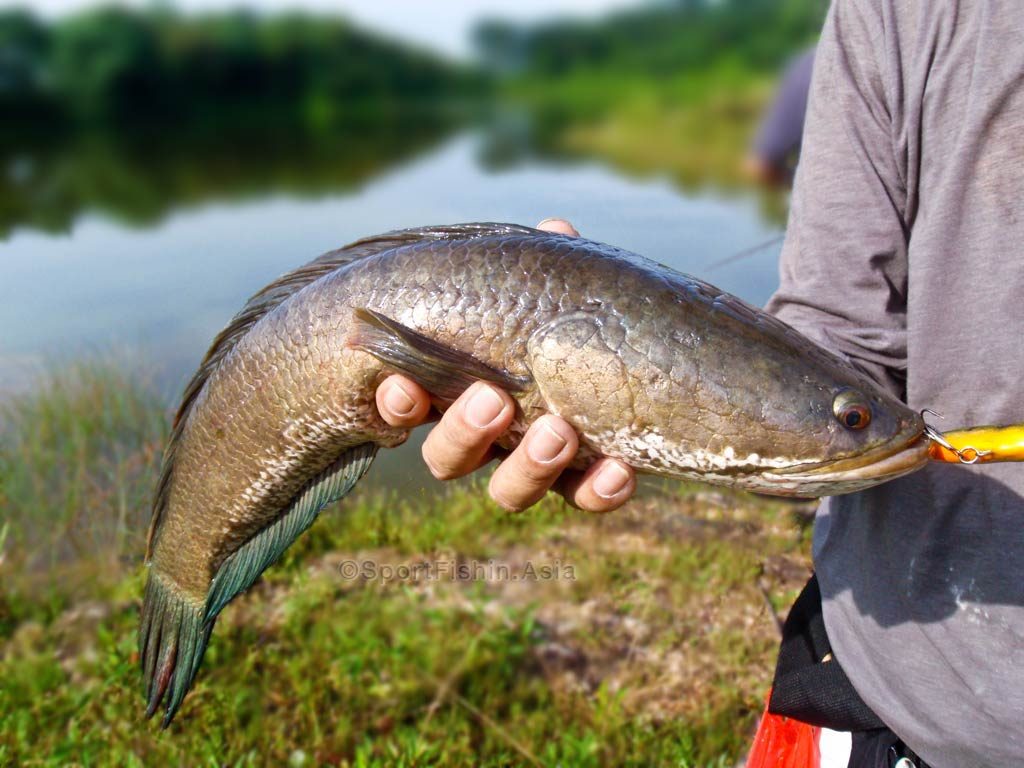
A calm afternoon of frog fishing can change in an instant. One moment, the water is still, and the next it erupts with a violent strike. That is exactly what happened during a canal fishing trip that turned into a battle with a determined snakehead. The fish hit the lure with incredible force, escaped more than once, and kept the angler guessing throughout the day.
From missed strikes to explosive surface attacks, the experience showed why snakehead fishing is so exciting. In the end, patience and persistence paid off as the fisherman finally landed the fish he had been searching for.
The day started with a simple goal. Instead of following a strict plan, the angler decided to spend the day experimenting and having fun while fishing. He wanted to try different techniques and enjoy the experience rather than focus only on results.
His main target was a snakehead. To catch one, he chose a topwater frog lure, a bait known for creating exciting surface strikes. Watching fish attack a frog lure on the surface was one of his favorite parts of fishing.
The canal showed signs of life almost immediately. Fish were moving, and several strikes occurred during the first part of the outing. Some fish missed the lure, while others briefly connected before getting away.
The angler also caught a bass on the frog lure. Although it was not the species he was targeting, the catch proved that fish were actively feeding. Every cast brought the possibility of another explosive strike.
As the day continued, signs of snakeheads became easier to spot. The fisherman noticed movement in the water and watched fish rise to the surface for air. These clues suggested that snakeheads were nearby.
Then came a powerful strike. A fish smashed the lure, immediately creating chaos. The angler was convinced it was a snakehead, but the fish broke free. The sudden loss was frustrating, yet it confirmed that the target species was in the area.
The action did not stop after the missed opportunity. Other fish continued attacking the frog lure, including a peacock bass. Catching a peacock bass on a frog was an unusual experience and added another memorable moment to the trip.
Despite these catches, the fisherman remained focused on snakeheads. Several more strikes followed, but some fish missed the lure while others escaped before reaching shore. The day became a test of patience and determination.
Eventually, the moment arrived. A fish exploded out of the water and hit the frog lure with force. This time, the hook held, and the fight was on. The fish pulled hard and refused to surrender.
As the snakehead neared land, it continued thrashing and twisting in an effort to escape. The fisherman had to stay focused because snakeheads are known for slipping free even with the slightest chance. Every second of the battle felt important.
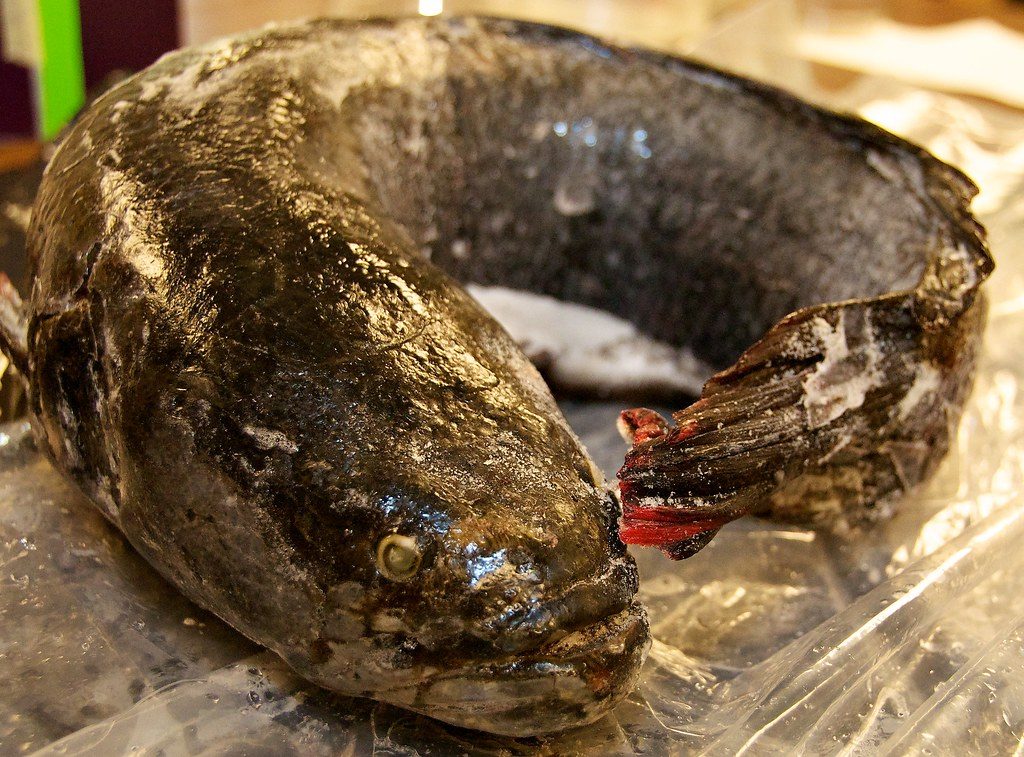
After a tense struggle, the angler finally brought the snakehead onto shore. Even then, the fish continued fighting. It twisted, flopped, and tried repeatedly to get back to the water.
The fisherman carefully controlled the fish and admired the successful catch. After several missed opportunities and lost fish earlier in the day, landing the snakehead felt especially rewarding. The battle proved exactly why these fish are known for their strength and determination.
Snakeheads have earned a reputation among anglers because of their aggressive strikes and powerful fights. They often attack topwater lures with explosive force, creating unforgettable moments for fishermen.
This trip highlighted everything that makes snakehead fishing exciting. There were missed chances, surprise catches, dramatic strikes, and a hard-earned success at the end. The combination of unpredictability and action keeps anglers coming back for more.
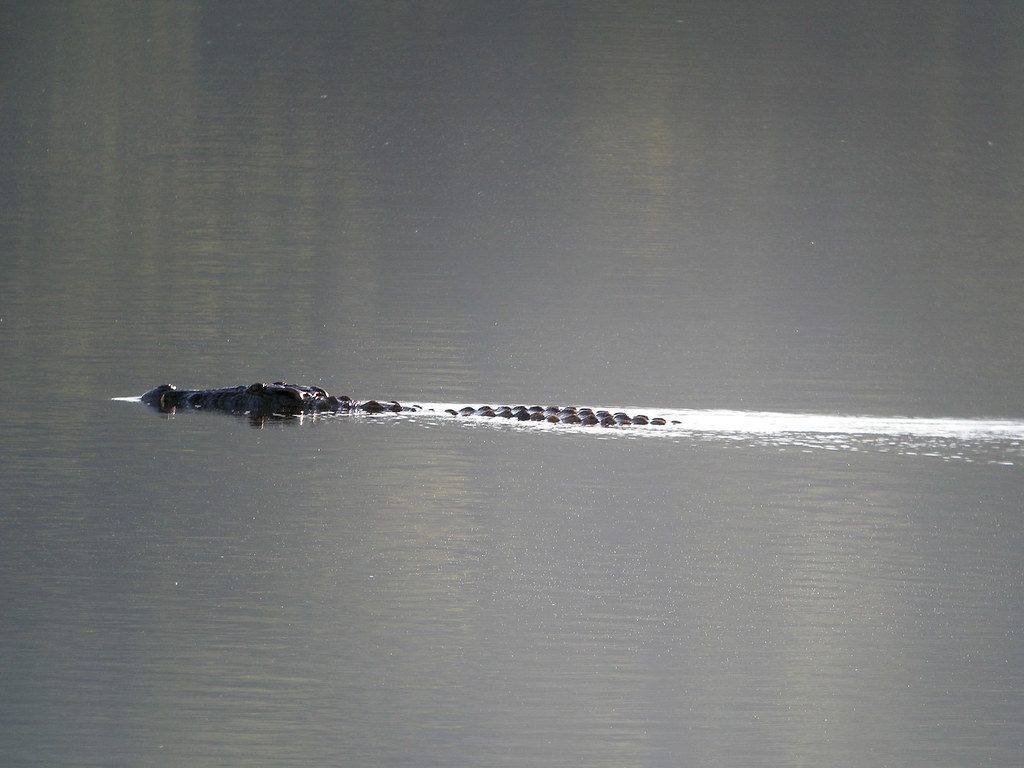
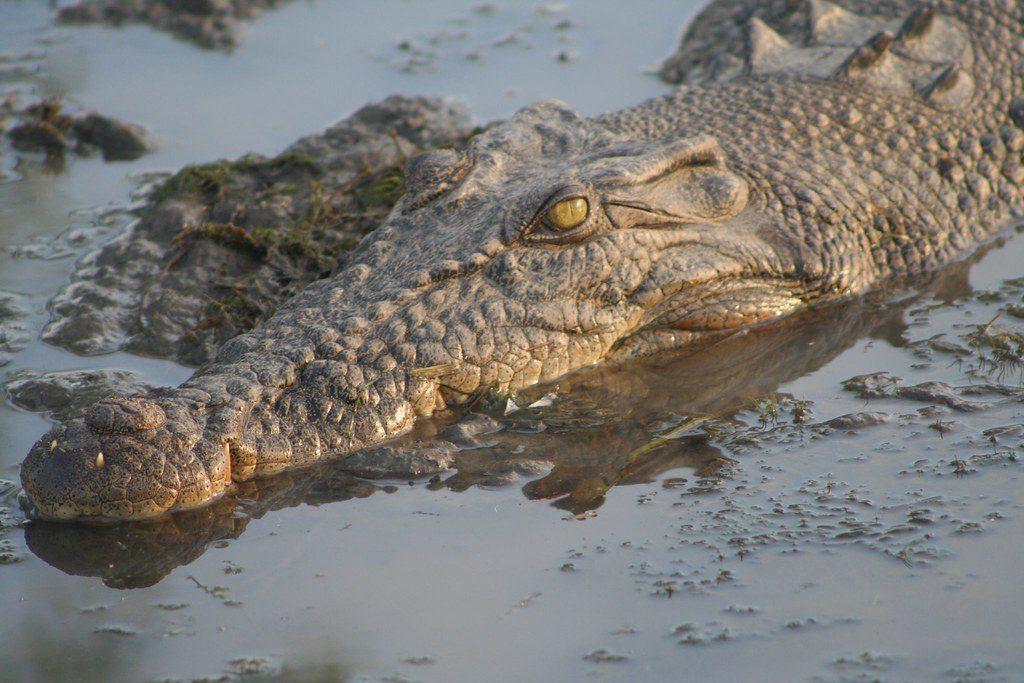
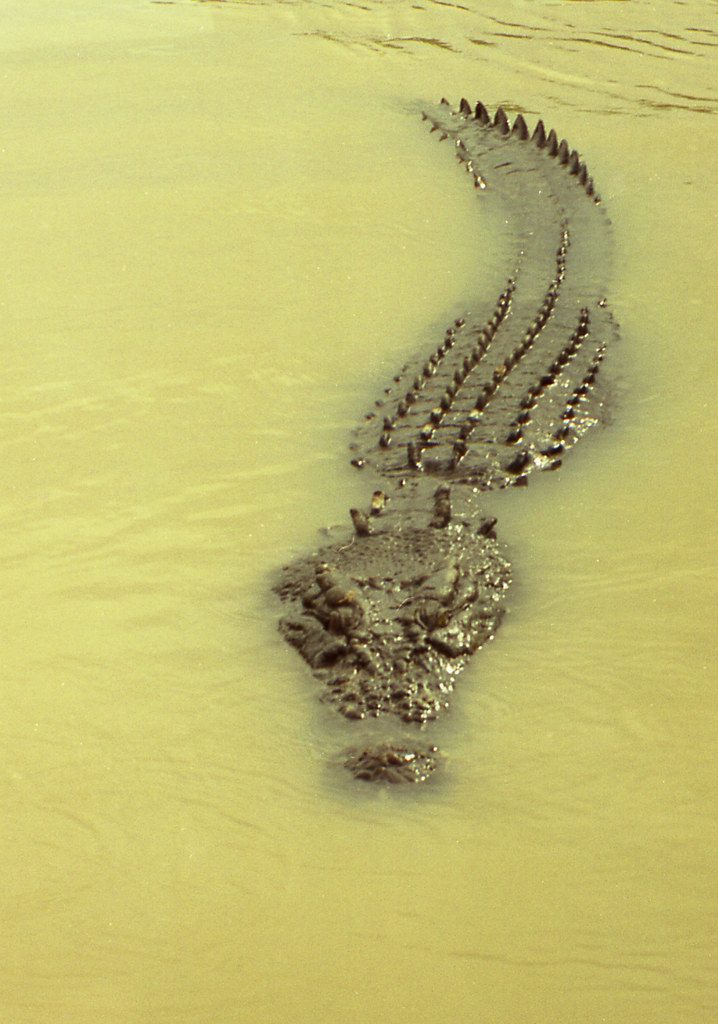
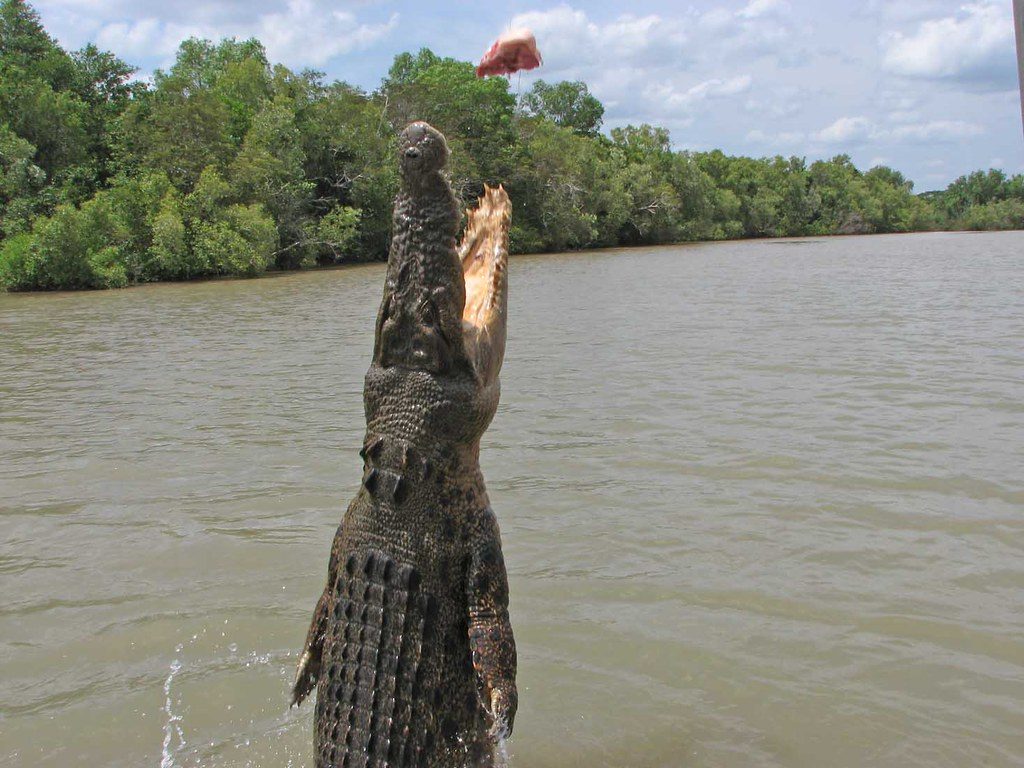
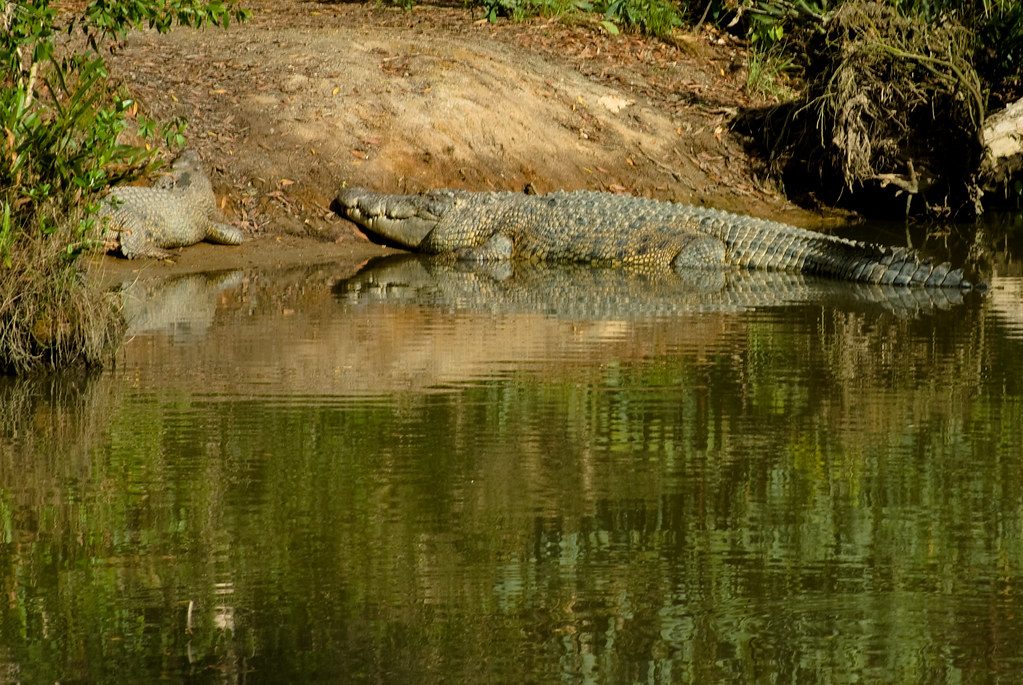
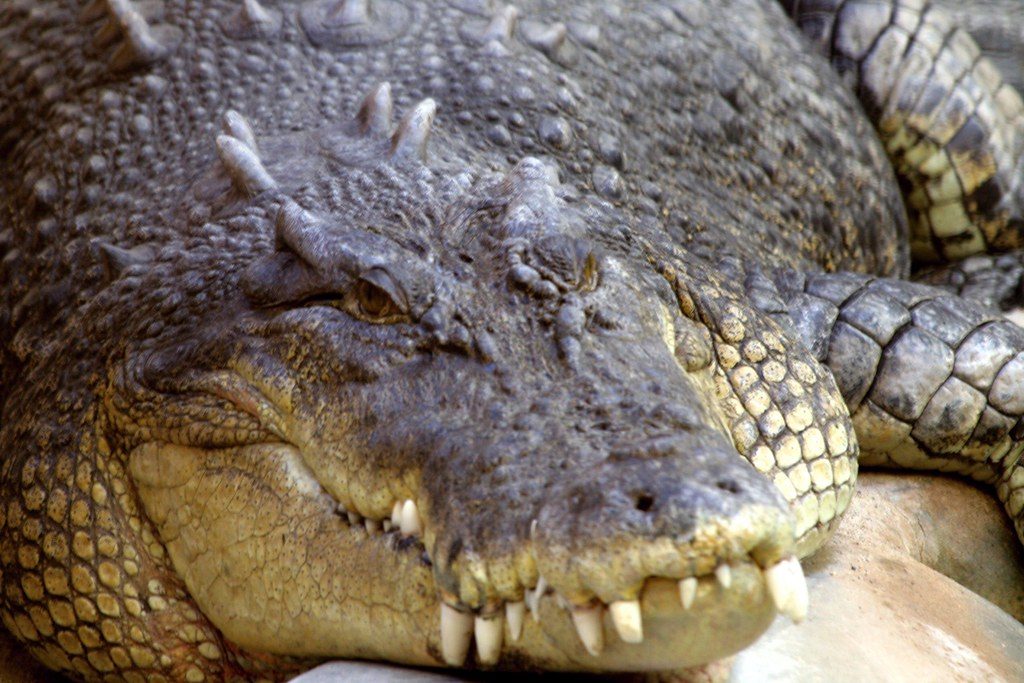
Few animals inspire as much fear and respect as the saltwater crocodile. As the largest living reptile on Earth, it has earned a reputation as one of nature’s most effective hunters. Some reports suggest these crocodiles can spend long periods observing their surroundings and remembering patterns before making a move.
One story even describes a crocodile that appeared to watch a man for months before attacking his leg. Combined with immense strength, a powerful bite, and the famous death roll, these abilities make the saltwater crocodile one of the most formidable predators alive. Understanding how these reptiles hunt reveals why they have remained successful for millions of years.
Saltwater crocodiles are the largest reptiles alive today. Some individuals can grow longer than 20 feet, making them larger than most people imagine when they think of a crocodile.
Their size alone gives them a major advantage in the wild. A fully grown saltwater crocodile can dominate many habitats and has few natural threats once it reaches adulthood. This combination of size and strength helps make it an apex predator.
One reason saltwater crocodiles are so successful is their ability to live in different environments. They can be found in rivers, estuaries, coastal areas, and even open ocean waters.
This flexibility allows them to travel long distances and explore new territories. Unlike animals that depend on a single habitat, saltwater crocodiles can thrive in a wide range of conditions, increasing their chances of finding food and suitable living areas.
Many predators depend heavily on daylight to find prey, but saltwater crocodiles are effective hunters even when visibility is poor. They can operate in darkness, giving them an advantage when other animals may be less alert.
This ability helps them remain hidden while waiting for opportunities. Rather than chasing prey over long distances, crocodiles often rely on patience, stealth, and timing to get close enough for an attack.
Researchers and observers have noted that crocodiles appear capable of remembering territories and recognizing patterns in their environment. This has led many people to believe that they can learn from repeated observations.
Stories describing crocodiles watching potential prey over long periods have contributed to their reputation for intelligence. While their behavior can be difficult to study, their ability to adapt and respond to changing situations suggests they are more than simple instinct-driven hunters.
One of the saltwater crocodile’s most famous features is its bite. It has the strongest measured bite force of any living animal, allowing it to clamp down with tremendous power.
Once those jaws close, escaping becomes extremely difficult. The crocodile’s muscular body and powerful jaws work together to secure prey before it has a chance to break free. This strength is one of the key reasons crocodiles are such effective predators.
The bite is often only the beginning of a crocodile attack. After grabbing prey, a crocodile may perform a behavior known as the death roll. During this movement, the animal spins its body rapidly while maintaining its grip.
The death roll helps the crocodile overpower prey and gain control during a struggle. Combined with its powerful bite and large size, this technique has become one of the most recognized hunting behaviors in the animal kingdom.
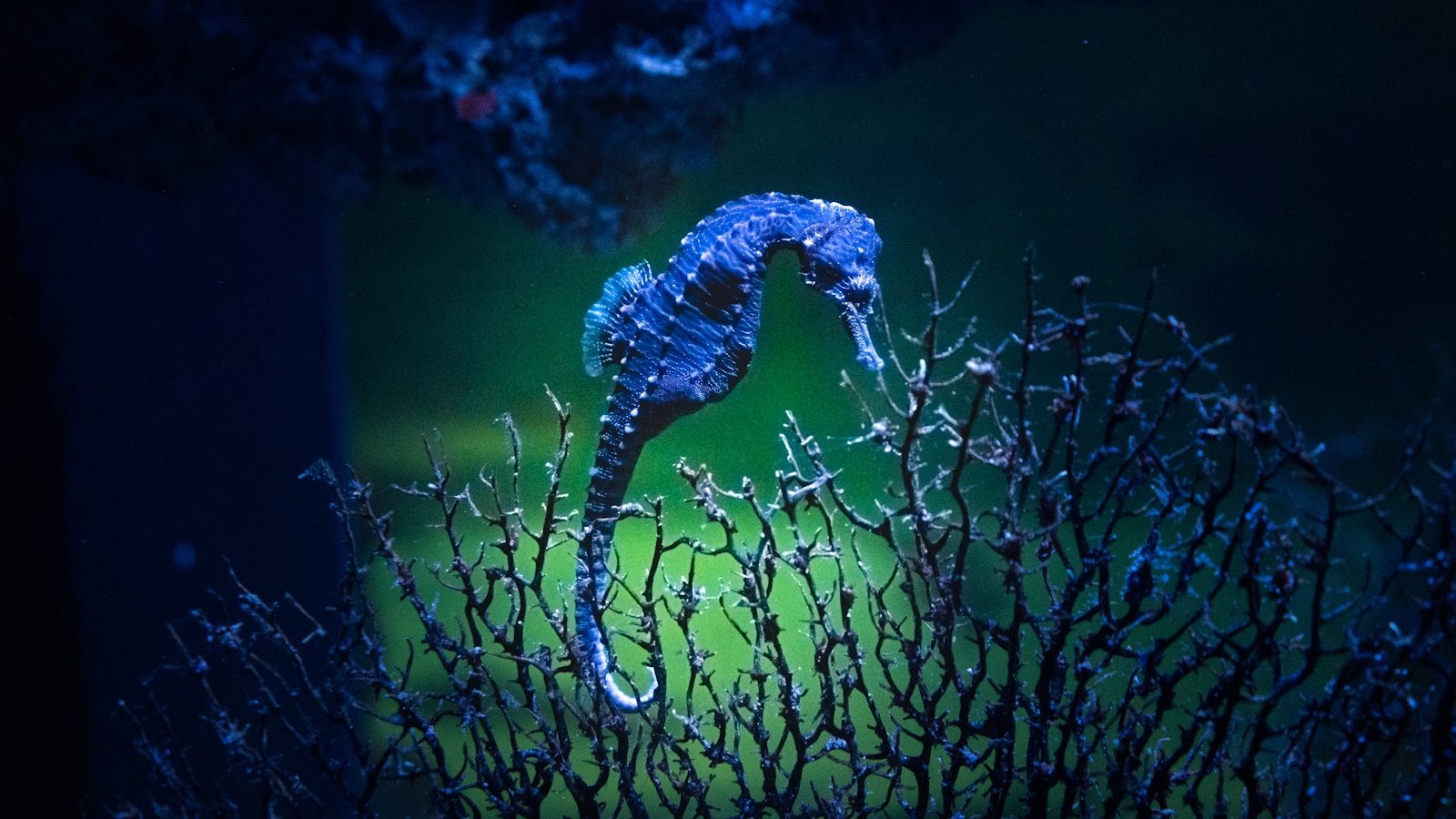
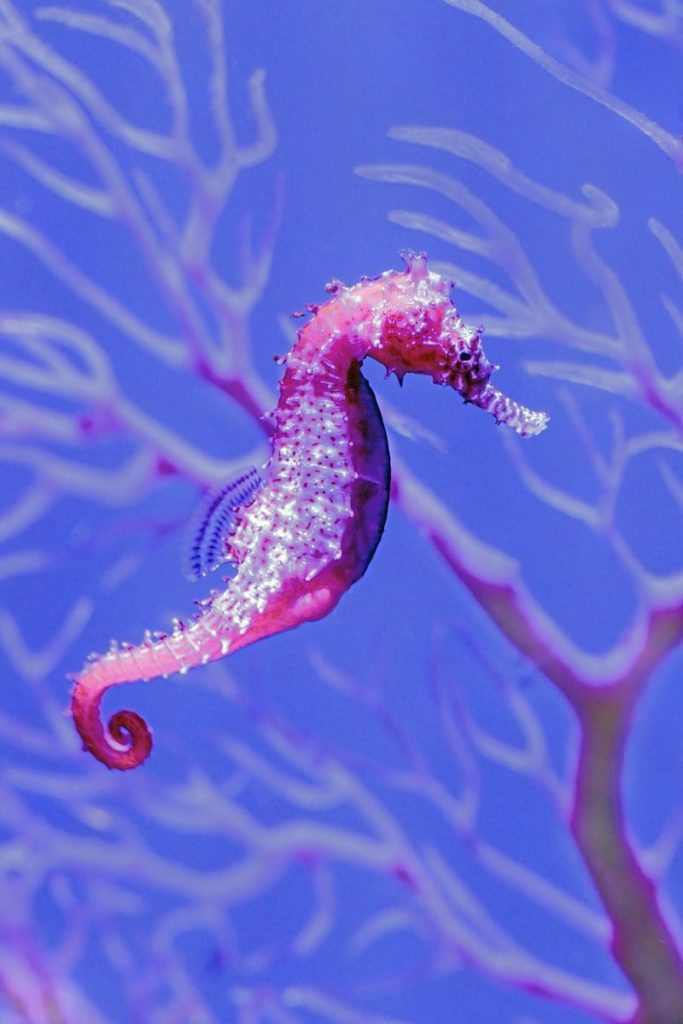
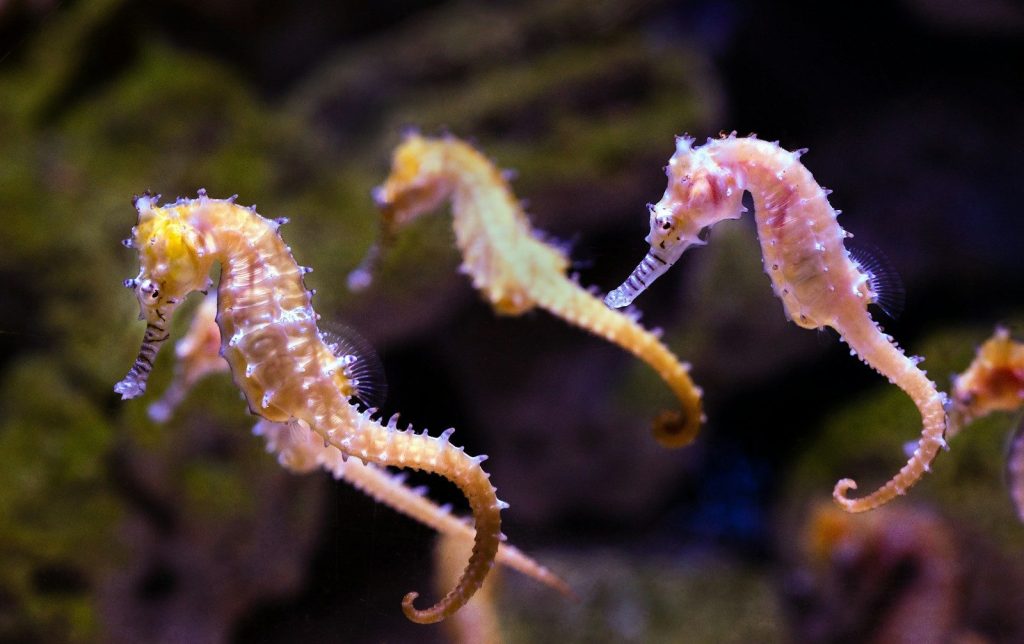
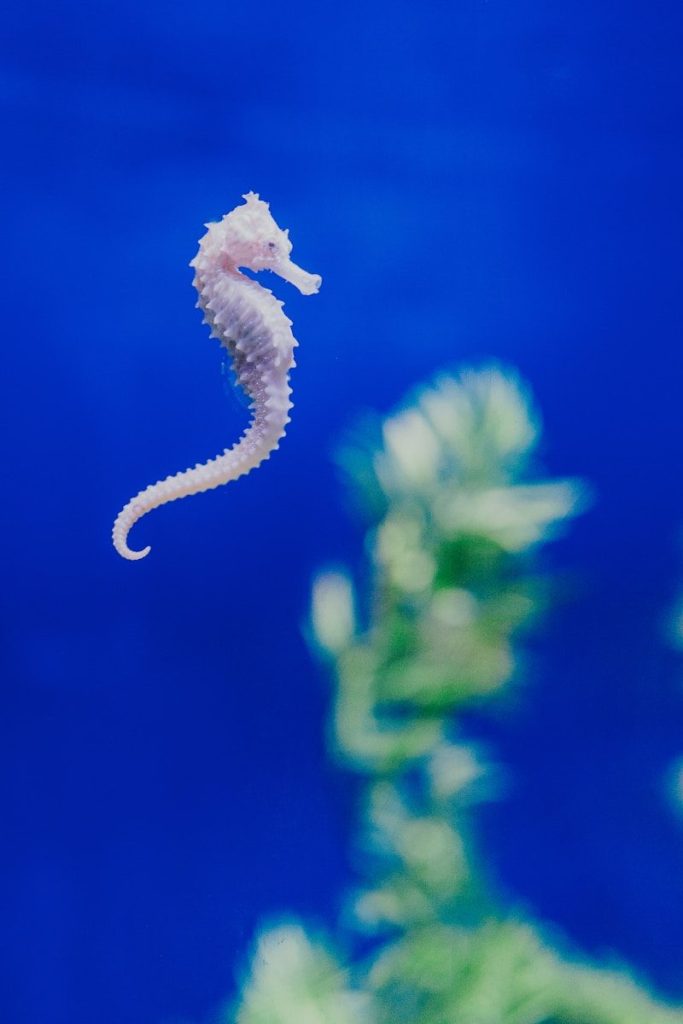
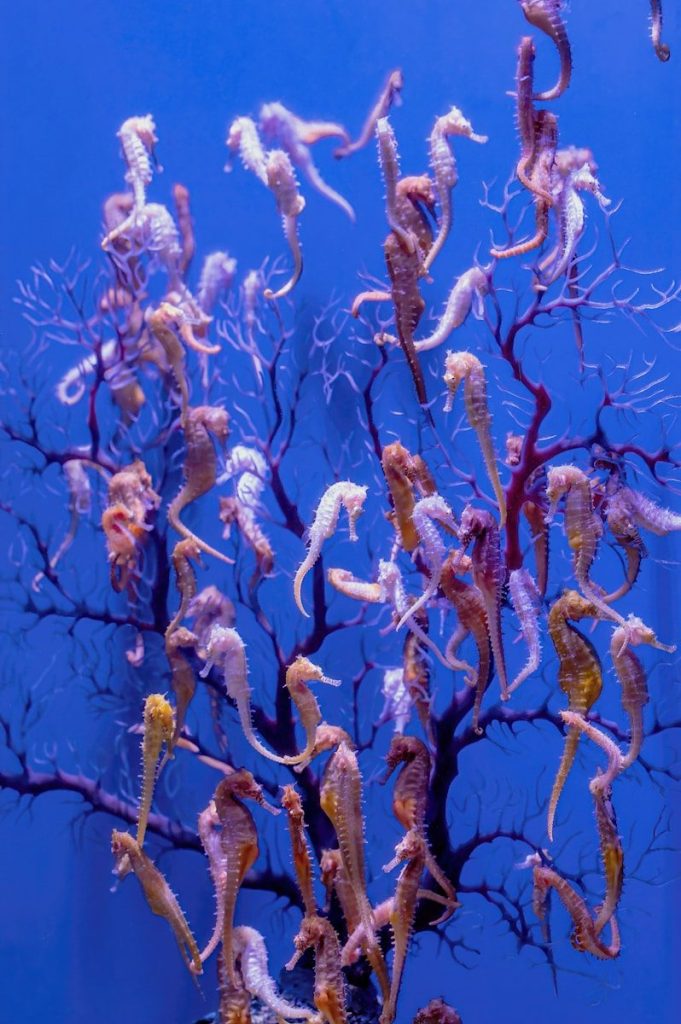
Seahorses and seadragons are among the most unusual animals in the ocean. They belong to the same family, known as Syngnathidae, and share several remarkable traits. These fish have fused jaws, rigid bodies, and a unique way of moving through the water. They are also famous for males carrying and protecting the eggs until the young hatch.
While seahorses are found around the world, seadragons live only in parts of Australia. Their unusual appearance, special adaptations, and fascinating behavior have made them some of the most interesting creatures in marine life. Here is a closer look at what makes these animals so unique.
Seahorses and seadragons belong to the Syngnathidae family. The name comes from Greek words meaning fused jaws. This feature is shared by all members of the group and helps define them as closely related species.
They also share several other traits. Their bodies are rigid rather than flexible, males carry fertilized eggs, and they live in tropical or temperate waters. These shared characteristics make them unlike most other ocean fish.
Seahorses generally live between three and five years. Although their lives may seem short, they spend that time adapting to changing environments and avoiding predators in coastal waters.
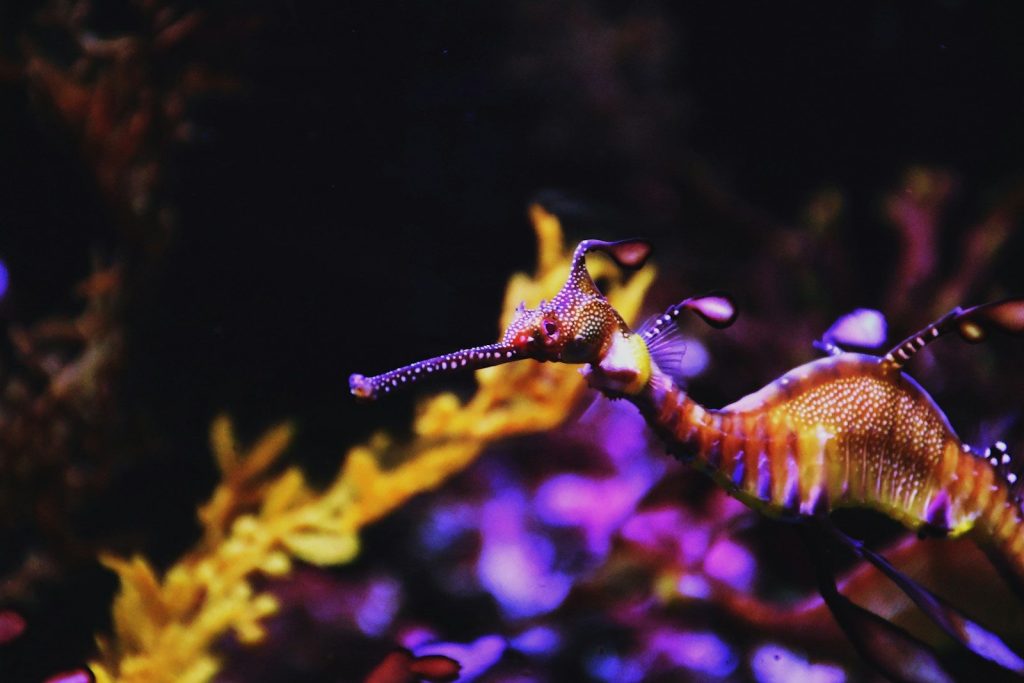
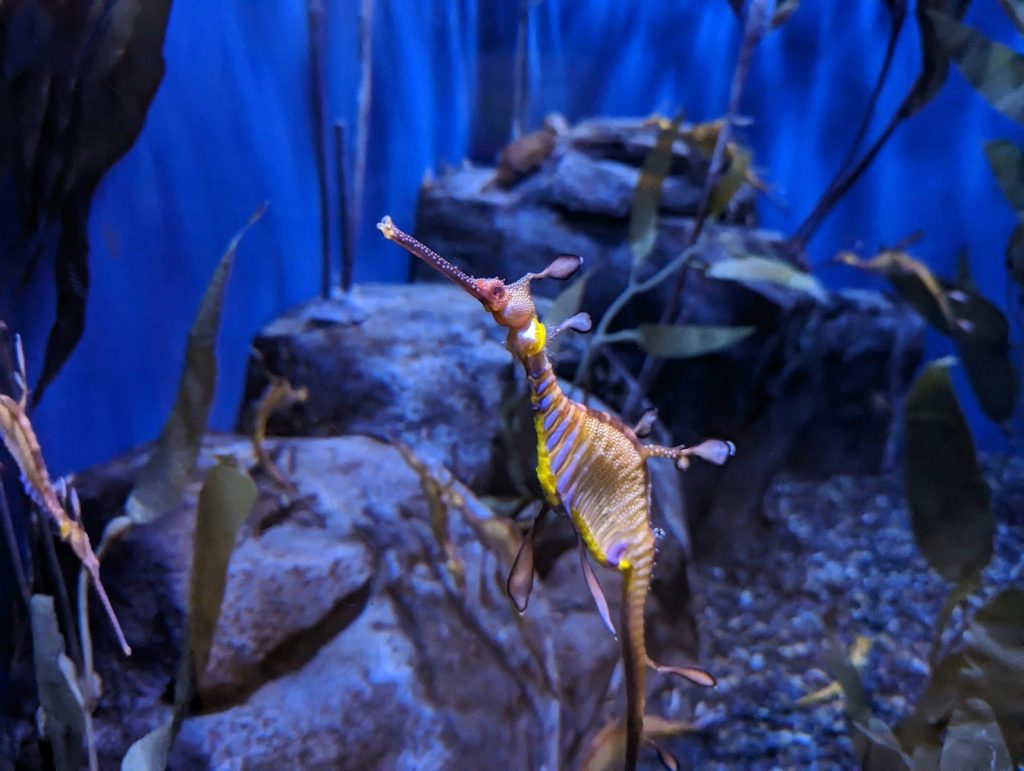
Seadragons usually live a little longer, reaching lifespans of five to seven years. Scientists have officially identified only three species of seadragon: the leafy seadragon, the weedy seadragon, and the ruby seadragon, which was discovered in 2015.
Seadragons have a very limited range compared to seahorses. They are found only in ocean waters along the southern and western coasts of Australia. Their preferred habitats include rocky reefs, sandy areas, seaweed beds, and seagrass meadows.
Seahorses are much more widespread. They can be found worldwide in tropical and temperate shallow waters. Their ability to live in many different environments has helped them spread across a much larger area.
Seahorses are true fish with gills, a swim bladder, and a bony spine. Their bodies are covered with hard bony plates, and they have prehensile tails that allow them to grip seagrass or coral for stability.
To move, seahorses rely on their dorsal and pectoral fins. These fins can beat up to forty times every second, making the movement too fast for the human eye to easily see. Most seahorses stay close to home, although strong currents can sometimes carry them far from where they were born.
Seadragons can grow to about 18 inches long. Like seahorses, they have a solid outer covering that limits flexibility. Despite this, they move effectively through the water using small fins that rapidly oscillate.
Their tails act as rudders, helping them navigate their habitat. Although they are not powerful swimmers, their specialized bodies allow them to move carefully through seaweed beds and other coastal environments where they spend most of their lives.
One of the most important survival tools of seahorses and seadragons is camouflage. They can change the color of their skin to blend into their surroundings, helping them avoid predators and remain hidden while hunting prey.
Their markings, body shapes, and decorative appendages also improve their disguise. In addition, their hard outer bodies may make them more difficult for predators to swallow. Their eyes can move independently, much like a chameleon’s, allowing them to scan for food and danger at the same time.
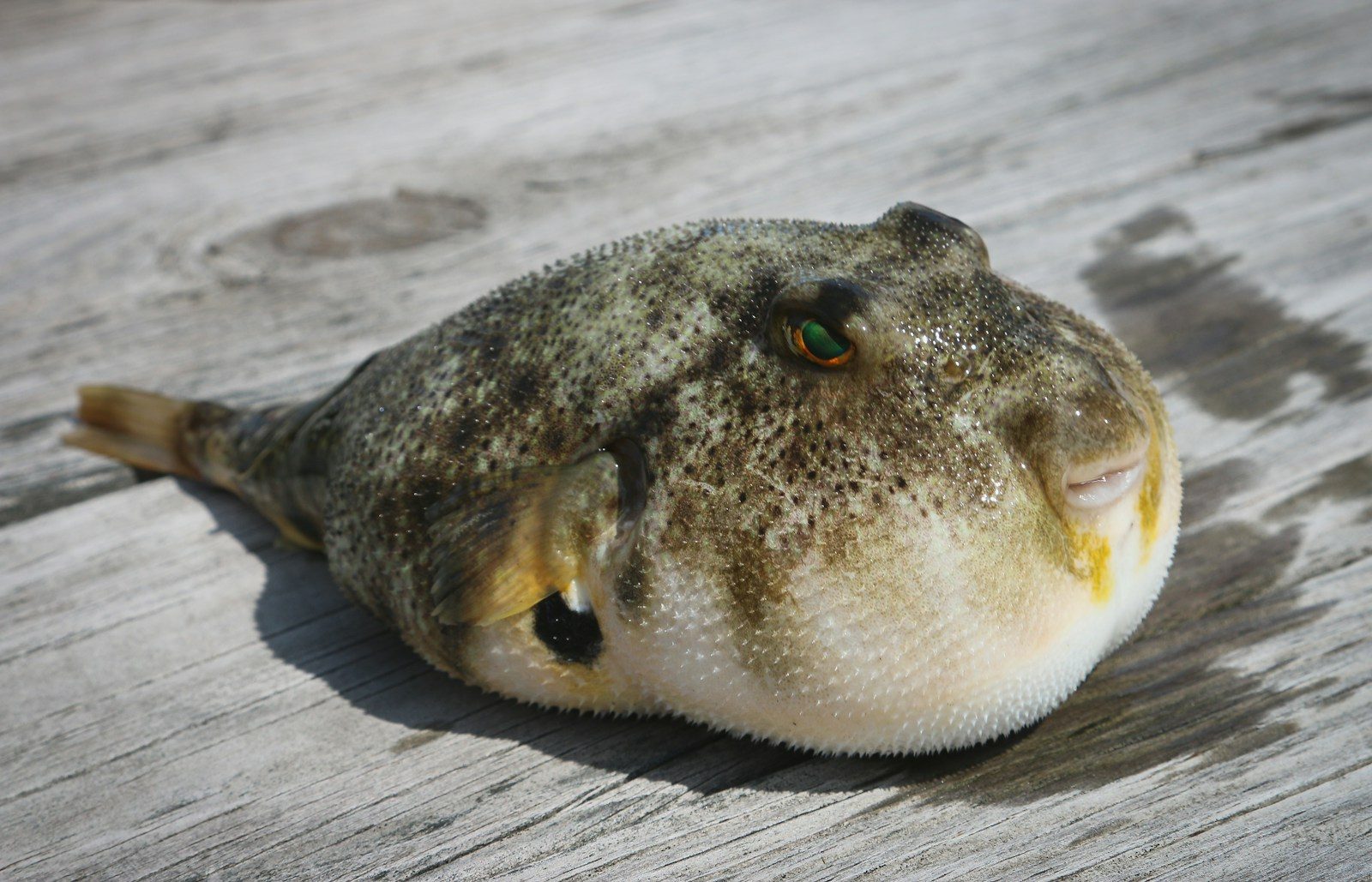
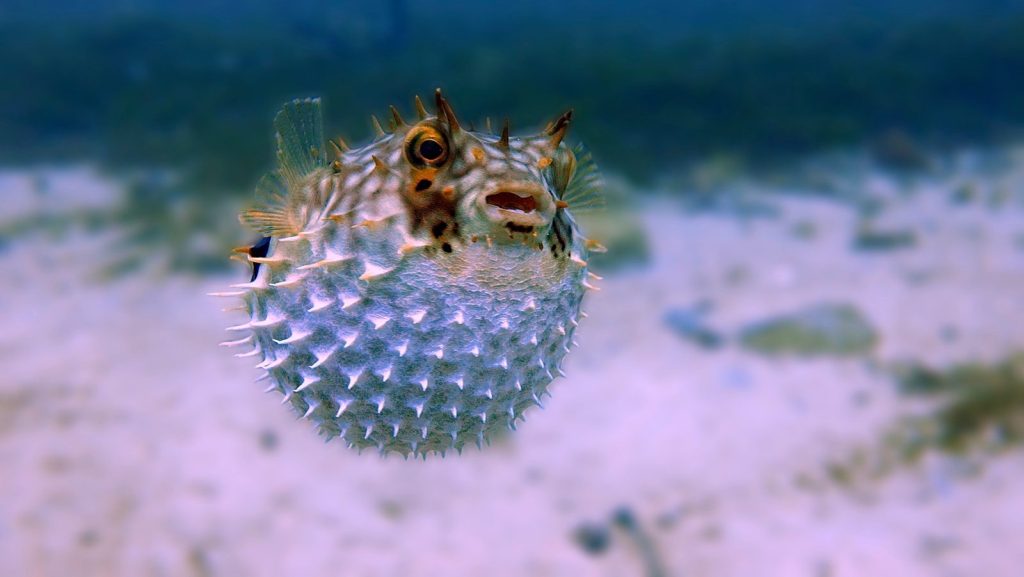
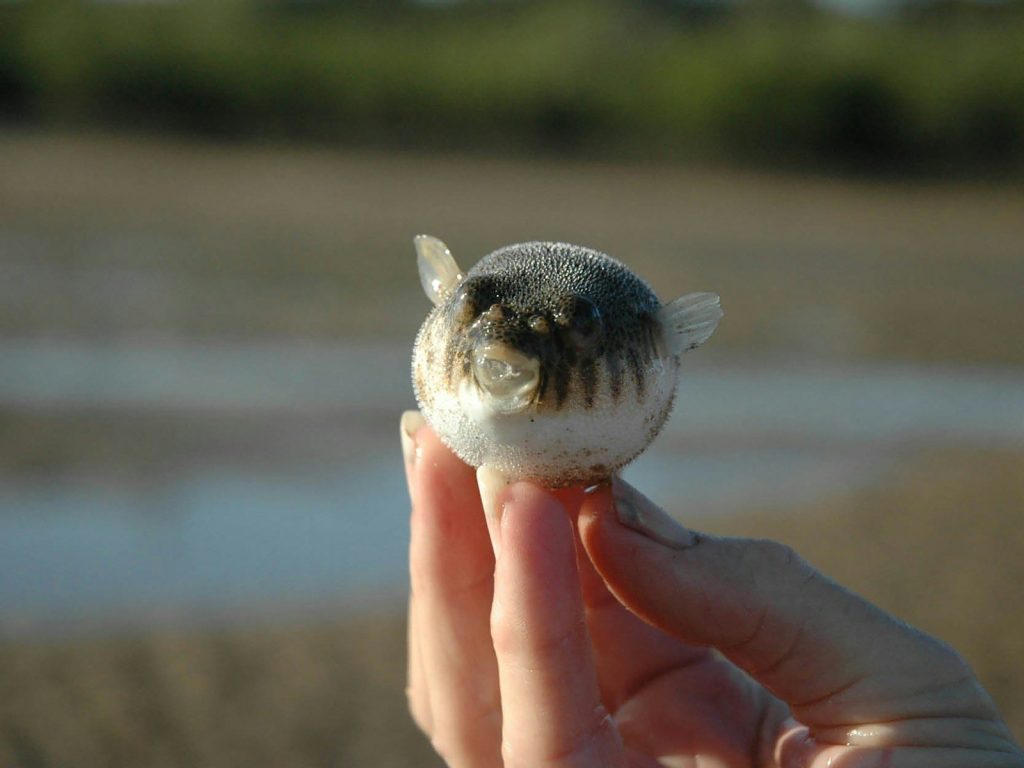
A day at the beach turned into an unexpected rescue mission when a diver came across a puffer fish in serious trouble. What started as a search for a lost bracelet quickly became a fight to save a marine animal trapped by fishing gear. The diver noticed something was wrong as the fish struggled to swim near a reef.
After taking a closer look, he realized the puffer fish was hooked and tangled in fishing line. This remarkable rescue highlights the dangers that discarded fishing gear can create for ocean life and shows how one chance encounter made a big difference for a stranded fish.
The day began with a simple goal. The diver and his companion headed to a local beach after receiving a tip about a lost gold bracelet somewhere in the water. The area was known for its rocky coastline, diving spots, fishing areas, and strong waves.
Conditions were far from ideal. The water was murky, the surf was rough, and visibility was limited. Even so, the diver explored the underwater landscape, swimming through rocky areas and checking different parts of the reef in hopes of finding something valuable.
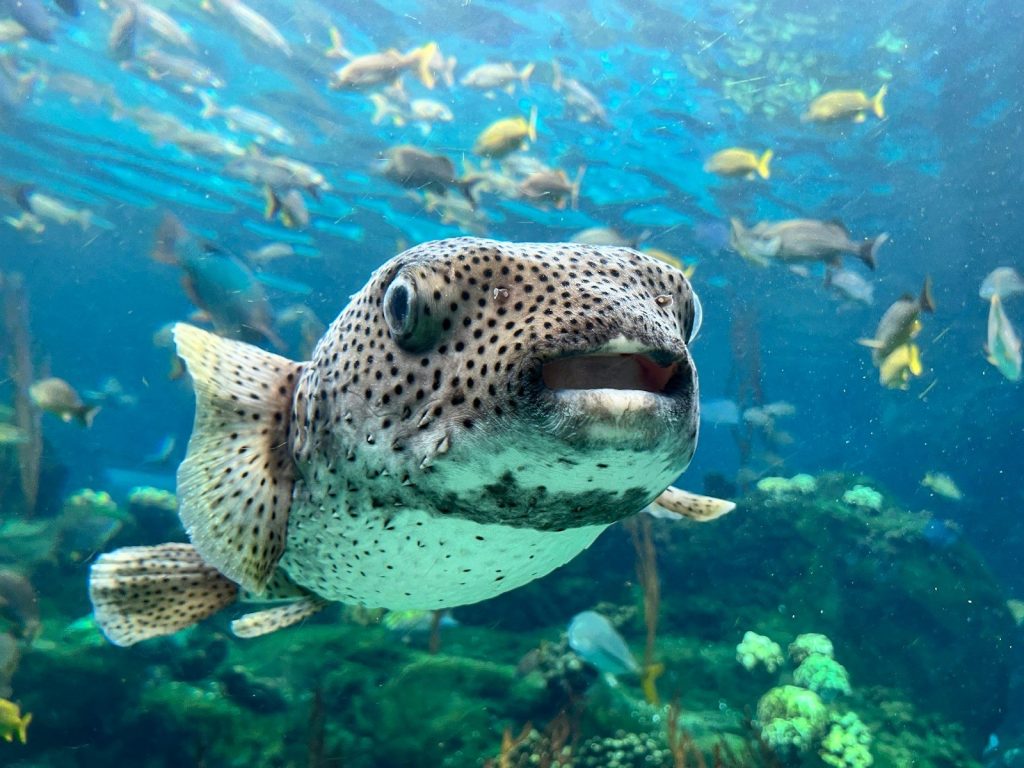
While exploring underwater tunnels and rocky formations, the diver spotted a large puffer fish. At first, the fish simply seemed unusual because of its size. The diver even joked that it looked more like a small dog than a fish.
As he moved closer, he noticed that something was not right. The puffer fish was swimming strangely and staying close to the reef. A closer look revealed the problem. The fish had become trapped by a fishing hook, fishing line, and weights that were holding it down against the reef.
The diver immediately knew the fish needed help. However, the rescue would not be easy. He did not have a knife with him, and the rough waves constantly pushed him around while he tried to reach the fish.
Every attempt came with challenges. The fish was frightened and swam away whenever the diver moved too quickly. At the same time, the diver had to avoid getting injured by the fishing hook or the puffer fish itself, which had strong teeth and protective spines.
After studying the situation, the diver realized removing the hook directly would be difficult. The hook was large, barbed, and firmly attached. Pulling it out risked causing more harm to the fish.
Instead, he focused on the fishing line. Looking closely, he discovered that the knot holding the line together was not tied very tightly. He carefully worked at the knot while waves continued to move both him and the fish around the reef.
Untying the knot took several minutes. Progress was slow, and each small movement felt important. The diver remained patient, knowing that freeing the fish depended on getting the line loose without causing additional stress.
Finally, the knot came undone. The puffer fish was no longer trapped by the weights and fishing line. The diver briefly held the fish before releasing it back into the water. The fish quickly swam away, ending a rescue that had seemed uncertain just moments earlier.
The rescue did not end when the fish swam away. The diver wanted to remove as much of the abandoned fishing gear as possible to prevent another animal from becoming trapped. He began pulling on the tangled line wrapped around the reef.
Although rough conditions made the cleanup difficult, he managed to remove part of the fishing line along with fishing weights and a lure. During the rest of the dive, he also collected bottles, cans, golf balls, and other debris found around the area.
The encounter showed how dangerous discarded fishing equipment can be for marine life. A single hook and length of fishing line were enough to trap a healthy fish and leave it struggling to survive on the reef.
The diver later reflected on how fortunate the timing had been. If he had not been searching the area that day, the puffer fish might never have been found. What began as a mission to locate a lost bracelet became an opportunity to save an animal and remove harmful trash from the ocean.
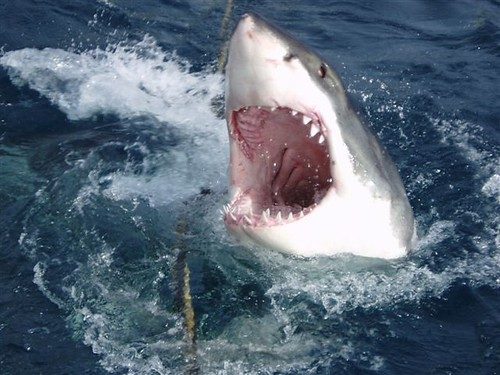
What would you do if you hooked a huge shark and thought you were about to land the catch of a lifetime? For one fisherman, that exciting moment quickly turned into something far more dramatic. A massive shark was on the line, the battle was intense, and everything seemed to be going as planned. Then, without warning, another giant predator appeared.
This incredible event shows just how unpredictable life in the ocean can be. The massive shark gets eaten during the fight, turning a routine fishing trip into a shocking display of nature’s power. Here’s a closer look at what happened and why this moment captured so much attention.
Every great fishing story begins with a single bite. In this case, an angler hooked a large shark and prepared for what appeared to be a long, challenging fight. Catching a shark is never easy, and reeling in such a powerful animal requires patience, strength, and skill.
As the struggle continued, the shark pulled hard against the line. The fisherman stayed focused while the shark fought to escape. At that point, the biggest challenge seemed to be bringing the animal close enough to the boat or shore.
Just when it seemed the battle was reaching its most exciting stage, something unexpected happened. Another large predator entered the scene. The calm focus of the fishing fight instantly turned into complete chaos.
The water erupted with movement. Splashes appeared across the surface as the hooked shark suddenly faced a threat much bigger than the fishing line attached to it. The situation changed in seconds.
The attack showed a side of nature that many people rarely get to see. Large marine predators sit near the top of the food chain, yet they are not always safe from danger. In the ocean, size and strength can change the outcome of a fight in an instant.
As the attack unfolded, the hooked shark was overwhelmed. The predator that arrived proved to be stronger and more dominant. The dramatic scene highlighted the constant competition that exists beneath the waves.
One reason the event gained attention is the sheer intensity of what happened. The water burst into motion as the attack took place. The sudden explosion of activity transformed a normal fishing moment into a remarkable spectacle.
People are often fascinated by wildlife because it can be unpredictable. A peaceful scene can become dramatic in a matter of seconds. That unpredictability is exactly what made this encounter so memorable.
Stories involving large sharks naturally attract interest. Sharks are powerful animals that inspire both respect and curiosity. When one of these predators suddenly becomes prey, people are eager to learn more.
The event also highlights the mystery of the ocean. Much of what happens beneath the surface remains hidden from view. Encounters like this provide a rare glimpse into a world that most people never see.
The fisherman may have hooked an impressive shark, but the final outcome was the ocean’s. The arrival of a larger predator changed everything and demonstrated the power of life beneath the waves.
While humans can interact with marine environments through fishing, boating, and diving, nature remains in control. The ocean is home to creatures that have survived and competed for millions of years.
For years, scientists feared they had lost one of the Pacific Ocean’s most important creatures forever. The strange and colorful sunflower sea star almost vanished after a devastating disease swept through the West Coast, killing billions of sea stars and changing entire marine ecosystems. But now, a surprising discovery off Northern California is giving researchers new hope.
Eighteen sunflower sea stars have been found in the waters of the Greater Farallones National Marine Sanctuary, marking one of the biggest sightings in California since the species collapsed more than a decade ago. This article explains what happened to these giant sea stars, why their return matters, and how scientists are working to protect them before it is too late.
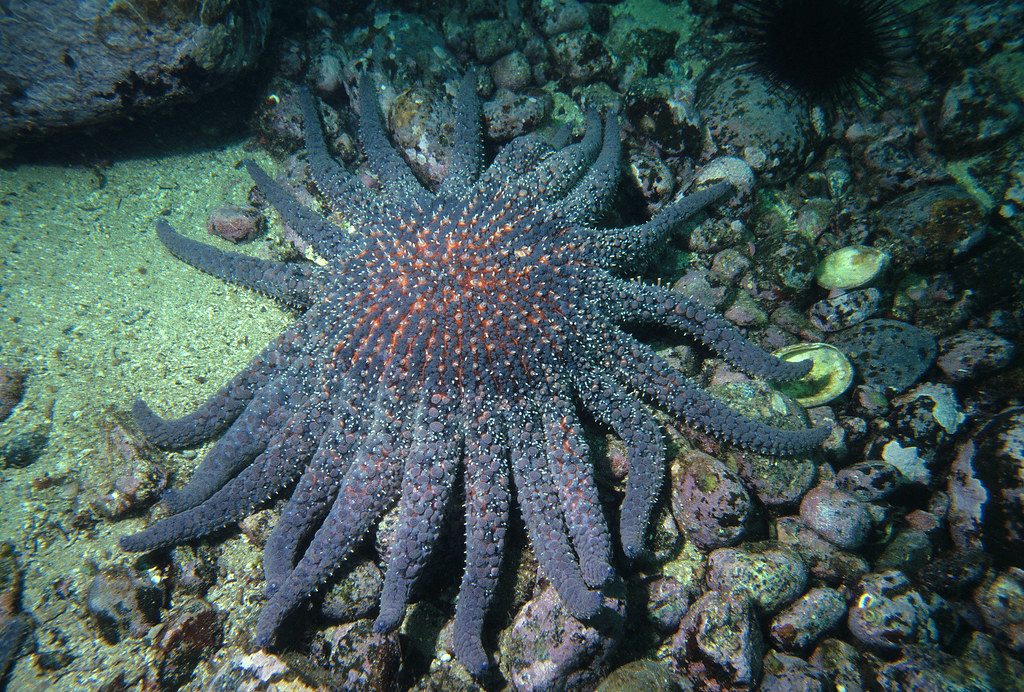
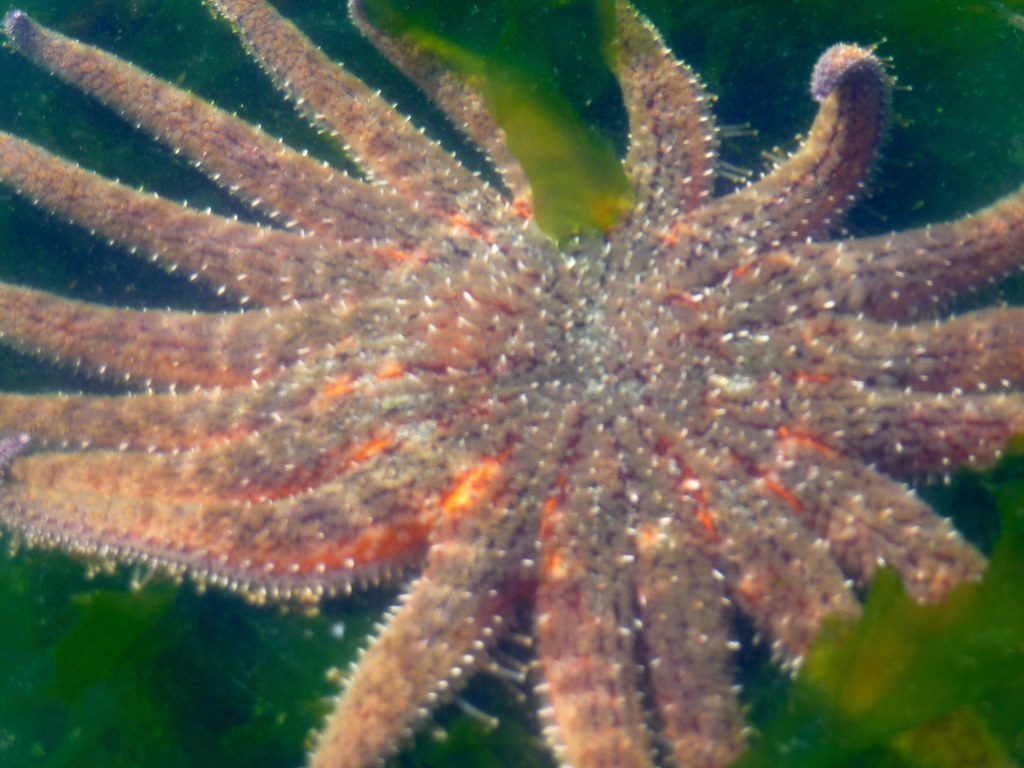
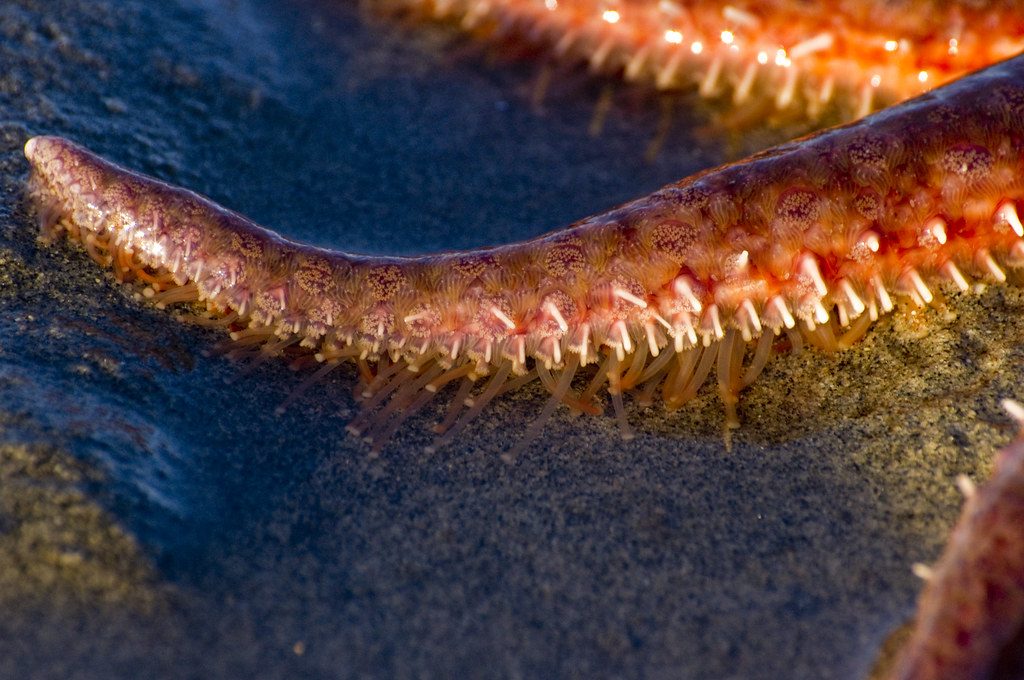
The sunflower sea star is one of the largest sea star species on Earth. Its scientific name is Pycnopodia helianthoides, and adults can grow more than three feet across. Most have between 16 and 24 arms, although the exact number varies. Their bodies come in many colors, including orange, purple, red, brown, and yellow. Unlike slower sea stars, sunflower sea stars are fast-moving predators that can travel about three feet every minute across the seafloor in search of food.
For decades, these sea stars were common along the Pacific coast from Alaska to Southern California. Then disaster struck in 2013. A mysterious illness called sea star wasting disease began spreading rapidly. Infected animals developed lesions, their arms twisted or fell off, and many eventually died. Between 2013 and 2017, the disease killed billions of sea stars across North America in what scientists describe as the largest marine epidemic ever recorded. By the end of the outbreak, sunflower sea stars had nearly disappeared from California waters, and researchers worried the species might never recover.
Hope returned last summer when researchers discovered 18 sunflower sea stars in the Greater Farallones National Marine Sanctuary off the coast of Northern California. The stars were found during Sonoma State University’s first diving event, known as “Pycnopalooza.” The discovery was especially exciting because previous sightings in California had been extremely rare and usually involved only one or two animals.
The newly discovered sea stars were not tiny juveniles. Many were large, mature adults that may be capable of reproducing. Scientists collected small tissue samples, water samples, and ecological data from the site to learn more about the animals and their environment. Researchers believe these survivors could hold important clues about why some sea stars lived while billions of others died. Their genes may reveal whether they have natural resistance to disease or other traits that helped them survive such a catastrophic event.
The loss of sunflower sea stars affected much more than a single species. These animals are considered keystone predators, meaning they play an outsized role in keeping ecosystems balanced. One of their favorite foods is the purple sea urchin, a spiny creature that feeds on kelp. When sunflower sea stars disappeared, sea urchin populations exploded because fewer predators were hunting them.
The increase in sea urchins had devastating consequences for kelp forests. Vast underwater forests that once covered parts of the California coast were stripped bare as hungry urchins consumed kelp faster than it could grow. In the Farallones region alone, about 90 percent of kelp habitat was lost. Scientists say the disappearance of these forests affected many other species, including fish, sea otters, sharks, and seabirds. The ripple effects spread throughout the food web, showing how the loss of one important predator can reshape an entire ecosystem.
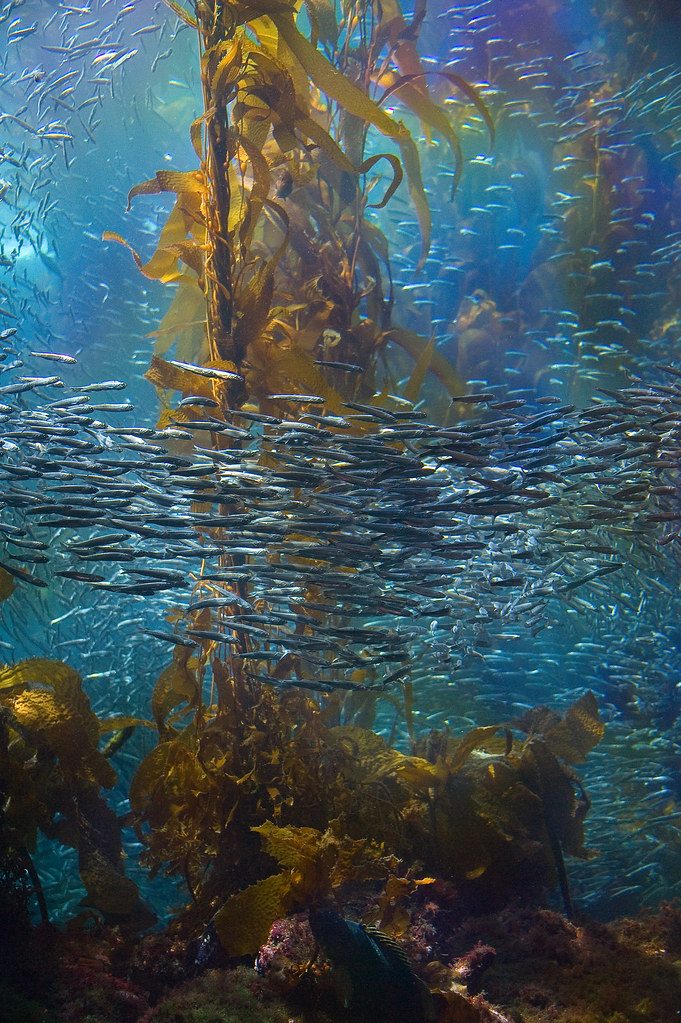
Kelp forests are among the most productive ecosystems on Earth. Giant kelp grows rapidly and forms towering underwater structures that provide food, shelter, and breeding grounds for hundreds of species. Fish hide among the fronds, sea otters hunt for prey, and sharks patrol the edges of these marine forests. Nearly 800 species depend on kelp ecosystems somewhere along the Pacific coast.
These forests also help people. Kelp absorbs carbon dioxide from the atmosphere and stores it in ocean ecosystems, helping slow climate change. Scientists estimate that a hectare of healthy kelp forest can absorb dozens of tons of carbon dioxide each year. But kelp is sensitive to warming oceans. Marine heat waves, changing ocean conditions, and strong climate events such as El Niño can slow kelp growth or kill large areas of forest. That is why the return of sunflower sea stars is so important. By controlling sea urchins, they may help kelp forests recover naturally over time.
Scientists are not waiting to see what happens next. Across the West Coast, researchers are working on ways to restore sunflower sea star populations before another disease outbreak or marine heat wave strikes. At laboratories such as the Birch Aquarium in San Diego, scientists have successfully bred sunflower sea stars and raised their larvae in controlled conditions. The goal is to create healthy populations that could one day be returned to the ocean.
Other researchers are exploring whether selective breeding could make sea stars more resistant to disease and warmer water. Some scientists are even studying whether helpful bacteria and algae could protect sea stars in the same way beneficial microbes help corals survive stress. New discoveries are happening quickly. Researchers say they are learning more every month about how these animals grow, reproduce, and fight disease. This growing knowledge gives scientists confidence that recovery is possible, even though many challenges remain.
The rediscovery of sunflower sea stars is more than a scientific milestone. It is a reminder that nature can sometimes recover even after severe losses. The sight of 18 healthy sea stars in Northern California shocked many researchers who had spent years searching without success. Some described the moment as feeling like seeing a dinosaur alive in the modern world.
Still, the future of the species remains uncertain. Sunflower sea stars are considered threatened, and experts continue to debate what protections they need. Conservation groups want stronger safeguards for coastal habitats and cleaner ocean waters, while scientists continue studying the long-term effects of disease and climate change. Yet for the first time in many years, there is real optimism. The survival of these sea stars suggests that recovery is possible, and with continued research and conservation, one of the Pacific Ocean’s strangest and most important creatures may once again thrive along the California coast.
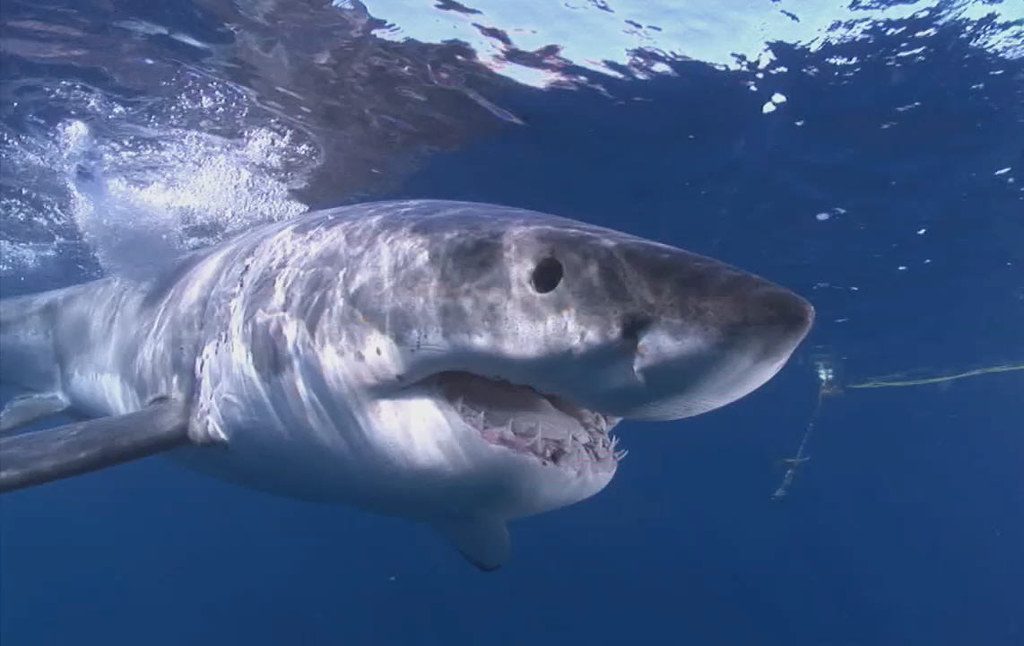
The ocean is warming faster than many scientists expected, and great white sharks are feeling the change. Global warming is changing where these famous predators live, what they eat, and how they interact with other animals. While great white sharks are known for being powerful hunters, they are not immune to changes in their environment.
Rising ocean temperatures are shrinking some of their favorite habitats and pushing them into new waters. Scientists are now tracking these changes closely to understand what they mean for sharks, marine ecosystems, and even people. This article explains how global warming is affecting great white sharks, why these changes are happening, and what the future may hold for one of the ocean’s most important predators.
Great white sharks depend on the right temperatures
Great white sharks live in many oceans around the world, but they do not swim just anywhere. They prefer waters within certain temperature ranges that help them hunt efficiently and conserve energy. Young sharks are especially sensitive to temperature because they spend much of their early lives in shallow coastal waters. As global warming raises ocean temperatures, these preferred habitats are changing. Areas that were once ideal are becoming too warm, while cooler areas farther north or south are becoming more suitable.
Scientists have already observed major shifts in where young great white sharks live. Along the California coast, juvenile sharks moved their northern range by about 373 miles, or 600 kilometers, between 2014 and 2020. Researchers believe this happened because warming waters reduced the amount of suitable habitat available to the sharks. Even a small change in ocean temperature can have a large impact because predators and prey often rely on very specific environmental conditions.
One of the clearest effects of climate change is that great white sharks are appearing in places where they were once rare. Scientists call this a range shift, which means animals move into new areas as environmental conditions change. Young great white sharks have increasingly been spotted farther north along the Pacific coast of North America. Similar patterns are expected in other parts of the world as ocean temperatures continue to rise.
This movement does not mean sharks are invading new places on purpose. Instead, they are following temperatures that suit their bodies and searching for food. Researchers studying sharks in Australia have predicted that suitable habitats may continue shifting toward cooler regions over the coming decades. Models suggest some coastal areas could lose much of their favorable habitat by the end of the century, while regions farther from the equator may become more attractive to sharks. These changes could reshape marine ecosystems in ways scientists are only beginning to understand.
Great white sharks are apex predators, but even top predators depend on healthy food webs. Global warming is changing where fish, seals, and other prey species live. As ocean temperatures rise, many smaller fish move toward cooler waters or deeper areas. This forces great white sharks to travel farther and spend more energy searching for food.
Scientists say warming oceans are already affecting prey availability for sharks and rays around the world. In some areas, prey and predators are being squeezed into smaller habitats because the amount of suitable cool water is shrinking. This crowding can increase competition and disrupt natural predator-prey relationships. When sharks must spend more energy hunting while finding less food, it becomes harder for them to grow, reproduce, and survive. Young sharks may be especially vulnerable because they need reliable food sources during their early years.
Great white sharks are reaching their physical limits
Great white sharks are unusual among fish because they can keep parts of their bodies warmer than the surrounding water. This ability helps them swim faster and hunt effectively in cooler oceans. However, it also means they use much more energy than cold-blooded fish. As ocean temperatures rise, their bodies face new challenges that may push them close to their natural limits.
Recent research found that warm-bodied marine predators, including great white sharks, use nearly four times more energy than cold-blooded species. In warmer oceans, sharks may have to slow down, change how blood flows through their bodies, or dive deeper into cooler waters. These adjustments can make hunting more difficult, especially when food is already becoming scarcer. Scientists warn that warming oceans may force these animals into cooler regions with fewer resources, creating an increasingly difficult balance between staying cool and finding enough food to survive.
Great white sharks play a major role in keeping marine ecosystems balanced. As apex predators, they influence the behavior and population sizes of many other animals. When sharks move into new areas, the effects can spread throughout the food web and change ecosystems in unexpected ways.
Researchers studying California waters found that warming oceans have compressed sharks and their prey into smaller regions. This may contribute to declines in some fish populations because prey species have fewer places to hide. In areas where juvenile sharks are appearing more often, scientists are also studying how their presence affects animals such as sea otters and other marine mammals. These ecosystem changes are complex, and many questions remain unanswered. Still, experts agree that climate-driven shifts in shark populations could have important consequences for coastal ecosystems around the world.
The future of great white sharks depends on climate action
Climate change is not the only threat facing great white sharks. Overfishing, accidental capture in fishing gear, habitat loss, and pollution have already placed pressure on shark populations worldwide. Climate change adds another challenge by altering the oceans faster than many species can adapt. Scientists are now using satellite tags, ocean temperature maps, and computer models to predict where sharks may move in the future and how their habitats will change.
There is still hope for great white sharks if warming can be slowed and marine ecosystems are protected. Creating healthy marine protected areas, reducing harmful fishing practices, and cutting greenhouse gas emissions can all help sharks adapt to changing conditions. Scientists stress that protecting sharks is not just about saving one species. Healthy shark populations help maintain balanced oceans, and balanced oceans are important for countless other species, including humans. The choices made today will shape whether future generations see thriving great white sharks or a species struggling to keep up with a rapidly changing world.
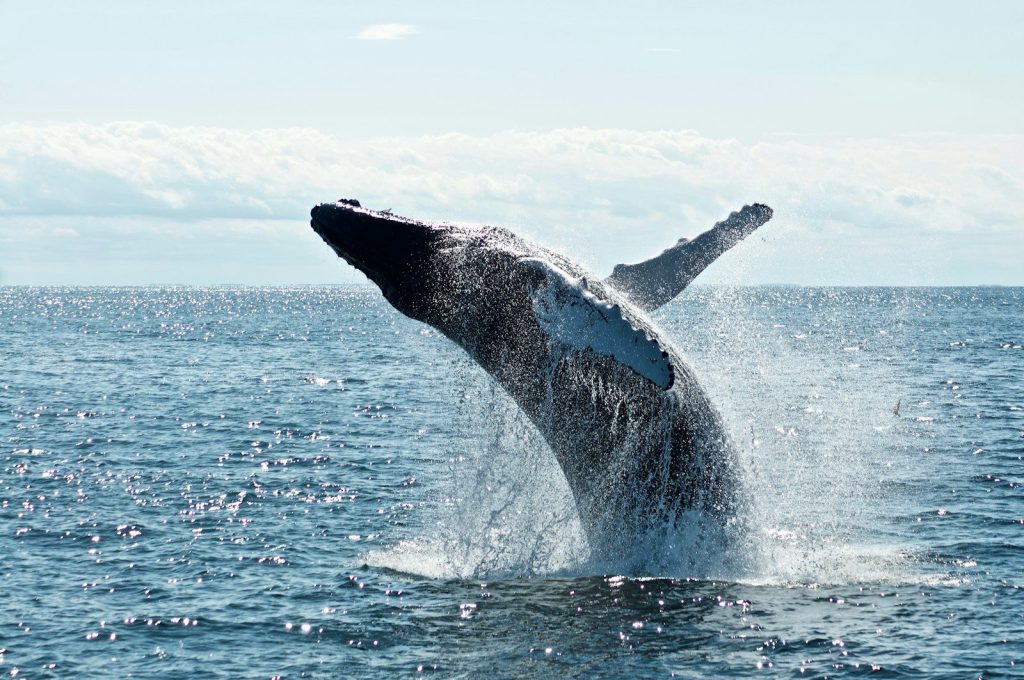
Imagine hauling a massive whale out of the ocean and discovering it has legs. That is exactly what happened in 1919 when whalers caught a 27-ton humpback whale near Vancouver Island. What looked like a sea monster story soon became one of the most fascinating discoveries in whale evolution.
The whale with legs revealed evidence of a distant past when the ancestors of modern whales walked on land. Scientists later studied the unusual animal and found that its strange limbs offered a rare glimpse into millions of years of evolution. This remarkable discovery continues to help researchers understand how land mammals transformed into the giant whales that swim through Earth’s oceans today.
In July 1919, a female humpback whale was captured by a whaling ship operating near Vancouver Island in British Columbia. The whale appeared normal at first, but the crew soon noticed something extraordinary. Two leg-like structures were protruding from the body near the genital opening.
According to reports, the limbs extended about 4 feet 2 inches from the whale’s body and were covered with blubber. One of the limbs was accidentally removed and lost, but the other remained available for scientific study. The unusual find attracted immediate attention because modern whales are not supposed to have external hind legs.
The remains and photographs were sent to zoologist Roy Chapman Andrews at the American Museum of Natural History. Andrews carefully studied the bones and cartilage that made up the strange appendage. His findings were published in 1921 in a paper titled A Remarkable Case of External Hind Limbs in a Humpback Whale.
The structures contained parts that Andrews identified as a femur, a tibia, a tarsus, and a metatarsal. These are bones associated with the hind legs in land animals. Based on the evidence, he concluded that the protrusions were genuine vestigial hind limbs rather than injuries or unusual growths.
Although whales no longer walk on land, they still retain hidden remnants of their ancestors’ hind limbs. Scientists have long known that modern whales possess small pelvic bones buried inside their bodies. These structures no longer function as legs, but they remain part of the whale’s skeleton.
The 1919 humpback whale was unusual because some of these ancient features developed beyond their normal state. Researchers call this phenomenon an atavism. An atavism occurs when a trait from distant ancestors unexpectedly reappears after remaining hidden for many generations. Similar cases have occasionally been reported in dolphins and other whales.
The whale with legs provided powerful evidence that whales evolved from land-dwelling mammals. Modern research shows that whales descended from four-legged mammals that gradually adapted to life in the water. Over millions of years, their bodies changed dramatically as they became fully aquatic animals.
Fossils discovered around the world reveal different stages of this transition. Early whale relatives had functioning legs and could move on land. Later forms became increasingly adapted to swimming, while their hind limbs shrank and eventually disappeared from the outside of the body. The 1919 whale appeared to briefly reconnect modern whales with that ancient past.
Evidence of whale ancestry does not come only from fossils. Scientists have found that whale embryos briefly develop hind limb buds during early growth. These structures appear briefly before disappearing as development continues.
Researchers believe the 1919 humpback whale may have experienced an unusual developmental event that allowed those structures to continue growing. This would explain why external hind limbs appeared on an otherwise normal adult whale. The discovery matched what scientists already knew about whale embryos and their evolutionary heritage.
More than a century after its discovery, the whale with legs remains one of the most famous examples of evolutionary atavism. It offers a rare and dramatic illustration of how ancient genetic information can persist long after a physical feature disappears.
Today, scientists continue studying whale genetics, fossils, and anatomy to better understand how one group of land mammals returned to the sea and eventually produced the largest animals ever known. The strange humpback whale caught in 1919 serves as an unforgettable reminder that evolution leaves clues hidden deep within living creatures.
Few ocean encounters are as exciting as coming face-to-face with a giant shark. That is exactly what happened when wildlife host Mark Vins and his crew traveled to the Bahamas in search of some of the ocean’s most impressive predators.
During an episode of Blue Wilderness, the team visited the world-famous Tiger Beach, a location known for large shark encounters. Just when it seemed their adventure was coming to an end, Mark spotted a massive hammerhead shark swimming through the waters off the Bahamas. The unexpected sighting became one of the most memorable moments of the expedition.
Mark Vins and his crew traveled to Tiger Beach with hopes of encountering large sharks in their natural habitat. The Bahamas’ location has earned a reputation among divers and marine enthusiasts for attracting impressive shark species.
The team spent time exploring the waters and documenting marine life. As the expedition continued, they had close encounters with several sharks, making the trip a success even before the most dramatic moment.
As the adventure was winding down, Mark noticed something remarkable in the water. A giant hammerhead shark appeared near the group, creating an unforgettable moment for everyone involved.
The shark’s enormous size immediately stood out. Hammerhead sharks are already among the most recognizable shark species because of their unique head shape, but this individual seemed especially impressive for its sheer size.
The sighting allowed Mark and the crew to observe the hammerhead shark in its natural environment. Watching such a large predator move through the water provided a rare opportunity to appreciate its power and grace.
Great hammerhead sharks are among the largest hammerhead species in the world. Some individuals found in Bahamian waters can reach impressive sizes, making encounters with them especially memorable for divers and wildlife filmmakers.
The Bahamas has become one of the world’s most famous destinations for shark encounters. Areas such as Tiger Beach attract visitors hoping to observe large marine predators in clear ocean waters.
The region is known for hosting a variety of shark species, including tiger sharks, reef sharks, and hammerheads. These conditions make it a popular destination for wildlife photography, conservation awareness, and marine education.
Experiences like Mark Vins’ encounter help people better understand sharks and their role in ocean ecosystems. Seeing these animals in the wild often replaces fear with appreciation and curiosity.
Wildlife programs also give viewers a chance to learn about species they may never encounter themselves. By showcasing sharks in their natural habitats, filmmakers help highlight the importance of protecting healthy marine environments.
What began as a search for large sharks turned into an extraordinary encounter with a massive hammerhead shark. The animal’s unexpected appearance created a dramatic ending to the Blue Wilderness adventure.
For Mark Vins and his crew, the sighting served as a reminder that the ocean still holds many surprises. Moments like these continue to inspire fascination with marine life and encourage people to learn more about the creatures that inhabit the world’s oceans.