Category: News

  • Could an ancient scorpion really be dog-sized?

    Could an ancient scorpion really be dog-sized?

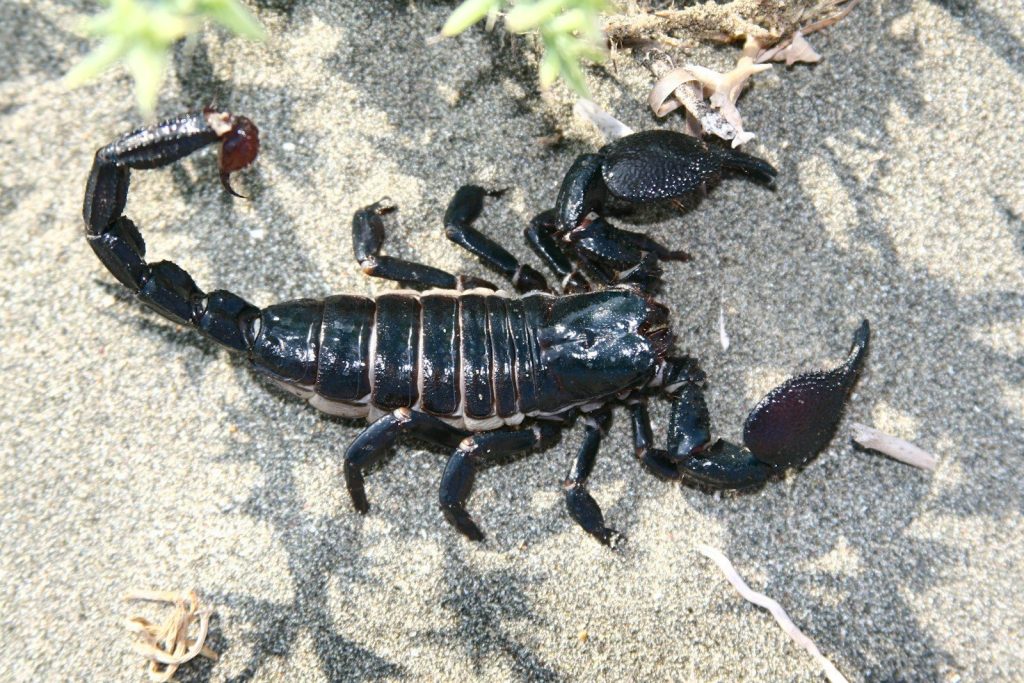
    Have you ever wondered what the biggest scorpion in history looked like? Recent research has answered that question with the discovery of a giant prehistoric scorpion that lived long before dinosaurs appeared. Scientists now believe this animal, called Praearcturus gigas, may be the largest scorpion ever identified.

    It lived around 415 million years ago in what is now England and Wales and reached a size that dwarfs modern scorpions. Still, there is some debate online about exactly how large it was. Different sources describe it as being as big as a dog, a Labrador, or just over 3 feet long. In this article, you will learn what scientists discovered, why experts are excited, how big the animal really was, and what its ancient world looked like.

    Scientists finally solved a 150-year mystery

    three people in lab coats looking at a tablet
    Photo by National Cancer Institute on Unsplash

    The fossils of this giant creature are not new. In fact, some of the fossil pieces were first found in the 1870s in parts of England and Wales. For more than a century, scientists argued about what kind of animal these remains belonged to. Early researchers thought the fossils came from a giant crustacean related to lobsters or sea bugs. Others believed they might belong to an ancient scorpion, but there was not enough evidence to be certain because the fossils were incomplete and lacked some of the features scientists expected to see.

    That changed when researchers used modern imaging methods and compared the fossils with other ancient scorpions discovered in recent years. Their work showed that the fossils belong to a species called Praearcturus gigas. The findings were published in a scientific journal in 2026 and have been welcomed by many experts. The discovery is important because it confirms that giant scorpions evolved much earlier than scientists once believed. It also proves that some of the oldest predators on land grew to enormous sizes even before forests and large land animals existed.

    How big was the giant scorpion really

    white measure tape
    Photo by Anne Nygård on Unsplash

    One reason this discovery became popular online is because of the animal’s impressive size. Scientists estimate that Praearcturus gigas measured more than 3 feet, or around 1 meter, in length. Its pincers alone may have reached about 6 inches long. That makes it much larger than any scorpion alive today. The world’s largest living scorpions usually grow to less than a foot in length, meaning this prehistoric species was several times larger than its modern relatives.

    However, there is some discussion about the exact size. Some news stories have called it “dog-sized” or “the size of a Labrador.” These descriptions are meant to help readers imagine the animal, but they can be misleading. Current scientific estimates place its length at roughly 3.3 feet. That is certainly enormous for a scorpion, but it is not the same size as a full-grown Labrador retriever in weight or height. Because the fossils are incomplete, scientists may refine these estimates in the future. For now, researchers agree on one important point: this was the largest scorpion species ever identified based on available evidence.

    The ancient world it lived in looked very different

    white and blue snow in close up photography
    Photo by De an Sun on Unsplash

    When Praearcturus gigas was alive, Earth looked nothing like it does today. The animal lived during the Early Devonian Period around 415 million years ago. At that time, there were no dinosaurs, no birds, and no mammals. Trees had not yet spread across the land, and forests as we know them did not exist. Most land plants were small and simple, creating open landscapes with few large living things.

    Because there were so few large animals on land, this giant scorpion likely had little competition. Scientists think that helped it grow so large and become one of the top predators of its time. The floodplains and shallow waters where it lived would have been filled with smaller creatures, giving it many feeding opportunities. Its size alone would have made it an intimidating hunter in an environment where most other animals were tiny compared with it.

    Was the giant scorpion a land animal or a water hunter
    a scorpion crawling on the sand in the sun
    Photo by Aristos Aristidou on Unsplash

    Researchers believe this giant scorpion probably spent time both on land and in water. This idea comes from special body structures found in the fossils. Some parts of its body have flap-like features called epimera. These are similar to structures seen in modern lobsters and crabs, which use them for support and protection. The presence of these features suggests that Praearcturus gigas may have been comfortable in shallow water environments.

    Scientists think the animal could have hunted in rivers, lagoons, or flooded areas while also moving across land. If this is true, it would explain how such a large creature supported its weight. Water helps support heavy bodies, making movement easier for giant animals. Many prehistoric creatures that grew to extraordinary sizes spent at least part of their lives in aquatic habitats. This mixed lifestyle may have given the giant scorpion access to more food and helped it dominate its environment for millions of years.

    What did the giant scorpion eat
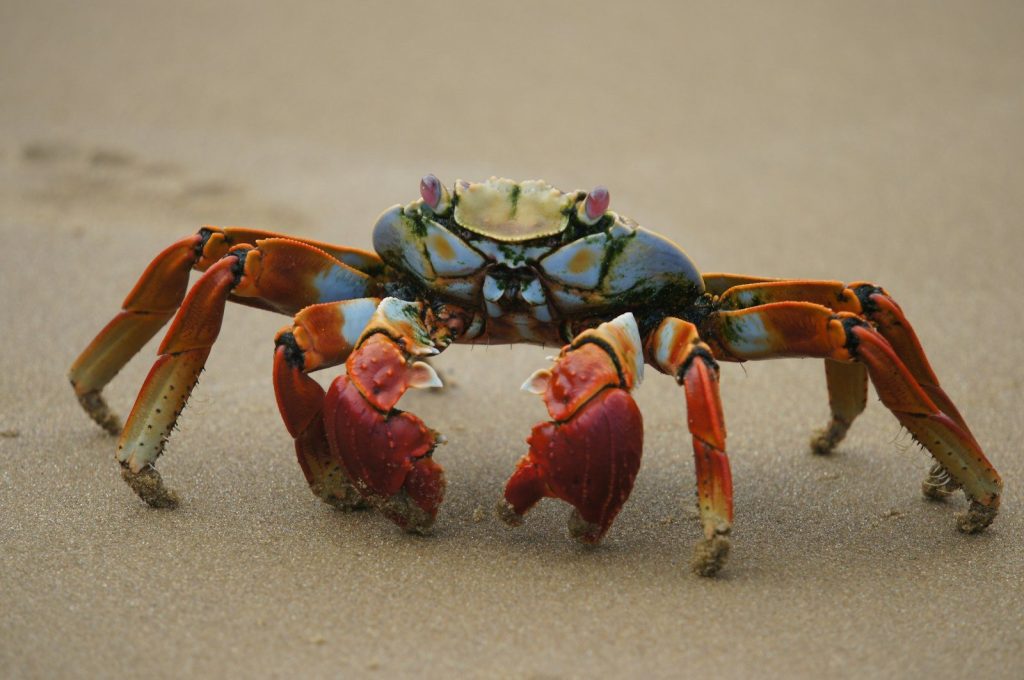
    red and black crab on sand
    Photo by Mackenzie Cruz on Unsplash

    Although scientists cannot observe its behavior directly, they can make educated guesses based on its body shape and the environment it lived in. The large pincers of Praearcturus gigas suggest it was an active predator that grabbed and held prey. Researchers think it probably fed on smaller arthropods, which are animals related to insects, spiders, and crabs. These creatures were common during the Devonian Period and would have been easy targets for a hunter of this size.

    If the scorpion hunted in water as well, its menu may have been even larger. Scientists believe it could have preyed on small fish and other aquatic animals living in shallow waters. Its strong claws would have been useful for catching slippery prey or crushing hard shells. While there is no direct evidence showing exactly what it ate, experts agree that it was likely one of the most powerful predators in its ecosystem. Few animals of its time would have been able to challenge a creature of this size and strength.

    Why this discovery matters to science

    people having meeting on rectangular brown table
    Photo by Christina @ wocintechchat.com M on Unsplash

    The discovery of Praearcturus gigas is exciting because it changes what scientists know about the history of life on Earth. Before this research, many experts believed giant arthropods appeared much later, during periods when forests covered the land and ecosystems were more developed. This giant scorpion lived at least 50 million years before famous giant creatures like huge millipedes and giant dragonfly relatives. Its existence shows that animals evolved large sizes much earlier than researchers expected.

    The finding also highlights the value of museum collections. The fossils used in this study had been stored for more than 150 years. New technology allowed scientists to examine them in ways that were impossible in the past. This means other important discoveries may still be hidden in museum drawers around the world. As technology improves, researchers may uncover more ancient species that reshape our understanding of evolution and the history of life.
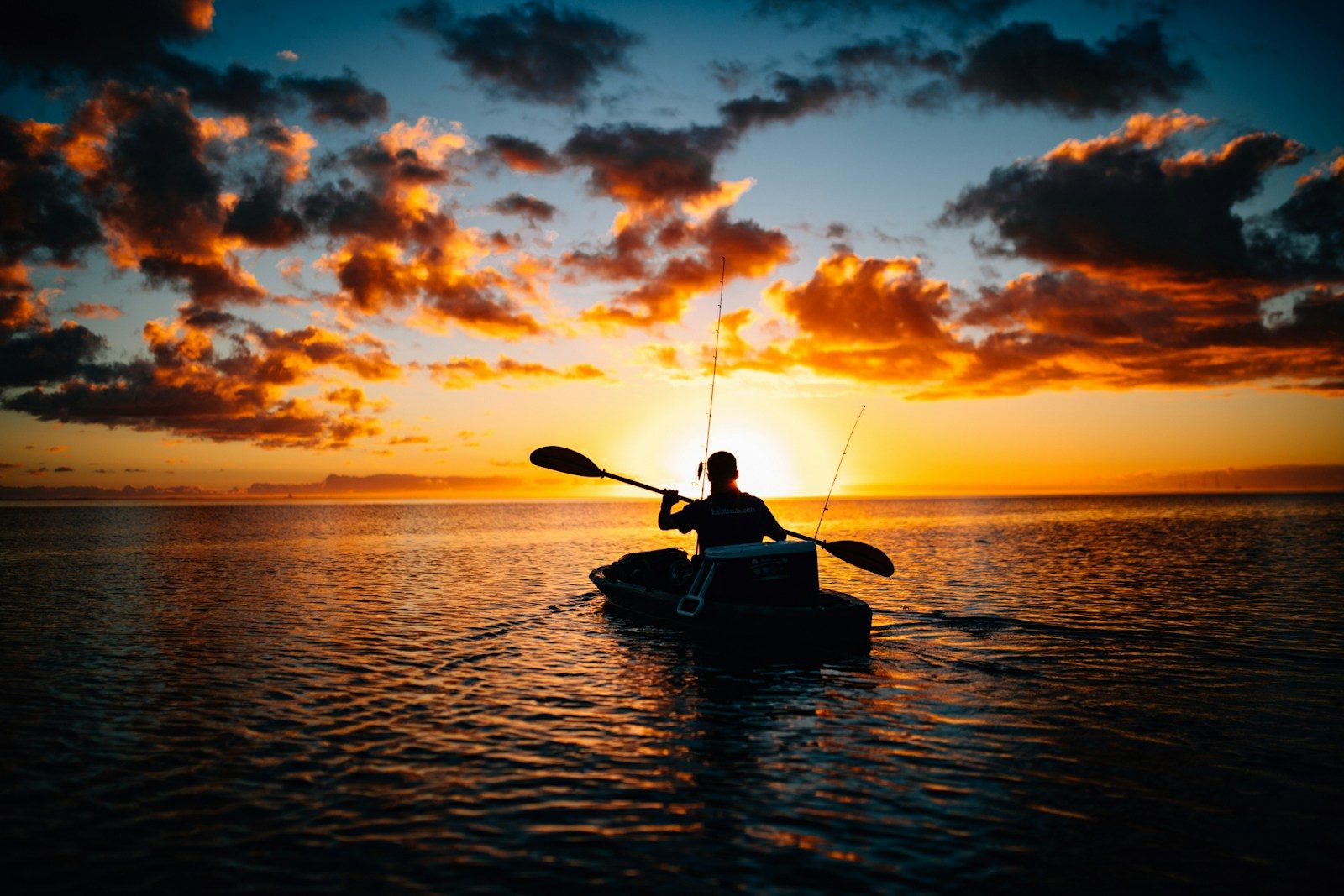
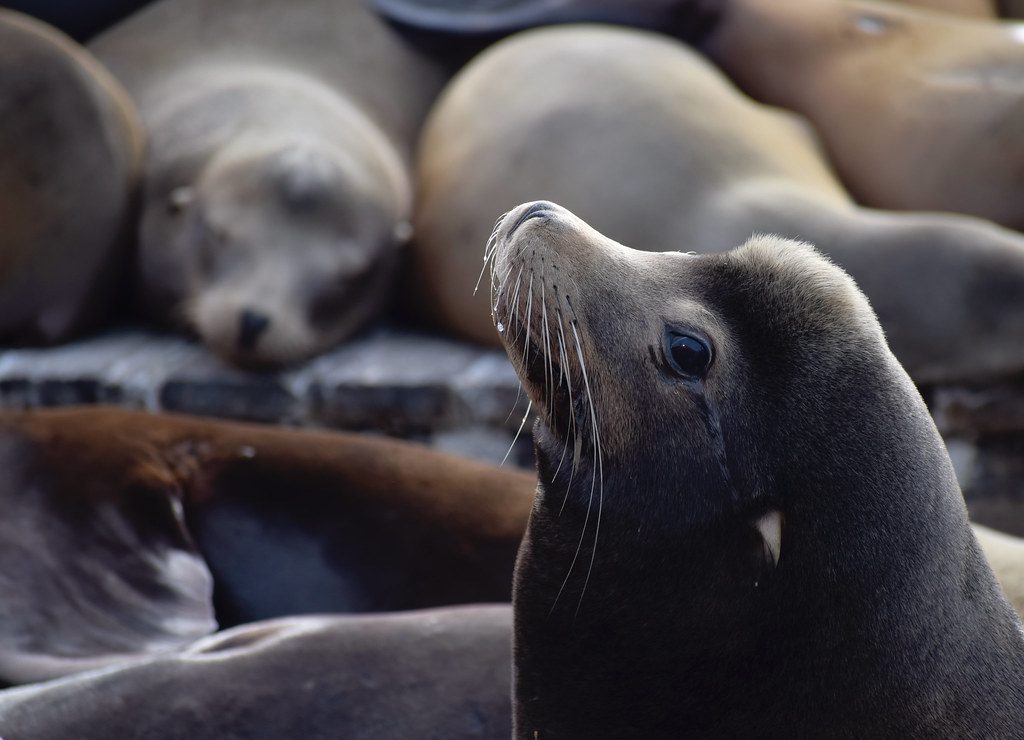
  • This seal carried a pillowcase everywhere until one kayaker noticed something was wrong

    This seal carried a pillowcase everywhere until one kayaker noticed something was wrong

    A discarded pillowcase may seem harmless, but for one young seal it became a life-threatening trap. Unable to remove the fabric on its own, the seal continued swimming while carrying a burden that made survival harder every day. The situation grew worse until a kayaker noticed that something was terribly wrong.

    What followed was an emotional rescue that gave the struggling animal a second chance. This article explains how the rescue unfolded, why everyday litter can become deadly in the ocean, and what this story teaches us about protecting marine wildlife.

    A hidden danger followed the seal everywhere

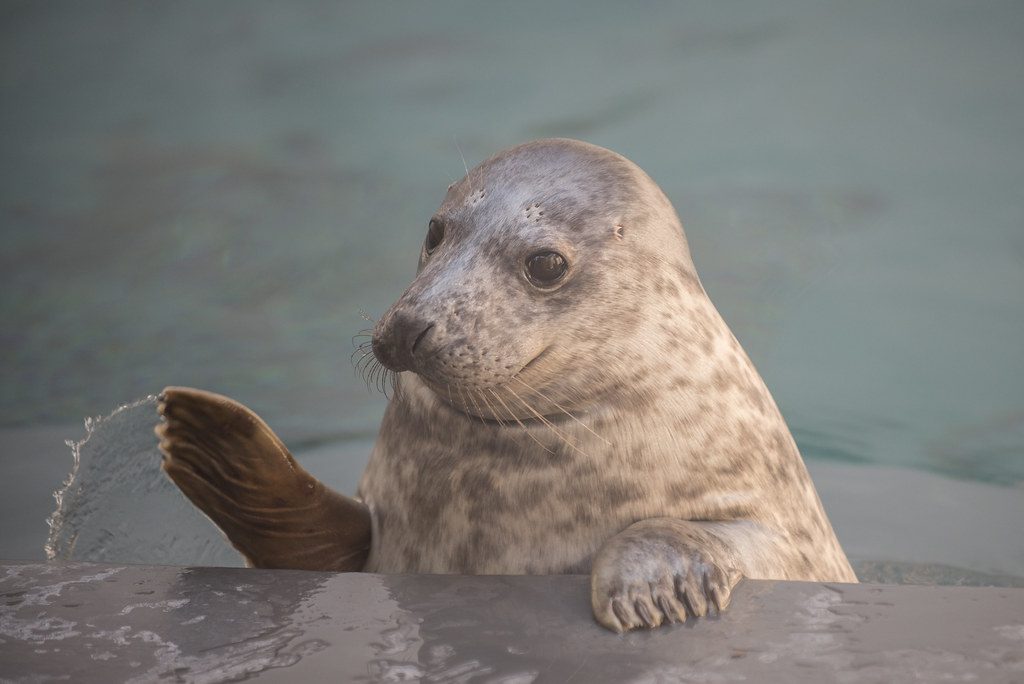
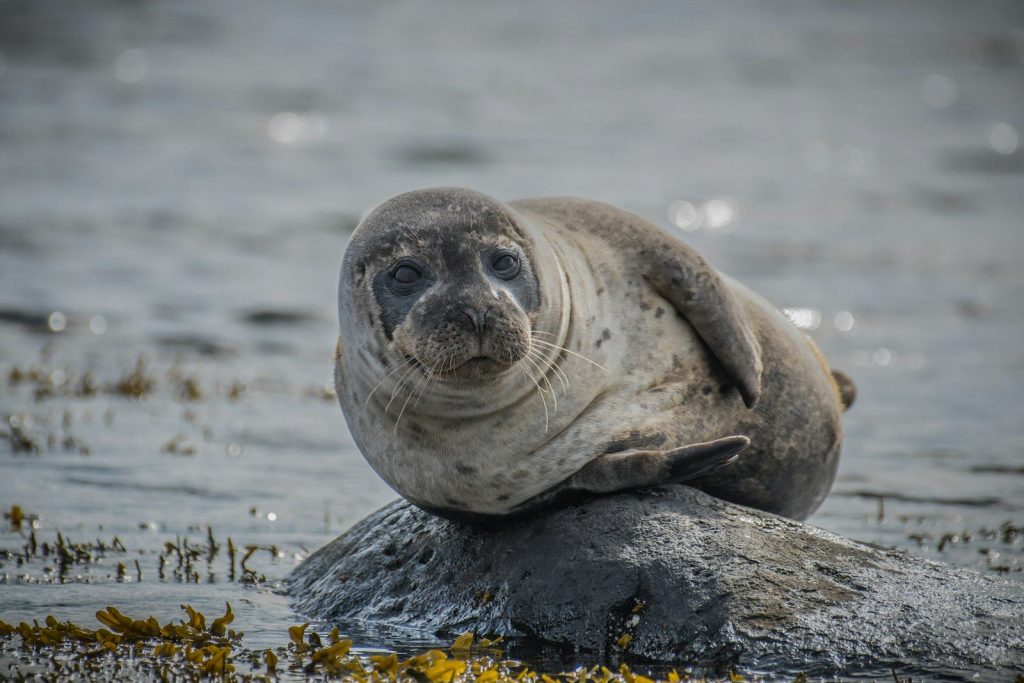
    Look me in the eye” by alek_2 is licensed under CC BY 2.0

    The seal had become trapped inside what appeared to be an ordinary pillowcase. Instead of falling away, the material stayed wrapped around the animal as it swam through the water.

    Unable to free itself, the seal carried the object wherever it went. Every day, the trap made swimming, finding food, and avoiding danger more difficult.

    The seal had no way to escape

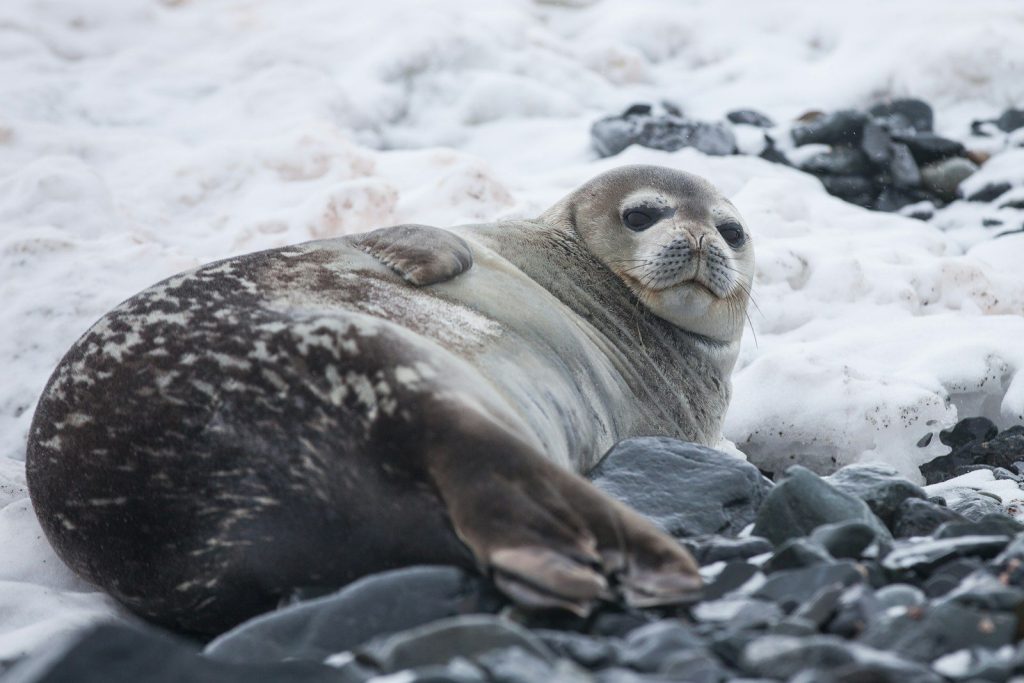
    Seal lying on rock covered with snow
    Photo by Yuriy Rzhemovskiy on Unsplash

    Unlike people, wild seals cannot remove objects tangled around their bodies. Once trapped, they must continue living with the obstacle unless someone helps them.

    Over time, these entanglements can become increasingly dangerous. Restricted movement, exhaustion, and injuries may develop if the material remains attached for too long.

    One kayaker spotted the problem

    yellow and black surfboard on body of water
    Photo by Tim Foster on Unsplash

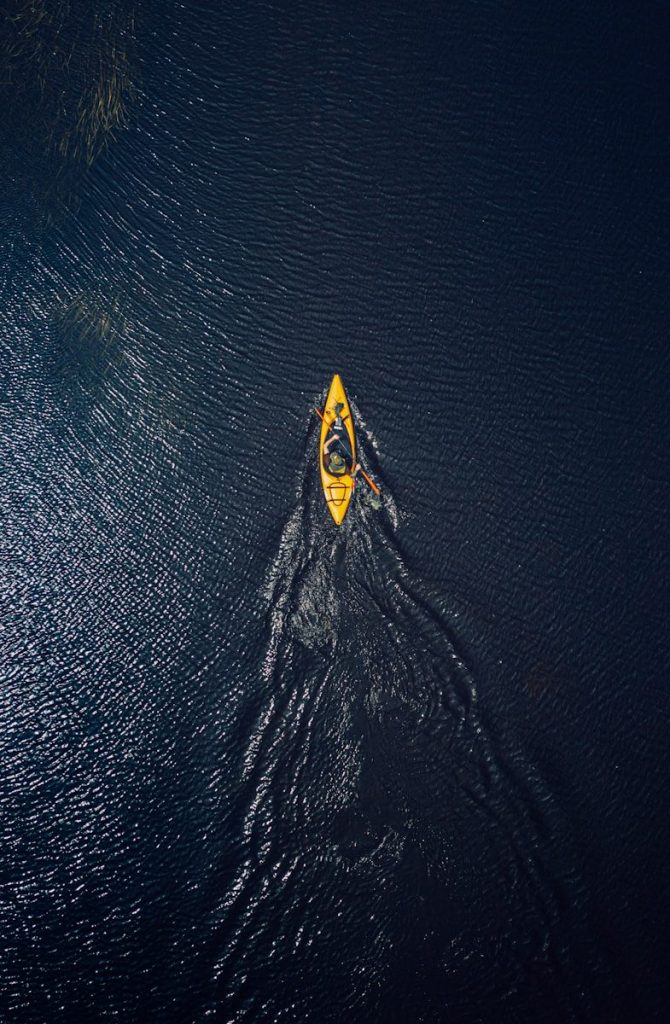
    While kayaking, one person noticed the seal’s unusual appearance. After watching carefully, it became clear the animal was trapped inside a discarded pillowcase and needed immediate help.

    Recognizing the danger, the kayaker took action to rescue the struggling seal. Without that careful observation, the animal might have continued suffering unnoticed.

    Marine debris can become deadly

    orange canoe on lake surrounding with mountain at daytime
    Photo by Benjamin Davies on Unsplash

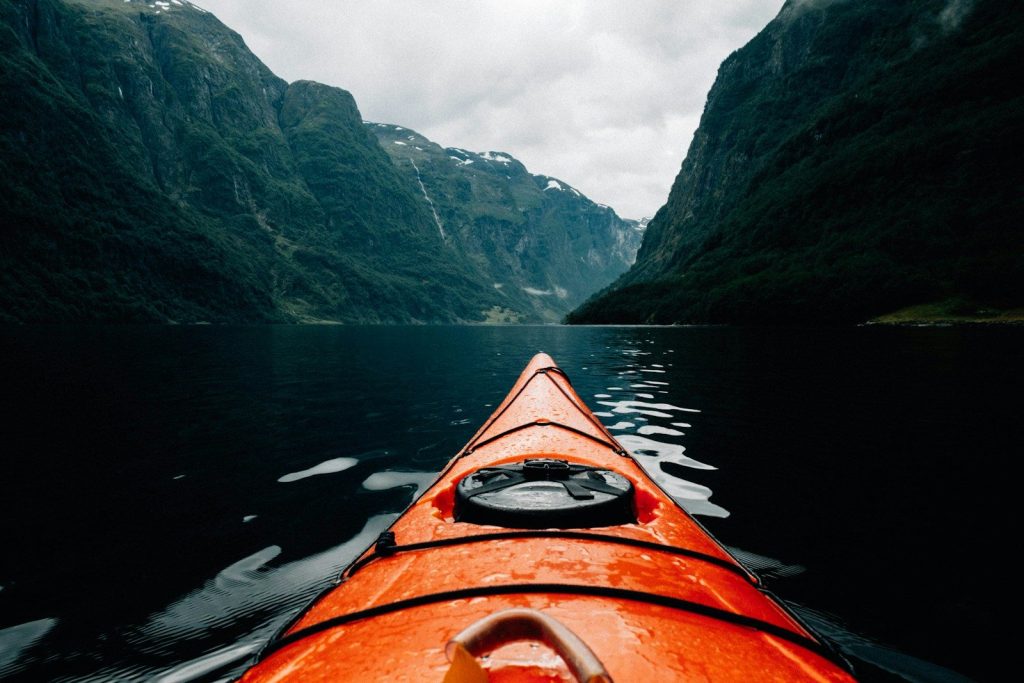
    Items such as fishing gear, plastic bags, rope, and fabric waste often end up in the ocean. Curious seals may accidentally swim into these objects while exploring or searching for food.

    Once trapped, the debris can interfere with swimming, feeding, and escaping predators. Wildlife rescue organizations around the world regularly respond to these preventable injuries.

    Every rescue matters

    Christmas Seal” by Images by Ophelia is licensed under CC BY-NC-ND 2.0

    Freeing one entangled seal may seem like a small action, but it can completely change that animal’s future. Removing the obstacle immediately restores the seal’s ability to move more naturally and continue surviving in the wild.

    These rescues also help raise awareness about the growing problem of marine pollution. They remind people that everyday household waste can have unexpected consequences once it reaches the ocean.

    A reminder to protect ocean wildlife

    photo of sea lion lying on shoreline during daytime
    Photo by Pascal Mauerhofer on Unsplash

    The emotional rescue showed how quickly one person’s attention can save a wild animal. The kayaker’s decision to act ended the seal’s suffering and gave it another chance at life.
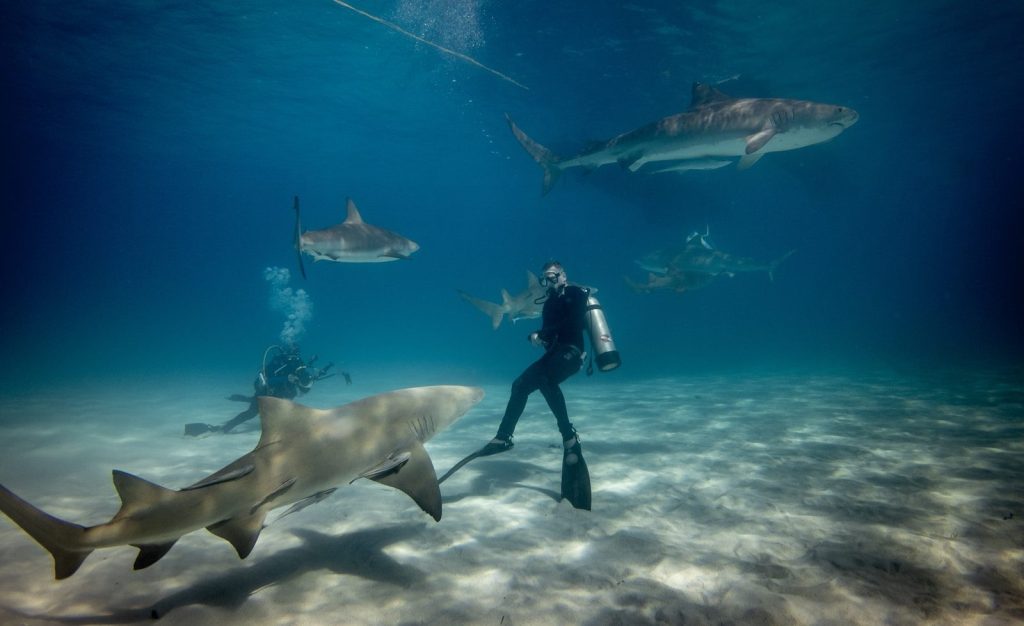
    The story also highlights the importance of reducing marine litter. Every piece of trash kept out of the ocean helps protect seals and countless other animals from similar dangers.

  • Seven seal rescues in one day reveal the devastating impact of ocean plastic

    Seven seal rescues in one day reveal the devastating impact of ocean plastic

    What began as a single wildlife rescue quickly turned into an unforgettable mission. Rescuers freed one entangled seal, only to discover another nearby. Then another. By the end of the day, seven seals had been saved from plastic, rope, and discarded fishing gear that threatened their lives.

    Each animal faced a different struggle, from deep wounds to tight entanglements that would have become worse over time. This article explains how the rescue unfolded, why marine debris is so dangerous for seals, and what these emotional rescues reveal about the growing impact of ocean pollution.

    One rescue quickly became seven

    Look me in the eye” by alek_2 is licensed under CC BY 2.0

    The rescue team expected to help a single entangled seal. Instead, they repeatedly found more animals struggling with different kinds of plastic waste and abandoned fishing gear. Every successful rescue led to another seal needing immediate help.

    By the end of the mission, seven seals had been freed. The rescue highlighted how widespread marine debris had become within the colony and how many animals were affected simultaneously.

    Every seal faced a different struggle

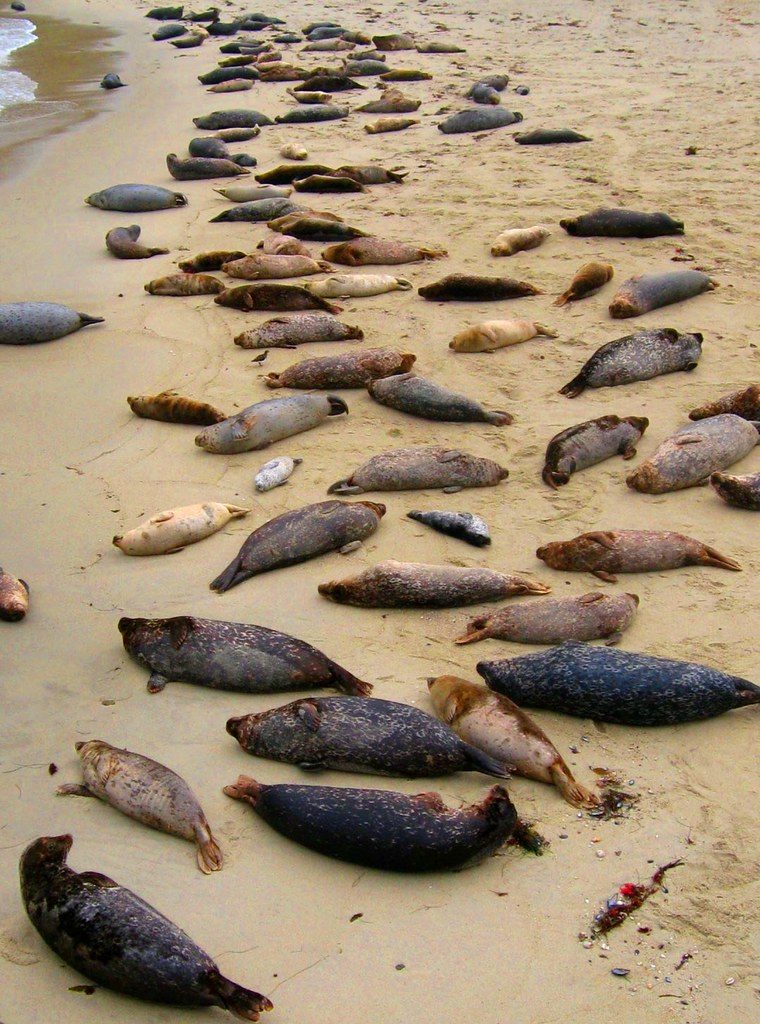
    My Favorite Seal Pod , Nap City in LaJolla, California” by moonjazz is licensed under CC BY-SA 2.0

    Some seals had fishing line tightly wrapped around their necks, while others were trapped by heavy rope or plastic debris. Each type of entanglement caused a different injury, but each threatened the animal’s ability to survive.

    Several seals already showed deep wounds where the material had cut into their skin. As seals continue to grow, these objects become even tighter, increasing pain and the risk of infection or starvation if they are not removed.

    Why discarded fishing gear is so dangerous

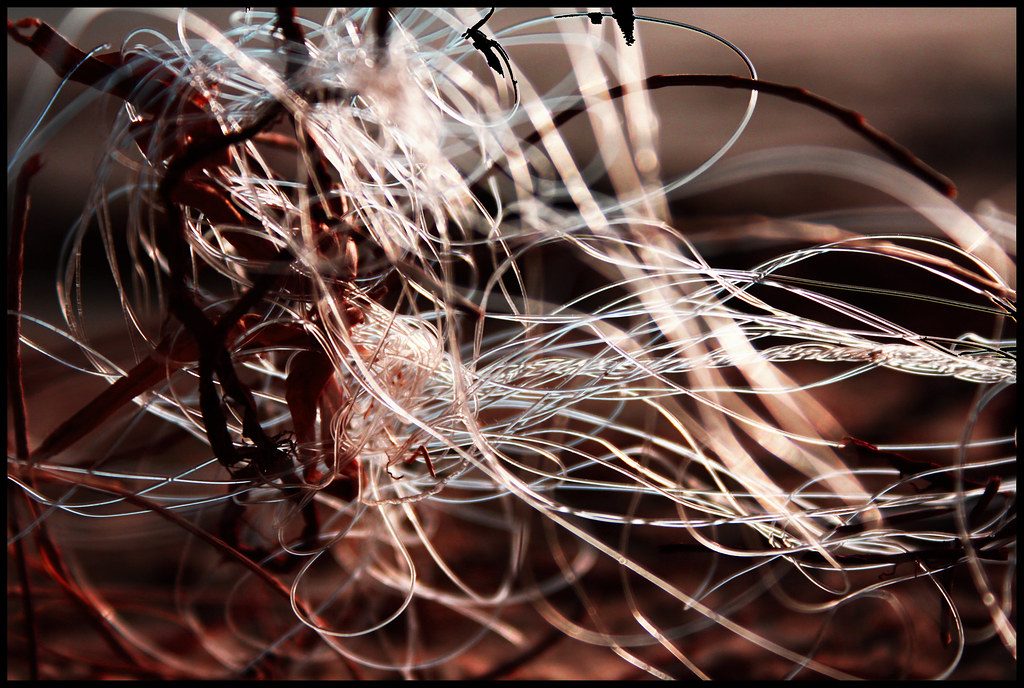
    Tangled fishing line” by Aristocrats-hat is licensed under CC BY 2.0

    Lost fishing gear, rope, and plastic waste remain in the ocean for years. Curious seals often investigate floating objects and can accidentally become trapped while swimming or playing.

    Once entangled, the debris rarely falls away on its own. Instead, it tightens as the animal grows, making it harder to swim, hunt, and escape predators. Without rescue, many entangled seals eventually die from their injuries.

    Rescue requires speed and experience

    Christmas Seal” by Images by Ophelia is licensed under CC BY-NC-ND 2.0

    Freeing an entangled seal is not easy. Wildlife rescuers must safely approach fast-moving animals, remove the debris quickly, and release them with as little stress as possible.

    Every rescue depends on teamwork, careful planning, and years of experience. Acting quickly gives injured seals the best chance to recover before their wounds become life-threatening.

    Ocean pollution affects entire colonies

    A plastic bag floating on top of a body of water
    Photo by Naja Bertolt Jensen on Unsplash

    Finding seven entangled seals during one mission showed that the problem extends far beyond individual animals. Large seal colonies can become hotspots for discarded fishing gear and plastic waste carried by ocean currents.

    Each rescued seal represented many others that may still need help. Conservation groups continue to monitor these colonies because new entanglements occur regularly as more debris reaches the shoreline.

    Every rescue offers hope

    Sea lion rescue at Yaquina Head” by BLM Oregon & Washington is licensed under CC BY 2.0

    Although the mission began with heartbreaking discoveries, it ended by giving seven seals another chance to survive. Removing the dangerous debris immediately relieved the pressure that had been causing pain and restricting movement.

    The rescue also serves as a powerful reminder that preventing plastic pollution is just as important as rescuing injured wildlife. Every piece of fishing gear properly disposed of is one less deadly trap waiting in the ocean.

  • The heartbreaking moment a baby seal stayed beside his trapped mother until help arrived

    The heartbreaking moment a baby seal stayed beside his trapped mother until help arrived

    A young seal’s love for his mother touched millions of people worldwide. As rescuers rushed to help an injured mother seal trapped in a dangerous fishing line, her baby refused to leave her side. The frightened pup stayed close, watching every moment as the rescue unfolded.

    The emotional scene became a powerful reminder that marine animals form strong family bonds and that human pollution continues to threaten wildlife. This article explains what happened during the rescue, why fishing line is so dangerous for seals, and what this story teaches us about protecting our oceans.
    A mother seal needed urgent help

    dying seal” by bec.w is licensed under CC BY-NC 2.0

    The mother seal had become tangled in discarded fishing line that wrapped tightly around her body. The material caused pain and made it harder for her to move freely through the water.

    As rescuers prepared to help, the seal was frightened and stressed. Every passing day increased the risk that the fishing line would tighten further and cause even more serious injuries.

    A baby seal refused to leave

    Gray Seal Pup Update at the Smithsonian’s National Zoo” by Smithsonian’s National Zoo is licensed under CC BY-NC-ND 2.0

    Throughout the rescue, the tiny seal pup stayed close to his mother. Even with people nearby, he remained by her side instead of swimming away to safety.

    The touching scene showed the strong bond between a mother and her young. Many viewers were deeply moved as the baby appeared unwilling to leave until his mother was safe again.

    Why is fishing line so dangerous?

    Tangled fishing line” by Aristocrats-hat is licensed under CC BY 2.0

    Discarded fishing line, rope, and other marine debris can become deadly traps for seals. Curious young animals often play with floating objects without realizing the danger they pose.

    As seals continue to grow, the material can cut deeper into their skin, leading to painful wounds, infections, and difficulty swimming or feeding. Without rescue, many entangled animals do not survive.

    The rescue made all the difference

    Three men in casual outdoor clothing talking
    Photo by Frederick Shaw on Unsplash

    Experienced rescuers carefully approached the mother seal and removed the dangerous fishing line. Their quick actions gave her the chance to recover from injuries that could have become fatal.

    The rescue also allowed the baby seal to remain with his mother. What had begun as a heartbreaking situation ended with hope because trained wildlife experts arrived in time.

    Pollution affects more than one animal

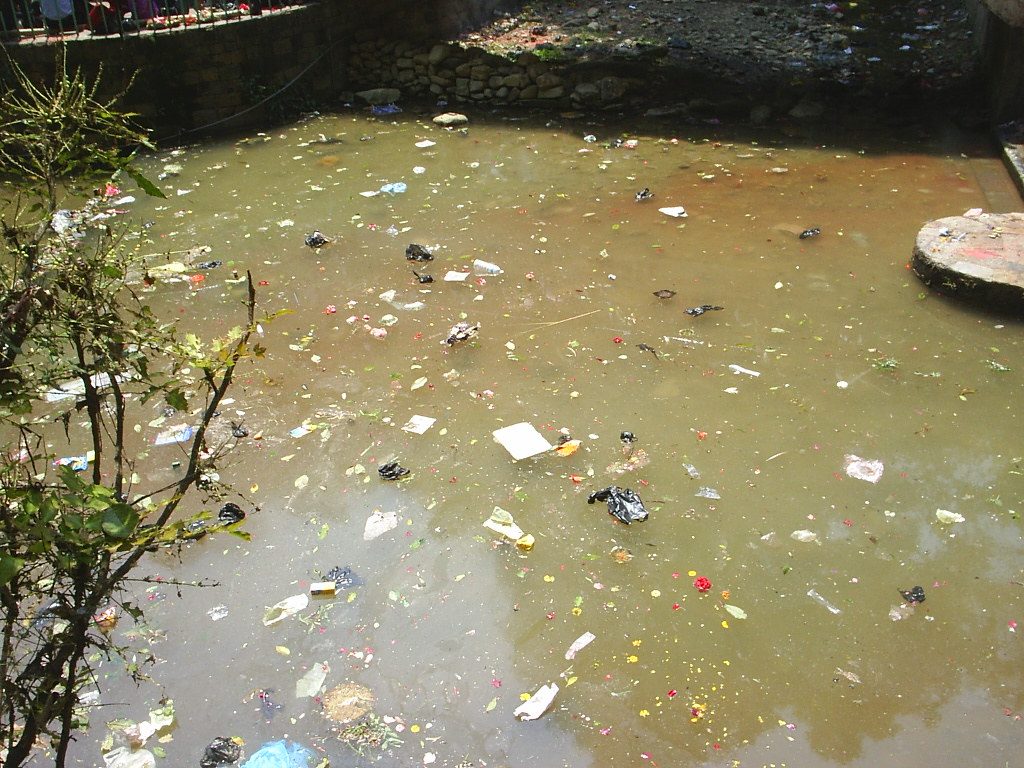
    Polluted Water at Dakshinkali” by ankraut is licensed under CC BY-NC-SA 2.0

    Marine pollution rarely harms only a single animal. When a mother becomes trapped or injured, her young may also struggle because they depend on her for protection and care.

    This rescue highlighted how discarded fishing gear can affect entire seal families. A single piece of waste left in the ocean can have life-changing consequences for wildlife.
    A powerful reminder to protect the ocean

    Ocean” by Chris.L.Dodds is licensed under CC BY-SA 2.0

    The emotional rescue reminded millions of people that simple human actions can have lasting effects on marine life. Properly disposing of fishing gear and reducing ocean pollution can help prevent similar tragedies.
    The baby seal’s loyalty to his mother became the most memorable part of the rescue. It showed that wild animals form meaningful family connections and deserve healthy oceans where they can live free from unnecessary dangers.

  • Rescuers almost missed the hidden trap that was slowly killing this young seal

    Rescuers almost missed the hidden trap that was slowly killing this young seal

    Sometimes the greatest danger is the one that nobody notices. That was the case for a young seal carrying a hidden trap that caused pain every day, yet remained almost invisible to the people around it. Even experienced rescuers nearly missed the problem before finally spotting it.

    By then, the seal had already spent a long time living with discomfort and an uncertain future. This article tells the story of the remarkable rescue, explains why hidden entanglements are so dangerous, and shows how one careful observation gave this seal a second chance.

    A hidden danger no one could easily see

    seal lying on gray sand during daytime
    Photo by Steve Adams on Unsplash

    At first glance, the seal appeared to be moving normally among many other animals. Nothing immediately suggested that it was in serious trouble, making the hidden trap extremely difficult to notice.

    As time passed, the unseen object continued causing pain. Because the danger blended into the seal’s body and surroundings, it remained hidden even from people who regularly watched the colony.

    Living with pain every single day

    sea lion on white sand during daytime
    Photo by Steve Adams on Unsplash

    The seal continued swimming, resting, and searching for food while carrying the hidden trap. Every movement likely added more pressure as the object stayed tightly wrapped around its body.

    Without help, these types of entanglements can become worse as young seals grow. What begins as a small problem may slowly lead to deep wounds, infection, and increasing difficulty moving or feeding.

    The moment rescuers finally noticed

    Three men in casual outdoor clothing talking
    Photo by Frederick Shaw on Unsplash

    During a careful search, rescuers spotted the subtle sign that everyone else had overlooked. What seemed like a normal seal was actually carrying a dangerous piece of debris that needed immediate attention.

    Once the problem was identified, the rescue team acted quickly. Their experience and patience allowed them to approach the seal safely and remove the hidden trap before further damage could occur.

    Why entanglements are so dangerous

    selective focus photography of seal lying on ground
    Photo by Pascal Mauerhofer on Unsplash

    Marine debris such as discarded fishing line, rope, and plastic loops can tighten over time as seals continue to grow. Because these animals are active swimmers, the material often cuts deeper into the body instead of falling away.

    Many entangled seals survive for weeks or even months despite injuries that become increasingly severe. Early detection greatly improves the chances of a successful rescue.

    A powerful reminder for wildlife conservation

    white and black seal on ice
    Photo by Héloïse Delbos on Unsplash

    The rescue showed how easily dangerous debris can go unnoticed in the wild. Even trained wildlife teams sometimes need several opportunities before spotting an entangled animal hidden among hundreds of healthy seals.

    Removing marine debris from beaches and coastal waters can help reduce these injuries. Every successful rescue also reminds people of the importance of protecting ocean wildlife from human-made hazards.

    Relief at last

    sealion on top of rock
    Photo by Pascal Mauerhofer on Unsplash

    After the hidden trap was removed, the seal was finally free from the object that had caused so much pain. The rescue marked the end of a long period of suffering and the beginning of recovery.

    The emotional moment demonstrated how a single act of careful observation can change an animal’s future. It also reminded everyone that some of the most serious threats to wildlife are the hardest to see.

  • Rare shark fight reveals ocean’s fierce rivals

    Rare shark fight reveals ocean’s fierce rivals

    Sharks are often seen as the ocean’s top predators, but they do not always hunt fish or marine mammals. Sometimes, they fight each other. A rare underwater video captured a violent battle between sharks, revealing a side of ocean life that few people ever witness.

    Every powerful strike and sudden burst of movement showed how dangerous these encounters can become. This article explains why sharks sometimes fight, what scientists know about these rare battles, and what they reveal about survival at the top of the ocean food chain.

    A rare underwater battle

    shark on sea
    Photo by Alex Steyn on Unsplash

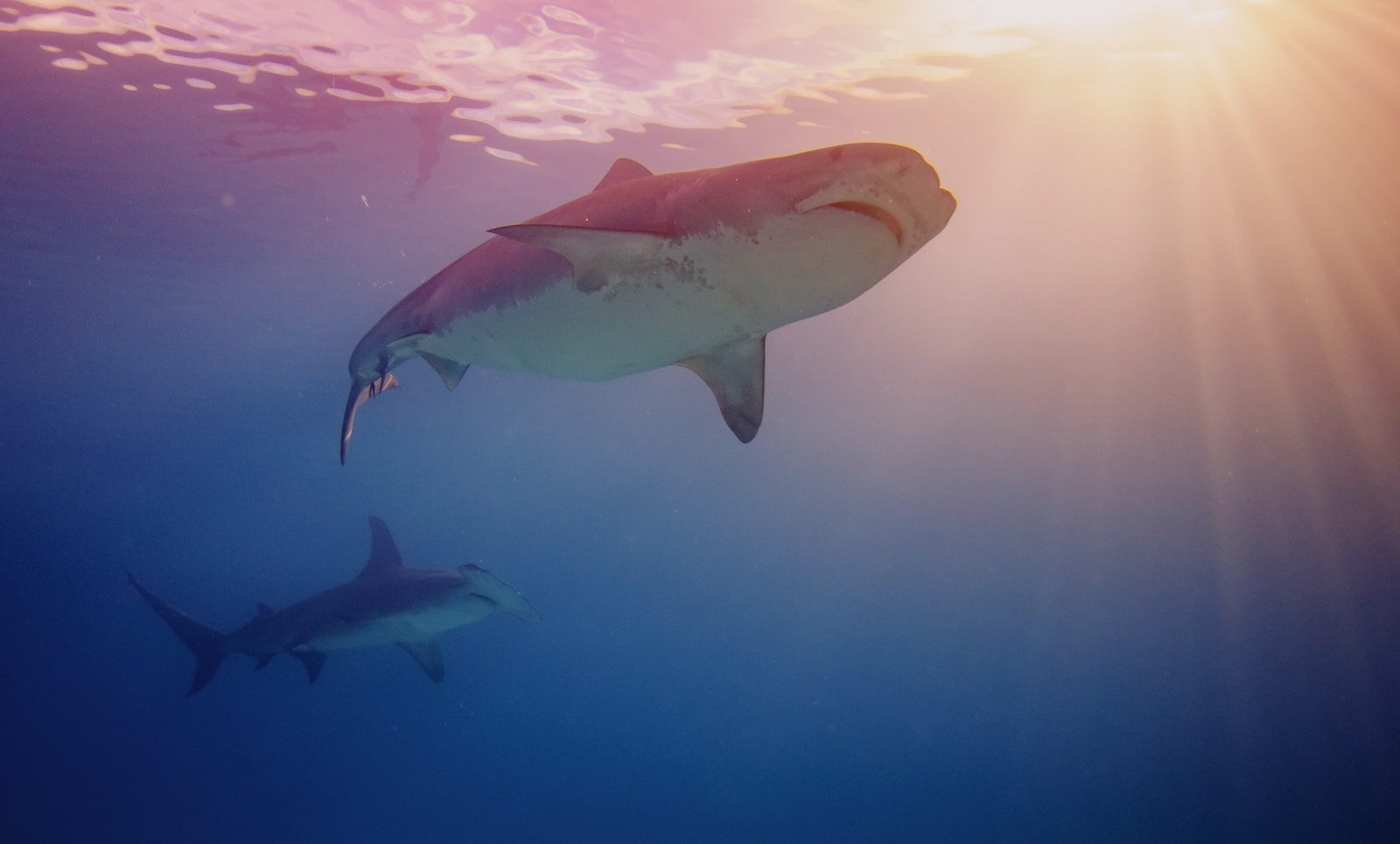
    The dramatic footage captured two sharks engaged in a violent struggle beneath the surface. Powerful movements, sudden attacks, and rapid changes in direction highlighted the strength of these apex predators.

    Such encounters are rare because they often occur far from shore or deep underwater. When recorded, they provide valuable insight into natural shark behavior that scientists and the public rarely observe.

    Why sharks fight each other

    underwater photography of school of gray shark
    Photo by Jakob Owens on Unsplash

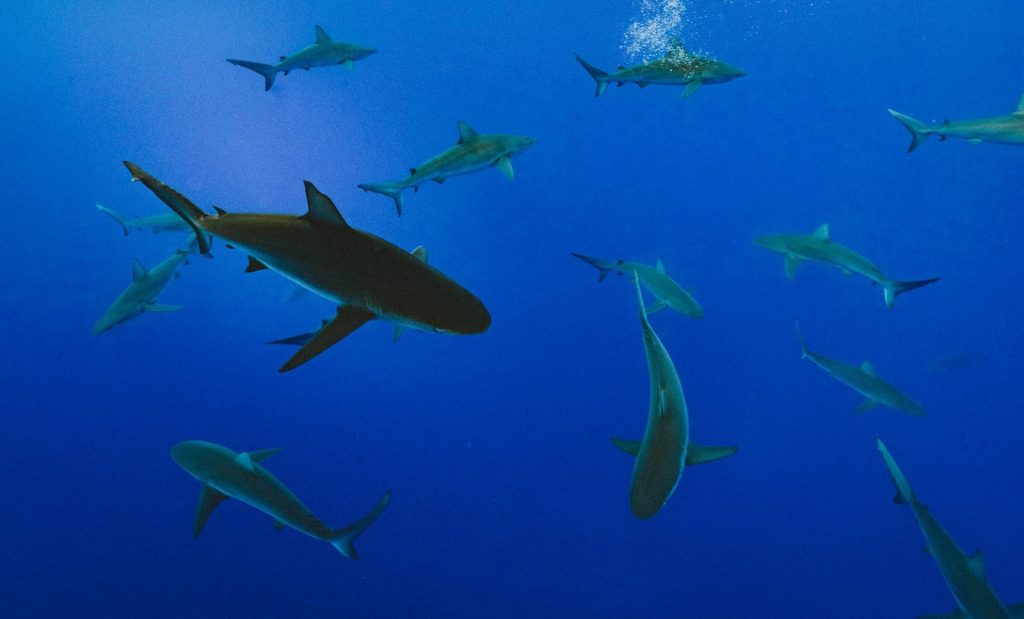
    Not every shark encounter involves hunting smaller fish. Sharks may fight over food, defend territory, compete for mates, or attack smaller sharks as prey, depending on the species involved.

    Some shark species prey on smaller sharks in certain situations. These interactions are part of the natural balance of marine ecosystems and help shape predator populations in the wild.

    Life as an apex predator

    white shark
    Photo by Karen Zhang on Unsplash

    Being an apex predator does not guarantee safety. Even the ocean’s most powerful hunters can face competition from other large predators searching for the same resources.

    These encounters demonstrate that survival depends on strength, experience, and opportunity. In the open ocean, even dominant predators must constantly respond to changing conditions and competing animals.

    Why are these encounters rarely filmed?

    two black sharks in water
    Photo by Gerald Schömbs on Unsplash

    Most shark interactions occur far below the surface or in remote parts of the ocean, where few people are present. As a result, scientists rely on underwater cameras, research expeditions, and occasional eyewitness footage to study this behavior.

    Every recorded encounter helps researchers better understand how sharks interact with one another. Rare videos can reveal behaviors that are difficult to document through traditional field studies alone.

    What shark battles teach scientists

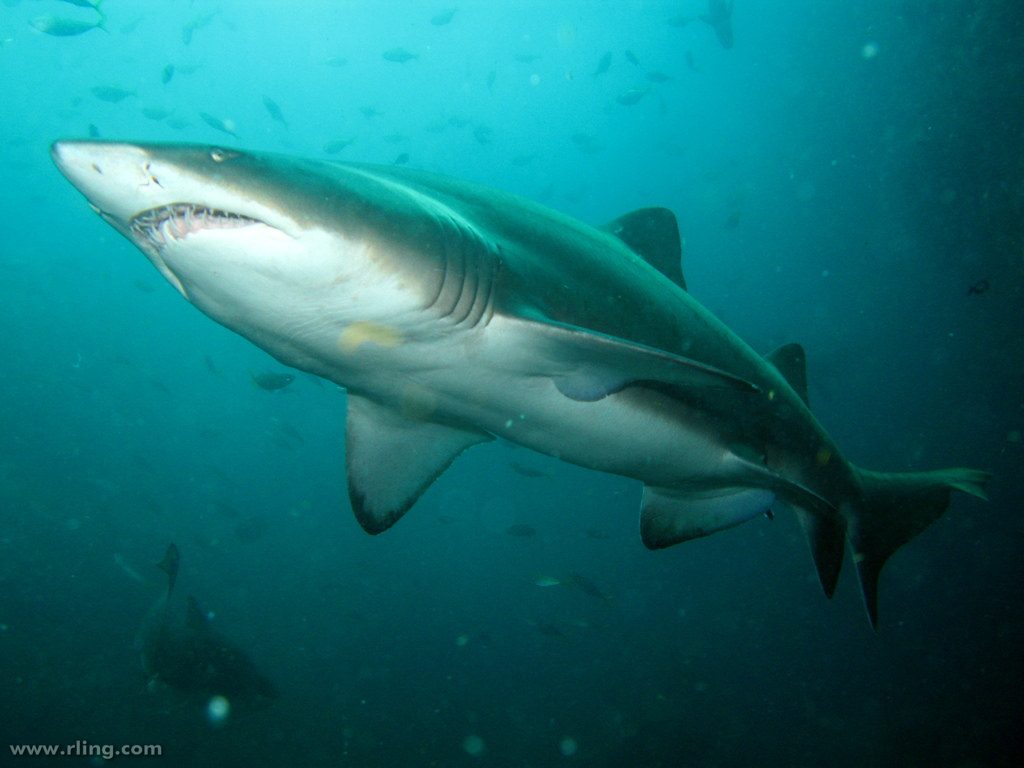
    Grey Nurse Shark” by richard ling is licensed under CC BY-NC-ND 2.0

    Observing sharks during aggressive encounters provides valuable information about feeding behavior, competition, and social interactions. These observations help researchers understand how different shark species share habitats and resources.

    Although dramatic, these fights are a natural part of ocean life. They reflect the constant competition among predators at the top of the marine food web.

    A reminder of the ocean’s hidden world

    a couple of sharks swimming in the ocean
    Photo by Oliver Tsappis on Unsplash

    The shark fight revealed a side of the ocean that most people never see. Beneath the calm surface, powerful predators are constantly making decisions that determine whether they survive or become another animal’s meal.

    As underwater technology continues to improve, scientists are gaining new opportunities to study these elusive moments. Each new recording helps uncover another piece of the complex lives of the ocean’s most formidable predators.

  • Great white sharks are expected along the California coast

    Great white sharks are expected along the California coast

    Millions of people will visit California beaches this summer to swim, surf, and enjoy the ocean. At the same time, scientists expect to see more great white sharks along parts of the state’s coastline.

    While this may sound alarming, experts say these sharks are a natural part of the marine ecosystem. This article explains why great white shark sightings may increase, what beachgoers should know, how these sharks behave, and why seeing more sharks does not necessarily mean a higher risk to people.

    Why scientists expect more sharks

    Blacktip Reef Sharks” by dfinney23 is licensed under CC BY-NC 2.0

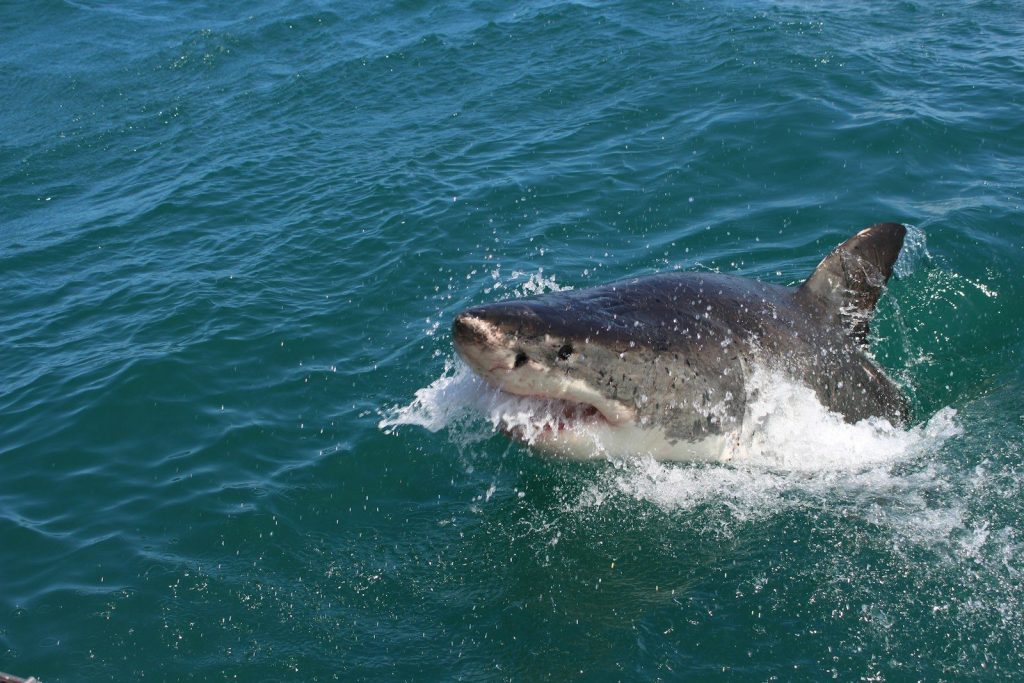
    Researchers believe California could see a surge in great white shark activity this summer as ocean conditions and seasonal movements bring more sharks close to shore. The increase is expected during one of the busiest times of the year for beach visitors.

    Great white sharks regularly travel along California’s coast as part of their natural life cycle. Warmer months often bring both sharks and people into the same coastal waters, leading to more reported sightings.

    Why do great white sharks come close to shore?

    man diving underwater with sharks
    Photo by Gerald Schömbs on Unsplash

    Great white sharks are apex predators that play an important role in maintaining the health of marine ecosystems. They are commonly found in coastal waters where food is abundant.

    Many sharks seen near beaches are juvenile great whites. Young sharks often use shallow coastal areas as nursery habitats because these locations can provide suitable water temperatures and food while offering some protection from larger predators.

    What this means for beachgoers

    people on beach
    Photo by James Hose Jr on Unsplash

    An increase in shark sightings does not automatically mean an increase in shark attacks. Scientists have long explained that great white sharks generally do not hunt humans, and serious encounters remain uncommon.

    Most people who visit California beaches will never see a shark during their trip. Even when sharks are present, they often pass through the area without interacting with swimmers or surfers.

    How experts monitor shark activity

    gray sharks
    Photo by Colton Jones on Unsplash

    Marine researchers use several methods to study great white sharks, including tagging programs, aerial surveys, and drone observations. These tools help scientists better understand where sharks travel and how they use coastal habitats.

    Sharing information about shark movements also helps local officials make informed decisions about beach safety. Monitoring programs improve scientific knowledge while helping the public stay aware of changing ocean conditions.

    Staying safe in the ocean

    people ridding paddleboard on body of water
    Photo by Nick Fewings on Unsplash

    Beach safety begins with awareness. Lifeguards, warning signs, and local beach advisories can provide valuable information about ocean conditions, including wildlife activity.

    Swimming near lifeguard stations, avoiding the water when wildlife warnings are issued, and paying attention to local safety guidance can help reduce risks while enjoying the beach.

    Respecting ocean wildlife

    great white shark
    Photo by Marcelo Cidrack on Unsplash

    Great white sharks have lived in the Pacific Ocean long before people began using California’s beaches. Their presence is an important part of a healthy marine environment and should be understood rather than feared.

    As millions of people head to the coast this summer, experts encourage everyone to enjoy the ocean responsibly. Learning about great white sharks and respecting their natural habitat helps people safely share the coastline with one of the ocean’s most remarkable predators.

  • Why can some wild animals not live in captivity?

    Why can some wild animals not live in captivity?

    Zoos and wildlife centers have helped save many animals, but not every species can thrive in human care. Some wild animals have such specialized needs that even the best facilities cannot fully recreate their natural homes. One well-known example is Casey, the world’s only captive leopard seal, who was euthanized after years of declining health.

    His story raises important questions about the limits of captivity and why some animals are better suited to life in the wild. This article explores those challenges and explains why certain species are nearly impossible to keep in captivity.

    The story of the world’s only captive leopard seal

    Leopard seal IMG_9509” by OZinOH is licensed under CC BY-NC 2.0

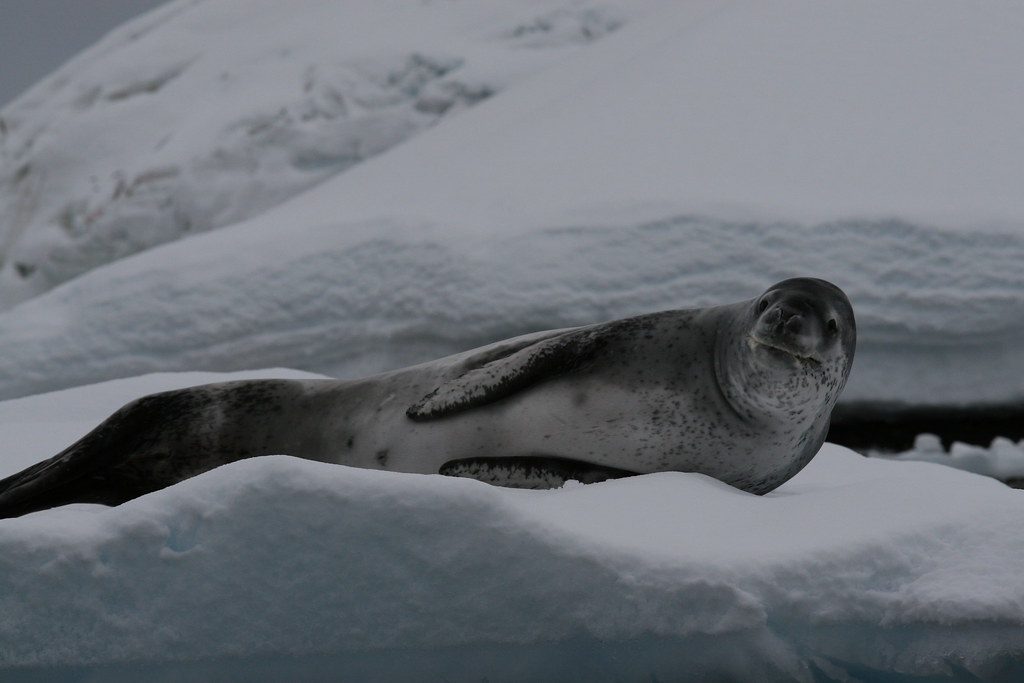
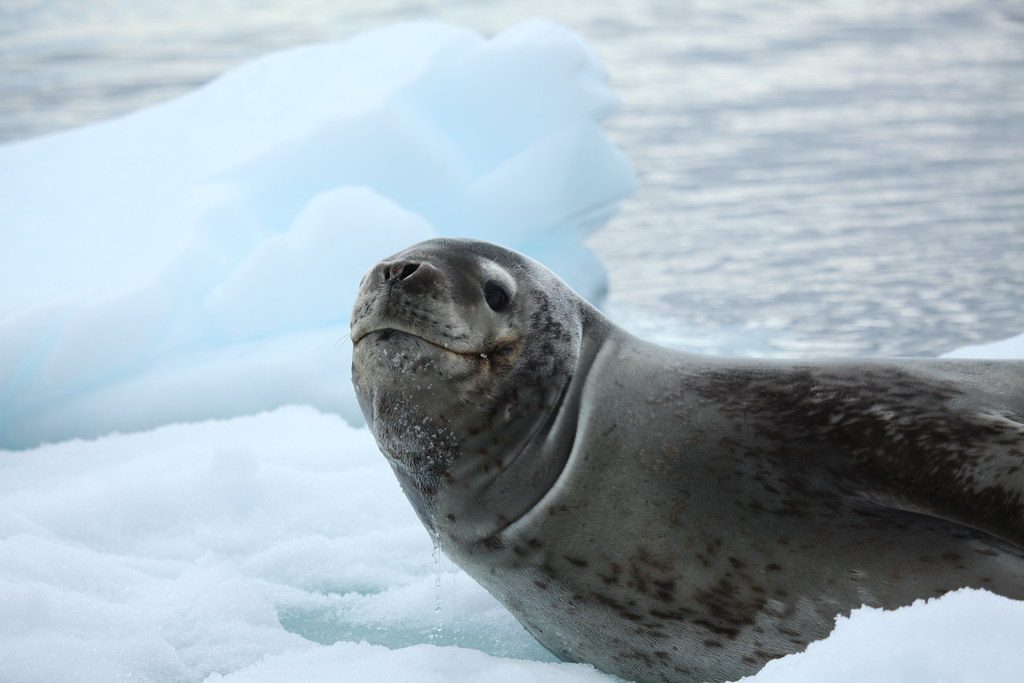
    Casey was a leopard seal rescued after washing ashore near Sydney, Australia, with serious injuries and poor health. After receiving treatment, experts decided not to return him to Antarctica because they feared he could introduce diseases to wild leopard seal populations.

    Casey spent several years at Taronga Zoo, becoming the world’s only captive leopard seal. In 2014, after a prolonged illness and despite extensive veterinary care, the zoo made the difficult decision to euthanize him to prevent further suffering.

    Why do some animals struggle in captivity

    Leopard seal teeth” by Department of Conservation is licensed under CC BY 2.0

    Many wild animals have evolved to live in very specific environments. Their daily lives depend on natural temperatures, food sources, hunting opportunities, and behaviors that are difficult or impossible to recreate in captivity.

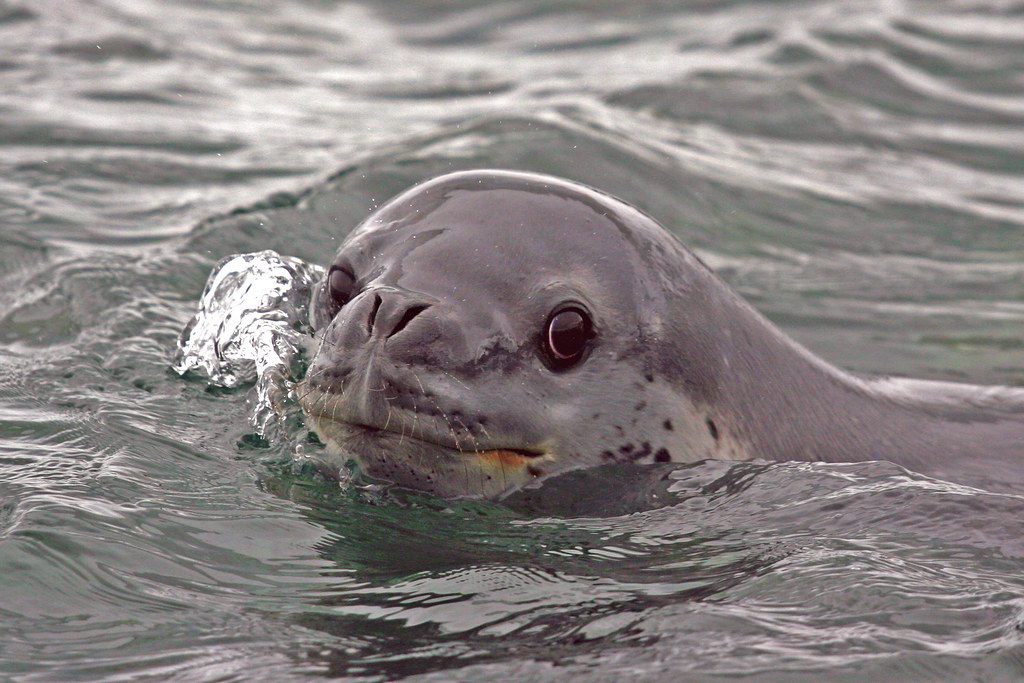
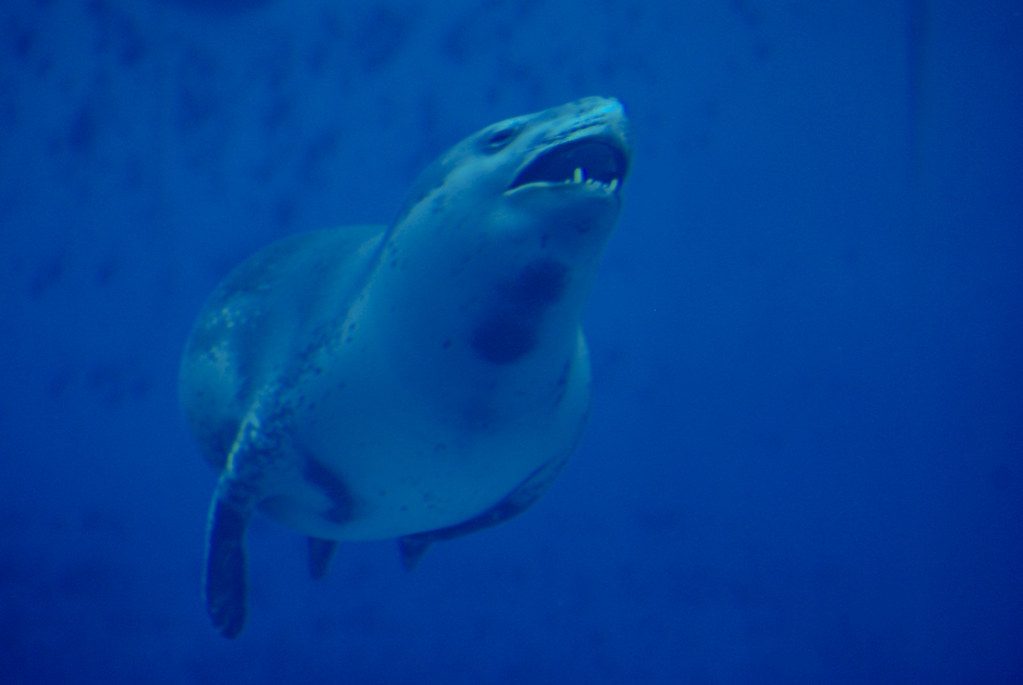
    Leopard seals are highly specialized predators that normally live in the cold waters surrounding Antarctica. They hunt over vast areas of ocean and rely on conditions that cannot be fully reproduced in even the most advanced zoological facilities.

    Specialized behavior matters

    Leopard seal” by xeno_sapien is licensed under CC BY-NC 2.0

    Captivity can provide food and medical care, but it cannot always replace natural behaviors. Some animals depend on long-distance movements, seasonal changes, or complex hunting techniques to stay physically and mentally healthy.

    Species with highly specialized lifestyles may experience stress when these natural behaviors are limited. This is one reason wildlife experts carefully consider whether long-term captivity is appropriate for rescued animals that cannot return to the wild.

    Lessons from real-life cases

    Leopard Seal in Pléneau Bay, Antarctica” by Liam Quinn is licensed under CC BY-SA 2.0

    Casey’s story is one of the best-known examples of the challenges involved in caring for highly specialized marine predators. Although he received years of expert care, his case showed that some animals remain extremely difficult to keep outside their natural habitat.

    His experience has become part of a broader discussion about wildlife rehabilitation, conservation, and the limits of what humans can provide for certain species. Every rescue involves balancing animal welfare, conservation needs, and the possibility of returning an animal safely to the wild.

    Conservation is more than captivity

    A leopard seal” by xeno_sapien is licensed under CC BY-NC 2.0

    Modern conservation focuses on protecting natural habitats whenever possible. Healthy ecosystems often provide conditions that no human-made environment can fully match for animals with specialized needs.

    For species that cannot safely return to the wild, wildlife professionals work to provide the highest standard of care available. However, conservation experts also recognize that captivity is not the perfect solution for every animal.

    Respecting wildlife and natural habitats

    Leopard Seal” by AegirPhotography is licensed under CC BY-NC 2.0

    Stories like Casey’s remind us that wild animals are closely connected to the environments where they evolved. Some species can adapt well to human care, while others remain deeply dependent on their natural ecosystems.

    Understanding these differences helps scientists make better decisions about rescue, rehabilitation, and conservation. It also reminds us that protecting wild habitats is often the best way to protect the animals that depend on them.

  • New walking shark discovered in Papua New Guinea

    New walking shark discovered in Papua New Guinea

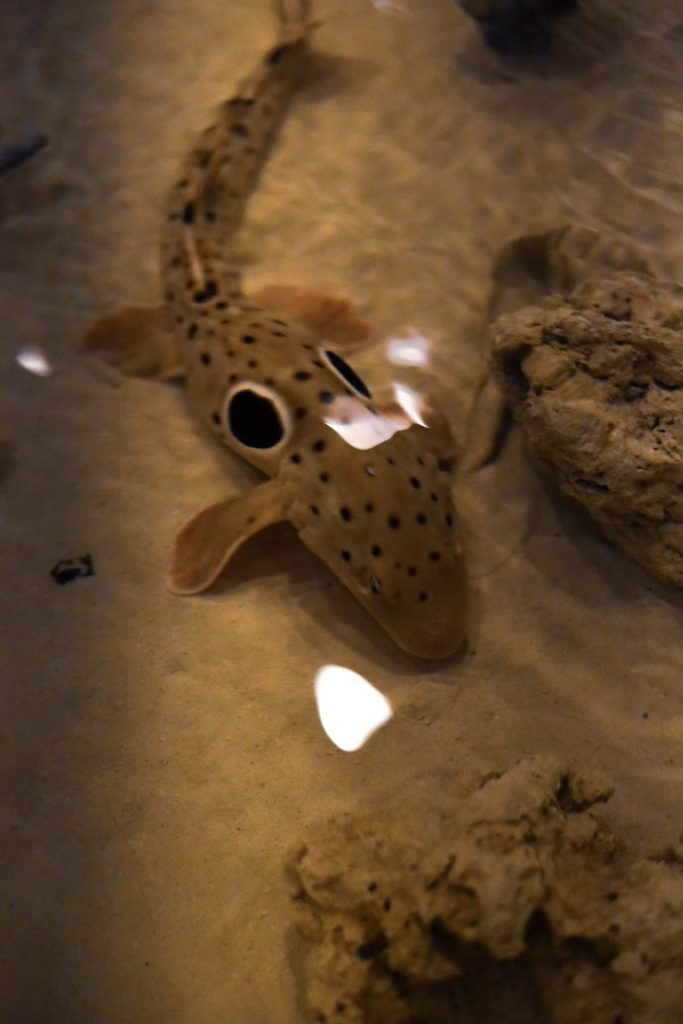
    Scientists have discovered a new species of walking shark in the shallow reefs of Papua New Guinea. Unlike most sharks, this small animal uses its fins to “walk” across the seafloor instead of swimming all the time.

    The discovery surprised researchers because new shark species are usually found in deep water, not in reefs less than 3 feet deep. This article explains how the new shark was discovered, why it differs from other walking sharks, and what the discovery means for science and marine conservation.

    A surprising discovery during a reef survey

    gray tiger shark swimming with yellow, white, and black striped fish
    Photo by David Clode on Unsplash

    Researchers were exploring coral reefs in southeastern Papua New Guinea in search of another species, Michael’s walking shark. During the dive, they noticed a small brown spotted shark with markings they had never seen before.

    Christine Dudgeon, a senior research fellow at the University of the Sunshine Coast, quickly collected the shark and brought it back to the research boat. When doctoral student Jess Blakeway looked closely, she realized the animal’s body pattern was unlike any known walking shark.

    How scientists confirmed a new species

    white and black fish on black and brown surface
    Photo by David Clode on Unsplash

    At first, the team was unsure whether the unusual markings belonged to a single shark or represented a new species. They returned to nearby reefs to continue searching for more individuals.

    Within two days, the researchers found 11 more sharks at three different locations. Every shark showed the same unique pattern of white dashes and brown spots. Later, DNA testing confirmed that the population represented a previously unknown species named Hemiscyllium dudgeonae, or Dudgeon’s walking shark. The discovery increases the number of known walking shark species to 10.

    Why walking sharks are so unusual

    black and white leopard print textile
    Photo by Simon Infanger on Unsplash

    Walking sharks belong to a group of small carpet sharks that live around coral reefs rather than in the open ocean. Rather than relying only on swimming, they use their pectoral and pelvic fins to move across the seafloor.

    This special movement is especially useful during low tide. As reef pools become shallow and oxygen levels drop, walking allows the sharks to keep searching for small prey while many other fish would struggle. Scientists have found that some walking sharks can tolerate low oxygen conditions for hours.

    Why the discovery matters

    a fish that is laying on the sand
    Photo by Brandon Griggs on Unsplash

    New shark species are not found very often, especially in shallow coastal waters. Most recent shark discoveries have come from much deeper parts of the ocean, making this find especially exciting for marine scientists.

    The discovery also highlights how much biodiversity remains hidden in tropical reefs. Even areas that have been explored before can still contain species that scientists have never formally described.

    A species that may need protection

    Young boy proudly holds small shark on beach
    Photo by Sebastian Schuster on Unsplash

    So far, Dudgeon’s walking shark has only been recorded at three locations in Papua New Guinea. If future studies confirm that its range is very small, the species could face risks from habitat loss, climate change, coral reef damage, and overfishing.

    Walking sharks usually stay close to the reefs where they hatch. Because they do not travel long distances, they may have difficulty returning to damaged habitats or establishing new populations elsewhere. This makes protecting their reef homes especially important.

    Scientists hope to learn even more

    a close up of a fish in a tank
    Photo by Hoyoun Lee on Unsplash

    The research team plans to continue studying reefs across Papua New Guinea to better understand the new species and its habitat. More surveys may reveal additional populations or provide new information about their behavior.

    The discovery is also a reminder that sharks are far more diverse than many people realize. Most shark species are not dangerous to humans, and many continue to surprise scientists with their unique adaptations and remarkable lifestyles.

  • Paddleboarders are unaware of great white behind them

    Paddleboarders are unaware of great white behind them

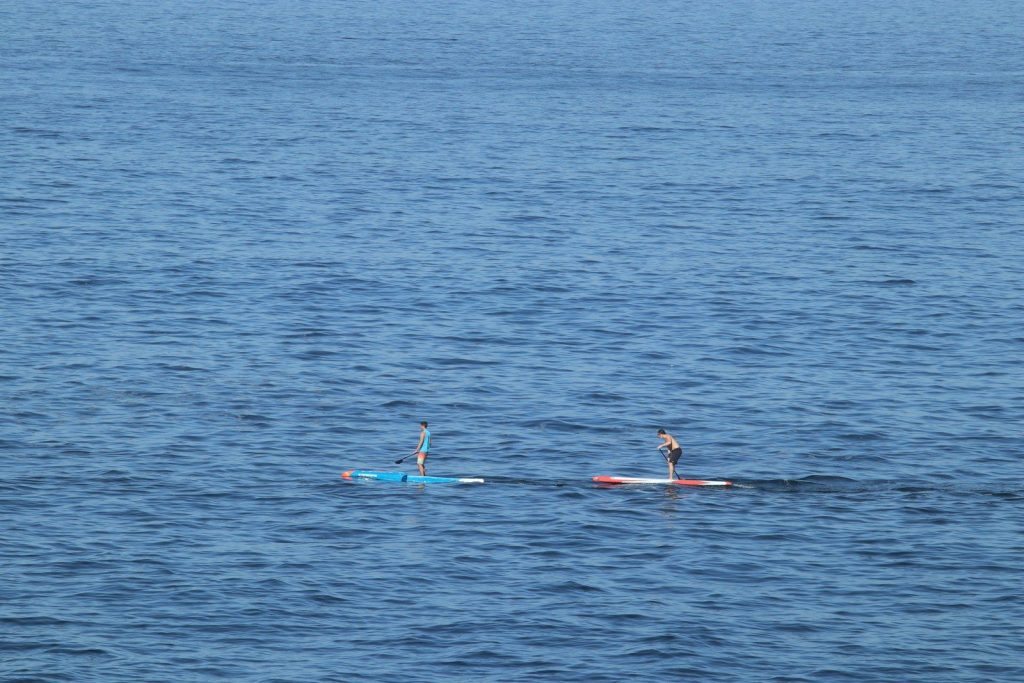
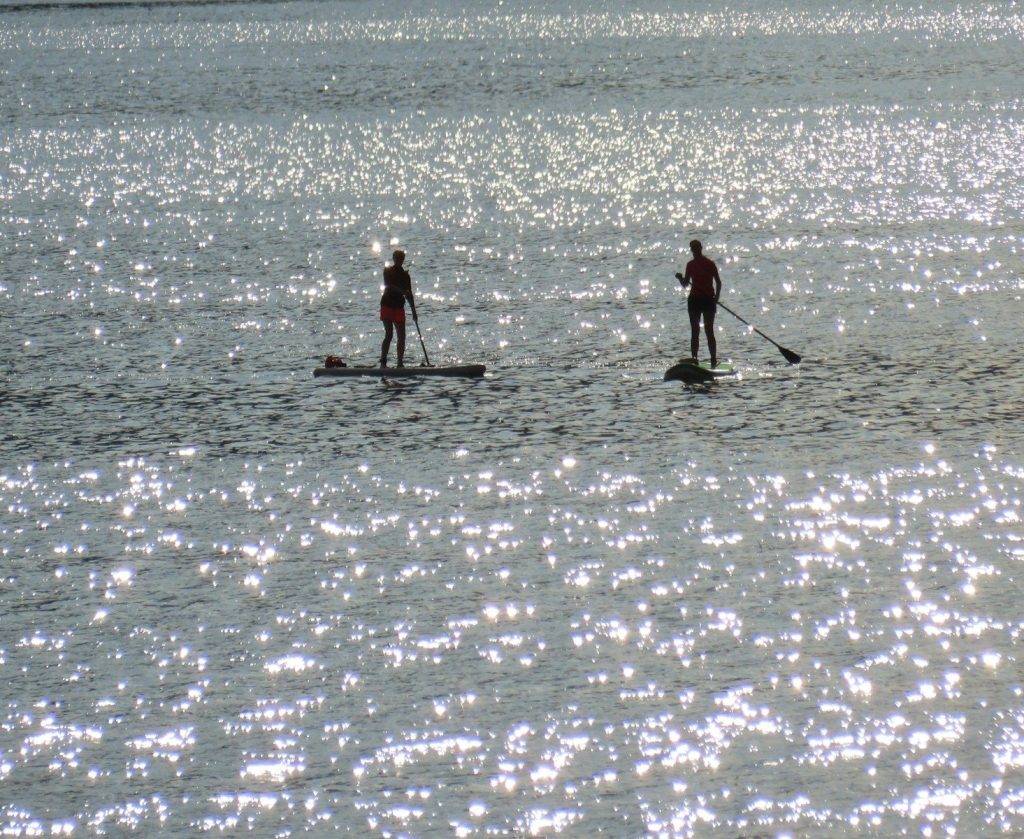
    A peaceful day on the water turned into a frightening experience for two paddleboarders off the California coast. They believed they had missed seeing a great white shark, but drone footage later showed the predator had been following them the entire time.

    The close encounter occurred near Santa Barbara and left the pair shaken after they returned safely to shore. This article explains what happened, how the drone captured the moment, why great white sharks are often seen along California’s coastline, and what people can learn from this remarkable wildlife encounter.

    A calm day changed in moments

    two person riding on paddle boards during daytime
    Photo by Matt Zhou on Unsplash

    The two paddleboarders headed into the ocean after hearing reports that a great white shark had been spotted nearby. A family member launched a drone to help look for the animal from above.

    After spending time on the water without seeing anything, they started paddling back toward shore. They believed they had missed the shark, but they did not realize it had already found them.

    The drone captured the truth

    Two people on surfboards in the middle of the ocean
    Photo by Vasileios Peponakis on Unsplash

    The drone recorded the great white shark swimming behind the paddleboarders as they made their way back. From above, the shark’s path was clearly visible, while the people in the water remained mostly unaware of how close it was.

    One of the paddleboarders later said they were terrified after learning what the drone had captured. The footage showed just how valuable an aerial view can be for understanding what is happening beneath the ocean’s surface.

    Why do great white sharks come near shore?

    grey and white shark underwater
    Photo by Hunter Newton on Unsplash

    Great white sharks are found in coastal waters around California. They often travel through these areas while searching for food or moving between feeding grounds.

    Seeing a shark near the shoreline does not always mean it is hunting people. Marine experts have long noted that many close encounters involve curious sharks passing through their natural habitat rather than attacking humans.

    What the paddleboarders experienced

    Sea
    Photo by Alejandro Cabetas on Unsplash

    As they paddled, one person noticed something unusual in the water and urged the other to head back to shore immediately. The second paddleboarder kept looking ahead and did not see the shark until later, when they learned about the drone footage.

    Even though the experience was frightening, both paddleboarders returned safely without injury. The incident became a reminder that wildlife encounters can happen without warning in the ocean.

    The role of drones in shark sightings

    a great white shark with its mouth open in the water
    Photo by Alex Steyn on Unsplash

    Drones have become an important tool for spotting sharks near beaches and coastal waters. Their overhead view allows people to see marine animals that are nearly invisible from the surface.

    In this case, the drone revealed exactly where the shark was and documented the entire encounter. The footage also helped show how difficult it can be for people in the water to notice a large shark swimming nearby.

    A reminder to respect the ocean

    two people on paddle boards in the water
    Photo by Dieter Rohmann on Unsplash

    The close encounter ended without anyone getting hurt, but it left a lasting impression on everyone involved. It showed that even experienced people on the water can be unaware of what is happening beneath them.

    The ocean is home to many remarkable animals, including great white sharks. Understanding their behavior and staying aware of local conditions can help people safely enjoy the coastline while respecting the wildlife that lives there.