Category: News

  • The heartbreaking journey every baby seal must take to survive its first days

    The heartbreaking journey every baby seal must take to survive its first days

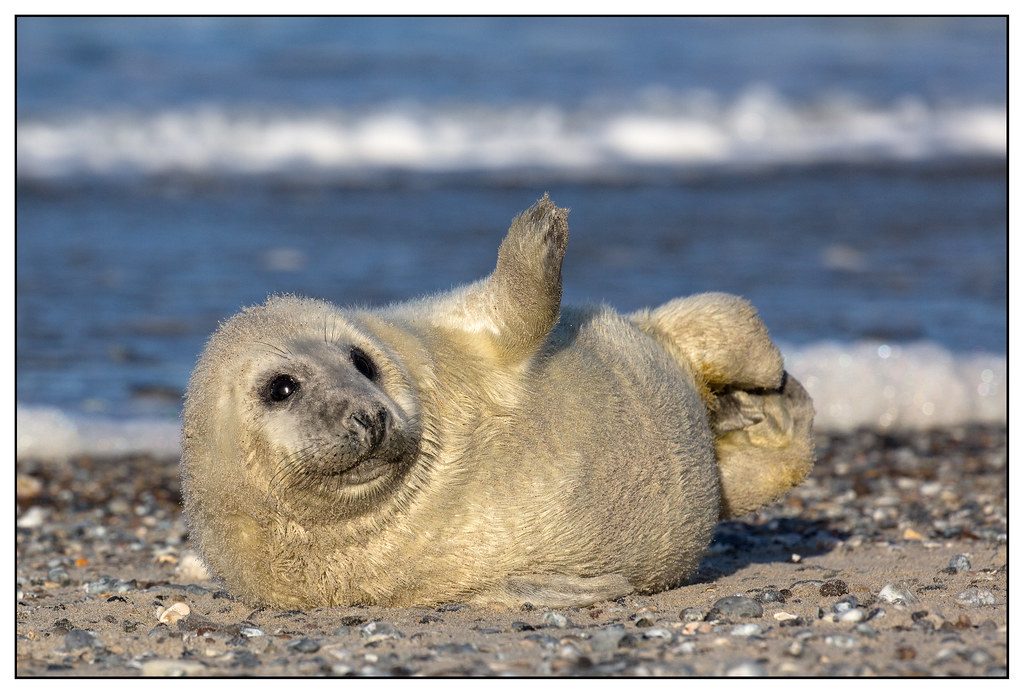
    For a baby seal, the first journey to the ocean is both exciting and dangerous. Moments after leaving the safety of the beach or ice, young pups begin learning skills that will determine whether they survive. They cannot see the predators beneath the waves or understand the many challenges ahead.

    Even so, they keep moving forward because entering the water is a necessary part of life. This article explores why baby seals make this remarkable journey, the dangers they face, and how nature prepares them for one of the toughest starts in the animal kingdom.

    Every journey begins with instinct
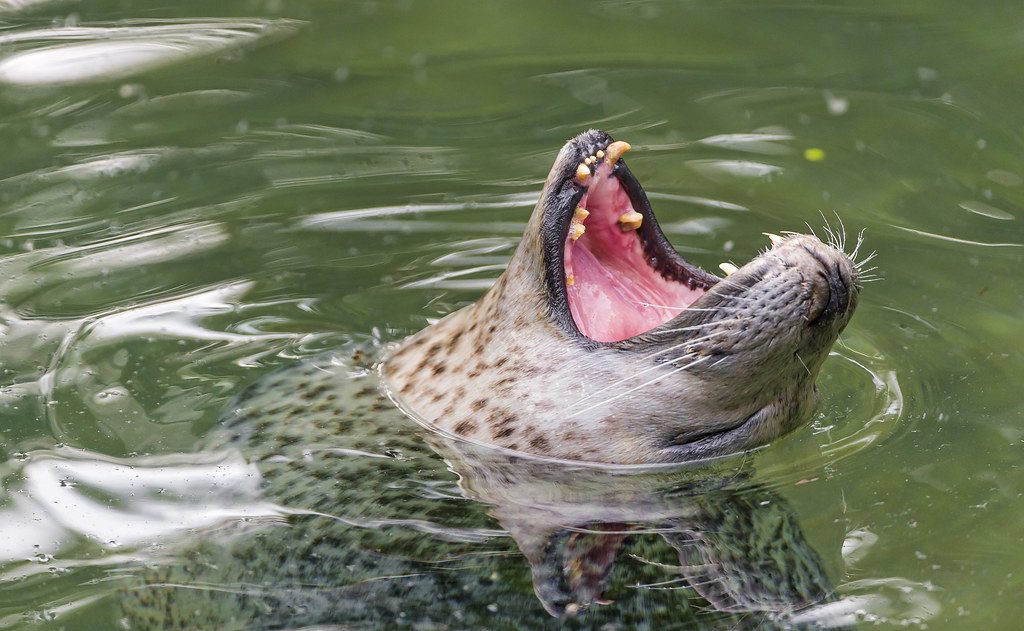
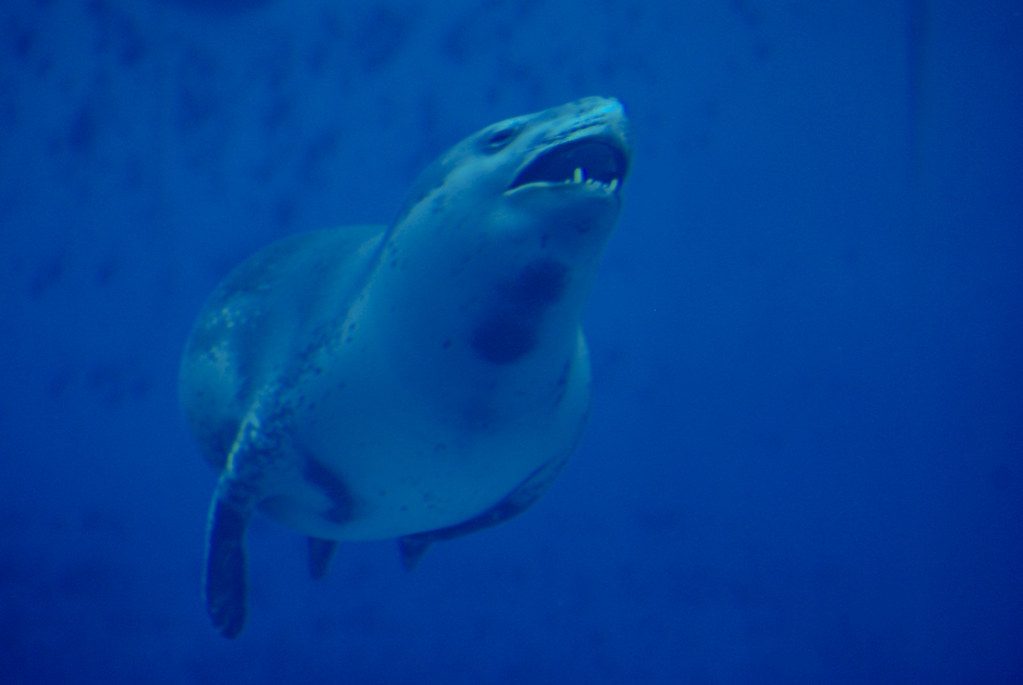
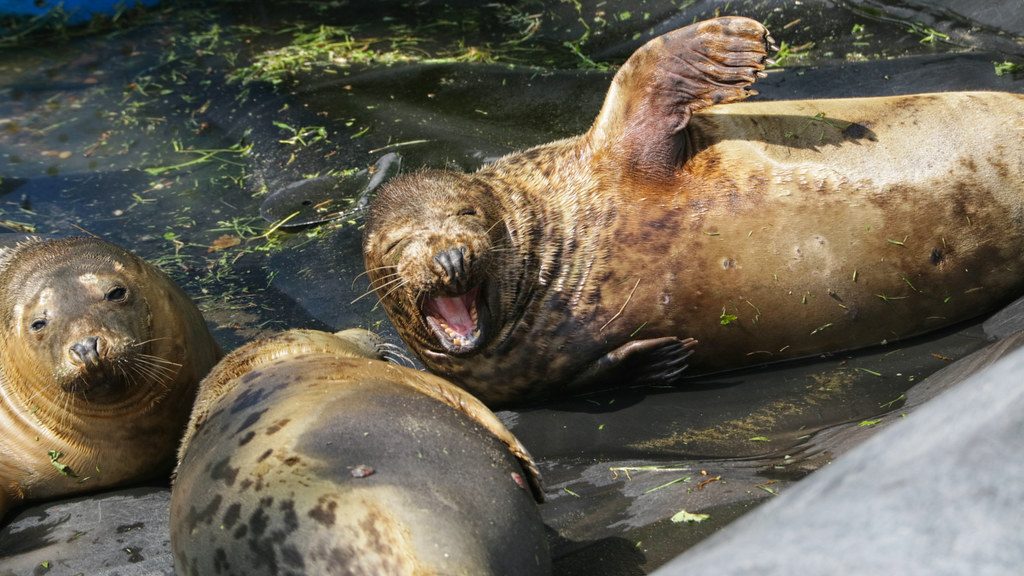
    Baby seal with open mouth” by Tambako the Jaguar is licensed under CC BY-ND 2.0

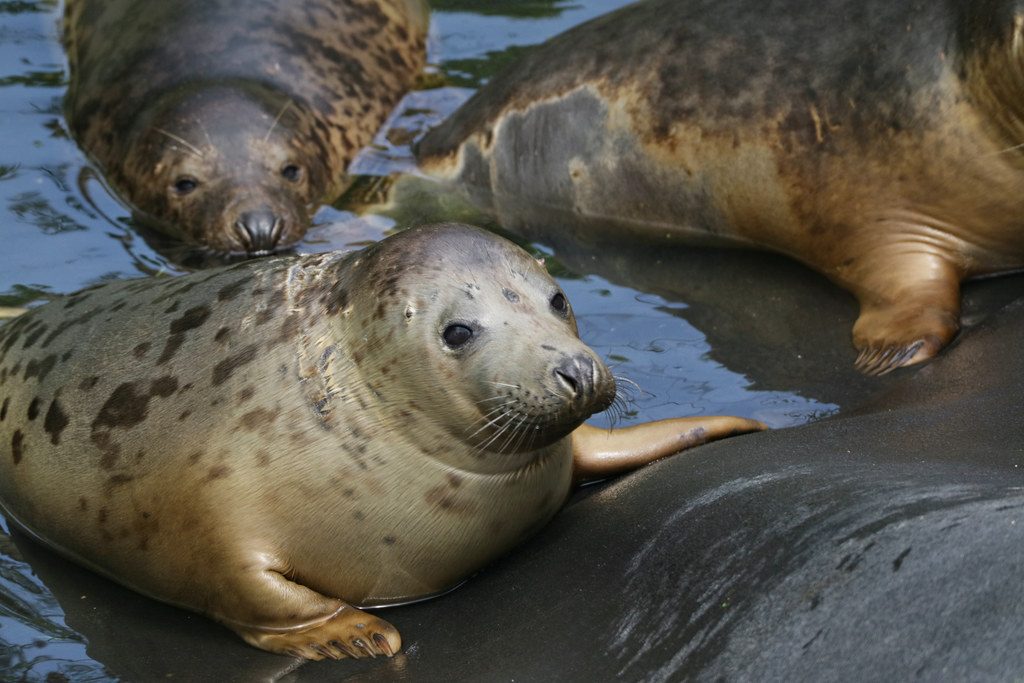
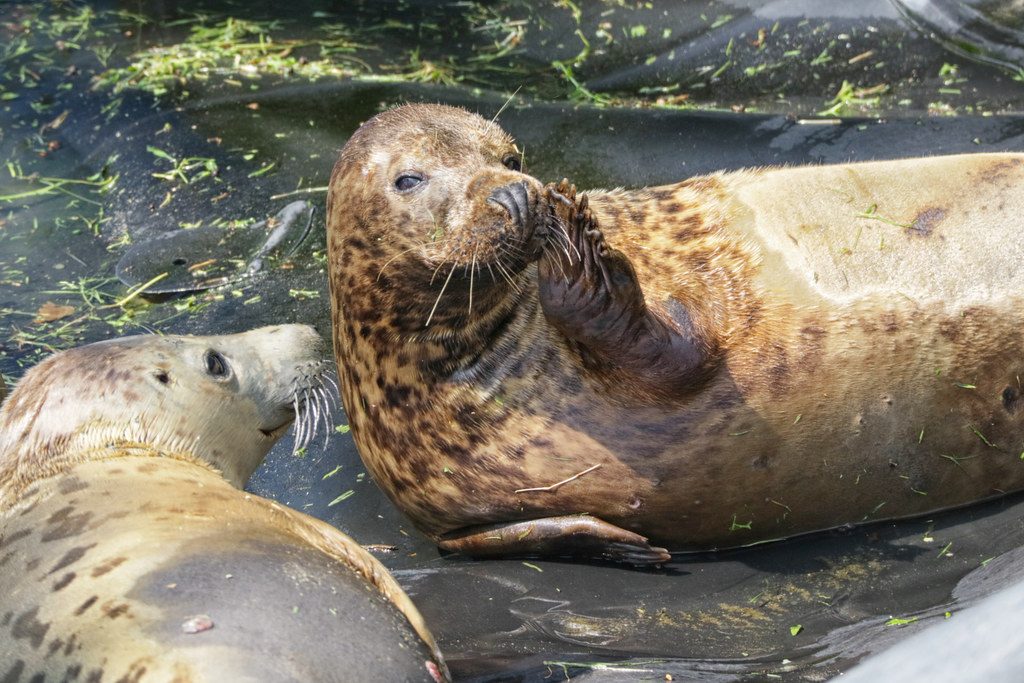
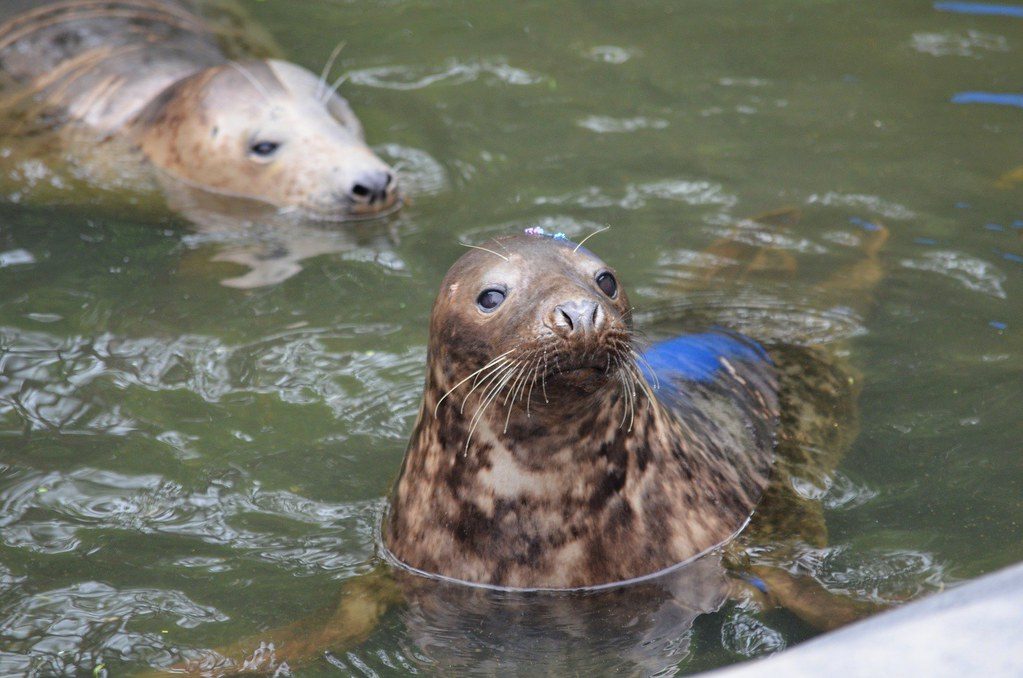
    Seal pups do not hesitate for long after it is time to leave their birthplace. Guided by instinct, they begin making their way toward the ocean where they must eventually learn to swim, dive, and find food.

    Although the beach may appear safe, it cannot provide everything a growing seal needs. The ocean becomes their new home, even though it also contains many hidden dangers waiting beneath the surface.

    The ocean is full of unseen risks
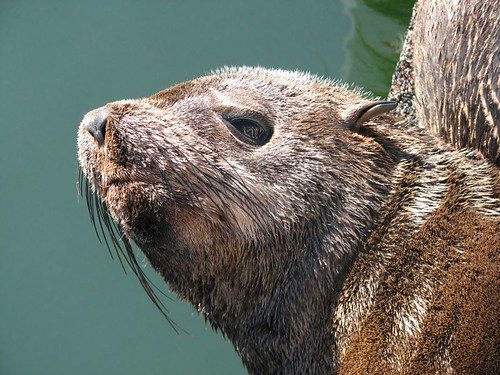
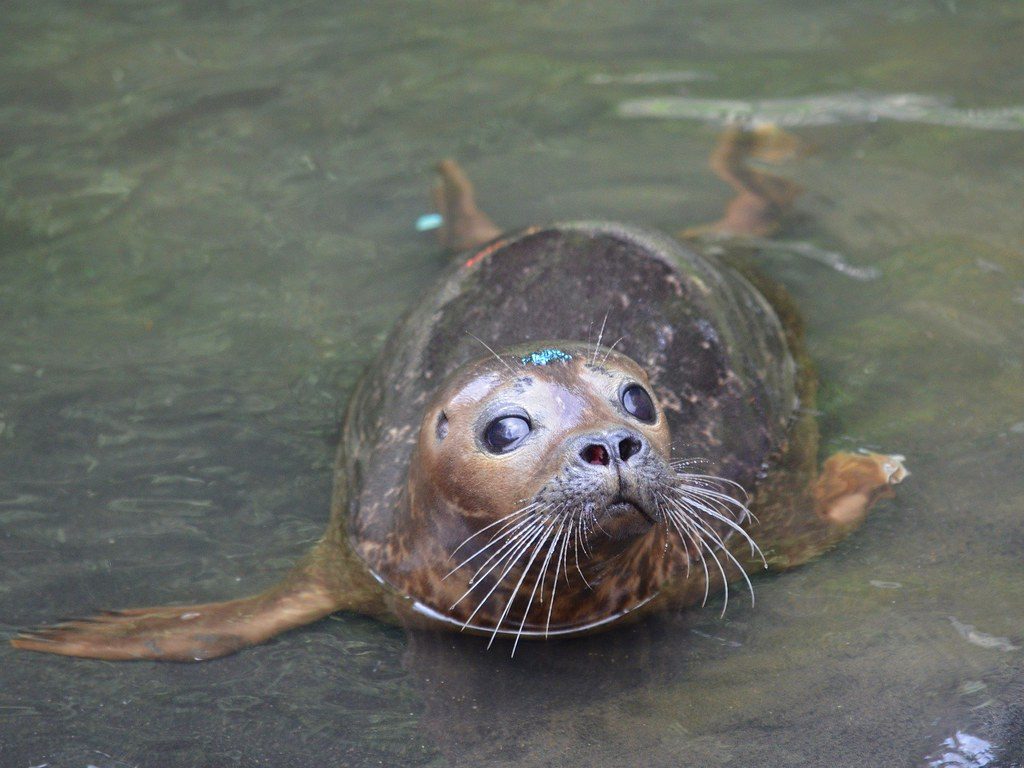
    Baby Seal” by MyAngelG is licensed under CC BY 2.0

    Young seal pups face threats from predators such as sharks and killer whales, depending on where they live. Many pups are especially vulnerable during their first weeks as they learn how to survive in the water.

    Natural dangers are only part of the challenge. Storms, strong waves, and changing weather can separate pups from safe resting areas, making their first months especially difficult.

    Survival depends on learning quickly
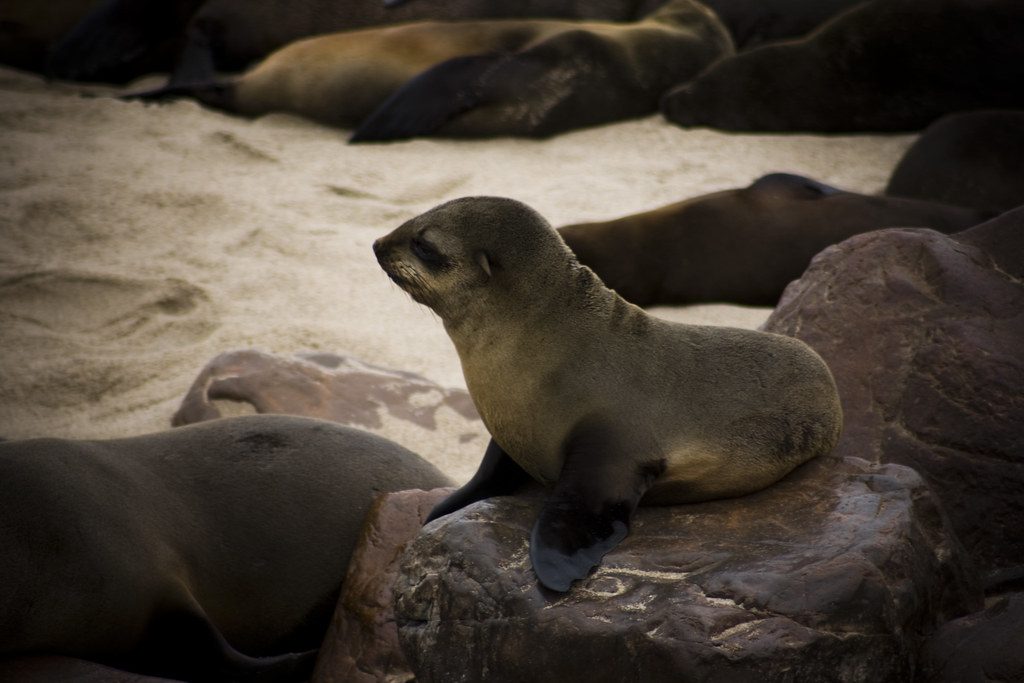
    Baby seal” by indii.org / Lawrence Murray is licensed under CC BY 2.0

    Newborn seals must rapidly develop important skills such as swimming, diving, and recognizing danger. These abilities improve with experience and greatly increase their chances of surviving in the wild.

    Some species can swim almost immediately after birth, while others spend time nursing before making longer journeys. Each species follows a slightly different path, but every pup eventually becomes independent.

    Not every danger comes from nature

    Tangled fishing line” by Aristocrats-hat is licensed under CC BY 2.0

    Human activities also create serious threats to young seals. Discarded fishing gear, plastic pollution, boat traffic, and accidental entanglement can injure or kill pups before they reach adulthood.

    Conservation organizations regularly rescue entangled seals, but many affected animals are never found. Reducing marine pollution remains one of the best ways to improve survival for young marine mammals.

    Nature balances beauty and hardship
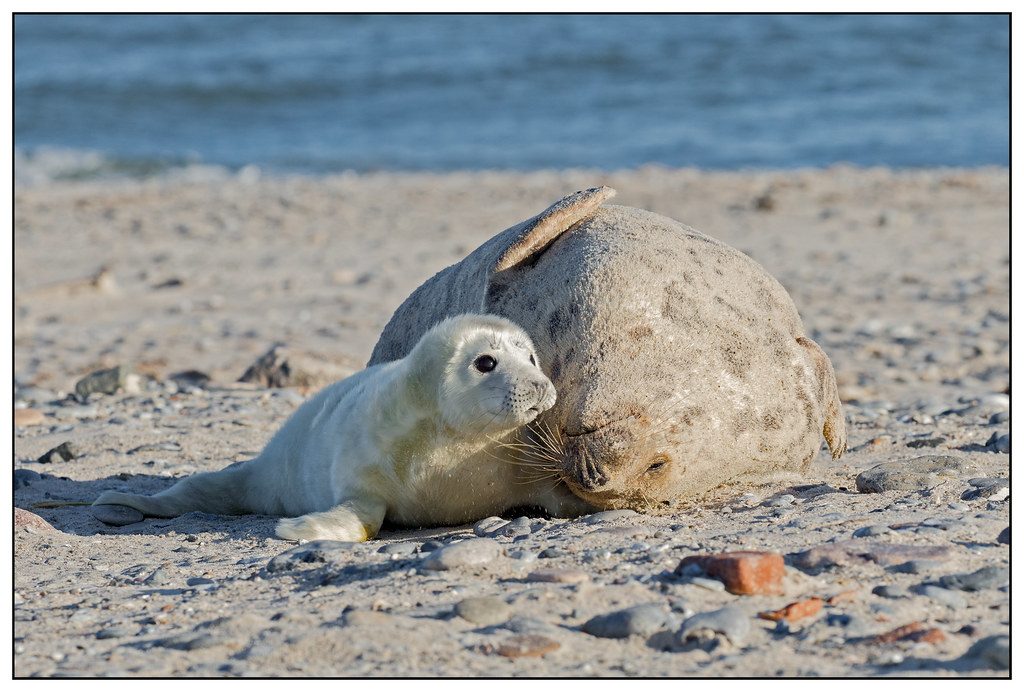
    Grey Seal with baby seal – Grijze zeehond met baby (Halichoerus grypus) …” by Martha de Jong-Lantink is licensed under CC BY-NC-ND 2.0

    Watching baby seals race toward the sea is both inspiring and emotional. Their determination reflects millions of years of evolution that have prepared them for life in challenging marine environments.

    Although many pups survive and grow into healthy adults, others do not. Life in the wild depends on resilience, learning, and a measure of luck during those critical first weeks.

    Every surviving seal is a success
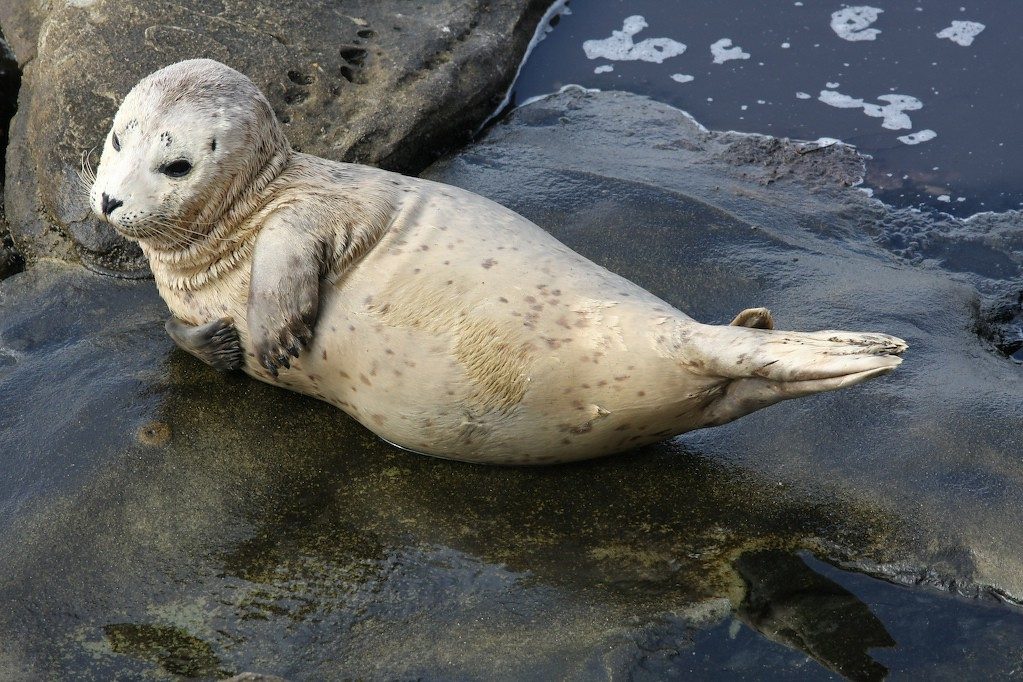
    baby seal” by Tutu Kazooie is licensed under CC BY-NC 2.0

    Each seal that reaches adulthood has overcome enormous challenges from the moment it was born. Every successful journey helps maintain healthy marine populations and balanced ocean ecosystems.

    The story of baby seals reminds us that survival in nature is rarely easy. Their first race toward the ocean is not simply a beautiful moment but the beginning of a lifetime of remarkable endurance.
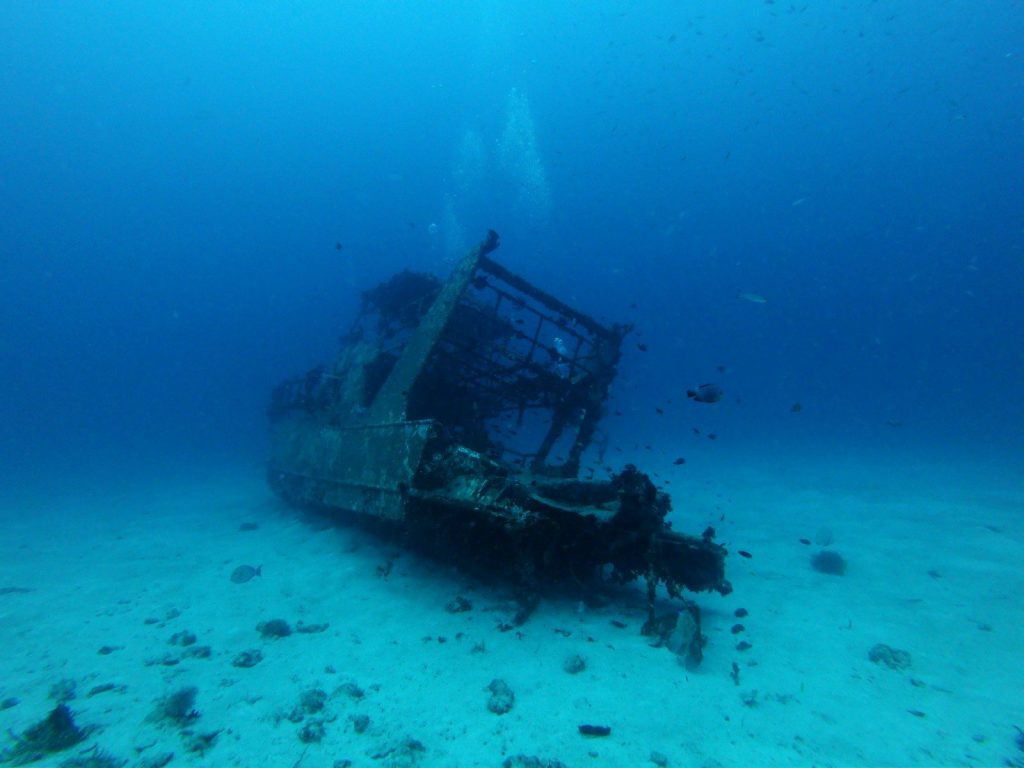
  • The incredible search that found the legendary Ship of Gold after 131 years

    The incredible search that found the legendary Ship of Gold after 131 years

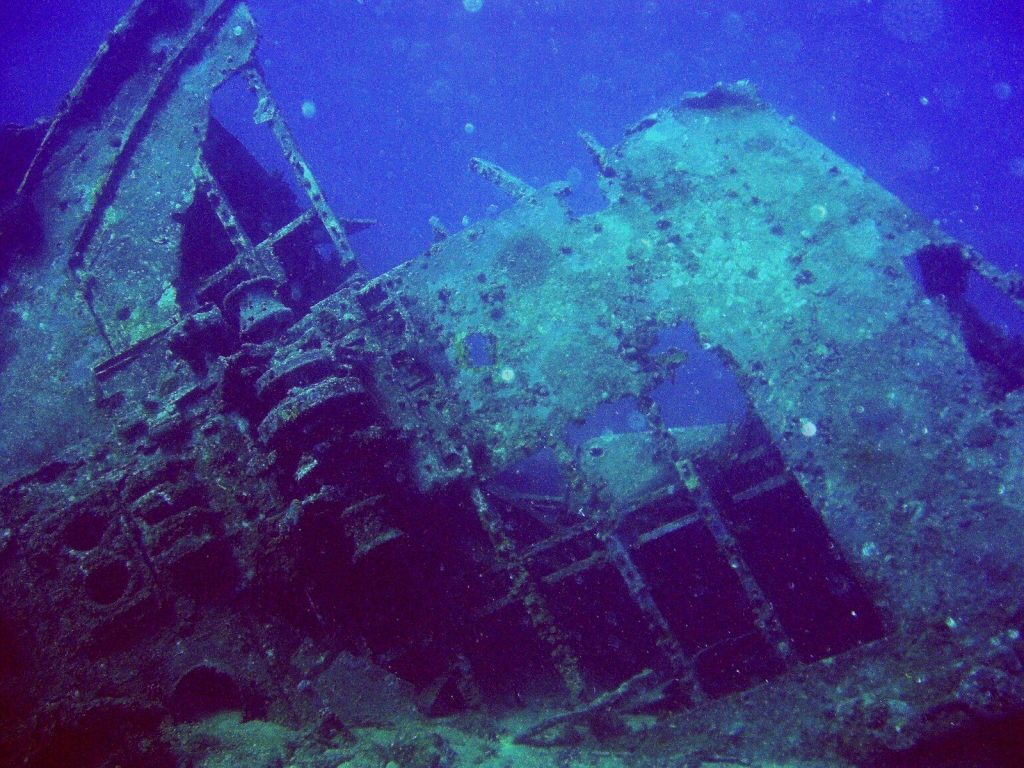
    For more than 130 years, one of America’s greatest lost treasures rested unseen beneath the Atlantic Ocean. The SS Central America, later called the “Ship of Gold,” disappeared during a powerful hurricane in 1857 while carrying passengers and an enormous shipment of California Gold Rush treasure. Many believed the ship would never be found.

    Then a team led by engineer Tommy Thompson approached the mystery in an unusual way by treating it like a mathematical problem. This article explores how science, history, and technology combined to solve one of the world’s greatest shipwreck mysteries and why the treasure continues to fascinate people today.

    A disaster changed American history

    sunken ship
    Photo by Olga ga on Unsplash

    The SS Central America was a 278-foot sidewheel steamship traveling from the California Gold Rush toward New York in September 1857. Along with nearly 500 passengers and crew, it carried thousands of pounds of gold in the form of coins, bars, nuggets, and gold dust.

    A powerful hurricane struck the ship off the southeastern United States, causing it to sink. About 150 people survived, while hundreds lost their lives. The loss of so much California gold also contributed to the financial crisis known as the Panic of 1857.

    Solving a shipwreck like a math problem

    a large ship sitting on top of a body of water
    Photo by Karl Callwood on Unsplash

    By the 1980s, historians knew roughly where the ship had disappeared, but the Atlantic Ocean search area was enormous. Tommy Thompson and his team gathered every piece of historical evidence they could find, including survivor accounts, newspaper reports, weather records, ocean currents, and the ship’s final known position.

    Working with mathematician Lawrence D. Stone, the team used search theory to divide nearly 1,400 square miles of ocean into probability zones. Instead of searching randomly, they focused first on the locations most likely to contain the wreck.

    Technology finally revealed the wreck

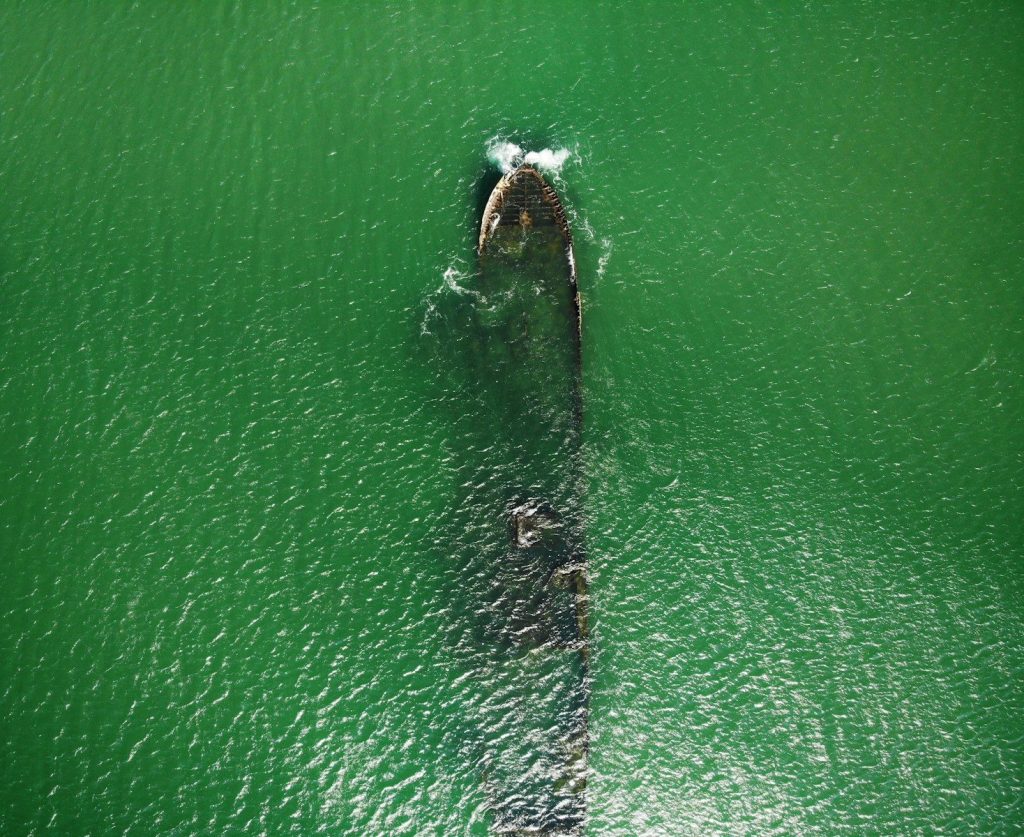
    a large boat floating on top of a green body of water
    Photo by Bernd 📷 Dittrich on Unsplash

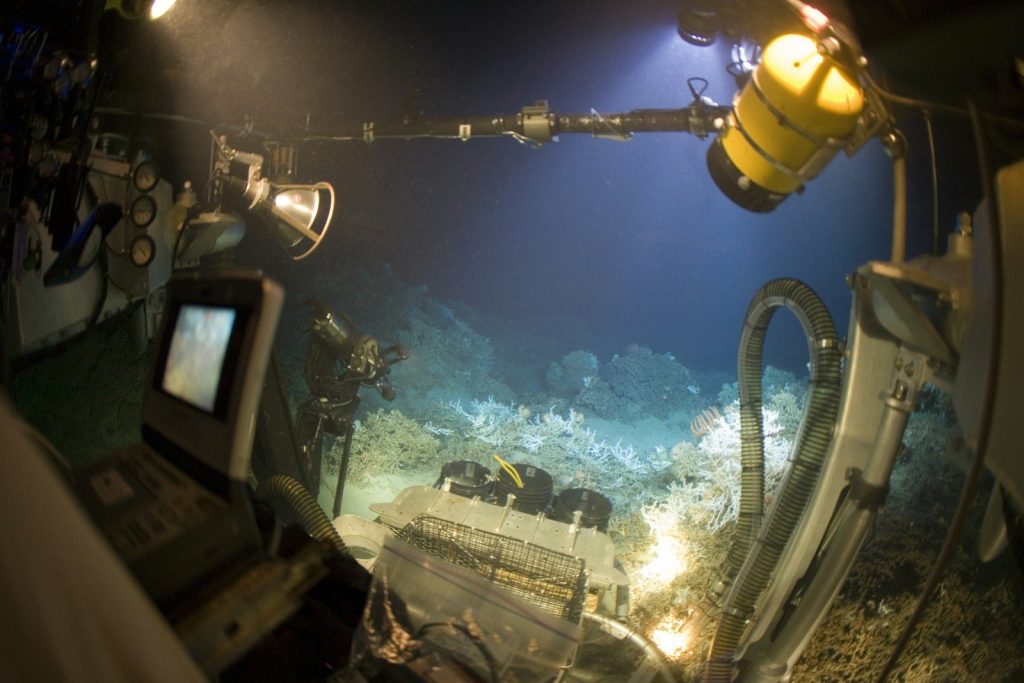
    After narrowing the search area, the expedition returned to the Atlantic in 1988 with the remotely operated vehicle Nemo. Nearly 8,000 feet below the surface, cameras spotted one of the ship’s distinctive paddle wheels resting on the seafloor.

    The discovery confirmed that the team had located the long-lost SS Central America. Over the following years, additional dives recovered thousands of gold coins, gold bars, nuggets, gold dust, and many historical artifacts from the wreck site.

    Finding the treasure created new problems

    yellow and black gas lamp
    Photo by NOAA on Unsplash

    Recovering the gold made international headlines, but it also led to years of legal disputes. Investors, insurance companies, and expedition members all claimed ownership of different parts of the recovered treasure.

    Tommy Thompson later became the center of an even larger controversy after disputes involving 500 commemorative gold coins. His legal battles eventually resulted in years of imprisonment, while the location of the missing coins remained unresolved.

    Much of the ship still remains unexplored

    a man in a swimming pool
    Photo by Karl Callwood on Unsplash

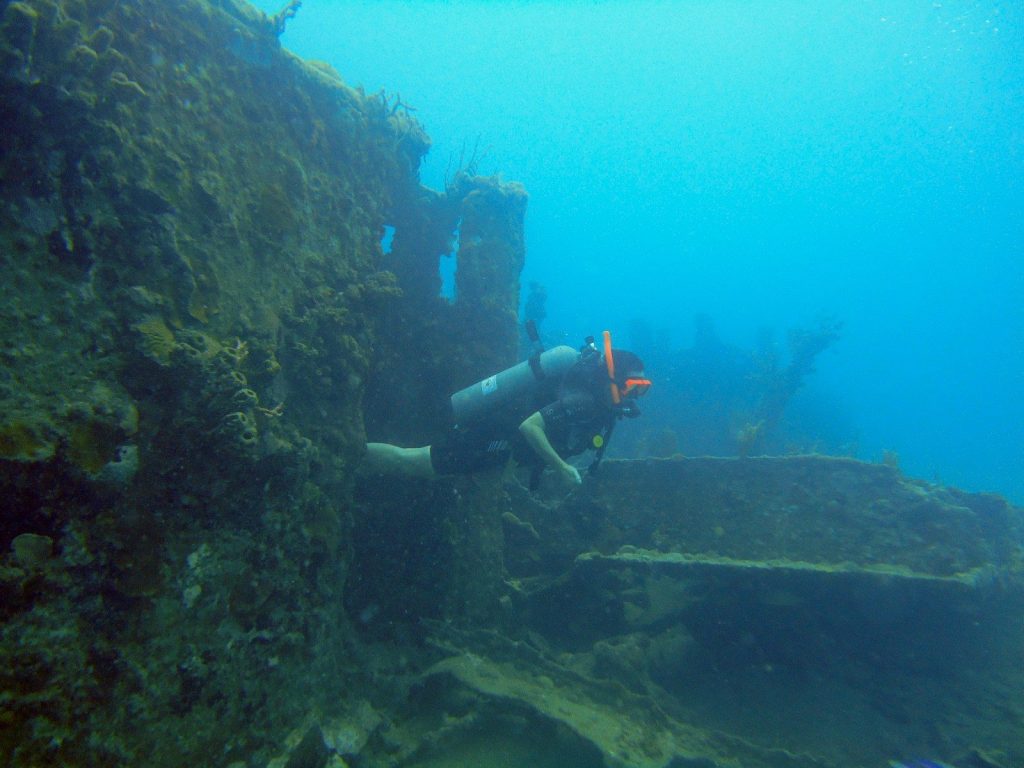
    Although enormous amounts of treasure were recovered, only a small portion of the wreck has been explored. Modern technology has allowed researchers to study parts of the site, but large areas remain untouched beneath the deep Atlantic.

    Marine archaeologists continue to view the SS Central America as an important historical site rather than simply a source of treasure. Every recovered artifact provides new information about life, commerce, and travel during the California Gold Rush era.

    The Ship of Gold still captures imaginations

    underwater view of a swimming pool
    Photo by Karl Callwood on Unsplash

    The story of the SS Central America combines history, engineering, mathematics, and deep-sea exploration. It shows how careful research and new technology can solve mysteries that once seemed impossible.

    Even today, the Ship of Gold remains one of the most famous treasure discoveries ever made. Its remarkable history continues to inspire explorers, historians, and scientists searching for answers hidden beneath the ocean.

  • The heartbreaking reason some of Earth’s most amazing animals cannot live in zoos

    The heartbreaking reason some of Earth’s most amazing animals cannot live in zoos

    Modern zoos and aquariums have successfully cared for thousands of animal species, but some wild animals remain almost impossible to keep in captivity. Their bodies, behaviors, and survival strategies are so closely tied to their natural environments that even the best human care cannot fully replace what nature provides.

    From Antarctic predators to deep ocean hunters, these animals have evolved for conditions that are difficult or impossible to recreate. This article explores why certain species struggle in captivity, how evolution shaped their unique needs, and what their stories teach us about wildlife conservation.

    Evolution created highly specialized animals

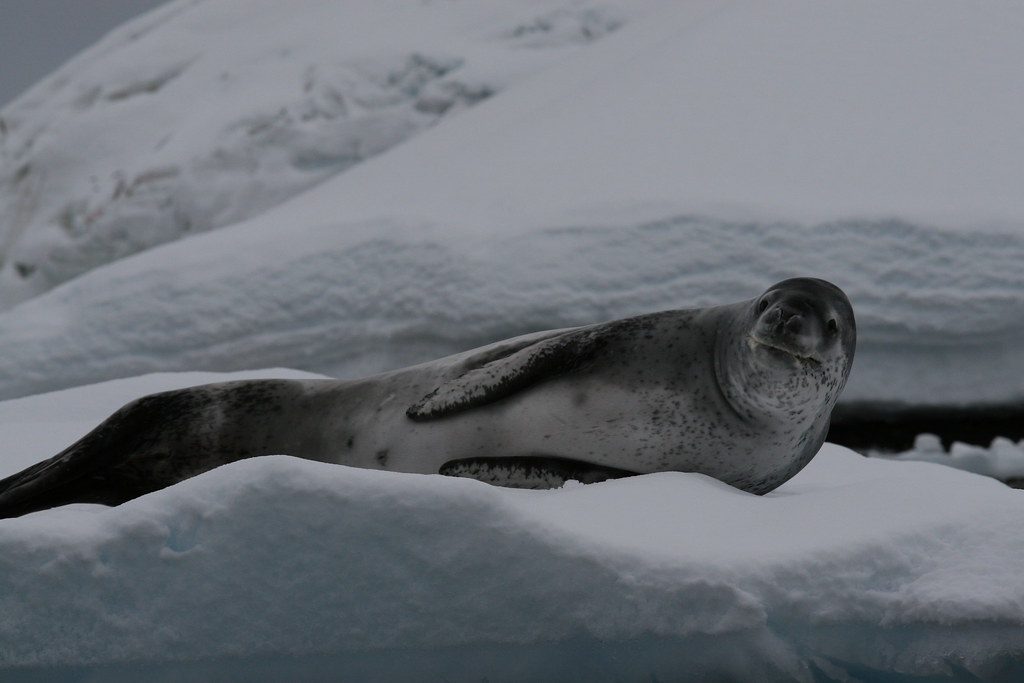
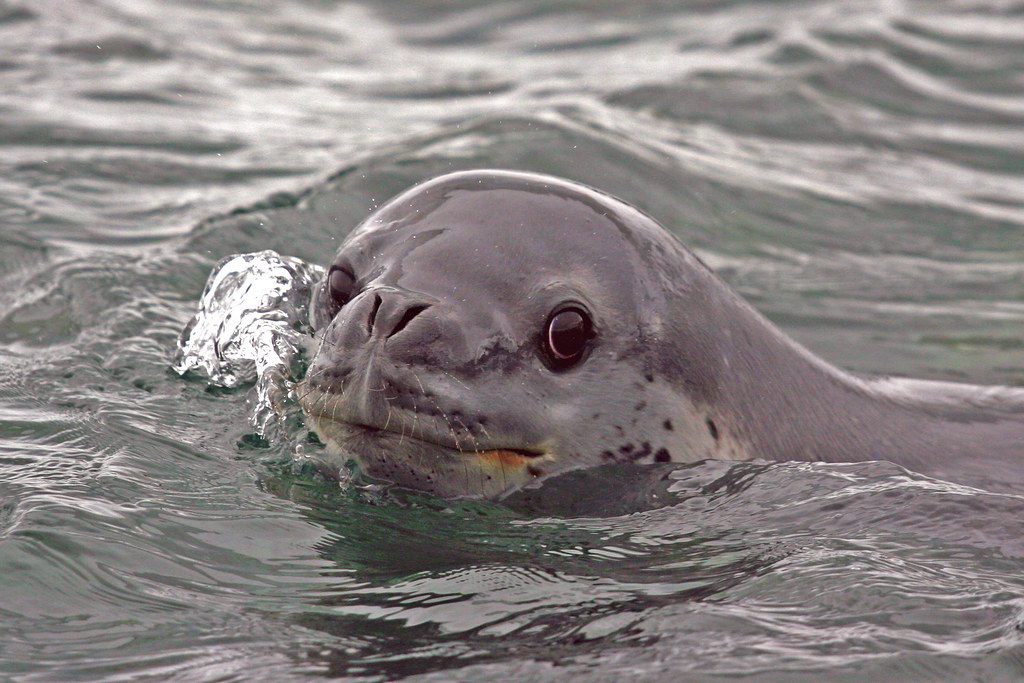
    Leopard seal” by xeno_sapien is licensed under CC BY-NC 2.0

    Every animal evolves to survive in a particular environment. Over millions of years, species develop behaviors, diets, and physical adaptations that match the places where they live.

    For highly specialized animals, even small changes to temperature, habitat, food, or social structure can create serious challenges. Some species depend on conditions that simply cannot be reproduced outside the wild.

    Leopard seals belong in Antarctica

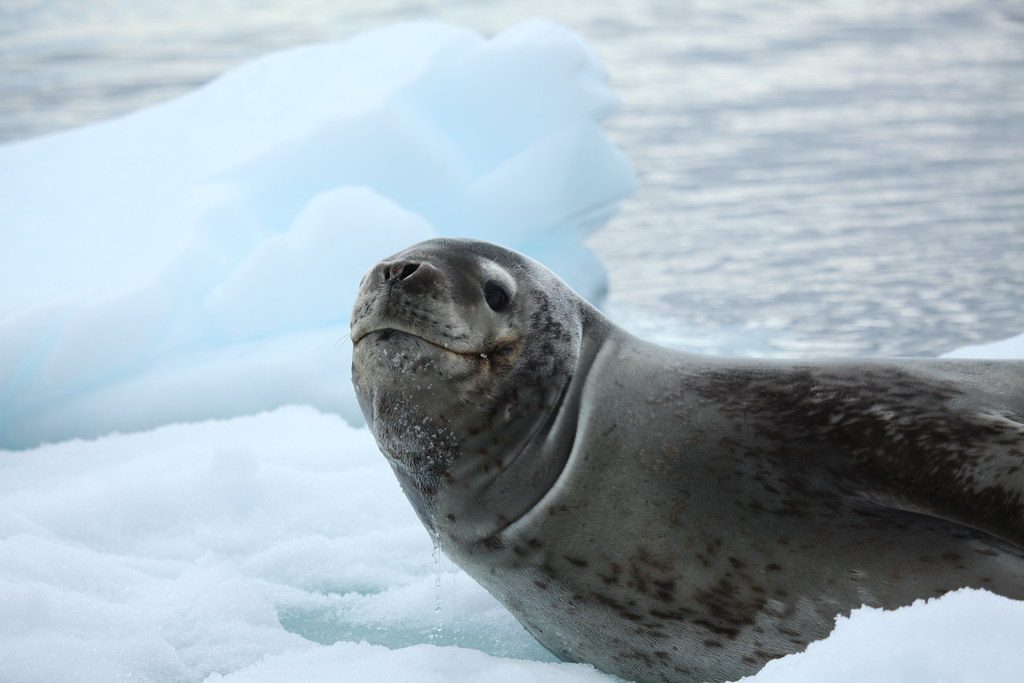
    Leopard Seal in Pléneau Bay, Antarctica” by Liam Quinn is licensed under CC BY-SA 2.0

    Leopard seals are powerful predators that live among Antarctic sea ice. They hunt fish, squid, penguins, and other seals while spending much of their lives in one of the harshest environments on Earth.

    Very few leopard seals have ever been kept in captivity, and those that have were usually rescued animals that could not safely return to the wild. Their specialized diet, solitary behavior, cold habitat, and large space requirements make long-term care extremely difficult.

    A tragedy changed how scientists viewed leopard seals

    A leopard seal” by xeno_sapien is licensed under CC BY-NC 2.0

    In 2003, British Antarctic Survey marine biologist Kirsty Brown was killed while conducting underwater research near Antarctica. A leopard seal dragged her underwater, making it the first recorded fatal leopard seal attack on a human. Investigators concluded that such attacks are extremely rare.

    The incident highlighted both the power of leopard seals and how little scientists still knew about their behavior. It also led to greater attention toward research safety when working around these large Antarctic predators.

    Other species face similar challenges

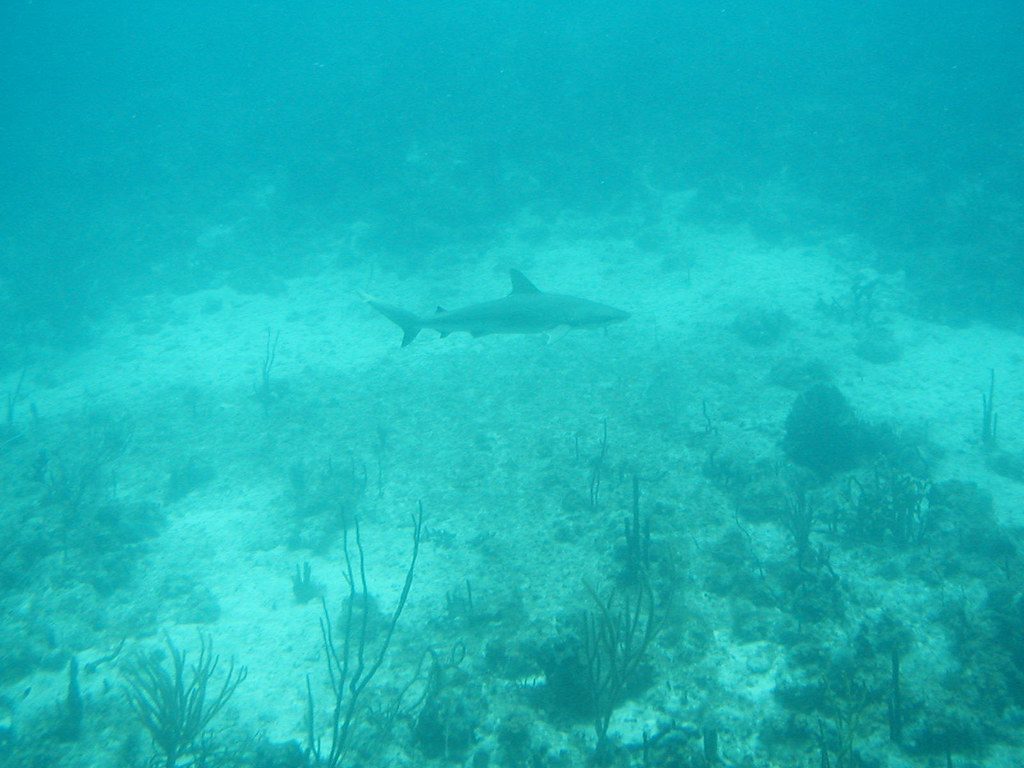
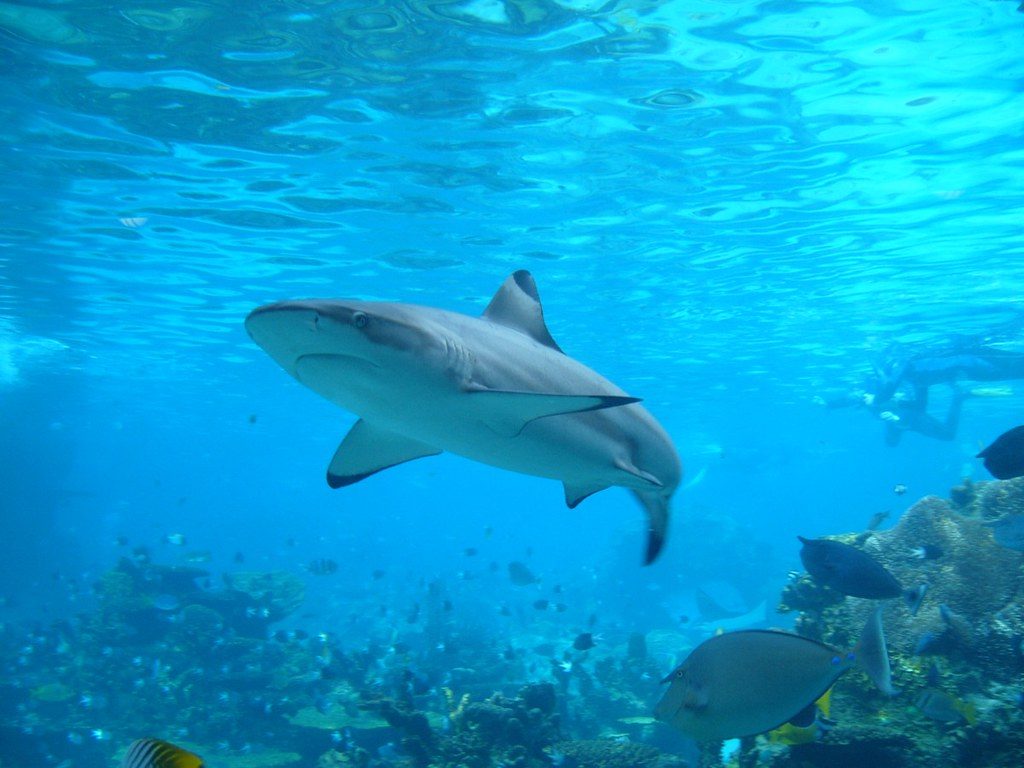
    Small shark near the reef, St. Thomas” by Beth M527 is licensed under CC BY-NC 2.0

    Leopard seals are not the only animals that struggle in captivity. Some deep-sea fish require crushing pressures, while certain whales, sharks, and marine mammals need enormous ranges, complex social lives, or highly specialized diets that are difficult to provide.

    Even when expert care is available, captivity may not fully meet the biological or behavioral needs of these animals. Their survival often depends on conditions found only in natural ecosystems.

    Conservation often works better than captivity

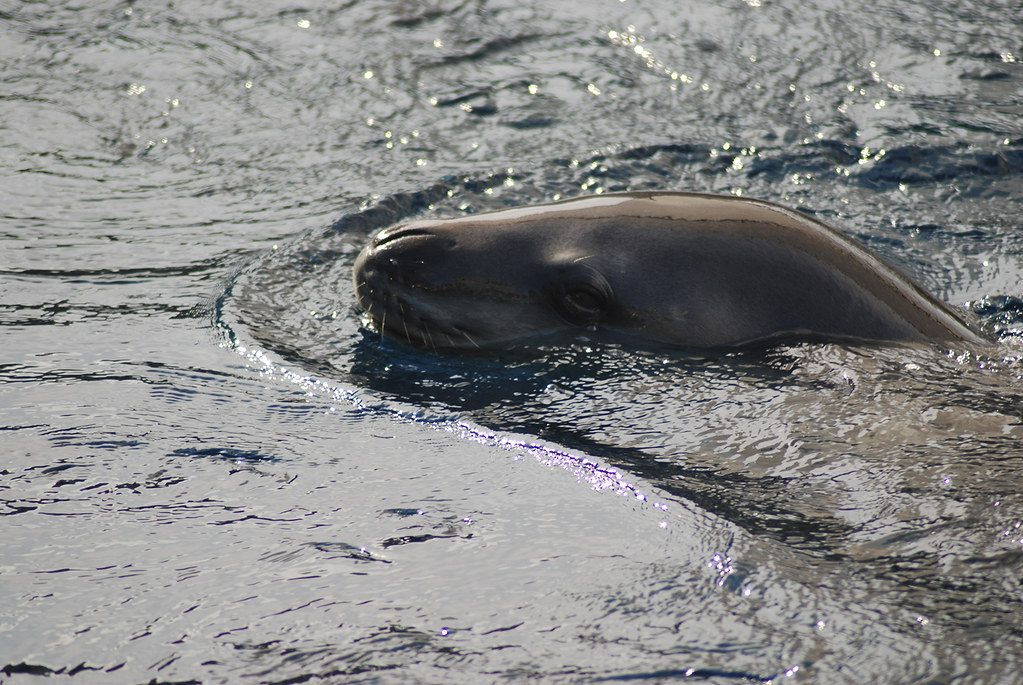
    Seal Rescue Ireland” by chripell is licensed under CC BY-SA 2.0

    Because some species adapt poorly to captivity, protecting their natural habitats has become one of the most effective conservation strategies. Healthy ecosystems allow animals to continue behaving and reproducing naturally.

    Scientists increasingly focus on habitat restoration, anti-poaching efforts, and reducing pollution rather than relying only on captive breeding for species with highly specialized needs.

    Nature still sets the limits

    Leopard Seal” by AegirPhotography is licensed under CC BY-NC 2.0

    Human knowledge and technology continue to improve, but some animals remain better suited to life in the wild than behind barriers. Their remarkable adaptations are reminders that evolution has shaped them for environments unlike anything humans can fully recreate.

    The story of animals that cannot thrive in captivity also highlights the importance of protecting the habitats where they naturally belong. For many species, conserving the wild is the best chance for long-term survival.

  • The incredible moment a protective Labrador scared away a visiting black bear

    The incredible moment a protective Labrador scared away a visiting black bear

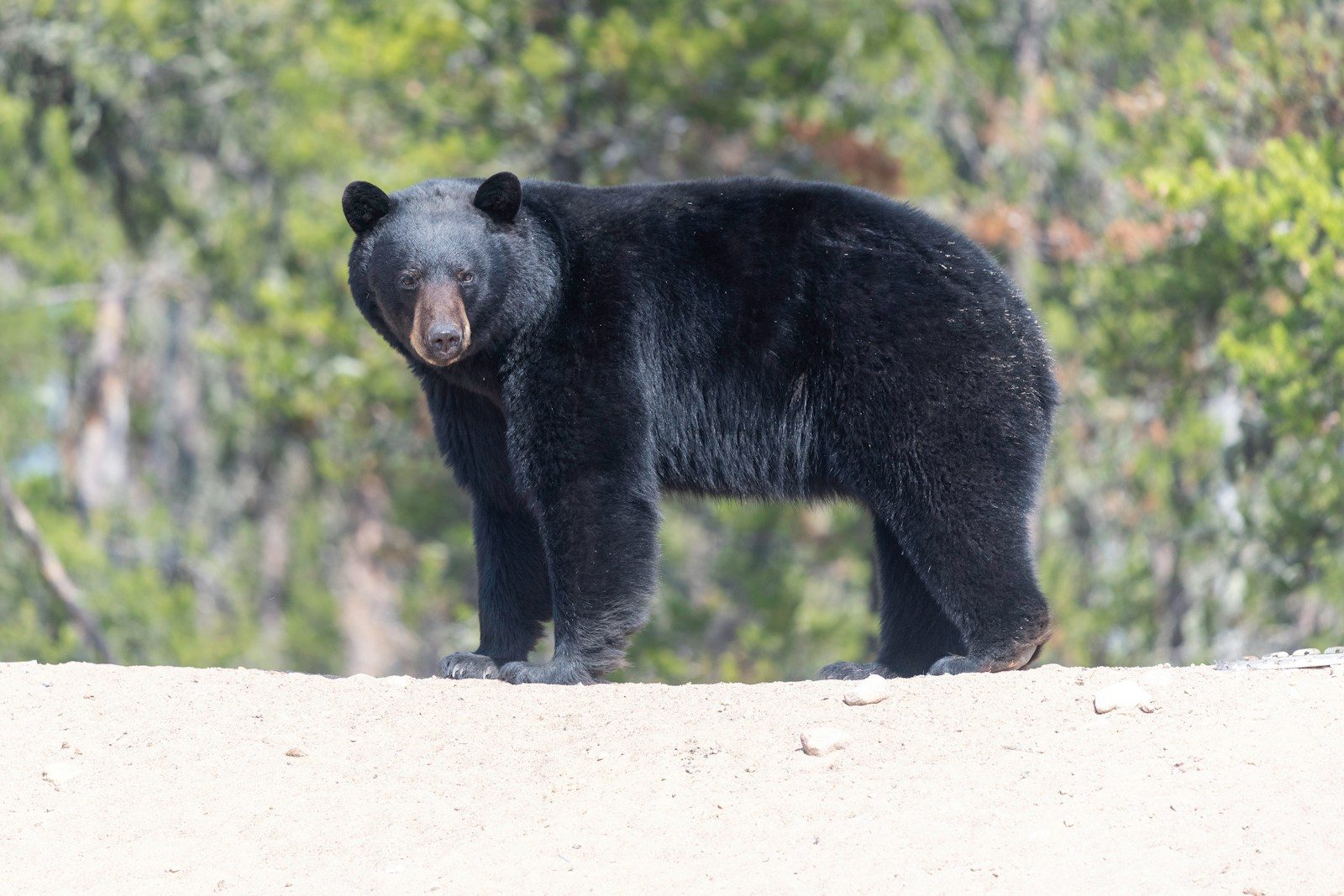
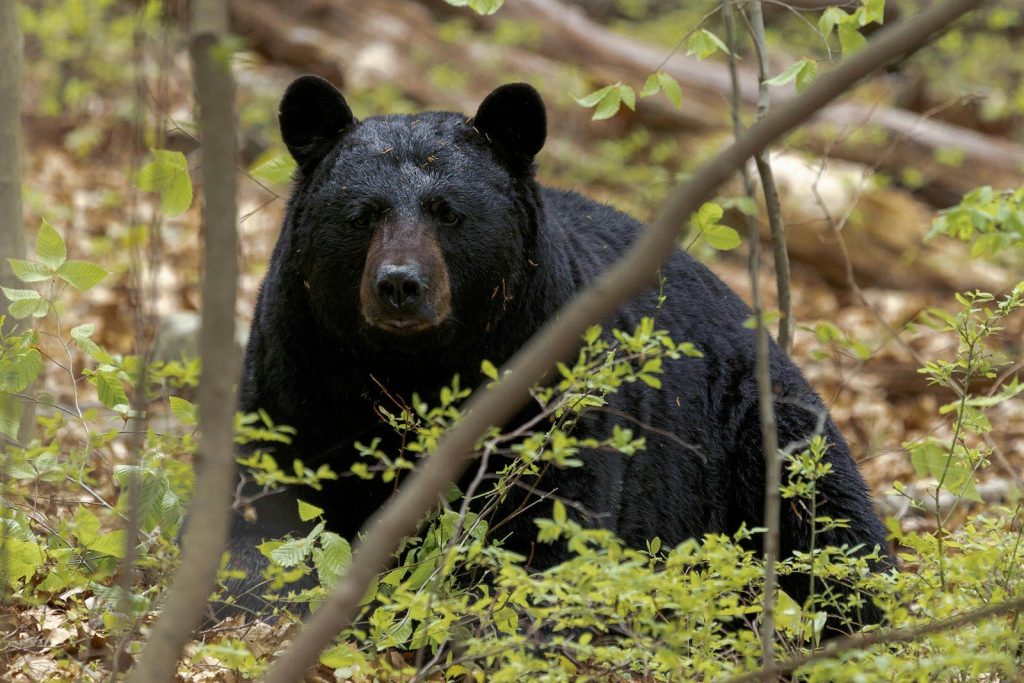
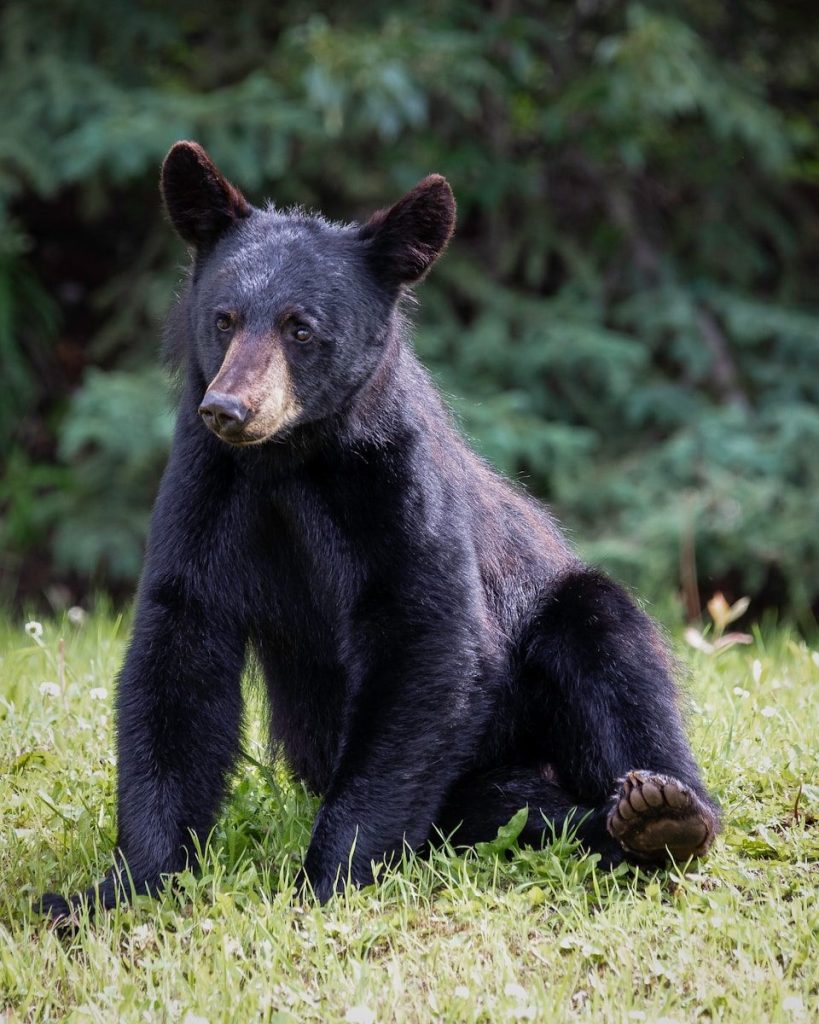
    Most dogs bark at strangers, but few ever confront a wild bear. That is exactly what happened when a curious black bear walked up to the back door of a home in Asheville, North Carolina. Inside, a yellow Labrador Retriever named Bennett immediately sprang into action, barking and growling through the glass as the bear stood only inches away.

    The tense encounter quickly became a viral video, reminding viewers how unpredictable wildlife encounters can be. This article explains what happened, why the bear likely approached the house, and how people can safely respond when living in bear country.

    A curious visitor arrived at the door

    black bear on green grass during daytime
    Photo by Pete Nuij on Unsplash

    Bennett was relaxing at home when a young black bear wandered onto the property and walked directly to the back door. The two animals were separated only by a glass door as they watched each other from just a few inches apart.

    The Labrador reacted instantly by barking and growling to defend his home. Startled by the sudden noise, the bear quickly backed away, ending the unexpected encounter without either animal being harmed.

    Bennett followed his natural instincts

    medium short-coated white dog lying on green grass field
    Photo by Angel Luciano on Unsplash

    Labrador Retrievers are known for being friendly, but they are also loyal family dogs that often alert their owners when something unusual appears near the home. Bennett’s reaction reflected that protective instinct.

    Although the bear was much larger than the dog, the glass barrier kept both animals safely separated. The encounter demonstrated how household pets often respond to unfamiliar wildlife entering their territory.

    Why did the bear come so close

    a black bear is sitting in the woods
    Photo by Michael Anfang on Unsplash

    Wildlife experts believe the visitor was likely a young black bear exploring its surroundings. Yearling bears often leave their mothers and begin searching for food and suitable habitat on their own.

    Residential neighborhoods in western North Carolina frequently overlap with black bear habitat. Curious bears sometimes investigate yards, porches, or doors while searching for food or simply exploring unfamiliar areas.

    Living safely in bear country

    black bear on green grass during daytime
    Photo by Pete Nuij on Unsplash

    Black bears usually avoid people whenever possible. If a bear is seen near a home, experts recommend keeping a safe distance, staying calm, and allowing the animal room to leave on its own.

    Removing food sources such as unsecured garbage, pet food, and bird feeders can also reduce the chances of attracting bears to residential areas. These simple steps help both people and wildlife remain safe.

    Bears are rarely looking for conflict

    black bear on yellow flower field during daytime
    Photo by Danika Perkinson on Unsplash

    Although large and powerful, black bears generally prefer to avoid confrontations with humans. Most encounters end peacefully once the bear realizes people or pets are nearby.

    Young bears are especially curious as they learn to survive on their own. Their investigations are usually driven by food or exploration rather than aggression, even if they sometimes surprise homeowners.

    A memorable reminder to respect wildlife

    black bear on green grass during daytime
    Photo by Pete Nuij on Unsplash

    The viral video captured an exciting moment, but it also highlighted the importance of respecting wild animals. Bennett successfully protected his home, while the young bear wisely chose to leave without escalating the situation.

    As communities continue expanding into bear habitat, encounters like this may become more common. Staying aware, securing attractants, and giving wildlife space help ensure that both people and bears can safely share the landscape.

  • How a sunken World War II submarine turned into one of history’s greatest treasure hunts

    How a sunken World War II submarine turned into one of history’s greatest treasure hunts

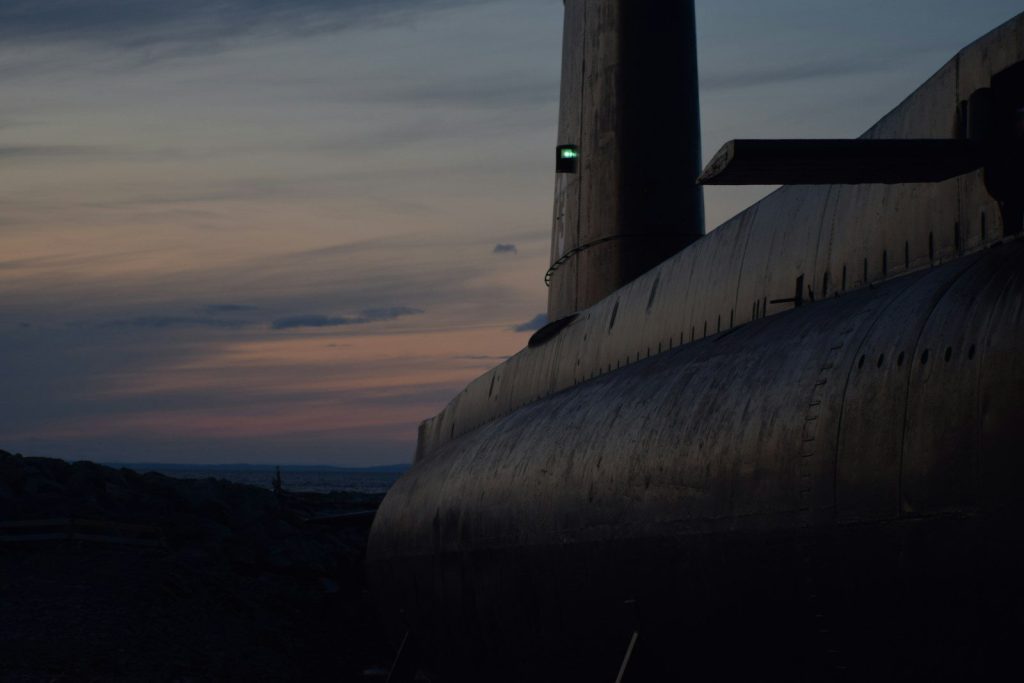
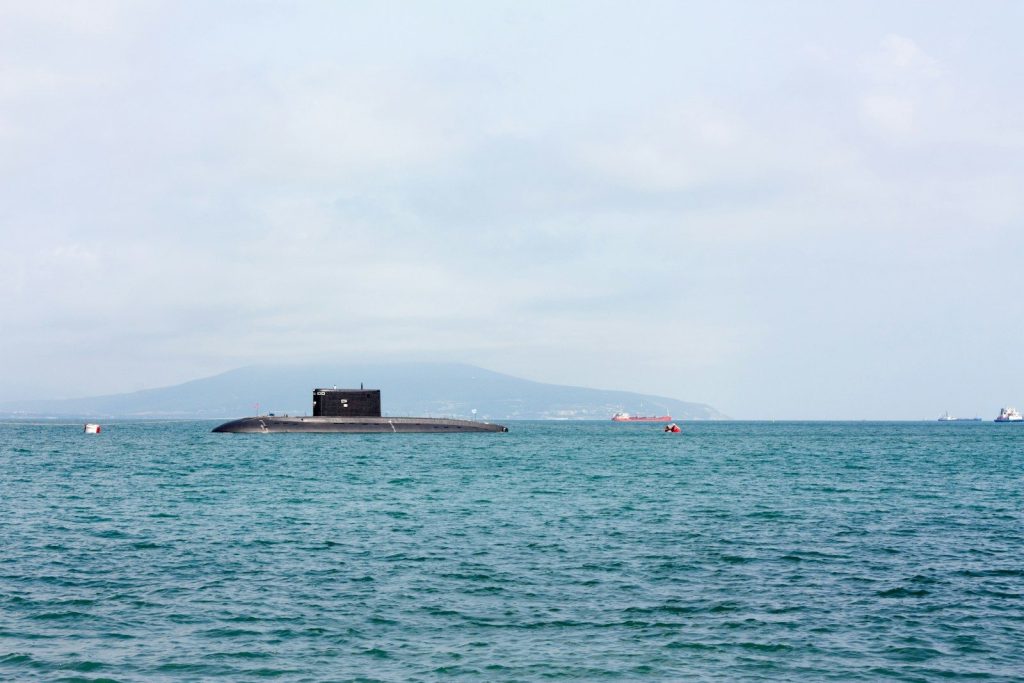
    In the final years of World War II, a Japanese submarine carrying a secret cargo disappeared beneath the Atlantic Ocean. On board were 2.2 tons of gold, valuable raw materials, and military supplies destined for Nazi-occupied Europe. For more than 50 years, the submarine’s resting place remained unknown, turning it into one of history’s greatest underwater mysteries.

    Then a determined researcher finally located the wreck nearly three miles below the surface. This article explores the story of the Japanese submarine I-52, its secret mission, the search that uncovered it, and why its legendary treasure still remains lost.

    A secret mission across the Atlantic

    silhouette of windmill during sunset
    Photo by Marc-Antoine Déry on Unsplash

    The Japanese submarine I-52 departed from Kure, Japan, in March 1944 on a highly secret mission. It was heading toward German-occupied France to exchange valuable cargo for military technology that Japan hoped would strengthen its war effort.

    Among its cargo were 2.2 tons of gold packed into metal boxes, along with tungsten, molybdenum, opium, caffeine, and other strategic materials. After stopping in Singapore, the submarine also loaded rubber, tin, and quinine before continuing into the Atlantic.

    Allied intelligence uncovered the plan

    a submarine floating on top of a large body of water
    Photo by Daniil Zameshaev on Unsplash

    The mission was meant to remain completely secret, but Allied cryptologists had already broken important enemy communications. Intercepted messages revealed the submarine’s planned route and rendezvous with a German U-boat.

    A United States Navy hunter-killer task force centered on the aircraft carrier USS Bogue was sent to intercept the submarine. During the night of June 23, 1944, aircraft located I-52 and attacked it with acoustic homing torpedoes. The submarine sank with everyone on board.

    The mystery lasted for decades

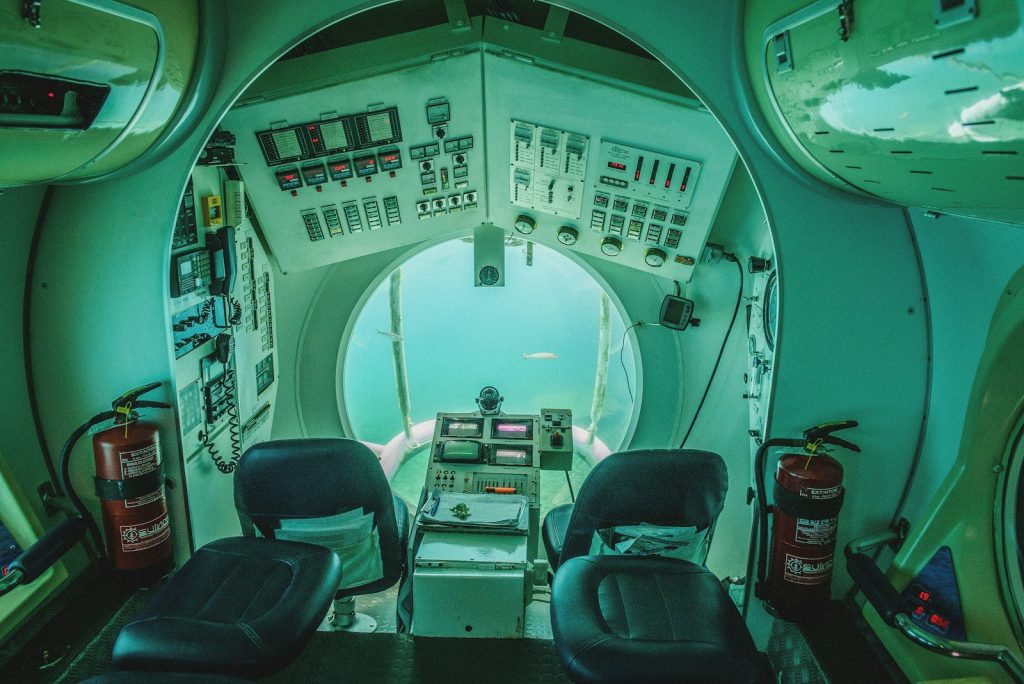
    empty seats inside vehicle with fire extinguishers
    Photo by Michal Mrozek on Unsplash

    Although debris was recovered after the sinking, including rubber, silk, and other cargo, the submarine’s exact location remained unknown. The gold disappeared with the wreck beneath thousands of meters of water.

    Years later, Vietnam War veteran and maritime historian Paul Tidwell began searching government archives for clues. He examined thousands of military records, intelligence reports, and decoded wartime messages to reconstruct the submarine’s final journey.

    Finding the lost submarine

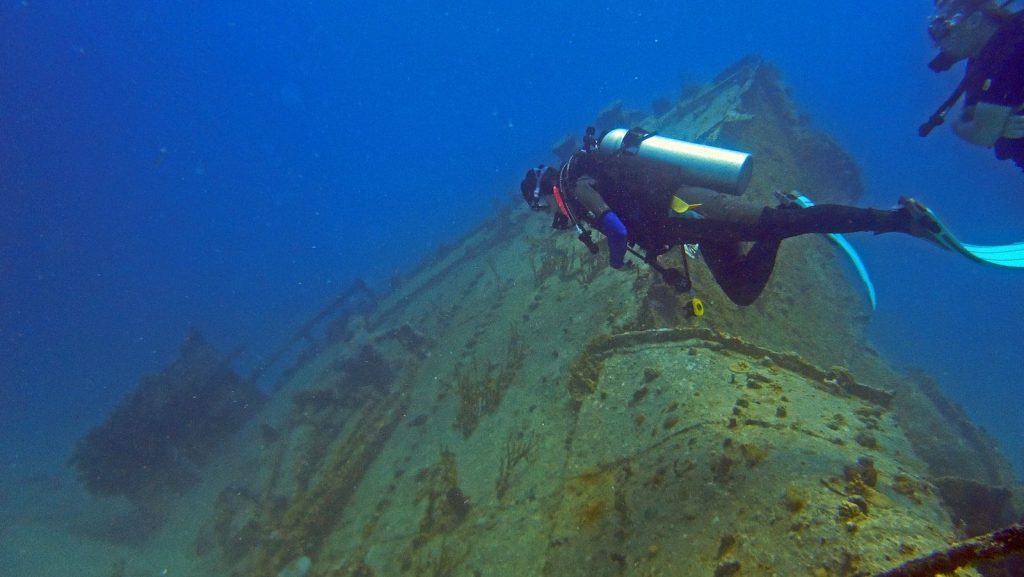
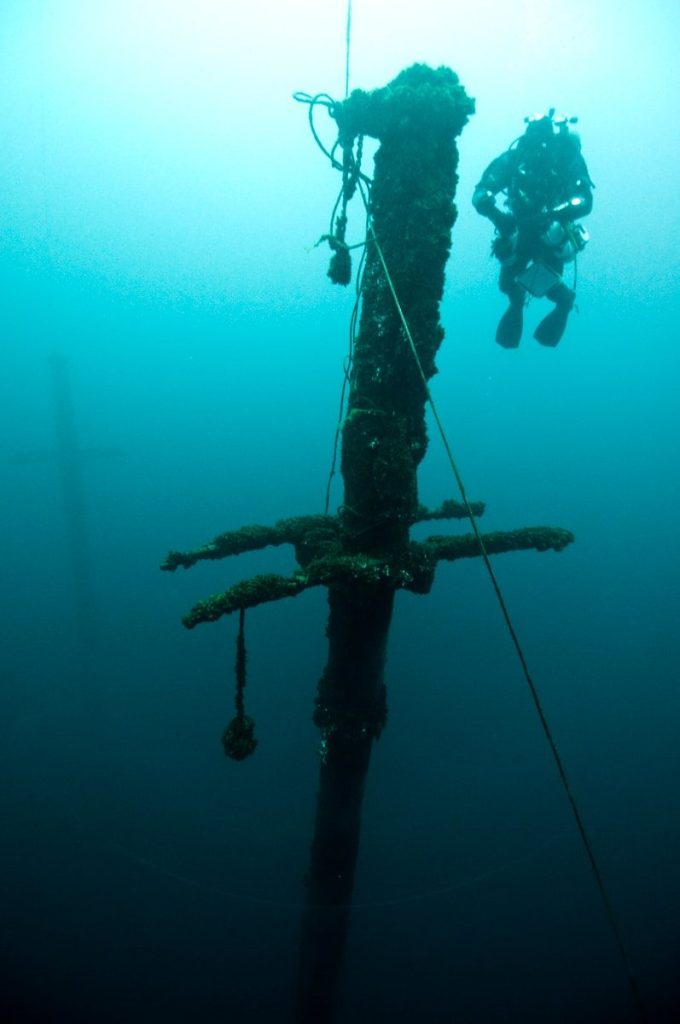
    person wearing diving suit near sunken ship
    Photo by NOAA on Unsplash

    By 1995, Tidwell had secured funding for a deep ocean expedition. Working with ocean exploration specialists, the search team corrected navigation records from the original attack and expanded the search area.

    On May 2, 1995, sonar finally located the wreck nearly 17,000 feet below the surface of the Atlantic Ocean between Barbados and the Cape Verde Islands. After more than five decades, the missing submarine had finally been found.

    The treasure remained out of reach

    yellow and black gas lamp
    Photo by NOAA on Unsplash

    Several years later, another expedition returned with Russian Mir submersibles capable of reaching the wreck. Explorers documented the damaged submarine and recovered several artifacts from the surrounding debris field.

    The team found tin ingots, a metal box containing opium, and traces of gold in nearby sediment. However, the famous gold bars were never recovered. Some sections of the submarine remain inaccessible, leaving open the possibility that the treasure still rests inside. The wreck is also recognized as a war grave, requiring respectful treatment during any future exploration.

    Why the mystery continues

    Interior view of a submarine's narrow corridor.
    Photo by Diogo Cardoso on Unsplash

    The story of I-52 combines history, archaeology, technology, and one of the world’s most famous lost treasures. Modern deep-sea exploration has revealed much about the submarine, but many questions remain unanswered.

    Researchers continue to hope that future technology may allow scientists to document areas of the wreck that have never been explored. Whether the missing gold is eventually found or not, the submarine remains an important reminder of the hidden history that still lies beneath the world’s oceans.

  • This rescued seal got a second chance, but thousands more still need help

    This rescued seal got a second chance, but thousands more still need help

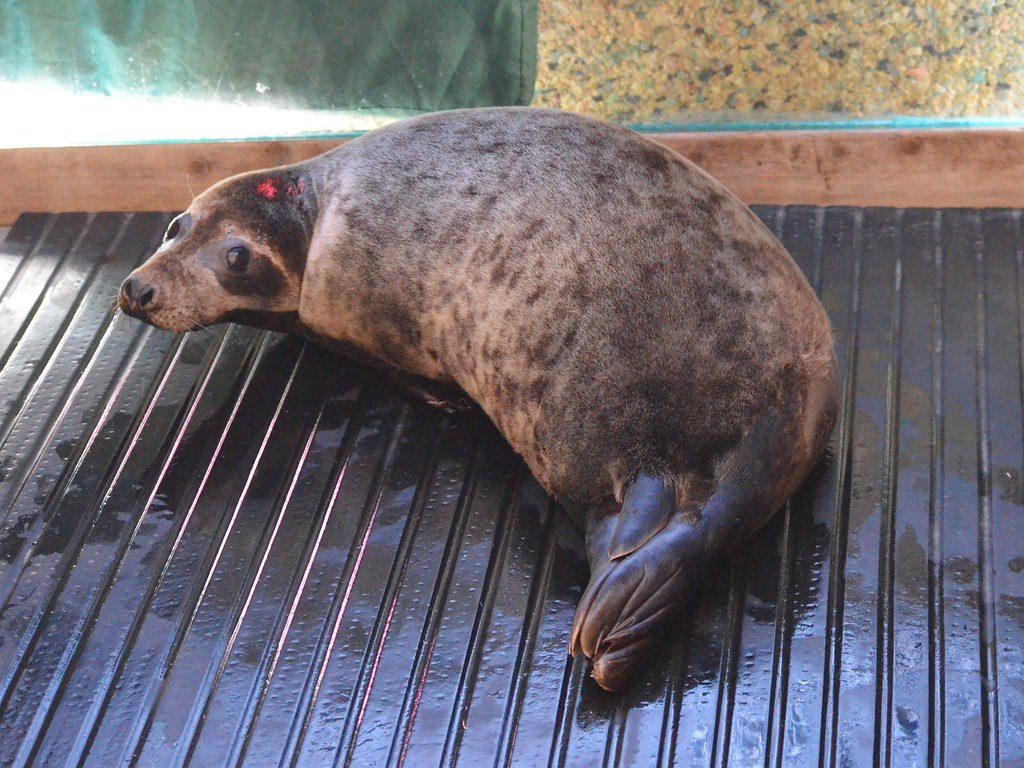
    One seal escaped a painful trap, but his rescue uncovered a much larger problem. Around the world, seals and other marine animals become trapped in discarded fishing gear, plastic waste, and other human-made debris every year. While this seal was fortunate enough to be found in time, many others are never rescued.

    Their injuries often become worse with time, making it difficult to swim, hunt, or avoid predators. This article explains how one rescue highlights a global conservation challenge and why reducing marine pollution is essential for protecting ocean wildlife.

    One rescue changed everything

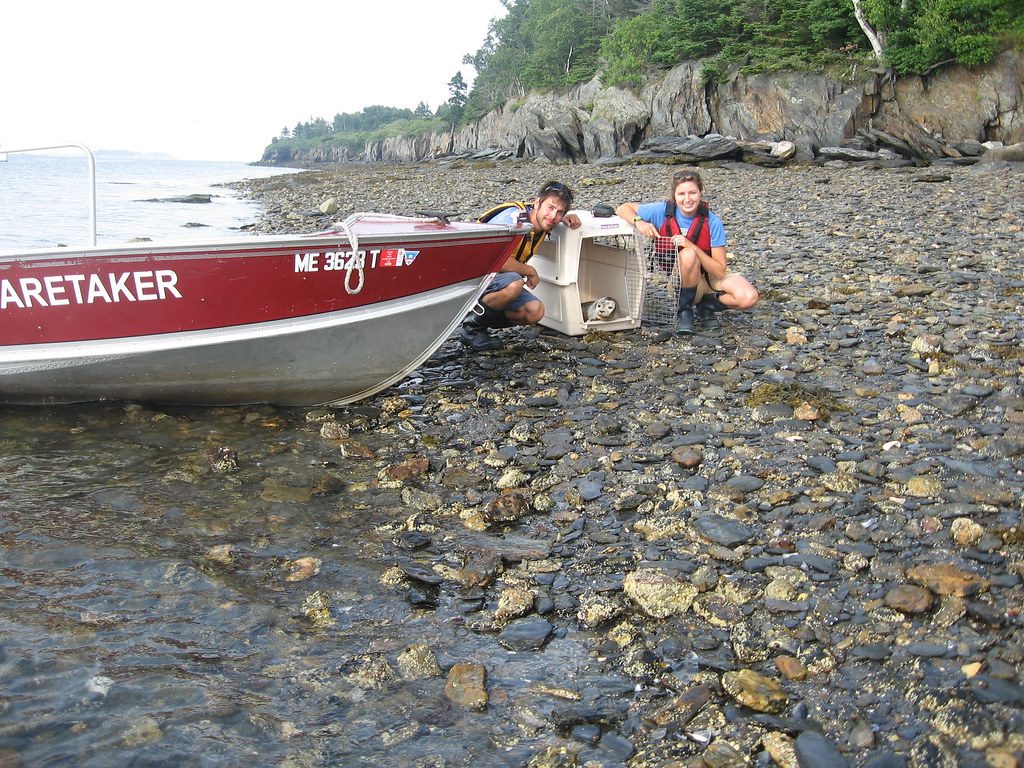
    baby seal rescue” by rossbeane is licensed under CC BY-SA 2.0

    The rescue began with a single seal trapped in marine debris. Unable to free itself, the animal continued carrying the dangerous material while struggling to survive.

    Rescuers safely removed the entanglement and gave the seal a second chance. The emotional moment showed how quickly a single piece of discarded waste can become life-threatening for a wild animal.

    Thousands of seals face the same danger

    Seal Rescue Ireland” by chripell is licensed under CC BY-SA 2.0

    Although this seal survived, countless others remain entangled in fishing gear, rope, plastic loops, and other marine debris. Many are never discovered before their injuries become fatal. Entanglement is a global threat affecting seals, sea lions, whales, dolphins, and sea turtles.

    Conservation organizations estimate that hundreds of thousands of marine animals die each year because of entanglement or plastic pollution. Many more survive while suffering from severe wounds, infections, or starvation.

    Why marine debris is so dangerous

    Seal Rescue Ireland” by chripell is licensed under CC BY-SA 2.0

    Fishing gear is designed to be strong and durable, making it especially dangerous when lost or discarded. Nets, ropes, and fishing lines can continue trapping wildlife long after they enter the ocean. This abandoned equipment is often called ghost gear.

    As seals continue to grow, tight loops can cut deeper into their skin. Animals may lose the ability to swim normally, find food, or escape predators, turning a minor entanglement into a slow, painful struggle.

    Rescue teams cannot reach every animal

    Seal Rescue Ireland” by chripell is licensed under CC BY-SA 2.0

    Wildlife rescue teams work tirelessly to free entangled seals whenever they are found. These rescues require experience, specialized equipment, and careful handling to protect both the animals and the rescuers.

    However, many entangled animals live in remote coastlines or spend most of their time at sea. As a result, countless seals never encounter people who can help them before it is too late.

    Preventing pollution saves wildlife

    Seal Rescue Ireland” by chripell is licensed under CC BY-SA 2.0

    Removing marine debris before it reaches the ocean is one of the most effective ways to protect wildlife. Proper disposal of fishing gear, reducing plastic waste, and supporting cleanup efforts can prevent future entanglements.

    Every piece of litter kept out of the water removes one potential hazard for seals, whales, sea turtles, dolphins, and many other marine species. Prevention is often far more effective than rescue after an animal has already become trapped.

    One seal became a symbol of a larger problem

    Seal Rescue Ireland” by chripell is licensed under CC BY-SA 2.0

    The rescued seal’s story is inspiring because it ends on a hopeful note. Yet it also reminds us that the same danger continues to threaten marine wildlife every day across the world’s oceans.

    Saving one seal is a meaningful success, but lasting change depends on reducing the pollution that causes these tragedies. Protecting the ocean today helps ensure that fewer animals will need rescuing tomorrow.

  • What makes certain coastlines more dangerous for shark encounters

    What makes certain coastlines more dangerous for shark encounters

    Standing in waist-deep water may seem safe, but on rare occasions, sharks can enter surprisingly shallow areas. Although fatal shark attacks are extremely uncommon, they can happen in certain coastal regions where people and sharks share the same waters.

    Scientists have found that only a few shark species are responsible for the majority of serious attacks on humans. This article explains why some beaches become shark attack hotspots, which sharks are most often involved in attacks, and which environmental factors increase the likelihood of an encounter.

    Shark attacks are rare, but they do happen

    woman holding surfboard front of the sea during golden hour
    Photo by Helena Cook on Unsplash

    Millions of people swim, surf, and enjoy the ocean every year without encountering a shark. According to shark researchers, serious attacks remain extremely uncommon compared with the number of people who enter the water.

    When attacks do occur, they often receive worldwide attention because of their dramatic nature. While the risk is very low, understanding where and why attacks happen helps scientists improve public safety.

    Three shark species are responsible for most attacks

    Great White Shark attacking a Sea Lion” by Greg Schechter is licensed under CC BY 2.0

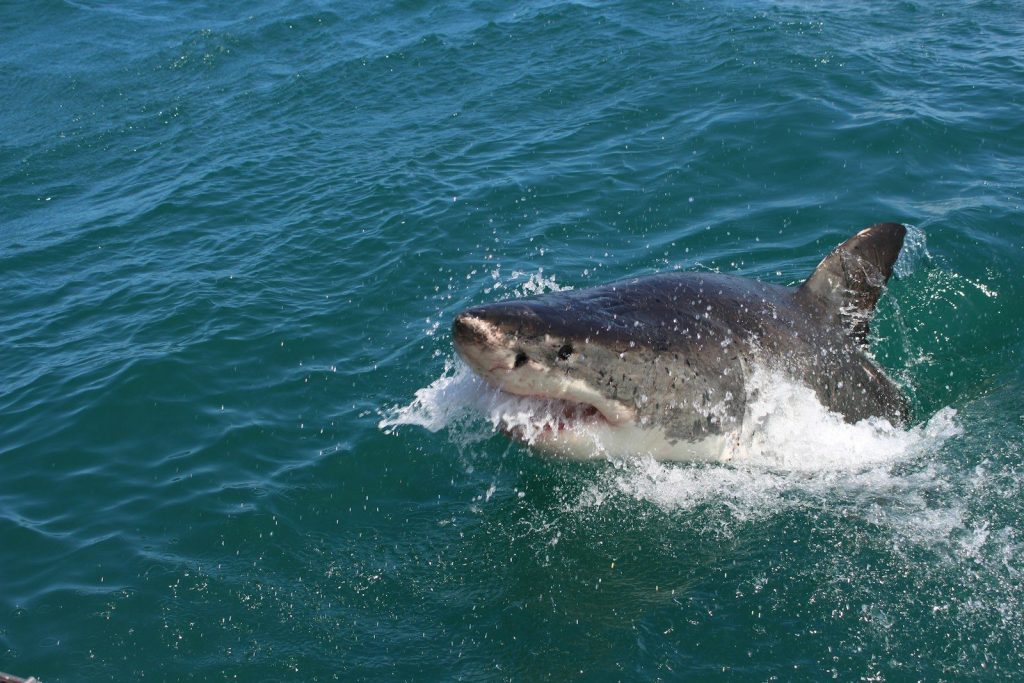
    Out of more than 500 known shark species, only a handful have been involved in serious attacks on humans. The great white shark, bull shark, and tiger shark are known as the “Big Three” because they account for most fatal and severe unprovoked attacks.

    These sharks grow large, possess powerful jaws, and commonly inhabit coastal waters where people swim, surf, or fish. Their natural ranges overlap with popular beaches in many parts of the world.

    Why do some beaches become hotspots?

    Shark Attack” by Bennilover is licensed under CC BY-ND 2.0

    Certain coastlines provide ideal conditions for sharks. Warm water, abundant prey, river mouths, sandbars, and seasonal fish migrations can all attract sharks close to shore.

    When large numbers of people enter the water at these same locations, the likelihood of shark encounters naturally increases. This does not mean sharks are hunting humans, but rather that both species share the same environment.

    Different sharks dominate different regions

    a great white shark with its mouth open in the water
    Photo by Alex Steyn on Unsplash

    Scientists have found that different shark species are responsible for attacks in different parts of the world. Great white sharks are involved in many incidents along parts of Australia and California, tiger sharks are more common in Hawaii, and bull sharks are frequently linked to attacks in tropical and subtropical coastal waters.

    Understanding which species live in a particular area helps researchers better explain local shark activity and improve public awareness.

    Why sharks sometimes enter shallow water

    shark on sea
    Photo by Alex Steyn on Unsplash

    Many people believe sharks always remain in deep water, but several species regularly swim close to shore. Bull sharks, in particular, are well known for entering shallow coastal waters and even freshwater rivers.

    Most shark bites are believed to be cases of mistaken identity rather than deliberate hunting of humans. Poor visibility, splashing, or the presence of baitfish can sometimes contribute to these rare encounters.

    Respecting the ocean while staying informed

    Shark” by StormyDog is licensed under CC BY 2.0

    Sharks play a vital role as apex predators by helping maintain healthy marine ecosystems. Their presence is an important sign of a balanced ocean rather than a reason to avoid the sea entirely.

    Learning about shark behavior, paying attention to beach warnings, and following local safety advice can help reduce already small risks. With awareness and respect, people can continue to enjoy the ocean while sharing it with its natural wildlife.

  • Battle scars reveal the secret life of sperm whales

    Battle scars reveal the secret life of sperm whales

    Have you ever wondered why so many sperm whales have deep marks across their heads and bodies? These battle scars reveal the secret life of sperm whales and tell scientists stories that are impossible to see underwater. Every scar is like a clue, showing how these giant animals hunt, compete, and survive in one of Earth’s hardest places to live.

    By studying these marks, researchers have learned more about sperm whale behavior, social life, and deep-sea hunting than ever before. This article explains what these scars mean and why they matter.

    Battle scars are like nature’s record book

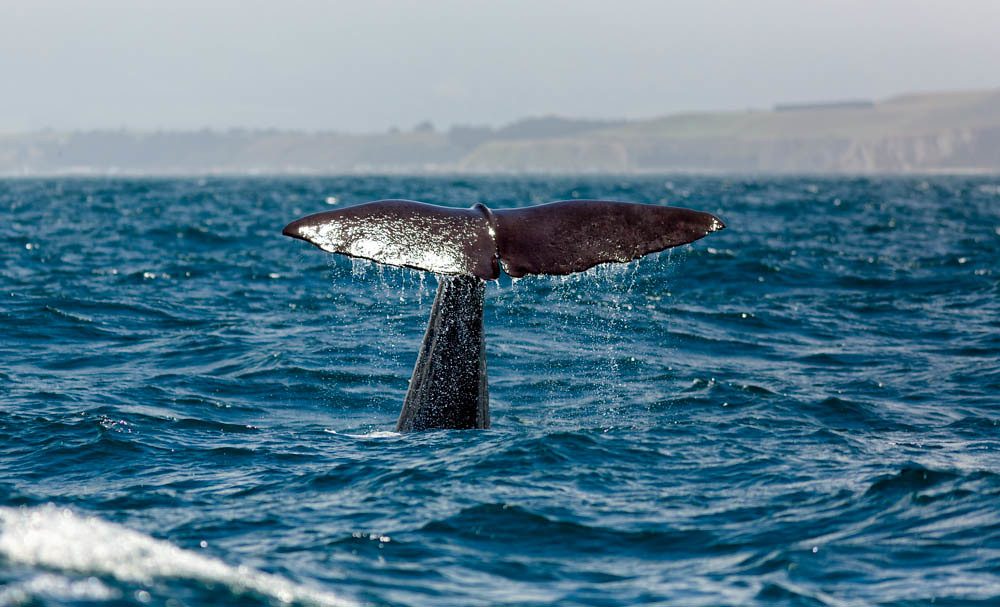
    Sperm Whale Diving” by stewartbaird is licensed under CC BY-NC-ND 2.0

    Sperm whales spend much of their lives far below the ocean surface, where people cannot easily watch them. Because of this, scientists use scars as natural records of what happens during their lives. A whale’s skin can hold marks for many years, making each scar an important piece of evidence.
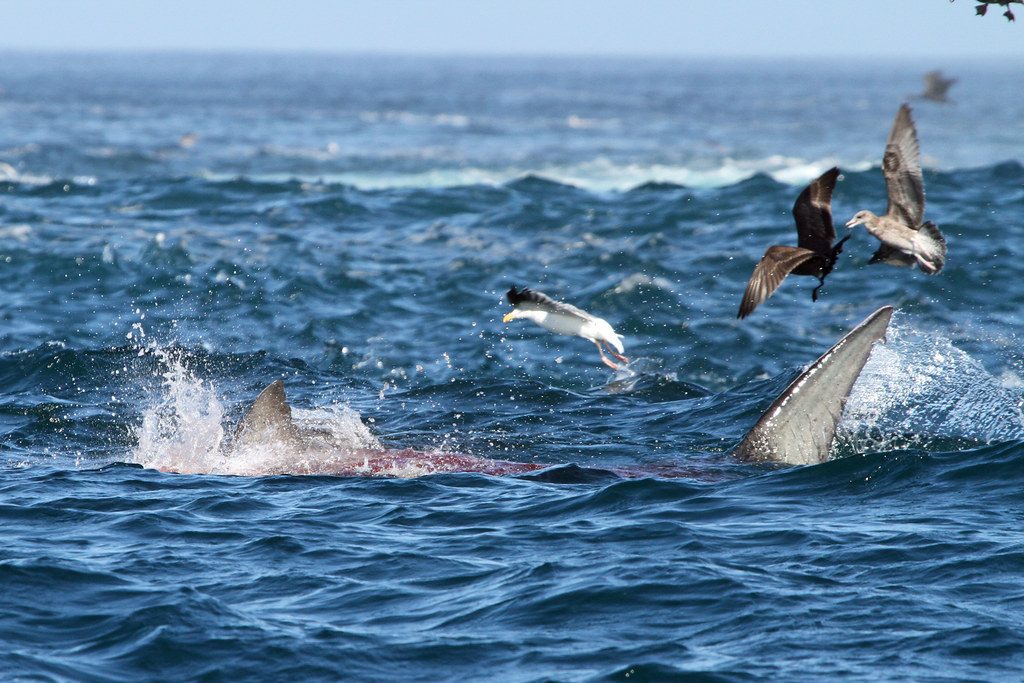
    Researchers carefully compare scar shapes, sizes, and locations. Some scars appear in straight, parallel lines, while others are round or curved. These patterns help scientists understand whether a whale fought another whale, escaped a giant squid, or survived another dangerous event.

    Tooth marks tell the story of whale fights

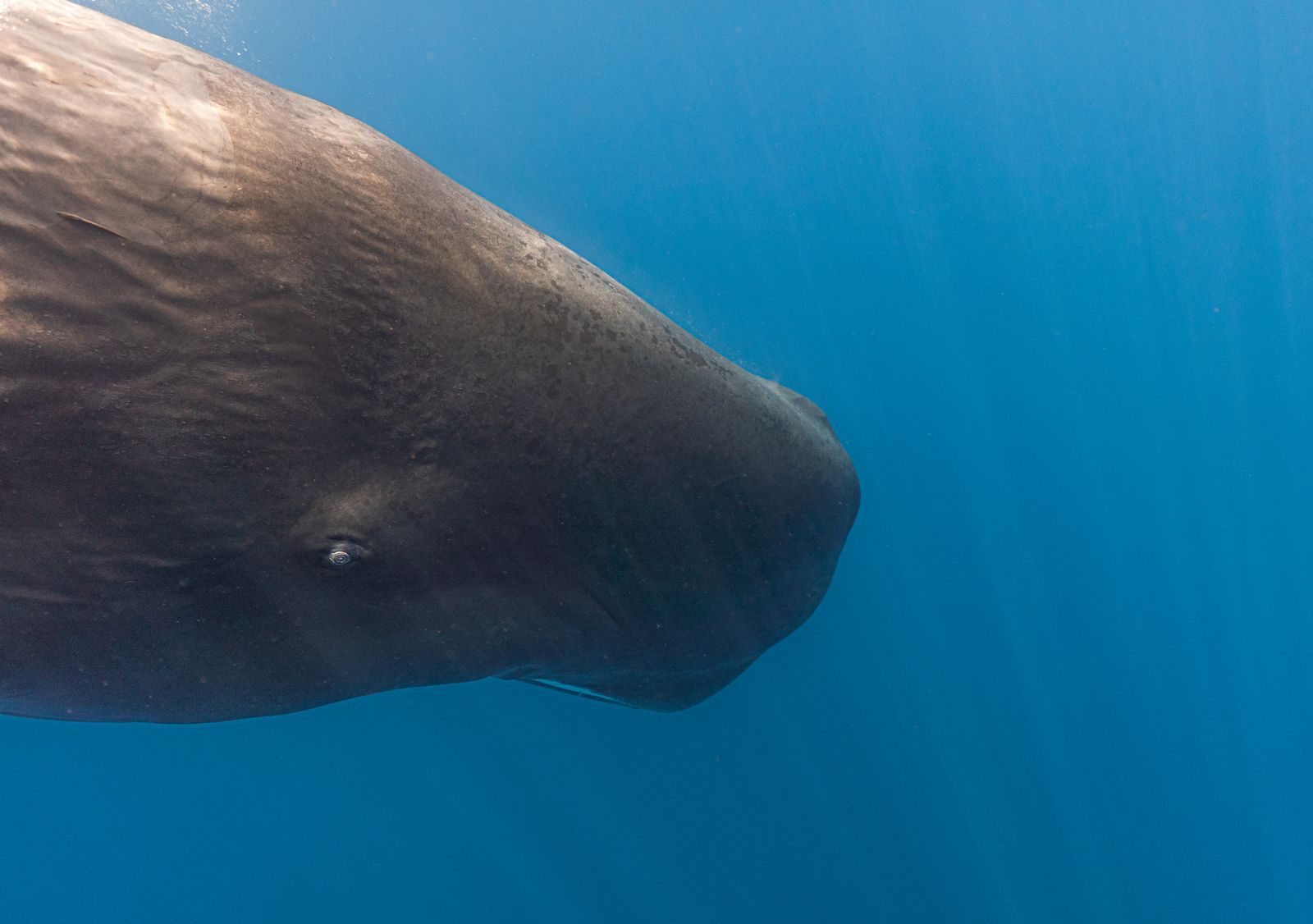
    Captivating close-up of a sperm whale swimming underwater near Sri Lanka's coast.
    Photo by Emma Li on Pexels

    Many adult male sperm whales have long, parallel scars across their heads and bodies. Scientists have found that these marks match the spacing of sperm whale teeth. The scars become more common as males grow older, showing they likely come from fights with other males.

    These battles usually happen as males compete for the chance to breed. While the fights can leave lasting marks, they rarely end in death. Instead, the scars become lifelong reminders of the whale’s strength and experience.
    Squid leave their own battle marks

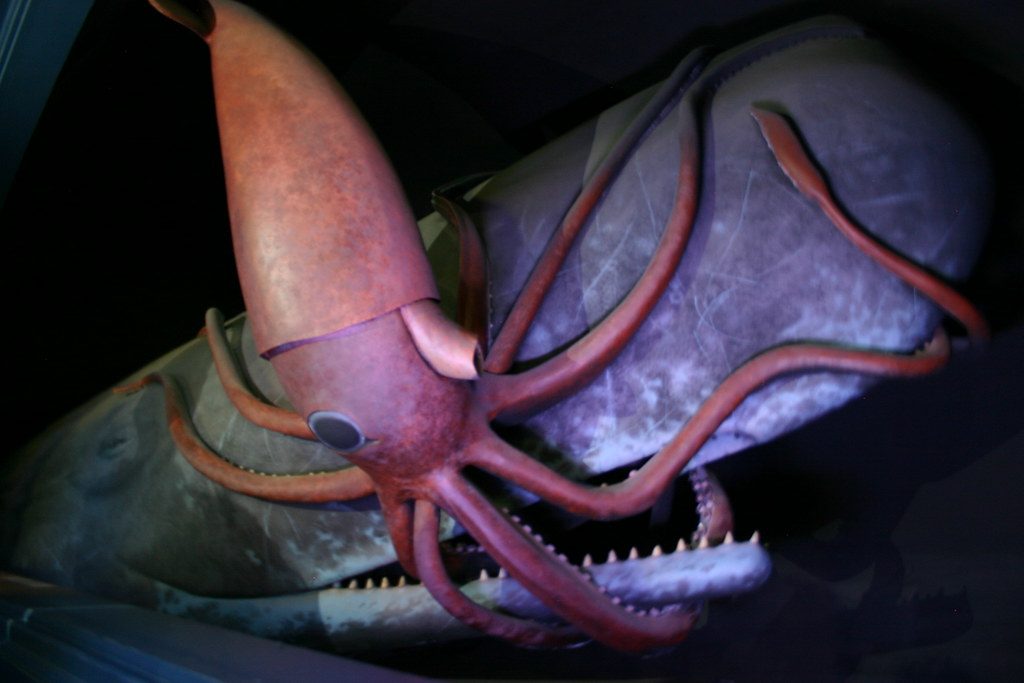
    Sperm Whale and Giant Squid” by Ryan Somma is licensed under CC BY-SA 2.0

    Not every scar comes from another whale. Sperm whales are famous for hunting giant squid and colossal squid thousands of feet below the ocean’s surface. During these hunts, the squid fight back with powerful arms covered in sharp suction cups lined with tiny teeth.
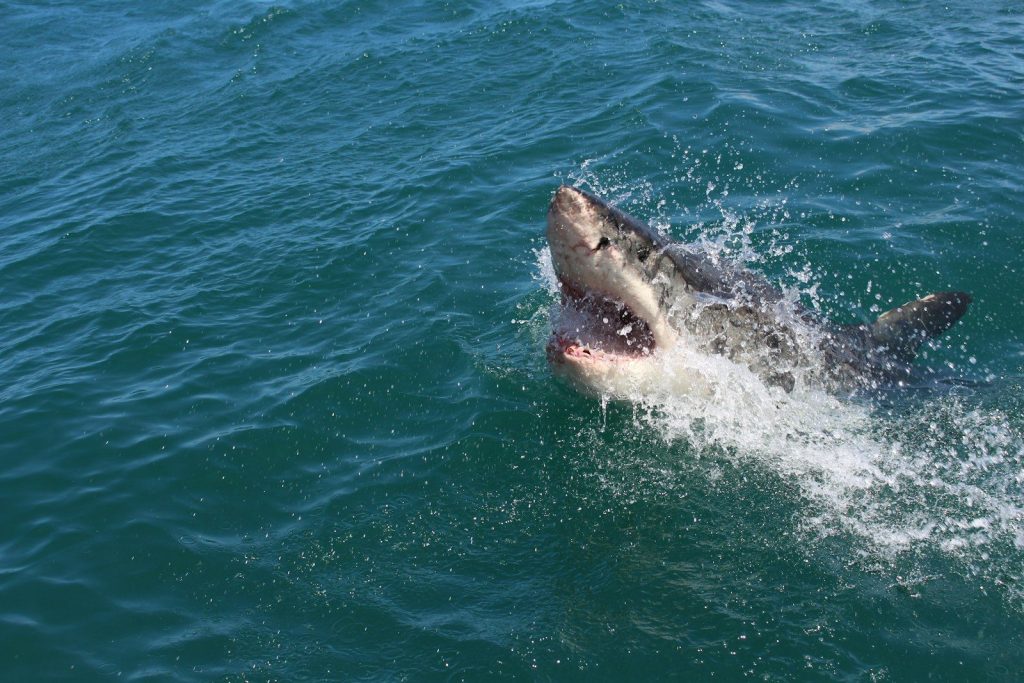
    The circular scars left by these suckers can stay on a whale’s skin for years. Scientists often find these marks along with squid remains inside whale stomachs, confirming that the whales survived fierce underwater struggles before catching their prey.

    Scars reveal how whales grow and change

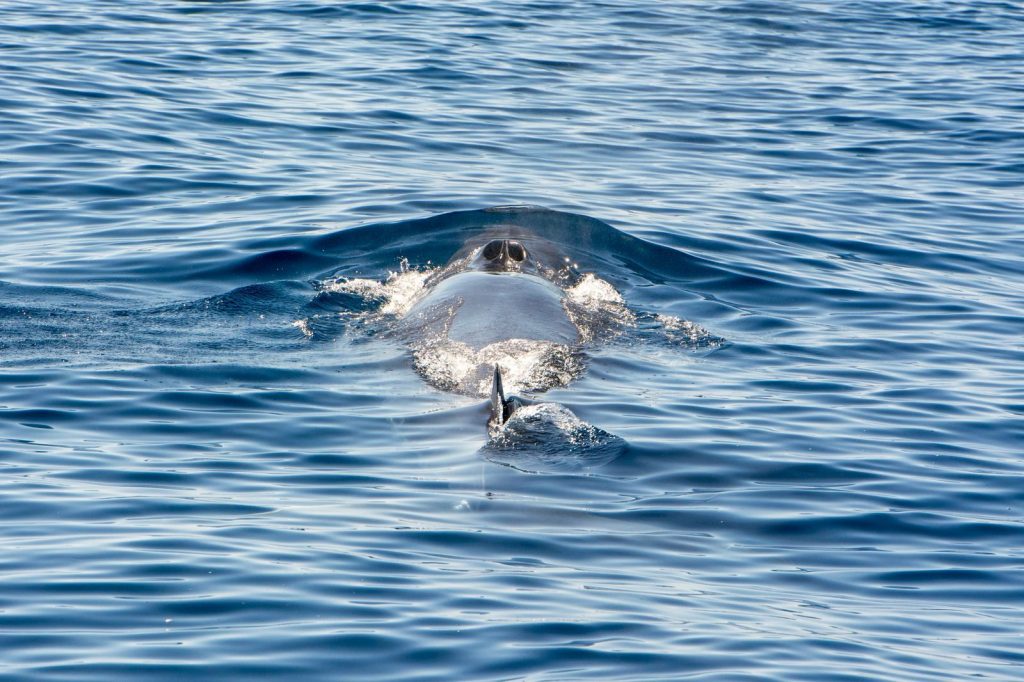
    A stunning view of a whale surfacing in the ocean, showcasing its sleek form and aquatic grace.
    Photo by Jan van der Wolf on Pexels

    Young sperm whales usually have smooth skin with few marks. As they grow older, especially males, their bodies collect more scars. This pattern helps scientists estimate how a whale’s life changes over time.

    Older males often live alone outside the breeding season, while females and young whales stay together in close family groups called pods. The growing number of scars suggests that adult males face more risks as they hunt alone and compete with other males.

    Scientists learn without disturbing whales

    quadcopter flying over body of water
    Photo by Aaron Burden on Unsplash

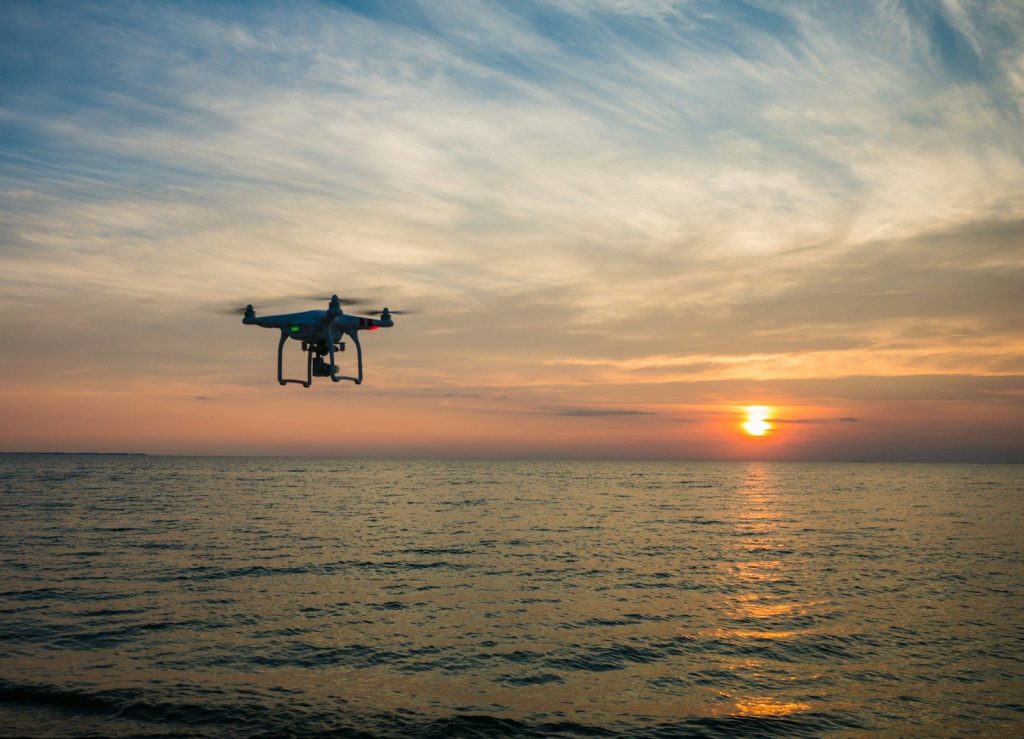
    In the past, learning about sperm whales was much harder. Today, researchers use underwater photography, drones, and photo identification to study living whales. By matching scar patterns, they can recognize the same whale year after year without touching or harming it.

    This method allows scientists to track health, movement, and survival over many years. New scars can also reveal recent encounters with predators, prey, fishing gear, or other whales, giving researchers valuable information while leaving the animals undisturbed.

    Why these scars matter for conservation

    woman looking on microscope inside room
    Photo by Trust “Tru” Katsande on Unsplash

    Every scar helps scientists understand how sperm whales live in the deep ocean. Learning where whales hunt, travel, and interact with one another helps experts identify important habitats that need protection.

    Scars can also reveal human-caused dangers. Some whales carry marks from fishing gear or ship strikes, showing where conservation efforts are needed. The more researchers learn from these natural records, the better they can protect these remarkable animals for future generations.

  • 12-year-old rushed to hospital after shark attack in the Bahamas

    12-year-old rushed to hospital after shark attack in the Bahamas

    A 12-year-old boy was rushed to the hospital after a shark attack in the Bahamas, leaving many families wondering how such incidents happen and how common they really are. The frightening event took place while the child was swimming during a family tour, turning what should have been a fun vacation into an emergency. Although shark attacks are rare, they often make headlines because they happen without warning.

    This article explains what happened during the Bahamas shark attack, where it took place, how the boy was treated, and what experts know so far. It also looks at shark activity in the Bahamas and shares why visitors should always follow basic water safety advice while enjoying the ocean.

    What happened during the shark attack

    two boys standing on rock in beach
    Photo by Michael Weibel on Unsplash

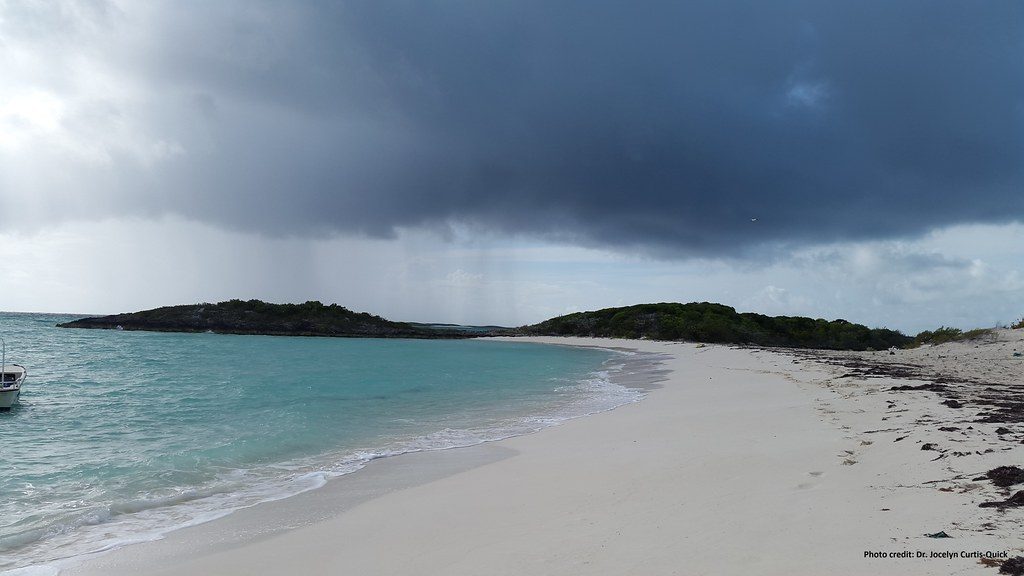
    The attack happened on June 23, 2026, near Staniel Cay in the Exuma Cays, a popular tourist area in the Bahamas. According to Bahamian authorities, the 12-year-old American boy was swimming with his brother during a family tour when a shark bit him. Officials have not released the boy’s name or the type of shark involved.

    Emergency crews quickly responded after receiving reports of the incident. The injured boy was transported by boat to New Providence, where he received medical treatment. Police later confirmed that he was in stable condition, which was welcome news for his family and everyone following the story.

    Why the location attracts visitors

    Northern exumas cays” by FWC Research is licensed under CC BY-NC-ND 2.0

    The Exuma Cays are known for their clear blue water, coral reefs, and marine life. Thousands of visitors travel there every year to swim, snorkel, dive, and enjoy the beautiful beaches. The area is considered one of the Bahamas’ top vacation spots because of its natural beauty and rich underwater world.

    That same environment is also home to many sea animals, including sharks. Seeing sharks in Bahamian waters is not unusual because more than 40 shark species live around the islands. Most sharks avoid people, and attacks remain very uncommon despite the large number of tourists who visit every year.

    What authorities have confirmed

    silver corded microphone in shallow focus photography
    Photo by Kane Reinholdtsen on Unsplash

    Police have confirmed only a few key facts about the case. The boy was swimming near Staniel Cay during a family outing when the attack occurred. He was taken by boat to New Providence for treatment and was reported to be in stable condition after receiving medical care.

    Officials have not shared details about the extent of his injuries or identified the shark species. They have also not released additional information about the family’s identity, likely to protect the child’s privacy while the investigation continues.

    How common are shark attacks

    three shark underwater
    Photo by Talia Cohen on Unsplash

    Shark attacks are much rarer than many people believe. Millions of people swim in the ocean each year without any problems. Even in places where sharks naturally live, attacks on humans are uncommon because sharks do not usually see people as prey.

    The Bahamas has recorded several unprovoked shark attacks over the years, placing it among the countries with the highest number of reported incidents worldwide. Even so, the total number remains very small compared with the huge number of people who safely enjoy the country’s beaches and waters each year.

    Staying safe while swimming

    Two people swimming in the calm ocean.
    Photo by Sara Ruffoni on Unsplash

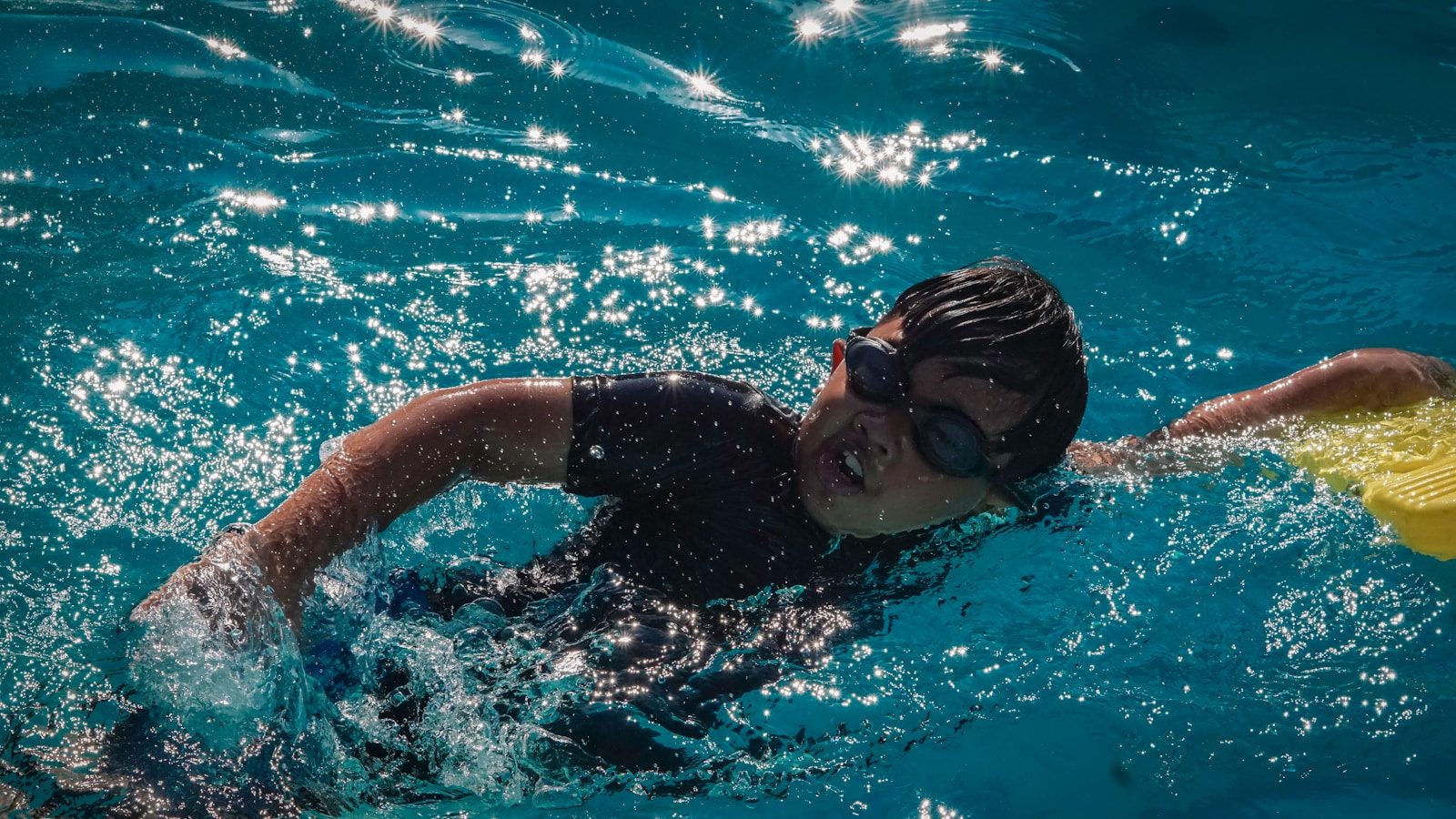
    Experts recommend several simple steps that can lower the chance of a shark encounter. Swimming with other people instead of alone is one of the most important safety tips. It is also safer to avoid swimming at dawn or dusk, when some shark species are more active.

    People should also stay away from schools of fish and avoid entering the water if they are bleeding from a cut or wound. Following local safety advice, paying attention to warning signs, and listening to lifeguards or tour guides can help visitors enjoy the ocean more safely.

    What this incident reminds travelers

    bird's-eye view photography of people in seashore
    Photo by Guzmán Barquín on Unsplash

    This frightening event shows that even popular vacation spots can have natural risks. Quick action by emergency responders and medical teams helped the injured boy receive treatment as fast as possible, and reports that he is in stable condition offer hope for his recovery.

    The incident also reminds travelers to respect the ocean and its wildlife. Sharks play an important role in keeping marine ecosystems healthy, and encounters with people are still very rare. By understanding the risks and following safety guidance, visitors can continue to enjoy the Bahamas while staying as safe as possible.

  • Three-year-old recovering after terrifying fall into crocodile enclosure

    Three-year-old recovering after terrifying fall into crocodile enclosure

    A three-year-old recovering after a terrifying fall into a crocodile enclosure has captured attention around the world. The shocking incident happened at Johnsons of Old Hurst zoo in Cambridgeshire, England, where the child suffered serious injuries after ending up inside a crocodile exhibit. The case is still under police investigation, making it important to separate confirmed facts from rumors.

    This article explains what happened, how the rescue unfolded, the child’s condition, the ongoing investigation, and why zoo safety remains a top priority. By understanding the verified details, readers can better appreciate both the dangers involved and the quick actions that helped save the young boy.

    What happened at the zoo

    Crocodile” by AndreaTX is licensed under CC BY-NC-ND 2.0

    The incident took place on June 18, 2026, at Johnsons of Old Hurst zoo in Cambridgeshire. Police say a three-year-old boy ended up inside a crocodile enclosure after a 30-year-old man allegedly threw him into the exhibit from an elevated walkway. Authorities said the suspect was not known to the child, and the case is being treated as a suspected attempted murder while investigators continue reviewing evidence.

    The child fell about 15 feet into the enclosure, where crocodiles were present. Emergency services, including an air ambulance, responded quickly. The boy suffered serious injuries during the fall and the attack, including broken bones, before being rushed to Addenbrooke’s Hospital for emergency treatment.

    Brave rescue saved valuable time

    Zoo co-owner Tracey Johnson immediately entered the crocodile enclosure to rescue the child despite the obvious danger. Her husband and son also joined the effort, helping remove the boy from the exhibit and providing first aid before paramedics arrived.

    Officials and wildlife experts praised the family’s courage, noting that acting quickly was critical. Although entering an enclosure with crocodiles carries major risks, the fast response helped get the injured child medical care within minutes, giving doctors the best chance to treat his injuries.

    Child’s recovery brings hopeful news

    a person with a bandage on their hand sitting on a bed
    Photo by engin akyurt on Unsplash

    Doctors initially described the boy’s injuries as critical but stable. Over the following days, his condition improved, and hospital officials later confirmed he was recovering in stable condition. Reports said he suffered injuries including a broken arm and pelvis but responded well to treatment.

    While the child continues recovering, doctors are carefully monitoring his progress. His family has received privacy and support as they focus on his healing. Medical experts say children who experience major trauma often require both physical recovery and emotional support after such frightening events.

    Police continue investigating

    a close up of a police car with its lights on
    Photo by Max Fleischmann on Unsplash

    Cambridgeshire Police arrested a 30-year-old man from Norfolk on suspicion of attempted murder shortly after the incident. Investigators said the suspect has learning difficulties and was visiting the zoo with caregivers. He was later released on bail after being considered unfit for police interviews while the investigation continues.

    Police are reviewing witness statements, CCTV footage, and other evidence to determine exactly what happened. Officers have asked the public to avoid speculation because the investigation remains active, and many important facts are still being examined before any legal decisions are made.

    Zoo safety under renewed attention

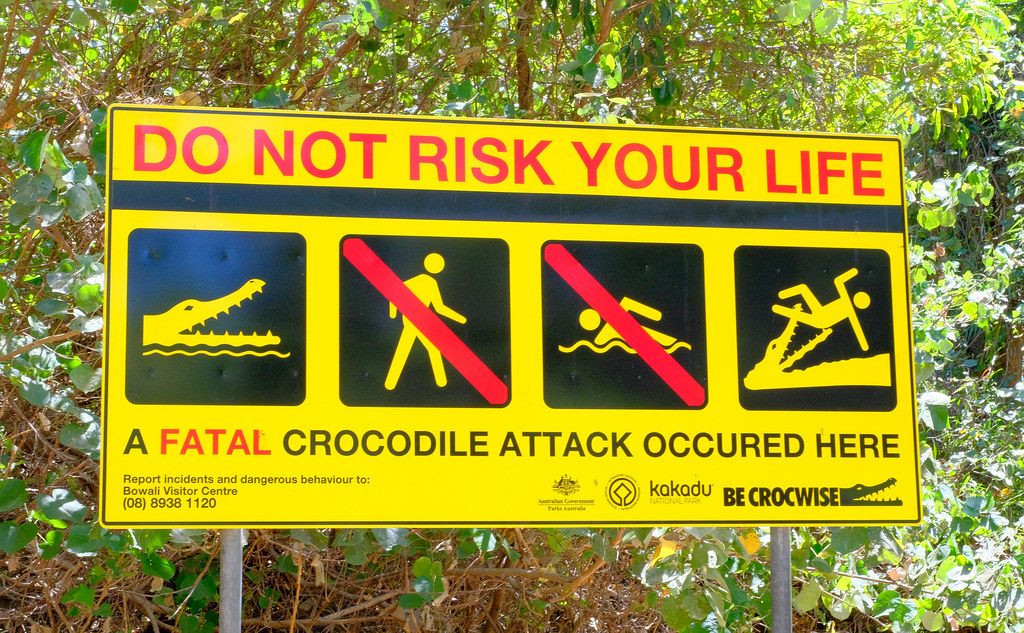
    Crocodile warning sign, Cahill’s Crossing, East Alligator River, Kakadu National Park, Northern Territory, Australia” by Geoff Whalan is licensed under CC BY-NC-ND 2.0

    Modern zoos use multiple layers of protection, including barriers, railings, warning signs, and controlled visitor paths to keep both people and animals safe. Incidents involving visitors entering dangerous animal exhibits are extremely rare because these safety systems are designed to prevent accidents.

    This case has prompted questions about visitor supervision and emergency response rather than the enclosure itself. Experts note that no safety system can completely prevent deliberate criminal acts, but regular safety reviews and trained staff help reduce risks and improve emergency responses when unexpected events occur.

    Privacy concerns after the incident

    Doctor writing on a patient's chart
    Photo by Vitaly Gariev on Unsplash

    After the boy was hospitalized, Cambridge University Hospitals launched an investigation after approximately 40 staff members reportedly accessed his medical records. The hospital stated it is reviewing whether everyone had a legitimate reason to view the child’s information.

    Hospital officials also reported the matter to the Information Commissioner’s Office because patient records are protected by strict privacy laws. The investigation highlights that even during high-profile cases, healthcare workers must only access medical information when it is necessary for patient care.