Category: Wildlife and animals

  • Why your pet’s bowl might be making them sick without you realizing it

    Why your pet’s bowl might be making them sick without you realizing it

    Could your pet’s food bowl be making them sick without you even realizing it? Most pet owners focus on choosing the right food, but the bowl itself often gets very little attention. Recent findings about pet food bowls that may harbor harmful bacteria have raised concerns about pet health and household hygiene.

    This article explains how certain bowl materials can harbor harmful bacteria, why proper cleaning is important, and which bowl types are considered safer for daily use. You will also learn about the risks linked to contaminated bowls and simple steps that can help protect both pets and people from unwanted germs.

    Why pet food bowls can become bacterial hotspots
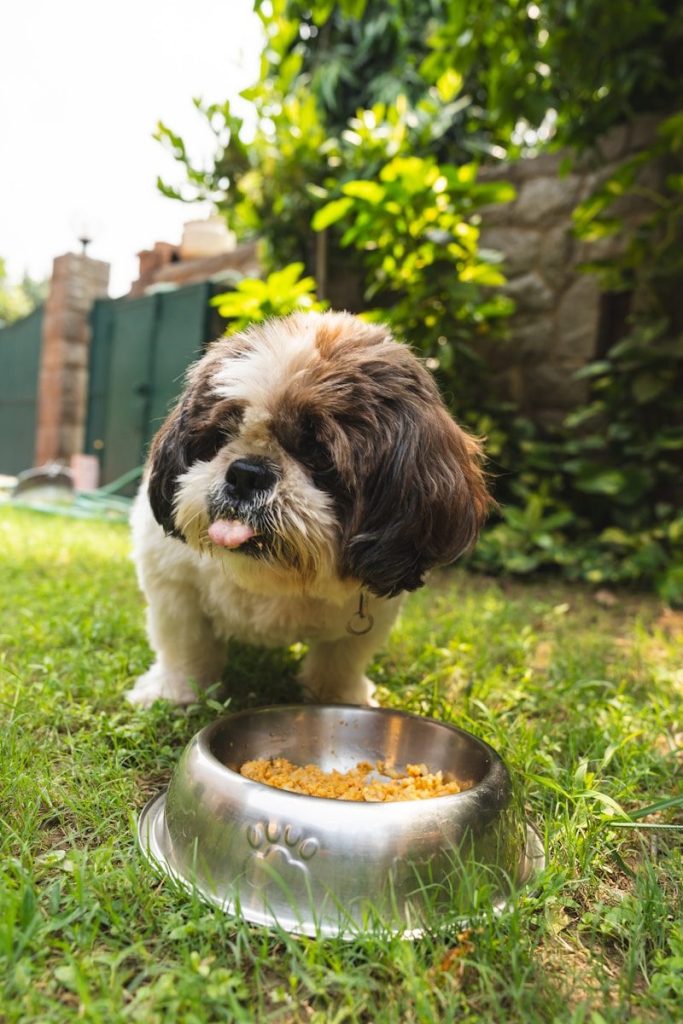
    a brown and white dog eating food out of a bowl
    Photo by Gayatri Malhotra on Unsplash

    Feeding time is usually one of the happiest moments of the day for pets. Dogs wag their tails, cats purr with excitement, and owners enjoy caring for their animals. However, food and water bowls can quietly become breeding grounds for bacteria if they are not cleaned properly.

    Research found that common bowl materials, such as plastic and ceramic, can hold bacteria, including harmful germs. Some bacteria can form biofilms that are difficult to remove without thorough washing. Because of this, pet bowls can become among the most contaminated items in a home.

    How contaminated bowls affect pets and people
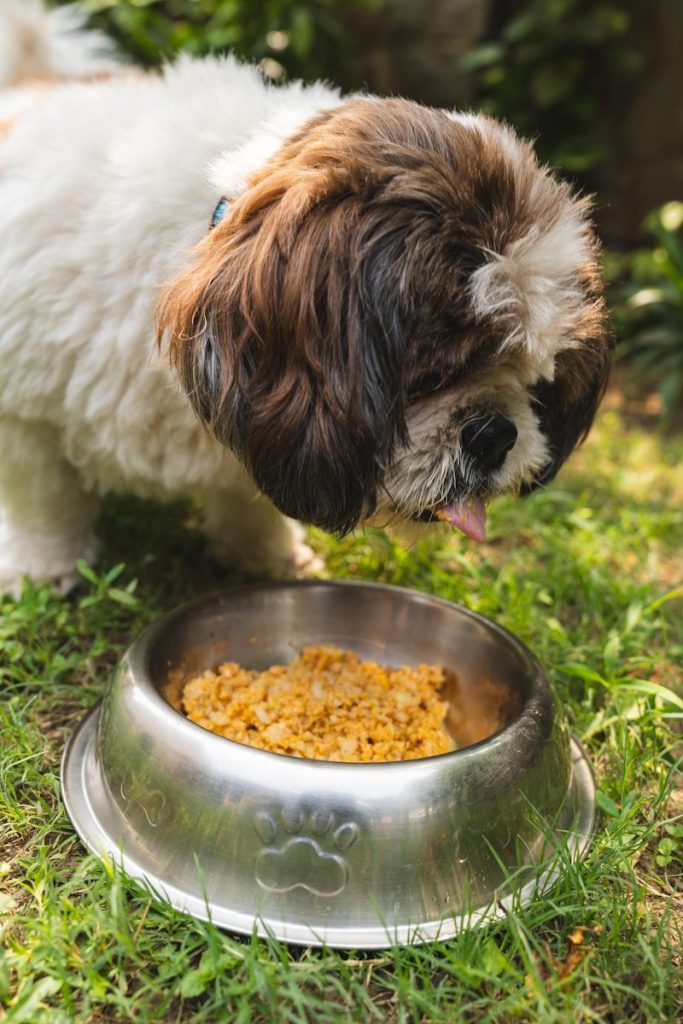
    a brown and white dog eating food out of a bowl
    Photo by Gayatri Malhotra on Unsplash

    A dirty food bowl can expose pets to harmful bacteria every time they eat or drink. This contamination may lead to health problems such as vomiting, diarrhea, or infections. Even healthy pets can be affected if bacteria accumulate over time.

    The problem does not stop with pets. Germs from contaminated bowls can spread to hands, countertops, and other household surfaces. This increases the risk of illness for people, especially young children, older adults, and individuals with weakened immune systems.

    Why stainless steel bowls are often recommended
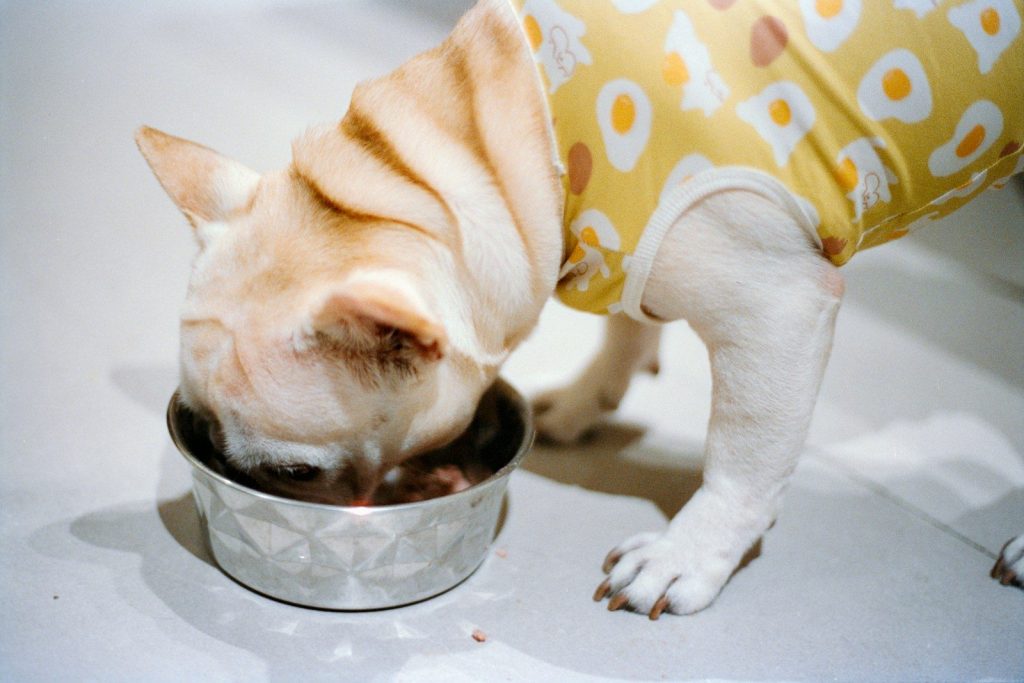
    A french bulldog eating from a metal bowl.
    Photo by Zhen Yao on Unsplash

    Veterinary experts commonly recommend stainless steel bowls as a safer choice for everyday feeding. Stainless steel has a smooth, non-porous surface that helps resist bacterial buildup. It is also durable and rust-resistant, making it a practical option for long-term use.

    Another advantage is that most stainless steel bowls can be cleaned easily in a dishwasher. Regular washing helps remove germs and lowers the risk of contamination. While some bowls may slide around or make noise during meals, they remain a popular choice due to their hygiene benefits.

    What to know about ceramic and stoneware bowls
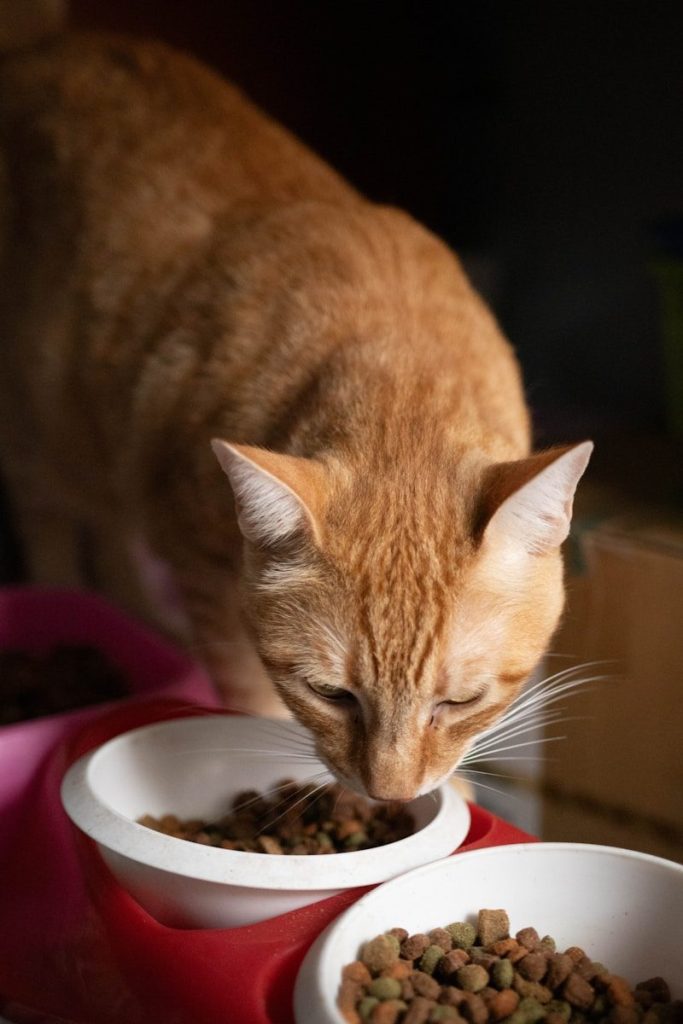
    Orange cat eating dry food from a bowl
    Photo by Javier Garcia Chavez on Unsplash

    Ceramic and stoneware bowls can be safe when made with high-quality, food-grade glazes. They are often heavier than other bowls, which helps keep them stable during feeding and reduces spills around the home.

    However, ceramic bowls can chip or crack over time. These damaged areas may create tiny spaces where bacteria can hide and multiply. Because of this risk, owners should inspect ceramic bowls regularly and replace them if any damage appears.

    How silicone bowls compare to other options

    My awesome silicone bowl will not get broken if I drop it. In fact it bounces! #fmsphotoaday” by Angel 3937 is licensed under CC BY-NC-SA 2.0

    Silicone bowls are often chosen because they are lightweight and easy to carry. Many pet owners use them while traveling because they can be packed conveniently and take up very little space. They are also resistant to odors and stains, making cleaning easier.

    Many food-grade silicone bowls are dishwasher-safe and considered non-toxic. However, they are generally viewed as a better travel option than an everyday feeding bowl. Frequent use or heavy chewing may cause them to wear down faster than more durable materials.

    Cleaning habits that help keep bowls safe
    Licking the bowl clean” by Shana L. McDanold is licensed under CC BY-NC-SA 2.0

    Choosing the right bowl material is important, but cleaning habits play an equally important role. Veterinary experts advise washing food bowls after every meal. Water bowls should be cleaned at least once each day to reduce bacterial growth.

    Hot, soapy water can help remove harmful microbes effectively. Dishwasher-safe bowls can also be sanitized using a high-heat dishwasher cycle. Treating pet bowls with the same care given to human dishes helps reduce contamination and supports better health for everyone in the household.

  • What your cat secretly thinks every time you touch its litter box

    What your cat secretly thinks every time you touch its litter box

    Have you ever cleaned your cat’s litter box and then noticed your cat acting confused, alert, or rushing back to use it right away? These moments can feel strange and even a little worrying. The topic of why cats behave strangely after litter cleaning is explained to help make sense of these behaviors using natural instincts and simple cat habits.

    This article explains why cats react when you clean their litter box, why they watch closely, and why they sometimes jump back in right after cleaning. It also explores how instincts, cleanliness needs, and environment all affect their behavior. By the end, you will better understand your cat and know how to keep them comfortable.

    Why cats behave strangely after litter cleaning is explained through instincts

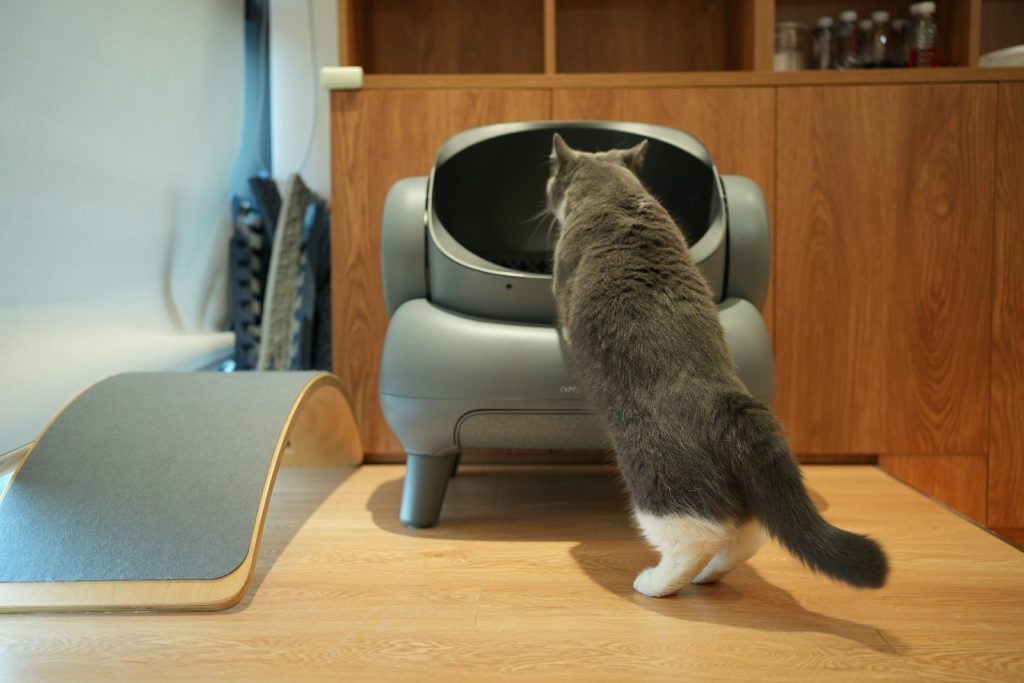
    A man standing next to a robot vacuum
    Photo by Neakasa on Unsplash

    Cats often react strongly when their litter box is cleaned because of deep, natural instincts. These instincts come from wild ancestors who needed to hide their scent to avoid predators. Even though domestic cats live safely indoors, their survival instincts remain active.

    When waste is removed, a cat may feel confused or alert because something in its territory has changed. From the cat’s point of view, scent is an important signal. That is why understanding why cats behave strangely after litter cleaning always starts with their natural survival behavior.

    Why do cats watch you while cleaning the litter box

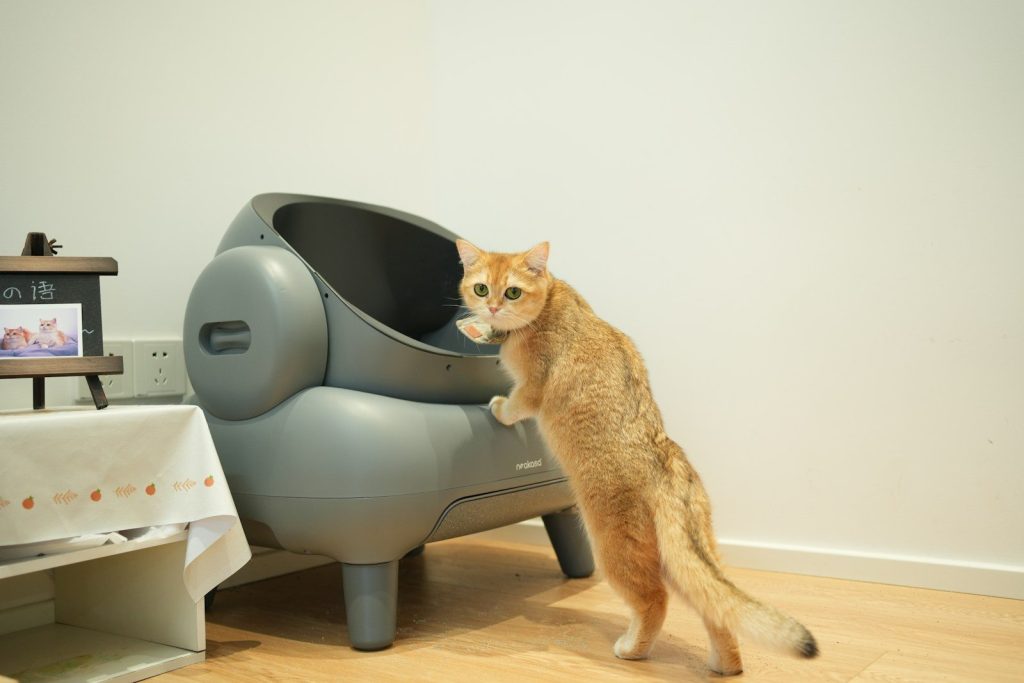
    A cat standing on a table looking at a television
    Photo by Neakasa on Unsplash

    Many cat owners notice their pets staring intently as the litter box is cleaned. This behavior is often linked to protective instincts. In the wild, cats hide their scent to stay safe, so seeing it removed can feel unusual or risky.

    During cleaning, a cat may think its scent is being exposed or handled in an unfamiliar way. So it watches carefully to make sure nothing dangerous is happening. Over time, most cats learn that cleaning is harmless and stop reacting as strongly to it.

    Why do cats rush back after litter cleaning

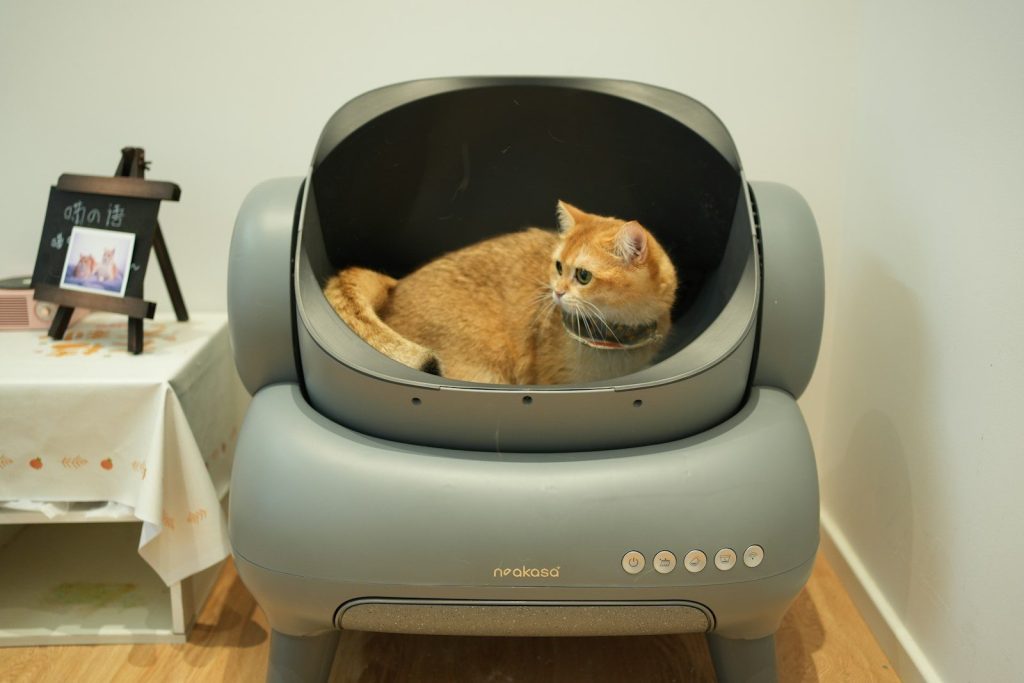
    An orange cat sitting in a grey chair
    Photo by Neakasa on Unsplash

    Some cats immediately return to the litter box after it has been cleaned. This is not about dominance or control in the home. Instead, it is tied to comfort, cleanliness, and territory awareness.

    Cats naturally prefer clean spaces for important activities, such as elimination. A freshly cleaned box feels safe and comfortable again. That is why many cats quickly return to their cleaning spot right after, showing how important hygiene is to them.

    Cats’ natural hygiene and cleanliness habits

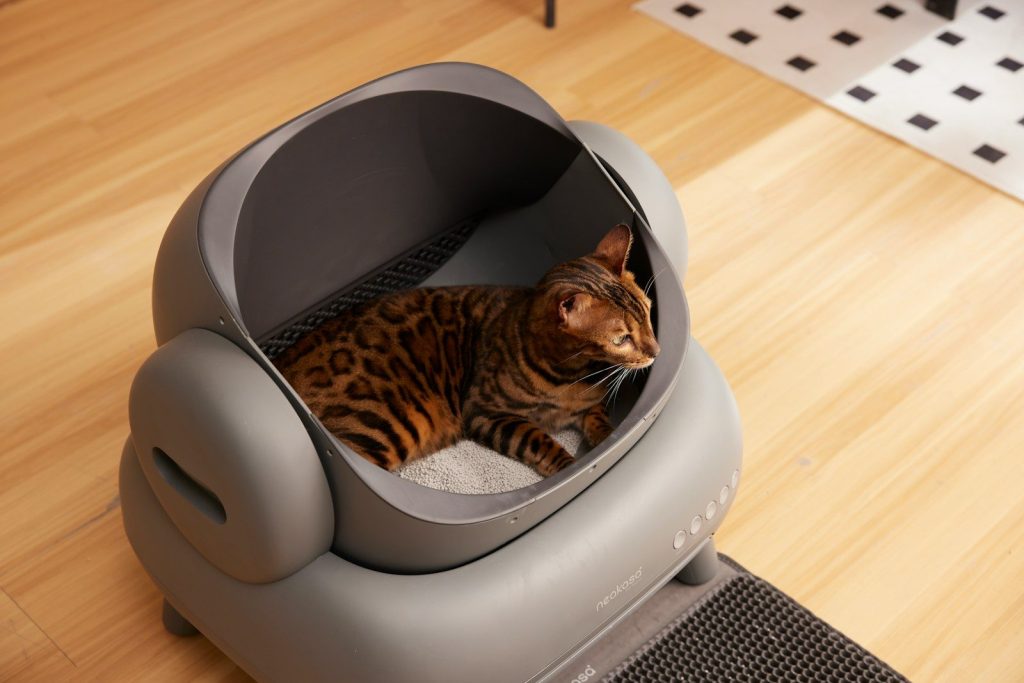
    A cat sitting in a litter box on the floor
    Photo by Neakasa on Unsplash

    Cats are naturally very clean animals. They avoid dirty or unpleasant places when using their litter box. A clean environment is important for their comfort and daily routine.

    If a litter box is not cleaned regularly, cats may stop using it and choose other spots instead. Dirty litter boxes can also lead to bacteria and parasites, which can affect both pets and humans. Keeping things clean protects everyone’s health in the home.

    How cleaning habits affect cat behavior

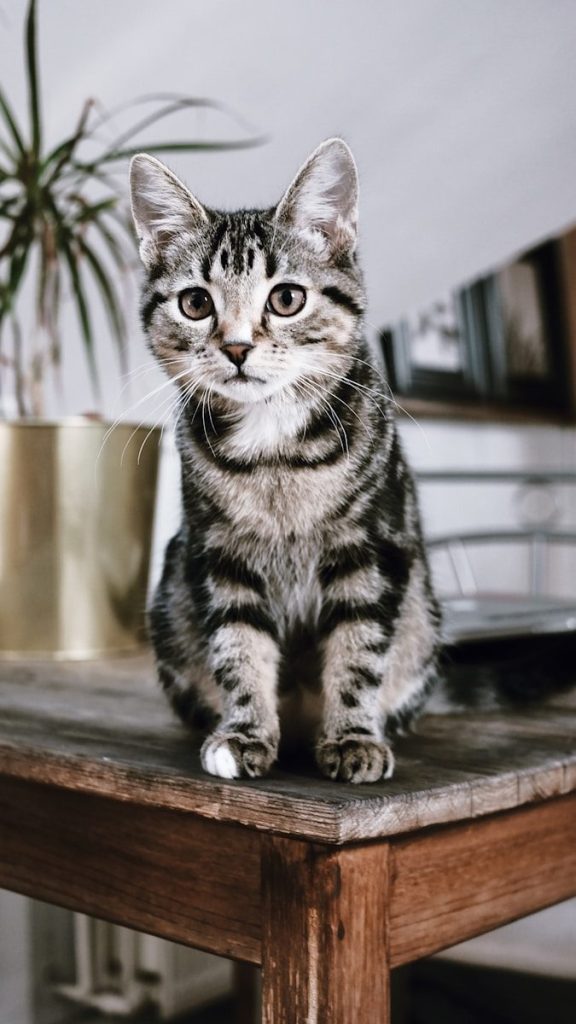
    silver tabby cat on brown wooden table
    Photo by Yusuf Evli on Unsplash

    The way a litter box is cleaned can change how a cat reacts. Strong-smelling cleaning products may make cats uncomfortable and cause them to avoid the box. Gentle cleaning methods are usually better for their sensitive noses.

    Cleaning too often or removing all scent can also confuse cats. They rely on scent to feel secure in their space. A balanced routine of daily scooping and regular full cleaning usually works best for their comfort and stability.

    Other reasons cats avoid or react to cleaned litter boxes

    A cat standing on its hind legs in front of a TV
    Photo by Neakasa on Unsplash

    Changes in litter type can also affect cat behavior. Some cats prefer fine litter, while others like larger grains. Switching suddenly may confuse them or make them avoid the box.

    The location of the litter box also plays a big role. If it is placed in a noisy or unsafe area, cats may feel stressed. A quiet and stable location helps cats feel safe and more willing to use it consistently.

  • Why this giant python requires extreme handling precautions

    Why this giant python requires extreme handling precautions

    Few animals attract attention quite like a giant python. When a massive Albino Granite Burmese python arrived at a newly established reptile zoo, visitors were amazed by its incredible size and unique appearance. While the snake may look calm in videos and exhibits, experts know that handling such a large reptile comes with serious challenges. Giant pythons are powerful constrictors capable of overwhelming prey using strength alone, and their size makes even routine care more complicated than many people realize.

    Understanding why this giant python requires extreme handling precautions is important for anyone interested in reptiles, wildlife, or zoo management. Large snakes behave very differently from smaller pet snakes, and their physical abilities create risks that cannot be ignored. By learning about their strength, instincts, and care requirements, readers can better understand why trained handlers follow strict safety measures whenever they work with these remarkable animals.

    How the Albino Granite Burmese python became so large

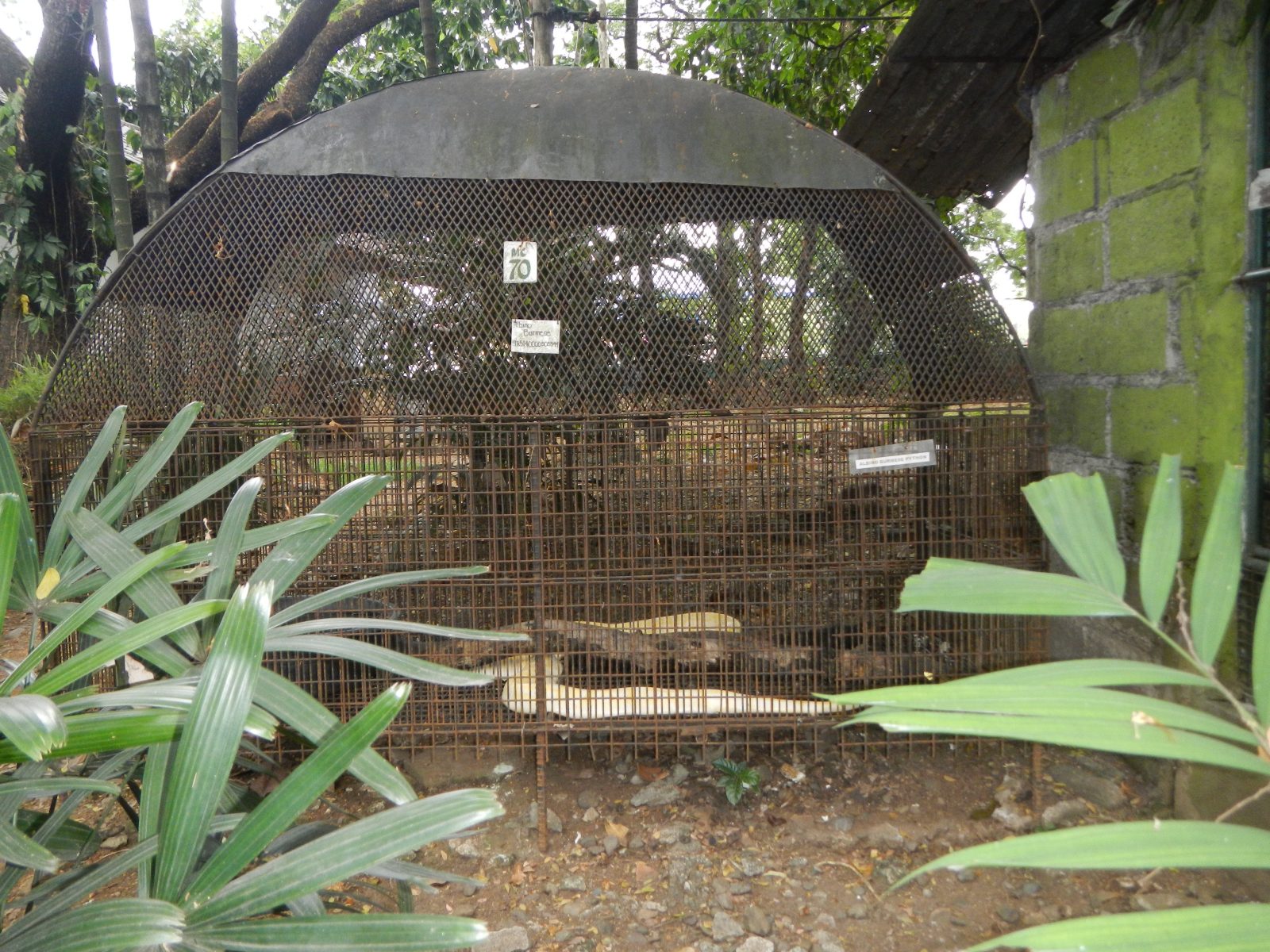
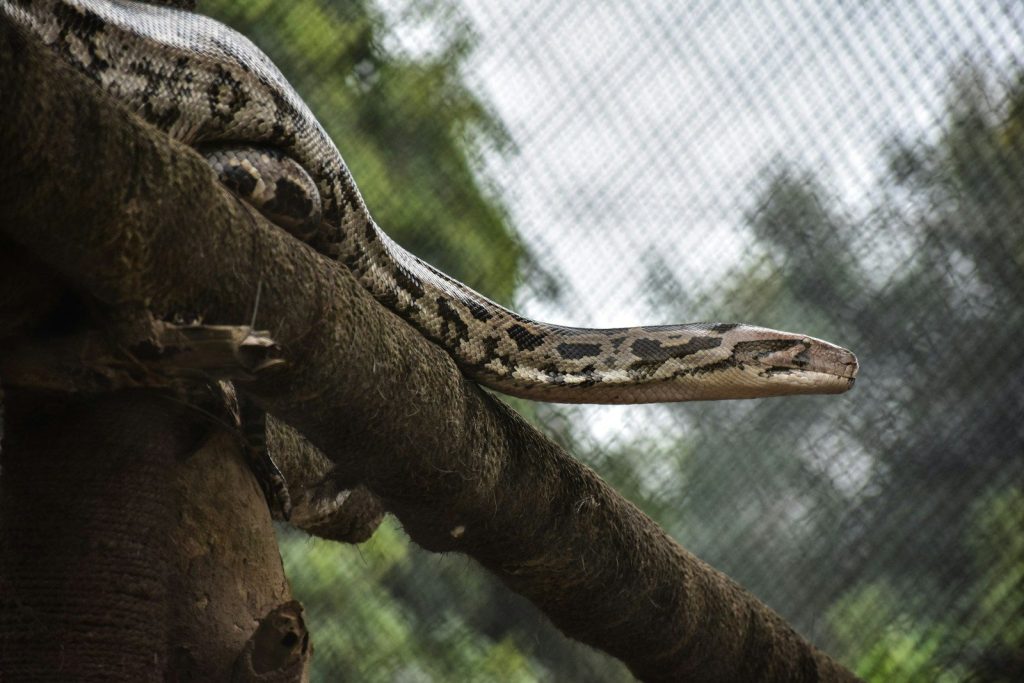
    Albino Burmese Python – Python bivittatus – Ninoy Aquino Parks & Wildlife Center 02” by Ramon FVelasquez is licensed under CC BY-SA 3.0

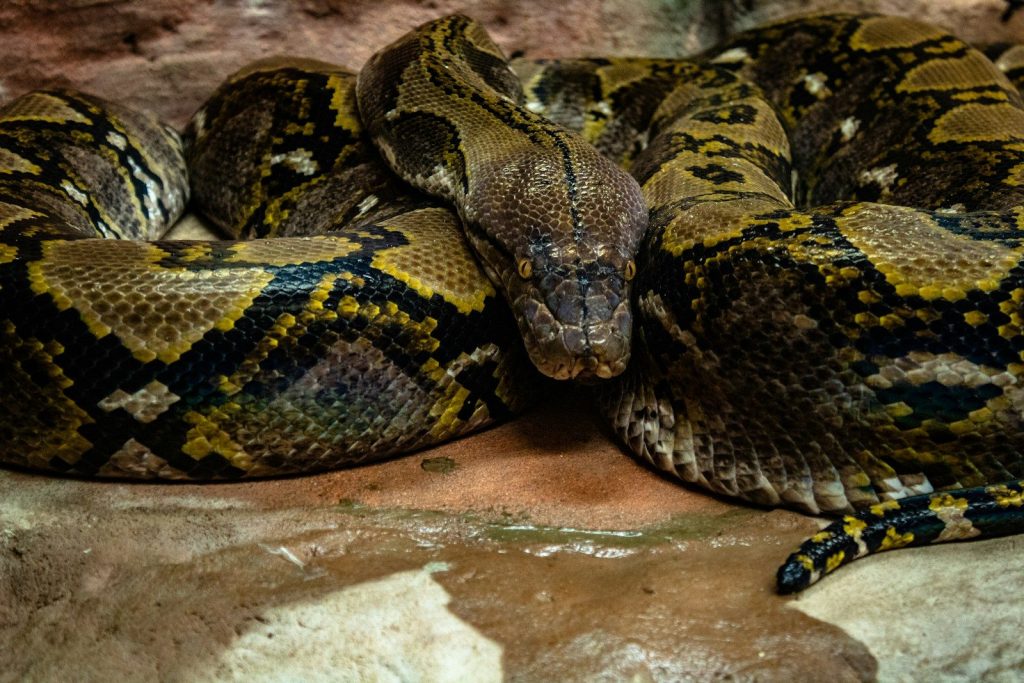
    The Albino Granite Burmese python is not a separate species but a special color and pattern variation of the Burmese python. These snakes are among the largest snake species in the world. While many individuals reach lengths of 12 to 16 feet, some can grow much longer and weigh hundreds of pounds. Their large size is the result of genetics, a slow metabolism, and an ability to continue growing throughout much of their lives when provided with enough food and proper care.
    Unlike many animals that stop growing after reaching adulthood, giant pythons can continue adding length and weight over many years. This gradual growth often surprises people because a young snake that seems easy to manage can eventually become a massive reptile requiring multiple handlers. As the snake grows, every aspect of its care becomes more demanding, from enclosure size to transportation and daily maintenance.

    Why constriction makes giant pythons dangerous

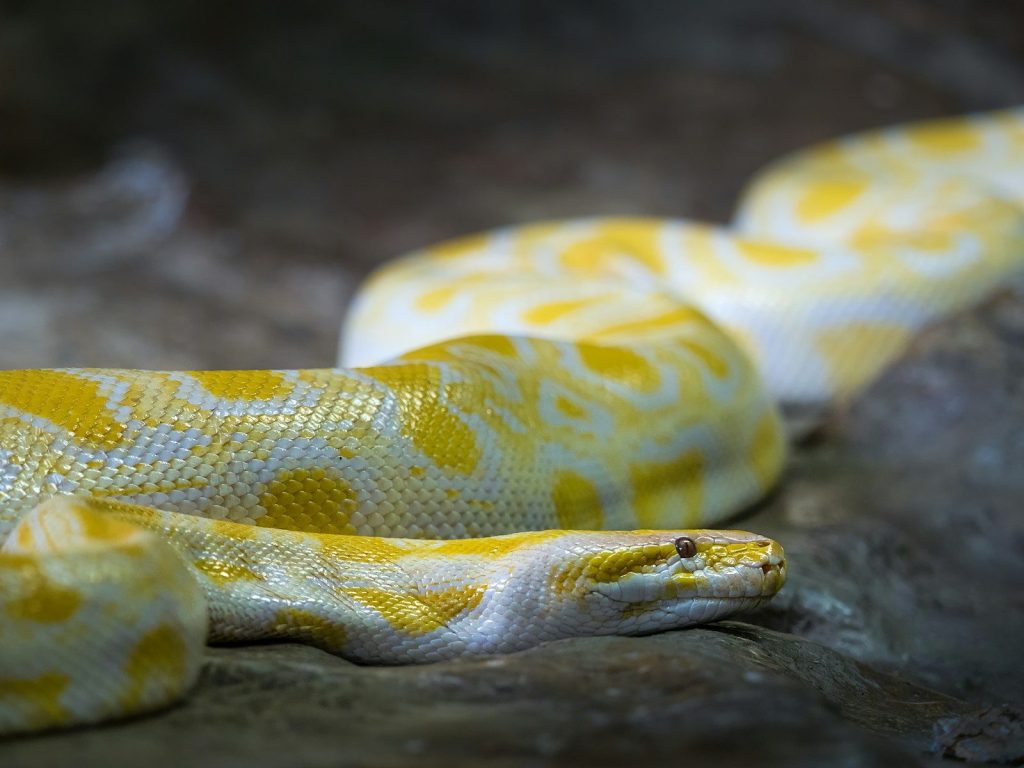
    shallow focus photo of Burmese python
    Photo by William Warby on Unsplash

    One of the most important reasons giant pythons require careful handling is their ability to constrict. Burmese pythons are nonvenomous snakes, which means they do not rely on venom to subdue prey. Instead, they use their powerful muscles to wrap around an animal and apply pressure. This hunting method has helped them successfully capture a wide variety of prey in the wild.
    Even though captive pythons are not actively hunting their handlers, the strength that allows them to constrict prey remains present at all times. A large python can wrap around a person’s arm, torso, or leg with surprising force. If the snake becomes stressed or confused, removing those coils can be difficult. This is why experienced handlers take extra precautions and often avoid handling giant snakes alone.
    The hidden risks of handling captive giant snakes

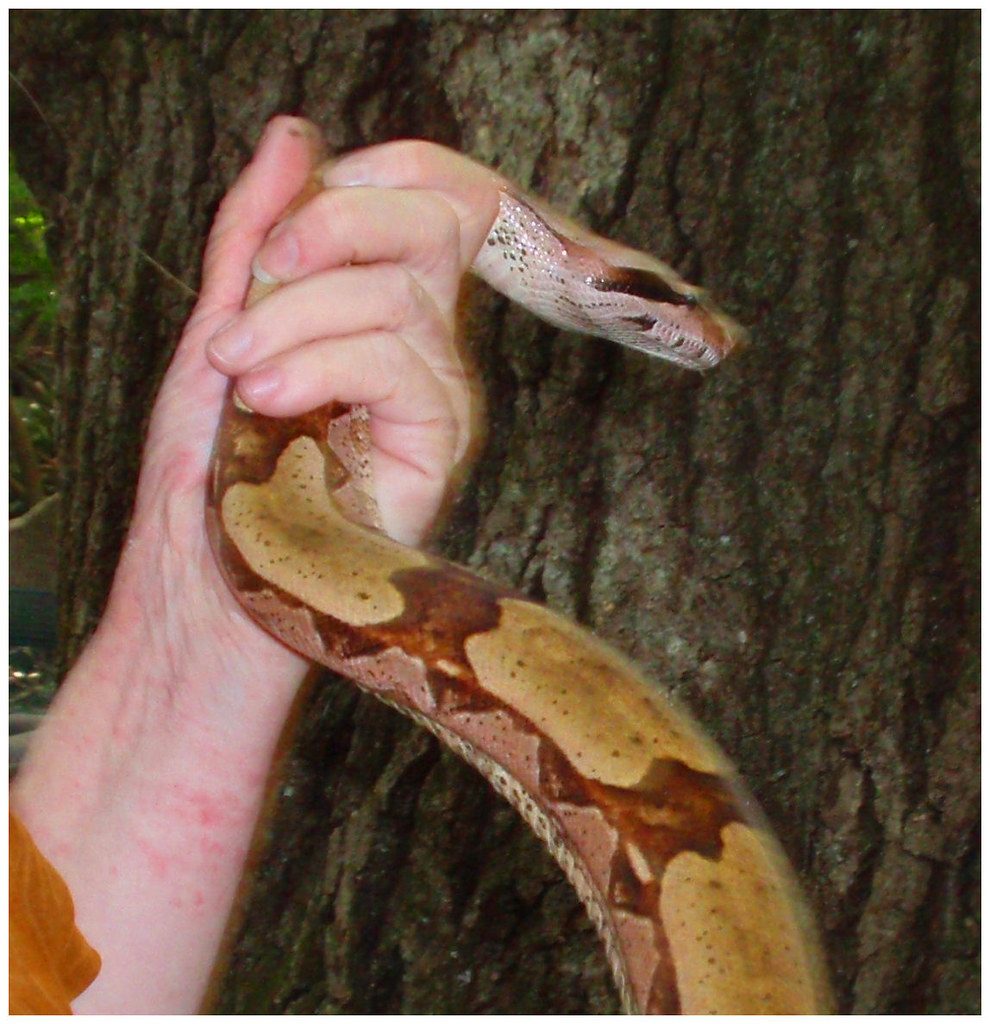
    Snake in Hand” by Judy Harrow is licensed under CC BY-NC 2.0

    Many people assume that a snake raised in captivity becomes completely predictable. While captive Burmese pythons often become accustomed to human presence, they still retain the instincts of a wild predator. A snake may react differently depending on its mood, surroundings, or level of stress. Even a normally calm animal can become defensive if it feels threatened.

    Handling sessions can also present risks because giant snakes are incredibly strong. A sudden movement from the snake may cause a handler to lose balance or lose control of the animal. Since these reptiles rely heavily on instinct, they may react to unfamiliar smells, feeding cues, or environmental changes in ways that humans do not expect. For this reason, experienced keepers treat every interaction with caution, regardless of the snake’s previous behavior.

    Why experienced handlers rarely work alone

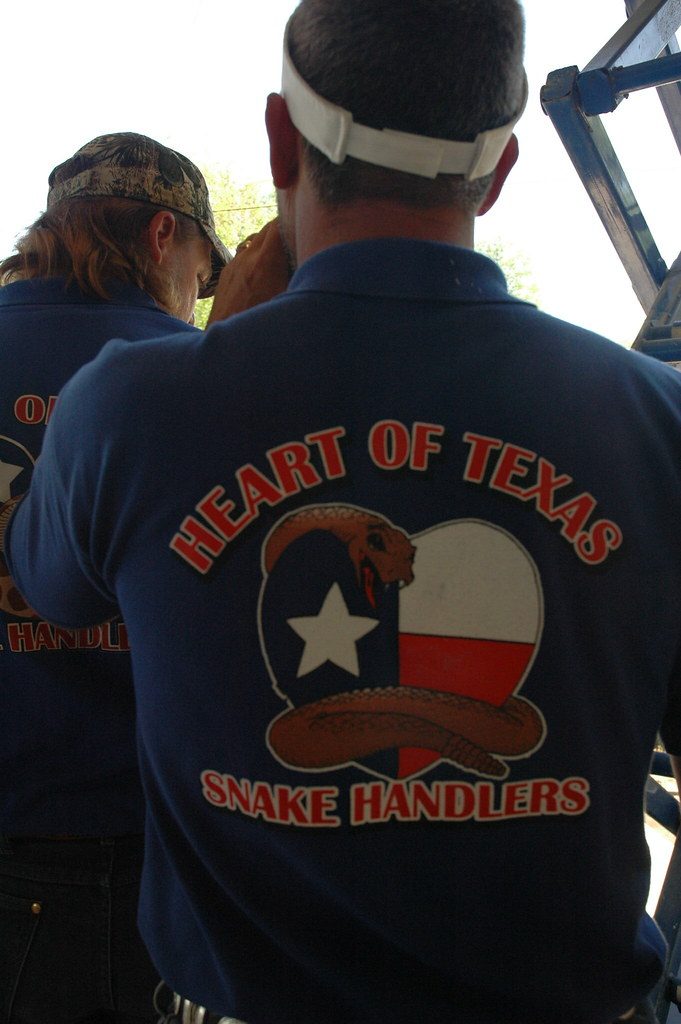
    Heart of Texas Snake Handlers” by That Other Paper is licensed under CC BY-SA 2.0

    One of the most common safety rules involving giant pythons is the use of multiple handlers. This practice is not based on fear but on practical experience. A large Burmese python may weigh as much as an adult human, making it difficult for one person to manage safely. If the snake decides to move suddenly, additional handlers can help maintain control and prevent accidents.

    Having more than one trained person present also allows for a faster response during unexpected situations. If a snake wraps around someone or becomes agitated, another handler can immediately assist. Many reptile professionals consider teamwork one of the most important safety measures when working with very large constrictors. The larger the snake becomes, the more valuable this extra support can be.

    How zoos manage giant python safety

    brown and black snake on brown tree branch
    Photo by Soubhagya Ranjan on Unsplash

    Housing a giant python in a public zoo requires careful planning and constant attention. Enclosures must be large enough to accommodate the snake’s size while also providing secure barriers that prevent escapes. Keepers must regularly inspect locks, doors, and habitat features to ensure everything remains safe for both the animal and visitors.

    Daily care routines are also designed with safety in mind. Feeding, cleaning, and health checks often follow strict procedures developed specifically for large constrictors. Staff members receive training on how to recognize signs of stress, illness, or unusual behavior. These protocols help reduce risks while ensuring the snake receives proper care throughout its life.

    What the future holds for housing massive reptiles

    Two pythons coiled together on a branch.
    Photo by Jadon Barnes on Unsplash

    As reptile collections continue to grow, facilities may encounter more giant snakes that require specialized care. Advances in enclosure design, animal monitoring, and handler training are helping zoos manage these challenges more effectively. New technologies can also help staff observe animal behavior and identify potential concerns before they become serious problems.

    At the same time, discussions continue about the responsibilities involved in housing extremely large predators. Giant pythons can live for decades, meaning facilities must plan for their long-term care and safety needs. Proper management, adequate space, and experienced staff will remain essential as zoos work to balance public education with the welfare of these remarkable reptiles.

  • 5 scents that may help discourage snakes from your property

    5 scents that may help discourage snakes from your property

    Snakes can be helpful animals because they eat rodents and other pests, but most people do not want them too close to their homes. If you have seen snakes in your yard, you may have heard that certain scents can help keep them away. While no smell can guarantee a snake-free property, some strong odors may make an area less appealing to them. Snakes use their tongues and a special organ in their mouths to detect chemical scents in the air, so strong smells can sometimes interfere with how they explore their surroundings.

    This article looks at six scents that may help discourage snakes from your property. It also explains what scientists and wildlife experts know about these smells, how they may work, and why scent-based methods should be combined with good yard maintenance for the best results.

    Cinnamon oil

    Cinnamon Oil” by formulatehealth is licensed under CC BY 2.0

    Cinnamon oil is one of the most commonly mentioned natural snake deterrents. Research on certain snake species has found that cinnamon-based compounds can act as irritants and cause snakes to move away from treated areas. The strong smell appears to overwhelm the snake’s scent-detection system, making the area uncomfortable. Because snakes depend heavily on chemical signals to find food and understand their environment, strong cinnamon odors may encourage them to avoid a location.

    Many homeowners use diluted cinnamon oil around sheds, garages, patios, and other places where snakes might hide. However, rain, sunlight, and wind can weaken the scent over time, which means it must be reapplied regularly. Cinnamon oil should never be sprayed directly on wildlife. It works best as part of a larger plan that includes removing brush piles, tall grass, and rodent food sources.

    Clove oil

    Clove oil” by Backdoor Survival is licensed under CC BY-NC 2.0

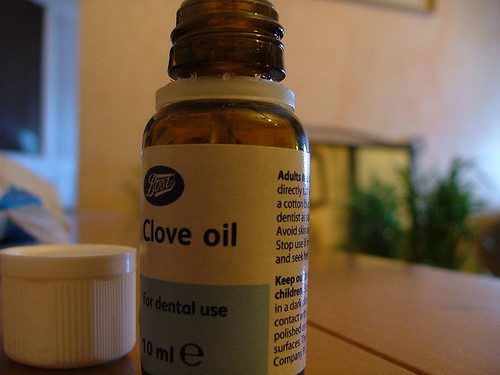
    Clove oil is another scent that is often linked to snake deterrence. The main compound in clove oil is called eugenol, and studies have shown that it can act as a strong irritant for some snake species. Wildlife researchers have observed that exposure to this compound can trigger escape behavior, making snakes leave the area quickly. Because of this, clove oil is frequently included in commercial snake-repellent products.

    Many people combine clove oil with cinnamon oil because the two scents are often considered more effective together than when used alone. The mixture creates a very strong odor barrier around possible snake entry points. Even so, experts caution that no essential oil works perfectly in every situation. If a yard still provides shelter, water, and food, a determined snake may return despite the smell.

    Cedarwood oil

    person holding brown and white cup
    Photo by Kadarius Seegars on Unsplash

    Cedarwood has a strong woody scent that some snakes seem to avoid. Researchers studying snake repellents have found that cedarwood oil can produce irritation in certain species. This may explain why cedar chips, cedar mulch, and cedar oil products are often recommended as part of natural snake-control efforts. The scent can create an environment that feels less comfortable for snakes moving through the area.

    Homeowners sometimes place cedar mulch around garden beds, fence lines, or areas near buildings. Besides its scent, cedar mulch can help keep landscaping neat and reduce some hiding spots for small prey animals. While cedarwood alone will not stop every snake, it may contribute to an overall strategy that makes your property less attractive. Keeping the yard clean and reducing rodent activity remains just as important as using any scent.

    Peppermint oil

    green leaf beside brown glass bottle
    Photo by lajuanna whittington on Unsplash

    Peppermint oil is widely used as a natural pest deterrent, and some experts believe it may also discourage snakes. The strong minty odor can overwhelm the snake’s sensory system and may make it harder for the animal to investigate its surroundings. Many homeowners prefer peppermint because it smells pleasant to people while still creating a strong scent barrier.

    Peppermint oil is often sprayed around doorways, crawl spaces, sheds, and other areas where snakes could enter. Some people also grow mint plants around parts of their property. However, the effectiveness of peppermint varies depending on weather conditions and the type of snake involved. The scent usually fades after a short time outdoors, so repeated applications are often necessary to maintain any possible benefit.

    Garlic

    a basket of garlic and garlic bulbs on a counter
    Photo by ji jiali on Unsplash

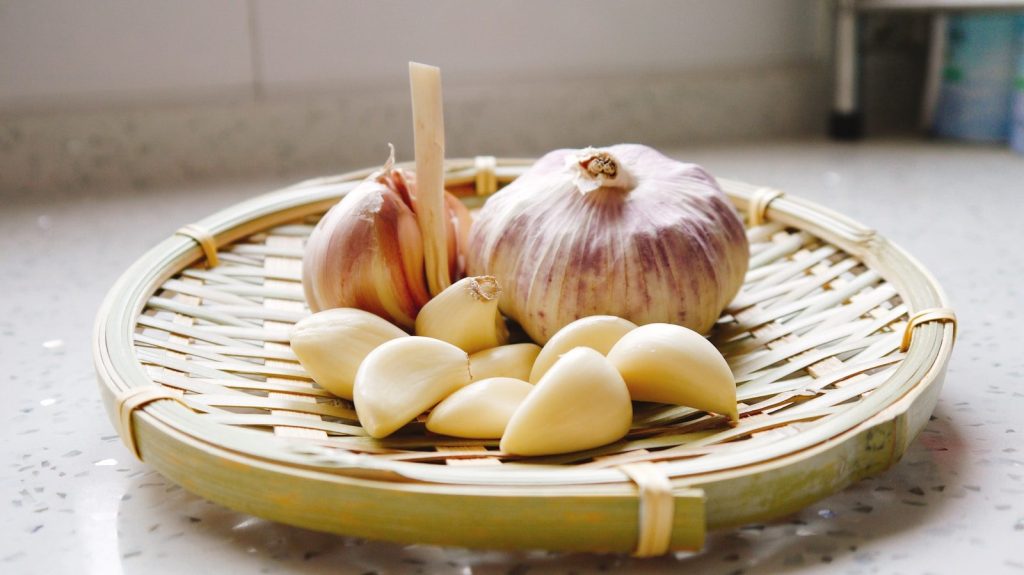
    Garlic has a strong sulfur-like smell that many animals find unpleasant. It contains natural compounds that create a sharp odor, and some experts believe these compounds can help discourage snakes. Garlic-based sprays and garlic plantings are common recommendations for homeowners who want a natural approach to pest control. The smell may make certain areas less attractive to snakes that are exploring for shelter or prey.

    Garlic is often combined with onions because both contain similar sulfur compounds. Some people spread garlic mixtures around the edges of their yards or near problem areas. Although garlic may contribute to snake deterrence, it should not be viewed as a complete solution. If mice, rats, frogs, or other prey animals remain abundant, snakes may still be drawn to the property despite the odor.

  • 6 harmless-looking animals that can actually kill you

    6 harmless-looking animals that can actually kill you

    People often think cute animals are safe to be around, but that is not always true. Some of the most innocent-looking animals can still be surprisingly dangerous when they feel scared, threatened, or trapped. Their soft faces and calm behavior can mask strong defenses meant for survival, not comfort.

    This article explains how seemingly harmless animals can still be risky in certain situations. You will learn about pandas, hedgehogs, swans, polar bears, slow lorises, and elephants. Each one has a gentle appearance, but also powerful ways to protect itself. By the end, you will understand why it is important to respect wildlife and keep a safe distance, even when animals look friendly.

    Panda bears can become powerful when threatened

    panda eating bamboo
    Photo by Jay Wennington on Unsplash

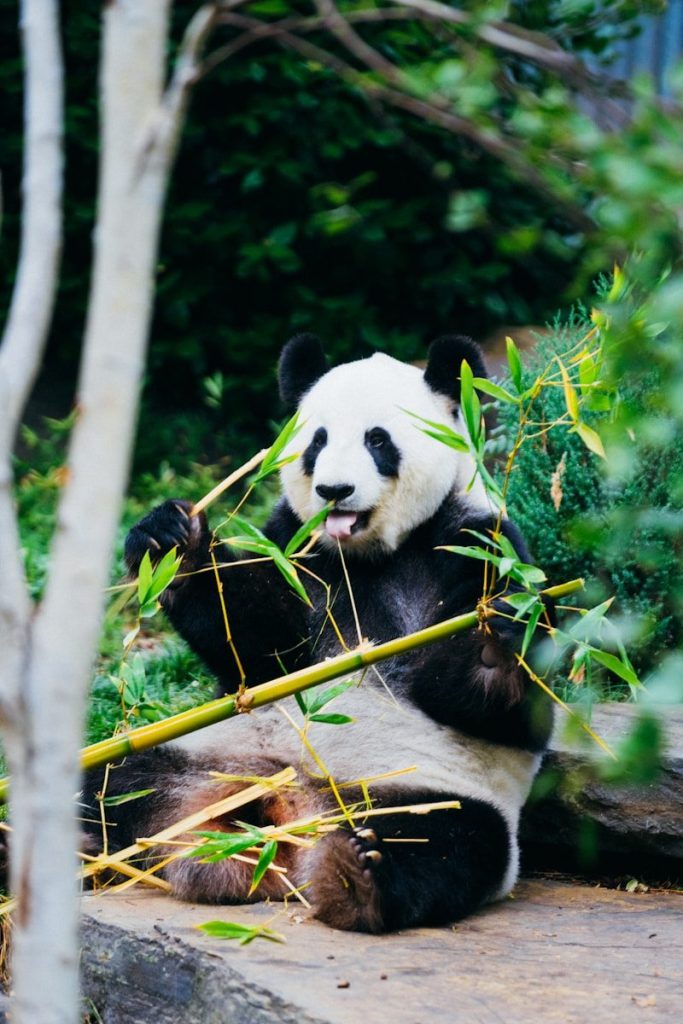
    Panda bears are among the most loved animals in the world because of their soft black-and-white fur and calm behavior. They often appear relaxed, especially when eating bamboo or resting in trees. Most of the time, they live quiet lives and avoid trouble in the wild.

    However, pandas can become very dangerous when threatened. They have strong bodies, powerful jaws, and sharp teeth that can cause serious harm. Even though they look friendly, they should never be treated like pets or approached too closely. When a panda feels trapped or scared, it can react quickly and defend itself without warning.

    Hedgehogs protect themselves with sharp spikes

    black and white hedgehog on green and red leaves
    Photo by Alexas_Fotos on Unsplash

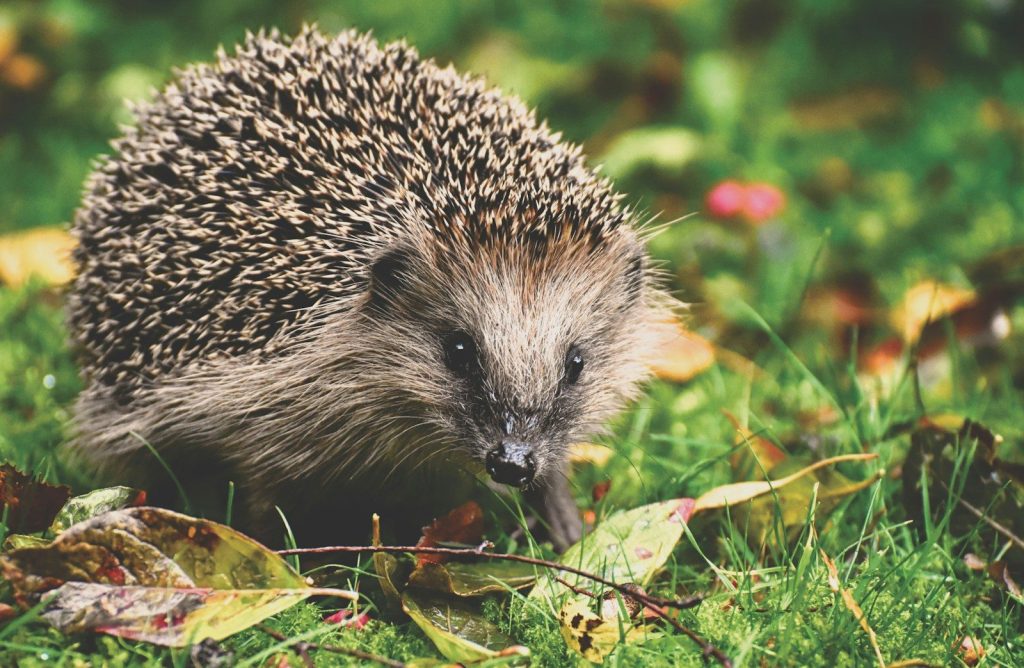
    Hedgehogs are small, round animals that many people find adorable. Their tiny faces and slow movements make them seem harmless, and they are even kept as pets in some homes. Because of this, people often assume they are completely safe to handle and play with.

    But hedgehogs have a strong defense system that can cause injury. Their backs are covered in sharp spikes that lie flat when they are relaxed. When they feel threatened, they curl into a tight ball and raise their spikes to protect themselves from predators.

    Swans may seem calm, but they defend fiercely

    white swan on body of water
    Photo by Emily Sevenoaks on Unsplash

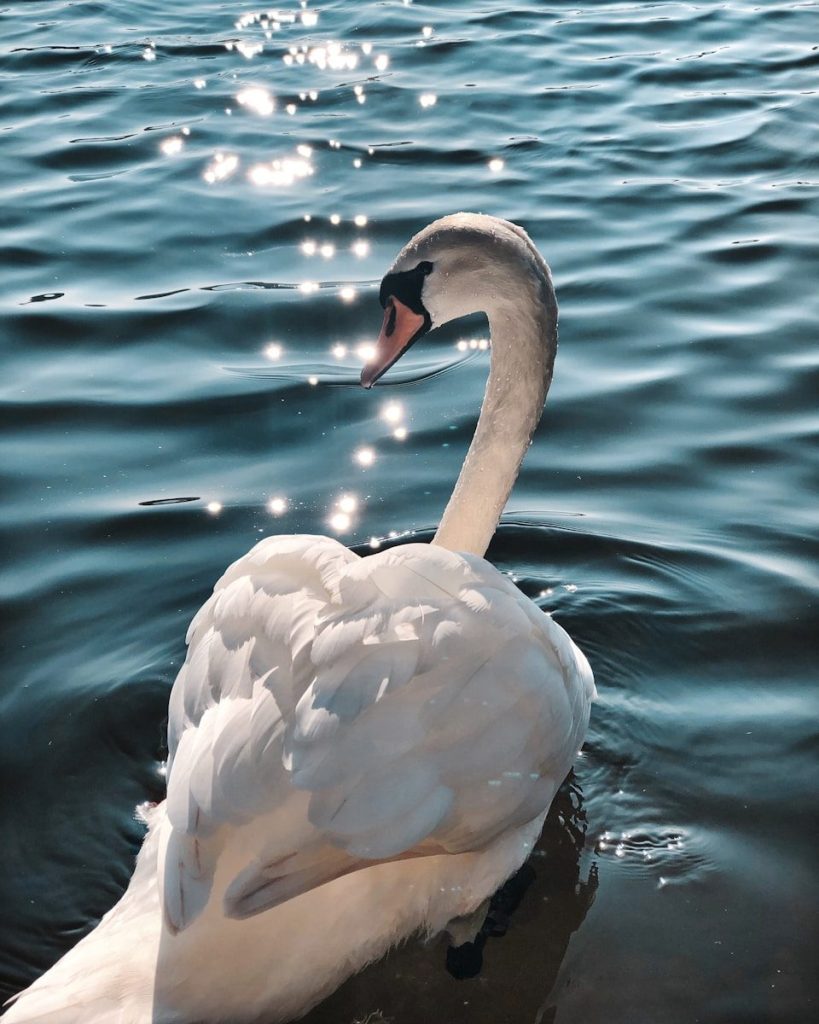
    Swans are often seen gliding across lakes with smooth, graceful movements. Their long necks and white feathers give them an elegant, peaceful appearance. Many people admire them for their beauty and calm presence in nature. Because of this, swans are usually seen as harmless birds.

    However, swans can become very aggressive when they feel their nests or babies are in danger. They may hiss loudly, flap their wings, and move toward anything they see as a threat. These actions are meant to scare intruders away and protect their territory.

    Polar bears are cute but extremely strong predators

    polar bear on snow covered ground during daytime
    Photo by Hans-Jurgen Mager on Unsplash

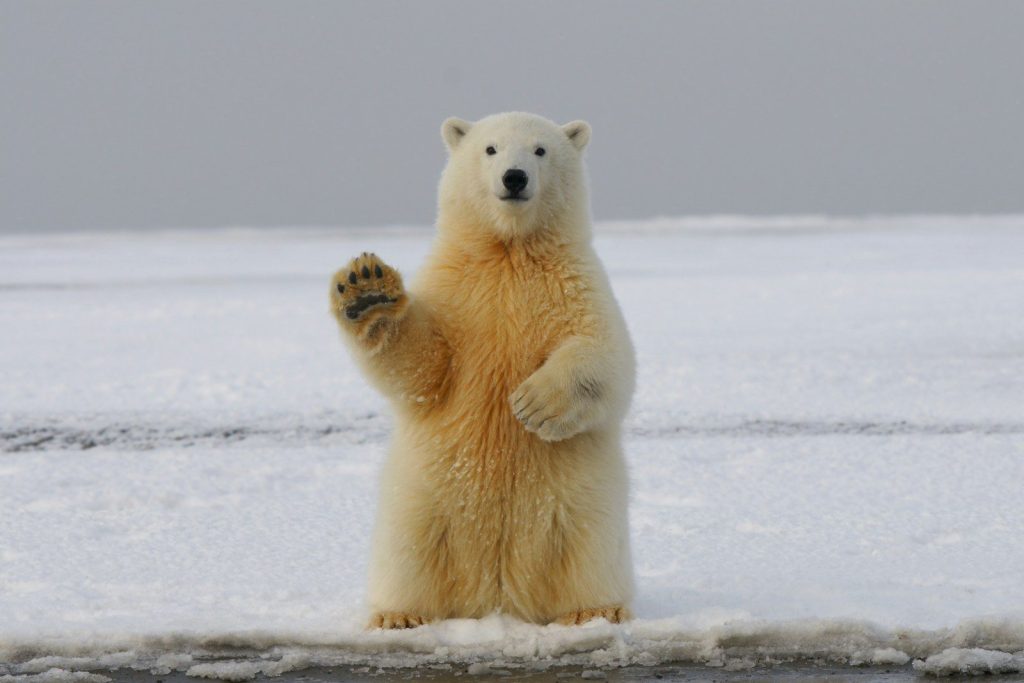
    Polar bears are often seen as cute animals, especially when people look at their fluffy cubs. Their white fur and large bodies make them appear soft and gentle from a distance. Many people are fascinated by their appearance and think of them as peaceful Arctic animals.

    In reality, polar bears are powerful predators and one of the most dangerous animals on this list. They are large carnivores and have no natural predators. They are also not afraid of humans, which makes encounters even more risky.

    Slow lorises have a hidden venom defense

    primate climbing tree
    Photo by Sebastian Molinares on Unsplash

    Slow lorises are small animals known for their large, round eyes and slow movements. Many people find them extremely cute and gentle-looking. Because of their appearance, they are often thought to be harmless creatures that pose no danger.

    However, slow lorises have a surprising and dangerous defense system. They produce venom from a mixture of glandular secretions and saliva. When they feel threatened, they can deliver this venom through a bite, which can cause serious health problems.

    Elephants are gentle giants with powerful strength

    elephant walking during daytime
    Photo by Nam Anh on Unsplash

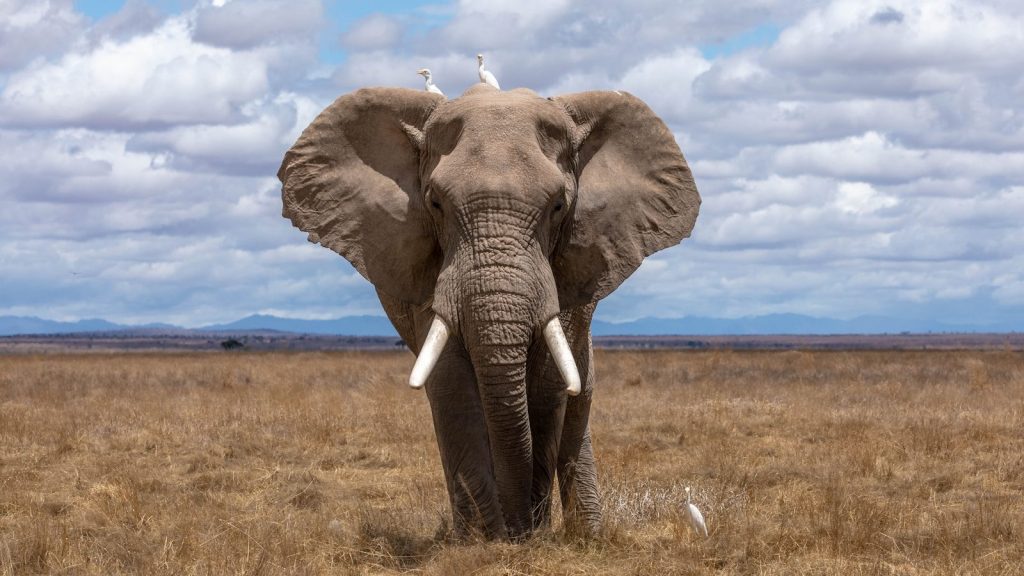
    Elephants are often called gentle giants because of their calm behavior and strong family bonds. They are intelligent animals and are admired for their peaceful nature. Many people see them as kind and harmless because they move slowly and interact socially.

    However, elephants are extremely strong animals. If they feel threatened, they can use their massive bodies and powerful trunks to defend themselves. Their size alone makes them capable of causing serious harm, even without aggressive intent.

  • The fascinating animals that once lived at Neverland Ranch

    The fascinating animals that once lived at Neverland Ranch

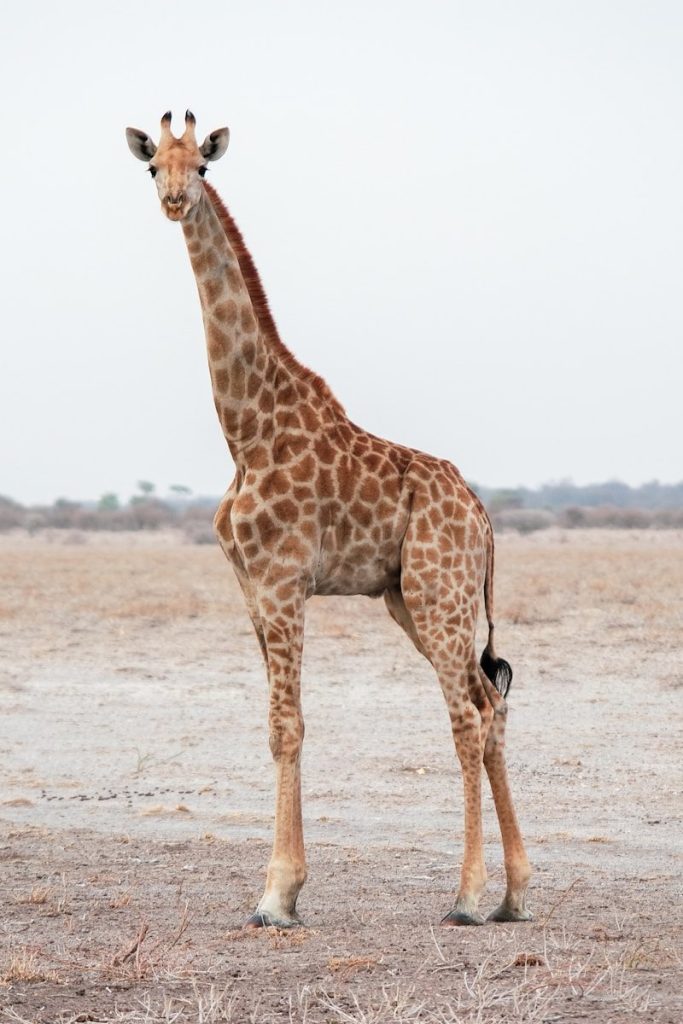
    Many people remember Michael Jackson for his music, but fewer know about the large group of exotic animals he kept at his Neverland Ranch. The story of the Michael Jackson animals after Neverland Ranch shows what happened to these animals after the singer left his famous California estate in 2005. The ranch once had a petting zoo filled with tigers, giraffes, a chimpanzee, an elephant, flamingos, and more.

    When Jackson moved away, many of these animals were sent to zoos and wildlife sanctuaries across the United States. Their journeys were very different, and some faced serious challenges in new environments. This article explains what happened to six major groups of animals, including where they went and how they lived after leaving Neverland Ranch.

    Tigers Thriller and Sabu lived in a wildlife preserve

    brown and black tiger on focus photography
    Photo by A G on Unsplash

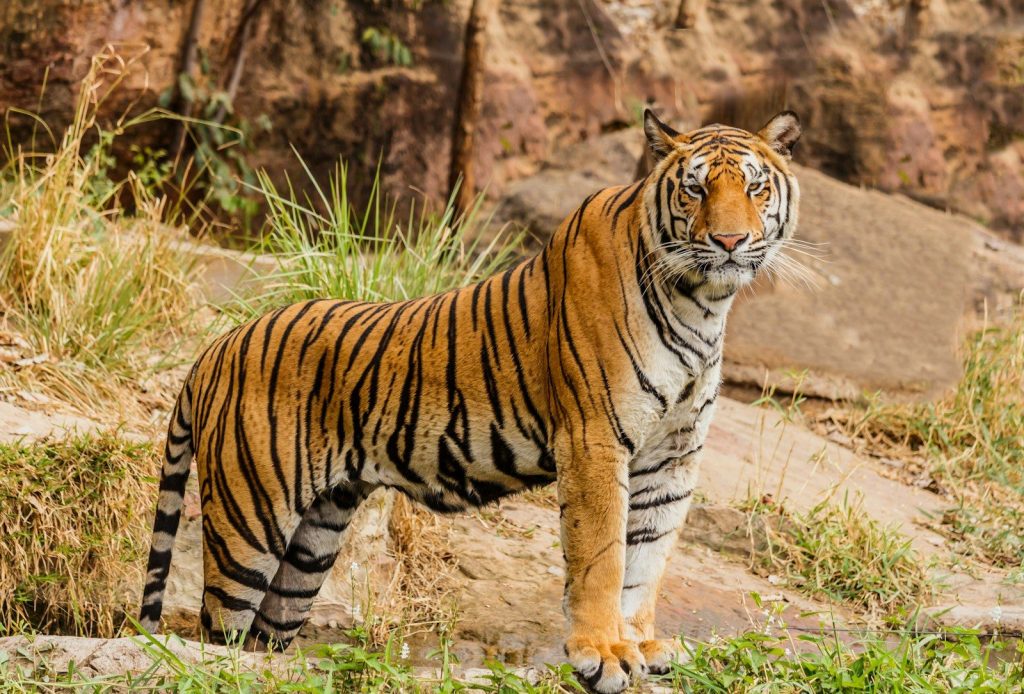
    Michael Jackson owned two tiger siblings named Thriller and Sabu. They were part of the exotic animal collection at Neverland Ranch, which included many rare animals. After Jackson left the ranch in 2005, the tigers were moved to a wildlife preserve in California owned by actress and activist Tippi Hedren. This preserve became their new home, along with other rescued big cats.

    Thriller and Sabu did not stay together peacefully forever. In 2012, Thriller died from lung cancer while living at the preserve. After his death, he was cremated, and his ashes were buried at the site. Sabu continued living at the same place, surrounded by other tigers. His later life details are less clear, but he remained part of the sanctuary environment after leaving Neverland Ranch.

    Giraffes faced uncertain care after relocation

    giraffe walking on brown field during daytime
    Photo by Thomas Evans on Unsplash

    Several giraffes lived at Neverland Ranch as part of Michael Jackson’s petting zoo. These tall animals were part of the unusual wildlife collection that made the ranch famous. After Jackson left in 2005, the giraffes were moved to Hancock’s Banjoko Wildlife Preserve in Arizona, where they were supposed to continue receiving care.

    However, reports later raised concerns about their living conditions. In 2010, it was reported that two giraffes died at the preserve. One possible reason included improper feeding or exposure to cold weather. At the same time, animal welfare groups questioned whether the giraffes were being properly cared for. By 2011, at least two giraffes were still living at the facility, but their long-term situation remained uncertain.

    Chimpanzee Bubbles found a permanent sanctuary home

    a black monkey sitting on a tree branch
    Photo by David Trinks on Unsplash

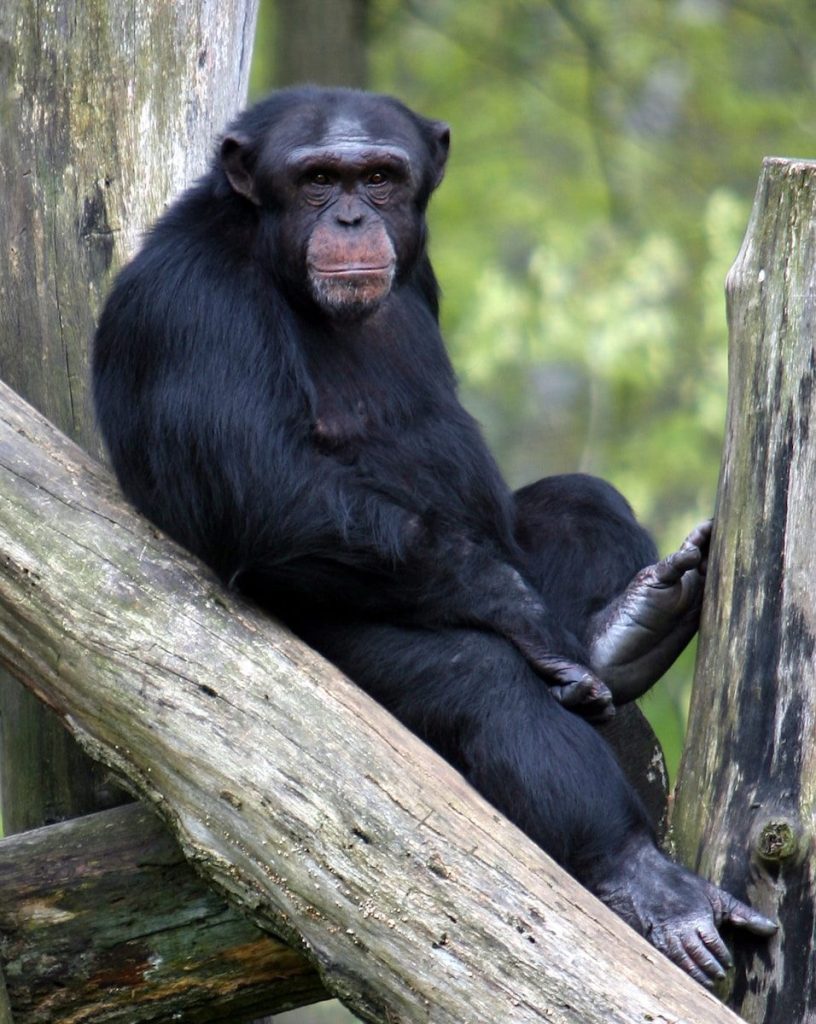
    One of the most famous animals from Neverland Ranch was Bubbles, Michael Jackson’s pet chimpanzee. Jackson acquired Bubbles from a research facility in Texas in the mid-1980s. At first, Bubbles lived closely with Jackson and became widely known as part of his public image during his early years of fame.

    As Bubbles grew larger and older, it became difficult for him to stay in a home environment. He was first moved to animal trainer Bob Dunn, who had originally helped Jackson acquire him. Later, after Dunn retired in 2005, Bubbles was moved again. This time, he was sent to the Center for Great Apes in Florida, where he continues to live today in a sanctuary setting.

    Python Madonna lived in multiple rescue centers

    brown and green snake
    Photo by Joshua J. Cotten on Unsplash

    Michael Jackson also owned a large albino Burmese python named Madonna. After leaving Neverland Ranch, Madonna was first sent to a rescue center in Colorado. This was part of the wider effort to relocate Jackson’s exotic animals to safer environments after the ranch was abandoned.

    Later, Madonna was moved again and eventually became part of a children’s nature center in Colorado. By 2018, the snake was living at the Mesa Mall location in Grand Junction. At that point, Madonna had also been renamed Sunshine. Jackson also owned another snake named Muscles, but there is no clear information about what happened to it after leaving Neverland Ranch.

    Elephant Ali was donated to a zoo

    elephant walking during daytime
    Photo by Nam Anh on Unsplash

    Ali, an elephant from Neverland Ranch, was another major animal in Michael Jackson’s collection. After Jackson left the estate, Ali was rescued and donated to the Jacksonville Zoo and Gardens. This provided the elephant with a more structured environment, with professional care and attention.

    In 2024, Ali was still living at the zoo and received advanced medical care. Specialists performed a tusk removal surgery involving a large team of experts. The procedure showed the level of care given to the animal in its new home. Zoo staff described it as a major coordinated effort to support the elephant’s health and well-being.

    Flamingos were moved to a public zoo

    pink flamingo on green grass field during daytime
    Photo by Marina Abrosimova on Unsplash

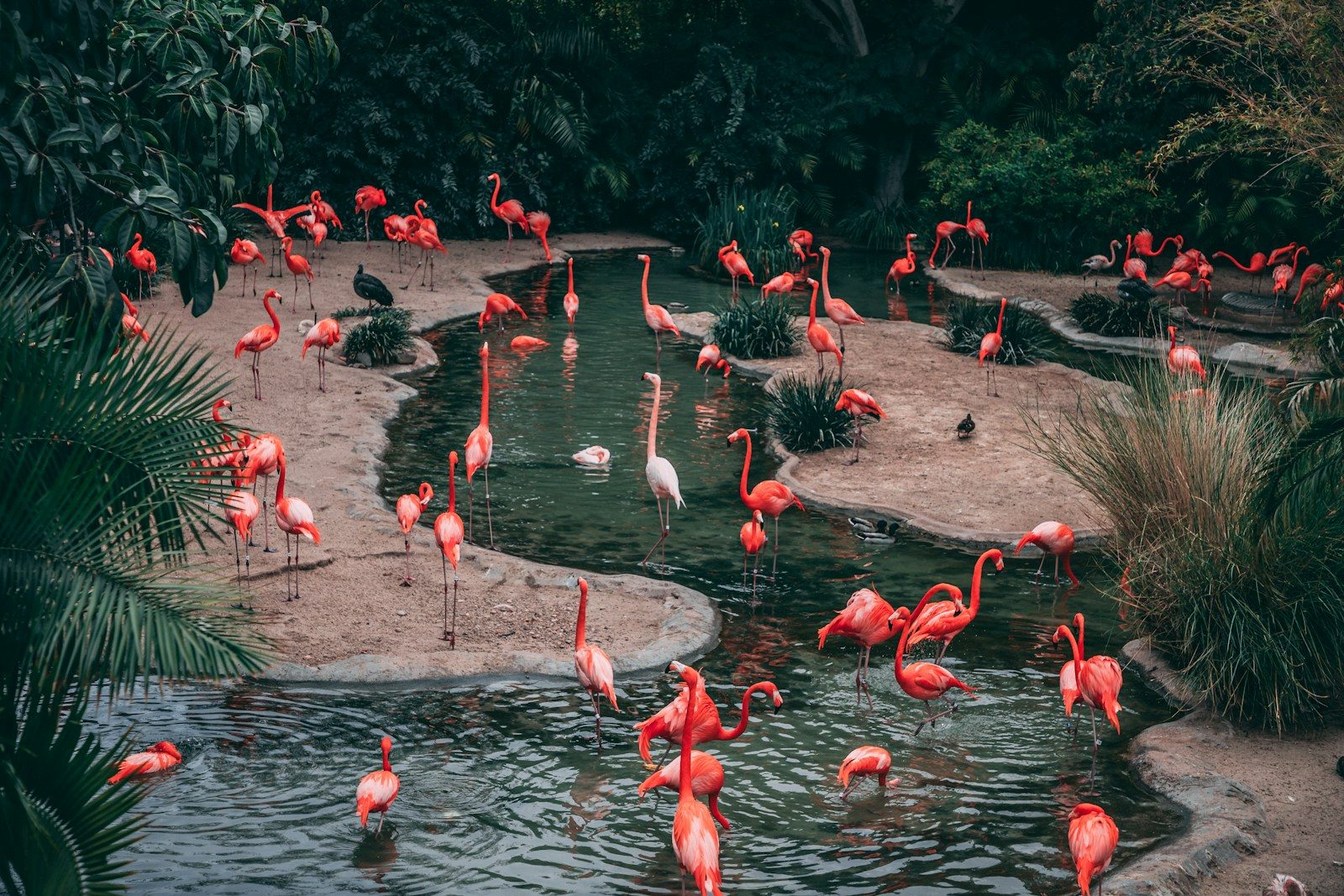
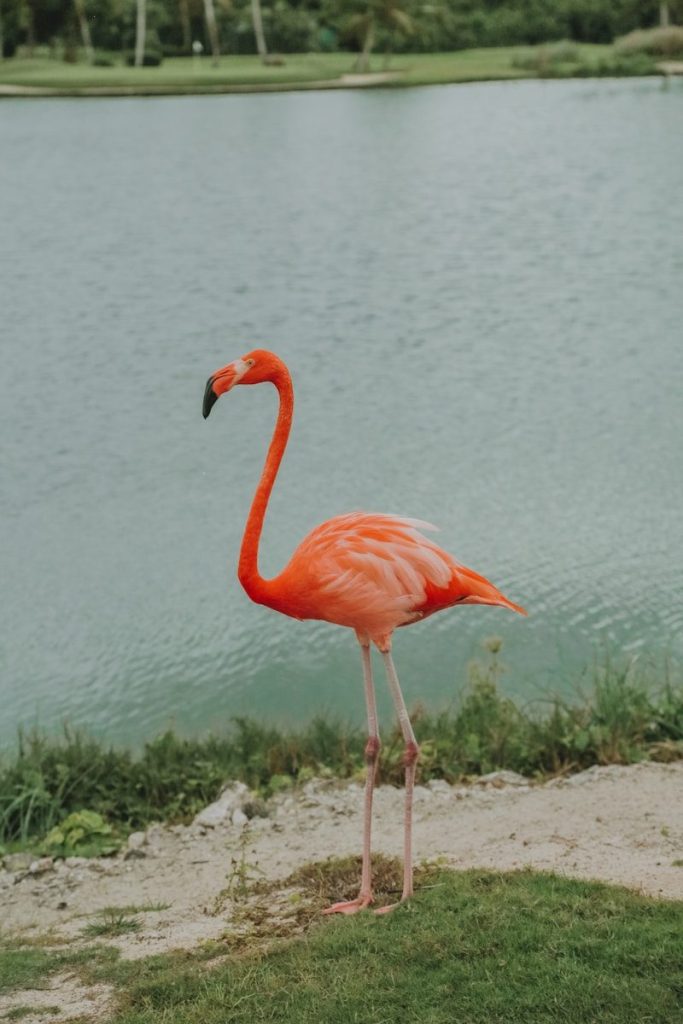
    Neverland Ranch was also home to more than a dozen flamingos. These bright pink birds were part of the ranch’s colorful petting zoo environment. They were among the many animals that needed to be relocated after Michael Jackson left the property.

    In 2007, 13 Chilean flamingos from Neverland Ranch were moved to the Cape May County Park & Zoo. This relocation helped place them in a more stable and controlled environment. At the zoo, they continued living as part of a public wildlife habitat, where they could be safely cared for.

  • Australian wildlife that’s more gentle than dangerous

    Australian wildlife that’s more gentle than dangerous

    Many people think Australia is full of dangerous wildlife everywhere you go. But that idea is not fully true. There are many Australian animals that won’t kill you, even if they look strange or a little scary. Most of them avoid people and live quiet lives in nature.

    In this article, you will learn about animals that may seem risky at first but are actually not life-threatening. Some may scratch, bite, or act defensively, but they do not hunt humans. These animals showcase the surprising and unique side of Australia’s wildlife in a simple, easy way.

    Kangaroo behavior and human encounters

    kangaroo with joey on grass field during day
    Photo by Ondrej Machart on Unsplash

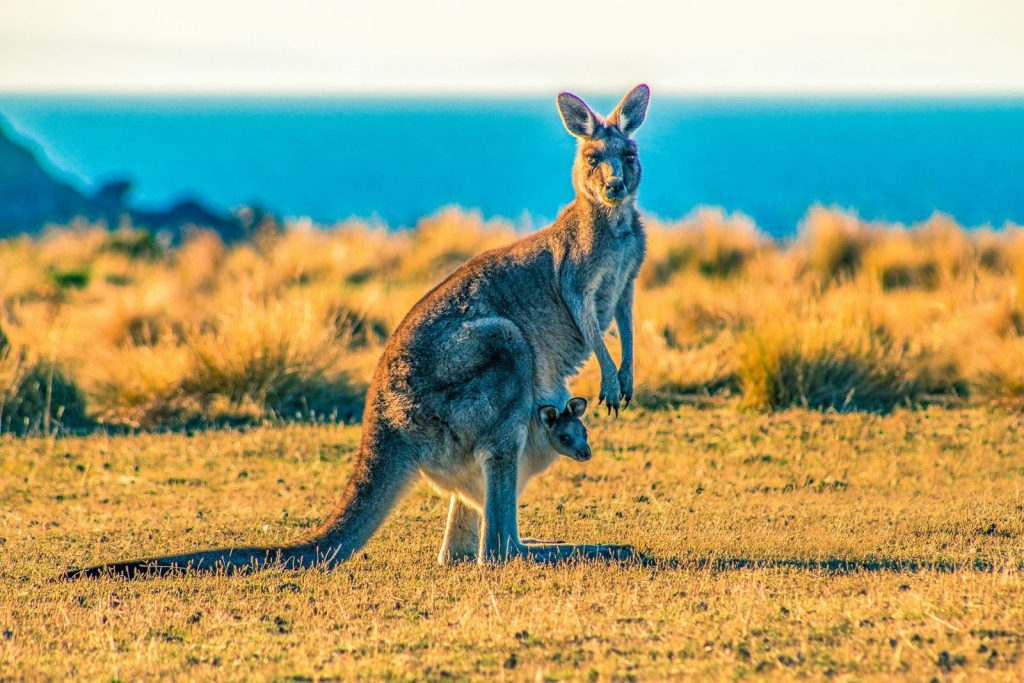
    Kangaroos are one of the most well-known animals in Australia. They are strong and can fight if they feel disturbed, especially large males. However, they do not deliberately hunt humans and usually keep their distance.

    Most problems with kangaroos occur indirectly. Sometimes they jump in front of cars at night, leading to accidents. They may also kick or punch if provoked, but they are not considered deadly animals.

    Cockatoos in everyday life

    a bird sitting on top of a wooden branch
    Photo by Allyson Beaucourt on Unsplash

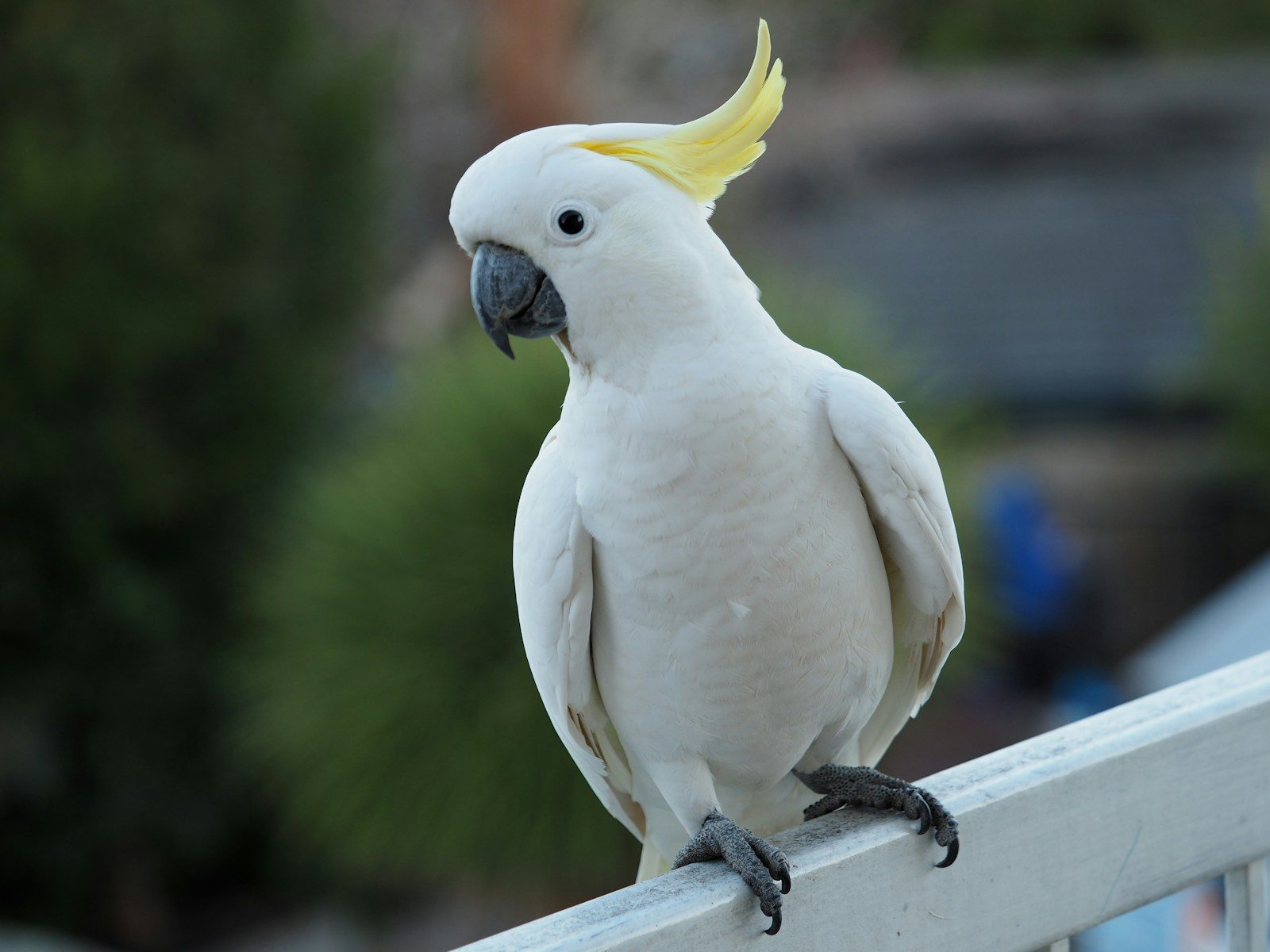
    Cockatoos are loud, smart birds with bright feathers and strong personalities. They can copy sounds and sometimes even repeat human words. They are common in many parts of Australia and are easy to spot.

    Even though they are noisy and playful, cockatoos are not dangerous. At most, they might steal food or cause a mess. They do not attack people and are generally harmless birds.

    Port Jackson shark in the ocean

    Great White Shark” by kqedquest is licensed under CC BY-NC 2.0

    The Port Jackson shark lives in Australian waters but is not a dangerous predator. It usually stays near the ocean floor and moves slowly. It avoids humans and prefers to stay out of sight.

    There has been only one minor incident involving this shark, and it did not even break the skin. It is more interesting than scary and is known for its unusual egg cases that look very strange.

    Sugar gliders in the trees

    white and black cat on green plant
    Photo by Timur Garifov on Unsplash

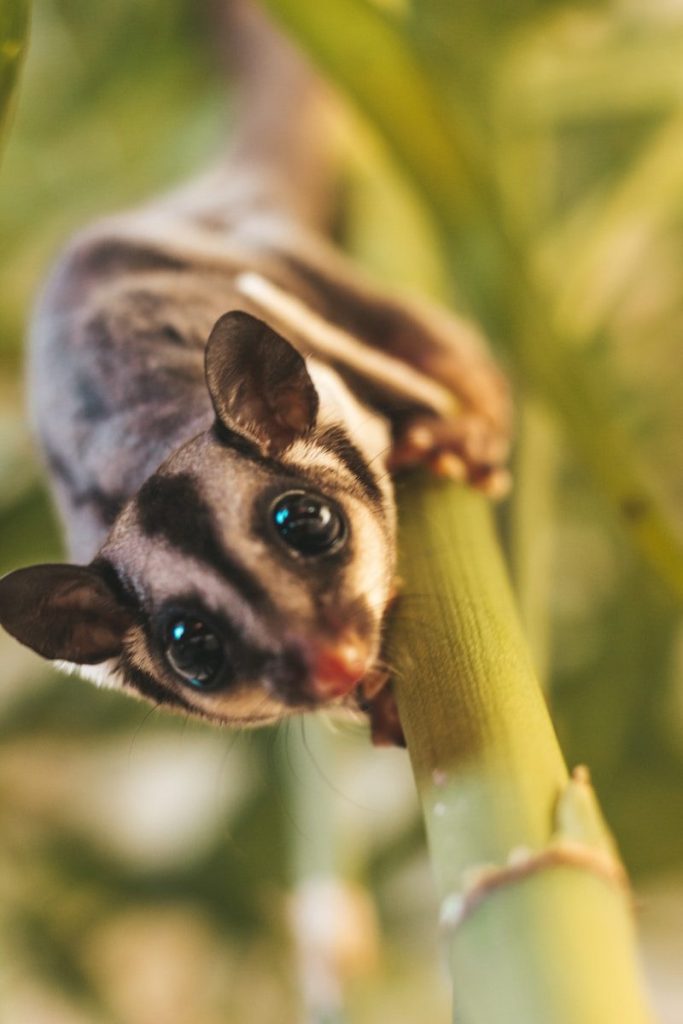
    Sugar gliders are small animals that can glide between trees. They look like tiny flying squirrels and have soft, big eyes. They are active at night and spend most of their time in trees.

    They may nibble if they feel scared, but they are not harmful to humans. Their cute looks and gentle behavior make them among the friendliest and least harmful animals in Australia.

    Quokkas and their friendly nature

    a small animal on a log
    Photo by Tianlei Sun on Unsplash

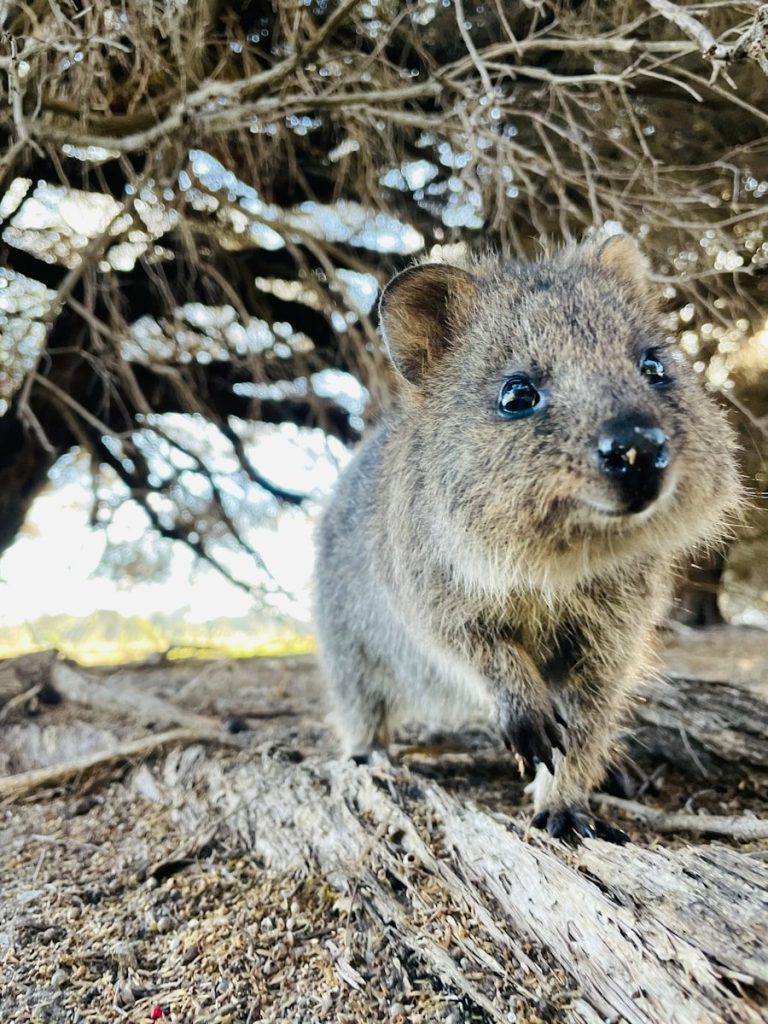
    Quokkas are small animals that are often described as always smiling. They are calm and friendly around people and do not show aggressive behavior. Many visitors find them very charming.

    These animals do not attack or harm humans. Because of their relaxed nature, they are often considered among the most adorable animals in Australia.

    Koalas and their sleepy lifestyle

    koala bear on brown tree
    Photo by Gary Runn on Unsplash

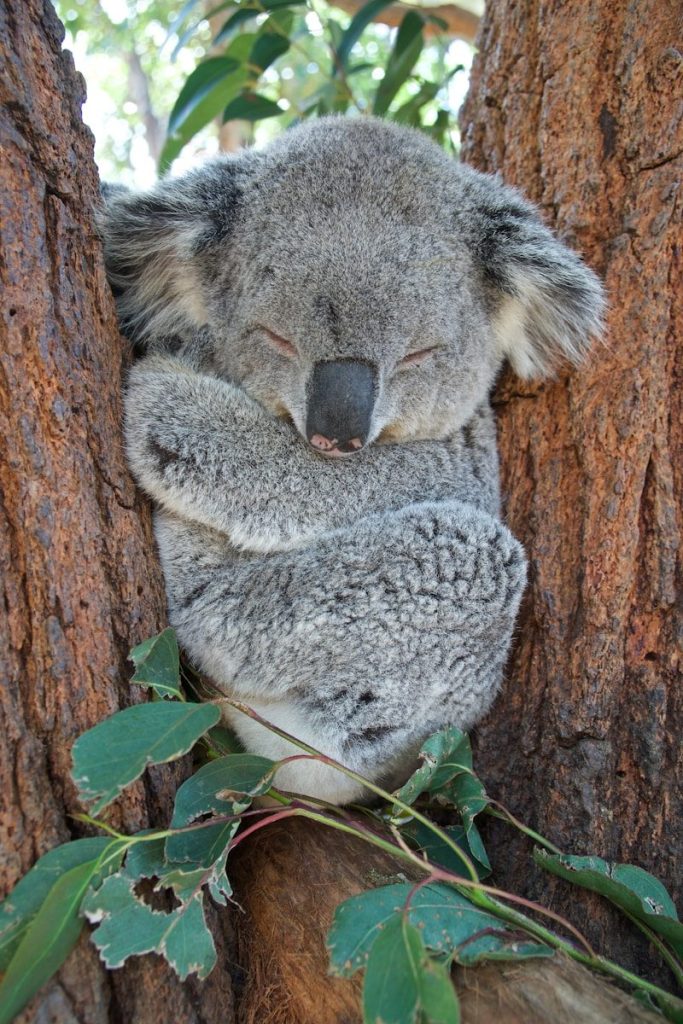
    Koalas sleep most of the day, sometimes up to 20 hours. They move slowly and spend most of their time resting in trees. Their calm behavior makes them easy to observe in the wild.

    They are not dangerous animals, but they may scratch if they feel stressed. Still, they prefer to avoid conflict and spend their energy on sleeping and eating rather than reacting to humans.

  • 6 unforgettable animals from movies and television

    6 unforgettable animals from movies and television

    Animals have always played a special role in storytelling, especially on screen. From loyal dogs to clever birds, these characters often bring emotion, humor, and heart to the story. Many viewers search for iconic animals in films and TV shows because these characters leave a strong impact long after the movie or show ends.

    In this article, you will learn about some of the most memorable animal characters that appeared in popular films and television series. These animals are not just background figures. They are important parts of their stories and often connect deeply with audiences of all ages. Each one has a unique role that helps make their shows and movies unforgettable.

    Hachiko in Hachi: A Dog’s Tale

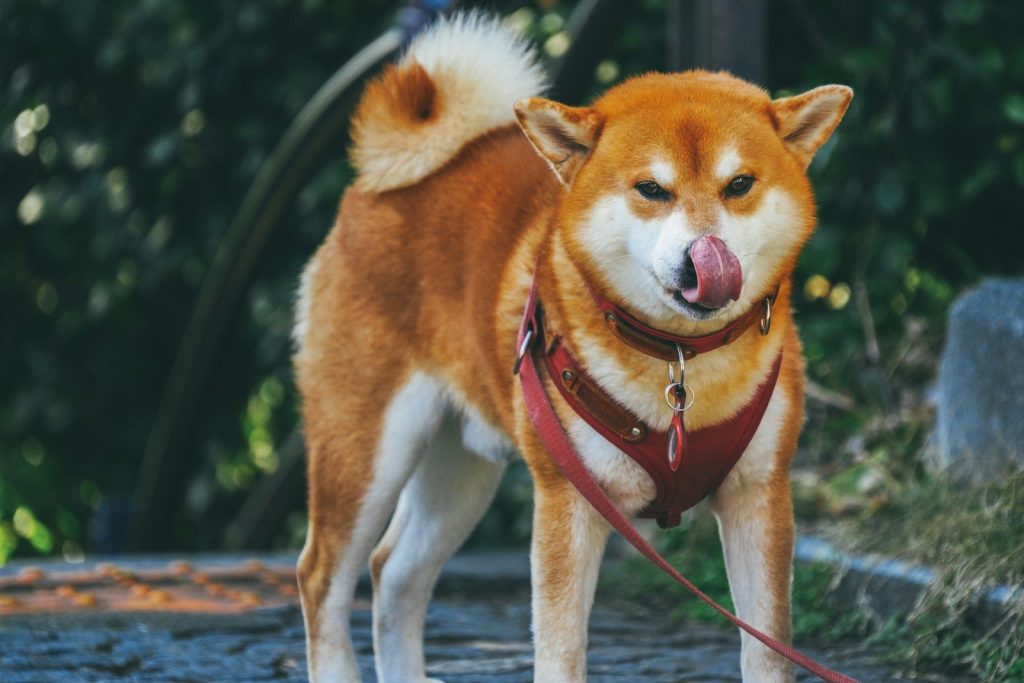
    a dog with its tongue hanging out on a leash
    Photo by HONG FENG on Unsplash

    Hachiko is one of the most emotionally powerful animal characters ever depicted in film. His story is based on a true bond between a Japanese Akita dog and his owner, Hidesaburō Ueno. Every day, Hachiko would walk with his owner to the train station and wait patiently for him to return. This daily routine showed strong love and loyalty, touching everyone who learned about it.

    The story takes a heartbreaking turn when Hidesaburō Ueno suddenly passes away after a heart attack. Even after this, Hachiko continues to return to the train station every day for many years, waiting for his owner, who never comes back. He kept this routine for nine years. After Hachiko passed away on March 8, 1935, a statue was built at Shibuya Station to honor his loyalty and devotion.

    Stella from Modern Family

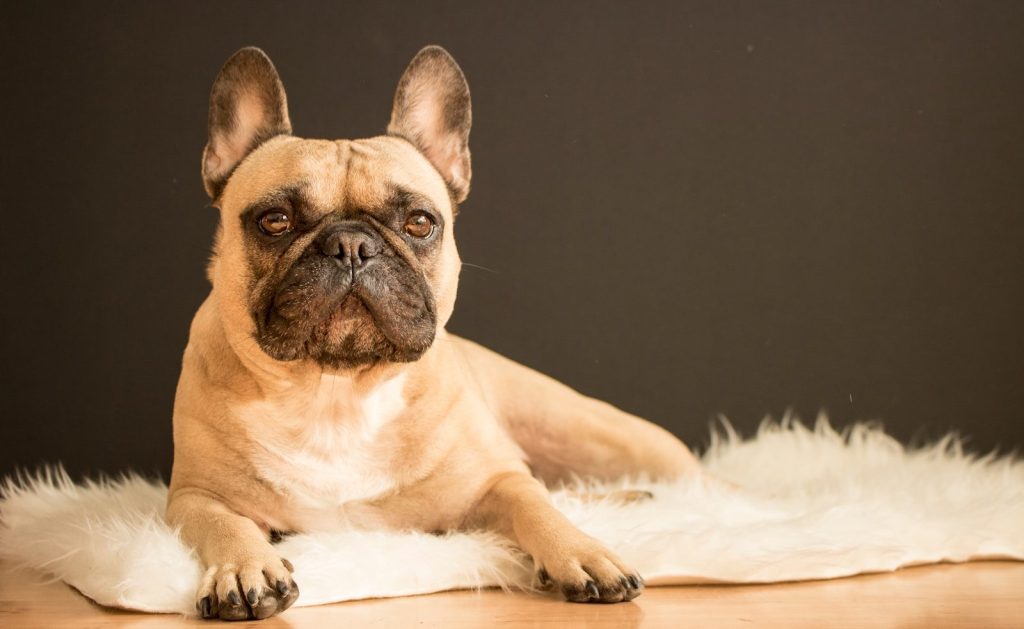
    brown and black French bulldog lying on white fur area rug
    Photo by Alexandru Sofronie on Unsplash

    Stella is a French bulldog featured in the popular sitcom Modern Family. She belongs to Jay, who treats her with great love and care. Stella quickly became a favorite character on the show for her cute personality and the funny moments she shares with Jay. Their bond adds warmth and humor to many scenes.

    The dog’s real name is Brigitte, and she was born in 2010. She also received recognition for her performance, winning the Best Dog in a Television Series award at the Golden Collar Awards in 2012. Stella’s presence in the show helps highlight the fun and emotional side of family life, making her a memorable part of the series.

    Cotton’s parrot in Pirates of the Caribbean

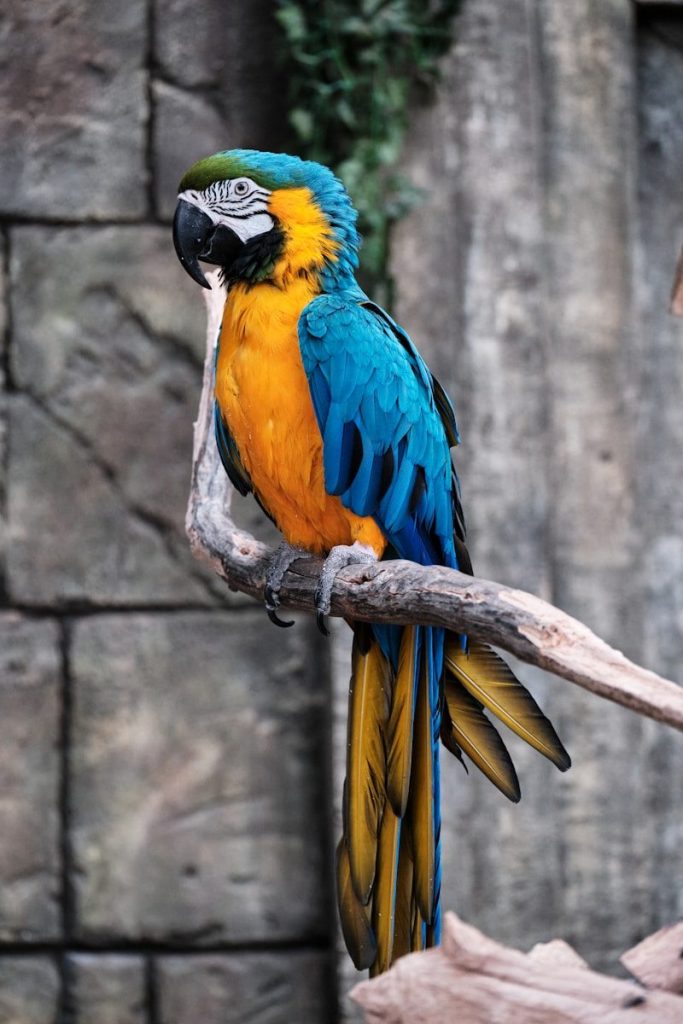
    blue yellow and orange macaw
    Photo by Dmitry Chernyshov on Unsplash

    Cotton’s Parrot is a unique and humorous animal character from the Pirates of the Caribbean films. The parrot acts as a voice for its owner, Cotton, who cannot speak. This unusual communication style creates many funny and entertaining moments throughout the movies. The parrot often delivers snarky and witty comments that surprise both characters and viewers.

    The parrot is played by blue-and-gold macaws named Chip and Salsa. It appears in several films in the series, including The Curse of the Black Pearl, Dead Man’s Chest, At World’s End, and On Stranger Tides. Cotton’s Parrot adds a playful and humorous touch to the story, helping balance the action with light comedy that audiences enjoy.

    Mrs. Norris from Harry Potter

    “File:Andean cat 1 Jim Sanderson.jpg” by Jim Sanderson is licensed under CC BY-SA 3.0

    Mrs. Norris is the loyal cat of Argus Filch, the caretaker of Hogwarts School of Witchcraft and Wizardry. She plays an important role in the school by helping Filch keep an eye on the students. The cat is known for being observant and often alerts Filch when students misbehave or break rules.

    In the Harry Potter series, Mrs. Norris becomes closely linked with Filch, showing a strong bond between them. During the events of Harry Potter and the Deathly Hallows Part 2, it is mentioned that she is kept safe during the final battle. Although she does not have a large role in action scenes, her presence adds tension and helps build the school’s strict atmosphere.

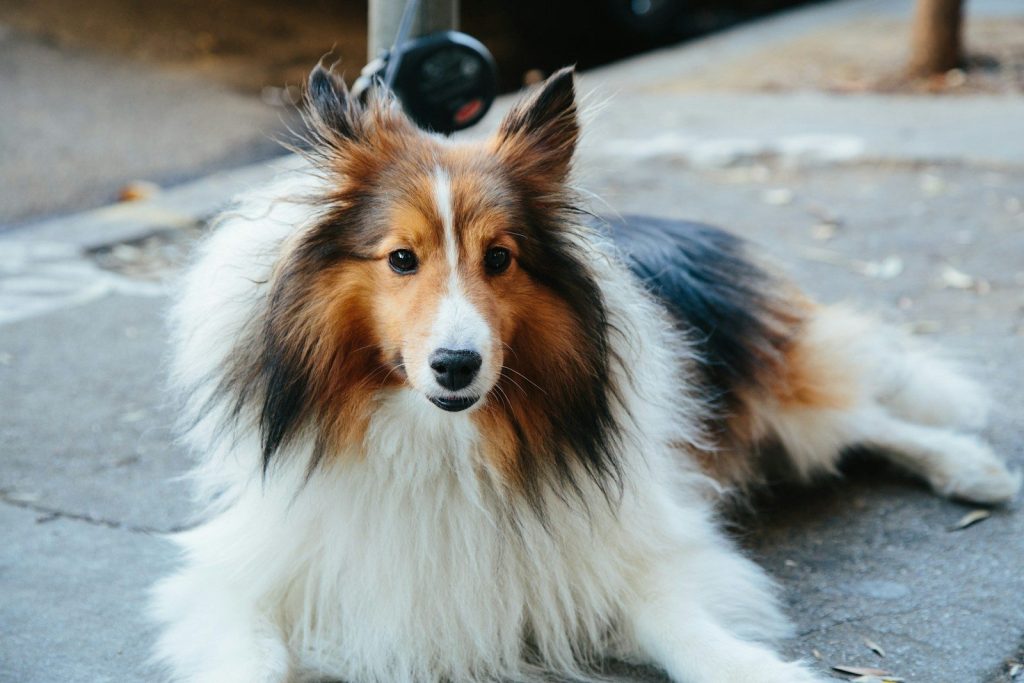
    Lassie, the heroic collie

    Rough Collie lying on road
    Photo by Chloe Evans on Unsplash

    Lassie is one of the most famous dogs in television history. She is known as a heroic collie who always seems to understand when someone is in trouble. Her intelligence and loyalty make her a key figure in every story in which she appears. Lassie often steps in during difficult situations to help others, showing courage and quick thinking.

    Throughout the Lassie series, she is shown as a reliable companion who never leaves those she cares about behind. Her actions often guide people to safety or help solve problems. Lassie became a symbol of loyalty and bravery, making her one of the most iconic animals in TV shows. Her character has inspired generations of viewers with her strong sense of duty and care.

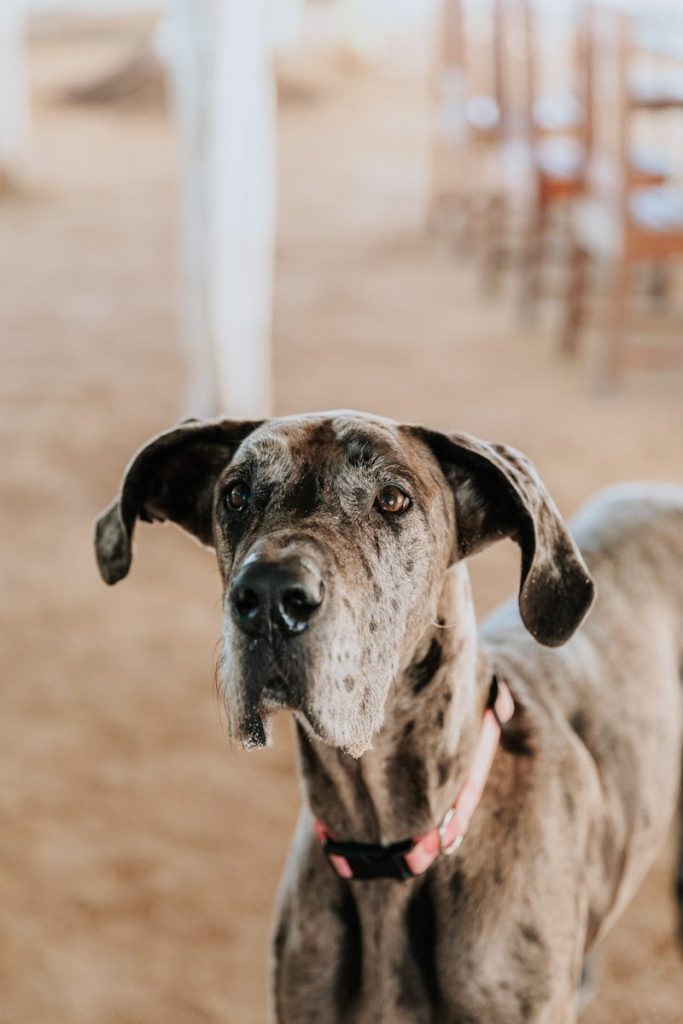
    Scooby-Doo from Scooby-Doo, where are you

    a close up of a dog on a leash
    Photo by José Casado on Unsplash

    Scooby-Doo is a well-known Great Dane from the animated series Scooby-Doo, Where Are You! He is famous for his love of snacks and his funny personality. Even though he is often scared, Scooby still helps solve mysteries with his friends. His character brings both humor and excitement to every episode.

    Scooby-Doo has become a defining character in animated television. He is part of a group that investigates strange events and mysteries. His friendship with the team and his silly behavior make him very lovable. Over time, Scooby-Doo has remained popular with audiences, showing how strong and entertaining an animal character can be in storytelling.

  • 6 adorable animals hiding a dangerous, venomous secret

    6 adorable animals hiding a dangerous, venomous secret

    What if the cutest animals in the world were not as safe as they look? Many people assume that soft, small, or friendly-looking animals cannot be dangerous. However, nature often proves the opposite. The idea of cute animals that can kill you is a real warning, showing how beauty and danger can exist in the same creature.

    This article explores six animals that look adorable but can be extremely dangerous. From ocean life to land predators, each example shows how appearances can be misleading. You will learn what makes these animals risky, how they defend themselves, and why respecting wildlife is important for safety and awareness.

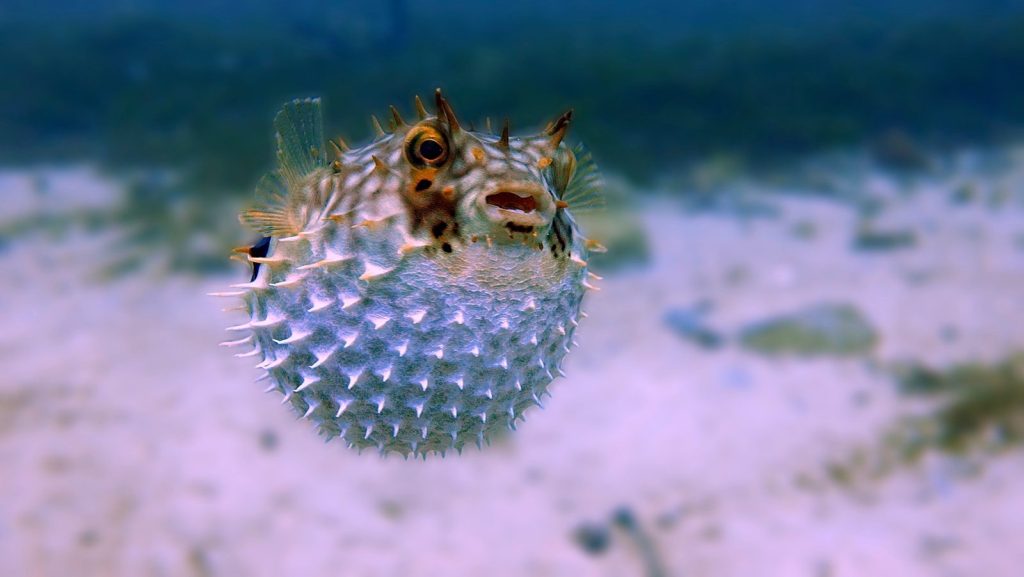
    Pufferfish and its deadly poison

    white and brown fish in close up photography
    Photo by Stelio Puccinelli on Unsplash

    The pufferfish is one of the most surprising examples of cute animals that can kill you. When it inflates, it becomes round and soft-looking, almost like a floating toy. But this cute appearance hides a powerful, deadly secret within its body.

    The pufferfish contains a poison called tetrodotoxin, which is much stronger than cyanide. This toxin attacks the nervous system and can stop breathing by paralyzing muscles. Even a single pufferfish may carry enough poison to kill many adults, and there is no known antidote, making it extremely dangerous.

    Slow loris and its toxic defense

    brown and black animal holding food
    Photo by Roi Dimor on Unsplash

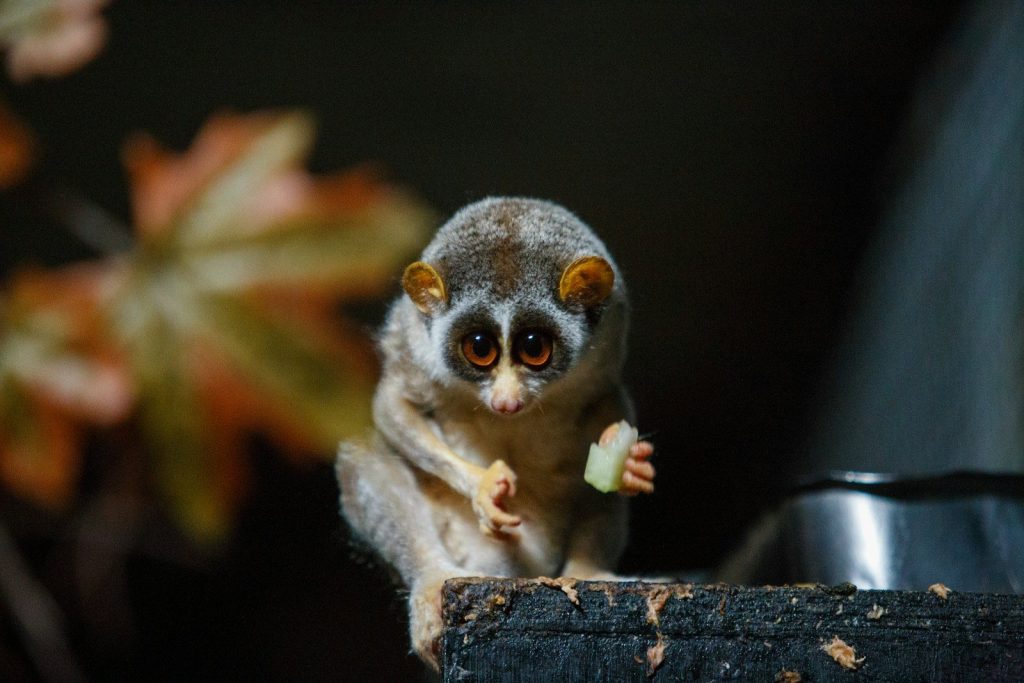
    The slow loris looks like a gentle, wide-eyed animal that belongs in a children’s story. Its small body and slow movements make it seem harmless. However, it is actually one of the few venomous mammals in the world.

    When threatened, it produces a toxin from glands near its elbows and mixes it with saliva. This venom can cause serious reactions in humans, including allergic shock, low blood pressure, and other dangerous symptoms. Because of its cute appearance, it is often captured illegally, putting both humans and animals at risk.

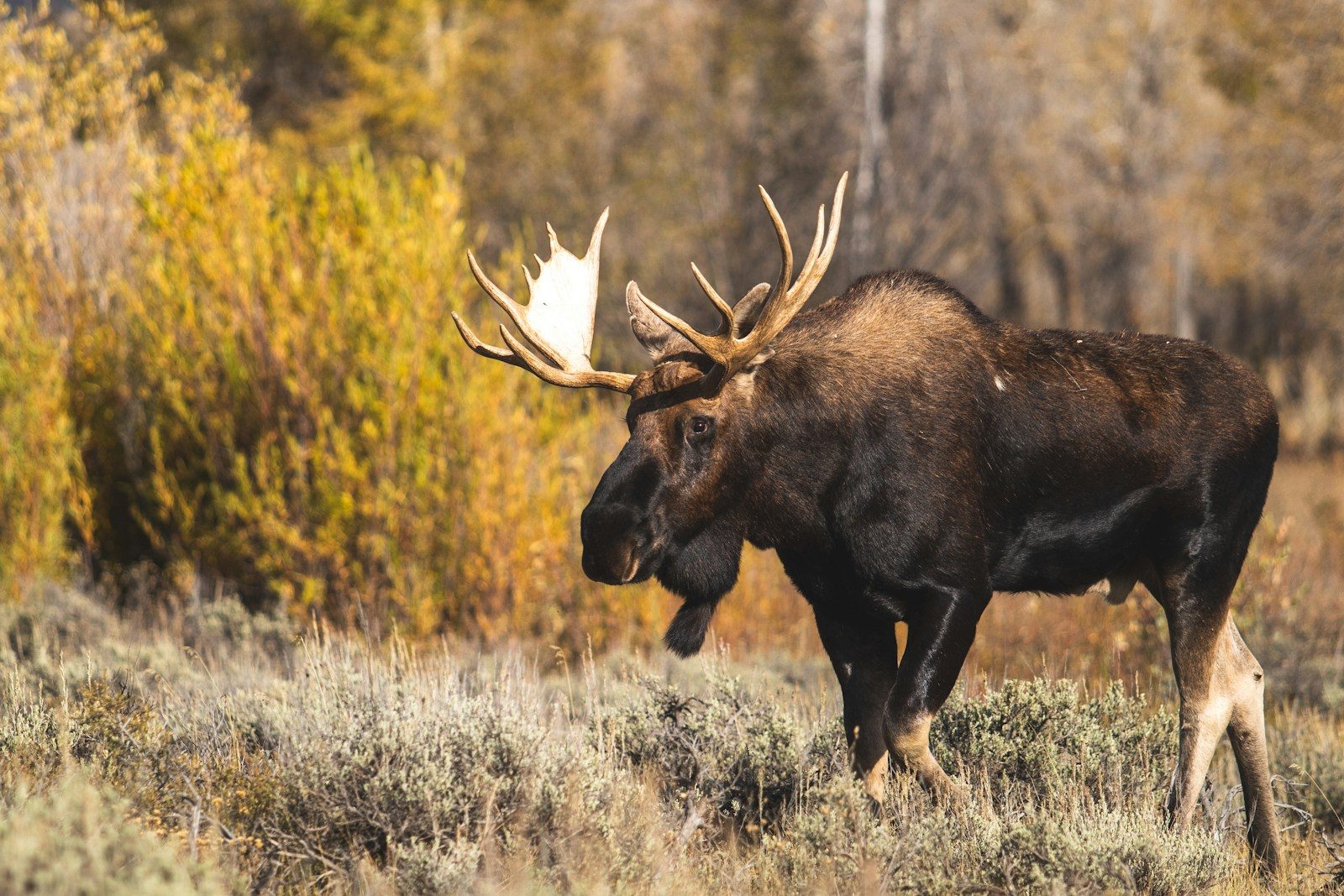
    Moose and unexpected aggression

    black moose lying on field during daytime
    Photo by Shivam Kumar on Unsplash

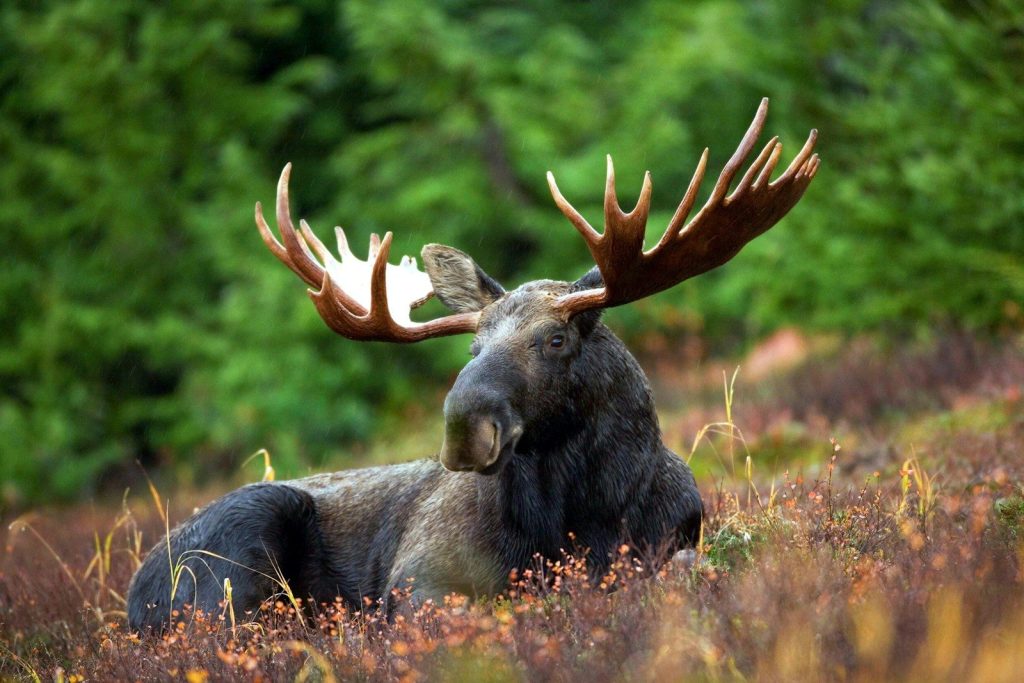
    The moose may not look cute to everyone, but many people find its large eyes and calm expression strangely charming. Despite this, it is one of the most dangerous animals humans can encounter in the wild. It usually avoids people, but it can become aggressive very quickly.

    Moose attacks often occur when they feel disturbed, when they are protecting their young, or during certain seasonal periods. While deaths are rare, moose are responsible for more human attacks than bears in some areas. Their large size also makes them dangerous in road collisions, which can sometimes be deadly.

    Big cats and hidden hunting instincts

    Lion” by jonesbusy is licensed under CC BY-NC 2.0

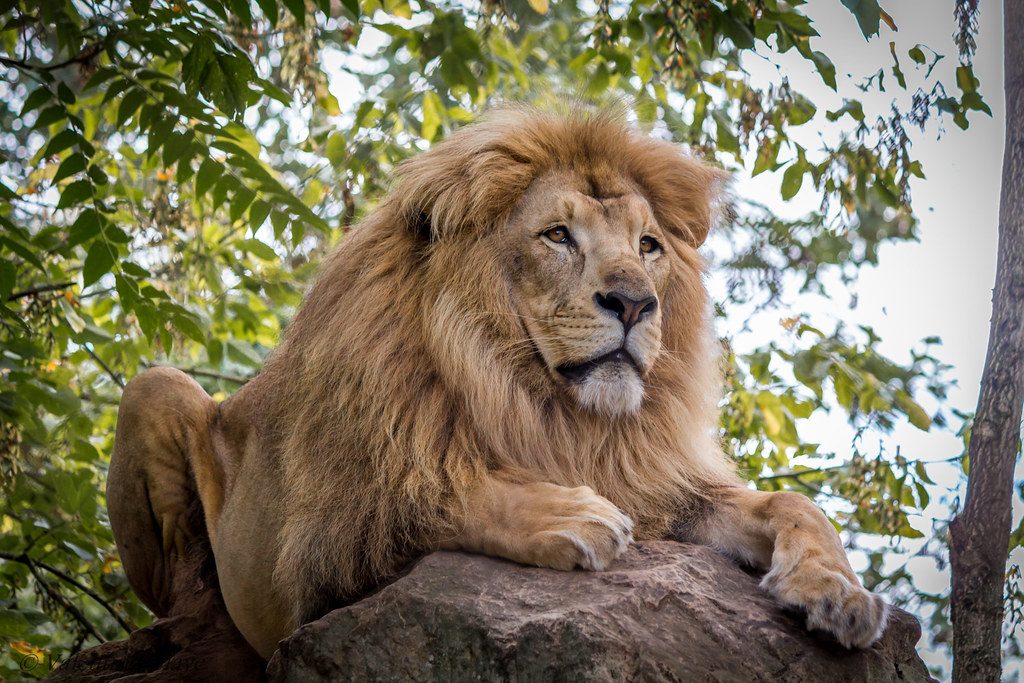
    Big cats such as lions, tigers, jaguars, leopards, pumas, and cheetahs may look graceful and even playful, especially when young. Their soft fur and smooth movements can make them seem almost harmless at first glance. However, they are powerful predators designed for hunting.

    These animals can become dangerous if they feel threatened or are kept in unsafe conditions. In captivity, thousands of big cats live in the United States, and only a small number are in accredited zoos. Even when they appear calm, their natural instincts remain strong and can pose serious risks.

    Cassowary and its aggressive nature

    A cassowary bird with a blue head and neck
    Photo by mana5280 on Unsplash

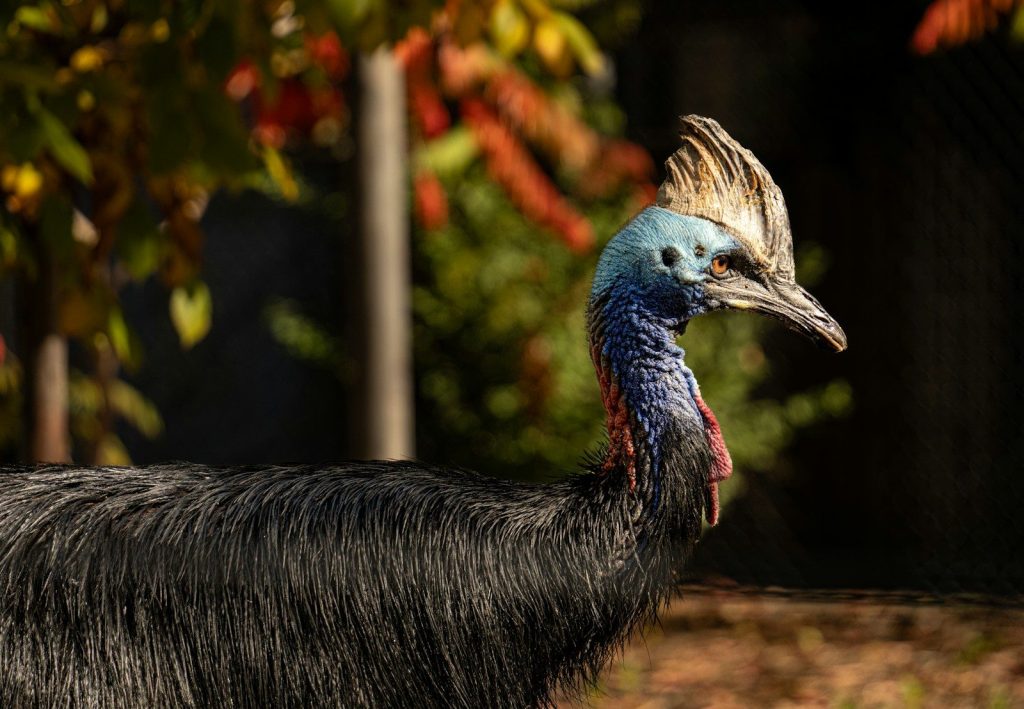
    The cassowary is a large, flightless bird that looks unusual and even colorful, but it is one of the most dangerous birds in the world. It lives in rainforest areas and is known for being highly territorial and quick to react when disturbed.

    This bird can run at high speeds and use its strong legs and sharp claws to defend itself. It can kick, charge, peck, or even headbutt when it feels threatened. Its claws are extremely sharp and powerful, making it a serious danger to anyone who gets too close.

    Blue-ringed octopus and ocean danger

    an octopus is laying on the ocean floor
    Photo by Nick Brice on Unsplash

    The blue-ringed octopus is small and beautiful, often found in shallow tide pools. Its bright blue rings make it look almost magical, and many people do not realize how dangerous it is. This tiny animal is one of the most venomous creatures in the world.

    If it bites, it releases venom that can cause paralysis and stop breathing within minutes. There is no antivenom for its poison, which makes it especially dangerous. Even though it looks harmless, a single encounter can quickly become life-threatening.

    Bears and powerful survival instincts

    “Grizzly Bear” by chascar is licensed under CC BY 2.0

    Bears are often portrayed as cute in cartoons or as stuffed toys, but in reality, they are powerful predators. Grizzlies and polar bears are the most dangerous, but even black bears can pose serious risks to humans in certain situations.

    Most attacks happen when bears are hungry, surprised, or protecting their young. Some may even stalk their target before attacking. Although fatal encounters are rare, bears remain among the most dangerous wild animals people may encounter in certain regions.

  • Inside Michael Jackson’s remarkable collection of beloved pets

    Inside Michael Jackson’s remarkable collection of beloved pets

    Michael Jackson’s pets were almost as famous as he was. Over the years, the King of Pop shared his life with many animals, from dogs and birds to exotic creatures that lived at his famous ranch. Many fans remember Bubbles the chimpanzee, but he was only one part of a much larger group of animals that surrounded Jackson throughout his life. His love for animals became a major part of his public image and helped shape the unique world he created at Neverland Ranch.

    This article explores Michael Jackson’s remarkable collection of beloved pets, the stories behind some of his most famous animal companions, and what happened to many of them later. By looking at verified facts, readers can better understand how important animals were to Jackson and why they remained a lasting part of his legacy.

    How Michael Jackson’s love for animals began

    Michael Jackson 1988” by Alan Light is licensed under CC BY 2.0

    Michael Jackson showed an interest in animals from a young age. Friends and family members often described him as someone who felt a strong connection to nature. As his music career grew and he became one of the most famous entertainers in the world, he gained the resources to care for a wide range of animals.

    His affection for animals became even more visible during the 1980s and 1990s. Jackson often spoke about the comfort he found in pets. He viewed animals as loyal companions that did not judge people based on fame or appearance. This belief influenced many of the choices he made when building the animal collection that would later become closely linked with Neverland Ranch.

    Bubbles became his most famous companion

    a small monkey sitting on top of a table
    Photo by Andrius Ordojan on Unsplash

    No animal in Michael Jackson’s life became more famous than Bubbles the chimpanzee. Jackson acquired Bubbles during the 1980s after the chimpanzee was born at a research facility in Texas. As a young chimp, Bubbles quickly became a constant companion and often appeared beside Jackson in public. He traveled with the singer, visited hotels, attended events, and even spent time in recording studios.

    Bubbles lived with Jackson for many years and became a worldwide celebrity in his own right. Reports from that period described the chimpanzee sleeping in a crib, eating meals near Jackson, and spending time at Neverland Ranch. As Bubbles grew older, however, he became much stronger and harder to manage. Like many adult chimpanzees, he developed behaviors that made private ownership unsafe. He was eventually moved to professional care and later found a permanent home at the Center for Great Apes in Florida, where he still lives today.

    Neverland Ranch became home to many animals

    Neverland Ranch garden sculpture” by doublelibra is licensed under CC BY-NC-ND 2.0

    When Jackson purchased Neverland Ranch in California, he created an environment that included numerous animals. The property featured large open spaces, barns, animal habitats, and a private zoo area. Visitors often described seeing a variety of species during their trips to the ranch.

    The animals at Neverland included llamas, deer, flamingos, elephants, giraffes, tigers, birds, and other exotic species. Jackson wanted the ranch to feel magical and welcoming, especially for children who visited. Animals became part of that vision. The ranch eventually became one of the most talked-about celebrity properties in the world because of its combination of amusement rides, gardens, and wildlife.

    His snakes and unusual pets drew public attention

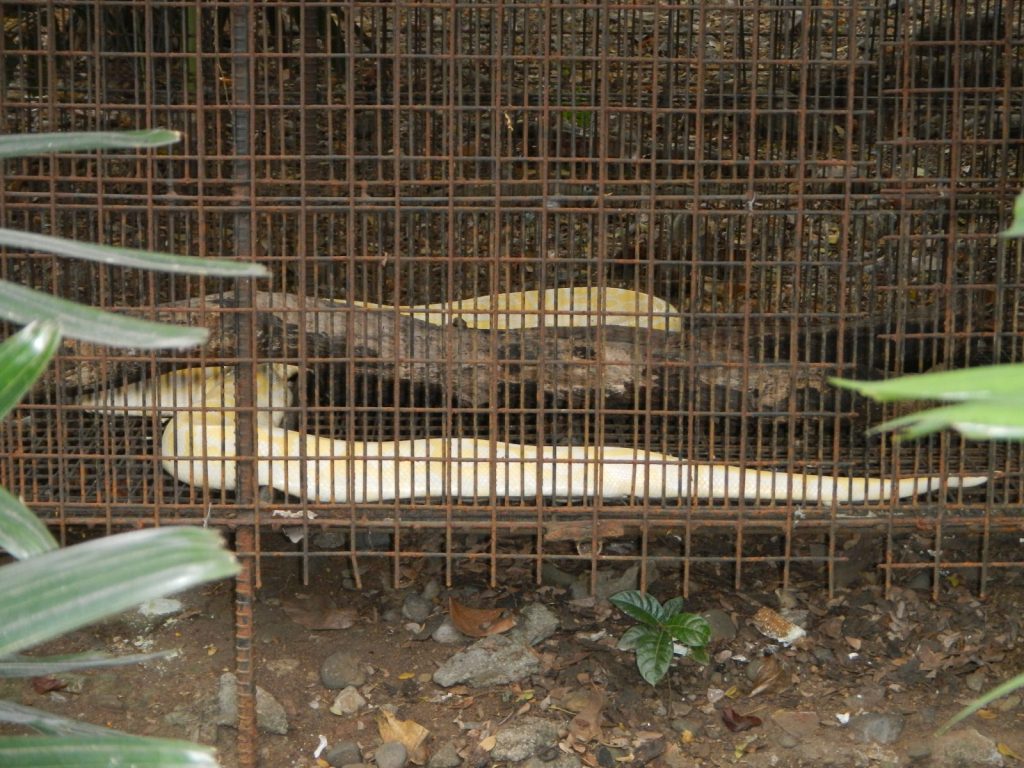
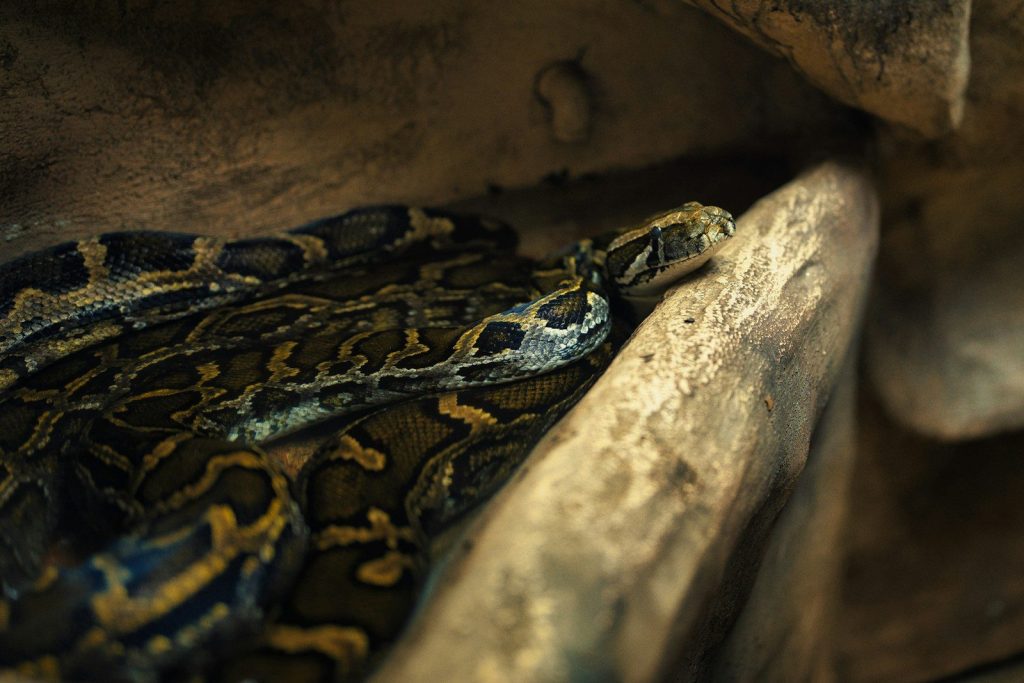
    Albino Burmese Python – Python bivittatus – Ninoy Aquino Parks & Wildlife Center 01” by Ramon FVelasquez is licensed under CC BY-SA 3.0

    While Bubbles received the most media coverage, Jackson also owned several unusual pets. One of the best-known was an albino Burmese python named Madonna. The snake appeared in public discussions about Jackson’s collection and became another example of his interest in animals that most people would never keep as pets. After leaving Neverland, the python was eventually rehomed and later renamed Sunshine.

    Jackson also owned other reptiles and exotic creatures throughout different periods of his life. These animals often attracted headlines because they were so unexpected. During the 1980s and 1990s, celebrity exotic pet ownership received far less criticism than it does today. Many people viewed these unusual animals as symbols of wealth and individuality, though attitudes toward exotic animal ownership have changed significantly over time.

    Tigers, elephants, and other large animals lived at Neverland

    Sabu” by Jim Mullhaupt is licensed under CC BY-NC-ND 2.0

    Some of the most impressive animals at Neverland were its larger residents. Jackson kept tigers on the property, including famous cats named Thriller and Sabu. These animals became part of the ranch’s identity and were often mentioned in news stories about the singer’s lifestyle. After Jackson left Neverland, the tigers were relocated to wildlife facilities where they could continue receiving specialized care.

    The ranch also housed elephants and giraffes. One elephant named Ali became especially well known among animal fans. Other animals were eventually moved to sanctuaries, zoos, and preserves after Neverland’s animal program ended. The relocation process involved multiple organizations working to ensure the animals received appropriate long-term homes. These efforts helped many of Jackson’s former animals continue living in safe environments after the ranch closed its animal operations.

    Animals influenced Jackson’s public image

    man in white t-shirt sitting beside woman in white t-shirt
    Photo by Inja Pavlić on Unsplash

    Michael Jackson’s relationship with animals became a major part of how the public viewed him. Photos of him with Bubbles appeared in newspapers, magazines, and television reports around the world. The chimpanzee’s presence often sparked fascination because it was so different from the lives of most celebrities. Over time, Bubbles became one of the most recognizable animal companions in entertainment history.

    Jackson’s love of animals also inspired creative projects. During the 1980s, he helped launch a line of stuffed toys based on some of his pets. Artists and photographers frequently used his connection with animals as inspiration. One of the most famous examples was a well-known sculpture featuring Jackson and Bubbles together. The image of the singer standing beside his chimpanzee remains one of the most recognizable symbols of his unusual and memorable lifestyle.