
The Gold Mountain Fire near Ouray and Ridgway, Colorado, put thousands of acres and countless wildlife species at risk. But for biologists, one population was especially important: the Uncompahgre cutthroat trout living in Nate Creek.
The fish are the only known remaining population of this native cutthroat in the Upper Uncompahgre River Basin. Their unique genetics make them especially valuable to conservation efforts.
Biologists entered an active wildfire
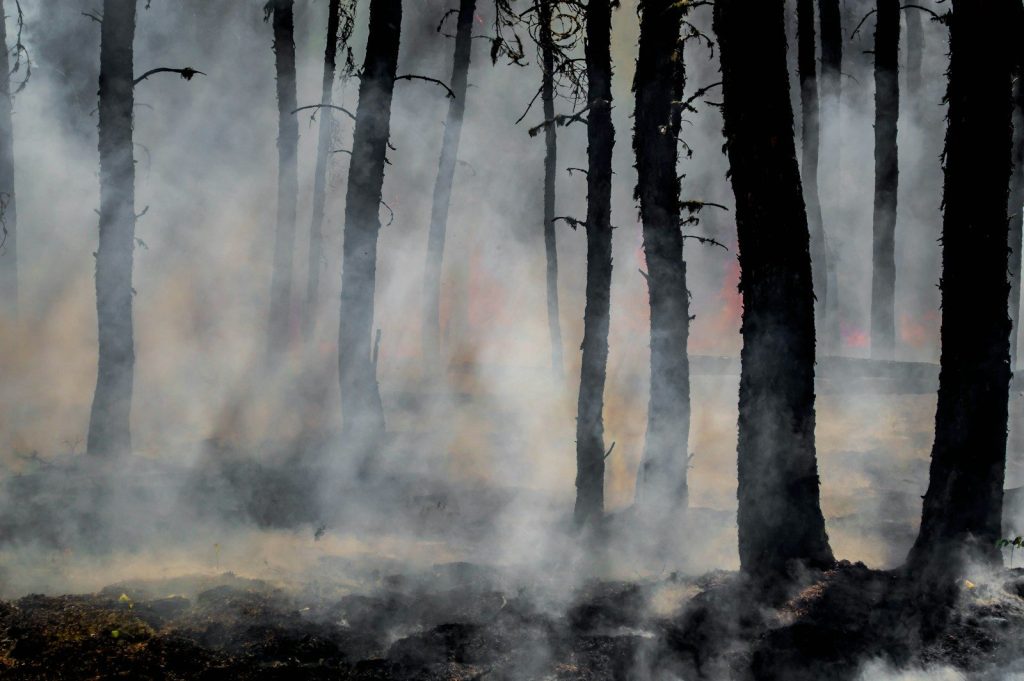
On July 15, Colorado Parks and Wildlife biologists entered the burned area with firefighters to reach Nate Creek. More than 35,000 acres had already burned, and active flames, burning trees and hot ground made the trip dangerous.
The team had only a few hours to work. They hiked down steep terrain to reach the creek while firefighters warned them about falling trees and roots still burning beneath the ash.
103 trout were pulled from the creek
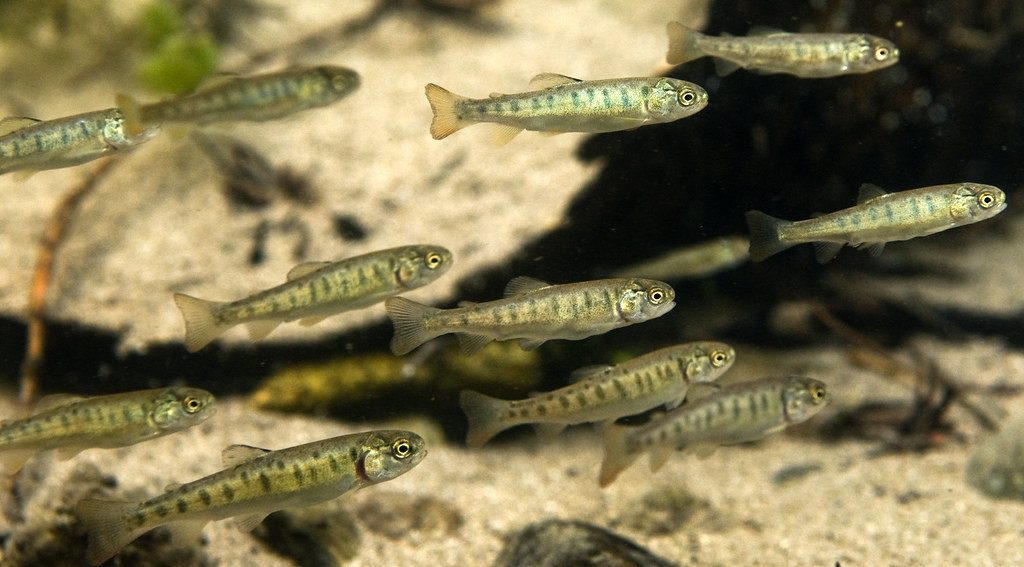
The biologists used backpack electrofishing equipment to temporarily stun the trout, allowing them to catch the fish and place them into five-gallon buckets.
They collected 103 Uncompahgre cutthroat trout ranging from 3 to 7 inches long. Rather than removing every fish, the team collected specimens from about one-third of the population’s habitat to preserve a representative group.
The rescued trout were then carried back to the road and transported to an isolation system at Colorado Parks and Wildlife’s Rifle Falls Fish Hatchery.
The rescue came just before devastating floods
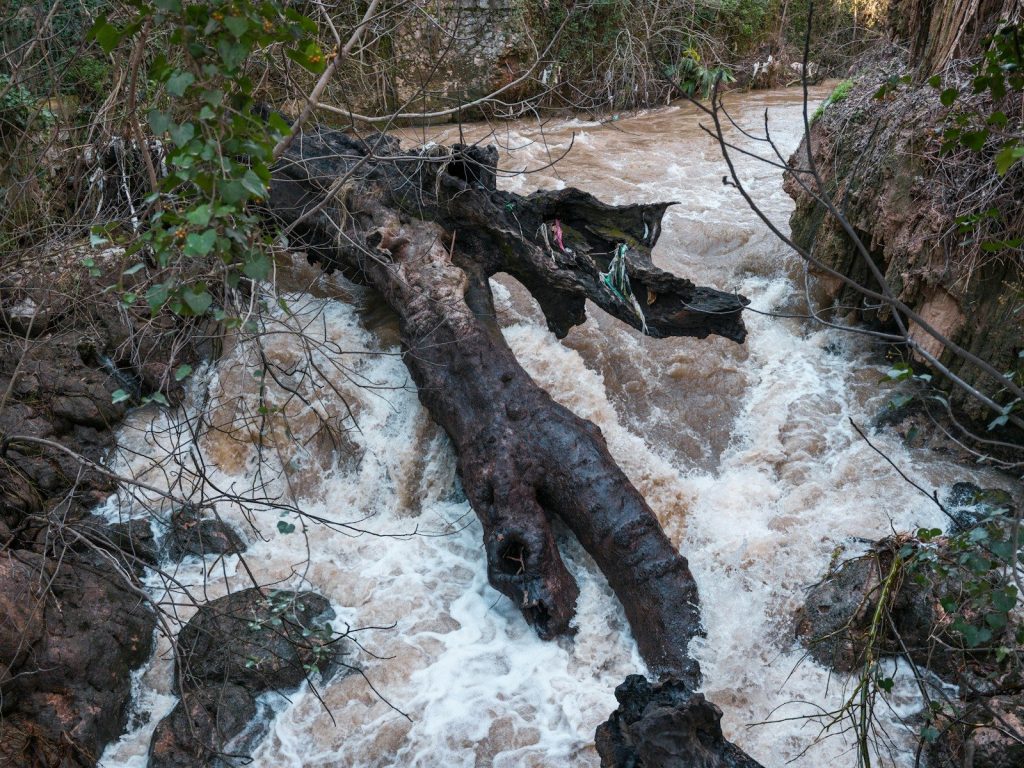
The timing proved critical. Heavy monsoon storms later brought a massive flash flood through Nate Creek, sending water levels in a nearby stream soaring from about 7 or 8 cubic feet per second to 400 within an hour.
Floods can be especially deadly for fish living in fire-damaged streams. Ash and debris can wash into waterways, while sediment can reduce oxygen levels and make the water unsuitable for trout.
Had the biologists waited much longer, the remaining population could have been devastated.
The rescued trout could help restore their habitat
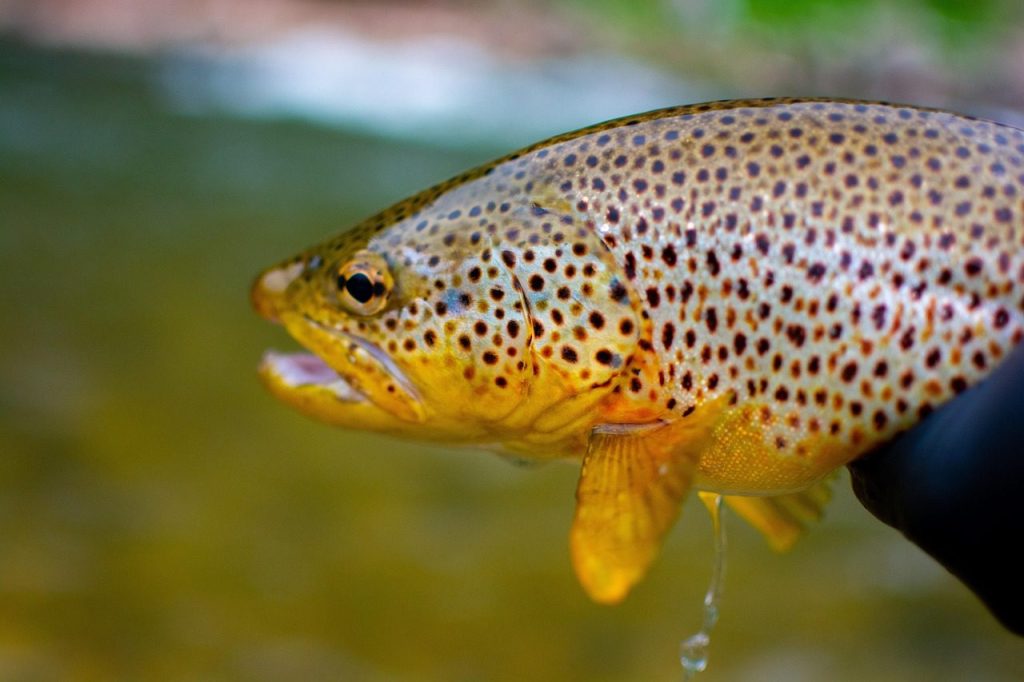
The 103 trout now give conservationists an important safety net. If the native population survives in Nate Creek, the rescued fish can still provide a brood stock for future restoration.
If the wildfire and flooding destroy the original population, the fish in captivity could eventually help reestablish the Uncompahgre cutthroat in its historic waterways.
For Colorado Parks and Wildlife, the dangerous mission was about more than saving 103 fish. It was about preserving a unique piece of Colorado’s natural history before the fire and floods could take it away.
A race against the clock

The rescue team had only until 1 p.m. to remove as many trout as possible before leaving the fire zone.
With the weather changing and monsoon storms approaching, every minute mattered. The biologists managed to get the fish out and reach safety just before conditions deteriorated.
Featured Image: “Cutthroat Trout” by GlacierNPS is licensed under CC PDM 1.0
Leave a Reply