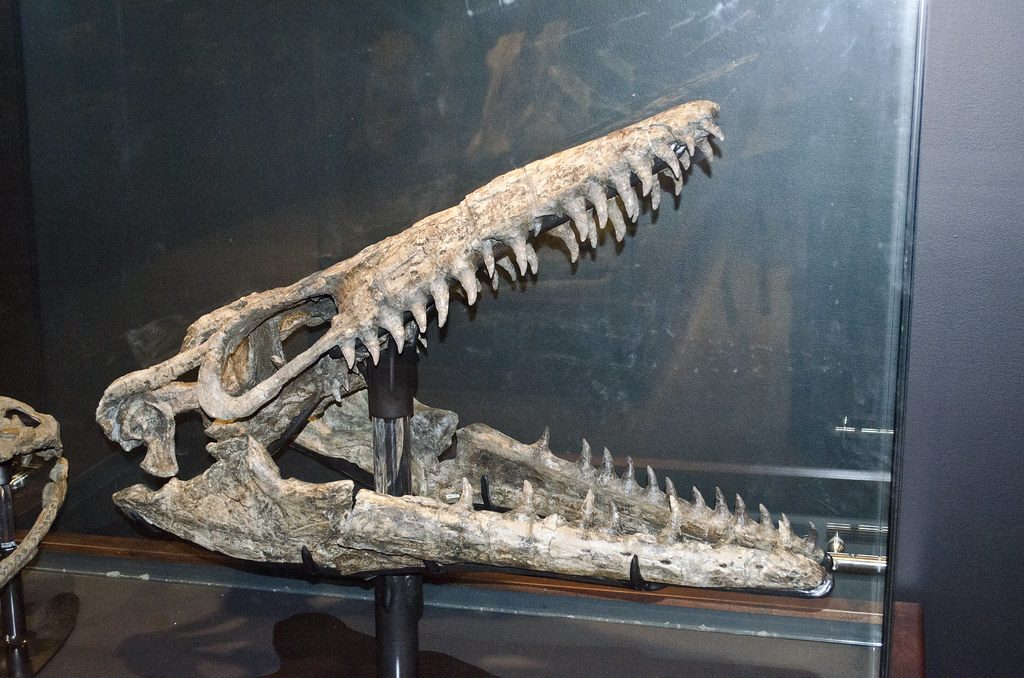
Have you ever wondered what lived in Mississippi long before people or even dinosaurs disappeared? The recent discovery of a giant mosasaur fossil has given scientists an exciting new look at one of the largest ocean predators to ever live. Found during geological fieldwork near Starkville, Mississippi, the fossil may belong to the biggest mosasaur ever discovered in the state.
This remarkable find is helping researchers learn more about ancient seas, giant marine reptiles, and the world that existed about 66 to 72 million years ago. Here’s what makes this discovery so important and what it tells us about Earth’s distant past.
The giant fossil found in Mississippi
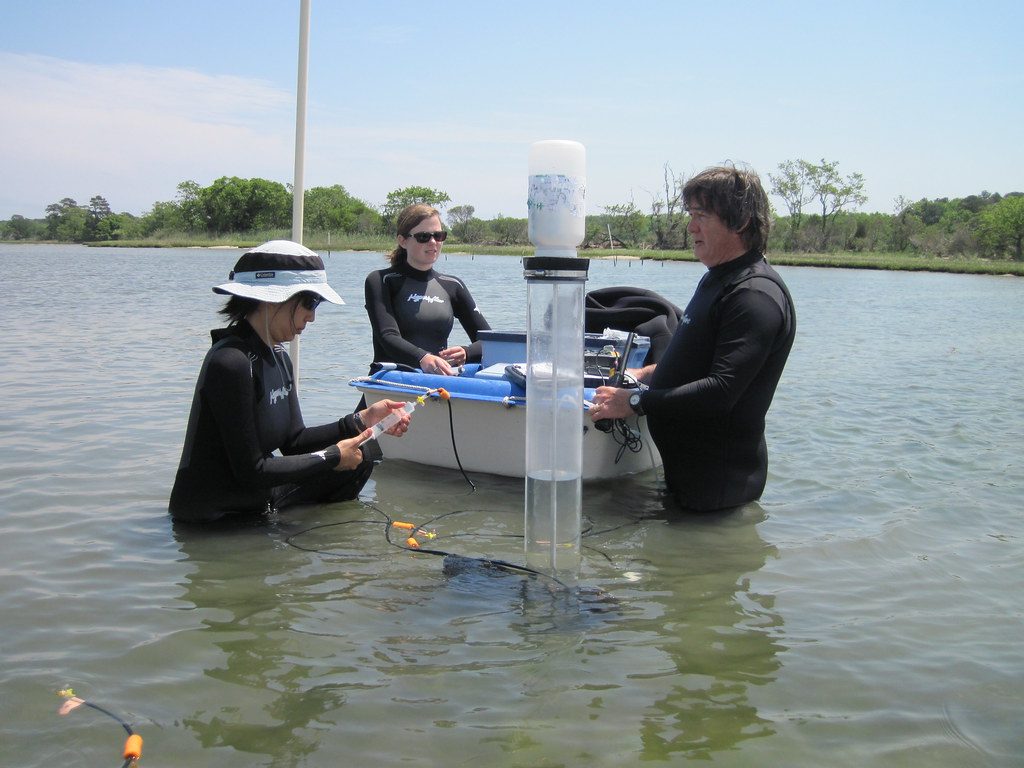
Scientists uncovered a massive fossilized vertebra while conducting a geological survey near Starkville, Mississippi. The work was part of a project to map underground rock layers, but the team quickly realized they had found something much more exciting. The fossil was later identified as belonging to Mosasaurus hoffmannii, one of the largest mosasaur species ever known.
The vertebra measures more than 7 inches across, making it the largest mosasaur backbone ever found in Mississippi. Experts believe the animal was at least 30 feet long, although it may have been even larger. Because only one vertebra has been recovered so far, scientists cannot determine its exact size, but they say it may represent the largest mosasaur ever discovered in the state.
What was a mosasaur?
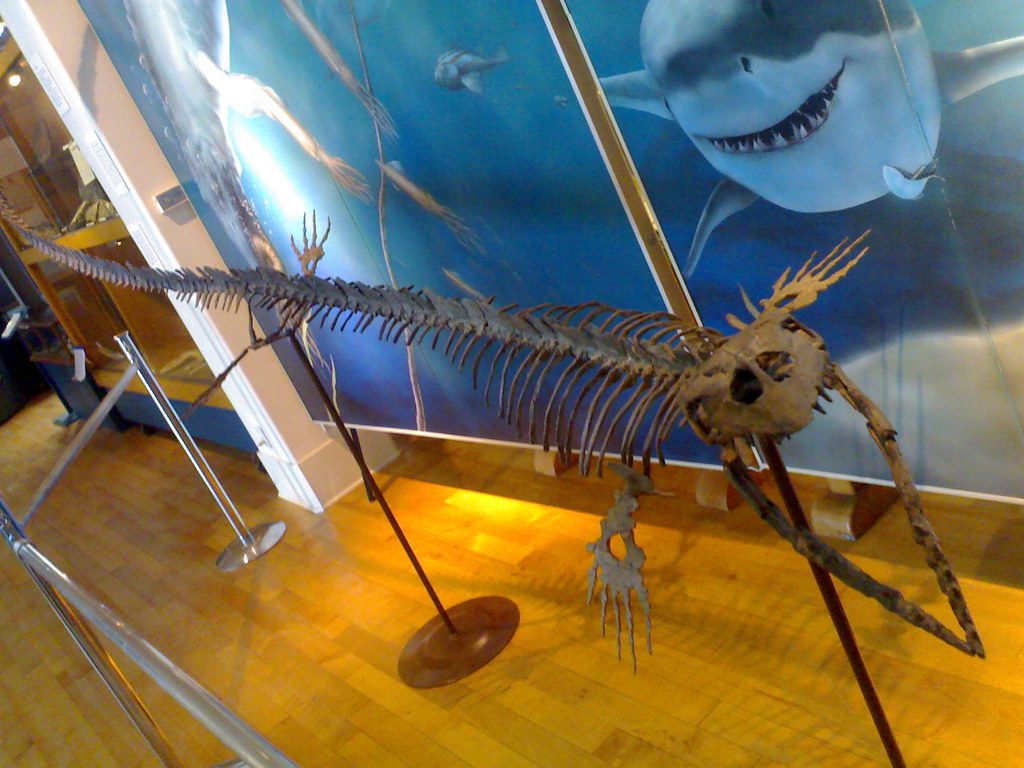
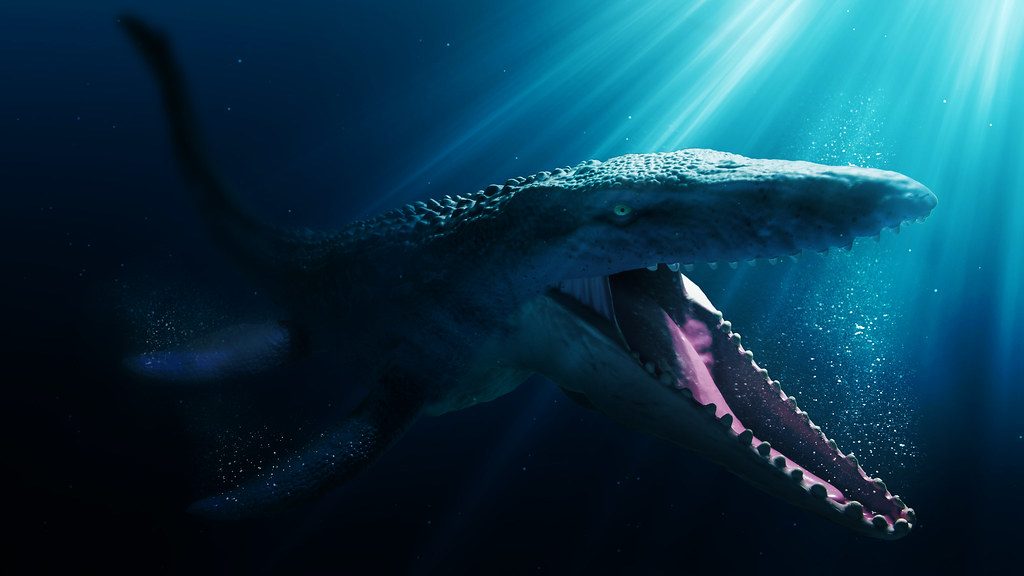
Mosasaurs were giant marine reptiles that ruled the oceans during the Late Cretaceous Period. They were not dinosaurs, even though they lived alongside them. Instead, they were closely related to modern lizards and snakes, and they spent their entire lives in the sea.
The largest species could grow to around 50 feet long. They had long bodies, powerful tails, paddle-like limbs, and jaws filled with sharp teeth designed to catch fish, sharks, sea turtles, and other marine animals. As top predators, mosasaurs sat at the top of the ocean food chain until the mass extinction that ended the age of dinosaurs about 66 million years ago.
Why Mississippi is rich in fossils
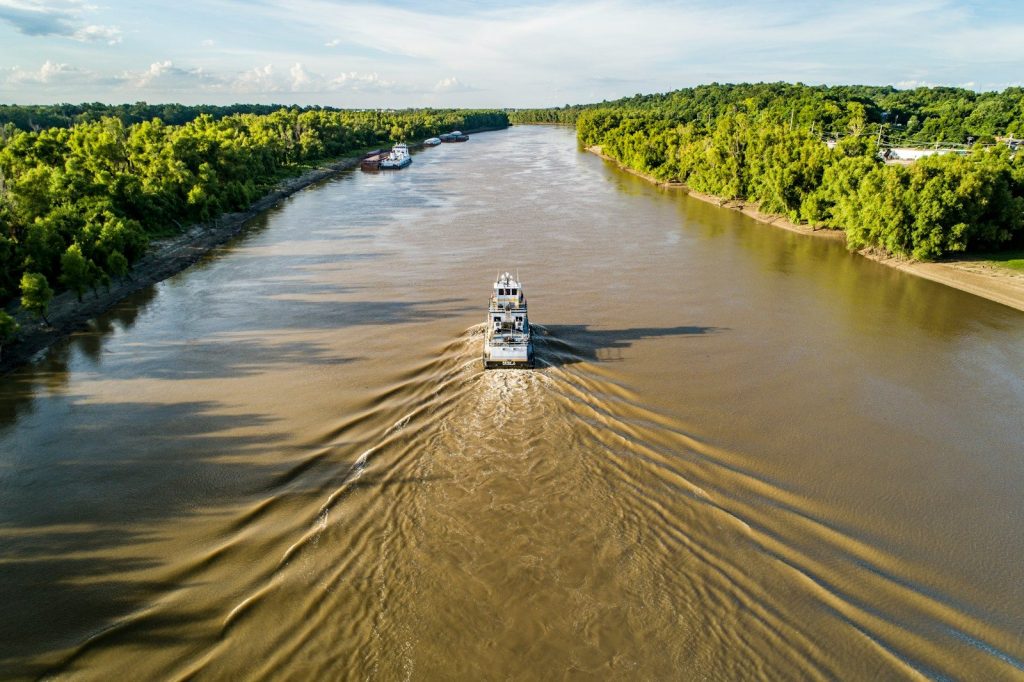
Millions of years ago, much of Mississippi was covered by a warm, shallow sea connected to the ancient Gulf of Mexico. This underwater environment allowed marine animals to thrive, including sharks, giant fish, ammonites, and mosasaurs. When these animals died, many were buried by sediment that later hardened into rock.
Today, erosion and geological surveys expose these ancient rocks, allowing paleontologists to discover fossils hidden for millions of years. Mississippi has produced many marine fossils over the years, but complete mosasaur remains are uncommon, making each new discovery especially valuable.
How scientists identified the fossil

After the vertebra was collected, experts compared it with other mosasaur fossils preserved at the Mississippi Museum of Natural Science. Its size and shape closely matched Mosasaurus hoffmannii, one of the largest known mosasaur species. The backbone was noticeably larger than that of many other specimens already housed in the museum.
Researchers also compared the new vertebra with fossil jaws, skull fragments, and teeth from earlier discoveries. These comparisons showed the newly found animal was likely as large as, or even larger than, any mosasaur previously documented in Mississippi. Scientists hope more fossils from the same animal will eventually be found.
Why this discovery matters

A single fossil can reveal important information about ancient ecosystems. This giant vertebra confirms that enormous apex predators lived in the seas covering Mississippi during the Late Cretaceous. It also helps scientists better understand how large these reptiles became and where they lived.
The discovery also highlights how geological fieldwork often leads to unexpected scientific breakthroughs. Researchers searching for information about underground rock layers instead uncovered evidence of one of the state’s most impressive prehistoric animals, reminding us that many important fossils are still waiting to be found.
What comes next for researchers
Scientists continue to study the fossil while searching the surrounding area for additional bones. Finding more of the skeleton could provide a better estimate of the animal’s full size, age, and health. Every new fossil helps build a clearer picture of life in the ancient seas that once covered Mississippi.
Researchers also hope this discovery encourages future fossil exploration across the state. As more ancient marine fossils are uncovered, scientists will gain a deeper understanding of the incredible reptiles that ruled Earth’s oceans before the mass extinction that ended the Cretaceous Period.
Leave a Reply