Blog

  • After waiting far too long, this shelter dog finally found someone who chose him

    After waiting far too long, this shelter dog finally found someone who chose him

    Every day, dogs in animal shelters wait for someone to notice them. Some find homes quickly, while others spend months or even years hoping their turn will come. For many long-term shelter residents, each day brings the same routine and the same uncertainty about the future.

    One shelter dog’s wait finally came to an end when a police officer made a life-changing decision. Instead of simply visiting the shelter, the officer chose to adopt the dog and give him a permanent home. This heartwarming story highlights the challenges shelter dogs face, the power of adoption, and how one simple choice can completely change an animal’s life.

    The reality of waiting in a shelter
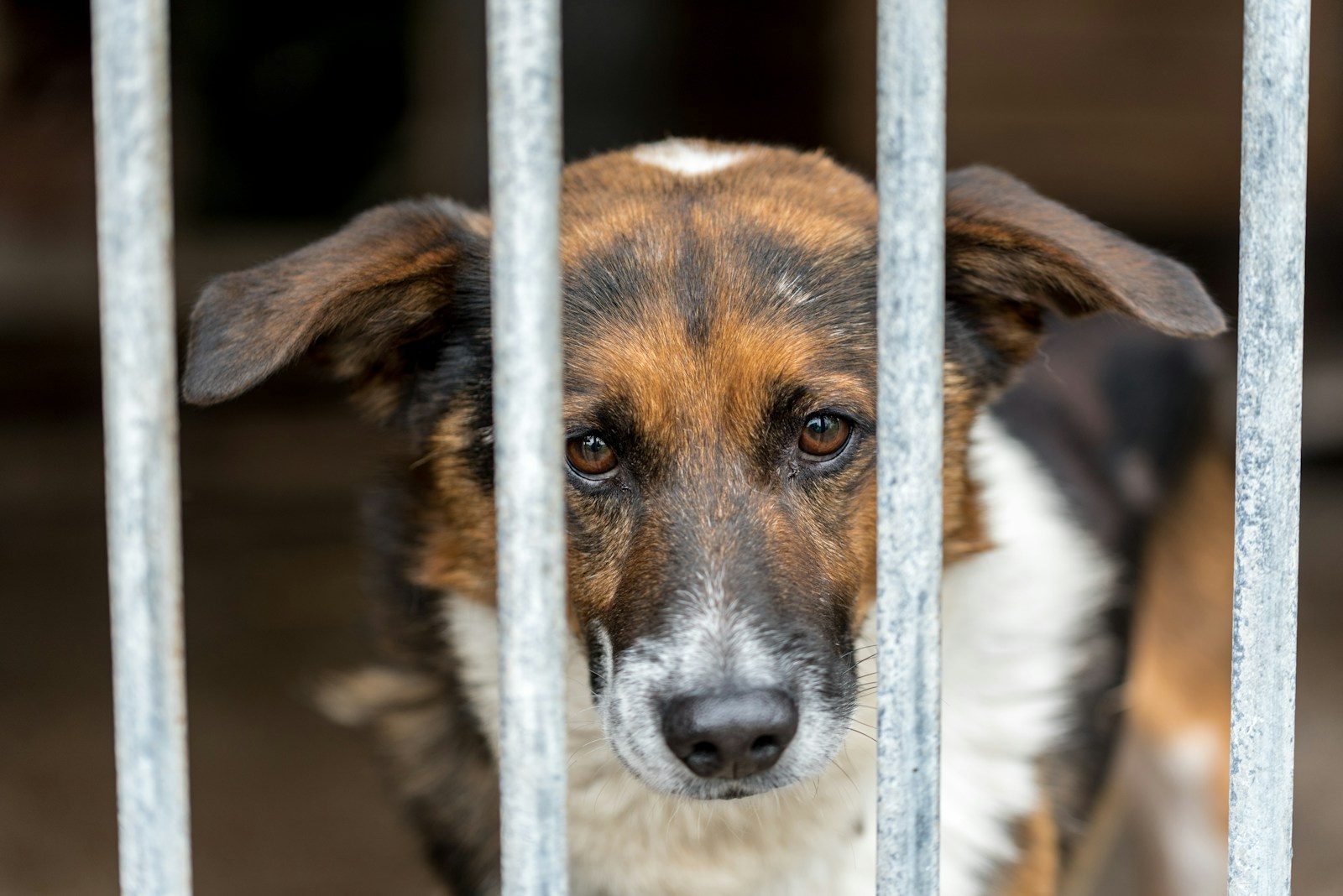
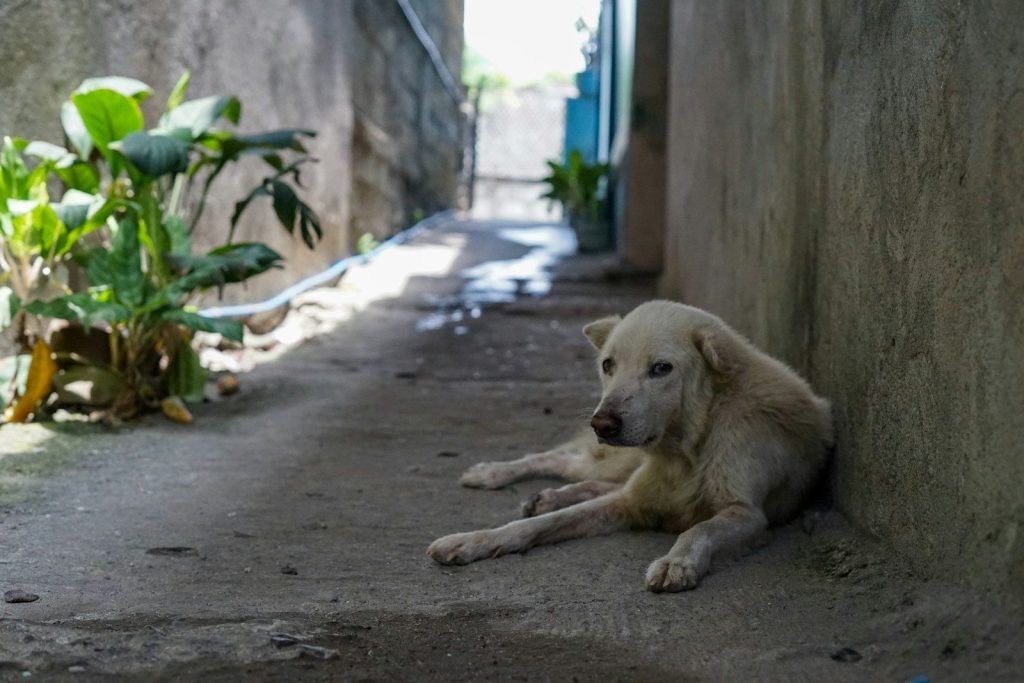
    white and brown short coated dog standing on gray concrete floor during daytime
    Photo by Joe Cox on Unsplash

    Animal shelters across the country care for countless dogs looking for loving homes. While some dogs are adopted quickly, others spend much longer waiting for the right person to come along. Every day, these dogs watch visitors walk through shelter doors, hoping they might finally be chosen.

    Long stays in shelters can happen for many reasons. A dog’s age, size, appearance, medical history, or simple bad luck can affect adoption opportunities. Even friendly and healthy dogs can be overlooked. Despite receiving care from shelter staff and volunteers, many dogs continue waiting for months without finding a family.

    Why are some dogs often overlooked?
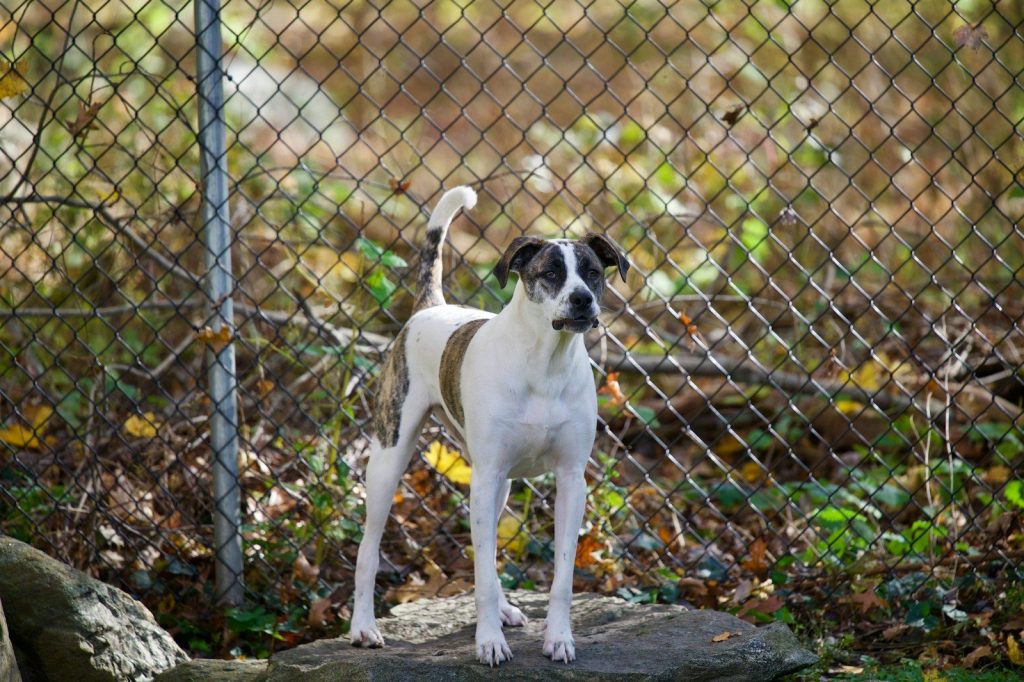
    Pit bull sadly looks through the fence.
    Photo by Anatoly Maltsev on Unsplash

    Many people enter shelters looking for a specific type of dog. Some want puppies, while others may have preferences about size, breed, or age. As a result, dogs that do not match those expectations can remain in shelters much longer than others.

    This does not mean these animals have behavioral problems or lack positive qualities. In many cases, they are loving, social, and ready for a home. Unfortunately, some dogs are repeatedly passed over while adopters focus on younger or more popular animals. Their long wait often has little to do with their personality.

    An unexpected bond changes everything
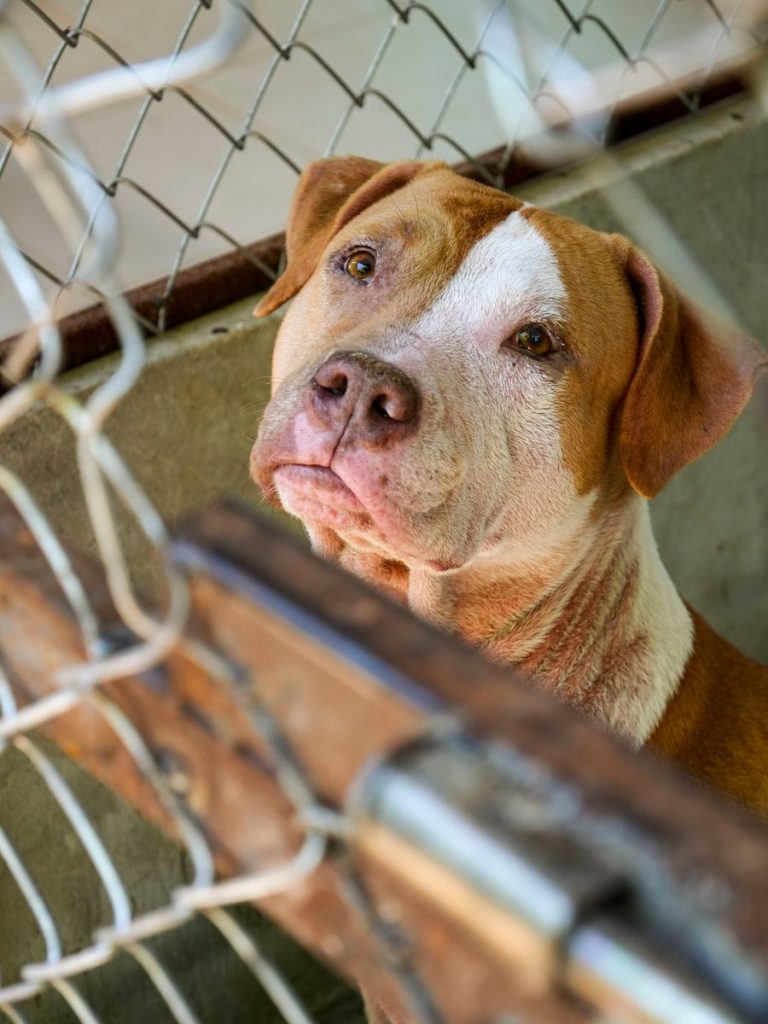
    black short coat large dog
    Photo by Margarita Kosior on Unsplash

    For one shelter dog, everything changed when a police officer met him. What started as a simple visit turned into something much more meaningful. The officer saw qualities in the dog that others may have missed during previous visits.

    Strong connections between people and animals often happen unexpectedly. Sometimes an adopter instantly feels a sense of trust or comfort with a dog. Rather than focusing only on appearance or background, they recognize a bond that feels natural. That connection can become the foundation for a successful adoption and a lasting friendship.

    How adoption transforms a dog’s life
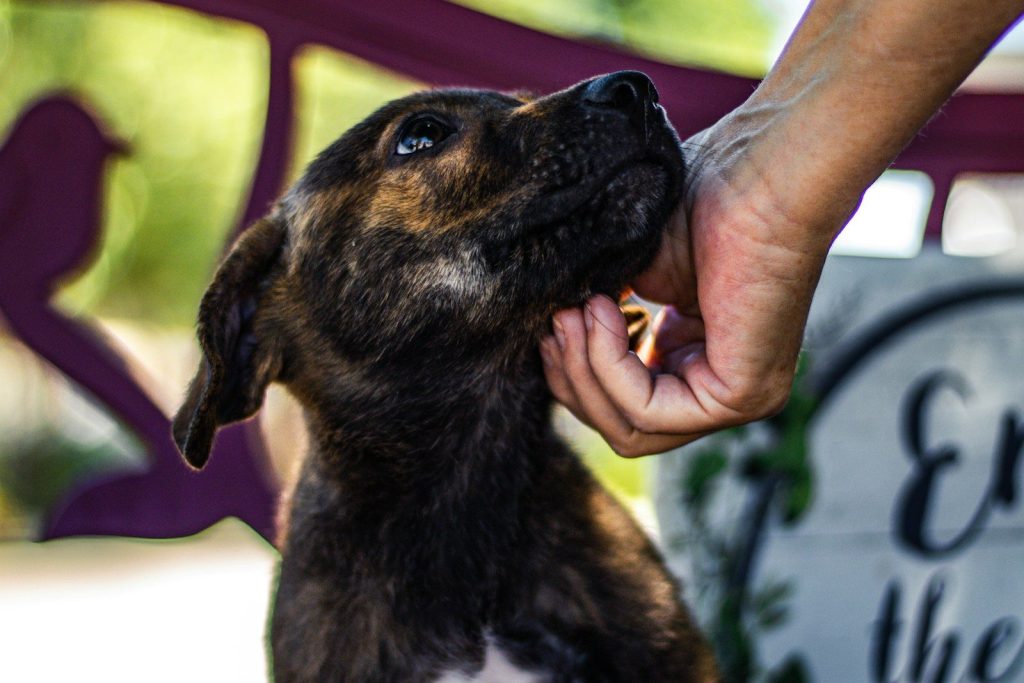
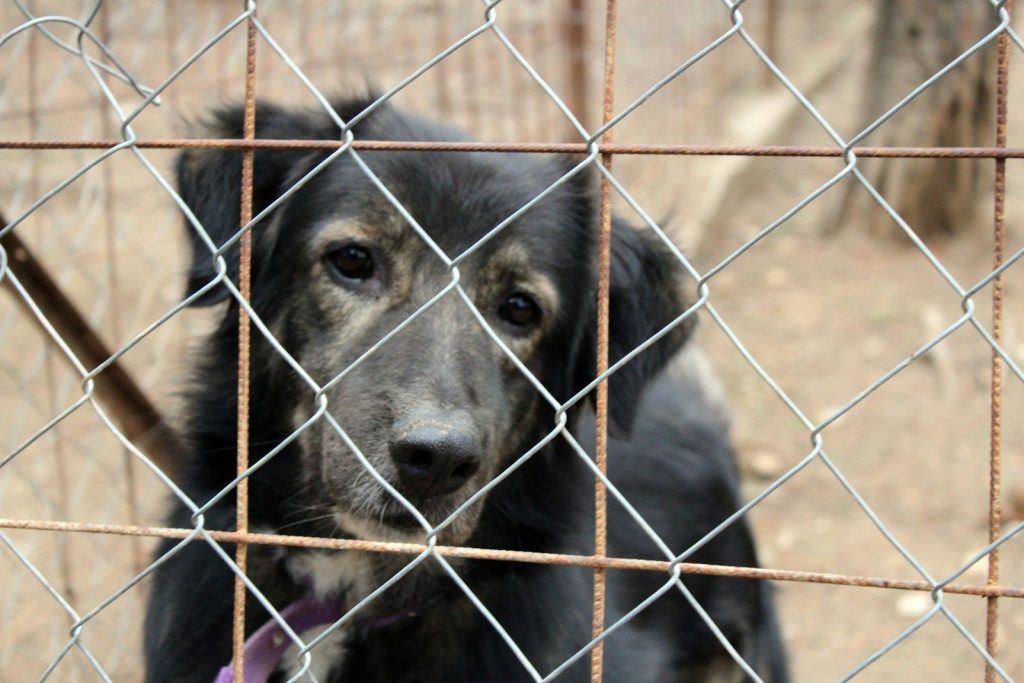
    person holding brown and white short coated dog
    Photo by Madeline Bowen on Unsplash

    Leaving a shelter and entering a permanent home can have a major impact on a dog’s well-being. A stable environment provides consistency, comfort, and opportunities for closer relationships with people. Many dogs become more confident once they settle into a predictable daily routine.

    Regular walks, playtime, affection, and individual attention help dogs adjust to their new surroundings. Instead of living in a kennel, they can enjoy a home where they feel secure and valued. For many rescue animals, adoption marks the beginning of a happier and healthier chapter of life.

    The benefits reach both dog and owner
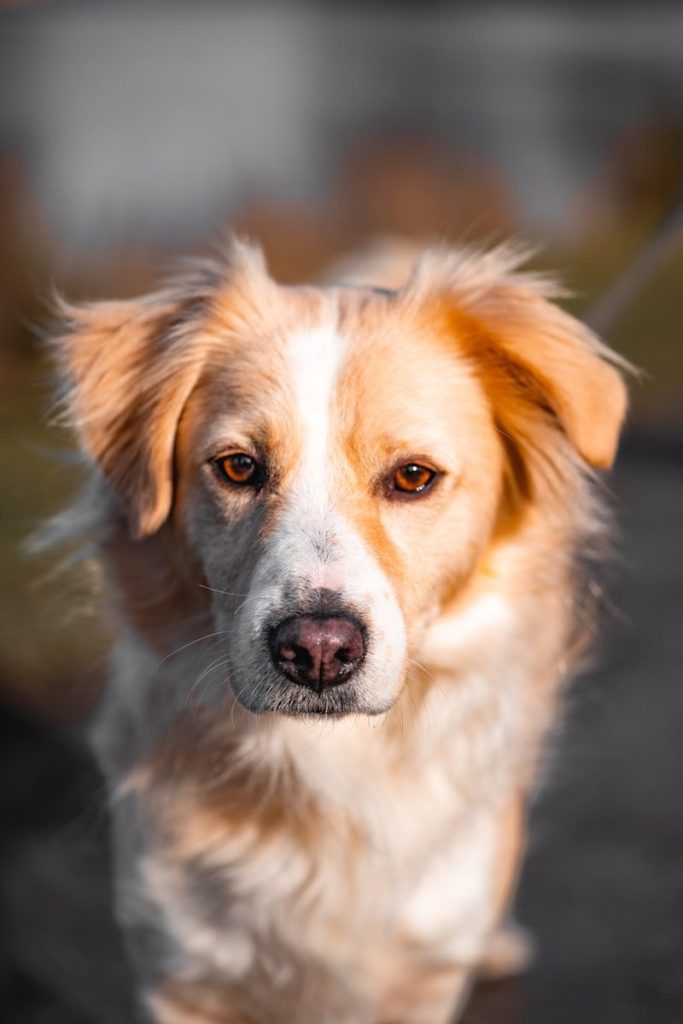
    a close up of a dog on a leash
    Photo by Leon Rockel on Unsplash

    While adoption changes a dog’s life, it can also positively affect the adopter. Dogs provide companionship, emotional support, and opportunities for daily activity. The relationship often develops into a strong bond that benefits both sides.

    Pet ownership can create a sense of routine and responsibility while offering comfort during difficult times. Many adopters say their rescue dogs bring joy and purpose into their lives. In return, the animals receive love, care, and the security they may have spent years searching for in a shelter.

    A fresh start and a hopeful future
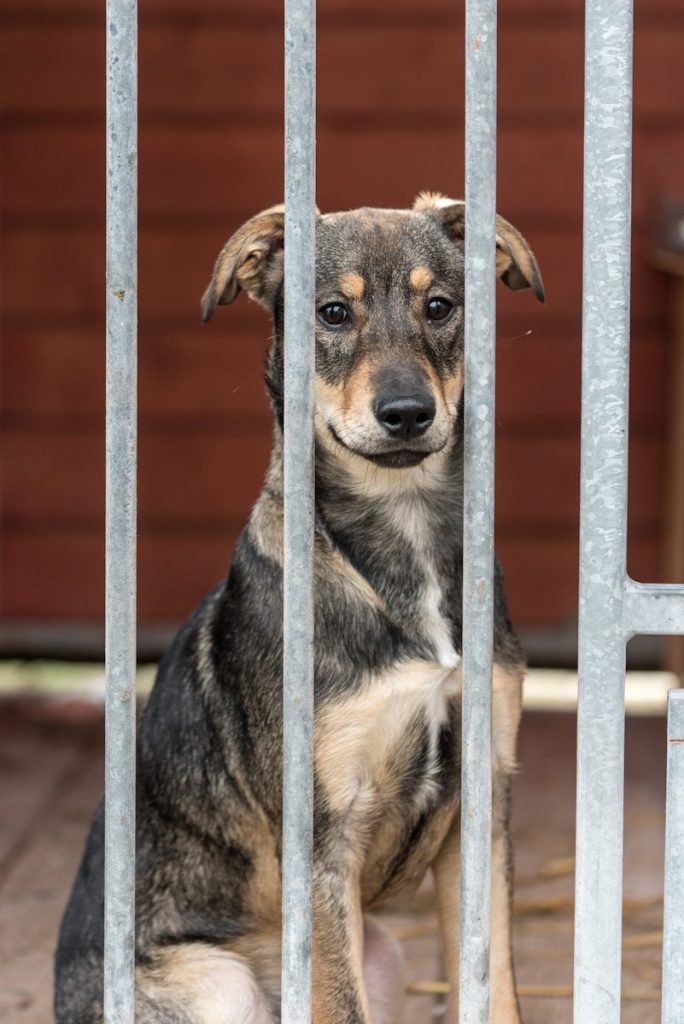
    a small dog sitting behind a metal fence
    Photo by 12photostory on Unsplash

    For this former shelter resident, life now looks completely different. The uncertainty of shelter living has been replaced by the comforts of a permanent home. Instead of spending another day waiting behind kennel doors, the dog now has the chance to experience family life every day.

    Stories like this matter because they remind people that many shelter dogs are still waiting for the same opportunity. Long-term shelter residents are often overlooked despite having wonderful qualities. This dog’s adoption by a police officer serves as a powerful reminder that one decision can change an animal’s future forever and provide the loving home every shelter dog deserves.
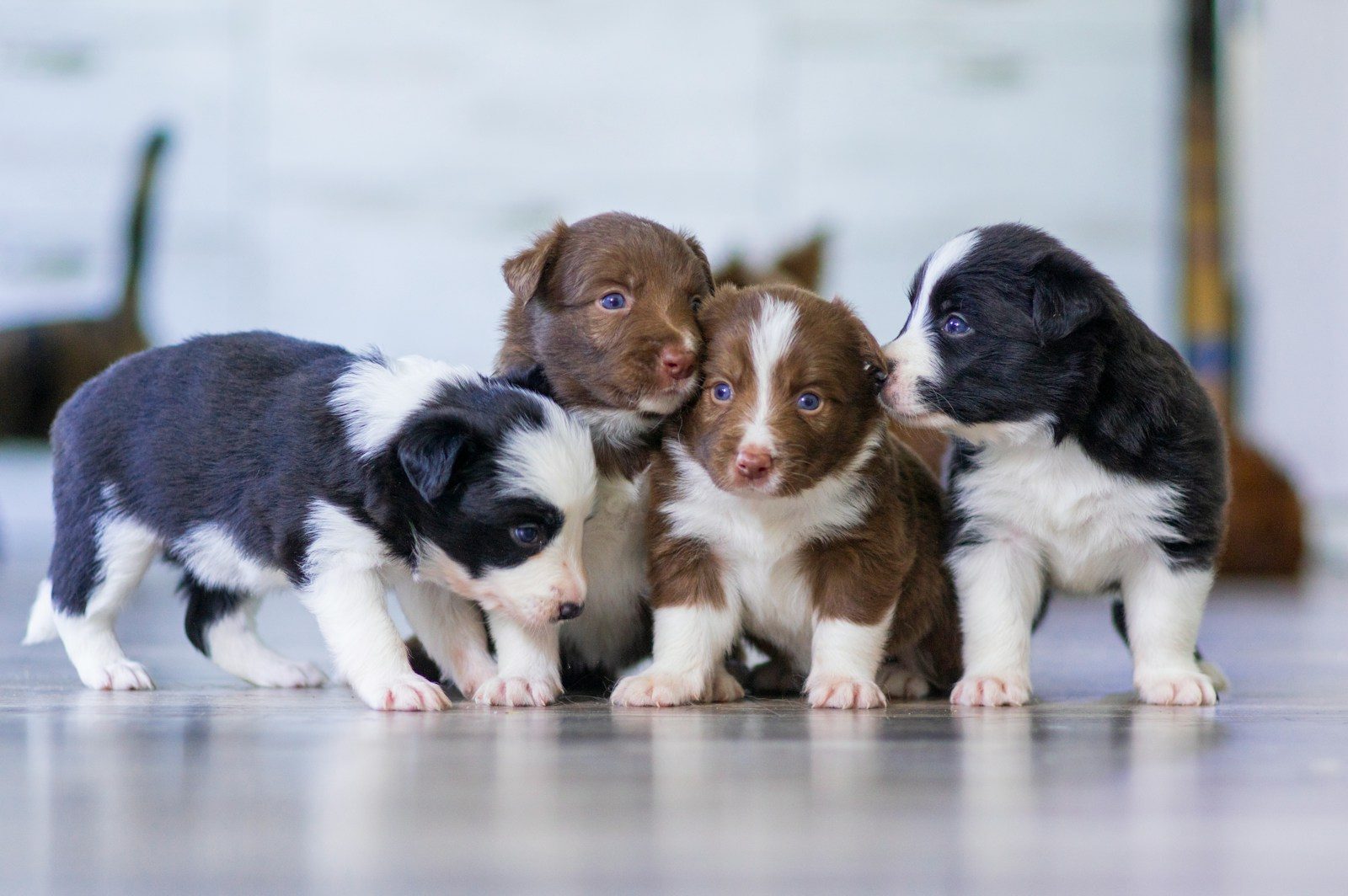
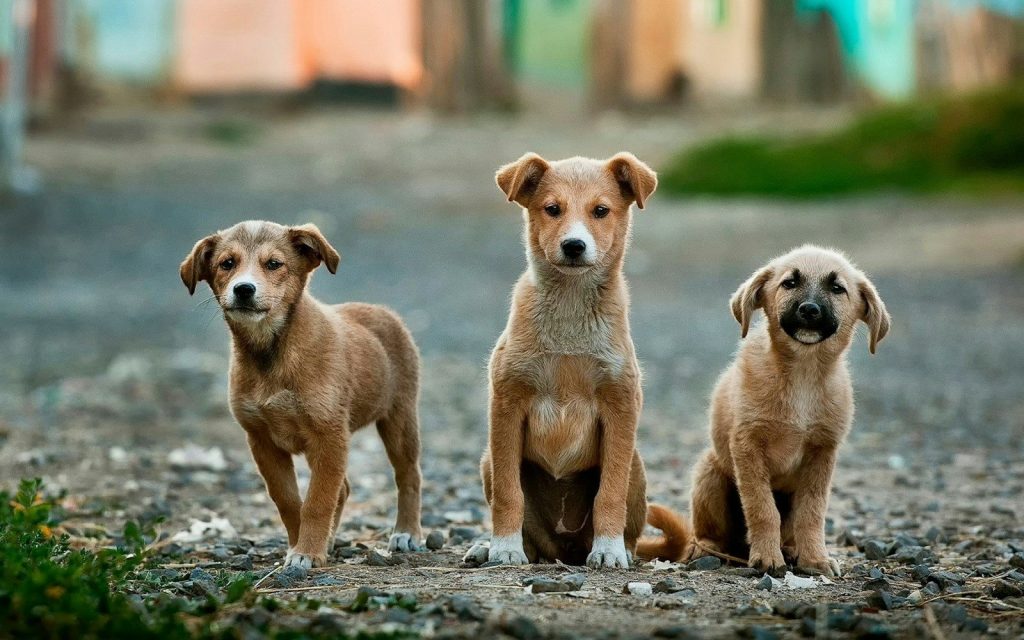
  • Good Samaritan discovers 12 abandoned puppies trapped in a roadside tote

    Good Samaritan discovers 12 abandoned puppies trapped in a roadside tote

    What would you do if you heard cries coming from a plastic container sitting beside a road? That question became reality for one passerby in Ohio who made a heartbreaking discovery. Inside a blue plastic tote were 12 abandoned puppies struggling in the summer heat without food, water, or protection.

    The puppies rescued from a roadside tote in Ohio were facing a dangerous situation that could have ended in tragedy. Thanks to the quick actions of a good Samaritan, the dogs were given a second chance. This story follows the dramatic rescue, the emergency care that saved the puppies, and the ongoing effort to learn how they ended up abandoned on the side of the road.

    A shocking discovery on the roadside

    selective focus photography of three brown puppies
    Photo by Anoir Chafik on Unsplash

    A passerby noticed a blue plastic tote sitting along a roadside in Ohio and became concerned after hearing noises coming from inside. Instead of ignoring the sounds, the person decided to stop and investigate. What they found was both surprising and upsetting.

    Inside the container were 12 young puppies packed closely together. The dogs appeared frightened and exhausted as they looked out from the tote. Realizing the animals needed immediate help, the good Samaritan quickly gathered the puppies and transported them to safety before their condition worsened.

    The puppies faced dangerous conditions

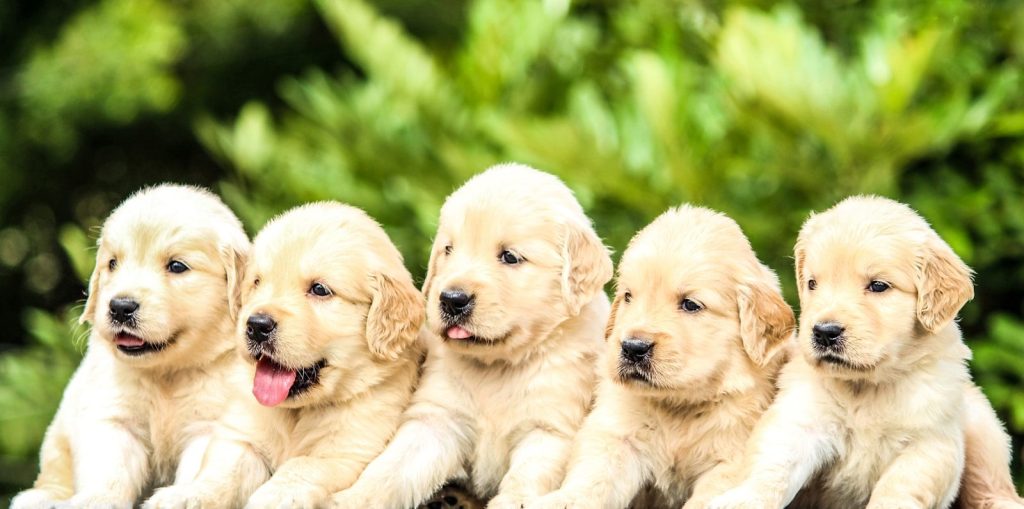
    five yellow Labrador retriever puppies
    Photo by Bharathi Kannan on Unsplash

    According to the Jefferson County Humane Society and Animal Shelter, the puppies had been left without access to food, water, or shade. The hot summer weather created a serious threat to their health, especially while trapped inside a plastic container exposed to direct sunlight.

    Shelter officials said the puppies were shaking, crying, and exhausted from the experience. The rescue described the tote as becoming extremely hot under the sun. In addition to the heat, the puppies faced other dangers, including traffic nearby and the possibility of encounters with wild predators when left unattended.

    Why rescuers believed the puppies were trapped

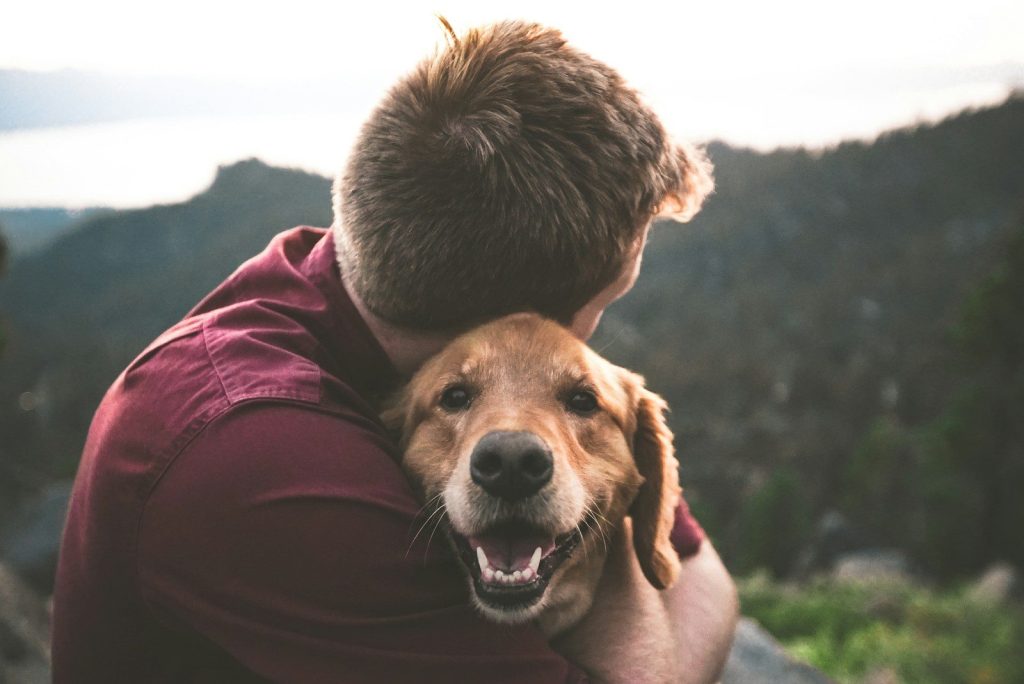
    photo of man hugging tan dog
    Photo by Eric Ward on Unsplash

    Rescuers believe the puppies were effectively trapped inside the tote because of its design. The container’s sides were too high to allow climbing for such young dogs. Even if one of the puppies managed to get out, it likely would not have been able to climb back in.

    This situation left the animals vulnerable and unable to protect themselves. Without access to water or shelter, the puppies had little chance of escaping the heat on their own. Their survival depended on someone noticing the tote and taking action before it was too late.

    Emergency care began immediately

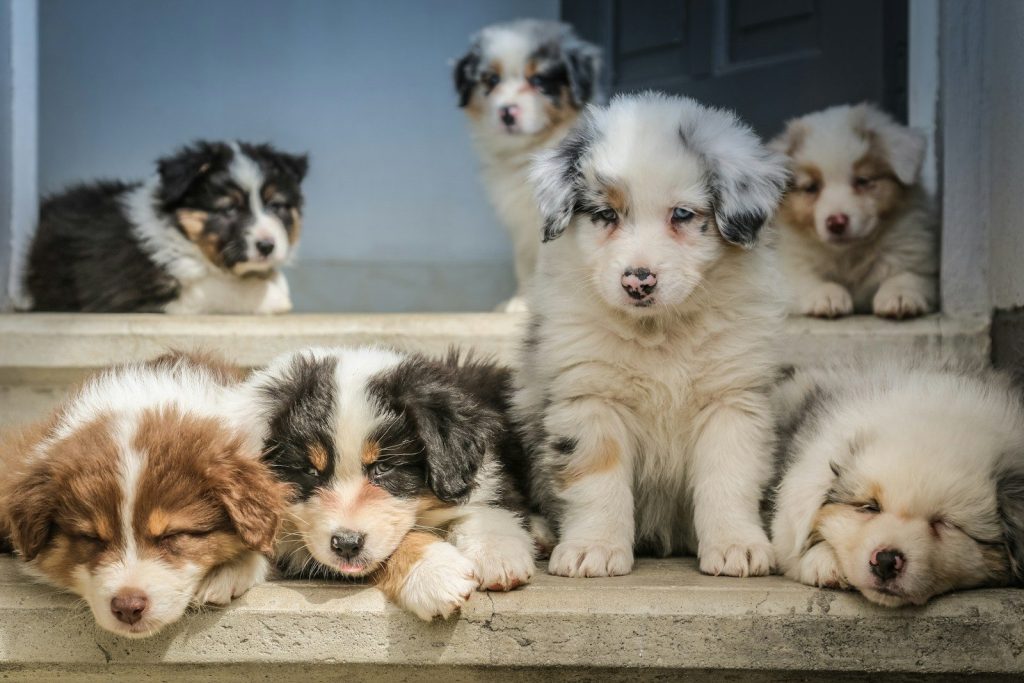
    four assorted-color puppies on window
    Photo by Jametlene Reskp on Unsplash

    The puppies were rushed to the shelter as soon as they were discovered. Staff members immediately assessed their condition and began providing emergency treatment. Their main concern was helping the puppies recover from the heat and preventing further health complications.

    Two of the smallest puppies received fluids as part of their treatment. Volunteers also used cool towels to lower the other dogs’ body temperatures. The shelter described the puppies as having spent hours inside what had become a dangerously hot plastic container, making quick medical attention essential.

    The puppies quickly showed signs of trust

    brown dog on grass looking at camera
    Photo by Austin Kirk on Unsplash

    Despite the frightening experience, the puppies responded positively to the shelter staff. Rescuers said the dogs seemed to recognize that they were finally safe and in the care of people who wanted to help them recover.

    The shelter shared that none of the puppies attempted to escape during treatment, even while receiving fluids and other care. Instead, they remained calm and accepted comfort from the people around them. Staff members said the puppies appeared happiest when being held, cuddled, and reassured that they were safe.

    The search for answers continues

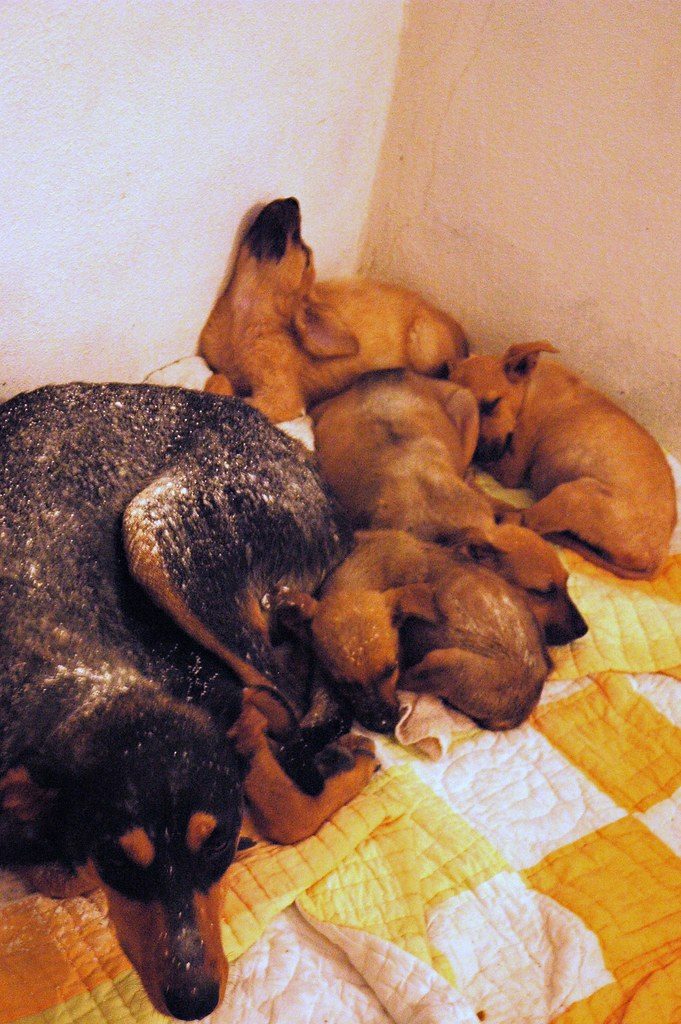
    All 5 dogs are captured and rescued!, 4 puppies and momma dog dusted with flea powder, snoozing, San Bruno, Baja California Sur, Mexico” by Wonderlane is licensed under CC BY 2.0

    The rescue organization is now asking the public for help identifying who may have abandoned the puppies. Anyone with information about the dogs or the circumstances surrounding the case is encouraged to contact the shelter. While investigators search for answers, the puppies continue to receive medical treatment and monitoring.

    The dogs are not yet available for adoption because their recovery remains the top priority. Once they are healthy enough to leave emergency care, they will need foster homes. The case also highlights the dangers of animal abandonment, especially during periods of extreme heat. Without access to shade or water, animals can quickly face life-threatening conditions. The puppies survived because a stranger chose to stop and help when it mattered most.

  • AI robot dogs are raising eyebrows among researchers and engineers

    AI robot dogs are raising eyebrows among researchers and engineers

    Artificial intelligence is changing the world in exciting ways, but not every new invention is being welcomed without question. AI robot dogs are one example. These four-legged machines can walk, run, climb stairs, carry equipment, and even work in dangerous places. While many researchers and engineers see them as useful tools, others are becoming concerned about how they are being used and what they could mean for the future.

    The growing use of AI robot dogs has started a bigger conversation about privacy, safety, jobs, and ethics. Some people believe these machines could save lives and make difficult work easier. Others worry that they could increase surveillance, replace workers, or even become part of military systems. Understanding both the benefits and the risks helps explain why AI robot dogs are raising eyebrows among experts around the world.

    What AI robot dogs are and how they work

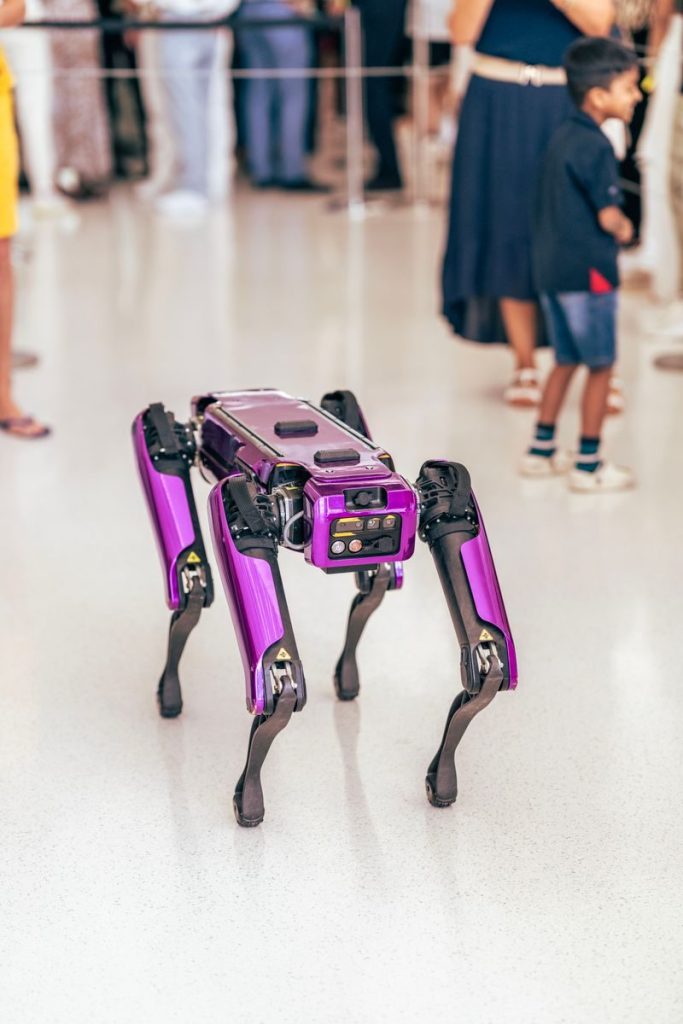
    A purple quadruped robot interacting with people in a Dubai exhibition space.
    Photo by aboodi vesakaran on Pexels

    AI robot dogs are machines designed to move like real dogs. They usually have four legs, cameras, sensors, and computer systems that help them understand their surroundings. Many can navigate rough ground, avoid obstacles, and perform tasks without needing constant human control. Some are operated remotely, while others use artificial intelligence to make simple decisions on their own.

    These robots are being developed by technology and robotics companies for many different jobs. They can inspect factories, explore disaster areas, monitor construction sites, and carry supplies. Because they can enter places that may be dangerous for people, engineers often view them as valuable tools that can improve safety and efficiency.

    Why researchers see value in robot dogs

    A robotic dog oversees an automated car assembly in a high-tech factory setting.
    Photo by Hyundai Motor Group on Pexels

    Many researchers believe robot dogs can help solve real-world problems. In search-and-rescue operations, they can enter collapsed buildings after earthquakes or explosions. They can also inspect areas affected by chemical spills, fires, or radiation where human workers may be at risk. Their ability to move through difficult terrain gives them advantages over traditional wheeled robots.

    Industries are also finding practical uses for these machines. Construction companies are testing them for site inspections, while energy and technology companies use them to monitor equipment and infrastructure. Since robot dogs can collect data continuously and work for long periods, they may help organizations improve safety while reducing the need for workers to enter hazardous locations.

    Growing concerns about surveillance

    CCD Chip” by fox-orian is licensed under CC BY-SA 2.0

    One of the biggest concerns surrounding AI robot dogs is surveillance. Many models carry cameras, microphones, thermal sensors, and other monitoring equipment. When used by security teams or law enforcement agencies, these machines can gather large amounts of information about people and places. Critics worry that this technology could make public monitoring more common and less noticeable.

    Researchers who study technology ethics argue that mobile surveillance tools may create new privacy challenges. Unlike fixed cameras, robot dogs can move through neighborhoods, buildings, and public spaces. Some experts fear that without clear rules and oversight, these systems could collect information in ways that citizens do not fully understand or expect. These concerns have led to debates about how robot dogs should be used and regulated.

    Questions about military and police use

    a close up of a police car with its lights on
    Photo by Max Fleischmann on Unsplash

    Another reason AI robot dogs are attracting attention is their use in defense and security operations. Several military organizations around the world have tested quadruped robots for reconnaissance, patrol missions, and other support roles. In some cases, developers have demonstrated robots carrying equipment that could be adapted for weapons systems.

    This possibility has raised ethical concerns among engineers and researchers. Many experts believe humans should remain responsible for important decisions involving the use of force. They worry that increasing autonomy in robotic systems could make military operations more complex and reduce accountability. Even when robot dogs are used only for support tasks, discussions continue about how far their role should expand in the future.

    The impact on jobs and human workers

    a security officer walking down a street
    Photo by Krzysztof Hepner on Unsplash

    Like many forms of automation, AI robot dogs have sparked concerns about employment. Businesses often invest in new technology to improve efficiency, reduce costs, and increase productivity. While this can create new opportunities in robotics and engineering, it may also reduce the need for some traditional jobs.

    Workers in areas such as security, inspection, monitoring, and maintenance may wonder how these technologies could affect their careers. Most experts do not believe robot dogs will completely replace human workers anytime soon. However, many researchers agree that automation will continue changing workplaces, making it important for workers to learn new skills and adapt to evolving technologies.

    Ethical concerns beyond technology

    people having meeting on rectangular brown table
    Photo by Christina @ wocintechchat.com M on Unsplash

    The debate over AI robot dogs is not only about what they can do. It is also about what society wants them to do. Some researchers believe the appearance of robot dogs may influence how people interact with technology. Because these machines resemble animals, people may develop emotional connections with them or place more trust in them than they would in other types of machines.

    Ethicists also question whether widespread use of animal-like robots could change human attitudes toward real animals. Others worry about transparency and accountability. If a robot dog makes a mistake, causes damage, or collects sensitive information, determining responsibility may become complicated. These questions show that the discussion is about more than engineering—it is also about values, trust, and social impact.

    What the future may hold

    person holding green paper
    Photo by Hitesh Choudhary on Unsplash

    AI robot dogs are likely to become more advanced in the coming years. Improvements in artificial intelligence, sensors, batteries, and computing power will make them faster, smarter, and more capable. As costs decrease, more industries may adopt them for inspections, security, logistics, and emergency response. Their presence could become much more common in everyday life.

    At the same time, researchers, policymakers, and engineers will continue discussing how these machines should be used. Many experts support stronger guidelines covering privacy, data collection, safety testing, and human oversight. The goal is not to stop innovation but to ensure that new technology serves society in a responsible way. Finding the right balance between progress and protection will likely shape the future of AI robot dogs.

  • Copenhagen Zoo elephants come together to help a calf in need

    Copenhagen Zoo elephants come together to help a calf in need

    What would you do if you saw a baby animal suddenly fall into deep water and struggle to get out? At Copenhagen Zoo, a shocking moment turned into a powerful display of teamwork when a baby elephant fell into a pool and needed urgent help. The calf’s mother panicked right away, but what happened next amazed zoo staff and visitors. Two adult elephants quickly stepped in and worked together to push the young calf back to safety.

    This real-life event shows how strong elephant family bonds can be, even in stressful situations. In this article, you will learn exactly what happened when the calf fell into the water, how the herd reacted, and why elephant teamwork is so important for survival. We will also explore how zoos observe and support these natural behaviors to protect young elephants.

    The moment the elephant calf fell into the pool

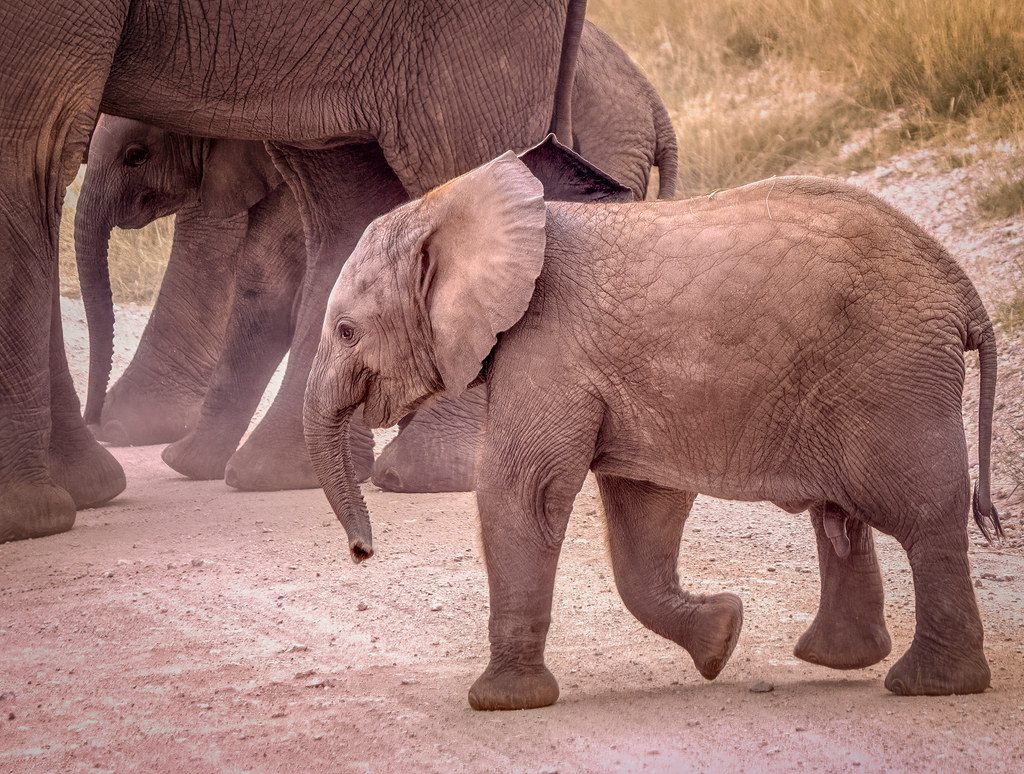
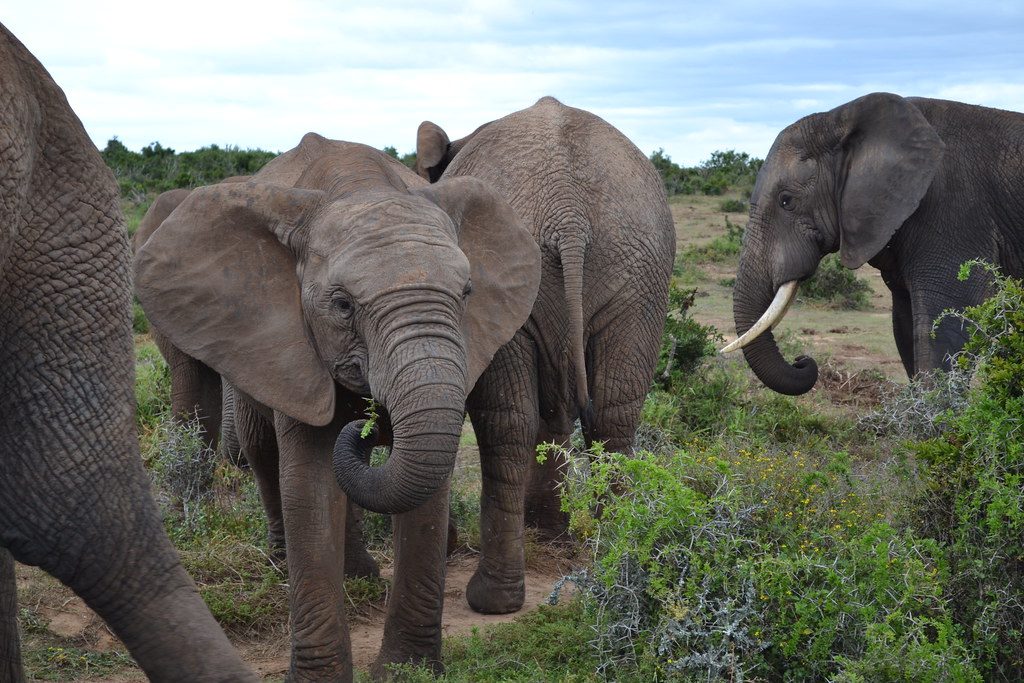
    Male African Bush Elephant Calf, Amboseli National Park” by . Ray in Manila is licensed under CC BY 2.0

    The incident at Copenhagen Zoo happened when a young elephant calf accidentally tumbled into a water pool inside its enclosure. The fall was sudden, and the calf was unable to climb out on its own. The deep water made the situation dangerous, especially for such a small and inexperienced animal.

    Witnesses reported that the calf struggled immediately after falling in, creating panic in the enclosure. Its mother reacted first, showing strong emotional distress as she moved quickly toward the pool. Elephants are highly sensitive animals, and this moment showed how quickly they respond when one of their young is in trouble.

    The mother elephant’s immediate reaction

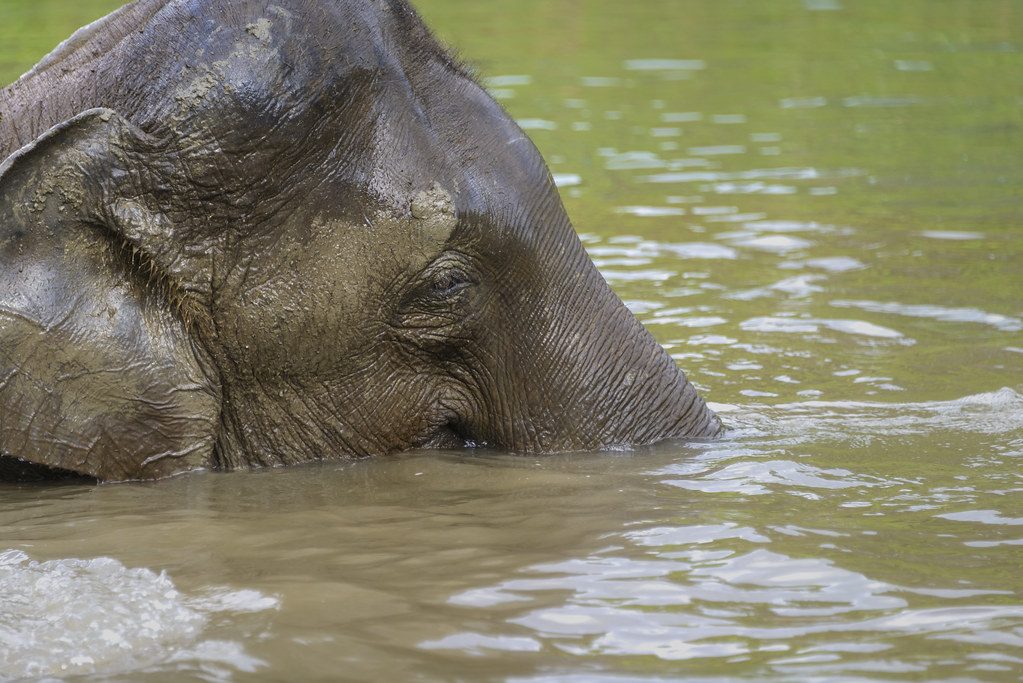
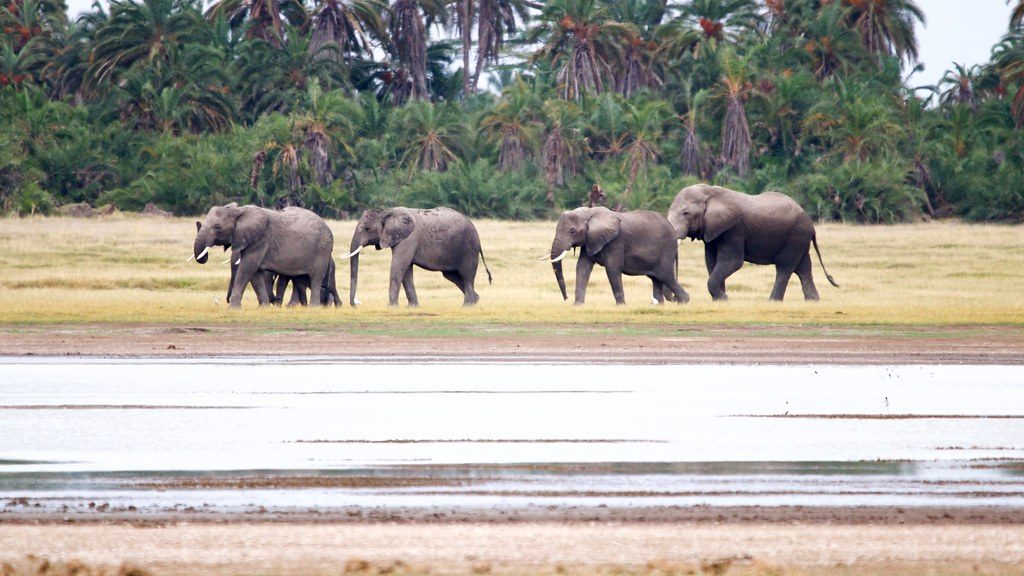
    Elephant near water” by World Resources is licensed under CC BY-NC-SA 2.0

    The calf’s mother did not hesitate when she saw her baby in danger. She rushed toward the pool in clear distress, trying to reach her calf. This reaction is typical of elephant mothers, who form extremely close bonds with their young from birth.

    However, the mother alone could not safely lift or guide the calf out of the water. The pool was too deep for the calf to stand, and the edge was difficult to climb. Even though she tried to help, the situation required more strength and coordination than one elephant could provide on her own.

    How the herd responded as a team

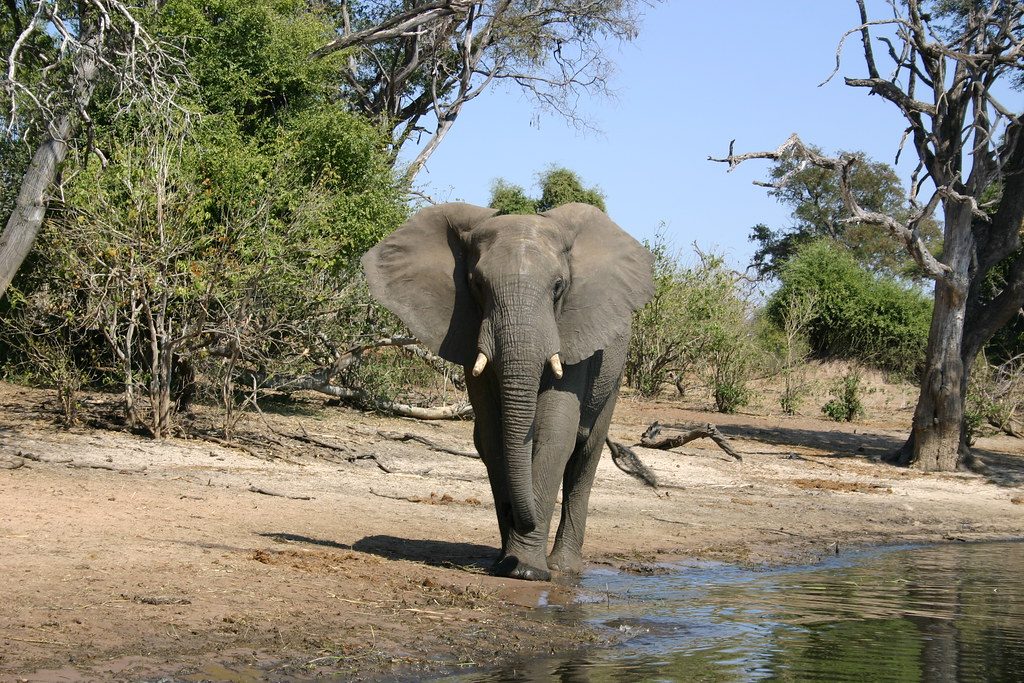
    Elephants near water at Amboseli” by Nagarjun is licensed under CC BY 2.0

    After the mother’s initial response, the rest of the herd quickly joined in. Two adult elephants moved in together, showing calm but urgent behavior. Instead of panicking, they focused on the calf and assessed how to help it safely.

    The two elephants entered the area around the pool and used their strength and trunks to guide the calf toward the edge. Working side by side, they pushed and supported the young elephant in a coordinated effort. This teamwork is a natural survival behavior that elephants use in the wild when protecting calves or helping injured herd members.

    The rescue effort that brought the calf to safety

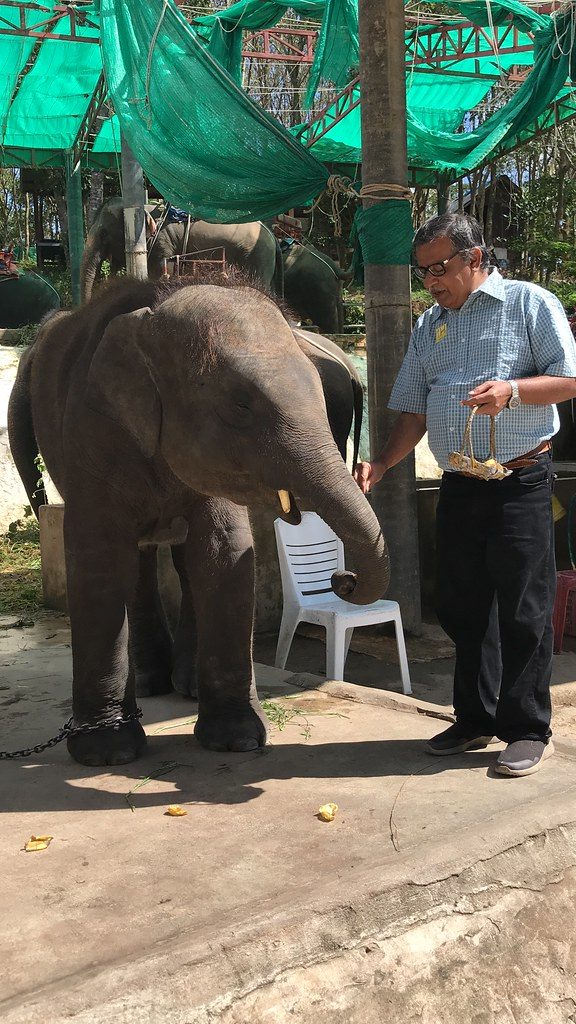
    The elephant calf was extremely playful and cute” by shankar s. is licensed under CC BY 2.0

    The rescue happened quickly, but it required careful movement from the adult elephants. They positioned themselves on either side of the calf to keep it steady and prevent it from slipping back into deeper water. With slow and controlled pressure, they guided the calf toward a shallow area.

    Once the calf reached the edge of the pool, the adults helped push it up onto dry ground. The entire herd stayed close during the process, ensuring the calf was not left alone. After a tense moment, the young elephant was finally safe again, standing back on solid ground with its family around it.

    Why elephant teamwork is so important

    Elephant calf feeding on a shrubby acacia” by james.harris.anderson is licensed under CC BY-NC-SA 2.0

    Elephants are known for their intelligence and strong social bonds, and this event at Copenhagen Zoo is a clear example of both. In elephant herds, cooperation is essential for survival, especially when protecting young calves who are vulnerable to accidents or danger.

    In the wild, similar teamwork helps elephants survive rivers, predators, and difficult terrain. At Copenhagen Zoo, these natural instincts are still visible, showing that even in managed environments, elephants continue to rely on each other just as they would in nature. This behavior also helps zoo staff better understand how to care for and support elephant families.

    What this event shows about elephant emotions and intelligence

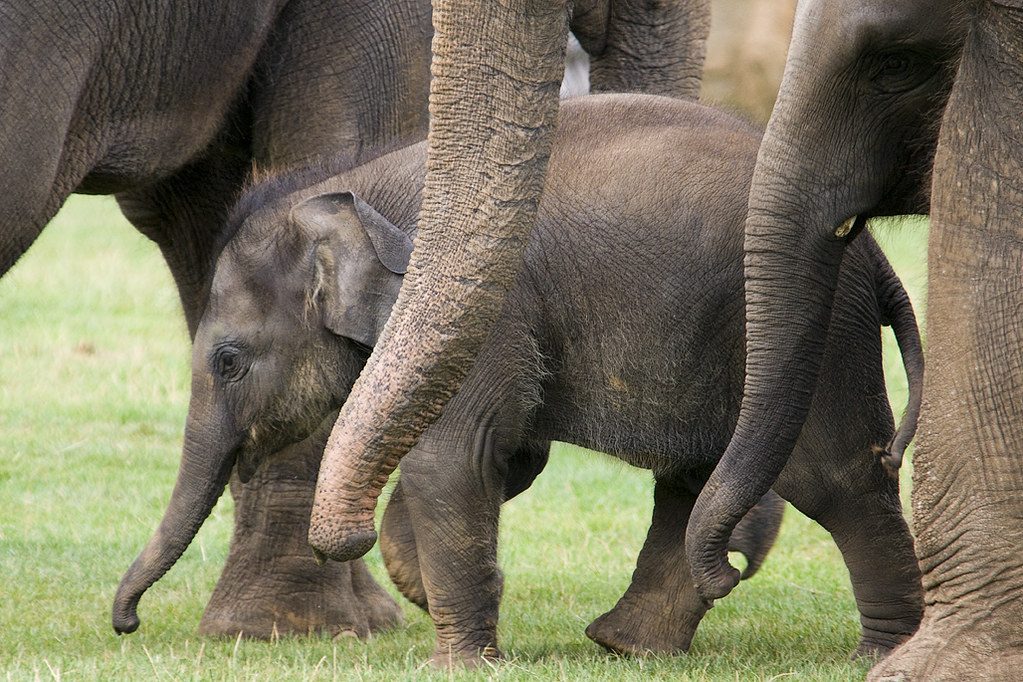
    elephant calf at Whipsnade 2008” by roger a1 is licensed under CC BY-NC-ND 2.0

    This rescue also highlights how emotionally aware elephants are. The mother’s panic, the herd’s quick response, and the coordinated rescue all show that elephants can recognize distress and act with purpose. They do not act randomly; instead, they respond in ways that protect the group.

    Zookeepers observing the event noted how calmly the adult elephants worked together despite the urgency. This suggests not only emotional intelligence but also learned behavior passed through generations. Events like this help scientists and caretakers better understand how elephants think, communicate, and support one another.

  • 6 clues that your dog is feeling joyful and secure

    6 clues that your dog is feeling joyful and secure

    Ever wonder if your dog is truly happy and feels safe around you? Many dog owners worry they might miss the small signs that show their pet’s real emotions. Dogs cannot speak, so they communicate through body language, behavior, and daily habits. Understanding these signals can help you build a stronger bond and make sure your dog feels calm, loved, and secure.

    In this article, you will learn the clearest and most reliable clues that your dog is feeling joyful and emotionally safe. These signs come from well-understood canine behavior research and real-world veterinary observations. By the end, you will be able to recognize when your dog is relaxed, confident, and enjoying life at home and outside.

    Soft and relaxed body posture

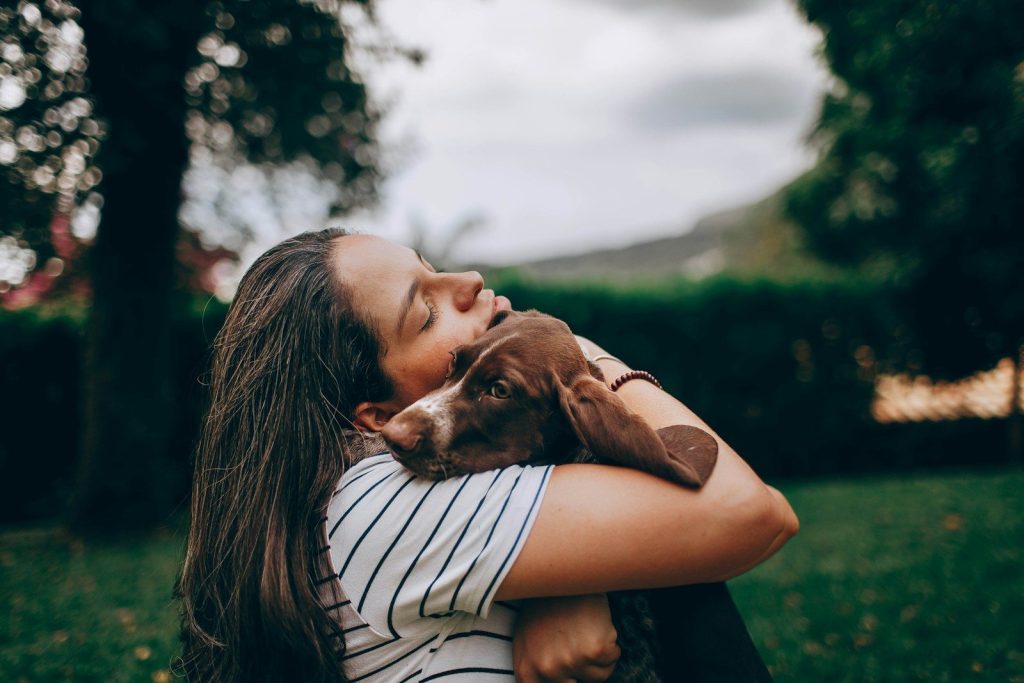
    woman in white and black stripe shirt hugging brown short coated dog
    Photo by Helena Lopes on Unsplash

    A happy and secure dog usually has a loose and relaxed body. Their muscles are not tight, and they move in a smooth, easy way. You might notice their body looks “wiggly” instead of stiff, especially when they greet you or explore their surroundings. A relaxed posture is one of the strongest signs that a dog feels safe in their environment.

    When a dog feels secure, they do not hold their body low or overly tense. Instead, they stand naturally and may even stretch out comfortably when resting. Stiff movements, on the other hand, often show stress or discomfort, so a soft body is a key clue to emotional comfort.

    Soft eyes and a calm facial expression

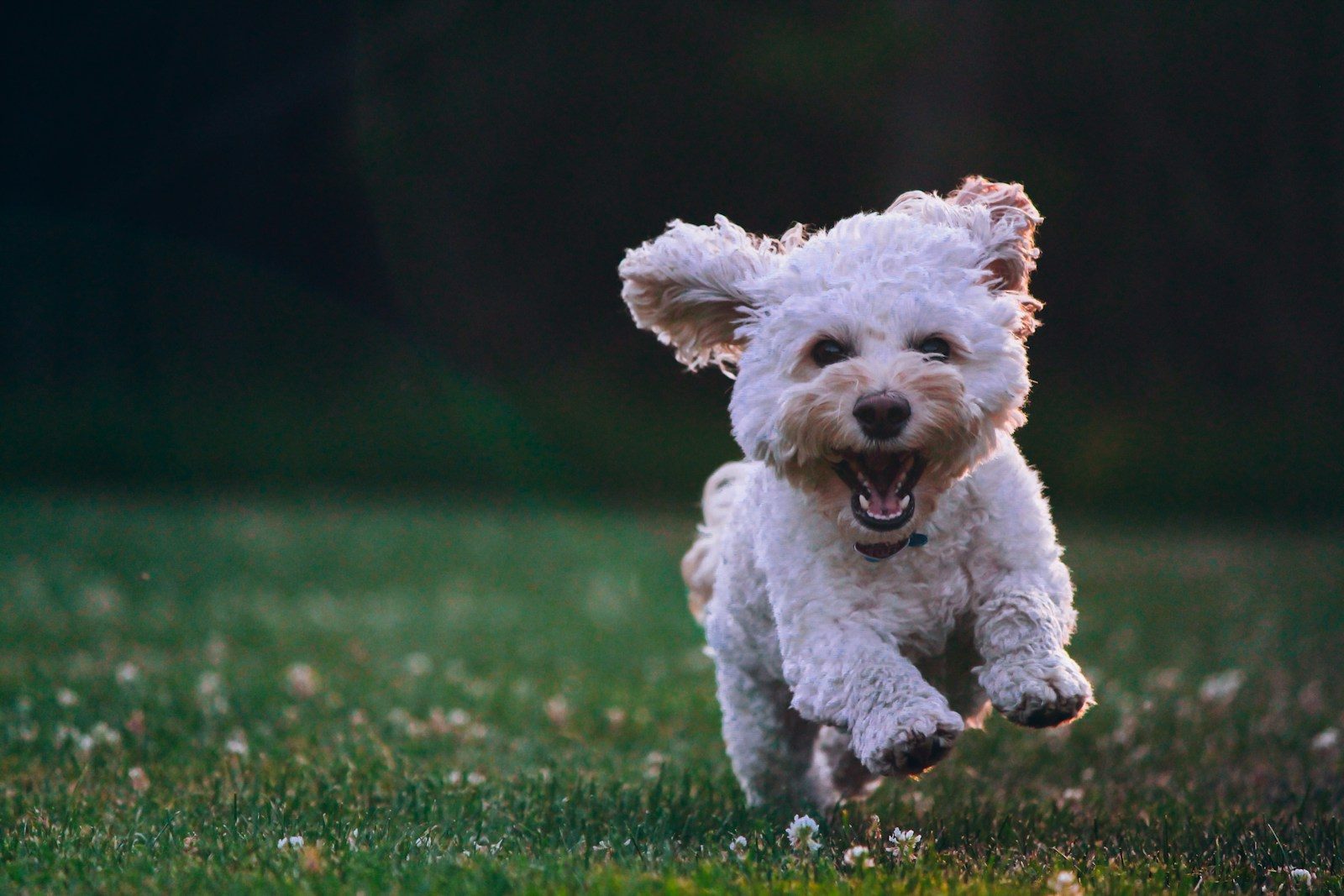
    a small white and brown dog standing on top of a lush green field
    Photo by Thea Harrison on Unsplash

    A joyful dog often has soft, relaxed eyes. Their gaze is gentle, not wide or tense. You may also notice slow blinking or a peaceful look, which shows they are comfortable with what is happening around them. Dogs that feel unsafe usually have hard, fixed stares or wide eyes.

    Their facial muscles also stay relaxed. The mouth may be slightly open, with no tight lips or tension around the jaw. Sometimes it can even look like a “dog smile,” but what really matters is the overall relaxed expression, not just the mouth shape.

    Relaxed tail movement and natural wagging

    A corgi dog standing by a lake
    Photo by Alvan Nee on Unsplash

    A wagging tail is often linked to happiness, but it is important to understand how it moves. A joyful dog usually has a loose, flowing wag that moves along with their whole body. The tail is not stiff or tightly controlled, and it moves in a natural rhythm.

    When a dog feels secure, their tail position is also natural for their breed and personality. It is not tucked under their body or held extremely stiff. Instead, it moves freely, often matching their excitement or comfort level in a calm and balanced way.

    Playful behavior and “zoomies”

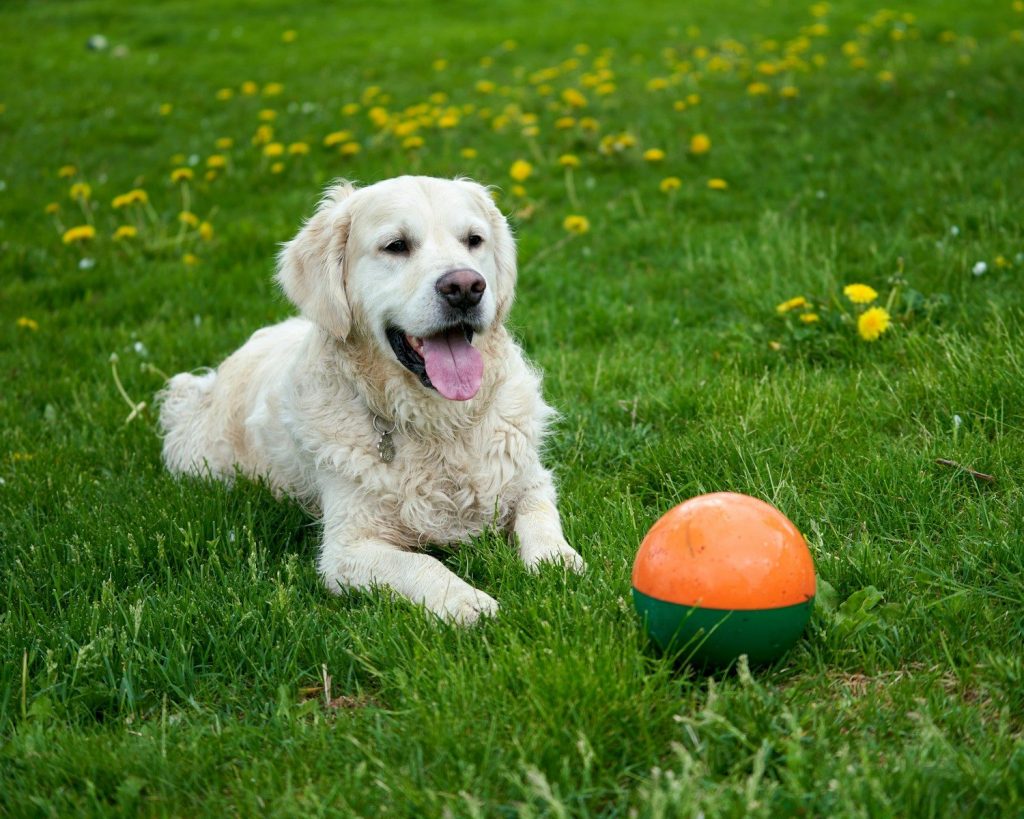
    a dog laying in the grass next to a ball
    Photo by Barnabas Davoti on Unsplash

    One of the clearest signs of happiness is playful energy. Dogs that feel joyful often invite play by bowing, bouncing, or bringing toys. This play bow, where the front legs go down and the back stays up, is a universal dog invitation for fun and interaction.

    Some dogs also show bursts of energy known as “zoomies,” where they run around excitedly in short bursts. This behavior is usually harmless and shows built-up happy energy. It is most often seen in dogs that feel safe and relaxed in their surroundings.

    Healthy social behavior with humans and pets

    person holding white and brown long coated small dog
    Photo by Sohini on Unsplash

    A happy and secure dog enjoys being around people and other animals. They may choose to sit close to you, follow you from room to room, or gently lean against you for comfort. This behavior shows trust and emotional safety, not clinginess or anxiety.

    With other dogs, a secure dog usually behaves in a friendly and balanced way. They are open to interaction, sniffing, and play without showing fear or aggression. Healthy social behavior is a strong sign that your dog feels emotionally stable in their environment.

    Calm resting habits and good daily routines

    A person standing in the grass with a dog
    Photo by Nakanoki Kojika on Unsplash

    Dogs that feel secure usually rest well. They sleep in relaxed positions, sometimes stretching out fully or curling up comfortably in safe spaces. Their sleep patterns are steady, which shows they are not feeling stressed or alert all the time.

    They also follow healthy daily routines. A happy dog eats well, enjoys walks, and shows interest in normal activities like playing or exploring. A consistent routine is a strong sign that your dog feels safe and confident in their home life.

  • Dog lover feeds a stray cat and accidentally becomes a cat parent

    Dog lover feeds a stray cat and accidentally becomes a cat parent

    What starts with a little kindness can sometimes turn into something much bigger. That is exactly what happened when one man decided to help a stray cat that appeared outside his home. A simple act of feeding a hungry animal soon became a story that connected with thousands of people online.

    The viral stray cat story began with a photo shared on Threads and quickly caught the attention of cat lovers everywhere. It showed how unexpected friendships can form between people and animals. Readers will learn how the story unfolded, why cats often choose certain humans, and why so many people are related to this heartwarming moment.

    A simple act of kindness begins the journey

    brown tabby cat sitting near chairs
    Photo by Lily Banse on Unsplash

    In April, a Threads user named @kevincarter.82 shared a photo of himself holding a fluffy tabby cat. The image appeared to be a personal, peaceful moment, but it soon caught the attention of many social media users.

    The user explained that he had always considered himself a dog person. However, he recently began feeding a feral outdoor cat because he felt sorry for it. What seemed like a small gesture quickly became the start of an unexpected change in his daily life.

    One cat quickly became two

    orange tabby cat lying on floor
    Photo by little plant on Unsplash

    After the first cat started receiving food, another cat appeared. According to the user, the first cat’s friend soon joined in, creating a situation he had not expected when he first decided to help.

    The growing connection led him to take another step. He bought official cat bowls for the animals, showing that his simple effort to help had become a more regular part of his routine. His humorous caption asked whether this was how becoming a cat owner starts.

    Why do cats choose certain people?

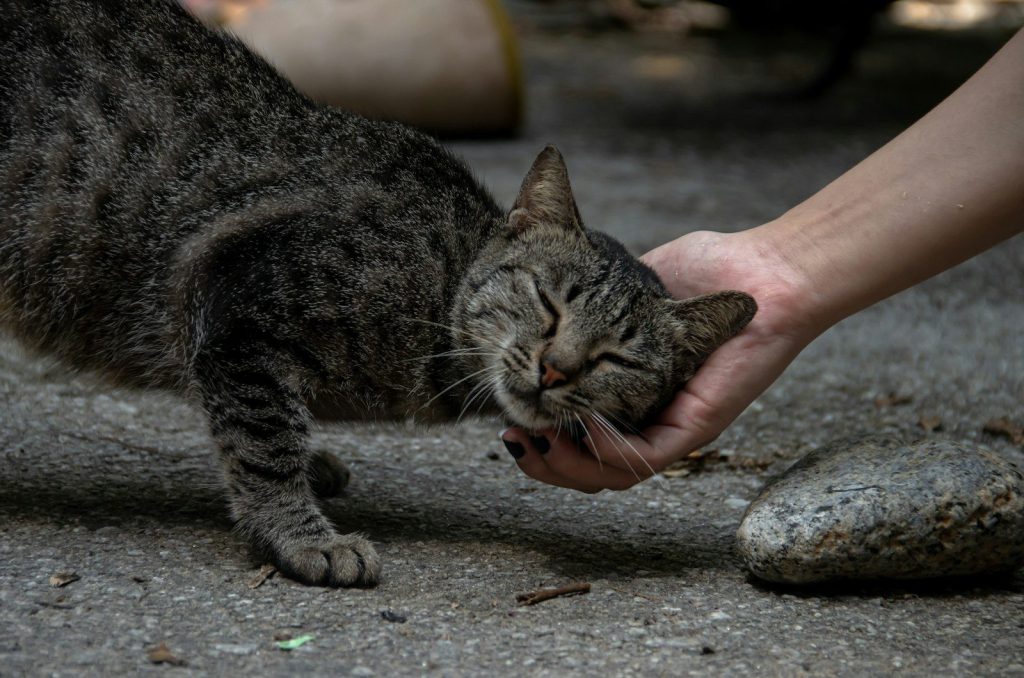
    a cat being pet by a hand
    Photo by Nicholas Ng on Unsplash

    Many cat owners tell stories about their cats seeming to choose them rather than the other way around. These stories are common among people who suddenly find themselves caring for a cat they never planned to adopt.

    Cats often form strong bonds based on effort and understanding. They tend to connect with people who pay attention to their needs, recognize their signals, and spend time interacting with them. A cat is more likely to trust someone who makes it feel comfortable and understood.

    Personality plays an important role

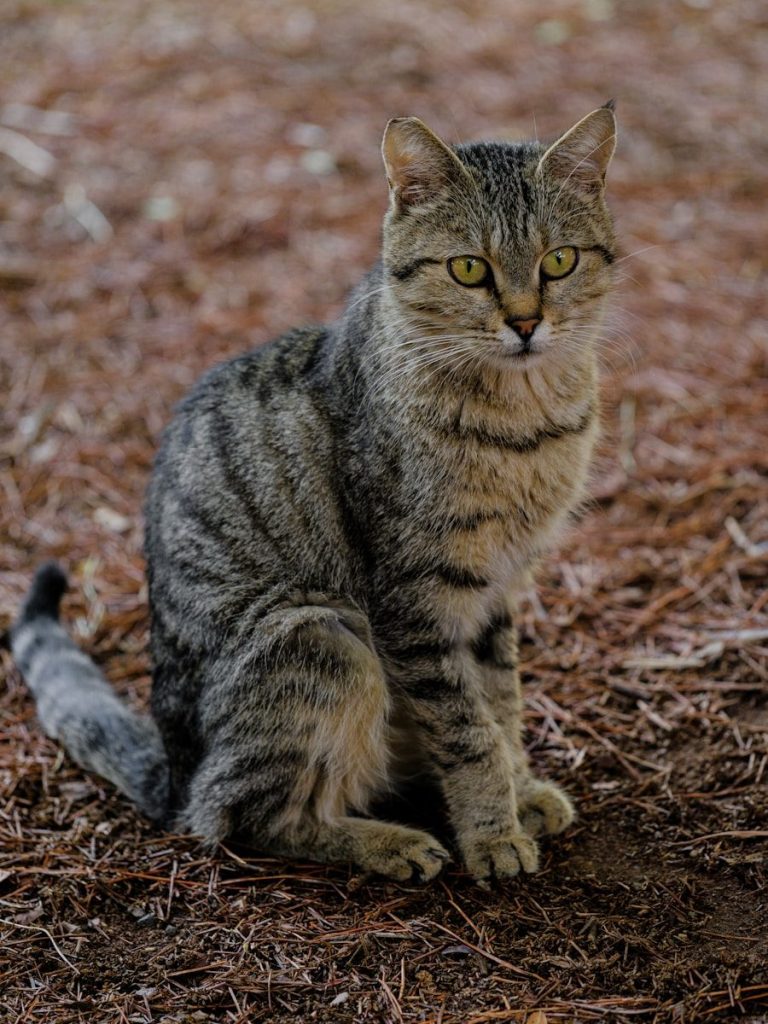
    a cat sitting on the ground looking at the camera
    Photo by engin akyurt on Unsplash

    A cat’s personality can affect which person it prefers. Calm, relaxed cats often enjoy spending time with quiet people who create a peaceful environment.

    More active and playful cats usually enjoy people who engage with them often. They may be drawn to individuals who spend time playing and interacting with them throughout the day. In many cases, the relationship reflects the personalities of both the cat and the human.

    Building trust takes time and consistency

    brown tabby cat on gray concrete floor
    Photo by Manuel Rheinschmidt on Unsplash

    Strong bonds between cats and humans do not happen overnight. Trust grows through regular interaction and positive experiences shared over time. Spending time together helps a cat feel secure and valued.

    Communication is also important. Cats respond to body language, voice, and physical affection. When people learn to recognize a cat’s preferences and comfort levels, the relationship often becomes stronger and more rewarding for both sides.

    A viral story that touched thousands

    A cat standing on the ground looking at something
    Photo by Usman Yousaf on Unsplash

    The Threads post quickly gained attention from viewers who recognized their own experiences in the story. Many people shared comments describing how they had gone through similar situations after helping a stray or feral cat.

    The post received more than 91,100 views and 13,300 likes. Commenters joked that the transformation into a cat parent was already complete. Others shared stories about former feral cats that became beloved indoor pets. The overwhelming response showed how deeply people connect with stories of unexpected friendships between humans and animals.

  • This abandoned dog never stopped hoping someone would come for him

    This abandoned dog never stopped hoping someone would come for him

    Few things are as heartbreaking as seeing a dog left behind with no one to care for it. Across the world, animal rescue groups work every day to help abandoned pets find safety and loving homes. One such dog was Oscar Mayer, a friendly pit bull who was discovered alone in a deserted house.

    His situation could have ended very differently, but thanks to the efforts of dedicated rescuers, he was given a second chance. Oscar’s story highlights the importance of animal rescue work and shows how compassion, patience, and determination can change a dog’s life forever. His journey from abandonment to adoption has touched the hearts of animal lovers everywhere.

    A dog left behind in an empty house

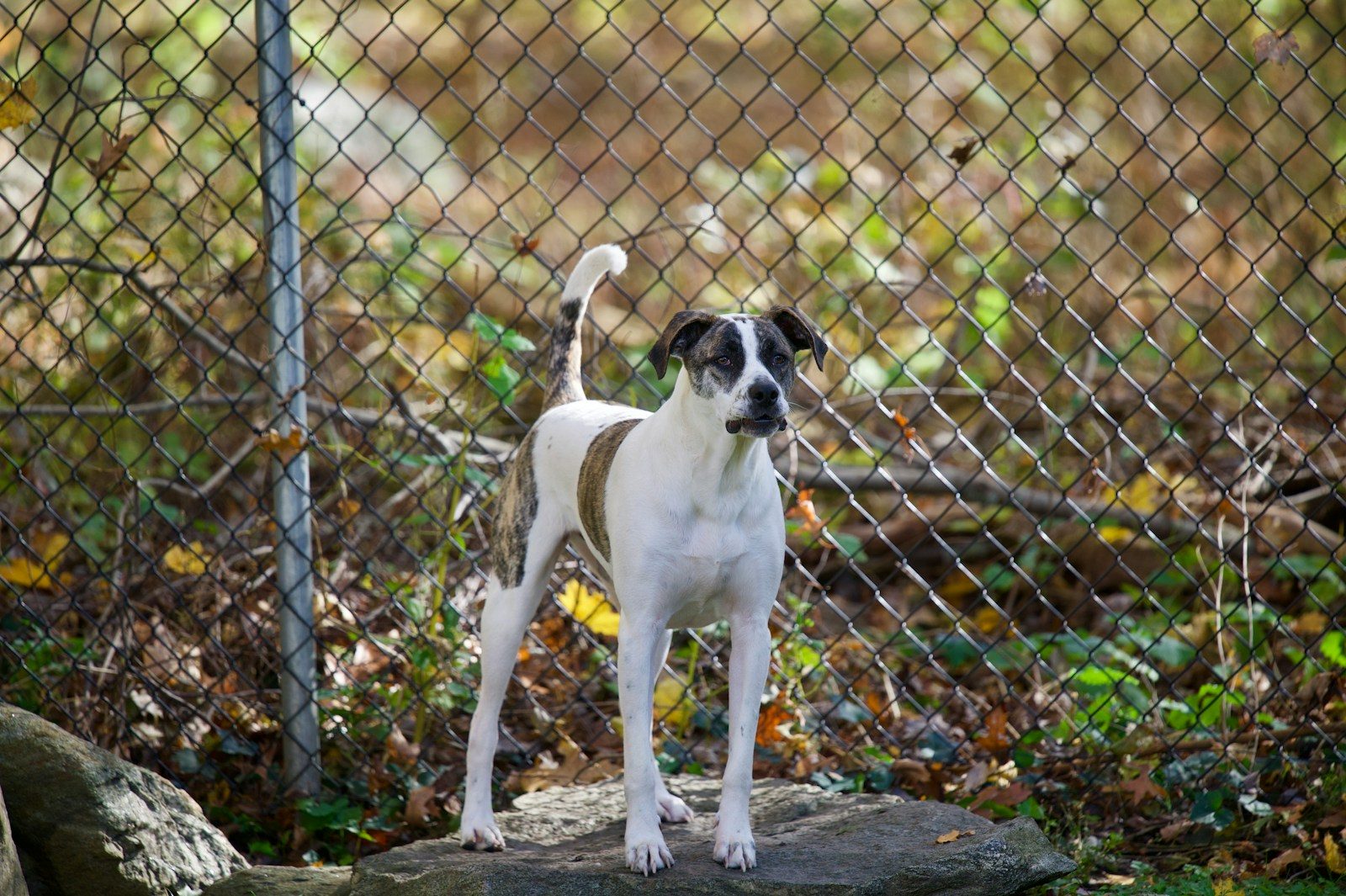
    a white dog sitting on a sidewalk next to a pole
    Photo by cin . on Unsplash

    Oscar Mayer was found trapped inside a deserted home after being abandoned. Alone and without a family to care for him, the pit bull spent his days howling from a window, hoping someone would notice him.

    His cries eventually caught the attention of Donna Lochmann, the Chief Life-Saving Officer at Stray Rescue of Saint Louis. Once she learned about the situation, she set out to help the stranded dog and bring him to safety.

    A careful rescue begins

    white dog lying beside wall
    Photo by Anthony Young on Unsplash

    Rescuing a frightened dog from an abandoned building can be challenging. Dogs in these situations are often confused, scared, and unsure about trusting people.

    Lochmann approached the situation with patience and kindness. Using calm words and treats, she encouraged Oscar Mayer to move toward a safe exit that rescuers had prepared for him.

    A simple plan helps Oscar escape

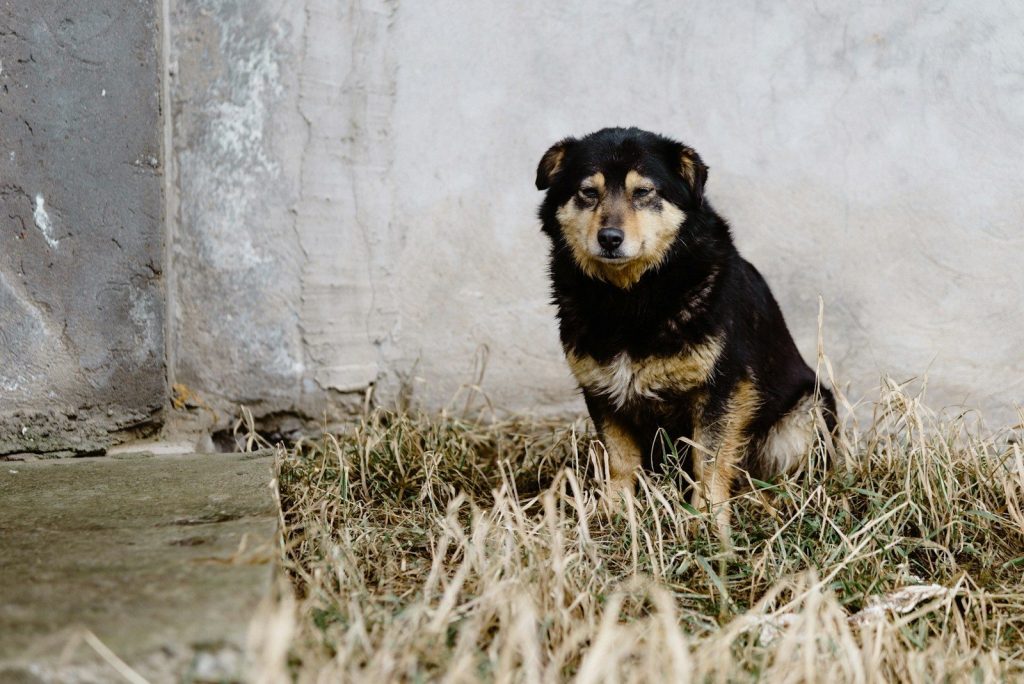
    black and tan short coat medium sized dog sitting on green grass field during daytime
    Photo by Artem Maltsev on Unsplash

    To help Oscar get out of the house, rescuers created a makeshift ramp. The setup included a wooden door placed on top of an old mattress, leading to a basement window that opened to the outside.

    The plan worked. With encouragement and food rewards, Oscar carefully made his way up the ramp. Once he reached safety, rescuers finally saw his true personality.

    A sweet dog finally feels safe

    brown short coat medium dog on grey concrete road during daytime
    Photo by Dasha Urvachova on Unsplash

    According to Lochmann, Oscar immediately showed how friendly he was after leaving the house. The dog who had been trapped and alone turned out to be gentle and affectionate.

    His behavior demonstrated how resilient many rescue animals can be. Even after a difficult experience, Oscar remained trusting and ready to begin a new chapter in his life.

    Finding a forever home

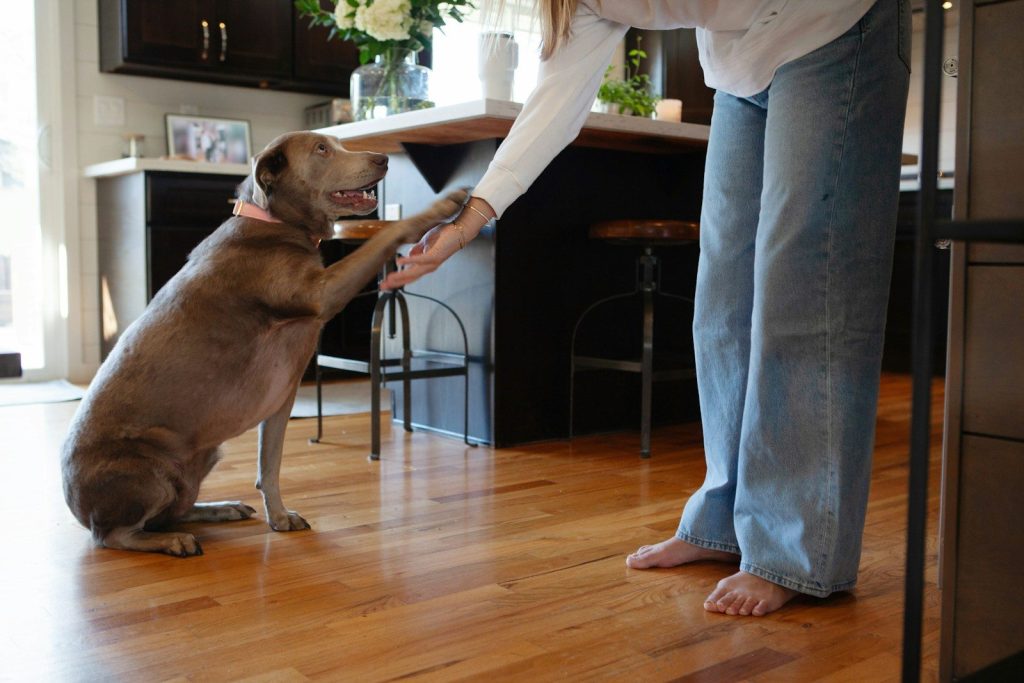
    A dog is giving a paw to its owner.
    Photo by Erin Vey on Unsplash

    Oscar’s rescue story quickly reached animal lovers online. Not long after being saved, he found a family willing to give him the stable and loving home he deserved.

    Lochmann later shared that Oscar was doing very well in his new environment. She believed his future would likely include plenty of relaxation, describing him as a dog who seemed destined to be a couch potato.

    The importance of animal rescue work

    person holding brown and white short coated dog
    Photo by Madeline Bowen on Unsplash

    Oscar’s story also shines a light on the work performed by rescue organizations and volunteers. Many shelters and animal welfare groups depend heavily on donations, grants, volunteers, and foster families to continue helping animals in need.

    People who cannot adopt can still make a difference by volunteering their time or fostering pets temporarily. Every act of support helps organizations continue rescuing abandoned and vulnerable animals like Oscar Mayer.

  • Lost dog’s faith in humans leads to a heartwarming rescue

    Lost dog’s faith in humans leads to a heartwarming rescue

    Few situations are more heartbreaking than a dog being left alone in an unfamiliar place. For shelter and rescue workers, abandoned animals often arrive carrying both physical and emotional scars. One dog’s story recently stood out because of what happened after she was abandoned in a wooded area shortly after being adopted. Alone and surrounded by unfamiliar surroundings, she faced a frightening situation that could have ended very differently.

    Yet despite everything she had experienced, the dog held on to one important connection. When rescuers finally located her, a familiar sound helped break through her fear and led her back to safety. Her journey highlights the resilience of dogs and the powerful bond they share with people.

    A promising start comes to an end

    a close up of a dog on a leash
    Photo by Leon Rockel on Unsplash

    The dog had recently entered what should have been a new and stable chapter of her life. After being adopted, she seemed on her way to enjoying the safety and comfort every dog deserves.
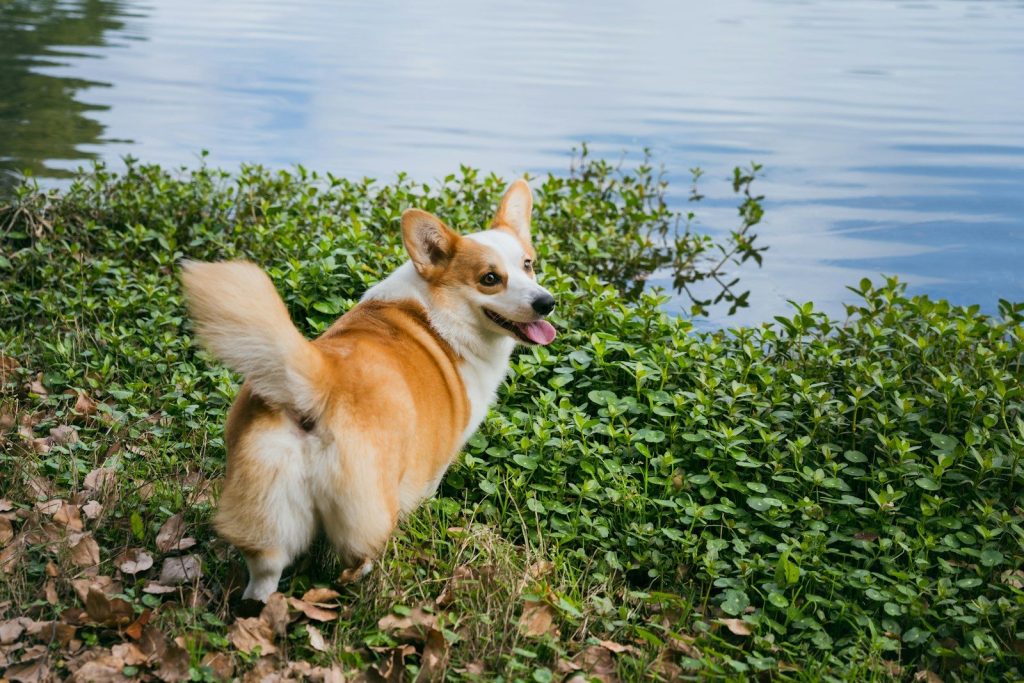
    Unfortunately, that new beginning did not last long. Within just a few days, she was reportedly abandoned in a wooded area, leaving her alone in an unfamiliar environment without the support of a family.

    Life alone in the woods

    brown and white long coated dog sitting on brown dried leaves
    Photo by Abigail Baines on Unsplash

    Being left in a forest can be overwhelming for any domestic dog. Surrounded by unfamiliar sights, sounds, and smells, many dogs become frightened and unsure of where to go.

    In these situations, animals often focus on survival. They may hide in thick vegetation, wander through large areas in search of food, or avoid contact with people because they feel scared and vulnerable.

    Rescuers begin the search

    a brown dog standing on top of a lush green field
    Photo by Angela Handfest on Unsplash

    Finding a lost dog in wooded terrain is often difficult. Dense trees, uneven ground, and large search areas can make locating an animal extremely challenging.

    Rescue teams typically rely on patience and careful planning. Food, scent trails, and familiar voices are often used to encourage frightened dogs to reveal their location and move toward safety.

    A familiar name changes everything

    a hand petting a small dog
    Photo by Road Ahead on Unsplash

    During the search, rescuers decided to call out the dog’s name. What happened next surprised everyone involved and became the turning point in the rescue effort.

    As soon as she heard the familiar sound, the dog responded. Despite her fear and uncertainty, she ran toward the voices calling her, giving rescuers the opportunity to safely secure her and bring her out of the woods.

    Why familiar voices matter to dogs

    a black dog laying on top of a lush green field
    Photo by Angela Handfest on Unsplash

    Dogs are highly responsive to human voices and often form strong associations with specific words. Their names can become powerful signals linked to attention, comfort, and positive experiences.
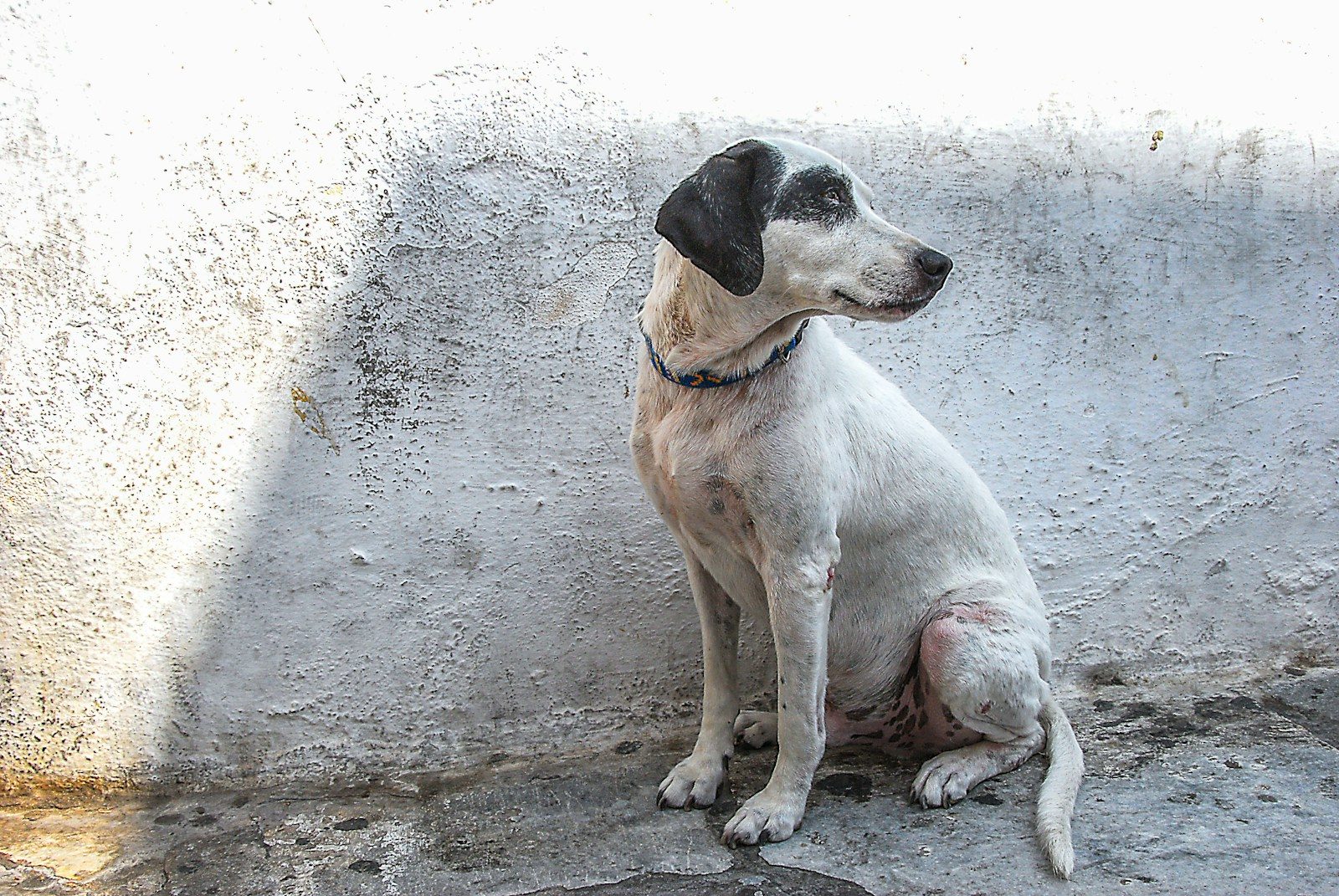
    Even during stressful situations, these associations can remain strong. Animal behavior experts explain that a familiar voice can sometimes be more effective than visual cues or food in reaching a frightened dog.

    Recovery takes time and patience

    dog lying on floor
    Photo by Daniele Franchi on Unsplash

    Although the rescue was successful, it marked only the beginning of the dog’s recovery journey. Animals that experience abandonment often need time to regain confidence and rebuild trust.

    Experts note that healing involves more than meeting physical needs. Consistent routines, gentle care, and positive interactions can help dogs feel safe again. Depending on the individual animal, emotional recovery may take weeks or even months.
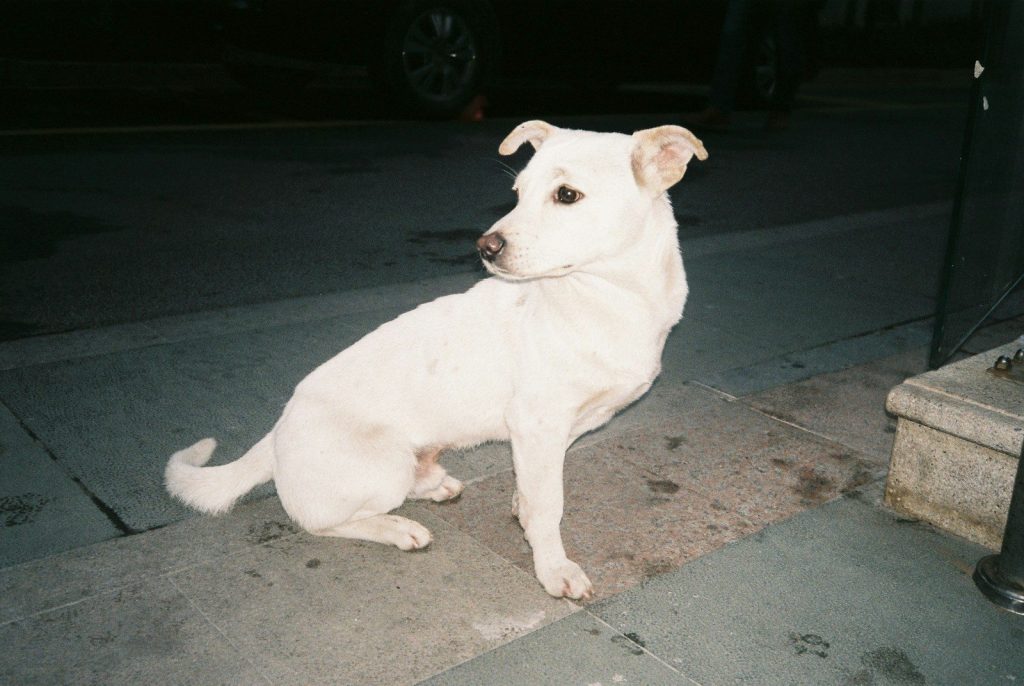
  • When a cat knows it’s nearing the end, it may leave these 6 signs for its favorite person

    When a cat knows it’s nearing the end, it may leave these 6 signs for its favorite person

    Have you noticed your cat acting differently lately? Changes in behavior can be worrying, especially when a cat is getting older or dealing with a serious illness. While cats cannot tell us how they feel, veterinarians say they often show physical and emotional changes when they are vulnerable.

    Some cats become more affectionate, while others prefer quiet spaces and extra rest. Understanding these signs can help owners provide comfort, support, and proper veterinary care. By paying close attention to these behaviors, families can better meet their cat’s needs during an important stage of life and make sure their beloved pet feels safe and cared for.

    Staying close to a trusted person

    a cat being pet by a hand
    Photo by Nicholas Ng on Unsplash

    Some cats become much more attached to their favorite person when they are sick or experiencing physical decline. Veterinarians explain that familiar people can provide a sense of security during stressful or uncomfortable periods. A cat that suddenly follows its owner from room to room may be looking for reassurance.

    This behavior is often seen in cats that have formed strong bonds with their owners over many years. Spending time near a trusted human can help them feel calmer and more secure. Experts recommend responding with patience, kindness, and gentle companionship when a cat begins seeking extra closeness.

    Choosing familiar resting places

    white cat sleeps under white comforter
    Photo by Kate Stone Matheson on Unsplash

    Cats often look for comfort in places that feel safe and familiar. Favorite blankets, beds, couches, or spots near loved ones may become even more important as a cat ages or becomes unwell. Familiar scents and surroundings can provide emotional comfort.

    Owners may notice their cat spending more time in a specific location around the home. These resting places are often connected to positive experiences and feelings of safety. Providing soft bedding and a quiet environment can help support a cat’s physical and emotional well-being.

    Sleeping more than usual

    gray and orange tabby cat on floor whitel sleeping
    Photo by Ash Edmonds on Unsplash

    Many cats naturally sleep for long periods, but serious illness or advanced age can increase the amount of time they spend resting. Specialists note that declining energy levels often lead to longer and more frequent naps throughout the day.

    Extra sleep does not always mean something is wrong, but it can be an important change to monitor. If increased sleeping is combined with other behavioral changes, owners should pay close attention. Rest plays a major role in helping the body conserve energy during difficult periods.

    Becoming quieter and less active

    gray tabby kitten leaning on white wall
    Photo by Borna Bevanda on Unsplash

    A cat that was once playful and vocal may become noticeably quieter as it ages or experiences health problems. Veterinarians explain that reduced activity can occur when a cat is trying to conserve energy or cope with physical discomfort.

    Being less vocal does not necessarily mean a cat is becoming distant from its family. Many cats continue to enjoy the company of their owners even when they spend more time resting. Experts suggest watching for other changes, including appetite, grooming habits, and mobility, when a cat becomes unusually quiet.

    Seeking more affection and touch

    white and brown cat lying on brown wooden floor
    Photo by Daria Shatova on Unsplash

    Some cats begin asking for more attention during periods of illness or physical decline. They may spend more time sitting next to their owners, leaning against them, or seeking gentle petting. Familiar touch can provide comfort and emotional reassurance.

    Experts believe this increase in affectionate behavior may help reduce stress and anxiety. While not every cat responds this way, many become more interested in close contact with trusted family members. Gentle interaction can help strengthen the bond between a cat and its owner during challenging times.

    Spending time alone occasionally

    shallow focus photography of cat
    Photo by Javid Bunyadzade on Unsplash

    Not all cats respond to vulnerability by seeking constant attention. Some prefer temporary isolation and may spend more time hiding in quiet areas of the home. Veterinarians explain that hiding is a natural instinct that helps cats feel protected when they are not feeling their best.

    This behavior should not be mistaken for a lack of affection. Many cats still care deeply for their owners while choosing to rest in peaceful spaces. Experts recommend allowing access to safe hiding spots while continuing to monitor the cat’s overall health and discussing sudden behavioral changes with a veterinarian.

  • The moment this stray cat stopped running and chose to trust a human

    The moment this stray cat stopped running and chose to trust a human

    Building trust with a stray cat is never easy. Many cats living on the streets learn to stay away from people because they face danger every day. Hunger, bad weather, and fear often make them cautious around humans. That is why one stray mother’s decision to trust a woman named Elena became such a touching story.

    What began as a simple act of leaving food outside turned into a life-changing rescue for a cat and her kittens. This heartwarming journey shows how patience, kindness, and understanding can help even the most frightened animals feel safe. It also highlights the powerful bond that can form when trust is earned rather than forced.

    A stray cat appears near an apartment

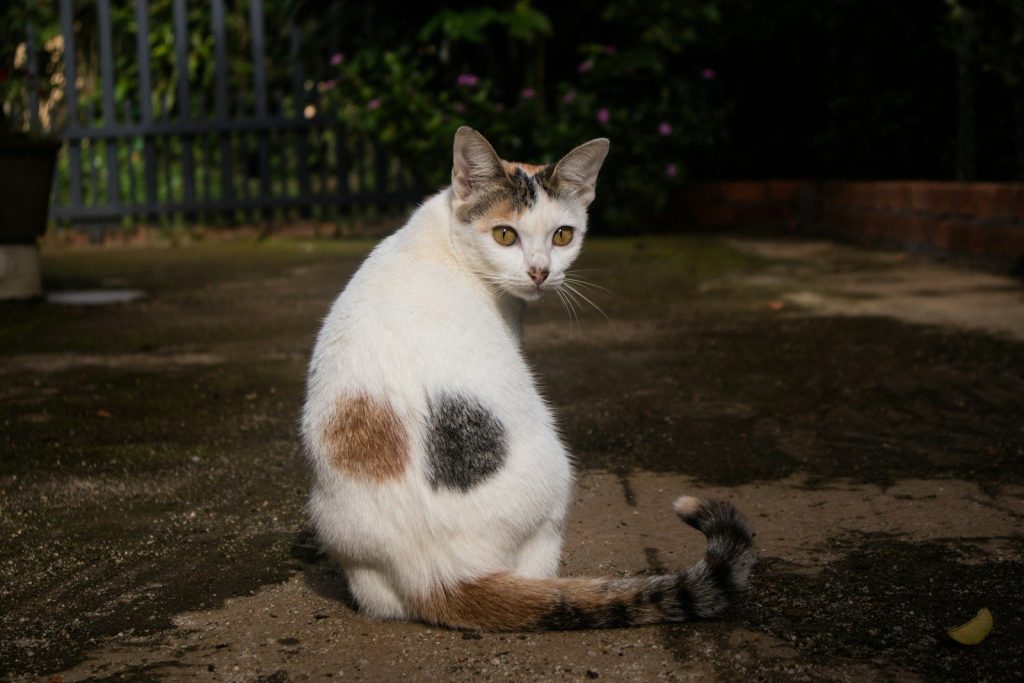
    short-fur white and brown cat close-up photography
    Photo by Thanh Soledas on Unsplash

    Elena first noticed a thin stray cat near the trash area behind her apartment building. The cat seemed nervous and would quickly run away whenever anyone came too close. It was clear that life on the streets had taught her to be careful.

    Wanting to help, Elena began leaving a bowl of food outside every evening. She did not try to chase the cat or force interaction. Instead, she allowed the animal to approach on its own terms, creating the first step toward trust.

    Small acts of kindness build trust

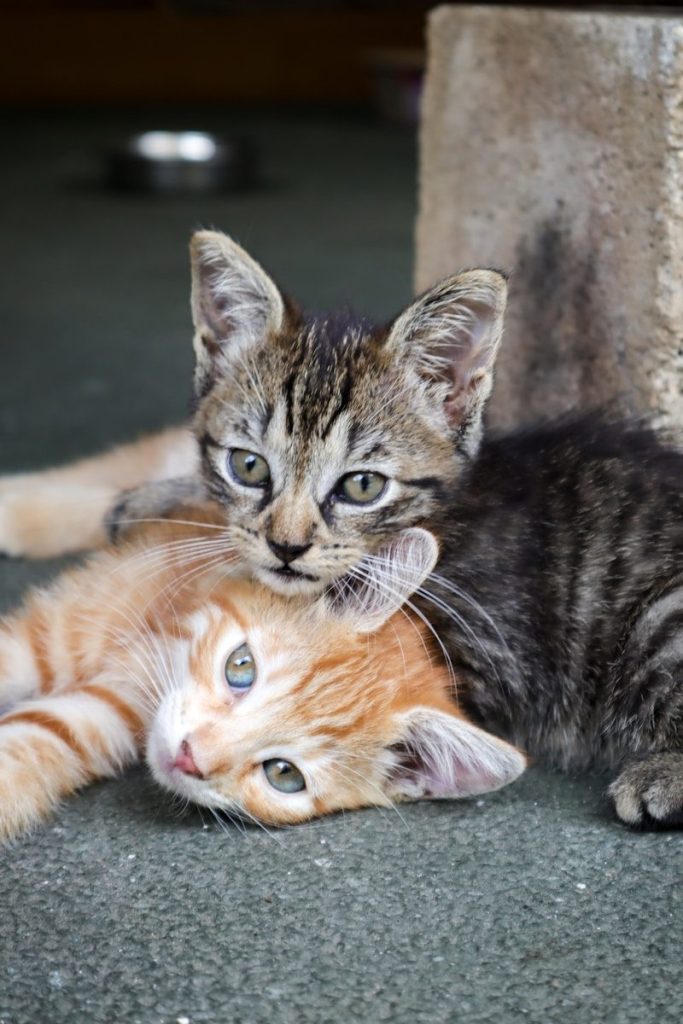
    a cat being pet by a hand
    Photo by Nicholas Ng on Unsplash

    Over time, the cat became more comfortable with Elena’s presence. She no longer ran away immediately and started visiting the food bowl regularly. The simple routine helped create a sense of safety between them.

    As the days passed, Elena noticed the cat eating large amounts of food. She also observed physical signs indicating the cat was nursing kittens nearby. It became clear that the stray mother was caring for a hidden family.

    A secret family is waiting nearby

    orange tabby cat lying on floor
    Photo by little plant on Unsplash

    The discovery made Elena even more concerned about the cat’s well-being. If there were kittens nearby, they would need protection and care as well. However, finding them would depend entirely on whether the mother cat chose to reveal their location.

    One morning, something unusual happened. Instead of stopping to eat, the cat looked toward Elena and let out a soft meow. She walked a short distance, paused, and looked back again, almost as if she wanted Elena to follow her.

    Following the cat leads to a surprise

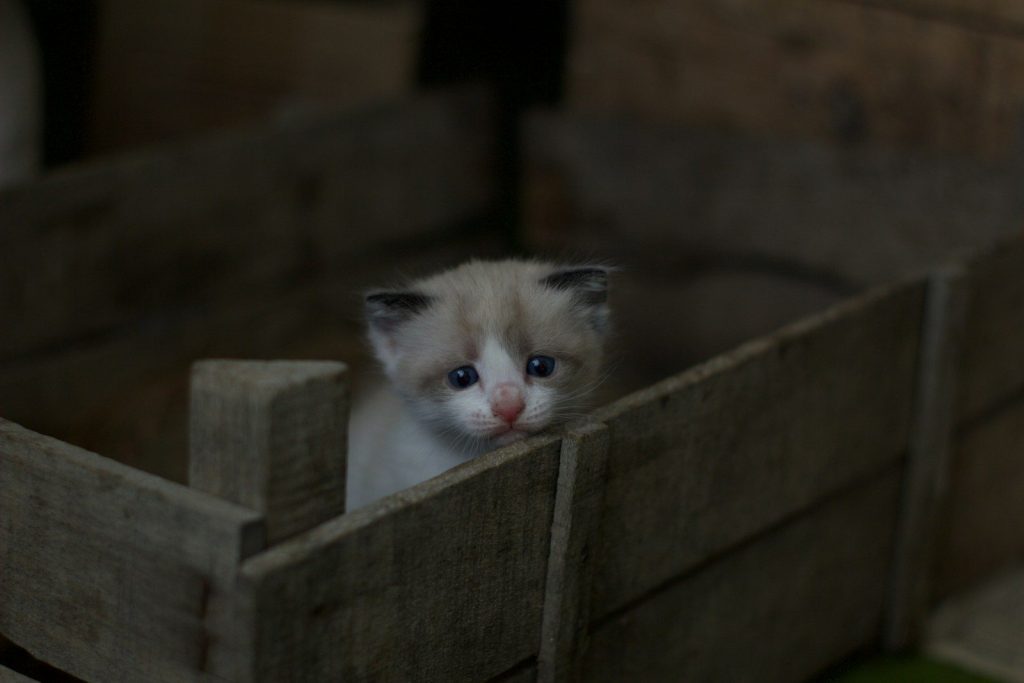
    white and gray tabby kitten on brown wooden crate
    Photo by George Bonev on Unsplash

    Curious about the cat’s behavior, Elena followed her. The mother cat led her toward a hidden area covered by ivy. There, Elena discovered four tiny kittens resting together in a small dirt hollow.

    The kittens appeared quiet and vulnerable. Their mother walked over and gently groomed them while staying close by. It was a touching moment that showed how much she cared for her young family despite the difficult conditions they were living in.

    A storm creates a new challenge

    A cat standing on the ground looking at something
    Photo by Usman Yousaf on Unsplash

    Soon, Elena learned that a heavy summer storm was approaching. She worried that the dirt hollow where the kittens were hiding could flood during the rain. If that happened, the tiny family could be placed in serious danger.

    To help, Elena prepared a cardboard box lined with warm towels. She placed it nearby and hoped the mother cat would see it as a safe shelter. The situation became a major test of the trust they had built together.

    A happy ending for the cat family

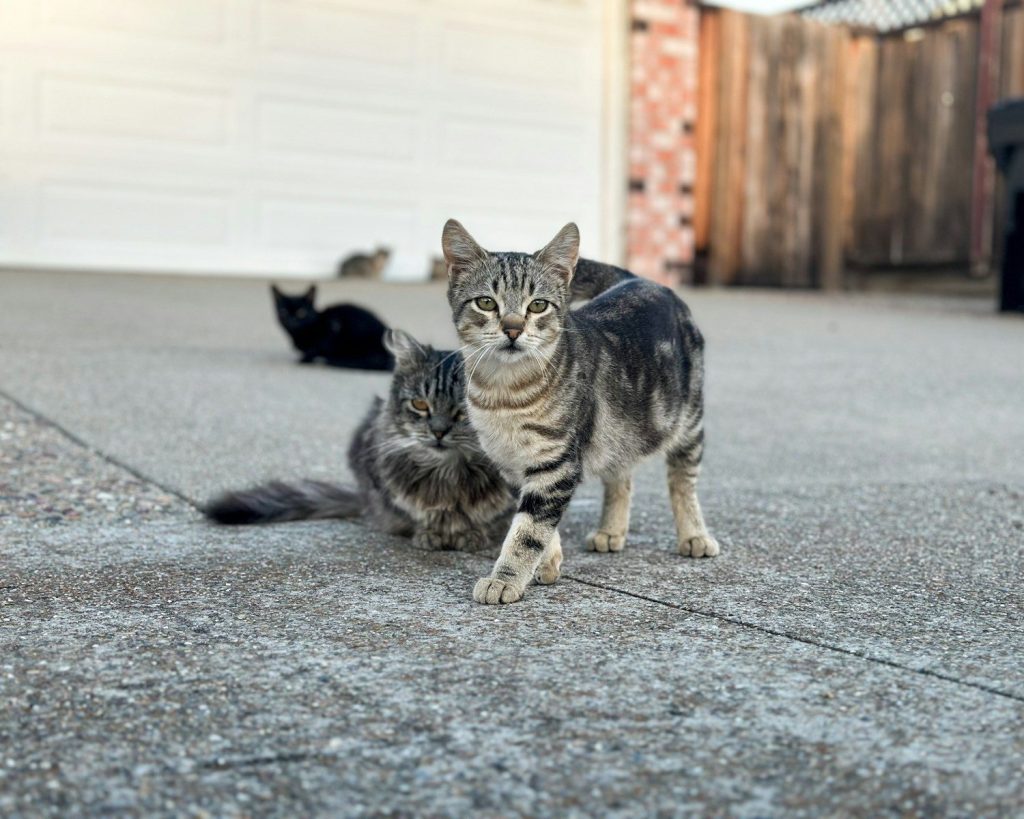
    a couple of cats that are standing in the street
    Photo by gibblesmash asdf on Unsplash

    The mother cat quickly accepted the help. One by one, she picked up each kitten by the scruff and carefully moved them into the box. Her actions showed complete trust in the safe space that Elena had prepared.

    Elena later brought the family indoors, where they could stay warm and protected. In time, she found loving homes for all four kittens. As for the brave mother cat, Elena decided to adopt her, giving the former stray a permanent home and a bright future.