Have you ever seen a wild animal and wanted to get a little closer for a better look? While that may seem harmless, some animals can be extremely dangerous when people enter their space. Many of these creatures do not want to hurt humans, but they may attack if they feel threatened, frightened, or cornered.
From powerful predators to tiny insects that carry deadly diseases, there are many animals best admired from a safe distance. This article explores several dangerous animals and explains why respecting their space is important for both people and wildlife.
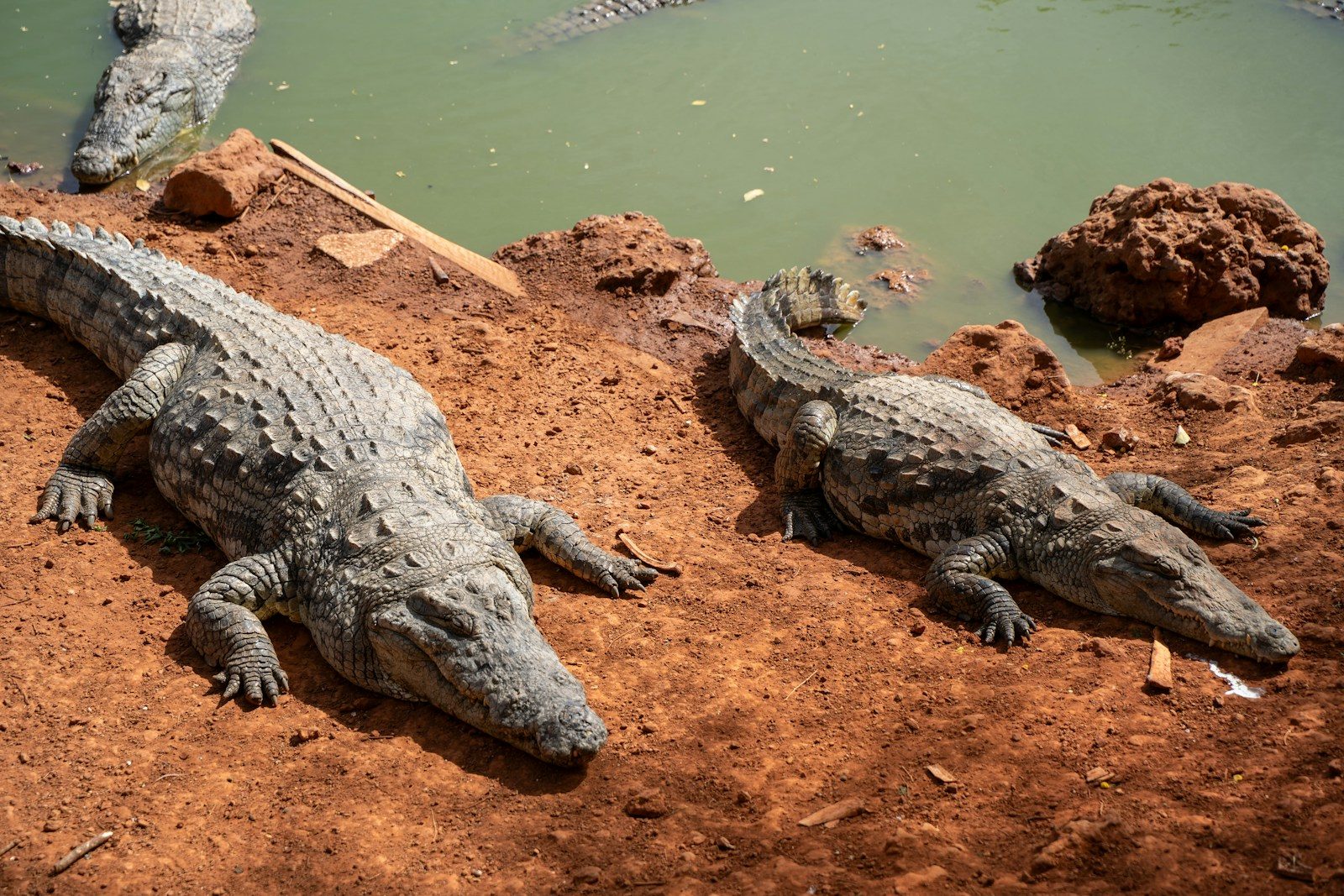
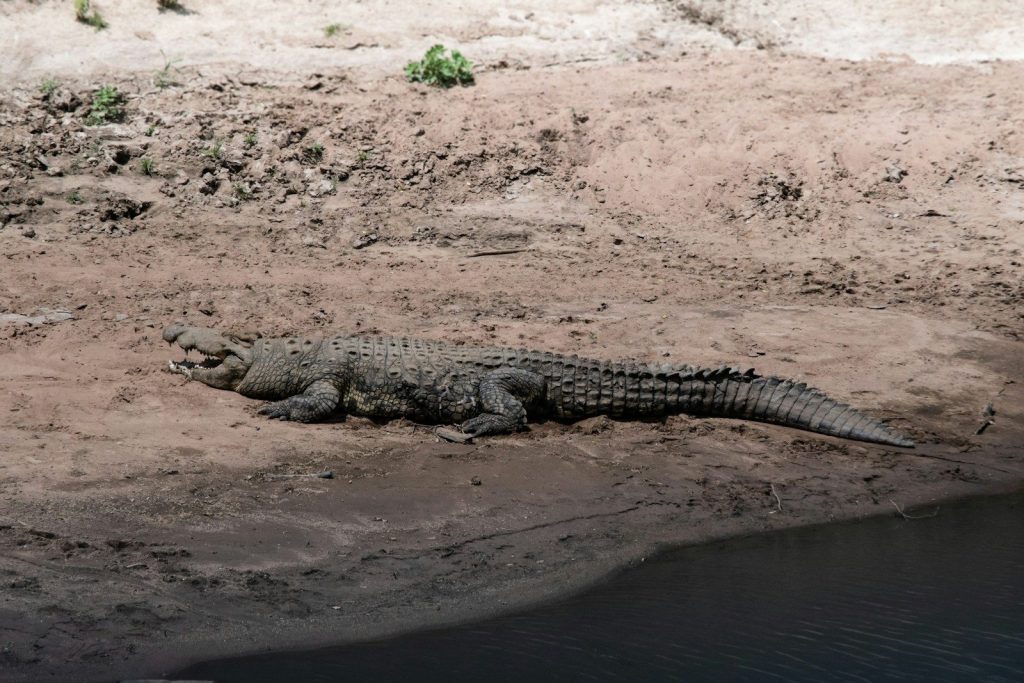
Nile crocodiles are among the most dangerous reptiles in the world. They live in freshwater habitats throughout the Nile Basin, sub-Saharan Africa, and Madagascar. These massive predators can weigh more than 1,500 pounds and have up to 68 sharp teeth.
The species is believed to attack hundreds of people each year. Once a crocodile grabs its prey, it may perform a death roll, spinning underwater while holding its victim. Their ability to remain underwater for more than an hour makes them difficult to detect.
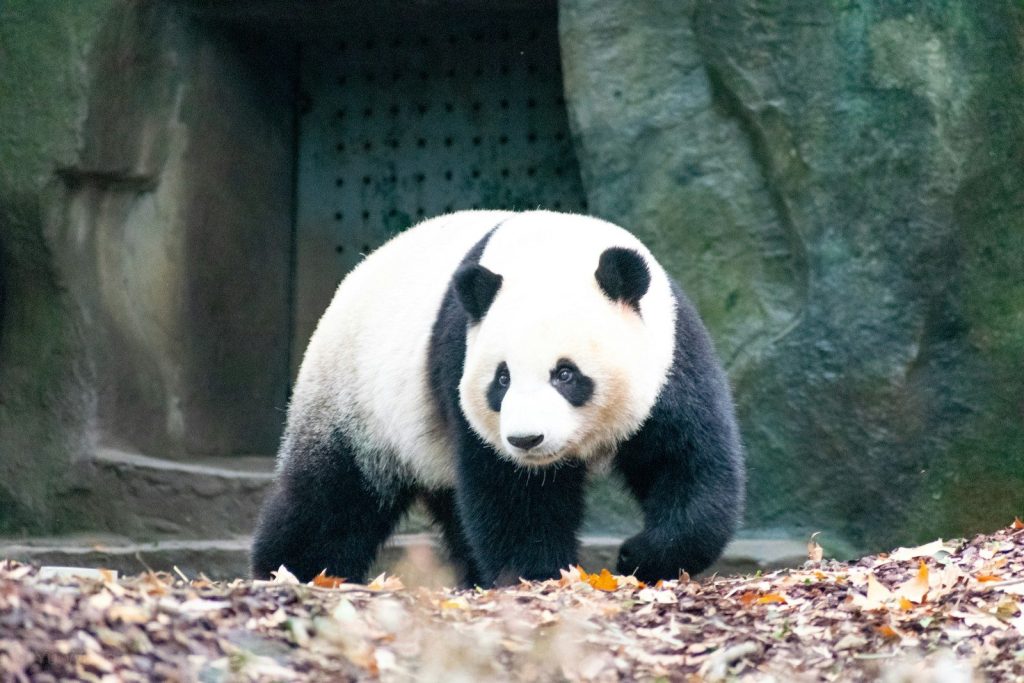
Many people see giant pandas as gentle animals because they spend much of their time eating bamboo. However, pandas are still bears and can inflict serious injuries.
There have been documented cases of giant pandas attacking humans, including incidents at zoos. Experts also note that pandas do not eat only bamboo and have been reported to consume other animals under certain circumstances.
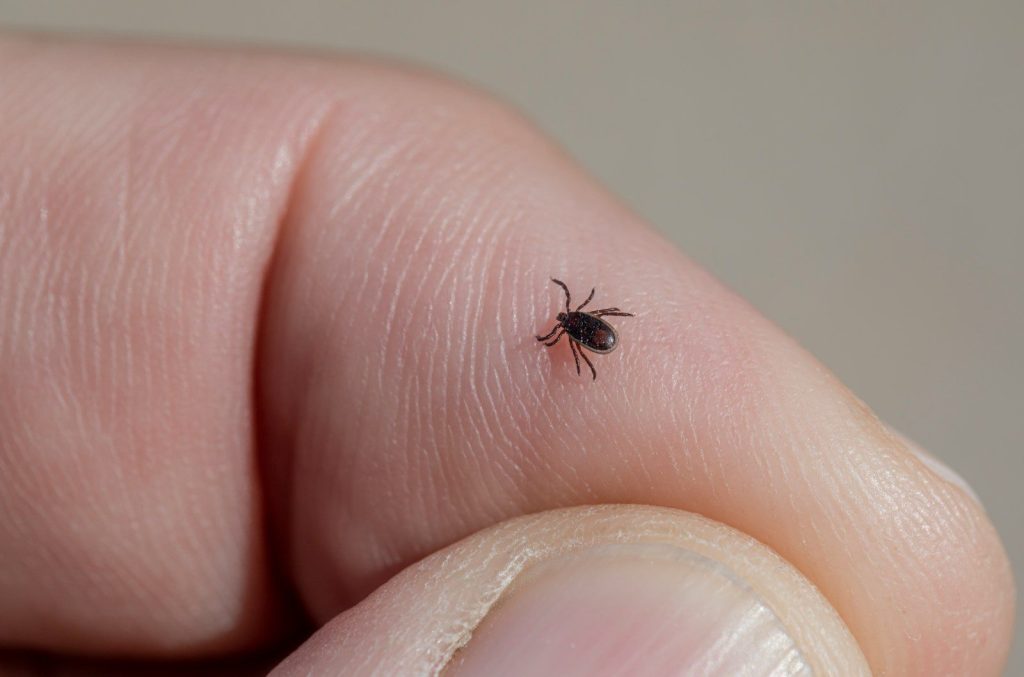
Ticks are tiny creatures, but they can create major health problems for humans. Several species carry diseases that can be transmitted through their bites.
The blacklegged tick, also known as the deer tick, is known for spreading Lyme disease. Other species can spread illnesses such as babesiosis and Rocky Mountain spotted fever, making these small pests far more dangerous than their size suggests.
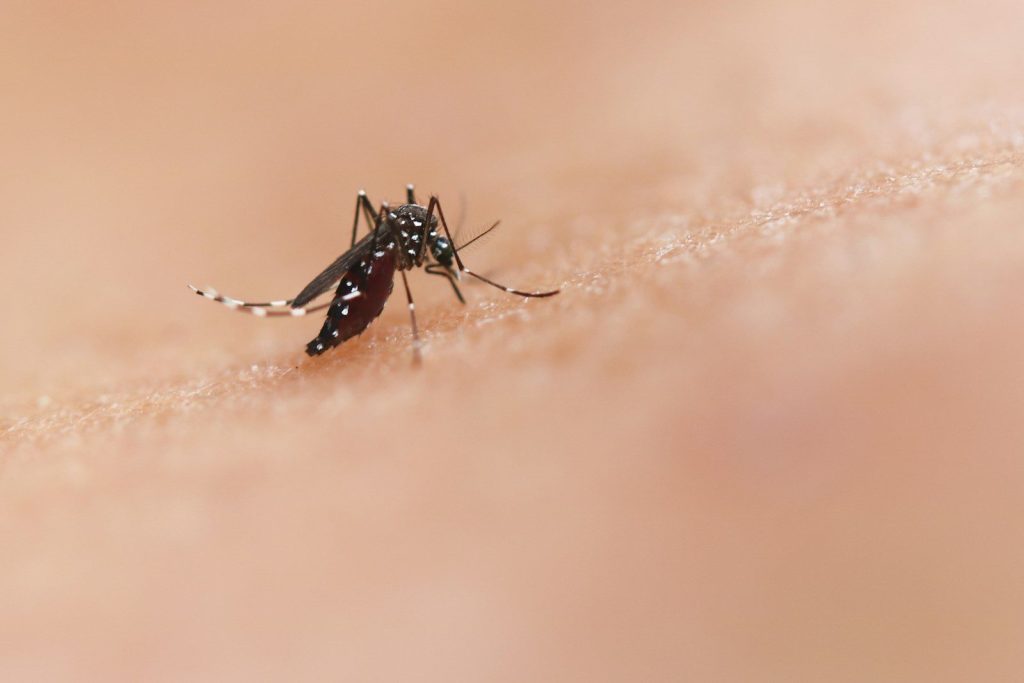
Mosquitoes are common insects found in many parts of the world. While their bites are often seen as little more than an annoyance, they can transmit dangerous diseases.
According to health experts, mosquitoes spread illnesses including malaria, Zika virus, yellow fever, West Nile virus, and dengue virus. These diseases cause hundreds of thousands of deaths each year, making mosquitoes among the deadliest animals on Earth.
The cone snail is a small sea snail that lives on reefs across the Indo-Pacific region. Its colorful shell may appear harmless, but this animal possesses a highly dangerous defense system.
The snail injects venom through a harpoon-like tooth. The toxins can be powerful enough to kill a human, and there is currently no antivenin available. Because of this, touching these animals can be extremely risky.
Tigers are the largest wild cats in the world and are known for their strength and hunting ability. Although they generally avoid humans, they are responsible for dozens of human deaths each year.
Habitat loss has brought some tigers closer to human settlements. In certain situations, especially when injured or unable to hunt normal prey, some tigers have attacked people, earning a reputation as one of the world’s most feared predators.
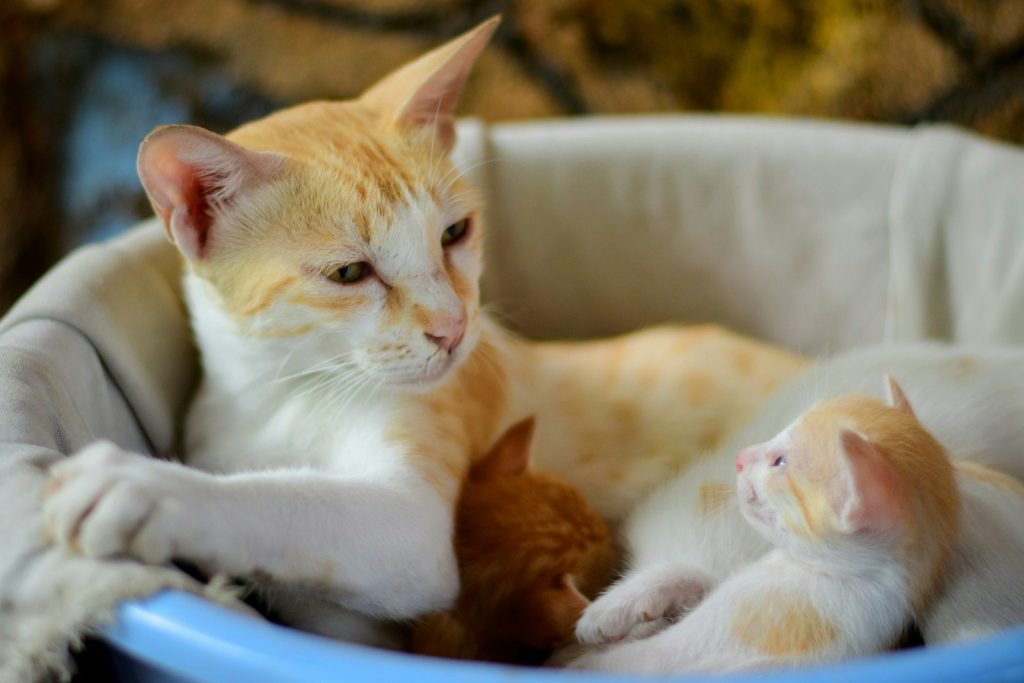
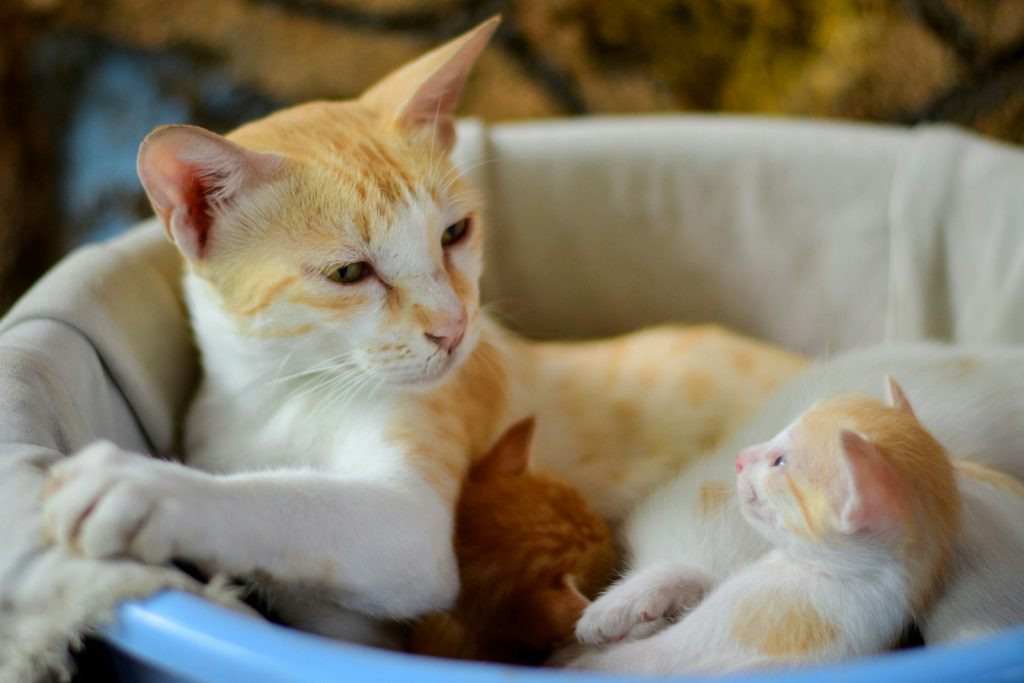
Have you ever checked on a litter of kittens and found a completely different animal among them? That surprising moment became reality for one Oklahoma family after they took in a pregnant stray cat. What started as a simple rescue soon turned into an unusual and heartwarming story when the family discovered a baby rabbit living alongside the newborn kittens.
The stray cat not only accepted the tiny bunny but appeared to care for it as if it were one of her own. This remarkable story shows how a small act of kindness led to an unexpected family of animals and captured the attention of many people.
The story began in Vian, Oklahoma, where a stray cat started appearing on Kathy Price’s porch. According to Price, the cat had been visiting her home for about two months before the surprising events unfolded.
When Price opened her door to feed the cat one day, the animal did not hesitate. Instead, the friendly feline ran straight into the house, making it clear that she needed a safe place to stay.
Price explained that her family was already familiar with helping stray cats. Because of their experience, taking in another animal in need felt like the right thing to do.
She also believed the cat had once belonged to a family. The cat was very tame and comfortable around people, leading Price to think that she may have become separated from her previous home.
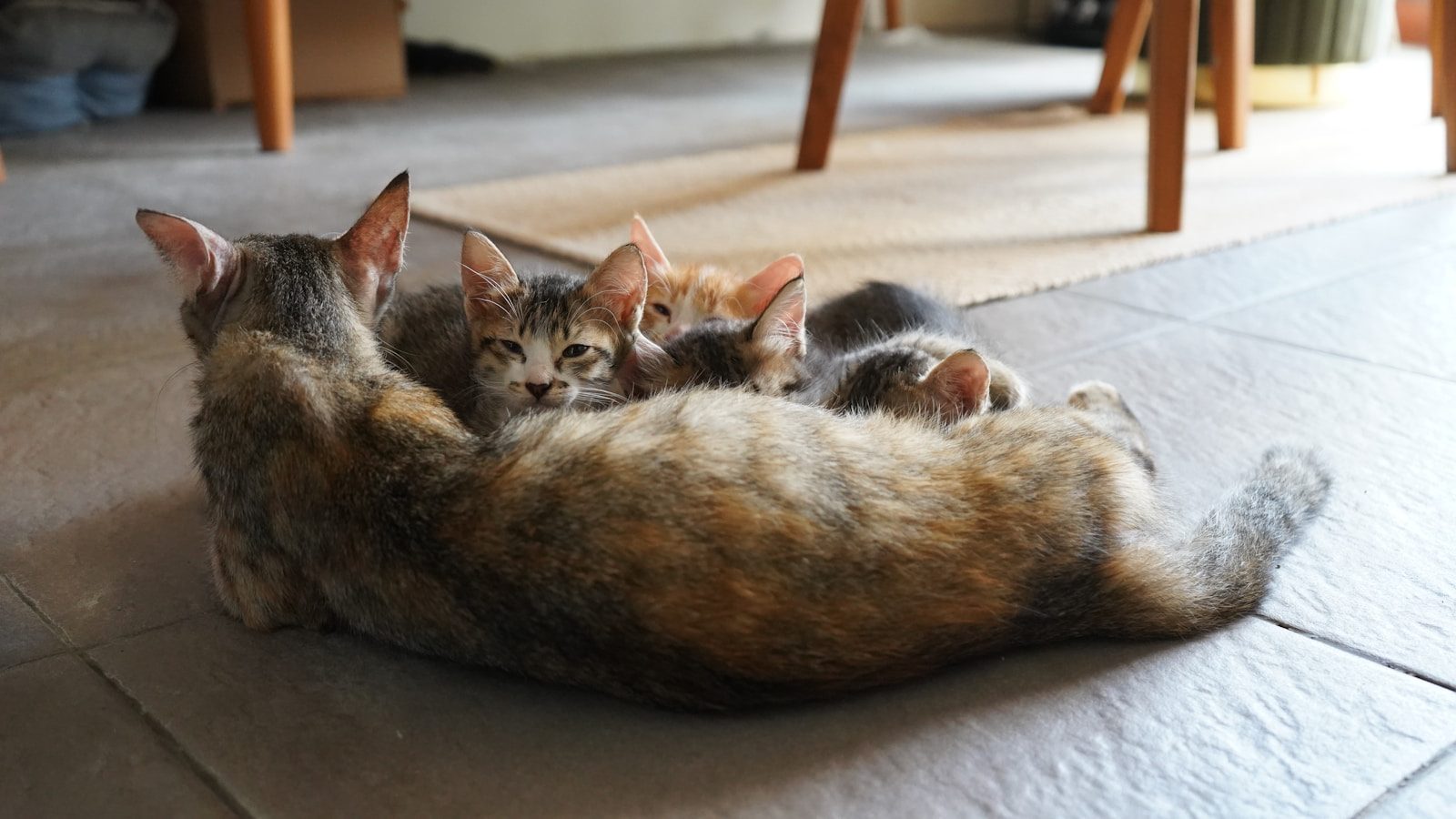
After settling into her new surroundings, the pregnant cat gave birth on Memorial Day. The family was excited to welcome the five newborn kittens into the home.
Everything seemed normal during the first few days after the birth. The mother cat stayed close to her babies and cared for them while the family checked on them regularly.
Several days later, Price and her husband noticed something unusual while looking at the litter. As they counted the kittens, they realized there was one extra baby among them.
Price’s husband pointed out that there were six young animals instead of five. When Price looked more closely, she quickly realized that the extra baby was not a kitten at all but a tiny rabbit.
The discovery left the family surprised, but the situation became even more remarkable when they saw how the cat reacted. According to reports, the mother cat appeared to accept the rabbit as part of her litter.
After finding the bunny, Price researched similar situations. She learned that some mother cats are willing to nurse and care for young animals, including orphaned kittens, puppies, and even rats.
Price said she has become attached to the animals and enjoys caring for them. However, she hopes to find a safer place for them because the family lives near a highway.
Meanwhile, her daughter, Christy Moreno, viewed the situation with humor. She joked that her mother was living her “best Disney princess life” while caring for a cat, five kittens, and a baby rabbit under the same roof.
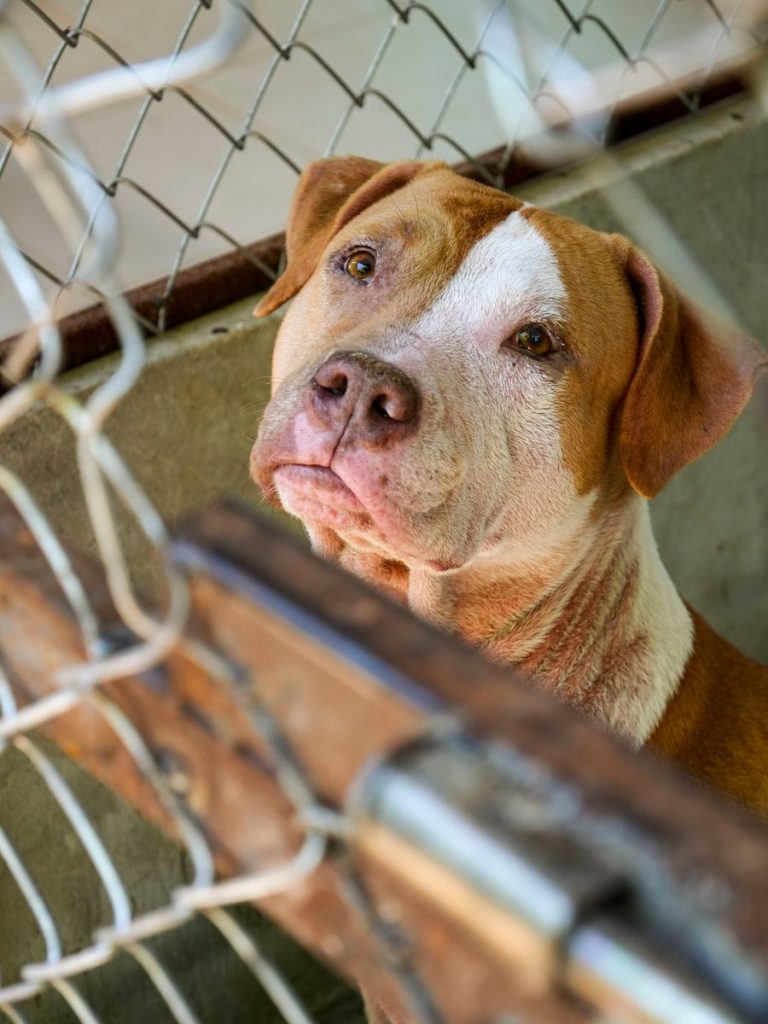
What happens when a dog waits every day for a family that never comes? That is the heartbreaking reality for Molly, a shelter dog who is currently up for adoption. Her story has touched many people after a video shared on Instagram showed her patiently sitting in her kennel and hoping for a better future.
The shelter dog has spent weeks in an impound, yet she continues to show trust and kindness. Through this story, readers will learn about Molly’s situation, why her video has gone viral online, and how many people hope she soon finds the loving home she deserves.
Molly is a rescue dog who is currently living in an impound while she waits for someone to adopt her. A video shared on Instagram has brought attention to her situation and introduced her story to animal lovers across social media.
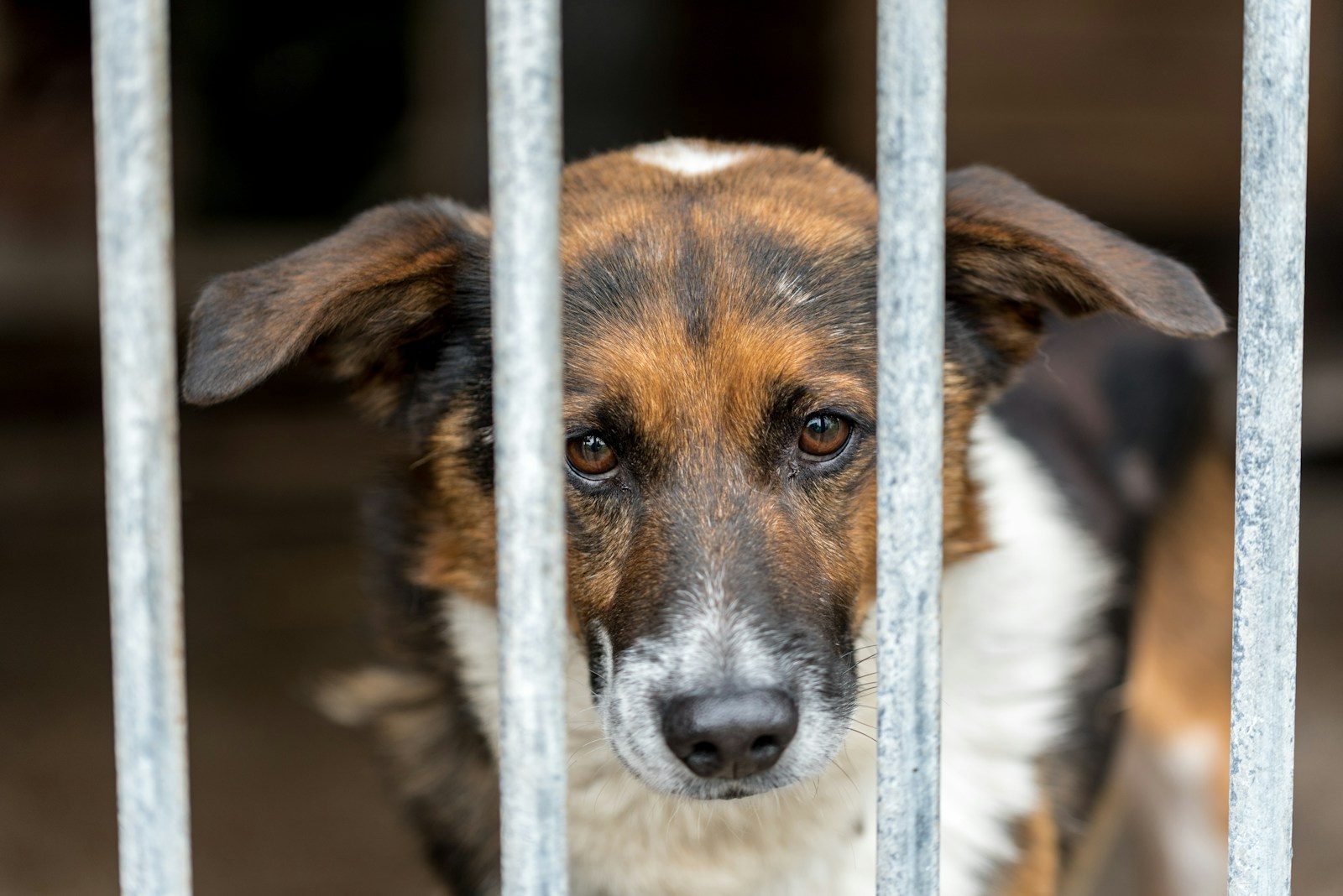
The video shows Molly sitting quietly inside her kennel. She looks toward the person recording her with hopeful eyes, creating a powerful moment that has touched the hearts of many viewers.
According to the video, Molly does not understand why she is staying in the kennel. The on-screen text explains that she does not know why she is there or why nobody has come to take her home.
For many viewers, this message made the video even more emotional. Seeing Molly wait patiently inside her cabin helped people connect with her story and imagine what she might be feeling as she spends each day in the impound.
Even though Molly has waited a long time, she has remained hopeful. The video explains that she has not lost hope and continues to wait for someone who will finally bring her home.
Her calm behavior and gentle expression show a dog that still believes better days are ahead. While her future remains uncertain, her patience has become one of the most touching parts of her story.
The caption shared with the video states that Molly has been living in the impound for about a month. During that time, she has continued waiting for the chance to leave the kennel and start a new chapter in her life.
The post also suggests that Molly has experienced difficult times before arriving at the impound. Despite whatever challenges she may have faced, she continues to be described as sweet, trusting, and gentle.
The people sharing Molly’s story believe she would do best in a peaceful and patient environment. They say she deserves a place where she can relax, feel safe, and adjust to a new life at her own pace.
According to the caption, Molly needs a home where she can decompress, heal, and settle into comfort. A caring foster home or permanent family could provide the stability and love that she has been missing.
Molly’s story has received a warm response from viewers on Instagram. Many people have filled the comments section with heart emojis and messages showing support for the shelter dog.
Some users have encouraged others to help Molly find a home as soon as possible. At the time the post was shared, the video had received 71 likes, indicating that many people are rooting for her happy ending.
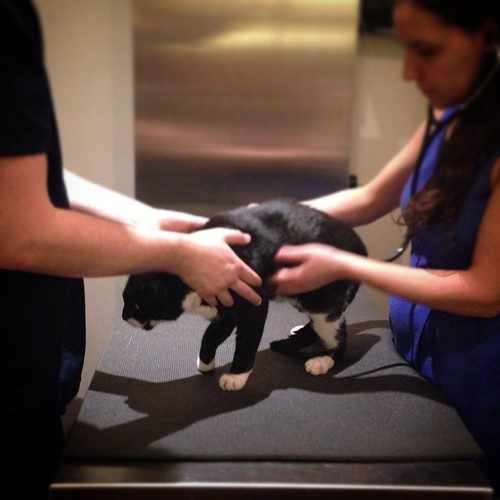
Many cat owners believe that keeping their pets indoors protects them from most health problems. While indoor cats face fewer outside dangers, they can still develop serious medical conditions over time. Many illnesses appear slowly and may not show obvious signs until they become more advanced.
That is why preventive care plays an important role in helping cats stay healthy throughout their lives. Regular veterinary visits, health screenings, and wellness checks can help detect problems early and improve a cat’s quality of life. Understanding the value of preventive care can help owners give their indoor cats the best chance of a long, comfortable life.
Indoor cats can still develop serious health problems
Living indoors does not guarantee a cat’s perfect health. Many common medical conditions can develop regardless of whether a cat spends time outside.
Indoor cats may experience obesity, dental disease, kidney disorders, arthritis, diabetes, heart conditions, digestive issues, and thyroid problems. These conditions often develop gradually and may not be immediately noticeable to owners.
One of the biggest benefits of preventive care is the ability to identify health concerns before they become serious. Cats are naturally skilled at hiding pain and illness, making early detection difficult without professional evaluations.
Routine veterinary examinations can reveal changes in weight, heart function, organ health, mobility, behavior, and other early signs of disease. Detecting problems sooner often allows for better management and treatment.
Cats have different healthcare needs as they grow older. Kittens, adults, and senior cats each require different types of care and monitoring.
Routine veterinary visits help track growth, nutrition, mobility, age-related changes, and overall wellness. Maintaining a complete health history also allows veterinarians to identify subtle changes that may otherwise go unnoticed.
Dental disease is one of the most common health problems affecting cats, including those that live exclusively indoors. Unfortunately, dental issues are often overlooked until they begin causing discomfort.
Signs of dental disease may include bad breath, drooling, reduced appetite, difficulty chewing, and pawing at the mouth. Regular veterinary evaluations can help detect oral health problems before they become more serious.
Indoor cats often have fewer opportunities for physical activity than outdoor cats. As a result, they may be more likely to gain excess weight over time.
Obesity can contribute to joint stress, reduced mobility, diabetes, heart strain, and lower energy levels. Veterinarians can recommend nutrition plans and monitor body condition to help maintain a healthy weight.
Routine screenings help senior cats age comfortably
As cats grow older, they become more vulnerable to age-related health concerns. Regular screenings become increasingly important during the senior years.
Veterinary evaluations can help detect kidney disease, thyroid disorders, high blood pressure, cognitive changes, vision decline, hearing loss, and joint discomfort. Early management of these conditions can help senior cats remain active and comfortable for longer.
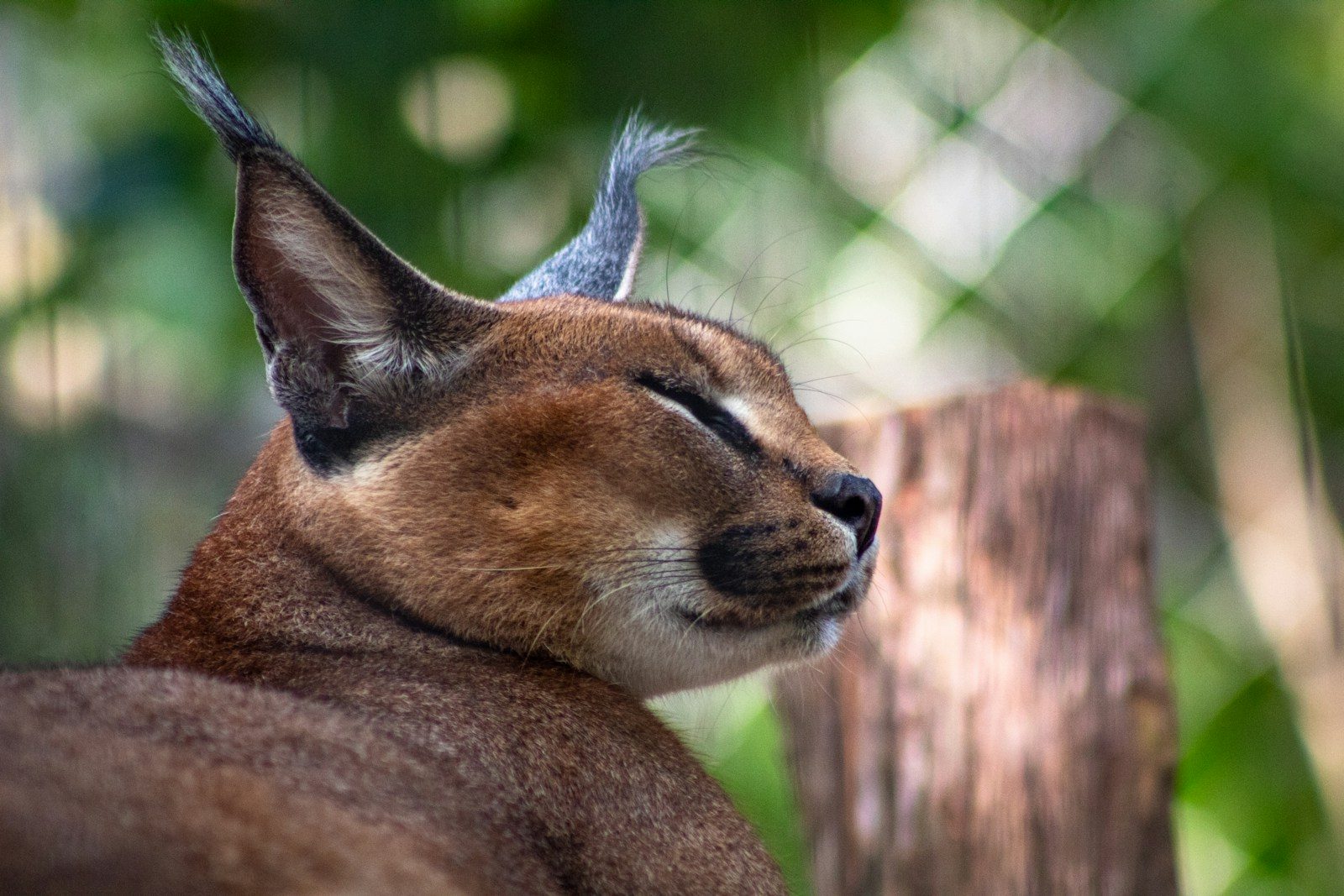
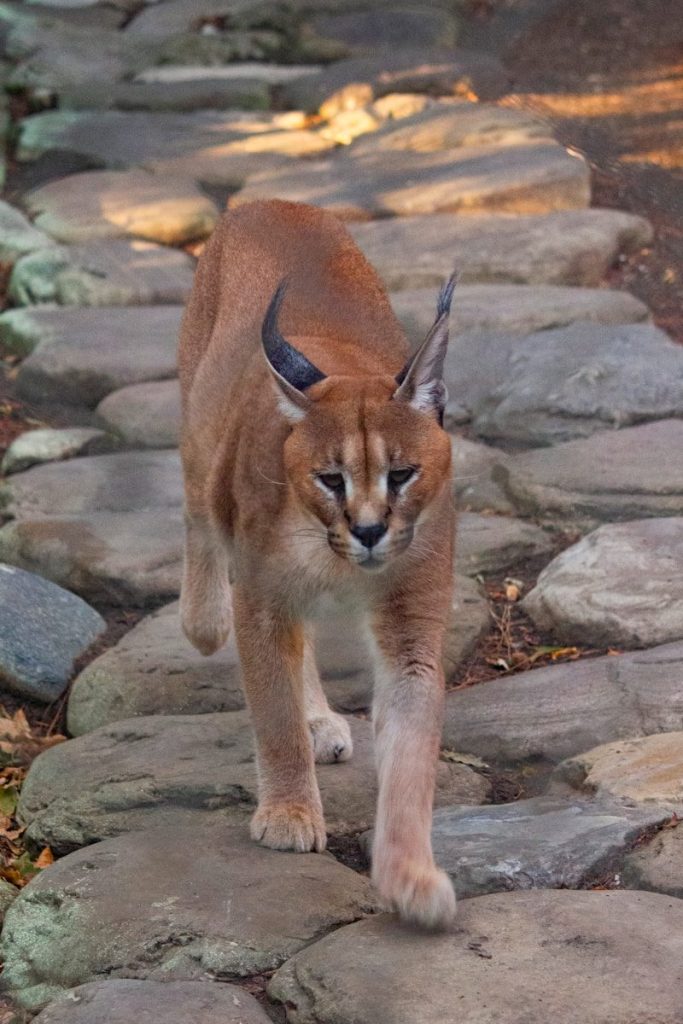
A rare wildcat has made an exciting return to Kuno National Park in India after not being seen there for decades. The animal, known as the caracal, was recently captured on a hidden camera inside the park, giving conservationists a reason to celebrate. As one of India’s rarest and most elusive wild cats, the caracal is rarely seen in the wild.
Its appearance is being viewed as a positive sign for wildlife conservation and habitat restoration efforts in the region. This article explores why the sighting matters, what makes the caracal unique, and what it reveals about the health of Kuno National Park’s ecosystem.
The caracal was recorded on a camera trap in Kuno National Park in Madhya Pradesh. The sighting was announced around World Environment Day and quickly drew attention from conservationists and wildlife officials.
Because the species had not been recorded in the park for decades, the discovery was considered an important moment. Experts believe the sighting reflects positive changes in the park’s habitat and wildlife management programs.
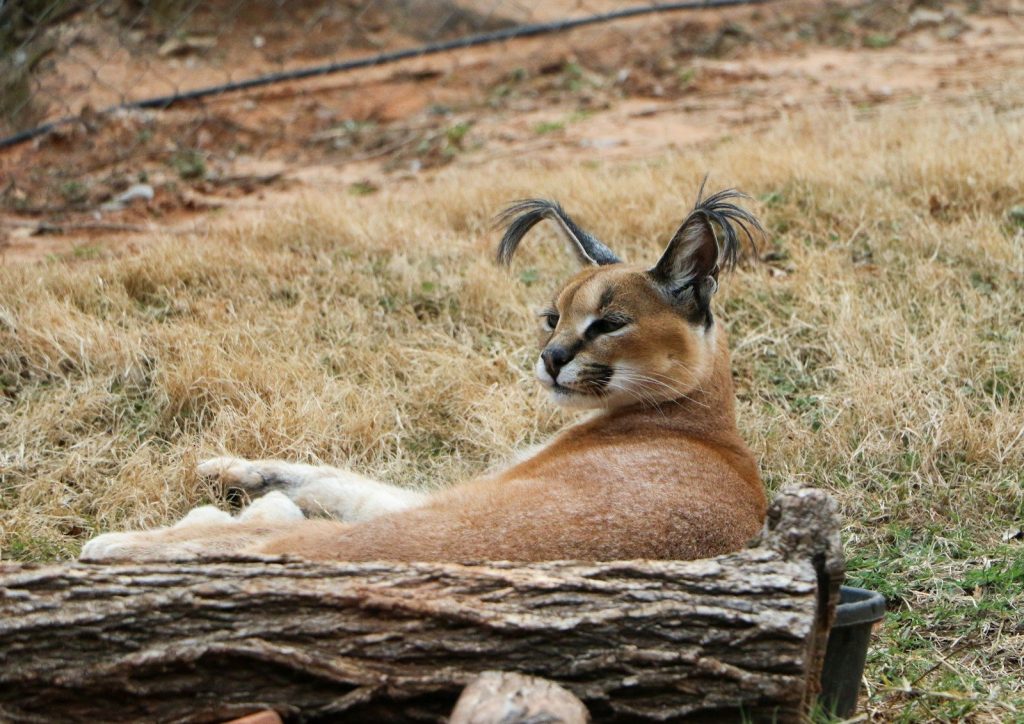
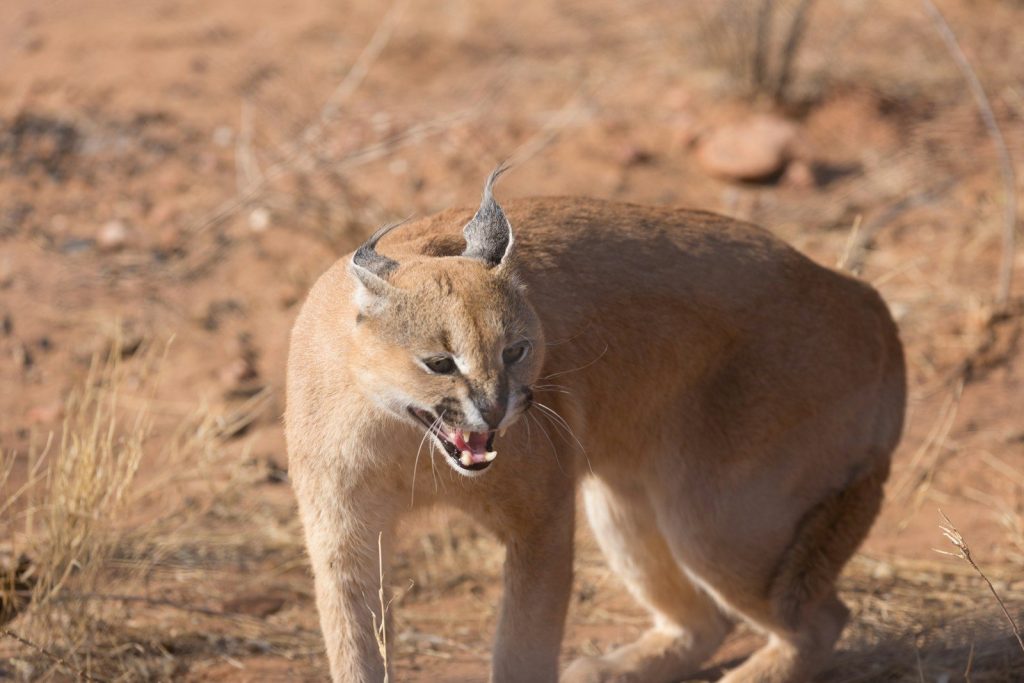
The caracal is a medium-sized wild cat known for its long legs, slender body, and distinctive black ear tufts. Its name comes from a Turkish word meaning “black ear,” which refers to its striking appearance.
The species is found across parts of Africa, the Middle East, Central Asia, and western India. However, its population and range in India have declined significantly, making sightings extremely uncommon and valuable for researchers.
Caracals are highly elusive animals that prefer to stay hidden from people. Their natural camouflage and quiet movements allow them to move through dry forests, grasslands, and scrub habitats without being noticed.
Because of their secretive behavior, camera traps play a major role in monitoring the species. These motion-activated cameras help researchers confirm the presence of rare animals without disturbing them or changing their natural behavior.
Kuno National Park is best known for India’s African cheetah reintroduction project. Over the years, the park has undergone habitat restoration, prey development, monitoring, and wildlife management activities connected to that effort.
Officials believe the return of the caracal shows that conservation projects can benefit entire ecosystems. Improvements made for one species may also create better conditions for many other animals living in the same habitat.
The caracal is sometimes called a desert lynx, although it is not a true lynx. Its athletic body allows it to leap high into the air, helping it catch birds and other prey.
The species has earned several nicknames, including the flying cat, African lynx, Persian cat, gazelle cat, and Rooikat. In western India, caracals help maintain ecological balance by feeding on rodents and other small animals.
Conservationists see the caracal’s return as a sign that Kuno National Park is supporting a wider range of wildlife. The presence of a rare predator suggests that habitat conditions may be improving for multiple species.
While Kuno remains closely associated with cheetah conservation, the sighting highlights the importance of protecting entire ecosystems. Healthy habitats support not only famous animals but also lesser-known species that play important roles in nature.
Have you ever wondered if dogs remember the ones they grew up with, even after being separated for a long time? The emotional rescue story of Spud and Dudley shows just how strong those early bonds can be. After being pulled from the streets, the two brothers were placed on different paths, each trying to survive alone in a world that had not been kind to them.
The keyword dog reunited with brother after rescue and won’t leave his side perfectly describes what happened when these two dogs finally found each other again. At first, life after rescue was confusing and emotional. But once they were brought back together, something changed. This article will walk you through their separation, emotional struggles, powerful reunion, and how their bond slowly healed over time. It also explains what science and real rescue experiences say about sibling dogs and emotional memory.
Before rescue, Spud and Dudley lived a harsh life where every day was about survival. They depended on each other completely, sharing food when they could find it and staying close for safety. This kind of early bonding is common in stray littermates, especially when there is no human care to rely on.
Living on the streets also meant facing fear, hunger, and uncertainty. Dogs in these conditions often develop strong emotional attachments to their closest companion because that bond becomes their only source of comfort. For Spud and Dudley, that connection was each other. They had grown up side by side, learning how to navigate a world that offered them very little security.
When rescue teams finally stepped in, Spud and Dudley were saved from dangerous conditions. However, like many rescue situations, they were separated to help them recover more easily. Spud went into one care environment, while Dudley was placed elsewhere, each beginning the slow process of healing.
For weeks, neither dog knew what had happened to the other. Dudley, in particular, reportedly showed signs of distress, crying and searching for his brother. Dogs often react strongly to sudden separation from bonded companions, and this reaction is linked to their strong memory of familiar scents and routines. Even though both dogs were now safe, the emotional loss of each other was still very real.
Everything changed when their rescuer learned the truth about the bond between Spud and Dudley. It became clear that these were not just two stray dogs, but brothers who had spent their entire lives together. Realizing this, the rescuer made it a priority to reunite them.
Reunions like this are not always simple. Rescue teams must carefully consider timing, stress levels, and safety. In this case, they knew the emotional impact could be strong. But the belief that the dogs would benefit from being together again gave the team hope. The decision was made to bring them face-to-face once more, even though no one could fully predict how they would react.
When Spud and Dudley finally met again, the reunion was not instantly perfect. At first, there was confusion and hesitation, which is common when animals have gone through trauma. Years of survival on the streets had left emotional scars that could not disappear in a moment.
But slowly, recognition began to appear. The dogs started to respond to each other’s scent and presence. Their behavior softened as familiar memories seemed to return. While they did not immediately act like nothing had changed, there was a clear shift toward comfort and trust. This moment marked the beginning of their emotional healing process.
After the reunion, both dogs were given stable care, including their own beds, regular meals, and consistent attention. These simple comforts played a big role in helping them adjust to their new lives. Safety and routine are extremely important for rescue dogs, especially those who have experienced long-term stress.
Over time, Spud and Dudley began to relax more in each other’s presence. The fear and uncertainty from their street life slowly faded. They started eating more comfortably, resting without worry, and exploring their new environment with growing confidence. Most importantly, they began to trust that they were finally safe.
As days passed, the brothers’ bond became even stronger than before. Instead of drifting apart, they naturally stayed close to each other. This is often seen in bonded rescue dogs who are reunited after separation. The emotional connection does not just return, it often deepens because of what they endured apart.
Spud and Dudley’s story shows how powerful early-life bonds can be. Even after trauma, separation, and uncertainty, their connection remained. Their behavior became a clear example of how dogs can remember and emotionally reconnect with family members, especially siblings they grew up with.
Imagine spending your entire life in a space so small that you can barely turn around. For one dog, that nightmare was real. The story of a dog rescued after living his whole life in a box has touched animal lovers around the world and raised important questions about animal neglect and welfare.
This heartbreaking rescue shows both the cruelty that some animals face and the incredible compassion of the people who step in to help. In this article, you will learn what happened to the dog, how rescuers saved him, the physical and emotional effects of long-term confinement, and how he slowly began a new life filled with care and safety.
The dog’s story came to light when a concerned person discovered a wooden box that appeared abandoned near a river. At first, there was no clear sign that a living animal was trapped inside. When the box was opened, rescuers found a severely neglected dog who had been confined in the cramped space with almost no room to move.
The condition of the box revealed how desperate the dog had become. Reports described visible scratch and bite marks around the enclosure, showing repeated attempts to escape. The dog had no access to food or water and appeared extremely thin. Animal welfare workers quickly realized they were dealing with a case of severe neglect that required immediate intervention.
Living in a confined space for a long period can have devastating effects on any animal. Dogs are naturally active creatures that need room to walk, play, explore, and interact with people. When these needs are denied, both their bodies and minds suffer. In this case, the dog had spent much of his life in conditions that prevented normal movement and healthy development.
Experts in animal welfare have long warned that prolonged confinement can lead to muscle weakness, poor physical condition, and emotional distress. Dogs kept in tiny spaces often miss out on basic experiences that help them learn and build confidence. They may never have the chance to run freely, interact with other animals, or experience positive human attention. Over time, this isolation can create deep emotional scars that are difficult to heal.
When rescuers examined the dog, they found clear signs of suffering. He was underweight and showed evidence of long-term neglect. His body carried wounds and scars, and his overall condition suggested that he had endured hardship for a significant period. Animal welfare workers immediately began providing medical care and nutritional support to help stabilize him.
Physical recovery for neglected dogs is rarely quick. Malnourished animals often require carefully managed feeding plans because sudden changes in diet can create health complications. Veterinarians must also assess injuries, infections, dental problems, and other conditions that may have developed over months or years. In many rescue cases, rebuilding strength takes weeks or even months, but proper care can lead to remarkable improvements.
While physical injuries can often be treated with medicine and nutrition, emotional trauma is more difficult to measure. Dogs that have spent years in isolation may struggle with fear, anxiety, and uncertainty. They often need time to learn that people can be trusted and that they are no longer in danger.
Animal behavior specialists frequently observe that rescued dogs progress at different speeds. Some begin showing affection quickly, while others remain cautious for months. Positive experiences, patience, and consistent routines are essential during recovery. Many rescue stories show that even dogs who suffered extreme neglect can gradually gain confidence when surrounded by kindness and stability. Experiences shared by rescue dog owners often highlight small but meaningful milestones, such as a dog finally relaxing enough to sleep deeply, play with toys, or seek affection from family members.
The dog’s rescue marked the beginning of a completely different life. After being removed from the box, he was transferred to animal welfare professionals who could provide the long-term care he needed. Shelters and rescue organizations often work together in severe neglect cases because rehabilitation requires significant resources, including medical treatment, behavioral support, and foster care.
Despite everything he had endured, rescuers noted encouraging signs in his personality. Stories like this often reveal the resilience of dogs, many of which continue to show friendliness even after experiencing terrible treatment. The people caring for him focused on creating a safe environment where he could slowly learn what a normal life looked like. Every meal, gentle interaction, and comfortable place to rest helped replace painful memories with positive experiences.
One of the most inspiring parts of this story is that the dog eventually found a loving home. The person who helped save him developed a strong connection with him and later adopted him. This outcome demonstrates the powerful bond that can form between rescuers and the animals they help. For a dog who once faced an uncertain future, having a permanent home represented a life-changing victory.
Successful adoptions give rescued animals the chance to experience things they may have never known before. A comfortable bed, regular meals, veterinary care, and affection can transform a dog’s quality of life. Although the memories of neglect may never completely disappear, many rescued dogs go on to enjoy happy lives. Their stories remind people that recovery is possible and that compassion can make a profound difference.
Cases involving severe neglect often spark public concern because they reveal the importance of responsible pet ownership. Dogs depend entirely on humans for their safety, health, and well-being. When those responsibilities are ignored, animals can suffer greatly. Stories like this encourage communities to report suspected neglect and support organizations that work to protect vulnerable animals.
Animal rescue groups across the country continue to save dogs from difficult situations every year. Whether a dog has been abandoned, chained outside for years, confined in a cage, or trapped in a tiny enclosure, dedicated rescuers help provide a second chance. These efforts not only save individual animals but also raise awareness about the standards of care that every pet deserves.
Many animals never get the chance to grow up in a safe home. Every year, orphaned kittens, abandoned puppies, and other vulnerable animals are left without the care they need. The good news is that a rise in rescues is helping orphaned and abandoned animals get adopted more often than before. Rescue groups, shelters, foster families, and volunteers are working together to save animals and connect them with loving homes.
Animal rescue efforts have become an important part of modern pet welfare. More communities now support adoption programs, foster networks, and rescue organizations that give homeless animals a second chance. As these efforts grow, thousands of animals that once faced uncertain futures are finding permanent families. This article explores how rescue programs are helping orphaned and abandoned animals and why adoption continues to play a vital role in animal welfare.
Animal rescue organizations often step in when orphaned or abandoned animals are found. These groups work alongside shelters, veterinarians, and local communities to provide immediate care. Young animals that lose their mothers need food, warmth, medical treatment, and constant attention. Rescue teams are trained to provide this support until the animals are healthy enough for adoption.
Recent shelter data shows that millions of animals enter shelters and rescue organizations each year. While shelters continue to face capacity challenges, rescue groups help reduce pressure by taking in animals that need special care. Transfers between shelters and rescues allow more animals to receive treatment and rehabilitation before being placed with adoptive families. This teamwork has become one of the most effective ways to increase successful adoptions.
Many orphaned and abandoned animals spend time in foster homes before finding permanent families. Foster caregivers provide a safe and calm environment where animals can recover physically and emotionally. Young kittens may need bottle feeding every few hours, while frightened dogs may need time to rebuild trust in people.
Foster care also helps shelters create more space for incoming animals. Animals living in foster homes often learn household routines, social skills, and basic training. This makes them more attractive to potential adopters because families can better understand the animal’s personality and needs. Foster programs have become one of the strongest tools for improving adoption outcomes.
Shelters and rescue groups have expanded their adoption efforts in recent years. Many organizations now use websites, social media, and community events to showcase available animals. Photos, videos, and adoption stories help potential pet owners learn about animals waiting for homes.
These outreach efforts have increased public awareness about adoption. More people understand that adopting from a shelter or rescue can save a life while providing a loving companion. Adoption events held in parks, pet stores, and community centers make it easier for families to meet animals in person. As a result, many orphaned and abandoned pets are finding homes faster than they might have in the past.
Medical care improves animals’ chances of finding homes
Many abandoned animals arrive at shelters with health problems. They may suffer from injuries, infections, malnutrition, or untreated illnesses. Rescue organizations invest significant resources into veterinary care to help these animals recover and become adoptable.
Modern rescue programs often include vaccinations, spaying and neutering, microchipping, and medical treatment before adoption. Animals that receive proper healthcare are more likely to live long, healthy lives with their new families. Medical rehabilitation also allows shelters to save animals that might once have faced poor outcomes due to treatable conditions.
The success of animal rescues depends heavily on community involvement. Volunteers donate time to care for animals, transport them to appointments, clean facilities, and assist with adoption events. Donations from individuals and businesses help cover food, medical supplies, and shelter operations.
Communities also support rescues through education and awareness programs. Many organizations teach responsible pet ownership, encourage spaying and neutering, and help families keep their pets during difficult times. These efforts reduce the number of animals entering shelters while increasing support for adoption. Strong community involvement creates a better safety net for vulnerable animals.
Although rescue efforts are helping more animals, challenges still exist. Shelters across the country continue to care for large numbers of dogs and cats. Some animals, especially older pets, large dogs, or animals with medical needs, may wait longer for adoption. Limited funding and staffing shortages can also place pressure on rescue organizations.
Economic difficulties can contribute to pet abandonment when families struggle with housing, food costs, or veterinary expenses. Rescue groups often work beyond their normal capacity to help animals affected by these situations. Even with these challenges, growing adoption programs, foster networks, and community partnerships continue to improve outcomes for countless orphaned and abandoned animals.
Have you ever wondered which dog breeds are the smartest? Many people think intelligence in dogs is only about learning tricks, but it is much more than that. Some dogs learn commands very quickly, while others are great problem-solvers or have strong natural skills for herding, guarding, or tracking.
When discussing dog breeds ranked by intelligence, experts often look at trainability, obedience, problem-solving ability, and how well dogs work with people. This article explores how canine intelligence is measured and highlights some of the smartest dog breeds in the world. By the end, you will understand why certain breeds consistently top intelligence rankings and why every dog can be smart in its own way.
Dog intelligence is not measured the same way human intelligence is measured. Researchers and canine experts generally look at several different types of intelligence. These include instinctive intelligence, adaptive intelligence, and working or obedience intelligence. Instinctive intelligence refers to the tasks a breed was developed to perform, such as herding sheep or retrieving game. Adaptive intelligence measures a dog’s ability to solve problems on its own.
Working and obedience intelligence is the type most often used in breed rankings. It focuses on how quickly a dog learns new commands and how reliably it follows them. Much of the widely known ranking system comes from research by psychologist Stanley Coren, who gathered information from hundreds of professional dog obedience judges. His work showed clear differences in how quickly various breeds learned and responded to commands.
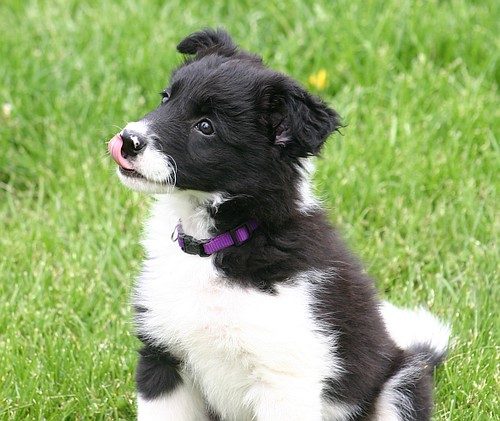
The Border Collie is widely considered the most intelligent dog breed in the world. These dogs were developed to herd sheep and other livestock, and they are known for their incredible focus, energy, and ability to learn. Border Collies can often understand new commands after only a few repetitions and perform them with remarkable accuracy.
Their intelligence goes beyond obedience. Border Collies are excellent problem-solvers and can make decisions independently while working. Many owners describe them as dogs that seem to think several steps ahead. Because of their intelligence and energy, they need plenty of mental stimulation and exercise. Without enough activity, they can become bored and develop unwanted behaviors.
The Poodle often surprises people by ranking near the very top of intelligence lists. While many people know Poodles for their stylish appearance, they are actually highly intelligent working dogs. They learn commands quickly, excel in obedience training, and perform well in activities such as agility, tracking, and service work.
The German Shepherd is another breed known for exceptional intelligence. These dogs are commonly used in police work, military operations, search-and-rescue missions, and service roles. Their ability to learn complex tasks, remember commands, and work closely with people makes them one of the most versatile breeds. German Shepherds combine intelligence with loyalty and courage, which is why they remain popular worldwide.
Golden Retrievers are famous for their friendly personalities, but they are also among the smartest dog breeds. They learn quickly and are eager to please, which makes training easier for many owners. Their intelligence and gentle nature make them excellent service dogs, therapy dogs, and family pets.
Doberman Pinschers are equally impressive when it comes to intelligence. They are known for their alertness, confidence, and ability to learn complex commands. Dobermans were originally developed for protection work, and their intelligence helps them assess situations quickly. With proper training and socialization, they become reliable companions who can excel in many different activities.
Several other breeds consistently appear near the top of intelligence rankings. The Shetland Sheepdog is often praised for its ability to learn commands rapidly and perform well in obedience competitions. Despite its smaller size, it possesses remarkable intelligence and a strong desire to work with people.
Labrador Retrievers, Papillons, Rottweilers, and Australian Cattle Dogs are also highly regarded for their intelligence. Labrador Retrievers are among the most popular service and assistance dogs because they are trainable and eager to work. Papillons demonstrate that small dogs can be extremely intelligent, while Rottweilers combine intelligence with strength and confidence. Australian Cattle Dogs are known for their problem-solving skills and strong work ethic developed through generations of herding livestock.
Although intelligence rankings are useful, they do not tell the entire story. Most rankings focus heavily on obedience and trainability. Some breeds may rank lower simply because they were bred to work independently rather than follow human commands immediately. This does not mean they are less intelligent.
For example, scent hounds can follow complex trails for miles using their powerful sense of smell. Terriers often show excellent problem-solving abilities when hunting small animals. Many dog experts point out that intelligence comes in different forms. A dog that seems stubborn during training may actually be making independent decisions based on its instincts and breeding history. Different breeds excel at different tasks, making intelligence much more complex than a simple list can show.
One important lesson from canine intelligence research is that every dog has strengths. Some dogs are exceptional at learning commands, while others are skilled at reading human emotions, solving problems, or performing specialized tasks. Researchers have even found that many dogs can understand a large number of words and human cues, showing just how closely they connect with people.
A breed’s ranking should never be the only factor when choosing a dog. Energy level, temperament, size, grooming needs, and compatibility with your lifestyle are just as important. A highly intelligent dog may require more mental stimulation and training than some owners can provide. In many cases, the best dog is not necessarily the smartest one but the one whose personality and needs match your home and family.
Orcas are known for their strong family bonds, but one family member plays a bigger role than many people realize. Scientists have discovered that grandmother orcas help keep their families alive and healthy, especially during hard times. This finding has changed the way researchers understand whale societies and even offers clues about why some animals, including humans, live long after they stop having babies.
If you have ever wondered why orca families depend heavily on their grandmothers, the answer comes down to food, experience, leadership, and survival. Research has shown that grandmothers can improve the chances of young whales living longer and thriving in difficult conditions. By learning about these remarkable animals, you can better understand one of the most successful family systems in the natural world.
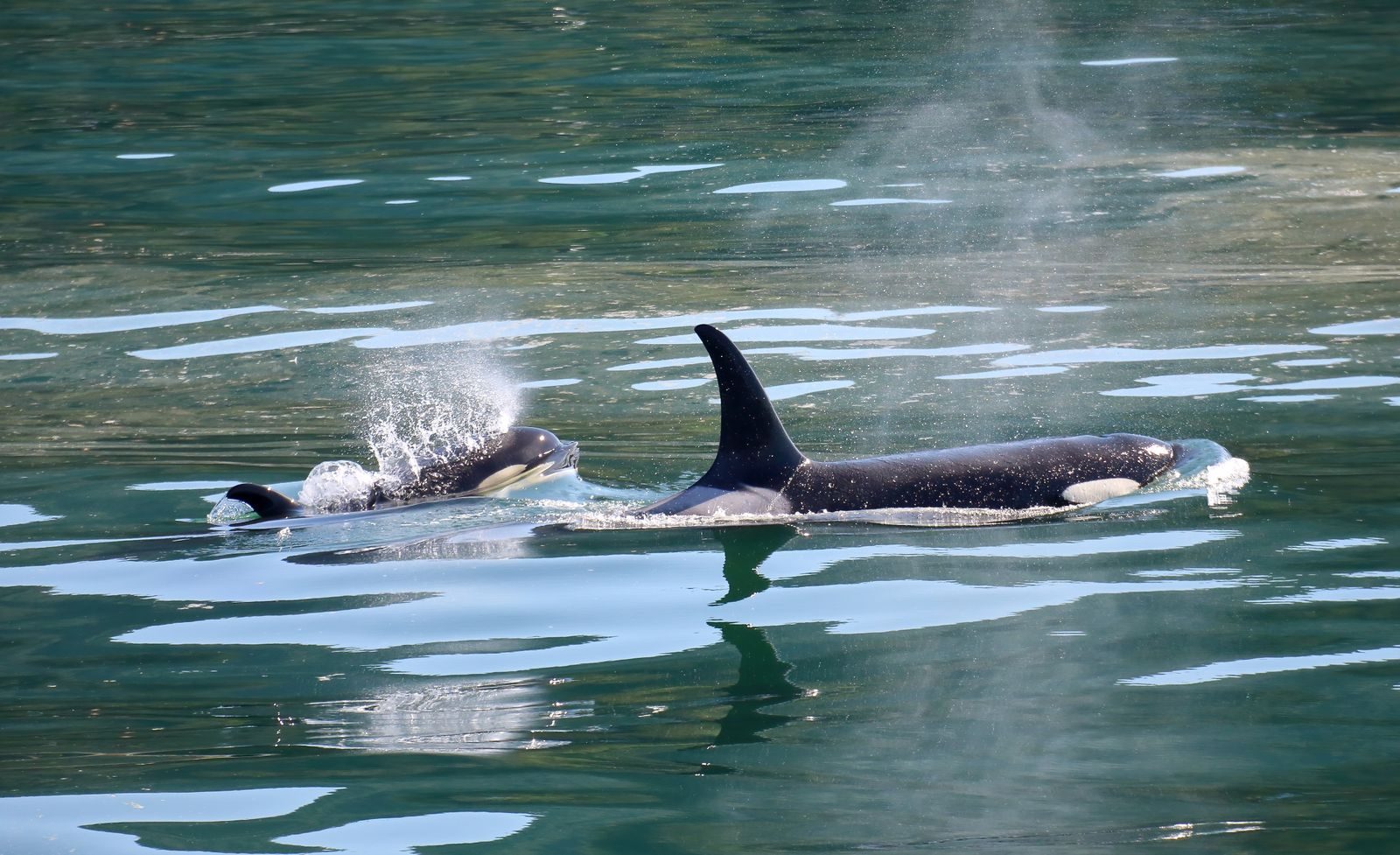
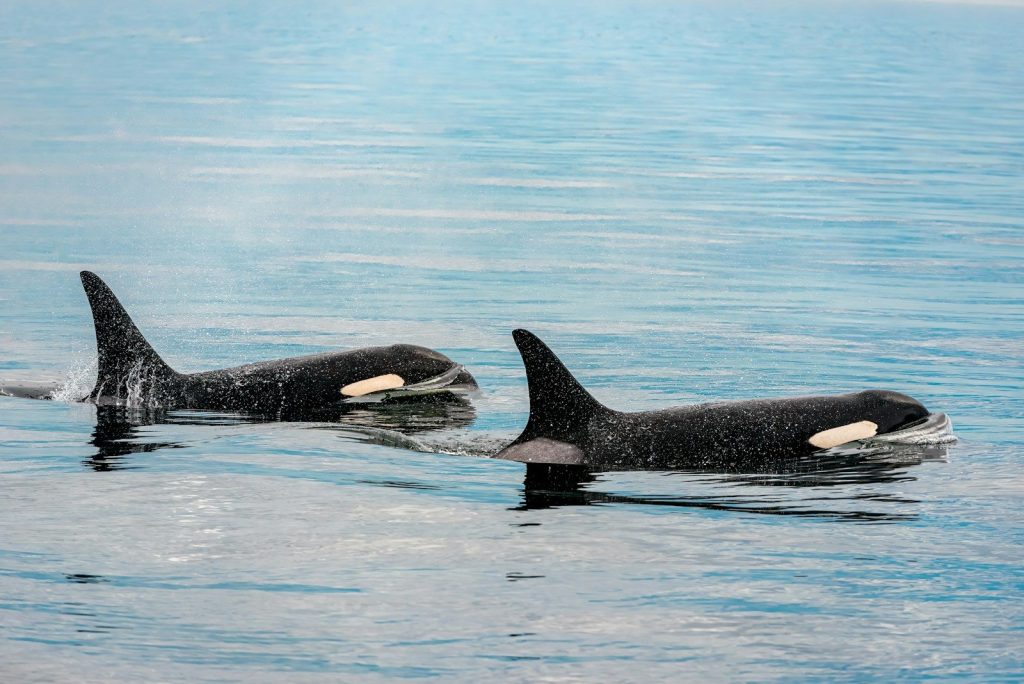
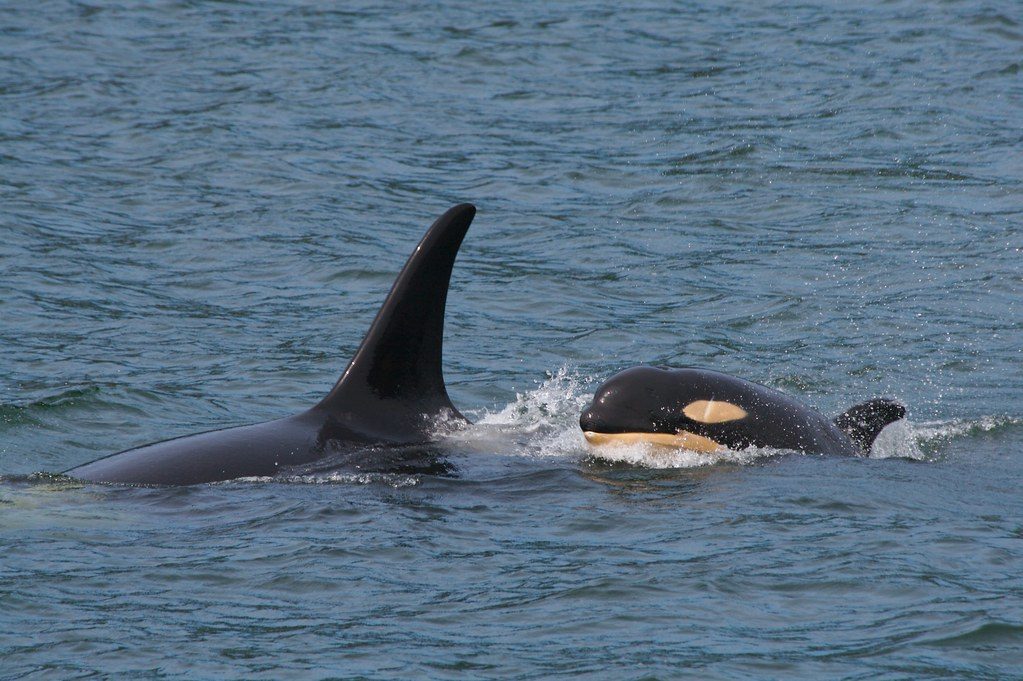
Unlike many animals, orcas usually live in close family groups called pods. Sons and daughters often stay with their mothers for their entire lives. This means several generations can travel, hunt, and socialize together every day. Because families remain connected for decades, older females stay closely involved with their children and grandchildren.
This lifelong family structure creates a unique role for grandmothers. Since they remain with their descendants, they can continue helping long after raising their own calves. Researchers studying resident orcas in the Pacific Northwest have found that these older females remain active members of the pod and contribute to the success of younger generations. Their constant presence allows knowledge and support to be shared throughout the family.
One of the most important discoveries about orca grandmothers is their effect on calf survival. Studies tracking multiple generations of whales found that grandchildren are more likely to survive when a grandmother is alive. The benefits become especially clear when resources are limited and life becomes more challenging.
Scientists found that the loss of a grandmother can increase the risk of death for her grandchildren. Older females appear to provide support that helps younger family members overcome difficult conditions. Their presence acts like a safety net for the pod, giving younger whales a better chance to reach adulthood. This survival advantage helps explain why grandmother orcas are considered such valuable members of their families.
Orcas can live for many decades, and older females accumulate a huge amount of knowledge during their lives. They learn where food can be found, how prey moves throughout the seasons, and which routes are safest. This information becomes incredibly valuable when conditions change.
Research suggests that older females often take leadership roles, especially during years when food is scarce. Their experience allows them to guide family members toward feeding areas that younger whales may not know about. In this way, grandmother orcas act as living libraries of knowledge. Instead of relying only on instinct, younger whales can benefit from the wisdom gathered by older generations over many years.
Food sharing is another reason grandmothers are so important. Orcas do not simply hunt for themselves. Family members often share food with one another, creating a cooperative system that helps the whole group survive. Older females are known to participate in this sharing network.
When prey such as Chinook salmon becomes harder to find, food sharing can make a major difference. A grandmother who helps distribute food may prevent younger whales from going hungry during difficult periods. This support is especially important for growing calves and nursing mothers, which require large amounts of energy. By helping feed relatives, grandmothers improve the health and stability of the entire family.
Grandmothers become even more important during hard times
The value of grandmother orcas becomes most obvious when food supplies decline. Many resident orcas depend heavily on salmon, and salmon numbers can vary from year to year. During periods of low salmon abundance, families face greater challenges finding enough food.
Studies have shown that the benefits provided by grandmothers are strongest when resources are scarce. Their knowledge, leadership, and support help families cope with difficult conditions. As environmental pressures increase, older females may become even more critical to the survival of future generations. This means protecting grandmother whales is not just about saving individual animals. It is also about preserving the knowledge and support systems that keep entire pods functioning successfully.
The story of the grandmother orcas reveals just how complex whale societies can be. These animals are not simply groups of individuals traveling together. They are closely connected families where cooperation, learning, and support play major roles in survival. Older females serve as leaders, teachers, caregivers, and providers, helping younger generations navigate the challenges of life in the ocean.
Their importance also gives scientists new clues about the evolution of long life spans and menopause. Humans and a few whale species share the unusual trait of living long after reproduction ends. In both cases, older females appear to improve the success of their descendants through knowledge, guidance, and care. The more researchers study orcas, the clearer it becomes that grandmothers are not just helpful members of the pod. They are often one of the main reasons the family thrives.