Blog

  • Authorities rescue fawn found confined in a dog crate in Sonoma County

    Authorities rescue fawn found confined in a dog crate in Sonoma County

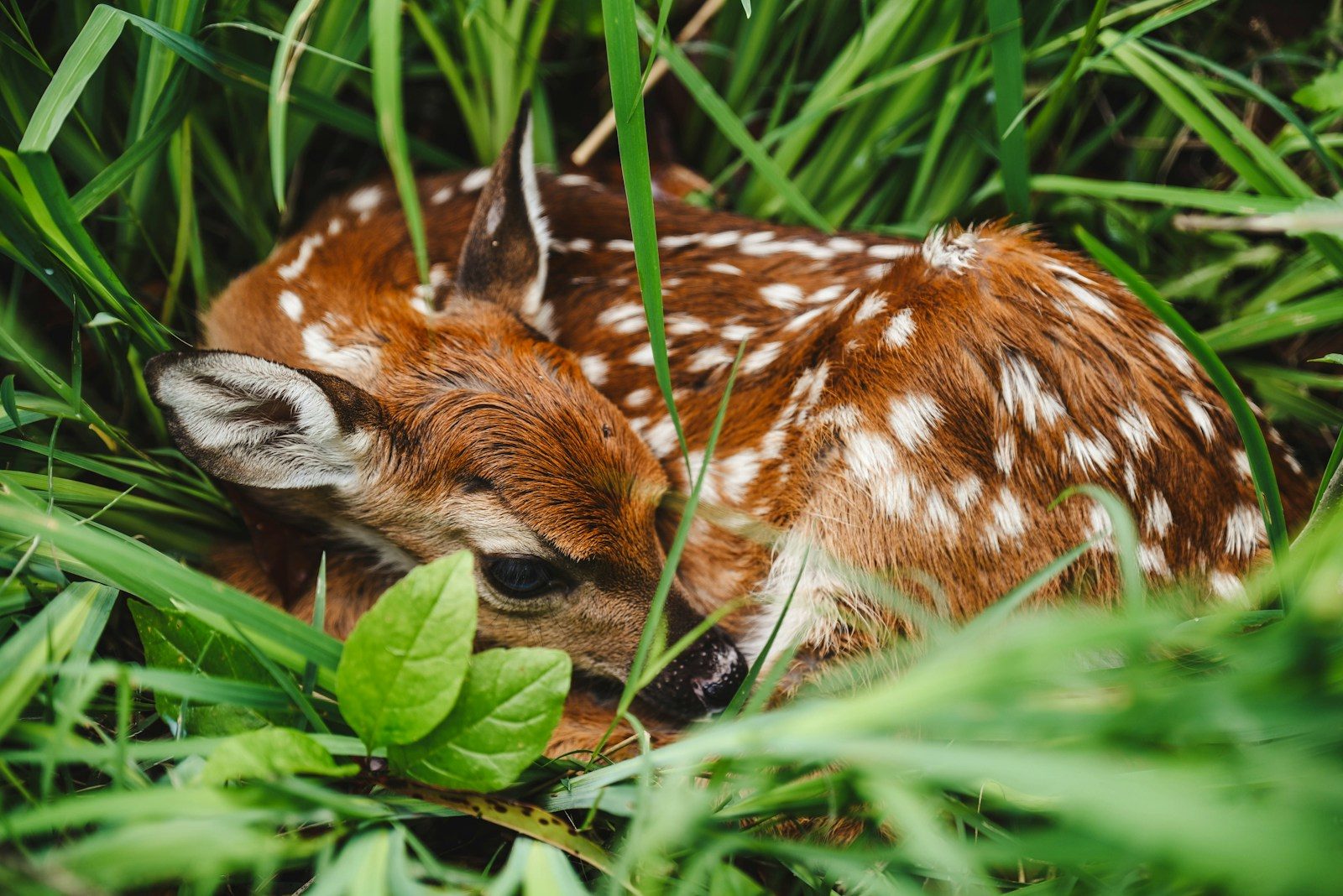
    What seems like a kind act can sometimes do more harm than good when it comes to wild animals. That was the case in Sonoma County, California, where a deer fawn was rescued after being kept in a dog crate outside a home for more than three weeks. Wildlife officials say the people involved believed they were helping the young animal after finding it alone in the wild.

    However, experts explain that many fawns are not abandoned, even when they appear to be by themselves. The rescue highlights the importance of understanding wildlife behavior and knowing when to contact trained professionals.

    The report leads officers to the fawn
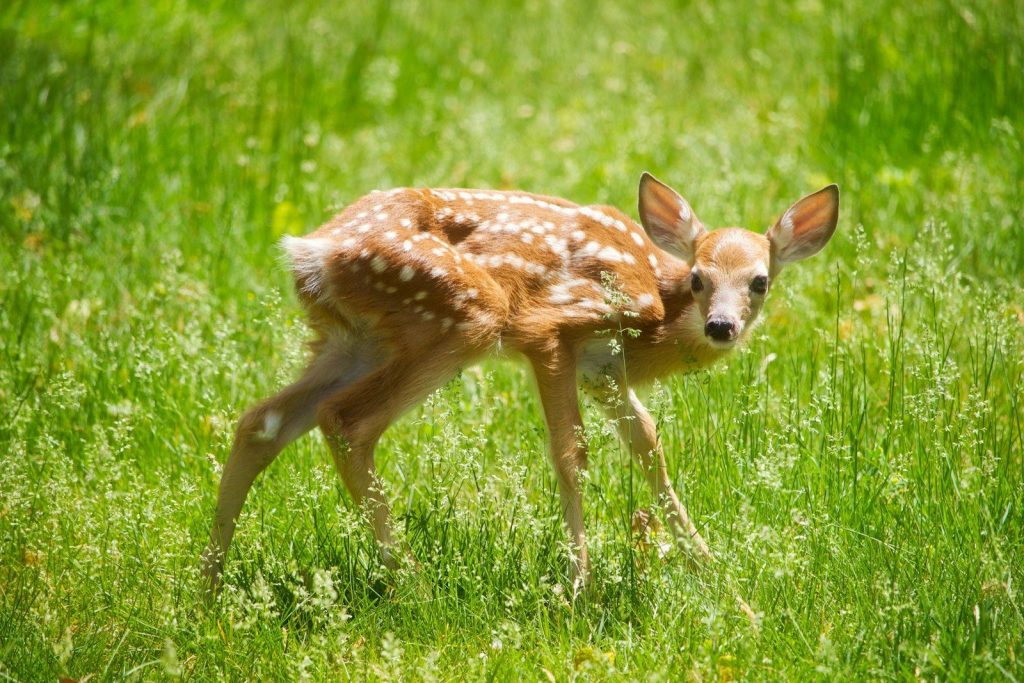
    brown and white deer on green leafed grass during daytime
    Photo by Julie Marsh 🇨🇦 on Unsplash

    The rescue began when the California Department of Fish and Wildlife received a report about a deer fawn being taken from the wild. According to officials, a group of people had allegedly removed the animal from its natural habitat and placed it in a cage.

    Wildlife Officer Cameron Blechert responded to the report and visited the location where the fawn was reportedly being kept. Upon arrival, he found the young deer confined inside an outdoor wire dog crate at a residence in Sonoma County.

    Residents admitted to keeping the animal

    beige baby deer on brown soil between green grasses at daytime
    Photo by Vincent van Zalinge on Unsplash

    According to wildlife officials, the people at the home said they had found the fawn alone in the wild. They believed the animal needed help and decided to take it home.

    The residents also acknowledged that they had been caring for the fawn for more than three weeks. While their actions may have been intended to protect the animal, keeping wildlife in captivity without authorization violates state regulations.

    Wildlife laws protect deer and other animals
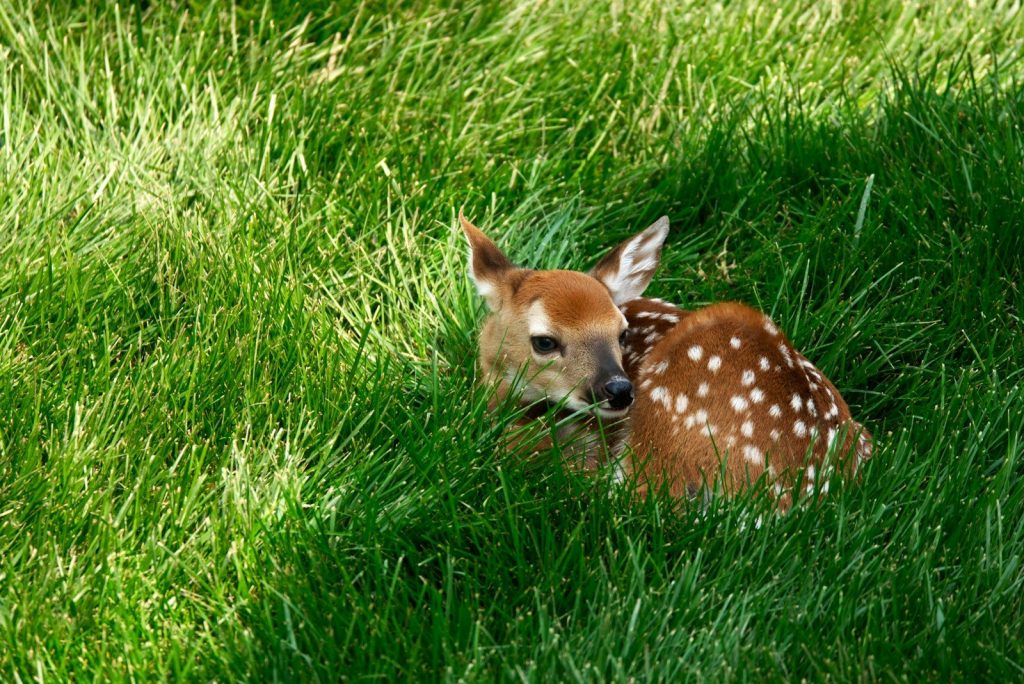
    A fawn rests peacefully in the grass.
    Photo by Nick Rizkallah on Unsplash

    Following the investigation, one of the individuals involved received a citation for unlawfully capturing and confining wildlife. California wildlife officials take these cases seriously because wild animals require specialized care and natural environments.

    The department noted that keeping deer in personal possession is illegal. Violations are considered misdemeanors and can result in penalties including fines of up to $1,000, jail time of up to 6 months, or both.

    Fawn transferred to the rehabilitation experts
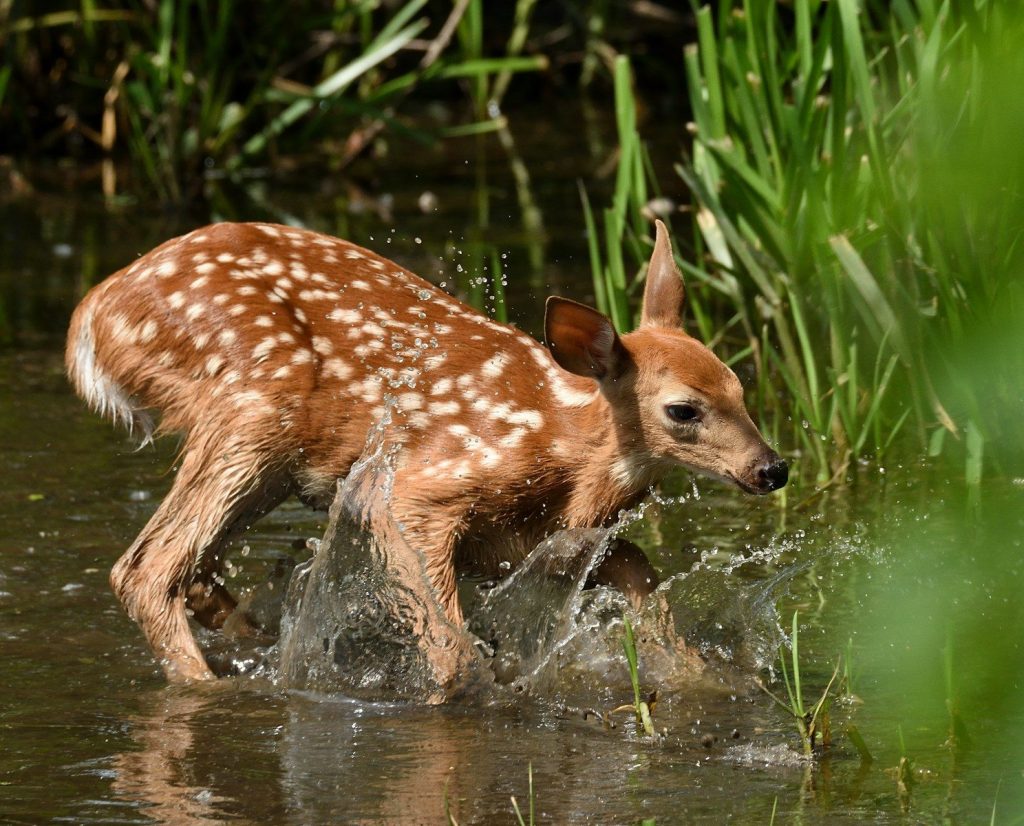
    a baby deer is walking through the water
    Photo by Alex Makarov on Unsplash

    After being removed from the property, the fawn was transported to a wildlife rehabilitation center. There, trained professionals can provide the care needed to prepare the animal for a return to the wild.

    The goal of wildlife rehabilitation is to help animals recover while limiting human contact whenever possible. Officials said the fawn will receive appropriate treatment and care before eventually being released back into its natural habitat.

    Why fawns are often left alone
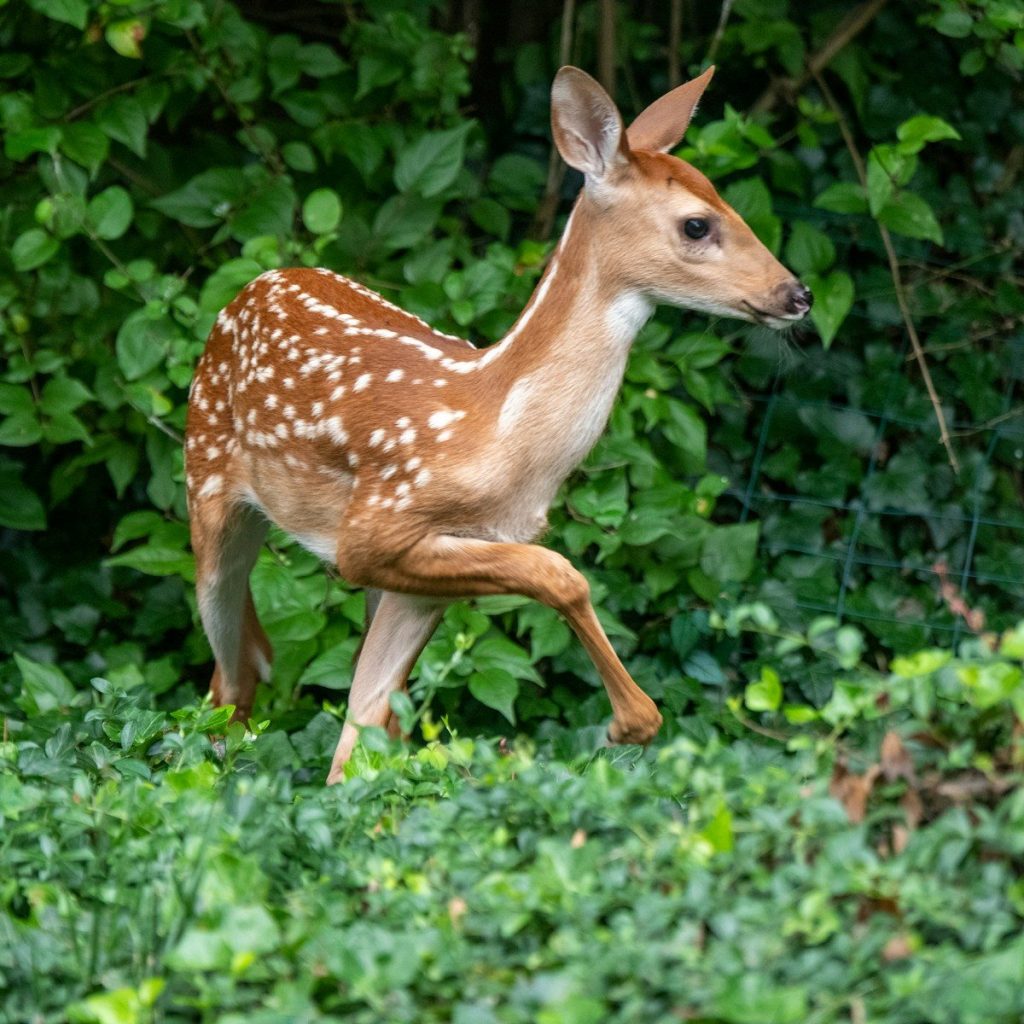
    brown and white spotted deer on green grass during daytime
    Photo by Robert Woeger on Unsplash

    Wildlife experts explain that people frequently mistake normal deer behavior for abandonment. During the spring and summer months, mother deer often leave their fawns alone for extended periods while they search for food.

    According to wildlife rescue organizations, it is common for does to leave and return several times throughout the day. A fawn that appears to be alone is often exactly where it is supposed to be, waiting for its mother to return.

    Officials urge the public to call for help
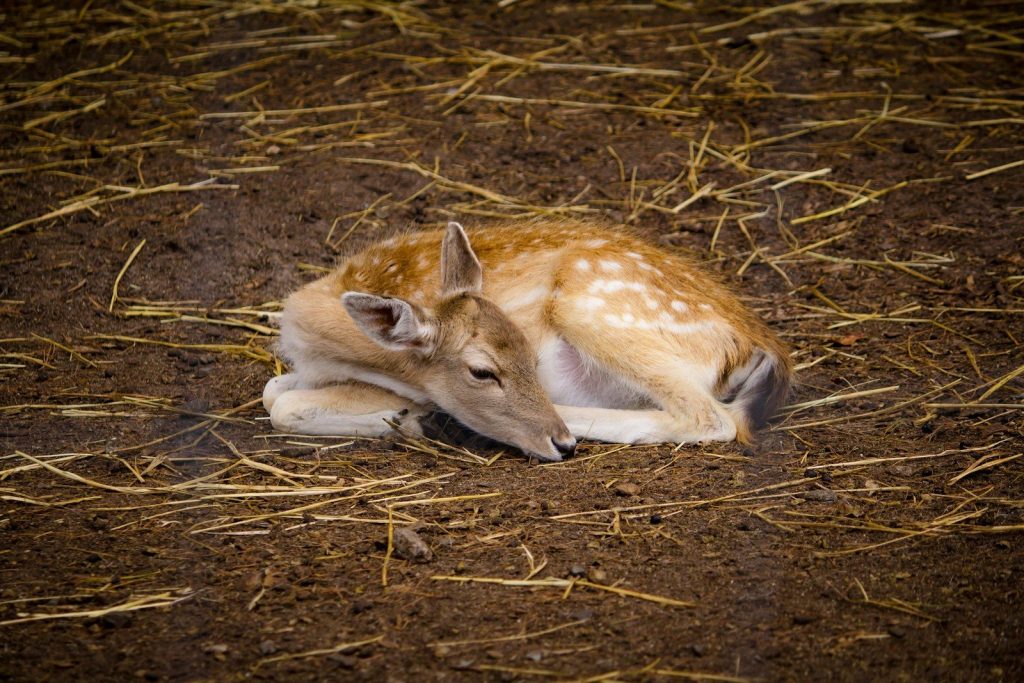
    deer lying on brown dirt soil
    Photo by Bonnie Kittle on Unsplash

    The California Department of Fish and Wildlife and wildlife rehabilitation groups encourage residents to avoid touching or moving fawns they encounter. Human intervention can sometimes create additional risks for young wildlife.

    If someone is concerned that a fawn is injured, sick, or truly orphaned, experts recommend contacting wildlife professionals immediately. Trained specialists can assess the situation and determine whether assistance is actually needed.


  • Shelter dog who spent 7 years waiting finally finds a family

    Shelter dog who spent 7 years waiting finally finds a family

    How long would you wait for a dream to come true? For a shelter dog named Gizmo, that wait lasted more than seven years. While many dogs quickly find homes, Gizmo spent his entire youth in a shelter, watching people come and go while hoping his turn would finally arrive.

    His story recently touched thousands of animal lovers online after volunteers shared the news they had been waiting years to announce. After more than 2,600 days in a shelter, Gizmo was finally adopted. His journey is a reminder that even dogs who wait the longest can still find the loving family they deserve.
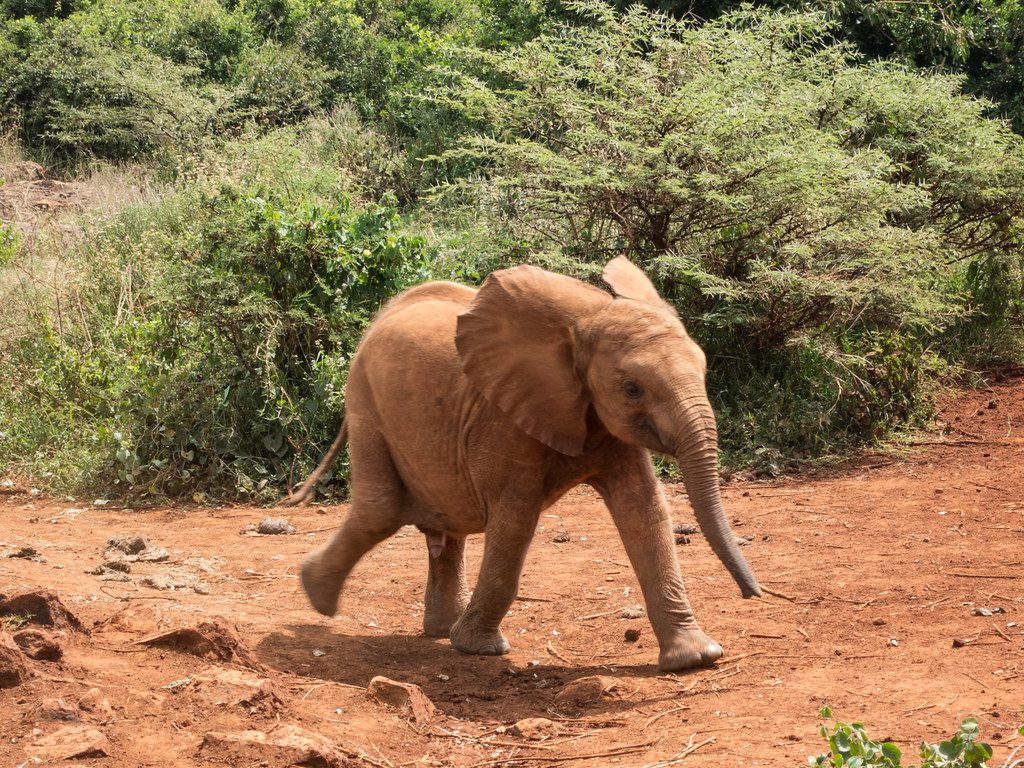
    Gizmo spent most of his life waiting

    fawn pup on red and white textile
    Photo by Markus Winkler on Unsplash

    Gizmo first arrived at the shelter as a small puppy. Like many young dogs, he needed care, attention, and a family to help him grow. Instead, he spent year after year living in the shelter while other animals came and went.

    As time passed, Gizmo became one of the shelter’s longest-term residents. Volunteers watched him grow from a playful puppy into an adult dog, always hoping that someone would eventually choose him. Sadly, that moment took much longer than anyone expected.

    The announcement volunteers dreamed of sharing

    a brown and white dog behind a metal fence
    Photo by 12photostory on Unsplash

    The update was shared by Helping Forgotten Paws and quickly caught the attention of animal lovers online. The reason was simple but powerful. Gizmo had finally been adopted after spending more than seven years at the shelter.
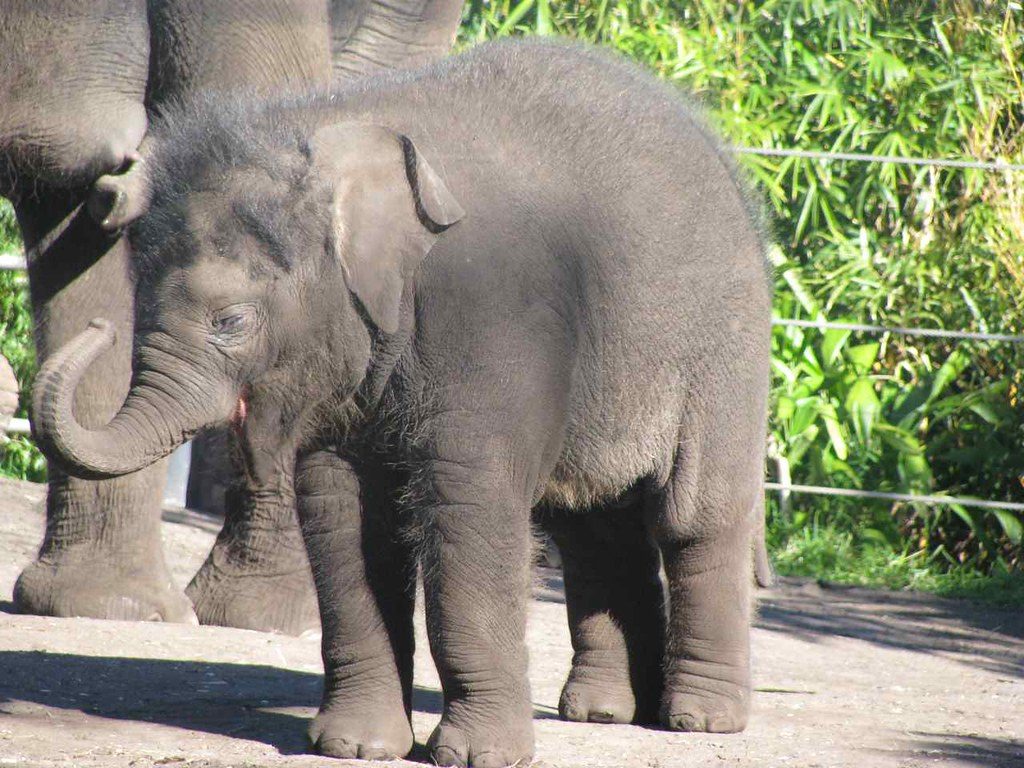
    According to the volunteer who shared the story, Gizmo recently left the facility for the final time. His days of kennel walls, shelter routines, and waiting for visitors were finally over. Instead, he was heading toward a new life with a family of his own.

    A heartbreaking beginning

    a brown and white dog sitting on top of a cement floor
    Photo by Bruno Souza on Unsplash

    Gizmo’s story becomes even more emotional when looking back at how it started. Volunteers later learned that he arrived at the shelter alongside three siblings when they were all puppies.

    Unfortunately, none of his siblings ever found permanent homes. While that part of the story is difficult to hear, Gizmo now carries their memory forward. His adoption represents the happy ending that volunteers had hoped for all of them.

    The life Gizmo always deserved

    black dog on brown wooden armchair
    Photo by Alice Dote on Unsplash

    After waiting more than 2,600 days, Gizmo finally has something many dogs take for granted. He now has a place where he belongs and people who will care for him every day.

    His future will be filled with comforts that were missing during his years in the shelter. He can relax on couches, enjoy familiar surroundings, and greet the same loving faces each day. Most importantly, he now has a home that is truly his.

    Animal lovers celebrate the happy news

    brown and white short coated dog
    Photo by Cierra Voelkl on Unsplash

    The adoption news quickly spread across social media. Many people shared messages of support, happiness, and relief after learning that Gizmo had finally found a family.

    One commenter said they were beyond relieved and excited for him. Another thanked the adopters for giving him a chance after so many years. The emotional response showed just how deeply people connected with Gizmo’s journey.

    A reminder about long-term shelter pets

    white and black short coat medium sized dog
    Photo by Sonya Brady on Unsplash

    For many dogs, adoption happens early in life. Their stories often begin when they arrive in a new home. Gizmo’s journey was different because it took seven years for that chapter to begin.

    Volunteers hope his story will encourage people to think about other long-term shelter residents still waiting for families. Many animals continue to spend months or years in shelters, hoping someone will give them the same opportunity that finally came for Gizmo.

  • A faint meow led a Long Island woman to a cat abandoned on the roadside

    A faint meow led a Long Island woman to a cat abandoned on the roadside

    What would you do if you spotted a pet carrier sitting alone on the side of the road? That question became very real for one Long Island, New York, resident on May 12 when she noticed an unusual box near a stop sign. At first, she drove past it. But something did not feel right. Trusting her instincts, she returned with her son to take a closer look.

    What they found inside the carrier would lead to a rescue effort, an investigation, and a hopeful new beginning for a cat named Mittens. This story shows how one small act of kindness changed the future of an abandoned pet.

    A strange sight on a quiet road

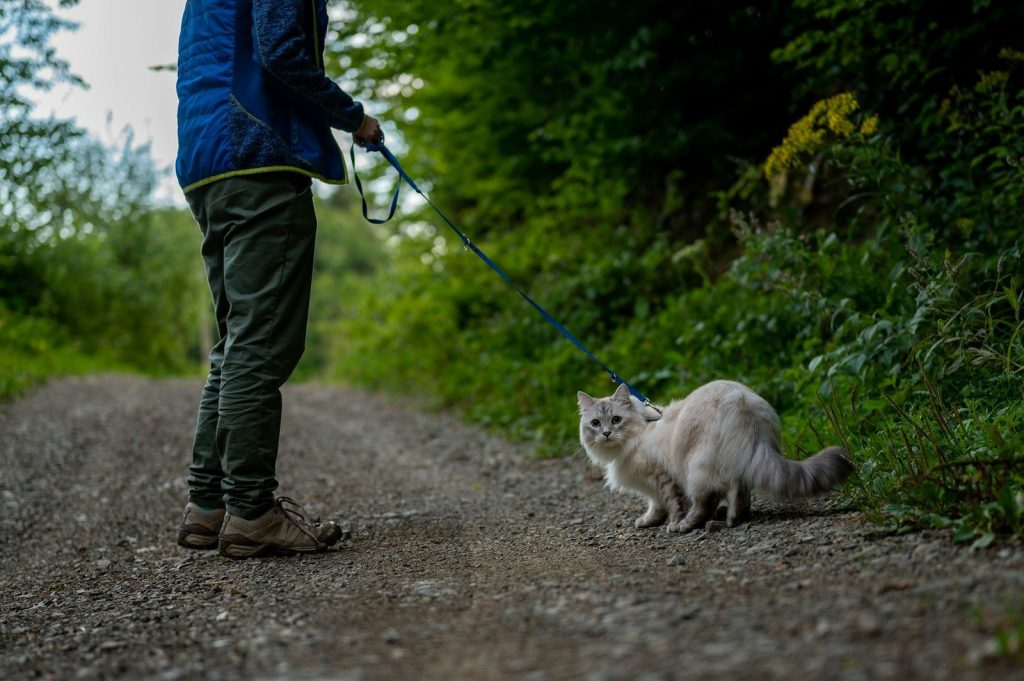
    a person walking a cat on a leash
    Photo by Piotr Musioł on Unsplash

    The day began like any other for a woman driving home on Long Island. As she approached a stop sign, she noticed a pet carrier sitting by the roadside. It looked out of place, but she continued driving.

    A few minutes later, she could not stop thinking about it. The image stayed in her mind, and she decided to turn around and investigate. She brought her son along as they walked toward the carrier to see what was inside.

    A shocking discovery inside the carrier

    silver tabby cat in brown cardboard box
    Photo by mary rabbit on Unsplash

    As the pair got closer, they heard a faint meow coming from inside the box. The sound confirmed their fears that an animal had been left behind. They carefully approached the carrier and looked inside.

    There, they found a 4-year-old cat named Mittens. The cat had been left without food or water during an unusually hot period in the area. No one knew how long she had been sitting there alone, exposed to the heat and waiting for help.

    The note that broke rescuers’ hearts

    yellow sticky notes on white wall
    Photo by Paper Textures on Unsplash

    Attached to the carrier door was a handwritten note. A small cross made of black beads had also been taped to the front. The message provided details about Mittens and described her as an extremely affectionate cat.

    The note revealed that Mittens had been born in Kentucky and ended with a simple but emotional request. It asked whoever found her to please take care of her. For rescuers, the message suggested that the person who left her behind may have been facing a difficult situation.

    Rescue volunteers step in to help

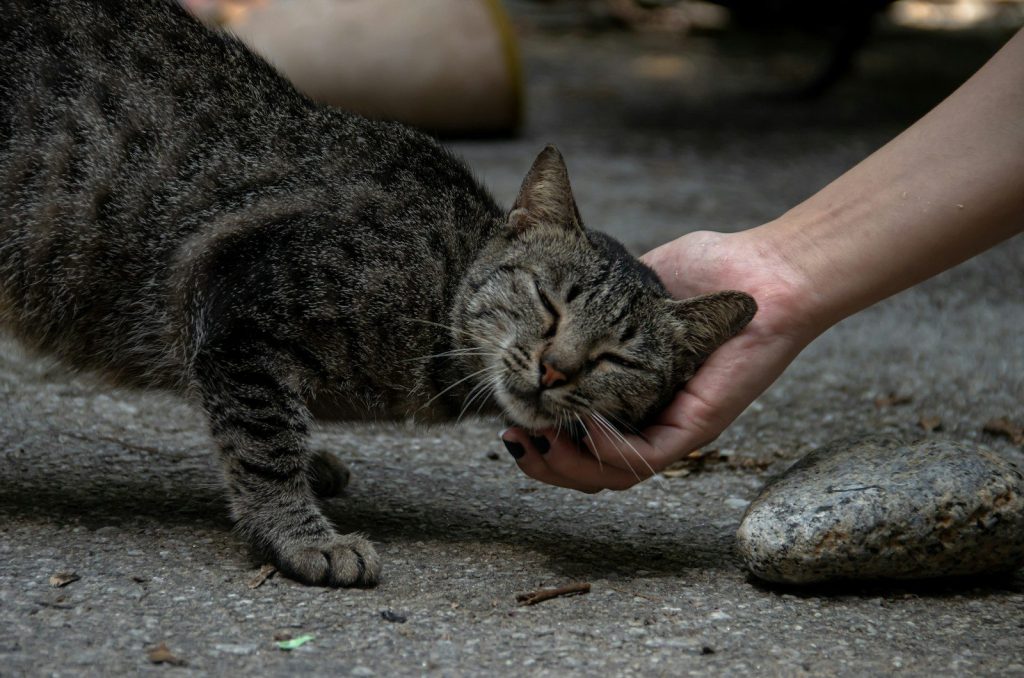
    a cat being pet by a hand
    Photo by Nicholas Ng on Unsplash

    After being discovered, Mittens was quickly taken to safety. One of the first things she did was drink water. She appeared thirsty after spending an unknown amount of time inside the carrier.

    The cat was then placed with a foster family through the Northport Cat Rescue Association. According to rescue director Lora Wild, no one knows exactly how long Mittens had been abandoned. She explained that the cat could have been there for only a few hours or for several days.

    Mittens shows her loving personality

    a person petting a cat on the nose
    Photo by Katelyn G on Unsplash

    Despite everything she had been through, Mittens remained friendly and affectionate. Instead of showing fear or aggression, she welcomed attention from the people caring for her. Her gentle behavior impressed everyone she met.

    The cat quickly became known for seeking cuddles and giving soft headbutts to visitors. Her sweet personality made it clear why the note described her as loving. Even after her difficult experience, she continued to trust people and enjoy their company.

    A hopeful future awaits Mittens

    short-fur white and brown cat close-up photography
    Photo by Thanh Soledas on Unsplash

    Lora Wild believes the abandonment may have been driven by desperation rather than a lack of love. She said that whoever owned Mittens appeared to care deeply about her. At the same time, she stressed that abandoning an animal is a crime and that safer options exist through rescue organizations.

    During a veterinary examination, volunteers discovered a unique marking on Mittens. She has a patch of white fur on her belly shaped like a perfect heart. Now fully vaccinated and medically cleared, she is ready for adoption. Friendly with children and dogs, Mittens is waiting for a forever family who can help her begin a happier chapter of her life.

  • These 6 US animals are on the brink of disappearance

    These 6 US animals are on the brink of disappearance

    What happens when animals and other living species begin to disappear from the wild? Across the United States, many species are struggling to survive because of habitat loss, pollution, climate change, and other human-related threats. According to information highlighted under the Endangered Species Act, more than 1,300 species in the country are listed as endangered or threatened.

    These species are important because each one helps support the balance of nature. This article explores some of the most endangered species in the U.S., the challenges they face, and why protecting them matters for the future of ecosystems and people alike.

    Whales face growing threats in U.S. waters

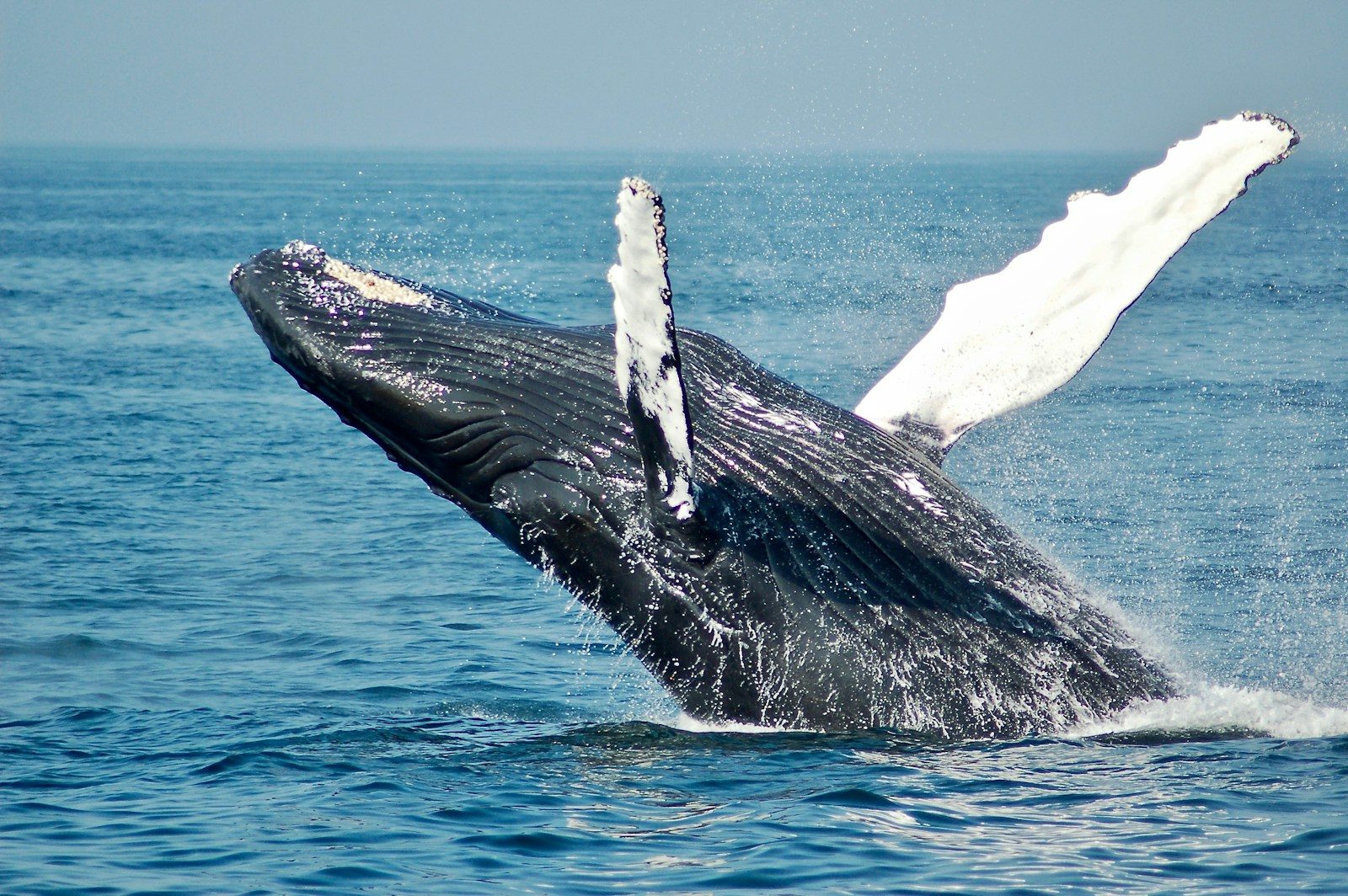
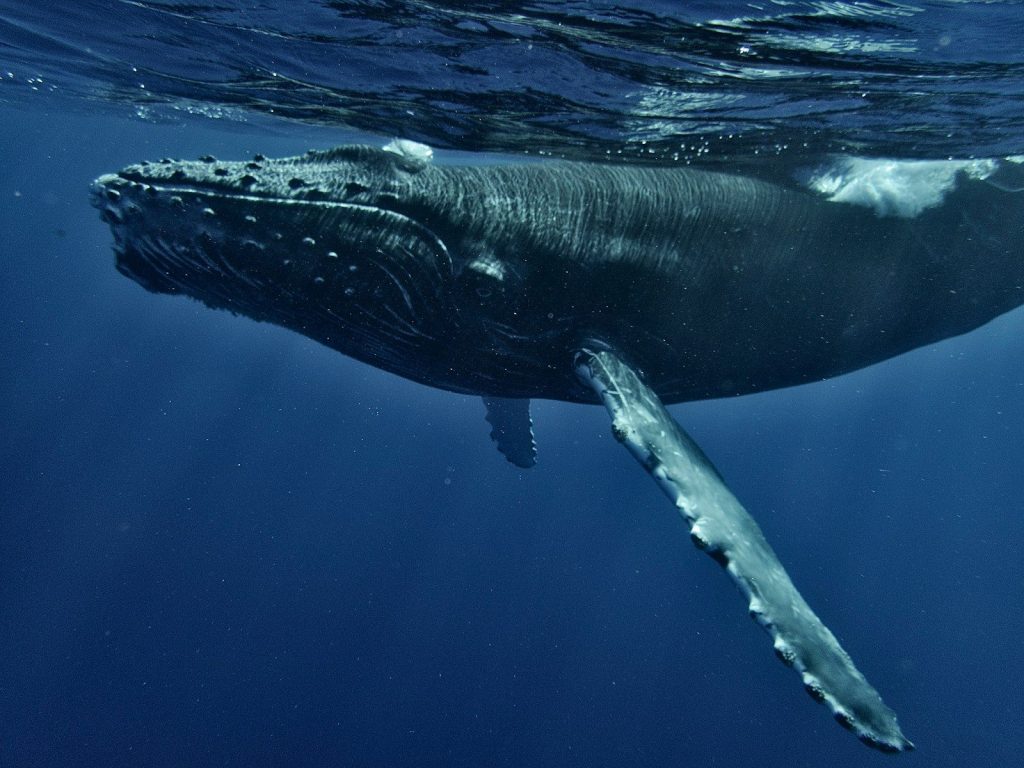
    a humpback whale swims under the surface of the water
    Photo by Chinh Le Duc on Unsplash

    Whales are among the most endangered marine animals found in and around U.S. waters. Two species facing serious risks are the North Atlantic Right Whale and Rice’s Whale, which lives year-round in the Gulf of Mexico. These animals are threatened by vessel strikes, entanglement in fishing gear, ocean noise from ships and oil drilling, and pollution that can affect their health and reproductive ability.

    Whales provide benefits that go beyond their role in the ocean. Their bodies act as carbon sinks, storing large amounts of carbon throughout their lives. The longer a whale survives, the more carbon it can store, helping reduce the effects of climate change. Their survival is important not only for marine ecosystems but also for the health of the planet.

    Red wolves struggle to survive in the wild

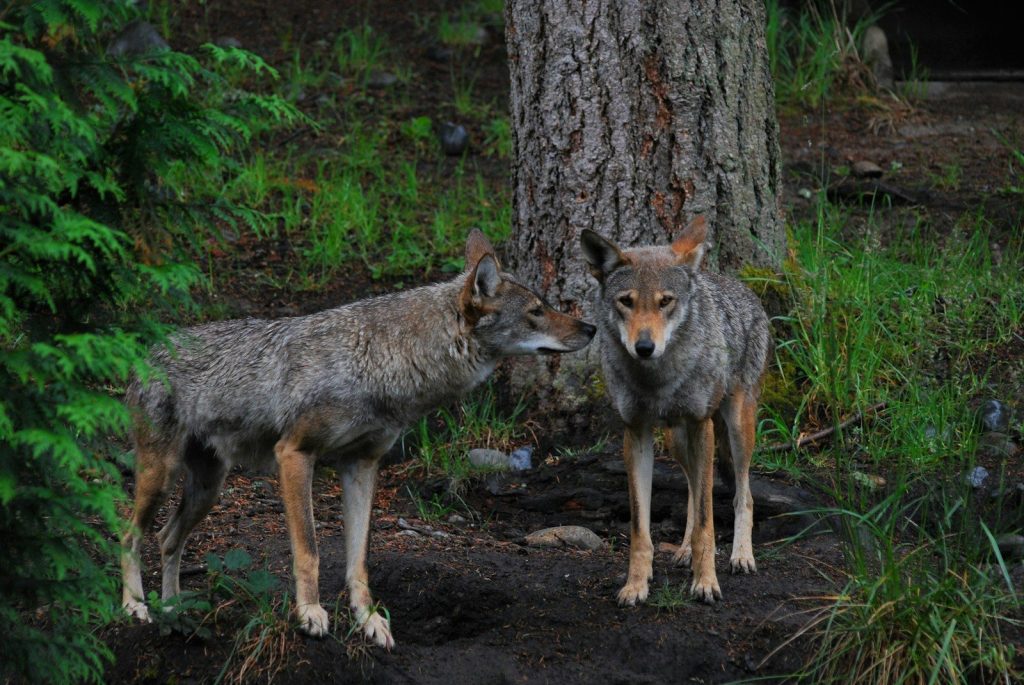
    a couple of wolves standing next to a tree
    Photo by Patrick Fobian on Unsplash

    The red wolf is one of the most critically endangered members of the dog family in North America. Once found across much of the southeastern United States, the species nearly disappeared due to habitat loss and conflicts with humans. Today, wild red wolves can only be found on the Albemarle Peninsula in eastern North Carolina.

    Efforts to restore red wolf populations have faced many challenges. A reintroduction program in North Carolina continues, while another attempt in Tennessee was unsuccessful. Despite ongoing debate among landowners, conservation groups, and government agencies, red wolves remain important to their ecosystems. They help control deer populations and keep smaller animals, such as rodents, from becoming too numerous.

    Hickory Nut Gorge green salamanders face many dangers

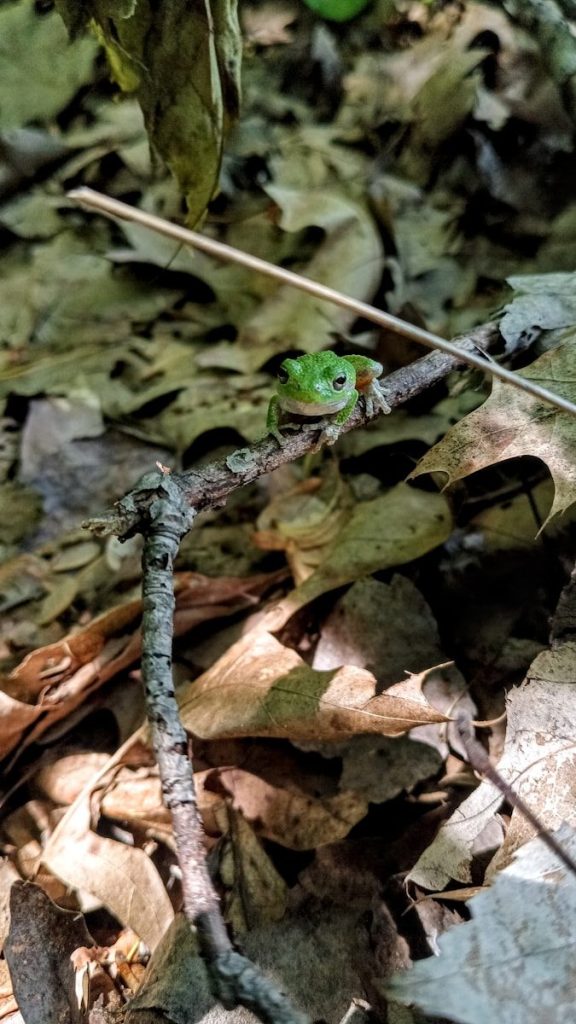
    A green frog perches on a small branch.
    Photo by Aurora K on Unsplash

    The Hickory Nut Gorge Green Salamander is a unique species found only in North Carolina’s Hickory Nut Gorge. Scientists recently recognized it as a distinct species. Like many endangered animals, it faces several threats, including climate change, habitat loss, invasive species, and disease.

    Another major threat comes from the illegal pet trade. The salamander has become especially popular among collectors in Europe. Its population has declined sharply over the last two decades. The situation is especially concerning because the eastern United States is home to the world’s highest diversity of salamanders, yet many of these species are now experiencing population declines.

    Salt-marsh harvest mice lose vital habitat

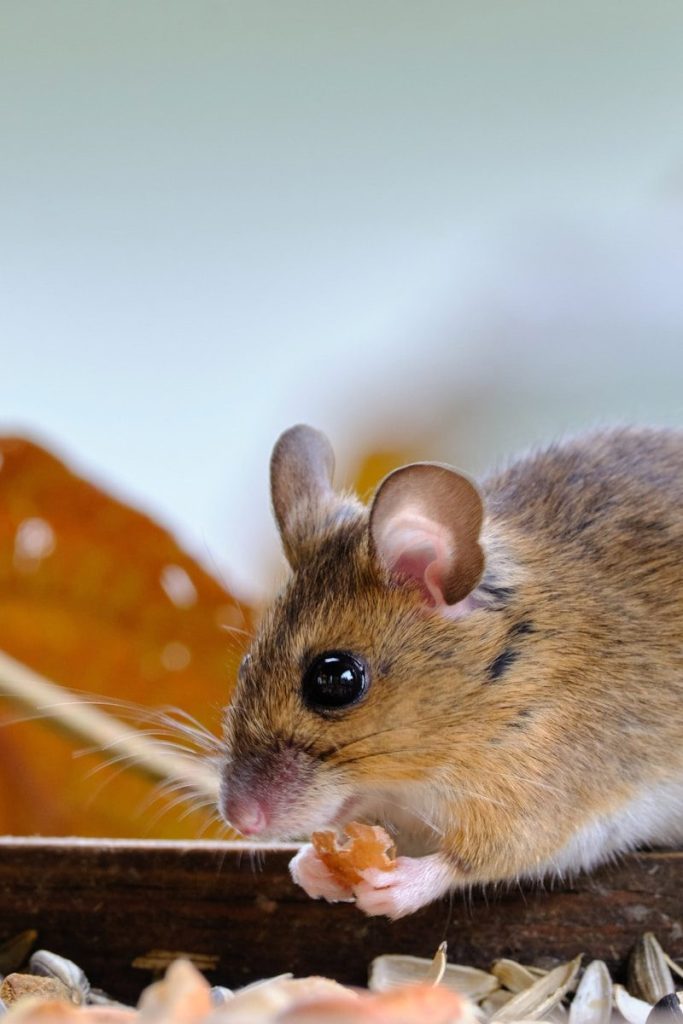
    brown and white rodent on orange textile
    Photo by Marcus Ganahl on Unsplash

    The Salt-Marsh Harvest Mouse lives in the saltwater marshes surrounding the San Francisco region. Although small, this species has remarkable abilities. It can drink saltwater, eat saltwater plants, swim for long periods, and even use its tail to help climb through vegetation.

    Despite these adaptations, the species faces serious challenges. Habitat destruction caused by urban development has reduced the marshland on which it depends for survival. House cats also pose a significant threat. While the mouse has shown an impressive ability to adapt to natural environmental changes, increasing human activity may make survival much more difficult.

    Bumble bees and corals support entire ecosystems

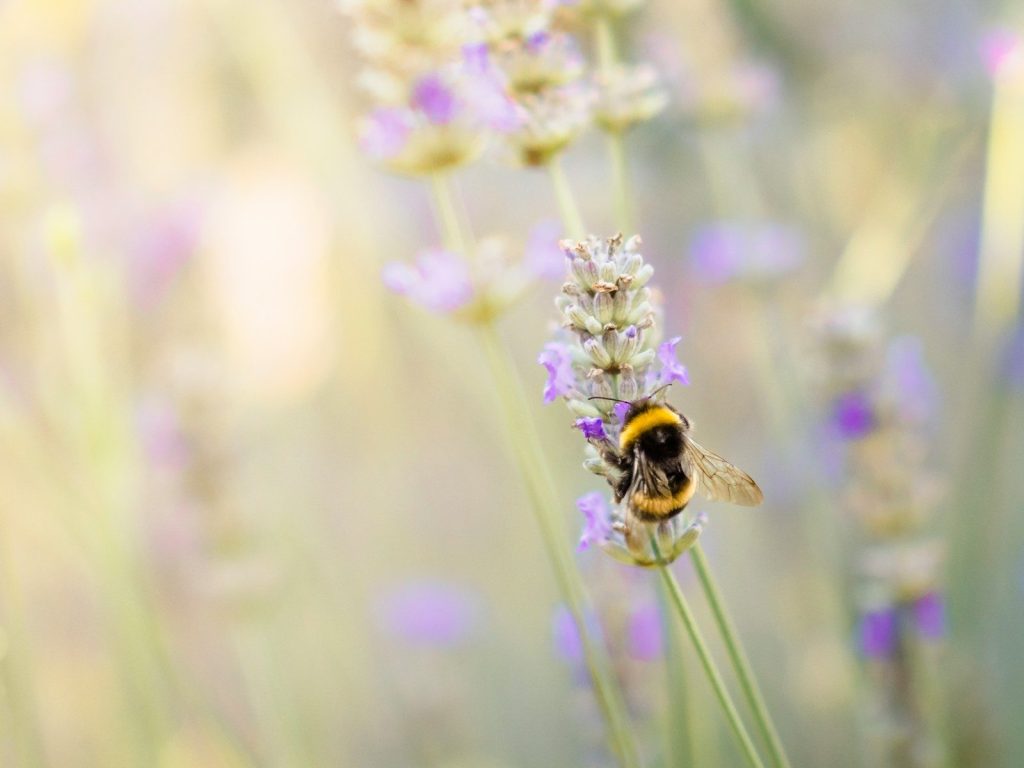
    a bum is sitting on a lavender flower
    Photo by Jamie Street on Unsplash

    Bumble bees play a major role in pollination across the United States. Among the 46 listed bumble bee species in the country, many are considered vulnerable, endangered, or critically endangered. The Rusty Patched Bumble Bee is one of the most threatened. Habitat loss, pollution, pesticides, and climate change have all contributed to declining populations.

    Corals are also facing serious challenges. While many people associate coral reefs with tropical regions, more than 60% of U.S. corals are located near Hawaii, and Florida contains the world’s third-largest coral reef system. Warming waters, disease, ocean acidification, development, and overfishing continue to threaten coral reefs. Because reefs support countless marine species and provide resources for people, their decline affects entire ecosystems and communities.

    Hammerhead sharks and minnows play key ecosystem roles

    a black and white photo of a shark in the snow
    Photo by Michael Worden on Unsplash

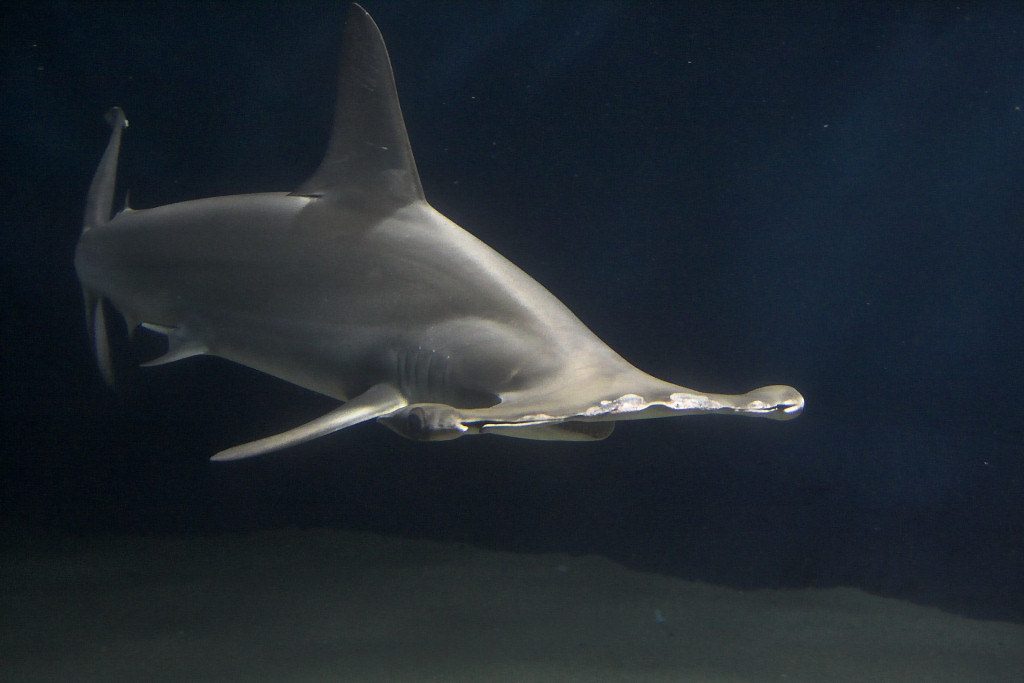
    Several shark species found in U.S. waters are threatened, including the Great Hammerhead and Scalloped Hammerhead. These sharks are often hunted for their meat and fins or accidentally caught as bycatch in commercial fishing nets. Once caught, their chances of survival are extremely low. As apex predators, hammerhead sharks help maintain balance within marine ecosystems by controlling populations of other species.

    Minnows may be small, but they are essential to freshwater habitats. Thirty-one U.S. minnow species are listed as endangered or critically endangered. Many face problems caused by wetland degradation, drought, dams, and poor wastewater management. Minnows serve as both predators and prey, helping connect different levels of the food chain. In some rivers, healthy minnow populations are considered a sign of a healthy ecosystem.

  • Scientists uncover deep-sea whale graveyard filled with thriving life

    Scientists uncover deep-sea whale graveyard filled with thriving life

    A deep-sea whale graveyard sounds like a lifeless place, but new research shows the opposite. Scientists have discovered a massive deep-sea whale graveyard in the southeastern Indian Ocean that is full of living creatures. This site sits as deep as 23,000 feet below the ocean surface and includes whale bones that are millions of years old. Instead of being empty, it is packed with strange marine life such as jellyfish, tubeworms, and brittle stars.

    In this article, you will learn what this deep-sea whale graveyard is, how it formed, and why it matters to science. You will also see how whale bones support entire ecosystems, what kinds of animals live there, and how these remains survived for millions of years. This discovery helps scientists better understand how life survives in extreme ocean conditions and why the deep sea is more active than once believed.

    What scientists found in the Indian Ocean whale graveyard

    blue and clear body of water
    Photo by Silas Baisch on Unsplash

    Scientists exploring the southeastern Indian Ocean uncovered a huge deep-sea whale graveyard that stretches across a wide area of the seafloor. It includes five major whale carcass sites along with fossil remains. These sites are located at extreme depths, reaching up to 23,000 feet below the surface, making it one of the deepest and oldest whale graveyards ever discovered.

    The remains include skulls from both beaked whales and baleen whales. Some of the bones are estimated to be around 5.3 million years old. This shows that whales have been dying and settling in this region for a very long time. The discovery was made through deep-sea submersible trips in 2023, where scientists carefully mapped and studied the area in detail.

    How whale graveyards form in the deep ocean

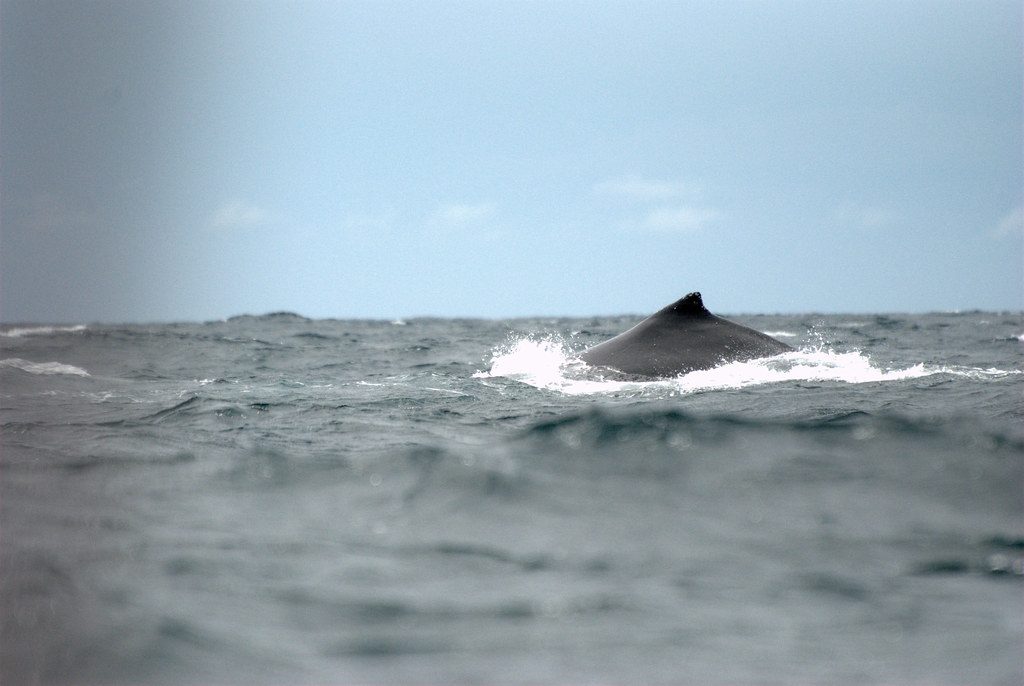
    Dorsal fin of a humpback whale (Megaptera novaeangliae)” by Aztlek is licensed under CC BY-SA 2.0

    Whale graveyards begin when a whale dies, and its body sinks to the seafloor. This event is called a whale fall. Because whales are so large, their bodies become a major source of food in the deep ocean, where food is usually very limited. Once the carcass lands on the seafloor, it slowly becomes a long-lasting ecosystem.

    At first, large scavengers feed on the soft tissues. Over time, smaller animals take over, feeding on what remains. Eventually, even the bones become a food source for bacteria and special organisms. This slow breakdown process can support life for decades or even longer, turning a single whale into an entire living community in the deep ocean.

    Strange creatures living on whale carcasses

    Jellyfish” by szeke is licensed under CC BY-SA 2.0

    One of the most surprising discoveries at the deep-sea whale graveyard is the variety of life living on and around the bones. Scientists found jellyfish drifting nearby, along with tubeworms, brittle stars, sea cucumbers, squat lobsters, and saltwater clams. These animals survive by feeding on nutrients released from the decaying whale remains.

    Many of these creatures are still not fully understood. Some may even be species that have never been recorded before. The whale bones create a special habitat that supports both large and tiny organisms. Instead of being a place of death, the graveyard becomes a busy ecosystem filled with movement and survival in one of the harshest environments on Earth.

    Why this site is the deepest and oldest ever found

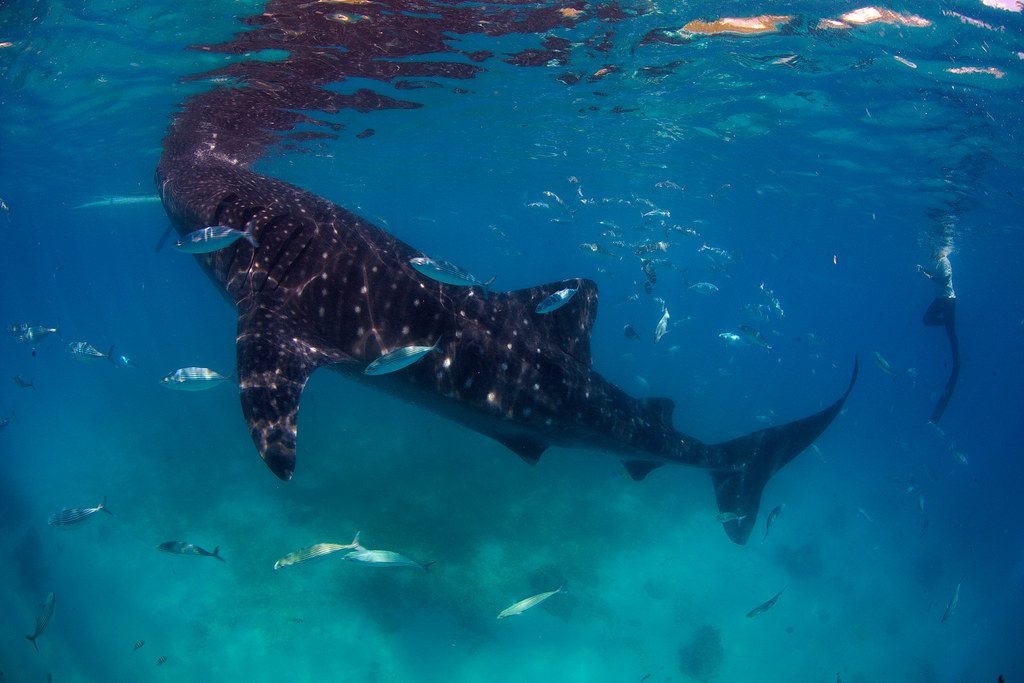
    Look at the small human next to the whale shark” by PacificKlaus is licensed under CC BY-NC 2.0

    This deep-sea whale graveyard is unique because of its size, depth, and age. It is currently the largest known site of its kind, and it sits deeper than most previously discovered whale fall locations. The extreme depth of up to 23,000 feet creates very high pressure and complete darkness, making it a difficult place for most life to survive.

    What makes it even more important is its age. Some of the whale fossils discovered at the site are millions of years old, with the oldest reaching about 5.3 million years. This suggests that whale falls have been happening in this region for a very long time, creating a long history of deep-sea ecosystems that scientists are only now beginning to understand.

    How whale bones survive millions of years

    Whale Bones” by glaciergirl is licensed under CC BY-NC 2.0

    Whale bones usually break down over time, but in this deep-sea whale graveyard, many have been preserved for millions of years. Scientists believe several natural factors helped protect them. One key reason is that whale bones are very dense, which makes them harder to destroy even in harsh deep-sea conditions.

    Another reason is the extreme depth of the site. The area is so deep that it avoids many disturbances, such as strong currents and sediment buildup that could bury or damage the bones. In addition, minerals from seawater slowly coat the bones over time, forming a protective layer. This coating helps prevent fast decay and allows the remains to stay intact for long periods.

    What this discovery tells scientists about ocean life

    aerial view of waves meeting sand
    Photo by Joel Vodell on Unsplash

    This discovery changes how scientists understand life in the deep ocean. It shows that whale carcasses are not just random events, but important sources of energy that support entire ecosystems. Without whale falls, many deep-sea creatures would not have enough food to survive in such a low-nutrient environment.

    It also helps researchers understand how life adapts to extreme conditions like darkness, high pressure, and low oxygen. Scientists now believe there may be many more hidden whale graveyards in the ocean waiting to be discovered. Each one could reveal new species and important clues about how life spreads across the deep sea.

  • Five shark species known for exceptionally powerful bites

    Five shark species known for exceptionally powerful bites

    Ever wondered which sharks have the strongest bite in the ocean and why it matters for survival? In the deep sea, a shark’s bite is more than just power; it is a life-saving tool for hunting, defense, and competition. Some sharks can crush bones, crack turtle shells, and even take down large marine animals with a single snap.

    In this article, you will learn about five shark species known for their exceptionally powerful bites. We will explore how each shark uses its jaw strength, what makes their bites so unique, and why these predators sit at the top of the ocean food chain. By the end, you will understand how nature designed these sharks for maximum hunting success.

    Great white shark bite power

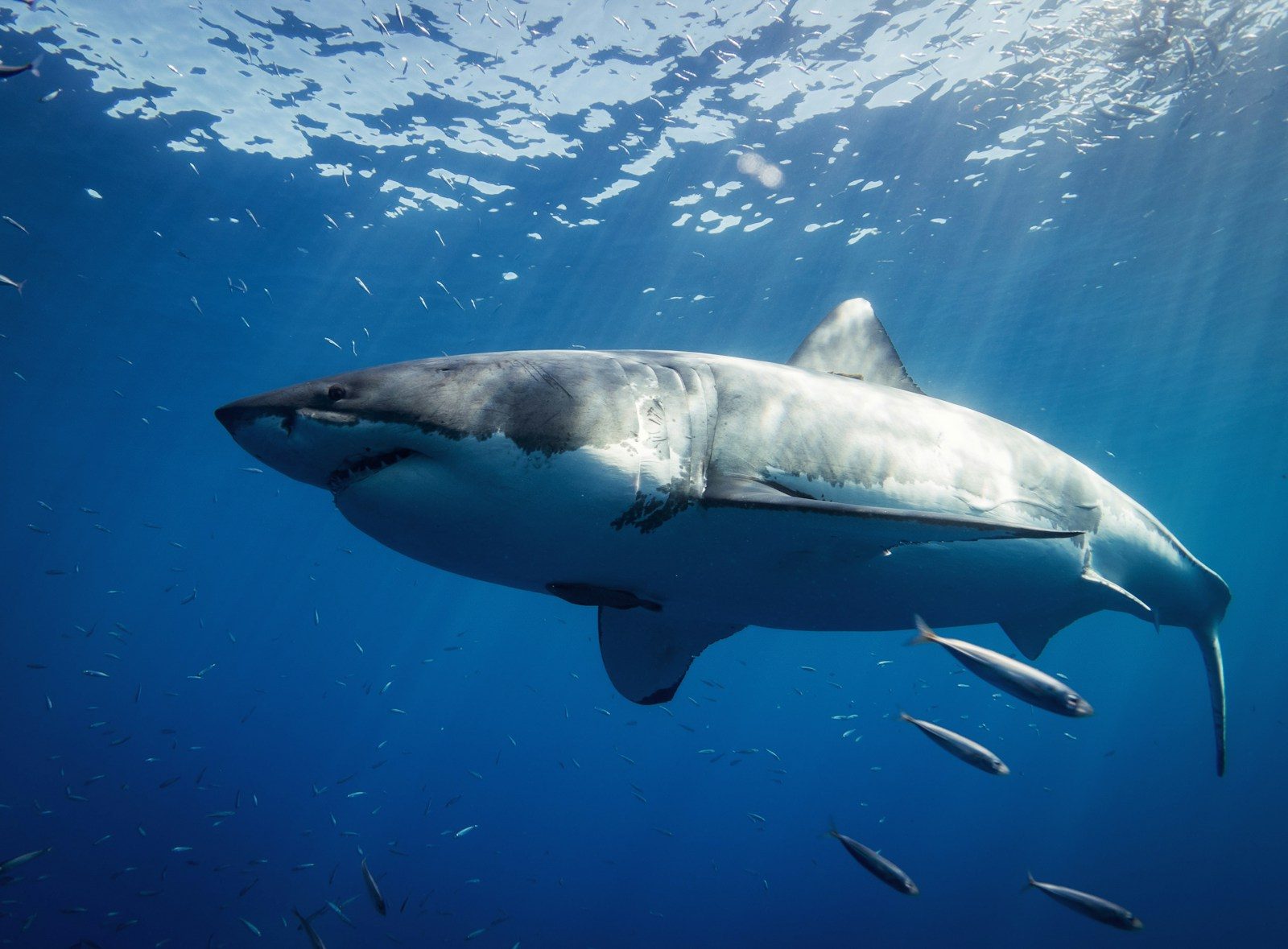
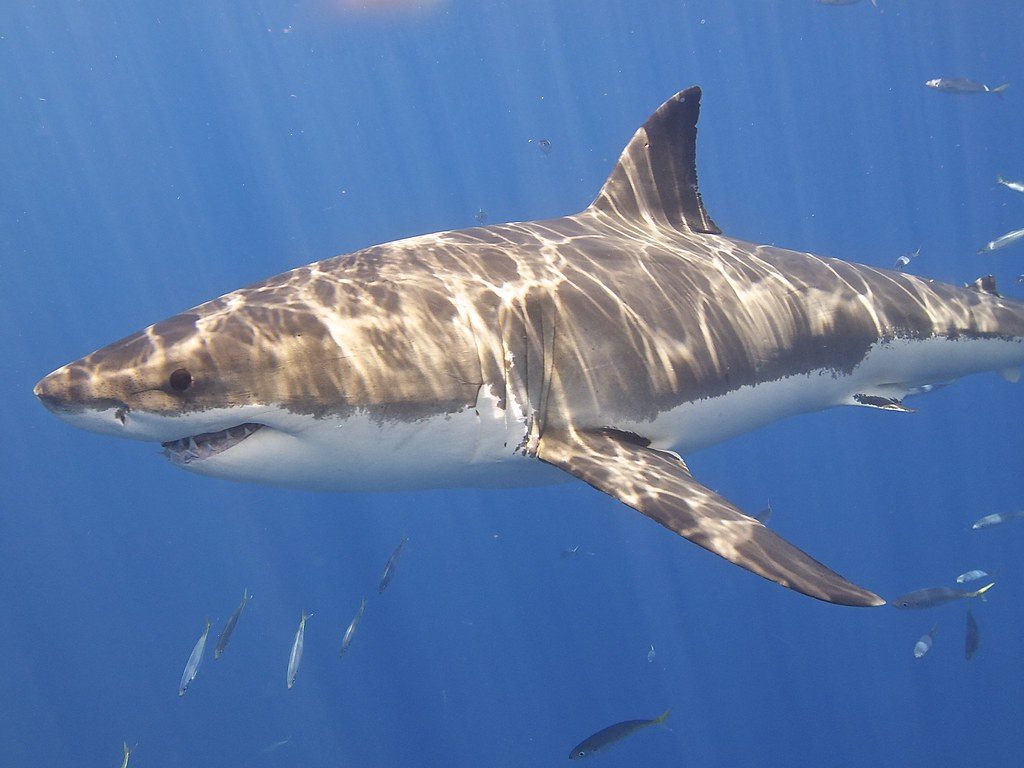
    Great White Shark” by Elias Levy is licensed under CC BY 2.0

    The great white shark is often seen as the most powerful biting shark in the ocean. Its bite force is estimated to be extremely high, capable of reaching thousands of pounds of pressure, strong enough to crush bone and tear through thick blubber of seals and sea lions. This shark uses its massive jaws and serrated teeth to deliver one fast, powerful bite that can disable large prey almost instantly.

    What makes this shark even more dangerous is its hunting style. Instead of chewing repeatedly, it often uses a surprise attack from below, bites once or twice, and then waits for the prey to weaken. Its teeth act like sharp knives, slicing deep into flesh, which makes even a single bite extremely destructive.

    Bull shark bite strength

    bull shark 1” by AlKok is licensed under CC BY-NC-SA 2.0

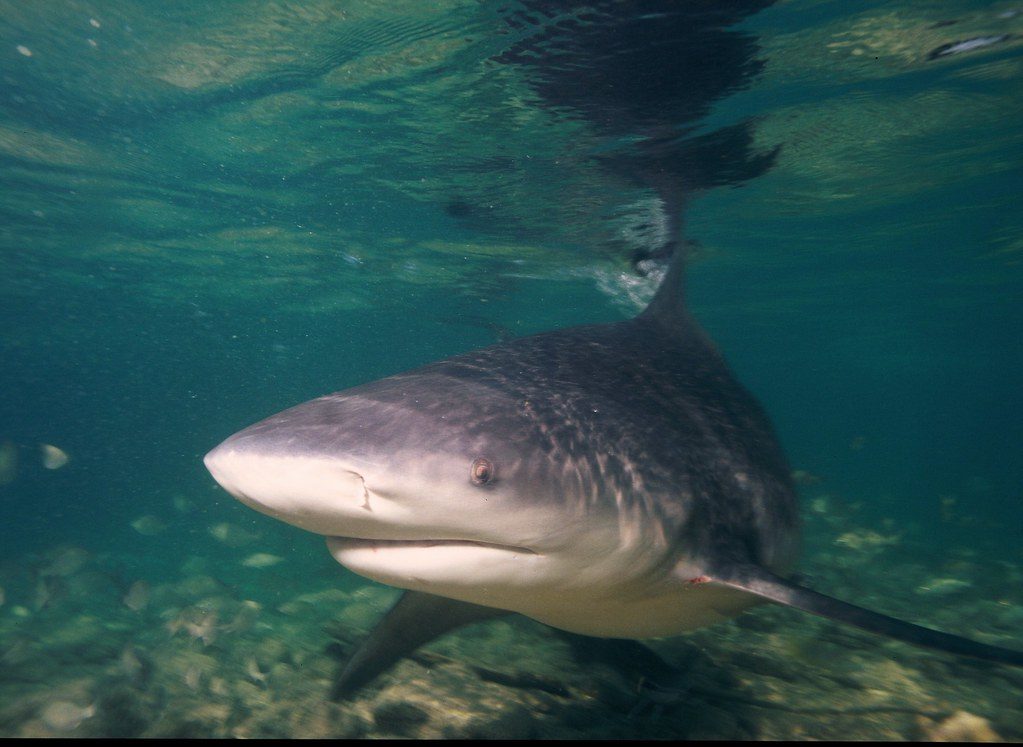
    The bull shark is famous for having one of the strongest bite forces relative to its body size. Even though it is smaller than the great white, its jaws are incredibly powerful and compact, allowing it to exert intense pressure. This strength helps it hunt in murky waters where visibility is low and prey must be grabbed quickly and securely.

    Bull sharks are also highly aggressive and adaptable, living in both saltwater and freshwater. Their strong bite helps them capture a wide variety of prey, including fish, turtles, and even other sharks. The combination of strength and unpredictability makes them one of the most dangerous sharks in shallow coastal waters.

    Tiger shark crushing ability

    Tiger Shark!” by CK | PHOTOGRAPHER is licensed under CC BY 2.0

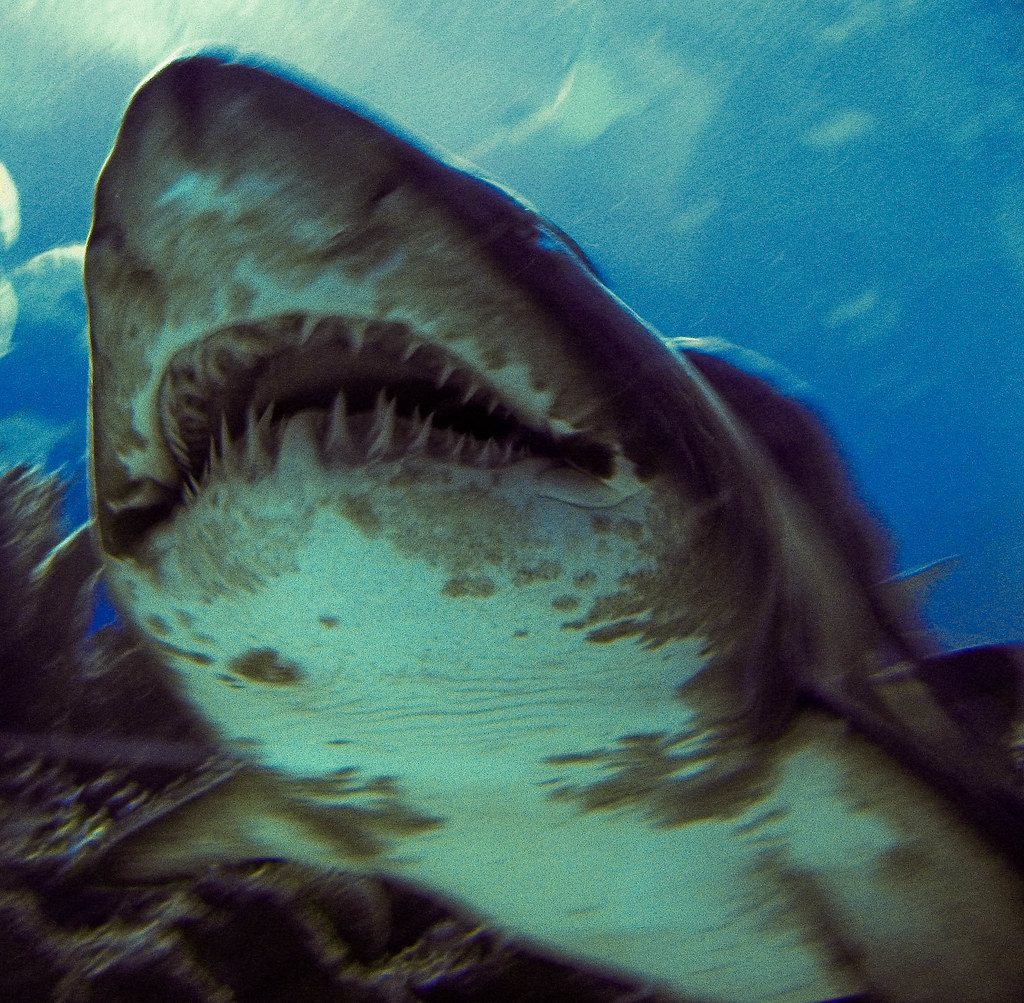
    Tiger sharks are known as the “garbage cans of the sea” because they eat almost anything, and their bite is strong enough to support that diet. Their jaws are built to crush hard objects like sea turtle shells and even bones. While their bite force is not the highest in absolute numbers compared to larger sharks, it is still extremely powerful for their size.

    Their teeth are uniquely shaped, sharp and serrated, which helps them saw through tough material. Tiger sharks use a slow but steady biting method, shaking their heads side to side to rip apart prey. This gives them a powerful combination of crushing force and cutting ability.

    Megalodon’s prehistoric bite power

    Carcharodon megalodon fossil shark jaw (reconstruction) (late Cenozoic) 5” by James St. John is licensed under CC BY 2.0

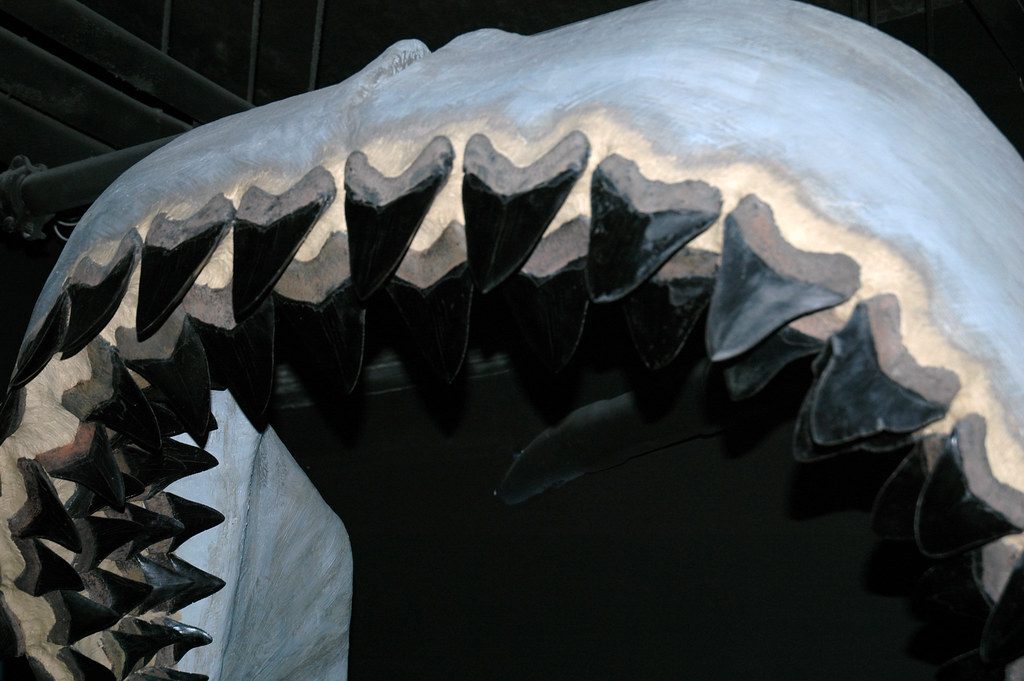
    Megalodon was an ancient shark that is now extinct, but it is believed to have had one of the strongest bites in Earth’s history. This giant predator could grow far larger than any modern shark, and its jaws were built to crush massive marine animals like whales. Scientists estimate its bite force was powerful enough to cause extreme damage in a single attack.

    Its teeth were thick, triangular, and designed for breaking bone rather than just slicing flesh. Megalodon likely used ambush attacks similar to modern great whites, targeting vital areas like flippers or tails to disable prey. Its bite strength was so extreme that it stands as a benchmark for prehistoric ocean predators.

    Shortfin mako shark bite speed and force

    Shortfin-169” by jidanchaomian is licensed under CC BY-SA 2.0

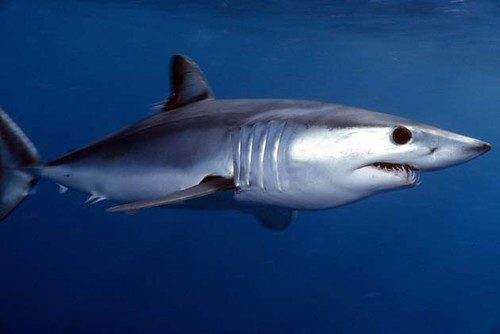
    The shortfin mako shark is not only one of the fastest sharks in the ocean but also has a surprisingly powerful bite. While it may not match the crushing force of larger sharks, its bite is extremely effective because it is delivered with incredible speed. This makes it a deadly hunter of fast-moving prey like tuna and squid.

    Its teeth are sharp, narrow, and designed for grabbing and tearing rather than crushing. The mako’s hunting strategy depends on quick strikes, where speed and precision matter more than raw jaw strength. This combination allows it to stay one of the top ocean predators despite its smaller size.

    Hammerhead shark bite efficiency

    Hammerhead shark” by suneko is licensed under CC BY-SA 2.0

    Hammerhead sharks may not have the strongest bite compared to giants like the great white, but their bite is highly efficient and specialized. Their unique head shape gives them better control when pinning down prey such as stingrays, which are a major part of their diet. This allows them to use their bite more effectively, even if it is not the most powerful.

    Their teeth are designed for gripping rather than crushing large bones, but their hunting success comes from precision. Hammerheads often strike quickly and hold onto prey tightly, using their head shape to stabilize struggling animals. This makes their bite highly effective in real hunting situations, even without extreme force.

  • Once-orphaned elephant introduces her calf in a heartwarming moment

    Once-orphaned elephant introduces her calf in a heartwarming moment

    What happens when an elephant who once lost everything comes back years later as a mother? A deeply emotional moment shared by the Sheldrick Wildlife Trust shows exactly that. An elephant named Melia, who was rescued as a young orphan, returned to the sanctuary years later with a surprising gift, her own baby calf.

    The visit quickly became a heartwarming full-circle moment as Melia introduced her newborn daughter to the caretakers who once helped raise her. In the first moments of the video, Melia confidently approaches the team while her calf follows closely behind, marking a powerful reunion filled with trust and memory. This article explores Melia’s journey, the care she received as an orphan, and why this emotional return means so much for conservation efforts and elephant families.

    Melia’s early life as an orphaned calf

    Baby Elephant” by Stephen Begin is licensed under CC BY-NC-SA 2.0

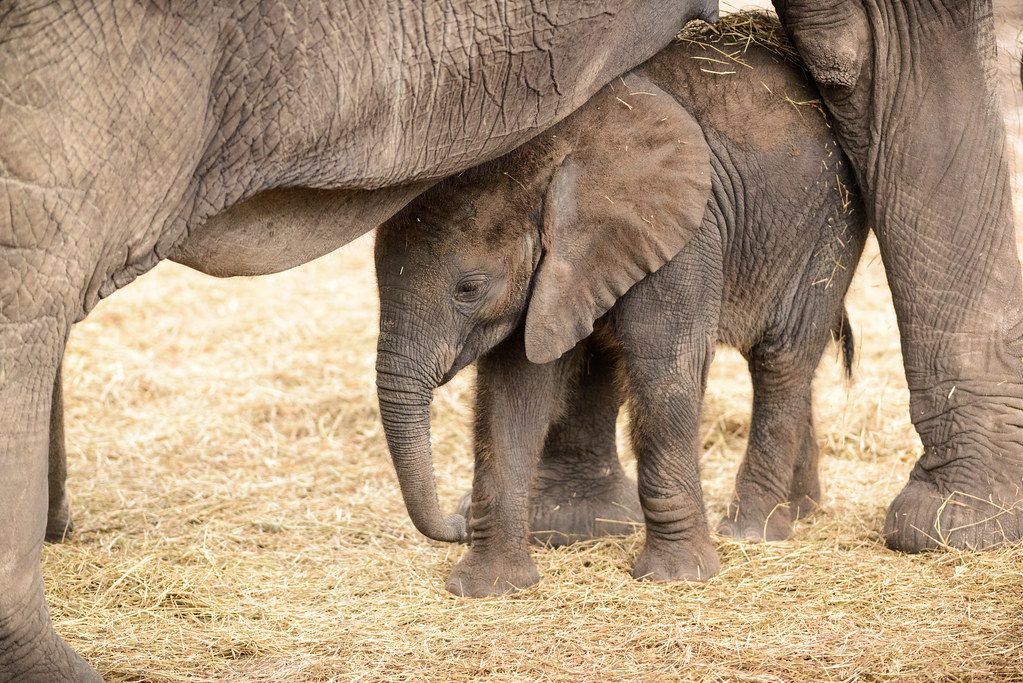
    Melia’s story begins in a situation many young elephants sadly face in the wild. As a calf, she was separated from her family and left vulnerable during a critical stage of life. Elephant calves depend completely on their mothers for milk, warmth, and protection, and without that support, survival becomes extremely difficult.

    She was rescued and brought into the care of the Sheldrick Wildlife Trust, where she began her recovery. Like many orphaned elephants, Melia was likely frightened and stressed when she first arrived. The sanctuary provided her with a safe place where she could heal and slowly adjust to a new environment filled with caretakers who acted as her new family.

    Life inside the Sheldrick Wildlife Trust nursery

    David Sheldrick Wildlife Trust” by aftab. is licensed under CC BY-NC 2.0

    At the Sheldrick Wildlife Trust nurseries in Kenya, orphaned elephants like Melia receive constant care. Caretakers stay with them day and night, feeding them milk, comforting them, and helping them feel secure again after trauma. These early months are extremely important because young elephants form emotional bonds very quickly.

    The nurseries are not just about survival, but also about rebuilding trust. Elephants begin to recognize their caregivers as protective figures. Over time, they learn to socialize with other orphaned elephants, forming friendships and learning natural behaviors that prepare them for future life in the wild.

    Growing up and becoming independent

    Baby elephant” by restructuregirl is licensed under CC BY-NC-SA 2.0

    As Melia grew older, she went through a gradual transition from nursery care to more independent living. This stage is carefully managed by the sanctuary. Elephants move from close human care to Reintegration Units, where they start interacting with wild elephants while still having support from their caretakers.

    During this time, they learn essential survival skills such as finding food, understanding herd behavior, and navigating their environment. Female elephants like Melia often develop nurturing instincts, sometimes helping younger orphans in the group, almost like mini matriarchs learning leadership roles early in life.

    Melia’s return with her baby calf, Moon

    Baby Elephant Hiding” by Eric Kilby is licensed under CC BY-SA 2.0

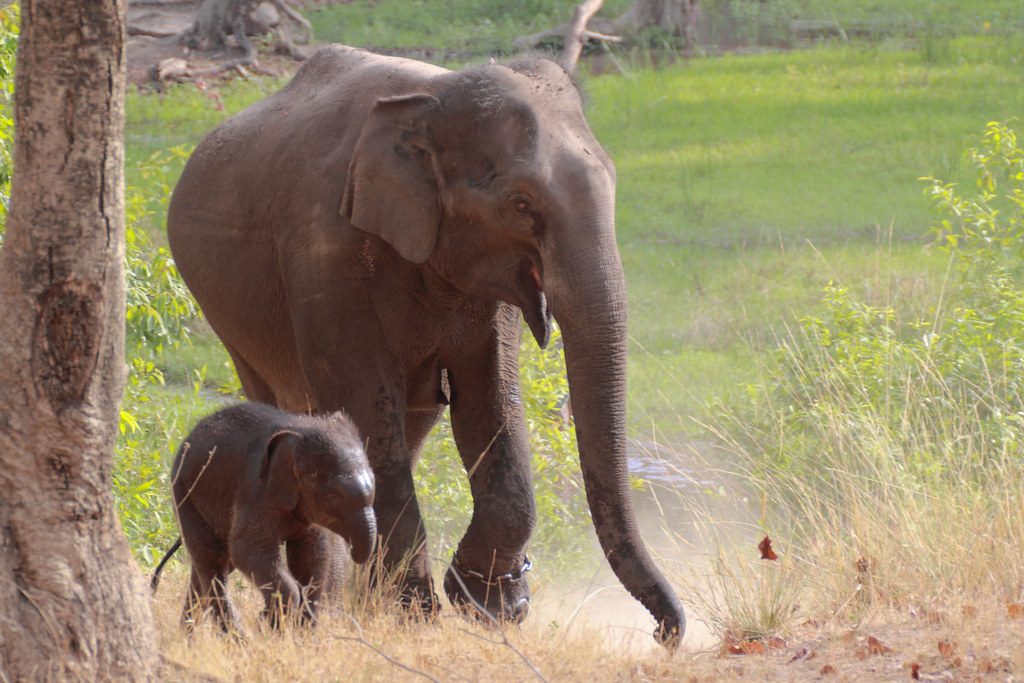
    Years later, Melia returned to the Ithumba team with exciting news that surprised and delighted the caretakers. She arrived confidently with her baby calf following closely behind her. The baby, later named Moon by the team, stayed near her mother at first, then cautiously stepped forward toward the humans she had never met before but was connected to through Melia’s trust.

    The Sheldrick Wildlife Trust shared that this was not Melia’s first baby, but her second, showing that she had fully adapted to life in the wild. The team described Moon as a bold and spirited young elephant, full of personality even at a very early age.

    The emotional reunion with caretakers

    Elephant in the WWF Flying Squad” by World Bank Photo Collection is licensed under CC BY-NC-ND 2.0

    When Melia approached the caretakers, the moment was calm but deeply meaningful. She paused, allowing her baby to observe the environment, before gently guiding her closer to the familiar human presence. The caretakers, including Head Keeper Benjamin and the Ithumba team, welcomed her with quiet excitement and care.

    Viewers who saw the video described the moment as powerful and emotional. Many were moved by how Melia seemed to remember the safety she once felt as an orphan. The fact that she brought her baby back to meet her former caregivers showed a strong bond that had lasted across years, proving how deeply elephants can remember those who cared for them.

    Why this moment matters for elephant conservation

    Elephant” by Jonathan Michael Peel is licensed under CC BY-SA 2.0

    Melia’s return with her calf is more than just a touching story. It highlights the long-term impact of conservation work. The Sheldrick Wildlife Trust focuses on raising orphaned elephants so they can eventually return to the wild and live independently. These elephants often carry the memory of their caregivers with them, showing the emotional depth of their experiences.

    This full-circle moment also shows how conservation efforts can continue across generations. By helping orphaned elephants survive and grow, organizations are not only saving individual lives but also supporting future wild populations. Melia and her calf Moon represent that success, proving that care, patience, and protection can lead to thriving elephant families in the wild.

  • Controversial plan targets invasive barred owls to aid threatened wildlife

    Controversial plan targets invasive barred owls to aid threatened wildlife

    A controversial wildlife plan in the United States is raising serious debate among scientists, conservationists, and animal welfare groups. The plan focuses on reducing populations of barred owls, a bird that has spread across western forests and is now competing with the threatened northern spotted owl. Supporters say this action is needed to prevent the spotted owl from disappearing entirely, while critics argue it raises ethical concerns about killing one species to save another.

    At the heart of this issue is a complex question about human responsibility in nature. The barred owl is not originally native to western forests, but its expansion has changed the balance of the ecosystem. This article will explain why the plan exists, how it would work, and why it has become one of the most debated wildlife decisions in recent years.

    Why barred owls are spreading west

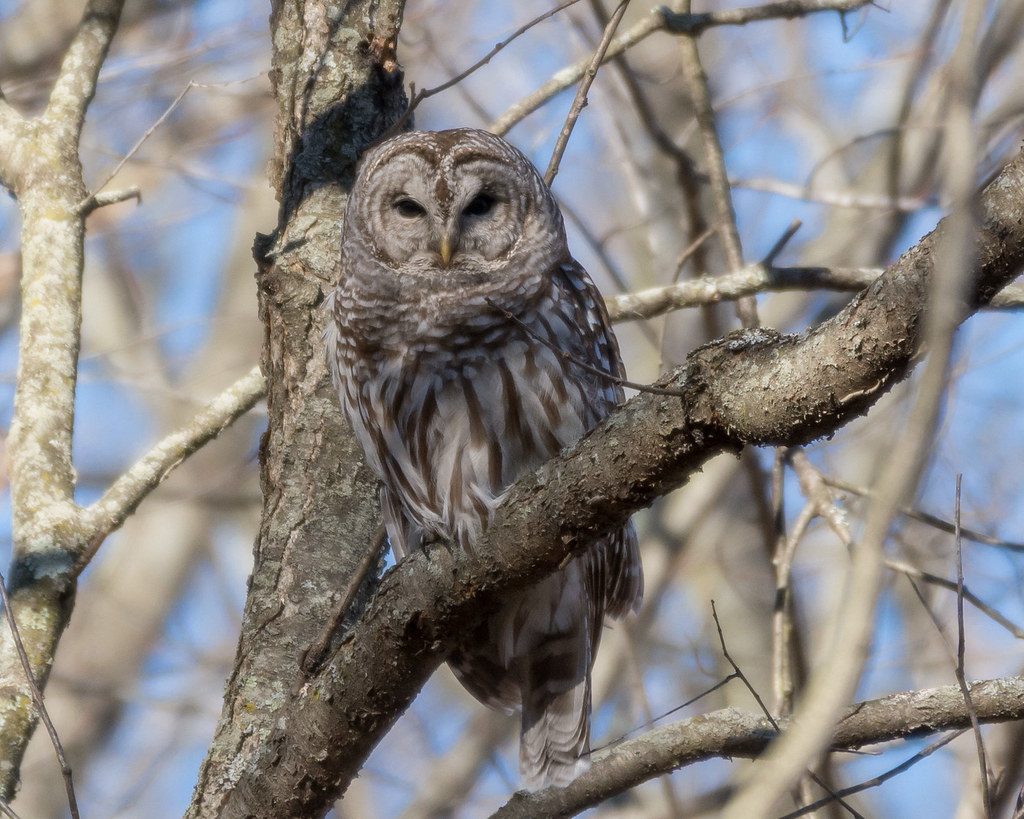
    white and brown owl on tree during daytime
    Photo by Philip Brown on Unsplash

    Barred owls originally lived in eastern North America, but over the last century, they gradually moved west into forests across Washington, Oregon, and California. Scientists believe this spread happened due to changes in land use, forest conditions, and human development that removed natural barriers to their movement. Over time, they established strong populations in areas once dominated by the northern spotted owl.

    Unlike spotted owls, barred owls are more flexible in their habitat needs. They can live in a wider range of forest types, including areas that have been altered by logging or development. This adaptability has allowed them to grow in number and expand their territory, often into spaces already occupied by other owl species.

    Impact on northern spotted owls

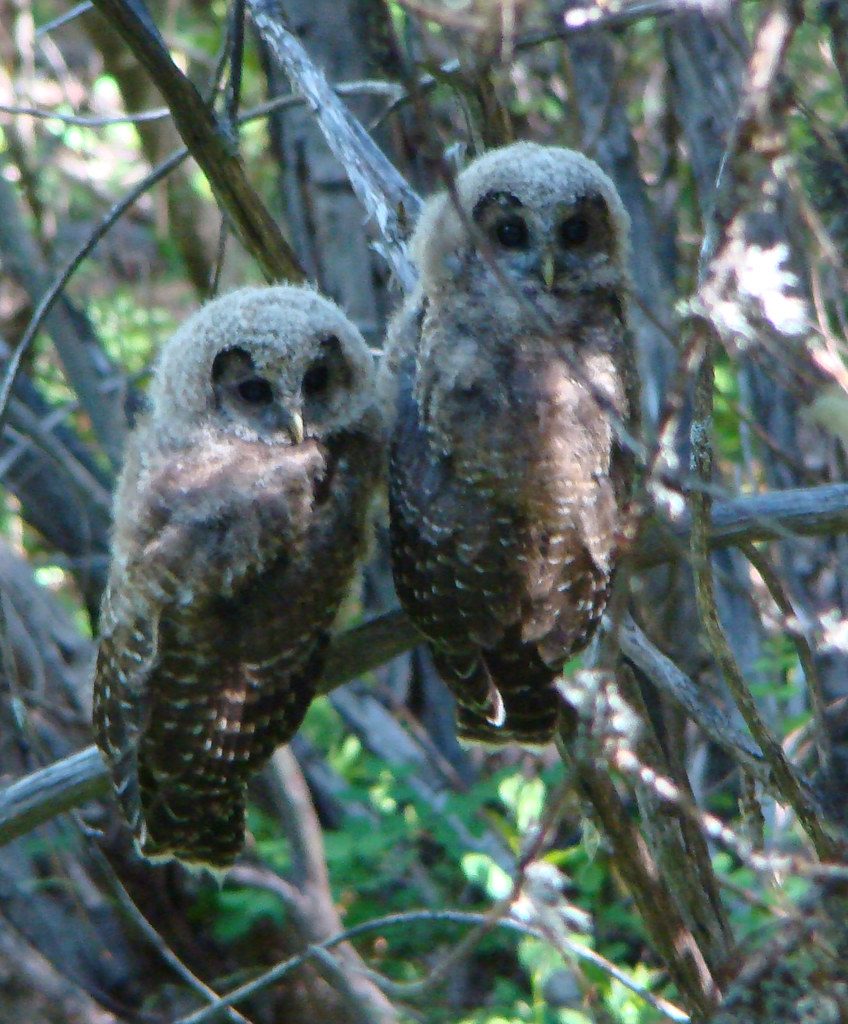
    Fledgling Northern Spotted Owls” by USFWS Pacific Southwest Region is licensed under CC PDM 1.0

    The northern spotted owl is already listed as threatened in the United States, mainly because of historic logging of old-growth forests. These owls depend on large, old trees for nesting and hunting. When their habitat shrank, their population became more fragile and spread out across fewer suitable areas.

    According to wildlife agencies, barred owls now compete directly with spotted owls for food, nesting sites, and territory. In many cases, barred owls are larger and more aggressive, which gives them an advantage. Studies have shown that where barred owls are present, spotted owl survival and reproduction rates often decline, making recovery much harder.

    The federal management strategy explained

    people having meeting on rectangular brown table
    Photo by Christina @ wocintechchat.com M on Unsplash

    To address this issue, the U.S. Fish and Wildlife Service developed a long-term management strategy aimed at reducing barred owl numbers in selected areas. The plan allows trained wildlife professionals to remove barred owls from regions where spotted owls are still present or trying to recover.

    The strategy is expected to operate across parts of Washington, Oregon, and California. If fully carried out over several decades, it could involve the removal of hundreds of thousands of barred owls. Wildlife officials argue that this is not about hunting for sport, but about targeted population control designed to protect a threatened species from extinction.

    Methods used in owl removal

    2 men standing on brown grass field during daytime
    Photo by BĀBI on Unsplash

    The process used in this plan is highly controlled and not open to the public. Trained professionals identify barred owls in specific forest zones and use recorded calls to attract them. Once located, the owls are then removed using approved wildlife management methods under federal permits.

    Officials emphasize that the work is carefully regulated. It is only carried out in designated areas where spotted owls are under the most pressure. The goal is not to eliminate barred owls everywhere, but to reduce their impact in key habitats where conservation efforts are focused.

    Ethical debate and public reaction

    two men talking
    Photo by LinkedIn Sales Solutions on Unsplash

    The plan has sparked a strong ethical debate across the United States. Supporters argue that difficult choices are sometimes necessary in conservation, especially when a species is at risk of extinction. They say that without intervention, the northern spotted owl could continue to decline due to ongoing competition.

    Opponents, including animal welfare groups and some conservation voices, argue that killing one native species to protect another is morally wrong. They also question whether the plan will have long-term success, since barred owls are still expanding their range. Some critics believe that protecting and restoring forests should be the main solution instead of removing animals.

    What this means for future conservation

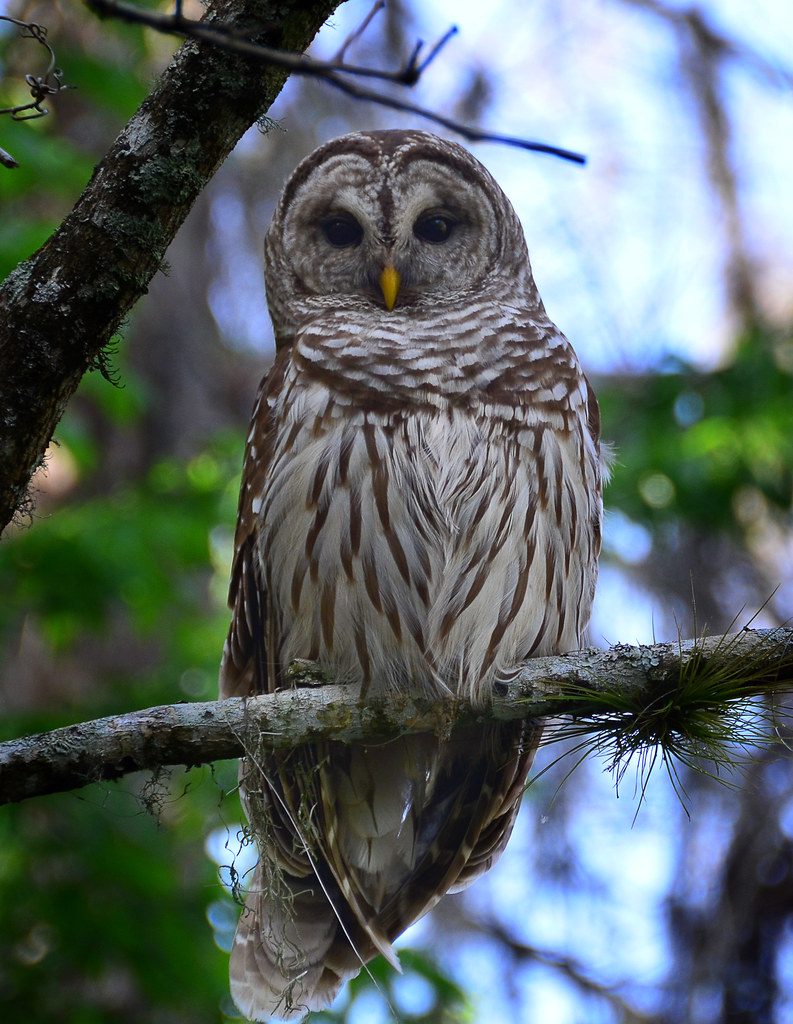
    Barred Owl at Lettuce Lake” by trishhartmann is licensed under CC BY 2.0

    This controversial plan reflects a larger challenge in modern conservation: how to manage ecosystems that have already been changed by human activity. Wildlife agencies are trying to balance species protection with ethical concerns, scientific evidence, and long-term environmental stability.

    As climate change, habitat loss, and shifting species ranges continue, similar decisions may become more common. The barred owl case shows that conservation is no longer just about protecting nature, but also about deciding how far humans should go to correct ecological imbalances.

  • Butterfly population jumps by 9,000 percent in unexpected turnaround

    Butterfly population jumps by 9,000 percent in unexpected turnaround

    A dramatic rise in butterfly numbers has caught the attention of conservationists and nature lovers across the world. After years of worrying declines, some protected habitats have reported a sudden rebound, with one population showing an increase of about 9,000 percent. This kind of recovery is rare and usually happens only when damaged ecosystems are carefully restored and left undisturbed for long periods.

    In this article, you will learn what caused this unexpected butterfly comeback, what scientists think is behind the rapid growth, and why it matters for the environment. You will also see how habitat protection, climate conditions, and human action all play a role in helping butterfly species recover. Understanding this story helps show how fragile nature is, but also how quickly it can heal when conditions improve.

    What the 9,000 percent increase really means

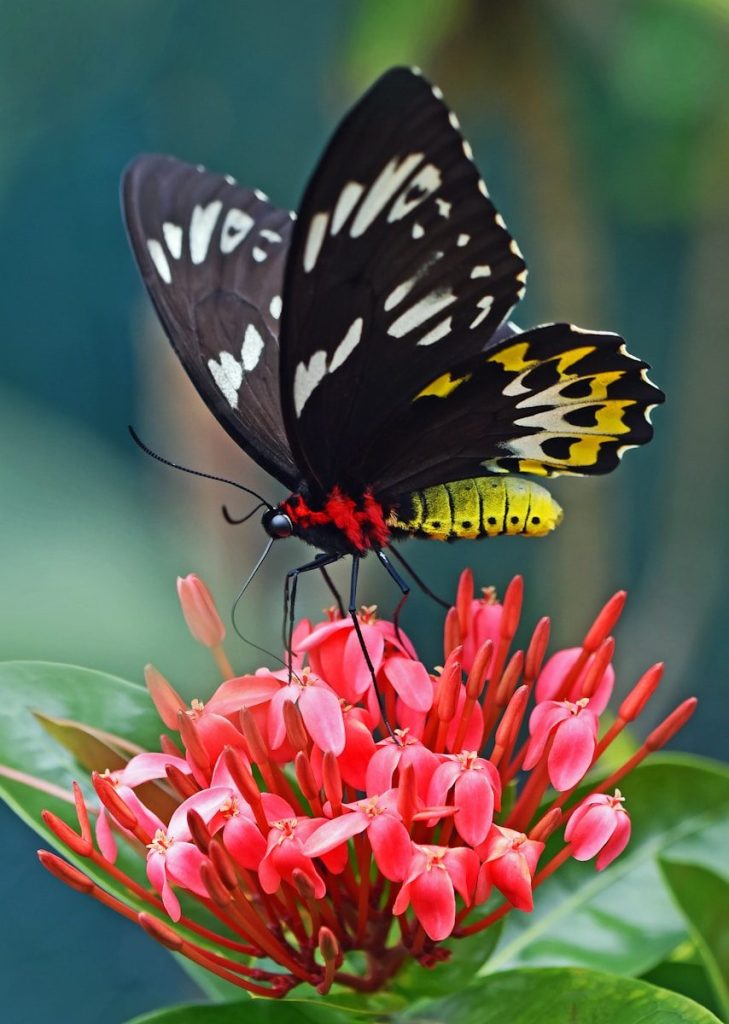
    selective focus photography of black and yellow swallowtail butterfly on ixora during daytime
    Photo by David Clode on Unsplash

    When scientists report a 9,000 percent increase, it does not mean butterflies suddenly appeared everywhere overnight. It usually means the population started from a very small number and then grew significantly over time in a specific monitored area. For example, if only a few dozen butterflies were counted in an earlier survey, a return to several thousand later can produce a very large percentage increase.

    Research on butterfly recovery often shows that short-term spikes like this are possible when conditions become ideal. This includes better weather patterns, fewer pesticides, and restored plant life. However, experts always caution that such sharp increases do not always reflect a permanent national or global trend. Butterfly populations can rise quickly, but they can also fall just as fast if conditions change again.

    Why butterfly populations dropped in the first place

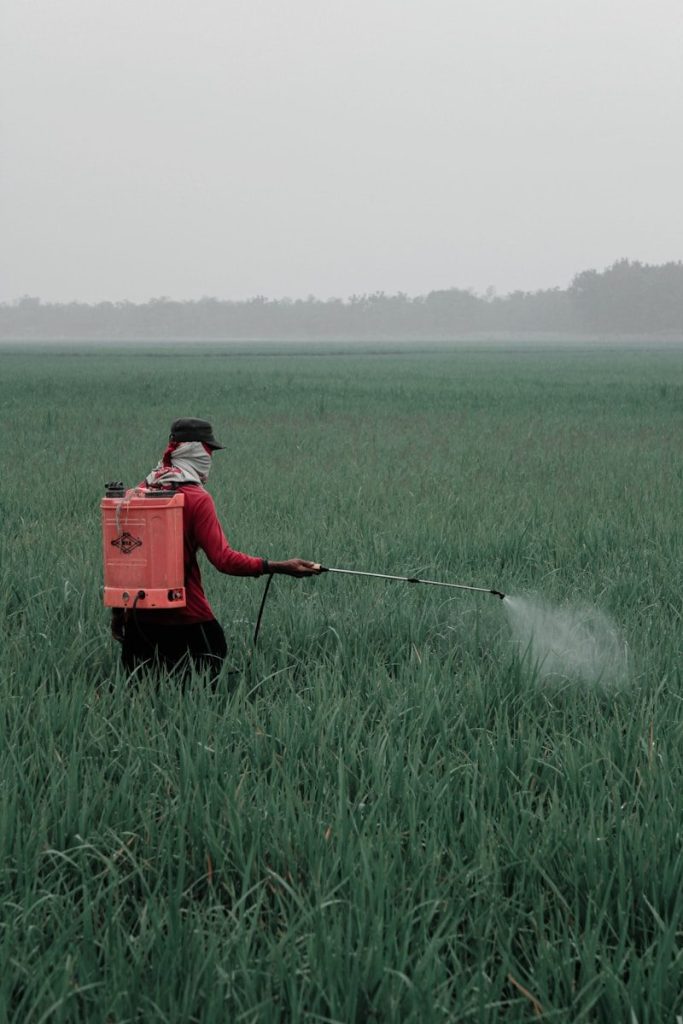
    person in red shirt and black pants holding red box on green grass field during daytime
    Photo by Ilham Wicaksono on Unsplash

    To understand this recovery, it is important to know why butterfly numbers fell so sharply in many regions. Studies across North America show long-term declines caused mainly by habitat loss, pesticide use, and climate change. One large scientific review found that U.S. butterfly populations dropped by about 22 percent between 2000 and 2020, showing how serious the problem has been over time.

    A major issue is the loss of native plants like milkweed, which monarch butterflies depend on for laying eggs and feeding caterpillars. Farming practices, land development, and heavy herbicide use have reduced these plants in many areas. In addition, warmer temperatures and unpredictable weather patterns have made survival harder for many species. These combined pressures pushed many butterfly populations into steep decline before recovery efforts began.

    How conservation efforts helped the recovery

    selective focus photography of red petaled flower
    Photo by Annie Spratt on Unsplash

    The sudden rise in butterfly numbers is closely linked to conservation work. In areas where land was protected or restored, native plants began to return, giving butterflies the food and shelter they need. When milkweed and wildflowers come back, butterflies can complete their life cycles more successfully, leading to faster population growth.

    In some protected zones, conservation groups also reduced pesticide use and limited human disturbance. These changes allowed eggs, caterpillars, and adult butterflies to survive in greater numbers. Scientists note that butterflies respond quickly to improved conditions because they reproduce many times in a single year, so even small improvements in habitat can lead to big population changes over time.

    The role of weather and natural cycles

    water droplets on glass window
    Photo by frame harirak on Unsplash

    Weather plays a major role in butterfly population changes. A single good season with the right balance of rain, temperature, and plant growth can help butterfly numbers rise quickly. Mild winters can also improve survival rates for eggs and pupae, leading to stronger spring populations.

    However, butterfly populations are naturally unstable because they depend so heavily on seasonal conditions. Even in recovering areas, a sudden drought or heat wave can slow growth or cause temporary declines. Scientists say that the 9,000 percent jump likely reflects a combination of ideal weather conditions and successful habitat restoration working together at the same time.

    Why this recovery matters for the environment

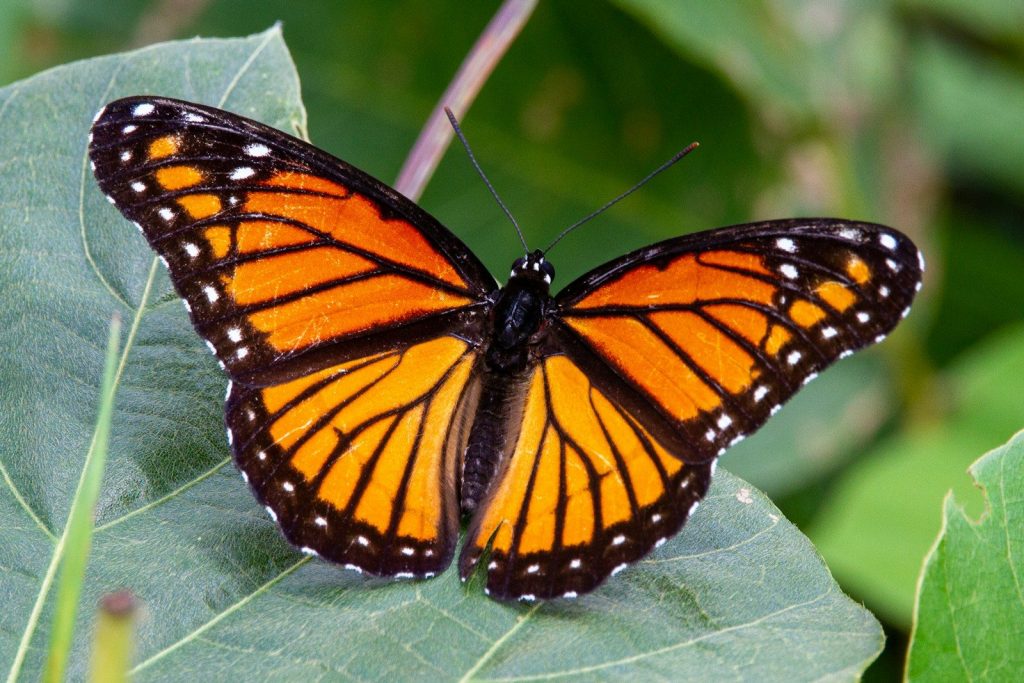
    monarch butterfly perched on green leaf
    Photo by Joshua J. Cotten on Unsplash

    Butterflies are more than just colorful insects. They play an important role in pollination, helping flowers, crops, and wild plants reproduce. When butterfly numbers drop, it can affect the entire food chain, including birds and other wildlife that depend on them for food.

    A strong recovery like this shows that ecosystems can heal when stress is reduced. It also gives scientists hope that long-term declines can be slowed or even reversed in some areas. However, experts also warn that isolated recoveries do not mean the overall problem is solved. Many regions are still seeing long-term declines, so continued conservation is necessary.

    What scientists expect next

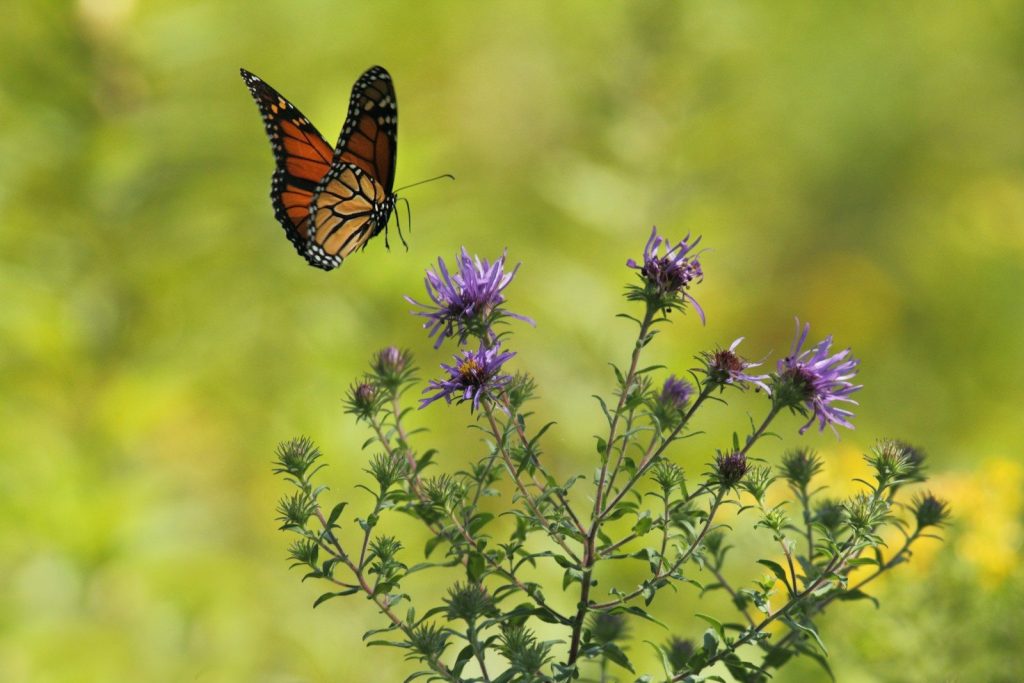
    selective focus photography of brown and black butterfly flying near blooming purple petaled flowers
    Photo by Gary Bendig on Unsplash

    Scientists are careful when looking at sudden population increases like this one. While the 9,000 percent rise sounds impressive, they say it must be tracked over many years to understand if it is stable. Butterfly populations naturally rise and fall, so one strong season does not guarantee long-term recovery.

    Researchers will continue monitoring the same areas to see if numbers stay high or drop again. They will also study how climate change, farming practices, and conservation efforts affect future trends. The goal is to understand what conditions lead to lasting recovery instead of short-term spikes.

  • Maui residents spend two nights eliminating two invasive frogs

    Maui residents spend two nights eliminating two invasive frogs

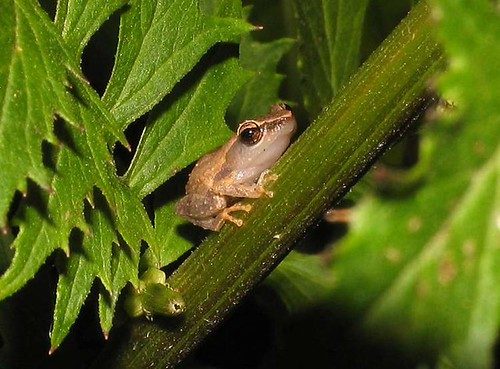
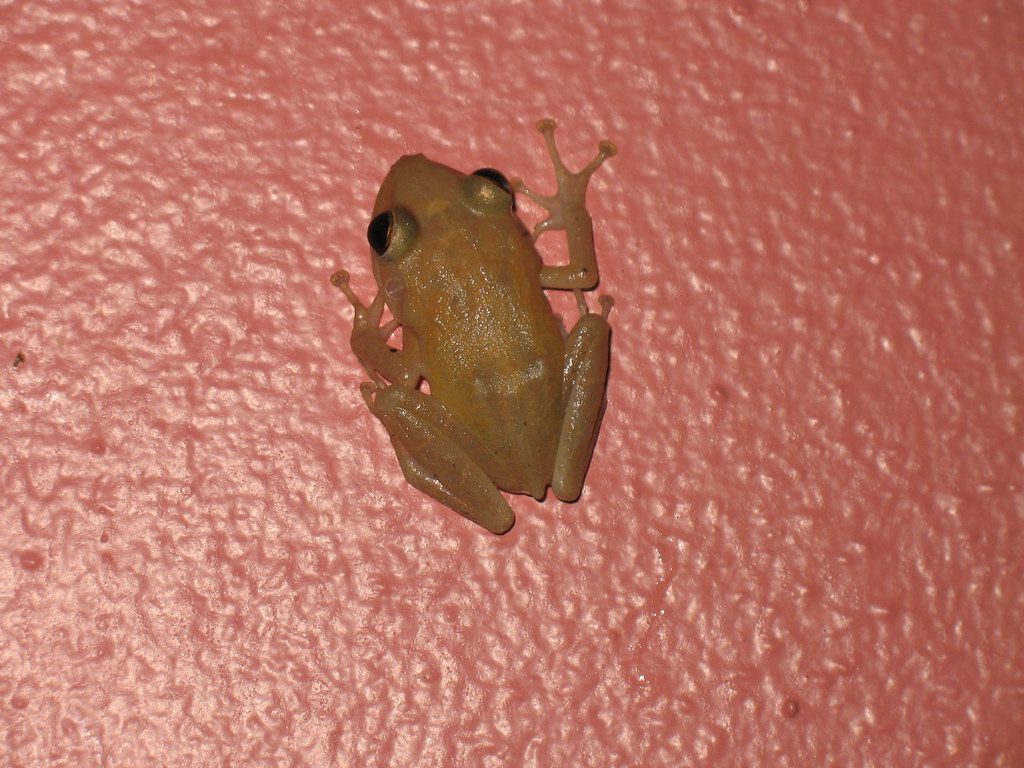
    Residents in Maui recently faced a surprising and exhausting problem when two invasive coqui frogs were discovered near a neighborhood area. What seemed like a small issue quickly turned into a two night effort involving careful tracking, spraying, and coordination among locals trying to protect their environment.

    These frogs are not native to Hawaii and can spread quickly, causing loud nighttime noise and disturbing local ecosystems. In this article, you will learn what happened during the two night effort, why these frogs are considered invasive, how residents and local crews respond to them, and what this situation reveals about the ongoing fight against invasive species in Maui. The goal is to help you clearly understand the real challenges communities face when dealing with fast-spreading wildlife threats.

    How the invasive frogs arrived in Maui

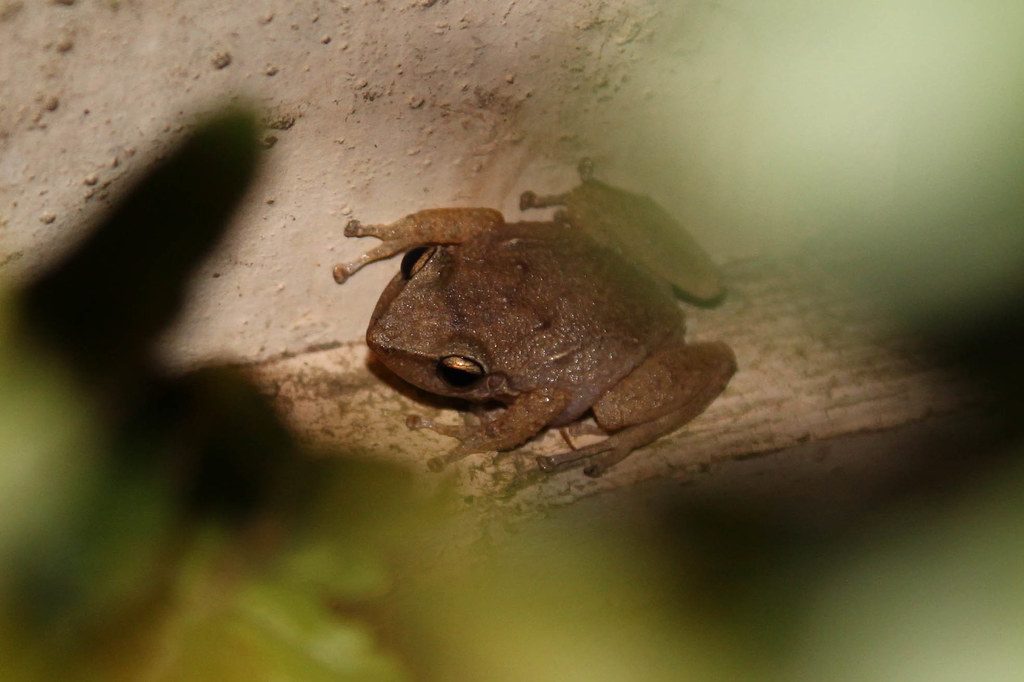
    Coqui frog” by audreyulloa is licensed under CC BY 2.0

    Coqui frogs are originally from Puerto Rico and were accidentally introduced to Hawaii through imported plants in the late 1980s. Since then, they have spread across parts of the Hawaiian Islands, including Maui. These frogs are small, usually about the size of a quarter, but they create a very loud two-note call that sounds like “co-kee,” especially at night. Because Hawaii has no natural predators that control its population, the frogs have been able to multiply quickly in areas with dense vegetation and warm, wet weather.

    Over time, small groups of coqui frogs have been found in different neighborhoods on Maui, especially in areas like Haiku and nearby gulches. Some populations have been controlled or removed, but new sightings still appear from time to time. This makes early detection very important, because even a few frogs can grow into a much larger problem if not addressed quickly.

    What happened during the two night effort

    green palm tree during daytime
    Photo by Krystal Ng on Unsplash

    In the recent case, residents discovered two coqui frogs in vegetation near homes, prompting immediate action. Over the course of two nights, community members worked together using a citric acid solution to locate and eliminate the frogs. Reports from similar efforts show that large amounts of this solution are often used in targeted spraying, since it is effective at stopping the frogs when applied directly.

    The process was not simple. The frogs are small, well hidden during the day, and become active mainly at night when they call. Residents had to carefully listen for the calls, search through plants with flashlights, and treat specific areas where the frogs were hiding. Even though only two frogs were confirmed, the effort required patience, coordination, and repeated checks to ensure no additional frogs were present nearby.

    Why coqui frogs are a serious concern

    A Coqui Frog!” by plizzba is licensed under CC BY-SA 2.0

    Coqui frogs may seem harmless at first, but they create several problems for local communities and ecosystems. One of the biggest issues is their loud nighttime calling, which can reach levels similar to household appliances. This noise can disturb sleep and reduce quality of life for people living near infested areas. Because the frogs call throughout the night, even a small population can become a major nuisance.

    Beyond noise, coqui frogs also affect the natural environment. They feed heavily on insects, which can disrupt the balance of local ecosystems. In places where they have spread widely, their population density can become extremely high due to the lack of natural predators. This allows them to dominate areas quickly, making control efforts more difficult and expensive over time.

    How Maui communities respond to invasions

    2 men standing on brown grass field during daytime
    Photo by BĀBI on Unsplash

    Maui has an ongoing system in place to manage coqui frog populations, led by invasive species control programs and supported by local residents. These efforts often include nighttime field work, since that is when the frogs are easiest to locate. Teams may use sprayers, monitoring tools, and reporting systems to track new sightings and respond quickly.

    Community involvement plays a major role. Many residents report frog calls, help locate hiding spots, and sometimes even assist in small-scale removal efforts on private property. Education is also important, as people are encouraged to check plants and outdoor items that could accidentally transport frogs to new locations. Without early reporting and cooperation, small infestations can spread much faster across neighborhoods.

    Challenges in controlling invasive species on Maui

    Sometimes you walk into dense vegetation” by dkilim is licensed under CC BY-NC-SA 2.0

    Even with strong efforts, controlling coqui frogs on Maui remains difficult. The island’s warm and humid climate provides ideal conditions for the frogs to survive and reproduce. Dense vegetation and remote terrain also make it hard to reach all affected areas, especially in gulches and private lands where access may be limited.

    Another challenge is that eradication is rarely simple. Even when a few frogs are removed, others may remain hidden or enter the area again through plant movement or natural spread. This means control efforts must continue repeatedly over time, often for months or even years, to ensure a population does not return. Because of this, many programs focus on containment and reduction rather than complete elimination.

    What this effort shows about environmental protection

    Waianapanapa State Park, Maui” by szeke is licensed under CC BY-NC-SA 2.0

    The two night effort to remove invasive frogs highlights how much time and energy goes into protecting local ecosystems. Even a small number of invasive animals can require careful planning and coordinated work to manage. It also shows how important community awareness is in spotting problems early before they grow larger.

    At the same time, it reflects the ongoing balance between human neighborhoods and natural environments in Hawaii. Residents, scientists, and local programs all play a role in keeping invasive species under control, even when success requires repeated effort and patience.