Blog

  • The sad story of the world’s last captive leopard seal

    The sad story of the world’s last captive leopard seal

    Few animal stories are as heartbreaking as the loss of Casey, the world’s last captive leopard seal. His death raised difficult questions about animal care, conservation, and whether some wild creatures can ever truly thrive in captivity. Many people still search for answers about why a zoo made such a painful decision and what it meant for one of Antarctica’s most mysterious predators.

    This article explores the true story behind Casey’s life at Taronga Zoo, how he became the only captive leopard seal in the world, why veterinarians decided to put him down, and why his death remains an emotional topic years later. By understanding the facts, readers can see both the sadness of his loss and the important lessons his life left behind.

    How Casey became the world’s only captive leopard seal
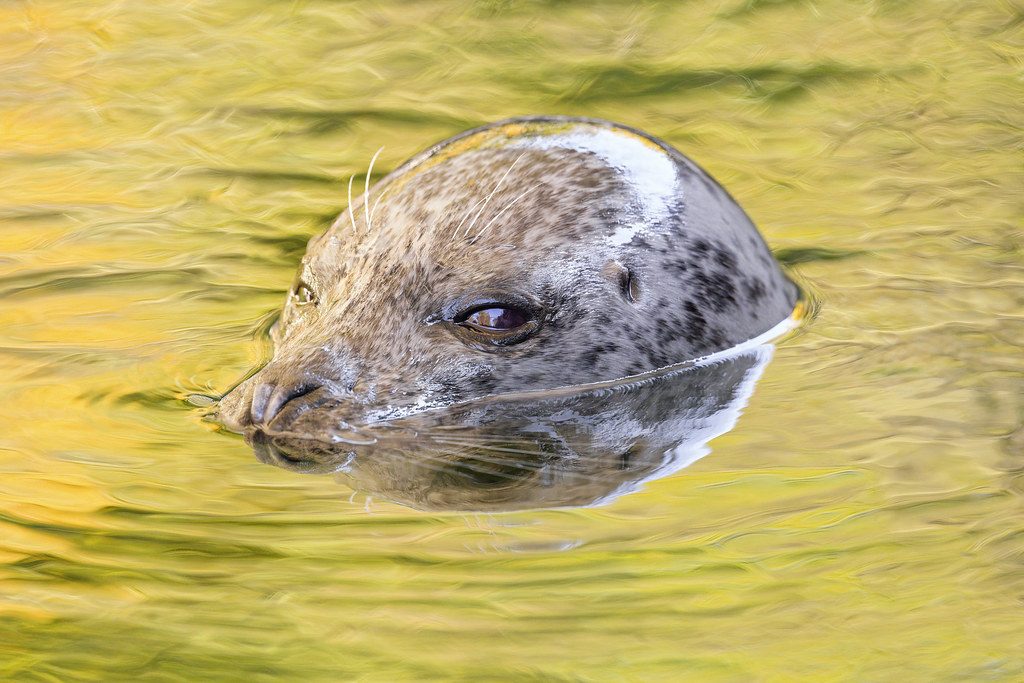
    A leopard seal” by xeno_sapien is licensed under CC BY-NC 2.0

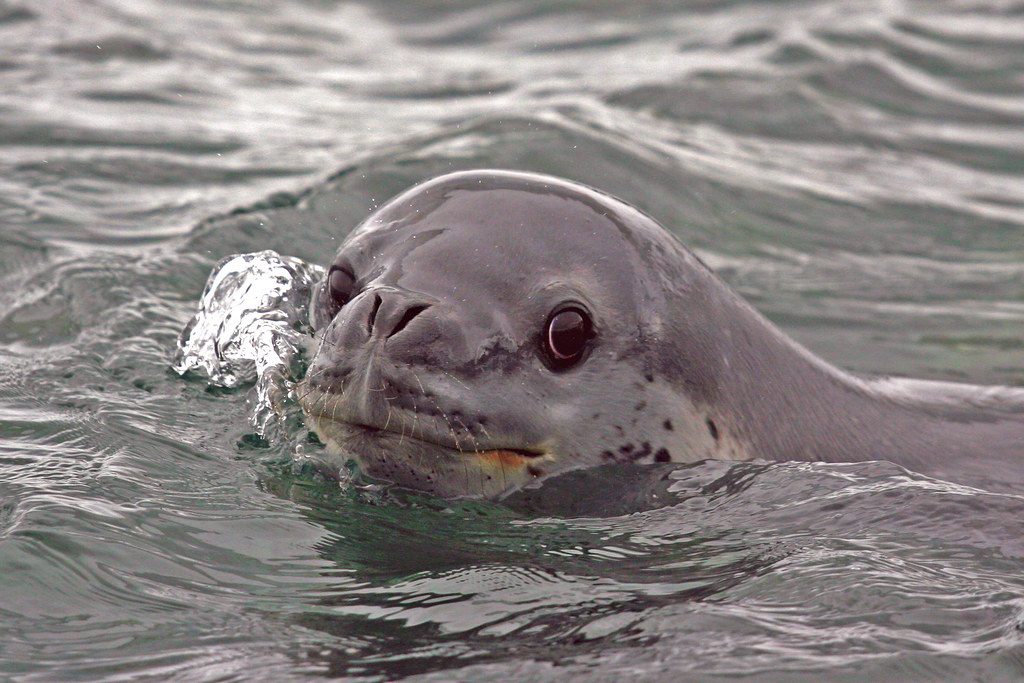
    Casey was not born in a zoo. In 2007, he was found stranded on a beach south of Sydney, Australia. The young leopard seal was severely underweight and carried a fresh shark bite wound on his abdomen. Wildlife experts rescued him and brought him to Taronga Zoo, where veterinarians worked hard to save his life. Over time, Casey recovered and became one of the zoo’s most beloved animals. Because leopard seals are native to Antarctica and very rarely live in captivity, his rescue quickly attracted attention from scientists and animal lovers around the world.

    The zoo later decided not to release Casey back into the wild. Experts worried that he could introduce diseases to the fragile Antarctic leopard seal population after spending time around humans and other animals. As a result, Casey remained at Taronga Zoo and eventually became the only leopard seal living in captivity anywhere in the world. His unique status allowed researchers to study a species that is normally difficult to observe because it lives in remote Antarctic waters and spends much of its life alone.

    Why leopard seals are so difficult to keep in captivity
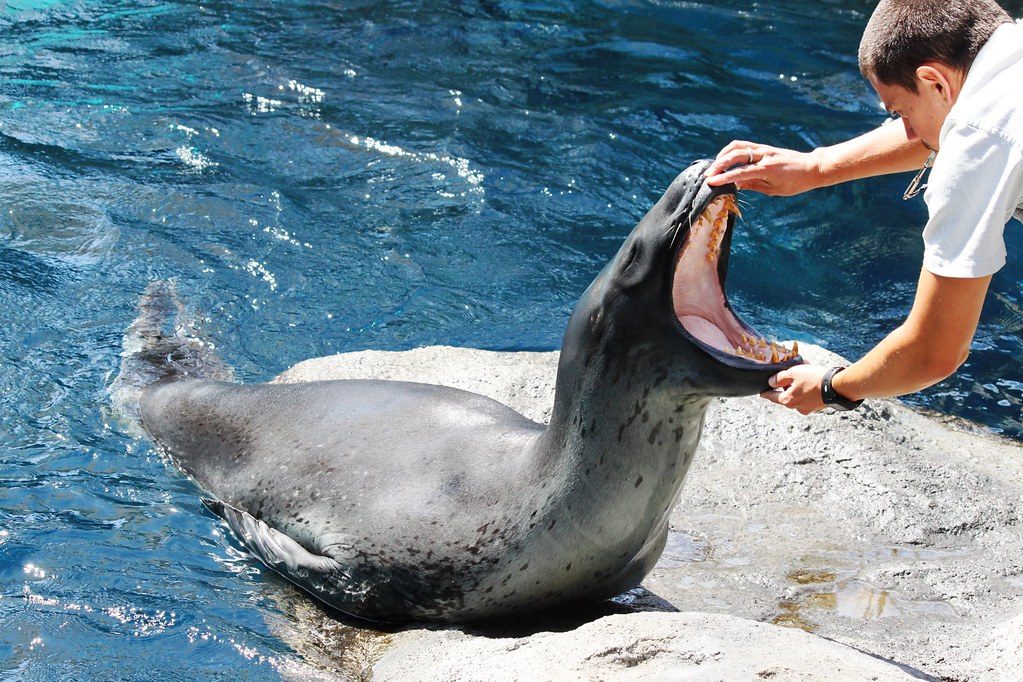
    Leopard seal IMG_9509” by OZinOH is licensed under CC BY-NC 2.0

    Leopard seals are among the most powerful predators in Antarctica. They are large, muscular animals with strong jaws and long canine teeth. Adult females can grow over 11 feet long and weigh more than 1,000 pounds, while males are slightly smaller. Unlike seals that gather in large groups, leopard seals usually live alone and roam huge areas of icy ocean. Their natural habitat includes freezing temperatures, drifting sea ice, and an endless supply of wild prey.

    These special needs make captivity extremely challenging. Zoos and aquariums must recreate cold water environments, provide specialized diets, and ensure the animals receive proper mental stimulation. Very few facilities in the world have attempted to keep leopard seals because the animals are unpredictable and require enormous resources. Before Casey, only a handful of leopard seals had ever been held by zoos, and none stayed in captivity for long periods. This rarity made Casey’s life especially important for researchers trying to understand the species.

    The illness that changed everything
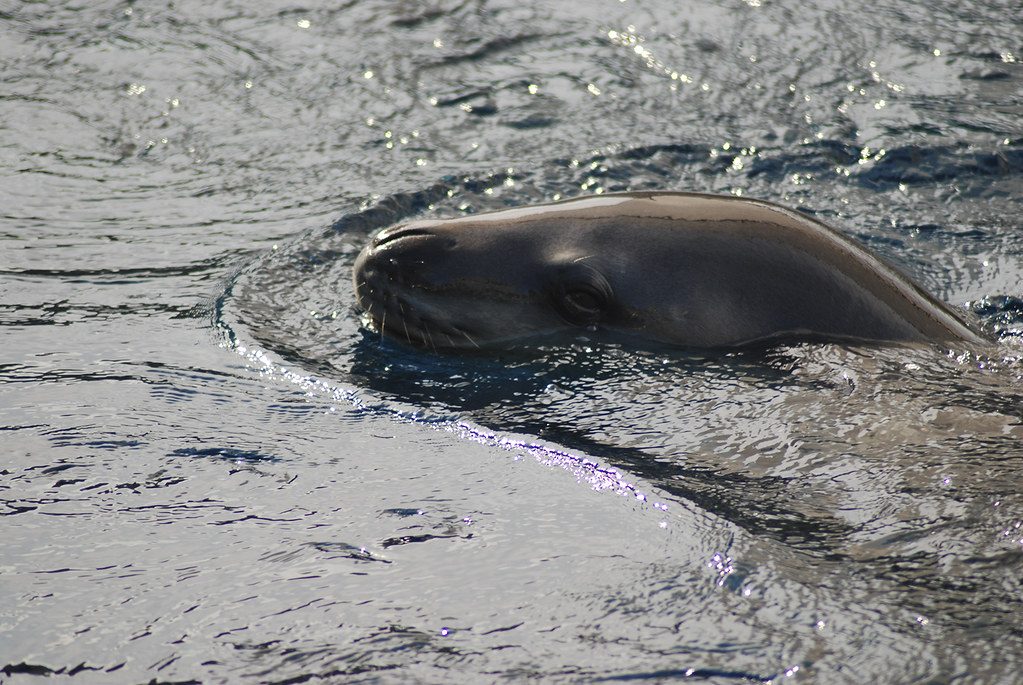
    Leopard Seal” by AegirPhotography is licensed under CC BY-NC 2.0

    For several years, Casey appeared healthy and active. Visitors loved watching him swim through his large habitat, and zoo staff formed strong bonds with him. Researchers also gained valuable information about leopard seal behavior, vocal sounds, and feeding habits. Casey even became known for unusual enrichment activities, including listening to music played by zoo keepers. His playful side helped change public views of leopard seals, which are often seen only as fierce predators.

    However, Casey’s health began to decline in early 2014. According to the zoo, he stopped eating and his condition worsened over a long period despite intensive veterinary care. Specialists monitored him closely and tried numerous treatments, but his health continued to deteriorate. The veterinary team eventually concluded that his quality of life was rapidly declining and that recovery was unlikely. Faced with a painful decision, the zoo chose to euthanize Casey to prevent further suffering.

    Why the decision sparked strong emotions

    A person holding a smart phone with social media on the screen
    Photo by Berke Citak on Unsplash

    News of Casey’s death spread quickly around the world because he was the only captive leopard seal alive at the time. Many people were shocked that such a rare and remarkable animal was gone forever from zoos. Social media users expressed sadness, while others questioned whether more could have been done to save him. The emotional response was understandable because Casey represented something unique that few people would ever have the chance to see again.

    Still, there is little evidence that a large activist movement accused the zoo of wrongdoing. Most reports described the euthanasia as a heartbreaking medical decision rather than a controversial act. Taronga Zoo stated that veterinarians and marine mammal experts had exhausted all available treatment options before making their choice. Animal welfare groups generally accept euthanasia when an animal is suffering and has little hope of recovery, although the loss of such a rare creature naturally led to sadness and public debate.

    What Casey taught scientists about leopard seals

    three people in lab coats looking at a tablet
    Photo by National Cancer Institute on Unsplash

    Even though Casey spent only part of his life in captivity, he contributed greatly to scientific research. Leopard seals live in one of the harshest environments on Earth, making them difficult to study in the wild. Researchers often rely on brief field expeditions or remote cameras to observe them. Casey offered scientists a rare chance to learn about his species up close and over many years.

    Scientists studied his vocal sounds, swimming patterns, eating habits, and social behaviors. Researchers hoped this information would help them better understand wild leopard seals and improve conservation efforts in Antarctica. Casey also helped educate millions of visitors about marine ecosystems and the challenges faced by animals living in polar regions. His life showed that even one rescued animal can have a lasting impact on science and public awareness.

    The legacy left behind by the last captive leopard seal
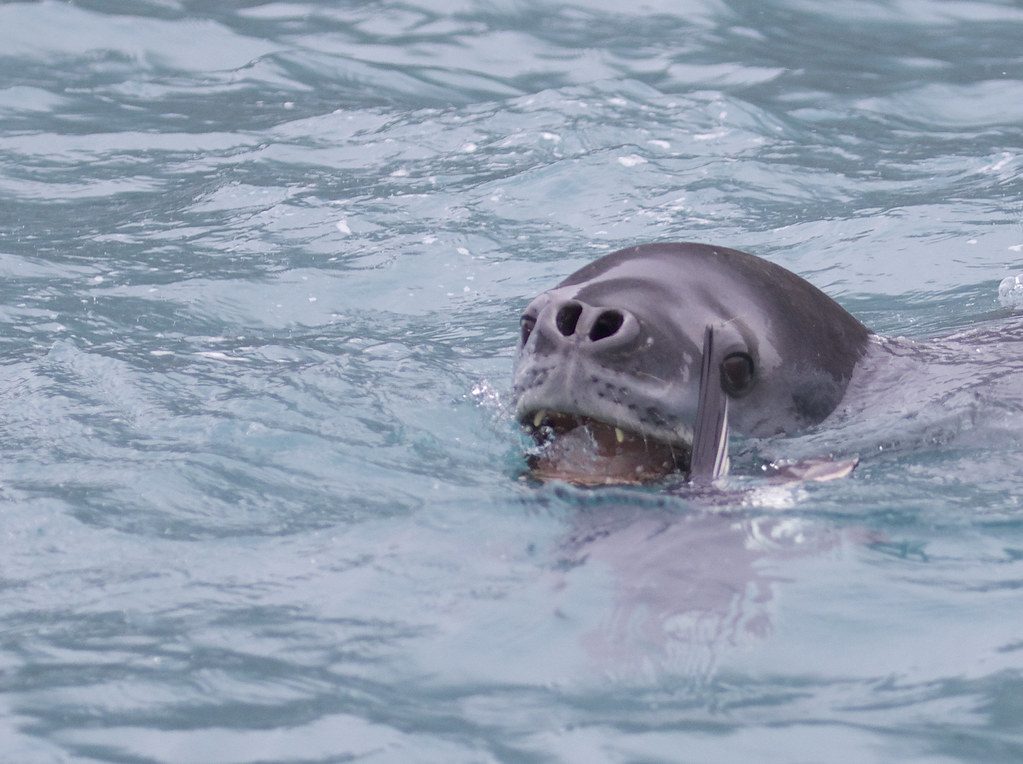
    Leopard Seal (Hydrurga leptonyx)” by Gregory ‘Slobirdr’ Smith is licensed under CC BY-SA 2.0

    More than a decade after his death, Casey remains one of the most famous leopard seals ever known. His story continues to appear in documentaries, articles, and discussions about wildlife care. For many people, he symbolizes both the beauty of wild animals and the limits humans face when trying to care for species that evolved in extreme environments. His life reminds us that rescuing an animal is only the beginning of a long and complicated journey.

    Casey’s story also highlights important questions about conservation. Should rare animals be kept in captivity if they cannot return to the wild? How do experts balance scientific research with animal welfare? There are no easy answers, but Casey helped start conversations that continue today. While his death was deeply sad, his legacy lives on through the knowledge he gave scientists and the memories he created for everyone who followed his remarkable life.
  • The surprising outcome of punching a massive tiger shark

    The surprising outcome of punching a massive tiger shark

    What happens if you punch a massive tiger shark? Movies often make it seem like one quick hit will scare the animal away, but real life is far more complicated. A tiger shark is one of the ocean’s largest predators, built with incredible strength, sharp senses, and powerful jaws. In some rare cases, people have struck sharks and escaped. In others, the punch had little effect or only created a short moment to get away.

    Understanding the surprising outcome of punching a tiger shark means looking at shark behavior, how these animals react to threats, and what experts know from real encounters. This article explains the facts so you can separate myths from reality and better understand one of the ocean’s most fascinating animals.

    Why tiger sharks are such powerful predators

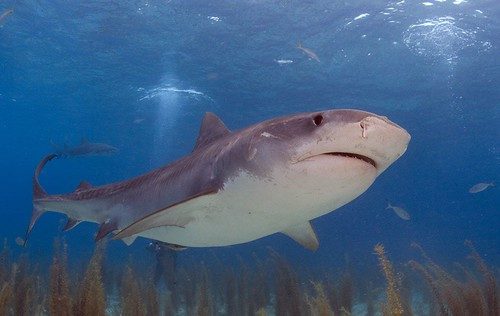
    Tiger Shark!” by CK | PHOTOGRAPHER is licensed under CC BY 2.0

    Tiger sharks are among the largest sharks in the world. Adult females can grow longer than 16 feet, while many adults measure between 10 and 14 feet. Their bodies are thick and muscular, allowing them to swim efficiently through tropical and warm oceans. They earned their name from the dark stripes running along their sides, though these markings fade as they age. Tiger sharks are mostly solitary hunters and are especially active at night when they search for food using a mix of smell, vision, and their ability to detect electrical signals produced by living animals.

    Their reputation as fierce predators comes from their varied diet. Tiger sharks eat fish, sea turtles, rays, sea birds, dolphins, smaller sharks, and many other animals. They are curious and often investigate unfamiliar objects by biting them. This behavior is important because it explains why some encounters with humans happen. A tiger shark is not naturally hunting people, but its curiosity and powerful bite mean even a single bite can cause severe injuries.

    What happens when someone punches a tiger shark

    person holding persons hand
    Photo by Dan Burton on Unsplash

    The surprising truth is that punching a tiger shark is not a guaranteed defense. A punch may startle the animal for a moment, especially if it strikes a sensitive area like the nose, eyes, or gills. However, tiger sharks are large, muscular animals that regularly attack prey much stronger than humans. Their bodies are designed to withstand violent struggles, so a human punch usually does not cause serious pain or injury to the shark.

    In real-life encounters, the punch is often less important than the overall reaction of the person. Staying calm, facing the shark, and slowly moving toward safety are usually more effective than wildly swinging arms or kicking. If physical contact becomes unavoidable, targeting the shark’s eyes or gills may create a brief chance to escape. Even then, there is no guarantee the shark will retreat. Sometimes it may back away, while other times it may remain curious or defensive.

    Why sharks sometimes swim away after being hit

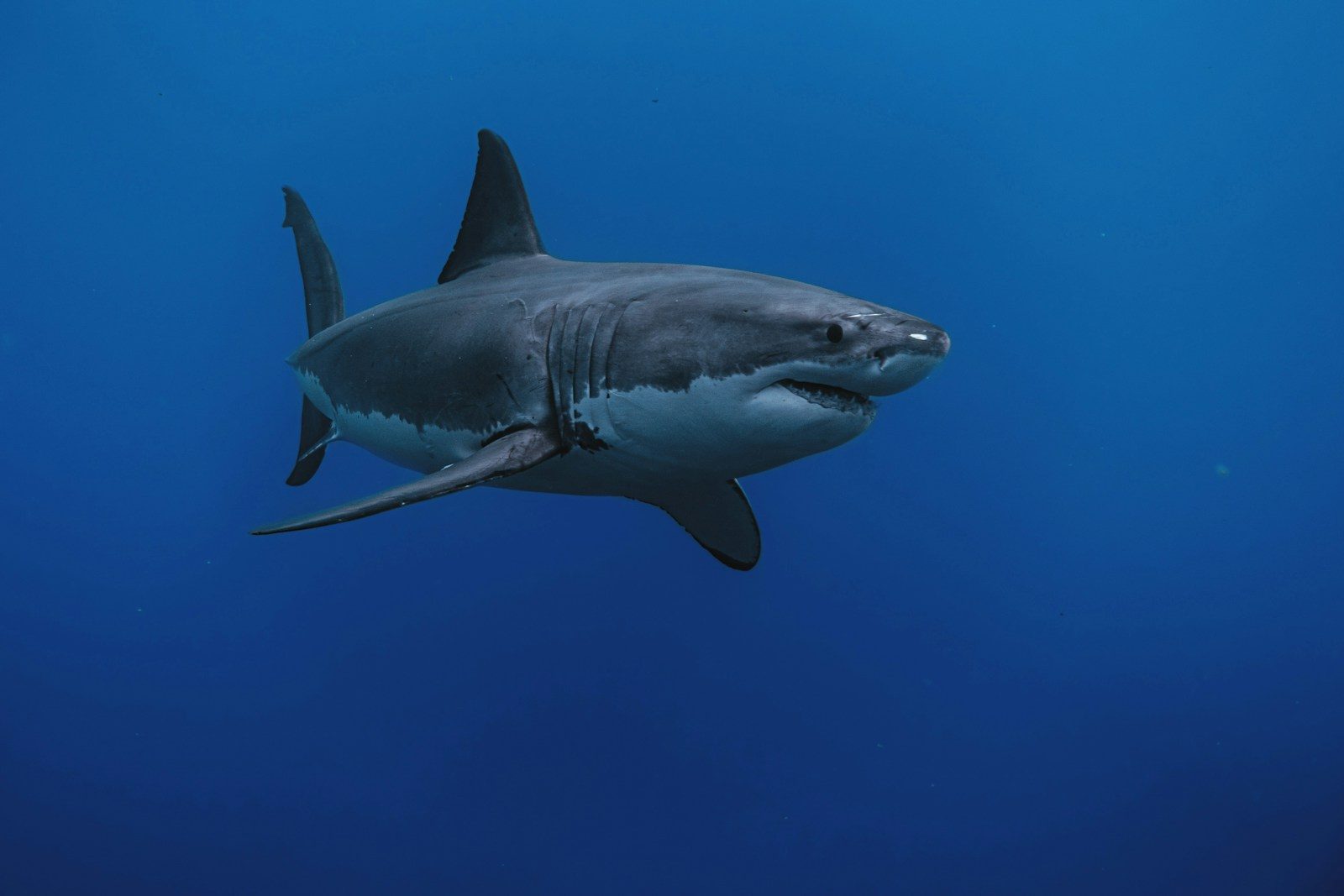
    Great White Shark” by Elias Levy is licensed under CC BY 2.0

    Many people assume sharks flee because they are frightened by the punch itself. In reality, the shark may leave for several different reasons. The animal might simply decide the person is not worth investigating anymore. It may be startled by the sudden resistance or confused by the unusual behavior. In some cases, the shark was already planning to swim away because its bite was exploratory rather than predatory.

    Tiger sharks are intelligent and curious animals. They constantly assess risks and opportunities in their environment. If a shark receives resistance, it may decide the encounter is too risky or not worth the effort. This does not mean humans are stronger than sharks. Instead, it shows that sharks are careful predators that often avoid unnecessary danger. Their goal is survival, and an injury could make hunting difficult in the future.

    Punching a shark can make things worse

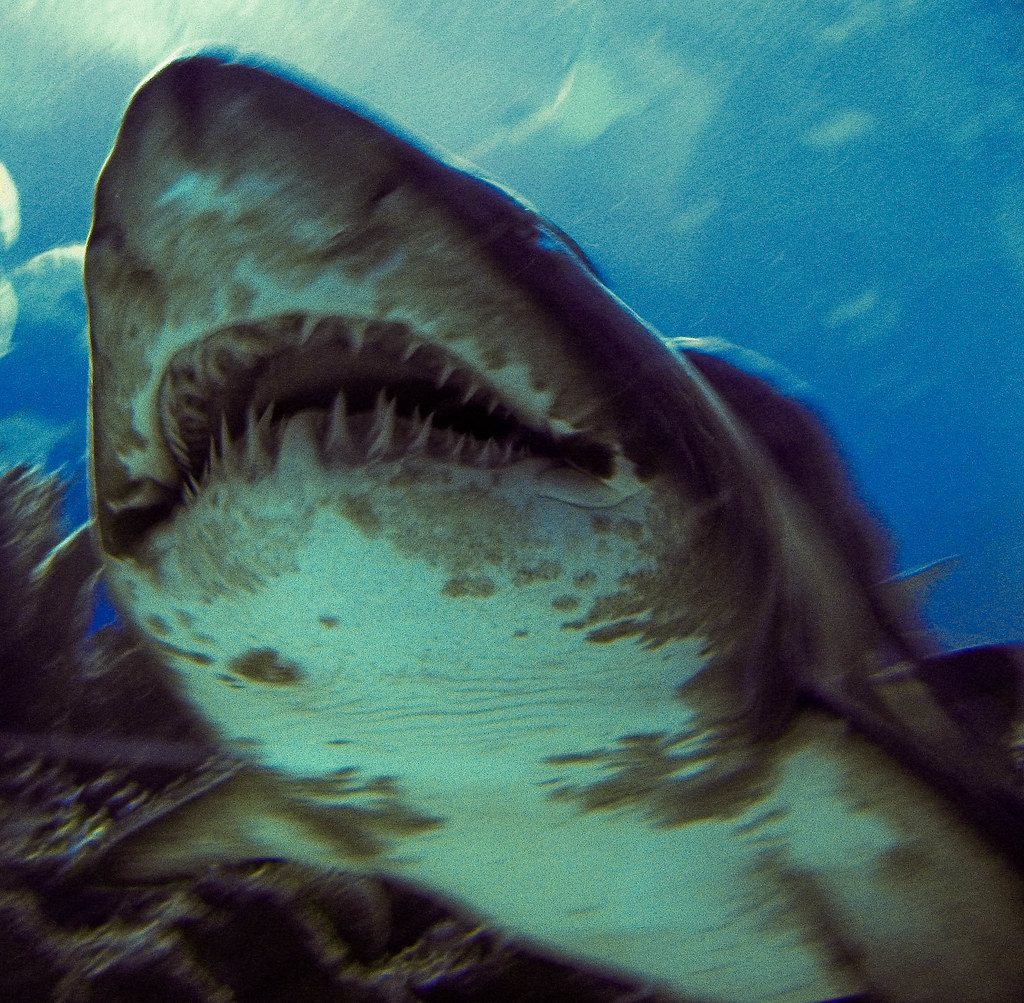
    An angry Great White Shark” by TheGrantPeters is licensed under CC BY 2.0

    There are situations where striking a tiger shark may increase the danger. If the shark feels threatened or cornered, it may respond defensively. Researchers now recognize that some shark bites occur because the animal is reacting to human actions rather than trying to eat someone. A shark that is touched, grabbed, trapped, or harassed may bite as a defensive response, just as many wild animals do.

    This is why experts warn people not to chase, touch, or attempt to ride sharks. Social media videos sometimes create the false impression that these animals enjoy close contact with humans. In reality, sharks remain wild predators with unpredictable behavior. Punching a tiger shark that is merely swimming nearby could provoke an unnecessary confrontation. The best approach is always to maintain distance and avoid actions that may appear threatening to the animal.

    The myths movies have created about shark encounters

    person watching movie
    Photo by Krists Luhaers on Unsplash

    Movies and television have played a huge role in shaping how people think about sharks. Many films show a hero punching a shark once and instantly escaping unharmed. While these scenes create excitement, they rarely match reality. Sharks are not villains waiting to attack humans, and they are not easily defeated by a single blow.

    The truth is much more interesting. Shark attacks are extremely rare compared with the millions of people who swim, surf, and dive every year. Only a handful of shark species are responsible for most serious attacks, and tiger sharks are one of them because of their size and feeding habits. Even so, humans are not part of their normal diet. Most encounters end without injury, and many bites involve a single strike followed by the shark swimming away after realizing the human is not prey.

    What experts recommend during a tiger shark encounter

    Tiger shark” by WIlly Volk is licensed under CC BY-NC-SA 2.0

    Marine experts generally agree that prevention is the best defense. Swimmers should avoid areas where sharks are feeding, stay out of the water at dawn or dusk when visibility is poor, and avoid swimming near schools of fish or fishing activity. These simple precautions greatly reduce the chance of an encounter with a tiger shark.

    If a tiger shark approaches, experts recommend staying calm and facing the animal. Sudden splashing can mimic distressed prey and attract more attention. Slowly back away while keeping the shark in sight. If the shark becomes aggressive and physical contact cannot be avoided, defend yourself by targeting sensitive areas such as the eyes or gills. A punch may provide a brief opportunity to escape, but it should be viewed as a last resort rather than a reliable strategy.

    Why understanding sharks matters more than fearing them

    three people in lab coats looking at a tablet
    Photo by National Cancer Institute on Unsplash

    The surprising outcome of punching a tiger shark is not that humans can overpower one of the ocean’s greatest predators. Instead, the real lesson is that shark behavior is far more complex than most people realize. These animals are curious, cautious, and highly adapted hunters that rarely interact with humans. When encounters do occur, the shark’s reaction depends on many factors, including curiosity, fear, hunger, and the behavior of the person involved.

    Learning about tiger sharks helps replace fear with respect. They play a vital role in keeping ocean ecosystems healthy by controlling prey populations and maintaining balance in marine food webs. Sadly, tiger sharks face threats from overfishing, accidental capture, and the shark fin trade. Understanding their behavior allows people to make safer choices in the water while also appreciating why these remarkable animals deserve protection.

  • The surprising reason sharks are hunting deep inside forests

    The surprising reason sharks are hunting deep inside forests

    Have you ever heard a story about sharks hunting deep inside forests and wondered if it could really be true? The answer is both surprising and fascinating. While sharks do not roam through dry woods or chase animals between trees, some species are known to swim into flooded forests and river systems when conditions are right.

    The main reason sharks are hunting near forests is tied to food, safety, and their amazing ability to survive in freshwater. In this article, you will learn which sharks do this, why flooded forests become hunting grounds, and how these unusual habitats help sharks thrive in places most people never expect.

    Bull sharks are the main sharks behind these stories

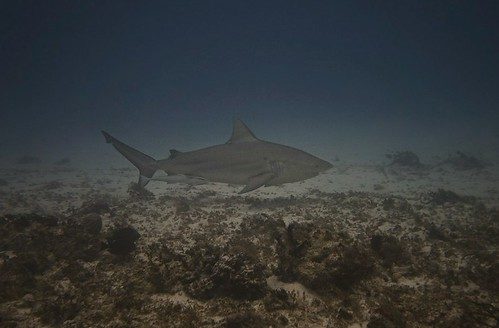
    bull shark beach” by AlKok is licensed under CC BY-NC-SA 2.0

    When people hear about sharks hunting near forests, the species involved is usually the bull shark. This powerful shark is famous for its rare ability to live in both saltwater and freshwater. Unlike most sharks, bull sharks can travel far inland through rivers and spend long periods away from the ocean. Scientists have recorded bull sharks in rivers such as the Mississippi River in the United States and the Amazon River in South America. Their bodies are specially built to control salt levels, allowing them to move between oceans, rivers, and estuaries with ease.

    This unusual skill has led to many surprising sightings over the years. Bull sharks have been seen swimming through flooded streets during major storms and moving into river systems surrounded by dense forests. However, these sharks are not hunting on land or living permanently inside forests. Instead, they are using waterways that pass through forested areas. Their presence may seem shocking, but it is a natural part of their behavior and one of the reasons they are considered among the most adaptable sharks in the world.

    Flooded forests create rich hunting grounds

    a body of water filled with lots of green plants
    Photo by Nicole Bomar on Unsplash

    The surprising reason sharks hunt near forests is that flooded forests become temporary feeding zones packed with prey. During heavy rains, rivers overflow and spread into nearby woods. Fish, crabs, shrimp, and other small animals move into these flooded areas to feed or hide. For sharks that can tolerate freshwater, this creates an easy opportunity to hunt where food is abundant.

    Bull sharks are especially good at taking advantage of these conditions. Floodwaters are often murky, which gives the sharks an advantage because they rely on more than just eyesight when hunting. They can detect movement and tiny electrical signals produced by other animals. As prey gathers in flooded areas, sharks can quietly move through shallow water and hunt efficiently. Scientists believe these rich feeding grounds are one of the main reasons bull sharks travel into rivers and forested wetlands during certain times of the year.

    Freshwater gives young sharks a safer home

    a field with grass and water in the background
    Photo by Ch Photography on Unsplash

    Food is not the only reason sharks enter rivers near forests. Safety is another important factor. Young bull sharks are often found in freshwater habitats because these places have fewer large predators than the open ocean. River systems and forested wetlands act as natural nurseries where baby sharks can grow while facing fewer threats.

    Researchers have discovered that young bull sharks spend several years in freshwater or brackish water before moving into the sea. The shallow waters provide protection from larger sharks that might prey on them in the ocean. This strategy helps increase their chances of survival during the most vulnerable years of their lives. The connection between sharks and forested rivers is therefore not just about hunting. It is also about raising the next generation in a safer environment.

    The Amazon River has fueled many shark legends

    aerial view of green trees and road
    Photo by Ivars Utināns on Unsplash

    Stories about sharks deep in forests are often linked to the Amazon River. This giant river flows through one of the world’s largest rainforests and experiences dramatic seasonal flooding. During the wet season, vast areas of forest become covered by water. Trees may stand in several feet of water, creating an underwater forest filled with fish and other animals.

    Bull sharks are among the few shark species capable of entering the Amazon system. Their presence has inspired many legends and exaggerated stories about sharks roaming freely through jungles. In reality, these sharks remain in waterways and flooded areas connected to the river. They do not crawl onto land or chase animals through dry forests. Still, the image of a shark swimming between submerged trees is real enough to capture people’s imagination and explains why these stories continue to spread around the world.

    Heavy rains can bring sharks closer to forests

    photo of body of water and droplets
    Photo by Alex Dukhanov on Unsplash

    Weather plays a major role in determining where sharks go. After periods of heavy rain, rivers swell and carry nutrients, fish, and other animals downstream. This sudden increase in food can attract bull sharks to river mouths, estuaries, and flooded areas near forests. Scientists have observed that bull shark activity often increases after major rainfall events because these conditions create ideal feeding opportunities.

    Floods can also change the shape of waterways for short periods of time. Temporary channels may connect rivers to wetlands and forested areas that are normally dry. Sharks following prey can move into these places and later return to larger rivers or the ocean as water levels fall. These movements are natural responses to changing environments. Although they may seem unusual to humans, they show just how flexible and adaptable bull sharks can be.

    Sharks are not invading forests the way people imagine

    Shark Of The Deep” by qoqeygeo32 is licensed under CC CC0 1.0

    Despite dramatic headlines, sharks are not hunting deep inside dry forests or becoming land predators. Their bodies are designed for life in water. They breathe through gills and rely on water to support their weight and movement. Even the bull shark, with all its amazing abilities, cannot survive outside water for long periods.

    What is really happening is just as fascinating. Sharks are using flooded forests, rivers, and wetlands as temporary habitats where they can find food or protect their young. These environments become extensions of the river during rainy seasons, allowing sharks to explore places that are usually off-limits. Understanding this difference is important because it helps separate exciting facts from myths. The real story is not about sharks taking over forests. It is about how nature creates surprising connections between oceans, rivers, and trees.

  • Scientists still can’t agree on exactly what defines a shark

    Scientists still can’t agree on exactly what defines a shark

    Have you ever wondered what makes a shark a shark? It sounds like a simple question, but scientists still debate the answer. For more than a century, researchers have studied shark bodies, fossils, and DNA, yet there is still no single definition that everyone accepts.

    This debate matters because sharks are among the oldest animals on Earth, and understanding what they are helps scientists learn how life evolved in the oceans. In this article, you will discover why defining sharks is harder than it seems, how their relatives complicate the picture, and why new discoveries keep changing what scientists think.

    Sharks seem easy to recognize at first

    a shark swimming in a pool of water
    Photo by Ali Abdul Rahman on Unsplash

    Most people think they know a shark when they see one. Sharks usually have a long body, sharp teeth, exposed gill slits, and a strong tail that helps them swim. Famous species like the great white, tiger shark, and hammerhead fit this image perfectly. Scientists also agree that sharks are fish with skeletons made mostly of cartilage instead of bone. This group of cartilaginous fish is called Chondrichthyes, which also includes rays, skates, and chimaeras. Sharks have existed for more than 400 million years, making them older than dinosaurs and even older than trees.

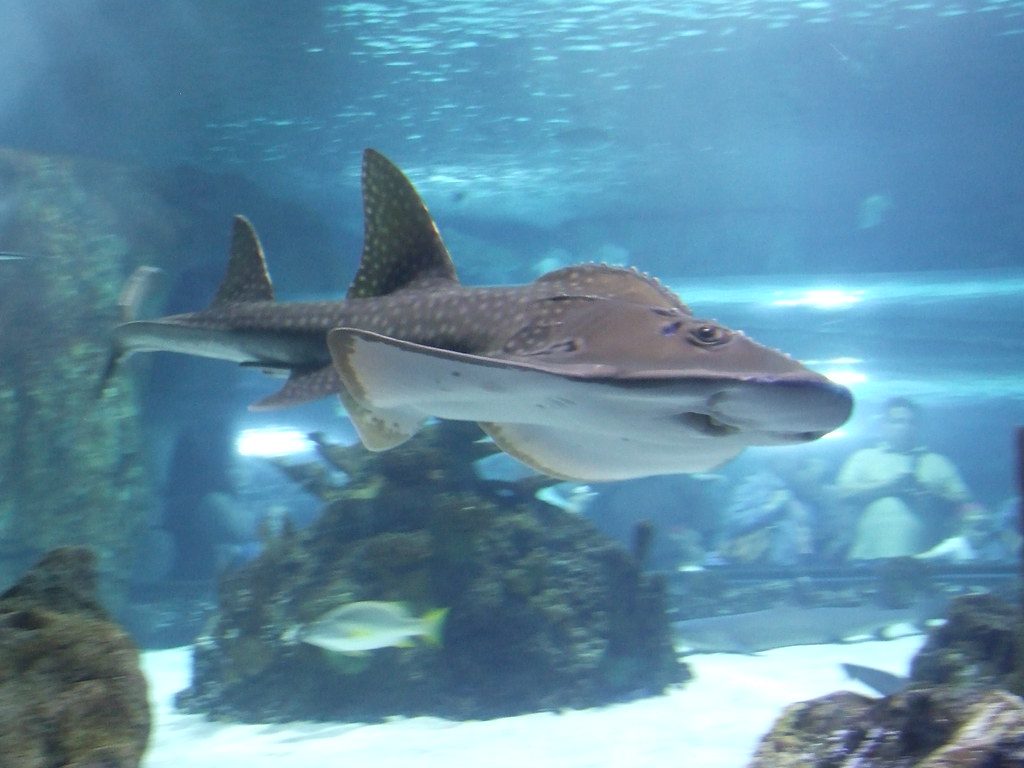
    The problem begins when scientists try to draw a line between sharks and their relatives. Some sharks do not look like typical sharks at all. Angel sharks have flat bodies and resemble rays. Sawsharks have long, saw-like snouts. Frilled sharks look more like eels than the fierce predators people imagine. At the same time, rays and skates share many of the same features as sharks, including cartilage skeletons, similar skin scales, and related body structures. Because of these similarities, scientists have long argued over where sharks end and their relatives begin.

    The shark family tree is more confusing than expected

    Shark Of The Deep” by qoqeygeo32 is licensed under CC CC0 1.0

    Scientists classify living things by building family trees that show how species are related. Ideally, a group should include a common ancestor and all of its descendants. This is called a monophyletic group. For many years, researchers believed sharks formed such a group. They placed sharks in a division called Selachii and rays in a separate group called Batomorphi, both inside the subclass Elasmobranchii.

    However, modern genetic studies have raised new questions. DNA research suggests that some animals traditionally called sharks may not fit neatly inside the same evolutionary group as other sharks. One recent study proposed that ancient shark groups such as cow sharks and frilled sharks may have branched off earlier than expected. If this idea proves correct, rays and skates could actually be more closely related to some sharks than certain sharks are to one another. This possibility would mean the word “shark” describes a body shape rather than a perfectly defined evolutionary group, which is why scientists continue to debate the issue.

    Rays and sharks are closer relatives than many realize

    Ray Shark” by Anne Bennett is licensed under CC BY-NC-ND 2.0

    Most people think rays are completely different from sharks because their bodies look so unusual. Rays are flat and wide, while sharks are usually long and streamlined. Rays often glide near the ocean floor, and sharks are famous for swimming through open water. Despite these differences, scientists know that the two groups are extremely close relatives. Both belong to Elasmobranchii, a major branch of cartilaginous fish that shares many important traits.

    Rays and sharks have skin covered in tiny tooth-like scales called placoid scales. They have similar teeth structures, internal fertilization, and skeletons made from cartilage. Even their embryos develop in similar ways. Some scientists now believe the classic shark body may have appeared before rays evolved their flattened shape. In that case, rays could simply be highly specialized descendants of ancient shark-like ancestors. This idea challenges the simple picture many people have of sharks and shows why drawing strict boundaries between these animals is not easy.

    Fossils do not always provide clear answers

    fossil shark teeth from ‘scissor-tooth sharks’” by Vilseskogen is licensed under CC BY-NC-SA 2.0

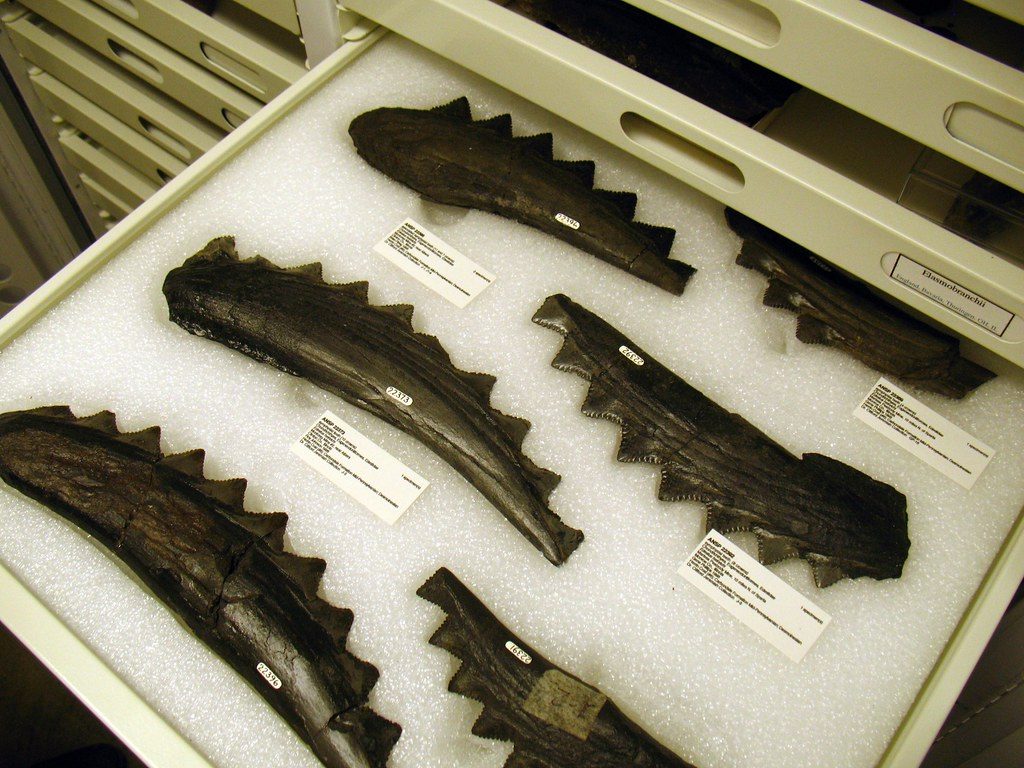
    Studying fossils is one of the best ways to understand ancient animals, but sharks create a special challenge. Their skeletons are made mostly of cartilage, which breaks down much faster than bone. Because of this, complete shark fossils are rare. Scientists often find only teeth, scales, or fin spines. These pieces can reveal useful clues, but they do not always tell the whole story.

    Early shark-like animals appeared more than 400 million years ago during the Devonian Period, often called the Age of Fishes. Some ancient species looked very different from modern sharks. Others shared features with both sharks and rays. Over time, scientists have discovered fossils that blur the lines between groups and make classification harder. A fossil may have teeth like a shark, fins like a ray, and body features unlike either one. As new fossils are found and old specimens are reexamined, scientists sometimes change the evolutionary tree, leading to fresh debates about what truly counts as a shark.

    DNA is changing what scientists know

    people having meeting on rectangular brown table
    Photo by Christina @ wocintechchat.com M on Unsplash

    For decades, scientists relied mostly on anatomy to classify sharks. They compared jaws, fins, teeth, and gill openings to decide how species were related. Today, DNA technology allows researchers to study millions of genetic letters and compare species at a much deeper level. This has transformed shark science and revealed relationships that were impossible to see before.

    Yet DNA has not solved every mystery. In some cases, genetic evidence supports older classifications, while in others it challenges them. Researchers studying dozens of shark genomes have discovered that certain groups may be more ancient and separate than previously believed. These findings sometimes conflict with evidence from fossils or body structure. As a result, scientists must weigh different kinds of evidence and decide which tells the most accurate story. This process is slow and careful, which is why disagreements remain even as technology improves.

    Scientists may never settle on one definition

    three people in lab coats looking at a tablet
    Photo by National Cancer Institute on Unsplash

    Many people assume science always produces one final answer, but that is not always true. Scientific definitions often change as new evidence appears. The definition of a shark is a good example. Some scientists prefer a definition based on body features. Others believe evolutionary relationships should matter most. A few researchers argue that sharks should be viewed as a broad collection of related animals rather than a perfectly defined group.

    This ongoing debate does not mean scientists are confused or that previous research was wrong. Instead, it shows how science works. Researchers test ideas, challenge old assumptions, and update theories when better evidence appears. Sharks have survived for hundreds of millions of years and evolved into many different forms. Because their history is so ancient and complex, there may never be a single definition that satisfies everyone. What scientists do agree on is that sharks are among the most fascinating animals on Earth, and studying them continues to reveal new surprises about the history of life.

  • Why yachts keep losing to the ocean’s smartest predators

    Why yachts keep losing to the ocean’s smartest predators

    The ocean is full of dangers, but few stories are as surprising as the growing number of yacht encounters with orcas. These giant predators are known for their intelligence, teamwork, and curiosity. In recent years, sailors have reported hundreds of cases where orcas bumped, rammed, or damaged their boats, especially near Spain and Portugal.

    Many people wonder why yachts keep losing to these animals and whether the whales are attacking on purpose. This article explains what scientists know about these unusual events, why certain yachts are targeted, and what these encounters reveal about one of the smartest animals on Earth.

    The strange rise in orca and yacht encounters

    two black and white orca swimming in a body of water
    Photo by Stephen Walker on Unsplash

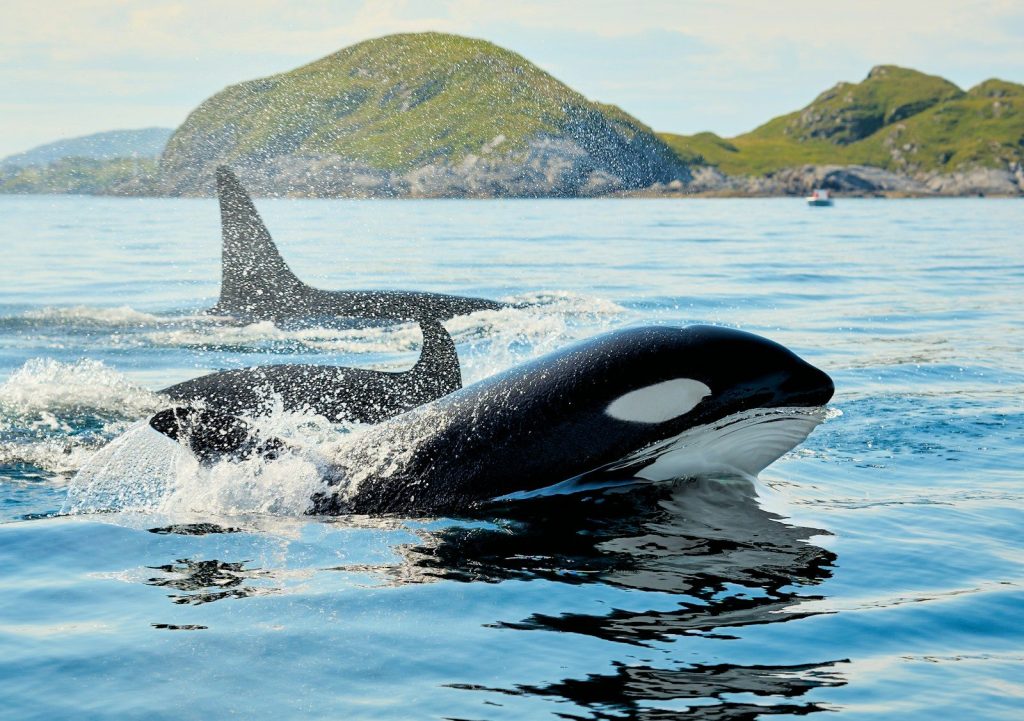
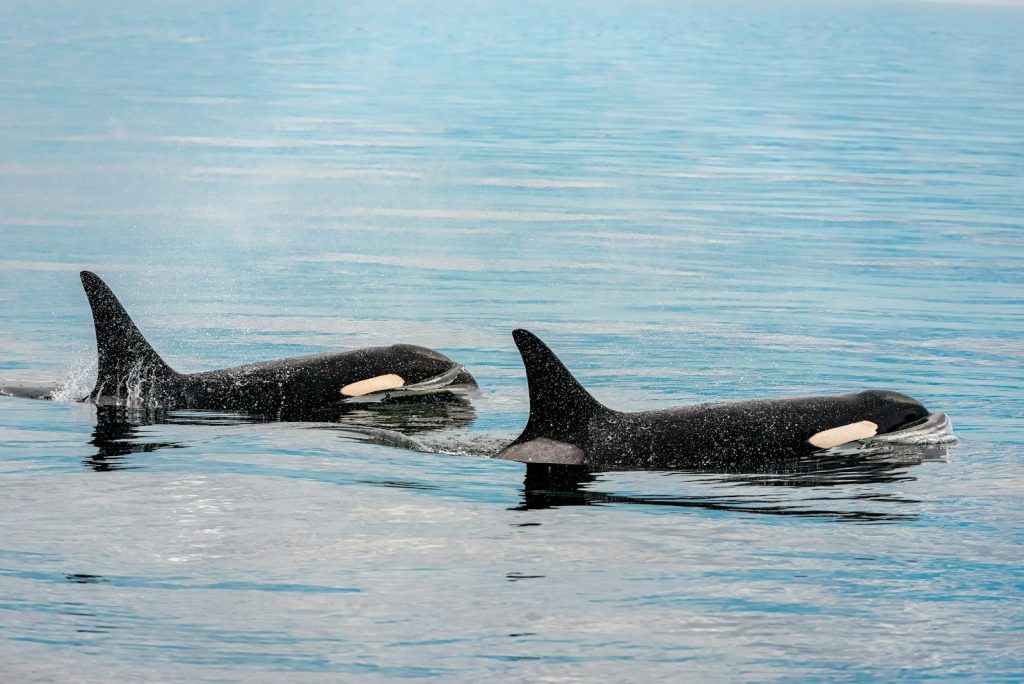
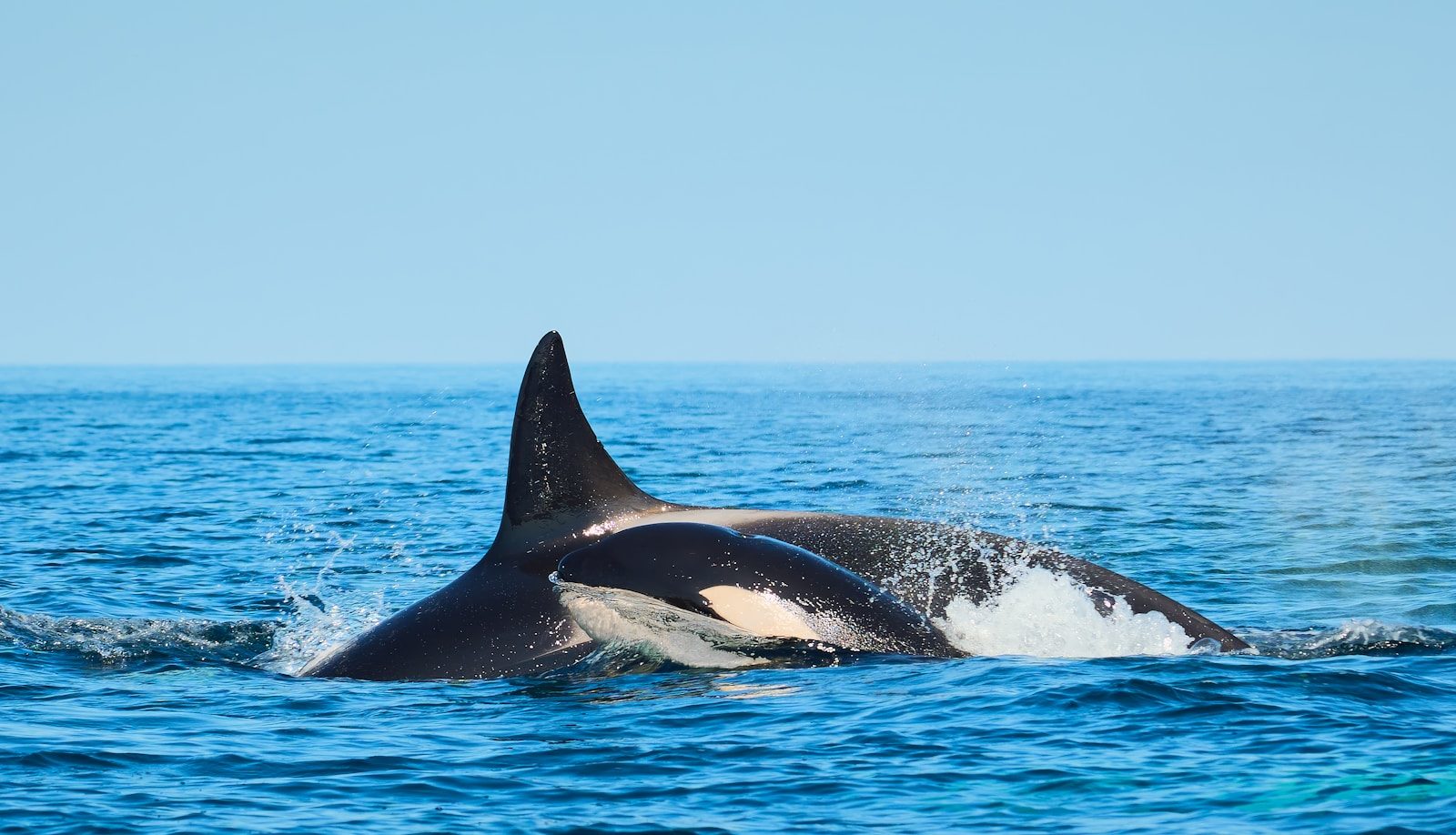
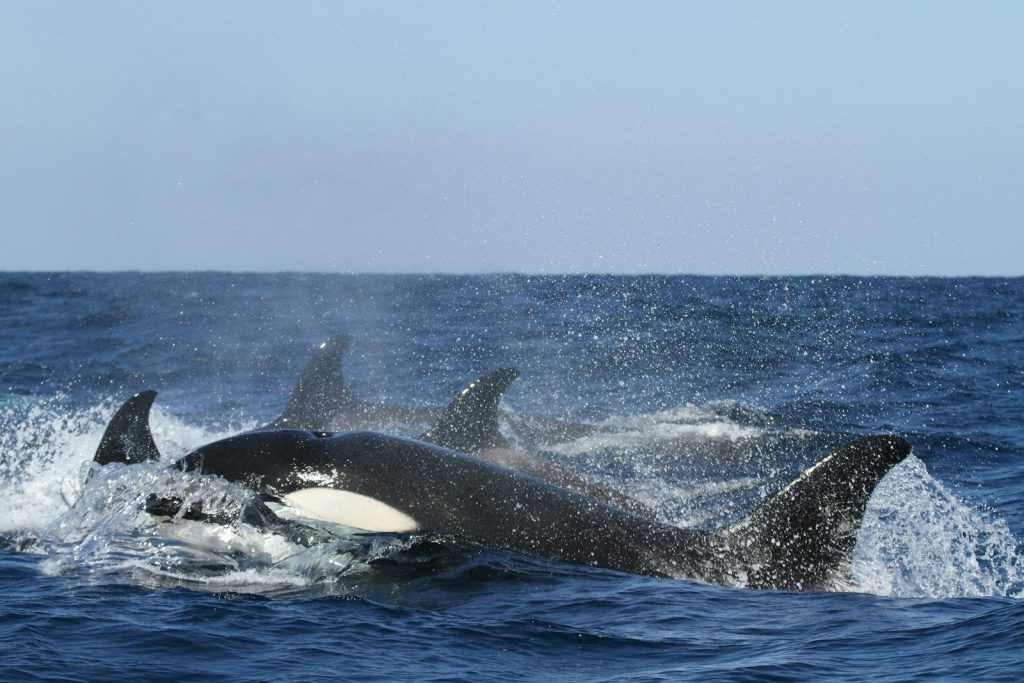
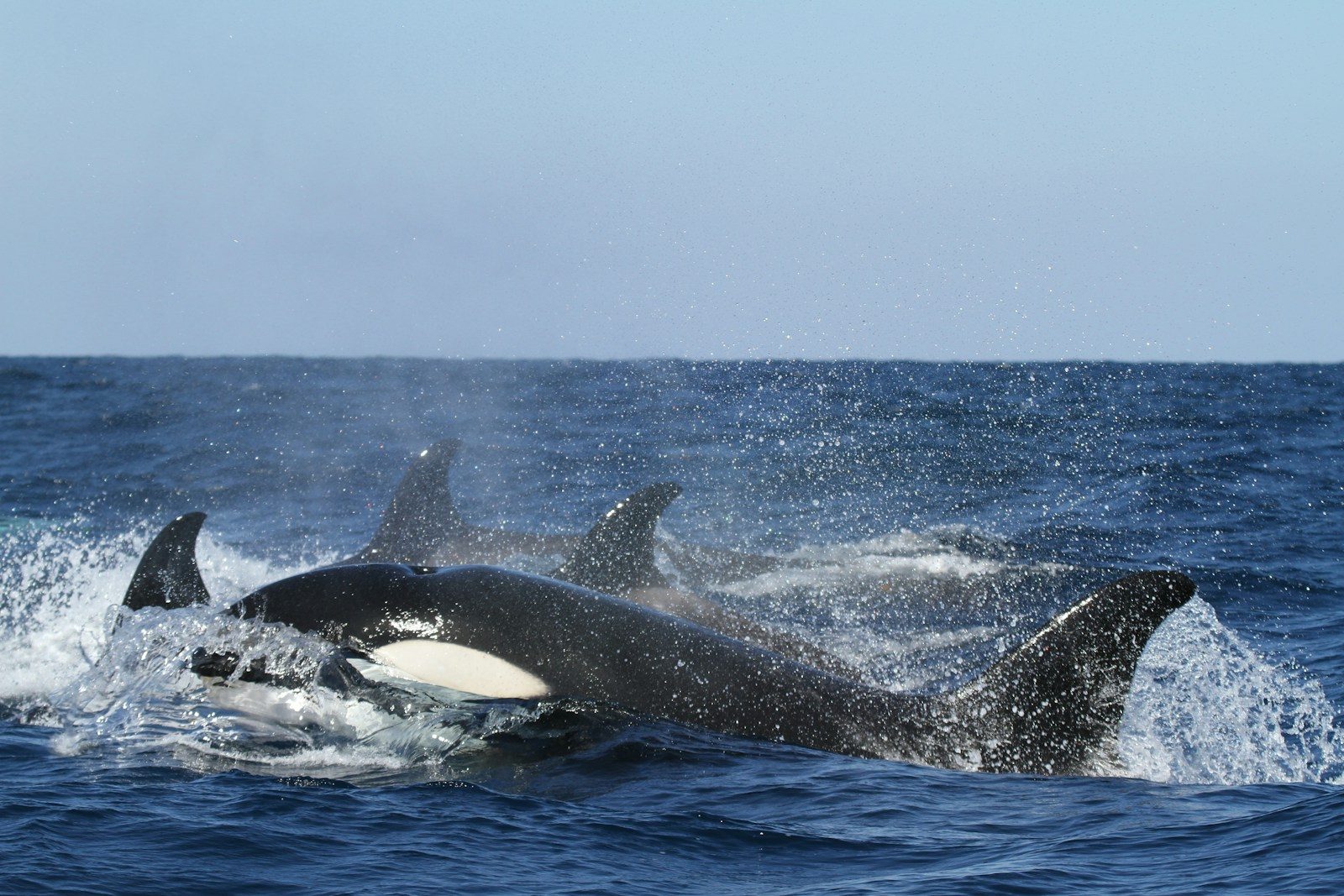
    For decades, sailors rarely worried about orcas damaging boats. That changed in 2020 when a small group of orcas near the Iberian Peninsula began interacting with yachts in unusual ways. The whales pushed, nudged, and sometimes bit the rudders of sailboats. Since then, researchers have recorded hundreds of encounters in waters near Spain, Portugal, and the Strait of Gibraltar. A few boats have even sunk after suffering severe damage, though these cases remain uncommon compared with the total number of boats traveling through the area.

    Scientists stress that these events are not the same as attacks by predators hunting prey. Orcas have never been known to hunt humans in the wild, and no person has been seriously hurt during these yacht encounters. Researchers believe the behavior is limited mainly to a small, critically endangered population of Iberian orcas. While the behavior has become famous around the world, experts say it is still a rare event for most sailors.

    Why orcas are considered the ocean’s smartest predators

    orca” by Christopher.Michel is licensed under CC BY 2.0

    Orcas are often called killer whales, but they are actually the largest members of the dolphin family. They live in close family groups called pods and are famous for their ability to communicate, cooperate, and teach each other new skills. Different groups of orcas even have their own hunting methods and vocal calls, showing signs of culture that are passed from one generation to another. Their brains are among the largest in the animal kingdom, helping them solve problems and adapt quickly.

    Their intelligence is one reason these yacht encounters have captured so much attention. Orcas can learn from each other and copy behaviors that seem useful or exciting. Scientists have seen them create temporary trends, sometimes called animal fads, where one behavior spreads through a pod and then disappears years later. This ability to share new ideas may explain why several whales in the Iberian population now interact with boats in similar ways instead of acting alone.

    The rudder is the part that orcas target most

    white and blue yacht on sea under blue sky during daytime
    Photo by Alina Kacharho on Unsplash

    One of the biggest mysteries at first was why the whales kept damaging the same part of boats. Reports from sailors and inspections of damaged vessels show that orcas usually focus on the rudder. They push it with their heads, bite it, or ram it repeatedly until steering becomes difficult or impossible. In some cases, the rudder has been bent, cracked, or torn away from the yacht.

    Researchers think this focus on rudders is not random. The rudder moves underwater and creates vibrations that may attract curious whales. Orcas are highly sensitive to movement and sound, so the swinging motion of a rudder could appear interesting or playful. Another idea is that the whales understand that disabling the rudder stops the boat from moving normally, much like predators target the weak points of prey. Even so, scientists do not have enough evidence to say exactly why the whales behave this way, and several theories are still being studied.

    Scientists do not believe the whales want revenge

    people having meeting on rectangular brown table
    Photo by Christina @ wocintechchat.com M on Unsplash

    When news of these encounters spread online, many stories claimed the orcas were getting revenge against humans. Some reports suggested a whale had been injured by a boat and then taught others to fight back. While this idea is dramatic, scientists say there is little proof that revenge explains the behavior. Most experts believe the whales are acting out of curiosity, playfulness, or social learning rather than anger.

    A large scientific review found that young orcas may have started the trend simply because they were curious and had more free time between hunts. Other whales then copied the behavior, turning it into a shared activity. This would not be unusual for orcas because they are social animals that learn from each other throughout their lives. Researchers compare the behavior to trends seen in humans, where a new habit becomes popular for a while before fading away. That does not make the behavior harmless, but it does mean the whales are probably not trying to wage war on sailors.

    Why are sailing yachts more vulnerable

    person sailing on ocean
    Photo by Andrew Neel on Unsplash

    Not all boats face the same risk. Studies show that sailing yachts are involved in the vast majority of these encounters. Researchers have found that more than ninety percent of recorded interactions involve sailboats rather than large ships or fast motorboats. Most of the targeted vessels are medium-sized boats moving at moderate speeds with large, exposed rudders.

    There are several reasons for this pattern. Sailing yachts are quieter than large ships, making it easier for orcas to approach them. Their rudders are also more accessible and move more freely in the water. Fast vessels may simply pass through an area before the whales become interested. Water depth and boat speed also appear to play a role, with many encounters happening in coastal waters where the orcas spend time following schools of bluefin tuna, their favorite prey. This combination of factors means certain yachts accidentally become perfect targets for curious whales.

    What these encounters mean for the future

    Killer Whale (Resident Orca)” by Shawn McCready is licensed under CC BY-ND 2.0

    The strange relationship between orcas and yachts has forced scientists and sailors to rethink how humans share the ocean with intelligent animals. Researchers continue to monitor the whales, track encounters, and search for safe ways to reduce damage without harming the animals. Conservation groups remind people that the Iberian orca population is very small and faces many threats, including pollution, declining habitat quality, and changes in fish populations.

    At the same time, sailors are learning how to travel more safely through areas where orcas are present. Authorities provide maps showing recent whale activity and recommend slowing down or avoiding certain routes during periods of high activity. The goal is not to punish the whales or remove them from their habitat. Instead, experts hope humans can adapt their behavior while learning more about these remarkable animals. The story of yachts and orcas is still unfolding, and every new encounter helps scientists understand how intelligence shapes life in the sea.

  • A scared seal believed he was out of time until a kind stranger held him close

    A scared seal believed he was out of time until a kind stranger held him close

    Have you ever wondered what happens when a frightened wild animal feels like it has nowhere left to go? A scared seal can face many dangers, from fishing nets and plastic waste to hunger and illness. In some cases, one act of kindness can mean the difference between life and death.

    This story follows a scared seal that seemed out of time until a kind stranger stepped in to help. You will learn how seals end up in danger, why rescue efforts matter, and how compassion and expert care can give these amazing animals a second chance at life.

    The seal was running out of hope

    seal lying on gray sand during daytime
    Photo by Steve Adams on Unsplash

    The young seal looked exhausted and scared. It had likely spent days struggling to survive while carrying the stress of hunger, injury, or getting trapped in harmful debris left behind by people. Seal pups are especially vulnerable because they depend on their mothers for food and protection during the first weeks of life. If they become separated or injured, their chances of survival can drop quickly. Many rescue groups around the world report that young seals are often found weak, underweight, or tangled in fishing gear and plastic rings that cut into their skin as they grow.

    As rescuers approached, the seal did not know whether to trust them. Wild animals are naturally cautious around people because they see humans as a threat. The seal’s wide eyes and tense body showed fear, but it was also tired from fighting alone. In moments like these, rescuers move slowly and quietly to avoid causing more stress. Their goal is to keep the animal calm while giving it the help it desperately needs.

    A gentle touch changed everything

    Zookeeper feeding a sea lion by a rock enclosure.
    Photo by Stefan Szankowski on Unsplash

    The kind stranger who found the seal knew that rushing the rescue could make things worse. Instead, they stayed calm and gave the animal the space it needed. Rescue workers are trained to watch an animal’s behavior and wait for the safest moment to step in. When the seal finally allowed itself to be handled, it was wrapped carefully to keep it warm and prevent sudden movements that could cause injury.

    For a brief moment, the frightened seal rested quietly in caring hands. That small act of comfort may not seem important, but reducing stress is a big part of wildlife rescue. Young seals can become extremely weak when they are scared or separated from their mothers. Experts at marine mammal rescue centers often provide warmth, fluids, and gentle care before starting medical treatment. The goal is always to help the animal recover enough to return to the ocean where it belongs.

    Why so many seals need rescuing

    Gray Seal Pup Update at the Smithsonian’s National Zoo” by Smithsonian’s National Zoo is licensed under CC BY-NC-ND 2.0

    Seals are strong swimmers, but they face many dangers in the wild. One of the biggest threats is marine debris. Fishing nets, ropes, and plastic rings can become wrapped around a seal’s neck or body. As the animal grows, these materials tighten and cut deeper into the skin, causing pain, infections, and sometimes death. Rescue groups around the world regularly remove these dangerous items from seals that would not survive without help.

    Human activity can also separate seal pups from their mothers. People and unleashed dogs sometimes get too close to resting seals on beaches. A frightened mother may leave the area and fail to return, leaving her pup alone. Storms, illness, and lack of food create additional challenges. That is why wildlife experts ask people to admire seals from a distance and contact trained rescuers if they think an animal is in danger.

    The road to recovery is not easy

    A seal lounges on mossy rocks by the sea in Ireland, showcasing natural wildlife.
    Photo by Vincent M.A. Janssen on Pexels

    Saving a seal is only the beginning. Once rescued, the animal often needs a full medical check to look for injuries, infections, or signs of malnutrition. Veterinarians weigh the seal, examine its skin, and monitor its breathing and heart rate. Some seals arrive extremely thin and dehydrated, while others need treatment for wounds caused by fishing gear or plastic waste.

    Recovery can take weeks or even months. Young seals are fed special diets that help them gain weight slowly and safely. As they grow stronger, they spend more time swimming and learning the skills they need to survive in the wild. Wildlife centers try to keep human contact to a minimum because the goal is not to make the animal a pet. Instead, every step of the process is designed to prepare the seal for a healthy life back in the ocean.

    The bond between people and wildlife

    A peaceful sea lion resting by a pool, capturing the serene beauty of marine life.
    Photo by Joost van Os on Pexels

    Stories like this remind us that kindness can have a powerful effect. The stranger who held the scared seal did not expect anything in return. They simply saw an animal in trouble and chose to help. Across the world, thousands of volunteers and wildlife experts spend their days rescuing seals, birds, turtles, and other animals that have been harmed by accidents or human activity.

    These rescues also teach people an important lesson about responsibility. The ocean is home to countless animals, and small choices made by humans can affect their lives in big ways. Throwing trash away properly, reducing plastic use, and respecting wildlife habitats can help prevent future suffering. When communities work together, fewer animals need emergency rescues and more can live safely in their natural homes.

    A second chance begins in the ocean

    seal pup, seal, beach, pinniped, harbour seal, nature, grey seal, pup, harbor, coast, cute, resting, water, sea, ocean, marine mammal, marine animal
    Photo by TheOtherKev on Pixabay

    The happiest day in any rescue story is the day an animal returns home. Once a seal is healthy and strong, rescuers release it back into the sea. The moment is often emotional because everyone involved knows the animal has overcome enormous challenges. Watching a once-frightened seal swim away is a reminder that hope can survive even in difficult situations.

    The scared seal that once believed time was running out now has another chance. It may never remember the stranger who held it close, but that act of compassion changed its future forever. Rescue stories are not only about survival. They are about courage, kindness, and the belief that every life matters. As long as people continue to care for the natural world, more animals will have the chance to leave fear behind and begin again.

  • The mysterious killer whales are making epic ocean journeys

    The mysterious killer whales are making epic ocean journeys

    Some of the ocean’s most mysterious animals have remained hidden from science for decades. Type D killer whales are so rarely seen that they were once known mainly through stories from fishers, photographs, and occasional strandings.

    Now, a major study has revealed new details about these unusual orcas. By analyzing more than 20 years of observations and thousands of photographs, researchers discovered that Type D killer whales may be more numerous than previously believed. The study also uncovered extraordinarily long-distance movements that have changed how scientists view these elusive marine predators.

    One of the least-known killer whales

    Killer Whale (Resident Orca)” by Shawn McCready is licensed under CC BY-ND 2.0

    Type D killer whales are a rare ecotype of killer whale known for their distinctive appearance. They have blunt heads, pointed dorsal fins, and very small white eye patches compared to other killer whales.

    Although scientists currently recognize only one species of killer whale, different ecotypes display unique physical traits and behaviors. Among them, Type D killer whales have remained one of the most mysterious due to the limited number of sightings over the years.

    Researchers analyzed decades of observations

    blue and white whales
    Photo by NOAA on Unsplash

    To learn more about these animals, scientists collected and studied more than 28,000 photographs taken between 2003 and 2024. The images came from sightings across the Subantarctic region.

    The large photo collection allowed researchers to identify individual whales and track their movements. This effort provided one of the most detailed looks ever at a population that has long remained difficult to study.

    The population may be larger than expected

    A couple of orca's swimming in a body of water
    Photo by Vidar Nordli-Mathisen on Unsplash

    One concern among researchers was that Type D killer whales might exist in extremely low numbers. Limited sightings had raised fears that the population could be facing a genetic bottleneck.

    The study identified 207 individual whales across the Subantarctic. While this does not mean the population is large on a global scale, it suggests that more animals exist than scientists previously documented.

    Incredible journeys across oceans

    whale in sea
    Photo by Thomas Lipke on Unsplash

    Perhaps the most surprising discovery involved the distances traveled by some whales. Researchers documented movements between groups living in the southern Indian Ocean and waters off southern Chile.

    Some Type D killer whales traveled more than 4,400 kilometers, or 2,734 miles, between ocean basins. Scientists described these journeys as unprecedented for killer whales, highlighting the species’ ability to travel across vast ocean areas.

    Following an easy source of food

    shark hunting” by jeff~ is licensed under CC BY 2.0

    Researchers found that some of these long-distance movements were linked to depredation behavior. This occurs when whales take fish from commercial fishing operations rather than hunting entirely on their own.

    Type D killer whales appear especially interested in toothfish caught by fishing vessels. Scientists observed that only a small, socially connected segment of the population regularly displayed this behavior.

    A species full of surprises

    Killer Whale” by eschipul is licensed under CC BY-SA 2.0

    The findings have helped scientists better understand one of the ocean’s least-known predators. The study showed that Type D killer whales are highly mobile and can travel distances not previously recorded among killer whales.

    Researchers believe many more individuals may still remain undiscovered. As scientists continue studying these animals, Type D killer whales may become known not only as one of the most mysterious marine predators but also as one of the most impressive travelers in the ocean.

  • The surprising reasons orcas are feared across the oceans

    The surprising reasons orcas are feared across the oceans

    Orcas are often considered among the most charismatic animals in the ocean. Their intelligence, social bonds, and striking appearance have made them popular around the world. However, behind that familiar image is one of the most capable predators on Earth.

    Found in oceans from the Arctic to tropical waters, orcas sit at the very top of the marine food chain. Their hunting skills, teamwork, and ability to learn new behaviors have fascinated scientists for decades. Recent reports of orcas damaging boats have only added to the growing interest in these remarkable animals and the complex behaviors they display.

    Orcas live in oceans around the world

    A whale is swimming in the ocean
    Photo by Vidar Nordli-Mathisen on Unsplash

    Orcas can be found in every major ocean on Earth. They thrive in environments ranging from icy polar waters to warmer tropical regions, making them one of the most adaptable marine mammals.

    Their success comes from a combination of intelligence, strength, and social cooperation. Living in closely connected family groups allows them to share knowledge and work together while hunting and navigating their environment.

    They are powerful hunters

    A couple of orca's swimming in a body of water
    Photo by Vidar Nordli-Mathisen on Unsplash

    Orcas are apex predators, meaning they have very few natural threats. Their large size, speed, and coordination allow them to hunt a wide range of prey throughout the world’s oceans.

    These animals are capable of taking on creatures much larger than themselves. Their hunting strategies often involve teamwork, communication, and carefully planned movements that increase their chances of success.

    Hunting techniques vary by location

    two black and white orca swimming in a body of water
    Photo by Stephen Walker on Unsplash

    One of the most fascinating aspects of orca behavior is how different groups develop specialized hunting methods. These techniques are often passed down from one generation to the next.

    Researchers have observed orcas using their tails to stun fish, create waves, and separate prey from groups. Such behaviors demonstrate not only physical power but also advanced problem-solving abilities.

    Learning plays a major role

    whale in sea
    Photo by Thomas Lipke on Unsplash

    Orcas are highly social animals that learn from one another. Young whales spend years observing older family members and practicing important survival skills.

    Scientists believe this cultural learning helps explain why different orca populations display unique behaviors. Knowledge can spread through pods, allowing successful techniques to be shared across generations.

    Boat interactions have drawn attention

    a large ship in the water
    Photo by William Rudolph on Unsplash

    In recent years, some orcas near the Iberian Peninsula have repeatedly interacted with boats. Researchers have documented hundreds of encounters involving damaged rudders and, in some cases, sunken vessels.

    Scientists continue to study these interactions because the exact motivation remains unclear. Proposed explanations include curiosity, play, learned behavior, reactions to vessel activity, and other environmental factors.

    Why researchers remain fascinated

    a whale jumping out of the water
    Photo by Lachlan Gowen on Unsplash

    Orcas continue to surprise scientists because of their intelligence and adaptability. New behaviors can emerge and spread through populations, revealing just how flexible these animals can be.

    Their ability to learn, communicate, cooperate, and solve problems places them among the most remarkable predators in the natural world. As researchers gather more information, our understanding of these complex marine mammals continues to grow.

  • Giant hammerhead shark surprises Mark Vins off the Bahamas

    Giant hammerhead shark surprises Mark Vins off the Bahamas

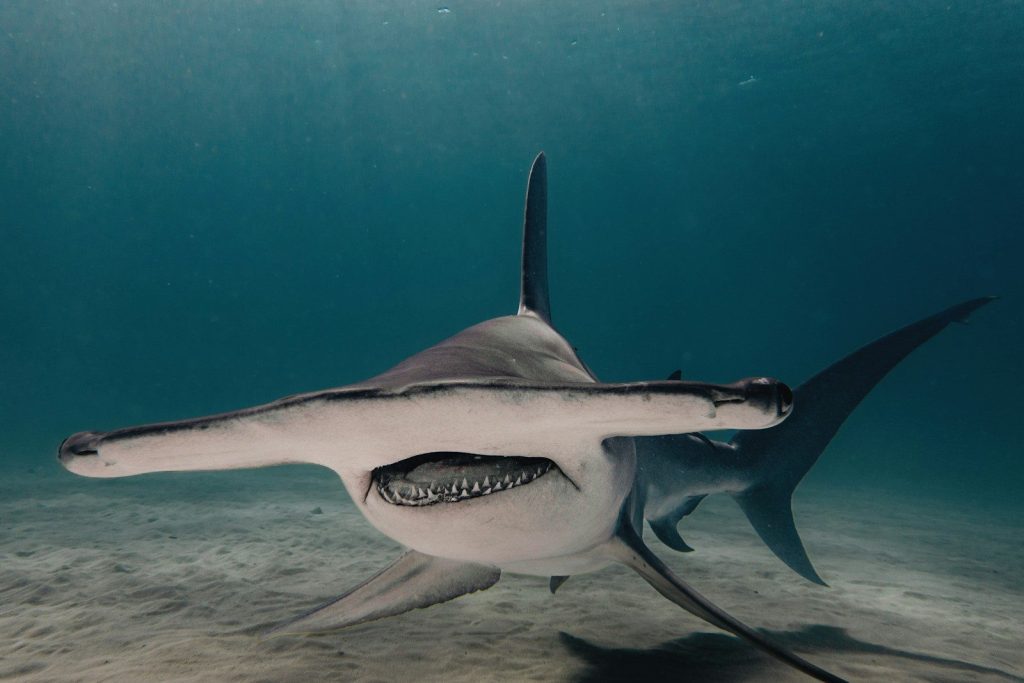
    Few ocean encounters are as exciting as coming face-to-face with a giant shark. That is exactly what happened when wildlife host Mark Vins and his crew traveled to the Bahamas in search of some of the ocean’s most impressive predators.

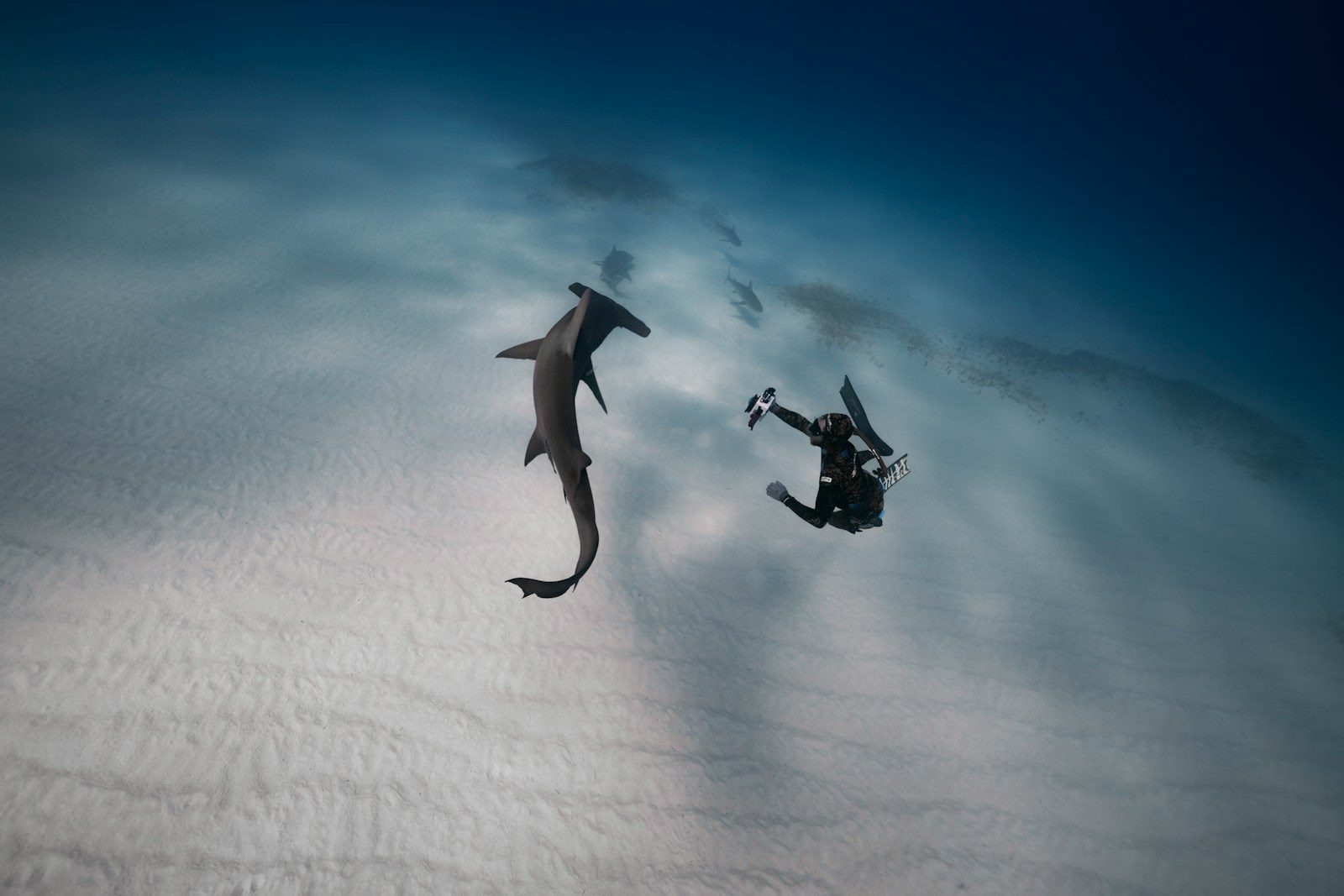
    During an episode of Blue Wilderness, the team visited the world-famous Tiger Beach, a location known for large shark encounters. Just when it seemed their adventure was coming to an end, Mark spotted a massive hammerhead shark swimming through the waters off the Bahamas. The unexpected sighting became one of the most memorable moments of the expedition.

    The journey begins at Tiger Beach

    a shark swimming in the ocean with a fish nearby
    Photo by Michael Worden on Unsplash

    Mark Vins and his crew traveled to Tiger Beach with hopes of encountering large sharks in their natural habitat. The Bahamas’ location has earned a reputation among divers and marine enthusiasts for attracting impressive shark species.

    The team spent time exploring the waters and documenting marine life. As the expedition continued, they had close encounters with several sharks, making the trip a success even before the most dramatic moment.
    An unexpected discovery

    a shark swimming in the ocean with its mouth open
    Photo by Gerald Schömbs on Unsplash

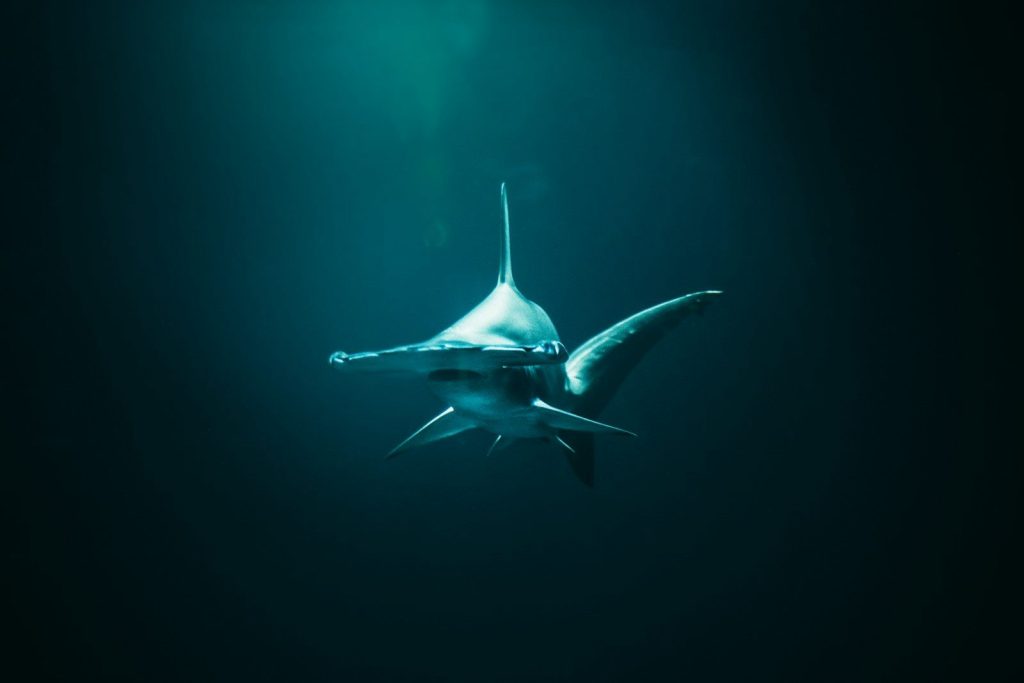
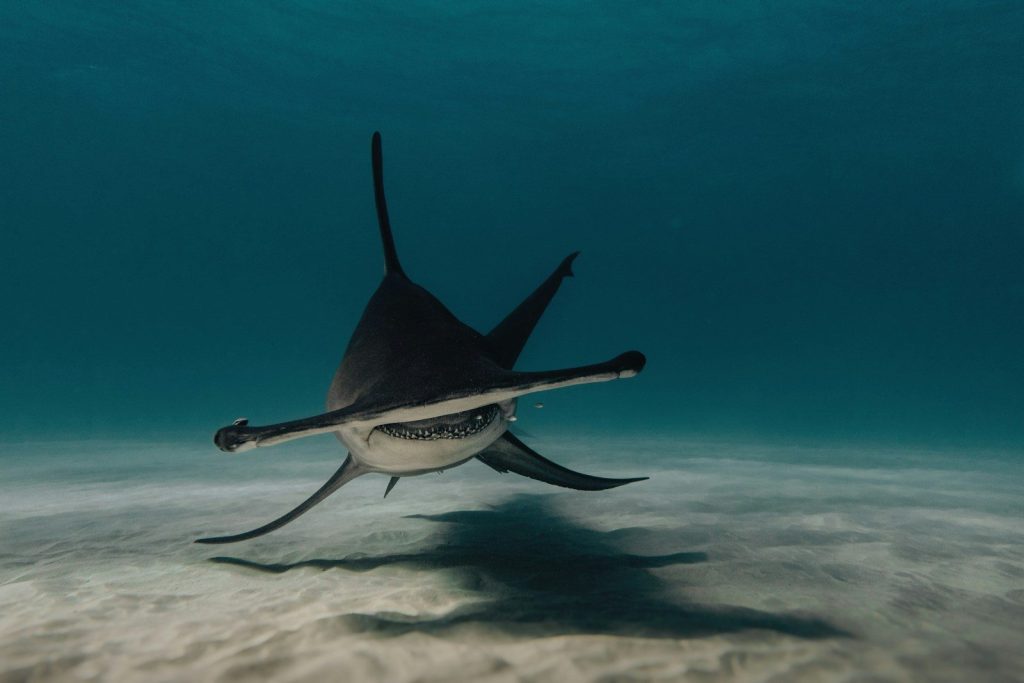
    As the adventure was winding down, Mark noticed something remarkable in the water. A giant hammerhead shark appeared near the group, creating an unforgettable moment for everyone involved.

    The shark’s enormous size immediately stood out. Hammerhead sharks are already among the most recognizable shark species because of their unique head shape, but this individual seemed especially impressive for its sheer size.
    A close look at a giant predator

    closeup photo of hammerhead shark
    Photo by Jonas Allert on Unsplash

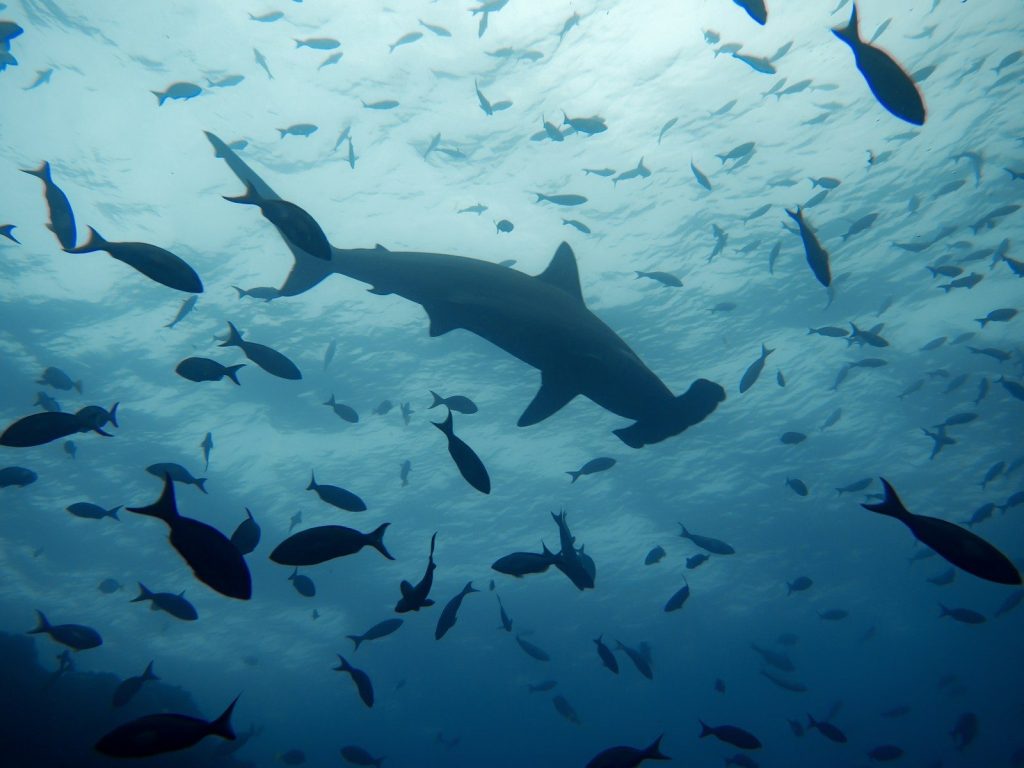
    The sighting allowed Mark and the crew to observe the hammerhead shark in its natural environment. Watching such a large predator move through the water provided a rare opportunity to appreciate its power and grace.
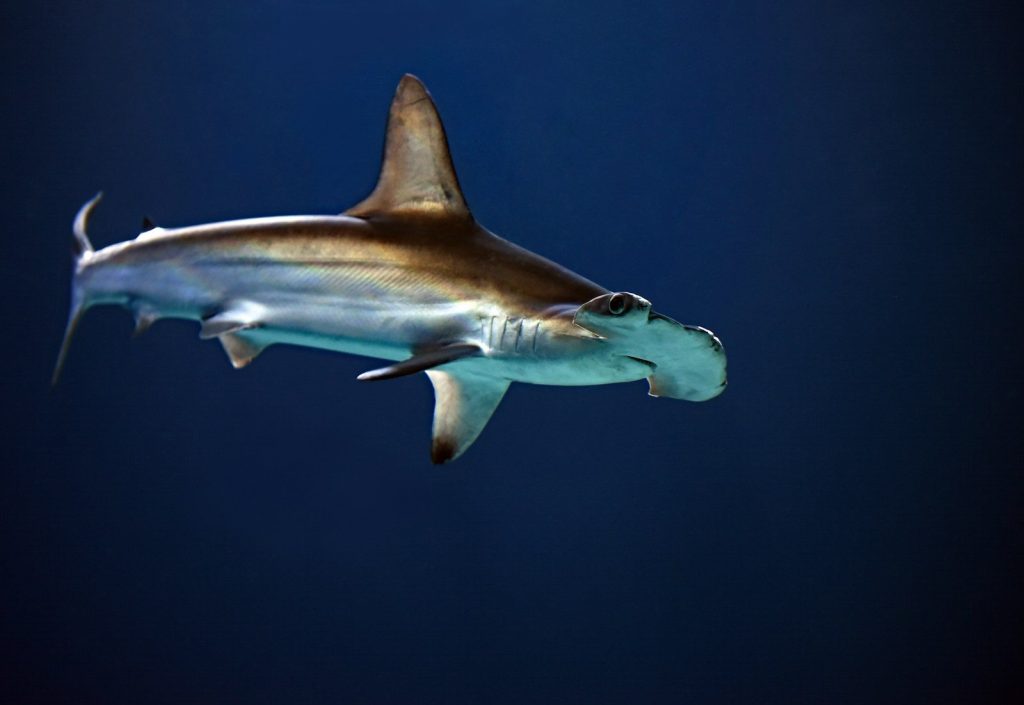
    Great hammerhead sharks are among the largest hammerhead species in the world. Some individuals found in Bahamian waters can reach impressive sizes, making encounters with them especially memorable for divers and wildlife filmmakers.

    Why the Bahamas attracts shark enthusiasts

    a large group of fish swimming in the ocean
    Photo by Heidi Bruce on Unsplash

    The Bahamas has become one of the world’s most famous destinations for shark encounters. Areas such as Tiger Beach attract visitors hoping to observe large marine predators in clear ocean waters.

    The region is known for hosting a variety of shark species, including tiger sharks, reef sharks, and hammerheads. These conditions make it a popular destination for wildlife photography, conservation awareness, and marine education.

    The importance of shark encounters

    hammerhead shark
    Photo by David Clode on Unsplash

    Experiences like Mark Vins’ encounter help people better understand sharks and their role in ocean ecosystems. Seeing these animals in the wild often replaces fear with appreciation and curiosity.

    Wildlife programs also give viewers a chance to learn about species they may never encounter themselves. By showcasing sharks in their natural habitats, filmmakers help highlight the importance of protecting healthy marine environments.

    A memorable ending to the expedition

    a large black and white shark swimming in the ocean
    Photo by Gerald Schömbs on Unsplash

    What began as a search for large sharks turned into an extraordinary encounter with a massive hammerhead shark. The animal’s unexpected appearance created a dramatic ending to the Blue Wilderness adventure.

    For Mark Vins and his crew, the sighting served as a reminder that the ocean still holds many surprises. Moments like these continue to inspire fascination with marine life and encourage people to learn more about the creatures that inhabit the world’s oceans.

  • Why do orcas keep targeting boats off Spain and Portugal?

    Why do orcas keep targeting boats off Spain and Portugal?

    For centuries, orcas have been known as intelligent and highly social animals. But in recent years, a group of killer whales has been displaying a behavior that has surprised sailors and scientists alike.

    Since 2020, orcas living near Spain and Portugal have repeatedly approached boats, rammed them, and damaged their rudders. Some vessels have even sunk after these encounters. With hundreds of reported interactions and no clear explanation, researchers are working to understand why these orcas are targeting boats and whether the behavior could continue spreading through the population.

    A new behavior appeared in 2020

    black killer whale on top of water
    Photo by Tim Cole on Unsplash

    The unusual encounters began in May 2020 in the Strait of Gibraltar. Sailors reported that orcas were approaching boats and making physical contact with them in ways that had not been documented before.

    Since then, the behavior has continued across the waters near Spain, Portugal, Morocco, and Galicia. Researchers estimate that more than 500 interactions occurred between 2020 and 2026, making this one of the most unusual marine wildlife events in recent history.

    Meet the orcas known as the Gladises

    a whale in the water
    Photo by Lachlan Gowen on Unsplash

    Scientists have identified a number of individual orcas linked to these interactions. The animals involved have been given the shared designation “Gladis,” a reference to an older scientific name once used for killer whales.

    Researchers have documented multiple members of different pods participating in the encounters. By 2023, at least 15 individual orcas had been associated with the behavior, suggesting it may have spread between family groups.

    How the attacks typically happen

    a whale jumping out of the water
    Photo by Lachlan Gowen on Unsplash

    Most encounters follow a similar pattern. The orcas usually approach from behind and focus their attention on the rudder, the part of a boat used for steering.

    Researchers have observed orcas pushing, ramming, biting, and twisting rudders. In some cases, the animals have completely broken or torn off the rudders. Most targeted vessels are slow-moving sailboats with large rudders, which are easy for orcas to reach.

    Hundreds of boats have been affected

    Ship sinking in the Strait of Gibraltar” by ^ Johnny is licensed under CC BY-SA 2.0

    The number of incidents has grown steadily over time. Reports increased from dozens of encounters in 2020 to hundreds over the following years as more sailors reported contact with the animals.

    More than 250 boats have reportedly suffered damage. Several vessels have sunk following encounters, although researchers note that the majority of interactions end without severe damage, and no humans have been injured during any documented event.

    Scientists still debate the cause

    Scientists in group discussion” by IITA Image Library is licensed under CC BY-NC 2.0

    Researchers have proposed several explanations for the behavior. Some believe the orcas may simply be playing or exploring objects in their environment because of their natural curiosity and intelligence.

    Others suggest the behavior may be defensive or linked to a previous negative encounter involving one of the animals. Additional theories include frustration with boat activity, reactions to underwater noise, or even a temporary cultural trend that spread between orca groups through social learning.

    How humans are responding

    a large ship in the water
    Photo by William Rudolph on Unsplash

    The increase in encounters has prompted new efforts to protect both sailors and the endangered Iberian orca population. Scientists, government agencies, and conservation groups have formed working groups to monitor and study the incidents.

    Authorities have issued navigation warnings, tested deterrent methods, and explored tracking programs to better understand the whales’ movements. Researchers continue collecting data in hopes of learning why the behavior started and whether it will continue in the future