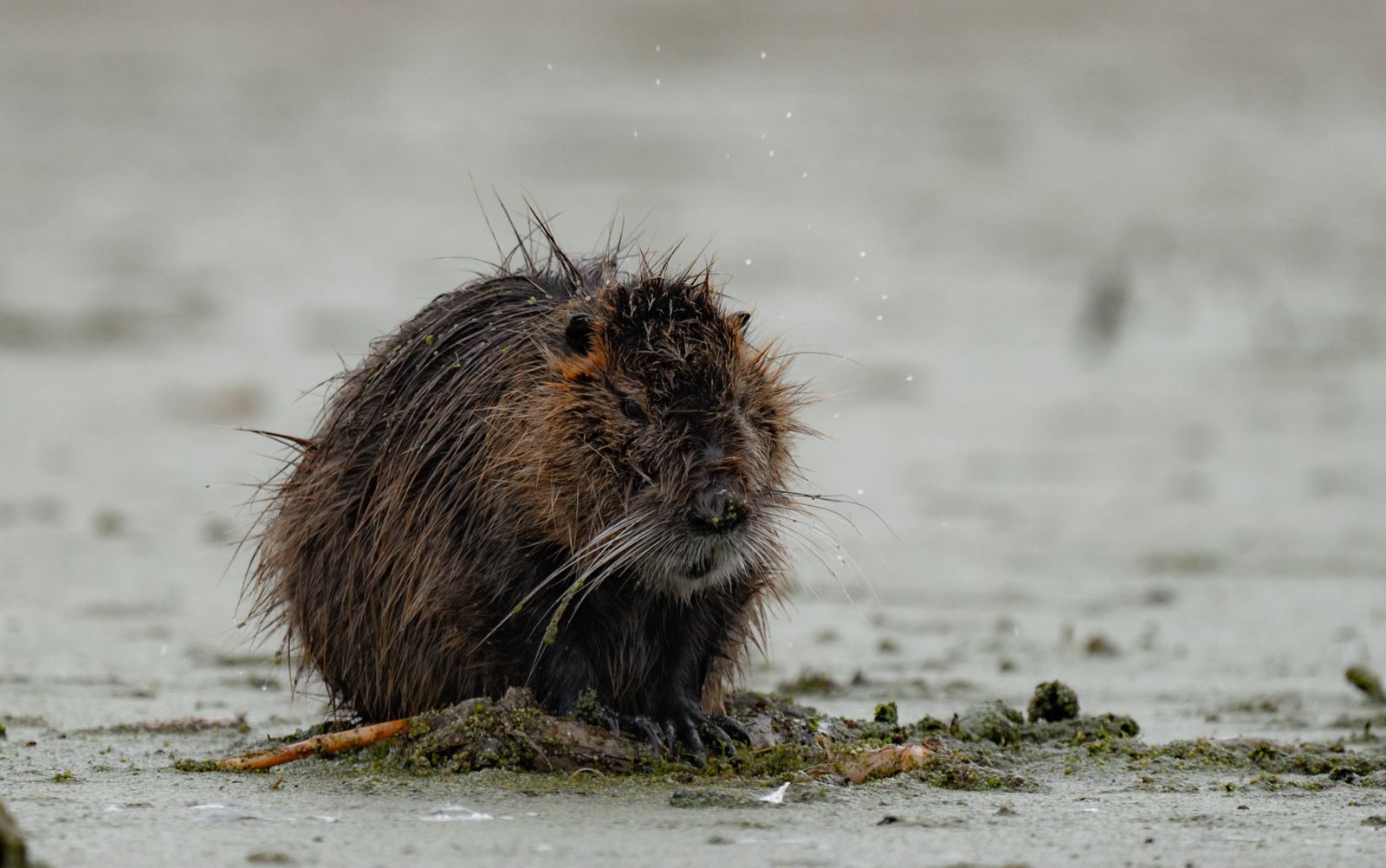
Cunningham Falls State Park in Frederick County, Maryland, partially closed areas around Hunting Creek Lake after 2 separate beaver attacks within 10 days. A 13-year-old swimmer was bitten on July 26, followed by a 19-year-old fisherman on August 5.
Both animals involved were captured and later tested positive for rabies. Maryland officials subsequently expanded restrictions around the lake while wildlife specialists investigated what the state described as a possible rabies outbreak among the local beaver population.
The first attack happened while swimming
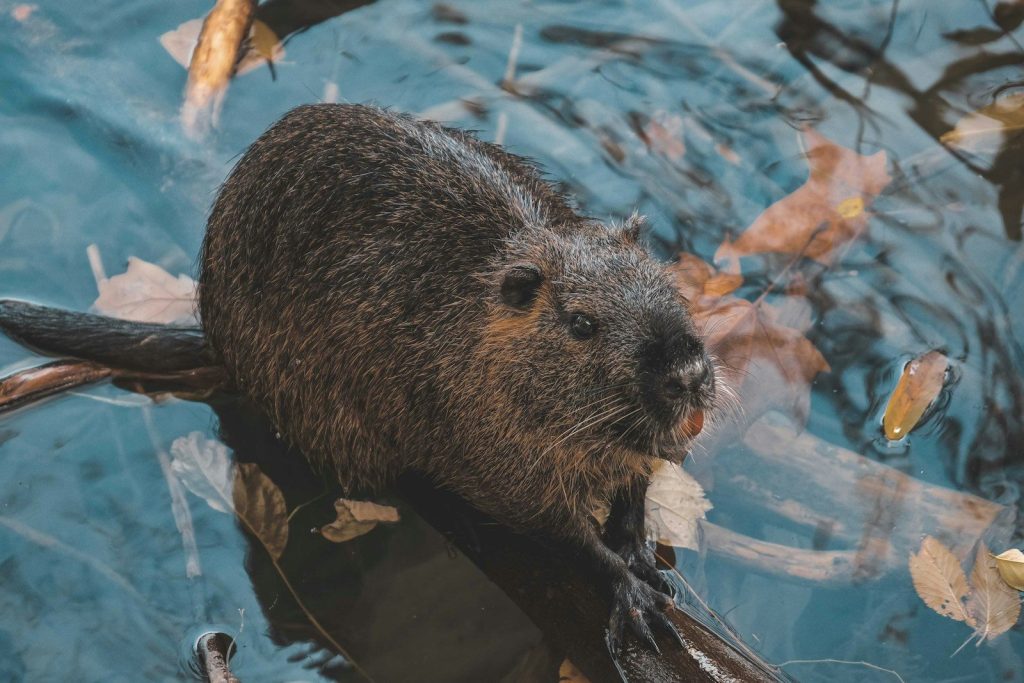
The first incident occurred at about 9 a.m. on July 26 in the designated swimming area of Hunting Creek Lake. Frederick County health officials confirmed that a teenager was bitten by a beaver while swimming in the William Houck Area of the park.
The animal was collected later that day and tested positive for rabies on July 27. Officials subsequently prohibited swimming while authorities worked to determine whether the area could safely reopen to visitors.
A second beaver attacked 10 days later
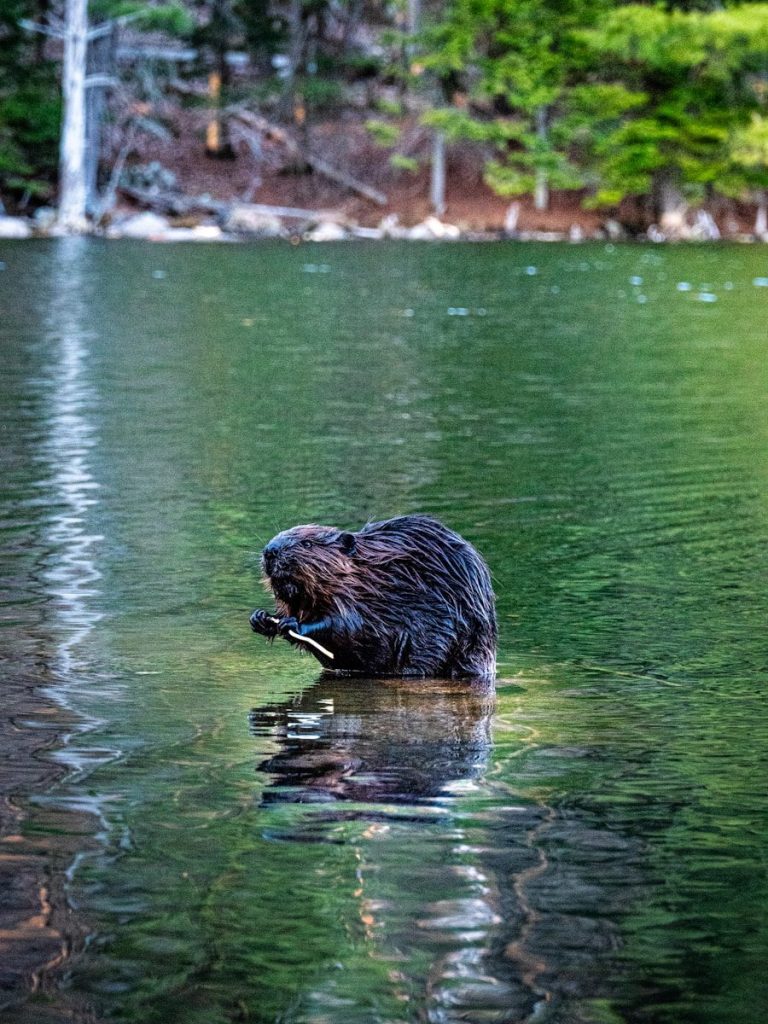
The situation escalated on August 5 when a 19-year-old fisherman was bitten on the ankle near the South Beach Day Use Area. The second beaver was also captured, euthanized, and confirmed to have rabies.
That second positive test indicated the first incident was not isolated to a single infected animal. WTOP reported that county health officials confirmed both rabies cases within approximately 2 weeks at Cunningham Falls State Park.
Officials expanded the park closures
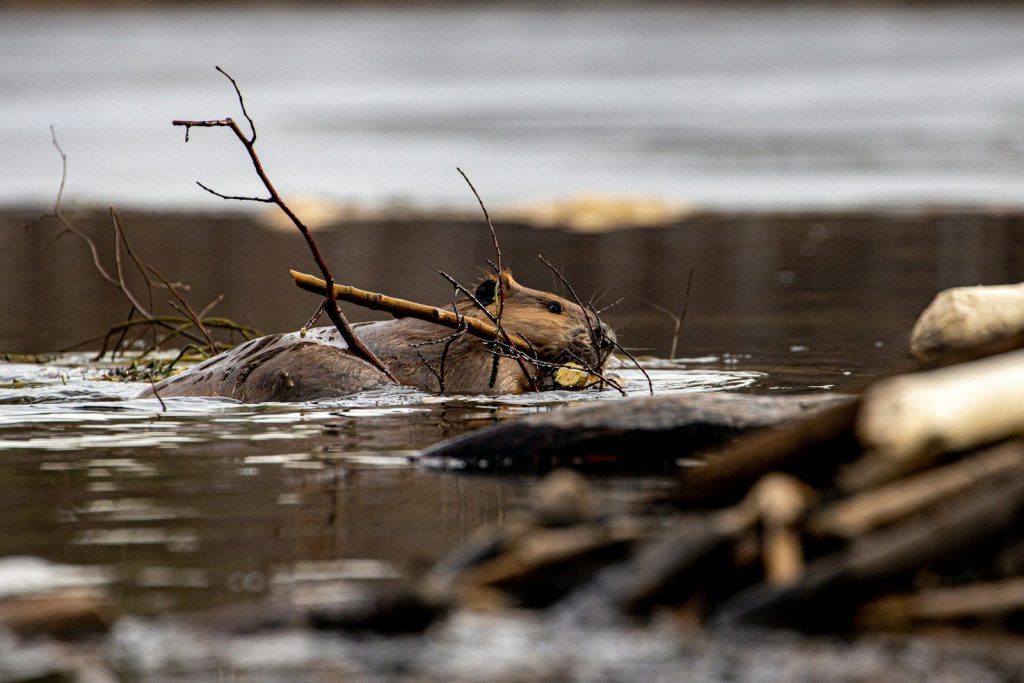
After the second incident, Maryland officials closed additional areas around Hunting Creek Lake. Restrictions included the Houck Day Use Area, the nearby boat ramp, and Big Hunting Creek above the lake.
Water activities, including swimming, boating, and fishing, were prohibited in the affected areas while authorities investigated. As of the latest Maryland DNR park information available in this search, the swimming beach remains closed because of the investigation into a possible rabies outbreak.
Rabies can change an animal’s behavior
Beavers generally do not seek confrontations with people, making repeated aggressive encounters particularly concerning. Rabies attacks the nervous system and can produce abnormal behavior in infected mammals, although unusual behavior alone cannot confirm that an animal has the disease.
Maryland DNR advises people to keep themselves and their pets away from wildlife that appears sick or behaves as though it may have rabies. Sick or injured wild animals can bite or scratch and should not be approached or handled.
Officials searched for more infected beavers
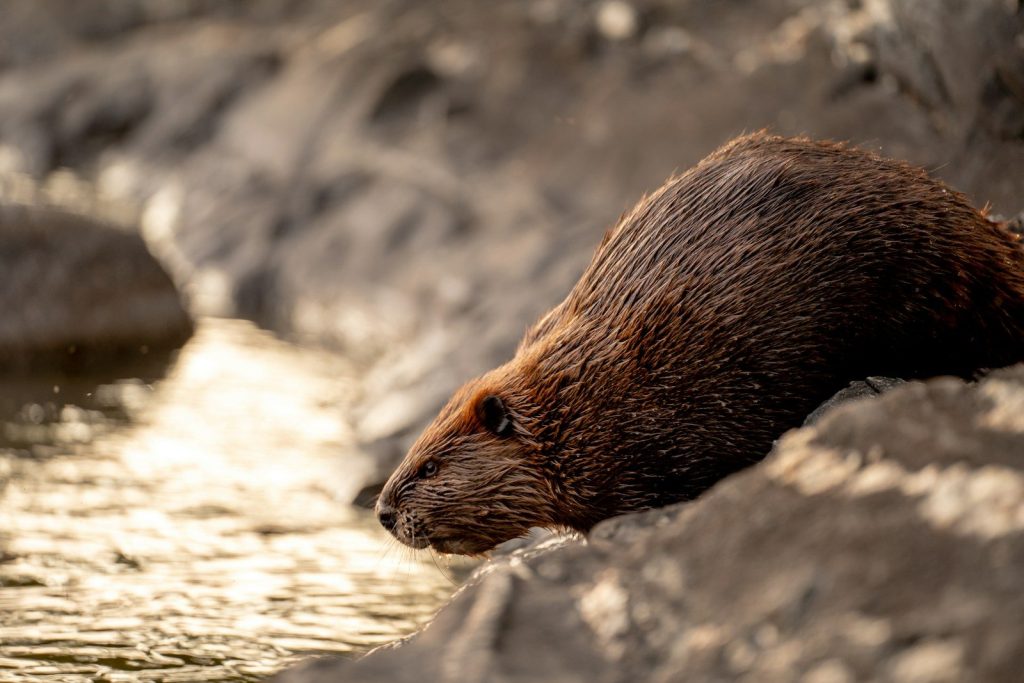
The 2 confirmed cases prompted authorities to investigate whether additional infected beavers might be present around Hunting Creek Lake. The Maryland DNR described the situation as a possible rabies outbreak within the local beaver population rather than declaring that the entire population was infected.
The closures were therefore precautionary while wildlife specialists assessed the area. The park itself has not completely closed, but access to affected day-use and water areas has been restricted while the investigation continues.
Another Maryland beaver attack followed
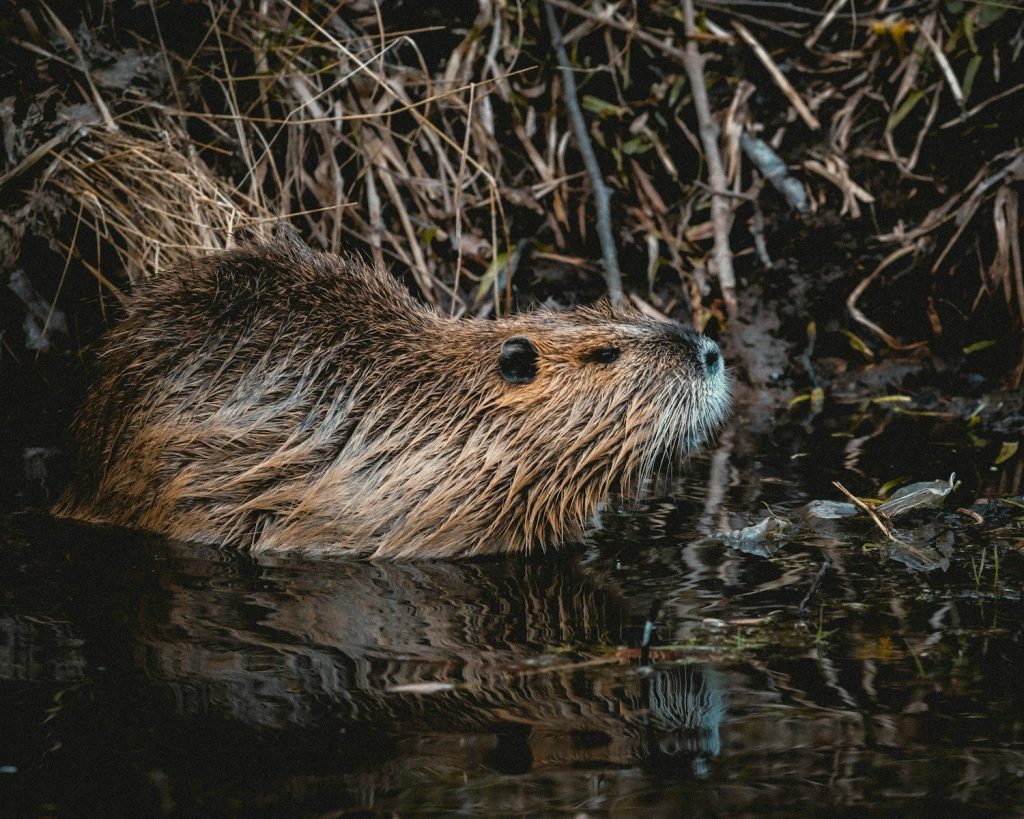
The Cunningham Falls incidents were followed by another beaver attack elsewhere in Maryland. WTOP reported that a 10-year-old girl was attacked at Seneca Creek State Park, although that incident was separate from the 2 confirmed rabid beavers at Cunningham Falls.
The Cunningham Falls cases remain especially notable because laboratory testing confirmed rabies in both animals involved. Anyone who may have had recent contact with a beaver there has been advised by authorities to contact the Frederick County Health Department.
Featured Image: Photo by Saleh Bakhshiyev on Pexels
Leave a Reply