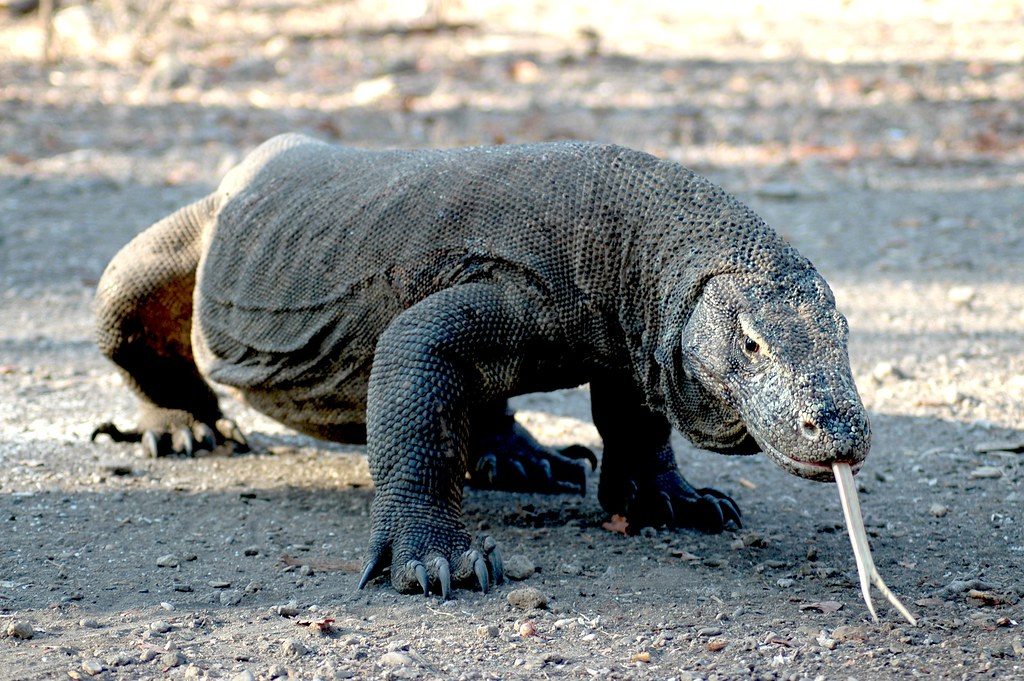
Komodo Island in eastern Indonesia is one of the few places where people live alongside wild Komodo dragons, the largest living lizards on Earth. The island forms part of Komodo National Park, a protected landscape that also includes Rinca, Padar, and numerous smaller islands.
Local communities have lived within the wider reserve for generations. UNESCO identifies the Ata Modo as descendants of Komodo’s original inhabitants and also records the Bima, Manggarai, Bajo, and Bugis communities within the biosphere reserve.
Komodo dragons are the largest lizards
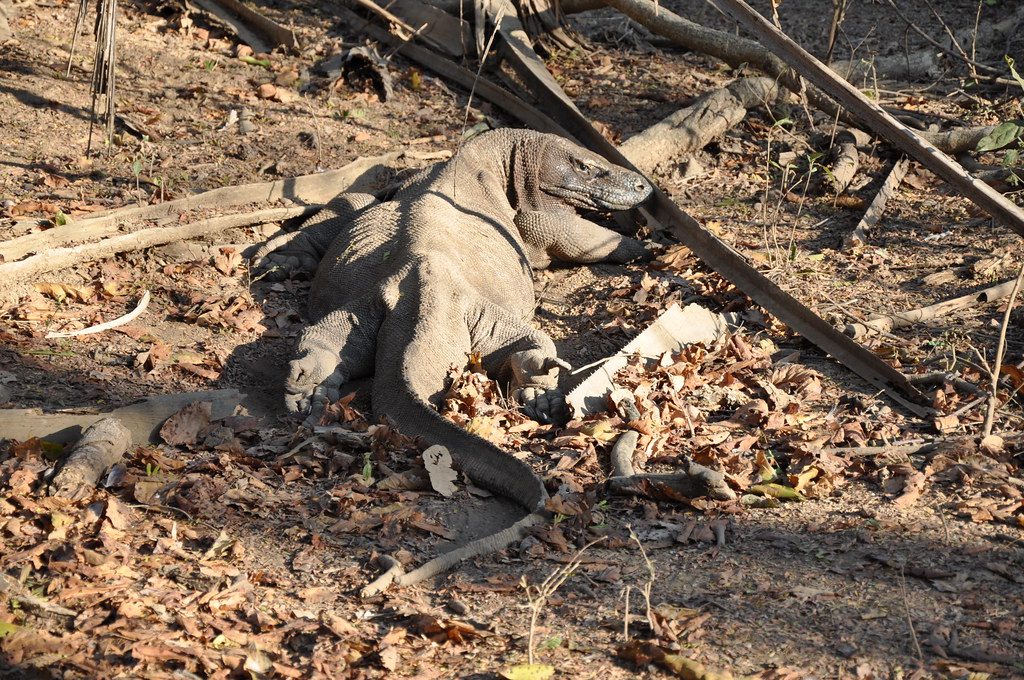
Adult Komodo dragons typically reach about 2 to 3 meters in length, making Varanus komodoensis the world’s largest living lizard. The Smithsonian reports that wild individuals typically weigh about 70 kg, although exceptional animals can become considerably larger.
Their natural distribution is remarkably limited. Wild populations survive primarily on several Indonesian islands, and UNESCO estimates roughly 5,700 dragons across Komodo, Rinca, Gili Motong, and parts of western and northern Flores.
Their bites combine several weapons
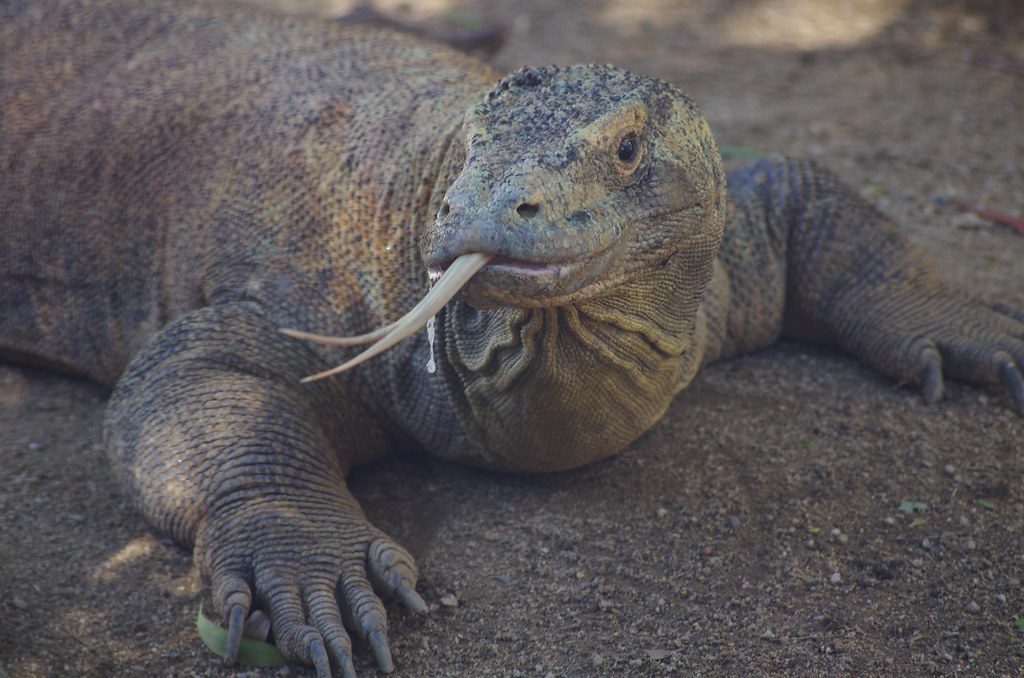
Komodo dragons possess curved, serrated teeth designed to tear tissue rather than chew food. Researchers have also identified venom glands in their lower jaws, with venom that interferes with normal blood clotting and contributes to blood loss and shock in prey.
Their bite strength itself is not exceptionally powerful compared with that of some other large reptiles. Instead, sharp teeth, strong neck muscles, claws, and venom work together, allowing a dragon to seriously injure animals much larger than itself.
Dragons hunt with patience and stealth
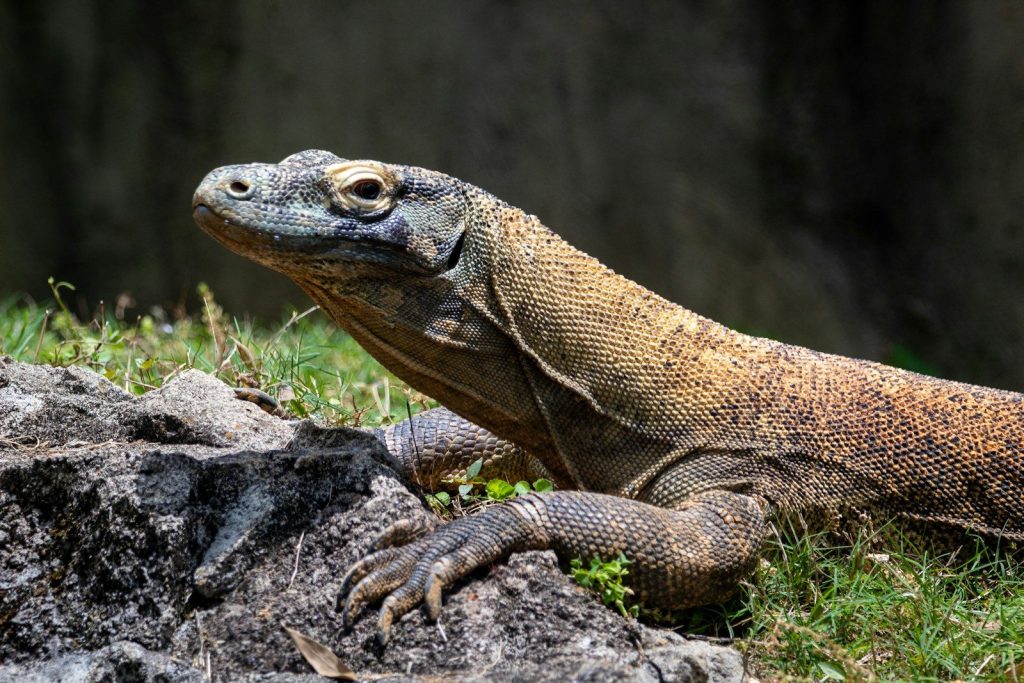
Komodo dragons are opportunistic carnivores that both hunt living animals and consume carrion. Adults can target deer, wild boar, and other substantial prey, while exceptionally large animals are capable of attacking prey as large as water buffalo.
They do not normally depend on long pursuits. Smithsonian experts describe a hunting strategy built around stealth and power, with dragons sometimes waiting beside game trails before launching a short attack when prey moves within range.
Humans and dragons share the landscape
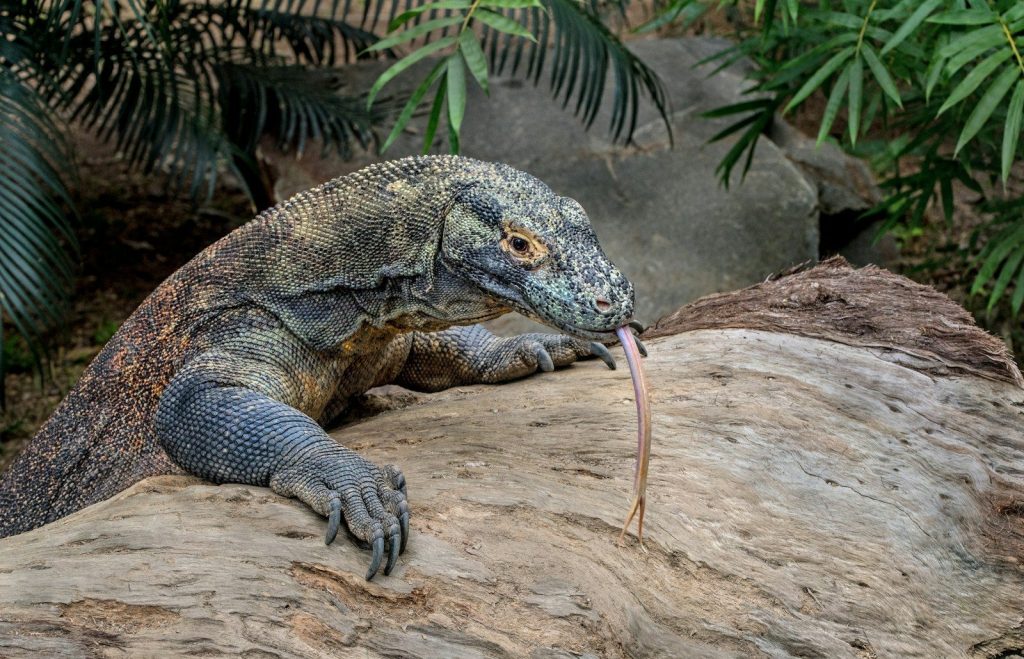
Komodo National Park is not an untouched wilderness without permanent human communities. UNESCO records both longstanding local populations and migrant communities within the biosphere reserve, with farming, fishing, and tourism contributing to local livelihoods.
That creates an unusual relationship between wildlife conservation and everyday human activity. Protecting dragons also requires protecting their prey and habitat while managing tourism, fishing, and the needs of communities that depend on the surrounding landscape and sea.
Komodo dragons can seriously injure humans
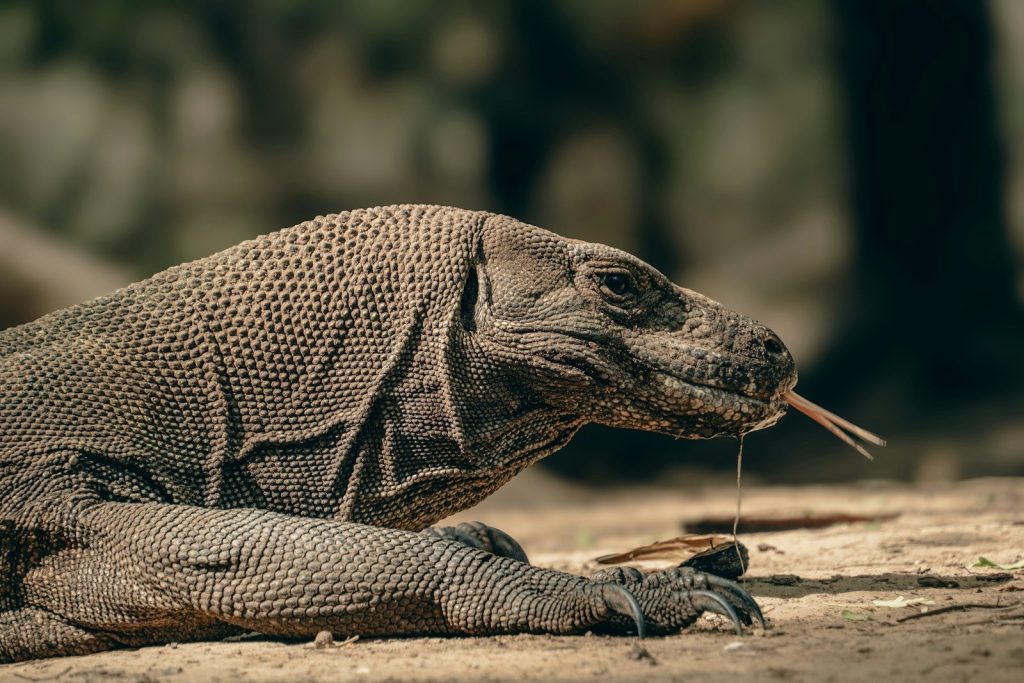
A Komodo dragon is physically capable of seriously injuring or killing a person. The Smithsonian confirms that attacks can be fatal, with the animal’s teeth, claws, and venom making close encounters potentially dangerous.
That does not mean Komodo dragons routinely hunt people. Human attacks are unusual compared with the number of people living in or visiting the region, so portraying residents as constantly escaping dragons would exaggerate the actual relationship between people and the animals.
Conservation keeps the balance possible
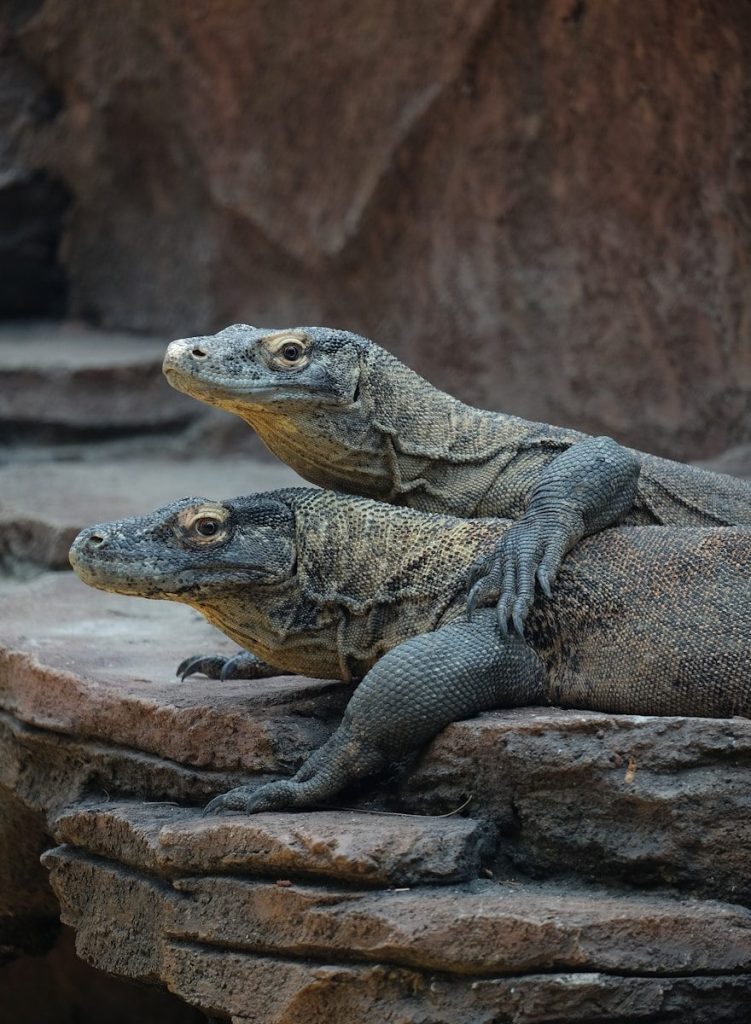
Komodo National Park was established in 1980, and the area became a UNESCO World Heritage Site in 1991. Conservation programs protect the dragons while addressing threats including poaching, damaging fishing practices, tourism pressure, and declining prey populations.
The conservation picture remains relatively encouraging. In its 2025 assessment, UNESCO noted that the Komodo dragon population remained stable while calling for continued monitoring and stronger management as tourism expands.
Featured Image: “Forked tongue of Komodo Dragon – Komodo, Indonesia” by whl.travel is licensed under CC BY-NC-SA 2.0
Leave a Reply