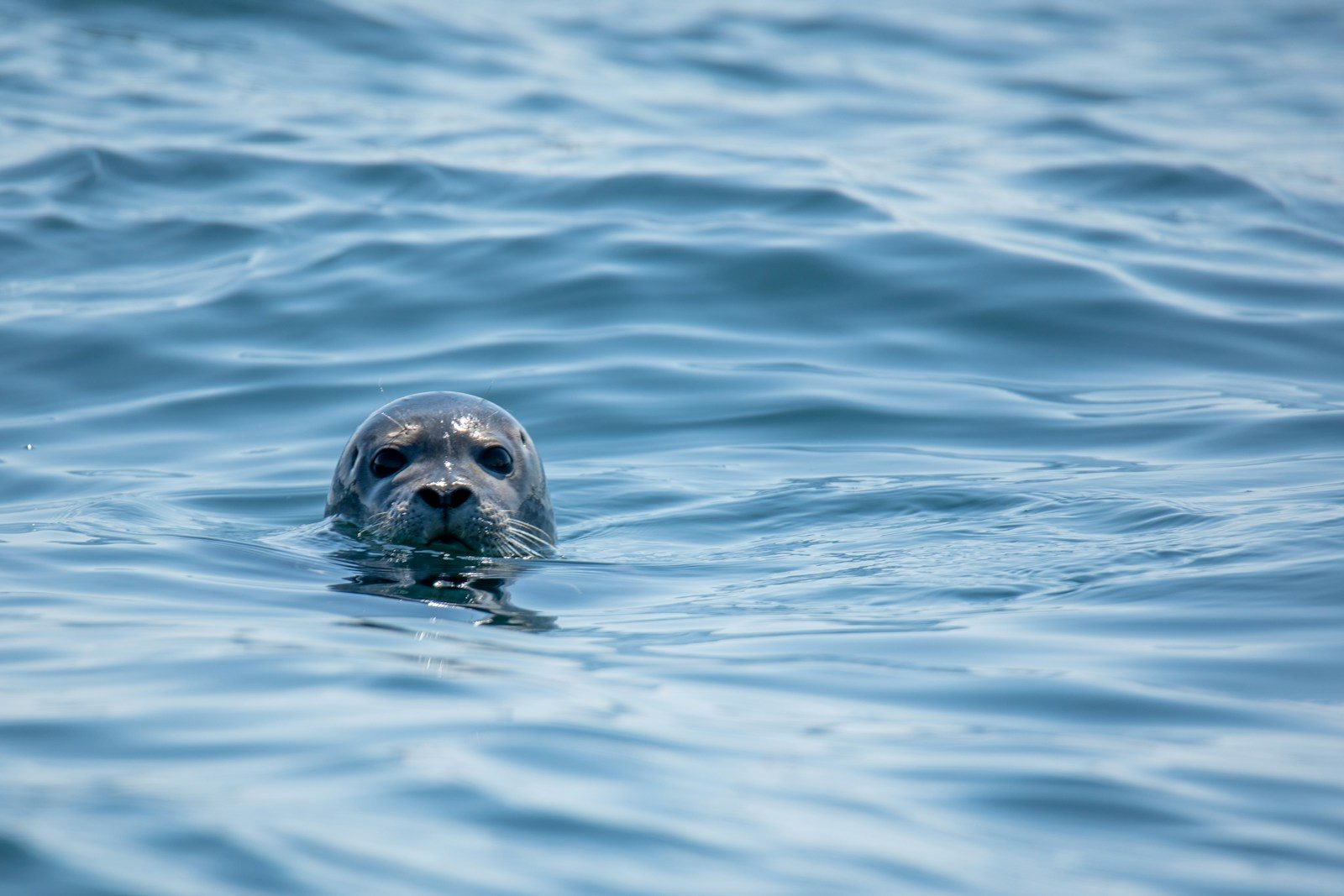
A small piece of rope can become a serious danger when it gets wrapped around a growing seal. That is the problem rescuers in Namibia regularly face while searching Cape fur seal colonies for animals trapped in human-made waste. In one documented rescue, a seal had a rope caught tightly around its neck and needed help before the entanglement became even more dangerous.
Seal entanglement can restrict movement, damage tissue, and become worse as an animal grows. Ocean Conservation Namibia has made thousands of similar rescues along the country’s coast. The team’s work shows how something as ordinary as lost rope or fishing line can become a lasting trap once it enters the ocean.
A rope around the neck can become a deadly trap
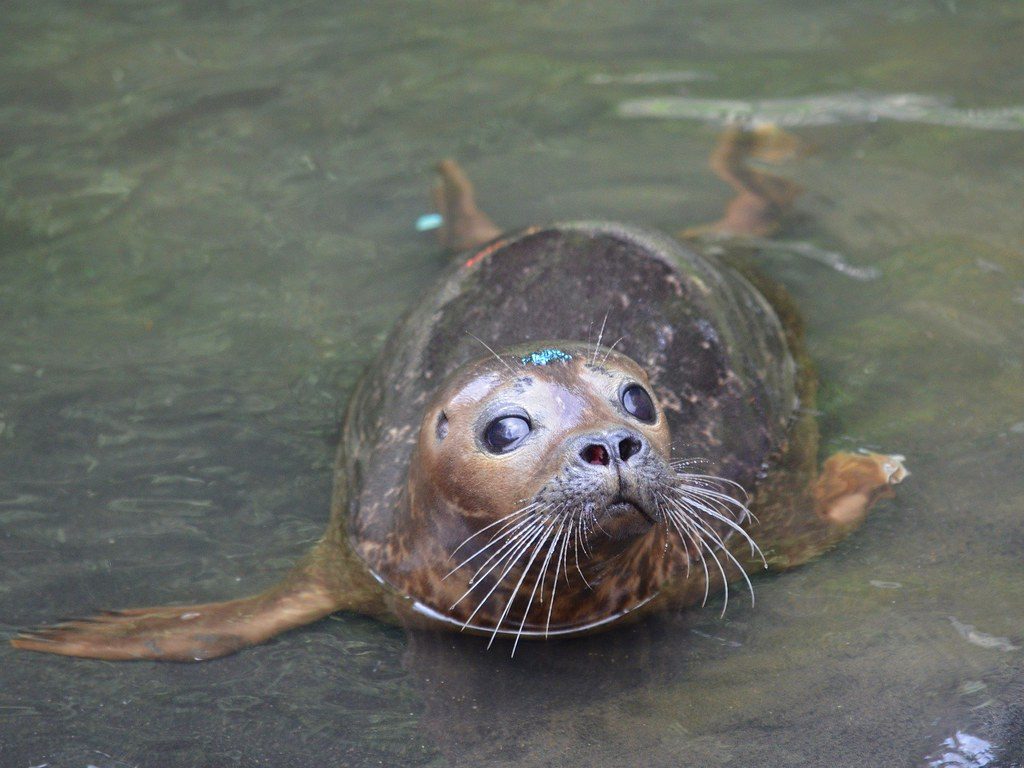
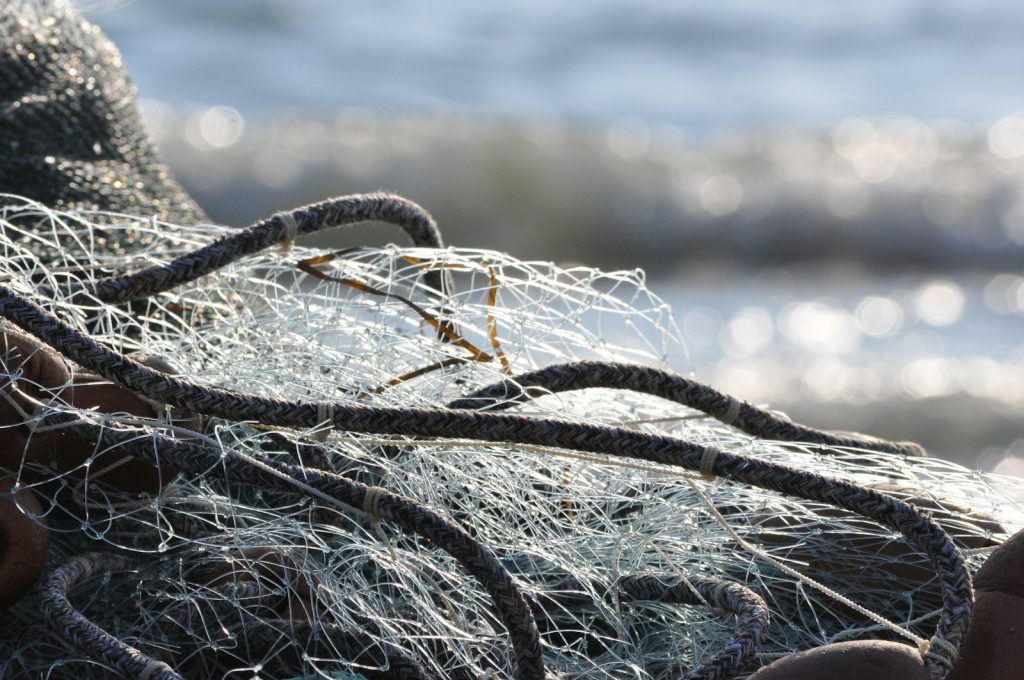
A seal cannot simply remove every piece of rope or fishing line that becomes caught around its body. Some materials form loops around the neck or other body parts. Once trapped, the animal’s normal movement can make the material harder to escape. Ocean Conservation Namibia says abandoned fishing gear, fishing line, packaging straps, and other marine debris regularly entangle Cape fur seals.
The danger can grow over time. Young seals continue getting larger while the plastic line or rope around them stays roughly the same size. The material can therefore become tighter as the animal grows. Ocean Conservation Namibia has documented cases where fishing line became deeply embedded in seals. Its rescuers have also encountered infected wounds caused by material wrapped tightly around the neck.
Rescuers have to catch the seal first
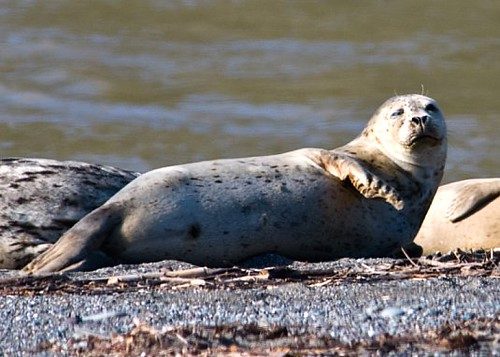
Spotting an entangled seal is only the beginning of a rescue. Cape fur seals live in large colonies, and the animal that needs help may be surrounded by many others. Rescuers must identify the correct seal and approach it without losing sight of it.
Ocean Conservation Namibia patrols several locations along Namibia’s coast, looking for entangled animals. Its teams work in places including Pelican Point, Cape Cross, Torra Bay, Möwe Bay, and Sandwich Harbor. Once an animal with dangerous debris is found, rescuers attempt to catch it and remove the material.
Cutting away the rope can reveal hidden damage
Removing an entanglement can show how serious the problem has become. A documented 2020 rescue in Namibia involved Naude Dreyer and Antoine from Ocean Conservation Namibia catching a young seal with a line trapped deeply around its neck. Once they cut away the material, a large wound was visible underneath.
Other rescues have revealed similar problems. Ocean Conservation Namibia has described fishing line embedded in seal tissue and wounds that had already become badly infected. These cases show why the thin material around an animal’s neck should not be dismissed simply because the seal can still move.
Fishing gear is a repeated problem for seals
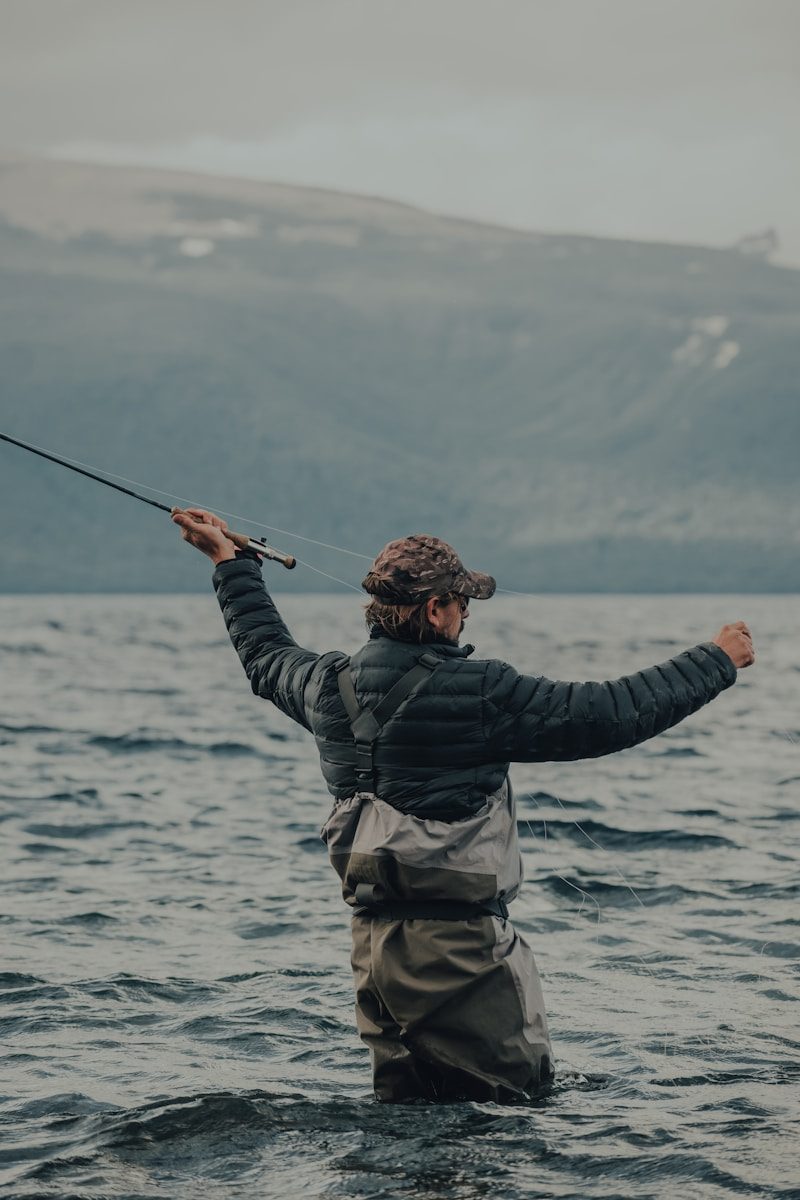
One rescue can save one animal, but it does not remove the wider problem. Ocean Conservation Namibia says Cape fur seals along Namibia’s coastline face entanglement from abandoned fishing nets, discarded fishing line, plastic packaging straps, and other marine waste.
Fishing gear can remain dangerous after people stop using it. A piece of line does not know the difference between the fish it was designed to catch and a seal swimming through the water. Once an animal becomes tangled, struggling against the material may make the situation worse.
More than 5,000 seals have received help
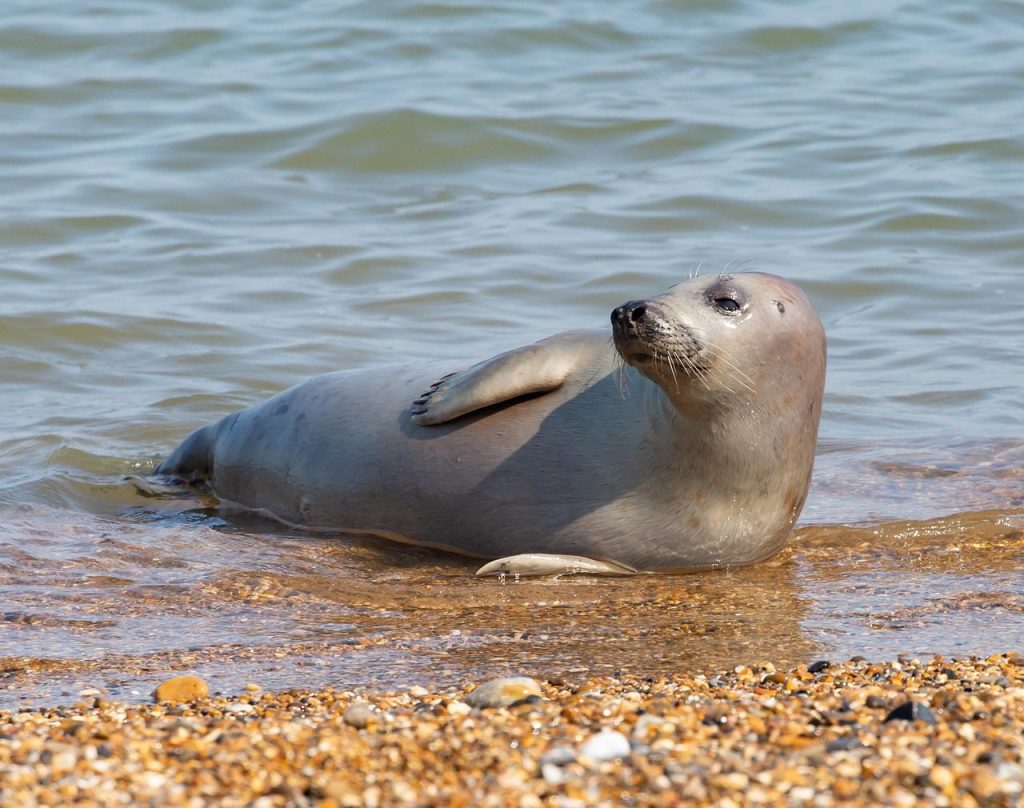
The scale of Ocean Conservation Namibia’s work shows how often rescuers encounter this problem. The organization says its team rescued more than 5,000 Cape fur seals from life-threatening entanglements between 2020 and 2025. Its work grew from rescue efforts that Naude Dreyer began at Pelican Point in 2013.
Namibia has a large Cape fur seal population. Ocean Conservation Namibia estimates that roughly 1 million live along the country’s coast. Large colonies give rescue teams opportunities to watch for animals carrying fishing line, rope, nets, or other debris.
The rescue shows why lost rope still matters
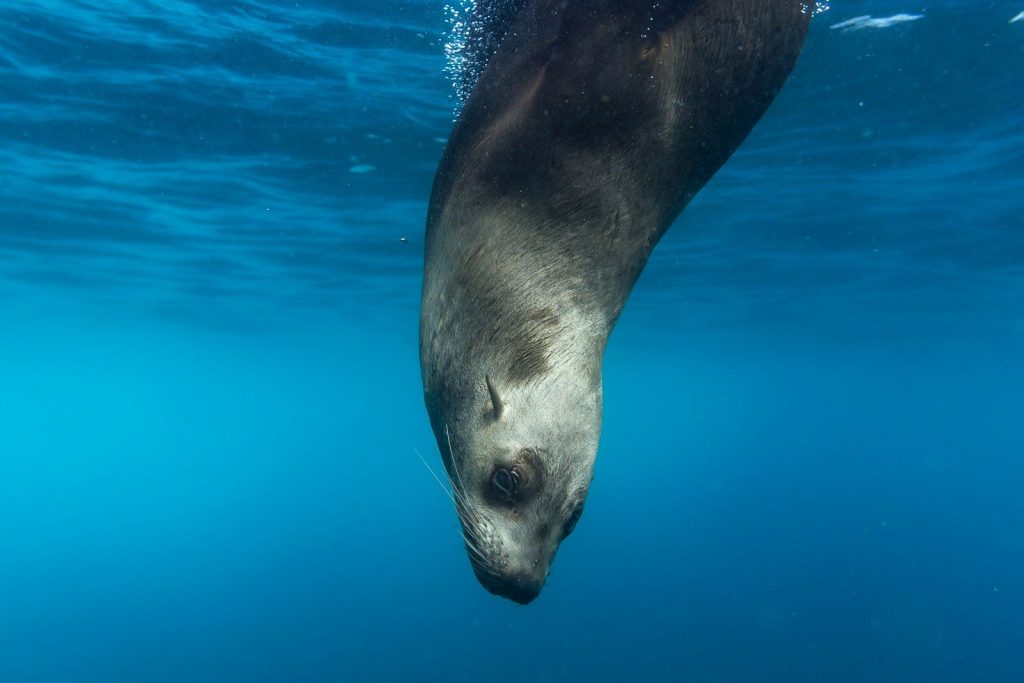
A discarded piece of rope may no longer be useful to a person, but that does not mean it stops affecting the environment. Synthetic materials can remain in marine ecosystems long after they are lost or thrown away. For wildlife, those materials can become traps.
Cape fur seals are especially visible examples because they can become caught around the neck, mouth, flippers, or body. As a seal grows, an entanglement that once seemed loose can become increasingly tight. Ocean Conservation Namibia says these materials can eventually lead to severe injury and death if they are not removed.
Featured Image: Photo by Keith Luke on Unsplash
Leave a Reply