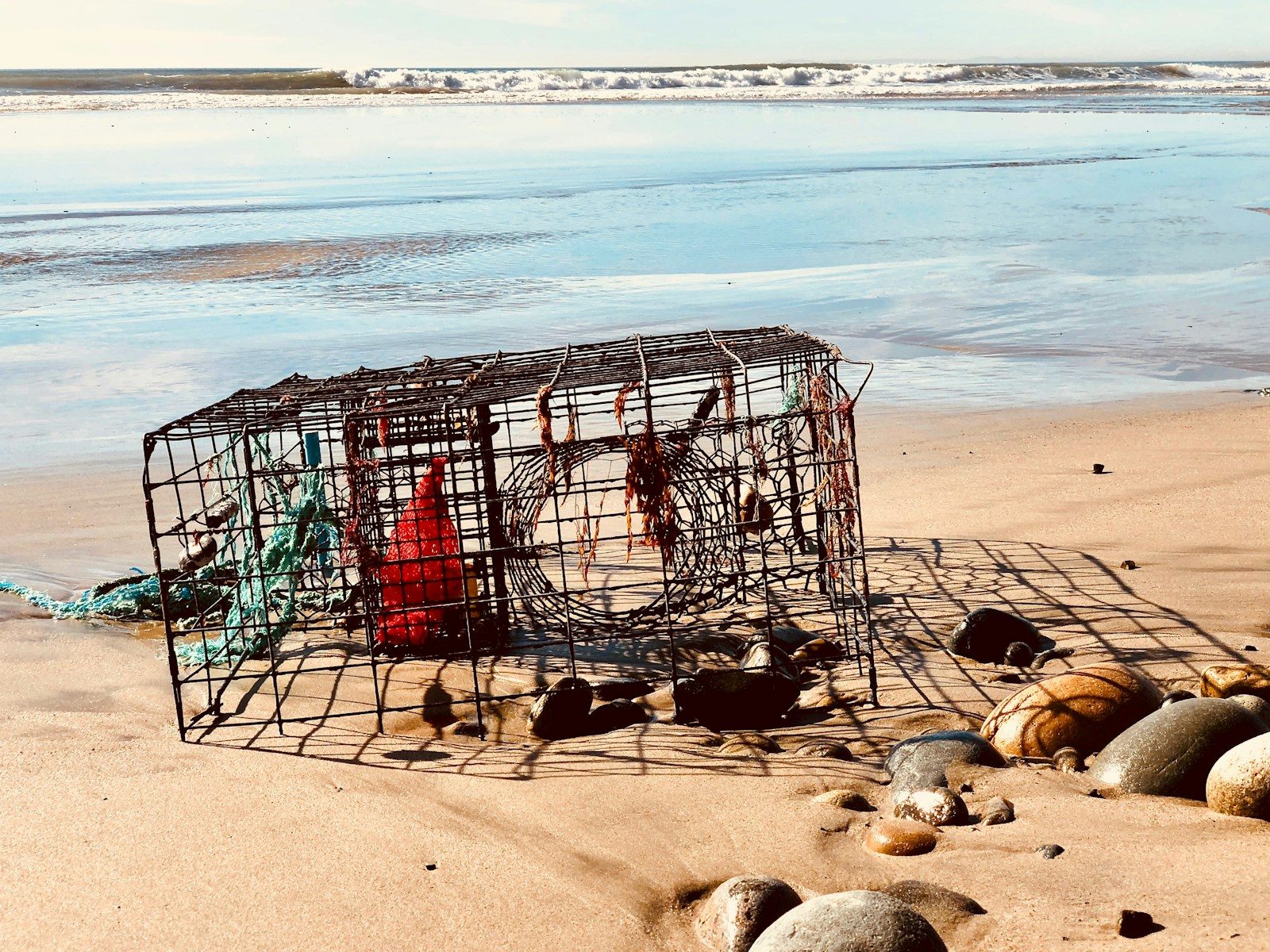
What could be hiding beneath the surface of an ordinary Florida creek? A simple Florida fish trap can sometimes reveal animals that look completely out of place. The supplied footage describes traps producing cichlids, armored catfish, jaguar guapote, and even large fish identified as iridescent sharks. Several of these fish come from parts of the world far beyond Florida.
Yet their stories are not all the same. Some nonnative fish have established permanent populations in the state, while others have been recorded only a few times. Understanding that difference helps explain how aquarium releases, fish farms, and Florida’s warm environment have changed some freshwater communities.
Florida has many nonnative freshwater fish
Florida’s waterways contain far more than the fish that evolved there naturally. Nonnative species have entered the state through several routes. Some were intentionally introduced in the past, while aquarium releases and escapes from facilities have also allowed fish from other regions to reach open water.
Florida wildlife officials make an important distinction between nonnative and invasive species. A nonnative animal is one that does not naturally belong in Florida. Some nonnative species cause few problems, while others become invasive after harming native wildlife, ecosystems, the economy, or human health and safety. That means finding an unusual tropical fish does not automatically prove that an ecological invasion is underway.
Jaguar guapote has established itself in Florida
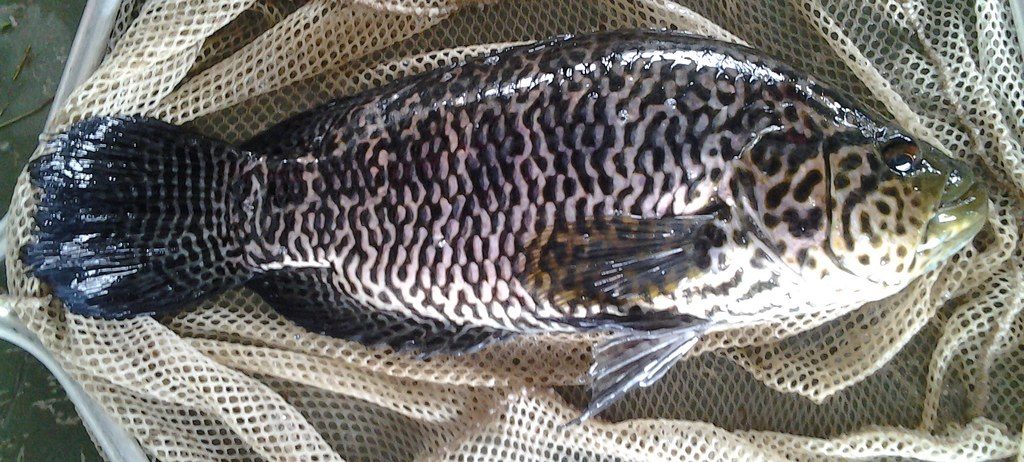
One fish mentioned in the supplied footage appears to be the jaguar guapote. This large cichlid is also known scientifically as Parachromis managuensis. Its spotted body gives it a striking appearance that can make it easy to notice when pulled from Florida water.
Unlike some unusual fish that have only been recorded once or twice, the jaguar guapote has an established population in Florida. U.S. Geological Survey records classify the species as established in the state. The fish is highly predatory and feeds heavily on other fish, while younger animals also eat aquatic invertebrates.
Armored catfish can change their surroundings
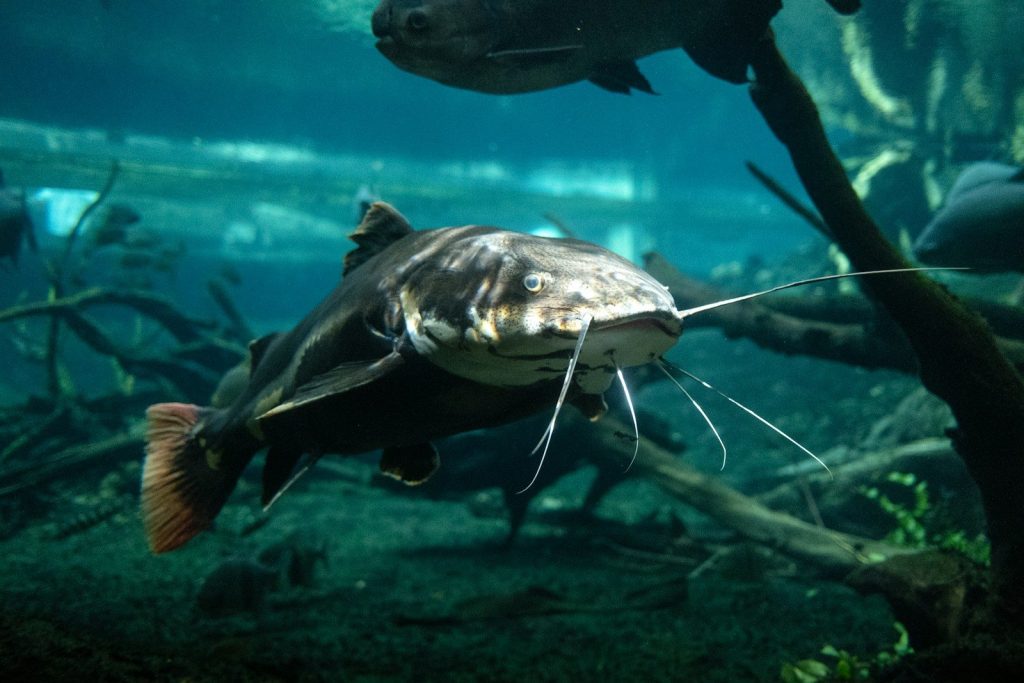
Armored catfish are another group mentioned in the supplied footage. These fish are often easy to recognize because their bodies are covered with hard plates. Many people also know aquarium members of this group as plecos.
Some armored catfish have successfully established themselves in Florida. University of Florida researchers have identified armored catfish as one of the nonnative groups capable of causing noticeable environmental damage. Their impact is not limited to competing with other fish for food or space.
Iridescent sharks have a different Florida story
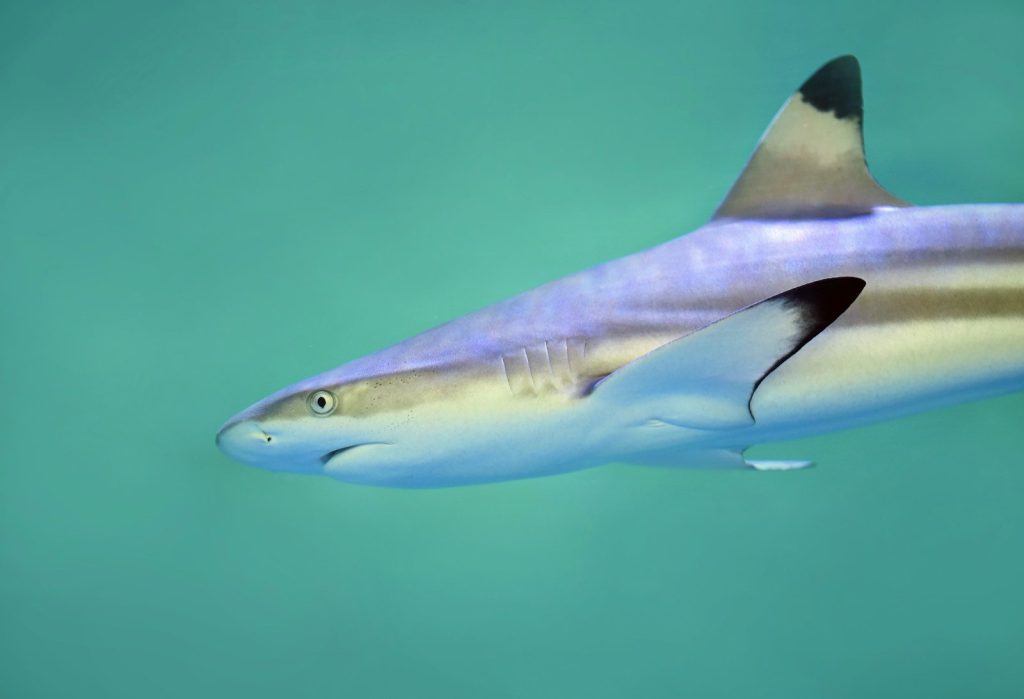
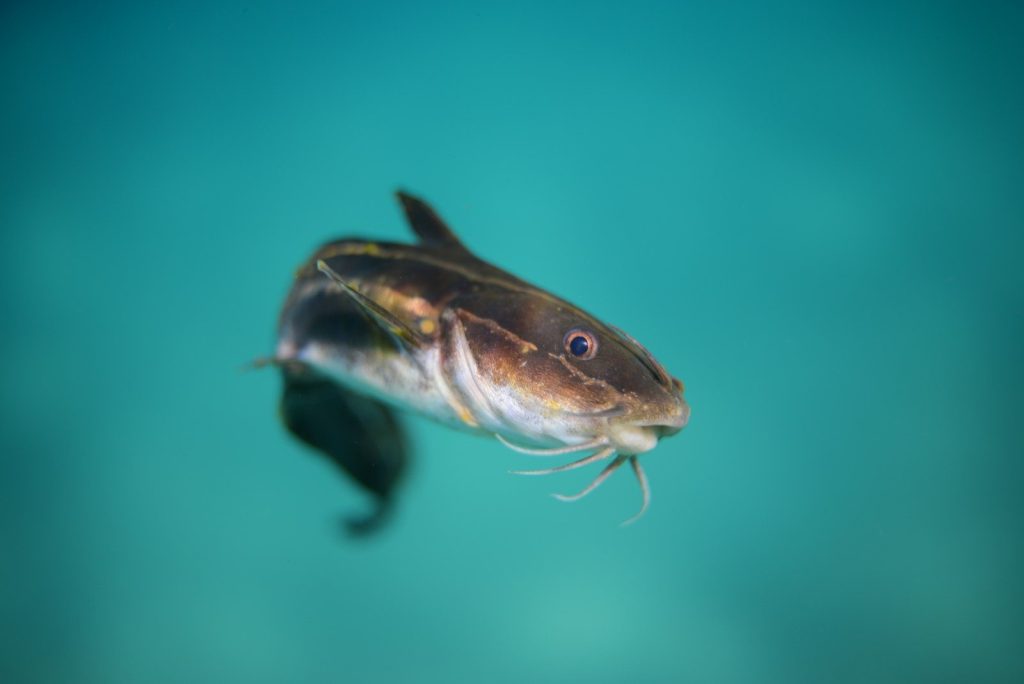
The most surprising animals described in the footage are two enormous iridescent sharks. Despite their common name, iridescent sharks are not sharks. They are freshwater catfish, scientifically known as Pangasianodon hypophthalmus.
The species is native to Asia and is widely raised there as a food fish. It is also common in the aquarium trade. Its appearance changes greatly as it grows, and adults can become far larger than the small fish people may first encounter in aquariums.
Aquarium releases can put exotic fish into nature

Aquariums help explain part of Florida’s unusual freshwater fish population. Many tropical species are kept as pets because of their colors, shapes, and behavior. Problems can begin when owners release fish they can no longer keep.
Florida explicitly warns people not to release nonnative fish or wildlife. Releasing such animals is illegal and can harm both the released animal and the environment. An aquarium fish placed into a creek may die quickly, but another species might survive and reproduce.
One fish trap can reveal a much bigger story
The most interesting part of the supplied footage is not simply that a strange fish came out of a trap. It is what those fish can tell us about Florida’s changing freshwater communities.
A jaguar guapote represents a species that has successfully established itself in Florida. Armored catfish show how certain nonnative species can become common enough to physically alter shorelines. An iridescent shark tells a different story because records exist in Florida, but the USGS does not consider the species established there.
Leave a Reply