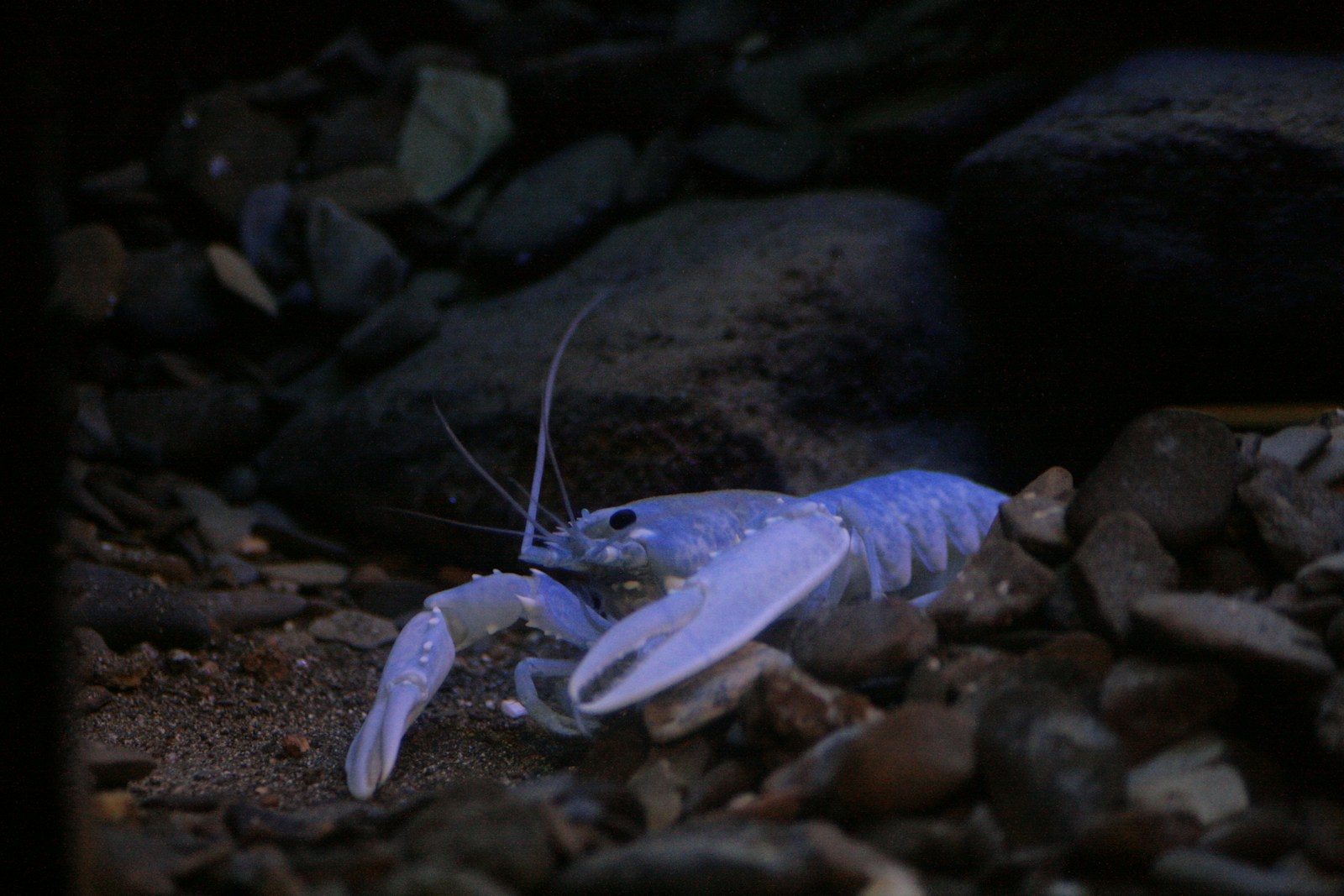
Few underwater encounters are as striking as watching a brightly colored blue crayfish face an unusual predatory fish. The brilliant blue shell created a stunning contrast against the strange appearance of the so-called alien fish, turning an ordinary feeding into a dramatic display of instinct and survival.
Every movement happened in seconds as predator and prey reacted to one another. This article explores why the encounter was so fascinating, what makes blue crayfish so unusual, and how specialized predators have evolved to hunt efficiently in aquatic environments.
An unforgettable underwater encounter
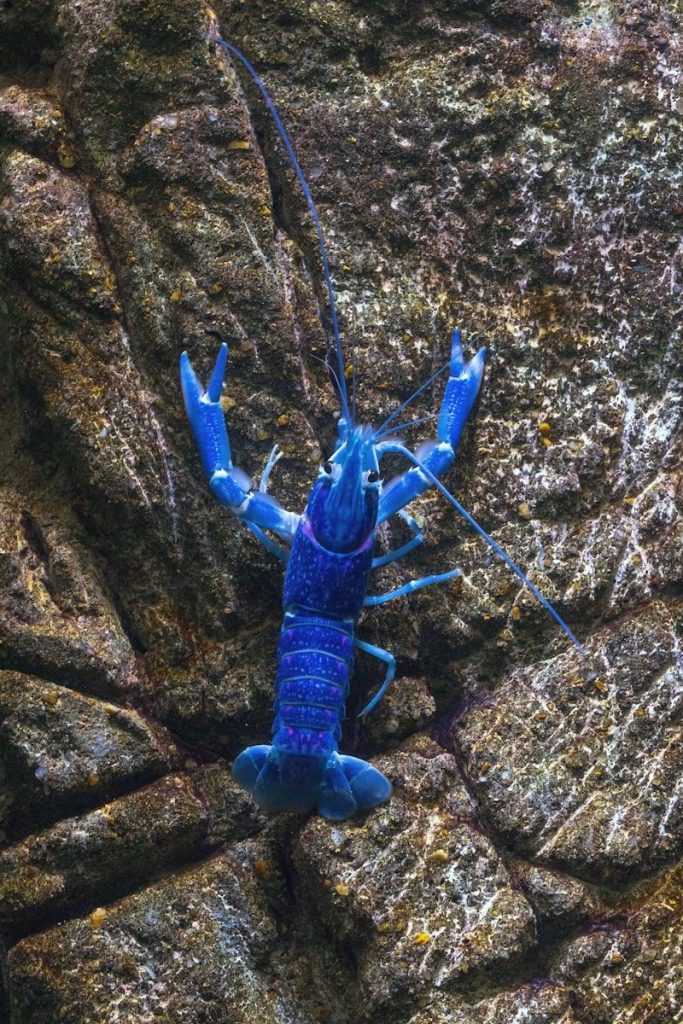
The feeding began when a rare blue crayfish entered the water, while an unusual predatory fish waited nearby. The bright colors made the encounter especially eye-catching as both animals reacted to each other’s movements.
Within moments, instinct took over. The predator responded with remarkable speed, showing how quickly feeding behavior can unfold in aquatic environments where hesitation often means losing a meal.
Why blue crayfish are so unusual
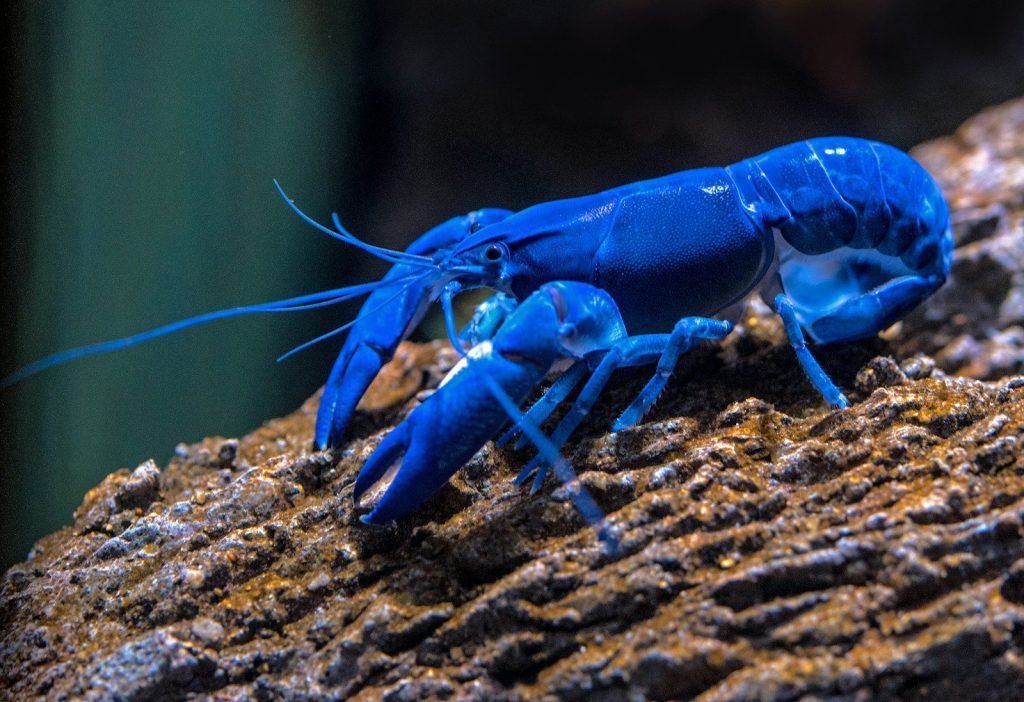
Blue crayfish stand out because of their remarkable coloration. In the wild, blue individuals are uncommon in many species and usually owe their appearance to genetic differences that affect shell pigments, although selectively bred aquarium strains are much more common.
Their bright color makes them visually impressive but may also reduce natural camouflage. Depending on the habitat, a vivid blue shell can make a crayfish easier for predators to spot.
A predator built for hunting
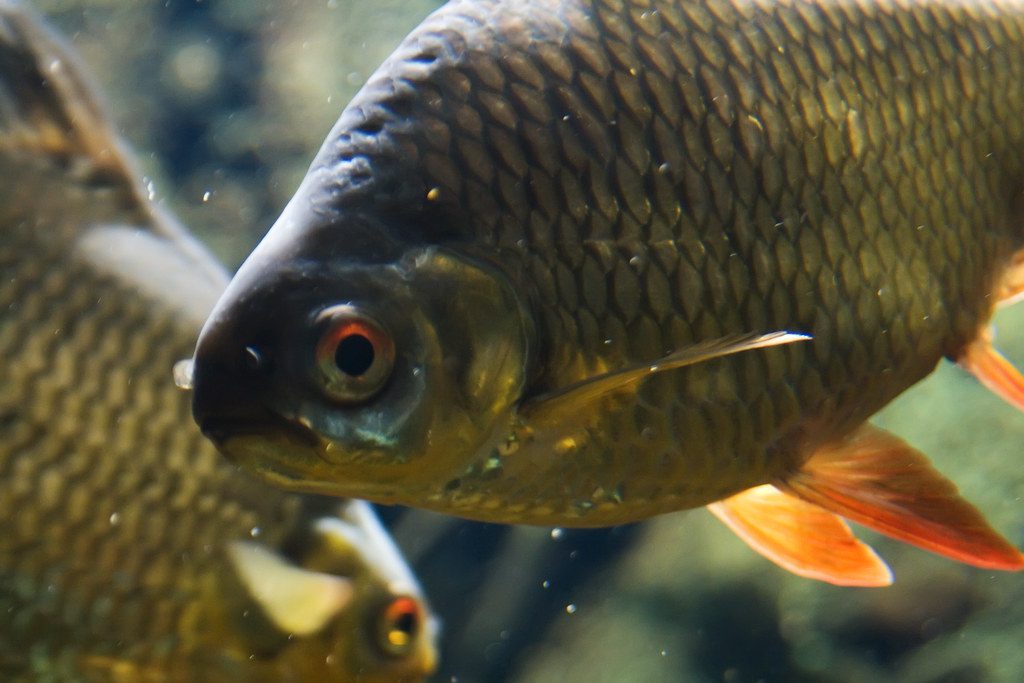
Many unusual aquarium fish have evolved specialized jaws, powerful bites, or rapid strike speeds that allow them to capture prey before it can escape. These adaptations are the result of millions of years of evolution.
Instead of relying solely on strength, aquatic predators often depend on perfect timing. A single fast strike is usually more effective than a long chase, especially in environments where prey can quickly hide.
Every feeding is a survival test
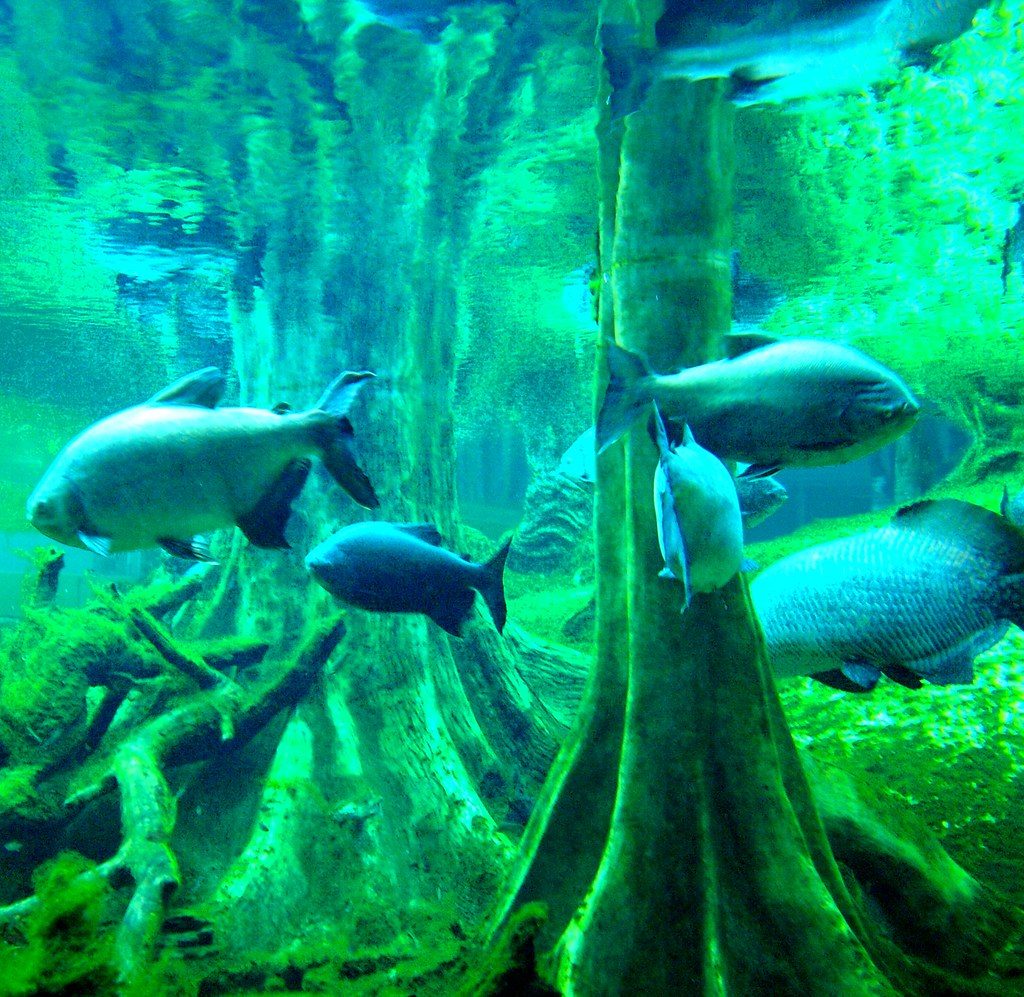
Predators hunt to survive, while prey rely on defensive behaviors, hard shells, and quick reactions to avoid becoming food. Every encounter becomes a contest between attack and escape.
Even heavily armored crayfish are not completely protected. Their strong claws and shell provide important defenses, but determined predators can still overcome them under the right conditions.
Nature is both beautiful and unforgiving
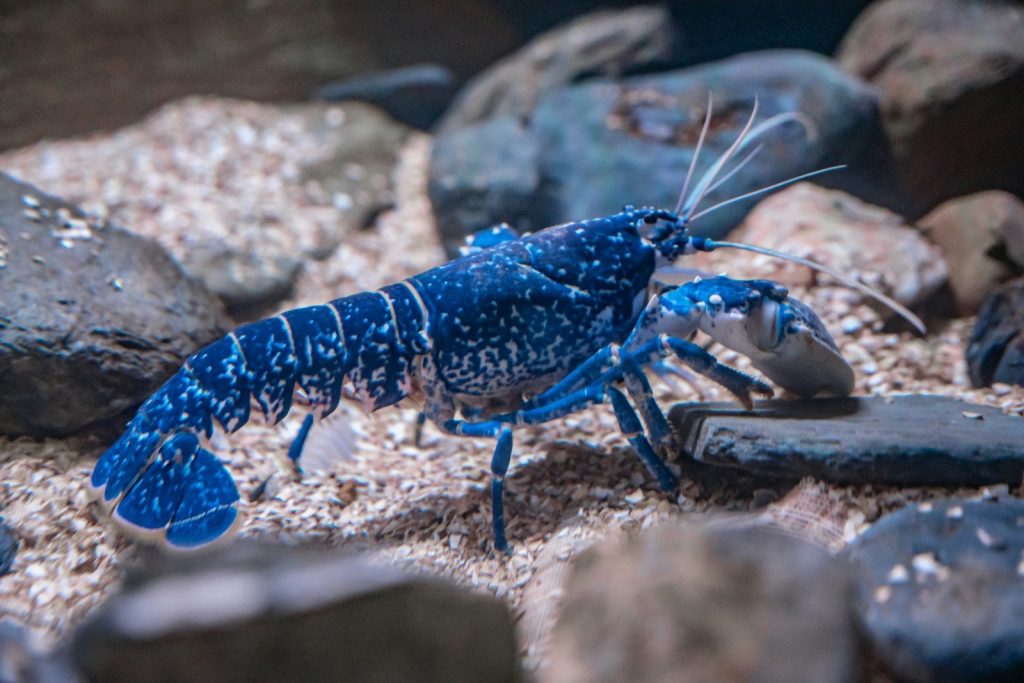
The vivid colors of the blue crayfish made the encounter visually stunning, but the event also demonstrated an important ecological reality. Feeding interactions are essential for maintaining healthy aquatic food webs.
Although dramatic to watch, these behaviors are part of the natural balance that exists in rivers, lakes, and aquariums. Predators and prey have evolved together over millions of years.
A closer look at aquatic ecosystems
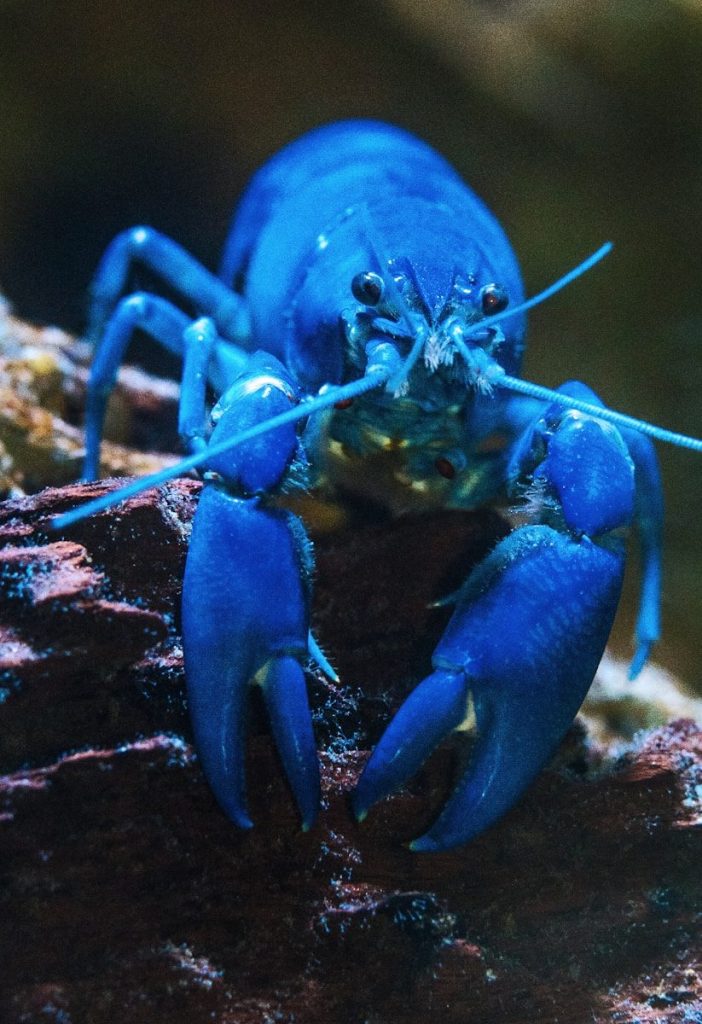
Watching unusual species interact helps people better understand animal behavior and survival strategies. Every feeding event reveals adaptations shaped by evolution.
The encounter between the alien fish and the blue crayfish also reminds us that aquatic ecosystems contain extraordinary diversity. From brilliantly colored crustaceans to highly specialized predators, life beneath the surface is often more remarkable than it first appears.
Leave a Reply