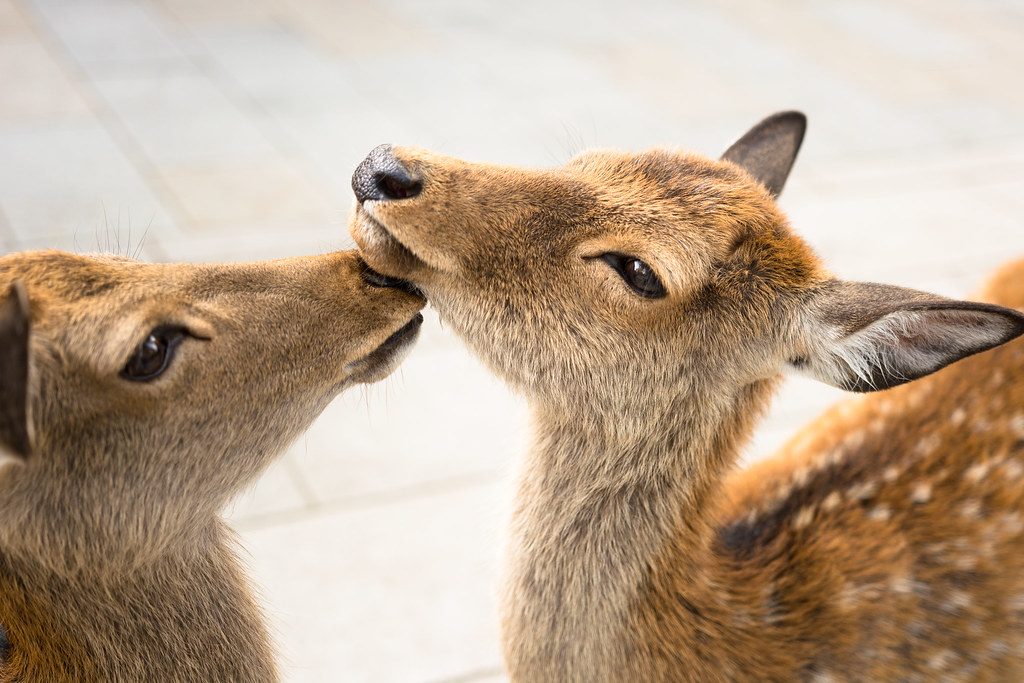
Japan’s deer population has been growing quickly in many regions, especially the sika deer, and this is changing forests, farms, and protected lands. Have you ever thought about what happens when one animal becomes too common in nature? That is exactly what is happening in Japan right now. The rising number of deer is not just a wildlife issue, but also a real lesson in how ecosystems stay balanced and what happens when that balance is broken.
In this article, you will learn how Japan’s deer population grew, why it matters for nature, and what scientists are studying from it. You will also see how deer affect forests, farming, and communities, and how Japan is trying to manage the situation. By the end, you will understand how this real-life example teaches important ecology lessons that apply far beyond Japan.
How Japan’s deer population became so large
Japan’s deer population, especially the sika deer, has grown a lot over the past several decades. One major reason is the loss of natural predators. Wolves once lived in Japan and helped keep deer numbers under control, but they disappeared long ago. Without predators, deer no longer had a natural limit on how fast their population could grow.
Human changes have also played a big role. Many rural areas in Japan have fewer people today because younger generations move to cities. With less farming and less hunting in these areas, deer have more space and food to survive and spread. Over time, deer have expanded into regions where they were once rare or not seen at all.
Impact on forests and plant life
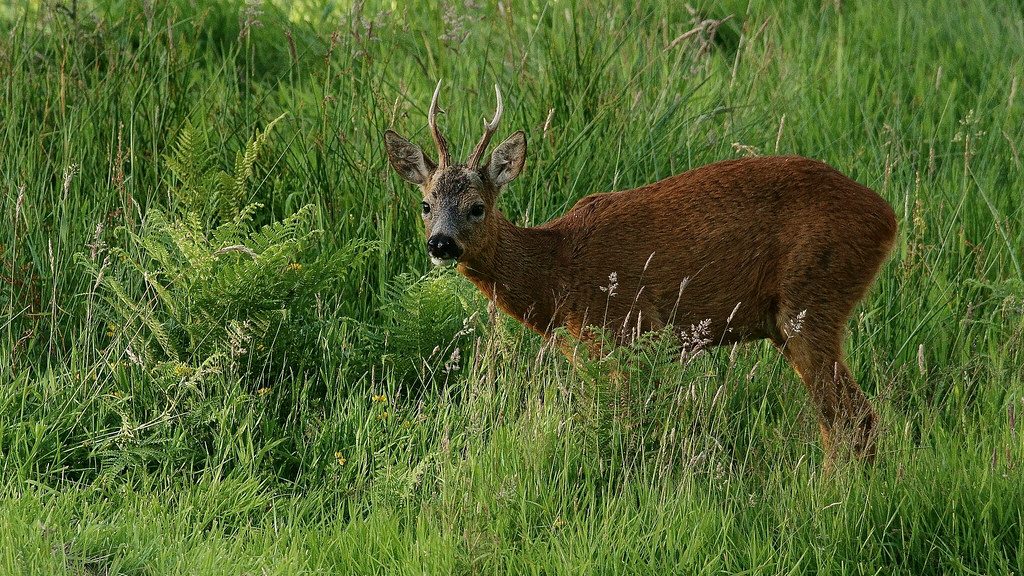
When deer numbers grow too high, they can heavily affect forests. Deer eat young trees, leaves, and plants close to the ground. This stops many trees from growing into mature forests, which slowly changes the forest structure over time.
Scientists have observed that in areas with many deer, only plants that grow out of reach survive. This creates a situation where forests lose variety and become less healthy. As plant life changes, other animals like birds and insects that depend on those plants are also affected, leading to a chain reaction in the ecosystem.
Effects on farming and human communities
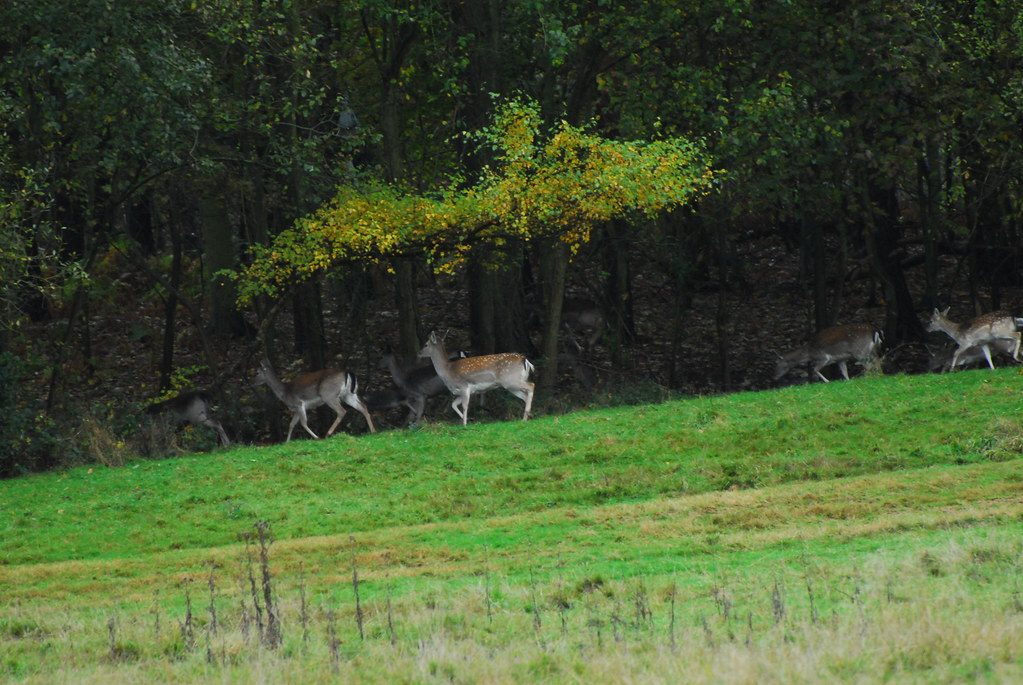
Deer often move into farmland when natural food becomes limited or when fields are close to forests. They eat crops like rice, vegetables, and fruit trees, which can cause serious damage for farmers. In some rural areas, this has become a major economic problem because farmers lose part of their harvest each year.
Deer can also create safety concerns for people. They sometimes cross roads and highways, which can lead to accidents. In areas with shrinking human populations, it becomes harder to manage deer movement, making it more common for deer and humans to come into close contact.
Lessons from protected areas like Nara
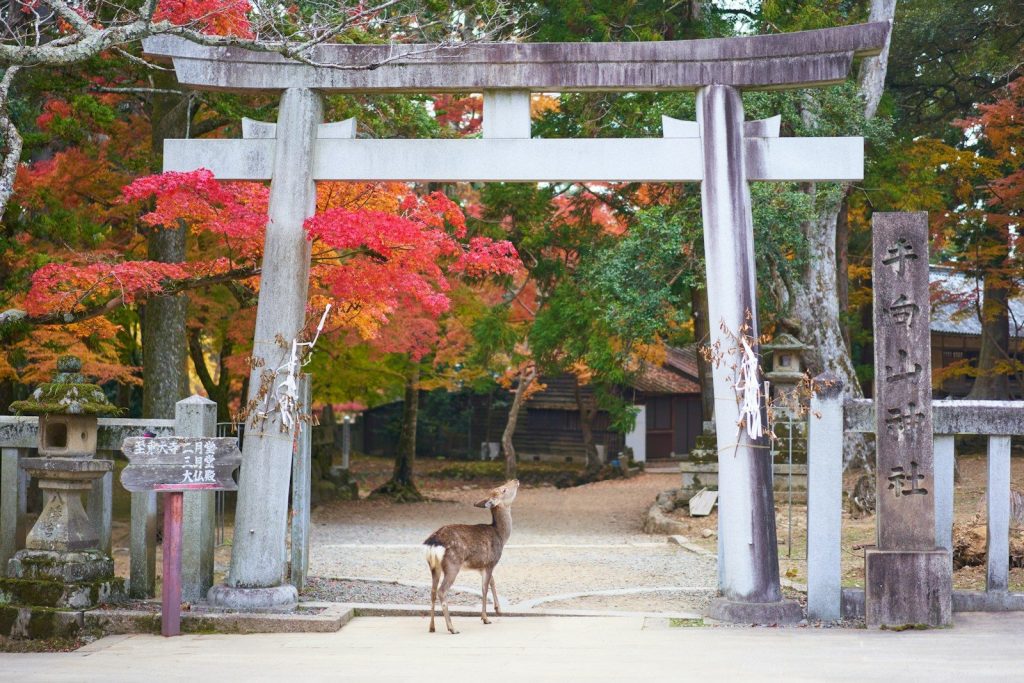
Nara is one of the most well-known places in Japan where deer live freely among people. These deer are protected and have become a symbol of the city, attracting many tourists. Visitors often interact with them and feed them special crackers sold in the park.
Even though the deer are protected, the population still needs balance. Too many deer can still damage nearby plants and forests if not managed carefully. This shows that even in places where animals are culturally important, nature still needs limits to stay healthy and stable.
How scientists and managers control deer numbers
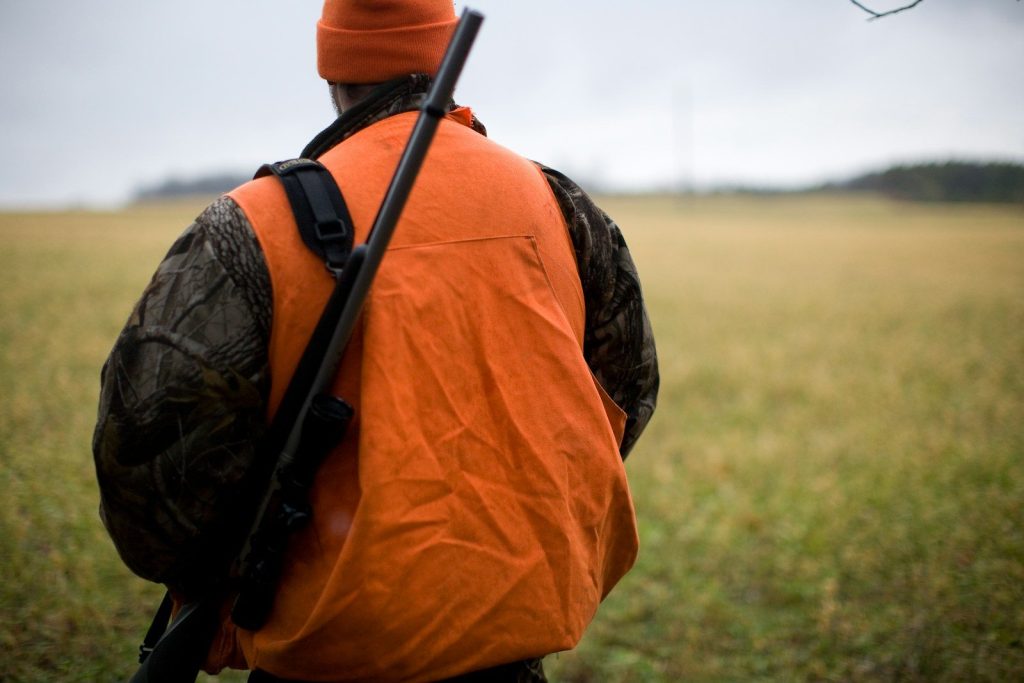
Japan uses different methods to control deer populations. One method is controlled hunting, which helps reduce deer numbers in areas where they are too high. Scientists have found that reducing female deer is especially important because it helps slow population growth over time.
Another approach is using fences and land protection systems to keep deer away from farms and forests. In some areas, scientists also monitor deer populations closely and adjust management plans based on changes in the environment. This helps make sure decisions are based on real data and not guesswork.
What Japan’s deer population teaches about ecology
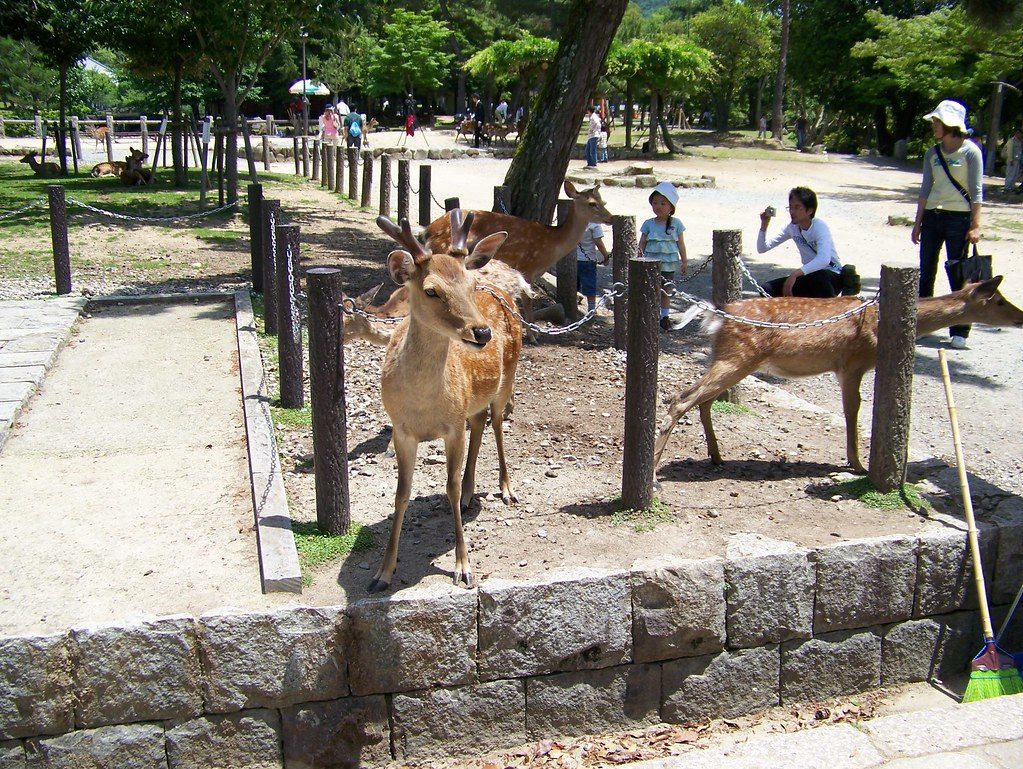
The situation in Japan shows how quickly nature can change when one species grows too much. Without natural predators and with plenty of space, deer can expand beyond what the environment can support. This creates long-term effects on forests, plants, and other wildlife.
It also shows that humans are part of the ecosystem. Changes in population, land use, and farming all affect wildlife behavior. The deer situation teaches that ecosystems need balance, and when that balance is disrupted, the effects can spread through the entire environment.
Leave a Reply