For more than a century, the goblin shark has remained one of the ocean’s greatest mysteries. Scientists knew this unusual shark existed, but most knowledge came from specimens brought to the surface. That changed when researchers captured the first footage of a goblin shark living in its natural deep-sea habitat.
The discovery offers a rare glimpse into the life of one of the world’s most unusual sharks. Known for its strange appearance and powerful jaws, the goblin shark has fascinated scientists since its discovery in 1898. This new footage provides important insights into where these animals live and how they survive in the dark depths of the ocean.
A shark unlike any other
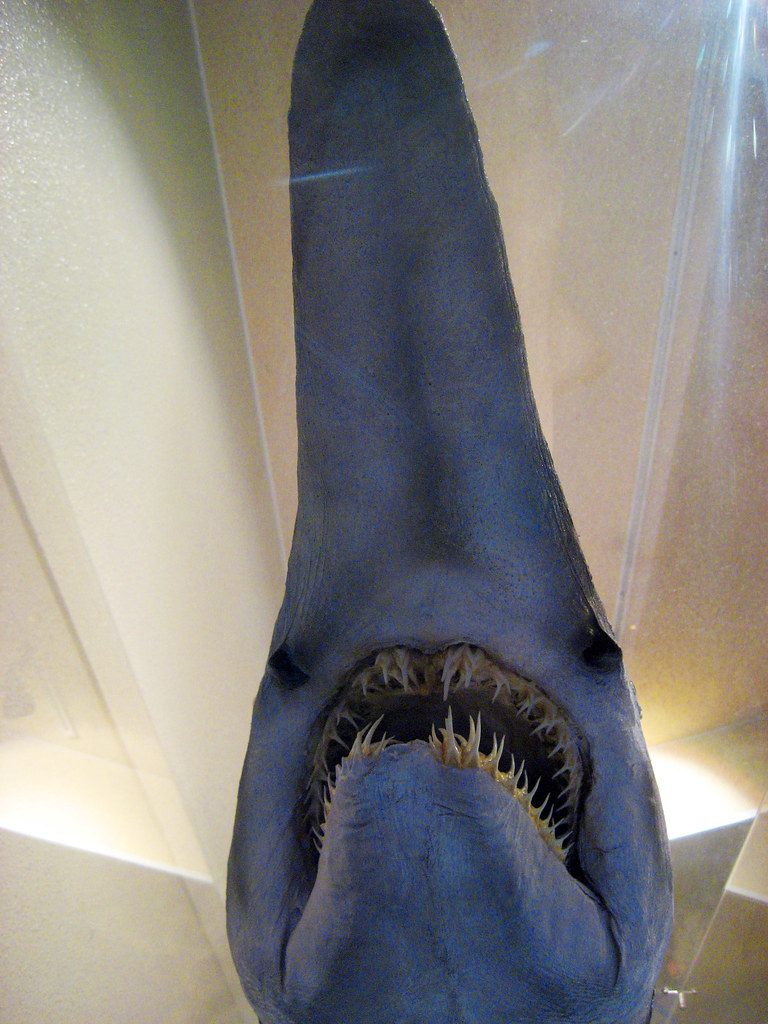
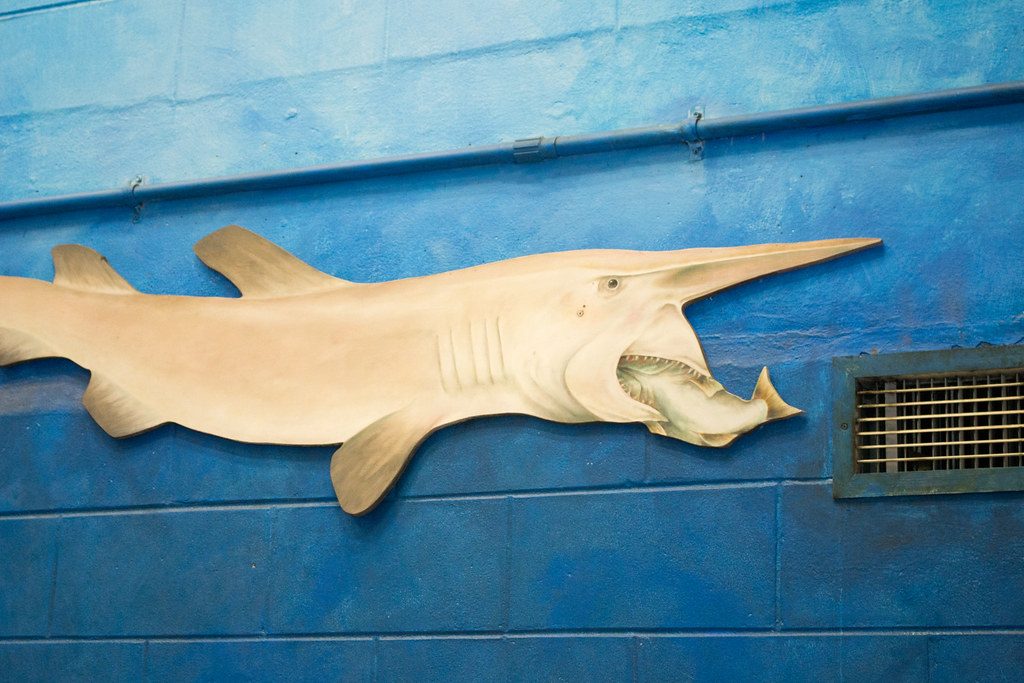
The goblin shark is one of the most distinctive sharks in the world. It has a long, flattened snout and a unique set of jaws that can extend far beyond its face when hunting. Its unusual appearance has often made it stand out among other shark species.
Scientists first discovered the goblin shark in 1898 in deep waters near Japan. Today, it is known to live in the Atlantic, Indian, and Pacific Oceans. Despite its wide distribution, it remains one of the least understood sharks because it spends most of its life in deep ocean environments.
Built for life in the deep sea
Life in the deep ocean is very different from life near the surface. The goblin shark’s unusual features are specialized adaptations that help it survive in dark waters where food can be difficult to find.
Its most remarkable feature is its jaw mechanism. The shark can rapidly project its jaws outward like a slingshot, extending them between 8.6 and 9.4 percent of its total body length. This allows it to catch prey that would otherwise be out of reach.
The fastest shark jaws in the ocean
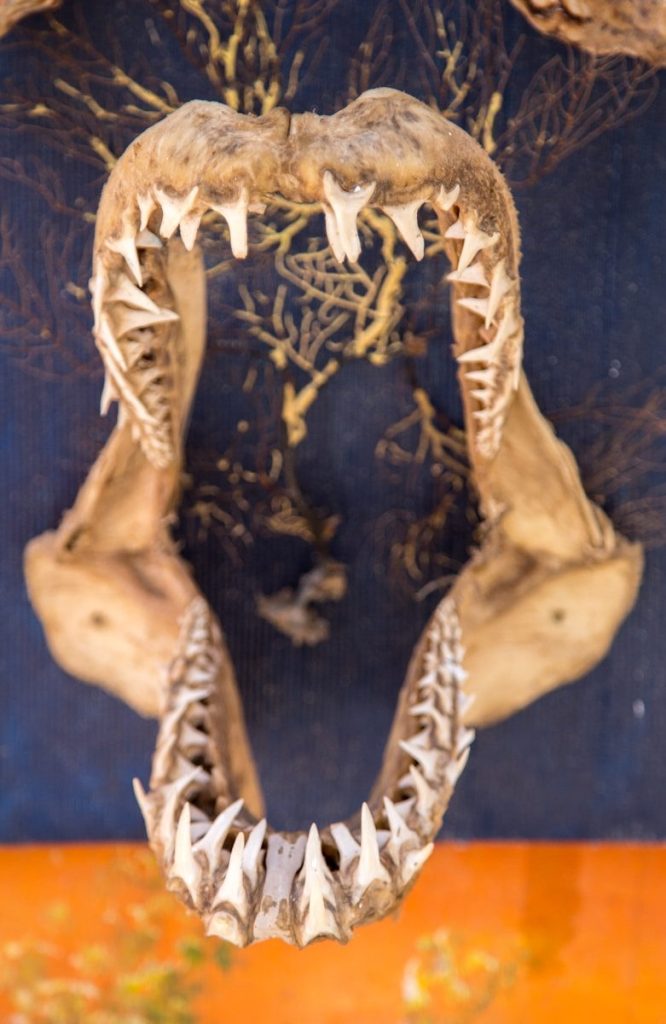
The goblin shark may not be a fast swimmer, but its jaws move with incredible speed. Researchers have found that the shark can launch its jaws at approximately 3.1 meters per second when striking at prey.
This rapid movement helps the shark capture fast-moving animals despite its slower swimming speed. The unique feeding strategy gives the goblin shark an important advantage in the deep sea, where successful hunting opportunities may be limited.
First sightings in the wild
For many years, scientists studied goblin sharks mainly through specimens brought to the surface. While useful, these observations did not reveal how the sharks behave in their natural environment.
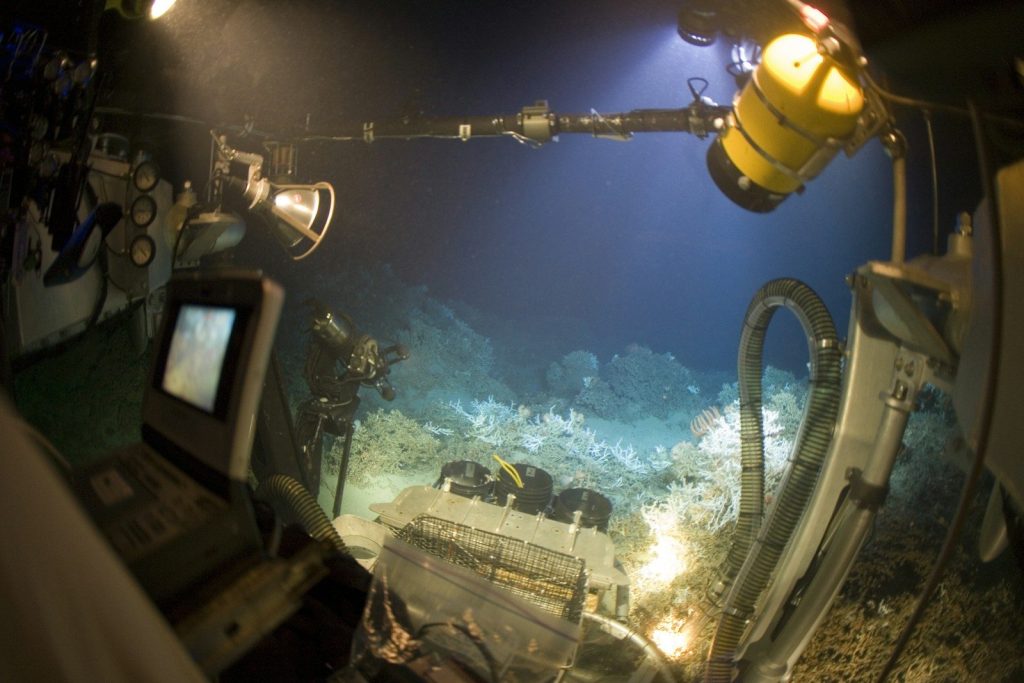
The first in situ observation occurred during a 2019 expedition near Jarvis Island in the Central Pacific. A remotely operated vehicle recorded a solitary male goblin shark at a depth of 1,237 meters. Researchers estimated the shark measured about 3.43 meters long.
A deeper range than expected

A second sighting took place in 2024 near the slope of the Tonga Trench. This observation was particularly important because it extended the known depth range of the species by 697 meters beyond the previous record.
Although the footage was not perfectly clear, researchers did not observe claspers, which are structures found on male sharks. Because of this, they believe the individual may have been a female. Together, the two observations may represent both sexes of the species.
Why the discovery matters
The new footage provides valuable information about the goblin shark’s habitat and geographic distribution. Scientists now have direct evidence of where these sharks live and how they use different deep-sea environments.
This knowledge can help guide future conservation efforts. As human activities increasingly affect deep-ocean ecosystems, understanding the habitats and ranges of vulnerable species becomes more important. The discovery offers a rare opportunity to learn more about a shark that has remained hidden from view for over a century.
Leave a Reply