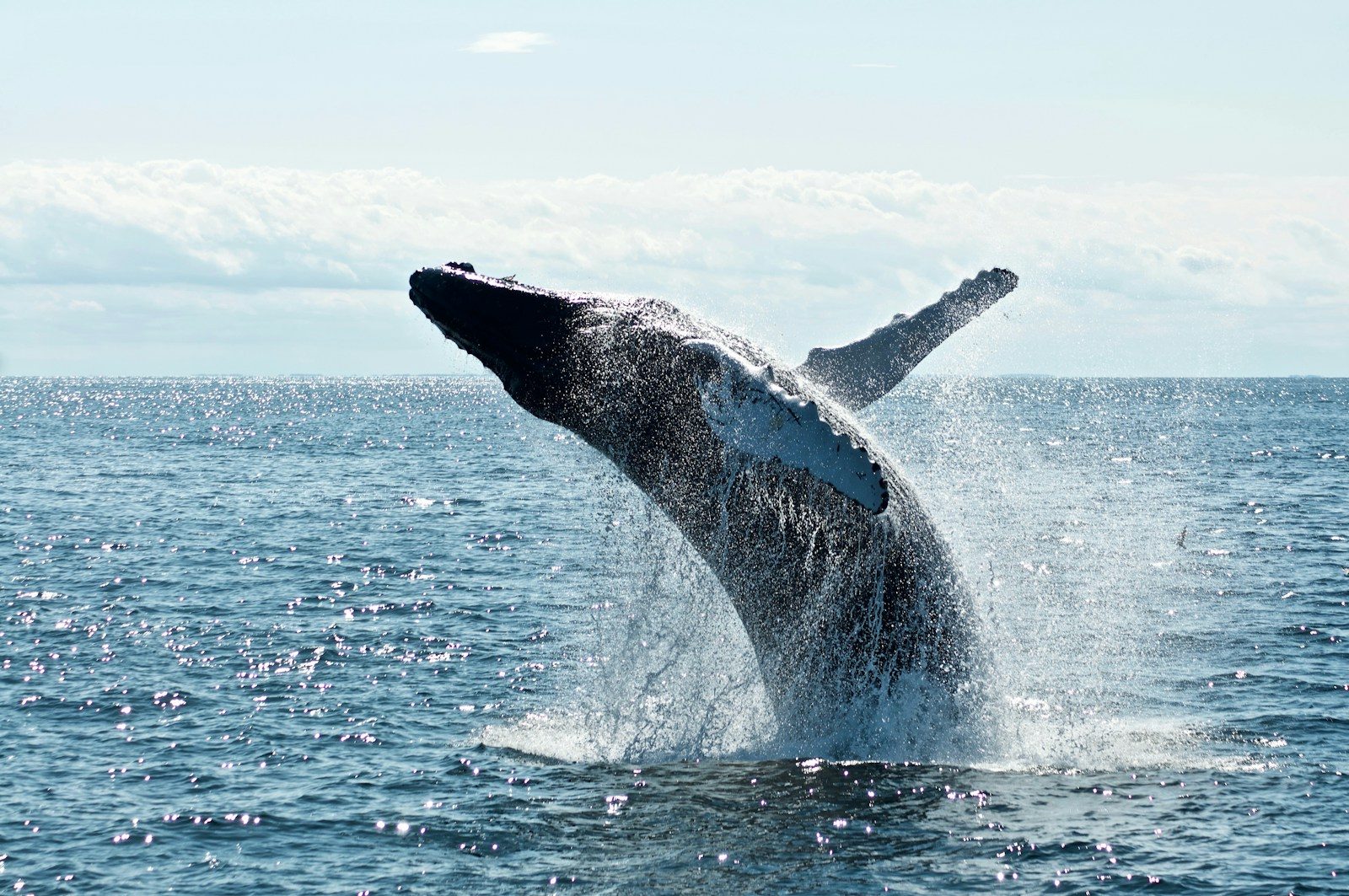
How can the largest animal in Earth’s history survive by eating creatures smaller than your finger? It sounds impossible, but that is exactly how blue whales live. These giants are bigger than any known dinosaur, yet they depend almost entirely on tiny shrimp-like animals called krill. A single blue whale can consume several tons of krill every day while traveling through the world’s oceans.
Scientists have spent decades studying how blue whales became so enormous. Their findings reveal a remarkable combination of giant hearts, expandable mouths, and highly efficient feeding techniques. These adaptations allow blue whales to gather huge amounts of energy from tiny prey and may have pushed animal size to its biological limit.
Bigger than any dinosaur
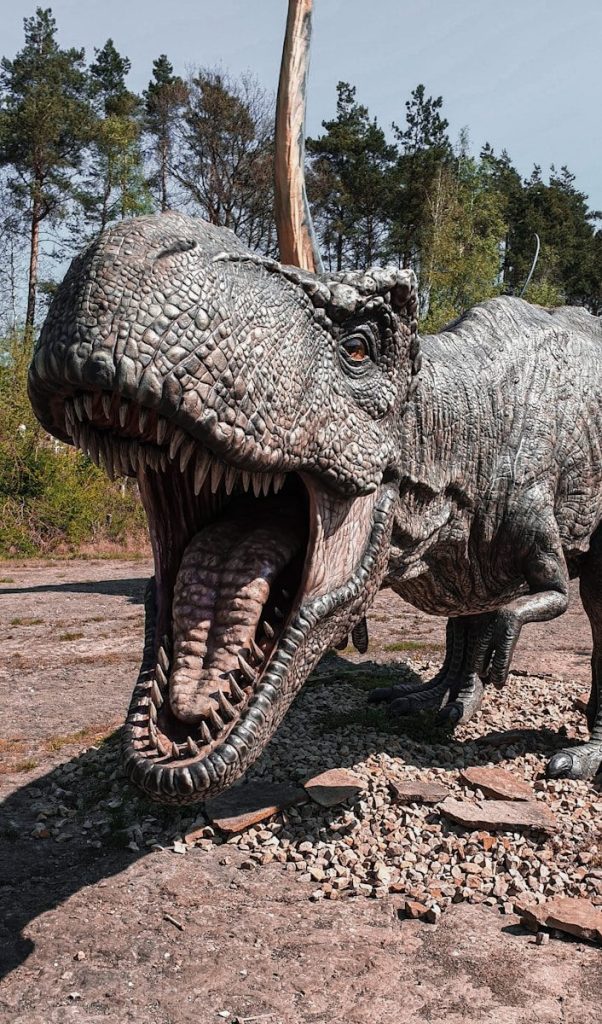
Blue whales hold the record as the largest animals ever known to have lived on Earth. Adults can grow close to 100 feet long and weigh more than 200 tons. Even the largest confirmed dinosaurs were not known to exceed the blue whale’s overall size.
Their bodies are so massive that individual organs reach unbelievable sizes. A blue whale’s tongue can weigh as much as an elephant, while its heart can be compared to the size of a small car. Despite this enormous scale, blue whales remain graceful swimmers that travel thousands of miles across the ocean.
Living on tiny krill
For such a giant animal, the blue whale has a surprisingly simple diet. It feeds mainly on krill, tiny shrimp-like crustaceans that gather in enormous swarms throughout the ocean. These swarms can contain millions of individual animals packed closely together.
Blue whales can eat up to four tons of krill in a single day, and some research suggests they may consume even more during peak feeding periods. What seems like a tiny meal becomes a massive feast when millions of krill are swallowed at once.
The power of lunge feeding
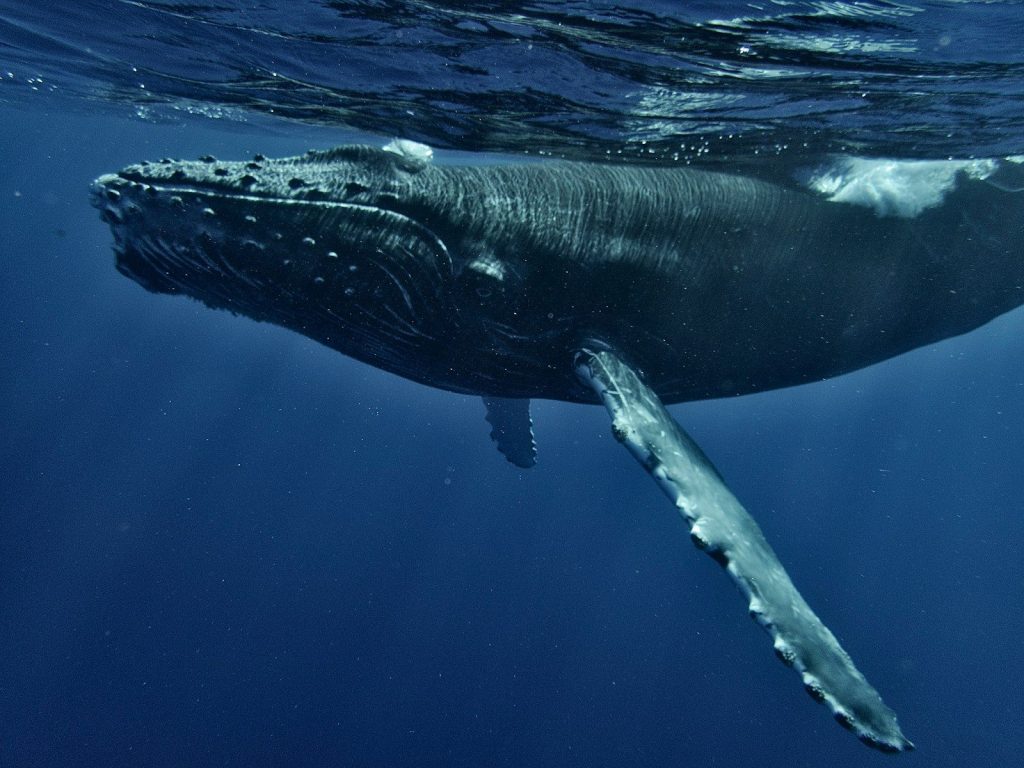
To catch enough food, blue whales use a hunting method called lunge feeding. They accelerate toward dense patches of krill and suddenly open their mouths, engulfing huge amounts of water and prey in a single movement.
Their throat pleats expand like a giant accordion, allowing them to hold more water than many animals weigh. After closing their mouths, they force the water back out through baleen plates that act like filters, trapping the krill inside before swallowing them.
Built for extreme size
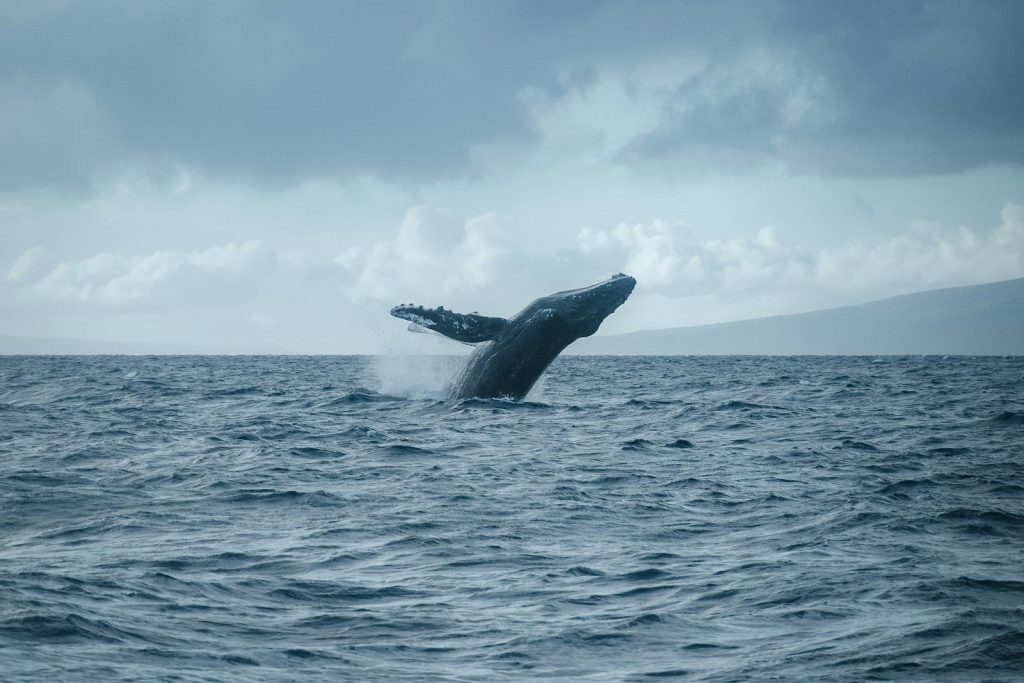
Everything about a blue whale is designed for efficiency. Its streamlined body helps it move through the water while using less energy than many people would expect from such a giant creature. This efficiency is critical because maintaining a body that large requires enormous amounts of food.
Its feeding system is equally impressive. The expandable mouth, baleen filters, and powerful tongue allow the whale to process huge quantities of water and prey quickly. Together, these features help blue whales gather enough energy to support their record-breaking size.
Why size has limits
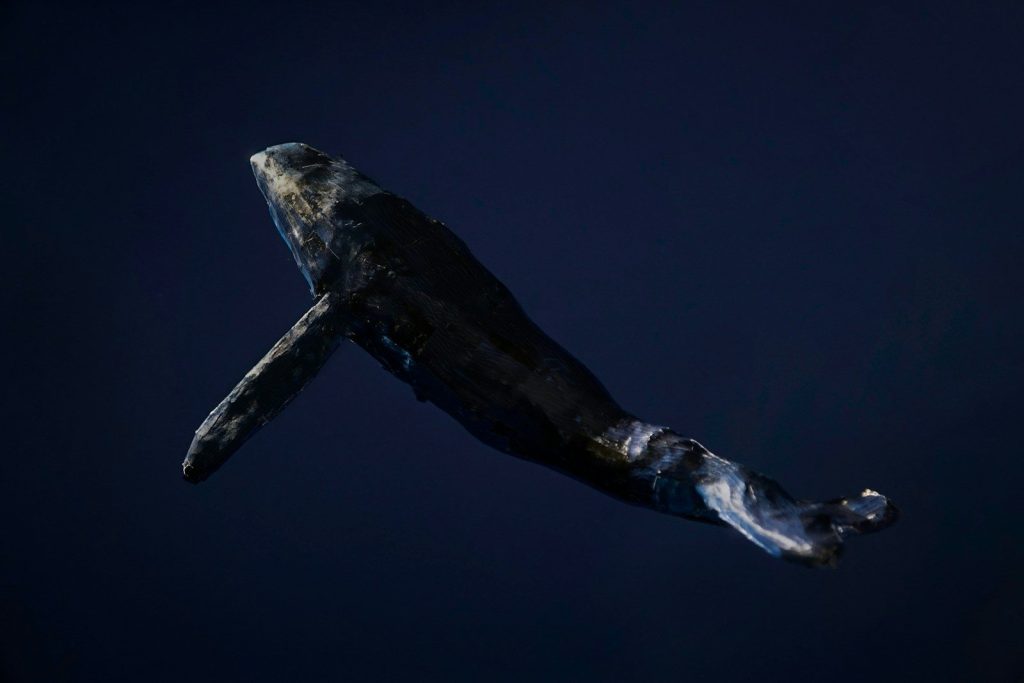
Being larger can provide many advantages, including protection from most predators and the ability to travel efficiently over long distances. However, larger animals also need more energy, creating a challenge that becomes harder to solve as body size increases.
Scientists believe blue whales may already be approaching the maximum size that biology can support. Their success depends on finding dense concentrations of krill that provide enough calories to balance the tremendous energy costs of maintaining such a massive body.
Nature’s ultimate giant
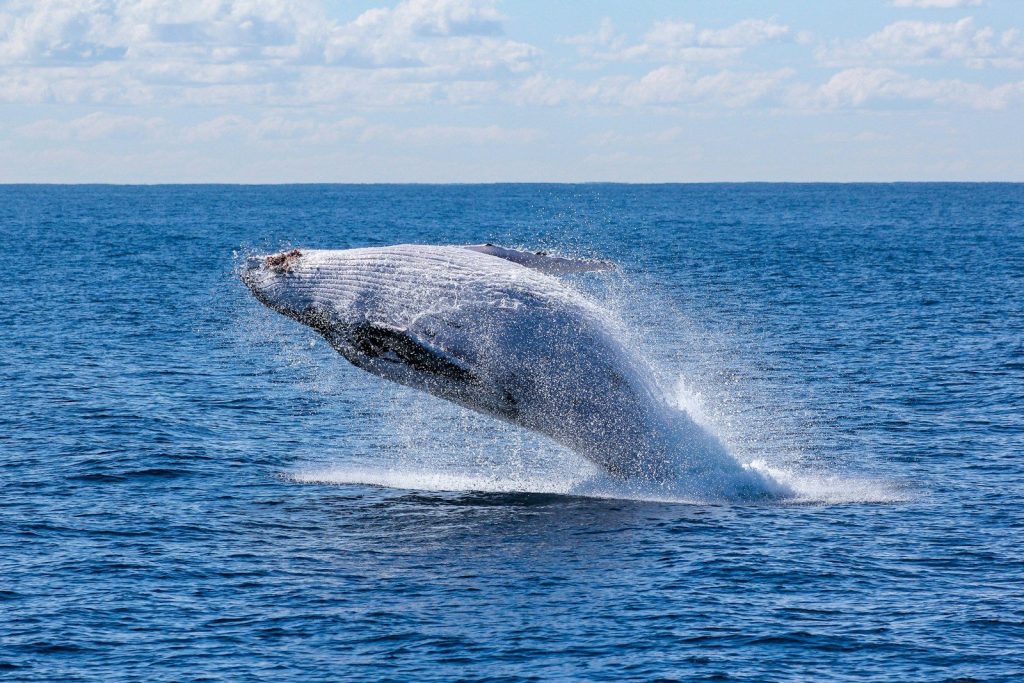
The blue whale represents one of evolution’s greatest achievements. Over millions of years, it developed a body capable of harvesting enormous amounts of energy from some of the smallest animals in the ocean. This unusual relationship between giant predator and tiny prey continues to amaze researchers.
Today, blue whales remain symbols of the ocean’s incredible power and diversity. Their existence proves that nature can create giants beyond imagination, all sustained by tiny creatures drifting through the sea.
Leave a Reply