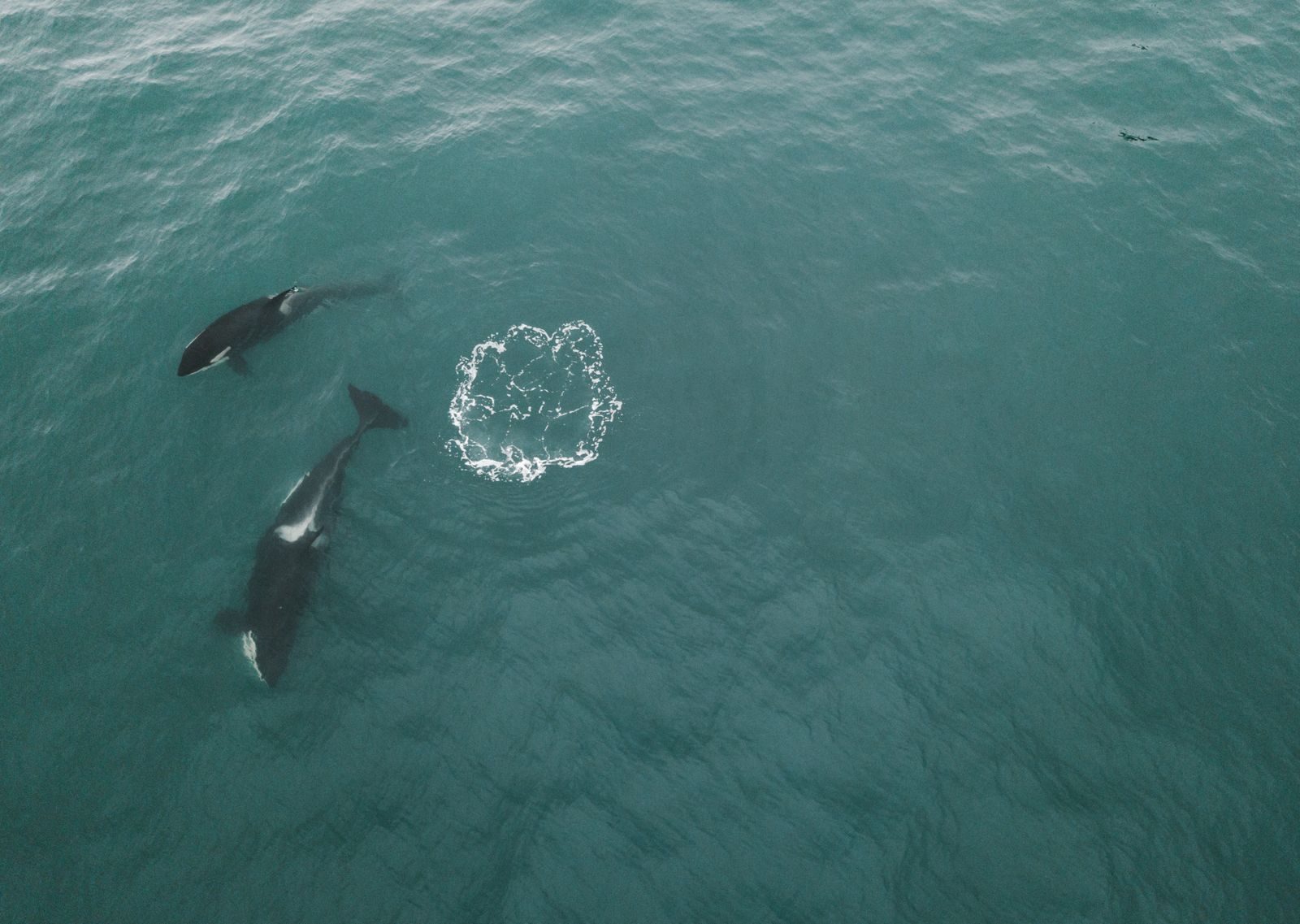
What happens when five orcas hunt a single whale? It is one of the most dramatic events in the ocean. These powerful predators do not rely on strength alone. Instead, they work together, using teamwork, speed, and smart hunting skills to wear down their prey.
Depending on the whale species, size, age, and location, the hunt can end quickly or last for hours. In this article, you will learn how orcas plan attacks, why they hunt in groups, how whales fight back, and what scientists have discovered about these incredible predators.
Why orcas hunt together
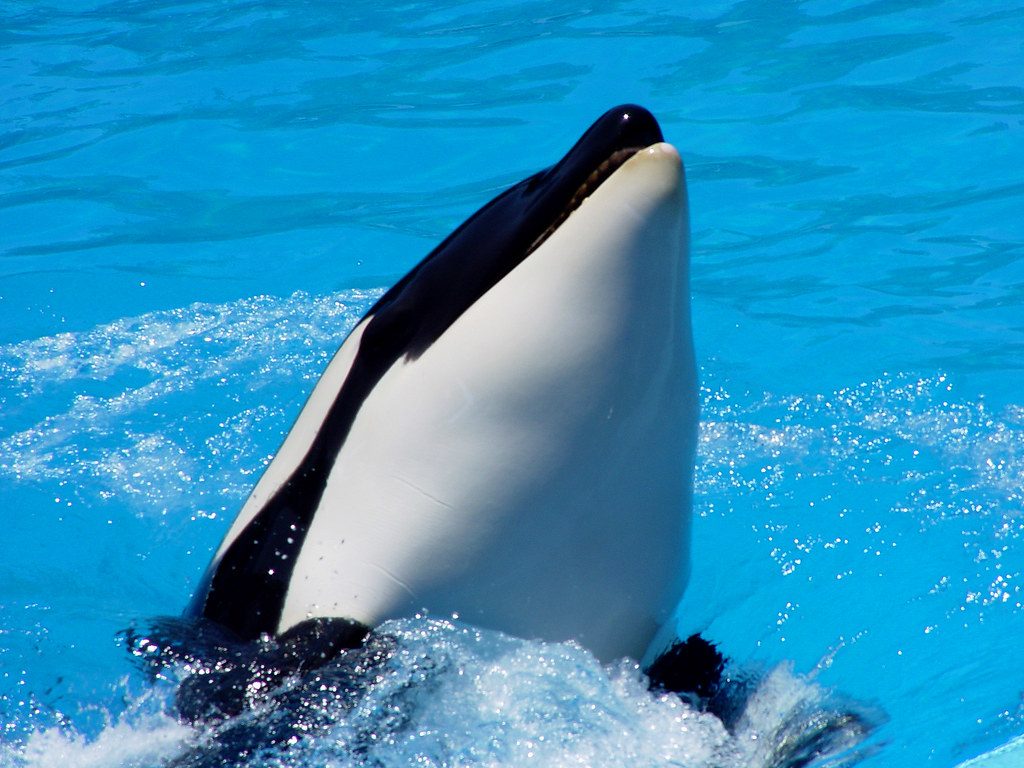
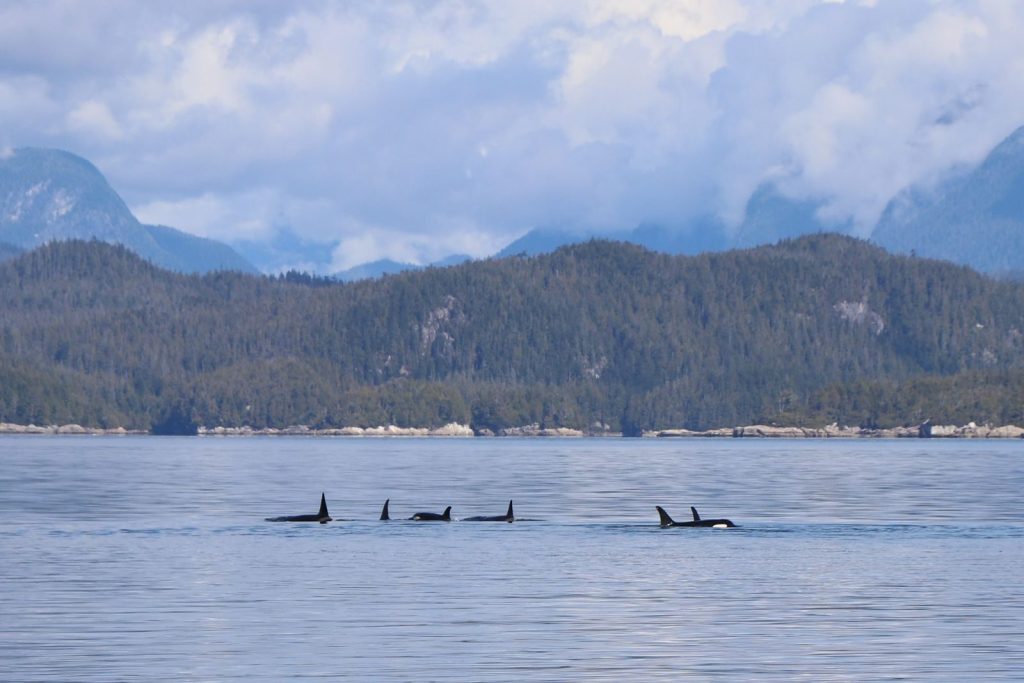
Orcas are highly social animals that live in family groups called pods. Many pods hunt together because teamwork gives them a much better chance of catching large prey. Even a group of five orcas can challenge whales much bigger than themselves by working as a team.
Each orca may have a different job during the hunt. Some chase the whale, others block escape routes, while another bites the fins or tail to slow it down. This coordinated behavior is learned from older family members and passed down through generations.
How the hunt begins
A hunt usually starts when the orcas spot a whale near the surface. They quickly spread out and begin chasing it, forcing the whale to keep swimming until it becomes tired. This constant pressure uses up the whale’s energy.
If the target is a young whale or a smaller species such as a minke whale, five orcas may be enough to overpower it. For larger whales like humpbacks or gray whales, they often focus on separating a calf from its mother because calves are easier to catch than healthy adults.
The whale fights back
Whales are not helpless during an attack. Adult whales can defend themselves by swinging their powerful tails, slapping the water with their fins, or charging toward the orcas. A single tail strike can seriously injure an orca.
Mother whales work especially hard to protect their calves. Some whales stay close together, while humpback whales have even been seen rushing toward orca attacks to drive the predators away. In many cases, these defenses help the whale escape.
How five orcas bring down a whale
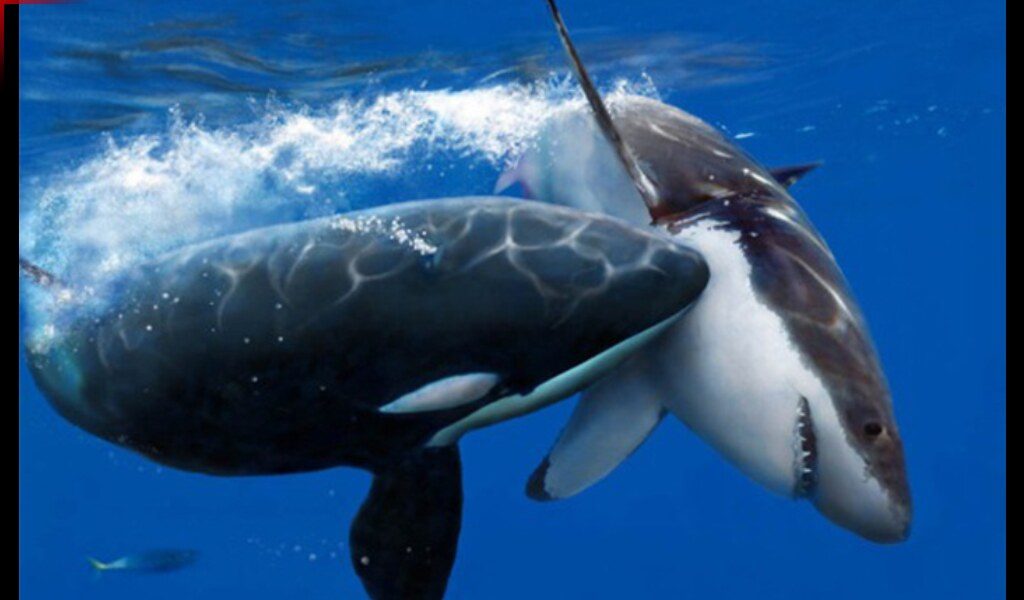
If the whale becomes exhausted, the orcas move in closer. They often bite the fins, tail, or blubber to weaken it further. Some orcas may also prevent the whale from surfacing normally by crowding around its head and body, making it difficult to breathe.
The attack usually depends on patience instead of one powerful strike. The orcas take turns so no single hunter becomes too tired. This teamwork allows a small group to challenge prey that is much larger than any one orca.
What happens after the kill
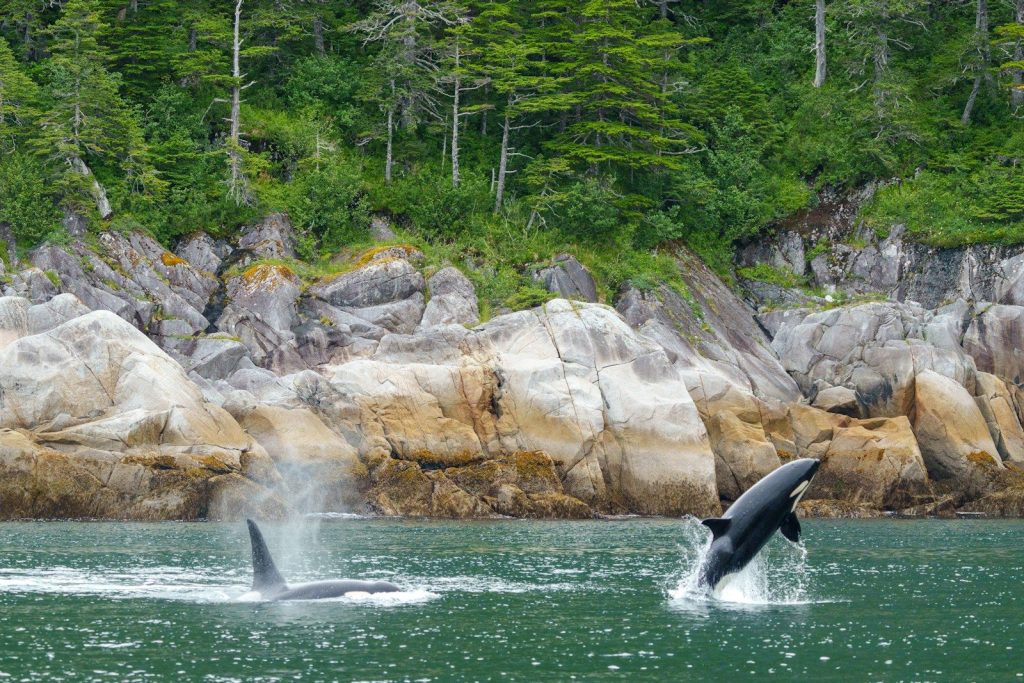
Once the whale dies, the pod shares the food. Orcas often eat the most energy-rich parts first, including the tongue, lips, and blubber. In some cases, they leave behind large parts of the carcass after feeding.
Young orcas also learn during these hunts. They watch experienced adults, practice hunting skills, and discover how to work with the rest of the pod. This helps pass successful hunting methods from one generation to the next.
Why scientists study these hunts

Watching five orcas hunt one whale helps scientists better understand marine ecosystems. These hunts show that orcas are intelligent predators with advanced communication, planning, and cooperation. Their hunting behavior also affects whale populations and the balance of ocean food webs.
Researchers have found that not every hunt ends in success. Many whales escape by using their speed, strength, or help from other whales. Every encounter teaches scientists more about the ongoing struggle between predator and prey in the world’s oceans.
Leave a Reply