
Many people think all sharks are dangerous, but that is not true. Wildlife filmmaker and conservationist Mark Vins often shares that one shark deserves special respect because people make mistakes around it. The nurse shark may look calm and slow, but disturbing it can lead to an unnecessary bite. Knowing how this shark behaves helps keep both people and sharks safe.
In this article, you will learn why Mark Vins warns people not to disturb nurse sharks, how they act in the wild, why bites happen, and what to do if you see one while swimming or diving. Understanding their behavior is the best way to enjoy the ocean safely.
Why Mark Vins singles out nurse sharks

Mark Vins has explained that nurse sharks are usually peaceful animals. He says they are the only sharks he feels truly relaxed around, but he also warns that they should never be touched, cornered, or bothered while resting. Most problems happen when people forget that even calm wild animals will defend themselves.
This message is important because nurse sharks often rest in shallow water where swimmers and divers can easily find them. Their relaxed behavior may make people think it is safe to grab them for a photo or try to move them. That is exactly the kind of action Mark Vins advises against.
How nurse sharks behave in the wild
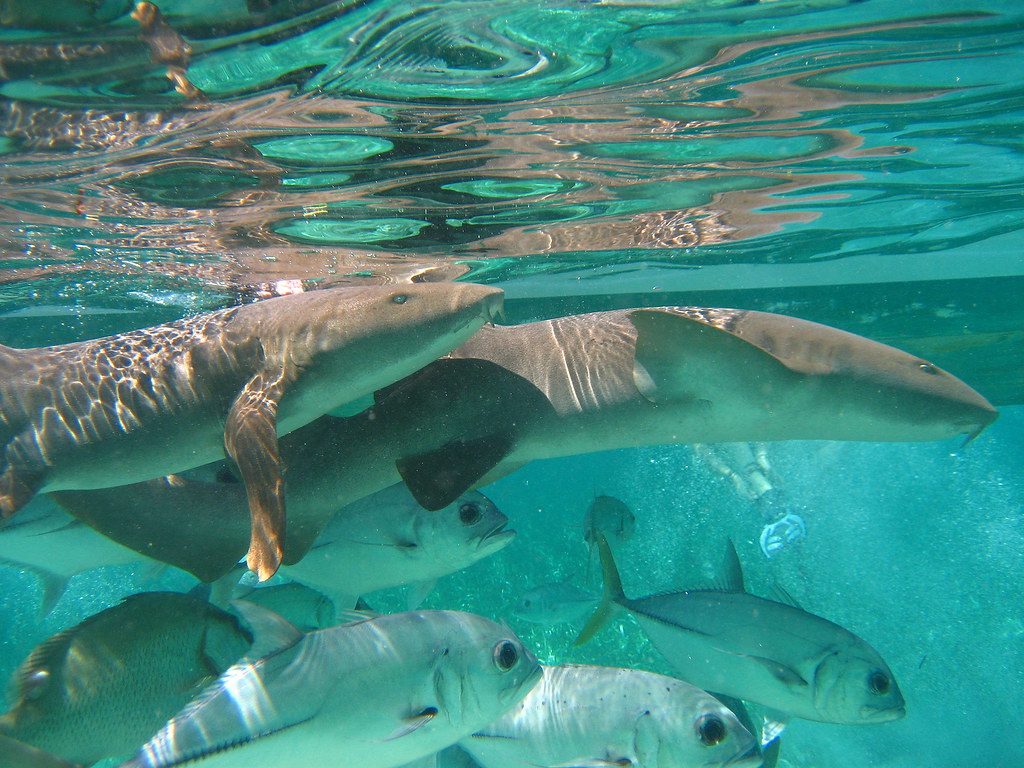
Nurse sharks spend much of the day resting on the ocean floor or under rocks and reef ledges. Unlike many other sharks, they can stay still for long periods because they pump water over their gills instead of swimming all the time. At night, they become active and hunt for fish, crabs, squid, and other small sea animals.
They are common in warm waters of the Atlantic Ocean and the Caribbean. Divers often see several resting together during the day. Even though they seem sleepy, they remain alert and can react quickly if they feel threatened.
Why disturbing them can be dangerous
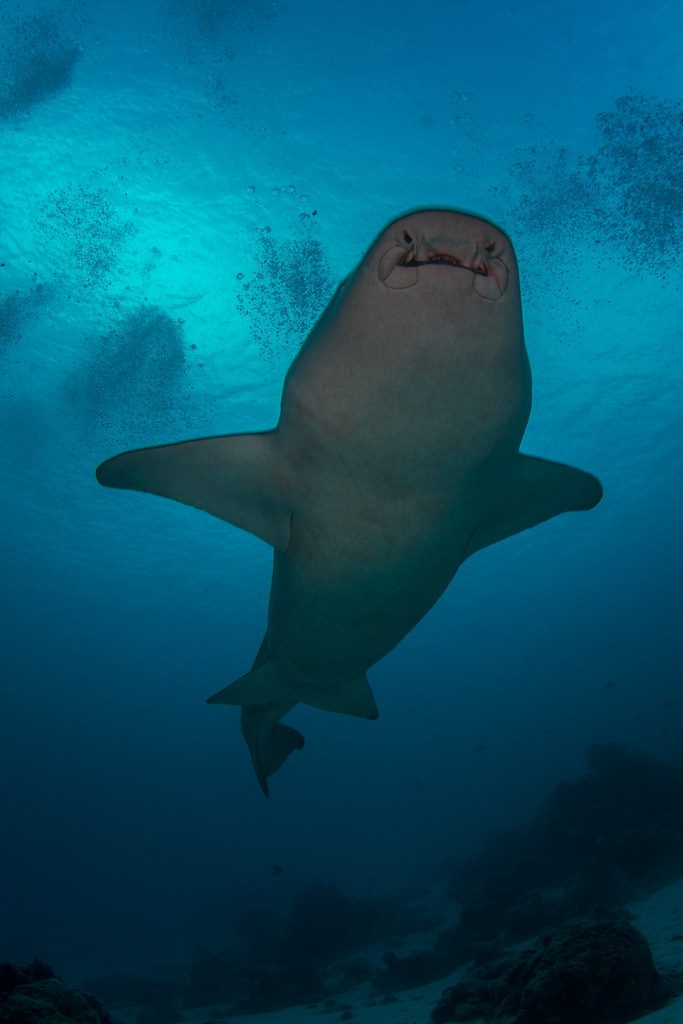
Most nurse shark bites happen because a person starts the contact. People may try to pet the shark, block its path, or pull its tail. When that happens, the shark may bite to protect itself, just as many wild animals would.
Nurse sharks have powerful jaws and strong gripping teeth. Although attacks on humans are uncommon, a defensive bite can cause serious injuries. The safest choice is to watch from a respectful distance and never touch one.
Common mistakes people make
One of the biggest mistakes is believing a calm shark is safe to handle. Social media photos and videos sometimes show people sitting beside nurse sharks or holding them, but these actions can stress the animal and increase the risk of a bite.
Another mistake is crowding a resting shark. Flash photography, loud splashing, and trying to make the shark move can all disturb it. Giving the shark enough space lets it remain calm and helps prevent dangerous situations.
How to stay safe around nurse sharks

If you see a nurse shark while swimming or diving, stay calm and enjoy the moment from a distance. Avoid sudden movements, never try to feed the shark, and do not block its escape route. Most nurse sharks will simply ignore people when left alone.
Divers should also follow local guides and marine park rules. Good shark etiquette protects both visitors and wildlife. Respecting the shark’s space creates a safer experience for everyone in the water.
Why respecting sharks helps conservation
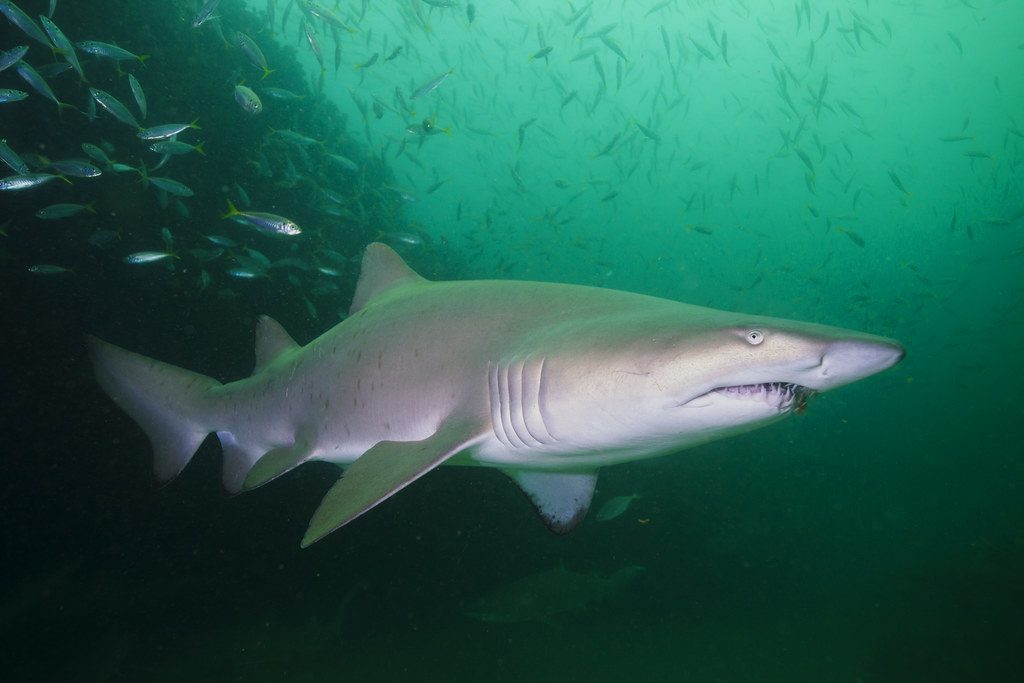
Sharks play a key role in healthy ocean ecosystems by helping keep marine food chains balanced. Nurse sharks are no exception, and they deserve protection instead of fear. Learning about their true behavior helps replace myths with facts.
Mark Vins’ advice is simple because it works. Enjoy seeing a nurse shark, but let it remain wild. Respecting its space protects you from injury while allowing the shark to continue its natural life without unnecessary stress.
Leave a Reply