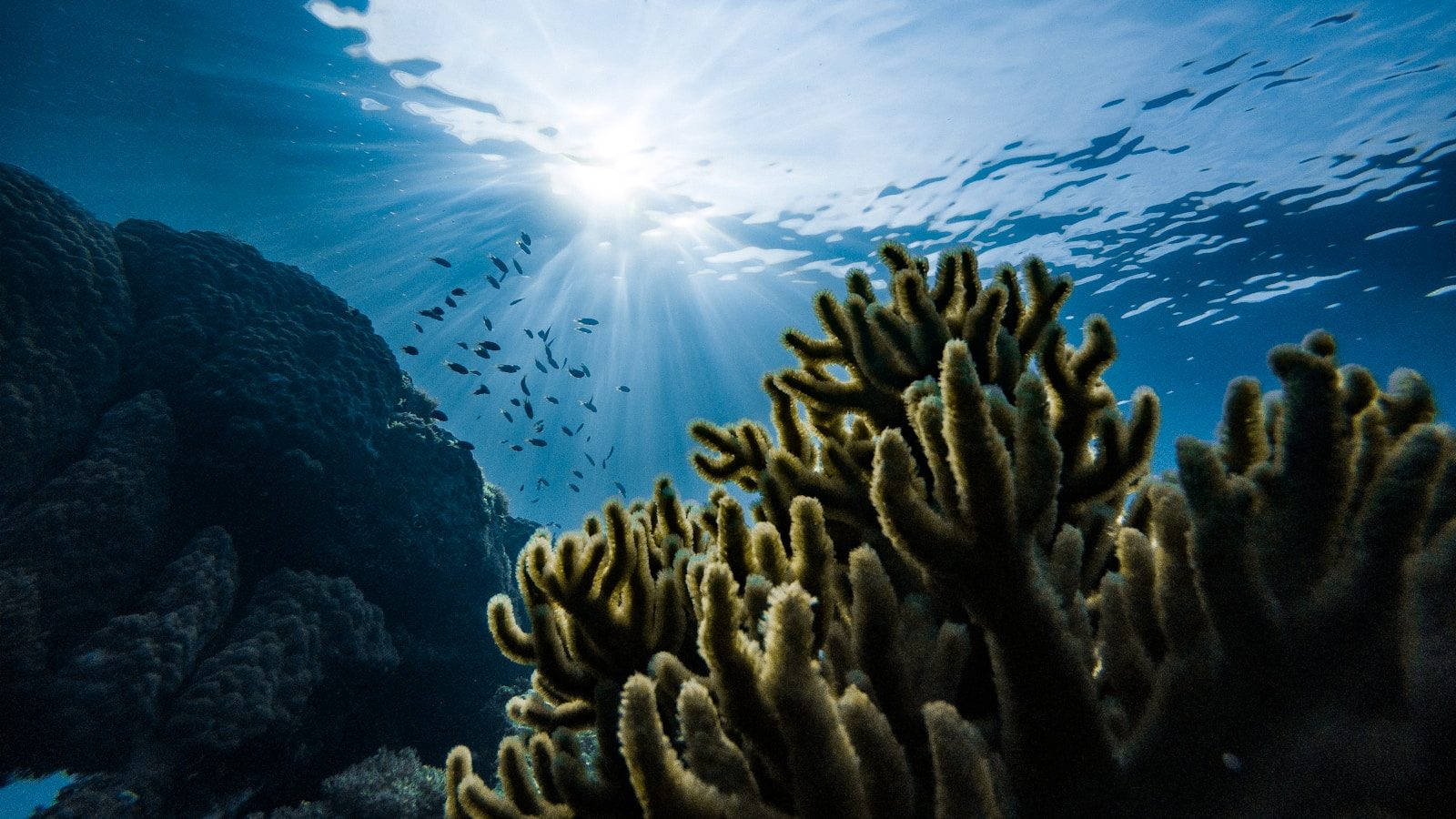
Most people only see the surface of the water, leaving the underwater world hidden. By attaching a small camera to a fish, researchers captured a completely different perspective of life beneath the surface. As the fish moved naturally through its habitat, the camera recorded scenes that divers and boats rarely witness.
The footage revealed sudden encounters, changing landscapes, and the constant challenges of survival. This article explores what the fish’s journey revealed, why this viewpoint is so valuable, and how animal-borne cameras are helping scientists better understand marine life.
A new way to explore the underwater world
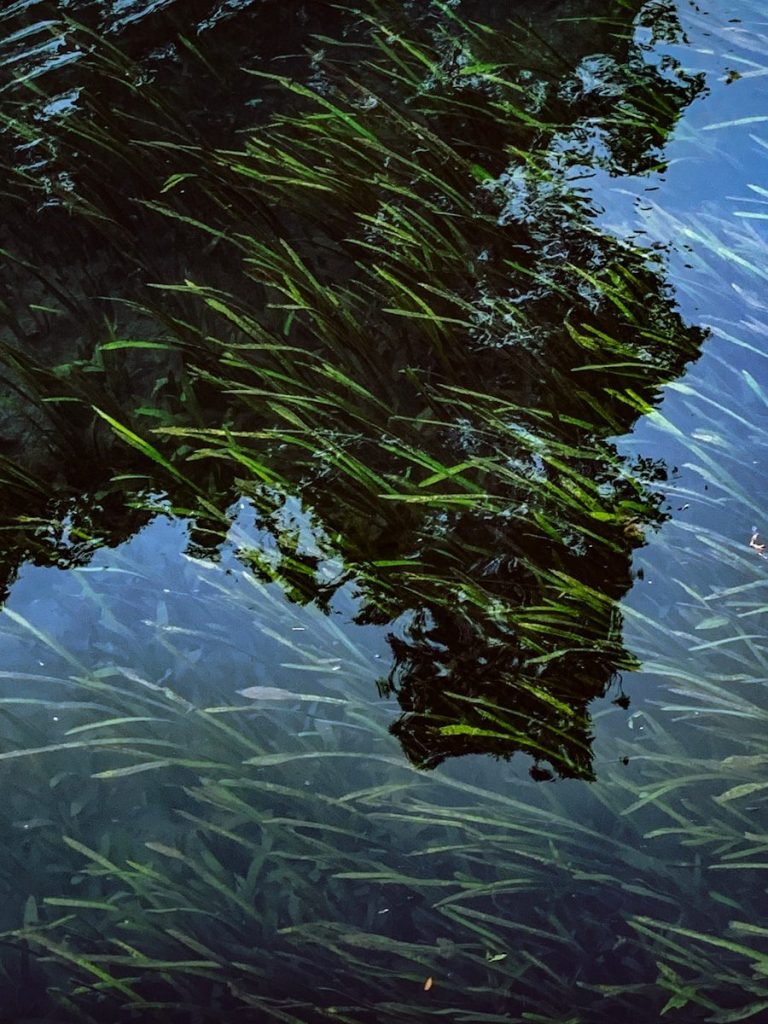
The experiment began with a small camera attached to a fish. Instead of filming from a boat or by a diver, the camera traveled wherever the fish naturally swam, creating a true underwater point of view.
This unique perspective captured scenes that would be difficult for humans to observe. Every turn, every burst of speed, and every encounter happened naturally without the fish changing its behavior for the camera.
The ocean looked completely different
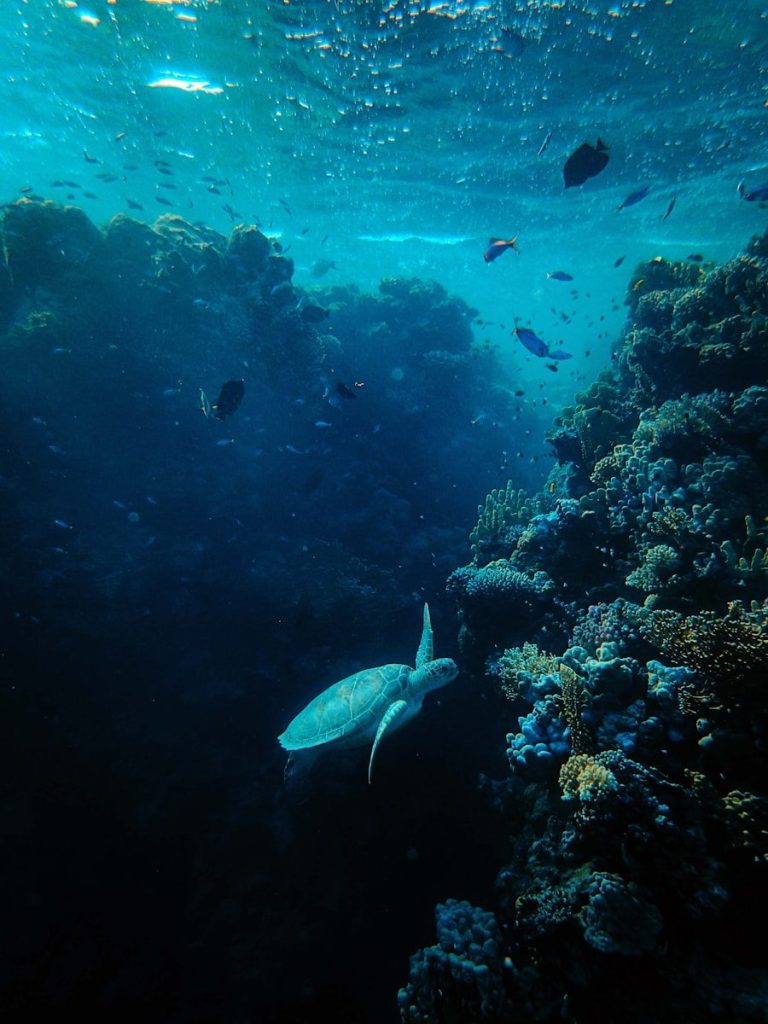
What seemed calm from above was full of activity below. As the fish moved through its environment, the scenery changed quickly between open water, underwater plants, rocks, and other habitats.
The footage showed a world where every movement mattered. Small changes in direction could lead to new food sources, nearby shelter, or unexpected encounters with other marine animals.
Life beneath the surface is always changing
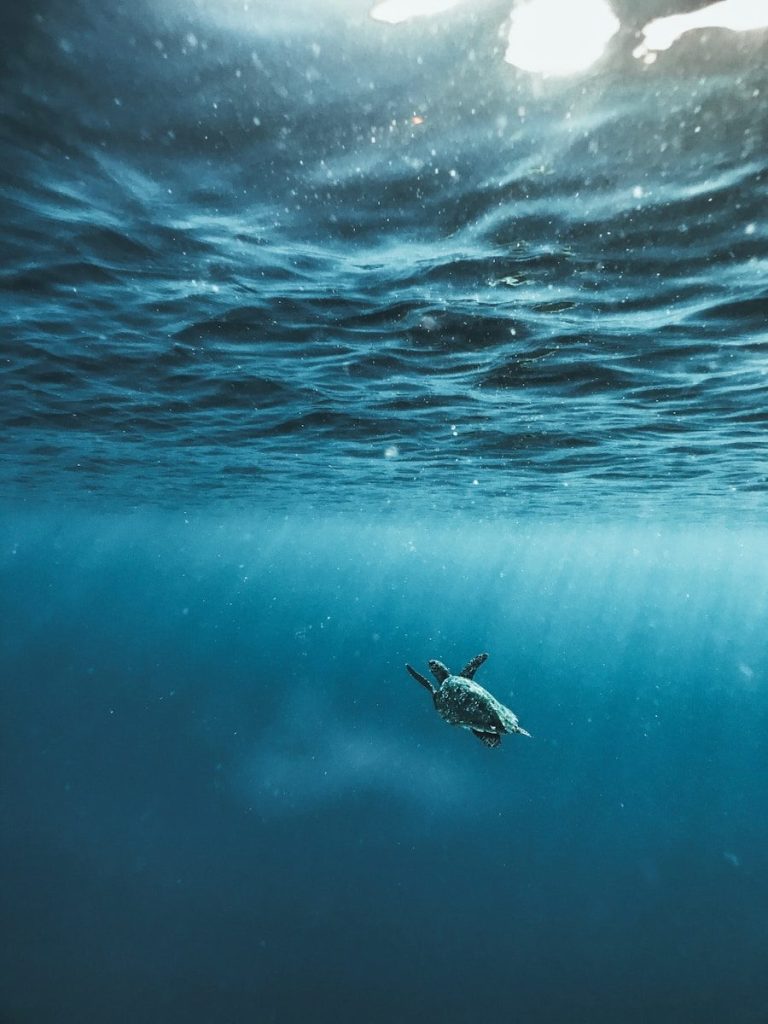
The fish’s journey revealed that underwater life is rarely still. Schools of fish appeared and disappeared within seconds, while different habitats created constantly changing surroundings.
The rapid pace of these changes highlighted the need for marine animals to remain alert. Every moment can bring new opportunities and dangers in an environment that is always in motion.
Why this perspective is valuable
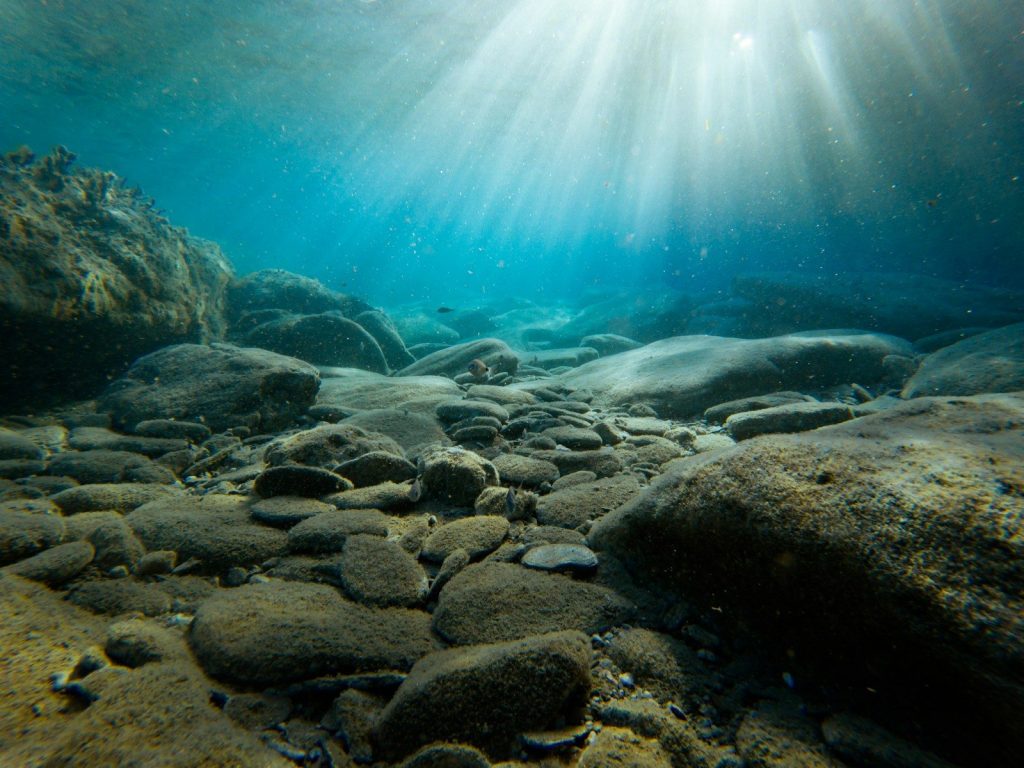
Scientists have long used underwater cameras to study marine life, but animal-borne cameras provide a view that stationary equipment cannot. Instead of waiting for animals to pass by, the camera follows them wherever they go.
This approach helps researchers better understand movement patterns, habitat use, feeding behavior, and interactions with other species while causing minimal disturbance to natural behavior.
Learning how fish survive
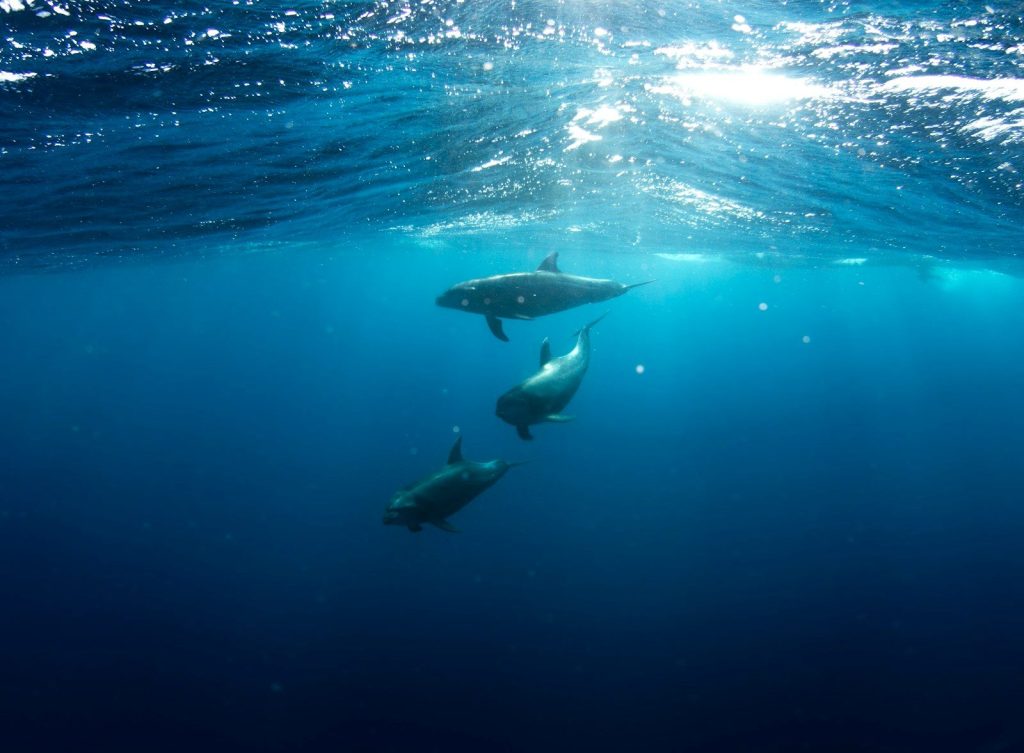
The footage offered a closer look at how fish respond to their surroundings. Quick changes in direction, careful movement around obstacles, and interactions with other animals all reflected the daily challenges of survival.
Observing these natural behaviors helps researchers understand how fish use different habitats and adapt to changing underwater conditions. Every journey provides valuable insights into marine ecosystems.
Seeing the ocean through different eyes
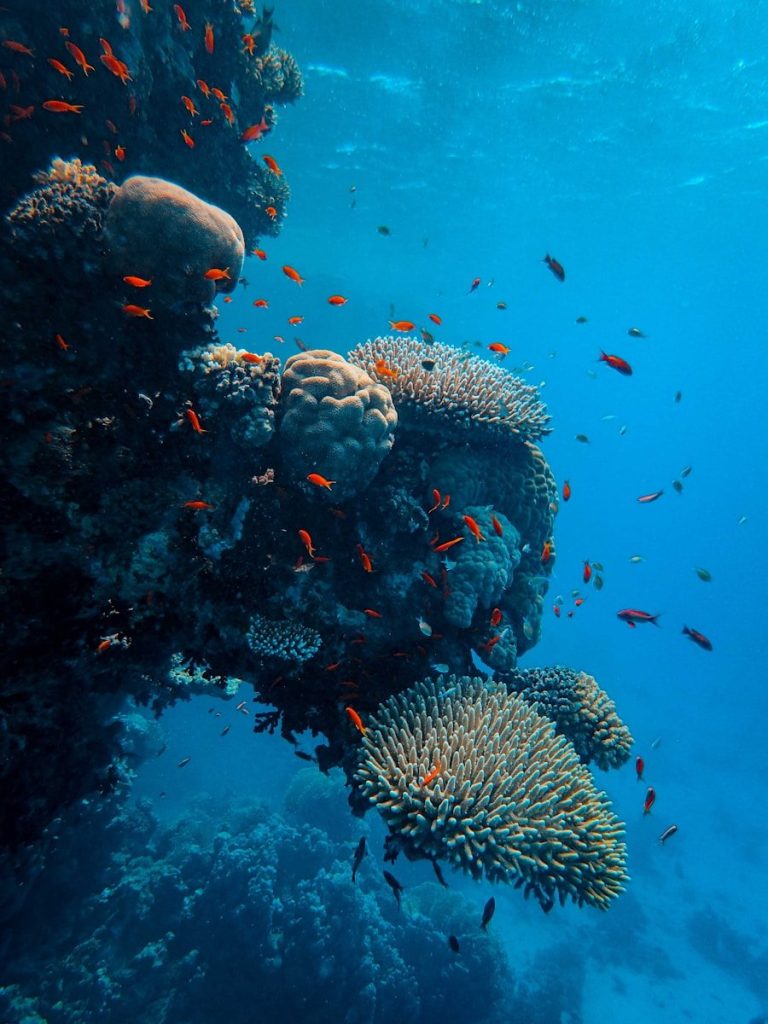
Watching the ocean from a fish’s perspective creates an experience that feels both natural and surprising. Instead of observing wildlife from outside the water, viewers become part of the fish’s journey through its environment.
The experiment also reminds us that much of the underwater world remains unseen. New technologies continue to reveal hidden behaviors and environments, giving scientists and the public a better understanding of life beneath the waves.
Leave a Reply