Stories of mysterious creatures have fascinated people for hundreds of years. From giant lake monsters to winged beasts and forest giants, these legends continue to capture the imagination.
While science has not confirmed the existence of famous cryptids, researchers and wildlife experts have suggested that some sightings may have been inspired by unusual real animals. This article explores six remarkable species that resemble famous legends and explains why nature can sometimes appear just as mysterious as folklore.
Could a giant sturgeon explain the Loch Ness Monster?
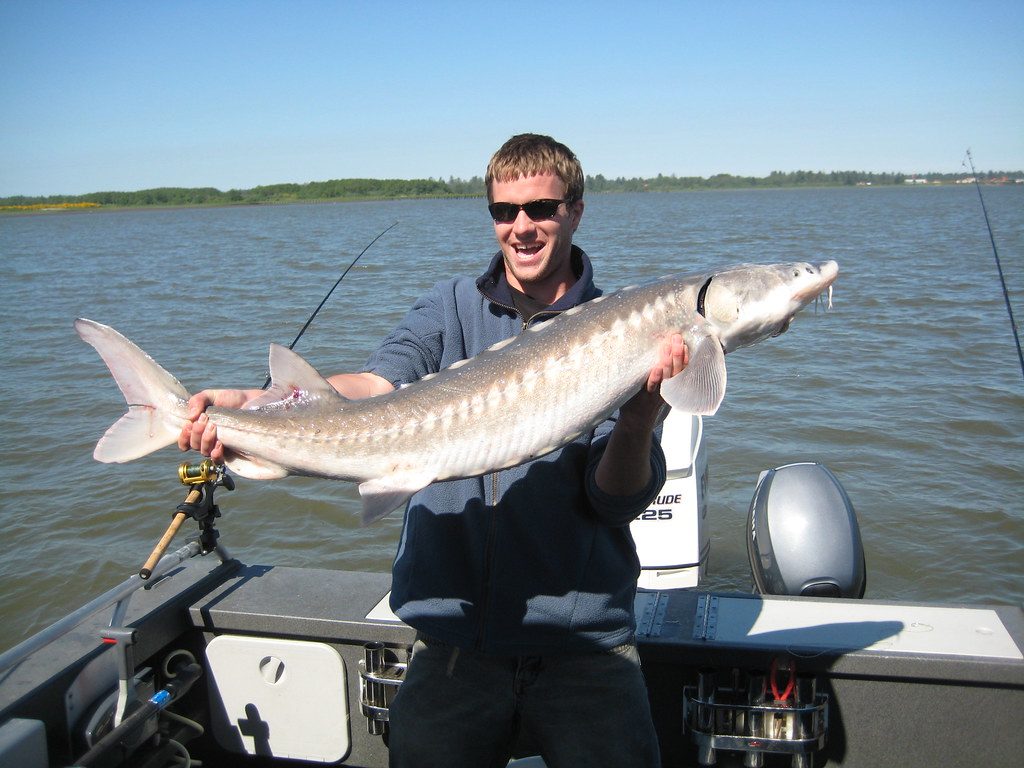
Large sturgeon are among the oldest fish alive today. Some species can grow to several meters long and have rows of bony plates that give them an unusual prehistoric appearance.
When viewed from a distance in dark water, a large sturgeon could appear very different from an ordinary fish. Some researchers have suggested that rare sightings of oversized fish may have contributed to stories about the Loch Ness Monster, although no evidence links sturgeon directly to the legend.
Could giant birds inspire Thunderbird stories?
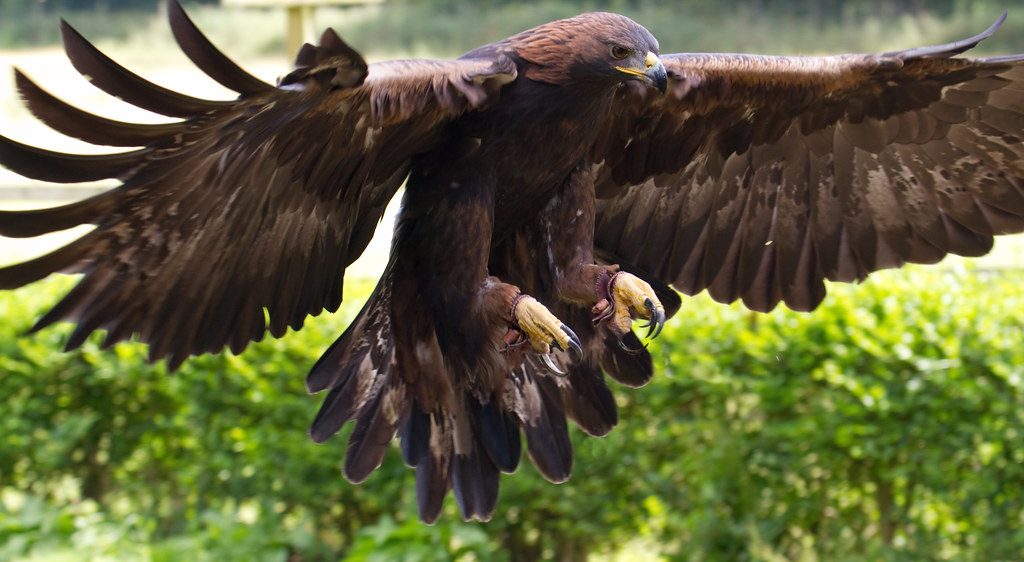
Many Native American traditions include stories of enormous birds known as Thunderbirds. These legends existed long before modern wildlife studies and remain an important part of Indigenous cultures.
Large birds such as bald and golden eagles, and other birds of prey, can appear much larger than expected, especially when seen from a distance or in flight. While they do not match the legendary Thunderbird, unexpected encounters with impressive birds may help explain some reported sightings.
Why the hammer-headed bat resembles the Jersey Devil
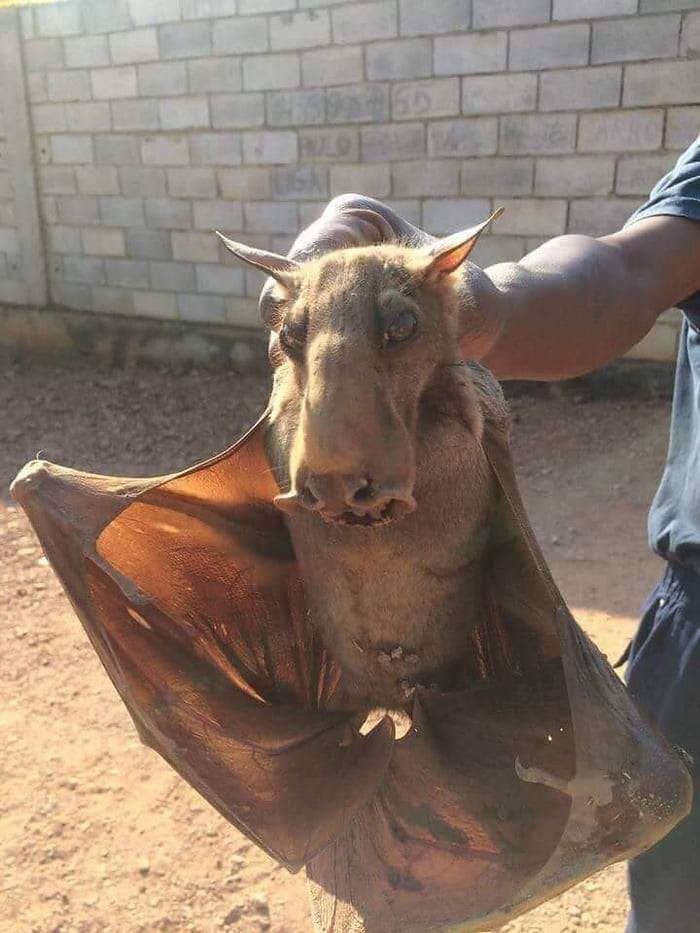
The hammer-headed bat from Central Africa has one of the most unusual faces in the animal kingdom. Its large head and striking appearance have led many people to compare it with artistic depictions of the Jersey Devil.
Scientists do not consider the hammer-headed bat a likely explanation for the Jersey Devil because the species is native to Africa and has never established wild populations in North America. The resemblance is visual rather than scientific.
Why Bigfoot remains unproven
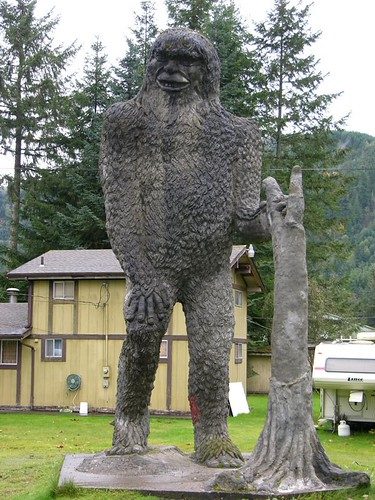
The famous 1967 Patterson Gimlin film helped make Bigfoot one of the world’s best-known cryptids. Decades later, scientists still have no verified physical evidence showing that Bigfoot is a real species.
Many reported sightings later proved to be bears, people in costume, or mistaken observations. Even so, the legend continues to inspire documentaries, books, and wildlife discussions worldwide.
Could owls explain Mothman sightings?
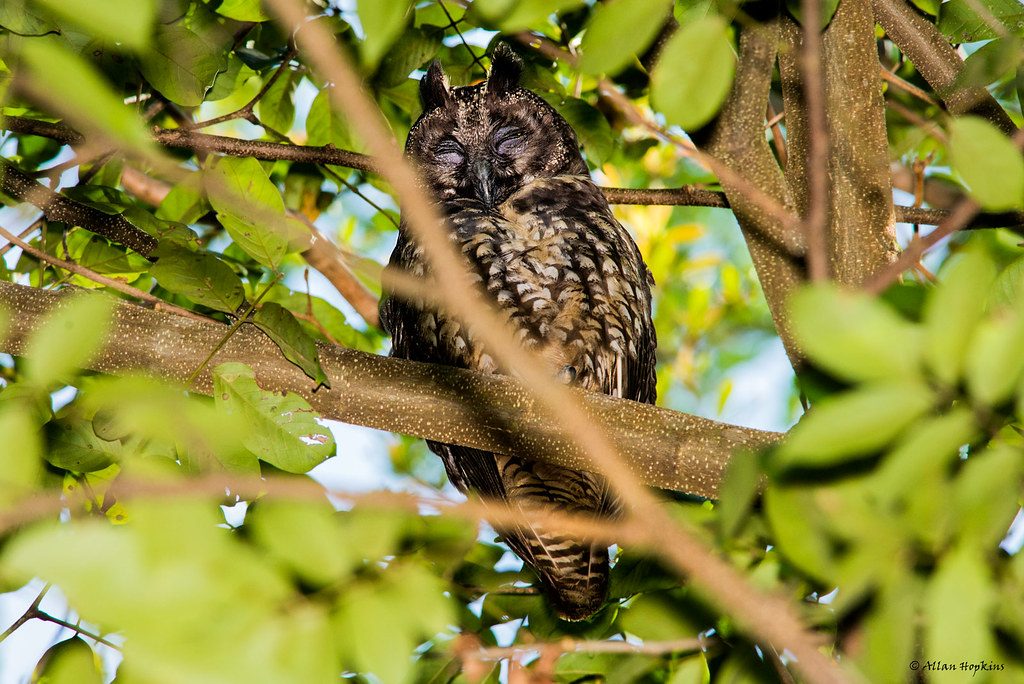
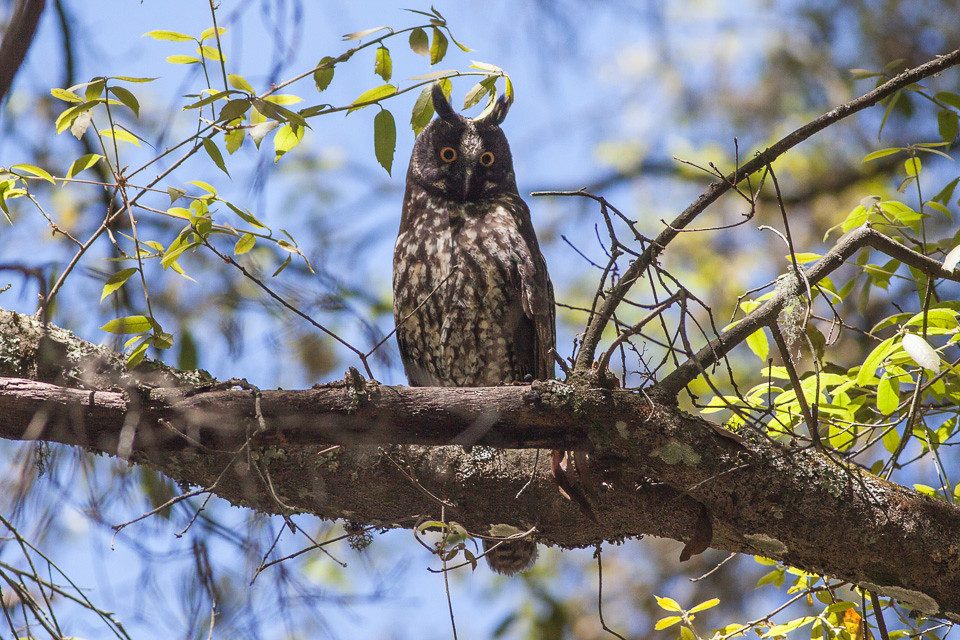
The Stygian owl is a real bird with dark feathers, bright eyes, and a startling appearance in low light. Like many nocturnal birds, it can appear much larger and stranger than expected during brief nighttime encounters.
Although there is no evidence linking the species to the Mothman legend, wildlife experts have often noted that unfamiliar birds seen in poor light can be mistaken for something much more mysterious.
Could a coyote explain Chupacabra sightings?
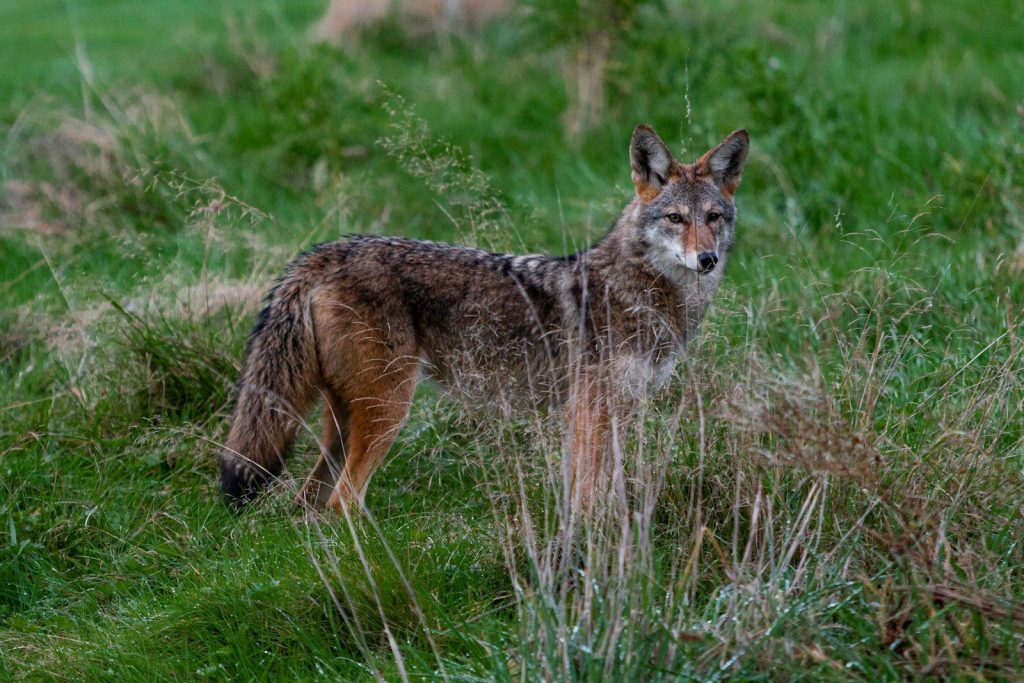
Many reported “chupacabra” sightings have later been identified as coyotes or dogs suffering from severe mange. Hair loss caused by the disease can leave these animals with wrinkled skin, a thin body, and an appearance that is very different from that of a healthy wild animal.
Although the chupacabra remains a legend with no confirmed scientific evidence, wildlife experts have repeatedly linked many modern sightings to diseased coyotes. The striking appearance of these animals helps explain why they are often mistaken for mysterious creatures.
Leave a Reply