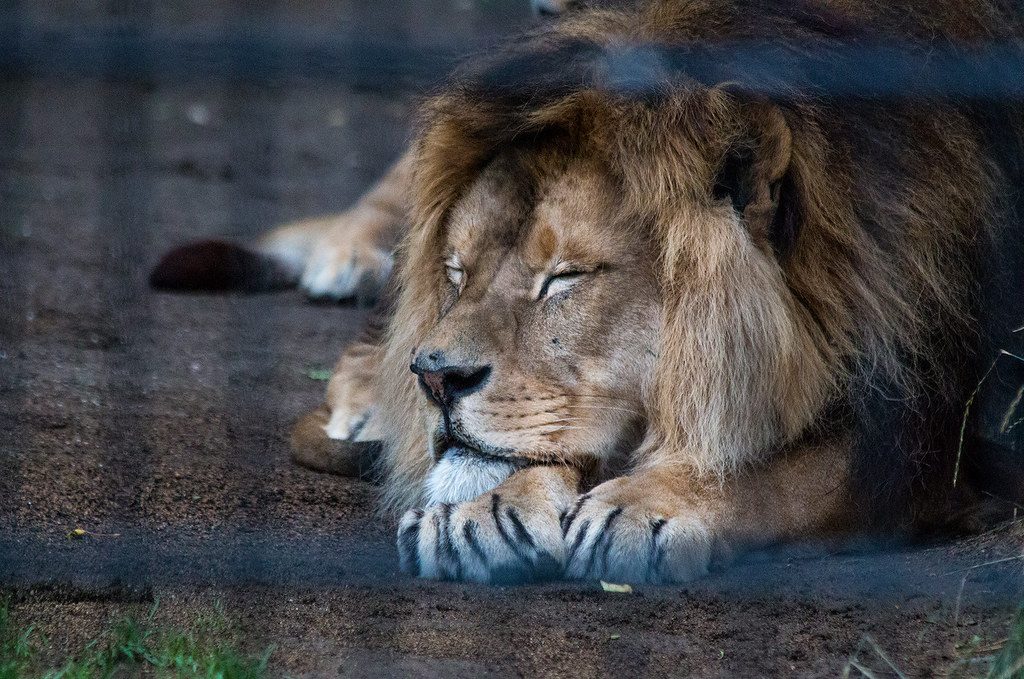
The Barbary lion was once one of the most impressive predators in North Africa. Known for its large size and thick, dark mane, it lived across the Atlas Mountains and surrounding regions for thousands of years. Today, it no longer survives in the wild. Heavy hunting, expanding human settlements, and habitat loss gradually pushed this remarkable lion toward extinction.
Yet its story may not be completely over. Scientists continue studying captive lions that could still carry part of their genetic heritage. This article explores the rise and fall of the Barbary lion and the ongoing search for its surviving legacy.
A lion unlike any other
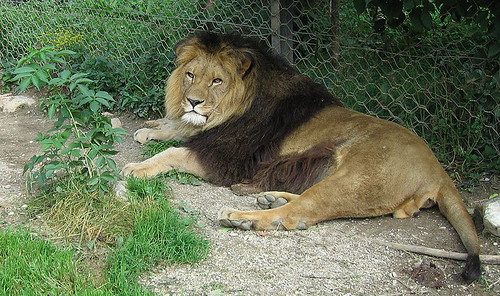
The Barbary lion once roamed across North Africa, from Morocco to Egypt. It lived in forests, mountains, and scrublands, where it hunted large mammals and stood at the top of the food chain.
The lions were famous for their impressive appearance. Many males developed thick, dark manes that extended over their shoulders and chest, although scientists now believe mane size was influenced by both genetics and environmental conditions rather than being unique to this population.
Human expansion changed everything
As firearms became more common and human settlements spread across North Africa, Barbary lions faced growing pressure. Governments even offered rewards for killing lions because they were seen as threats to livestock and people.
Over time, hunting and shrinking habitat led to their numbers collapsing. Small groups survived longer in remote mountain regions, but the population continued to decline until the species disappeared from the wild.
The last wild Barbary lions
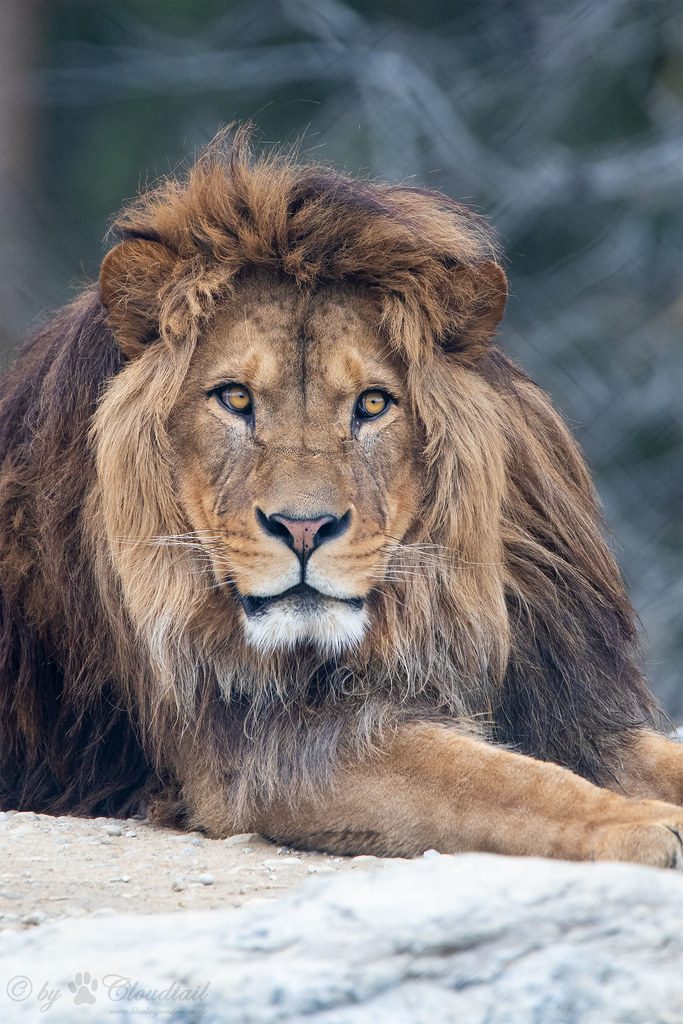
For many years, people believed the Barbary lion disappeared much earlier than it actually did. Historical records suggest that isolated groups survived in Algeria and Morocco well into the twentieth century, with the last known wild populations disappearing during the 1960s.
This gradual disappearance shows that extinction is often a slow process rather than a single event. Small populations may survive for years before finally vanishing from their natural habitat.
Could its bloodline still survive
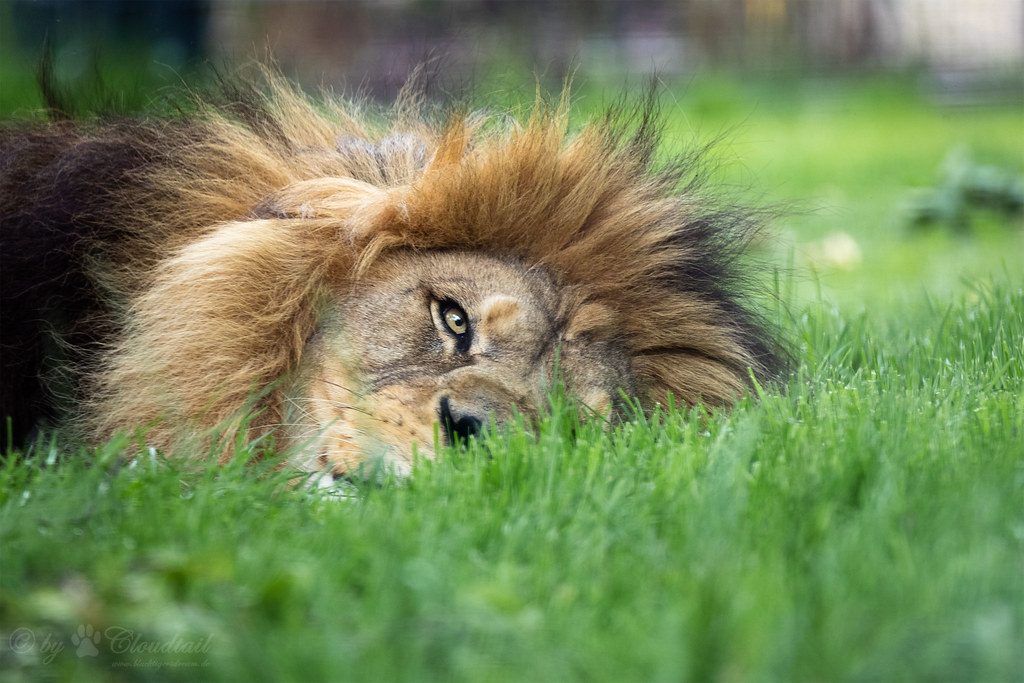
Although the Barbary lion is extinct in the wild, researchers continue studying captive lions descended from the historic Moroccan royal collection. Some of these animals may still carry portions of the Barbary lion’s genetic ancestry.
However, scientists have not confirmed that any living lion represents a completely pure Barbary lion. Modern genetic research suggests these captive lions contain mixed ancestry, making the question far more complex than once believed.
Why the Barbary lion still matters
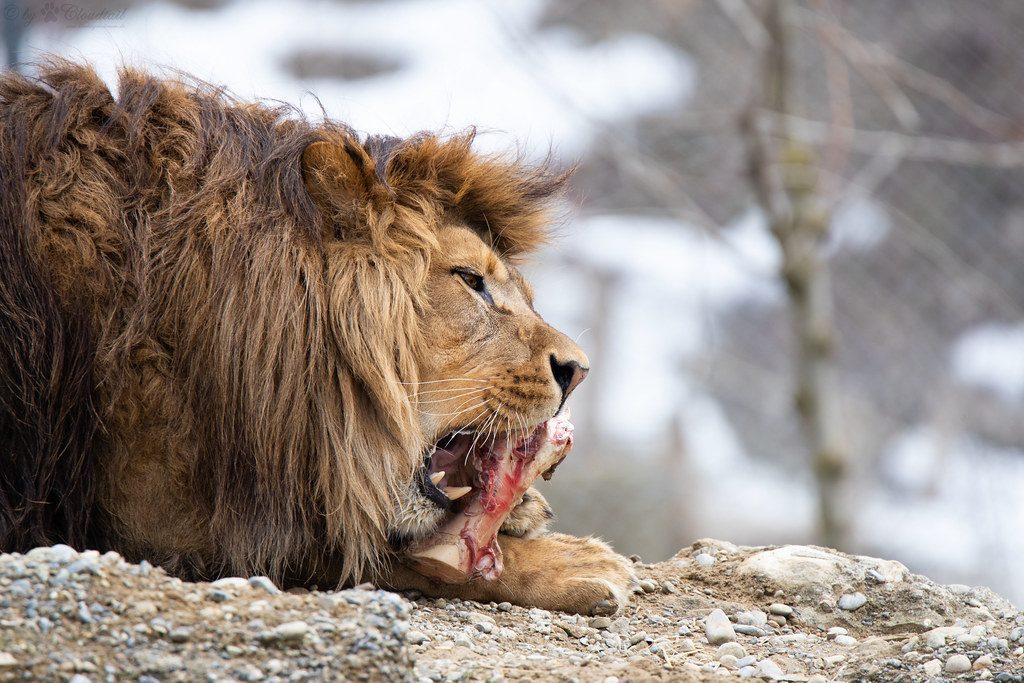
The story of the Barbary lion highlights how quickly human activity can transform an ecosystem. Losing a top predator affects prey populations, habitats, and the balance of nature throughout an entire region.
Its history also demonstrates the importance of protecting species before they become critically endangered. Once wild populations have disappeared, restoring them becomes far more difficult than preventing their decline in the first place.
Hope through conservation science
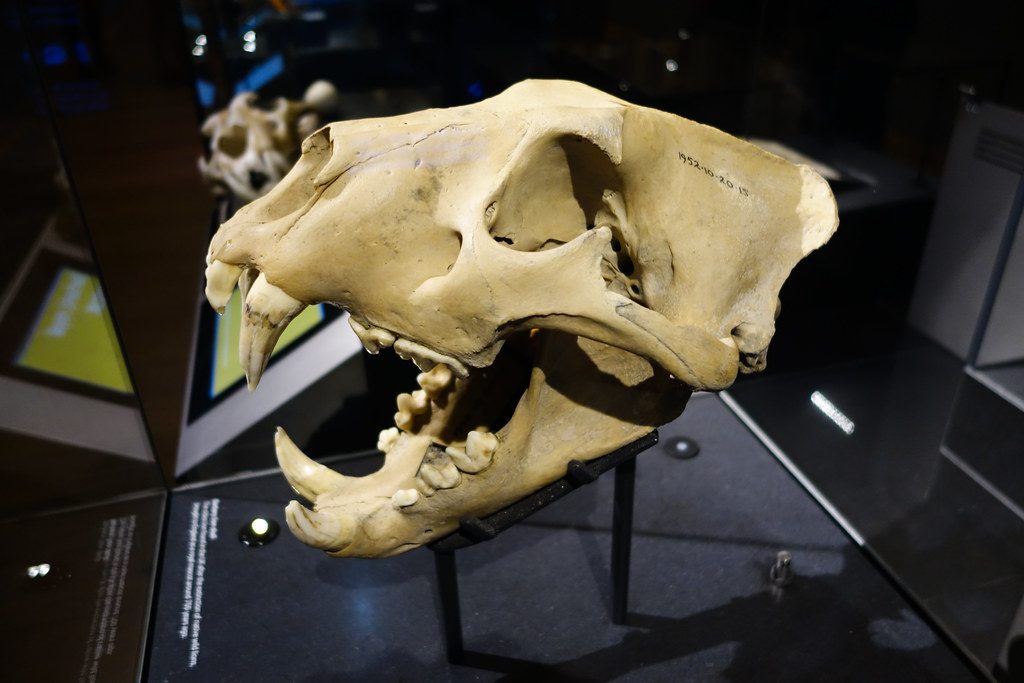
Researchers continue using genetics to better understand the history of North African lions and identify animals that may preserve part of the Barbary lion’s heritage. These studies could guide future conservation efforts, even if a true Barbary lion can never be fully restored.
The Barbary lion remains one of the world’s most famous lost predators. Its story serves as both a warning about the impact of human activity and a reminder that science still has much to learn about the animals that once ruled our planet.
Leave a Reply