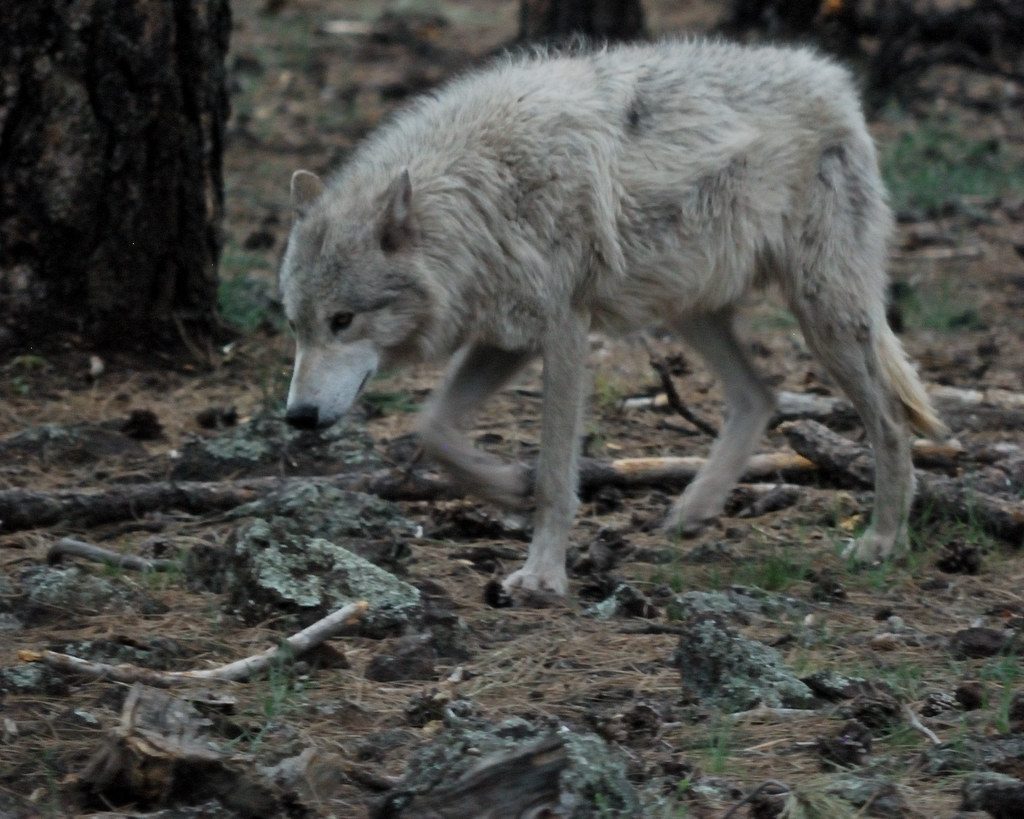
Have you ever wondered how wolves became the friendly dogs that live with people today? The story is still being uncovered, and 5,000-year-old wolves reveal about early dogs in surprising ways. Ancient bones and DNA are helping scientists learn how wolves, early dogs, and humans lived together thousands of years ago.
These discoveries show that the path from wild hunter to loyal companion was long and complex. In this article, you will learn what researchers found in ancient wolf remains, how early dogs changed over time, and why these discoveries matter for understanding one of humanity’s oldest friendships.
Ancient wolf remains tell a bigger story
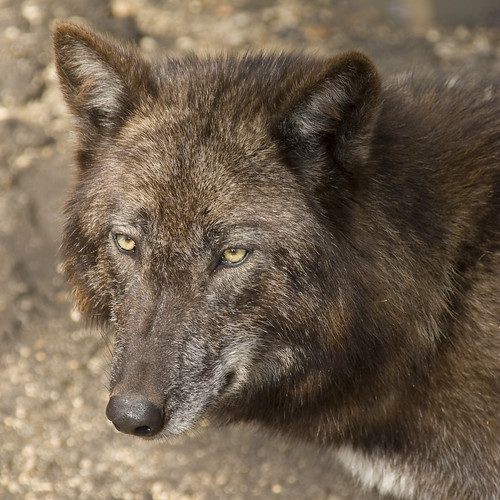
Scientists have found the bones of wolves that lived about 5,000 years ago in different parts of Europe and Asia. By studying these remains, they can compare ancient wolves with modern wolves and dogs. DNA preserved inside the bones acts like a history book, showing how these animals were related.
The evidence shows that ancient wolves were not exactly the same as today’s wolves. Some belonged to populations that no longer exist. This helps explain why modern dogs do not descend directly from today’s gray wolves but from ancient wolf groups that disappeared long ago.
Early dogs were different from modern pets
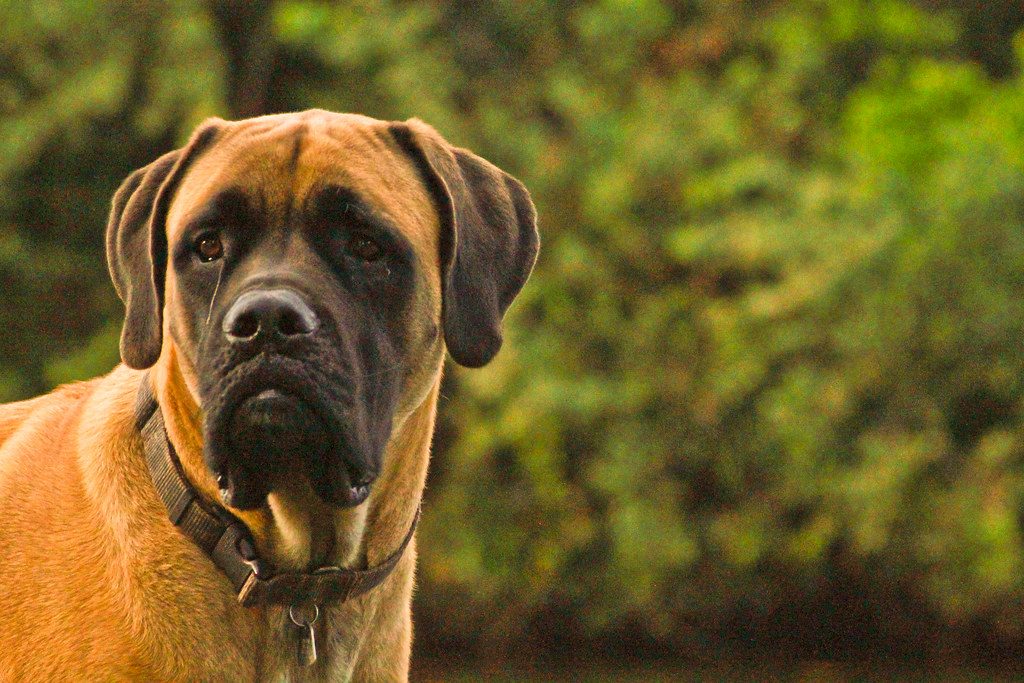
The first dogs did not look like many breeds we know today. They were often similar in size and shape to wolves, making it hard for scientists to tell them apart by looking only at their bones. DNA studies are helping solve this problem.
Early dogs slowly developed traits that made them better suited to living with people. Over thousands of years, they became less fearful, easier to train, and more social. These changes happened gradually instead of all at once.
Humans and wolves built a unique partnership
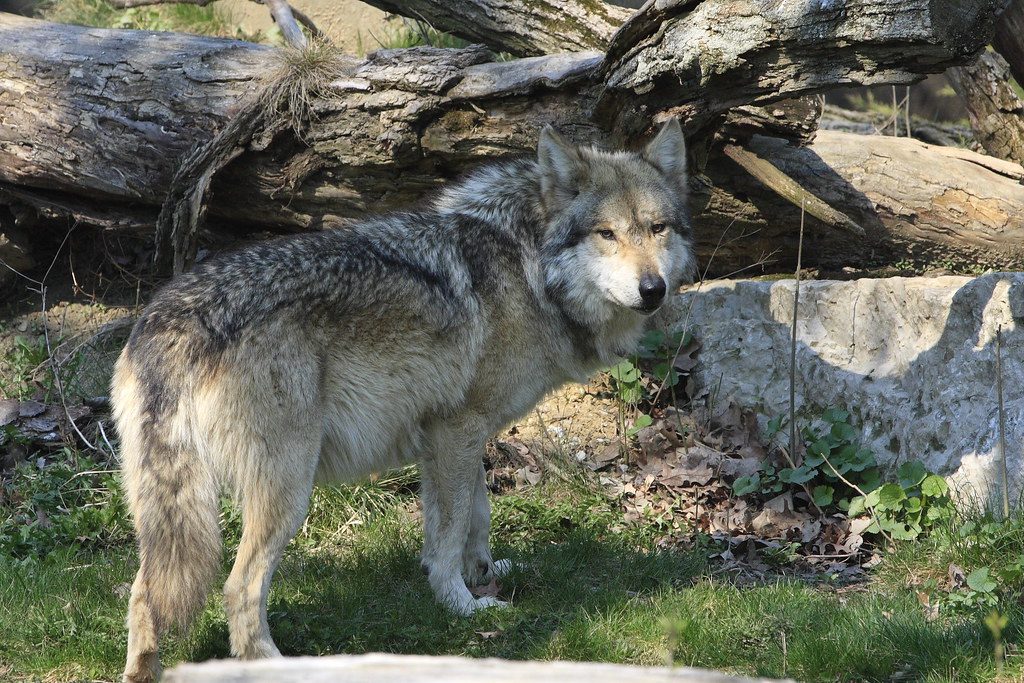
Experts believe some wolves began living near human camps because food scraps were easy to find. The calmer wolves likely stayed closer to people, while more aggressive wolves remained wild. Over many generations, this relationship became stronger.
People also benefited from these animals. Early dogs could warn of danger, help during hunts, and protect camps. This partnership improved survival for both humans and the animals that stayed close to them.
DNA reveals surprising family connections

Ancient DNA has shown that dogs have a more complicated family history than once believed. Research suggests that more than one ancient wolf population contributed genes to early dogs. This means dog ancestry is not linked to a single group of wolves.
Scientists have also discovered that wolves and dogs continued breeding with each other even after domestication began. Because of this, some modern dogs still carry small amounts of wolf DNA from later mixing events, not just from their original ancestors.
Why 5,000-year-old wolves matter today

The study of 5,000-year-old wolves helps researchers understand how domestication worked. It shows that becoming a dog was a long process shaped by changing environments, human behavior, and natural selection over many thousands of years.
These discoveries also help scientists protect modern wolves and dogs. Learning how ancient populations changed over time gives researchers a better understanding of animal evolution, genetic diversity, and how species adapt to new conditions.
Questions scientists are still trying to answer

Although researchers have learned a great deal, many mysteries remain. Scientists still debate the exact place where dogs were first domesticated. New discoveries of ancient bones and better DNA technology may provide clearer answers in the future.
Each new fossil adds another piece to the puzzle. As researchers study more ancient wolves and early dogs, they continue to improve our understanding of how one of the world’s oldest friendships began and why it has lasted for thousands of years.
Leave a Reply