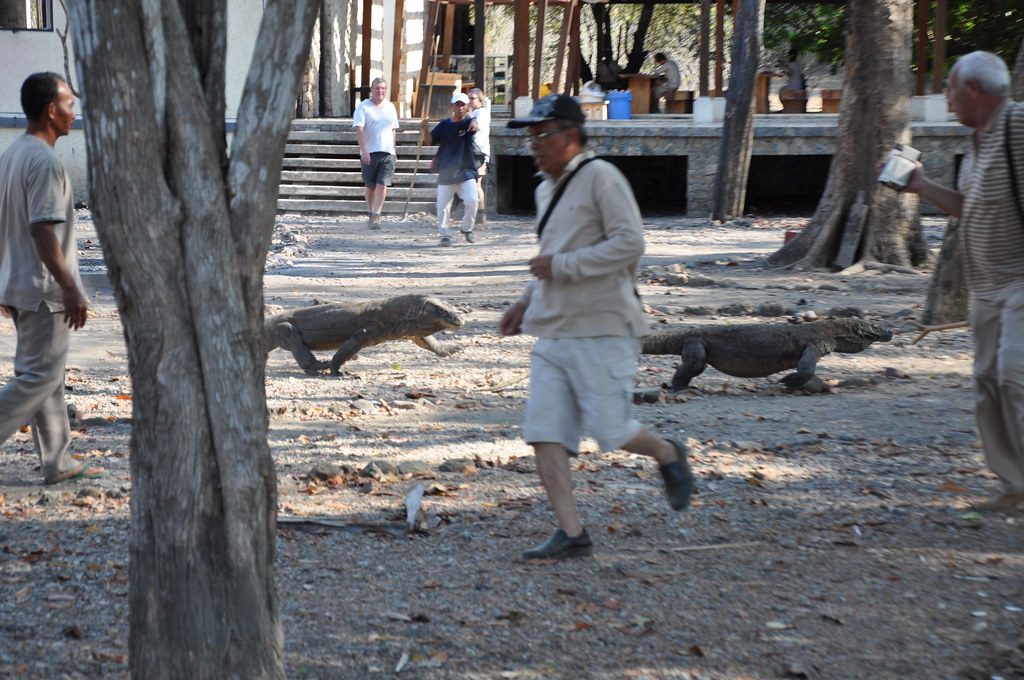
Have you ever wondered how a Komodo dragon tracked its prey across rough land? Many people believe these giant lizards bite an animal and simply wait for it to die. The real story is more interesting. Komodo dragons are smart hunters that use stealth, sharp senses, and patience to catch food.
They usually try to kill prey during the attack, but they can also follow an injured animal if it escapes. In this article, you’ll learn how Komodo dragons hunt, how they track wounded prey, and why their hunting skills make them one of nature’s most successful predators.
Komodo dragons are patient hunters
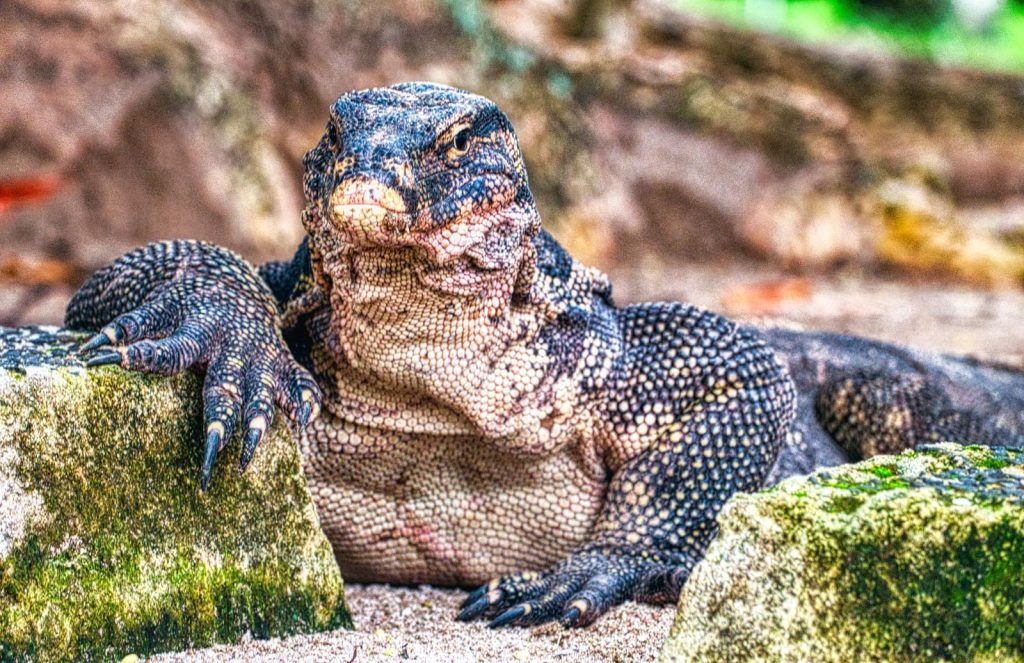
Komodo dragons live on a few islands in Indonesia, where they hunt deer, wild pigs, goats, and other animals. They often stay still for long periods near trails or water sources where prey is likely to pass. This saves energy and gives them a better chance of surprising an animal.
When the right moment comes, the dragon bursts forward with surprising speed. It aims for the legs, neck, or belly using powerful jaws and sharp, curved teeth that tear deep wounds. Many hunts end quickly because of heavy blood loss and shock.
How they track injured prey
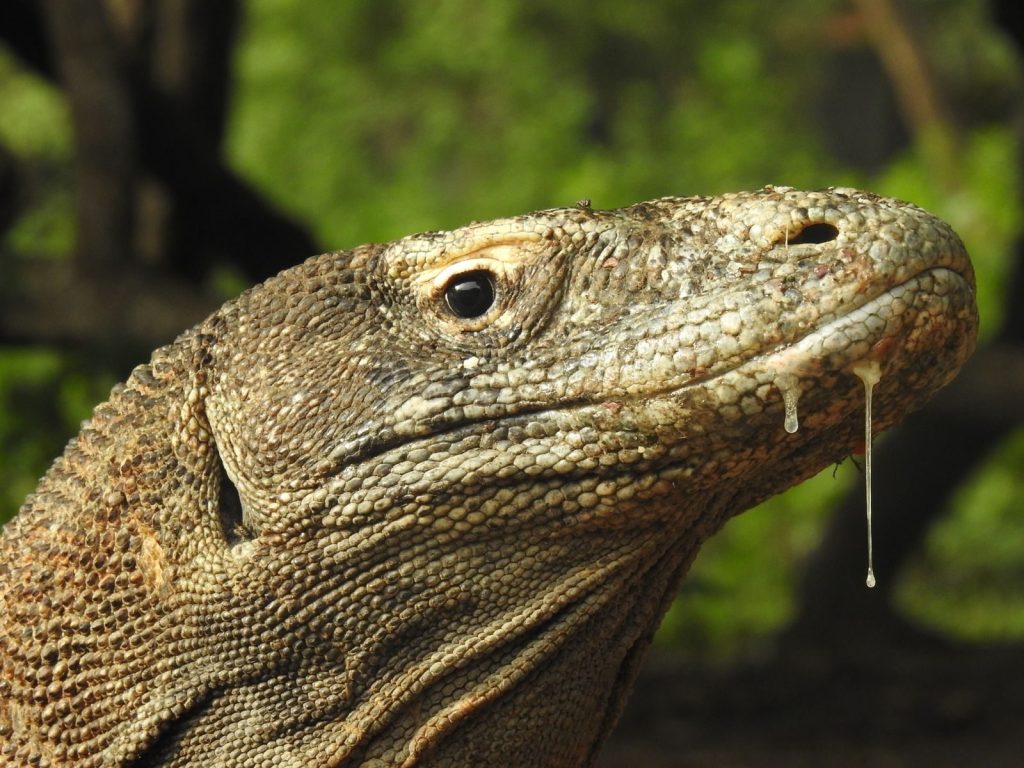
Sometimes a wounded animal escapes the first attack. When that happens, the Komodo dragon may slowly follow the prey over a long distance instead of giving up. It uses its excellent sense of smell to stay on the trail.
The dragon constantly flicks its long, forked tongue to collect tiny scent particles from the air. A special organ in the roof of its mouth studies these scents, helping the dragon tell which direction the injured animal traveled. This ability lets it follow blood and body odors even after the prey has disappeared from sight.
The truth about the bite
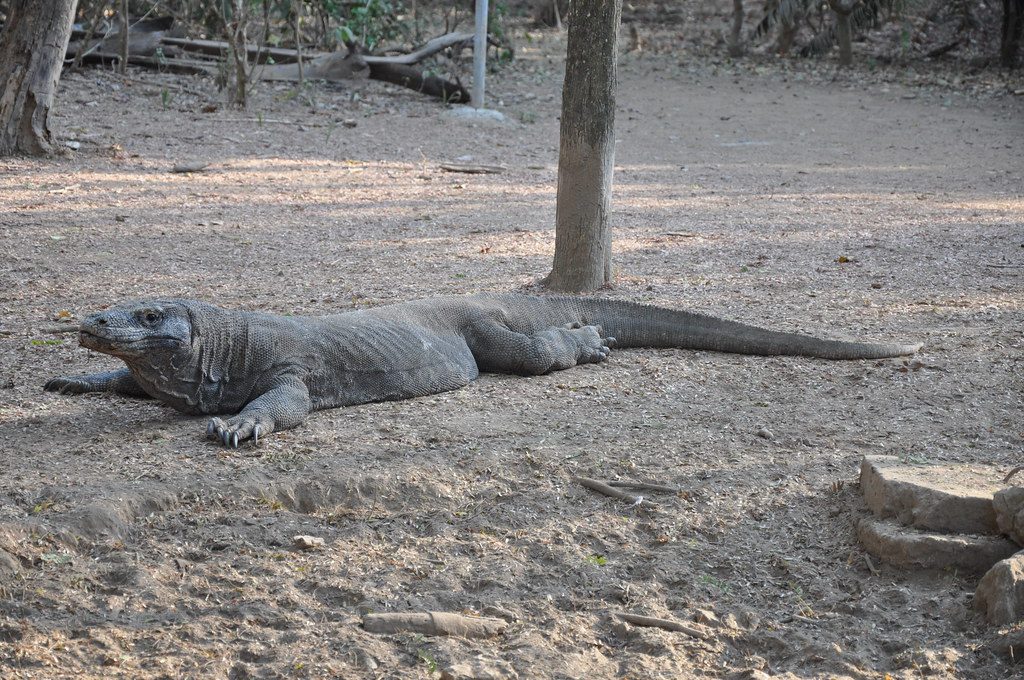
For many years, people believed dangerous bacteria in a Komodo dragon’s mouth killed wounded animals. Scientists now know that this idea is mostly incorrect. Research has shown that Komodo dragons have venom glands that produce substances that lower blood pressure and make it harder for blood to clot.
Even so, the bite itself causes major damage. Sharp teeth slice through flesh, creating deep wounds that bleed heavily. Most successful hunts end because of severe injuries and blood loss, not because the dragon waits days for bacteria to kill the animal.
Why some hunts last longer
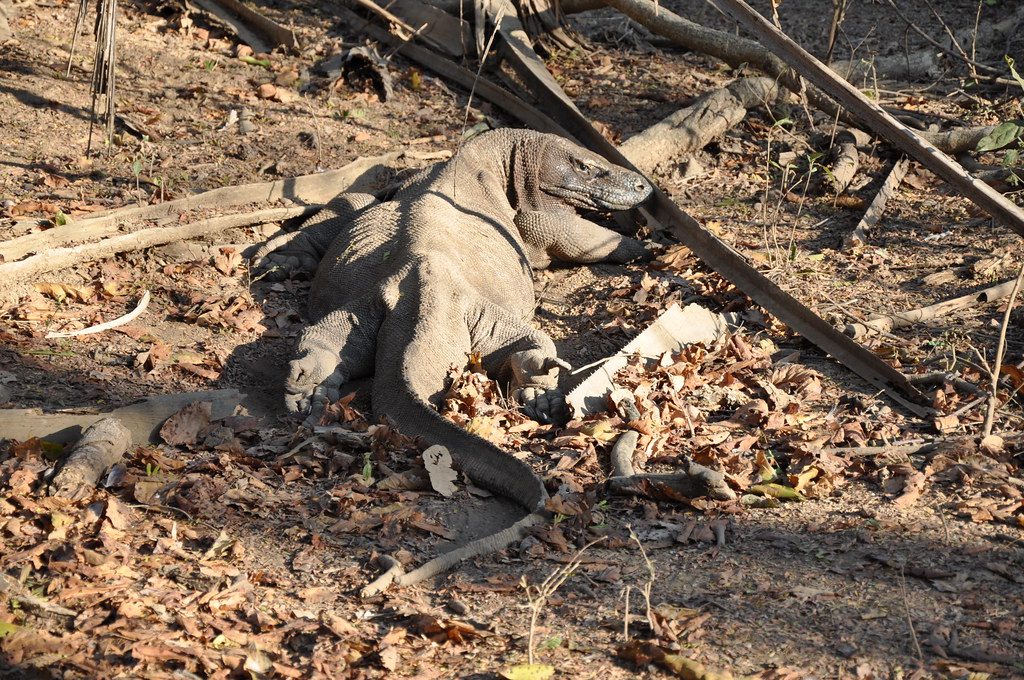
Not every attack goes as planned. A strong deer or wild pig may break free after being bitten. If that happens, the Komodo dragon may continue following the injured animal as it becomes weaker from blood loss and exhaustion.
Older stories often claimed dragons always waited several days before eating their prey. Modern field studies show this is not the normal hunting method. Successful attacks usually end within minutes, and even when prey escapes, the dragon’s tracking behavior is based on following an injured animal rather than simply waiting for infection.
Senses built for survival
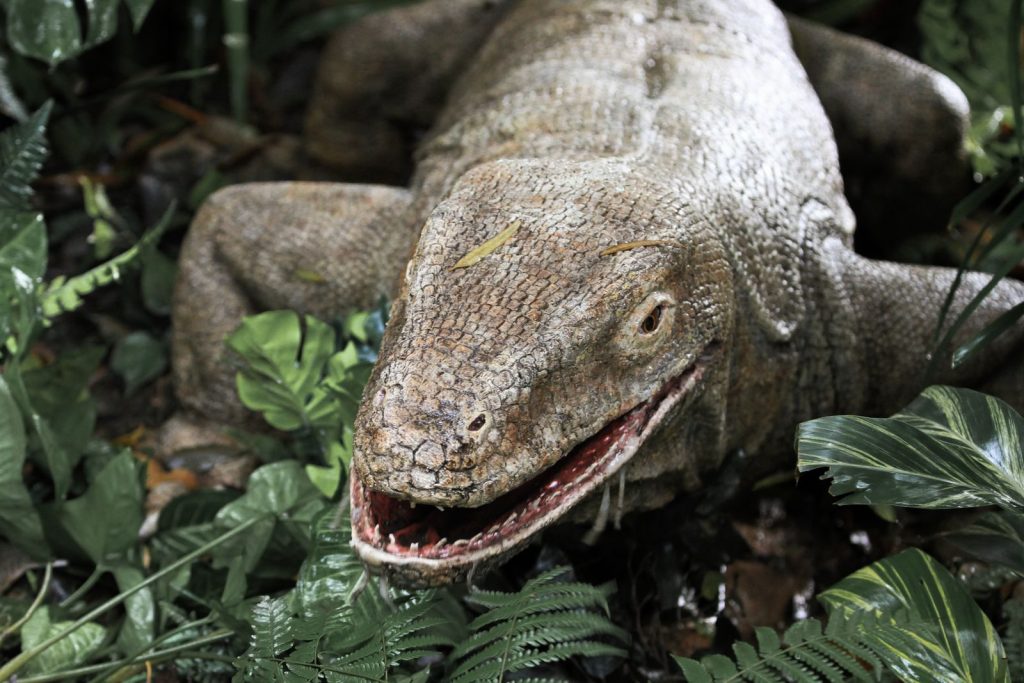
A Komodo dragon has poor hearing for high-pitched sounds, but its sense of smell is one of the best among reptiles. Under the right conditions, it can detect the scent of a dead or injured animal from several miles away, especially when the wind carries the odor.
Strong legs, sharp claws, and a muscular tail also help during the hunt. Although these reptiles cannot run for long distances, they can sprint quickly over short distances, making surprise attacks very effective.
Why this hunting method works
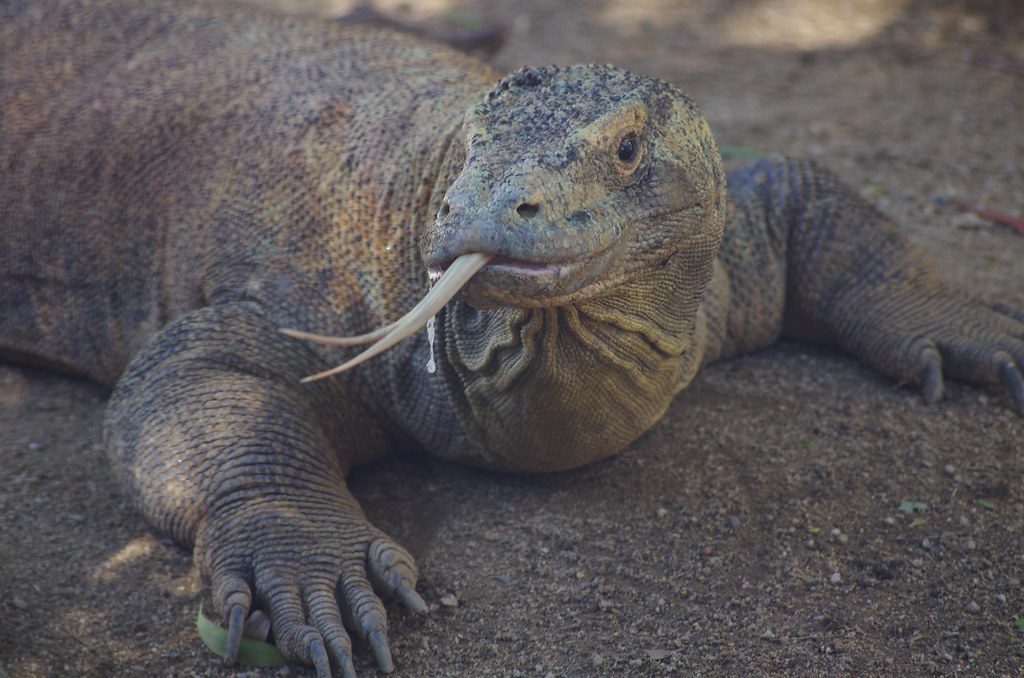
Tracking injured prey gives Komodo dragons another chance to eat if the first attack fails. Following scent trails uses less energy than chasing healthy animals over long distances, making it a smart survival strategy.
This mix of patience, stealth, speed, and powerful senses has helped Komodo dragons remain top predators on their islands for thousands of years. Their hunting style shows that success in nature often depends on skill and timing as much as strength.
Leave a Reply