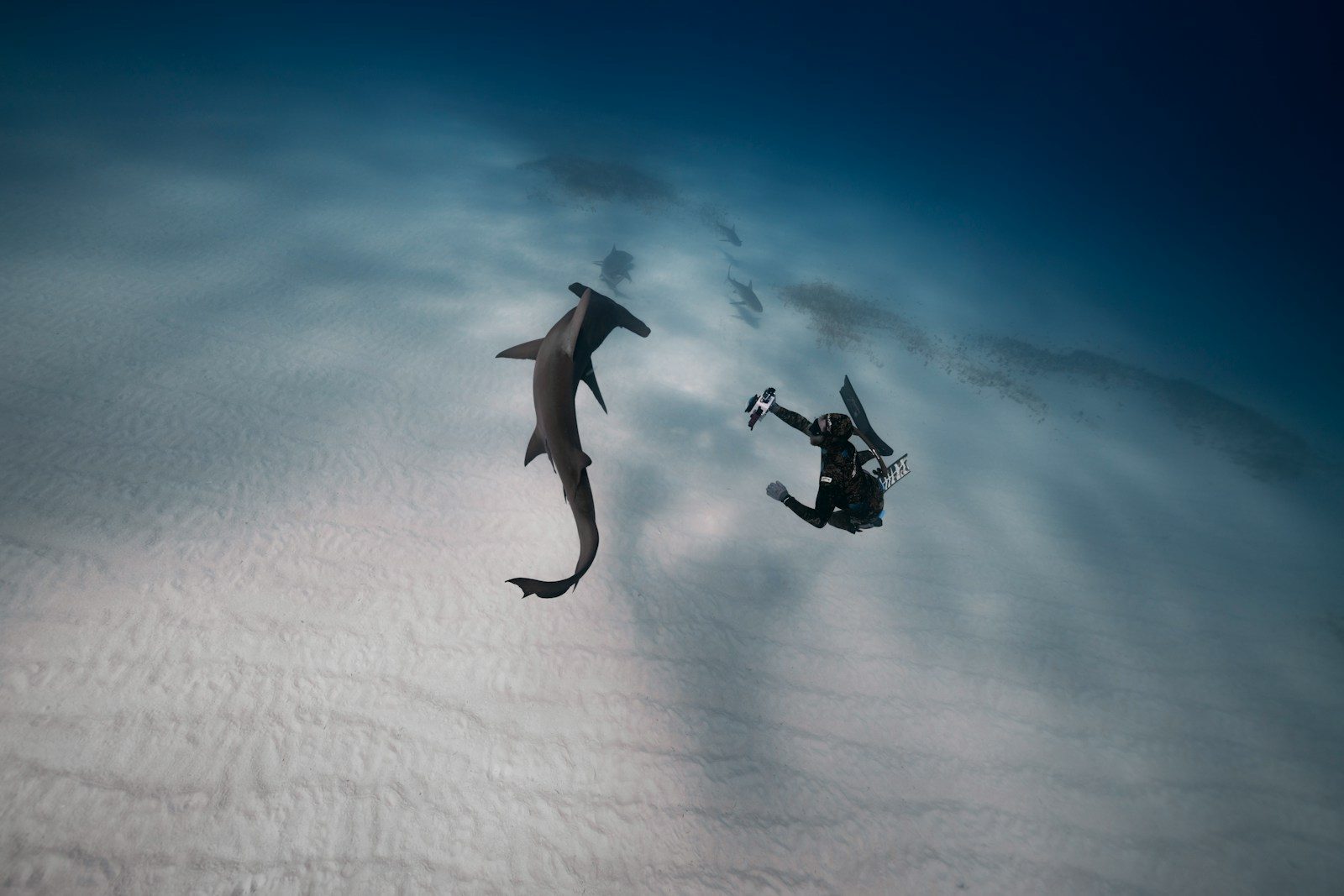
Tiger Beach in the Bahamas is famous for close encounters with some of the ocean’s largest sharks. During a Blue Wilderness expedition, Mark Vins and his crew entered the crystal-clear water expecting to see tiger sharks.
Just as the dive appeared to be ending, an enormous great hammerhead emerged from the blue, creating one of the most memorable wildlife encounters of the expedition.
Why is Tiger Beach famous?
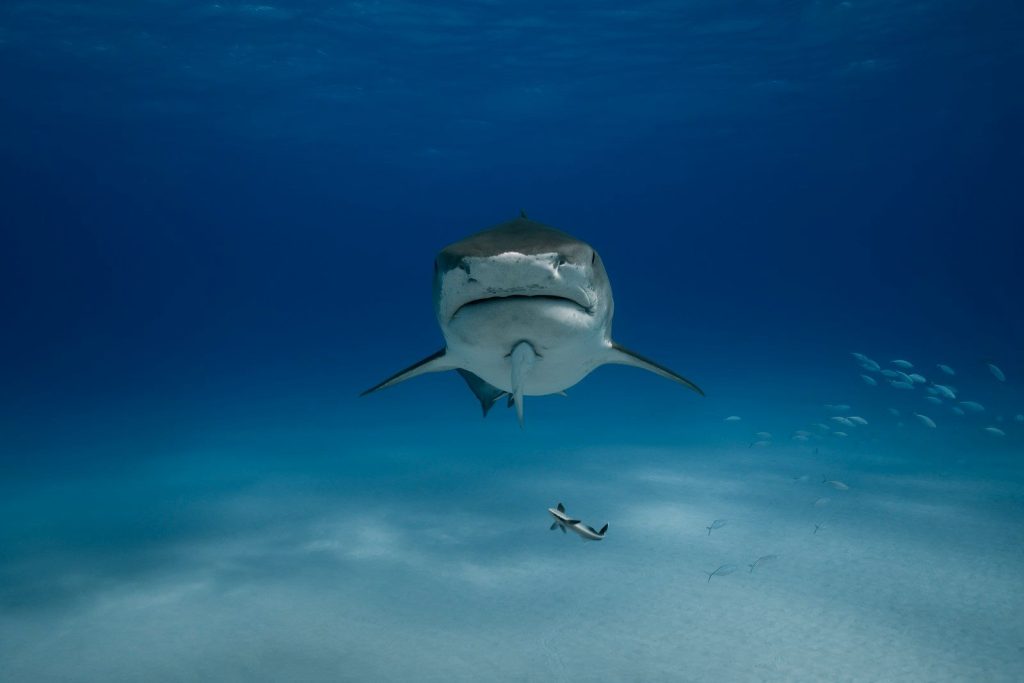
Despite its name, Tiger Beach is not actually a beach but a shallow sandbank off Grand Bahama. Its clear water and healthy marine ecosystem attract tiger sharks throughout much of the year, while great hammerheads make occasional appearances.
These predictable shark encounters have made the area one of the world’s best-known shark-diving locations.
Meeting a giant hammerhead
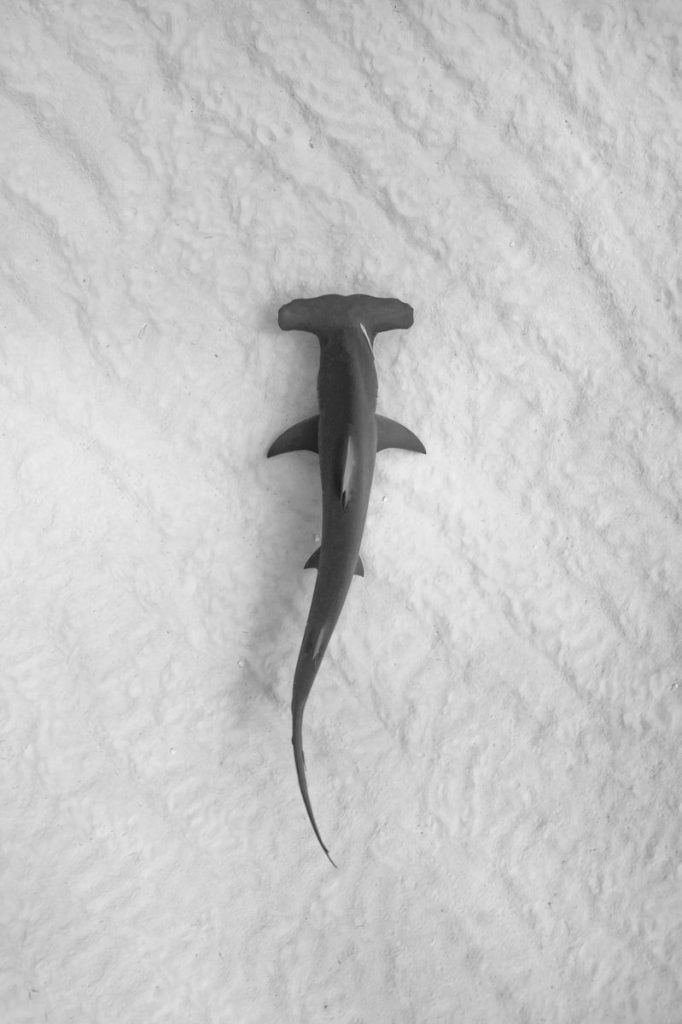
As the dive progressed, a massive great hammerhead suddenly appeared near the group. Unlike the tiger sharks they had expected, this rare visitor glided slowly past before approaching much closer, giving the crew an extraordinary opportunity to observe one of the ocean’s largest predatory fish.
Encounters like this are uncommon even for experienced divers.
Built for hunting
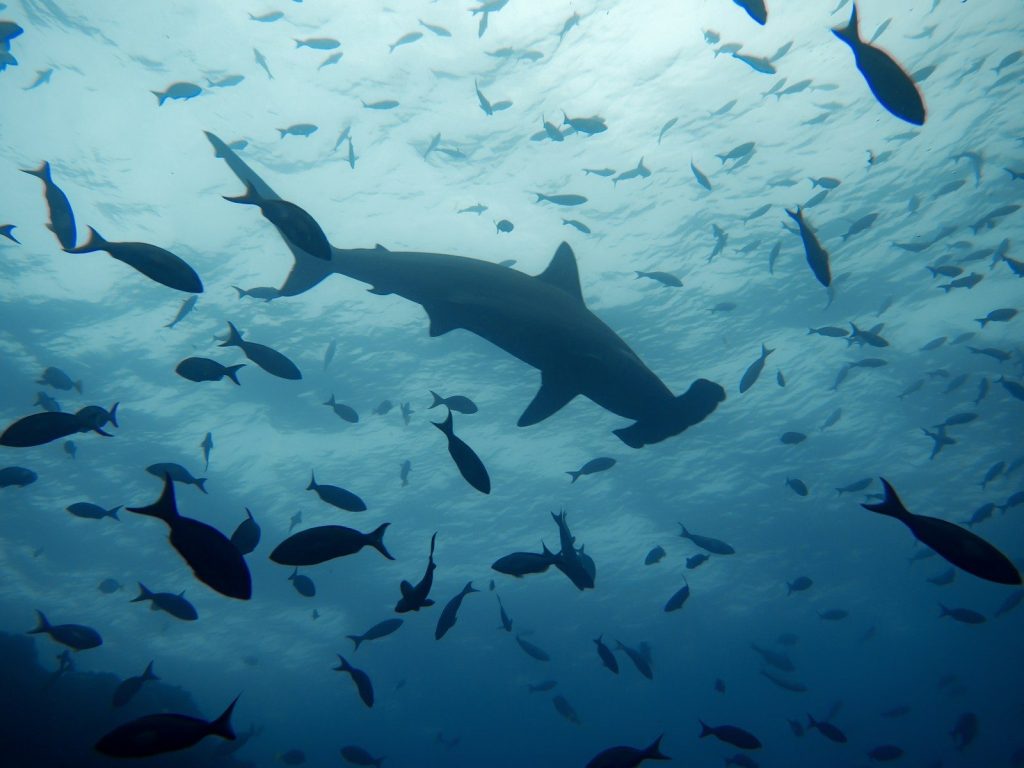
The great hammerhead is the largest of all hammerhead shark species. Its broad, hammer-shaped head, known as a cephalofoil, helps improve vision, detect electrical signals produced by prey, and increase maneuverability while hunting.
These adaptations allow the shark to locate rays, fish, squid, and other prey hidden on the seafloor.
Why hammerheads visit the Bahamas
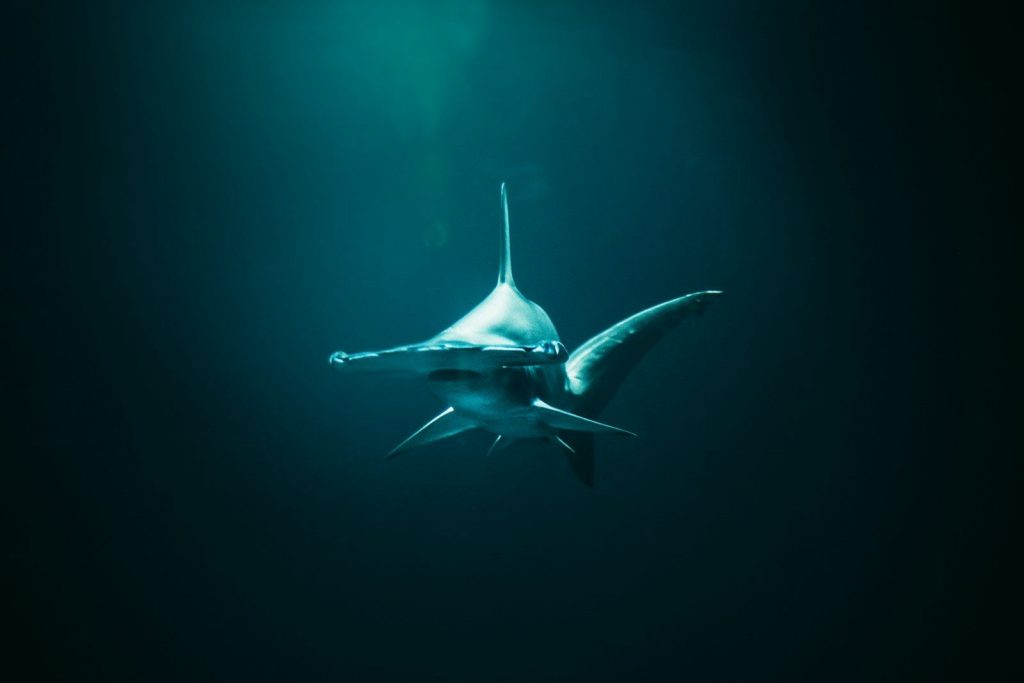
The warm waters surrounding the Bahamas provide ideal habitat for several shark species. Great hammerheads are often seen during cooler months when they visit shallow areas to hunt and move between seasonal feeding grounds.
Scientists continue studying these migrations to better understand their behavior and protect important habitats.
A species that needs protection
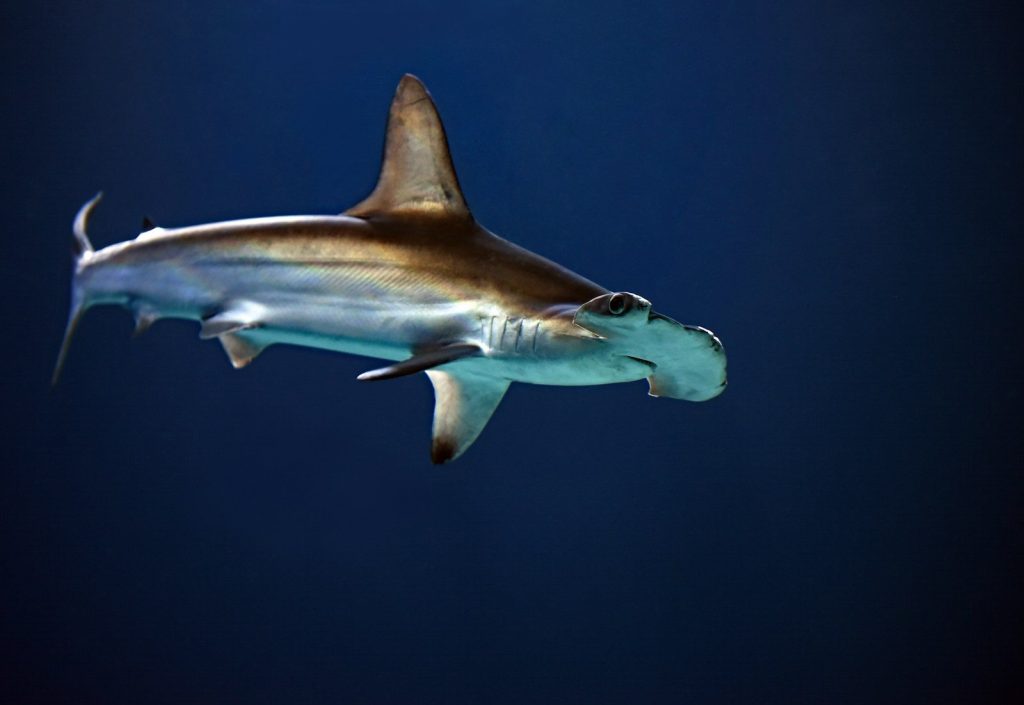
Although great hammerheads are powerful predators, their global populations have declined because of overfishing, accidental capture, and demand for shark fins. As a result, the species is listed as Critically Endangered.
Marine protected areas and responsible ecotourism help raise awareness of the importance of conserving these remarkable sharks.
Why the encounter matters
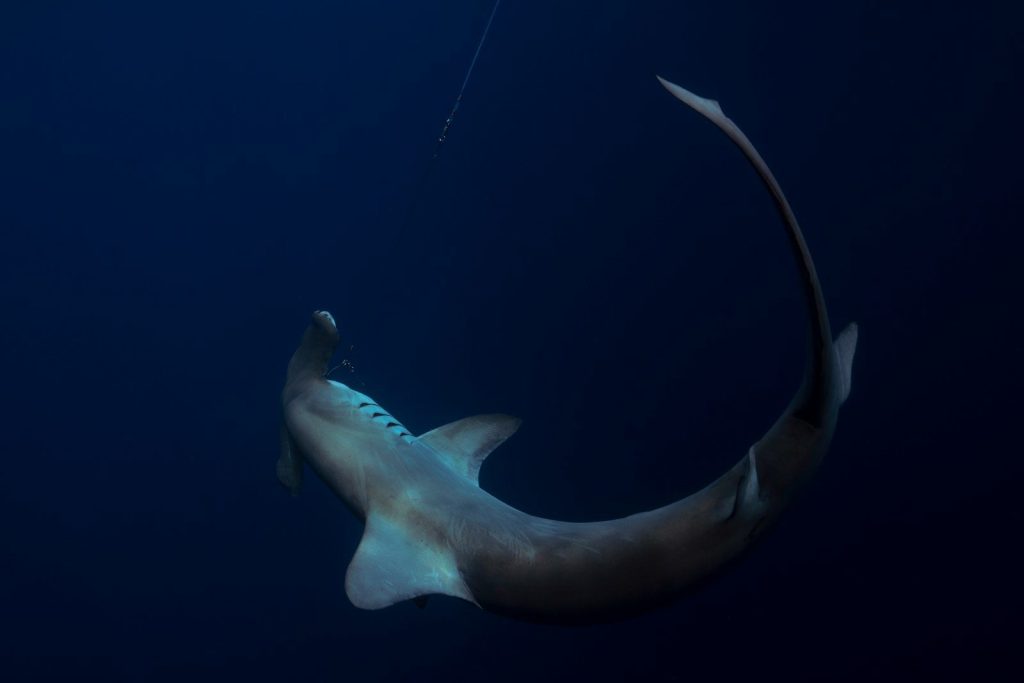
Seeing a great hammerhead in the wild is a rare privilege. Encounters like Mark Vins’ help people appreciate these misunderstood predators while highlighting the need to protect healthy ocean ecosystems.
For many viewers, the giant shark’s appearance became the unforgettable highlight of the entire expedition.
Featured Image: Photo by Michael Worden on Unsplash
Leave a Reply