A controversial decision over water at Lake Powell could give an invasive fish a better chance to spread through the Grand Canyon. Federal officials have decided not to use a special cooling strategy this summer, raising concerns among scientists and conservationists.
The concern is that warmer water could encourage smallmouth bass to reproduce while putting additional pressure on native fish, including the threatened humpback chub.
Smallmouth bass have found a new foothold
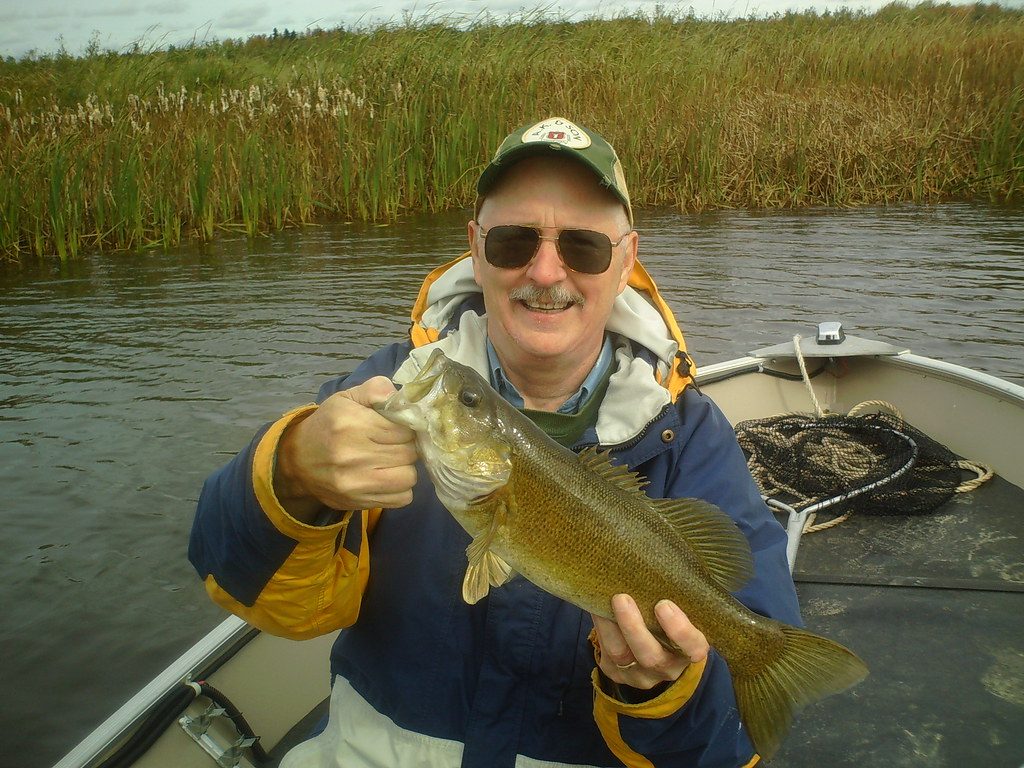
Smallmouth bass were not historically part of the Grand Canyon’s native fish community. But in recent years, some are believed to have made their way through Glen Canyon Dam and into the Colorado River above Lees Ferry.
The fish began spawning in the area in 2022, prompting an urgent response from biologists. Since bass are predators, their growing numbers could put young native fish at greater risk.
A cooling experiment kept bass from spawning
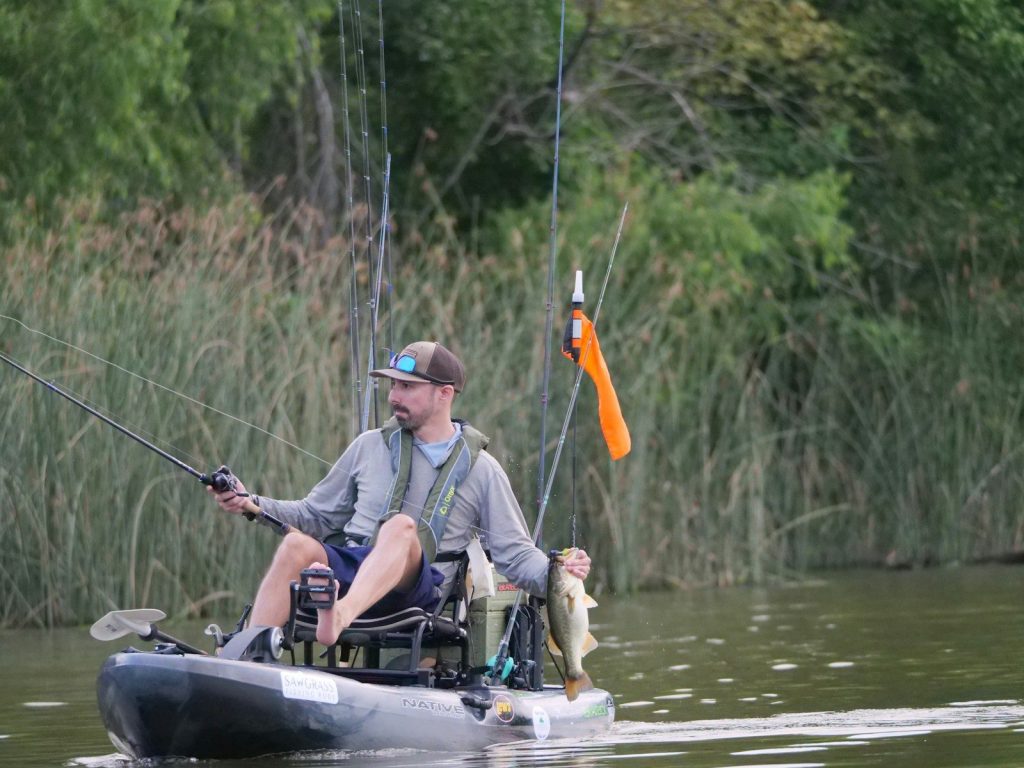
In 2024 and 2025, the Bureau of Reclamation used a strategy known as “cool mix” during the warmer months. The approach combined colder water from Lake Powell with regular releases to keep the river below the temperature that encourages bass reproduction.
The strategy appeared to work. However, bypassing the dam’s turbines also reduced electricity generation and cost tens of millions of dollars, creating a difficult trade-off as water levels in Lake Powell continued to fall.
Record-low water levels changed the equation
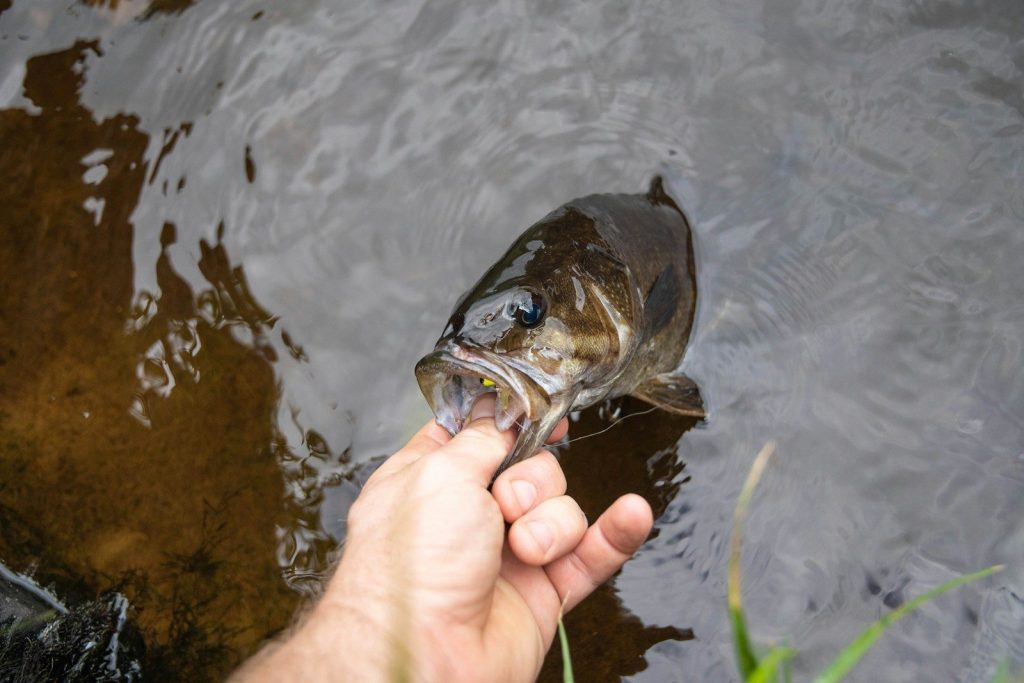
Lake Powell is now facing severe water shortages after poor snowpack and prolonged drought conditions. The reservoir has fallen to a fraction of its capacity, putting both water supplies and hydropower generation under increasing pressure.
Officials ultimately decided that maintaining the reservoir and protecting its ability to generate electricity had to take priority this summer. That means the Colorado River below the dam could become significantly warmer during the months when bass are most likely to breed.
Native fish could face renewed pressure
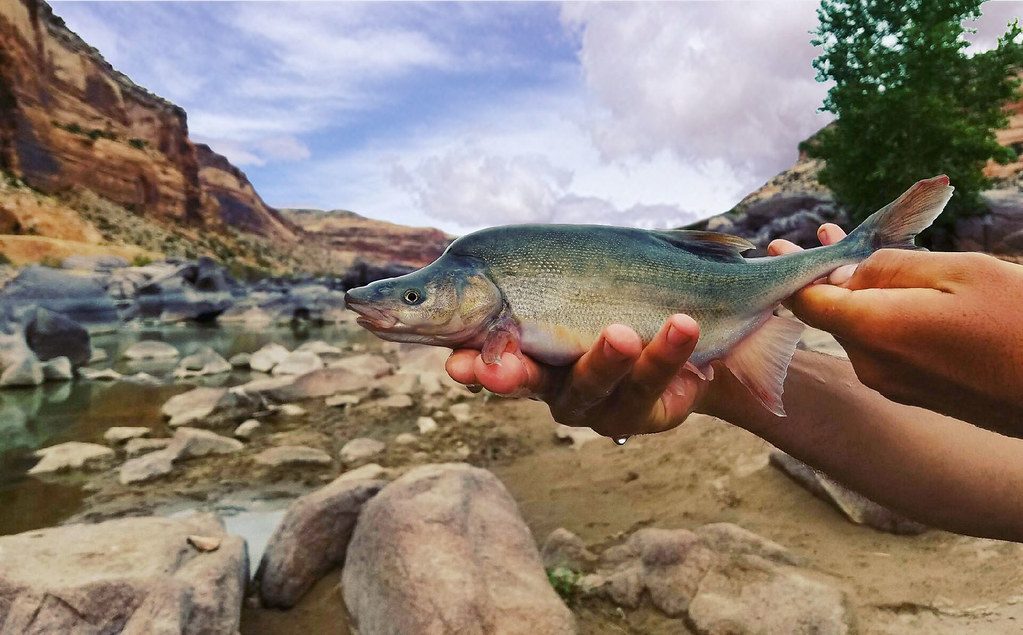
Scientists are particularly concerned about the humpback chub, a native Grand Canyon fish that was removed from the endangered species list in 2021 but remains classified as threatened.
Unlike bass, native fish evolved with the Grand Canyon’s natural seasonal temperature changes. A warmer river filled with a growing population of predatory bass could give the invasive species another advantage.
The fishery could suffer too
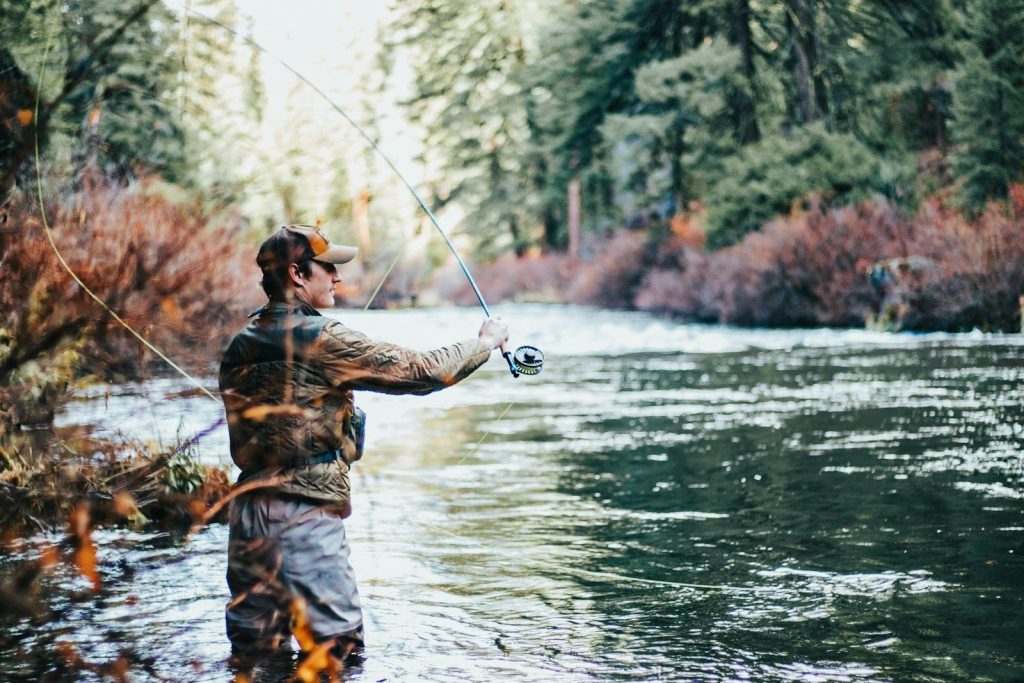
The potential consequences may extend beyond endangered and threatened species. The Lees Ferry area is also known for its popular rainbow trout fishery, which attracts anglers from across the region.
Some fishing advocates fear that prolonged exposure to hotter water could severely damage the trout population. They argue that losing the cooling program could create another difficult summer for a fishery that has already experienced significant environmental stress.
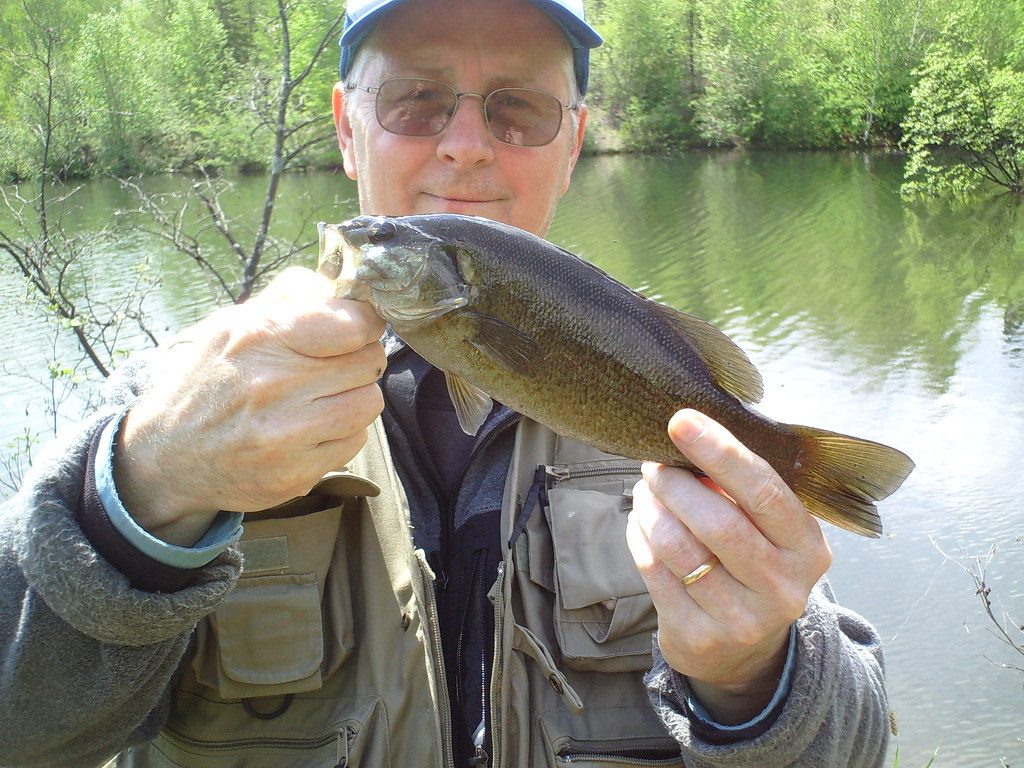
Featured Image: “Fly Fishing A Smallmouth Bass Pond” by James P. Mann is licensed under CC BY 2.0
Leave a Reply