
Imagine a freshwater fish alive today that could have been swimming before the United States became a country. A new study suggests that it may be possible for some lake sturgeon. Scientists have long known these huge fish can live for many decades, with traditional estimates reaching about 150 years. But researchers using 44 years of tracking data now think that figure may greatly underestimate their true lifespan.
Their models produced age estimates exceeding 200 years in several populations, with one estimate reaching 427 years for a very large female. The finding does not prove that a known 427-year-old fish is alive today, but it changes what scientists thought possible for one of North America’s most remarkable freshwater animals.
Lake sturgeon are freshwater giants
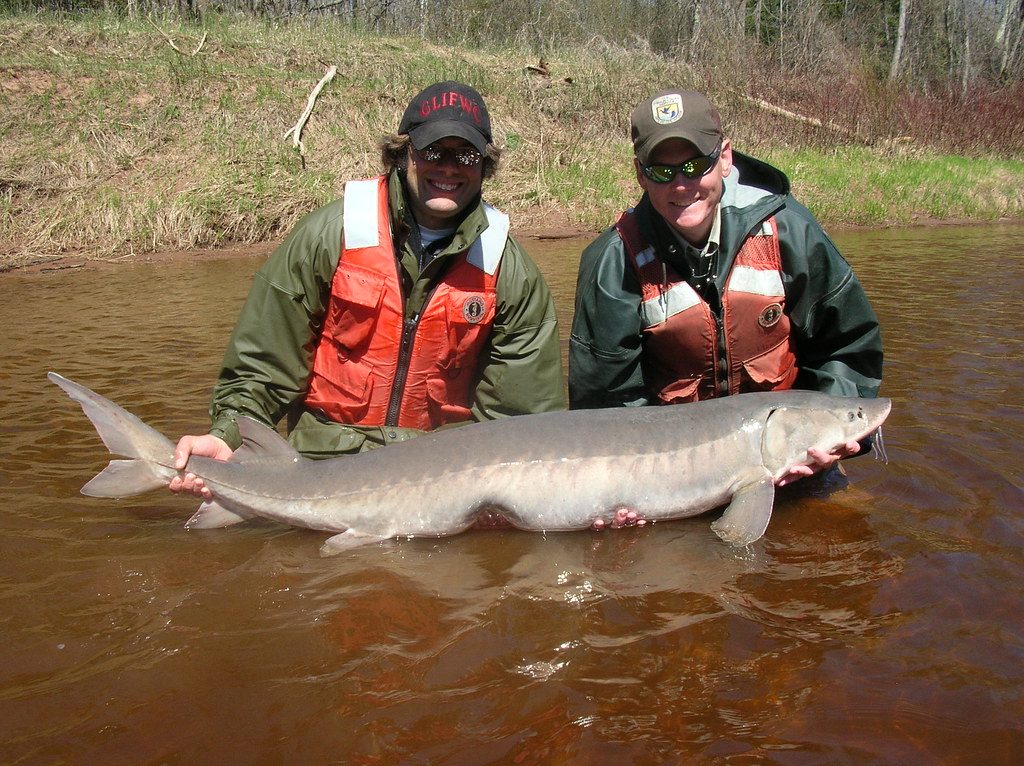
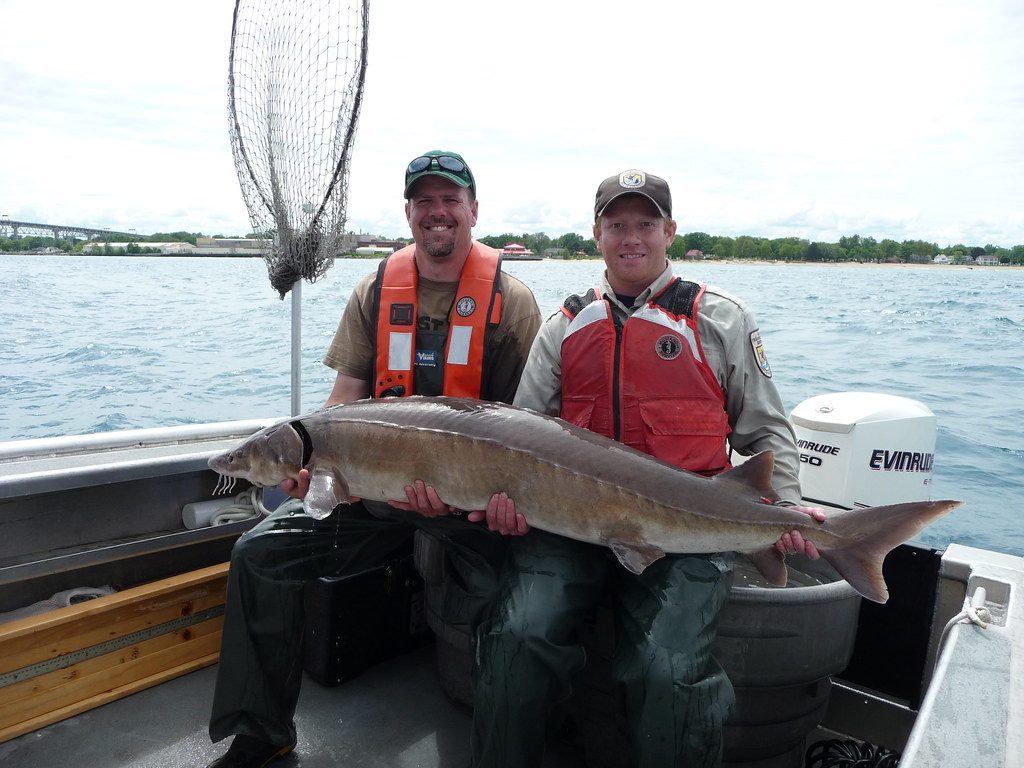
Lake sturgeon, scientifically known as Acipenser fulvescens, are among the largest freshwater fish found in North America. Their main range includes the Great Lakes region and parts of the Mississippi River drainage. Large individuals can grow more than 6 feet long, while exceptional fish can approach or exceed 7 feet. Their bodies look almost prehistoric, with rows of hard plates instead of ordinary fish scales and a long shape built for life near the bottom. They use sensitive structures around the mouth to locate food and feed mainly on animals found along the lake or river floor.
Their unusual appearance reflects a very ancient evolutionary history. Sturgeons belong to a lineage that appears deep in the fossil record and has survived enormous changes to Earth’s climate and ecosystems. Modern lake sturgeon are therefore often described as living reminders of an ancient group of fish. Their slow growth is another unusual feature. Instead of quickly reaching adulthood and reproducing every year, lake sturgeon can take many years to mature. That slow life history already made scientists expect long lifespans, but the new research suggests scientists still underestimated just how long some individuals might survive.
Scientists once relied on rings in fin spines
For many years, researchers estimated the age of lake sturgeon using sections taken from the leading spine of a pectoral fin. Like growth rings in a tree, structures in the spine can form patterns that researchers count to estimate how many years a fish has lived. The method works reasonably well for younger animals, but it becomes increasingly difficult as lake sturgeon get older. Their growth slows with age, which means new annual marks become packed closer together. Eventually, separating one year from another becomes extremely difficult.
That creates a serious problem when trying to identify the oldest members of a population. If several closely packed rings are mistakenly counted as one, the fish will appear younger than it actually is. Even the famous estimate of a lake sturgeon reaching about 150 years came from a fin spine, and researchers have questioned whether its true age may have been greater. The authors of the new study, therefore, wanted a method that did not depend on reading increasingly crowded structures inside an old fish. Their solution came from something researchers had quietly been building for decades, a massive record of fish caught, tagged, released, and later caught again.
Researchers used 44 years of tracking data
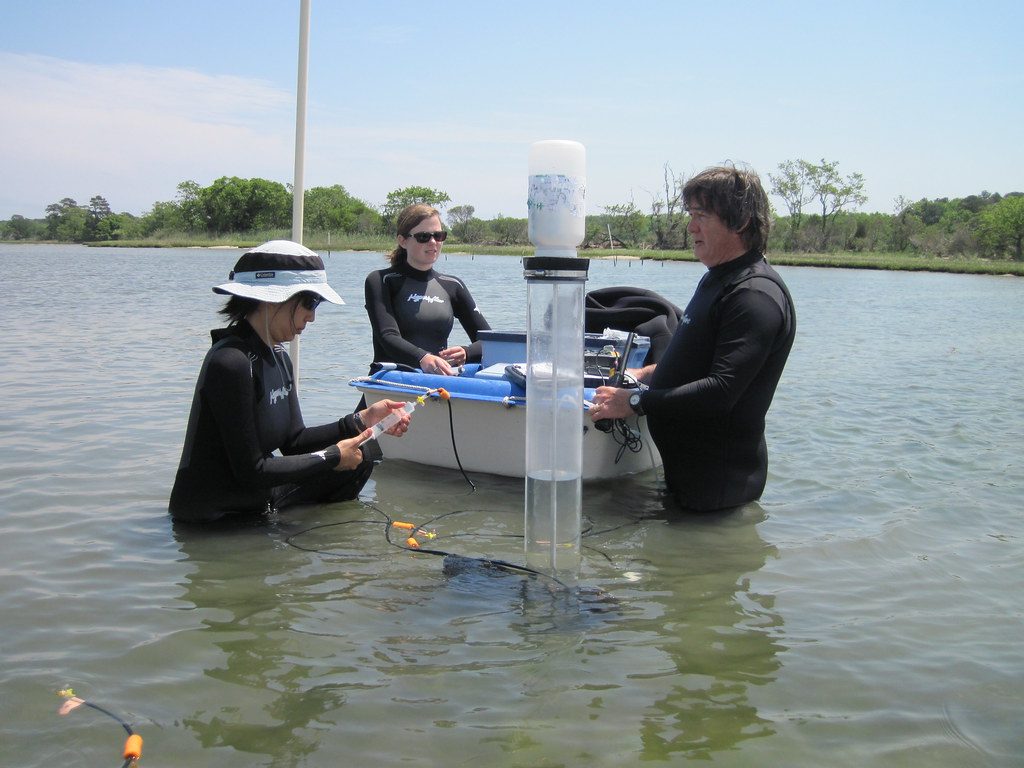
The new study was led by Edward Baker of the Michigan Department of Natural Resources, with scientists from Michigan State University, Michigan Technological University, the Wisconsin Department of Natural Resources, and other research programs. Rather than estimating age directly from fin structures, the team analyzed 44 years of capture, mark, and recapture records from lake sturgeon populations around the Great Lakes. Individual fish had been tagged and then measured again when researchers encountered them years later. This allowed the team to calculate how quickly adult fish continued growing.
The study examined 5 populations and separated growth patterns for males and females. Researchers found that average yearly growth depended on the population, body size, and sex of the fish. Estimates ranged from about 0.26 centimeters to 1.15 centimeters per year. Those tiny growth rates became especially important for the largest adults. If a large sturgeon is still adding only a fraction of a centimeter each year, reaching an enormous body size could require far more time than traditional age estimates suggested. Researchers used those measured growth patterns in mathematical models to work backward and estimate how long a very large fish would need to reach its observed size.
Some females may approach 427 years

The results produced a much wider range of ages than the traditional 150-year figure. For a male lake sturgeon measuring 160 centimeters, the estimated age across the 5 populations ranged from about 90 to 279 years. For a female measuring 180 centimeters, estimates ranged from about 99 to 427 years. The slowest growing populations produced the greatest age estimates because a fish adding very little length each year would need much more time to reach a large adult size.
The 427-year figure requires careful wording. Scientists did not catch a fish, directly determine that it was 427 years old, and confirm the age beyond doubt. Instead, 427 years was the highest longevity estimate produced by the growth model for a 180-centimeter female in one population. Michigan State University summarized the findings more cautiously, saying that many fish in some populations may live well beyond 200 years and that some could approach 300 years. The study itself nevertheless demonstrates that lifespans extending into several centuries are biologically plausible under the growth rates researchers measured, and its highest model estimate crossed the 400-year mark.
Slow growth changes what scientists know
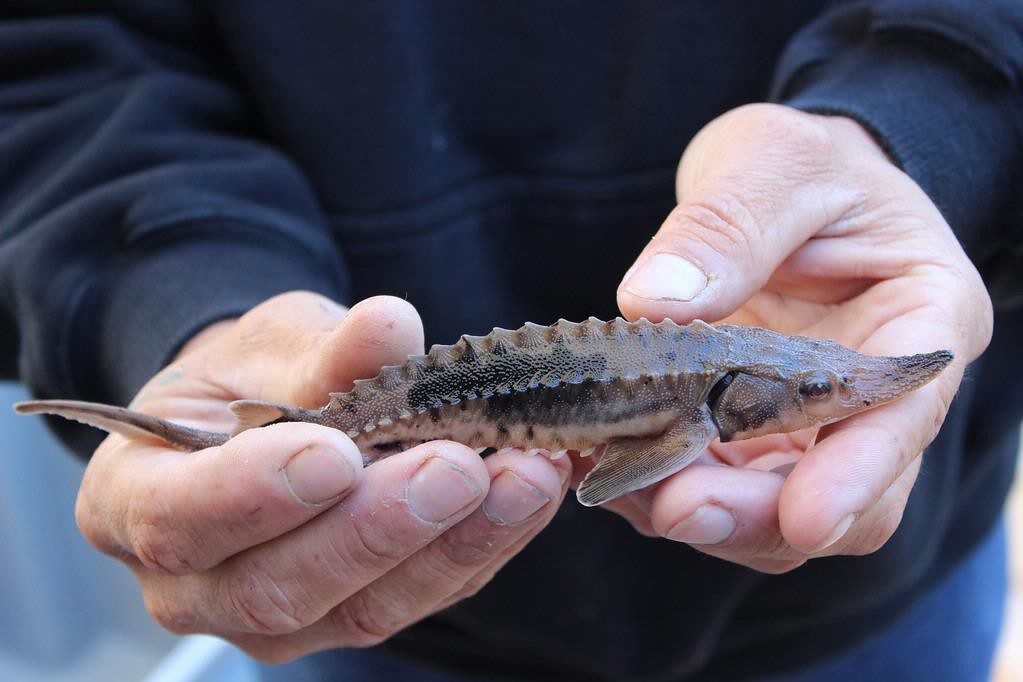
Why did such extreme ages remain hidden for so long? The answer may lie in the basic biology of lake sturgeon. Growth does not continue at the same rate throughout life. Young fish can add length relatively quickly, but the process becomes much slower once they are large adults. If scientists assume that an older fish is growing faster than it really is, their calculations will make that animal appear younger. Following individual fish over decades provided direct evidence of how little some large adults grow from one year to the next.
Researchers also found big differences among populations. A lake sturgeon living in one river or lake cannot automatically be expected to grow at the same rate as one somewhere else. Food availability, habitat, and other environmental conditions can influence how quickly animals gain size. Black Lake sturgeon, for example, showed especially slow average growth in the study. That helps explain why the maximum age estimates varied so dramatically between populations. There may therefore be no single number that accurately represents the lifespan of every lake sturgeon. Some populations could contain fish living much longer than scientists once considered realistic.
Extreme longevity changes conservation planning

Knowing how long lake sturgeon can live is not simply an interesting biological record. Lifespan affects how scientists manage the species. Lake sturgeon grow slowly, mature late, and do not reproduce at the rapid pace seen in many smaller fish. A population can therefore take a very long time to rebuild after major losses. If adults can survive for several centuries, protecting older animals becomes even more important because those fish may contribute to reproduction across an extraordinary span of time.
The discovery was possible only because researchers, wildlife agencies, tribal nations, and conservation partners had collected information over many decades. The same long-term work has helped restore lake sturgeon populations in parts of their historic range. In 2024, the U.S. Fish and Wildlife Service decided that lake sturgeon did not require listing under the Endangered Species Act after reviewing conservation efforts and population conditions. Researchers say better lifespan estimates can now improve decisions about harvest, habitat restoration, and long-term population recovery. A fish capable of living for centuries requires conservation plans that think in decades and generations rather than just the next few years.
Featured Image: “Henry Quinlan with 74 lb adult Lake Sturgeon” by U.S. Fish and Wildlife Service – Midwest Region is licensed under CC PDM 1.0
Leave a Reply