Author: Ethan

  • South African court case questions the welfare of three zoo elephants

    South African court case questions the welfare of three zoo elephants

    Can elephants become sad when they live in small spaces for too long? A new South African elephant welfare case is raising that question in court. Animal welfare groups believe three elephants living at a zoo in Johannesburg are unhappy and mentally distressed. They say the animals need more space, better surroundings, and a chance to live in a more natural environment.

    The case has drawn attention because it focuses on the emotional and mental health of animals, not only their physical care. Experts are expected to explain why elephants need large social groups and open land to live healthy lives. Readers will learn why this case matters, what both sides are saying, and how it could affect animal welfare in South Africa.

    Why the court case started

    architectural photography of trial court interior view
    Photo by David Veksler on Unsplash

    Animal welfare groups in South Africa started the legal case because they believe three elephants at the Johannesburg Zoo are suffering mentally. The elephants, named Lammie, Ramadiba, and Mopane, are said to be living in conditions that do not meet their emotional and social needs.

    The groups argue that the government has a duty to protect animals under the South African Constitution. They want the elephants moved to a larger conservation park where they can live in a healthier, more natural setting with better stimulation and greater freedom.

    Concerns about the elephants’ behavior

    an elephant standing in front of a body of water
    Photo by Srivenkata Subramanian on Unsplash

    According to David Bilchitz from Animal Law Reform South Africa, experts will present evidence in court showing that the elephants are unhappy. He explained that elephants are highly social animals with complex needs that cannot easily be met in a small zoo enclosure.

    Bilchitz said the elephants have shown signs of psychological distress. He described behaviors such as standing still for long periods, rocking back and forth, and repeating actions over and over. Animal welfare groups believe these behaviors are signs of sadness, frustration, and depression.

    The living conditions at the zoo

    A couple of elephants that are standing in the dirt
    Photo by selcuk sarikoz on Unsplash

    Animal welfare groups say the elephants live in an enclosure that is not much larger than a soccer field. They argue that the area lacks key features elephants typically need, such as trees for feeding and mud pools for bathing and cooling.

    Experts say elephants in the wild often live in herds of 20 to 50 animals and travel across large areas. The groups bringing the case believe the zoo environment is too small and limited for animals that naturally need space, social interaction, and daily activity.

    How the zoo has responded

    an elephant standing next to a body of water
    Photo by Janosch Diggelmann on Unsplash

    Johannesburg Zoo has defended the way it cares for the elephants. In a public statement, the zoo said it had faced strong media criticism over the condition of the animals, but maintained that the elephants are healthy and properly cared for.

    The zoo also stated that the elephants are well-liked by both visitors and staff. Officials added that moving elephants from zoos to semiwild sanctuaries does not always work well and may create new problems for the animals instead of improving their lives.

    The story of Charley the elephant

    gray elephant
    Photo by Eric Heininger on Unsplash

    The current case is not the first elephant relocation issue in South Africa. In 2024, an older elephant named Charley was moved from another zoo to a game reserve after experts believed he was lonely following the loss of his elephant companions.

    Charley had spent many years in captivity, including around 16 years in a circus. The zoo eventually agreed that he should retire in a more natural environment. Animal welfare groups now cite Charley’s relocation as an example of how elephants may benefit from living in larger, more open spaces.

    Why this case matters for animal welfare

    elephant walking during daytime
    Photo by Nam Anh on Unsplash

    This legal battle may become important for the future of animal welfare in South Africa. The court’s decision could help define the extent of authorities’ responsibility for protecting the mental and emotional health of animals in captivity.

    The case is also bringing attention to the special needs of elephants. Many people are now discussing whether zoos can truly provide the social life, freedom, and stimulation that elephants need. Whatever the court decides, the case has already started a larger public conversation about how animals should be treated.

  • Frightened stray kitten transforms after rescue changes her life

    Frightened stray kitten transforms after rescue changes her life

    A small stray animal can change everything in a single moment. This is what happened in the story of a stray kitten rescue in Montreal, where a tiny life went from being lost outside to finding safety and care. The kitten, later named Bouskie, was discovered in a difficult state and needed help fast.

    This article explains how the rescue began, how a kind person stepped in, and how the kitten slowly changed after being taken in by a rescue group. Readers will learn how a simple act of kindness can save a life and how trust can grow even after fear and hardship.

    Two stray kittens looking for food on a patio

    white and gray kitten on green grass during daytime
    Photo by Maksym Diachenko on Unsplash

    Two small stray kittens were seen exploring a patio in Montreal, Canada, searching for food and trying to survive on their own. Their behavior showed they were not living in a safe home and had likely been outdoors for some time without proper care or regular food. At first, the kittens stayed together, moving around the area as they looked for anything they could eat.

    However, their situation changed quickly when one of the kittens suddenly ran away, leaving the other behind. The remaining kitten stayed near the patio, where she could be seen more clearly by someone nearby. Although she initially appeared fine, a closer look showed she was very thin and weak, making it clear she was struggling to survive outside. This moment marked the beginning of a life-changing rescue.

    Linda notices a kitten in need of help

    brown tabby cat sitting on concrete
    Photo by Emre on Unsplash

    Linda, who lives in Montreal, came across the stray kitten while she was outside. She noticed the small animal still staying around the patio after the other kitten had left. Something about the situation made her stop and pay attention.

    Even though the kitten appeared calm, Linda could see that she was very underfed. Leaving her there was not an option. The situation felt urgent, and Linda decided she needed to step in and help the small animal before things became worse.

    A safe rescue and a new name for the kitten

    a woman holding a black and white cat in her arms
    Photo by Jack Plant on Unsplash

    Linda managed to safely capture the kitten and bring her to safety. The goal was to remove her from danger and give her a chance to recover. Once she was secure, arrangements were made for proper care.

    The kitten was then taken in by a Montreal rescue organization called Chatons Orphelins Montréal. The team welcomed her and gave her a new name, Bouskie. This marked the start of her journey from a life as a stray to a life as a cared-for animal.

    First days of fear and silence in a new space

    brown tabby kitten on white textile
    Photo by Tobias on Unsplash

    When Bouskie first arrived at the rescue, she was very scared. The new environment was unfamiliar, and she did not immediately trust the people around her. Her behavior showed that she was still adjusting to being indoors and safe.

    She was given a small and cozy space to help her feel more comfortable. However, she often stayed hidden. She would only come out of her carrier when she needed to eat or use the litter tray, and she did this only when no one was nearby.

    Slowly learning to trust people again

    white and gray kitten on white textile
    Photo by Kote Puerto on Unsplash

    After several days, Bouskie began to change in small but important ways. She started to feel more comfortable in the presence of her foster family. Even though she was still cautious, she slowly began to understand that she was safe.

    The rescue team continued to give her time and space. They did not rush her or force interaction. This patience helped her gradually open up. She began leaving her hiding spots more often and observing her surroundings.

    A new life filled with care and affection

    orange tabby kitten in grasses
    Photo by Andriyko Podilnyk on Unsplash

    As Bouskie adjusted more, her personality began to shine. She started exploring her environment and showing curiosity about everything around her. The change from a frightened kitten to a more relaxed cat became clear.

    She also became more affectionate with people. The same kitten who once hid now began to enjoy attention. She would purr when held, showing that she was comfortable and happy in human arms.

  • Which dog breeds are actually the most intelligent?

    Which dog breeds are actually the most intelligent?

    Dogs are more than loyal companions. Some are also extremely smart and can learn new commands quickly, solve problems, and even think for themselves. The smartest dog breeds are not only easy to train but also show strong reasoning skills in daily life. They can figure out puzzles, understand many words, and sometimes even outsmart their owners in surprising ways.

    In this article, you will learn about the smartest dog breeds and what makes each of them special. From working dogs to family pets, these breeds stand out for their intelligence, energy, and problem-solving ability. You will also see how their smart behavior can be helpful, but sometimes challenging for new dog owners.

    Border Collie intelligence and problem-solving skills

    white and brown long coat large dog
    Photo by Pauline Loroy on Unsplash

    Border Collies are often considered one of the smartest dog breeds in the world. They are known for learning commands very quickly and responding with great focus during training. Some Border Collies can understand a large number of words and cues, demonstrating just how sharp their memory and understanding are. This breed often excels at obedience and agility tasks because they enjoy learning and working closely with people. Their intelligence is not just about tricks, but also about how well they can understand complex tasks.

    Border Collies also have strong problem-solving skills, which come from their history as herding dogs. They were bred to manage livestock, so they naturally think independently and stay alert. This makes them very active dogs that need a job or regular mental challenges. Without enough stimulation, they may create their own activities, which may include behaviors such as escaping or finding clever ways to get what they want. Because of their energy and intelligence, they do best in homes that offer space, structure, and daily tasks.

    Poodle intelligence and trainability

    shallow focus photography of white shih tzu puppy running on the grass
    Photo by Joe Caione on Unsplash

    Poodles are another highly intelligent breed known for their strong connection with humans. They are quick learners and respond very well to training, especially when positive methods are used. This makes them popular in obedience and agility competitions. Their history as working dogs also contributes to their intelligence, as they were originally bred for tasks that require both skill and focus. Today, they are often seen as family pets, but their working instincts are still strong.

    Poodles are also known for their desire to please their owners, which makes training smoother and more enjoyable. They can quickly pick up routines and commands, especially when rewarded. This breed is very alert and aware of its surroundings, which adds to its intelligence. Because they are so responsive, they often enjoy structured training sessions that challenge their mind. Without mental stimulation, they can become bored, so they do best with regular interaction and activities that keep them engaged.

    German Shepherd’s working intelligence and versatility

    brown and black german shepherd on green grass field
    Photo by Jana Ohajdova on Unsplash

    German Shepherds are widely known for their intelligence, loyalty, and strong working ability. They are often used in jobs that require focus and discipline, such as search and rescue, police work, and military tasks. Their intelligence stems from their long history of protecting and managing livestock, during which they needed to think quickly and make decisions independently. This breed is highly trainable and can learn complex commands with consistency and practice.

    German Shepherds are also very adaptable dogs. They can switch between different types of tasks with ease, making them valuable in many work environments. They are alert, confident, and highly observant, always paying attention to their surroundings. This makes them excellent at understanding situations and responding appropriately. However, their intelligence means they need both physical exercise and mental challenges to stay balanced and happy in a home setting.

    Golden Retriever emotional intelligence and obedience

    dog running on beach during daytime
    Photo by Oscar Sutton on Unsplash

    Golden Retrievers are known for their gentle nature and strong intelligence. They are very easy to train because they learn quickly and respond well to commands. Their food-motivated personality also helps during training sessions, making them eager to follow instructions. They are often used in hunting, retrieving, obedience, and service work because of their reliable, calm demeanor. This combination of intelligence and temperament makes them one of the most popular family dogs.

    Golden Retrievers also show strong emotional intelligence, meaning they are good at understanding human feelings and responding with care. They are loyal, friendly, and patient, making them great companions for families and first-time dog owners. Their intelligence is not only about learning tricks but also about how well they connect with people. They thrive when they are included in family activities and when they receive positive attention and structure in their daily lives.

    Doberman Pinscher alertness and learning ability

    black and tan short coat medium dog lying on floor
    Photo by JOSHUA DANIEL on Unsplash

    Dobermans are highly intelligent dogs known for their alertness and rapid learning. They are very trainable and often perform well in obedience training. Their keen instincts make them excellent working dogs in fields such as security, law enforcement, and military work. They are naturally curious and observant, which helps them quickly understand their environment and respond to new situations.

    Dobermans also have a strong need for both physical and mental exercise. Their intelligence means they can become bored easily if they lack sufficient stimulation. They enjoy training sessions that challenge their mind as well as their body. This breed is best suited for active owners who can consistently spend time training, playing, and guiding them. With the right care, they become loyal, focused, and highly dependable companions.

    Shetland Sheepdog agility and quick learning

    a brown and white dog carrying a ball in its mouth
    Photo by Barcs Tamás on Unsplash

    Shetland Sheepdogs, also called Shelties, are small dogs with very high intelligence. They are known for their quick learning ability and strong problem-solving skills. This breed often excels in agility, obedience, and herding. Their natural instincts make them alert and responsive, and they enjoy tasks that challenge their mind and bodies. They are often used as therapy dogs because of their gentle and intelligent nature.

    Shelties are also very energetic and need regular activity to stay happy. They form strong bonds with their families and are known for their loyalty and affection. Their intelligence makes them easy to train, but it also means they can become bored without enough mental stimulation. They do best in active homes where they can exercise, learn new skills, and stay engaged with their owners throughout the day.

  • Injured cat thrown into underground bin sparks outrage in France

    Injured cat thrown into underground bin sparks outrage in France

    The Argo cat rescue in France is a powerful story that shows both cruelty and kindness in action. It begins in the early morning hours in Tours, France, where a woman witnessed something disturbing involving a cat and an underground bin. What followed was a fast rescue, urgent medical care, and an unexpected wave of public support.

    In this article, you will learn how Argo was found, how rescuers saved him, and how donations helped cover his treatment and recovery. It also shows how a small act of reporting and teamwork among citizens, police, and rescuers can completely change an animal’s life. Argo’s story is painful at first, but it becomes one of hope and healing.

    The moment of cruelty witnessed in Tours

    a cat sitting on the back of a person's leg
    Photo by Charles Snow on Unsplash

    At around 4:30 am on Friday, 24th April, in Tours, France, a woman named Camille saw something shocking. She witnessed a man throwing a cat into an underground bin. When confronted, the man said, “The cat is dead.” The moment was disturbing and confusing, leaving Camille unsure of what she had just seen.

    But something did not feel right to her. Instead of walking away, she paid closer attention and stayed near the scene. That decision would become very important. What seemed like a hopeless moment quickly turned into the start of a rescue effort that would save a life.

    Discovery of a living cat in the bin

    jealous?” by cwl76 is licensed under CC BY-NC-SA 2.0

    After the man left, Camille and her partner listened carefully and heard meowing coming from inside the bin. This proved that the cat was still alive. They immediately called the police and the fire brigade, who rushed to the location to help.

    When the rescuers arrived, they worked quickly to reach the bottom of the underground bin. There, they found a cat in very poor condition. The animal had deformed legs and was clearly in pain. The rescuers carefully removed him and transported him to urgent care.

    Emergency veterinary care and diagnosis

    Check up time for Milli #cat. #vet” by voyagevixen2 is licensed under CC BY-ND 2.0

    The cat was taken to a vet for emergency treatment as soon as he was rescued. The medical team began checking his injuries to understand how serious his condition was. They quickly saw that he needed immediate attention to survive and recover properly.

    X-rays later revealed the full extent of his injuries. Both of his front legs were broken, and he had multiple fractures. No one knew exactly how he got hurt, but his condition was severe. Because of his situation, the cat, later named Argo, required urgent and complex medical support.

    The challenge of covering urgent medical costs

    Waiting for the X-ray results, but not looking too good.. #BrokenLeg #cat #vet” by monicamüller is licensed under CC BY-NC-ND 2.0

    The vet bill for Argo’s surgery came to €2,000, which was a large amount for the rescue team. The organization helping him, Les Mustaches de Roméo rescue center, knew they could not delay treatment. They needed a fast solution to raise the money.

    To solve this problem, they created an online fundraiser. Their goal was simple: give Argo a chance to live without pain. Without quick financial support, his surgery and recovery would not have been possible. The situation depended entirely on how quickly people could respond.

    Public support and fundraising success

    two Euro banknotes
    Photo by Christian Dubovan on Unsplash

    The public’s response was extremely fast and surprising. Within only a few hours of launching the fundraiser, people donated enough money to reach the €2,000 needed for Argo’s surgery. This allowed the medical team to move forward without delay.

    A few days later, the rescuers launched a second appeal to help cover recovery costs. In total, they received €4,000 in donations. The shelter said they had never seen such strong support before. The extra funds also helped support other cats at the rescue center.

    Argo’s recovery and hope for a new life

    a cat sitting in a cat tower
    Photo by Henry Lai on Unsplash

    With surgery completed and care underway, Argo began his long recovery process. The donations ensured he could receive full treatment and proper rehabilitation. His condition improved over time, and he was placed in a safe environment to heal.

    The rescue team hopes Argo will one day find a loving family. They want him to leave his painful past behind and start a new life filled with care and safety. His journey shows how rescue efforts and public kindness can completely change an animal’s future.

  • These animals live shockingly short lives

    These animals live shockingly short lives

    Many animals live for years, decades, or even centuries, but some survive for only a few days or weeks. These short-lived animals show how fast life can move in nature. The topic of short-lived animals helps us understand how different species adapt to survive and reproduce quickly before their time runs out. In this article, you will learn about some of the most surprising animals with extremely short lifespans.

    From tiny insects to small mammals, each of these species plays an important role in its ecosystem. Even though their lives are brief, they reproduce fast and support the food chain in important ways. By the end, you will see how nature uses short lifespans as a powerful survival strategy.

    Mayflies have one of the shortest lives in nature

    brown and black butterfly in close up photography
    Photo by Alfred Schrock on Unsplash

    Mayflies are known for having one of the shortest lifespans in the animal kingdom. Most adult mayflies live for only about one day. There are thousands of species living in freshwater environments worldwide. Even though their adult life is very short, they spend an important part of their early life in water as larvae.

    Mayflies also play a key role in science and ecosystems. Their presence helps researchers understand water quality because they live in clean and oxygen-rich water. Some species can lay more than 10,000 eggs in their short adult life. This helps ensure their species continues, even with such a brief lifespan.

    Fruit flies live fast and reproduce quickly

    a close up of two bees on a fruit tree
    Photo by David Clode on Unsplash

    Fruit flies are small insects often seen near food, especially fruit. They are found on almost every continent and are well known for their very short lives. In warm outdoor conditions, they live for 10 to 14 days, but in controlled environments, they may survive up to 2 months.

    Fruit flies are also widely studied in science because they reproduce quickly. A female fruit fly can lay about 500 eggs in her lifetime. Their fast breeding cycle helps the species survive despite their short lifespan. This quick life cycle also makes them useful for genetic research.

    Mosquitos survive just long enough to reproduce

    a close up of a mosquito on a human's skin
    Photo by National Institute of Allergy and Infectious Diseases on Unsplash

    Mosquitoes are small insects that feed on blood. On average, they live for about two weeks. However, some species can live much longer depending on conditions. In some cases, adult mosquitoes can hibernate for months, extending their lives significantly.

    Female mosquitoes can lay up to 300 eggs at a time and may do so multiple times in their lives. This helps their population grow quickly. Even though they are short-lived, mosquitoes can survive in many environments, including very cold regions where they may hibernate for long periods.

    Worker bees have different lifespans by season

    black and brown bee on white flower
    Photo by Andy Holmes on Unsplash

    Worker bees are non-reproductive female bees in a colony. Their lifespan varies with the season. In summer, they may live for about 40 days, while in winter, they can live up to 140 days. Other species of worker bees may live only two to six weeks.

    Even though their lives are short, worker bees play a major role in nature. They help pollinate crops and flowering plants, which supports ecosystems and food production. Honeybees alone are responsible for pollinating billions of dollars’ worth of crops every year, making them extremely important for the human food supply.

    Labord’s chameleons live only a few months

    green chameleon on brown wooden post
    Photo by Hasmik Ghazaryan Olson on Unsplash

    Labord’s chameleons are the shortest-living reptiles known. In the wild, they live only about 2 to 3 months. They are found in forests in Madagascar. Even though their adult life is very short, they spend many months developing before they hatch.

    These chameleons reach sexual maturity quickly, around 60 days into their short lives. Both males and females must reproduce before they die. Their life cycle includes a long incubation period followed by a very short active life, making their survival strategy unique among reptiles.

    House mice live briefly but spread widely

    a rat sitting on a piece of wood
    Photo by Joshua J. Cotten on Unsplash

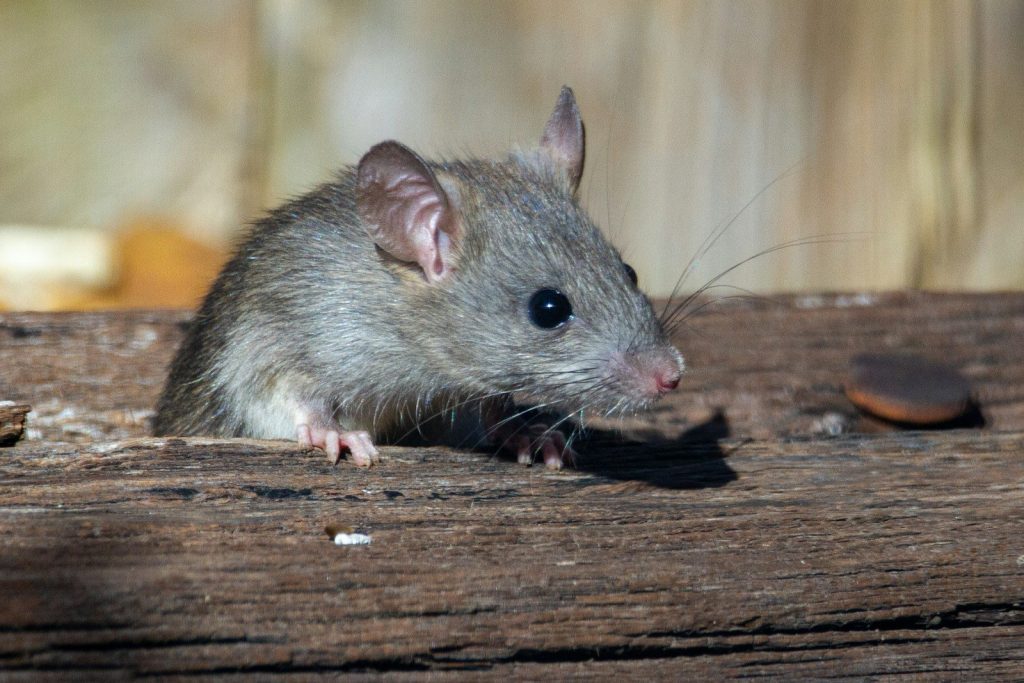
    House mice are small rodents found almost everywhere in the world. In the wild, they usually live around three to four months, although some can survive up to 18 months. In captivity, they may live much longer, sometimes up to 26-30 months.

    These mice are known for their fast reproduction and adaptability. They can survive in many environments and are often used in scientific research. Even though their lives are short in the wild, they are common in ecosystems and serve as food for many predators.

  • Animals with calls powerful enough to shake the planet

    Animals with calls powerful enough to shake the planet

    The loudest animals on earth are not just large ocean giants. Some are tiny insects and small creatures that can produce sounds strong enough to hurt human ears. From deep oceans to forests and rivers, nature is full of powerful noise makers that use sound to survive, find mates, or warn others.
    In this article, you will learn about some of the most surprising loud animals in the world. You will see how they use sound, how far their calls can travel, and why some are even louder than machines like jet engines or rock concerts. The information is based solely on real examples of nature’s most powerful sound-makers.

    Ocean giants that dominate underwater sound

    blue whale on sea
    Photo by Todd Cravens on Unsplash

    Blue whales, sperm whales, and bowhead whales are among the loudest animals in the sea. Blue whales produce deep calls that reach up to 188 decibels and can travel hundreds of miles underwater. Sperm whales use clicking sounds that can reach up to 230 decibels, while bowhead whales create long songs reaching around 159 decibels.

    These sounds help them communicate across vast oceans where visibility is low. Blue whales use calls during migration, sperm whales use clicks to hunt deep prey, and bowhead whales use long vocal patterns to communicate in Arctic waters. Northern elephant seals, southern elephant seals, and Atlantic spotted dolphins also contribute to underwater noise. Northern elephant seals can reach up to 131 decibels, while Atlantic spotted dolphins can produce whistles up to 163 decibels.

    Bats and insects with extreme sound levels

    brown bat
    Photo by James Wainscoat on Unsplash

    Greater bulldog bats, lesser bulldog bats, African cicadas, mole crickets, water boatmen, and Synalpheus pinkfloydi show how small creatures can produce extreme sound levels. Greater bulldog bats can reach up to 140 decibels, while lesser bulldog bats reach about 137 decibels. African cicadas produce mating calls up to 107 decibels, and mole crickets create loud churring sounds underground.

    These animals mainly use sound for survival and reproduction. Bats rely on echolocation to find food and move safely, while cicadas and crickets use sound to attract mates during breeding seasons. Water boatmen and Synalpheus pinkfloydi also show extreme noise power. Water boatmen produce loud underwater mating songs, while Synalpheus pinkfloydi snapping shrimp can reach up to 210 decibels using a claw snap that creates a shockwave bubble.

    Land mammals with powerful calls

    Profile of a lioness starting to yawn” by Tambako the Jaguar is licensed under CC BY-ND 2.0

    Lions, hippos, spotted hyenas, howler monkeys, northern elephant seals, and southern elephant seals are among the loudest land and coastal animals. Lions can roar up to 114 decibels, while hippos can reach about 115 decibels. Spotted hyenas use loud giggles and whooping sounds to communicate within groups.

    These animals use sound to show strength, warn rivals, and stay connected. Lions use roaring to mark territory, hyenas use laughter-like calls to signal social status, and hippos use deep sounds above and below water. Howler monkeys and elephant seals are also extremely loud. Howler monkeys can be heard up to 3 miles away, while northern elephant seals can reach 131 decibels during dominance battles.

    Underwater hunters and shockwave creators

    IMG_2291-edit” by jentfoo is licensed under CC BY-NC-ND 2.0

    Tiger pistol shrimp (Synalpheus pinkfloydi) and Atlantic spotted dolphins demonstrate the power of underwater sound. Tiger pistol shrimp can reach up to 200 decibels, while Synalpheus pinkfloydi can reach about 210 decibels through a snapping claw that creates a shockwave bubble. Atlantic spotted dolphins also use whistles and other vocal signals to communicate and coordinate underwater movement.

    These animals rely on sound to survive in deep, dark oceans where visibility is limited. The shrimp species use sudden claw snaps to stun prey and create powerful pressure waves in the water. Dolphins depend on sound-based communication to stay connected, move in groups, and respond quickly in their environment.

    Forest and field sound makers

    green and brown leaf plant
    Photo by Curt Chapman on Unsplash

    African cicadas, mole crickets, water boatmen, salmon-crested cockatoos, howler monkeys, and spotted hyenas are loud animals found in forests, fields, and wetlands. Cicadas produce mating calls up to 107 decibels, while mole crickets create rhythmic sounds in underground burrows. Water boatmen produce loud underwater mating signals.

    These animals use sound mainly for communication and reproduction. Cicadas and crickets rely on sound to attract mates, while water boatmen use vibration-based signals in water environments. Salmon-crested cockatoos, howler monkeys, and spotted hyenas also make strong natural noises. Cockatoos can reach up to 129 decibels, howler monkeys can travel miles through forests, and hyenas use loud laughter-like calls during social conflicts.

    Record-breaking decibel levels in nature

    a hippopotamus in a body of water with its mouth open
    Photo by Sachin Mittal on Unsplash

    Blue whales, sperm whales, tiger pistol shrimp, greater bulldog bats, hippos, and northern elephant seals show some of the most extreme sound levels in nature. Blue whales produce powerful low-frequency songs, while sperm whales can reach up to 230 decibels with clicks.

    These animals use sound in very different ways. Blue whales and hippos use it for communication over long distances, while sperm whales use it for hunting and navigation in deep water. Northern elephant seals use loud calls during breeding battles. Tiger pistol shrimp and bats show that small animals can also be extremely loud. The shrimp reaches up to 200 decibels using a snapping claw, while bats use echolocation calls up to 140 decibels to move and hunt.

  • Six fascinating facts about otters that may surprise you

    Six fascinating facts about otters that may surprise you

    If you think otters are just cute animals that float on their backs and hold hands, there is a lot more going on beneath the surface. These playful mammals are actually smart, skilled hunters with powerful survival abilities that help them live in rivers, lakes, and oceans around the world. Many people search for “fascinating facts about otters” because they want to understand how these animals eat, survive, and behave in the wild.

    In this article, you will discover surprising and verified facts about otters that show how unique they really are. From their super-thick fur to their clever hunting tricks, each fact will help you see otters in a whole new way.

    Otters have some of the densest fur in the animal world

    Otter Sunbathing” by Charles Patrick Ewing is licensed under CC BY 2.0

    Otters are famous for their thick, waterproof coats, which are among the densest fur layers of any mammal. Some species have hundreds of thousands of hairs in just one square inch of skin. This thick fur traps air close to their bodies, which helps keep them warm even in freezing water. Unlike seals or whales, otters do not have a thick layer of fat called blubber, so their fur is their main protection against cold temperatures.

    Because their survival depends on clean fur, otters spend a large part of their day grooming. They roll, rub, and clean their coats to keep them fluffy and air-filled. If their fur gets dirty or matted, water can reach their skin and they can lose body heat very quickly. This is why grooming is not just a habit for otters, but a matter of life and death in cold environments.

    Sea otters use tools like natural “hammers”

    Octopus squirting ink whilst being eaten by a Sea Otter” by Alan Vernon. is licensed under CC BY-NC-SA 2.0

    One of the most surprising facts about sea otters is that they use tools, which is rare in the animal world. Sea otters often use rocks to break open hard shells like clams, mussels, and sea urchins. They float on their backs in the water and place the rock on their chest like a small workbench. Then they smash the shell open with quick, strong hits.

    This tool helps them eat foods that would otherwise be too difficult to access. It also protects their teeth from damage caused by biting hard shells directly. Some otters even keep their favorite rocks with them by storing them in loose skin pockets under their arms. This behavior shows that otters are not only playful but also highly intelligent problem solvers.

    Otters are powerful hunters with sensitive whiskers

    Otter” by Tambako the Jaguar is licensed under CC BY-ND 2.0

    Otters may look playful, but they are skilled hunters. They mainly eat fish, crabs, frogs, and other small water animals. River otters usually chase fish underwater with quick and agile movements. Sea otters often search the ocean floor for shellfish and sea urchins, which are a major part of their diet.

    Their whiskers play a big role in hunting success. These whiskers are extremely sensitive and can detect tiny movements in the water. Even in dark or muddy rivers, otters can sense fish swimming nearby without needing to see them clearly. This special ability helps them hunt in different environments, whether it is a clear river or a cloudy coastal sea.

    Otters play an important role in keeping ecosystems balanced

    Otter Love” by MARK-SPOKES.COM is licensed under CC BY-NC-SA 2.0

    Otters are not just important for themselves, but also for the environment around them. In ocean ecosystems, sea otters help protect kelp forests by eating sea urchins. Without otters, sea urchins can multiply and destroy large areas of kelp, which many fish and sea animals depend on for shelter and food.

    By controlling sea urchin populations, otters help keep the underwater ecosystem healthy and balanced. This makes them what scientists call a “keystone species,” meaning their presence has a big impact on many other living things. When otters return to an area, entire ecosystems can recover and become more diverse again.

    Otters are highly social and communicate in many ways

    The face of the otter” by Tambako the Jaguar is licensed under CC BY-ND 2.0

    Otters are known for their playful behavior, but they are also social animals that communicate with each other in several ways. They use sounds like whistles, growls, and chirps to talk to nearby otters. They also use body movements and scent markings to share information about territory and identity.

    Some otters are often seen floating together in groups called rafts, especially sea otters resting in calm water. In these groups, they sometimes hold hands to avoid drifting apart. This behavior is not just cute; it also helps them stay together for safety. Social bonding is an important part of otter life, especially for mothers raising young pups.

    Otters adapt to both land and water environments

    Southern Sea Otter” by Linda, Fortuna future is licensed under CC BY-NC 2.0

    Different types of otters are adapted to different environments, but most can move easily between land and water. River otters often travel across land to find new waterways, while sea otters spend most of their lives in the ocean. Their bodies are built for swimming, with webbed feet and strong tails that help them move quickly through water.

    Even though they are strong swimmers, otters still need safe resting places on land or in sheltered areas. They use dens near rivers, lakes, or coastlines to sleep and raise their young. Their ability to adapt to both land and water gives them a survival advantage in changing environments, allowing them to live in many parts of the world.

  • Two helpless red squirrels were saved after a terrifying fall from a tree

    Two helpless red squirrels were saved after a terrifying fall from a tree

    The red squirrel rescue in Scotland has drawn attention after two baby squirrels were found in a serious situation in a ditch. These young animals were discovered soaking wet and in urgent need of care, underscoring how fragile wildlife can be when something goes wrong in nature. This story is not just about a rescue, but also about the efforts to protect one of Scotland’s most loved native species.

    In this article, you will learn how the squirrels were found, how experts saved them, and what their recovery looks like today. You will also understand the dangers red squirrels face in Scotland and why conservation efforts are so important to their survival in the wild.

    Discovery in Oban ditch

    oban scotland” by mariusz kluzniak is licensed under CC BY-NC-ND 2.0

    Two baby red squirrels were discovered at the base of a tree in Oban, Argyll and Bute. The incident happened on April 1 when a member of the public spotted the tiny animals in a ditch and quickly alerted the Scottish SPCA. The squirrels were soaking wet and alone, which made the situation urgent.

    It is believed the young squirrels may have fallen from their nest, known as a drey. No adult squirrel was seen nearby, which raised concerns about their safety. One of the kits was also thought to have an injured leg, possibly caused by the fall.

    Rescue by Scottish SPCA

    Scottish SPCA Glasgow opening” by Scottish Government images is licensed under CC BY-NC 2.0

    After receiving the alert, the Scottish SPCA quickly stepped in to rescue the two baby squirrels. The animals were carefully collected and taken away from the dangerous location. At the time of rescue, the squirrels were estimated to be around one month old and still very dependent on care.

    They were then transported to the Scottish SPCA’s National Wildlife Rescue Center in Fishcross, Clackmannanshire. This center is designed to help injured and orphaned wildlife recover in a safe environment. The rescue marked the start of their journey toward healing and survival.

    Health condition and treatment

    Baby Squirrel” by Twix is licensed under CC BY-SA 2.0

    When the squirrels arrived at the rescue center, they needed immediate medical attention. One of the kits had a suspected leg injury, possibly caused by a fall from its nest. Being exposed to cold and wet conditions also made their condition more delicate.

    The small mammals team at the center began treatment right away. The squirrels were given a course of antibiotics to help prevent infection and support recovery. Their names were later given by the staff caring for them as Fanta and Tango.

    Life at the rescue center, Fishcross

    Phnom Tamao Wildlife Rescue Center” by Seyemon is licensed under CC BY-NC-ND 2.0

    At the National Wildlife Rescue Center in Fishcross, Fanta and Tango received constant care from wildlife experts. They were placed under the supervision of the small mammals team, which closely monitored their progress every day. The goal was to help them grow stronger in a safe and controlled environment.

    As they recovered, the kits were moved to a large outdoor enclosure within the center. This space allows them to explore more naturally while still being protected. It helps them slowly build strength and prepare for life in the wild again.

    Threats facing red squirrels in Scotland

    brown squirrel eating nuts
    Photo by Caleb Martin on Unsplash

    Red squirrels are a much-loved species in Scotland, known for their russet fur and tufted ears. Scotland is home to around 80% of the UK’s red squirrel population, making it a very important place for their survival. Many people enjoy spotting them in woodlands and sometimes even in parks and gardens.

    However, red squirrels face several serious threats. They are at risk from invasive non-native grey squirrels, which compete for food and habitat. Grey squirrels can also carry squirrelpox, a disease that is deadly to red squirrels. On top of this, habitat loss, habitat fragmentation, climate change, and road collisions all add pressure on their survival.

    Conservation efforts and future release

    brown squirrel on tree branch at daytime
    Photo by Ilnur Kalimullin on Unsplash

    Efforts across Scotland are focused on protecting red squirrels and helping their populations survive in the long term. Campaigns like Save Our Reds Day are part of a wider UK effort to protect these animals and their natural habitats. Groups such as the Scottish Wildlife Trust and the Scottish SPCA work together, with public support, to monitor and protect red squirrels across the country.

    Fanta and Tango are included in these conservation efforts. Once they reach about 16 weeks of age, they are expected to be released back into the wild when they are fully independent. Both squirrels have been microchipped so experts can track them after release and better understand their survival. People are also encouraged to report sightings of red and grey squirrels, which helps conservation teams protect habitats and manage squirrel populations more effectively.

  • Animals that look like they escaped the dinosaur era

    Animals that look like they escaped the dinosaur era

    No animal alive today actually lived during the age of dinosaurs, which ended about 66 million years ago. But some groups of animals have roots that go back to that deep past and still survive today in forms that look strangely similar to their ancient ancestors. These are often called living fossils, and they give us a rare window into Earth’s distant history.

    In this article, you will explore six of the most unusual living fossils still alive today. From crocodile-like hunters to deep-sea fish once thought extinct, each shows how life can survive major disasters and continue in simple, powerful ways across millions of years.

    Aurochs were the giant wild cattle of the past

    Auroch” by Phil du Valois is licensed under CC BY-NC-ND 2.0

    Aurochs were powerful wild cattle that once lived across Europe and parts of Asia. They were much larger than modern cows, with some males reaching up to 900 kilograms. These animals lived in forests, grasslands, and wetlands, where they moved in herds and fed on natural vegetation. Their strong build made them one of the heaviest land mammals in Europe at the time.

    Their appearance was very different from today’s cattle. Males were often black with a light stripe along their backs, while females were usually brown. Over time, their numbers declined as forests were cut down and they were heavily hunted. By the early 1600s, the last known group had survived in a forest in Poland before going extinct.

    Crocodilians have changed very slowly over time

    brown crocodile on body of water during daytime
    Photo by Steward Masweneng on Unsplash

    Crocodilians include crocodiles, alligators, caimans, and gharials. Today, more than two dozen species live in rivers and wetlands around the world. Their common ancestor lived alongside dinosaurs about 80 million years ago during the Late Cretaceous period.

    These animals spend much of their time near water, waiting quietly for prey to come close. Even though they look almost unchanged today, their deeper history shows much more variety. Some ancient relatives were fast land hunters, while others grew extremely large, reaching lengths of up to 12 meters and hunting large dinosaurs near riverbanks.

    Giant ground sloths once ruled the Americas

    megatherium ‘Riesentier’” by Mara ~earth light~ is licensed under CC BY 2.0

    Giant ground sloths were massive prehistoric animals that lived in the Americas. Some species, like Megatherium and Eremotherium, could reach lengths of up to 6 meters and stand over 5 meters tall when rising on their hind legs. They could weigh around 4 tonnes, making them some of the largest land mammals ever.

    These animals were slow but extremely powerful. They had thick bones, strong joints, and long claws that could grow nearly a foot long. These claws helped them defend themselves against predators and reach high vegetation. Their huge size made them difficult targets, and many predators likely avoided attacking them.

    Horseshoe crabs have barely changed for millions of years

    a dead bird on the ground surrounded by rocks and gravel
    Photo by David Trinks on Unsplash

    Horseshoe crabs are not actually crabs, even though their name suggests otherwise. They are more closely related to spiders and scorpions. Their ancestors first appeared around 445 million years ago, long before dinosaurs existed.

    These animals have changed very little in appearance over time. If you compare ancient fossils with modern horseshoe crabs, they look almost the same. They live on silty seabeds and feed on worms and small shellfish, just like their ancient relatives did.

    Gigantopithecus was the largest ape ever known

    Gigantopithecus blacki” by Sam_Wise is licensed under CC BY-NC-SA 2.0

    Gigantopithecus was an enormous ape that lived in ancient southern China during the Pleistocene period. It is believed to have stood around 3 meters tall, making it the largest ape ever discovered. Scientists have only found teeth and jaw bones, but these remains reveal a lot about its size and diet.

    This giant ape lived in subtropical forests and likely spent most of its time on the ground. It was a plant-eater, feeding on leaves, roots, and fruits. Evidence from its teeth suggests it especially enjoyed fruits like figs. It may even have lived at the same time as early human ancestors, meaning they could have shared the same environment.

    Tuatara are rare reptiles from ancient times

    brown and gray bearded dragon on brown dried leaves
    Photo by Karissa Best on Unsplash

    The tuatara is a rare reptile found only on a few small islands off the coast of New Zealand. It is the only surviving member of a group called Sphenodontids, which were once much more common during the time of dinosaurs.

    Tuataras look similar to lizards, but they are not true lizards. They share a common ancestor that lived about 250 million years ago. Today, they live quietly in burrows, often using seabird nests for shelter and feeding on insects and small animals.

  • A tiny elephant calf that was once sheltered with goats is now thriving in the wild 12 years later

    A tiny elephant calf that was once sheltered with goats is now thriving in the wild 12 years later

    What happens when a newborn elephant calf is found alone, weak, and surrounded by danger? The story of a tiny elephant calf thriving in the wild 12 years later shows how survival, rescue, and patient rehabilitation can completely change an animal’s future. This real-life journey follows Ndotto, a newborn elephant discovered in 2014 while sheltering near livestock, including goats, in a remote part of Kenya.

    In this article, you will learn how the Sheldrick Wildlife Trust rescued the calf, how it was raised through years of careful care, and how it slowly learned to live like a wild elephant again. You will also see how, more than a decade later, Ndotto is now fully living in Tsavo East National Park as a strong, independent adult. The story highlights how long-term conservation can truly bring wildlife back from the edge.

    A shocking discovery in the wild

    Omysha coming to me!” by Tambako the Jaguar is licensed under CC BY-ND 2.0

    In August 2014, herdsmen in a remote area of Kenya discovered an extremely small elephant calf alone among their livestock. The calf had somehow become separated from its herd and ended up moving with goats and other domestic animals for safety. This unusual situation likely happened after the herd became frightened, leaving the newborn behind in the confusion.

    According to wildlife rescuers, the calf was one of the smallest they had ever seen. It was so young that it may have been only hours or days old. At that stage, an elephant calf cannot survive alone because it depends fully on its mother for milk, warmth, and protection. Without immediate help, the calf’s chances of survival were extremely low, making this discovery urgent and life-saving.

    Emergency rescue by the Sheldrick Wildlife Trust

    2 men standing on brown grass field during daytime
    Photo by BĀBI on Unsplash

    Once local people reported the calf, the Sheldrick Wildlife Trust quickly stepped in to help. Because the location was remote and difficult to reach, a coordinated rescue effort was launched, including ground support and a helicopter evacuation. The goal was to move the calf to safety as fast as possible.

    When rescuers arrived, they found a fragile newborn in critical condition. The team carefully transported the calf to their Nairobi facility, where it could receive round-the-clock care. At first, the baby was fed a special milk formula designed for orphaned elephants, along with fluids to prevent dehydration. This early medical support was the difference between life and death.

    Learning to survive without a mother

    David Sheldrick Wildlife Trust” by aftab. is licensed under CC BY-NC 2.0

    After surviving the first critical phase, the calf began a long journey of emotional and physical recovery. Young elephants rely heavily on their mothers for comfort and learning, so losing that bond can be deeply stressful. Caregivers acted as surrogate family members, staying close to the calf day and night to provide safety and stability.

    Over time, the calf started adjusting to life with other orphaned elephants. This stage is important because elephants are highly social animals that learn behavior through interaction. The young elephant gradually learned how to eat, play, and communicate in ways that matched natural elephant behavior. This slow process helped rebuild confidence and trust.
    The long road back to the wild

    The David Sheldrick Wildlife Trust Orphans project” by Linda DV is licensed under CC BY-NC-ND 2.0

    As the elephant grew stronger, it entered a structured rehabilitation program designed to prepare it for release. This process took many years and required a careful balance. The calf was slowly introduced to more natural environments while human contact was reduced step by step.

    During this period, it learned essential survival skills such as finding food in the wild, walking long distances, and recognizing natural threats. It also joined other elephants in protected areas where it could practice living in a herd again. This transition is one of the most important parts of wildlife rehabilitation because it ensures the animal does not become dependent on humans.
    Life today in Tsavo East National Park

    Tsavo East National Park” by Kim van Velzen is licensed under CC BY 2.0

    Twelve years after its rescue, Ndotto is now living freely in Tsavo East National Park. He is no longer a fragile calf but a strong adult elephant traveling with wild herds. He behaves like a natural member of the ecosystem, moving across large landscapes and interacting with other elephants in the wild.
    Wild elephants like Ndotto play an important ecological role. As they travel, they help shape forests, spread seeds, and create pathways that other animals use. His successful return to the wild shows that long-term rehabilitation can work when it is done with care, patience, and expert support.

    Why Ndotto’s story matters today

    two elephants near trees
    Photo by Waldemar Brandt on Unsplash

    Ndotto’s journey is not just about one elephant. It reflects the larger challenges elephants face across Africa, including habitat loss, drought, and poaching. Many calves become orphaned every year, and without rescue efforts, most would not survive.

    This story also shows how teamwork between local communities and conservation groups can create real change. The herdsmen who first found the calf played a key role by alerting rescuers. Combined with expert care from wildlife teams, this cooperation helped save a life and restore it to the wild.