Author: Ethan

  • Rare Przewalski’s horse foal born at Bronx Zoo marks major conservation win

    Rare Przewalski’s horse foal born at Bronx Zoo marks major conservation win

    A rare moment at a major zoo has drawn global attention. A Przewalski’s horse foal at Bronx Zoo was recently born, marking an important step for one of the rarest horse species on Earth. These horses were once completely gone from the wild.

    This article explains the foal’s birth and why it matters for conservation. It also covers why the species became so rare and how humans helped bring it back. You will also learn where these horses live today and how they are still being protected.

    Birth of Przewalski’s horse foal at Bronx Zoo

    Przewalski’s horses” by СмdяСояd is licensed under CC BY-NC-SA 2.0

    The Bronx Zoo in New York City announced the birth of a Przewalski’s horse foal on April 21. This event is considered an important milestone in protecting a species that nearly disappeared from the planet. It highlights ongoing efforts to support rare wildlife. The foal is part of the zoo’s Wild Asia Monorail exhibit. Visitors can see the young horse and its herd for a limited time until October.

    Zoo officials called the birth a special moment worth celebrating. The Wildlife Conservation Society also confirmed the news in a press release. They emphasized how important the birth is for conservation work. The announcement drew attention from wildlife supporters worldwide.

    Why Przewalski’s horses are so rare

    Mongolei: Przewalski-Pferd – Mongolia: Przewalski’s horse” by Daniela Hartmann (alles-schlumpf) is licensed under CC BY-NC-SA 2.0

    Przewalski’s horses, also called Mongolian wild horses, were once found across parts of Asia. Over time, their population declined due to human activity. This decline continued until they disappeared from the wild. By the 1960s, the species was completely extinct in the wild.

    Hunting, habitat loss, and human expansion were major causes of this loss. Only captive populations remained to keep the species alive. Today, the species is still endangered despite recovery efforts. Fewer than 2,000 are estimated to exist worldwide. Their status is listed as endangered by conservation authorities.

    Physical traits of the wild horse species

    Dubbo Zoo. Przewalski’s horse also known as Takhi. From Mongolia.” by denisbin is licensed under CC BY-ND 2.0

    Przewalski’s horses have a strong and stocky body. They are built to survive in harsh grassland environments. Their appearance makes them easy to identify in the wild or in zoos. They have a dun-colored coat and a short, upright, dark mane.

    These features help them blend into dry landscapes. Their legs are short but powerful for rough terrain movement. Adult horses weigh between 550 and 800 pounds. They can reach up to about 5 feet in height. This makes them smaller than many common domestic horse breeds.

    How conservation programs brought them back

    Przewalski’s Horse Dies at the Smtihsonian Conservation Biology Institute” by Smithsonian’s National Zoo is licensed under CC BY-NC-ND 2.0

    Even after disappearing from the wild, the species was not completely lost. Breeding programs in captivity helped keep the population alive. These programs became essential for survival. Zoos and conservation groups worked together to protect genetic diversity.

    Their goal was to avoid inbreeding and maintain a healthy population. Careful planning helped the species slowly recover. These efforts became one of the most successful wildlife recovery stories. The species began to grow again through managed care. Reintroduction programs later returned them to their natural habitats.

    Role of Bronx Zoo and global breeding efforts

    Przewalski’s Horse Dies at the Smtihsonian Conservation Biology Institute” by Smithsonian’s National Zoo is licensed under CC BY-NC-ND 2.0

    The Bronx Zoo has played an important role in saving this species. It participates in coordinated breeding programs with other institutions. These programs help manage population growth carefully. Officials have described the zoo’s role as “pivotal” in conservation efforts.

    This work supports the long-term survival of the species. It also helps ensure genetic health across populations. Zoo-bred horses were reintroduced into the wild in China in 1989. They were also released in Mongolia in 1992. These steps helped restore wild populations in their native regions.

    Wild survival stories, including the Chornobyl Exclusion Zone

    National Zoo Mourns Loss of Przewalski’s Horse” by Smithsonian’s National Zoo is licensed under CC BY-NC-ND 2.0

    Przewalski’s horses have also been seen in unusual places. One of these is the Chornobyl Exclusion Zone in Ukraine. The area became mostly empty of humans after the 1986 nuclear disaster. In the late 1990s, horses were introduced into the region.

    About 31 horses were first released as part of a rewilding effort. Over time, their population began to grow. Today, estimates suggest between 150 and 180 horses live there. The area has become a refuge for wildlife with little human presence. It shows how nature can recover in unexpected ways.

  • 6 simple habits that can make your cat much happier at home

    6 simple habits that can make your cat much happier at home

    Have you ever wondered if your cat really understands your feelings? Many cat owners ask themselves how to show their cat love in a way their pet can truly feel. The good news is that cats are very good at understanding affection when it is shown in the right way. They notice body language, time spent together, and gentle care.

    This article explains simple and natural ways to connect with your cat. You will learn how cats show love back and how you can respond in a way they understand. From slow blinking to playtime and grooming, these ideas help build trust, comfort, and a stronger bond with your cat in everyday life.

    Understanding the love blink

    an orange and white cat laying on top of a person's hand
    Photo by Rhamely on Unsplash

    Cats often show affection through slow blinking. When a cat looks at you with half-closed eyes and slowly blinks, it is a calm and friendly signal. This behavior usually appears when your cat feels safe, relaxed, and comfortable around you. It is one of the clearest signs of trust.

    You can respond by slowly blinking back at your cat. This simple action helps your cat feel understood and connected to you. Over time, this quiet exchange can strengthen your bond and create a sense of warmth between you and your pet.

    Share some space with your cat

    orange tabby cat on gray area rug
    Photo by Christin Hume on Unsplash

    Spending time close to your cat is one of the strongest ways to build a bond. Cats that feel connected often stay near each other, touch, groom, or sleep together. When you sit with your cat, pet them gently or cuddle them, you are showing them care in a way they understand.

    Cats also show affection by rubbing their head or face against you. This behavior releases natural scents that help them feel safe and calm. Allowing these moments of closeness helps your cat feel secure and strengthens your relationship naturally.

    Playtime builds strong bonds

    tabby cat touching person's palm
    Photo by Jonas Vincent on Unsplash

    Play is very important for many cats. It gives them exercise, mental stimulation, and a chance to connect with you. Playing together is not just fun, it also helps build trust and a closer relationship between you and your cat.

    Every cat has different play preferences. Some enjoy wand toys, while others prefer toys like a mouse on a string. It may take some time to learn what your cat likes best. Changing toys regularly also keeps playtime exciting and helps prevent boredom.

    Grooming shows care and trust

    brown tabby cat on black leather chair
    Photo by Chewy on Unsplash

    Grooming your cat is another way to show love. Many cats enjoy being brushed, and it helps them feel relaxed and cared for. In the wild, bonded animals often groom each other, which builds trust and connection.

    When you groom your cat gently, watch their body language to make sure they are comfortable. Over time, your cat may even come to you for grooming. It also helps you check their coat for any problems, such as mats or skin issues.

    Enrichment keeps your cat happy

    woman and cat joining hands
    Photo by Humberto Arellano on Unsplash

    Cats can feel bored or lonely when they are alone for long periods. Providing enrichment helps keep them active and mentally engaged. Simple items like cat trees, scratching posts, and toys can make a big difference in their daily life.

    Even everyday objects like cardboard boxes can keep a cat entertained. Enrichment helps reduce unwanted behavior caused by boredom and frustration. It also supports a happier and more balanced lifestyle for your cat.

    Catnip brings joy and excitement

    A cat playing with a toy on a bed
    Photo by Tatyana Rubleva on Unsplash

    Catnip is a natural herb that many cats enjoy. It belongs to the mint family and is known for creating strong reactions in cats. Some cats become playful and energetic, while others become calm and relaxed after using it.

    You can give catnip in different ways. It can be sprinkled on toys, placed on cat beds, or added near scratching posts. Not all cats react the same way, but many find it enjoyable and stimulating.

  • Small behaviors that can make your cat feel ignored

    Small behaviors that can make your cat feel ignored

    Understanding what cats hate about humans can help you build a better, calmer life with your cat. Many people think cats are easy pets, but in fact, they notice everything we do in our homes. Sometimes, our actions can make them feel stressed, unsafe, or confused without us even realizing it. This article explains the most common human behaviors that cats dislike when living with us.

    You will learn simple ways to avoid mistakes that cause stress for cats. Each section breaks down a different behavior that cats often struggle with, such as sudden changes, unwanted handling, and misunderstanding their needs. By the end, you will understand how to treat your cat in a way that respects its natural behavior and helps it feel more relaxed and secure at home.

    Sudden changes

    Check up time for Milli #cat. #vet” by voyagevixen2 is licensed under CC BY-ND 2.0

    Cats can become very stressed when their environment changes too quickly. Sudden changes are one of the main things cats hate about humans because they interrupt a cat’s sense of safety. Cats are sensitive animals, and they feel more secure when their routine stays the same. Things like being placed in a carrier or taken on a car ride can feel confusing and stressful if they are not introduced slowly.

    Veterinary visits can be even more difficult for cats because they are handled in ways that may not be enjoyable to them. When a cat is not prepared for these experiences, the stress can become even stronger. Helping cats slowly get used to carriers, travel, and handling can make a big difference. With patience and calm practice, these stressful events can become easier for them over time.

    Forcing social interactions

    Waiting for the X-ray results, but not looking too good.. #BrokenLeg #cat #vet” by monicamüller is licensed under CC BY-NC-ND 2.0

    Cats need space and control over their social life, and forcing interaction is another one of the major things cats hate about humans. Cats often prefer to hide when they feel stressed, and they need safe places to retreat. If they do not have these options, loud sounds or strangers in the house can make them feel overwhelmed.

    Some people try to pull cats out of hiding when they are scared, but this can make the situation worse. Cats do not respond well when they are forced into contact during stress. Instead, they benefit from having places to climb and observe their environment. Cat trees, shelves, and window spaces help them feel safe and in control, reducing stress and improving their overall comfort.

    Holding on too tight

    a woman holding a black and white cat in her arms
    Photo by Jack Plant on Unsplash

    Many cats do not enjoy being hugged or held tightly, even if humans think they do. This is one of the most common things cats hate about humans because it removes their sense of freedom. When a cat tries to move away and is held tighter, it can feel trapped or unsafe. Each cat is different, so their comfort levels with touch can vary.

    Some cats may roll over and show their stomach, but this does not always mean they want to be touched there. In some cases, it is simply a relaxed position, not an invitation for contact. If a cat feels uncomfortable, it may react by biting or scratching. Learning a cat’s personal boundaries is important for building trust and avoiding stress in daily interactions.

    Treating cats like small dogs

    white and brown short coated dog on green grass during daytime
    Photo by David Clarke on Unsplash

    Treating cats like dogs is another thing cats hate about humans, because cats have very different needs and behaviors. Cats are independent animals and do not always respond to training or attention in the same way dogs do. When people expect cats to behave like dogs, it can lead to misunderstanding and frustration for both the cat and the owner.

    Cats need approaches that match their natural instincts. Training and enrichment should focus on what cats find rewarding and safe. Using dog-style methods without adjustment can confuse or scare a cat. When people take the time to understand feline behavior, they can build a better relationship that respects the cat’s natural personality and reduces stress in the home.

    Punishing cats for normal behaviors

    orange and white tabby cat sitting on brown wooden table in kitchen room
    Photo by Paul Hanaoka on Unsplash

    Punishment is one of the most harmful things cats hate about humans because it does not solve behavior problems and often creates fear. Some people use sprays or other deterrents when cats do things like scratching or digging in plants. However, this only makes cats nervous and does not teach them what to do instead.

    There are also more serious forms of punishment, such as declawing, which can cause long-term problems like fear, aggression, and litter box issues. Cats do better when they are guided toward positive behavior. Providing scratching posts, trimming nails, and using safe nail covers are more helpful ways to manage behavior. Rewarding good actions helps cats learn without fear or stress.

    Treating cats like small humans

    silver tabby cat on brown wooden table
    Photo by Yusuf Evli on Unsplash

    Dressing cats in clothes or costumes is another thing cats hate about humans, even though some people find it funny or cute. Many cats do not enjoy being treated like humans because it can limit their movement and comfort. While some cats may tolerate it, others clearly show discomfort through their behavior.

    It is important to watch a cat’s body language to understand how it feels. Just because something looks cute to humans does not mean the cat enjoys it. Every cat is different, and their reactions can vary widely. Paying attention to their comfort level helps ensure that they are not stressed or forced into situations they do not like.

  • The animal bites and stings humans fear the most

    The animal bites and stings humans fear the most

    Animal bites and stings that humans fear most are often linked to extreme pain, sudden reactions, and unexpected danger. Many people think the biggest risk from animals is death, but that is not always true. In many cases, the real fear comes from the intensity and long-lasting nature of the pain after a bite or sting.

    This article explains some of the most painful bites and stings caused by different venomous animals. From scorpions and spiders to jellyfish, ants, lizards, and snakes, each one has a unique way of affecting the human body. By reading this, you will understand how these animals behave, what happens when they strike, and why people around the world fear them so much.

    Arizona bark scorpion’s painful sting effects

    Arizona Bark Scorpion” by Dan Arndt is licensed under CC BY-NC-SA 2.0

    The Arizona bark scorpion is known as the most venomous scorpion in North America. It is also one of the most commonly found scorpions in homes in Arizona. This makes encounters with humans more likely than with many other venomous creatures. These scorpions usually hide in dark places during the day and become active at night when they hunt.

    When a person is stung, the venom can cause severe and sudden pain. It may also lead to serious symptoms, such as difficulty breathing, muscle convulsions, frothing at the mouth, and even limited limb movement. Although it is rarely deadly, the pain and effects can last for up to 72 hours, making it one of the most uncomfortable stings a person can experience.

    Black widow spider bite symptoms and danger

    a black and red bug
    Photo by Tom Sid on Unsplash

    The black widow spider is one of the most well-known venomous spiders in the world. At first, its bite may feel like nothing or only a small pinprick. Because of this, many people do not even realize they have been bitten right away. However, symptoms can quickly become more serious within about an hour.

    As the venom spreads, it can cause pain near the bite and throughout the body. Other symptoms include nausea, vomiting, muscle weakness, high blood pressure, and difficulty breathing. In pregnant women, it may even cause contractions and early labor. Male black widow spiders are less dangerous because they produce less venom, but the female spider is the one responsible for the most harmful bites.

    Box jellyfish sting ocean risks

    white jellyfish
    Photo by Uriel Soberanes on Unsplash

    Box jellyfish are sea animals often found in ocean waters and are sometimes called sea wasps. They are considered one of the most feared creatures in the sea. Even jellyfish that wash up on beaches can still release venom through their tentacles, which makes them dangerous even outside the water.

    A sting from a box jellyfish can cause extreme pain within minutes. People may also experience shortness of breath and, in some cases, cardiac arrest. The effects are so strong that this animal is often considered one of the most dangerous in the world. Researchers are still working on treatments that could stop the venom if applied quickly after a sting.

    Bullet ant sting: extreme pain experience

    black ant on white surface
    Photo by Cherre Bezerra Da Silva on Unsplash

    The bullet ant is famous for having one of the most painful stings in the insect world. According to the Schmidt Sting Pain Index, it is often ranked at the very top. This ant is found in South America and is sometimes called the 24-hour ant because the pain can last for a full day after a sting.

    People who have experienced it describe the pain as extremely intense and overwhelming. One description compares it to walking over burning charcoal with a nail in the foot. Even though the sting is not deadly or causes permanent damage, the pain it causes makes it one of the most feared insect encounters in the world.

    Gila monster bite behavior and effects

    A gila monster rests on a large rock.
    Photo by David Clode on Unsplash

    The Gila monster is one of the few venomous lizards in the world. It is found in the southwest region of North America and is known for its bright colors. Unlike snakes that inject venom quickly, this lizard must chew to release its venom into the wound.

    A bite from a Gila monster can be very painful for humans. These lizards can also grip tightly and may even roll their bodies while biting, which can make the wound worse. Even so, they are usually not aggressive unless disturbed. If a bite does happen, careful steps are needed to safely remove the lizard’s grip without causing more injury.

    Pit viper snake bite risks and symptoms

    a green snake is curled up on a branch
    Photo by Hongbin on Unsplash

    Pit vipers include snakes like copperheads, water moccasins, and rattlesnakes. In the United States, copperheads are responsible for many venomous snake bites each year because they often live in areas near human habitation. Even though copperhead venom is not the most toxic, their bites are still very painful.

    A pit viper bite can cause severe pain within minutes. Other symptoms may include swelling, numbness near the bite, changes in heart rate, breathing problems, dizziness, and weakness. If left untreated, the bite can damage the surrounding tissue. While these bites are not always deadly, they require medical attention to prevent long-term harm.

  • Service dog on flight sensed woman’s hidden heart condition before doctors did

    Service dog on flight sensed woman’s hidden heart condition before doctors did

    The service dog alerts to a heart condition on the flight, and the story shows how an ordinary airplane trip turned into something unexpected and meaningful. A woman was on a routine flight when a medical alert dog beside her began acting strangely. The dog kept pawing and whining at her, which felt confusing and uncomfortable at the time.

    She did not understand what it meant during the flight, but months later, the reason became clear. This article explains what happened, how the service dog reacted, and what was later discovered about the woman’s health. It also looks at what science says about medical alert dogs and how they may detect health issues early.

    Katie’s flight experience with a service dog

    a golden retriever wearing a green vest and leash
    Photo by Andy Luo on Unsplash

    Katie, known online as Uniquekatie02 on X, shared her experience of sitting next to a passenger with a medical alert dog. During the flight, the dog began acting strangely toward her. It kept focusing on Katie, pawing and whining instead of staying calm.

    At first, Katie did not think much of it and assumed the dog was just restless. However, the behavior persisted throughout the flight and became increasingly difficult to ignore. The dog’s owner also noticed this and started paying closer attention to what was happening.

    The warning from the dog’s owner

    selective focus photography of golden Labrador retriever
    Photo by Caleb Fisher on Unsplash

    The dog’s owner eventually spoke up after noticing the repeated behavior. She explained that her service dog often reacts this way when it senses a possible health issue in someone nearby.

    She then told Katie that the dog might be picking up on a heart-related problem. She gently suggested that Katie get checked by a doctor, even though the idea felt unexpected at the moment.

    What the service dog did during the flight

    a black dog wearing a yellow bandana standing in front of an airplane
    Photo by Jeswin Thomas on Unsplash

    The medical alert dog continued to show unusual behavior throughout the flight. It kept pawing at Katie, whining, and staying focused on her without calming down.

    These actions stood out from normal pet behavior and made the situation more noticeable to those nearby. Katie did not take it seriously at first and assumed it was not important.

    Medical checkup months later

    person in white long sleeve shirt sitting on chair
    Photo by Nguyễn Hiệp on Unsplash

    Months after the flight, Katie mentioned the incident during a routine doctor visit. She explained how the dog behaved and what the owner had suggested.

    After reviewing her condition, she learned she has a mildly irregular heartbeat. This diagnosis made the earlier flight experience feel much more meaningful and connected to a real health issue.

    What medical alert dogs can detect

    a dog on a leash
    Photo by Joshua Jen on Unsplash

    Research shows that service dogs can be trained to detect a range of medical conditions. A study found that they can detect around 33 different health issues and respond to changes in the human body.

    They may use behaviors like pawing, staring, or nudging to signal a problem. Scientists believe dogs can sense subtle changes in scent or body chemistry before symptoms become noticeable.

    Why dogs can sense health changes

    a brown and white dog running through the snow
    Photo by Nils Huenerfuerst on Unsplash
    Experts explain that dogs have extremely strong senses compared to humans. They can detect small changes in smell, behavior, or body chemistry that people cannot notice.

    Because of this ability, they may react before a person even knows something is wrong. In Katie’s case, the dog’s behavior may have been an early warning of her heart condition.

  • 6 celebrities who formed unforgettable bonds with adopted animals

    6 celebrities who formed unforgettable bonds with adopted animals

    Many people admire famous stars, but not everyone realizes how some of them use their fame to help animals. The topic of celebrities who have adopted animals shows how public figures can make a real difference by choosing rescue animals rather than buying them. These actions help animals find safe homes and also encourage others to adopt.

    In this article, you will read real stories of celebrities who adopted animals and changed their lives. From dogs and cats to even a pig, each example shows care, kindness, and responsibility. You will also see how adoption can save lives while also bringing happiness and comfort to the people who open their homes.

    Sandra Bullock and her rescue journey

    Sandra Bullock” by Eva Rinaldi Celebrity Photographer is licensed under CC BY-SA 2.0

    Sandra Bullock built a strong connection with rescue animals through adoption over the years. In 2019, she welcomed a 2-year-old rescue poodle into her family, showing her continued care for animals in need. She was also deeply attached to her earlier rescue dogs, Poppy and Ruby, who were an important part of her life before they passed away.

    Ruby was especially memorable because she had only two back legs but could still walk upright. Sandra often shared loving and humorous thoughts about Ruby, showing that animals with disabilities can still live full lives. Her care for Ruby proved that every animal deserves love, attention, and a chance at happiness.

    Selena Gomez and her love for rescue dogs

    selena-gomez-black-see-through-shirt-005” by conceptx_design is licensed under CC BY-NC 2.0

    Selena Gomez has long been known for her strong support of animal adoption. During the pandemic in 2020, she introduced her rescue puppy, Daisy, who joined her other dog, Winnie. Over time, she has adopted several shelter dogs and created a home full of rescued animals.

    She has often spoken about how many animals are waiting for homes and need care. At one point, she even had five rescue dogs living with her at the same time. This shows her long-term commitment to helping animals, rather than treating adoption as something small or temporary.

    Whoopi Goldberg and a life-changing adoption moment

    Whoopi Goldberg at Madame Tussauds in London” by mharrsch is licensed under CC BY-NC-SA 2.0

    Whoopi Goldberg’s adoption story began during a powerful moment on television. In 2011, she met a rescue kitten named Verrazano on “The View.” The moment she saw him, she decided to adopt him immediately.

    The kitten had survived a very painful experience before being rescued. He had been thrown from a moving car, which made his story even more emotional. After adopting him, Whoopi shared her happiness and gave him a nickname, showing how quickly a strong bond formed.

    Ariana Grande’s strong rescue animal mission

    Ariana Grande” by ellasportfolio is licensed under CC BY-SA 2.0

    Ariana Grande has adopted many animals and is known for supporting rescue pets. She has taken in 10 rescue dogs over the years, along with an emotional support pig named Piggy Smalls. Her home shows her love for animals of many kinds.

    She has also supported adoption work beyond her own pets. She helped cover adoption fees for rescue dogs through organizations, making it easier for animals to find homes. This shows that she not only adopts but also helps others adopt.

    Chris Evans and finding a shelter’s best friend

    Chris Evans” by Gage Skidmore is licensed under CC BY-SA 2.0

    Chris Evans’ journey into adoption began during a film shoot. While working on “Gifted,” he visited a dog pound and met dogs available for adoption. That is where he met Dodger, who later became his closest companion.

    At first, he did not plan to adopt a dog. But after meeting Dodger, he could not leave him behind. The connection was instant, and he brought Dodger home. He later shared their first meeting online, showing how emotional the moment was.

    Ryan Reynolds and an unexpected adoption story

    Ryan Reynolds” by Gage Skidmore is licensed under CC BY-SA 2.0

    Ryan Reynolds’ adoption story began in a simple and unexpected way. While helping a friend at an animal shelter, he met a dog named Baxter. Instead of just looking around, he decided to adopt Baxter right away.

    This quick decision shows how powerful shelter visits can be. Ryan did not plan to adopt, but the bond he felt was strong. From that moment, Baxter became part of his family and daily life.

  • Viral “Donald Trump” buffalo spared from Eid sacrifice at the last moment

    Viral “Donald Trump” buffalo spared from Eid sacrifice at the last moment

    A rare albino buffalo in Bangladesh became the center of attention just days before Eid al-Adha. The unusual animal, nicknamed “Donald Trump” because of its blond tuft of hair, was already sold for sacrifice when the government stepped in at the last moment. Videos of the buffalo spread quickly online, and huge crowds traveled to see it in person.

    The growing public interest raised security concerns, leading officials to stop the sacrifice and move the buffalo to a zoo in Dhaka. This story shows how one rare animal captured national attention and how a sudden decision changed its fate during one of the year’s busiest livestock seasons.

    How the albino buffalo became famous

    Albino Buffalo” by andy_tyler is licensed under CC BY-ND 2.0

    The albino buffalo first gained attention for its unusual appearance. In Bangladesh, most cattle are dark, so the blond fringe on the buffalo made it stand out immediately. People visiting the farm were surprised by its appearance and calm behavior, which quickly made it popular online.

    Videos and photos of the animal spread across social media within days. Crowds soon began gathering at the farm to see the buffalo for themselves. Some visitors even traveled long distances just to take pictures and watch the rare animal up close during the busy Eid livestock season.

    Why was the buffalo called Donald Trump

    President Donald Trump
    Photo by Library of Congress on Unsplash
    The buffalo received the nickname “Donald Trump” because of its blond tuft of hair. Farm owner Ziauddin Mridha explained that his younger brother noticed the similarity and gave the animal the name. The unusual nickname quickly caught people’s attention online, making the buffalo even more famous.

    As the videos spread, many people became curious about the animal. The combination of blond hair and the rare albino coloring made the buffalo stand out from the others being sold during Eid. The nickname helped turn a normal livestock sale into a nationwide talking point.

    Government steps in before Eid

    A woman holding a green and red flag
    Photo by Refat Ul Islam on Unsplash
    The nearly 700-kilogram buffalo had already been sold for ritual sacrifice before officials intervened. According to a Home Ministry official, the government decided to stop the slaughter because of growing security concerns linked to the large public crowds gathering around the farm.

    Home Minister Salahuddin Ahmed ordered that the buffalo be spared and relocated to the national zoo in Dhaka. Officials also arranged for the buyer to receive a refund. The decision came at the last moment, just before Eid al-Adha celebrations were set to begin.

    Crowds gathered to see the rare animal

    albino buffalo” by Magalie L’Abbé is licensed under CC BY-NC 2.0

    The buffalo’s sudden popularity brought large numbers of visitors to the farm. Many people wanted to see the rare albino animal in person after watching videos online. The crowds continued growing as news spread across the country.

    Farm owner Ziauddin Mridha said the buffalo was gentle and needed careful upkeep. He explained that the animal required frequent feeding and regular baths. Visitors were not only interested in its appearance but also in its calm nature, which added to its popularity.

    Why are albino buffalo so unusual?

    Albino Buffalo” by naamanus is licensed under CC BY-ND 2.0

    Albino buffaloes are very rare in Bangladesh. Most cattle in the country are dark in color, which made this buffalo especially noticeable during the Eid livestock season. Its pale appearance immediately separated it from other animals at the farm.

    The buffalo’s rare coloring and famous nickname likely helped save its life. What started as a regular Eid animal sale became a national story because so many people became emotionally attached to the buffalo after seeing it online and in person.

    Eid struggles continue in Mali

    a white building with a domed roof
    Photo by Daniel Jankovic on Unsplash
    While the buffalo story captured attention in Bangladesh, many families in Mali faced serious problems ahead of Eid al-Adha. A blockade by armed groups linked to al-Qaeda caused sheep prices to rise sharply, making it difficult for many people to afford animals for sacrifice.

    The blockade affected Bamako, the capital city of Mali, where fighters attacked trucks carrying goods and fuel into the area. Analysts said the blockade was meant to weaken the economy and damage confidence in the military government. As prices rose, many families struggled to uphold the important Eid tradition of sharing meat with the poor.

  • US Fish and Wildlife Service sparks debate over expanded hunting access

    US Fish and Wildlife Service sparks debate over expanded hunting access

    Millions of Americans enjoy hunting and fishing every year, but many people say access to public land can be difficult. Now, the U.S. Fish and Wildlife Service has announced a major proposal that could change that. The plan would expand hunting and sport-fishing opportunities across many national wildlife refuges and fish hatcheries nationwide.

    The proposal could open or expand more than 1,450 hunting and fishing opportunities across 111 stations in 32 states. Readers will learn what the plan includes, why officials support it, why some groups are concerned, and what may happen next if the rule moves forward.

    The new proposal would expand access

    A man standing on top of a lush green field next to a lake
    Photo by Alex Moliski on Unsplash
    The Interior Department said this proposal would be the largest expansion of hunting and sport fishing opportunities in the history of the U.S. Fish and Wildlife Service. Officials explained that the plan would affect national wildlife refuges and fish hatcheries across many states. The proposal would increase outdoor access for people who enjoy hunting and fishing on public lands.

    According to the Fish and Wildlife Service, more than 92 million acres of refuge lands could become available for hunting if the proposal is approved. That would mean about 95 percent of National Wildlife Refuge System lands could allow hunting access. Officials believe this would give Americans more opportunities to enjoy outdoor recreation activities on federal lands.

    Hunting and fishing groups support the move

    2 men standing on brown grass field during daytime
    Photo by BĀBI on Unsplash
    The Fish and Wildlife Service said the proposal supports the Trump administration’s goal of expanding public land access. Officials also said the plan would reduce what they described as unnecessary rules and barriers for hunters and anglers. Earlier this year, Secretary’s Order 3447 directed agencies to review and remove restrictions related to hunting and fishing on Interior Department lands.

    Many hunting and fishing supporters welcomed the proposal because they believe it gives Americans greater access to outdoor recreation. Government officials also pointed to the economic impact of these activities. The most recent National Survey of Fishing, Hunting, and Wildlife-Associated Recreation showed that nearly 40 million Americans fish and 14.4 million hunt, contributing about $144 billion to the national economy each year.

    The proposal covers many wildlife areas

    an ostrich and a bus on a dirt road
    Photo by Florentina Tilvic on Unsplash
    The proposed rule would increase access at 111 field stations around the country. These stations include 107 national wildlife refuges and four national fish hatcheries. Officials also said some locations would offer hunting or sport fishing for the very first time if the proposal becomes final.

    The Fish and Wildlife Service explained that the plan includes more than 1,450 additional opportunities. The agency defines an opportunity as the ability to hunt or fish a certain species at a specific location. Some areas may expand access to upland game, migratory bird, and big game hunting, as well as sport fishing, on additional acres of land and water.

    Officials say conservation remains important

    a man in a suit speaking into a microphone
    Photo by Ali Khadem on Unsplash
    U.S. Fish and Wildlife Service Director Brian Nesvik said the agency wants to increase access while still protecting wildlife and natural resources. He explained that the agency remains committed to responsible management practices that support future generations. Officials say the goal is to balance recreation with conservation efforts.

    The National Wildlife Refuge System was created to protect fish, wildlife, and plant resources. It is considered the world’s largest network of lands and waters focused on conservation. The system includes 573 national wildlife refuges and 38 wetland management districts and attracts more than 71 million visitors each year for outdoor activities and wildlife experiences.

    Some groups have raised concerns

    a group of men standing next to each other in a field
    Photo by Evgeniy Smersh on Unsplash
    While hunting groups have largely supported the proposal, some conservation organizations have raised concerns about potential effects. These groups worry about wildlife management challenges and visitor safety in certain areas. They believe expanding access too quickly could create problems for protected habitats and species.

    The proposal would also update station-specific regulations to match current conditions and management practices. Officials say these updates are meant to improve how the lands are managed. Even so, conservation groups continue to watch the proposal closely as discussions continue during the public review period.

    The public will have a chance to comment

    a fenced in area with mountains in the background
    Photo by Rob Martin on Unsplash
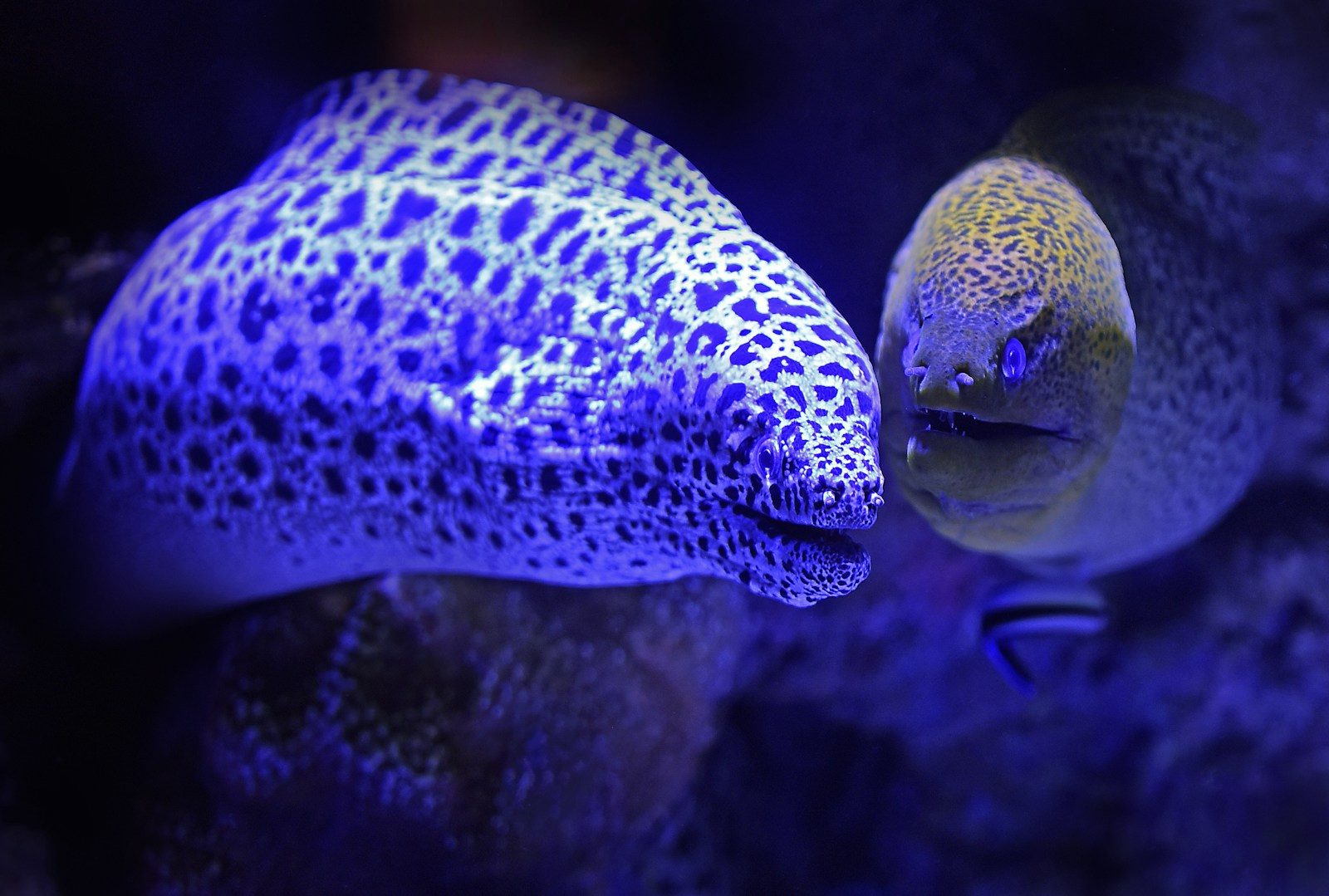
    Secretary of the Interior Doug Burgum said America’s public lands belong to the people and should be easier to access. He said the administration wants to reduce duplicate restrictions and make land management more practical and consistent. Supporters believe the proposal could make outdoor recreation more available for hunters and anglers across the country.

    The Fish and Wildlife Service said the public comment period will last for 30 days after the proposal is published in the Federal Register. During this time, people can share opinions and concerns about the proposed changes. After reviewing the comments, officials will decide whether to move forward with the expansion plan.

  • America’s ultimate fishing towns, every angler should know

    America’s ultimate fishing towns, every angler should know

    What makes a town perfect for hunters and anglers? For many outdoor lovers, the answer is simple. It comes down to great hunting, strong fishing, and easy access to wild places. Across America, some towns stand out because they give sportsmen the chance to enjoy the outdoors almost every day of the year.

    These best towns for sportsmen offer everything from trophy whitetail deer and elk hunting to trout streams, bass lakes, and waterfowl marshes. Some towns sit near large forests, while others are near rivers, mountains, or coastal wetlands. This guide explores six amazing places where outdoor life is part of everyday living and where hunting and fishing opportunities never seem to end.

    Appleton offers great deer and fishing

    Downtown Appleton Wisconsin” by @CarShowShooter is licensed under CC BY-NC-SA 2.0

    Appleton, Wisconsin, has a long outdoor history that goes back more than 170 years. Early trappers and fur traders followed the Fox River, looking for valuable beaver pelts, and settled in the area. Today, the town is best known for giant whitetail deer. Wisconsin has become one of the top states in the country for trophy whitetails, and hunters near Appleton continue to harvest huge bucks every season.

    Fishing opportunities around Appleton are just as impressive. Lake Winnebago and the Fox River provide excellent walleye fishing close to town. Green Bay is only a short drive north and offers some of the best smallmouth bass and muskie fishing in the country. Outdoorsmen can also visit Horicon Marsh State Wildlife Area to hunt migrating geese or explore the huge Nicolet National Forest for deer, bears, and grouse.

    Salmon is surrounded by wilderness

    Welcome to Salmon, Idaho” by jimmywayne is licensed under CC BY-NC-ND 2.0

    Salmon, Idaho, is a dream location for sportsmen who love wild country. The town sits along the Salmon River and borders millions of acres of public hunting land. Nearby is the Frank Church River of No Return Wilderness, the largest wilderness area in the Lower 48 states. This huge outdoor area gives hunters and anglers endless room to explore.

    Fishing in Salmon is world-class throughout the year. The Salmon River and nearby streams hold trout, steelhead, and many other fish species. Hunters can chase chukar and huns in the rocky hills while blue and spruce grouse live higher in the mountains. Big-game hunters still find trophy elk, mule deer, and whitetails, while bear and mountain lion hunting remain extremely popular in the region.

    Venice is a fishing paradise

    Coast Guard assists disabled vessel near Venice, Louisiana” by Coast Guard News is licensed under CC BY-NC-ND 2.0

    Venice, Louisiana, may not look like a typical beach town, but it is one of the top outdoor destinations in America. Located at the mouth of the Mississippi River, this small town attracts sportsmen who want nonstop fishing and waterfowl hunting. Even after major storms and environmental disasters, Venice remains one of the best places in North America for outdoor adventure.

    Anglers in Venice enjoy incredible fishing every season. Recreational fishermen catch redfish and speckled trout almost daily in the marshes and coastal waters. Bass fishing is also outstanding, with anglers traveling long distances just to fish the area. Offshore waters near the gas and oil rigs provide exciting opportunities for marlin, tuna, sailfish, and swordfish. During teal season, hunters flood the wetlands as huge numbers of waterfowl move through southern Louisiana.

    Rapid City has year-round hunting

    Rapid City, South Dakota” by @CarShowShooter is licensed under CC BY-NC-SA 2.0

    Rapid City, South Dakota, offers sportsmen access to a variety of outdoor environments. The town sits near the beautiful Black Hills region, where mountain lakes and coldwater streams are filled with brook, brown, and rainbow trout. Nearby reservoirs and stock ponds also provide good fishing for largemouth bass, pike, and panfish.

    Hunting opportunities around Rapid City last through much of the year. The mountains hold whitetails, mule deer, elk, and Merriam’s turkeys. Grasslands nearby are home to pronghorns, coyotes, and prairie dogs. Bird hunters can also find pheasants, sharptails, and prairie chickens within a short drive from town, making the area a favorite for many outdoorsmen.

    Centerville mixes hunting and small-town life

    Centerville, Iowa, State Street, Gas Station” by photolibrarian is licensed under CC BY-NC-ND 2.0

    Centerville, Iowa, sits in the middle of excellent hunting and fishing country. The area is famous for giant whitetail deer, including the massive Lovstuen Buck that was taken nearby. Hunters also enjoy strong turkey and waterfowl seasons throughout south-central Iowa.

    Fishing around Centerville offers residents and visitors plenty of action year-round. Rathbun Lake offers good catches of crappies, walleyes, and channel catfish. Beyond the outdoor opportunities, many people enjoy the town’s friendly atmosphere and classic Midwestern feel. Centerville also holds a special place in hunting history, as it was once home to the well-known Knight muzzleloading rifles.

    Grand Junction is built for public-land hunters

    a scenic view of a mountain range with mountains in the background
    Photo by Jeff Heaton on Unsplash
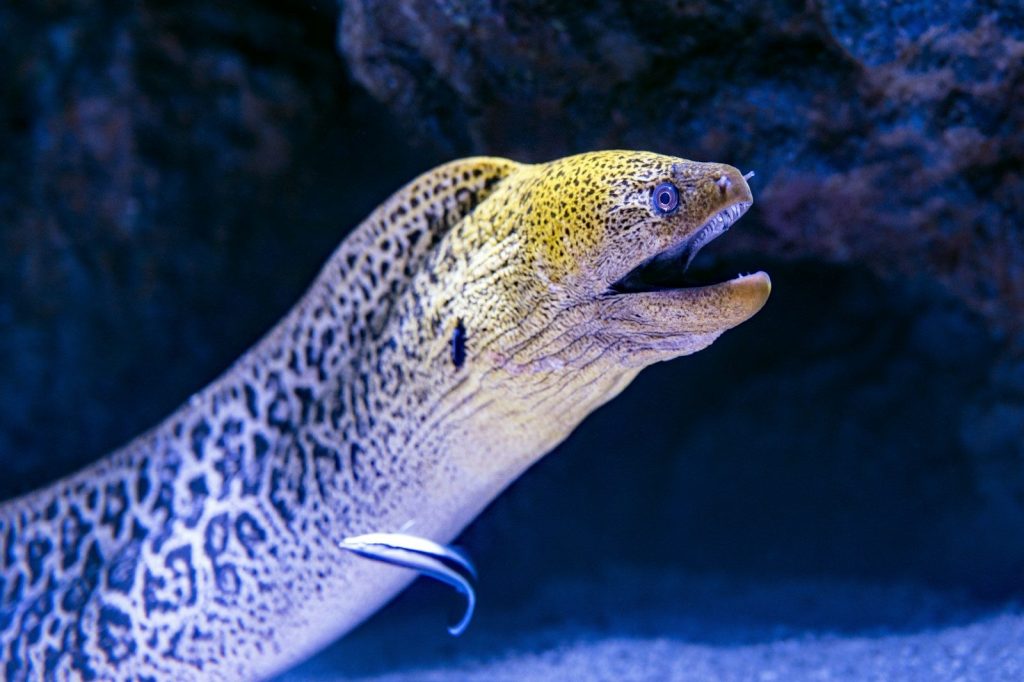
    Grand Junction, Colorado, is surrounded by breathtaking scenery and large areas of public land. Huge mesas and mountain landscapes create the perfect setting for outdoor adventures. Many hunters travel to the region to chase elk across public hunting grounds where wide-open country gives them room to explore.

    Fishing opportunities are also easy to find around Grand Junction. Alpine lakes in the mountains hold trout and attract anglers looking for peaceful fishing spots. The mix of rugged scenery, strong elk hunting, and quality trout fishing makes Grand Junction one of the best towns for sportsmen who enjoy outdoor life in the American West.

  • The simple art of keeping saltwater fish healthy and thriving
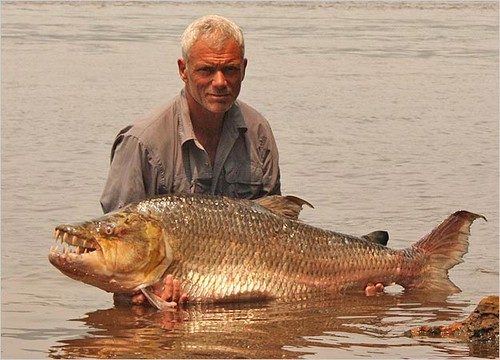
    The simple art of keeping saltwater fish healthy and thriving
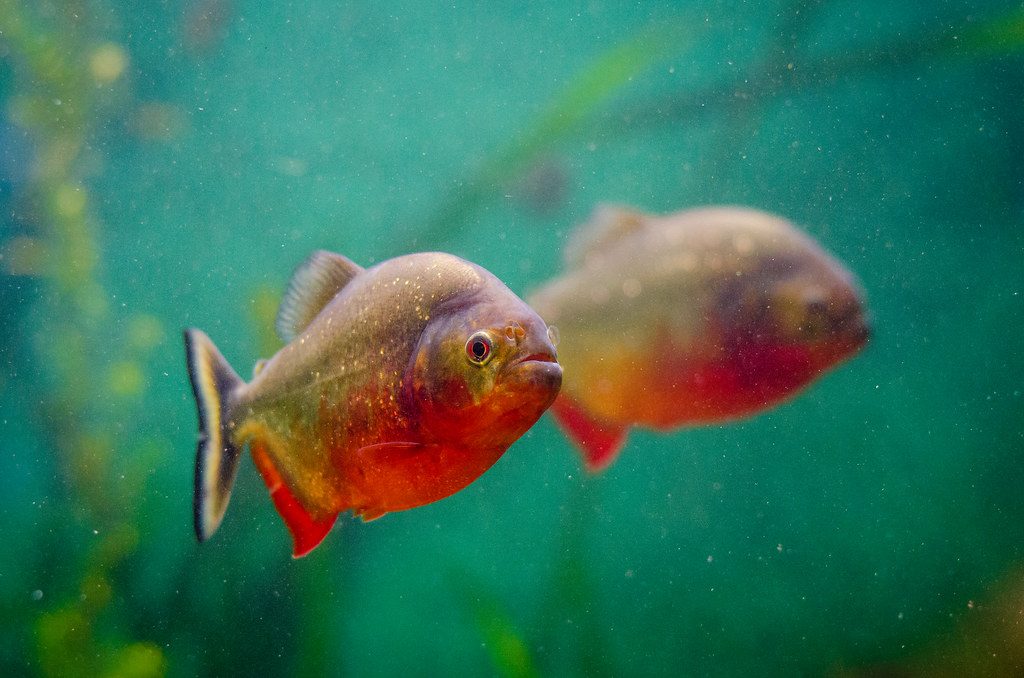
    Keeping saltwater fish healthy can seem hard at first. Many people worry about water quality, feeding, and tank care. The good news is that saltwater fish care becomes much easier when you follow simple routines and keep the tank stable. Small daily and weekly habits can help fish stay active, colorful, and healthy for years.

    This article explains how to make saltwater fish care simple and enjoyable. Readers will learn why stable water conditions matter, how small steps can improve tank health, and how to prevent common problems before they begin. With the right setup and regular care, a marine aquarium can become a peaceful and beautiful part of any home.

    Why stability matters in saltwater fish care

    grey school of fish under water
    Photo by Jeremy Bishop on Unsplash

    Saltwater fish live in large ocean environments where water conditions stay very stable. In a home aquarium, even small changes in temperature, salinity, or pH can cause stress. Fish and corals depend on balance to stay healthy and active. This is why stable conditions are among the most important aspects of saltwater fish care.

    A steady environment helps fish avoid illness and stress. Maintaining consistent water parameters provides marine life with a safer environment. Simple habits, like checking temperature and salinity, can often make a big difference. Over time, these small actions help create a healthy and colorful aquarium.

    How small steps lead to better results

    a fish tank with some plants and rocks in it
    Photo by Yosuke Ota on Unsplash

    Many people think large cleanings are the best way to care for a tank. In reality, small and regular maintenance works much better. A weekly 10% water change keeps the aquarium clean without causing sudden changes that may shock fish or corals.

    Small water changes also help preserve beneficial bacteria in the tank. These bacteria help maintain a balanced environment and support healthy water conditions. Regular care makes the aquarium easier to manage and reduces stress for both the fish and the owner.

    Setting up the tank the right way

    a fish tank filled with water and plants
    Photo by Christian Ang on Unsplash

    Choosing the right tank size is an important first step in saltwater fish care. A proper setup gives fish enough room to swim and helps maintain stable water conditions. Quality filtration is also necessary because it helps remove waste and keeps the water clean.

    A good water testing kit is another key tool for aquarium owners. Testing ammonia, nitrate, and salinity helps spot problems early before they become serious. Regular checks make it easier to keep the tank balanced and healthy for marine life.

    Monitoring fish and water conditions daily

    yellow Oscar fish photography
    Photo by Craig Lovelidge on Unsplash

    Daily observation is one of the easiest ways to protect saltwater fish. Watching how fish swim, eat, and behave can help owners quickly notice signs of stress or illness. Healthy fish are usually active and comfortable in their environment.

    Checking water conditions often is just as important as watching fish behavior. Monitoring temperature, salinity, and other parameters helps prevent sudden changes. When small problems are caught early, they are usually much easier to fix before they grow into larger issues.

    Preventing problems before they happen

    shoal of fish near coral
    Photo by David Clode on Unsplash

    One of the best ways to protect a marine aquarium is to quarantine new fish before adding them to the main tank. Keeping new fish separate for at least two weeks helps reduce the risk of spreading disease. This simple step can protect the entire aquarium community.

    Preventive care also includes staying aware of the needs of different fish species. Some fish may need special care or more stable conditions than others. Consistent maintenance and careful observation help create a peaceful and healthy environment for all marine life.

    Making saltwater fish care enjoyable

    silver fishes underwater
    Photo by Sebastian Pena Lambarri on Unsplash

    Caring for saltwater fish becomes more enjoyable when routines are simple and consistent. Small tasks like feeding properly, checking water levels, and doing regular maintenance can quickly become easy habits. Over time, these habits help the aquarium stay beautiful and healthy.

    A thriving marine tank brings color, movement, and calmness into a home. Watching fish swim in a stable and healthy environment can be relaxing and rewarding. With patience and steady care, anyone can enjoy maintaining a successful saltwater aquarium.