Category: Wildlife and animals

  • Husky protects boy during bear encounter

    Husky protects boy during bear encounter

    A husky protects boy during bear encounter story has captured attention after a family dog stepped in when a black bear charged toward a young child. Home security video showed the brave dog reacting in seconds, helping the boy get away safely before anyone was hurt. Stories like this remind families that wildlife can appear even in neighborhoods close to forests.

    This article explains what happened, how the husky reacted, why experts say the outcome was unusual, and what families should do if they ever see a black bear. You will also learn why wildlife officials urge people to stay alert and avoid relying on pets for protection.

    A quiet day turned into a scary moment

    a house with a garage in the middle of a driveway
    Photo by Brian Wangenheim on Unsplash

    The incident happened at a home in Torrington, Connecticut. A 6-year-old boy was standing in the driveway when a black bear suddenly ran toward him. Security camera footage captured the frightening moment as the bear quickly closed the distance.

    Before the bear reached the child, the family’s husky mix, Bella, sprinted across the yard. She jumped at the bear, bit it from behind, and distracted it long enough for the boy to run to safety while an adult shouted at the animal.

    Bella acted on instinct

    a husky dog standing on a porch next to a house
    Photo by Lili Cortez Photography on Unsplash

    Bella’s owner, Jeff Tazzara, said the dog has always been protective of his children. He explained that Bella often places herself between the kids and strangers, showing a strong instinct to guard her family.

    During the encounter, Bella chased the bear until it ran away from the driveway and back toward the woods. The family planned to reward the brave dog with a steak after her quick actions helped prevent a much worse outcome.

    Wildlife experts shared an important warning

    people having meeting on rectangular brown table
    Photo by Christina @ wocintechchat.com M on Unsplash

    Wildlife biologists said the incident ended in the best possible way, but they warned that it could have been much more dangerous. Bears are powerful wild animals, and dogs that chase them can sometimes be injured or even lead the bear back toward people.

    Experts recommend keeping pets under control in areas where bears are common. They also remind homeowners that every bear behaves differently, so no one should expect a dog to safely stop a bear every time.

    Black bears are becoming more common near homes
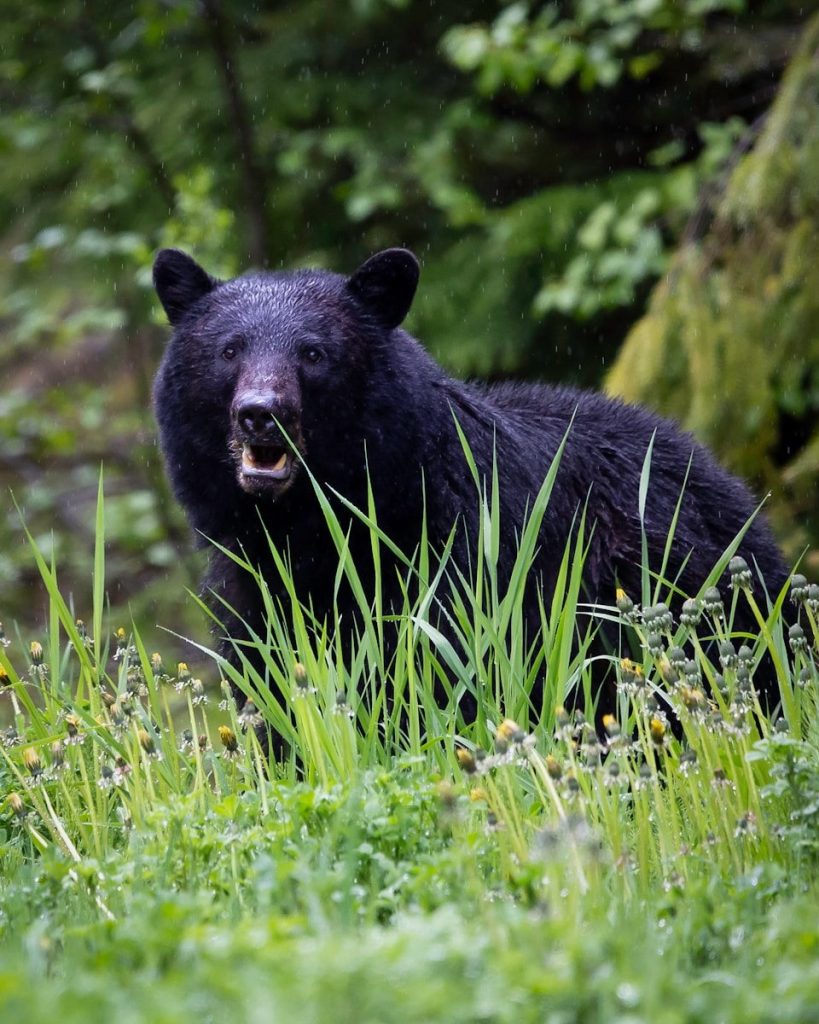
    a black bear is sitting in the woods
    Photo by Michael Anfang on Unsplash

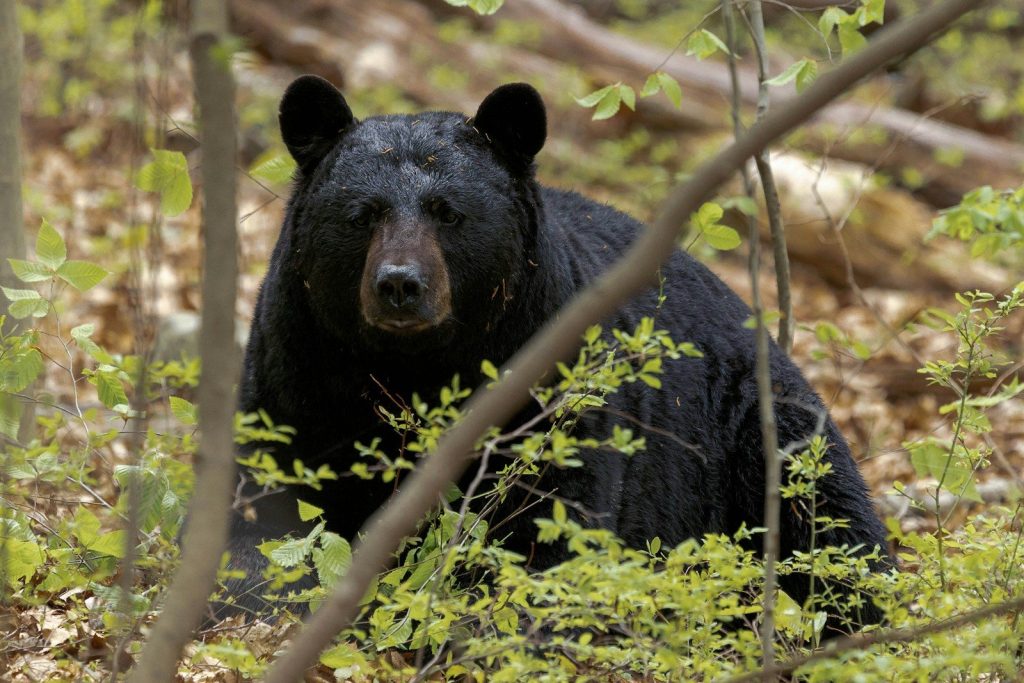
    Connecticut has seen its black bear population grow over the past several decades. As more bears move through neighborhoods searching for food, people are reporting more sightings in residential areas.

    Wildlife officials say bears are often attracted by bird feeders, garbage, pet food, and other easy meals. Removing these food sources helps reduce the chances of bears visiting homes and staying nearby.

    What to do during a bear encounter
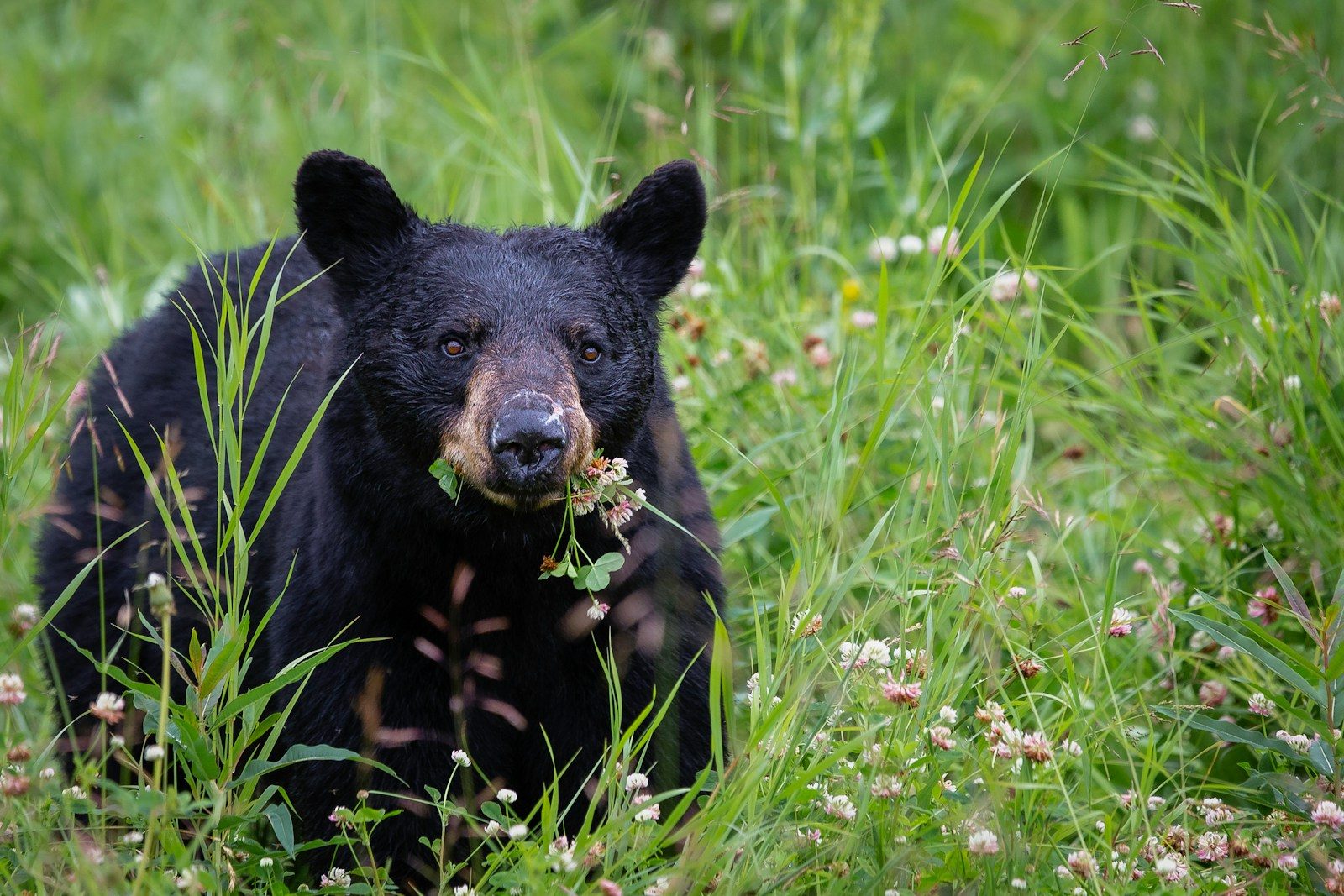
    black bear on green grass during daytime
    Photo by Pete Nuij on Unsplash

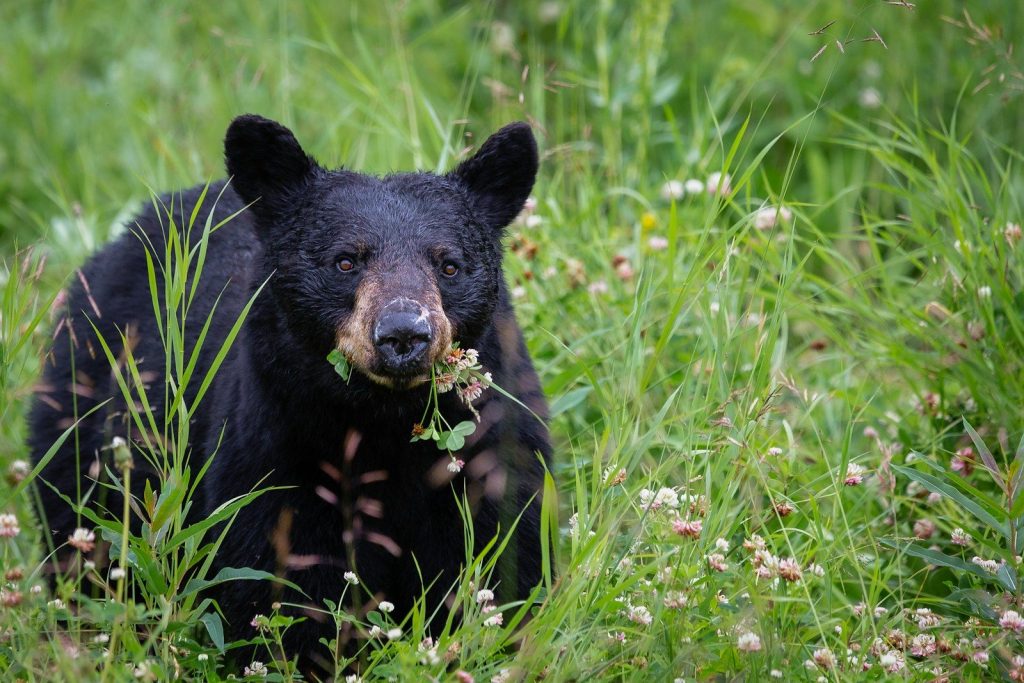
    If you see a black bear, stay calm and avoid running. Parents should immediately bring children close while giving the bear space to leave the area on its own.

    Officials also advise people to make themselves appear larger by raising their arms and speaking in a calm, firm voice. In places where bears are common, carrying bear spray during outdoor activities is also recommended.

    A reminder about courage and safety
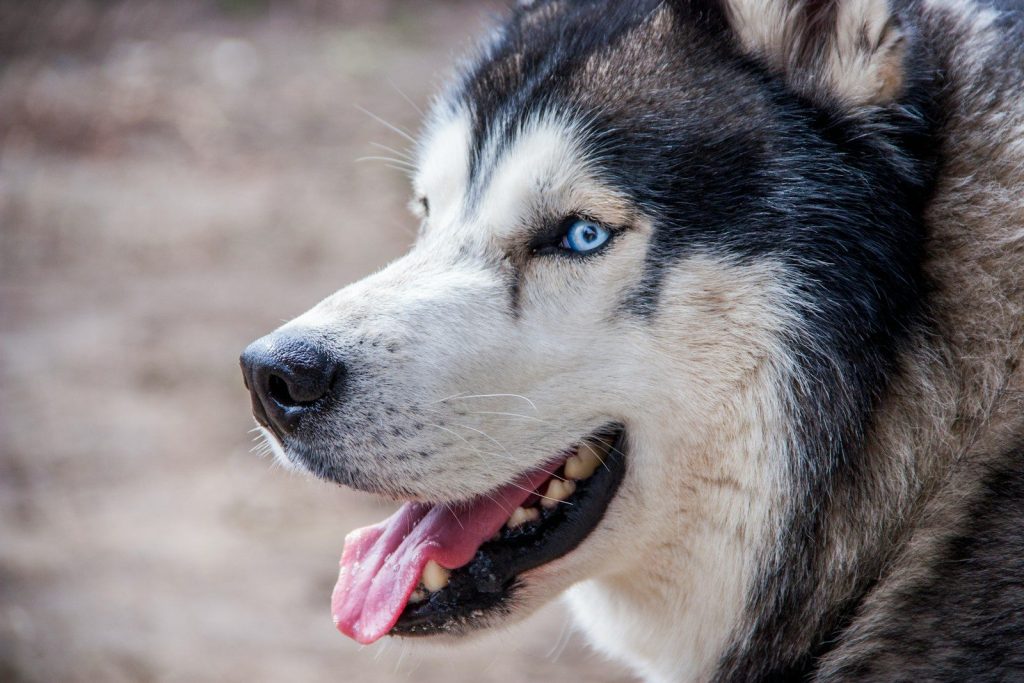
    close-up photography black and white Siberian husky
    Photo by Liviu Roman on Unsplash

    Bella’s actions showed the strong bond that can exist between dogs and their families. Her fast response gave the young boy enough time to escape, turning a frightening moment into a story with a happy ending.

    Even so, wildlife experts stress that the safest approach is preventing close encounters whenever possible. Respecting wild animals, securing food around homes, and following safety advice remain the best ways to protect both people and pets.

    Featured Image: Photo by Saira Sustaita on Unsplash
  • Scientists investigate distinctive dragon-like sea creature

    Scientists investigate distinctive dragon-like sea creature

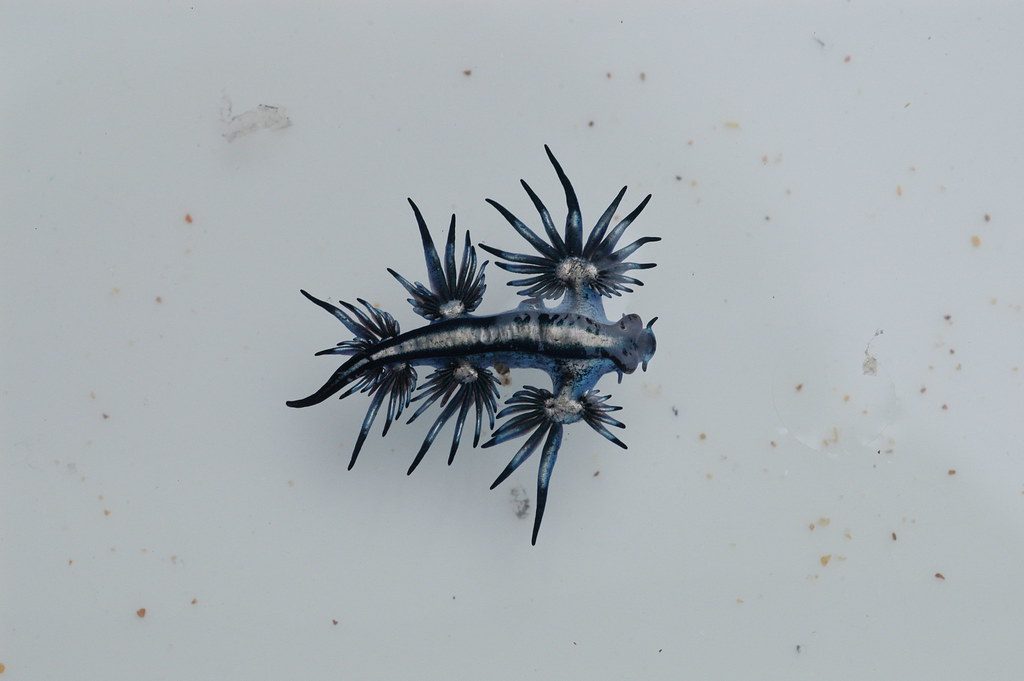
    Have you ever wondered if a real-life sea dragon exists? Scientists investigating a dragon-like sea creature are learning more about one of the ocean’s most unusual animals. This tiny marine species looks like it came from a fantasy story, but it is a real sea slug called the blue dragon.

    Its bright blue body and wing-like arms have made it famous around the world. In this article, you will learn what the blue dragon is, where it lives, how it survives, why scientists are studying it, and why protecting its ocean home matters.

    What is the blue dragon?

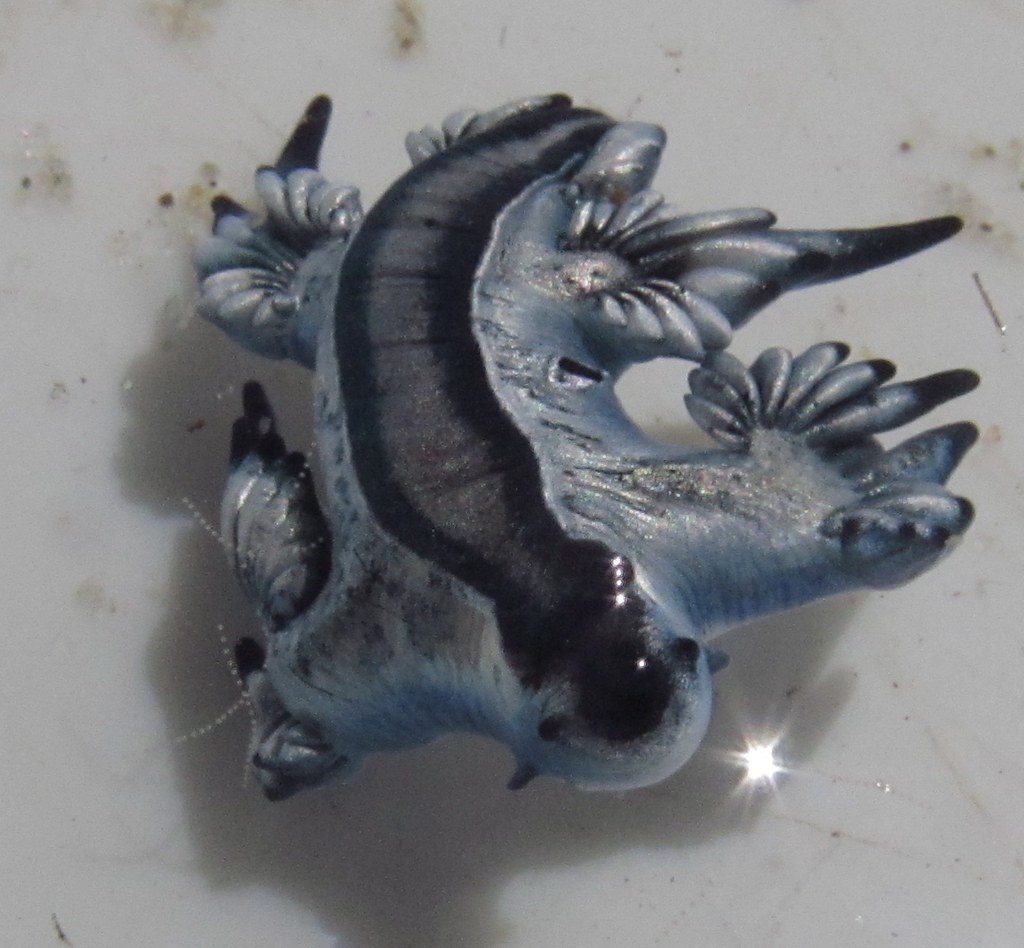
    Glaucus atlanticus” by jumanbar is licensed under CC BY-NC-SA 2.0

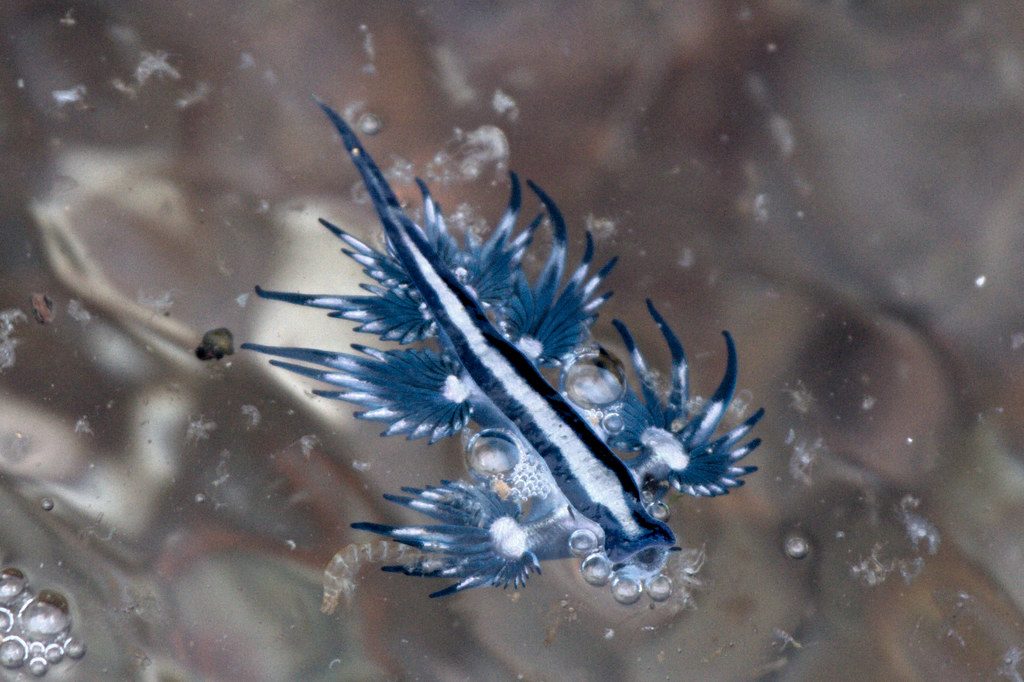
    The blue dragon, also called Glaucus atlanticus, is a small sea slug that floats on the ocean’s surface. Most grow to about 1 to 1.5 inches long. Its silver and blue colors help it blend into the water when viewed from above or below.

    Its body has several finger-like branches that make it look like a tiny dragon. Even though it is small, the blue dragon is a skilled ocean drifter that spends much of its life floating with the help of an air bubble stored inside its stomach.

    Where does this sea creature live?

    Indian Ocean Sunset. (in explore)” by Rod Waddington is licensed under CC BY-SA 2.0

    The blue dragon lives in warm and tropical oceans around the world. It is commonly found in parts of the Atlantic, Pacific, and Indian oceans. Winds and currents carry it across the open sea because it cannot swim long distances on its own.

    Sometimes storms push blue dragons toward beaches in places like Australia, South Africa, and the southeastern United States. People should avoid touching them because they can still deliver a painful sting even after washing ashore.

    How does the blue dragon hunt?

    Glaucus atlanticus” by lostandcold is licensed under CC BY 2.0

    The blue dragon feeds on venomous animals that float near the ocean surface, especially the Portuguese man-of-war. It carefully eats the creature’s stinging tentacles without being harmed by most of the venom.

    Even more surprising, the blue dragon stores the stinging cells inside its own body. It later uses those stolen stingers to protect itself from predators, making its sting even stronger than the one from some of its prey.

    Why are scientists studying it?

    three people in lab coats looking at a tablet
    Photo by National Cancer Institute on Unsplash

    Scientists investigate this dragon-like sea creature because it has amazing survival skills. Researchers want to understand how it safely stores venom from other animals without harming itself. This could help scientists learn more about natural defenses and animal biology.

    The blue dragon also helps scientists study ocean currents and marine ecosystems. Because it drifts with the water, changes in where it appears may reveal how winds, currents, and climate affect life at the ocean’s surface.

    What dangers does it face?

    a group of garbage floating in the ocean
    Photo by Naja Bertolt Jensen on Unsplash

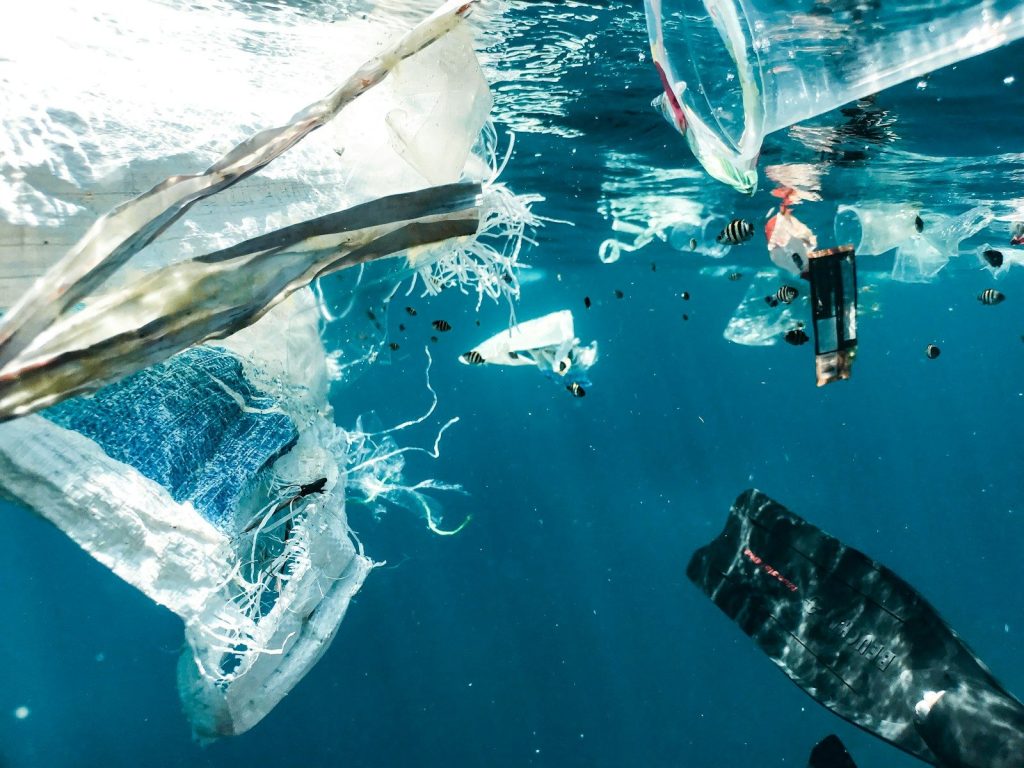
    Although the blue dragon has strong defenses, it still faces threats. Plastic pollution, changing ocean conditions, and damage to marine habitats can affect both the sea slug and the animals it depends on for food.

    Scientists are also watching how climate change may alter ocean currents. If currents shift, the blue dragon’s range and food supply could change, making it harder for some populations to survive in certain areas.

    What can we learn from this discovery?

    Scientists in group discussion” by IITA Image Library is licensed under CC BY-NC 2.0

    The blue dragon reminds us that the ocean still holds many surprises. Even a tiny sea slug can teach scientists important lessons about survival, venom, and the balance of marine ecosystems.

    As researchers continue their work, each new finding helps build a better understanding of ocean life. Protecting healthy seas gives unique creatures like the blue dragon the best chance to thrive for years to come.

    Featured Image: “Blue Sea Slug – Glaucus atlanticus” by Doug Beckers is licensed under CC BY-SA 2.0

  • Man survives bear attack on his driveway

    Man survives bear attack on his driveway

    A man survives bear attack on his driveway is the kind of story that reminds people how quickly wildlife can appear in neighborhoods. While bear attacks are rare, they can happen when bears search for food near homes or become startled. Knowing what happened and why it happened can help families stay safer if they ever face a similar situation.

    This article explains the driveway bear attack, how the man survived, what wildlife experts say about bear behavior, and the important safety lessons everyone can learn. Understanding these facts can help people reduce the risk of dangerous encounters with bears.

    What happened during the driveway attack

    A man running down a sidewalk in a neighborhood
    Photo by Michael Moloney on Unsplash

    The man was on his driveway when a bear suddenly attacked him. Reports say the encounter happened near his home, leaving him with injuries before the bear eventually left the area. Emergency responders arrived quickly and took him to a hospital for treatment.

    Officials said the man survived the attack, and wildlife authorities began investigating what caused the bear to behave aggressively. They also checked the area to help protect nearby residents and prevent more encounters.

    Why do bears sometimes enter neighborhoods

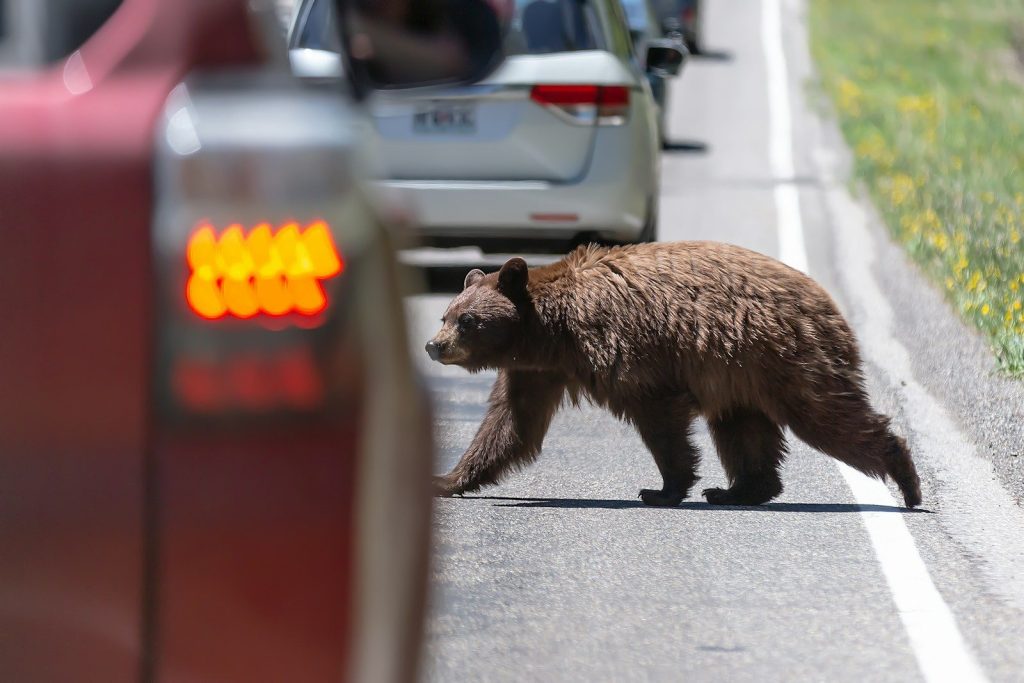
    a brown bear walking across a street next to cars
    Photo by Tony Garcia on Unsplash
    Bears often move into neighborhoods because they are looking for easy food. Garbage cans, pet food, bird feeders, and fruit trees can attract them. Once bears find food near homes, they may return again.

    Experts say most bears do not want to attack people. Many encounters happen because a bear feels surprised, trapped, or is protecting cubs. Giving a bear space is one of the best ways to avoid conflict.

    How the man survived the attack

    an ambulance driving down a street next to a building
    Photo by Walter Dziemianczyk on Unsplash
    The victim received medical care after the attack and survived his injuries. Quick emergency response and hospital treatment played an important role in his recovery. Officials have not reported that the bear continued attacking after the initial encounter.

    Wildlife experts say every bear encounter is different. A person’s actions, the type of bear, and the situation all affect the outcome. Because of this, there is no single response that works in every case.

    What wildlife officials recommend

    a person holding a cup with a toothpick in it
    Photo by Julio Lopez on Unsplash
    Wildlife agencies encourage people to keep bears away from their property by removing food sources. Secure trash cans, clean outdoor grills, and bring pet food indoors, especially at night. These simple steps make homes less attractive to bears.

    If someone sees a bear, experts advise staying calm, keeping a safe distance, and never trying to feed or approach it. Running can make the situation worse, while slowly backing away gives the bear room to leave.

    Why bear encounters are becoming more common

    a black bear is sitting in the woods
    Photo by Michael Anfang on Unsplash
    As towns grow closer to forests, people and bears are sharing more space than before. Bears also travel farther when natural food supplies change with the seasons. This increases the chance of seeing bears near homes.

    Wildlife officials continue to remind residents that bears are wild animals. Even if a bear seems calm, it can react quickly if it feels threatened or cornered. Respecting their space helps protect both people and bears.

    Safety lessons from this incident

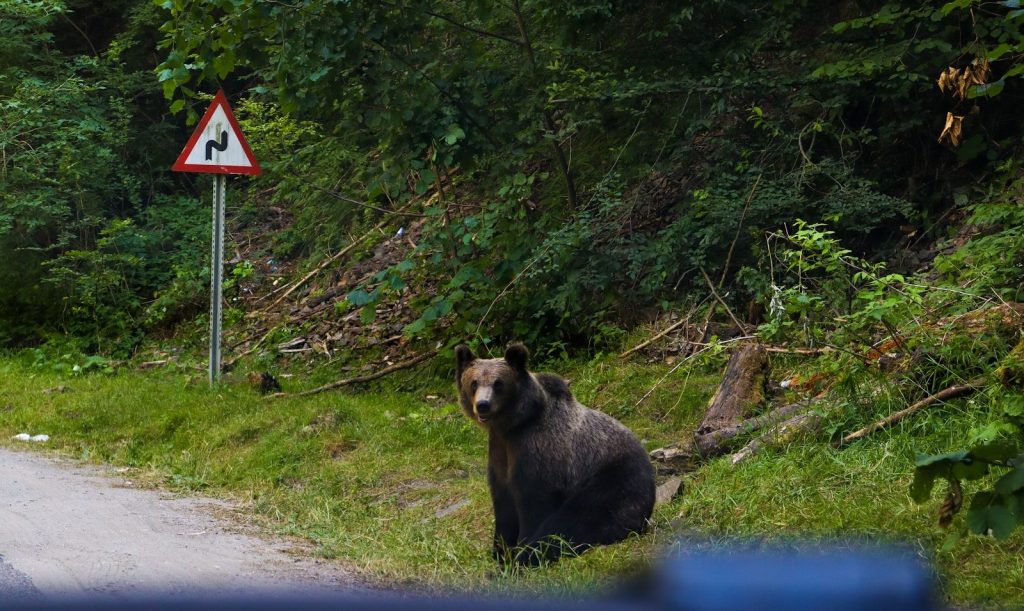
    a brown bear sitting on the side of a road
    Photo by Fermoar.ro on Unsplash
    This attack shows that wildlife can appear even in places people consider safe, including driveways and neighborhoods. Staying alert outdoors and removing anything that attracts bears can greatly reduce the risk of an encounter.

    The man’s survival is a reminder that quick emergency care and proper wildlife safety practices matter. Learning how bears behave can help families prepare and respond more safely if they ever face a similar situation.

    Featured Image: Photo by Jim on Unsplash

  • Python removal challenge won by Florida woman after catching 60 pythons

    Python removal challenge won by Florida woman after catching 60 pythons

    The Python removal challenge won by Florida woman has drawn attention to one of the biggest wildlife problems in the Everglades. Taylor Stanberry made history by catching 60 invasive Burmese pythons during the 2025 Florida Python Challenge, setting a new event record and becoming the first woman to win the competition.

    Her success shows how important these efforts are for protecting Florida’s native wildlife. This article explains who won the challenge, why Burmese pythons are a serious problem, how the competition works, and what this record-breaking victory means for conservation.

    Taylor Stanberry makes history

    a woman sitting on a bench looking at the camera
    Photo by Rapha Wilde on Unsplash
    Taylor Stanberry won the 2025 Florida Python Challenge after removing 60 Burmese pythons during the 10-day event. Her total was the highest ever recorded in the competition, making her the first woman to earn the overall grand prize.

    She received the $10,000 top prize and helped set a new benchmark for future competitors. Wildlife officials praised her work because every invasive python removed helps protect native animals living in the Everglades.

    Why Burmese pythons are a problem

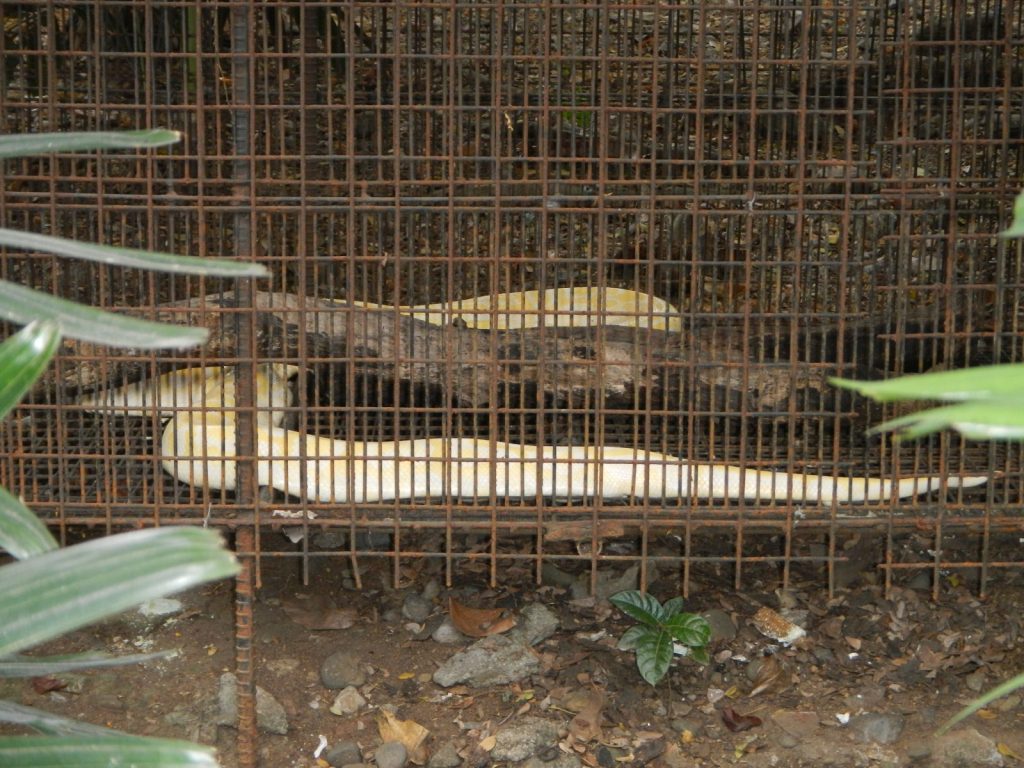
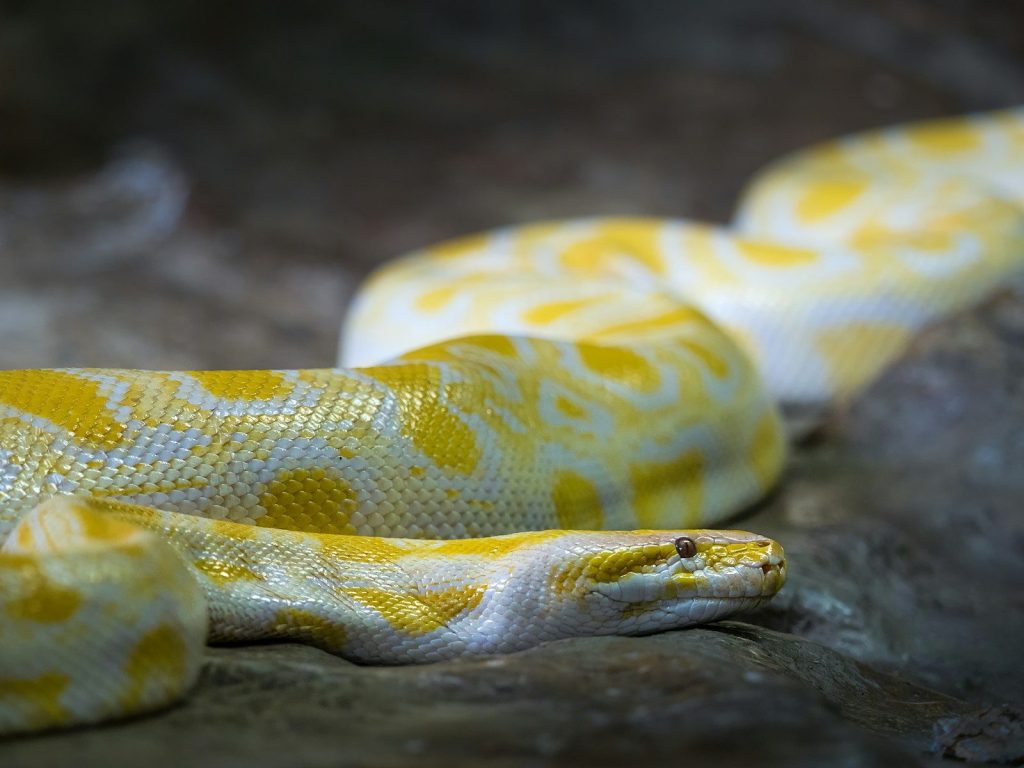
    Albino Burmese Python – Python bivittatus – Ninoy Aquino Parks & Wildlife Center 02” by Ramon FVelasquez is licensed under CC BY-SA 3.0

    Burmese pythons are not native to Florida. They came from Southeast Asia and became established in the Everglades after many escaped or were released from the pet trade years ago.

    These giant snakes eat birds, rabbits, raccoons, deer, and many other native animals. Because they have few natural predators in Florida and females can lay dozens of eggs at one time, their population has grown quickly and continues to threaten the ecosystem.

    How the Python Challenge works

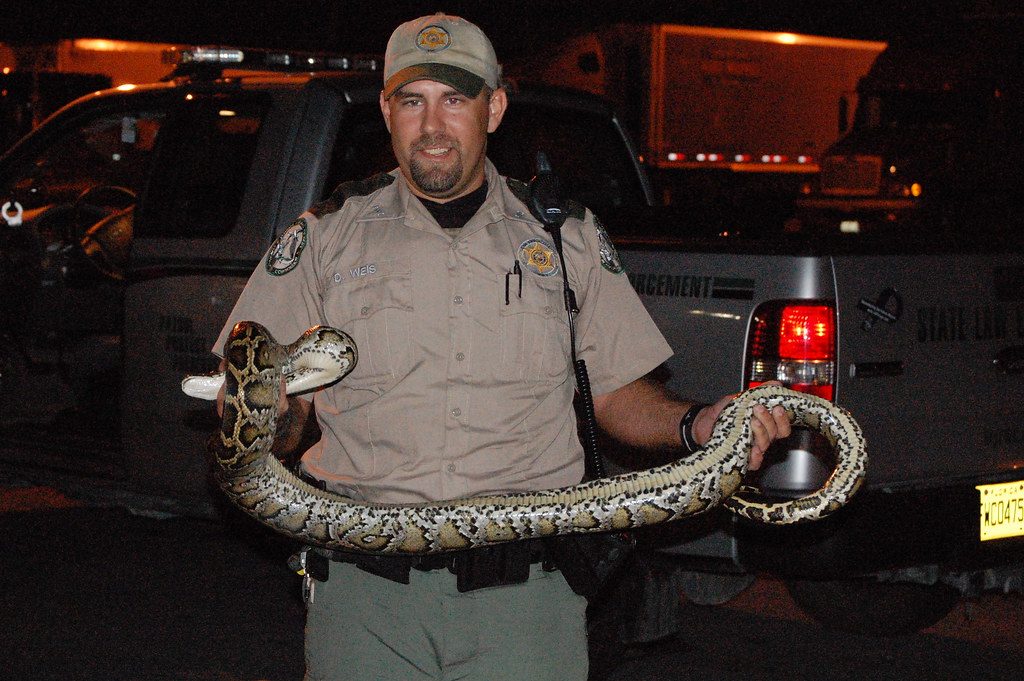
    Officer Burmese Python” by MyFWC Florida Fish and Wildlife is licensed under CC BY-ND 2.0

    The Florida Python Challenge is organized to reduce the number of invasive snakes while teaching people about conservation. Participants must register, complete required training, and follow strict rules for safe and humane snake removal.

    The event lasts 10 days and includes separate divisions for novice and professional hunters. Competitors search approved areas of South Florida, and the grand prize goes to the person who removes the most Burmese pythons during the competition.

    A record-breaking competition

    man in orange and black backpack
    Photo by Matthew Maaskant on Unsplash
    The 2025 event was the biggest Florida Python Challenge ever held. A record 934 people from 30 states and Canada joined the competition, showing growing public interest in helping wildlife.

    Together, participants removed a record 294 Burmese pythons from the Everglades. Stanberry’s total of 60 snakes easily led the competition and broke the previous record for the most pythons caught by a single participant.

    Why python removal helps wildlife

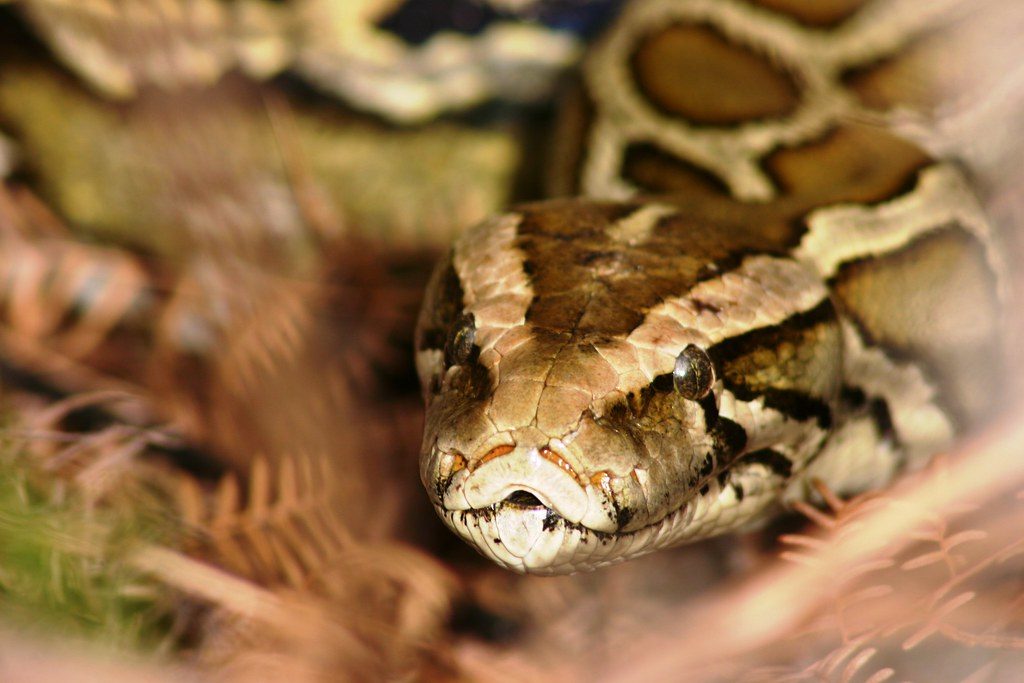
    shallow focus photo of Burmese python
    Photo by William Warby on Unsplash
    Removing invasive pythons gives native animals a better chance to survive. Scientists have found that these snakes have greatly reduced populations of several small mammals in parts of the Everglades because they hunt many different kinds of prey.

    Each python removed also helps slow future population growth because fewer breeding adults remain in the wild. While the challenge cannot eliminate every snake, it is one of several important efforts used to protect Florida’s unique wetlands and wildlife.

    What happens next

    Man is looking at a screen with his head down.
    Photo by Alicia Christin Gerald on Unsplash
    The Florida Python Challenge continues each year because wildlife experts believe public involvement can make a real difference. The competition also raises awareness about the dangers of releasing non-native pets into the wild.

    Taylor Stanberry’s achievement has inspired more people, especially women, to take part in conservation work. Her record-setting victory shows that determined hunters can help protect one of America’s most valuable natural ecosystems.

    Featured Image: “Burmese Python Closeup” by MyFWC Florida Fish and Wildlife is licensed under CC BY-ND 2.0

  • Man dies in black bear attack while wife shelters in cabin

    Man dies in black bear attack while wife shelters in cabin

    A black bear attack in remote Alaska ended in tragedy after a man was killed while his wife escaped into a nearby cabin for safety. The rare attack has drawn attention because fatal black bear attacks are uncommon, and officials believe the bear acted in a predatory manner.

    The incident has also renewed conversations about bear safety for people visiting cabins or spending time in remote wilderness areas. This article explains what happened, how authorities responded, why the attack was unusual, and what people can learn to stay safer around black bears.

    The attack happened near a remote Alaska cabin

    brown wooden cabin at shore with view of green mountain range across body of water during daytime
    Photo by Drew Farwell on Unsplash

    The victim, 64-year-old Robert Weaver, was near his cabin at George Lake outside Delta Junction, Alaska, when a black bear attacked him. According to Alaska authorities, his wife saw the attack and quickly ran into the cabin, where she stayed safe while calling for help.

    The location was very remote, making it difficult for rescuers to reach the scene quickly. When Alaska State Troopers and military personnel arrived, they found Weaver had died from the attack. His wife was not physically injured.

    Officials found the bear near the scene

    a black bear is sitting in the woods
    Photo by Michael Anfang on Unsplash

    After reaching the area, investigators found an adult male black bear close to Weaver’s body. The bear was shot and killed because it still posed a danger to responders and others in the area.

    A later examination showed the bear had partially fed on the victim. Wildlife officials said the evidence suggested the attack was predatory rather than a defensive response. Predatory attacks by black bears are extremely rare but can happen.

    Why this attack was unusual

    black bear on green grass during daytime
    Photo by Pete Nuij on Unsplash
    Black bears usually avoid people and often leave the area when they hear or see humans. Most encounters end without anyone getting hurt, especially when people give the animal enough space.

    Experts said this case was different because there was no sign that the bear was protecting cubs or defending food. Instead, investigators believed the bear deliberately attacked the victim, making it one of the uncommon fatal predatory black bear attacks recorded in North America.

    How black bear attacks compare with other bear attacks

    a brown bear sitting on the side of a road
    Photo by Fermoar.ro on Unsplash

    North America is home to black bears, brown bears, and polar bears. Black bears are involved in many human encounters because they live across a large part of the United States and Canada, but deadly attacks remain very uncommon.

    Most bear attacks happen when a bear feels surprised, threatened, or is defending cubs. Wildlife experts say black bears are generally less aggressive than brown bears, but every wild bear can become dangerous if it loses its fear of people or behaves like a predator.

    Bear safety is important in remote areas

    a small camper sits in a field at night
    Photo by Devon MacKay on Unsplash

    People visiting cabins, campgrounds, or wilderness areas should always store food, garbage, and scented items where bears cannot reach them. These items can attract bears from long distances.

    If someone sees a black bear, experts recommend staying calm, making yourself look larger, speaking firmly, and slowly backing away. If a black bear attacks in a predatory way, wildlife agencies advise fighting back instead of playing dead.

    The tragedy is a reminder to stay prepared

    Man is looking at a screen with his head down.
    Photo by Alicia Christin Gerald on Unsplash

    The death of Robert Weaver is a heartbreaking reminder that wild animals deserve respect and caution. Even though fatal black bear attacks are very rare, they can happen in isolated places where help may take time to arrive.

    Wildlife officials continue to encourage visitors to learn bear safety before entering bear country. Carrying bear spray, staying alert, traveling with others when possible, and following local wildlife guidance can greatly reduce the risk of a dangerous encounter.

    Featured Image: Photo by Ojas Raj on Unsplash

  • Animal populations threatened by habitat loss and climate change

    Animal populations threatened by habitat loss and climate change

    Climate change is changing the natural world faster than many animals can adapt. Rising temperatures, melting sea ice, stronger storms, warmer oceans, and changing rainfall are making it harder for wildlife to survive. Many species are losing the habitats and food they depend on, putting their future at risk.

    This article explores the animals threatened by climate change and explains why they are struggling. You will learn how changing weather and warming habitats affect wildlife, which species face the greatest danger, and why protecting the climate is important for animals around the world.

    Polar bears are losing their icy home

    polar bear on water during daytime
    Photo by Hans-Jurgen Mager on Unsplash

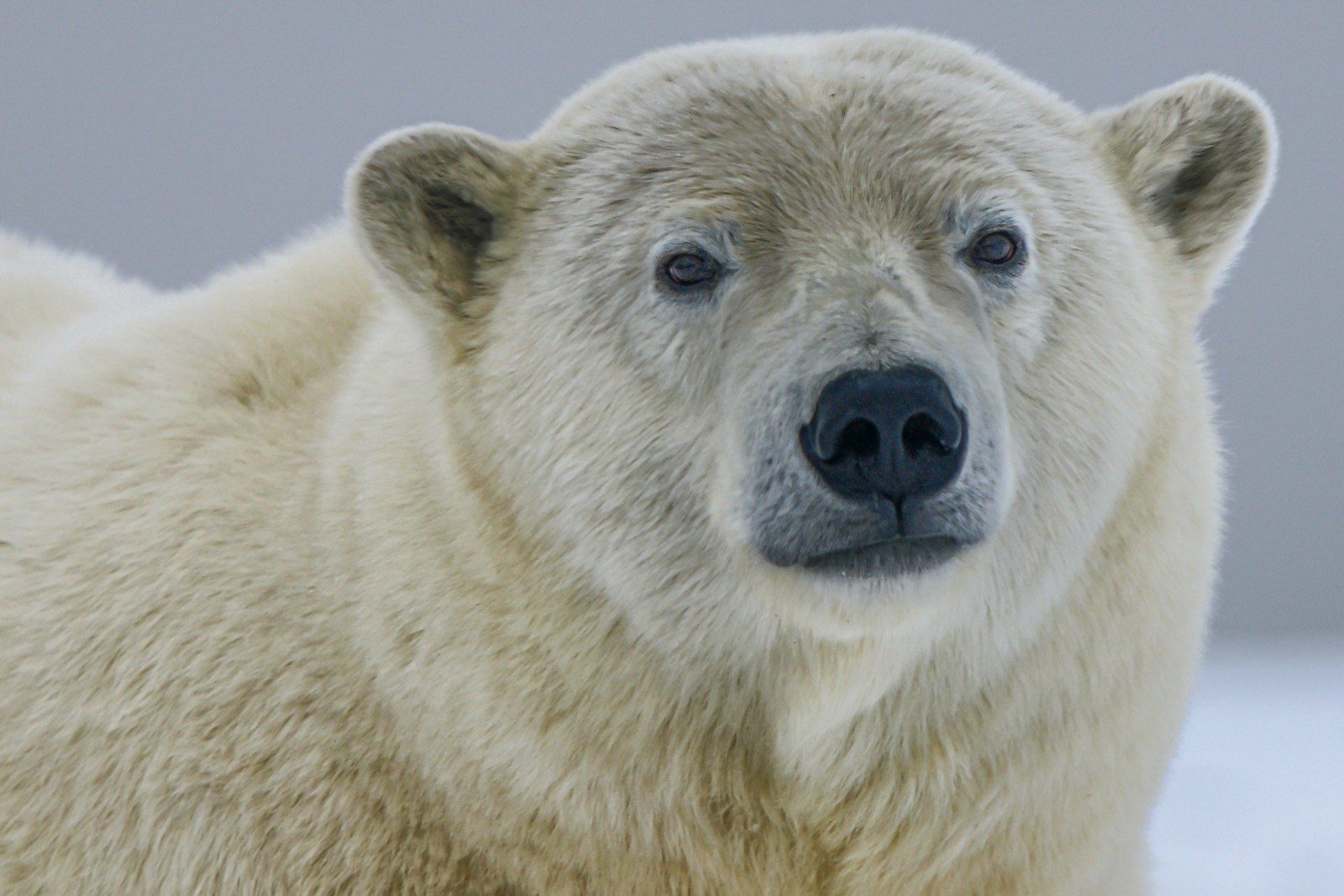
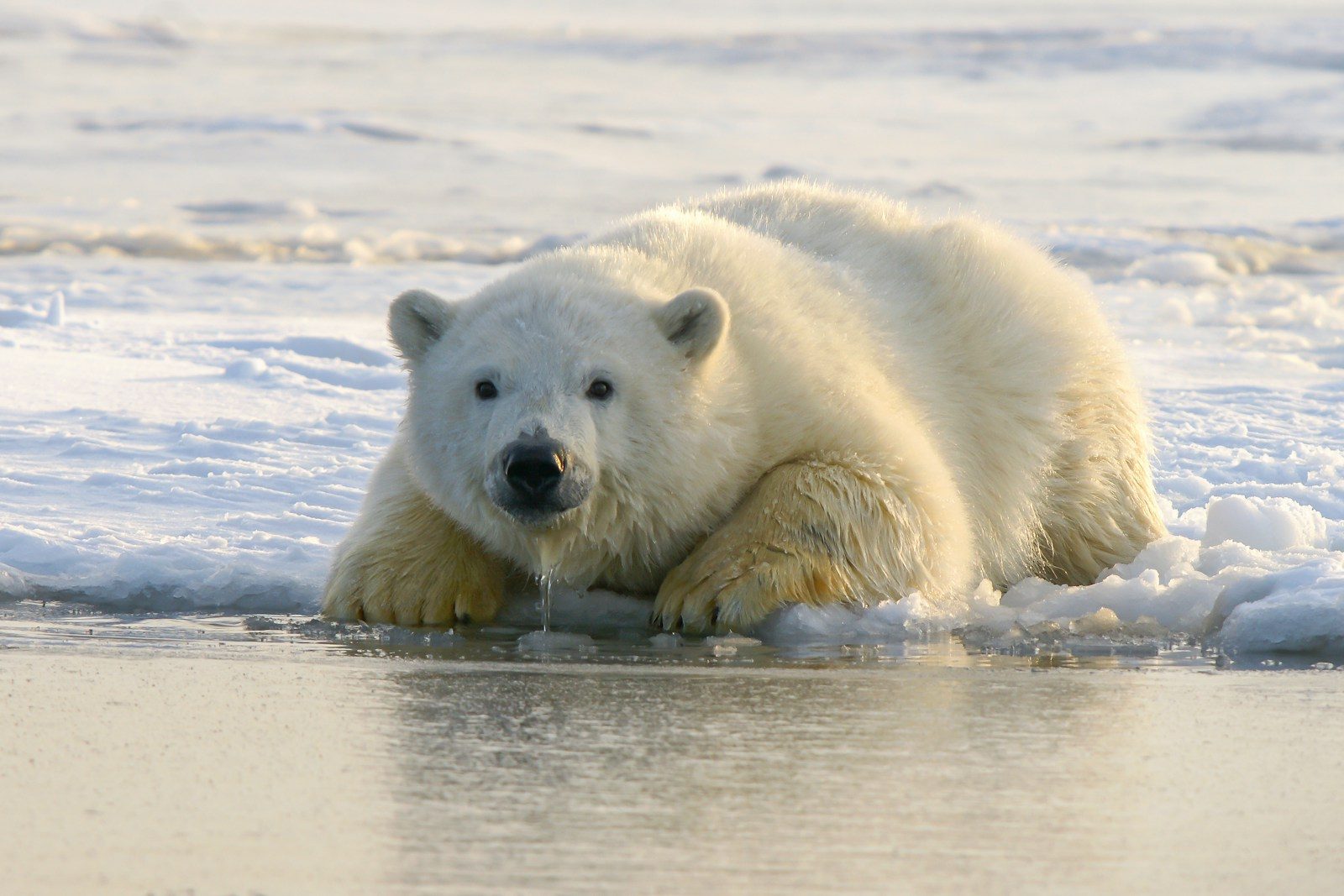
    Polar bears depend on Arctic sea ice to hunt seals, travel, and raise their young. As the Arctic warms much faster than most other parts of the world, sea ice forms later and melts earlier each year. This leaves polar bears with less time to hunt and store the energy they need to survive.

    Scientists warn that continued sea ice loss could cause major population declines in the coming decades. Longer ice-free seasons force bears to swim farther or spend more time on land, where food is much harder to find. Young bears and mothers with cubs are especially at risk.

    Emperor penguins face melting sea ice

    a penguin standing on a rock in the water
    Photo by Andrew Dawes on Unsplash

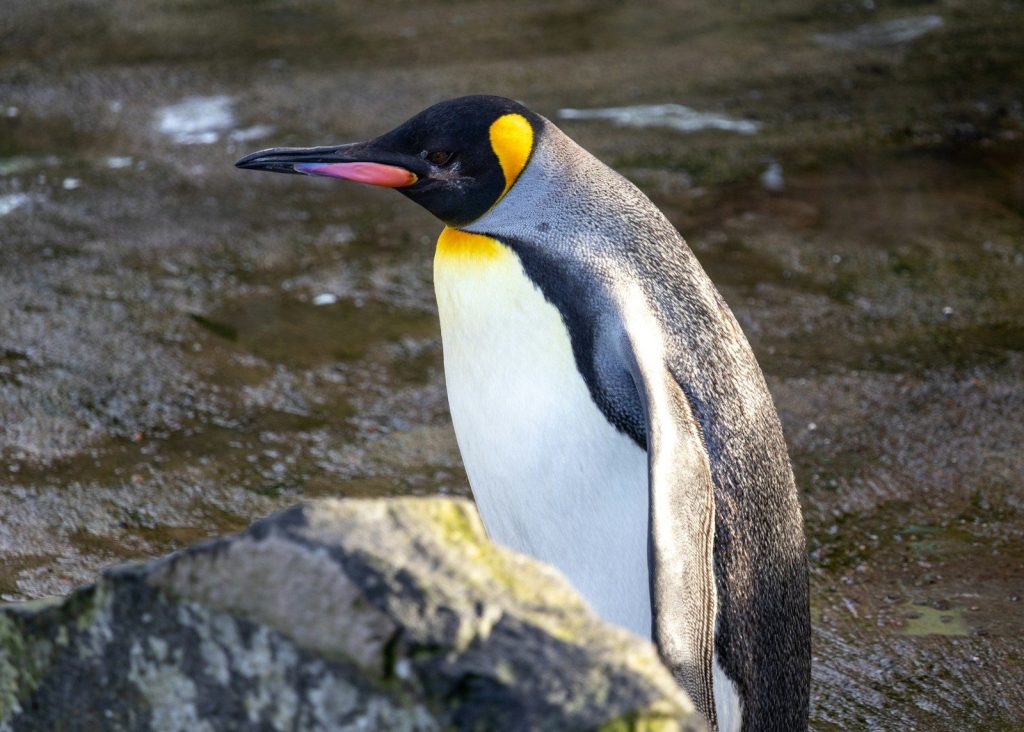
    Emperor penguins rely on stable sea ice in Antarctica to breed and raise their chicks. If the ice breaks apart too early, chicks can fall into the freezing ocean before they grow waterproof feathers, leading to high mortality.

    In 2026, the IUCN listed emperor penguins as Endangered because climate change is causing major losses of sea ice. Scientists project that their population could be cut roughly in half by the 2080s if greenhouse gas emissions remain high.

    Sea turtles struggle on warmer beaches

    brown turtle in water during daytime
    Photo by David Courbit on Unsplash

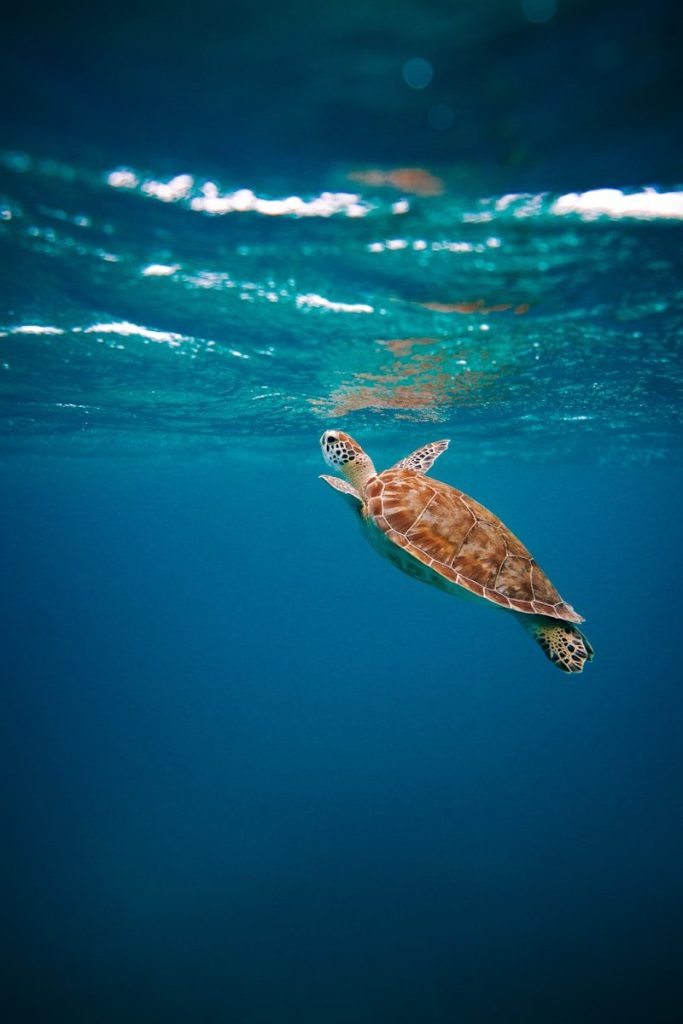
    Sea turtles return to sandy beaches to lay their eggs, but rising temperatures are changing nesting conditions. Warmer sand produces far more female hatchlings than males, creating an imbalance that could affect future breeding.

    Climate change also brings stronger storms and rising sea levels that wash away nesting beaches and flood turtle nests. These changes reduce the number of hatchlings that safely reach the ocean, making recovery harder for already threatened species.

    Coral reefs and marine life are under stress

    Coral reefs
    Photo by Shaun Low on Unsplash

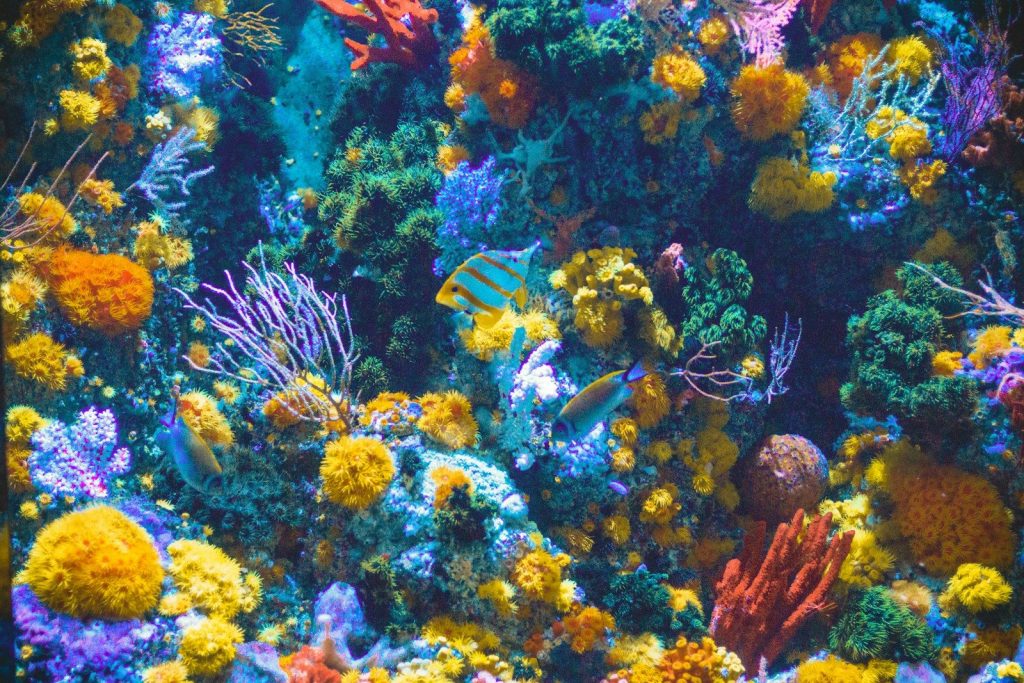
    Coral reefs support thousands of fish, sea turtles, sharks, and many other marine animals. Rising ocean temperatures cause coral bleaching, where corals lose the tiny algae they need to survive. If warm conditions continue, large areas of reef can die.

    When reefs disappear, many fish and other sea creatures lose their food and shelter. This affects entire ocean food webs and also harms millions of people who depend on healthy reefs for food, jobs, and coastal protection.

    Frogs and other amphibians are at risk

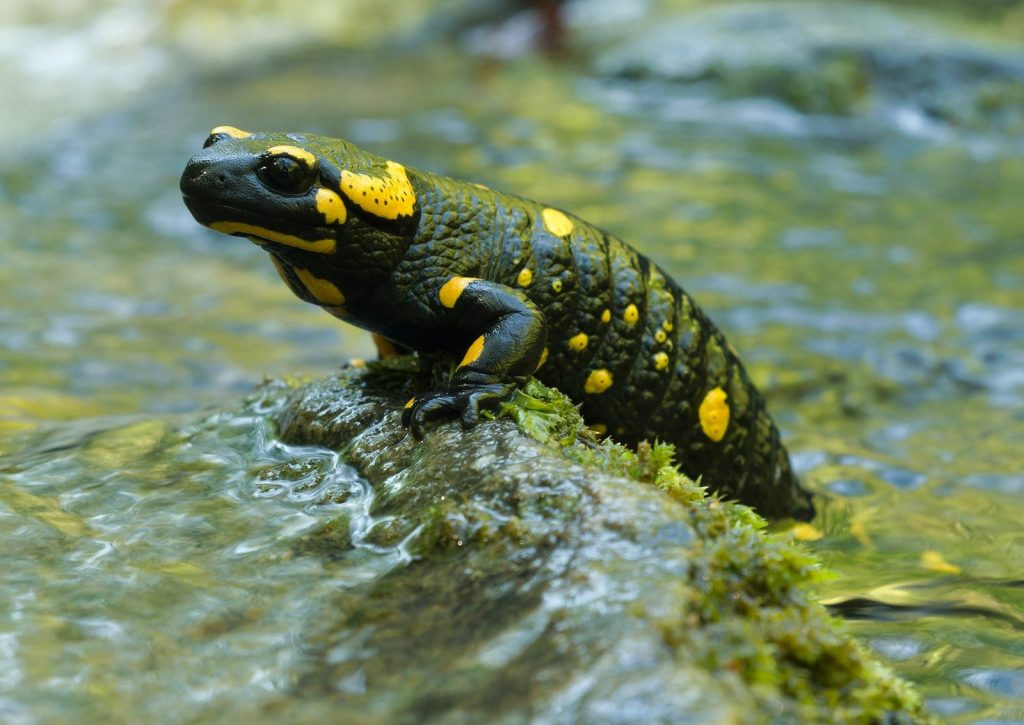
    a yellow and black frog sitting on top of a rock
    Photo by iuliu illes on Unsplash

    Frogs, salamanders, and other amphibians are very sensitive to changes in temperature and moisture. Hotter weather, droughts, and changing rainfall can dry out the wetlands and streams where they breed and live.

    Climate change can also increase the spread of diseases and make it harder for amphibians to survive in their natural habitats. Because many species already have small populations, even small environmental changes can have serious effects.

    Protecting wildlife starts with climate action

    people having meeting on rectangular brown table
    Photo by Christina @ wocintechchat.com M on Unsplash

    Scientists agree that reducing greenhouse gas emissions is one of the best ways to protect wildlife from future climate impacts. Conserving forests, wetlands, oceans, and other natural habitats also gives animals a better chance to adapt to changing conditions.

    People, governments, and businesses all have a role to play. By protecting habitats, supporting conservation programs, and slowing climate change, we can help many threatened species survive for future generations.

    Featured Image: Photo by Hans-Jurgen Mager on Unsplash

  • Young dolphin rescued after becoming stranded on beach

    Young dolphin rescued after becoming stranded on beach

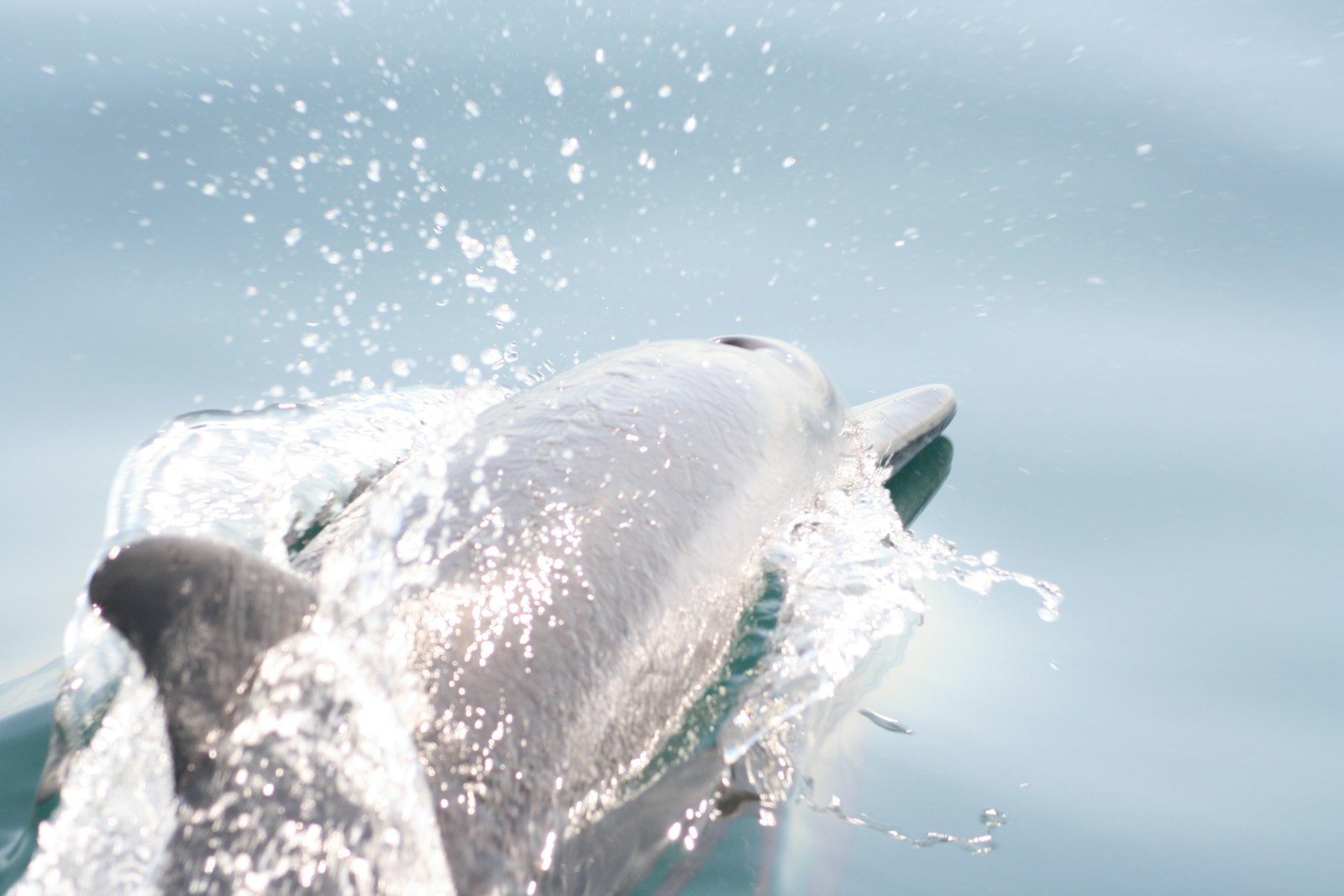
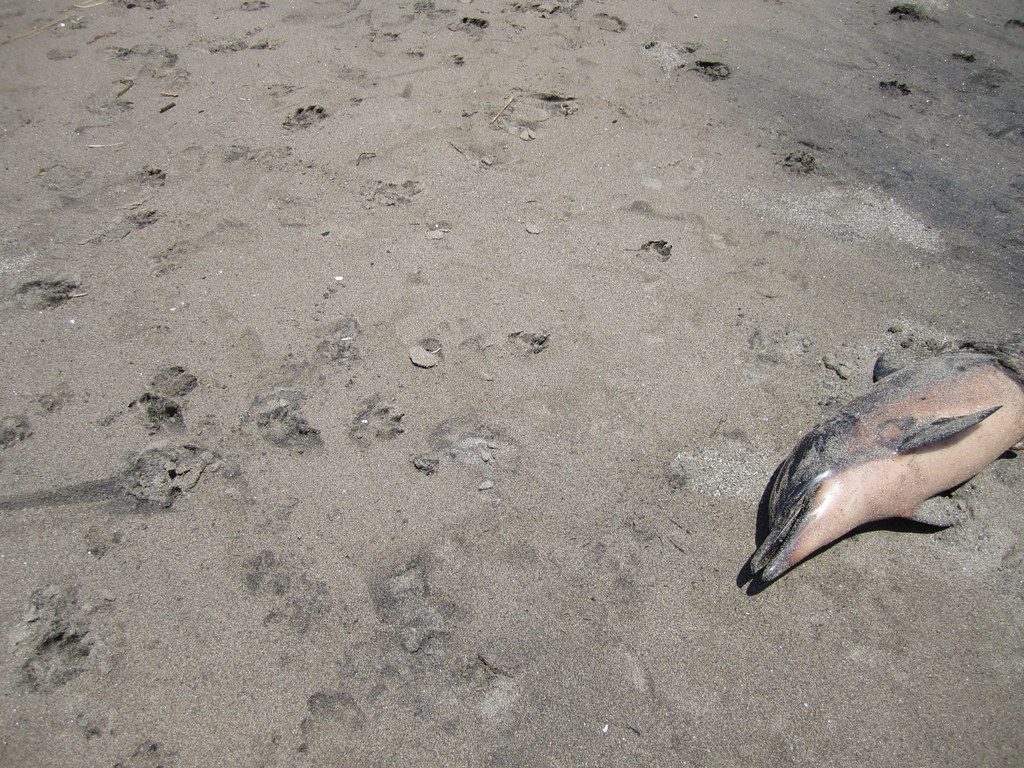
    Seeing a young dolphin stranded on a beach is heartbreaking. Without quick help, a dolphin can become weak from the sun, lose water, and struggle to breathe under its own weight. In this case, a young dolphin rescued after becoming stranded on beach had a better outcome because people quickly called trained wildlife responders instead of trying to handle the animal themselves.

    This article explains what happened during the rescue, why dolphins become stranded, how trained teams help them, and what people should do if they ever find a stranded dolphin. You will also learn why every rescue gives scientists valuable information that can help protect dolphins in the future.

    Rescue teams responded quickly

    Washed up Baby Dolphin Echo Beach – Canggu, Bali” by Annie Mole is licensed under CC BY 2.0

    The young dolphin was found alive after becoming stranded on a beach. Beachgoers noticed the animal was unable to return to deeper water and quickly contacted marine mammal rescue experts. While waiting for trained responders, people kept a safe distance so the dolphin would not become more stressed.

    Rescue workers carefully examined the dolphin and kept its skin wet to prevent dehydration. The animal was then safely transported for a full health check and treatment. Marine experts say fast action often gives stranded dolphins the best chance of survival.

    Why dolphins become stranded

    Trying to take photo of dolphin and beach from above” by amanderson2 is licensed under CC BY 2.0

    Dolphins can become stranded for many reasons. Illness, injury, rough waves, changing tides, and getting separated from their mothers or pods can all leave a young dolphin trapped in shallow water. In some cases, the exact reason is never discovered.

    Young dolphins are especially at risk because they have less experience and depend on their mothers. If a calf becomes weak or confused, it may drift into shallow water where it cannot swim back to deeper areas without help.

    How experts cared for the dolphin

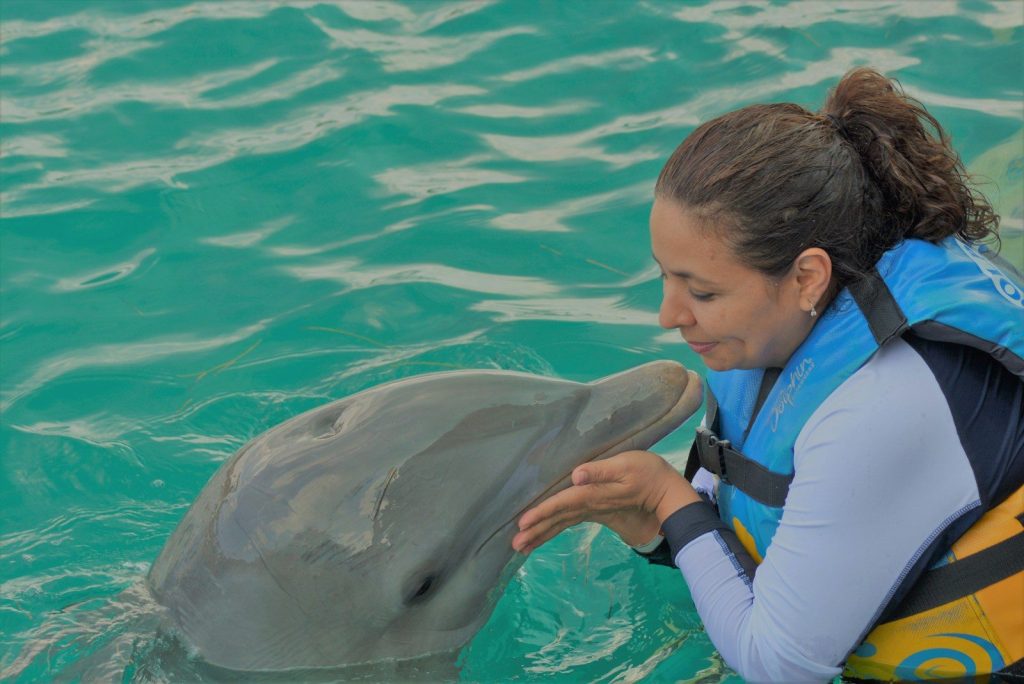
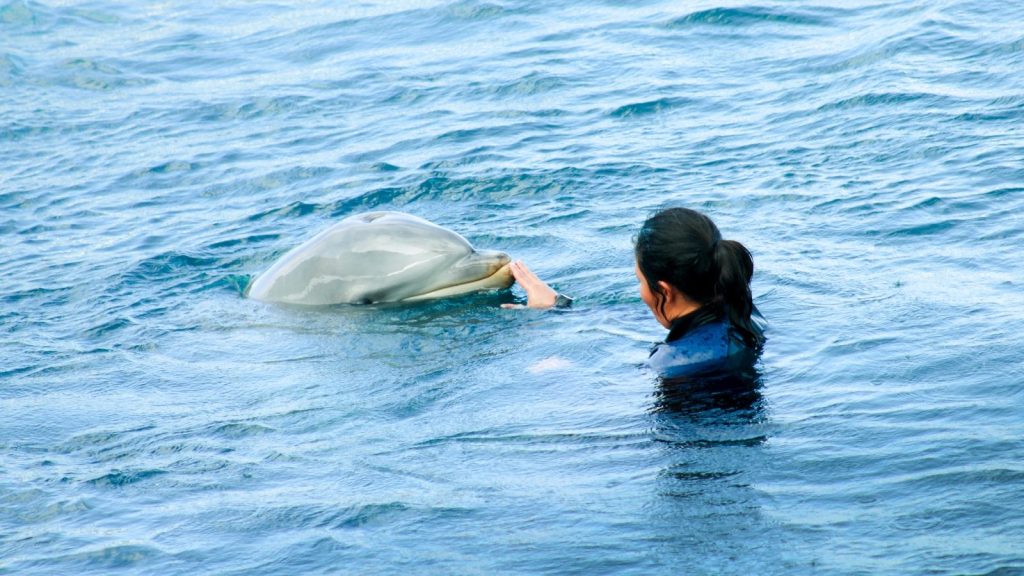
    woman playing with dolphin in body of water
    Photo by May Manzur on Unsplash

    Rescuers first checked the dolphin’s breathing, body condition, and signs of injury. Keeping the dolphin cool and wet helped protect its skin while allowing the blowhole to stay clear so it could breathe normally. Every step was done by trained professionals using wildlife rescue guidelines.

    After the initial care, the dolphin was taken to a rehabilitation facility for more detailed medical tests. Veterinarians monitored its health, provided fluids if needed, and watched for signs that it was strong enough to recover before making any decision about release.

    Why people should not push dolphins back

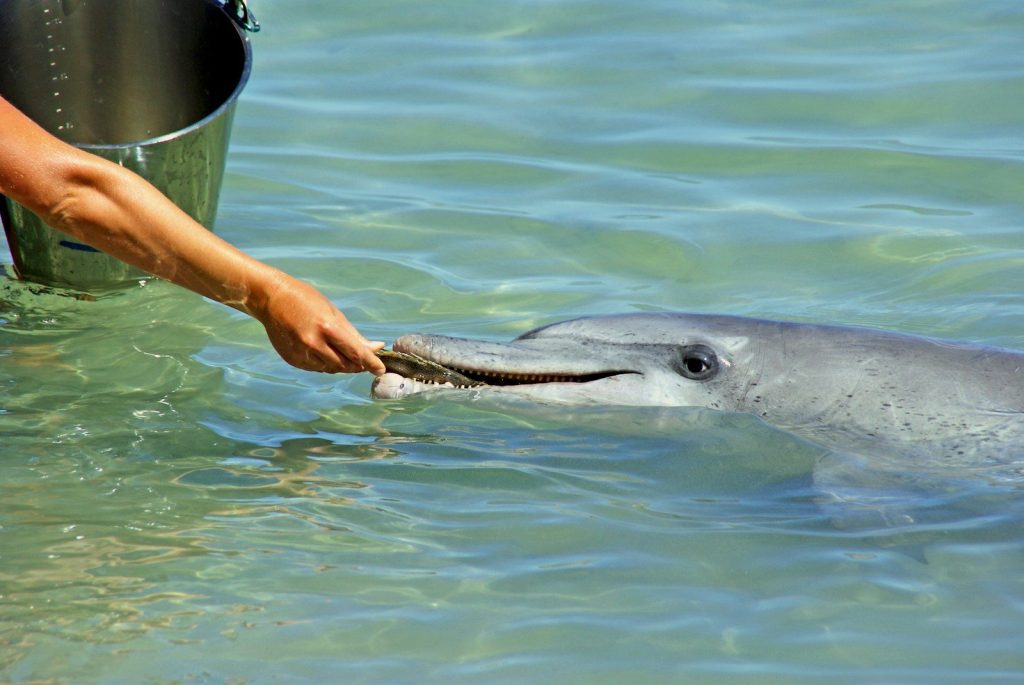
    person feeding gray dolphin
    Photo by Andy T on Unsplash

    Many people want to help by pushing a stranded dolphin back into the ocean. While this may seem kind, experts warn that it can be dangerous. If the dolphin is sick, injured, or exhausted, sending it back into the water may reduce its chance of survival.

    Instead, the safest choice is to call local marine mammal rescue authorities. Trained teams know how to assess the animal’s condition, provide emergency care, and decide whether rehabilitation or release is the best option.

    What scientists learn from rescues

    three people in lab coats looking at a tablet
    Photo by National Cancer Institute on Unsplash

    Every dolphin rescue helps scientists better understand marine life. Rescue teams collect information about the dolphin’s age, size, health, and any injuries or diseases. These records help experts identify threats affecting dolphin populations.

    Scientists also study environmental conditions near the stranding site. Weather, tides, pollution, fishing gear, and other factors may provide clues about why the dolphin became stranded. This information supports future conservation efforts and improves rescue methods.

    Why protecting dolphins matters

    Woman swimming in the ocean with a dolphin
    Photo by Arjun Raj on Unsplash

    Dolphins are important predators that help keep ocean ecosystems balanced. Healthy dolphin populations often reflect healthier coastal waters, making them valuable indicators of the condition of the marine environment.

    Rescuing stranded dolphins is only one part of protecting them. Reducing ocean pollution, properly disposing of fishing gear, slowing boats in wildlife areas, and reporting marine animals in distress all help improve the chances that dolphins will continue to thrive in the wild.

    Featured Image: Photo by Neil Mewes on Unsplash

  • Fatal black bear attack on woman lasted about an hour, officials say

    Fatal black bear attack on woman lasted about an hour, officials say

    A fatal black bear attack on a woman has raised serious questions about how such a rare event could happen. Officials said the attack lasted for about an hour before it ended, making the case especially shocking. While black bears usually avoid people, wildlife experts say rare attacks can happen under certain conditions.

    This article explains what officials have shared about the attack, how the investigation unfolded, why black bear attacks are uncommon, and what people can do to stay safe in bear country. Understanding the facts can help readers separate truth from fear and learn from this tragic event.

    Officials describe the timeline

    turned on gray alarm clock displaying 10:11
    Photo by Ales Krivec on Unsplash

    According to investigators, the woman was attacked by a wild black bear, and the encounter lasted for about an hour. Officials believe the long duration made it difficult for the victim to survive, despite later emergency efforts.

    Wildlife officers carefully reviewed the scene and gathered evidence before confirming what had happened. Authorities stressed that the incident was highly unusual because black bears rarely carry out long, predatory attacks on people.

    Investigators worked to confirm the cause

    a close up of a police car with its lights on
    Photo by Max Fleischmann on Unsplash

    Officials examined the attack site and used physical evidence to understand the bear’s actions. The investigation included looking at injuries, animal tracks, and other signs left behind at the scene.

    Wildlife experts said these steps are important because every fatal wildlife incident must be carefully verified. Their findings helped officials determine that the woman died from injuries caused during the bear attack.

    Why black bear attacks are so rare

    a black bear is sitting in the woods
    Photo by Michael Anfang on Unsplash

    Black bears are found across many parts of North America, but they usually avoid human contact. Most bears leave the area when they hear or see people, making deadly attacks extremely uncommon.

    Experts say attacks are more likely if a bear becomes used to human food, feels threatened, or behaves in a rare predatory way. Even then, fatal encounters remain very unusual compared with the number of people who spend time in bear habitat each year.

    How wildlife officials responded

    man in orange and black backpack
    Photo by Matthew Maaskant on Unsplash

    After the attack, wildlife officers searched for the bear involved to protect public safety. Such investigations often include tracking the animal, collecting DNA evidence when possible, and deciding whether the bear poses an ongoing danger.

    Officials also informed nearby residents about the incident and reminded people to stay alert in areas where bears live. Public safety remains the top priority after any serious wildlife attack.

    Safety lessons from the tragedy

    Man is looking at a screen with his head down.
    Photo by Alicia Christin Gerald on Unsplash

    Experts say people visiting bear country should stay aware of their surroundings and avoid leaving food or garbage where bears can reach it. Keeping a safe distance from any bear is one of the best ways to prevent dangerous encounters.

    Traveling in groups, making noise while hiking, and carrying bear spray where recommended can also reduce risk. These simple habits help bears stay wild and lower the chance of unexpected encounters.

    What this case means

    black bear on green grass during daytime
    Photo by Pete Nuij on Unsplash

    The attack serves as a reminder that wild animals can sometimes behave in unexpected ways. Even though black bear attacks are rare, officials say people should always respect wildlife and follow local safety guidance.

    Authorities continue to encourage education about living safely near bears rather than creating unnecessary fear. Learning how bears behave can help protect both people and wildlife in the future.

    Featured Image: Photo by Pete Nuij on Unsplash

  • Man spots two ducklings in pond and brings them to safety

    Man spots two ducklings in pond and brings them to safety

    A story about a man spotting two ducklings in a pond and bringing them to safety has touched many people because it shows how one small act can save lives. Young ducklings face many dangers, including traffic, deep water, predators, and becoming separated from their mother.

    In this article, you’ll learn what happened, why the rescue mattered, how the ducklings were kept safe, and what wildlife experts say people should do when they find young wild birds in trouble.

    A simple rescue became a lifesaving moment

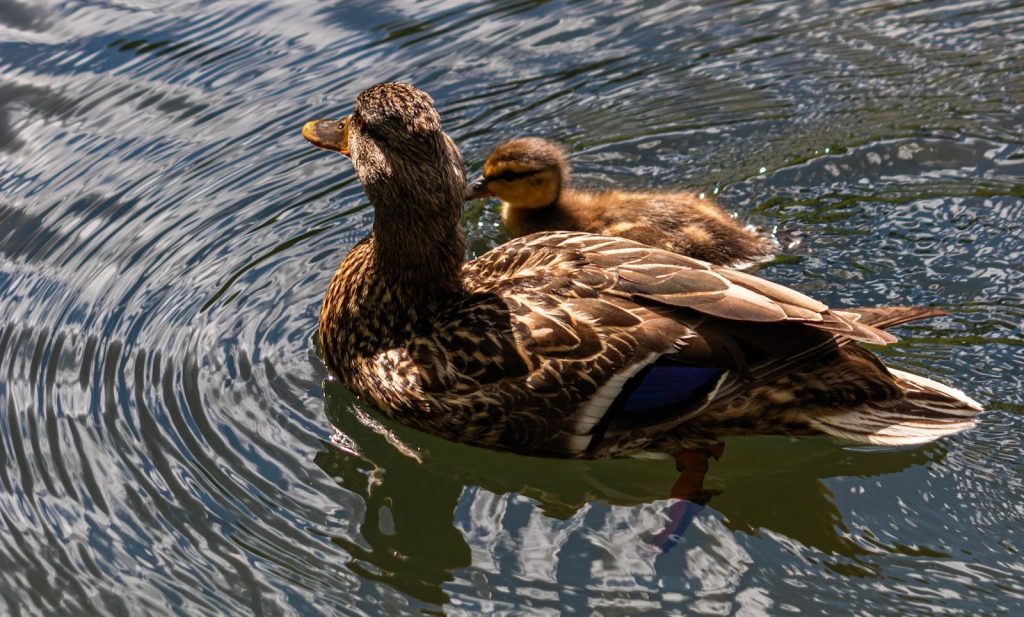
    A couple of ducks floating on top of a lake
    Photo by Abdullah Fahad on Unsplash

    The rescue happened after a man noticed two small ducklings struggling in a pond without their mother nearby. The birds appeared unable to reach a safe place on their own, so he carefully stepped in to help.

    He gently picked up the ducklings and moved them away from danger. His quick action gave the young birds a much better chance of surviving until they could be reunited with a safe habitat or receive proper care.

    Why ducklings can end up alone

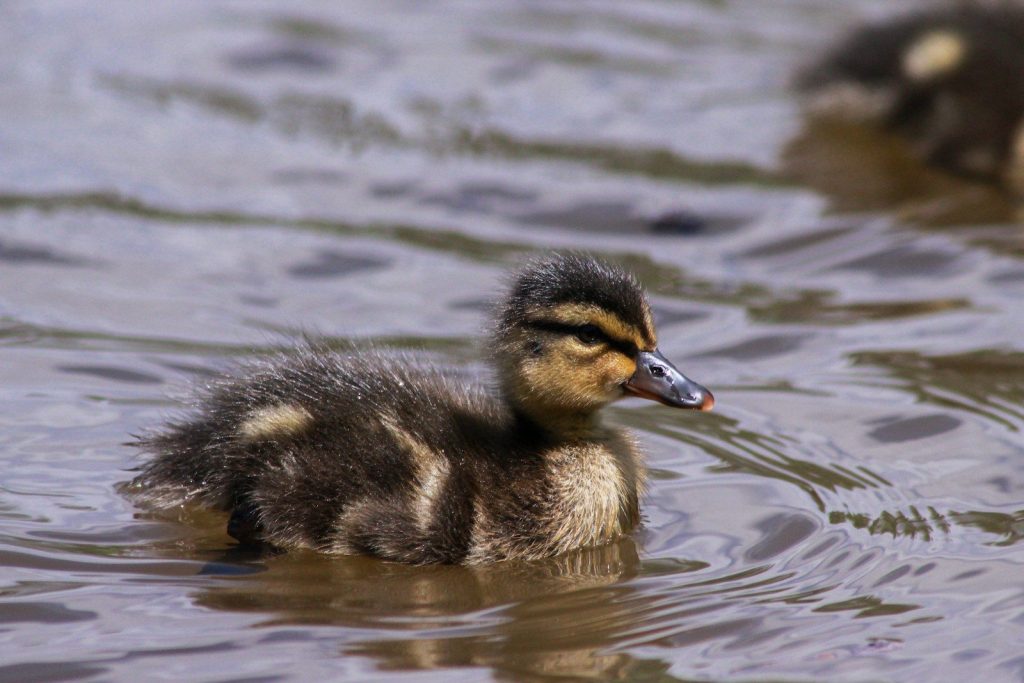
    yellow black duckling in body of water
    Photo by Chandler Cruttenden on Unsplash

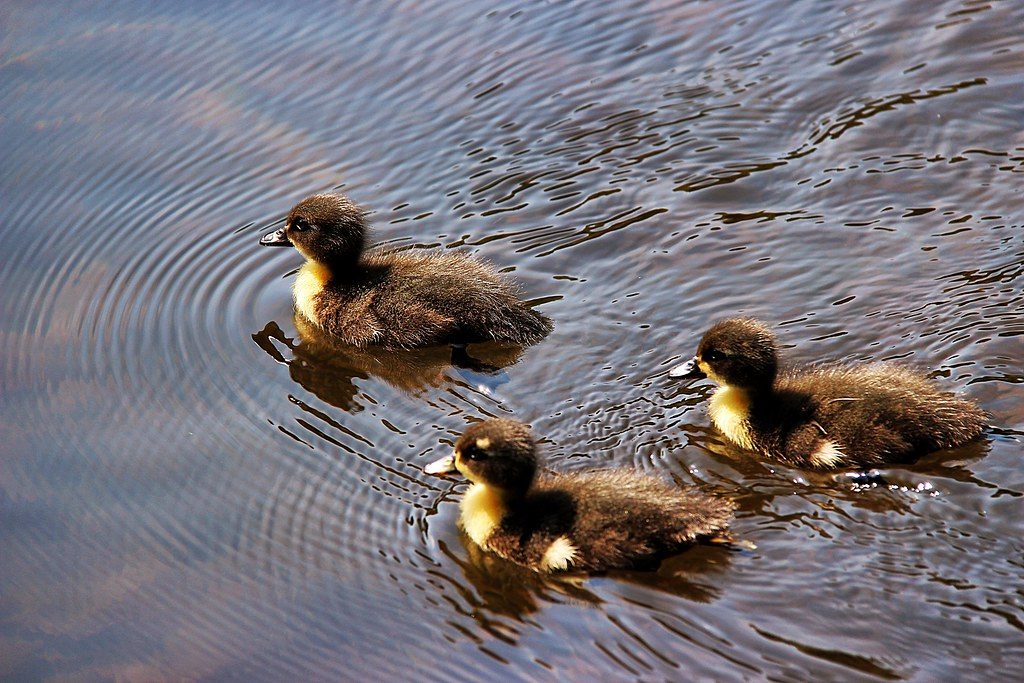
    Ducklings sometimes become separated from their mother while crossing roads, escaping predators, or during bad weather. Young birds can also become trapped near steep pond edges or other places where they cannot climb out.

    Wildlife experts say people should first watch from a distance before stepping in. Many mother ducks return for their young after a short time, so rescuing healthy ducklings too quickly can sometimes separate families that are still together.

    Careful handling helped protect the birds

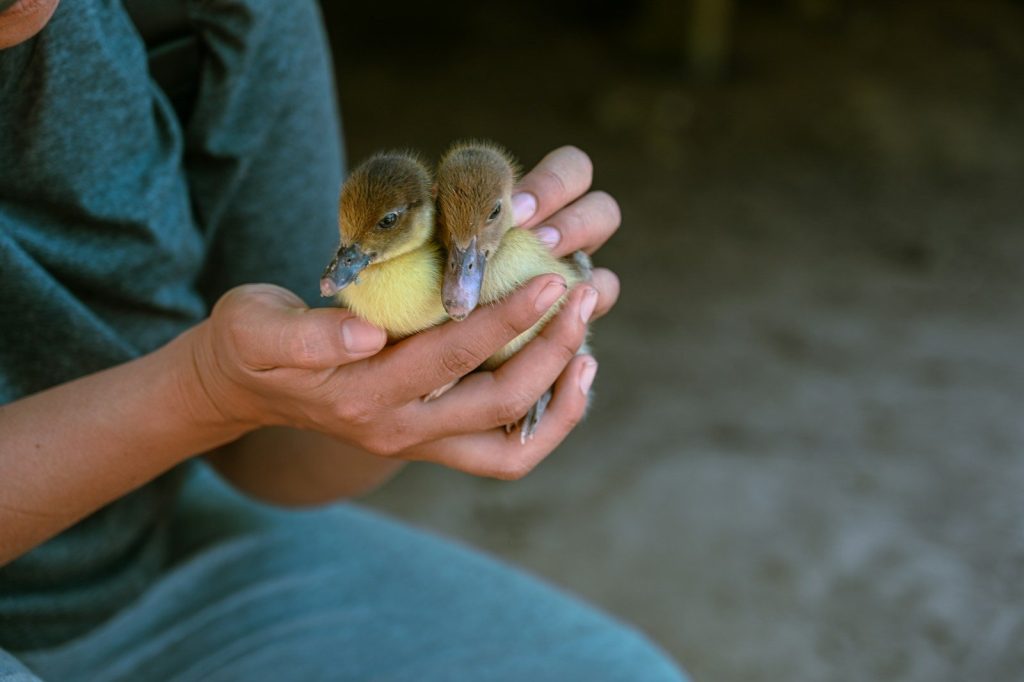
    a person holding a duckling
    Photo by Sollange Brenis on Unsplash

    The man handled the ducklings gently to avoid causing them extra stress. Young waterfowl are fragile, so rough handling or keeping them too long can lead to injury or exhaustion.

    If ducklings truly have no parent nearby or face immediate danger, moving them to a safer location is often the best choice. Wildlife professionals recommend contacting licensed animal rescuers if the birds appear injured or orphaned.

    Wildlife rescuers often see similar cases

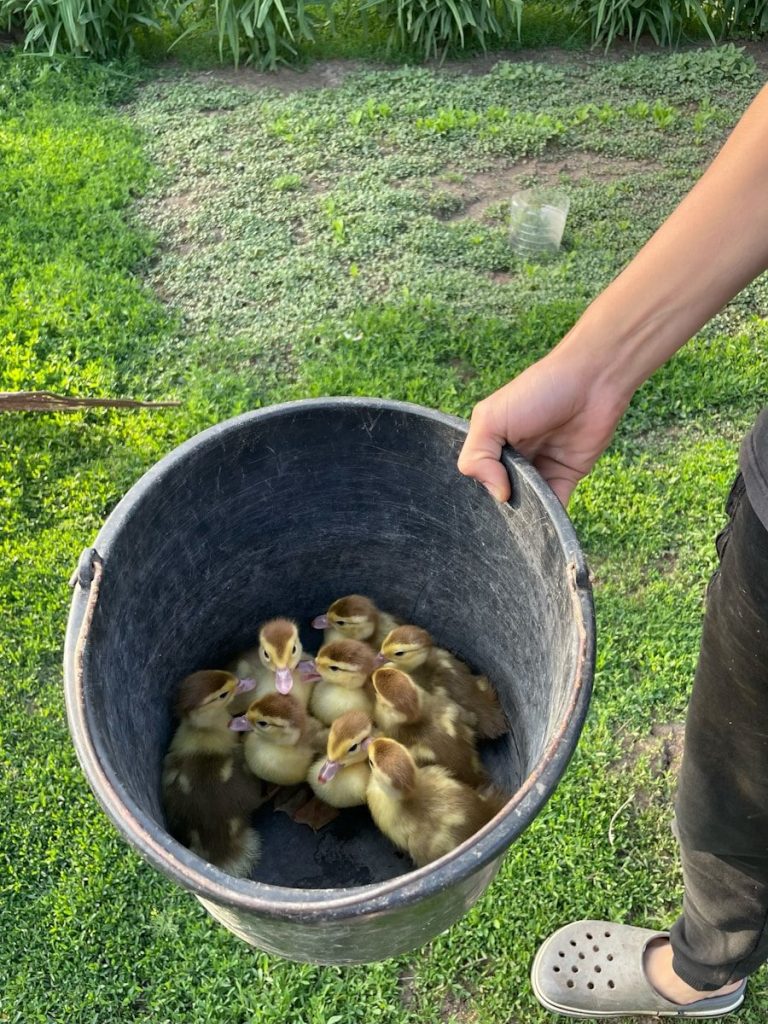
    A bucket full of fluffy ducklings in grass
    Photo by Anastasiia Smykodub on Unsplash

    Every spring, wildlife rescue groups respond to many calls involving stranded ducklings. Common situations include birds trapped in storm drains, swimming pools, construction sites, or busy roads.

    Rescuers try to reunite healthy ducklings with their mother whenever possible because young ducks learn feeding and survival skills from her. When that is not possible, licensed wildlife rehabilitators provide specialized care until the birds can return to the wild.

    Small actions can make a big difference

    a group of ducks floating on top of a body of water
    Photo by Robin Teng on Unsplash

    This rescue reminds people that paying attention to wildlife can save lives. A few careful minutes were enough to help two vulnerable ducklings escape a dangerous situation.

    Experts also remind people not to feed wild ducklings bread because it does not provide the nutrients they need. Fresh water and natural foods found in their habitat are much healthier for growing birds.

    The rescue inspired many people

    Man is looking at a screen with his head down.
    Photo by Alicia Christin Gerald on Unsplash

    Stories like this spread quickly because they show kindness without expecting anything in return. Many people praised the man’s calm response and his willingness to help defenseless animals.

    The rescue also serves as a reminder that protecting wildlife starts with simple choices. Watching carefully, acting responsibly, and contacting wildlife experts when needed can give young animals the best chance to survive.

    Featured Image: “Odensjön” by Infomastern is licensed under CC BY-SA 2.0

  • Researchers document rare great white shark sighting off Rhode Island

    Researchers document rare great white shark sighting off Rhode Island

    A rare great white shark sighting off Rhode Island has given scientists an exciting chance to learn more about one of the ocean’s most famous predators. Researchers were searching for a dead humpback whale when they found and filmed the shark feeding in waters near Block Island.

    Events like this are uncommon, making the video valuable for both science and conservation. This article explains where the shark was found, why the sighting matters, what researchers learned, and what it means for people visiting Rhode Island’s beaches.

    Researchers capture a rare moment

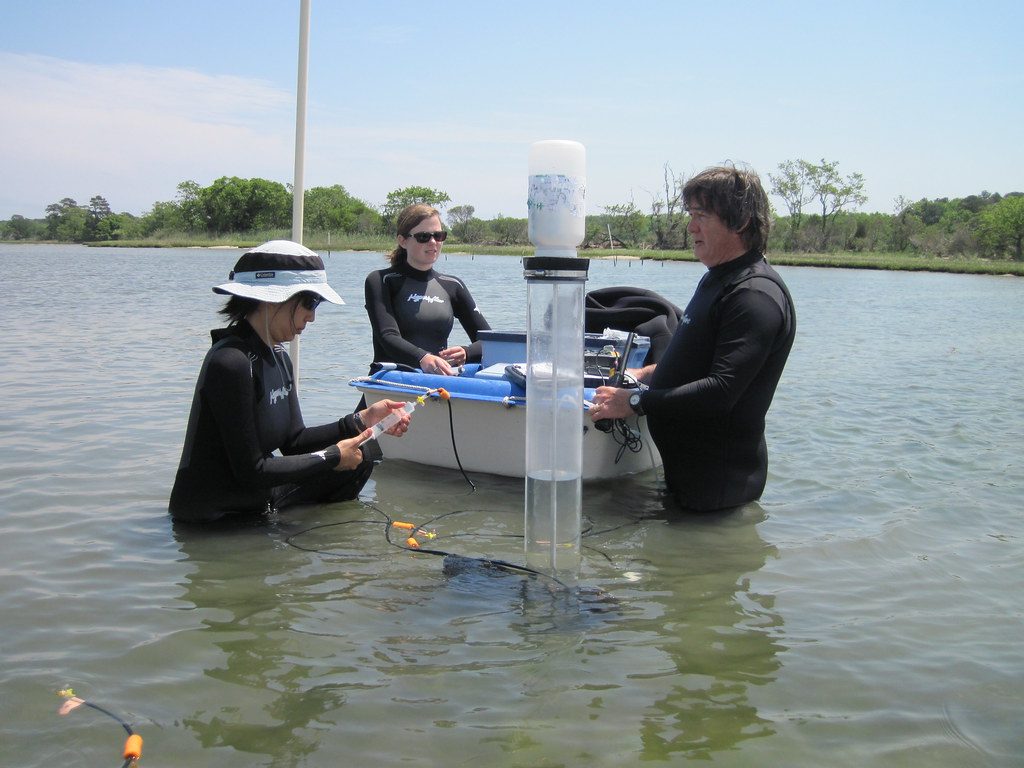
    Marine Scientist Jennifer Stanhope, VASG Graduate Research Fellow Annie Murphy, and Mark Luckenbach take water samples from the cores over the course of the day to measure the nutrient concentrations in the water. ©Margaret Pizer/VASG” by Virginia Sea Grant is licensed under CC BY-ND 2.0

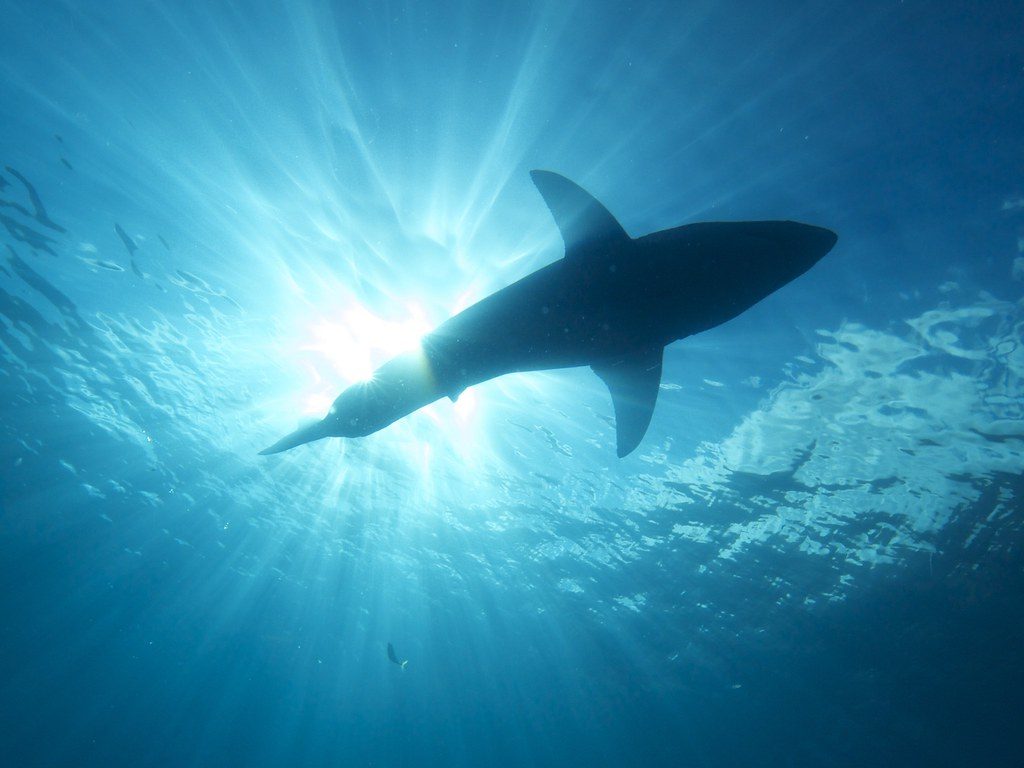
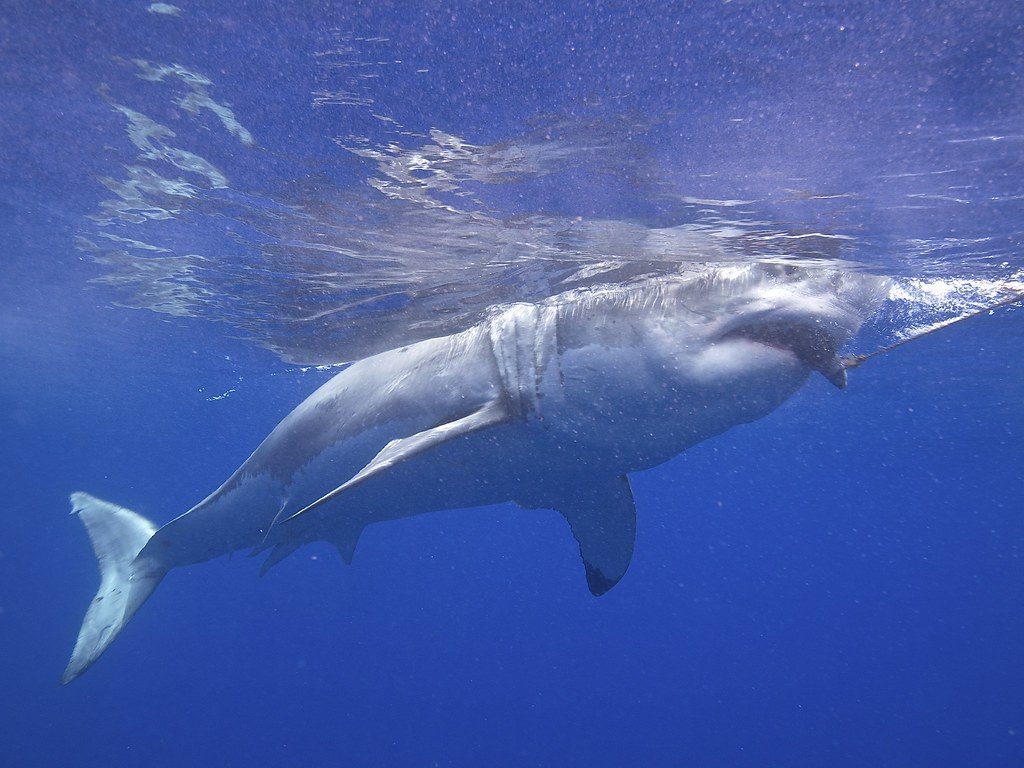
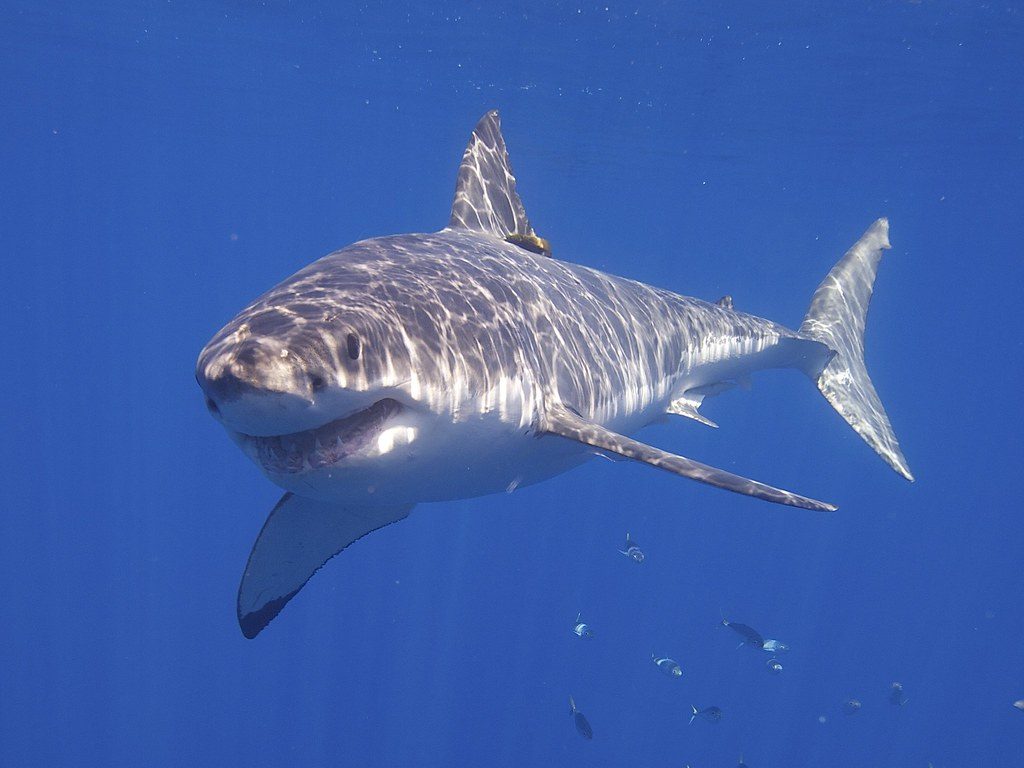
    Marine researchers from the Atlantic Shark Institute and Mystic Aquarium found the shark several miles south-southeast of Block Island. They had been following reports of a drifting humpback whale carcass when they spotted an estimated 8-foot great white shark feeding on it. The team recorded the encounter on video, creating what they believe is the first footage of a great white feeding in Rhode Island waters.

    Researchers said great white sharks are seen in the area from time to time, but filming one feeding is much harder. The footage gives scientists a better look at the shark’s behavior in its natural environment without disturbing it.

    Why the whale attracted the shark

    Blue Whale” by D-Stanley is licensed under CC BY 2.0

    Large whale carcasses provide a huge food source for many ocean animals. Sharks can detect food from long distances using their strong sense of smell, making a dead whale an important feeding opportunity.

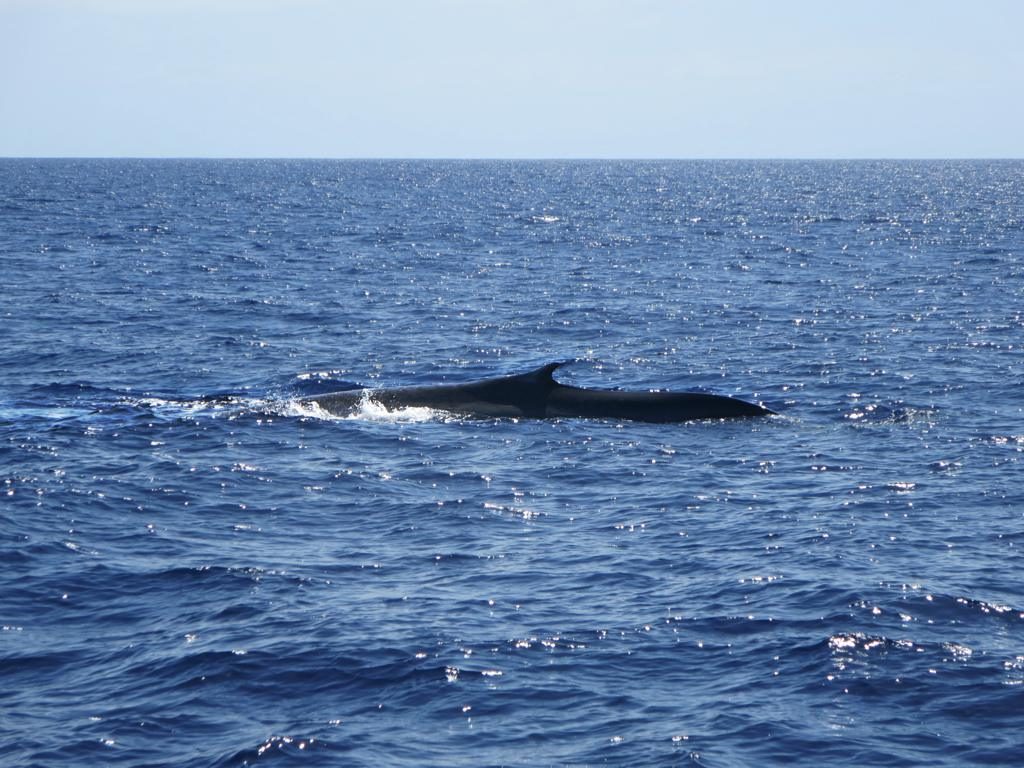
    Scientists say whale carcasses can attract several scavengers, including sharks, over many days. After the research team finished recording the event, the whale later washed ashore on Block Island with clear bite marks, showing how much feeding had taken place.

    Why this sighting matters

    Great White Shark” by Elias Levy is licensed under CC BY 2.0

    Great white sharks live in the Northwest Atlantic, but confirmed footage from Rhode Island waters has been limited. Because of that, every verified observation helps researchers understand where these sharks travel, feed, and spend their time.

    Scientists use information from sightings, tagging projects, and underwater cameras to study migration patterns and seasonal movements. Better knowledge helps wildlife managers protect sharks while also improving public awareness about marine life.

    Great white sharks and Rhode Island

    Great White Shark” by Elias Levy is licensed under CC BY 2.0

    Great white sharks are protected in U.S. Atlantic waters, and experts say their numbers have slowly improved after years of conservation work. More sightings today do not necessarily mean there are suddenly many more sharks close to beaches.

    Researchers explain that improved technology, including satellite tags, underwater cameras, and public reporting, allows more sharks to be recorded than in the past. This helps scientists build a clearer picture of shark activity around southern New England.

    What beach visitors should know

    people on beach during daytime
    Photo by chan lee on Unsplash

    Although seeing a great white shark can sound alarming, attacks on people remain extremely rare. Most sharks are focused on natural prey such as fish and seals rather than humans.

    Experts recommend basic safety steps when swimming in the ocean. People should avoid swimming near seals, stay out of the water at dawn or dusk when possible, and leave the area if marine wildlife is feeding nearby. These simple actions help lower the chance of an unexpected encounter.

    What scientists hope to learn next

    three people in lab coats looking at a tablet
    Photo by National Cancer Institute on Unsplash

    Researchers plan to continue studying sharks along the New England coast using underwater cameras and tracking equipment. Every new observation helps answer questions about feeding habits, migration routes, and how changing ocean conditions affect marine wildlife.

    Scientists say this rare Rhode Island footage is another piece of a much larger puzzle. By collecting more information over time, they hope to improve shark conservation while helping people better understand these important ocean predators.