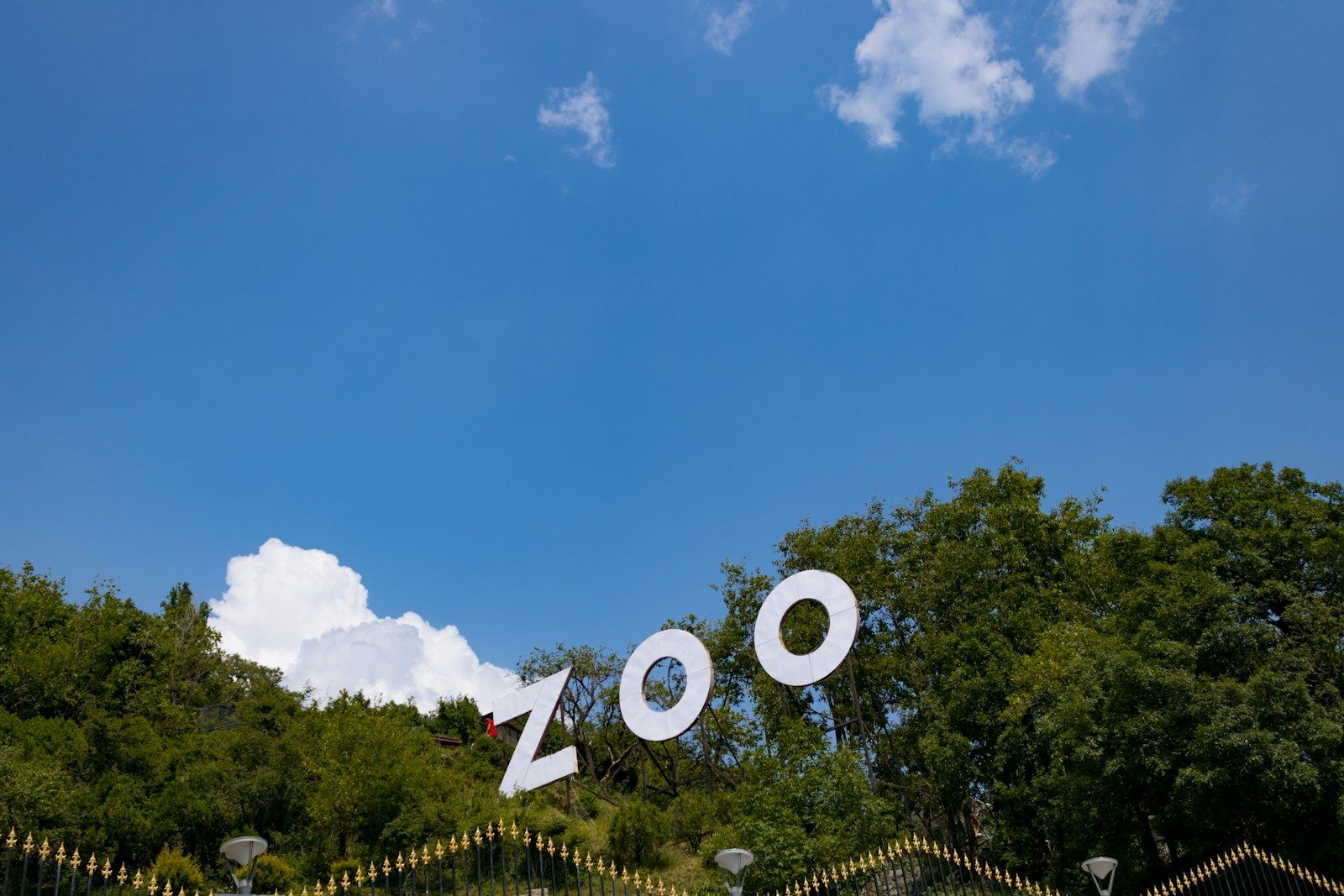
A visitor reports finding animals at abandoned zoo, raising fresh concerns about what happens when wildlife facilities close but animals remain behind. The discovery has drawn worldwide attention because many of the animals were still living in poor conditions years after the zoo shut its gates.
Rescue teams, veterinarians, and animal welfare groups are now working to help the surviving animals. This article explains what happened, why the animals were left behind, what rescuers found, and what the case could mean for animal care in the future.
The abandoned zoo shocked visitors
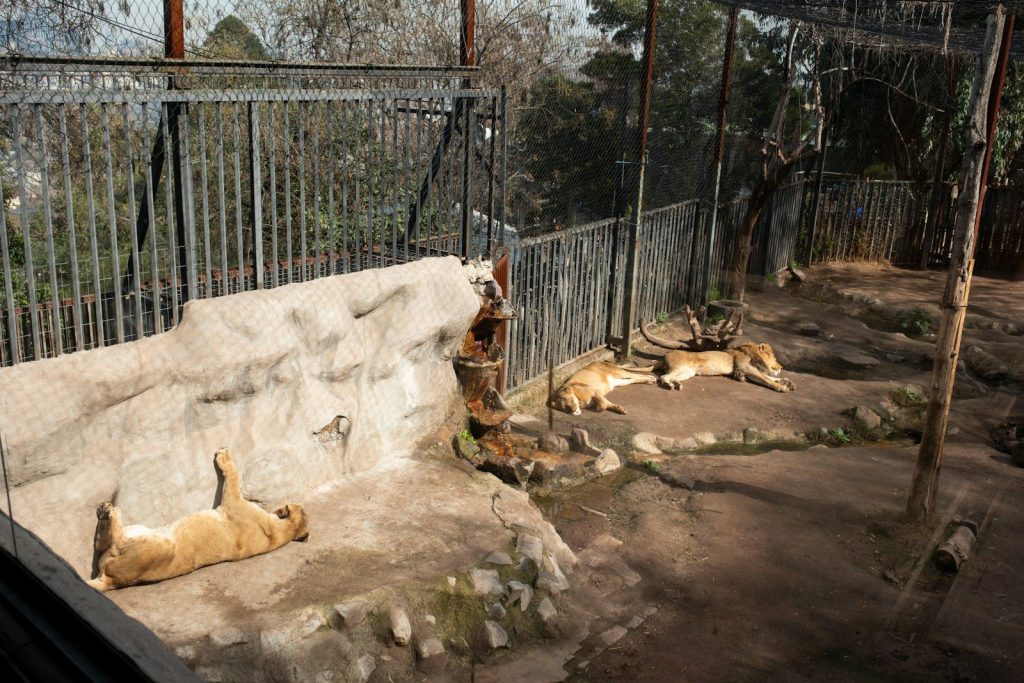
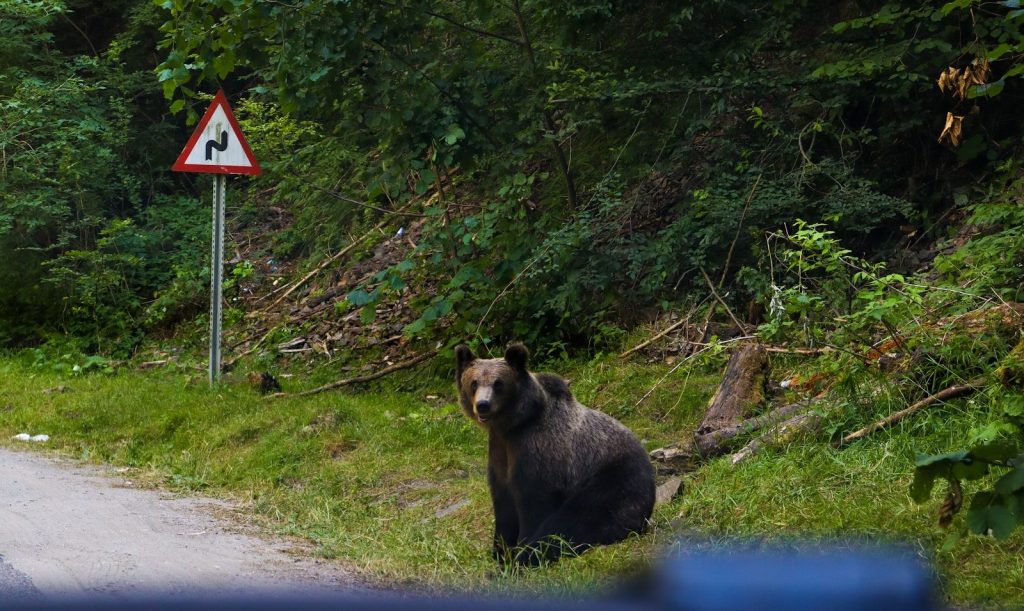
The case centers on the former Luján Zoo near Buenos Aires, Argentina. The zoo closed in 2020 after years of safety concerns and criticism over its handling of wild animals. Even after closing, dozens of lions, tigers, and two brown bears remained at the property because moving large wild animals safely takes time and careful planning.
Visitors and people familiar with the site continued to report seeing animals still living inside the abandoned zoo years after it closed. Their reports helped bring renewed attention to the animals’ condition and increased calls for a large-scale rescue operation.
Many animals lived in poor conditions
Animal welfare experts found that many surviving animals were living in crowded enclosures that were too small for their needs. Some animals suffered from poor nutrition, untreated injuries, infections, and dental problems after years without proper veterinary care.
Former zoo workers stayed behind to feed and care for the animals as best they could, even after losing their jobs. Despite their efforts, many animals died over the years because the remaining staff did not have enough money, equipment, or medical support to provide proper long-term care.
Rescue teams began a major mission

International animal welfare organization Four Paws reached an agreement with Argentina’s government to rescue the remaining animals. Veterinarians began examining every animal one by one before deciding when each could safely travel to a sanctuary.
The rescue is one of the largest operations the organization has handled. The surviving animals require medical treatment, vaccinations, blood tests, and sometimes surgery before they can be transported to larger habitats where they will receive lifelong care.
Why moving wild animals takes time
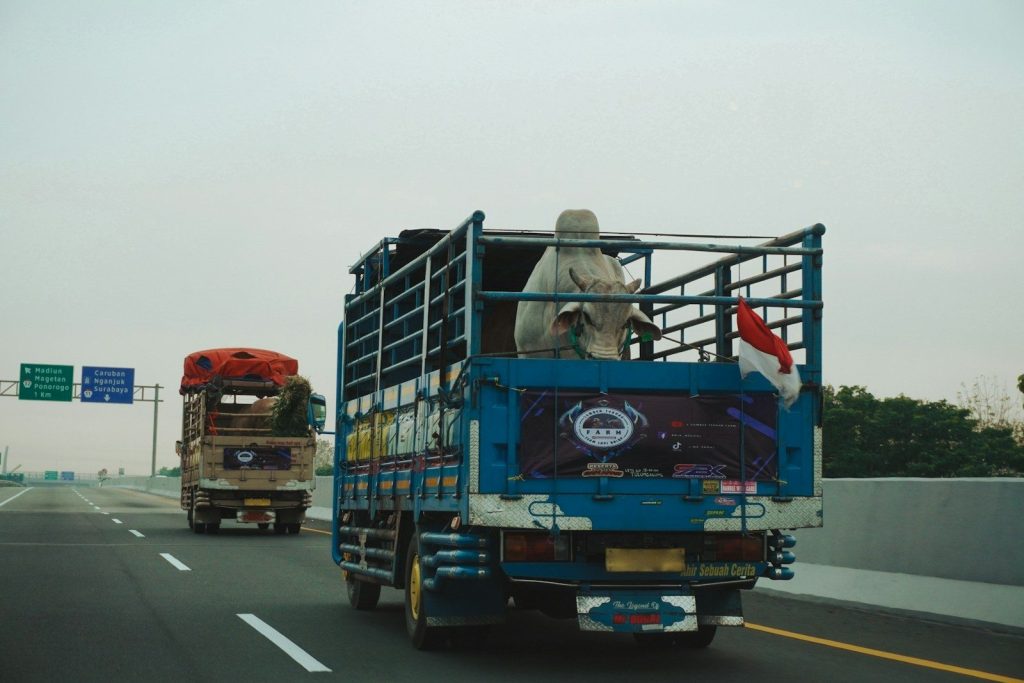
Moving big cats and bears is much more difficult than transporting domestic animals. Each animal must be healthy enough for travel, placed inside a secure transport crate, and monitored throughout the journey by trained wildlife experts.
Some animals also have health problems caused by age or years of neglect. Rescue teams must treat infections, repair damaged teeth, and improve nutrition before long trips. These careful steps help reduce stress and improve the animals’ chances of recovering in their new homes.
The case raised new animal welfare concerns

The abandoned zoo has become an example of what can happen when facilities close without a complete plan for every animal. Animal welfare groups say closures should include funding, transportation, veterinary care, and approved sanctuary space before the gates are locked for good.
As part of the rescue agreement, Argentina committed to ending the sale and private ownership of exotic big cats. Supporters believe stronger rules and better oversight can help prevent similar situations from happening again.
What happens next for the surviving animals
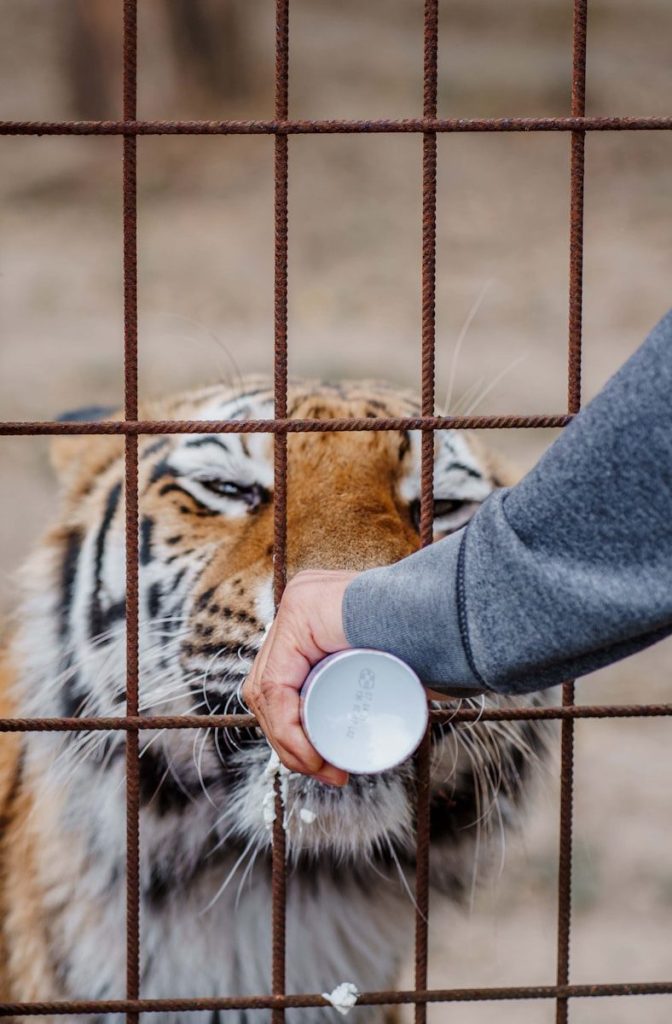
Veterinarians will continue treating every surviving lion, tiger, and bear before relocation begins. Once healthy enough, the animals will be moved to wildlife sanctuaries that offer much larger spaces and care designed for their physical and behavioral needs.
Although years of neglect cannot be erased, experts believe many of the rescued animals have a better chance of living healthier lives. The rescue also serves as a reminder that caring for wild animals remains a long-term responsibility, even after a zoo closes.
Featured Image: Photo by Napendra Singh on Unsplash