Category: Wildlife and animals

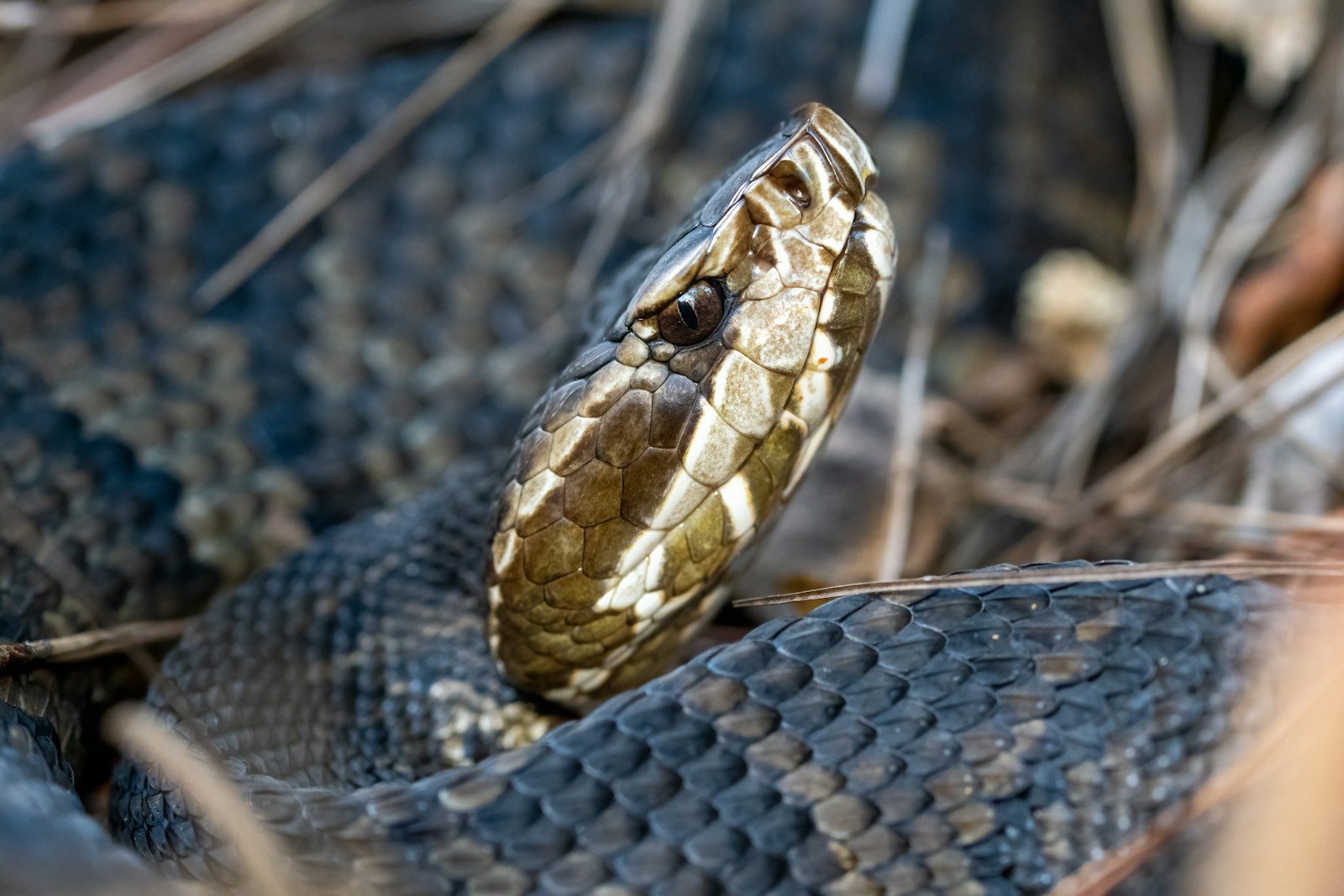
  • A woman leaves her car during an argument with her boyfriend and is pulled away by a Siberian tiger

    A woman leaves her car during an argument with her boyfriend and is pulled away by a Siberian tiger

    A shocking incident in which a woman was pulled away by a Siberian tiger became international news after surveillance video captured the attack at a drive-through wildlife park in Beijing, China. The tragedy showed how quickly dangerous animals can strike when people leave the safety of their vehicles inside predator enclosures. While the video has been widely shared online, many details are often misunderstood.

    This article explains what happened, why the attack occurred, what investigators found, and the important safety lessons that visitors should remember when visiting wildlife parks.

    Where the attack happened
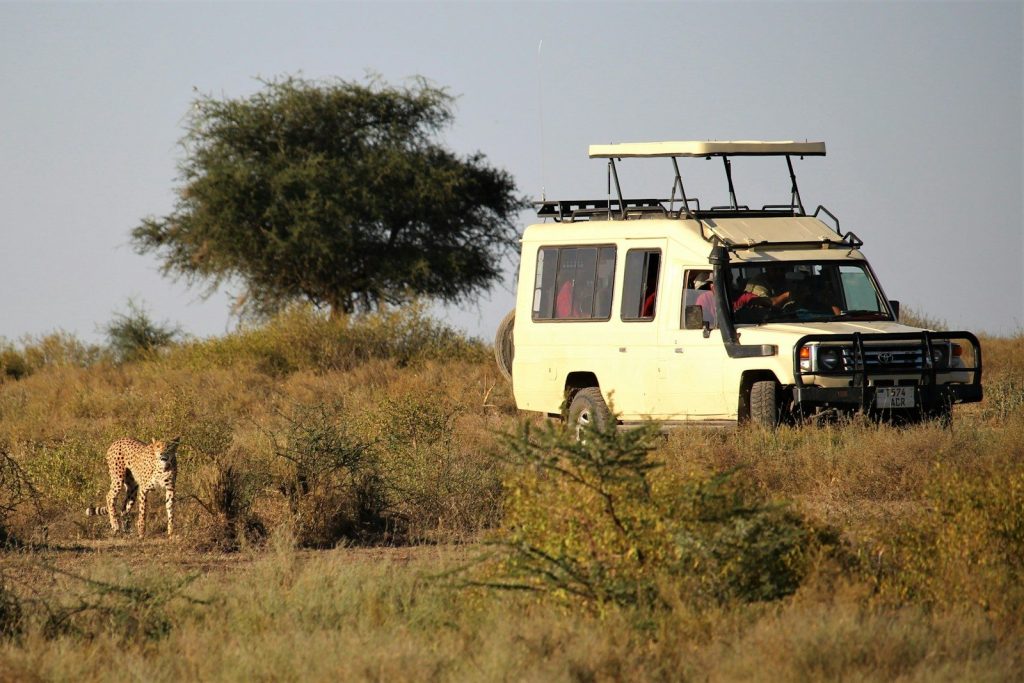
    white SUV near tree during daytime
    Photo by >>> niedblog.de on Unsplash

    The incident took place on July 23, 2016, at Badaling Wildlife World in Beijing, China. The park allows visitors to drive their own vehicles through large animal areas where predators, including Siberian tigers, roam freely.

    Visitors were required to stay inside their vehicles at all times while driving through the tiger enclosure. Park rules and warning signs clearly instructed guests not to open their doors or leave their cars because the animals were not separated by fences inside the safari area.

    What happened before the tiger attack
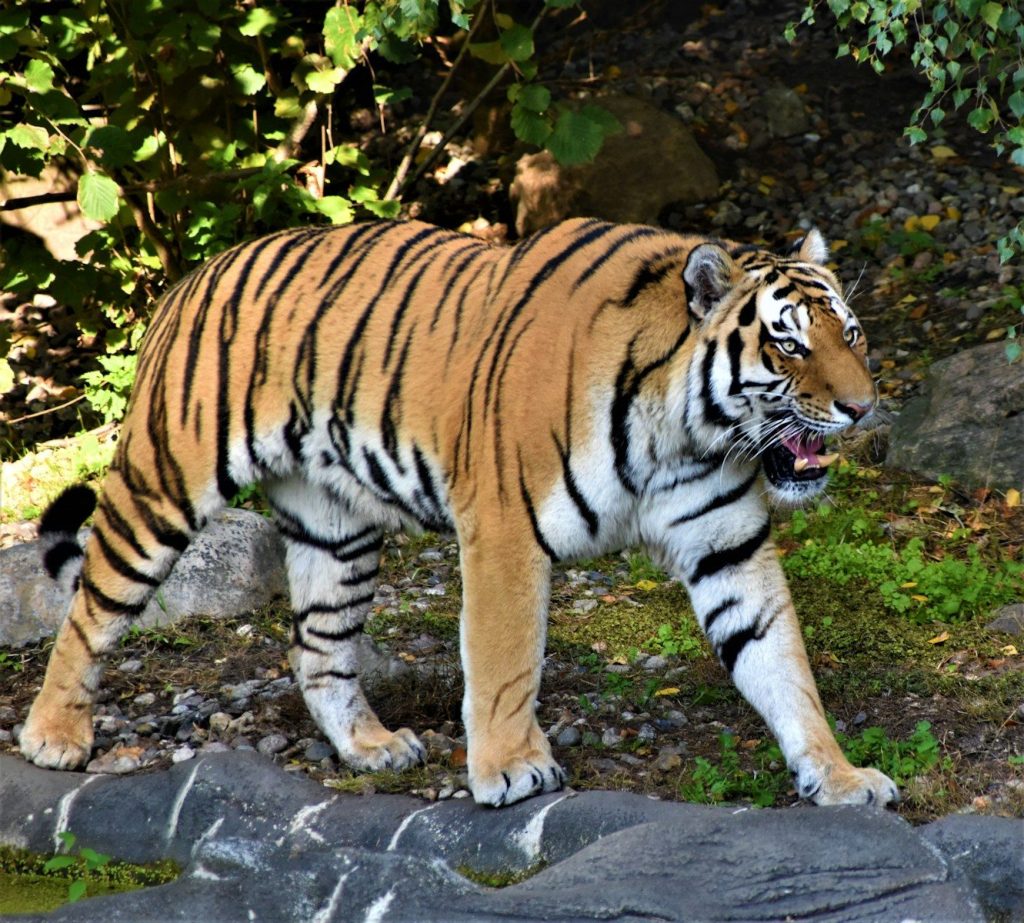
    tiger lying on ground near green leaves during daytime
    Photo by Waldemar Brandt on Unsplash

    Authorities said a family was driving through the tiger section when the vehicle stopped. Reports indicated that the woman got out of the passenger side after an argument with her husband, who was driving the car.

    As she walked around the vehicle toward the driver’s side, a Siberian tiger suddenly rushed from nearby vegetation. The tiger grabbed her within seconds and dragged her away before anyone inside the vehicle could react.

    The rescue attempt turned tragic
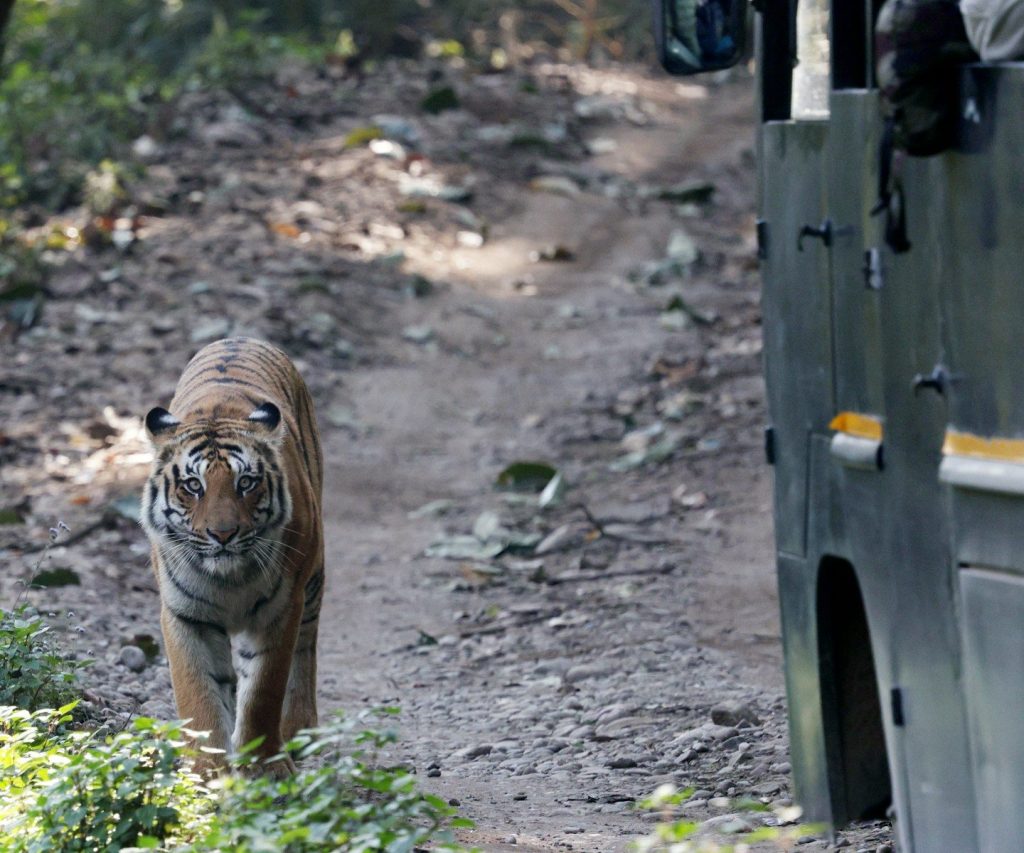
    Tiger walks on a dirt path near a safari vehicle.
    Photo by Lakshmi Narasimha on Unsplash

    The woman’s mother immediately left the vehicle to try to rescue her daughter. The husband also got out and ran after the tiger while a child remained inside the car.

    During the rescue attempt, another Siberian tiger attacked the older woman. Park staff rushed to the scene and managed to save the younger woman, who survived with serious injuries. Sadly, her mother died from the second tiger attack.

    What investigators found

    A magnifying glass rests on a textured surface.
    Photo by Sasun Bughdaryan on Unsplash

    Officials investigated the incident after the attack. Reports said the visitors had entered a restricted predator area where leaving the vehicle was strictly prohibited for safety reasons.

    The investigation concluded that the park had warning signs and rules requiring visitors to stay inside their vehicles. The incident highlighted the extreme danger of leaving a car in a drive-through enclosure where large predators move freely.

    Why Siberian tigers are so dangerous
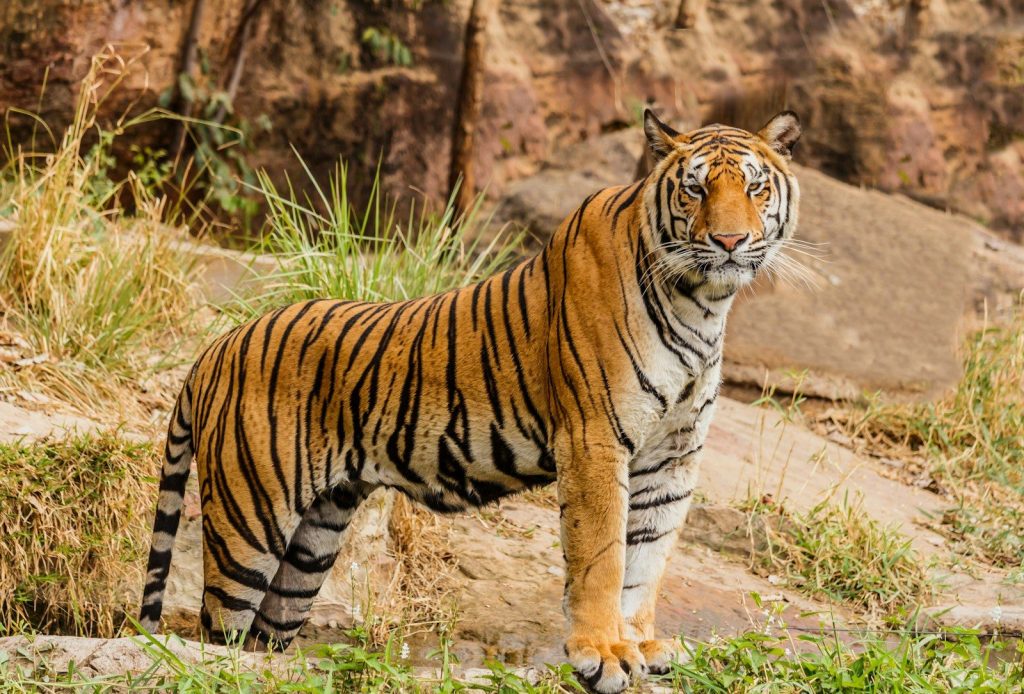
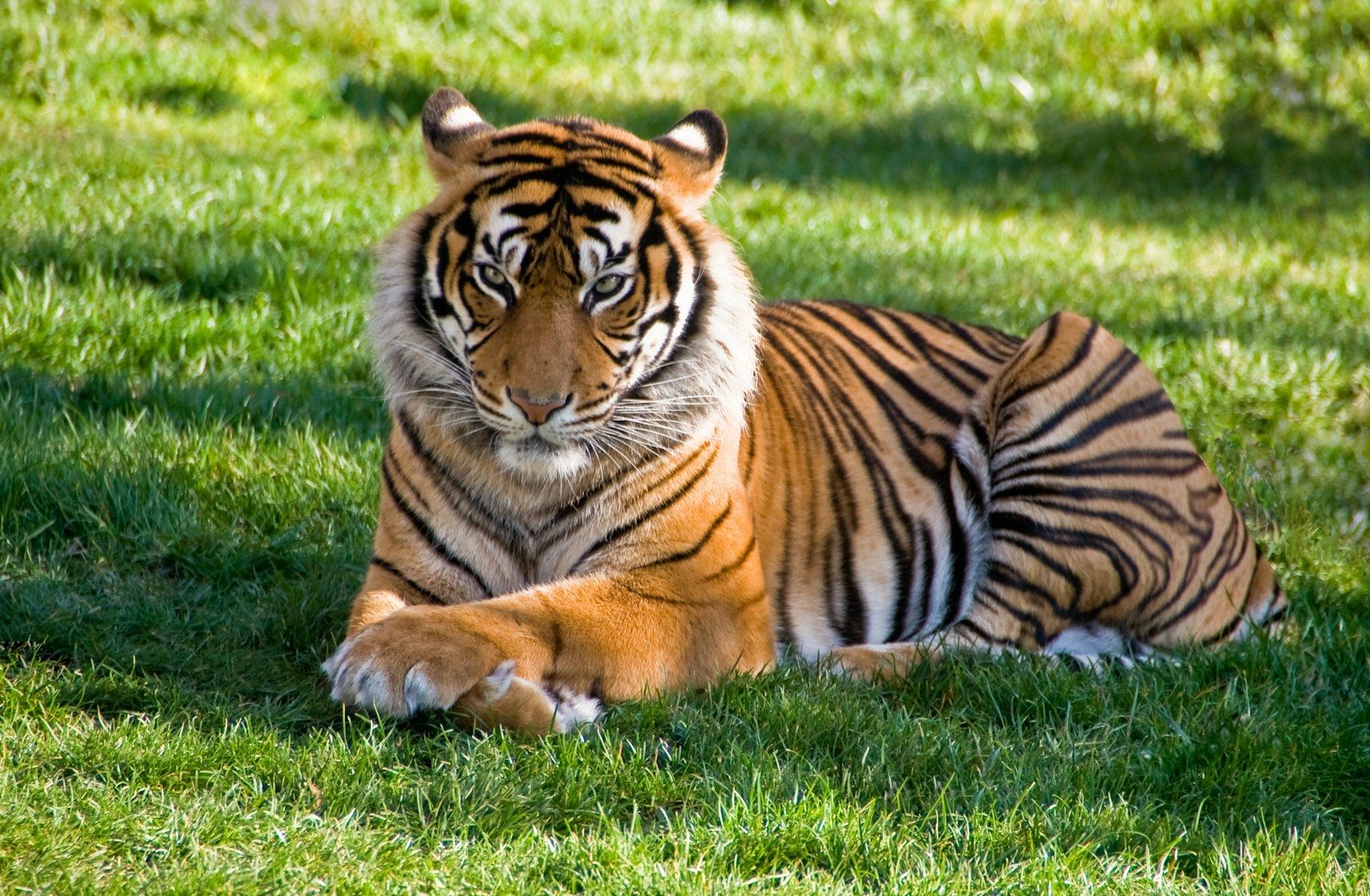
    brown and black tiger on focus photography
    Photo by A G on Unsplash

    Siberian tigers, also called Amur tigers, are the largest living cats in the world. Adult males can weigh more than 600 pounds and are powerful hunters capable of sprinting short distances and overpowering large prey.

    Even trained wildlife experts treat these animals with great caution. Tigers can stay hidden until the last moment and cover surprisingly short distances in only a few seconds, leaving almost no time for a person to escape once an attack begins.

    Lessons every wildlife park visitor should remember
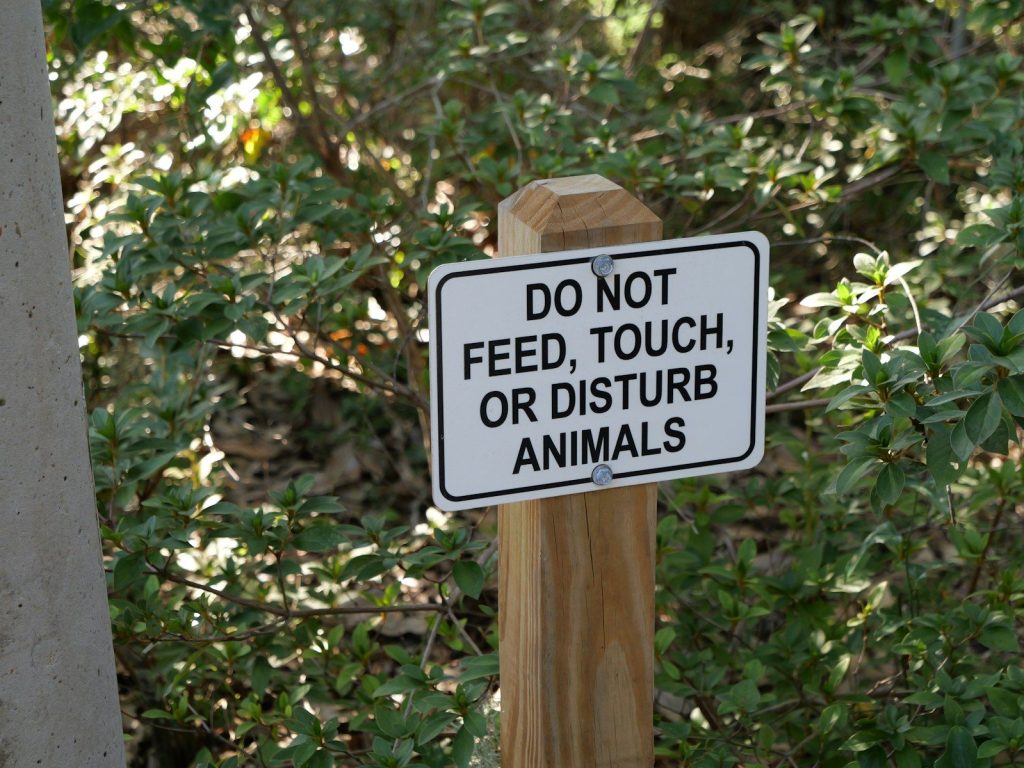
    Sign reads do not feed, touch, or disturb animals.
    Photo by Richard R on Unsplash

    Drive-through safari parks are designed so visitors can safely observe animals without direct contact. The vehicle acts as the protective barrier between people and dangerous wildlife.

    Following park rules is essential, even during stressful situations or personal disagreements. Staying inside the vehicle, keeping doors closed, and following staff instructions greatly reduce the risk of serious injury when visiting parks that house large predators.

    Featured Image: Photo by JOSE ALMEIDA on Unsplash
  • What happens when a whale becomes the target of an orca pod

    What happens when a whale becomes the target of an orca pod

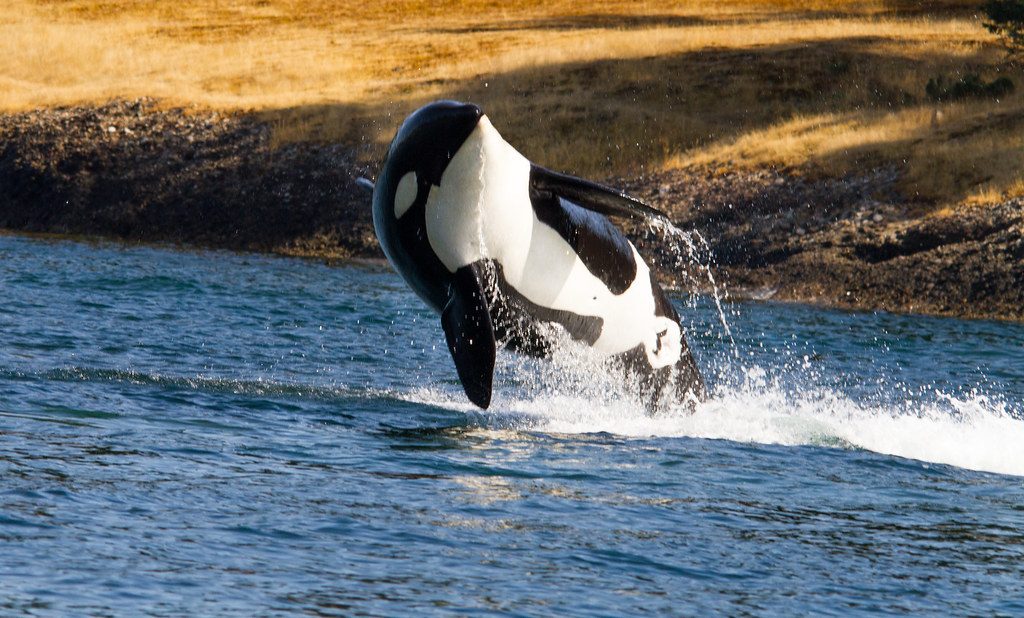
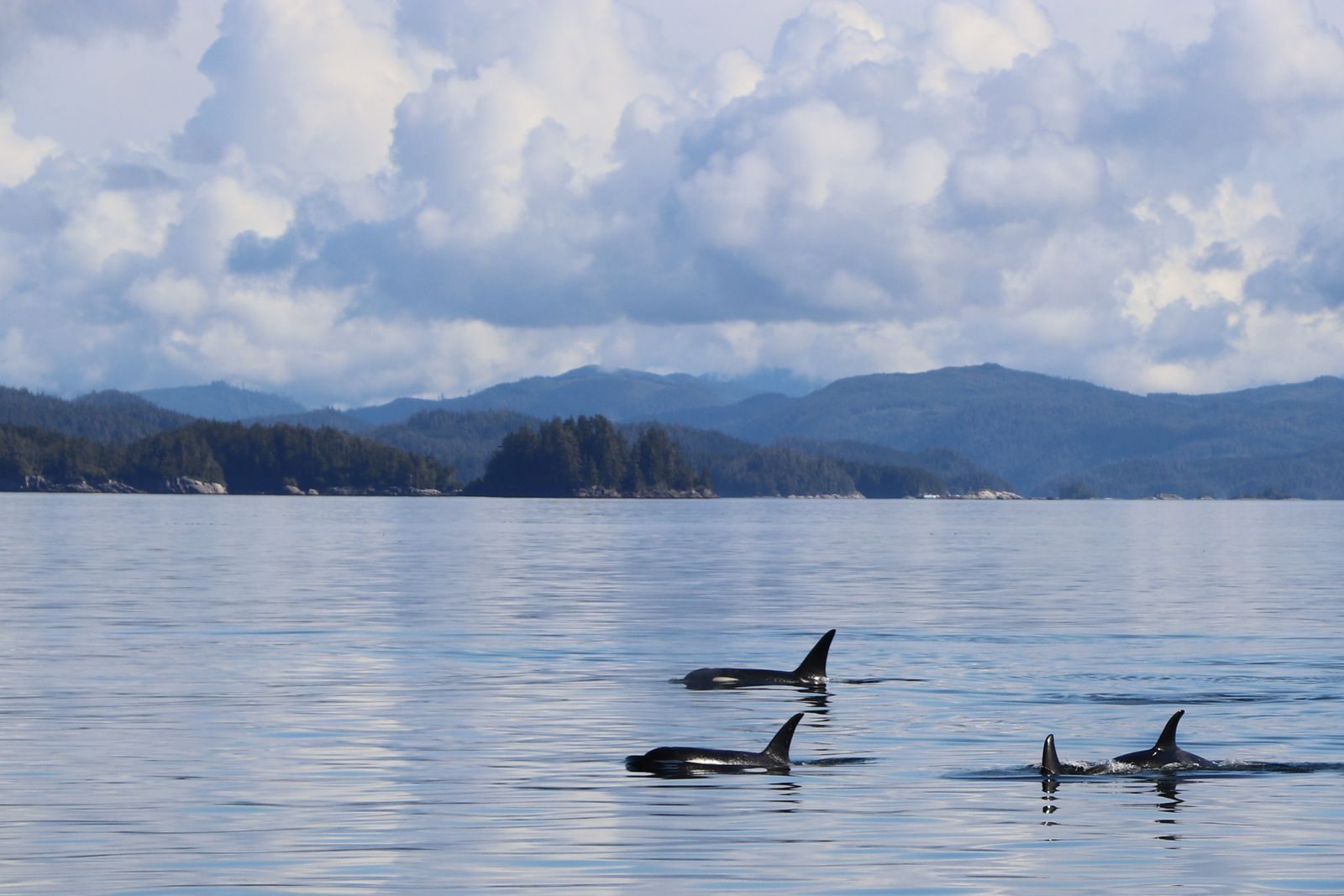
    Orcas, also known as killer whales, are among the most intelligent and capable predators in the ocean. Rather than relying on size alone, they use teamwork, communication, and carefully coordinated hunting strategies to capture prey.

    In some remarkable cases, a small pod of orcas has been observed working together to overpower whales many times their size. These hunts showcase one of the most sophisticated examples of cooperative behavior in the animal kingdom.

    Orcas are the ocean’s top predators

    Killer Whale (Resident Orca)” by Shawn McCready is licensed under CC BY-ND 2.0

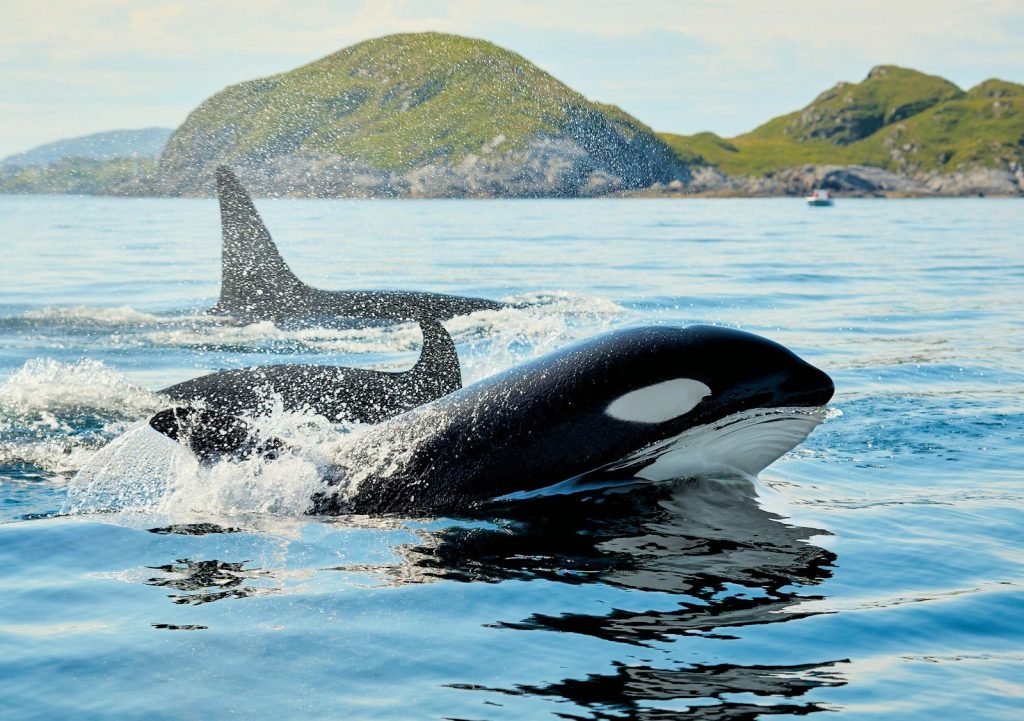
    Orcas are the largest members of the dolphin family and live in every ocean on Earth. Different populations specialize in different prey, with some feeding mainly on fish while others hunt seals, dolphins, sharks, and even large whales.

    Because healthy adult orcas have virtually no natural predators, scientists classify them as apex predators.

    Teamwork gives them a major advantage

    A couple of orca's swimming in a body of water
    Photo by Vidar Nordli-Mathisen on Unsplash
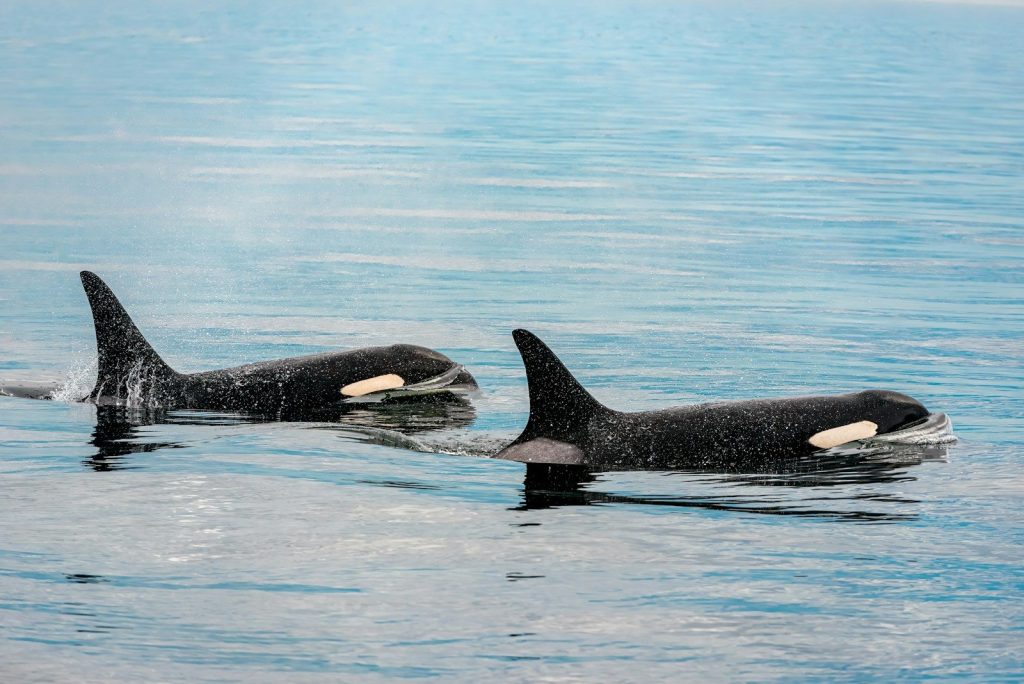
    Unlike solitary hunters, orcas depend heavily on cooperation. Pod members communicate constantly through calls and body movements while coordinating their positions during a hunt.

    Research shows that individual whales often take on different roles during cooperative hunting, increasing the group’s overall success. Long-term social bonds also allow pods to refine these techniques over generations.

    Hunting whales requires a strategy

    Blue Whale” by D-Stanley is licensed under CC BY 2.0

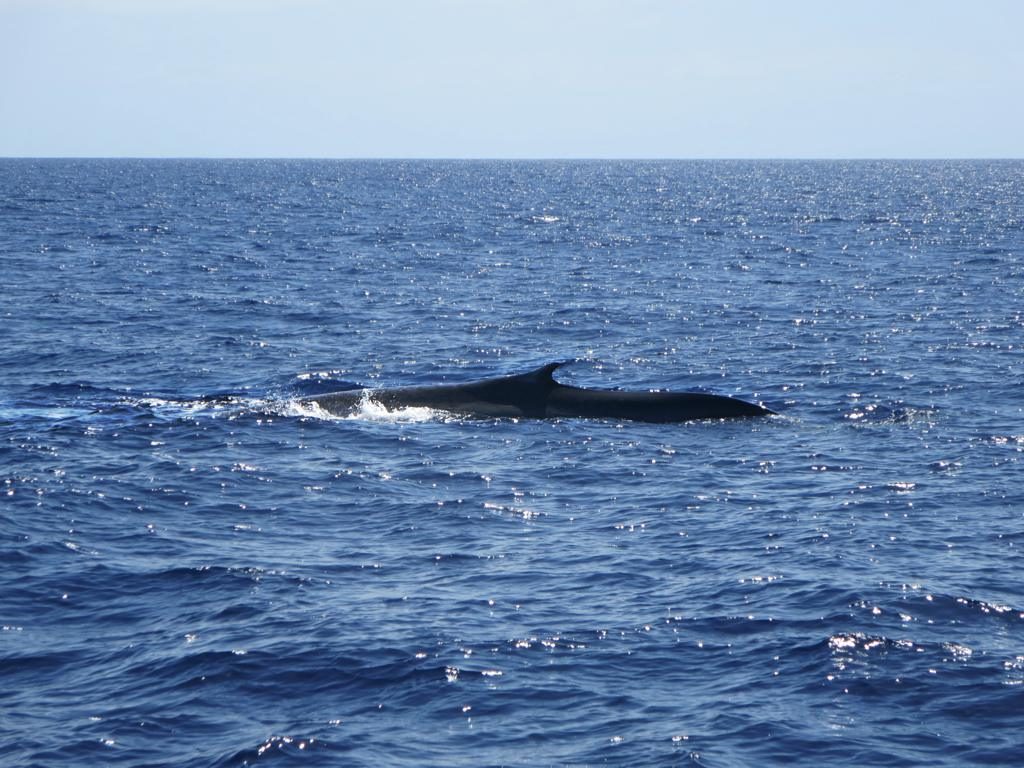
    When targeting large whales, orcas rarely rely on a single attack. Instead, they may surround the animal, separate vulnerable calves from adults, or repeatedly strike and exhaust their target over an extended period.

    Scientists have documented pods working together to restrict a whale’s movement and, in some cases, prevent it from surfacing normally to breathe. These coordinated attacks require precise timing and communication.

    Intelligence shapes every hunt

    two black and white orca swimming in a body of water
    Photo by Stephen Walker on Unsplash
    Orcas possess large brains and complex social structures. Young whales learn hunting techniques by observing experienced pod members, and many behaviors are passed from one generation to the next.

    Different populations even develop distinct hunting traditions, demonstrating a form of animal culture rarely seen outside a handful of highly intelligent species.

    Every pod hunts differently

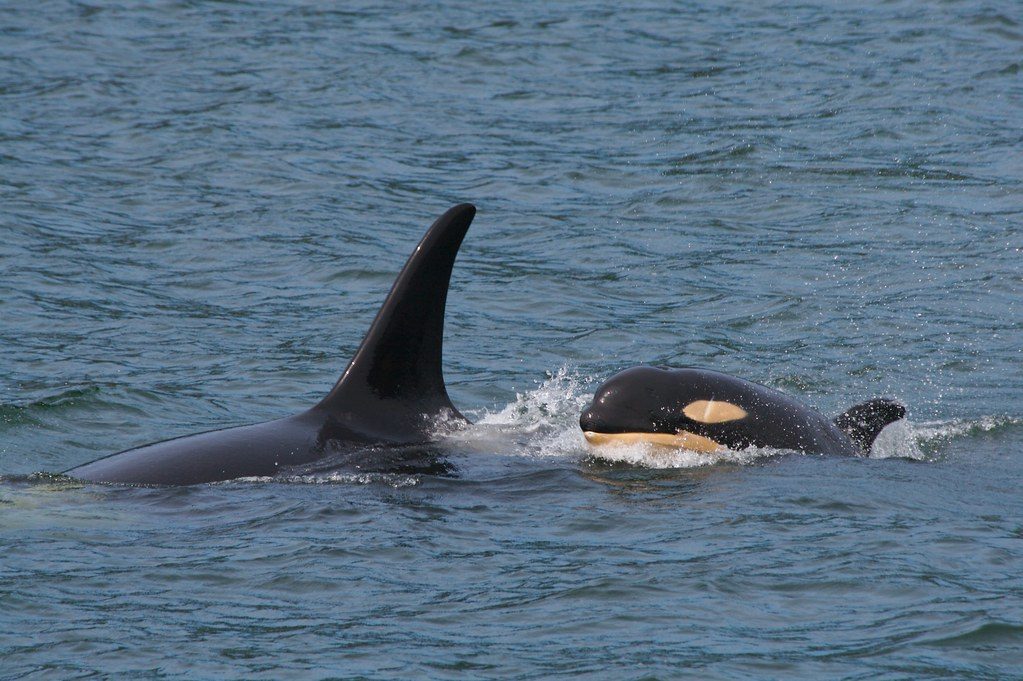
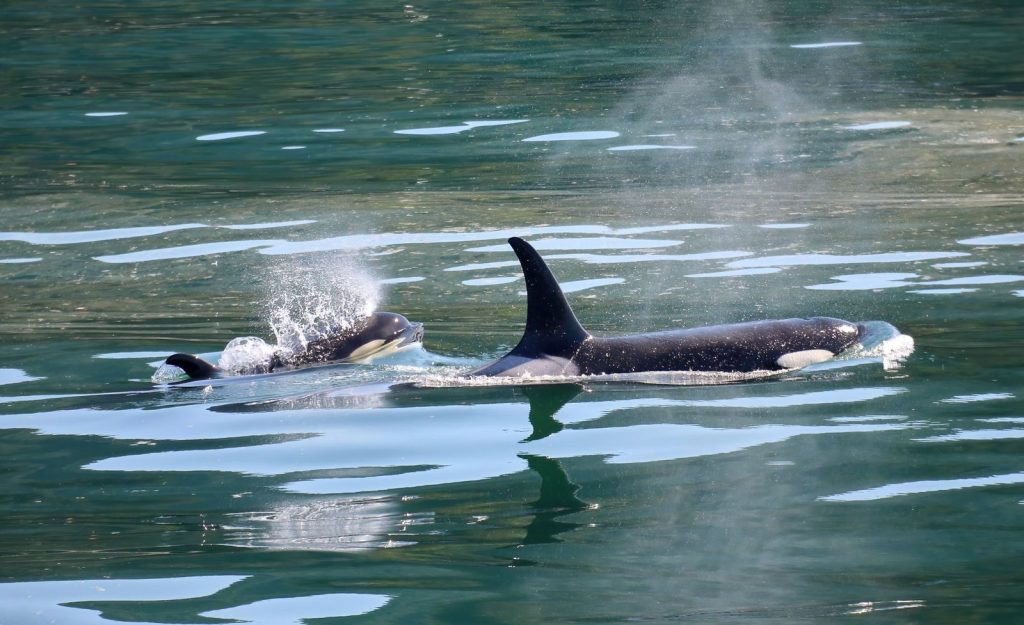
    Orca calf and Mother” by alumroot is licensed under CC BY-NC 2.0

    Not all orcas hunt the same prey. Resident populations often specialize in fish such as salmon, while transient populations focus on marine mammals. Other populations have developed unique techniques for catching sharks, rays, seabirds, or whales.

    These dietary specializations show how adaptable orcas have become across oceans worldwide.

    Why these hunts fascinate scientists

    Captivating view of orcas swimming in the clear waters of Juneau, Alaska.
    Photo by Simon Hurry on Pexels

    Watching orcas hunt provides valuable insight into animal intelligence, communication, and social learning. Their ability to cooperate, divide responsibilities, and adapt to different prey makes them one of the most studied predators in marine biology.

    Each documented hunt helps researchers better understand how these remarkable marine mammals evolved into some of the ocean’s most effective hunters.

  • Rescuers locate injured animal after hearing cries in tall grass

    Rescuers locate injured animal after hearing cries in tall grass

    Have you ever wondered what happens when rescuers hear an animal crying but cannot see where the sound is coming from? The rescuers locate injured animal after hearing cries in tall grass story shows how patience, careful searching, and quick action can save a life. In many wildlife and animal rescue cases, injured animals hide in thick grass because they are scared or unable to move.

    This article explains how rescuers locate hidden animals, why they often remain out of sight, the care they receive after being found, and why trained rescue teams play an important role in giving injured animals a second chance.

    How rescuers found the animal

    a group of men standing on the side of a road
    Photo by Slava Taukachou on Unsplash
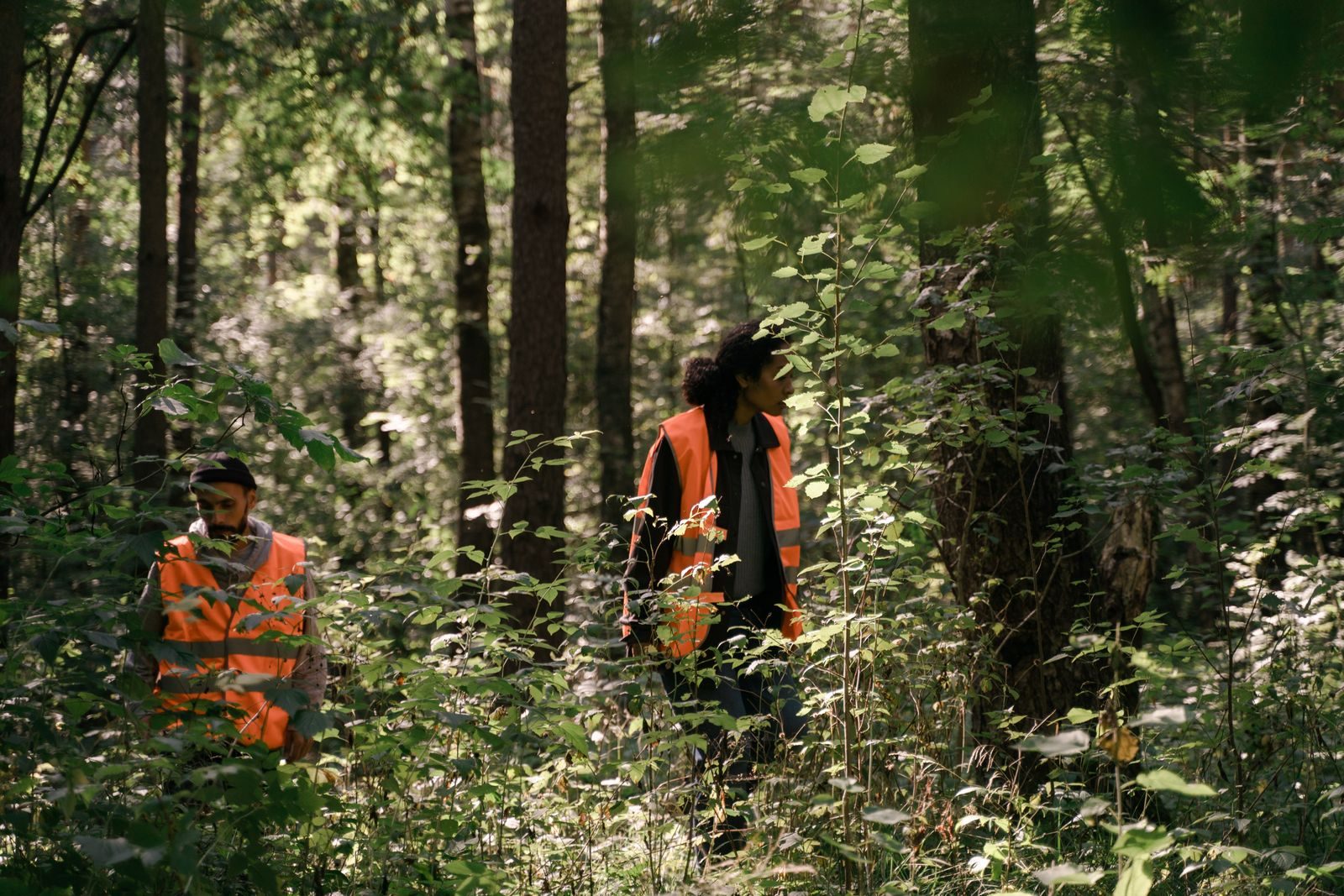
    Rescuers responded after hearing repeated cries coming from an area covered with tall grass. Because the vegetation blocked their view, they carefully searched the area instead of rushing in, listening closely to pinpoint where the sounds were coming from.

    After moving through the grass, they located an injured animal that was unable to escape on its own. Similar rescues have shown that injured animals often remain hidden in thick vegetation, making careful searches essential.

    Why do injured animals hide

    brown and white animal eating grass
    Photo by mana5280 on Unsplash
    Many wild animals hide after they are hurt because staying out of sight helps protect them from predators. Even when they are in pain, they often remain still instead of trying to run.

    Tall grass, bushes, and thick plants provide natural cover. While this behavior can improve survival in the wild, it also makes it much harder for rescuers to find an injured animal quickly.

    How rescuers approached safely

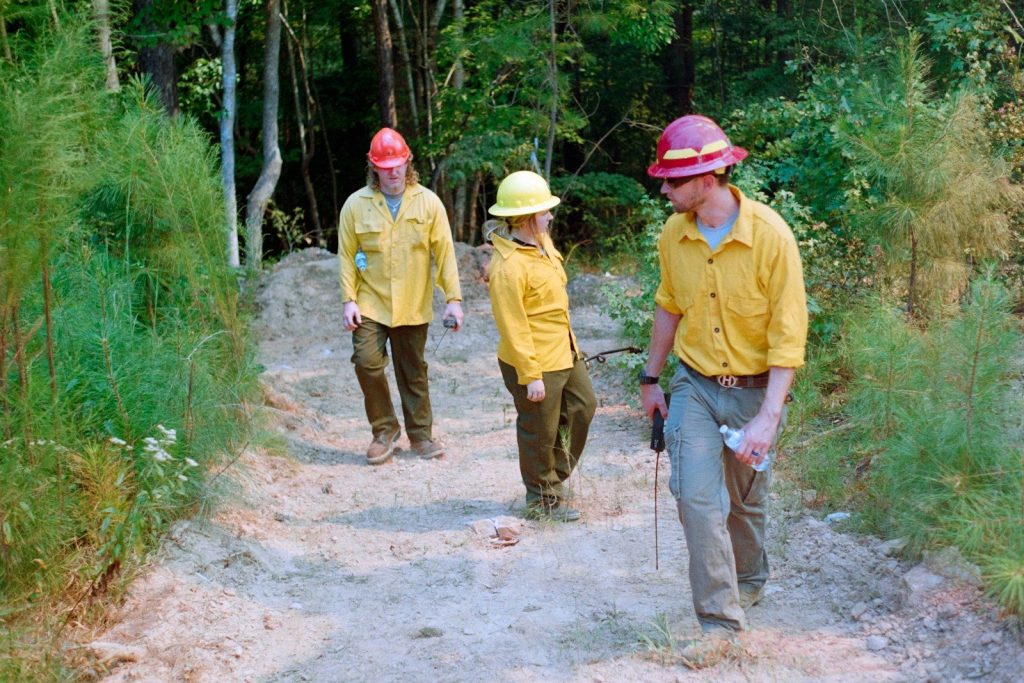
    Three people in yellow shirts walk on dirt path
    Photo by Erik Morales on Unsplash
    Animal rescue teams avoid making sudden movements or loud noises that could frighten an injured animal. A calm approach helps reduce stress and lowers the chance of making the injury worse.

    Once the animal was reached, rescuers checked its condition before moving it. Depending on the injury, they may use towels, blankets, carriers, or other equipment to transport the animal safely.

    Why veterinary care is important

    A veterinarian examines a black and tan dachshund.
    Photo by Alexander Mass on Unsplash
    After a rescue, injured animals are usually examined by veterinarians or licensed wildlife rehabilitators. They check for broken bones, cuts, dehydration, or other health problems that may not be visible at first.

    Treatment may include cleaning wounds, giving fluids, pain relief when appropriate, and allowing the animal time to recover. The goal is always to return healthy wildlife to its natural habitat whenever possible.

    Why quick action matters

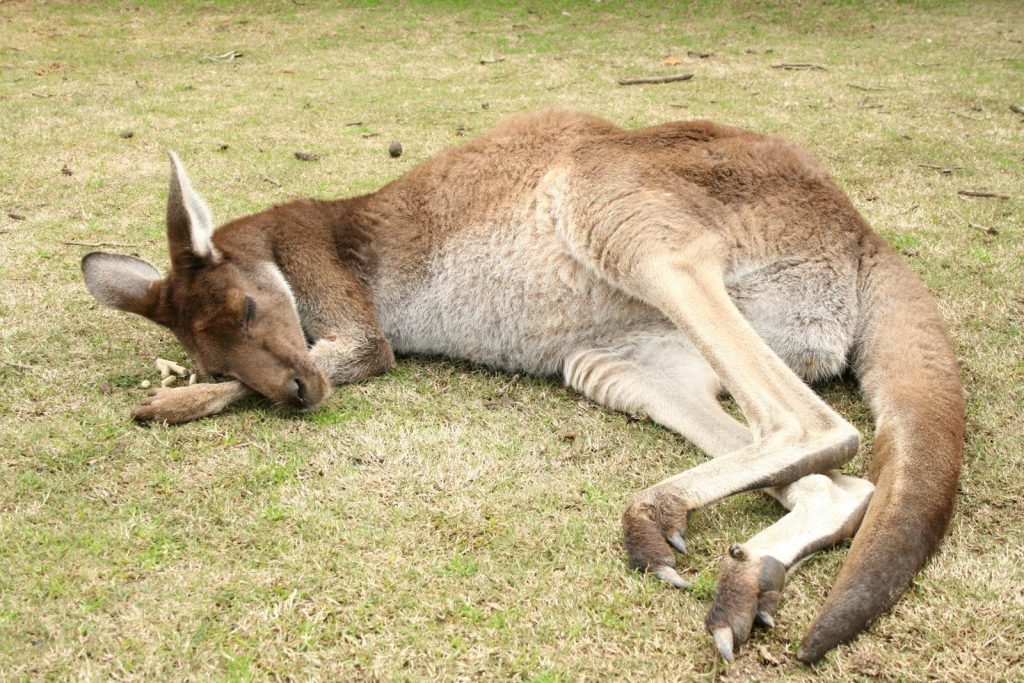
    A kangaroo laying on top of a lush green field
    Photo by Vaughan Willis on Unsplash
    An injured animal left alone for too long may become weaker because it cannot find food or water. Delayed treatment can also increase the risk of infection or make injuries more difficult to heal.

    Quick reports from nearby people often help rescuers arrive before conditions become worse. Hearing an animal’s cries can provide the important clue needed to begin a successful search.

    What should people do if they find wildlife?

    person holding white Android smartphone in white shirt
    Photo by NordWood Themes on Unsplash

    If you hear an injured animal but cannot see it, keep a safe distance and contact local animal control, wildlife officials, or a licensed wildlife rehabilitation center. Trained professionals know how to rescue wildlife safely.

    Trying to handle a wild animal without experience can cause more stress or injury to both the animal and the person. Calling experts is usually the safest and most effective choice.

    Featured Image: Photo by Ron Lach on Pexels

  • Scientists study the dangers predators face while hunting

    Scientists study the dangers predators face while hunting

    Have you ever wondered if predators are always safe when they hunt? Scientists study the dangers predators face while hunting because catching prey is often much harder and riskier than many people realize. Lions, wolves, sharks, eagles, and other hunters can suffer injuries, waste valuable energy, or even die during an attack. Understanding these risks helps researchers learn how predators survive and how healthy ecosystems stay in balance.

    This article explains the dangers predators face, why hunting is not always successful, and what scientists have discovered about the costs of being a hunter in the wild.

    Hunting is never guaranteed

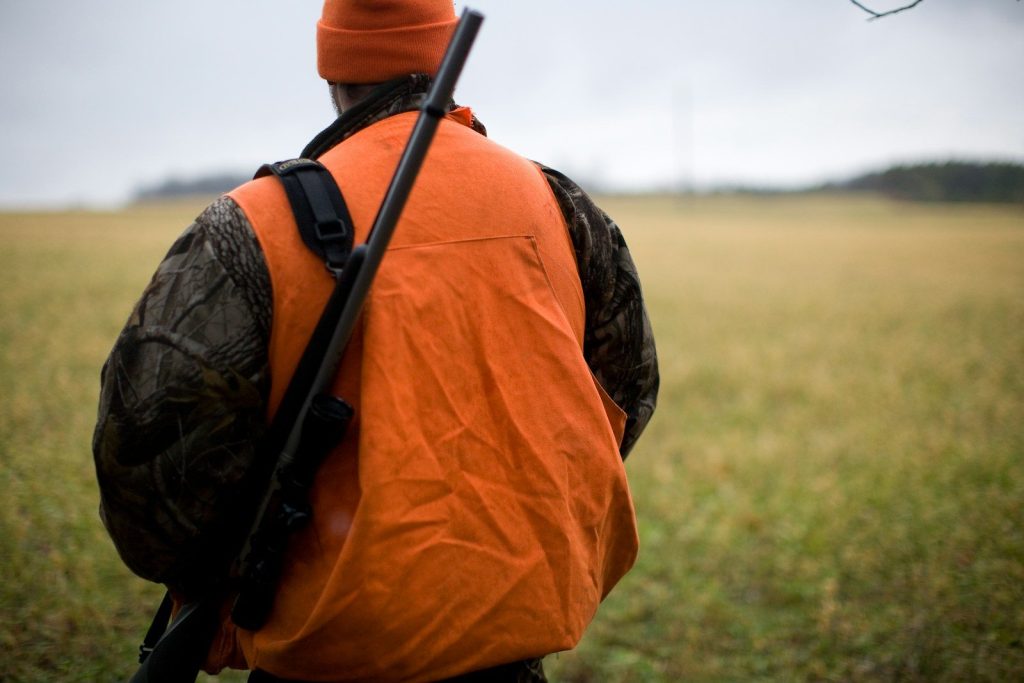
    man in orange and black backpack
    Photo by Matthew Maaskant on Unsplash
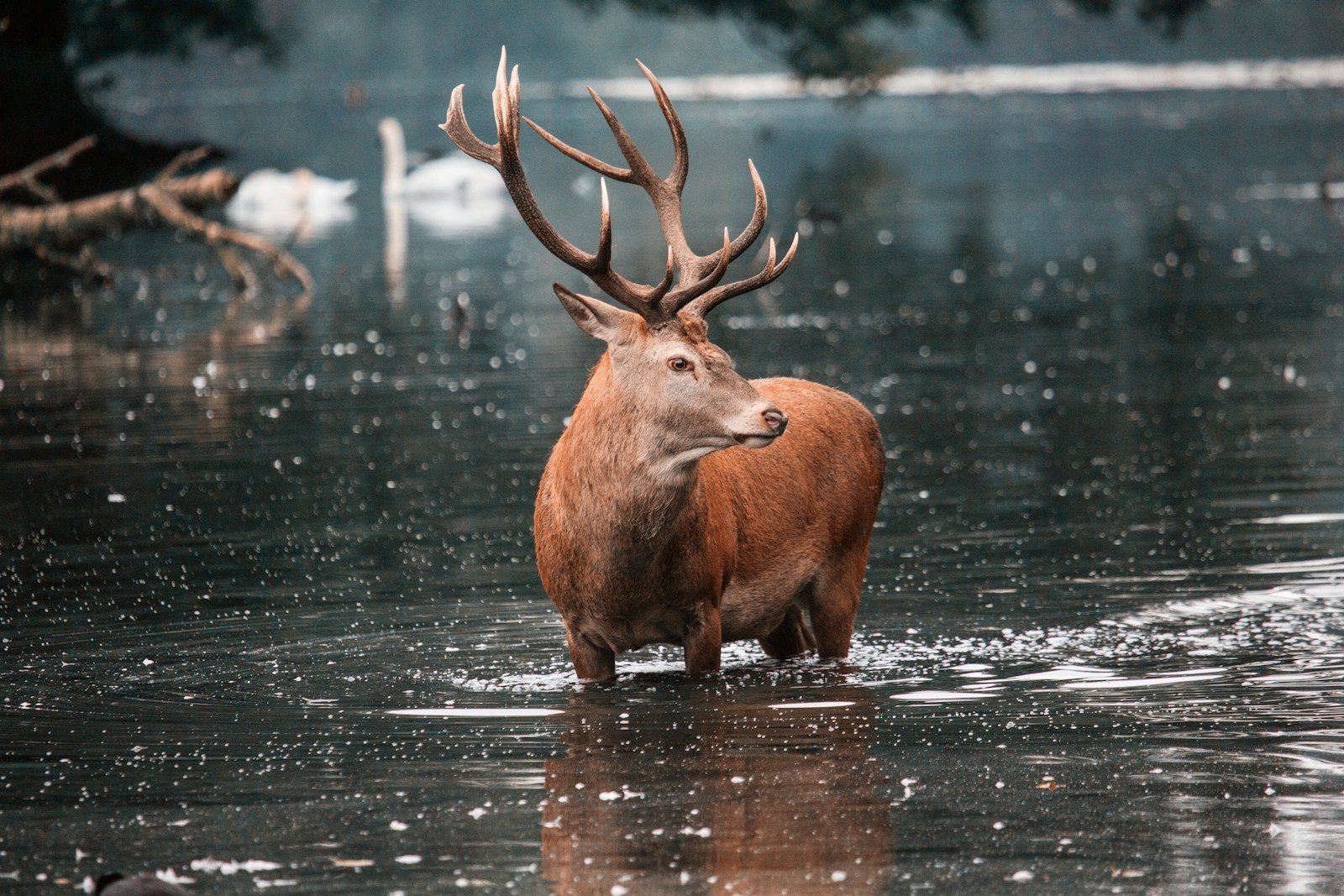
    Many people think predators catch prey easily, but that is rarely true. Studies show that hunting success depends on the species, the habitat, and the prey. Many predators fail far more often than they succeed.

    Each failed hunt costs time and energy. If predators miss too many meals, they can become weak, making future hunts even more difficult. Finding enough food is a daily challenge for many wild animals.

    Injuries can happen during an attack

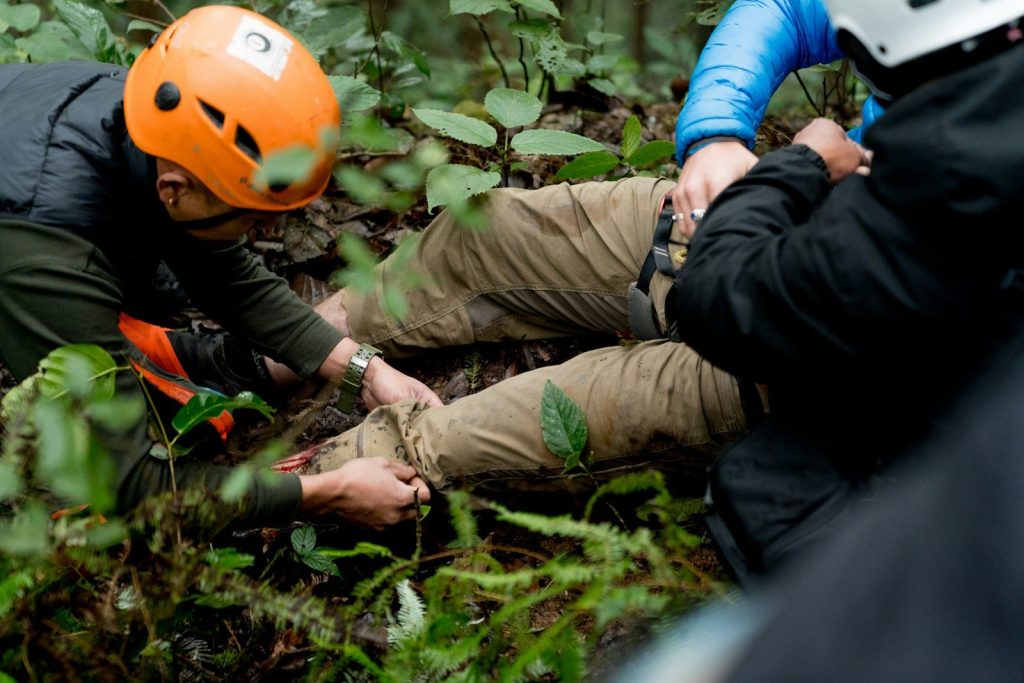
    A man in an orange helmet is on the ground
    Photo by Frederick Shaw on Unsplash
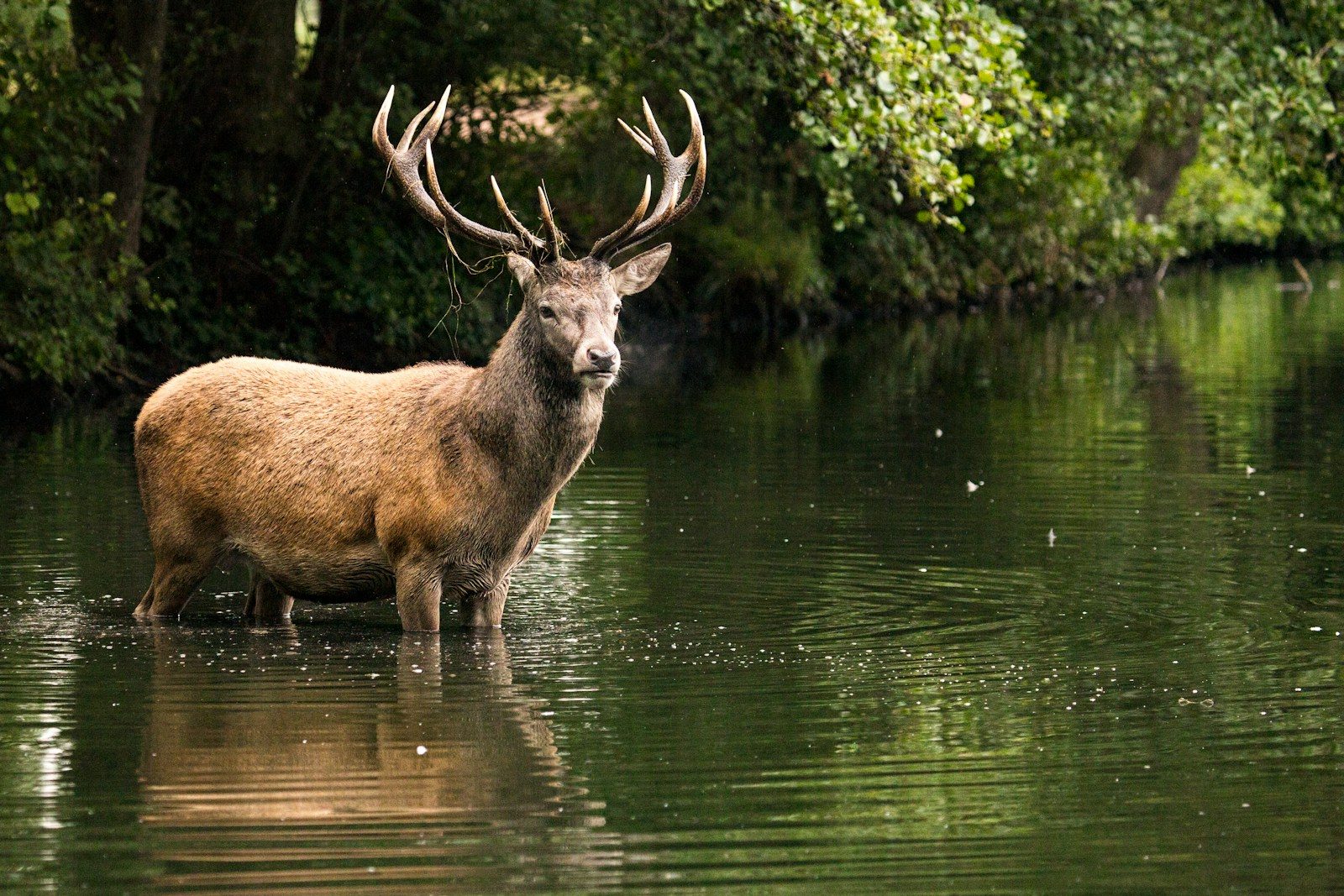
    Prey animals do not give up without a fight. Deer kick with powerful legs, wild boars use sharp tusks, and large animals such as buffalo or elk can seriously injure predators trying to catch them.

    Even smaller prey can be dangerous. Claws, horns, teeth, and strong bites can leave predators with broken bones, deep cuts, or infections that may reduce their chances of surviving in the wild.

    Teamwork can lower the risk

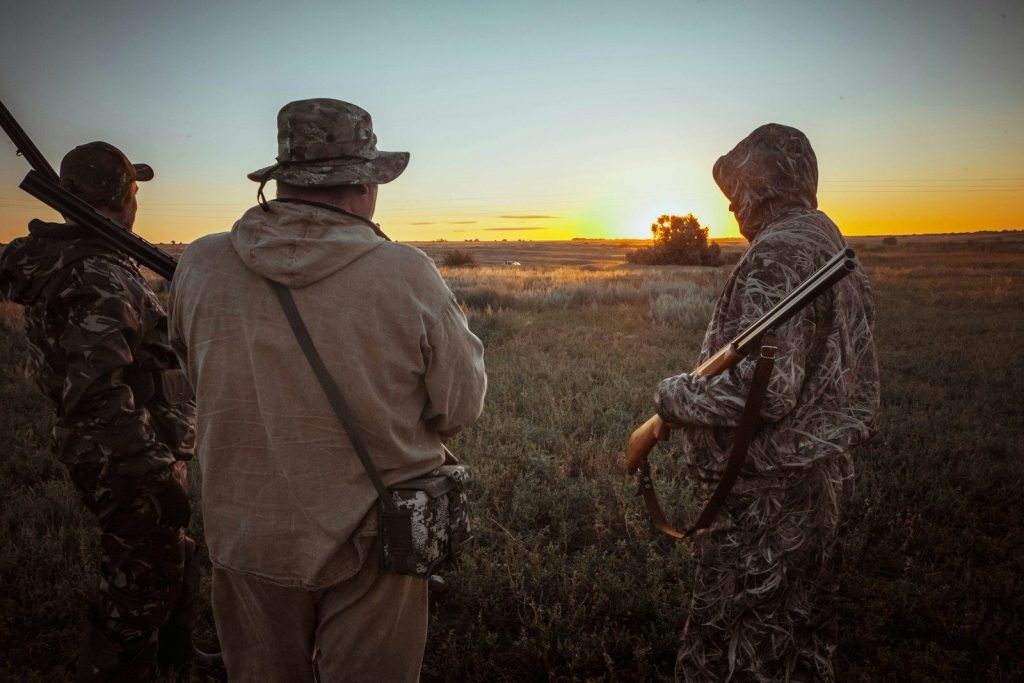
    a group of men standing next to each other in a field
    Photo by Evgeniy Smersh on Unsplash

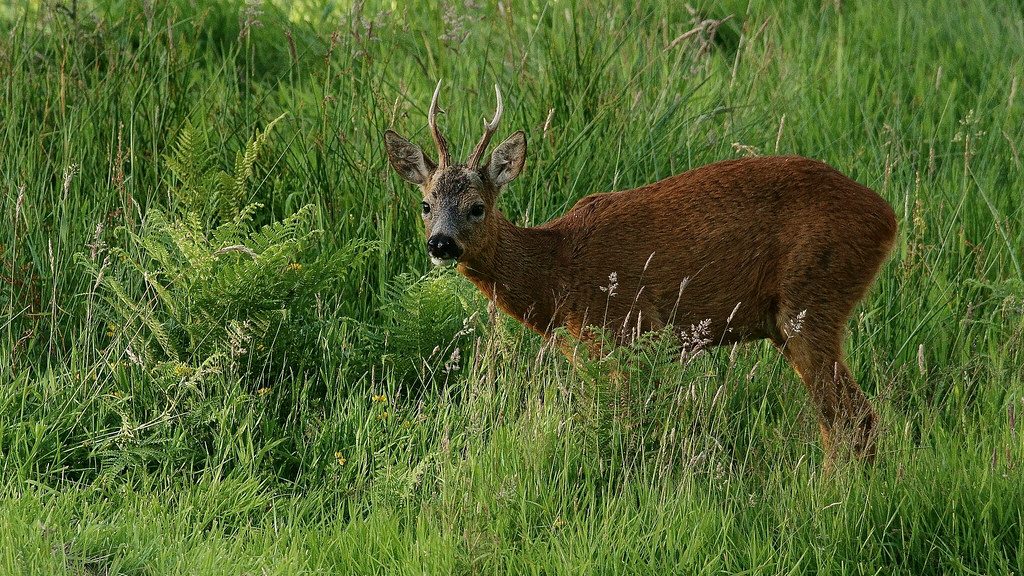
    Some predators hunt in groups because teamwork improves their chances of success. Wolves, lions, African wild dogs, and orcas often work together to surround prey and reduce the danger faced by any one animal.

    Group hunting also helps predators catch larger prey that would be too risky to attack alone. By sharing the work, they often spend less energy and face fewer injuries than a lone hunter.

    Weather and habitat create extra challenges

    snow covered trees during daytime
    Photo by Patrick Mueller on Unsplash

    Predators must deal with changing weather while hunting. Heavy rain, deep snow, strong winds, or extreme heat can make it harder to track prey or move quickly enough for a successful attack.

    The environment also matters. Thick forests, rocky cliffs, rivers, and open grasslands each create different obstacles. Predators must adjust their hunting methods to match the conditions around them.

    Young and old predators face greater risks

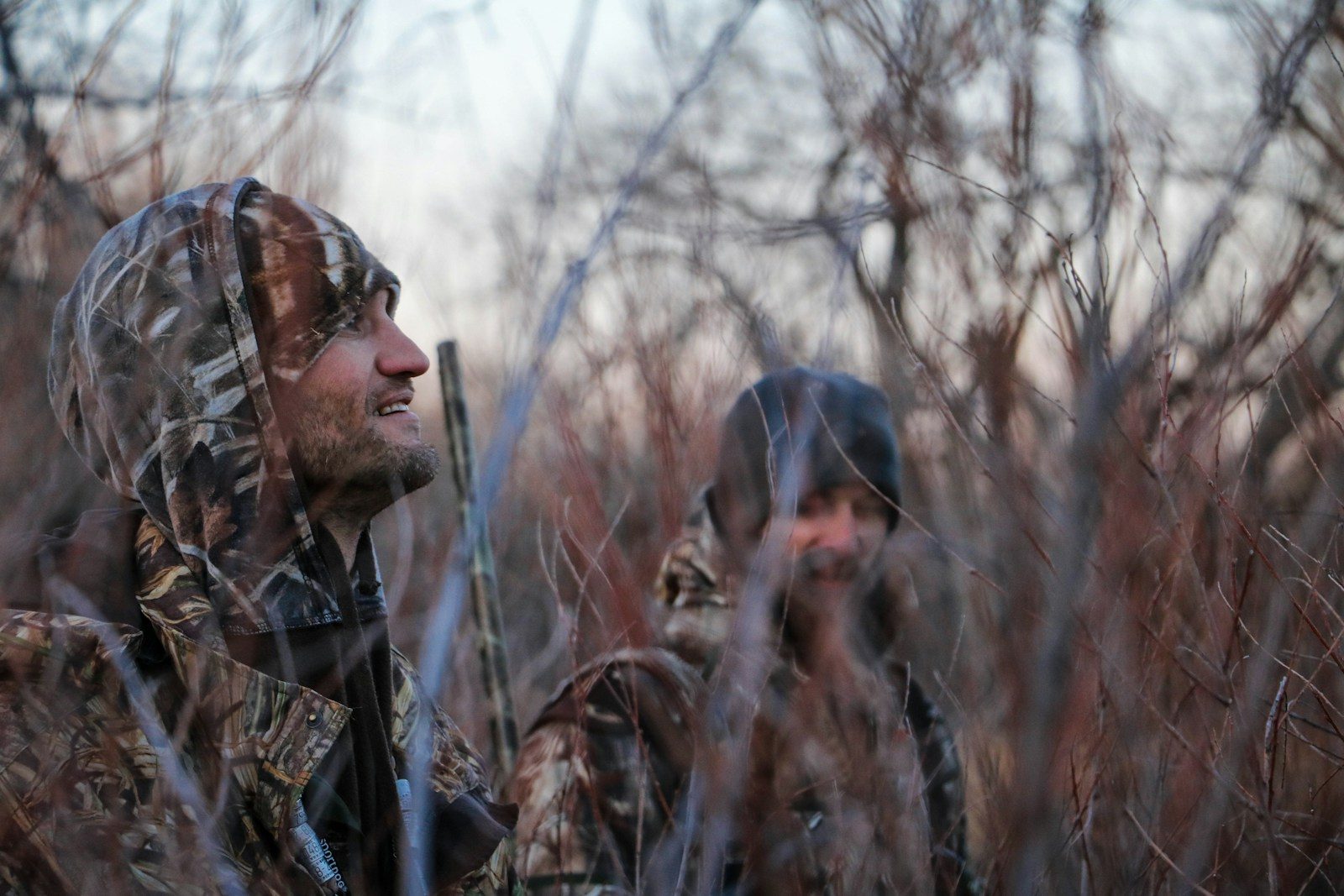
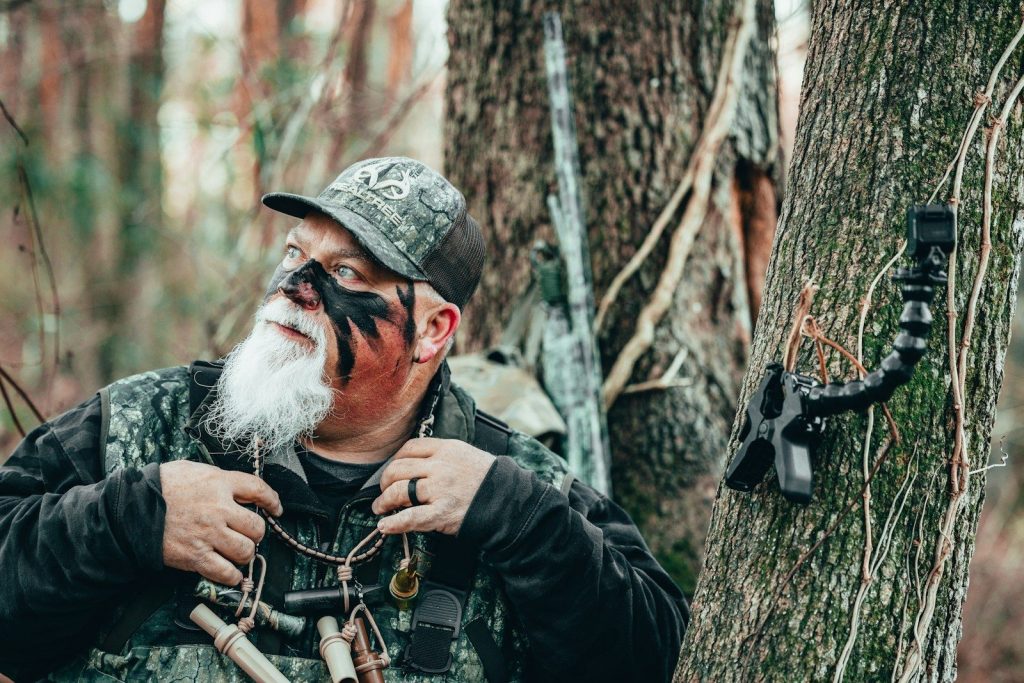
    a man in a hat holding a gun
    Photo by Aaron James on Unsplash

    Young predators are still learning important hunting skills. They often make mistakes, miss opportunities, or choose prey that is too difficult to catch safely.

    Older predators may have slower movement, worn teeth, or weaker muscles. As hunting becomes harder, they may struggle to compete with younger animals or capture enough food to survive.

    Why this research matters

    person using MacBook Pro
    Photo by Glenn Carstens-Peters on Unsplash

    Scientists study hunting risks to better understand how predators affect ecosystems. Healthy predator populations help control prey numbers, which supports balanced food webs and healthy habitats.

    Learning about these dangers also helps conservation efforts. By understanding how predators survive, researchers can make better decisions to protect wildlife and preserve natural ecosystems for future generations.

    Featured Image: Photo by Rhett Noonan on Unsplash

  • Last elephant at New York zoo may be relocated to a sanctuary

    Last elephant at New York zoo may be relocated to a sanctuary

    Have you ever wondered what happens when the last elephant at a zoo is left alone? The last elephant at a New York zoo may be relocated to a sanctuary because zoo leaders are considering her long-term health and well-being. Patty, the final elephant at New York City’s Bronx Zoo, has lived there for decades. After the recent loss of another elephant, she is now by herself.

    This article explains why a move is being discussed, what an elephant sanctuary offers, and what factors experts must consider before making a final decision.

    Why is Patty the last elephant

    Elephant” by Jonathan Michael Peel is licensed under CC BY-SA 2.0

    Patty is a 57-year-old Asian elephant living at the Bronx Zoo. She became the zoo’s only remaining elephant after Happy, another longtime resident, was humanely euthanized because of age-related health problems.

    With Happy gone, Patty no longer has another elephant living at the zoo. Wildlife Conservation Society officials have said they are carefully reviewing what would be best for her future instead of making a quick decision.

    Why is a sanctuary being considered?

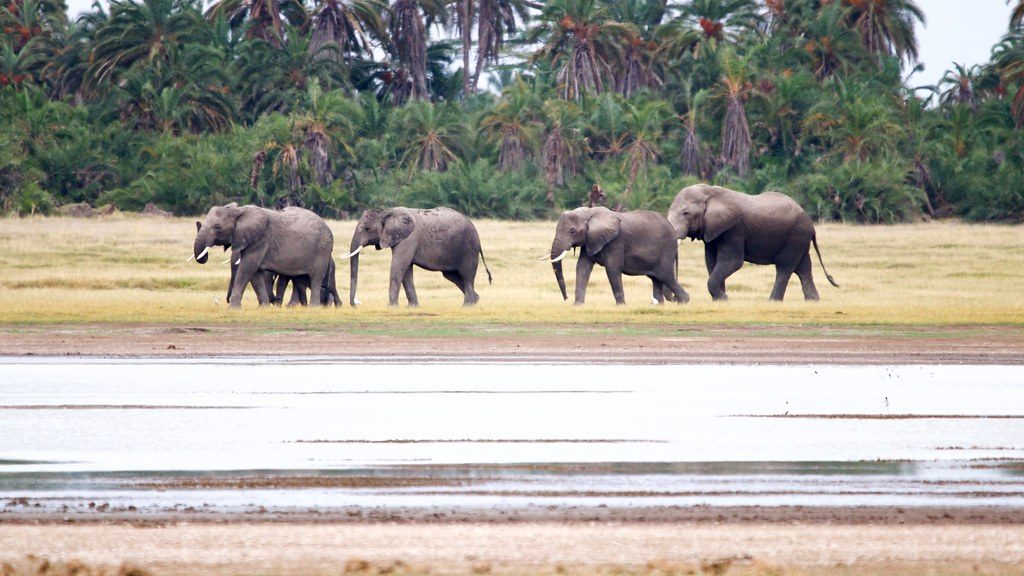
    Elephants near water at Amboseli” by Nagarjun is licensed under CC BY 2.0

    The Bronx Zoo is exploring whether Patty could move to The Elephant Sanctuary in Tennessee. Zoo officials recently visited the sanctuary to learn more about its facilities and determine whether it would meet Patty’s needs.

    Elephant sanctuaries provide large natural habitats where elephants can walk long distances, explore, and, when appropriate, live near other elephants. These environments are designed to support retired elephants with expert veterinary care.

    Why is moving an older elephant challenging

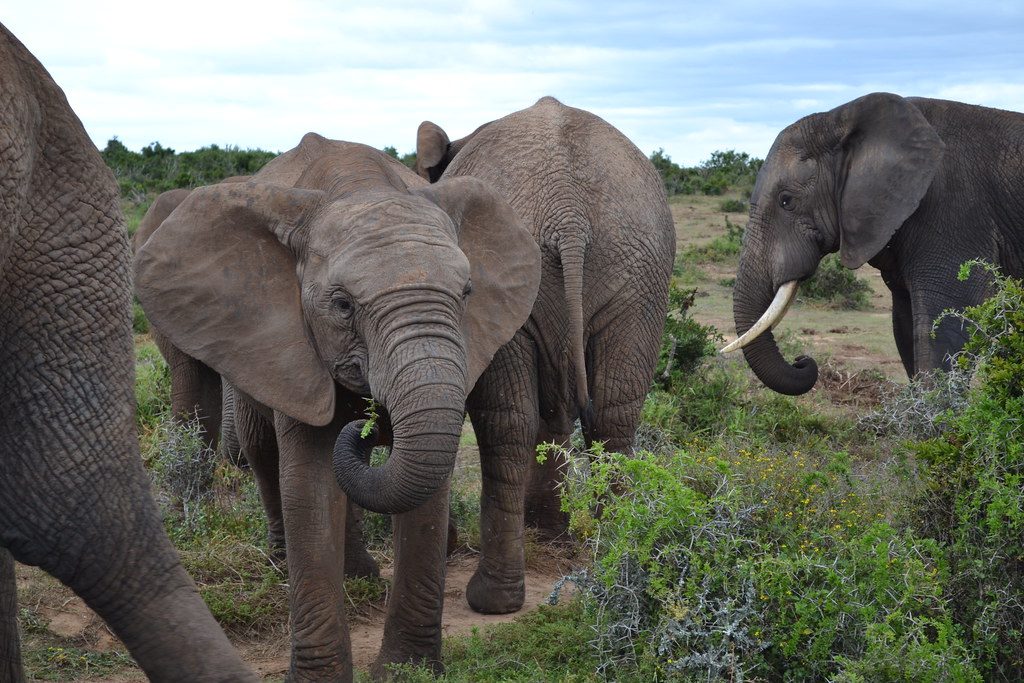
    elephant surrounded by grass
    Photo by Marcus Löfvenberg on Unsplash

    Although a sanctuary offers more space, moving a 57-year-old elephant is a major task. Older elephants can face health risks during long trips, and experts must carefully plan every step of the relocation process.

    Zoo officials have also explained that Patty’s personality and past social history must be taken into account. Any decision will focus on her physical health, emotional well-being, and ability to adjust safely to a new environment.

    How elephants live in the wild

    Elephant calf feeding on a shrubby acacia” by james.harris.anderson is licensed under CC BY-NC-SA 2.0

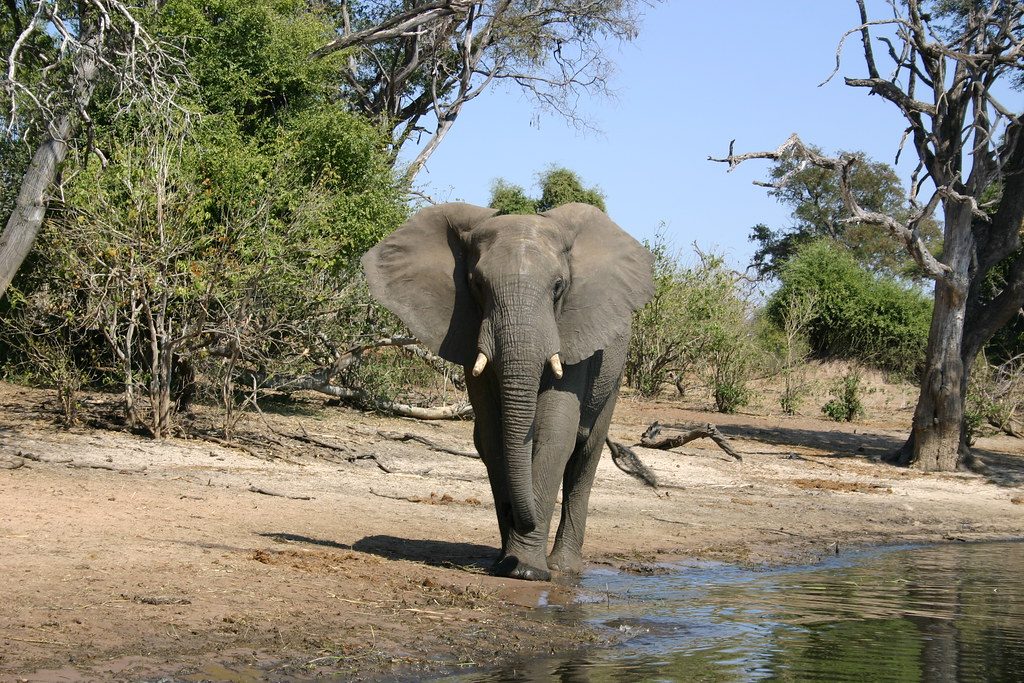
    Asian elephants are highly social animals. Female elephants usually live in family groups led by older females, where they spend time feeding, traveling, and caring for younger members.

    Living alone is different from the way elephants naturally behave. That is one reason experts often consider social opportunities when deciding where older elephants should spend the rest of their lives.

    Who will make the final decision?

    a woman looking out a window with sticky notes on it
    Photo by Julia Potter on Unsplash

    The Wildlife Conservation Society, which operates the Bronx Zoo, says no final decision has been made. The organization is consulting veterinarians, elephant specialists, and other accredited zoo experts before choosing the best path for Patty.

    Officials have stressed that the decision will be based on science and animal welfare. They say Patty’s individual needs, rather than public opinion, will guide the final outcome.

    What the future could hold

    Elephant near water” by World Resources is licensed under CC BY-NC-SA 2.0

    If Patty moves, the process could take many months because special transportation, health checks, and careful planning are required. Experts would work to make the transition as safe and comfortable as possible.

    Whether Patty remains at the Bronx Zoo or moves to Tennessee, her care will continue to be closely monitored. The discussion reflects a growing focus on providing aging elephants with the best possible quality of life.

    Featured Image: Photo by David Clode on Unsplash

  • Florida Everglades crews use spear fishing to remove invasive pythons

    Florida Everglades crews use spear fishing to remove invasive pythons

    The Florida Everglades crews use spear fishing to remove invasive pythons story highlights one of the many ways experts fight an invasive species that threatens native wildlife. Burmese pythons have spread across parts of South Florida, where they eat birds, mammals, and reptiles that belong in the Everglades. Because these snakes are difficult to find in thick wetlands, trained removal crews sometimes use specialized methods to capture them safely and humanely.

    This article explains why pythons are a problem, how spear-like capture tools are used, and why removing these snakes helps protect one of America’s most important ecosystems.

    Why Burmese pythons are a problem

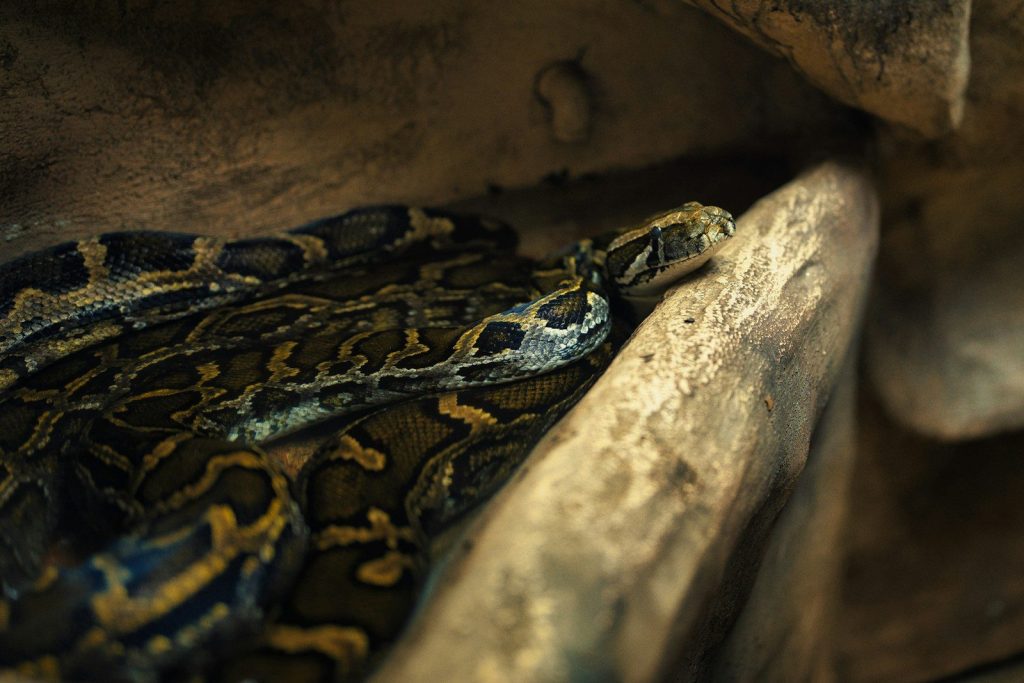
    Burmese Python Closeup” by MyFWC Florida Fish and Wildlife is licensed under CC BY-ND 2.0

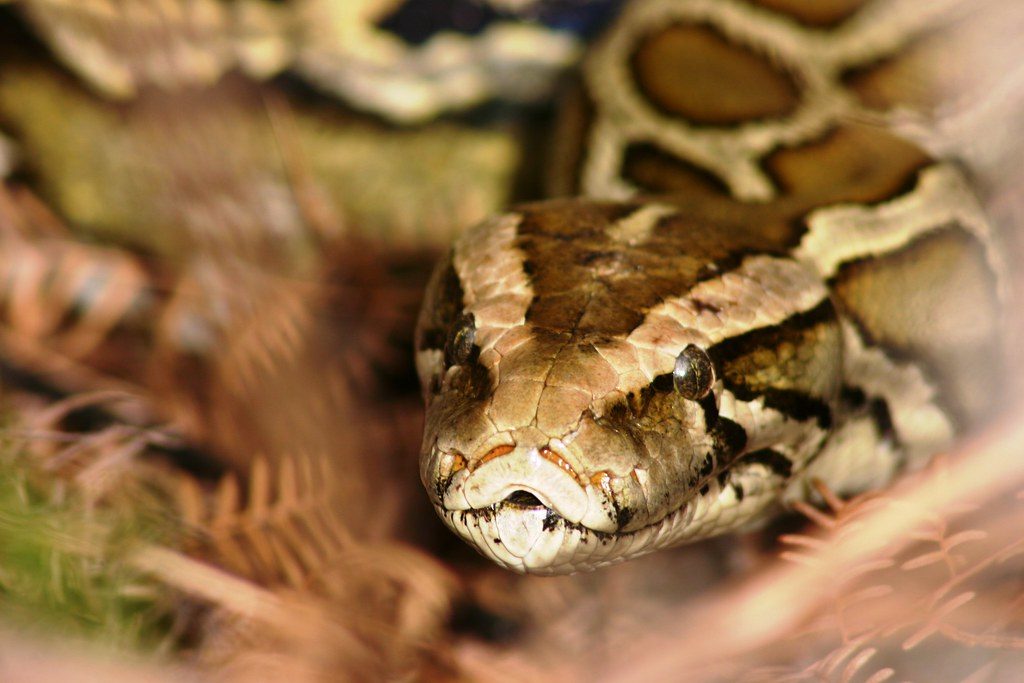
    Burmese pythons are native to Southeast Asia, but they became established in South Florida after being released or escaping from captivity. Today, they are considered an invasive species because they do not naturally belong in the Everglades.

    These large snakes eat many native animals, including rabbits, raccoons, birds, and even young deer or alligators. Scientists have also found major declines in several small mammal populations in areas where pythons have become common.

    Why the Everglades are difficult to protect

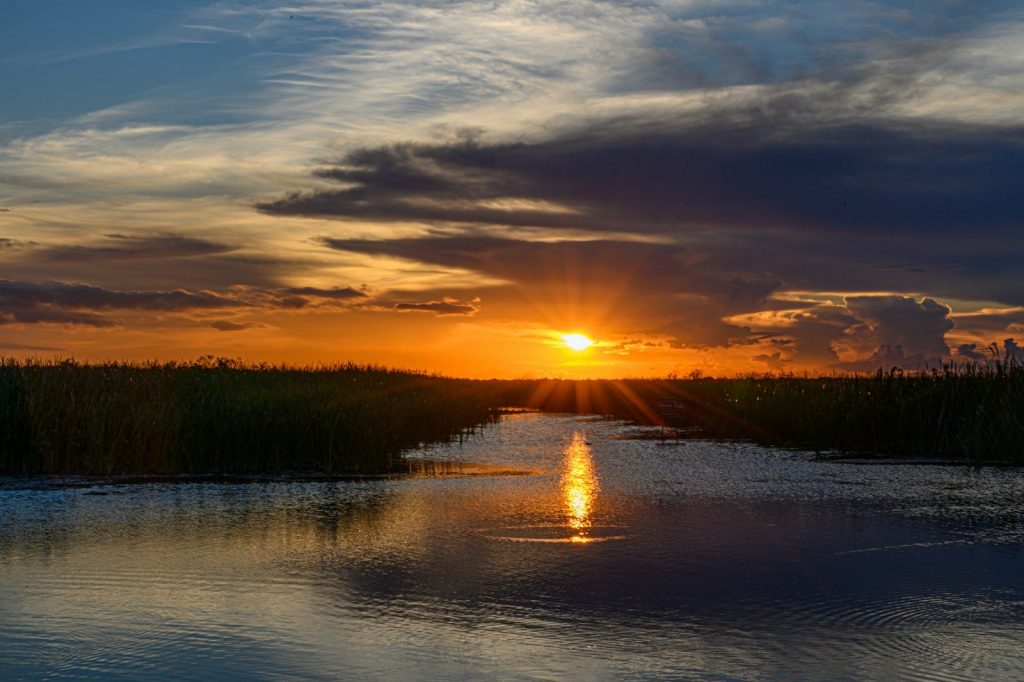
    a sunset over a lake
    Photo by Richard Sagredo on Unsplash

    The Florida Everglades cover a huge area of wetlands, sawgrass marshes, canals, and forests. Thick plants and shallow water make it hard for crews to spot snakes that blend into their surroundings.

    Burmese pythons are also excellent at hiding. They spend much of their time under plants, inside burrows, or along canal banks, making them one of the hardest invasive animals to remove.

    How crews capture the snakes

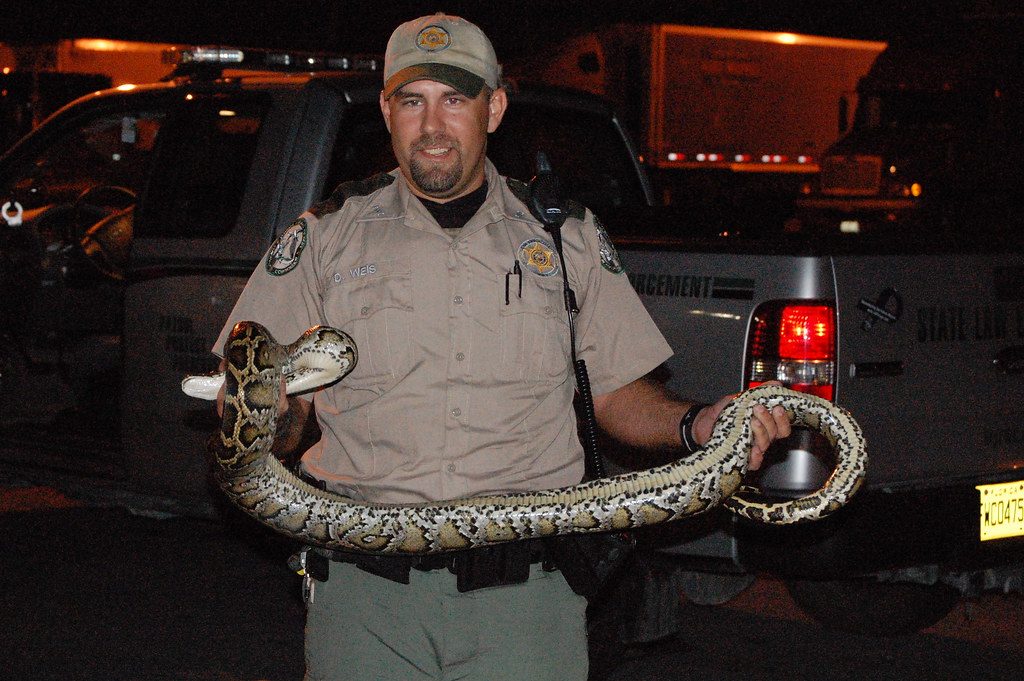
    Officer Burmese Python” by MyFWC Florida Fish and Wildlife is licensed under CC BY-ND 2.0

    Professional removal teams use several approved methods to capture pythons, including snake hooks, tongs, and, in some situations, specialized spear-like gigging tools designed for safe capture and humane removal. These tools are handled only by trained personnel following Florida wildlife rules.

    The goal is to control the snake quickly while reducing unnecessary suffering. After capture, the python is humanely euthanized because releasing invasive Burmese pythons back into the wild is not allowed under Florida regulations.

    Why removing pythons helps wildlife

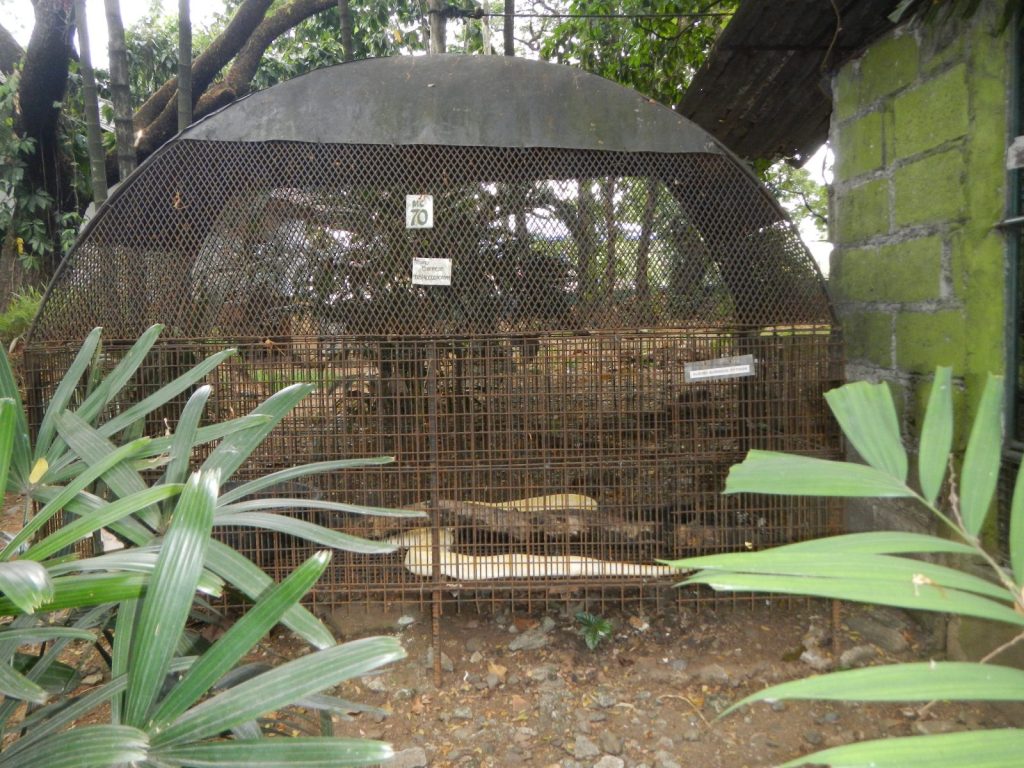
    Albino Burmese Python – Python bivittatus – Ninoy Aquino Parks & Wildlife Center 01” by Ramon FVelasquez is licensed under CC BY-SA 3.0

    Every invasive python removed from the Everglades means one less predator hunting native animals. Female Burmese pythons can lay between 50 and 100 eggs in a single clutch, allowing their population to grow rapidly.

    Removing breeding adults helps slow the spread of the species. While experts say complete eradication is unlikely, continued removal protects native wildlife and reduces future impacts on the ecosystem.

    Other tools used to find pythons

    Two pythons coiled together on a branch.
    Photo by Jadon Barnes on Unsplash

    Wildlife crews do much more than search on foot. They patrol roads and canals, track snakes during warm weather, and sometimes use radio-tagged “scout snakes” that lead researchers to breeding adults.

    Florida also supports organized removal programs, including the annual Florida Python Challenge. These efforts raise public awareness while helping trained participants remove invasive snakes from approved areas.

    What people should know

    Man is looking at a screen with his head down.
    Photo by Alicia Christin Gerald on Unsplash

    Most people visiting the Everglades will never see a Burmese python because the snakes are secretive and difficult to find. Anyone who spots one should keep a safe distance and report it to the proper wildlife authorities instead of trying to catch it alone.

    The work of trained removal crews plays an important role in protecting Florida’s unique wetlands. Using approved methods and careful planning gives native wildlife a better chance to recover while keeping both people and animals safe.

    Featured Image: Photo by EcoNaturalist.com on Unsplash

  • Deer rescued from frozen lake during police drone operation

    Deer rescued from frozen lake during police drone operation

    A deer rescued from a frozen lake during a police drone operation is a powerful example of how technology can help save wildlife. When three deer became trapped in icy water far from shore, rescue crews faced a difficult problem. Walking onto the thin ice was too dangerous, and approaching by boat could have pushed the animals farther away.

    Instead, officers used a police drone to guide the deer toward safety. This article explains how the rescue happened, why the drone worked, and what this event teaches about protecting both people and wildlife.

    How the deer became trapped

    brown deer on water
    Photo by Diana Parkhouse on Unsplash

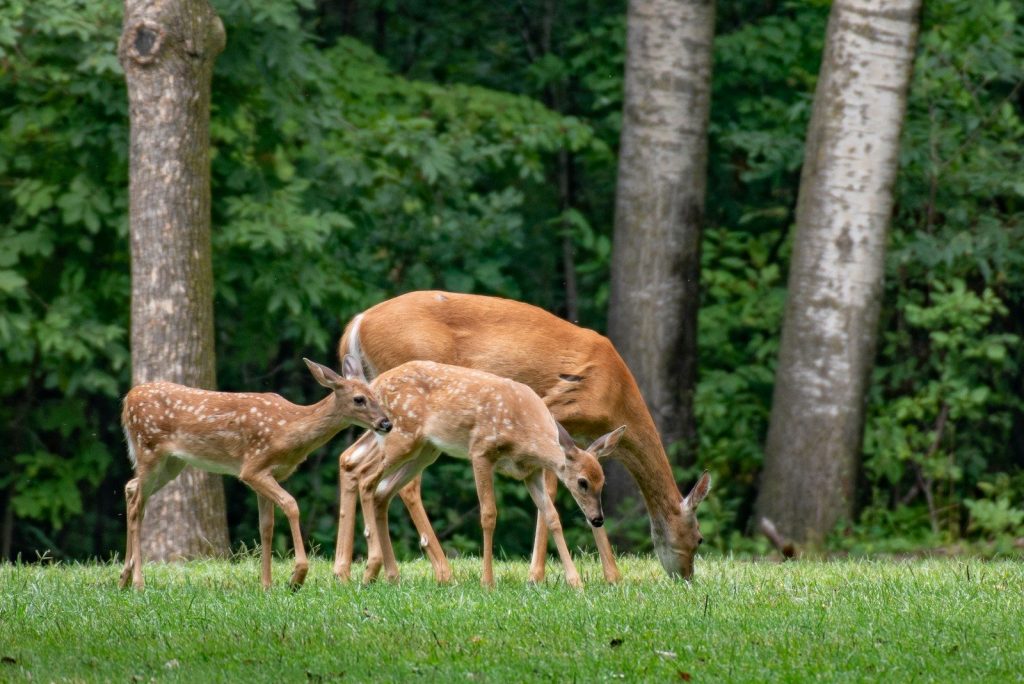
    The rescue happened on Big Green Lake in Wisconsin after a doe and her two fawns fell through thin ice. The three deer ended up about 200 yards from shore in cold water surrounded by unstable ice, making it nearly impossible for them to climb out.

    People who spotted the struggling animals called the Green Lake County Sheriff’s Office for help. Officers quickly realized that a normal rescue would be risky because the ice could break under rescuers or frighten the deer into swimming even farther away.

    How the police drone helped

    a man holding a white and black remote control flying a white and black remote control
    Photo by Unai Cruz on Unsplash

    Instead of sending people onto the ice, deputies launched a police drone. They carefully flew it behind the deer, using the drone’s sound and movement to gently encourage the animals to swim toward the shoreline.

    The plan worked because the deer naturally moved away from the buzzing drone. As they headed closer to land, rescue teams stayed ready to help once the animals reached shallow water.

    The final steps of the rescue

    Roe Deer at Forest How” by Peter G Trimming is licensed under CC BY 2.0

    Two of the deer reached shore on their own after following the path created by the drone. The third deer became exhausted before reaching land, so responders used a rope to pull it safely onto shore.

    The entire rescue depended on teamwork between sheriff’s deputies and wildlife officials. All three deer survived the operation and safely left the area after recovering from the cold.

    Why the drone was the safest choice

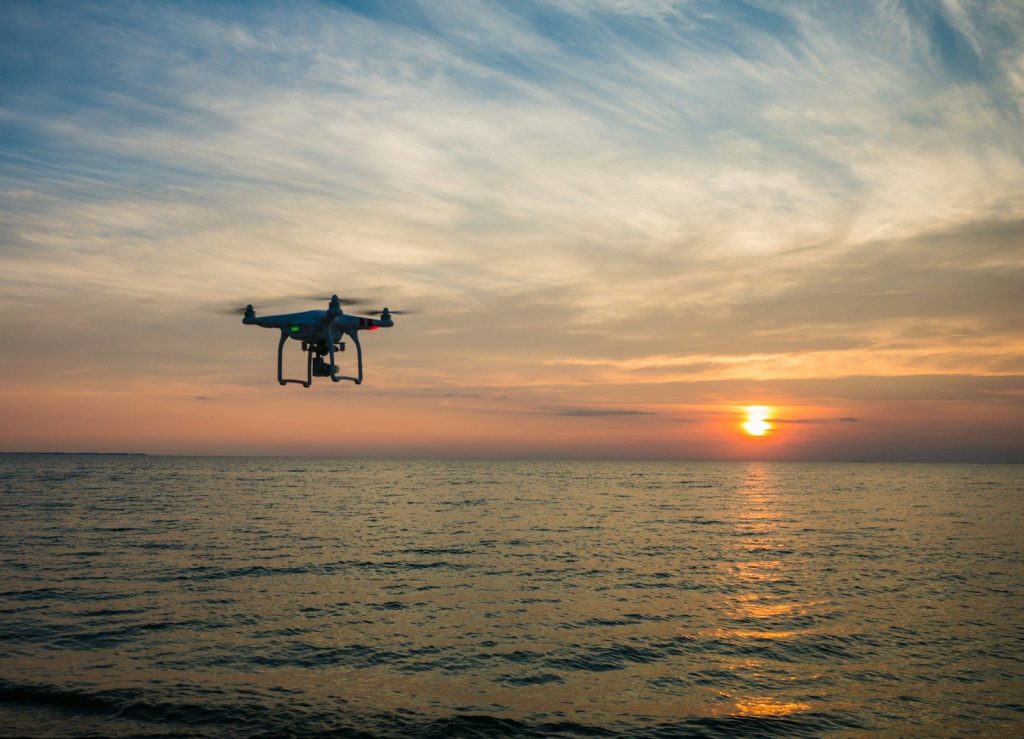
    quadcopter flying over body of water
    Photo by Aaron Burden on Unsplash

    Walking across thin ice can quickly become life-threatening. If rescuers had gone onto the frozen lake too soon, they could have fallen through the ice or pushed the frightened deer farther into open water.

    The drone allowed officers to help from a safe distance. It reduced the danger for both people and animals while giving the deer a clear direction toward solid ground.

    What this rescue shows about modern technology

    white and black quadcopter hovering under blue skies
    Photo by Mitch Nielsen on Unsplash

    Police drones are often used to find missing people, document crash scenes, and support search-and-rescue missions. This rescue showed they can also play an important role in protecting wildlife during emergencies.

    Because drones can fly over dangerous areas without putting people at risk, they have become valuable tools for first responders. In this case, simple drone flights helped solve a problem that would have been much harder with traditional rescue methods.

    A reminder to respect wildlife

    brown deer on green grass field during daytime
    Photo by Timothy Abraham on Unsplash

    Wild animals can become trapped by changing weather, thin ice, or other natural dangers. While many people want to help, rescue experts say it is usually safest to contact local authorities instead of attempting a rescue alone.

    This successful operation shows what careful planning and teamwork can achieve. By using the right tools and keeping a safe distance, responders gave the deer the best chance to return safely to the wild.

    Featured Image: Photo by Diana Parkhouse on Unsplash

  • Diver helps stranded octopus return to the water

    Diver helps stranded octopus return to the water

    A diver helps a stranded octopus return to the water story has touched people around the world because it shows how a small act of kindness can help a wild animal. The rescue happened after a diver noticed that an octopus had been pulled onto a pier by a fisherman.

    Instead of letting the animal face a dangerous drop back into the sea, the diver carefully carried it to nearby steps and gently released it into the water. This article explains what happened, why the rescue mattered, how octopuses survive, and what people should know if they ever find a stranded marine animal.

    How the rescue happened

    person swimming under water photography
    Photo by Bobbi Wu on Unsplash

    The rescue took place at Rye Pier in Port Phillip Bay, Victoria, Australia. Diver Jules Casey had just finished a dive when she saw a fisherman pull up a small octopus onto the pier. She asked if she could return the animal to the sea, and the fisherman agreed.

    Instead of dropping the octopus from the tall pier, Casey carried it down nearby stairs to the water. She gently placed it into the sea, giving it a much safer return to its natural home. The rescue was captured on video and quickly spread online.

    Why dropping the octopus was not the best choice

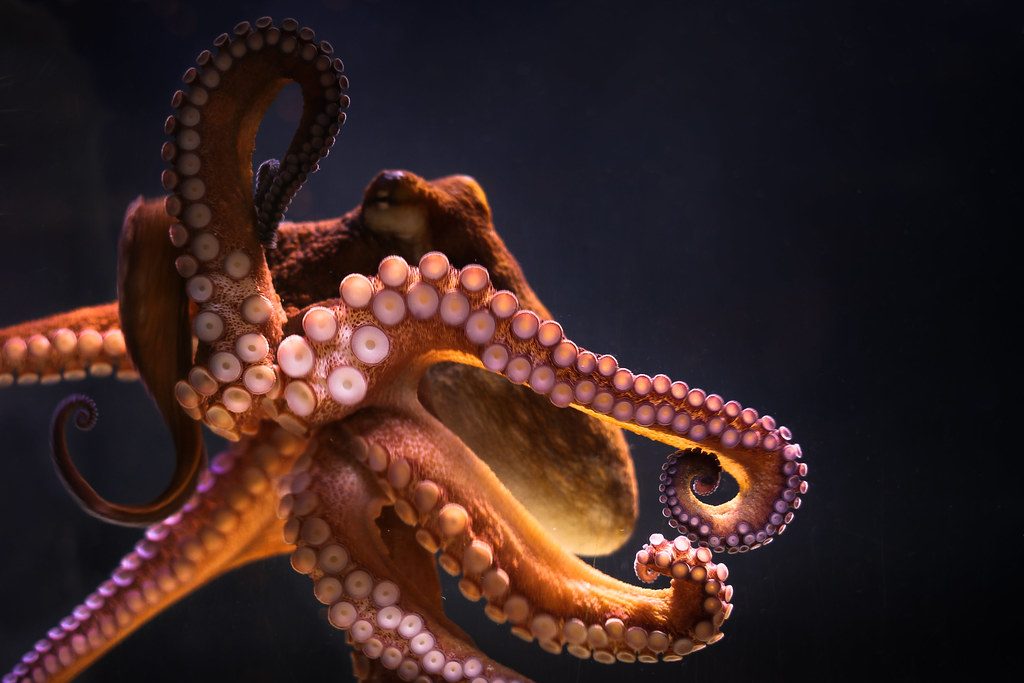
    Octopus dance” by Morten Brekkevold is licensed under CC BY-NC-SA 2.0

    Although octopuses live in the ocean, dropping one from a high pier can be risky. The impact could injure the animal or leave it stunned before it reaches safety in the water.

    By walking down the stairs, the diver avoided that danger. The careful release gave the octopus a better chance to recover and swim away normally without added stress.

    Why do octopuses need to stay in water?

    a bird standing on top of a sandy beach next to the ocean
    Photo by Elinda Gjonomadhi on Unsplash

    Octopuses breathe with gills, which work best when they stay wet underwater. They can survive for a short time out of water if their gills remain moist, but they cannot stay on land for long.

    These animals also have soft bodies without bones, making them easier to injure when handled roughly. A gentle release back into the water is much safer than tossing or dropping them.

    Octopuses are smart marine animals

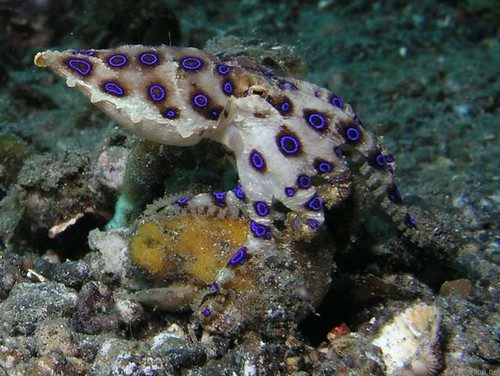
    Blue Ringed Octopus” by Tom Weilenmann is licensed under CC BY-NC-ND 2.0

    Scientists consider octopuses among the most intelligent invertebrates on Earth. They can solve simple problems, open containers, remember places, and learn from experience.

    They also protect themselves by changing color, squirting ink, and squeezing through very small spaces. Their flexible bodies help them hide from predators and explore rocky underwater habitats.

    Why wildlife rescues matter

    a surfboard that is laying in the sand
    Photo by Joerg Breuer on Unsplash

    Small rescues can make a big difference when an animal is stranded because of fishing, changing tides, or human activity. Helping wildlife safely return to its habitat can improve its chances of survival.

    At the same time, experts remind people that wild animals should only be handled when necessary. Whenever possible, trained wildlife rescuers or local authorities should be contacted for injured marine animals.

    The rescue inspired people around the world

    Man is looking at a screen with his head down.
    Photo by Alicia Christin Gerald on Unsplash

    The video became popular because it showed a calm and respectful way to help wildlife. Many viewers praised the diver for taking a few extra minutes to protect the octopus instead of choosing the faster option.

    The rescue also reminded people that simple acts of care can protect ocean life. Whether exploring a beach, pier, or shoreline, treating marine animals with respect helps keep wild ecosystems healthy for the future.

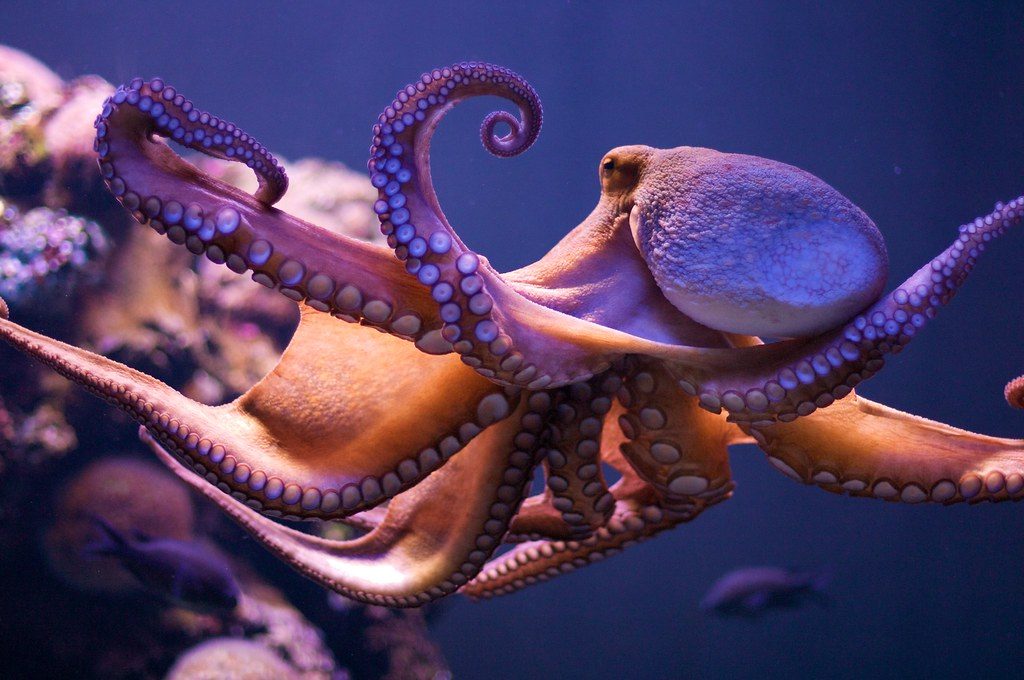
    Featured Image: “Key West Octopus” by Joe Parks is licensed under CC BY-NC 2.0

  • First encounter between polar bear brothers captured by wildlife team

    First encounter between polar bear brothers captured by wildlife team

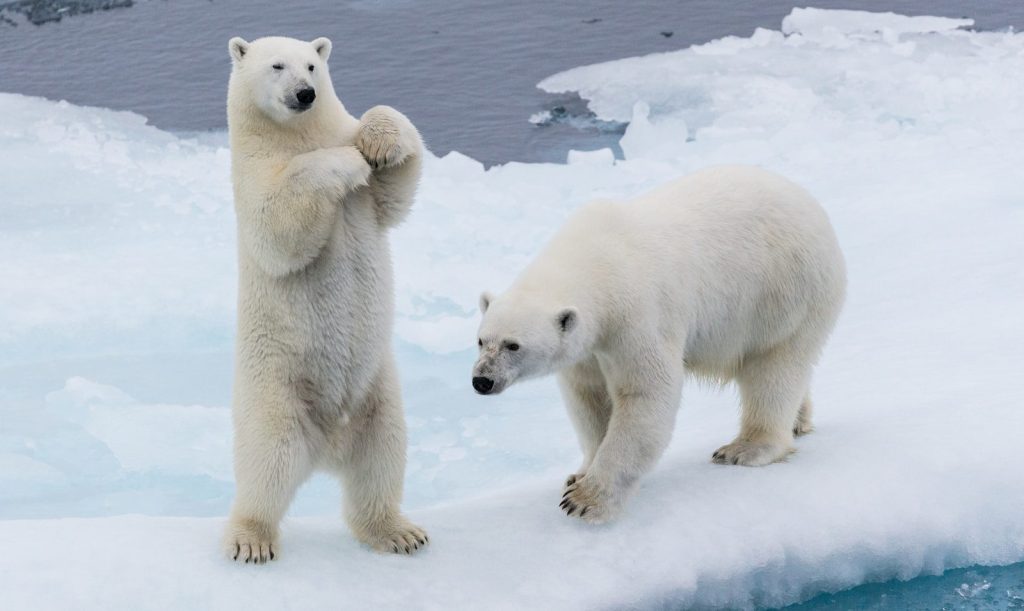
    Seeing wild polar bears together is always special, but watching polar bear brothers meet for the first time is even more remarkable. A wildlife team recently captured this rare moment after the bears had spent years apart. The meeting gave researchers a closer look at how polar bears behave when they come face to face with close family members after living on their own.

    This article explains why the encounter matters, what the wildlife team observed, and what scientists have learned about polar bear behavior. You will also discover how young bears grow up, why siblings separate, and how this event helps researchers better understand one of the Arctic’s most famous animals.

    Why this meeting was so unusual

    two polar bears
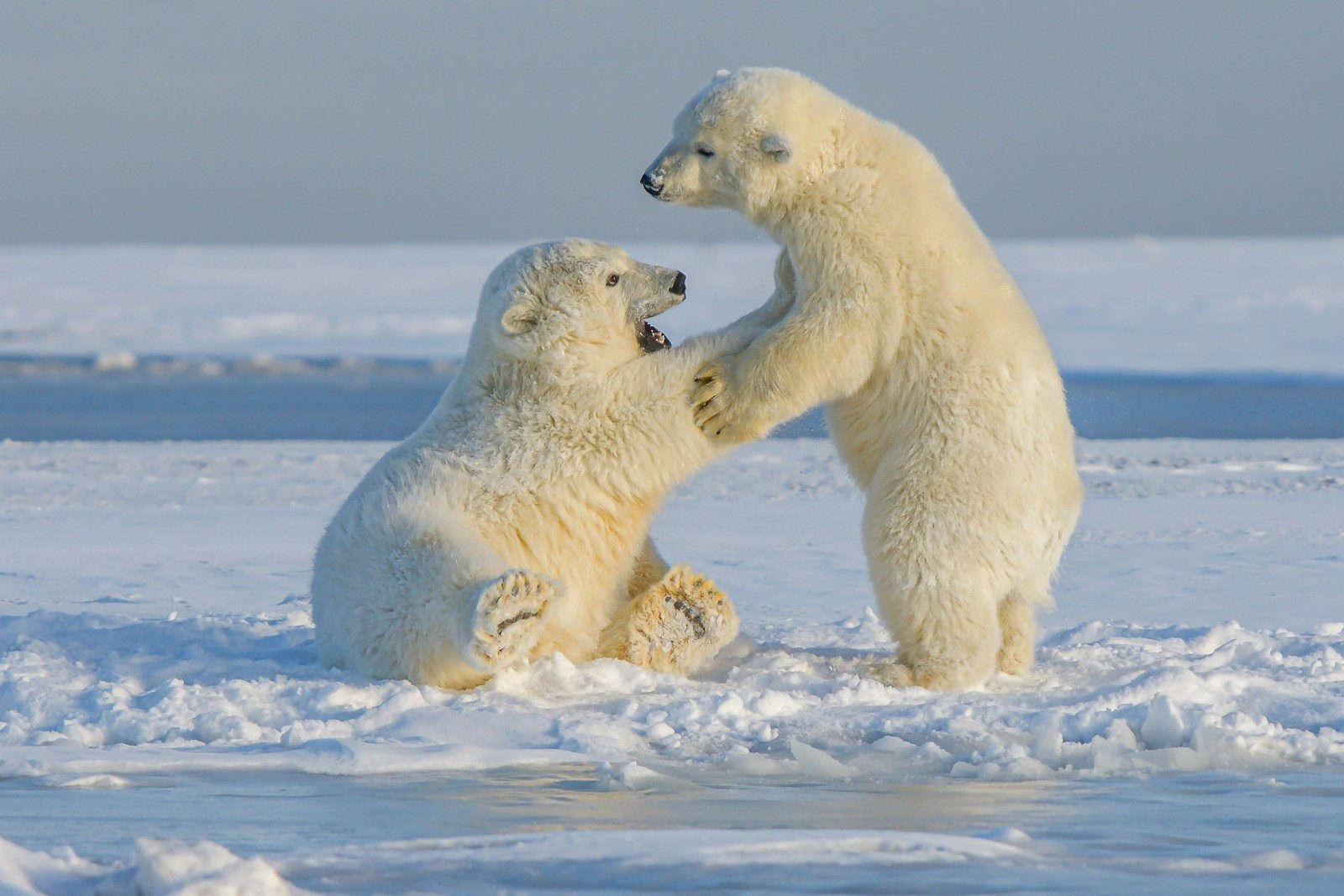
    Photo by Brian McMahon` on Unsplash

    The two male polar bears were born in the same litter but had lived separate lives after leaving their mother. Wildlife experts said it was the first time they had seen the brothers together since they became independent, making the encounter extremely rare.

    Unlike many social animals, polar bears spend most of their lives alone. Adults usually meet only during the breeding season or when food gathers many bears in one place. That is why a peaceful meeting between adult brothers is not often seen or recorded.

    How the wildlife team captured the moment

    black video camera
    Photo by Matt C on Unsplash

    The wildlife team was monitoring the bears as part of a long-term conservation project. Using cameras and careful observation, the researchers recorded the brothers approaching each other without disturbing their natural behavior.

    The footage showed the bears sniffing and closely watching one another before moving together calmly. Scientists avoided interfering with the encounter because natural behavior provides the most useful information for wildlife research.

    What scientists learned from the encounter

    three people in lab coats looking at a tablet
    Photo by National Cancer Institute on Unsplash

    The meeting showed that close relatives may recognize one another, although scientists cannot say for certain how this happens. Smell is believed to play a major role because polar bears have an excellent sense of smell that helps them find food and identify other bears.

    Researchers also noticed that the brothers did not quickly become aggressive. While adult male polar bears can fight over food or mates, these two bears remained calm during their first recorded reunion, giving scientists valuable behavioral information.

    Why polar bear siblings separate

    polar bear on snow covered ground during daytime
    Photo by Hans-Jurgen Mager on Unsplash

    Polar bear cubs stay with their mother for about two to two and a half years. During that time, she teaches them how to hunt seals, travel across sea ice, and survive the harsh Arctic environment.

    After the family breaks apart, each young bear lives on its own. Brothers and sisters may travel hundreds of miles in different directions, so they rarely cross paths again. That makes reunions like this one highly unusual.

    What this means for polar bear research

    people having meeting on rectangular brown table
    Photo by Christina @ wocintechchat.com M on Unsplash

    Every rare wildlife observation helps scientists build a better picture of how polar bears live. Events that are almost never seen can improve research on family relationships, movement, and survival in the wild.

    The footage also highlights the value of long-term monitoring. By following individual bears over many years, researchers can answer questions that would otherwise remain a mystery and better protect polar bear populations.

    Why protecting polar bears still matters

    polar bear on snow covered ground during daytime
    Photo by Hans-Jurgen Mager on Unsplash

    Polar bears depend heavily on Arctic sea ice to hunt seals, their main source of food. As sea ice changes, many bears must travel farther and use more energy to find enough food.

    Scientists continue studying polar bears to understand how environmental changes affect their health and survival. Rare encounters like this remind people that there is still much to learn about these powerful animals and why protecting their habitat is important.

    Featured Image: Photo by Hans-Jurgen Mager on Unsplash

  • Researchers examine rare incident involving two great white sharks and a surfer

    Researchers examine rare incident involving two great white sharks and a surfer

    A rare incident involving two great white sharks and a surfer has caught the attention of researchers and ocean safety experts. Encounters between surfers and great white sharks are already uncommon, but seeing two great whites close to the same surfer is even more unusual. Scientists are studying what happened to better understand shark behavior and improve public safety.

    This article explains what researchers know about the incident, why it matters, how great white sharks behave, and what surfers can learn from it. You will also discover why experts say these events are extremely rare and why sharks are not usually interested in people.

    Why this shark encounter was so unusual

    man surfing during daytime
    Photo by Jeremy Bishop on Unsplash

    Researchers say the surfer was in the water when two great white sharks were seen nearby at the same time. Great white sharks are usually found alone, so seeing two around one surfer made the event stand out. Scientists are now studying the conditions that may have brought both sharks to the same area.

    Marine experts believe the sharks were likely focused on food or natural ocean activity rather than the surfer. Great white sharks often gather where seals, fish, or whale remains are present, and they may cross paths without working together.

    What researchers are learning

    three people in lab coats looking at a tablet
    Photo by National Cancer Institute on Unsplash

    Scientists are using reports, drone footage, and witness accounts to understand exactly what happened. Every unusual shark encounter gives researchers new information about how these animals move, hunt, and respond to changes in the ocean.

    Experts also remind people that great white sharks do not hunt humans as prey. Many incidents happen because a shark is investigating something unfamiliar or mistakes a surfer’s outline for a seal before quickly leaving the area.

    Why two great white sharks may share the same area

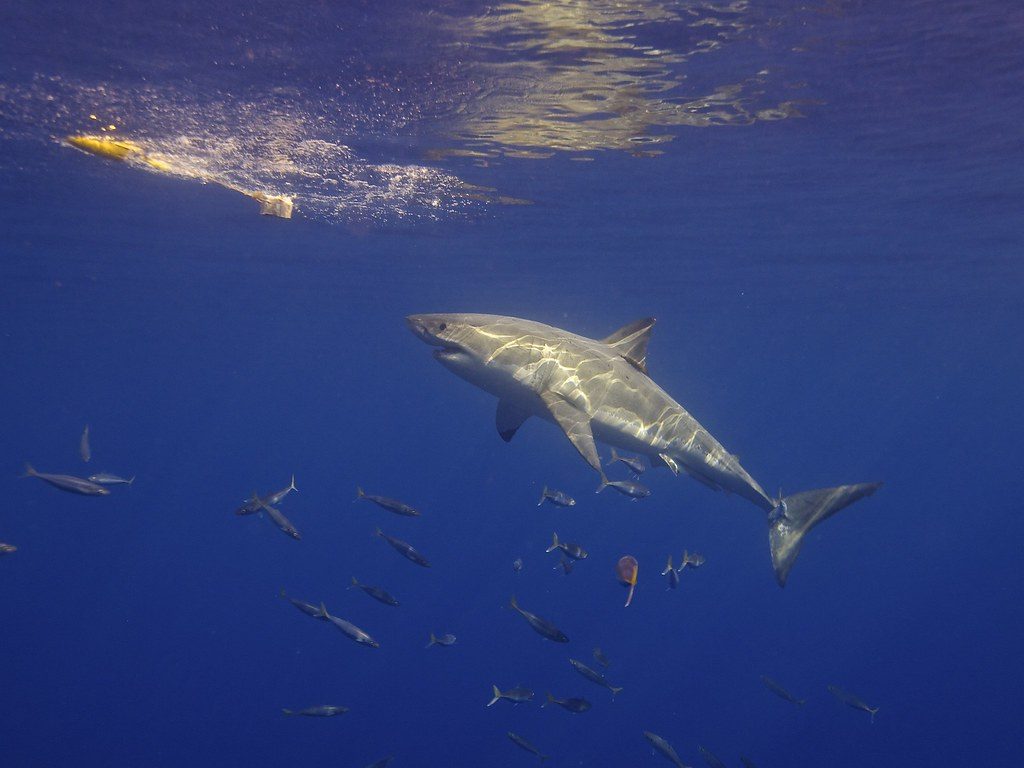
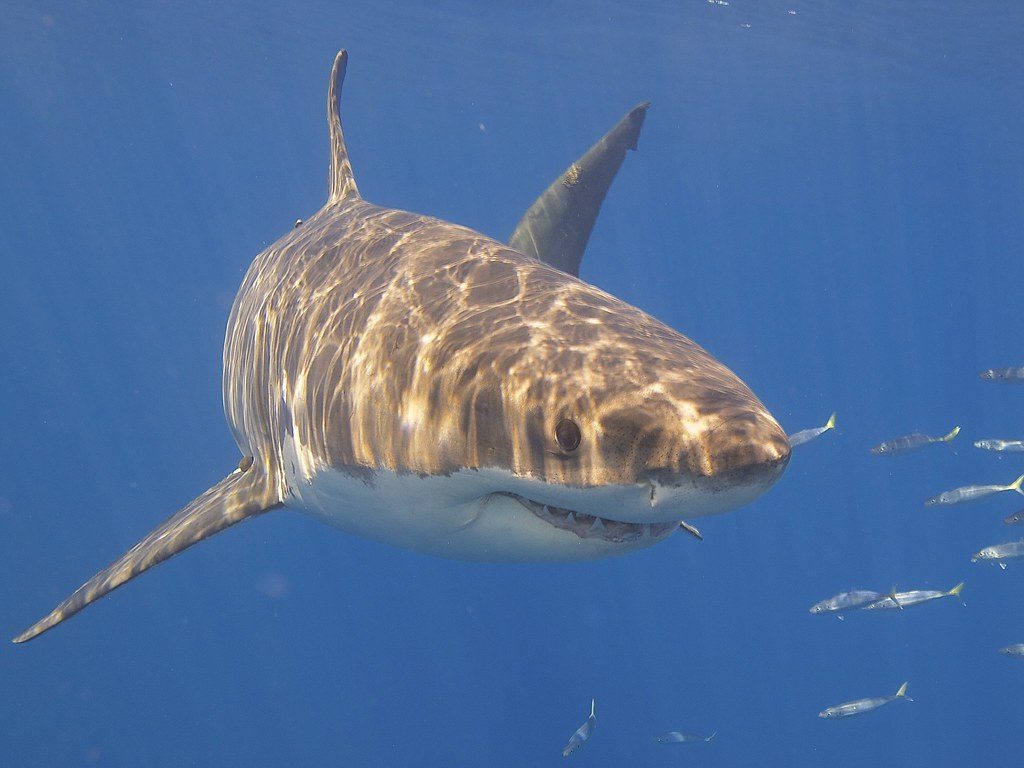
    Great White Shark” by Elias Levy is licensed under CC BY 2.0

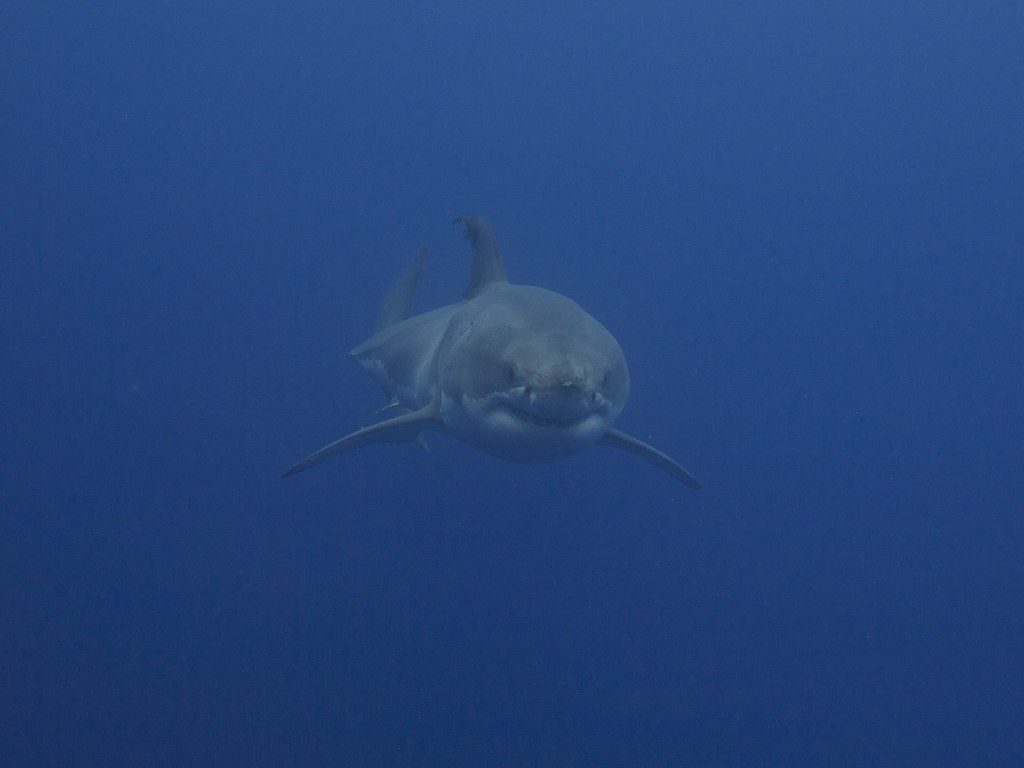
    Although great white sharks usually travel alone, they can gather in places with plenty of food. Dead whales, large schools of fish, and seal colonies can attract more than one shark at the same time. This does not mean the sharks are hunting together.

    Researchers have documented cases where several great white sharks feed in the same location without acting like a pack. Each shark is still acting on its own, even when others are nearby.

    How surfers can stay safer in the water

    man surfing on sea waves
    Photo by Sebastian Staines on Unsplash

    Experts recommend avoiding the water at dawn and dusk because sharks are often more active during these times. Surfers should also stay away from areas where seals are common or where people are fishing, since these places can attract sharks.

    Checking local beach warnings before entering the water is another smart step. Many beaches now use drones, lifeguards, and patrols to watch for sharks and alert people if one is spotted nearby.

    What this means for shark research

    a group of people sitting around a white table
    Photo by UK Black Tech on Unsplash

    Rare events like this help scientists improve their understanding of great white sharks. Every observation adds to long-term research on shark movement, feeding habits, and how changing ocean conditions affect their behavior.

    Researchers also hope these studies will improve beach safety while protecting sharks. Great white sharks are an important part of healthy ocean ecosystems because they help keep marine food chains balanced.

    Why people should not panic

    Great White Shark” by Elias Levy is licensed under CC BY 2.0

    Even though stories about sharks can sound frightening, shark incidents remain very rare compared with the millions of people who enter the ocean each year. Most surfers and swimmers never experience a close encounter with a great white shark.

    Researchers encourage people to respect the ocean while remembering that sharks play a valuable role in nature. Learning more about their behavior helps reduce fear and supports safer beaches for everyone.

    Featured Image: “Great White Shark” by Elias Levy is licensed under CC BY 2.0