Category: Wildlife and animals

  • The tragic story of a chimp raised like a child who attacked a woman

    The tragic story of a chimp raised like a child who attacked a woman

    Chimp attacks are rare, but when they happen, the results can be life-changing. The tragic story of a chimp raised like a child became one of the most shocking animal incidents in American history. It showed that even a well-loved chimpanzee is still a powerful wild animal.

    This article explains how Travis the chimp was raised, what happened on the day of the attack, how the victim survived, and the lasting lessons about keeping wild animals as pets.

    How Travis was raised like a family member
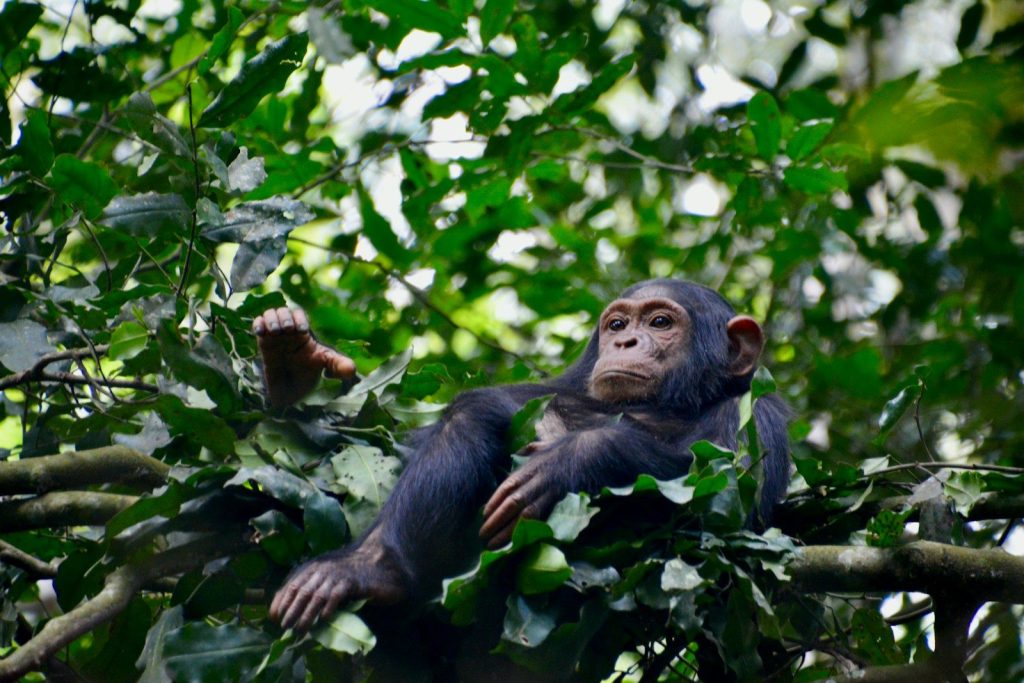
    a young chimpan sitting in a tree branch
    Photo by Fabiana Rizzi on Unsplash

    Travis was born in 1995 and was raised by Sandra Herold in Stamford, Connecticut, after his mother could no longer care for him. He lived inside the home, wore clothes, brushed his teeth, used household items, and often rode in cars. He even appeared in television commercials and became well known in the community.

    Although Travis behaved calmly for many years, he was still a chimpanzee with natural instincts and great physical strength. Adult chimpanzees can be much stronger than humans, and experts have long warned that they can become dangerous as they mature, even if they seem friendly.

    The day everything changed
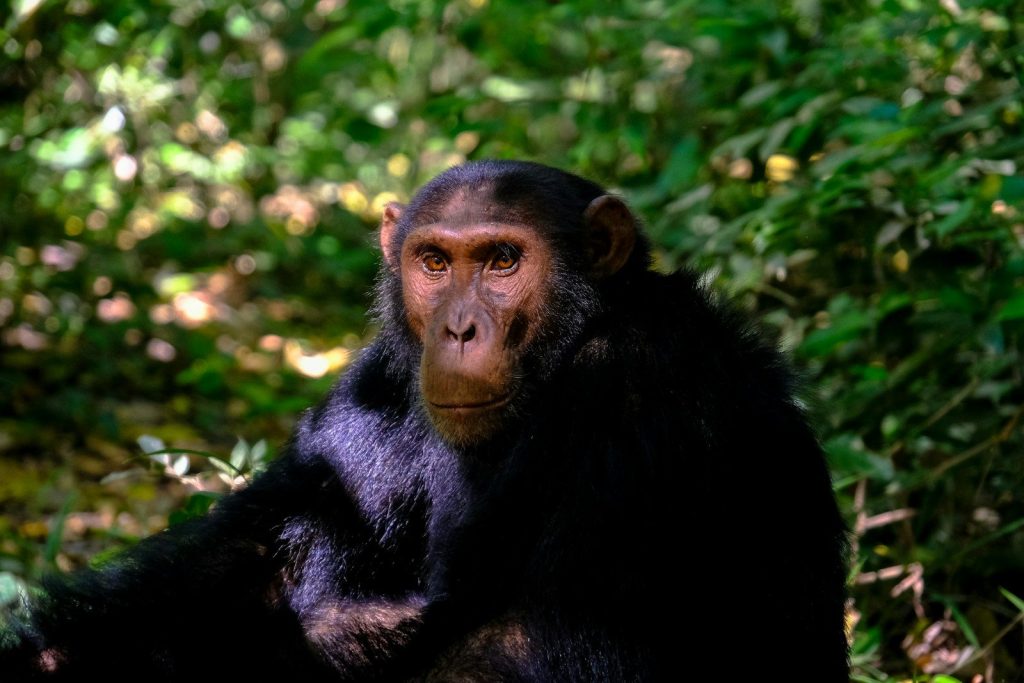
    primate sitting on grass
    Photo by Francesco Ungaro on Unsplash

    On February 16, 2009, Travis got out of the house after taking his owner’s keys. Sandra Herold called her friend, Charla Nash, to help get him back inside because Travis already knew her and had interacted with her many times before.

    When Nash arrived and stepped out of her car, Travis suddenly attacked her without warning. Herold tried to stop him by hitting him with a shovel and then stabbing him with a butcher knife while calling 911 for help. Police arrived quickly and shot Travis after he charged toward an officer and a patrol car. The chimp later died from his injuries.

    The injuries Charla Nash suffered

    an ambulance driving down a street next to a building
    Photo by Walter Dziemianczyk on Unsplash

    The attack left Charla Nash with devastating injuries to her face and hands. She also lost her eyesight. Doctors worked for months to save her life through many surgeries and intensive medical care.

    Years later, Nash became one of the first people in the United States to receive a full face transplant. Although one double hand transplant later failed because of complications, she has continued rehabilitation and has spoken publicly about her recovery and the dangers of keeping exotic pets.

    Why investigators found no simple answer

    magnifying glass on white table
    Photo by Markus Winkler on Unsplash

    After the attack, investigators carefully examined what happened. Toxicology tests found traces of the anti-anxiety drug Xanax in Travis, but experts could not determine whether it played any role in the attack. A veterinary examination also found no disease that explained his sudden violence.

    State prosecutors decided not to file criminal charges against Sandra Herold. They concluded there was no evidence that she knew Travis would attack Nash, noting that he had no previous history of violent attacks against people and was familiar with the victim.

    How the attack changed views on exotic pets
    a black monkey sitting on a tree branch
    Photo by David Trinks on Unsplash

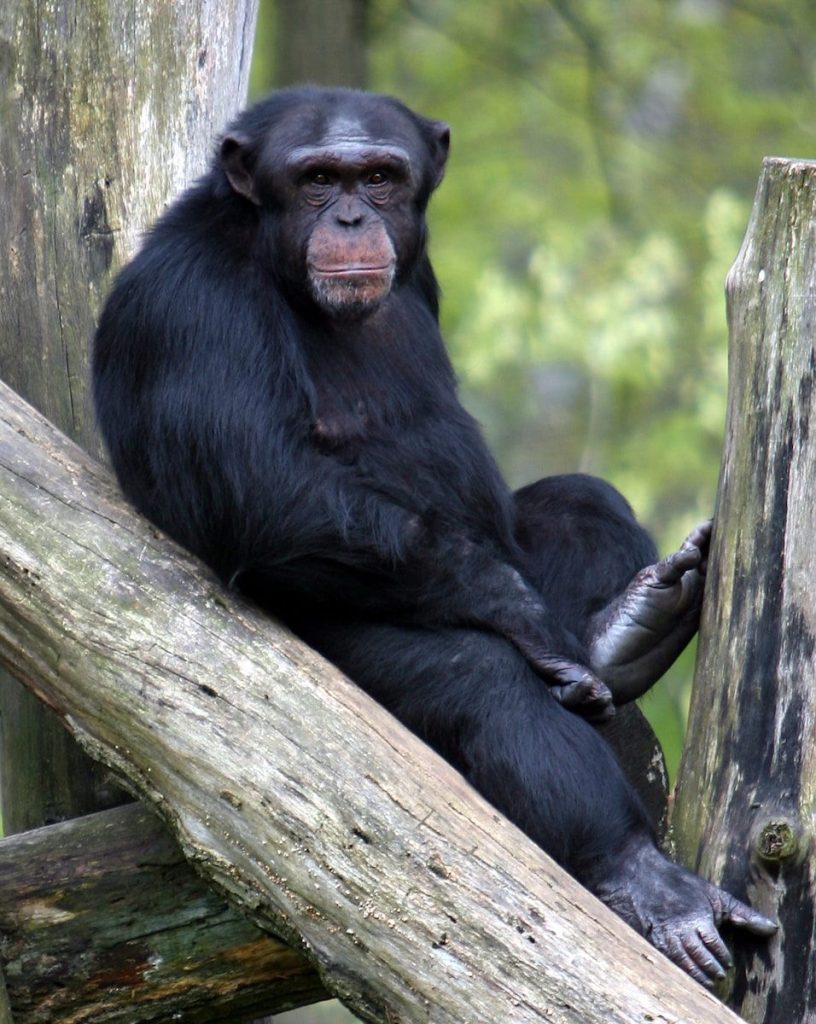
    The attack sparked nationwide debate about private ownership of chimpanzees and other exotic animals. Animal experts used the case to explain that chimpanzees remain wild animals regardless of how they are raised or treated.

    The incident also encouraged stronger discussions about public safety and laws involving dangerous animals. Many people began questioning whether large primates should ever be kept in private homes instead of accredited zoos or sanctuaries.

    The lasting lesson from Travis’ story

    Man is looking at a screen with his head down.
    Photo by Alicia Christin Gerald on Unsplash

    The story of Travis is tragic for everyone involved. Sandra Herold lost the animal she had raised for years, Charla Nash suffered life-changing injuries, and the event forever changed how many Americans viewed exotic pets.

    Today, the case remains an important reminder that love and training cannot remove a wild animal’s natural instincts. Experts continue to say that chimpanzees belong in places designed for their needs, where trained professionals can safely care for them.

    Featured Image: Photo by Julie Ricard on Unsplash
  • Electric eel delivers a high-voltage shock to capture its prey

    Electric eel delivers a high-voltage shock to capture its prey

    Have you ever wondered how a fish can catch its prey without sharp teeth or great speed? An electric eel’s high-voltage shock is one of nature’s most powerful hunting tools. Electric eels generate strong bursts of electricity that can stun prey in an instant, making it easy to catch a meal. These freshwater fish are not true eels, but they are famous for their electric abilities.

    In this article, you’ll learn how electric eels produce electricity, how they use it to hunt, where they live, and why scientists consider them some of the most remarkable predators in the animal world.

    How electric eels produce electricity

    gray snake photography
    Photo by David Clode on Unsplash

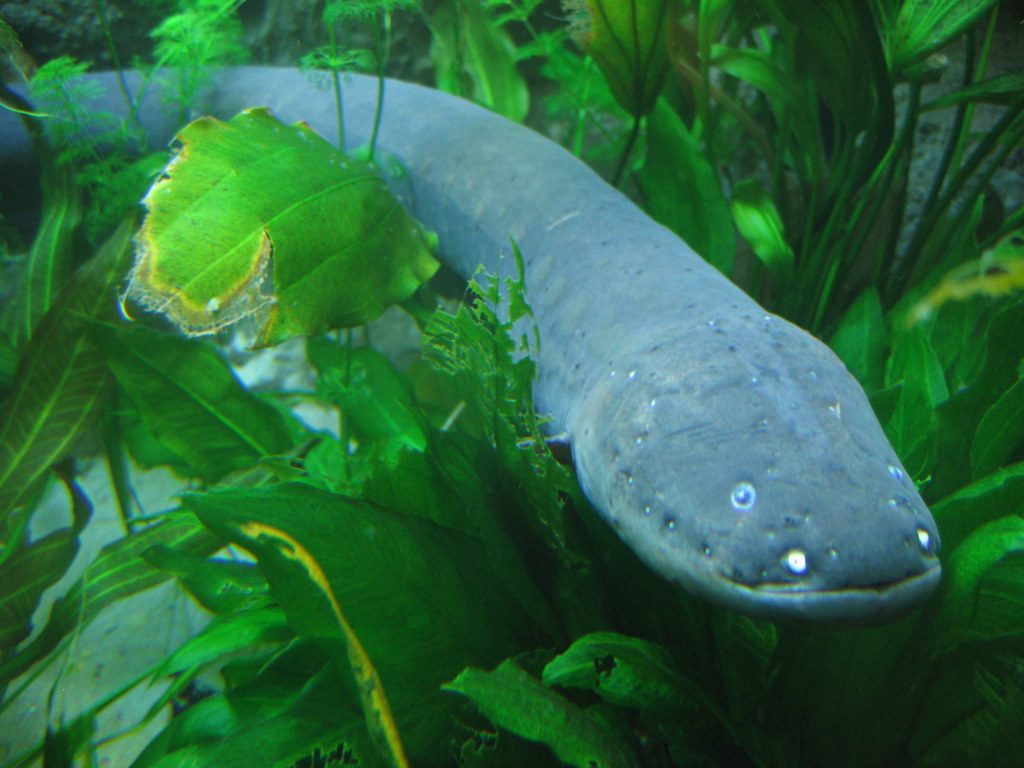
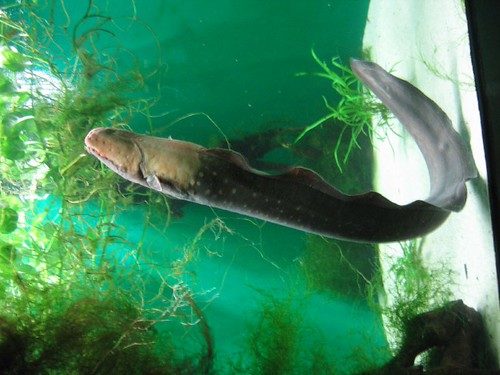
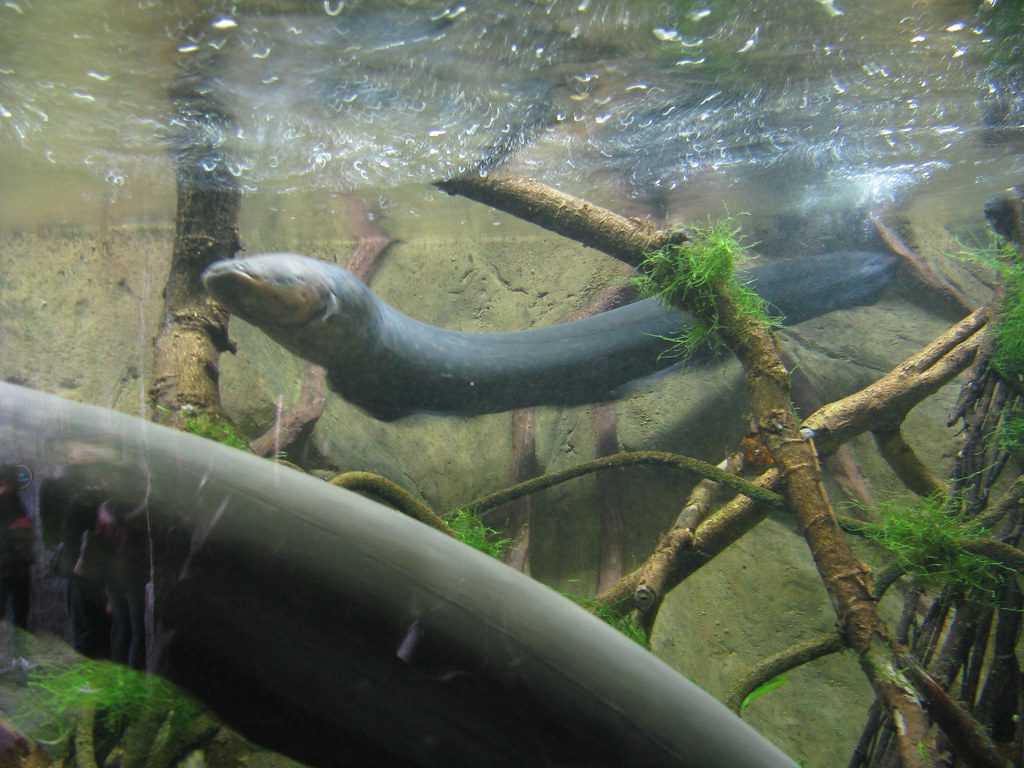
    Electric eels have three special electric organs that make up most of their bodies. These organs contain thousands of cells called electrocytes, which work together like tiny batteries to create electricity.

    When the eel sends a signal through these cells, they discharge at the same time. The combined effect creates a powerful electric pulse that can reach hundreds of volts, depending on the species.

    How the shock captures prey

    Electric Eel” by skpy is licensed under CC BY-SA 2.0

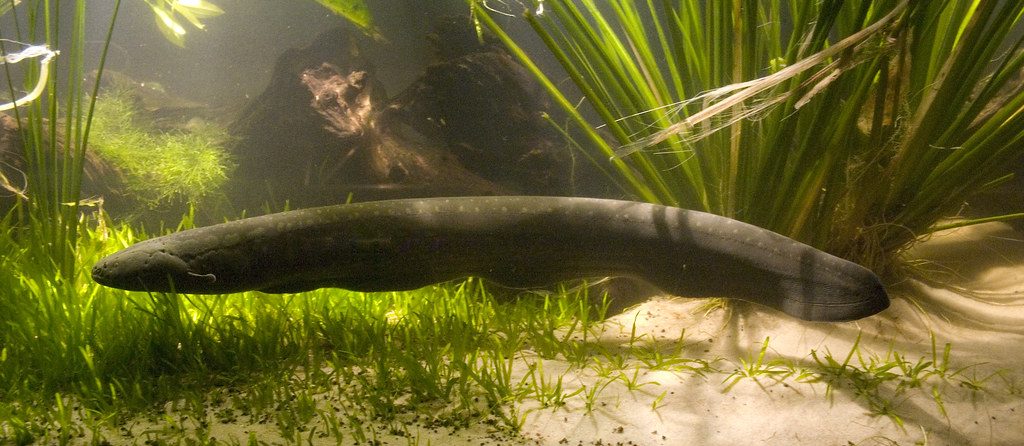
    Electric eels often hunt fish, amphibians, and other small animals in dark, muddy water. They release a high-voltage burst that activates the prey’s muscles, causing it to lose control and become unable to escape.

    Once the prey is stunned, the eel quickly swims in and swallows it. This hunting method lets the eel catch fast-moving animals that would otherwise be difficult to capture.

    Why do they also use weak electric signals

    Electric eel” by brian.gratwicke is licensed under CC BY-NC 2.0

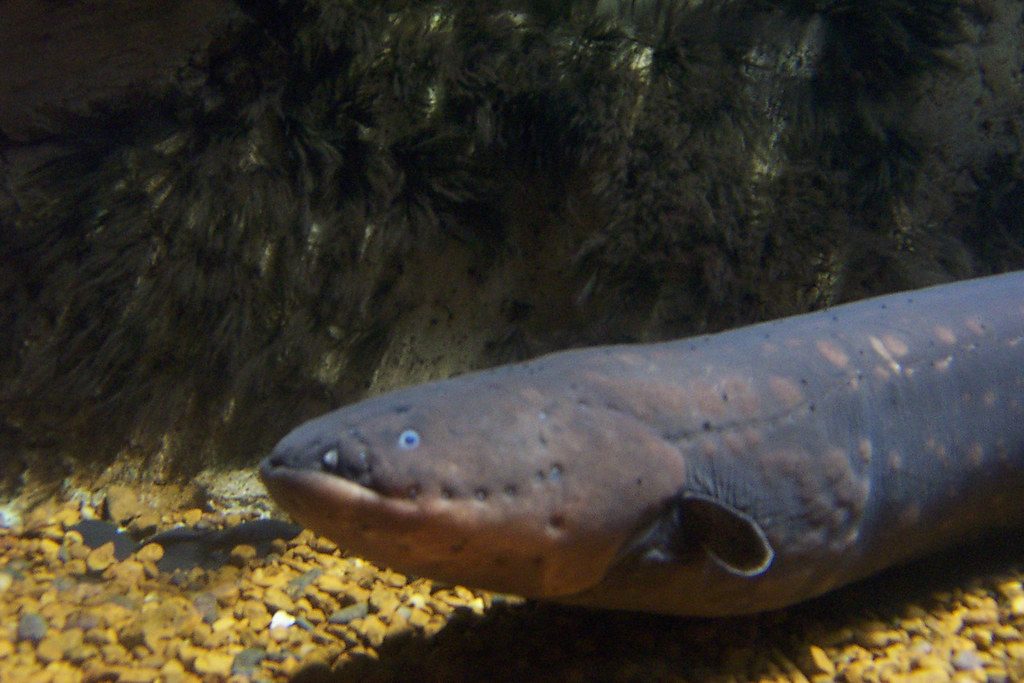
    Electric eels do not use strong shocks all the time. Most of the day, they produce weak electrical signals that help them move through cloudy water where their eyesight is poor.

    These low-voltage signals also help the eel detect nearby objects and locate hidden prey. When it is ready to attack, it switches to powerful high-voltage pulses.

    Where electric eels live

    Electric Eel” by wwarby is licensed under CC BY 2.0

    Electric eels live in freshwater habitats across the Amazon and Orinoco river basins in South America. They prefer slow-moving rivers, swamps, ponds, and flooded forests with muddy water.

    Although they spend nearly all their time underwater, electric eels breathe air. They regularly swim to the surface because they get much of their oxygen directly from the atmosphere.

    Are electric eels dangerous?

    Electric Eel” by Elizabeth/Table4Five is licensed under CC BY 2.0

    Electric eels mainly use their strongest shocks to catch prey or defend themselves from threats. Healthy adults are rarely killed by a single shock, but repeated shocks can be dangerous and may even cause drowning if someone is in the water.

    Scientists also discovered that electric eels can leap partly out of the water while shocking a threat. This behavior increases the strength of the electrical contact with animals above the water’s surface.

    Why scientists study electric eels

    three people in lab coats looking at a tablet
    Photo by National Cancer Institute on Unsplash

    Researchers continue to study electric eels because their hunting behavior is unlike that of almost any other fish. Their electrical system has helped scientists better understand animal behavior, nerve signals, and bioelectricity.

    Scientists have also learned that electric eels use their high-voltage pulses not only to stun prey but also to precisely track moving targets during the final moments of a hunt.

  • Riverbank discovery takes an unexpected turn when hiker finds someone inside a cage

    Riverbank discovery takes an unexpected turn when hiker finds someone inside a cage

    What would you do if you spotted a cage near a river and realized someone was inside? A riverbank cage discovery quickly became a rescue when a hiker found a person trapped inside a wire cage near a river. The unusual scene led to emergency responders being called, and the person was safely rescued. While the incident raised many questions, it also highlighted the importance of acting quickly during emergencies.

    This article explains what happened, how the rescue unfolded, what authorities found, and why the case drew widespread attention.

    How the discovery happened

    person on top of mountain near body of water
    Photo by Francisco T Santos on Unsplash

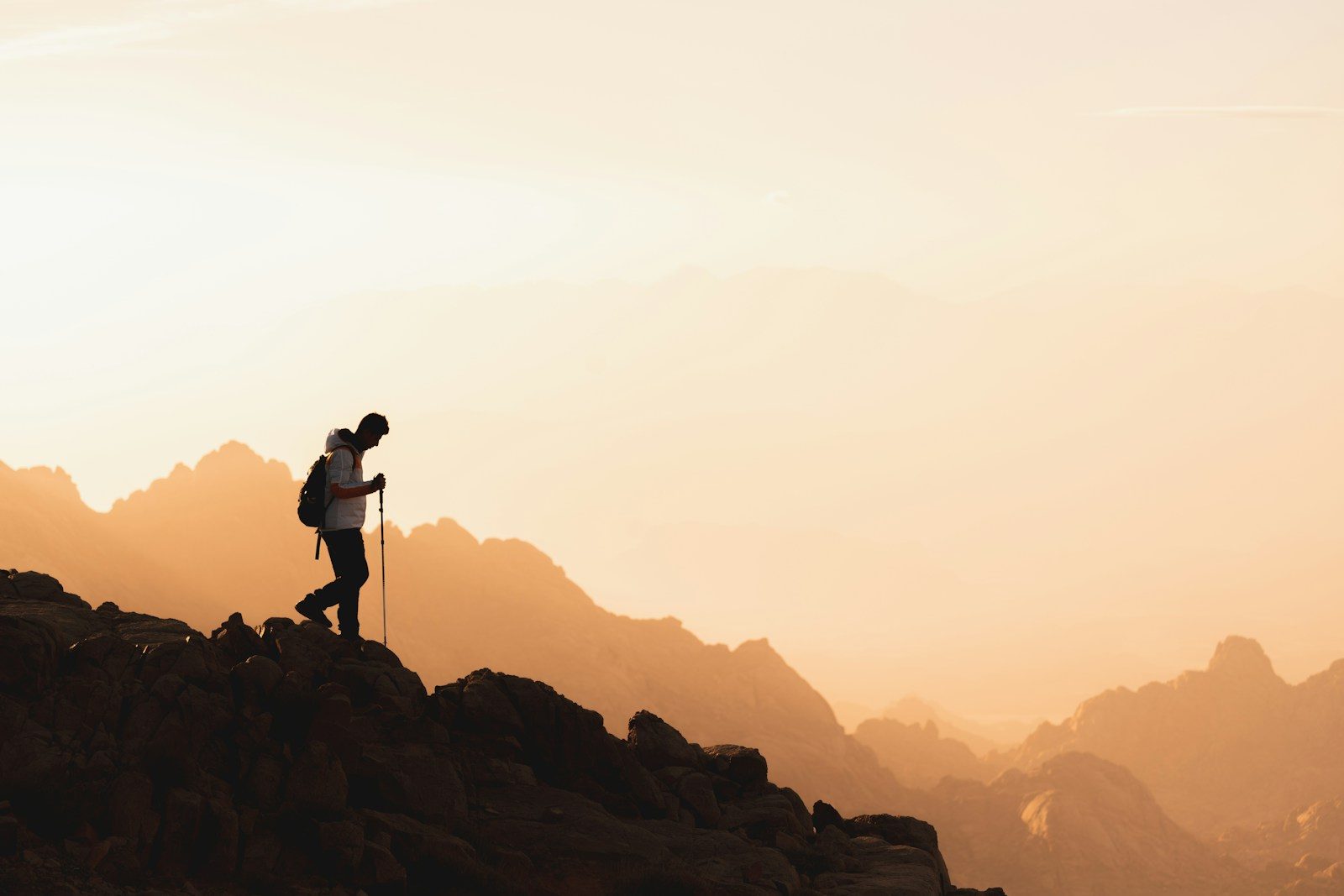
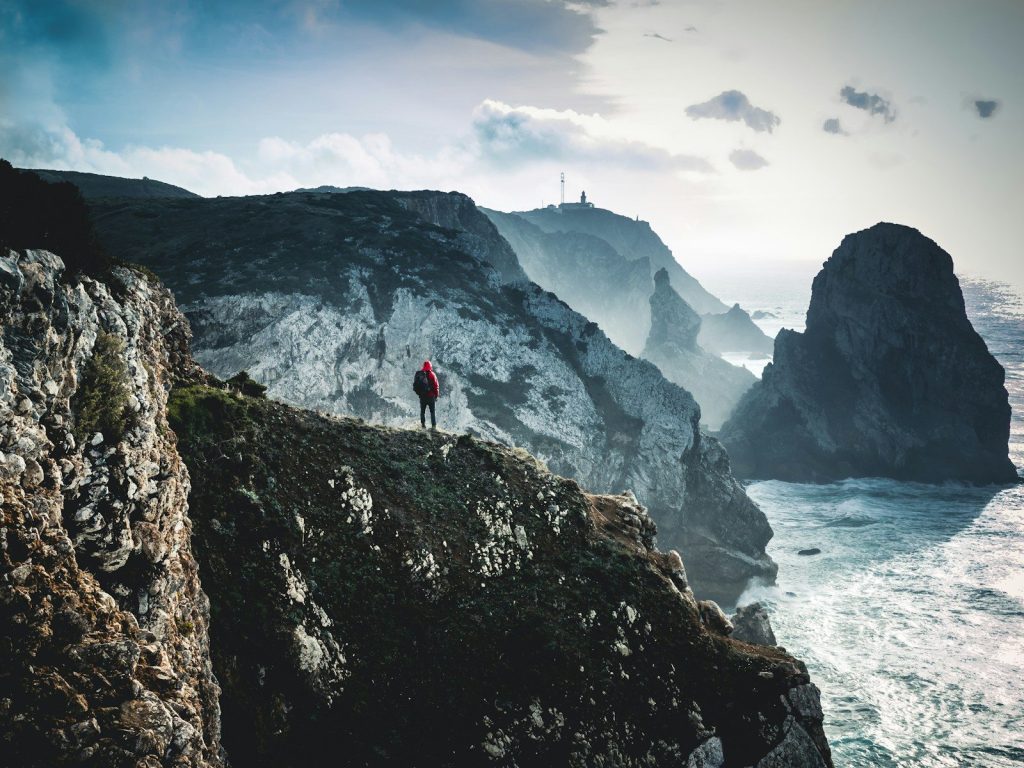
    The incident began when a hiker noticed what looked like a large wire cage near the edge of a river. At first, it appeared to be abandoned, but a closer look revealed that someone was inside.

    The hiker immediately contacted emergency services instead of trying to move the cage alone. That quick decision allowed trained responders to reach the scene and begin a safe rescue.

    What rescuers found

    Rescuer rappels with person down from helicopter
    Photo by Everson Vansoski on Unsplash

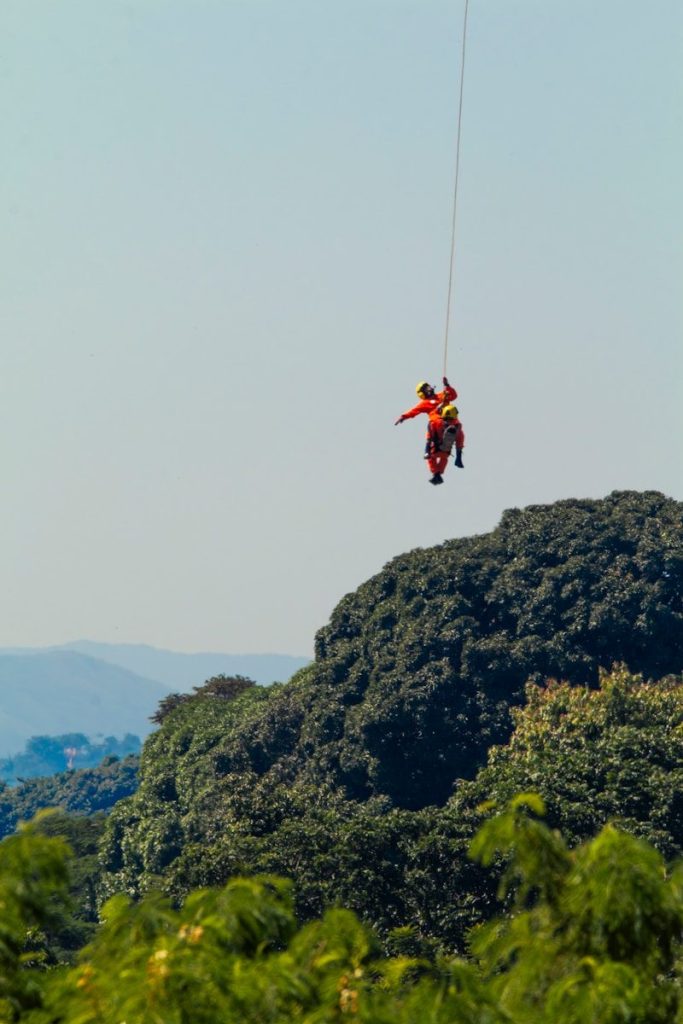
    Emergency crews arrived and confirmed that a person was inside the cage. The individual was conscious and was carefully removed without causing further harm.

    After the rescue, medical workers examined the person to check for injuries and dehydration. Authorities also secured the area so investigators could document the scene.

    Why did investigators open a case?

    magnifying glass on white table
    Photo by Markus Winkler on Unsplash

    Finding a person inside a cage is highly unusual, so law enforcement began investigating how the situation happened. Officers collected evidence and interviewed the rescued individual and any possible witnesses.

    Investigators worked to determine whether the case involved a crime, an accident, or another set of circumstances. They did not rush to conclusions while gathering the facts.

    How first responders handled the rescue

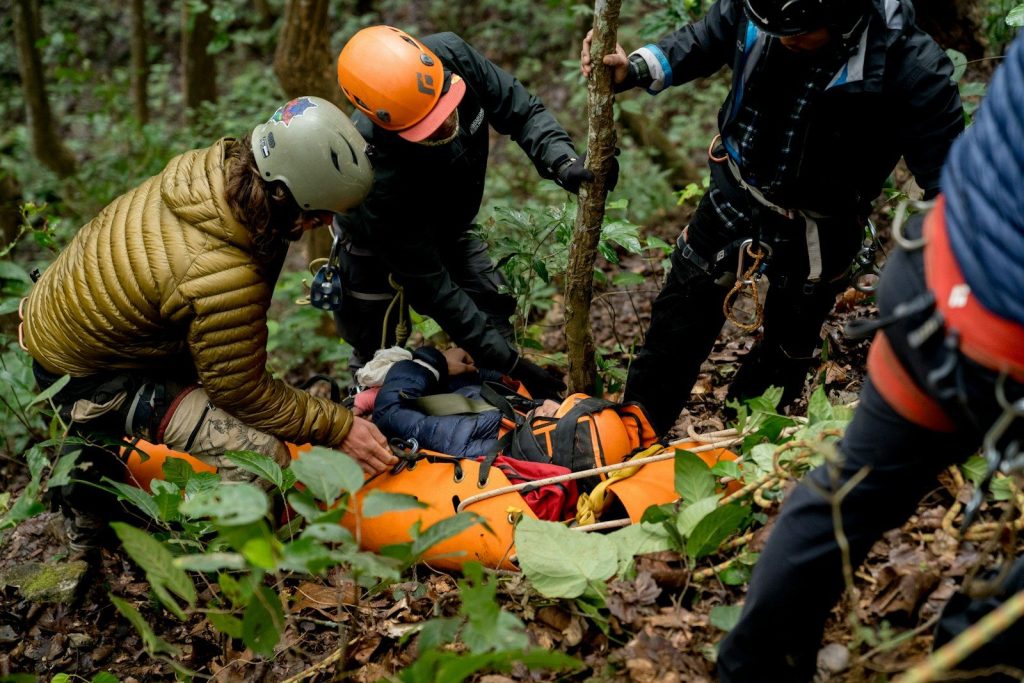
    A group of people in the woods with helmets on
    Photo by Frederick Shaw on Unsplash

    Rescue teams focused first on protecting the person’s health and safety. They carefully opened the cage and made sure the individual could leave without additional risk.

    Once the rescue was complete, emergency personnel transported the person for further medical evaluation. Quick teamwork between the hiker, dispatchers, and first responders helped bring the incident to a safe ending.

    Why the story gained attention

    A person holding a smart phone with social media on the screen
    Photo by Berke Citak on Unsplash

    The discovery attracted widespread public interest because it was so unexpected. Stories involving unusual rescues often spread quickly, especially when they involve hikers or outdoor areas.

    The case also reminded people that strange situations can happen in remote places. Experts encourage anyone who finds a dangerous or suspicious scene to contact emergency services rather than intervene alone.

    What can people learn from the incident?

    Man is looking at a screen with his head down.
    Photo by Alicia Christin Gerald on Unsplash
    This rescue shows why staying alert during outdoor activities is important. Paying attention to your surroundings can help you notice when someone may need help.

    It also demonstrates the value of acting responsibly. Calling trained emergency responders gives victims the best chance of receiving safe and proper assistance while protecting everyone involved.

    Featured Image: Photo by NEOM on Unsplash
  • Orcas use wave-making tactics to knock seals into the water

    Orcas use wave-making tactics to knock seals into the water

    Have you ever wondered how a seal can be in danger even while resting on a floating piece of ice? Orcas use wave-making tactics to knock seals into the water, turning the ocean itself into a hunting tool. This amazing behavior shows just how smart and organized these marine mammals can be.

    In this article, you’ll learn how orcas create powerful waves, why they work together, how young whales learn the skill, and why this hunting method is one of the most remarkable examples of teamwork in the animal world.

    What is wave washing?

    closeup photo of killer whale on body of water
    Photo by Bryan Goff on Unsplash
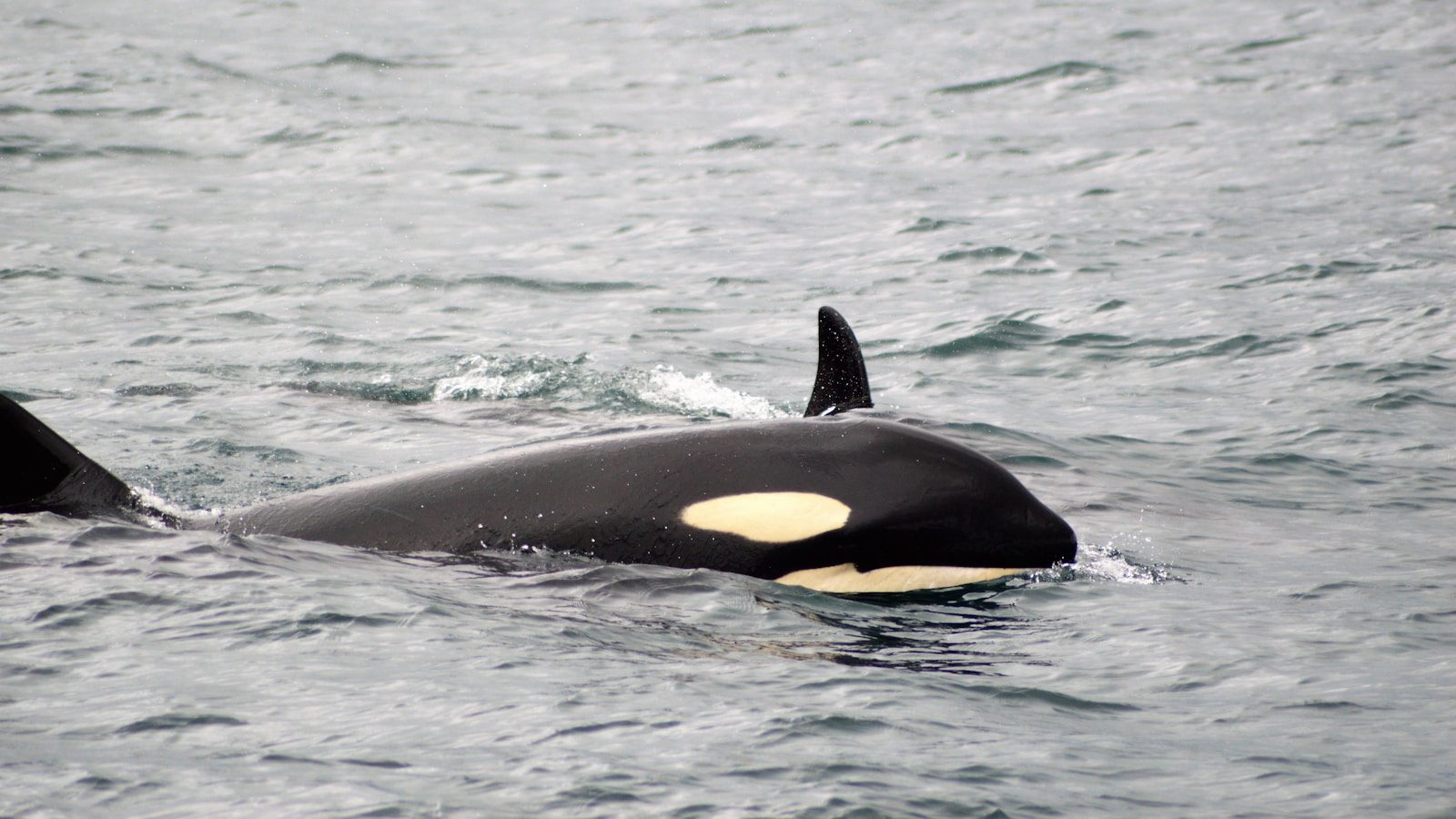
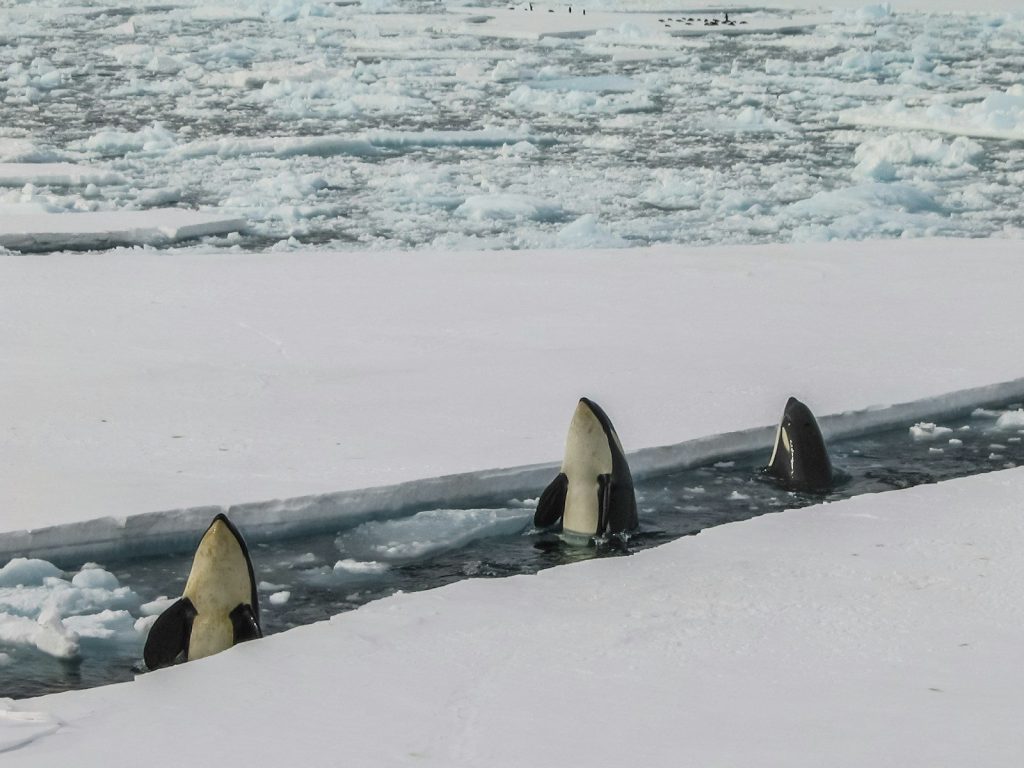
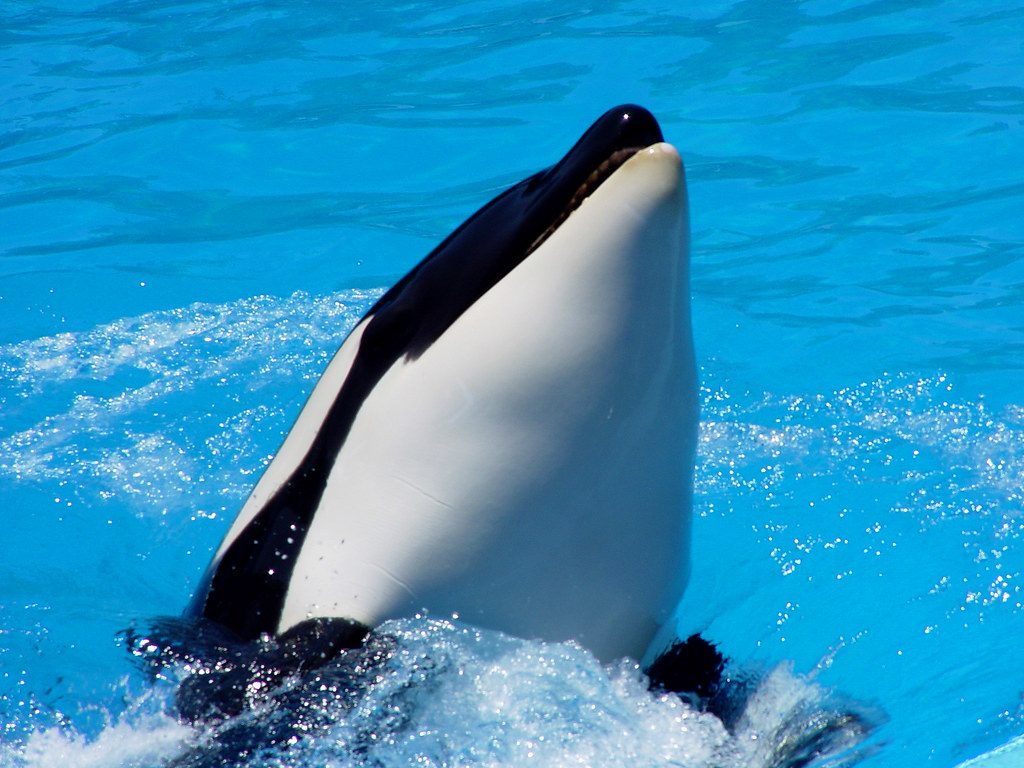
    Wave washing is a special hunting method used by some Antarctic orcas. When they spot a seal resting on an ice floe, several orcas swim together at high speed toward the ice before diving at the same time. Their movement creates a strong wave that rushes over the ice.

    The wave can wash the seal into the water, where the orcas have a much better chance of catching it. If the seal stays on the ice, the whales may repeat the attack many times until the ice breaks or the seal slips into the ocean.

    Why do orcas work as a team?

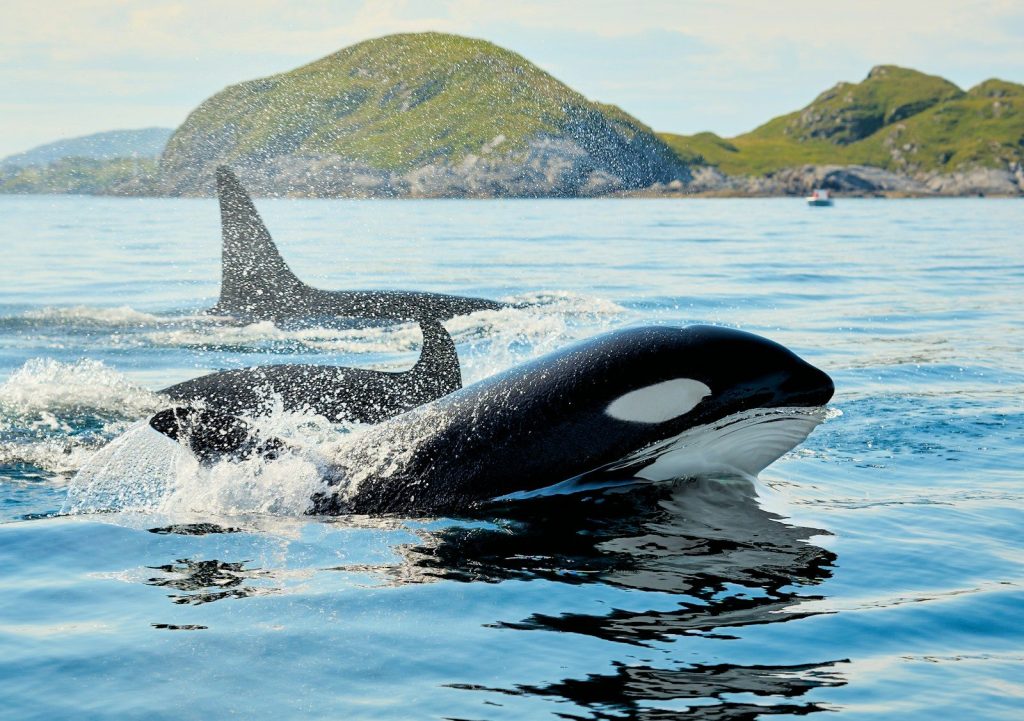
    A couple of orca's swimming in a body of water
    Photo by Vidar Nordli-Mathisen on Unsplash
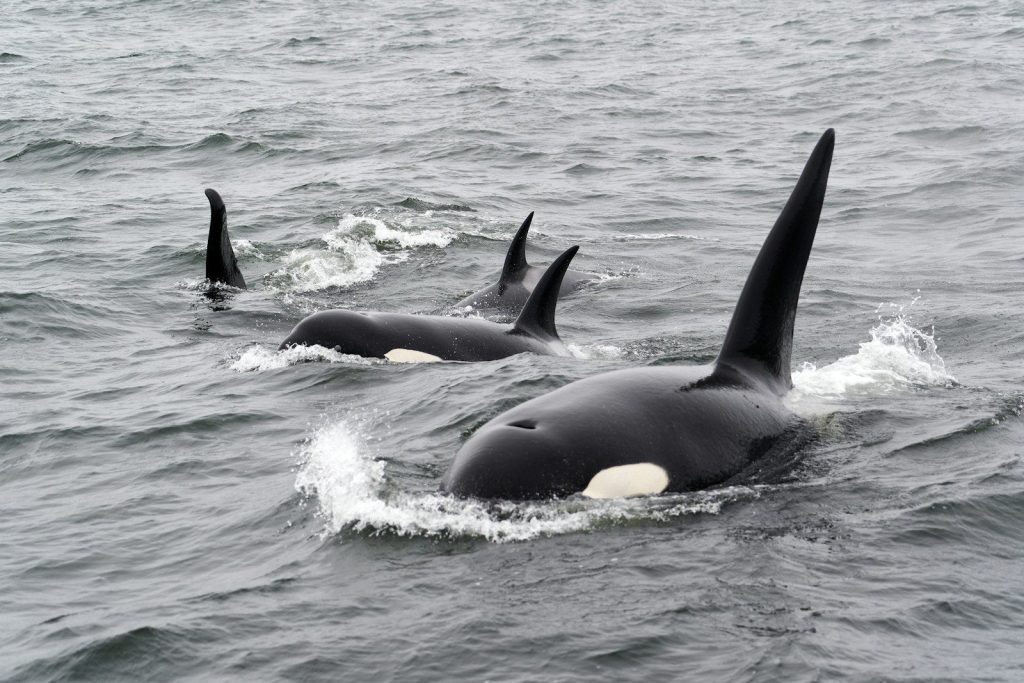
    A single orca cannot usually make a wave strong enough to move a seal. That is why several whales line up and swim in perfect sync. Every whale must match the others in speed, timing, and direction.

    This teamwork makes the hunt much more successful. Scientists have watched family groups communicate and coordinate each move, showing that cooperation is one of the orca’s greatest strengths.

    Which seals are most often targeted?

    seal, nature, animal, sleep, coast
    Photo by suju_foto on Pixabay

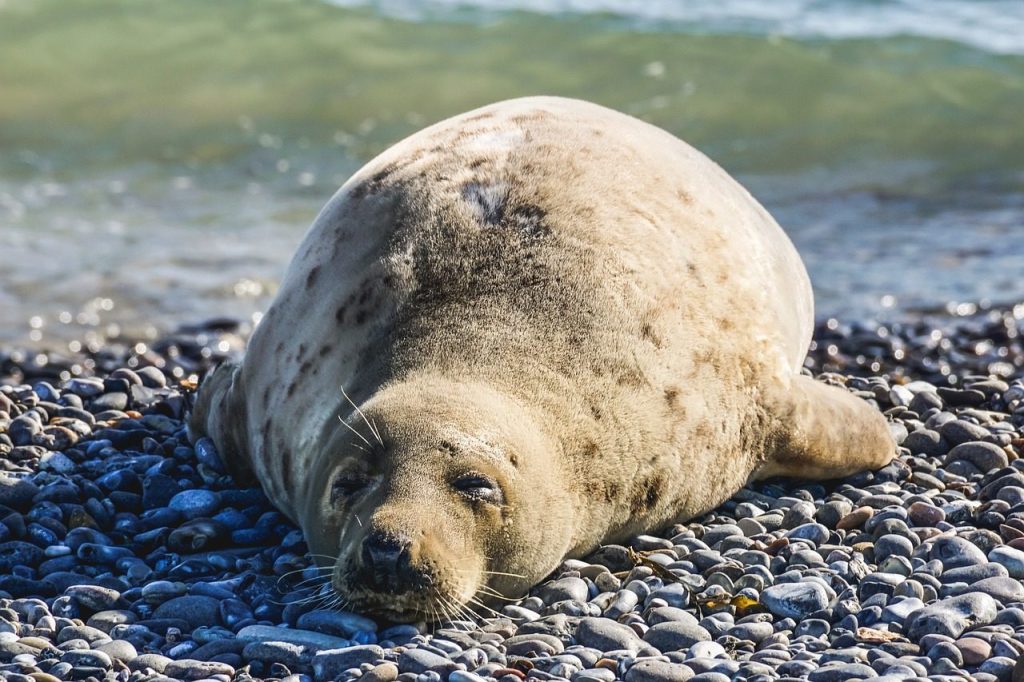
    Wave washing is most often seen in Antarctica, where seals rest on floating sea ice. Weddell seals are common targets because they spend time lying on ice floes between swims.

    Orcas have also been seen using this method against crabeater seals. Sometimes the waves even crack or break the ice, making it even harder for the seal to stay out of the water.

    How do young orcas learn this skill?

    Killer Whale (Orcinus orca)” by Franco Folini is licensed under CC BY-SA 2.0

    Wave washing is not something orcas are born knowing. Young whales learn by staying close to older family members during hunts and watching every step of the process.

    Scientists believe this is an example of animal culture because knowledge is passed from one generation to the next. Calves may practice during hunts for years before they can help create waves correctly.

    Why is this hunting method so unusual?

    black and white whale on water during daytime
    Photo by Mike Doherty on Unsplash
    Most ocean predators chase their prey directly. Orcas are different because they change the environment to gain an advantage. Instead of attacking the seal on the ice, they use the force of moving water to remove its safe place.

    Researchers have found that only a small group of Antarctic type B1 orcas regularly performs wave washing. Their ability to solve problems and work together makes this one of the most advanced hunting behaviors seen in marine mammals.

    What does this tell us about orca intelligence?

    a whale jumping out of the water
    Photo by Rudi De Meyer on Unsplash
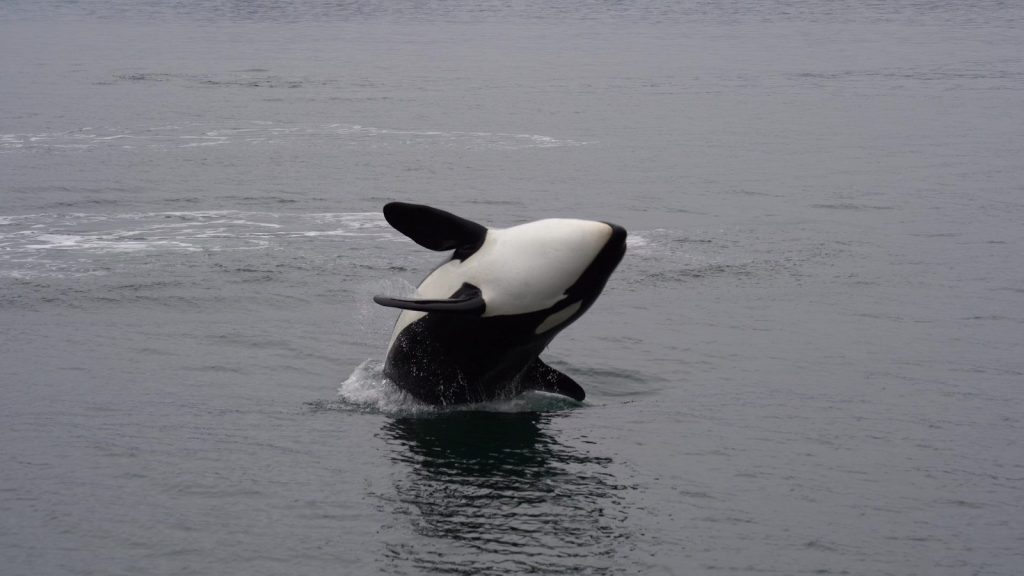
    Wave washing shows that orcas can plan, communicate, and cooperate during difficult hunts. They adjust their actions based on the size of the ice floe and the seal’s movements, sometimes repeating the process many times before succeeding.

    This behavior also highlights how important family groups are for orcas. Older whales teach younger ones, helping the pod keep valuable hunting skills alive for future generations.

    Featured Image: Photo by _ Sonder_ on Unsplash
  • An elephant tied to four deaths in the same family over 14 years fuels safety concerns

    An elephant tied to four deaths in the same family over 14 years fuels safety concerns

    How can the same wild elephant be connected to a family’s heartbreak more than a decade apart? An elephant tied to four deaths in the same family over 14 years has renewed concerns about human-wildlife conflict in Nepal. Officials say the elephant, known as Dhurbe, was linked to the deaths of two members of one family in 2012 and two more relatives in 2026 after the family had moved to a different area.

    This article explains what happened, why the attacks occurred, how officials tracked the elephant, and what the tragedy reveals about the growing challenge of keeping both people and wildlife safe.

    Who is the elephant known as Dhurbe?

    brown elephant on green grass field during daytime
    Photo by Wolfgang Hasselmann on Unsplash
    Dhurbe is a wild male Asian elephant that lives around Chitwan National Park in southern Nepal. Wildlife officials have monitored the elephant for years because of its repeated involvement in deadly encounters with people.

    According to park officials, Dhurbe has been linked to numerous human deaths over the years. The elephant has also damaged homes and farms, making it one of Nepal’s most closely watched wild elephants.

    How one family suffered repeated losses

    brown elephant standing on brown field during daytime
    Photo by Geranimo on Unsplash
    The family’s tragedy began in December 2012 when Dhurbe fatally attacked Shanichara Bote’s parents near Madi, close to Chitwan National Park. After the attack, Bote moved his family about nine miles away, hoping the relocation would keep them safe.

    In July 2026, officials say the same elephant broke into the family’s home in Jagatpur. The attack killed Bote’s 25-year-old daughter-in-law, Ashika Bote, and his four-year-old grandson, Bharat Bote, bringing the family’s death toll linked to the elephant to four over 14 years.

    How officials confirmed the elephant’s identity

    Elephant walking on field during daytime
    Photo by Lucas Metz on Unsplash
    Wildlife authorities had fitted Dhurbe with a satellite tracking collar to monitor its movements. Park officials said location data placed the elephant near the family’s home when the latest attack happened.

    The tracking system sends regular location updates, allowing rangers to follow the elephant’s movements. However, officials acknowledge that monitoring alone cannot always prevent sudden encounters between people and wild elephants.

    Why do human-elephant conflicts happen

    woman in white shirt and blue pants standing beside brown elephant during daytime
    Photo by Craig McKay on Unsplash
    Asian elephants need large areas to find food and water. As forests become fragmented and more land is used for farming and housing, elephants are more likely to enter villages in search of food.

    Experts say these encounters are becoming more common in parts of South Asia where people and wildlife share the same landscape. Most elephants avoid people, but dangerous situations can occur when animals feel threatened or enter populated areas.

    What authorities are doing

    man using MacBook
    Photo by charlesdeluvio on Unsplash
    Following earlier attacks, Nepal deployed large search teams and attempted to locate Dhurbe. Officials also replaced the elephant’s tracking collar several times to improve monitoring after earlier devices stopped working.
    Park officials continue to watch the elephant’s movements and warn nearby communities when it approaches populated areas. They also encourage residents to report elephant sightings as quickly as possible.

    Why has the tragedy drawn attention

    A person holding a smart phone with social media on the screen
    Photo by Berke Citak on Unsplash

    The repeated attacks on one family have highlighted the emotional and practical challenges faced by communities living near wildlife habitats. Even after relocating, the family could not completely avoid the risk posed by roaming elephants.

    The incident has renewed calls for stronger safety measures, improved wildlife monitoring, and long-term conservation strategies that protect both local residents and endangered Asian elephants. Experts say reducing conflict requires balancing human safety with wildlife conservation.

    Featured Image: Photo by AJ Robsin on Unsplash

  • Florida alligator devours invasive python in a rare Everglades encounter

    Florida alligator devours invasive python in a rare Everglades encounter

    What happens when two of the Everglades’ biggest predators cross paths? A Florida alligator devouring an invasive python encounter recently caught on camera has drawn attention because such events are rarely seen. While Burmese pythons have become one of the Everglades’ most damaging invasive species, American alligators are one of the few native predators capable of killing them.

    This article explains what happened, why the encounter matters, how pythons have changed the Everglades, and what experts say this means for Florida’s unique ecosystem.

    The rare Everglades encounter

    crocodile in body of water
    Photo by Shelly Collins on Unsplash

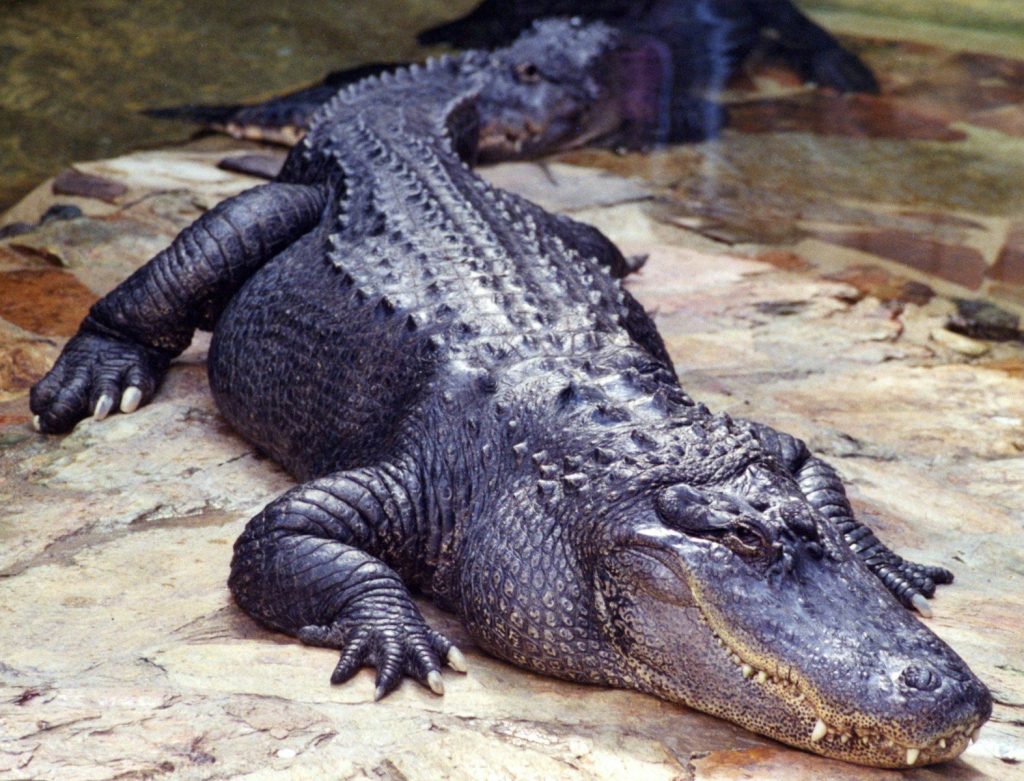
    The unusual encounter took place in Everglades National Park, where a volunteer at Shark Valley recorded an American alligator eating a Burmese python. Wildlife experts describe these events as uncommon because both animals are powerful predators that usually avoid direct conflict.

    The video quickly spread online because it showed a native predator feeding on one of Florida’s most troublesome invasive reptiles. Although dramatic, scientists say encounters like this are a natural part of the Everglades ecosystem.

    Why Burmese pythons are a major problem

    Burmese Python Closeup” by MyFWC Florida Fish and Wildlife is licensed under CC BY-ND 2.0

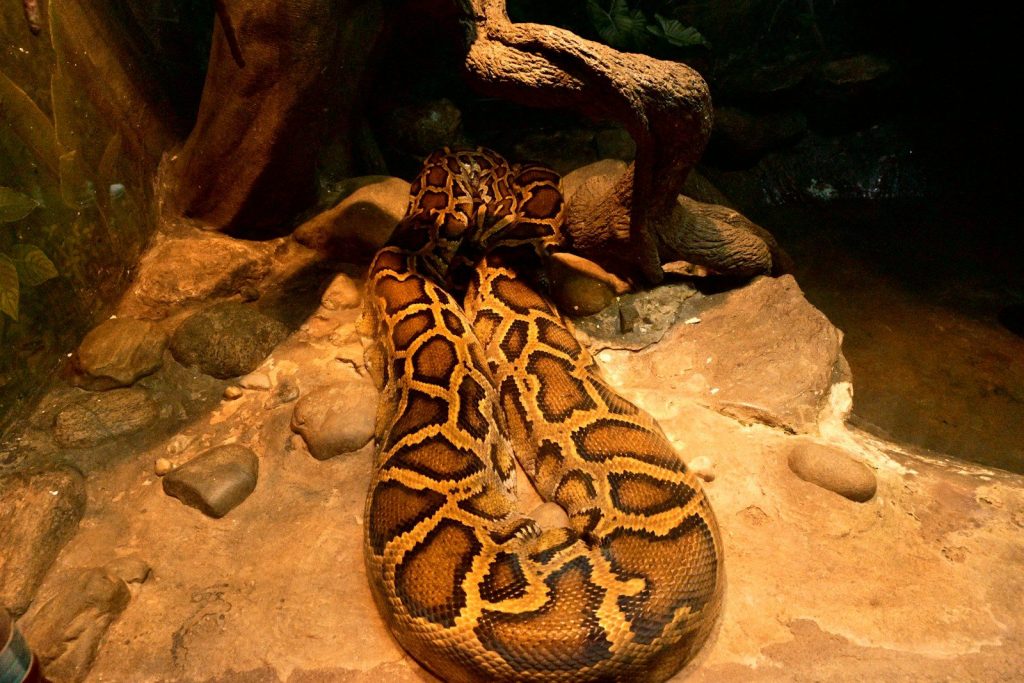
    Burmese pythons are native to Southeast Asia but have established breeding populations across South Florida. Experts believe many entered the wild through the exotic pet trade, with additional snakes escaping after Hurricane Andrew damaged breeding facilities in 1992.

    Today, the snakes prey on a wide range of native mammals, birds, and reptiles. Their rapid reproduction and lack of natural predators have allowed their population to grow, making them one of the most harmful invasive species in the Everglades.

    How alligators interact with pythons

    A patterned python snake coiled on brown rocks.
    Photo by Y on Unsplash

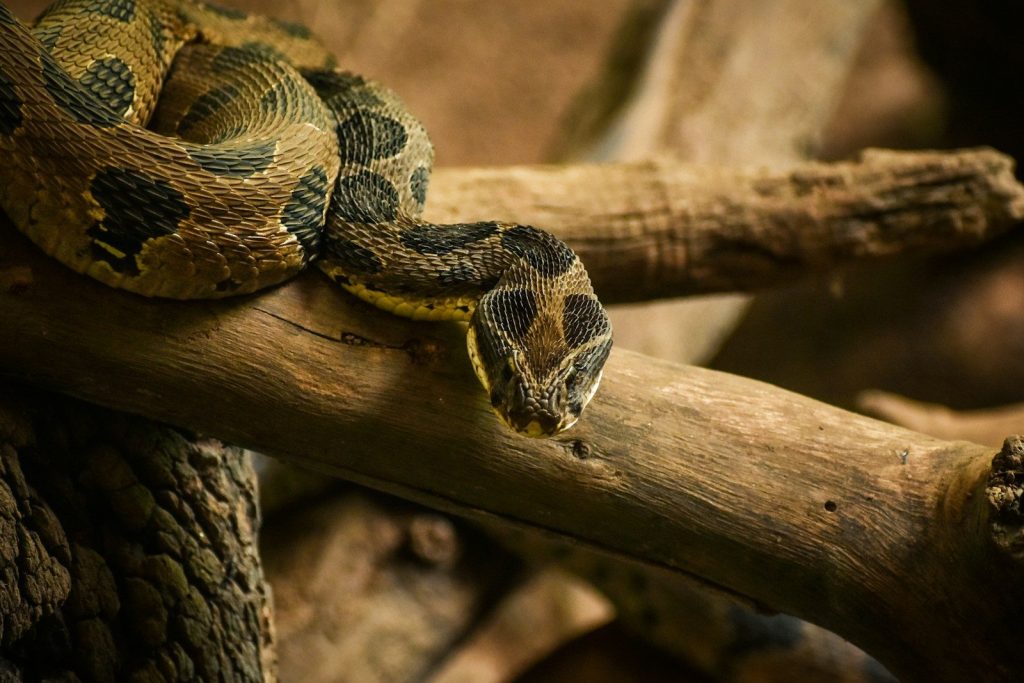
    American alligators and Burmese pythons are both apex predators, meaning they sit near the top of the food chain. Depending on their size, either animal can become the predator or the prey during an encounter.

    Large alligators have been documented killing and eating Burmese pythons, while very large pythons have also been known to kill young or smaller alligators. These interactions show the ongoing competition between the two species.

    Why the sighting is important

    black crocodile on water during daytime
    Photo by Lisa Yount on Unsplash

    Researchers say native predators like alligators may help slow the spread of invasive pythons in some areas. However, there is no evidence that alligator predation alone can control the rapidly growing python population.

    Even so, each documented encounter gives scientists valuable information about how native wildlife responds to invasive species. Videos and field observations also help researchers better understand predator behavior in the Everglades.

    Florida’s efforts to reduce python numbers

    black and brown snake on brown wood
    Photo by Sagar Kulkarni on Unsplash

    Florida wildlife officials continue working to reduce Burmese python populations through research, public reporting, and organized removal programs. One of the best-known efforts is the annual Florida Python Challenge, which encourages trained participants to remove invasive snakes from the Everglades.

    The challenge has removed hundreds of pythons over the years, but experts say long-term management will require continued monitoring and multiple control methods because the snakes are now firmly established in South Florida.

    What visitors should know

    People watching animals in a misty enclosure
    Photo by Spencer Plouzek on Unsplash

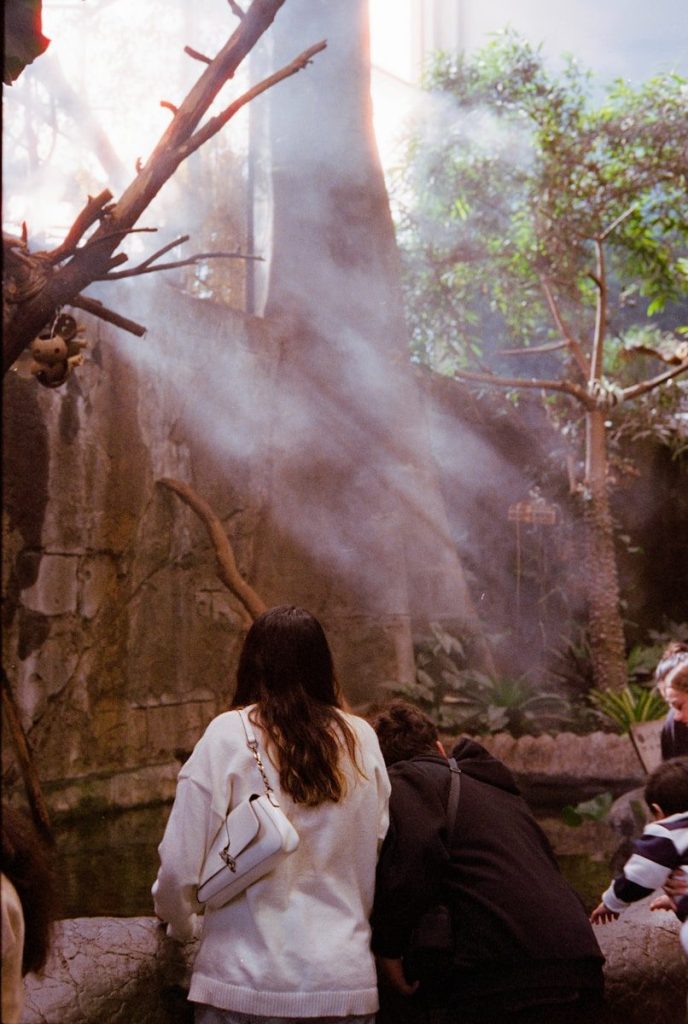
    Visitors to Everglades National Park should remember that both alligators and Burmese pythons are wild animals. The safest approach is to observe wildlife from a distance and never attempt to approach or handle either species.

    Anyone who spots unusual wildlife should report it to park staff or state wildlife officials instead of intervening. Respecting wildlife and following park rules helps protect both visitors and the Everglades’ fragile ecosystem.

    Featured Image: Photo by Osmany M Leyva Aldana on Unsplash

  • Growing numbers of harmful creatures in U.S. waterways leave residents concerned

    Growing numbers of harmful creatures in U.S. waterways leave residents concerned

    Have you noticed more reports about dangerous or invasive animals in rivers and lakes? The growing number of harmful creatures in U.S. waterways is raising concerns for residents, anglers, and wildlife experts. From invasive fish that damage ecosystems to species that threaten native wildlife, these animals are changing waterways across the country.

    This article explains which harmful creatures are spreading, why they are expanding into new areas, how they affect people and wildlife, and what officials are doing to slow their spread.

    Which harmful creatures are spreading

    Snakehead – Channa argus” by brian.gratwicke is licensed under CC BY 2.0

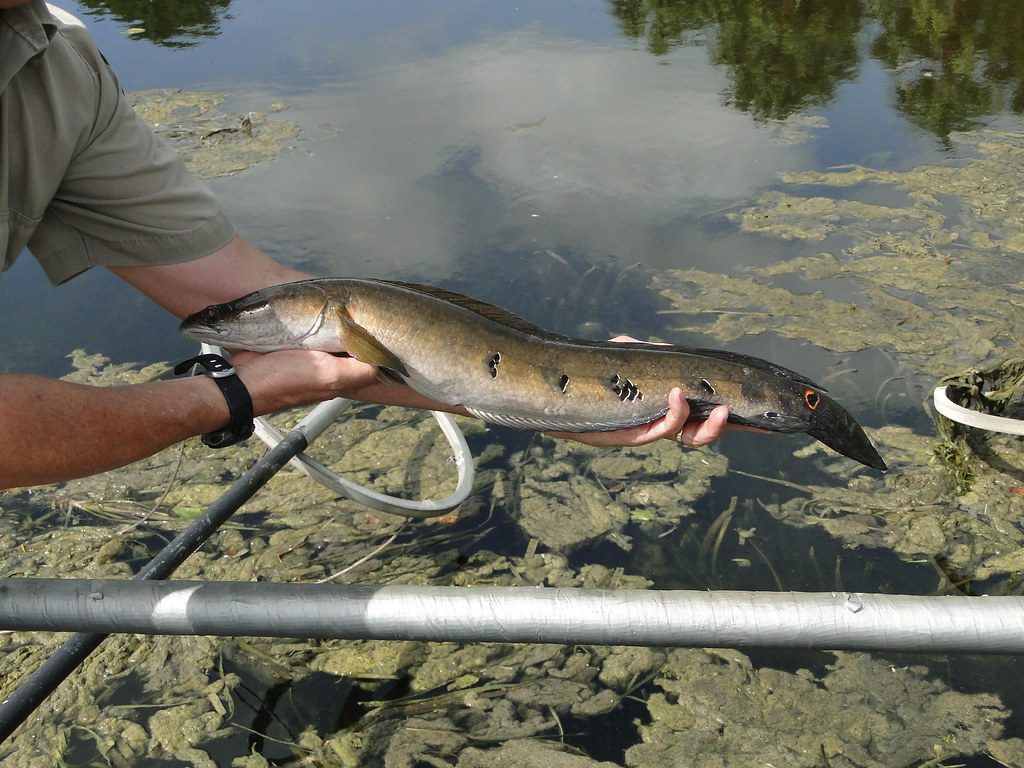
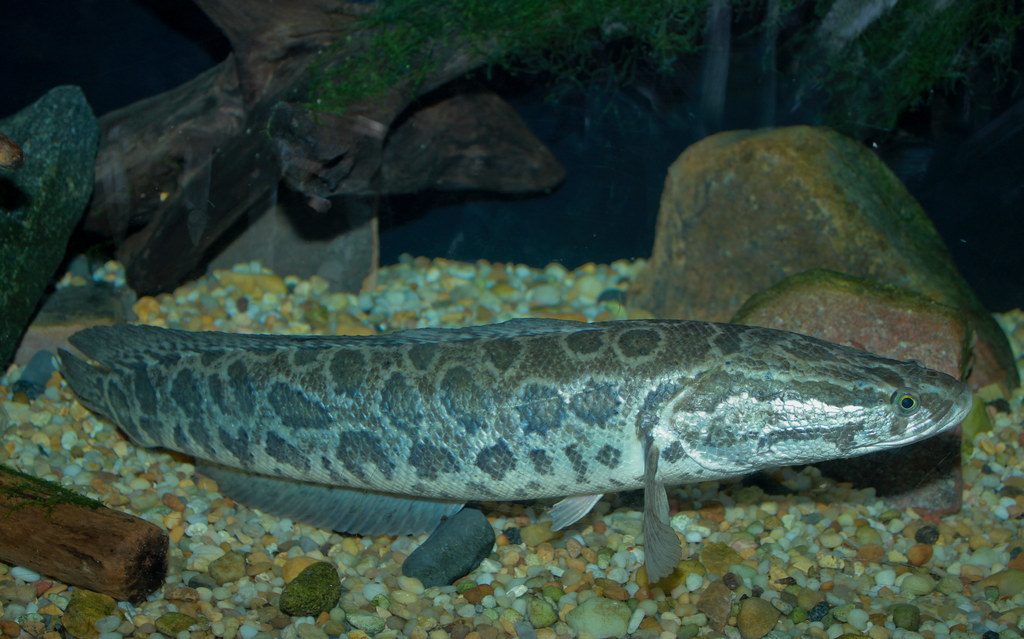
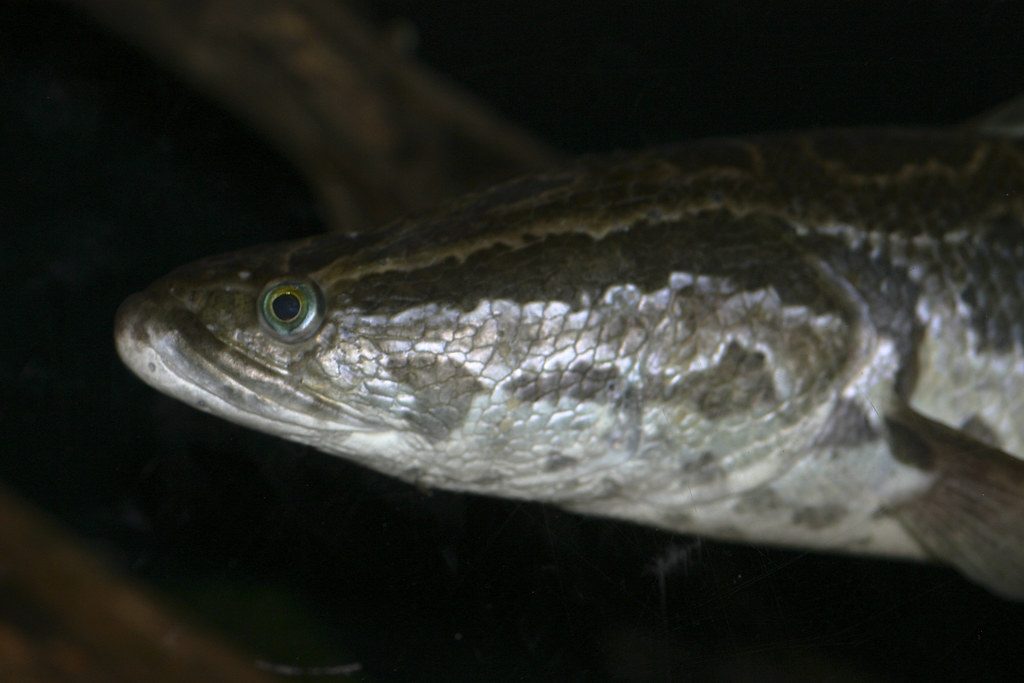
    One of the biggest concerns is the northern snakehead, an invasive fish native to Asia. Since first being found in the United States in 2002, it has established breeding populations across multiple states and continues to expand through connected rivers and streams.

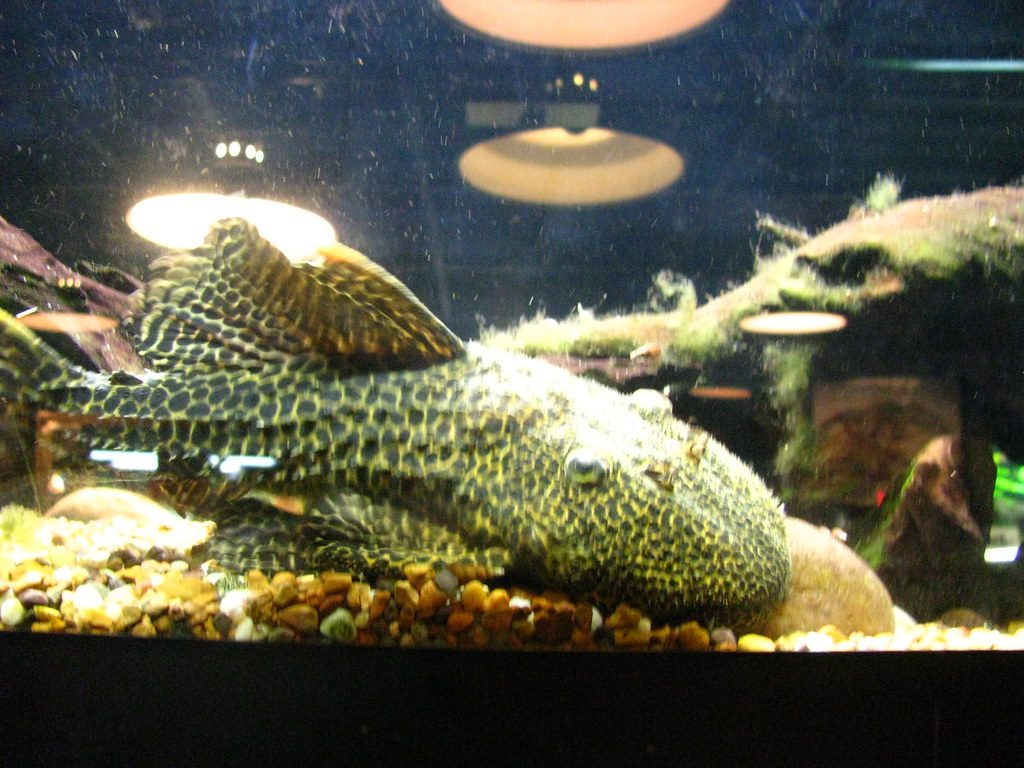
    Another growing problem involves invasive armored catfish, also known as plecos, in Florida waterways. These fish reproduce quickly, compete with native species for habitat, and damage riverbanks by digging burrows along the shoreline.

    Why these species are a concern

    armored catfish” by marichica88 is licensed under CC BY-NC-SA 2.0

    Invasive animals often have few natural predators in the places where they spread. This allows their populations to grow rapidly and makes it harder for native fish and other wildlife to compete for food and space.

    Scientists have found that invasive predators can reduce native fish populations and upset the natural balance of rivers and lakes. Healthy waterways depend on many different species living together, and invasive animals can disrupt that balance.

    How these animals spread

    snakehead” by brian.gratwicke is licensed under CC BY-NC 2.0

    Many invasive aquatic species spread after being released by people, escaping from fish farms, or moving through connected waterways. Once they establish breeding populations, they can slowly expand into nearby rivers and lakes.

    Some species are especially difficult to control because they are highly adaptable. Northern snakeheads, for example, can breathe air for short periods, survive in low-oxygen water, and move across wet ground during rainy conditions.

    What this means for local communities

    black fishing rod and body of water during golden hour
    Photo by James Wheeler on Unsplash

    Most invasive fish do not actively hunt people, but they can affect fishing, boating, and local ecosystems. As native fish decline, recreational fishing and the businesses that depend on healthy waterways may also suffer.

    Residents are also becoming more aware of these species as sightings increase. Wildlife agencies encourage people to report unusual catches and avoid releasing non-native animals into lakes or rivers.

    What officials are doing

    man using MacBook
    Photo by charlesdeluvio on Unsplash

    State and federal agencies monitor invasive species and encourage anglers to help remove certain invasive fish where regulations allow. Public education is also an important part of preventing new introductions.

    Researchers continue studying how these species spread and which control methods work best. Although eliminating established invasive populations is difficult, slowing their spread can help protect native wildlife.

    How people can help protect waterways

    man in blue t-shirt and black pants sitting on brown wooden boat
    Photo by Vince Russell on Unsplash

    Simple actions can make a difference. Cleaning boats and fishing equipment before moving between waterways helps prevent invasive species from spreading to new locations.

    People should also avoid releasing aquarium pets or live fish into the wild. Following local wildlife rules and reporting invasive species can help protect America’s rivers, lakes, and wetlands for future generations.

    Featured Image: “Bullseye Snakehead: NONNATIVE” by MyFWC Florida Fish and Wildlife is licensed under CC BY-ND 2.0

  • Rare T. rex discovered in South Dakota could break auction records before vanishing from public view

    Rare T. rex discovered in South Dakota could break auction records before vanishing from public view

    What happens when one of the world’s rarest dinosaurs is discovered? A rare T. rex discovered in South Dakota is making headlines because it could sell for tens of millions of dollars at auction. The fossil, nicknamed Gus, is one of the largest and most complete Tyrannosaurus rex skeletons ever found. Scientists are excited by the discovery, but many are also worried that the fossil could disappear from public view if it is purchased by a private collector.

    This article explains where Gus was found, why it is so valuable, why experts are concerned, and what could happen after the auction.

    How Gus was discovered

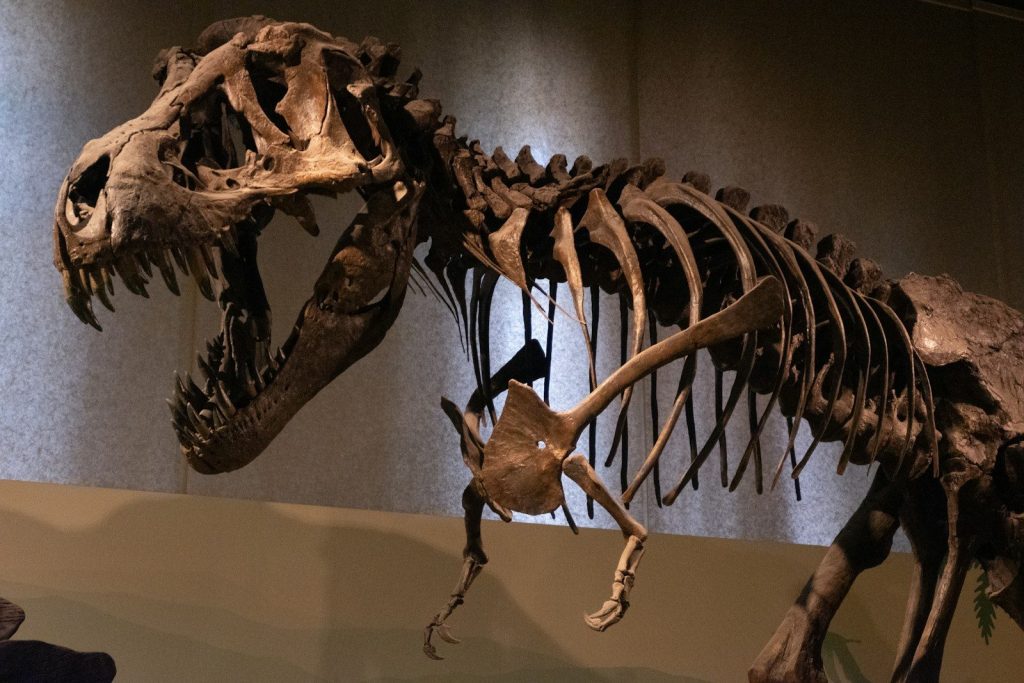
    A dinosaur skeleton in a museum with people looking at it
    Photo by Tofan Teodor on Unsplash

    Gus was discovered on private ranch land in Harding County, South Dakota. The fossil was excavated over several years, from 2021 through 2024, by a commercial fossil company with the landowner’s permission.

    The dinosaur was named after ranch owner Gary “Gus” Licking, who died before the excavation was completed. The skeleton is about 67 million years old and is believed to belong to a large adult Tyrannosaurus rex.

    Why is this T. rex so special

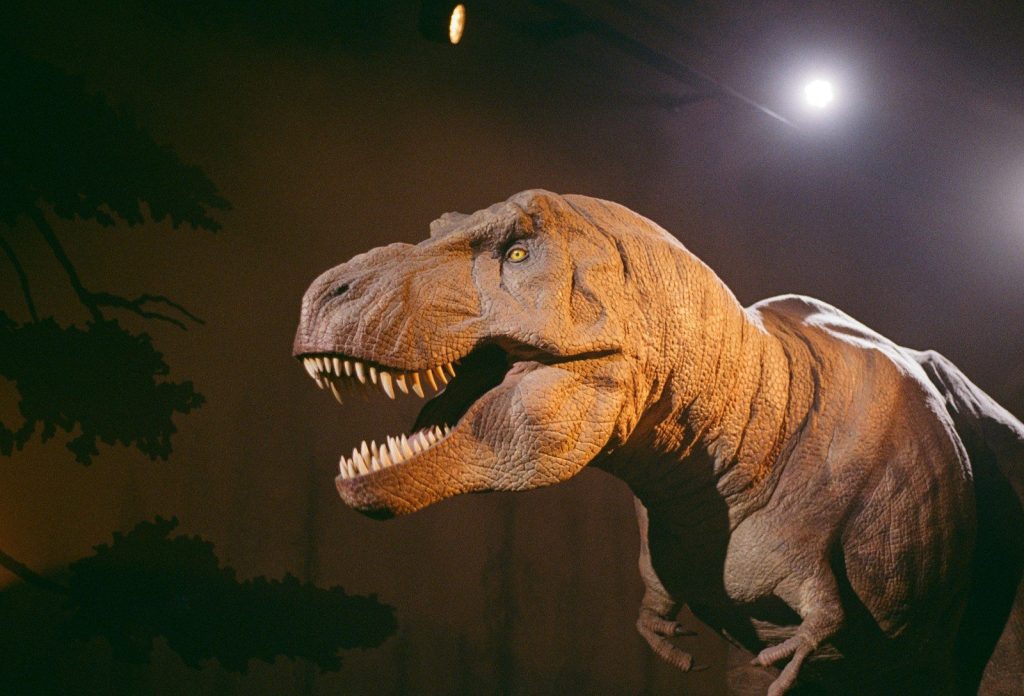
    a dinosaur with its mouth open
    Photo by Christoph Schmid on Unsplash

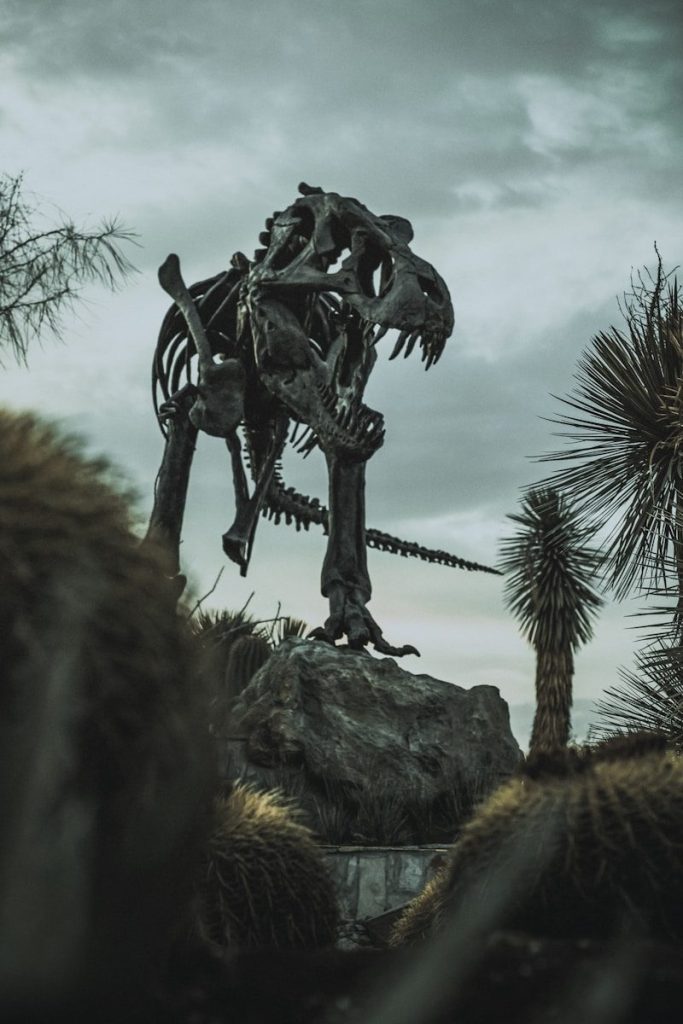
    Gus measures about 38 feet long and stands roughly 12.5 feet tall when mounted. The specimen is about 61% complete by bone count, making it one of the most complete T. rex skeletons ever offered at auction.

    The fossil also preserves signs of the dinosaur’s life. Bite marks on the skull and healed bone injuries suggest Gus survived violent encounters, possibly with another Tyrannosaurus rex. These details make the specimen especially valuable for scientific study.

    Why the auction could make history

    a dinosaur skeleton standing on top of a rock
    Photo by Mac Cervantes on Unsplash

    Sotheby’s expects Gus to sell for between $20 million and $30 million. If bidding climbs higher, the final price could approach or even exceed previous dinosaur auction records.

    Recent dinosaur sales have shown that collectors are willing to spend enormous amounts on rare fossils. High-profile auctions have pushed prices beyond what most museums can afford, making each sale closely watched by scientists and collectors alike.

    Why scientists are concerned

    three people in lab coats looking at a tablet
    Photo by National Cancer Institute on Unsplash

    Many paleontologists worry that an important fossil could end up in a private collection instead of a museum. If that happens, researchers may lose regular access to the specimen to study it and compare it with future discoveries.

    Scientists say fossils play an important role in understanding prehistoric life. They believe discoveries like Gus provide the greatest benefit when they remain available for research, education, and public display.

    Could the fossil disappear from public view?

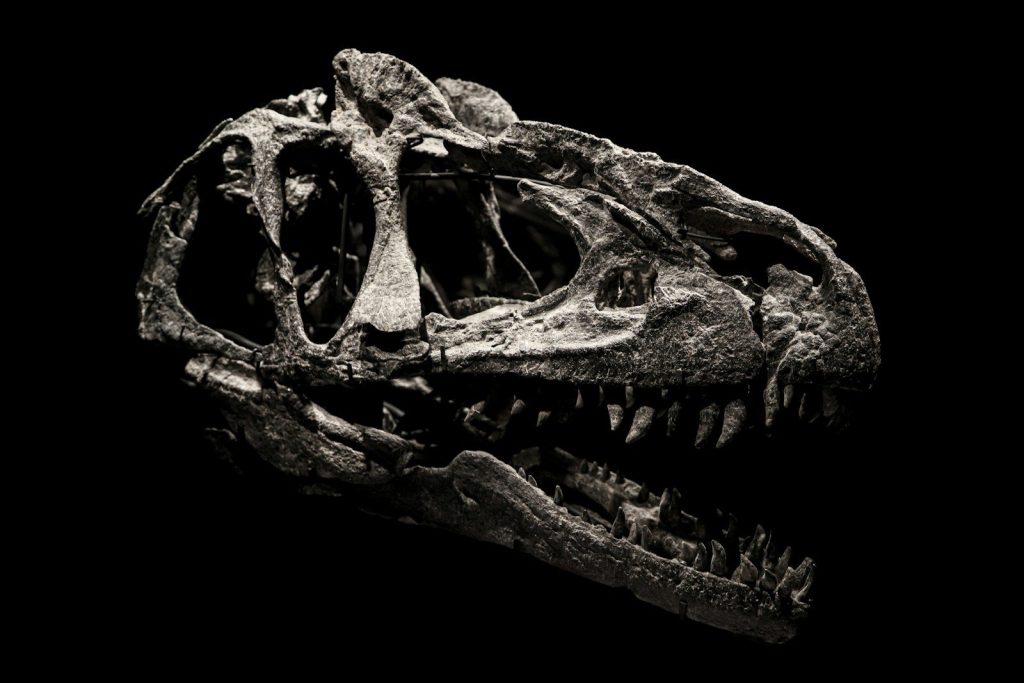
    a skull of an animal
    Photo by Thales Nunes on Unsplash

    A private buyer is not required to display the fossil publicly. While some collectors loan or donate fossils to museums, others keep them in private collections where public access is limited.

    Because the auction winner’s plans are unknown, experts cannot say where Gus will end up. Many researchers hope the fossil will eventually be displayed in a museum where visitors and scientists can continue learning from it.

    Why is South Dakota famous for dinosaur fossils?

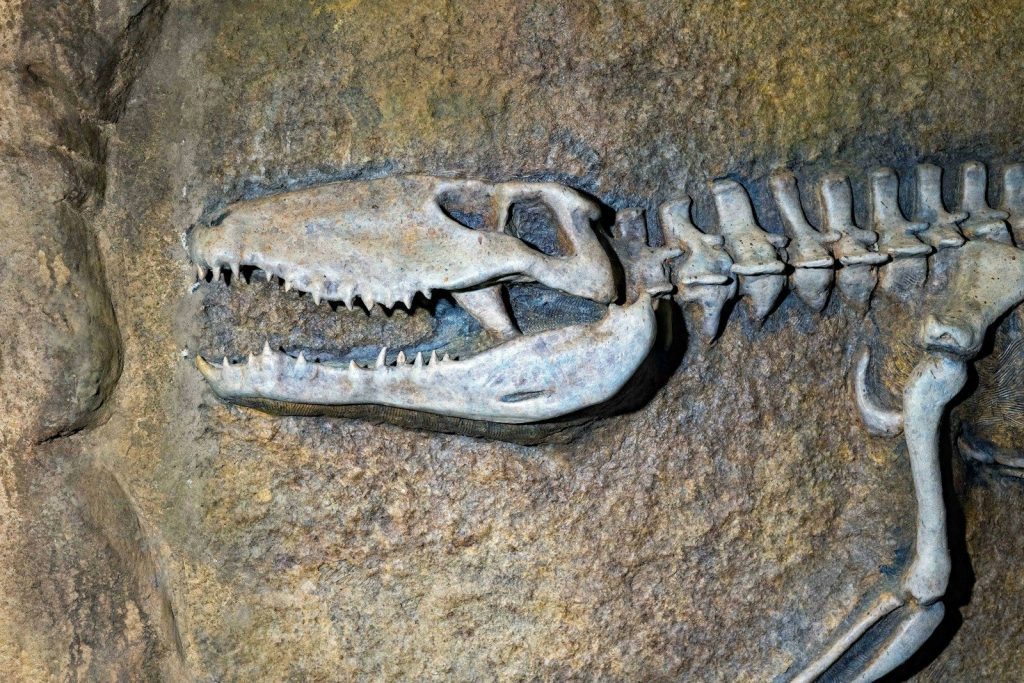
    A skeleton of a dinosaur is shown in a museum
    Photo by David Clode on Unsplash

    South Dakota’s Hell Creek Formation is one of the world’s richest places for Late Cretaceous fossils. The region has produced famous Tyrannosaurus rex specimens, including Sue and Stan, as well as many other dinosaur specimens.

    New discoveries from the area continue to improve scientists’ understanding of dinosaurs that lived just before the mass extinction 66 million years ago. Each major fossil adds another piece to Earth’s prehistoric history.

    Featured Image: Photo by Eric R. on Unsplash

  • Yellowstone bison attack victim identified as details of severe injuries emerge

    Yellowstone bison attack victim identified as details of severe injuries emerge

    A shocking Yellowstone bison attack victim identification update has revealed new details about the man injured in a recent wildlife encounter at Yellowstone National Park. The incident was captured on video and quickly spread online, raising questions about how the attack happened and how seriously the visitor was hurt.

    This article explains who the victim is, what witnesses saw, the injuries he suffered, why the bison charged, and what the National Park Service says visitors should do to stay safe around Yellowstone’s wildlife.

    Who the victim is

    a man in a brown leather jacket standing on a beach
    Photo by Mathias Reding on Unsplash

    The victim has been identified as Carl Isom-McDaniel, a 65-year-old grandfather from Kendall, Washington. He was visiting Yellowstone National Park with his 13-year-old grandson when the attack happened near the Bridge Bay Campground.

    Friends and neighbors described Isom-McDaniel as active in his local community. Despite suffering serious injuries, he remained in good spirits after the attack and later underwent surgery to treat his injuries.

    How the attack unfolded

    selective focus photography of brown cattle on brown field
    Photo by Goutham Ganesh Sivanandam on Unsplash

    The incident occurred while Isom-McDaniel and his grandson were watching and photographing a bull bison. Witnesses said the pair appeared to be keeping a respectful distance when the animal suddenly became agitated.

    The bison charged toward them, forcing both to run for cover among nearby trees. The grandson escaped safely, but the bison caught Isom-McDaniel and tossed him about eight feet into the air before bystanders distracted the animal and emergency crews arrived.

    Details of the victim’s injuries

    person holding babys hand
    Photo by Towfiqu barbhuiya on Unsplash

    The attack left Isom-McDaniel with multiple broken bones. Reports later confirmed that he suffered a fractured femur and required surgery after being taken to a hospital.

    Even with painful injuries, he stayed conscious while waiting for medical help. Witnesses said he remained remarkably calm and even joked with those helping him as emergency responders reached the scene.

    Why the bison may have charged

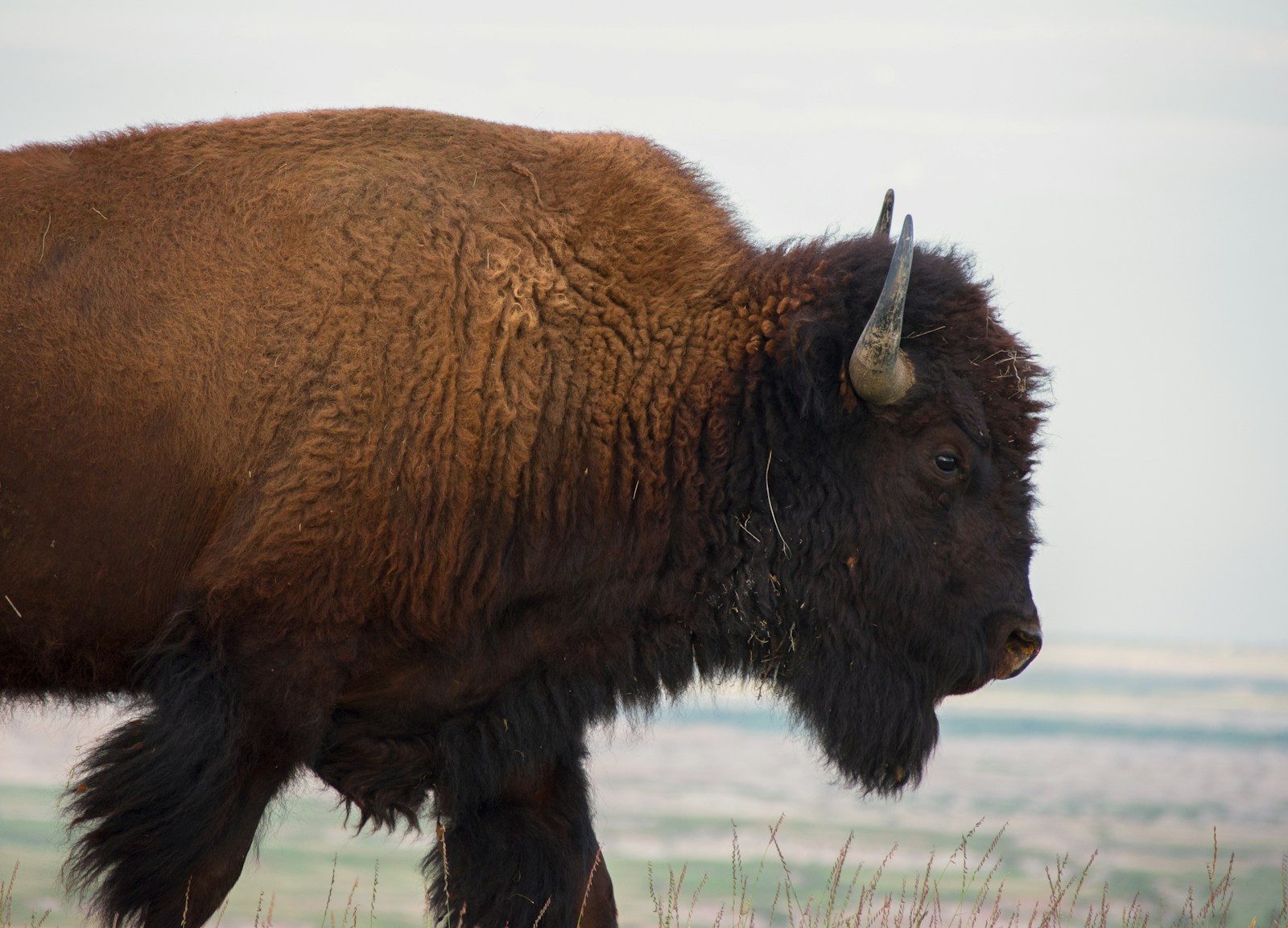
    bison standing on grass field
    Photo by Jonathan Mast on Unsplash

    Wildlife experts say bull bison can become especially unpredictable during the summer mating season, also known as the rut. At this time of year, males are more aggressive and may react suddenly to people, vehicles, or other disturbances.

    Witnesses believed the bison had already shown aggressive behavior before the attack. Although the exact trigger remains unclear, there is no evidence that Isom-McDaniel intentionally provoked the animal.

    Yellowstone’s safety rules

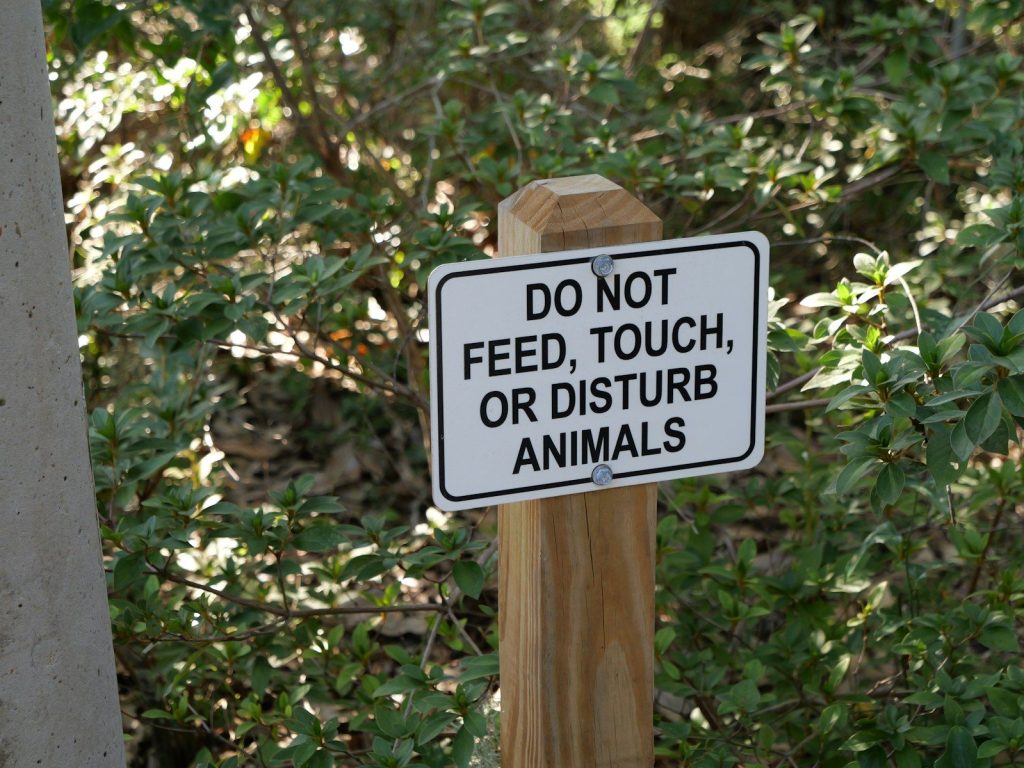
    Sign reads do not feed, touch, or disturb animals.
    Photo by Richard R on Unsplash

    Yellowstone National Park reminds visitors that bison are wild animals, even if they appear calm. They can run much faster than people and may charge with little warning.

    Park rules require visitors to stay at least 25 yards (75 feet) away from bison and other large animals. Giving wildlife plenty of space is one of the best ways to reduce the risk of dangerous encounters.

    Why bison remain one of Yellowstone’s biggest hazards

    brown yak on brown grass field during day
    Photo by Bryce olsen on Unsplash

    Bison are the largest land mammals in North America and are responsible for more injuries to Yellowstone visitors than any other wild animal. Their size, speed, and unpredictable behavior make them especially dangerous when people get too close.

    The recent attack is another reminder that wildlife should always be viewed from a safe distance. Respecting park rules helps protect both visitors and the animals that live in Yellowstone.

    Featured Image: Photo by Alex Moliski on Unsplash

  • Heartwarming moment as caregiver bonds with a rescued bear

    Heartwarming moment as caregiver bonds with a rescued bear

    A caregiver bonds with a rescued bear story can warm anyone’s heart, but it also shows the hard work behind wildlife rescue. Many rescued bears have survived injury, neglect, illegal captivity, or the loss of their mothers before arriving at a sanctuary. Building trust with these powerful animals takes time, patience, and expert care.

    This article explains how caregivers earn a rescued bear’s trust, what rehabilitation involves, why human contact is carefully managed, and how these special relationships help bears recover while keeping both people and animals safe.

    How rescued bears arrive at sanctuaries

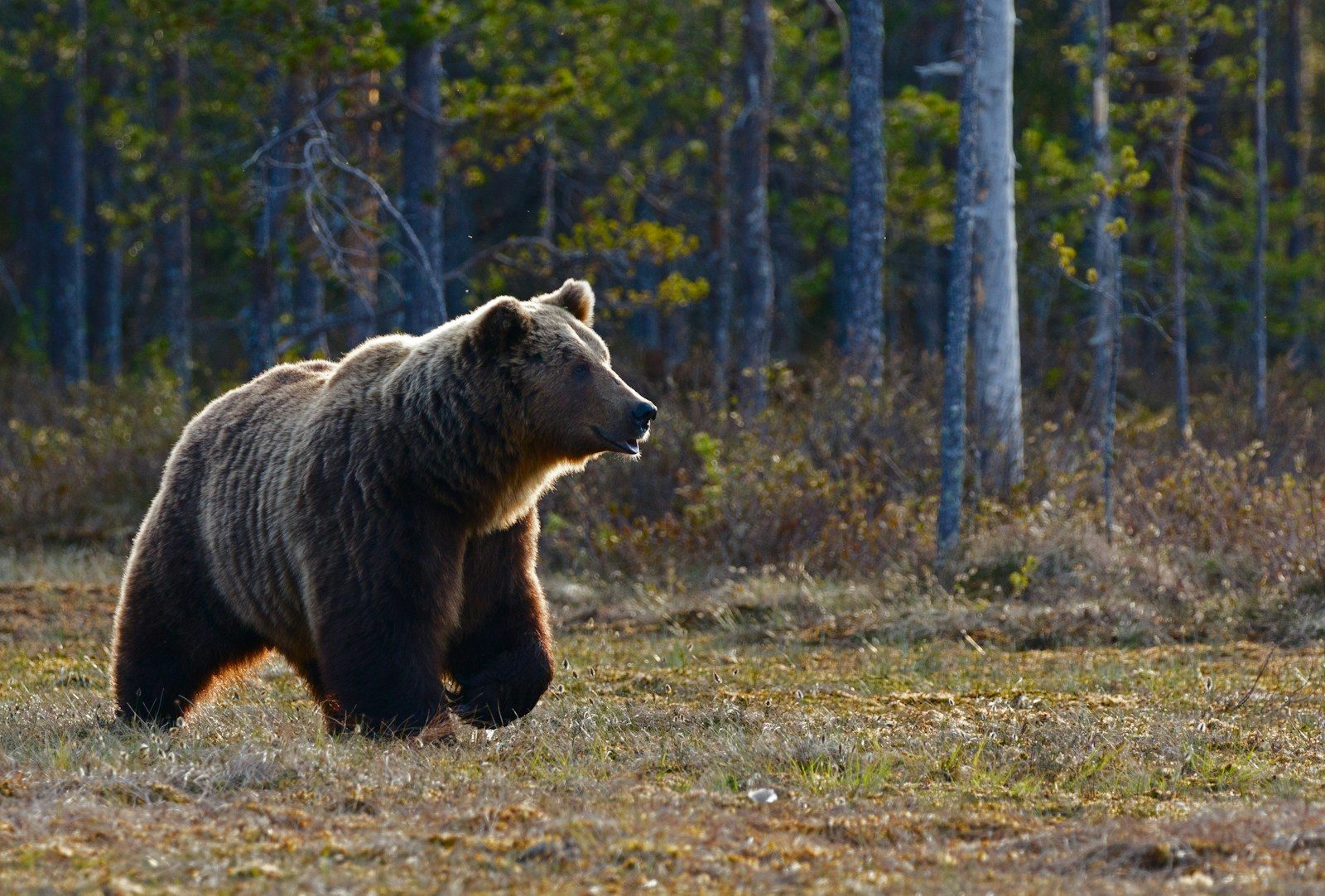
    brown bear
    Photo by Dušan veverkolog on Unsplash

    Many rescued bears come from difficult situations. Some are found injured in the wild, while others are rescued from illegal wildlife trade, roadside attractions, or places where they were kept in poor conditions.

    Wildlife authorities and rescue organizations work together to move these bears to licensed sanctuaries or rehabilitation centers. There, veterinarians check their health and create care plans based on each bear’s age, injuries, and behavior.

    How caregivers build trust

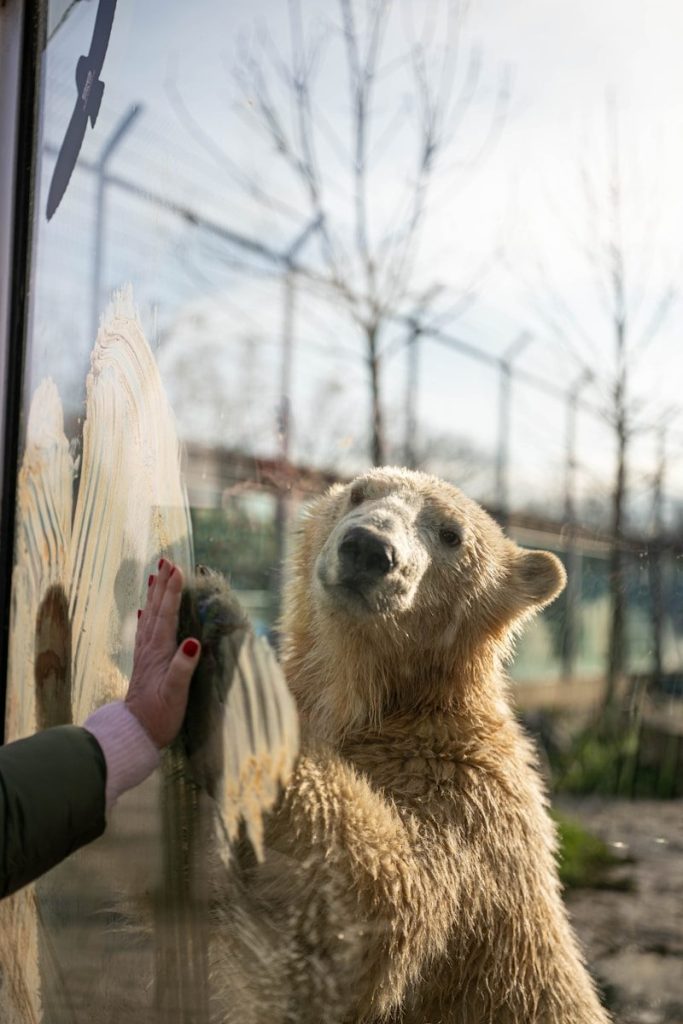
    Polar bear touches hand through glass enclosure
    Photo by CS J0ke on Unsplash

    A caregiver never forces a rescued bear to interact. Instead, trust grows through daily routines like feeding, cleaning habitats, and watching the bear’s behavior from a safe distance.

    Over time, many bears begin to recognize familiar voices, smells, and routines. While this can create touching moments, experienced caregivers always remember that bears remain wild animals with natural instincts.

    What rehabilitation includes

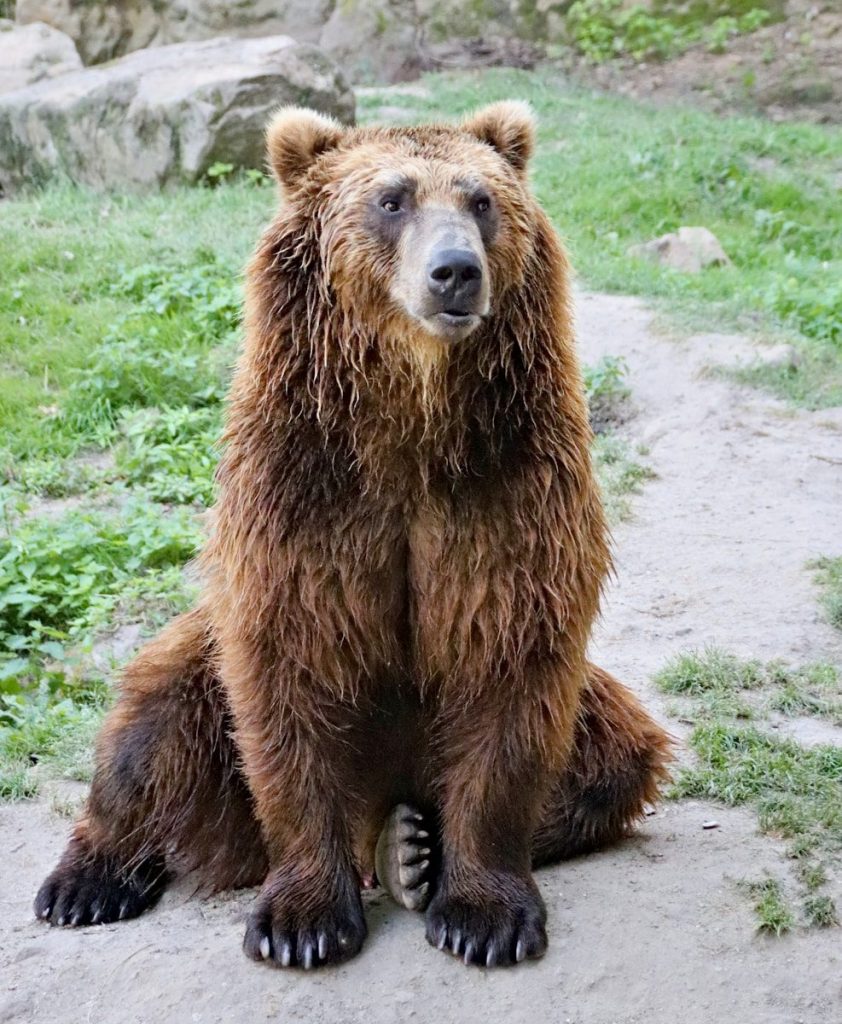
    brown bear sitting on grass field
    Photo by Mark Basarab on Unsplash

    Rehabilitation focuses on helping bears become as healthy and independent as possible. Caregivers provide balanced diets, medical treatment, clean water, and large spaces where bears can climb, dig, swim, and search for food.

    Behavior is just as important as physical health. Enrichment activities, such as hiding food or adding logs and natural objects, encourage bears to use the same skills they would need in the wild.

    Why does safety always come first?

    character, security, a notice, sign, information sign, secure, safety first, safety first, safety first, safety first, safety first, safety first
    Photo by succo on Pixabay

    Even a calm rescued bear is incredibly strong. Adult bears can weigh hundreds of pounds and can react quickly if they feel scared, stressed, or threatened.

    For this reason, professional sanctuaries follow strict safety rules. Many caregivers work through protected barriers instead of entering an enclosure, reducing risks while still giving bears excellent daily care.

    Why some rescued bears cannot return to the wild

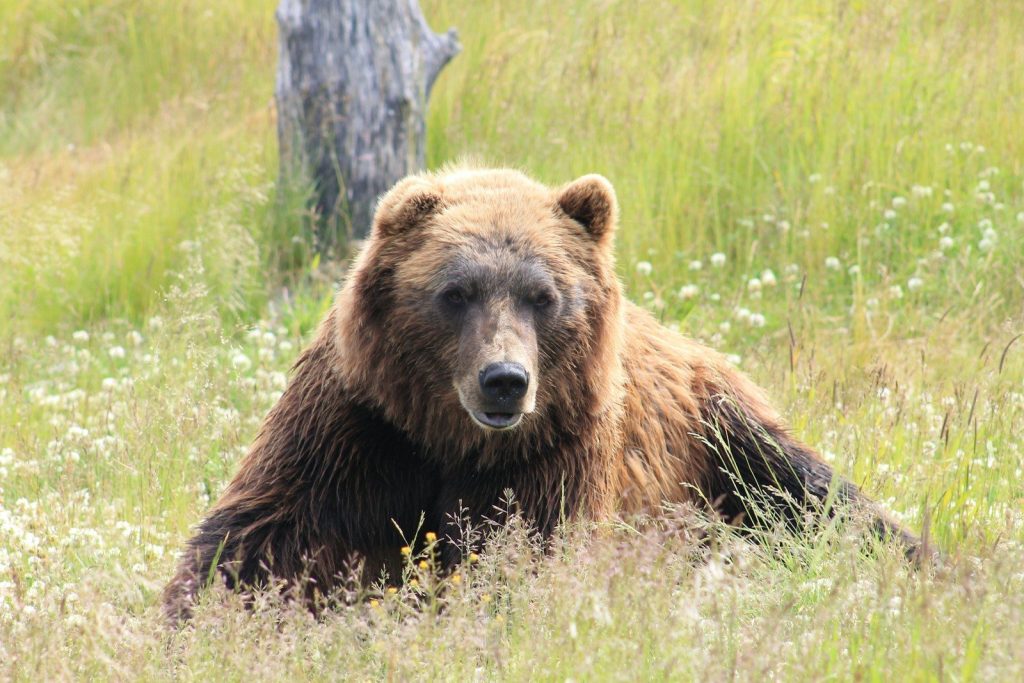
    brown bear lying on grass field during daytime
    Photo by Elizabeth Meyers on Unsplash

    Not every rescued bear can be released. Some have injuries that make survival difficult, while others were raised by people and never learned important skills like finding food or avoiding danger.

    When release is not possible, accredited sanctuaries provide lifelong homes. Their goal is to give bears safe, enriching environments where they can live comfortably without being exploited for entertainment.

    What these heartwarming moments really mean

    a large brown bear sitting on top of a rock
    Photo by Juan Carlos Pavón on Unsplash

    When a rescued bear calmly approaches a trusted caregiver or appears relaxed during care, it reflects months or even years of consistent work. These moments are signs that the animal feels more secure in its surroundings.

    At the same time, responsible caregivers avoid treating bears like pets. Their main mission is to protect the animal’s welfare, respect its wild nature, and provide the best quality of life possible.

    Featured Image: Photo by Zdeněk Macháček on Unsplash