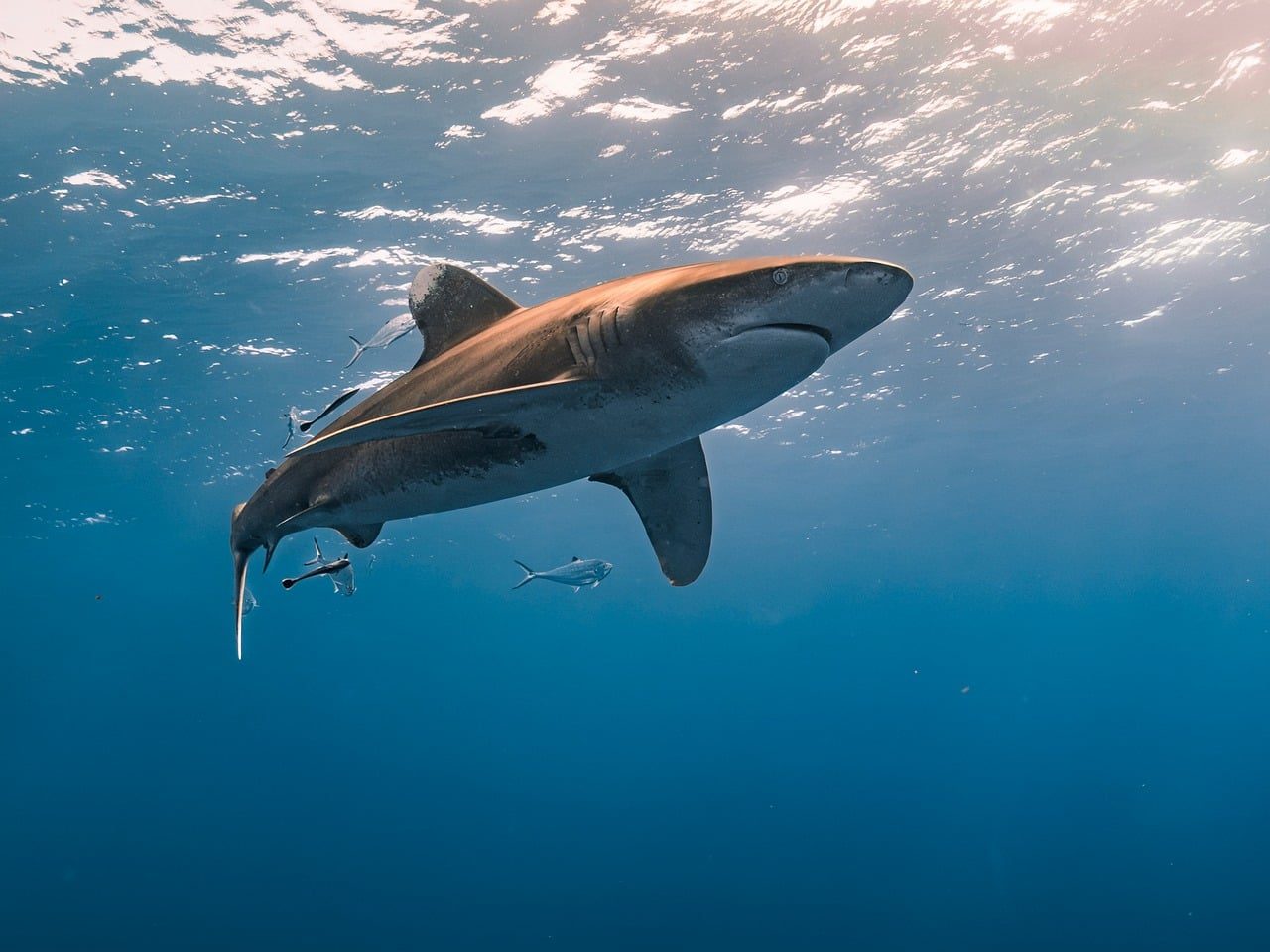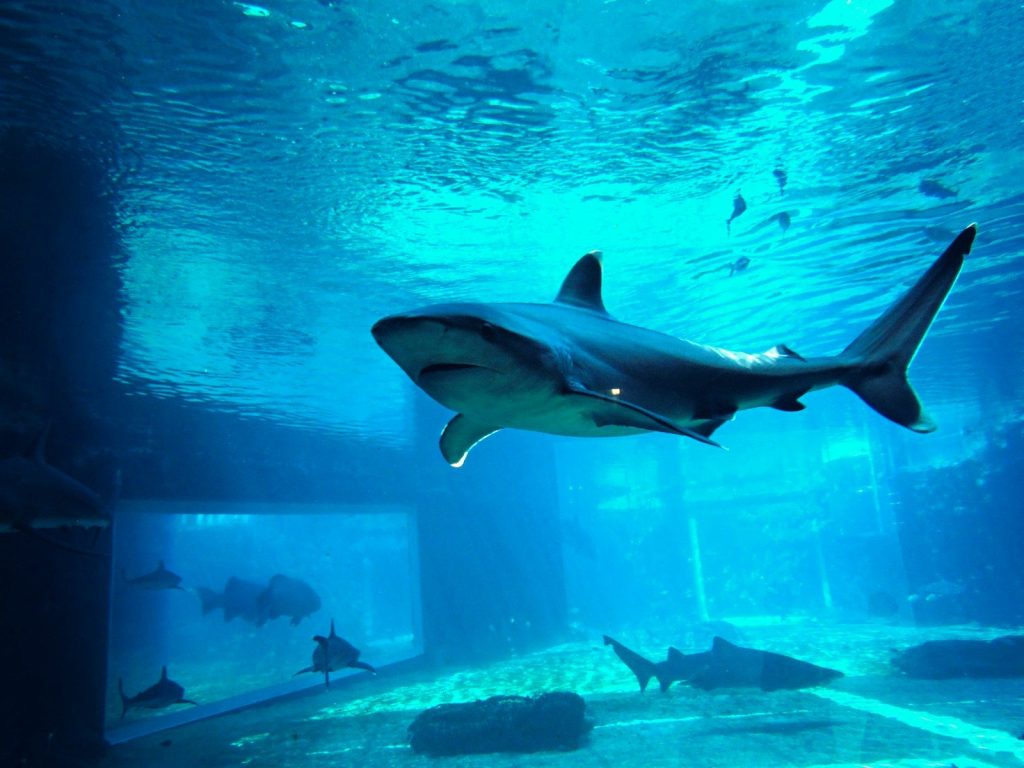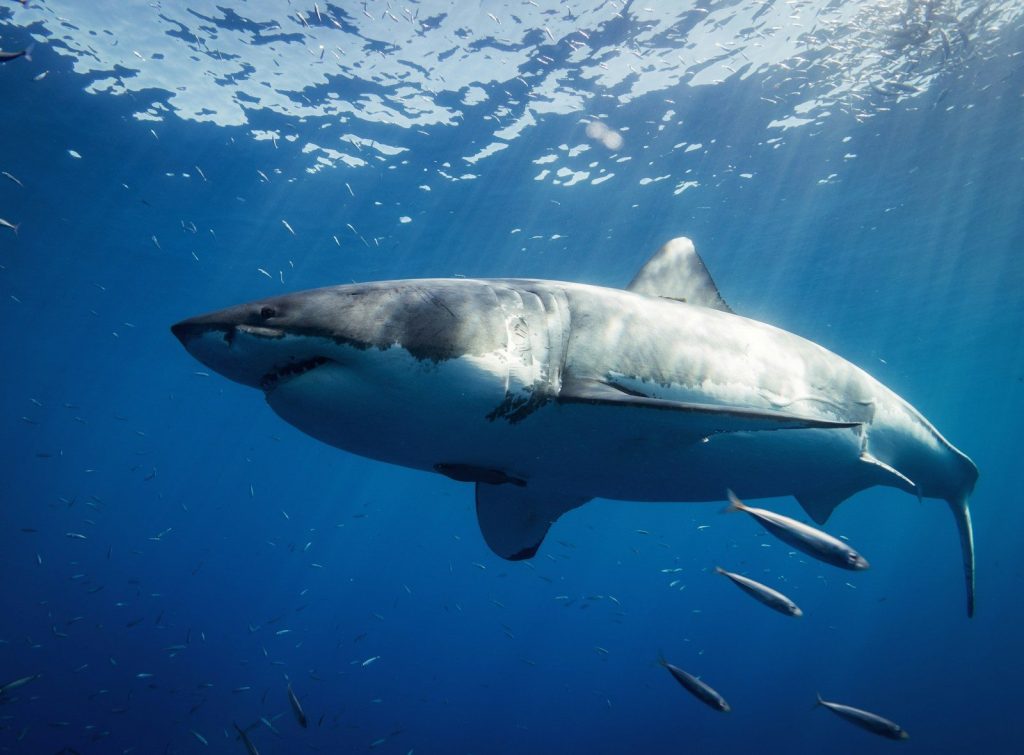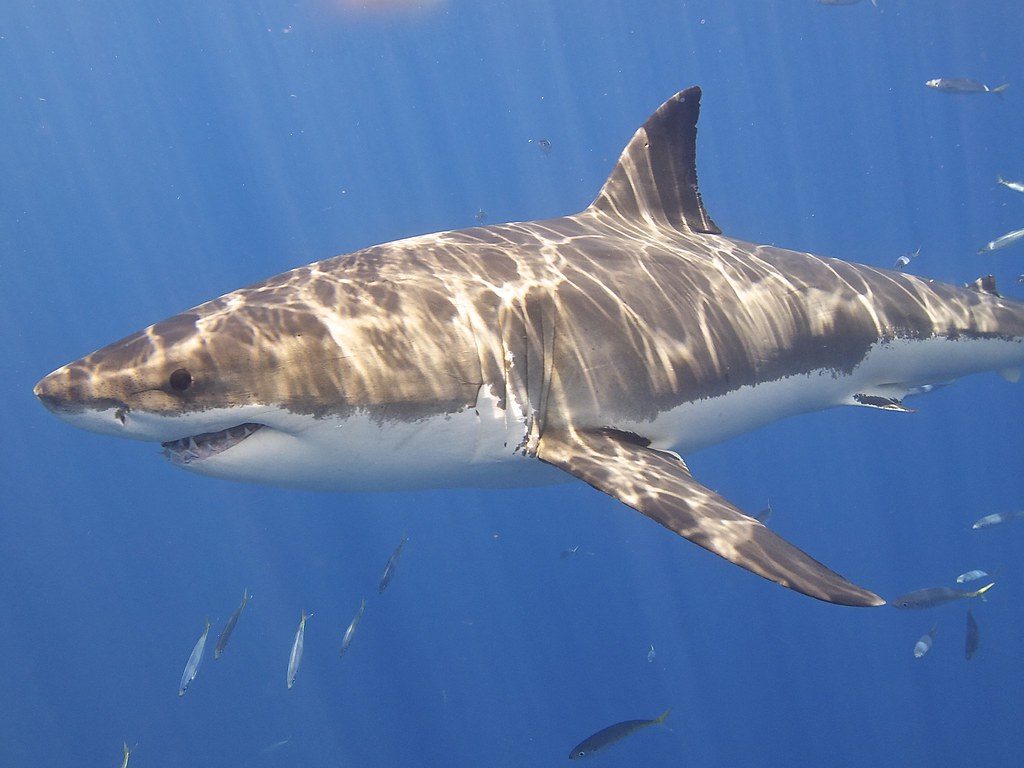
Category: Wildlife and animals

  • The orphaned baby rhino was too scared to trust anyone until she found someone who stayed by her side

    The orphaned baby rhino was too scared to trust anyone until she found someone who stayed by her side

    An orphaned baby rhino story like Riri’s shows how powerful patience and care can be when an animal has gone through fear and loss. When Riri was found, she was just a tiny, frightened baby who had lost her mother and suddenly had to face a world that felt unsafe and confusing. Every sound made her nervous, and every movement looked like danger to her.

    In this article, you will follow the real rescue journey of Riri, an orphaned baby rhino who slowly learned to trust again after being taken in by a wildlife sanctuary. You will also see how caretakers use calm routines, gentle care, and constant presence to help traumatized rhino calves heal emotionally and physically. Her story shows how trust is not forced, but built one quiet moment at a time.

    How Riri was found alone in the wild

    Black Rhino calf – Kufara” by Bradsview is licensed under CC BY-ND 2.0

    Riri was discovered as a very young rhino calf after she was separated from her mother in a dangerous wildlife area. In situations like this, rhino calves often become orphaned due to poaching threats or other sudden natural events that leave them alone and vulnerable. When rescuers found her, she was confused, exhausted, and clearly searching for safety that was no longer there.

    Like many orphaned rhinos documented in rescue centers such as Care for Wild Rhino Sanctuary, young calves in this condition often show extreme stress behaviors. They may freeze at sudden sounds, run without direction, or stay close to objects for comfort. Riri’s early reactions showed that she was overwhelmed by fear and had not yet learned that humans could help her instead of harm her.

    First days at the wildlife sanctuary

    Rhino Calf Walking” by Eric Kilby is licensed under CC BY-SA 2.0

    When Riri first arrived at the sanctuary, everything felt unfamiliar and overwhelming. The sounds of people, the new smells, and the open spaces made her uneasy. She often stayed in one corner or close to barriers, trying to create a sense of protection for herself.

    Caretakers focused on keeping her environment calm and predictable. Instead of forcing interaction, they made sure she had food, clean water, and a safe resting space. In many real rescue cases like Riri’s, this early stage is critical because forcing contact too quickly can increase fear and delay recovery. The goal was simple: help her feel safe enough to breathe without panic.

    The caretaker who became her safe presence

    a woman is petting a baby elephant through a fence
    Photo by em b on Unsplash

    One caretaker played a key role in Riri’s emotional recovery. Instead of trying to rush her trust, he chose to simply stay close without pressure. He would sit quietly near her enclosure, letting her observe him from a distance without feeling trapped or threatened. Over time, this steady presence became something she could recognize.

    As days passed, Riri began to understand his routine. She noticed he came at the same time, moved slowly, and never acted aggressively. This consistency helped her nervous system relax. Slowly, she began to stay in the same space while he was nearby, which was a major step forward in building trust between them.

    How Riri’s fear slowly began to fade

    a rhinoceros standing in the dirt near a tree
    Photo by Bernd 📷 Dittrich on Unsplash

    After some time, Riri’s behavior started to change in noticeable ways. She was still cautious, but she no longer reacted to every sound with panic. Instead of freezing or running, she began to pause and observe before reacting. This shift showed that her fear response was slowly calming down.

    One of the most important turning points came when she began approaching the caretaker on her own. At first, it was only a few steps, followed by hesitation. But each small movement showed growing confidence. In wildlife rehabilitation, these moments are very meaningful because they show that the animal is starting to associate humans with safety rather than danger.

    Daily care that helped her heal

    grey rhinoceros on grey sand during daytime
    Photo by mana5280 on Unsplash

    Riri’s recovery was supported by a structured daily routine that included feeding, medical checks, and quiet time to rest. Orphaned rhinos need both physical and emotional stability, and a predictable schedule helps reduce stress. Her caretakers made sure she always knew what to expect throughout the day.

    As she grew stronger, she was also given more space to explore. This helped her rebuild natural behaviors like walking longer distances and becoming curious about her surroundings. Over time, she began to act less like a frightened orphan and more like a young rhino learning how to live again.

    The bond that changed everything for Riri

    The Friendly Black Rhino” by Suzi Rosenberg is licensed under CC BY-NC-SA 2.0

    The bond between Riri and her caretaker became one of the most important parts of her recovery journey. She began to recognize him as a source of safety. Instead of avoiding him, she started staying close during feeding times and resting nearby without fear.

    This kind of bond is common in orphaned wildlife rehabilitation, where one consistent caregiver often becomes the emotional anchor for a traumatized animal. For Riri, that steady presence helped her replace fear with calm and uncertainty with trust. It did not replace her wild instincts, but it gave her the confidence to heal and grow.

  • Here are the places where shark attacks are most likely to happen

    Here are the places where shark attacks are most likely to happen

    Shark attacks are rare, but they do happen more often in certain parts of the world where people and sharks share the same waters. If you have ever wondered about the places where shark attacks are most likely to happen, the answer depends on ocean conditions, local shark populations, and how many people swim or surf in those areas. In general, warm coastal waters with lots of fish and heavy beach activity tend to see the most incidents.

    The places with the highest shark encounter reports include parts of the United States, Australia, South Africa, and a few popular tropical destinations. This article will break down these hotspots in simple terms so you can understand where risks are higher and why these locations stand out.

    Florida, in the United States, leads global shark encounters

    New Smyrna Beach, Florida #Beach #Florida” by Daniel Piraino is licensed under CC BY-NC-ND 2.0

    Florida is widely known as the top location in the world for shark bites, especially along its Atlantic coastline. Areas like Volusia County, including New Smyrna Beach, often get the most attention because many surfers and swimmers enter the water there every day. With so much human activity and plenty of small fish near shore, sharks sometimes come close to beaches.

    Most shark bites in Florida are not fatal and are usually small, quick bites where the shark mistakes a person for fish. The warm water, shallow sandbars, and strong surfing culture all combine to make Florida one of the most active shark interaction zones in the world.

    Australia has frequent shark activity along its coasts

    Great White Shark” by kqedquest is licensed under CC BY-NC 2.0

    Australia is another major hotspot for shark encounters, especially in regions like New South Wales and Western Australia. These areas have long coastlines, strong surf communities, and a mix of shark species such as tiger sharks, bull sharks, and great white sharks. Because of this combination, encounters between humans and sharks happen more often here than in many other parts of the world.

    In some parts of Australia, shark activity can increase during certain seasons when water temperatures change and sharks move closer to shore. Dawn and dusk are also higher risk times because sharks are more active hunters during low light conditions. Even so, attacks are still very rare compared to the number of people who swim safely every day.

    South Africa’s coastline and seal colonies attract sharks

    Great White Shark” by Elias Levy is licensed under CC BY 2.0

    South Africa is known for having strong populations of large sharks, especially great white sharks. One major reason for shark presence is the large number of seals living along parts of the coastline. Seals are a natural food source for great whites, so sharks often patrol these waters.

    Places like the Western Cape are especially known for shark activity because of the cold, nutrient-rich ocean currents that attract fish, seals, and other marine life. While shark encounters do happen, they are still uncommon, and most beaches remain safe for swimming with proper awareness and local safety measures.

    Hawaii’s deep waters and surf culture increase encounters

    Hawaii” by Hannes Mauerer is licensed under CC BY-NC-ND 2.0

    Hawaii is another place where shark encounters are more likely compared to many other regions. The islands sit in the middle of the Pacific Ocean, surrounded by deep water where many shark species naturally live. Tiger sharks are the most commonly involved species in incidents here.

    Surfing is a major part of Hawaiian culture, and surfers often spend time in deeper offshore waters where sharks may be present. Murky water after storms or river runoff can also increase the chance of encounters because visibility is lower for both sharks and people.

    California sees occasional shark encounters in the Pacific

    people on beach during daytime
    Photo by Gustavo Zambelli on Unsplash

    California has a long Pacific coastline where great white sharks are commonly found. These sharks often swim near seal colonies along beaches and rocky shorelines. However, shark encounters in California are still rare compared to the number of people who go into the ocean every year.

    Most incidents happen in areas where surfers and seals share the same waters. Even then, serious attacks are uncommon because great white sharks usually do not view humans as prey. Many encounters are brief and result in the shark quickly swimming away after investigating.

    Brazil’s Recife region is a known risk zone

    bull shark beach” by AlKok is licensed under CC BY-NC-SA 2.0

    Recife, in northeastern Brazil, is one of the more well-known shark hotspots in the Southern Hemisphere. The area has a mix of shallow reefs, river outlets, and warm tropical waters, which create conditions where sharks can move close to shore. Bull sharks are especially common here.

    The combination of strong currents and human swimming activity has led to more serious incidents compared to many other beach destinations. Local authorities have taken steps to reduce risk, but natural conditions in the area still make it a place where caution is important.

  • When lions hunt together, it turns into a devastating massacre

    When lions hunt together, it turns into a devastating massacre

    When lions hunt together, it can look like pure chaos, turning into a devastating massacre in the wild. But behind this intense scene is a smart survival strategy that helps lions bring down animals much bigger and faster than any single lion could handle alone. The phrase lions hunting together often brings up images of power, speed, and teamwork on the African savanna. In reality, this behavior is not random at all. It is carefully organized, highly physical, and based on instinct and learned group behavior.

    In this article, you will learn how lion prides work during a hunt, why they rely on teamwork, and how they take down large prey step by step. You will also understand the roles different lions play, what makes group hunting successful, and why even these powerful predators do not always win. The goal is to give you a clear, simple, and accurate view of how lions survive in the wild using group hunting.

    How lion prides are structured for hunting

    lion” by Mathias Appel is licensed under CC CC0 1.0

    Lions are unique big cats because they live in groups called prides instead of living alone like tigers or leopards. A pride usually includes related females, their cubs, and a smaller number of adult males. The females stay in the pride for life, which helps them build strong cooperation skills over time. Males often join or leave different prides depending on territory control.

    This structure is important for hunting because it creates a stable team of experienced lionesses who already know each other well. Most of the hunting work is done by the females because they are lighter, faster, and better at coordinated movement. Males usually focus more on protecting the pride from outside threats, but they can join hunts when the prey is large and dangerous. The pride system is what allows lions to attempt hunts that solo cats would never risk.

    Why lions hunt together instead of alone

    Lions” by Ryan Kilpatrick is licensed under CC BY-ND 2.0

    Lions do not always hunt together, but they often do when the prey is difficult or dangerous. Hunting in groups increases their chances of success, especially when targeting large animals like zebras, wildebeests, or buffalo. A single lion would struggle to overpower these animals, but a group can control movement and reduce escape routes.

    However, group hunting is not perfect. It also means the kill must be shared, which can create competition inside the pride. Because of this, lions sometimes hunt alone when the prey is small or easy to catch. Researchers have observed that coordination increases mainly when the target is stronger or more dangerous. This balance between teamwork and solo hunting helps lions save energy while still surviving in tough environments.

    The step-by-step process of a group hunt

    Lioness looking up the tree” by Tambako the Jaguar is licensed under CC BY-ND 2.0

    A group lion hunt usually begins with silent stalking. Lionesses spread out and move low to the ground, using tall grass or shadows for cover. They rely on patience and careful positioning instead of speed at first. Their goal is to get as close as possible without being seen or smelled by the prey.

    Once they are close enough, the pride begins the attack. Some lions act as drivers, pushing the herd forward, while others wait in hidden positions to ambush. This creates panic in the herd, making animals run in the direction of waiting lions. The final moments are extremely fast and intense, with lions sprinting short distances to grab one target and bring it down using their claws and powerful bites.

    Roles each lion plays during the hunt

    Harry Hedgehog’s exotic Holiday, Harry and the pregnant lioness” by Robin Hutton is licensed under CC BY 2.0
    Not every lion in the pride does the same job during a hunt. Lionesses often take different positions based on experience, strength, and timing. Some are better at leading the chase, while others are better at ambush attacks. This silent teamwork helps the pride control the movement of prey animals more effectively.

    Stronger lionesses often take central positions during the final attack, while others stay on the sides to block escape routes. Males, when involved, usually use their strength to help overpower large prey or protect the group from interference like hyenas. Even though it looks chaotic, each lion has a role that increases the overall chance of success for the group.

    Why group hunts can look like a massacre

    Profile of a lioness starting to yawn” by Tambako the Jaguar is licensed under CC BY-ND 2.0

    When lions finally catch their prey, the scene can look extremely violent and overwhelming. Multiple lions may jump onto the same animal, pulling it down from different sides. This creates a fast and forceful takedown that can appear like a sudden “massacre” in nature documentaries. However, this behavior is purely survival based, not emotional.

    Once the prey is down, lions quickly secure it because other predators like hyenas may try to steal the food. Lions often eat fast and aggressively, especially in larger groups where competition is high. Even though it looks brutal, this behavior is necessary in the wild where food is never guaranteed, and every meal must be defended.

    Success rate and reality of lion hunts

    Lion” by jonesbusy is licensed under CC BY-NC 2.0

    Even though group hunting looks extremely powerful, lions do not succeed every time. Many hunts fail because prey animals are fast, alert, and capable of escaping. Lions also tire quickly since they rely on short bursts of speed instead of long chases. This means every hunt carries risk and uncertainty.

    Studies and field observations show that teamwork improves success but does not guarantee a kill. Environmental factors like wind direction, terrain, and herd awareness can all cause a hunt to fail. Because of this, lions must hunt regularly and rely on both skill and luck to survive in the wild.

  • The only filmed moment when two great white sharks attacked the same person

    The only filmed moment when two great white sharks attacked the same person

    If you have ever wondered whether a single human can survive a rare encounter involving two great white sharks at the same time, there is one real-life incident that stands out as the only widely documented and filmed case. It is a story that continues to shock ocean experts because it is not just a shark attack, but a double-shark strike captured on camera.

    The phrase two great white sharks attacking the same person filmed moment refers to a 2000 surfing incident in South Africa where a teenager was caught in an extremely rare situation. In this article, you will learn exactly what happened, how the attack unfolded, why it was filmed, and what makes this case so unique in shark attack history.

    The rare incident in South Africa

    Mermaid’s Pool … (Photo JC PLE)” by Bernard DUPONT is licensed under CC BY-SA 2.0

    The event took place in July 2000 at Nahoon Reef in East London, South Africa. A teenage surfer named Shannon Ainslie was in the water when he was suddenly attacked in a moment that would later become one of the most studied shark encounters ever recorded. At the same time, two great white sharks were present near him, creating an extremely dangerous situation that unfolded in seconds.

    One shark bit into his hand and surfboard, causing severe injuries, while the second shark was also circling and attempting to strike. What made this event extraordinary is that both sharks were active in the same attack zone at the same time, creating confusion and chaos in the water. Witnesses on shore and nearby reportedly saw parts of the encounter unfold, and the moment was captured on film by a passerby, making it one of the only known recorded cases of a dual shark attack on a single human.

    How the double shark attack unfolded

    woman holding surfboard front of the sea during golden hour
    Photo by Helena Cook on Unsplash

    The attack began suddenly, with no warning. Shannon was surfing normally when a great white shark surged upward and clamped onto his board and hand. This caused immediate injury, including deep cuts and damage that later required surgery. Almost at the same moment, a second shark was nearby, moving through the same area and reacting to the disturbance in the water.

    Experts believe the two sharks were not “working together” but were instead reacting independently to the same target. In the confusion, the sharks may have interfered with each other’s movement, which is likely why only one managed to land a direct bite. The second shark did not successfully complete a full bite, but its presence added to the chaos of the moment and increased the danger significantly for the surfer.

    The filmed footage and why it matters

    person using professional video camera
    Photo by Jakob Owens on Unsplash

    What makes this case so widely discussed is that it was filmed, something extremely rare for shark attacks of this nature. A tourist or nearby observer recorded part of the incident from shore, capturing the aftermath and critical moments that followed the attack. While the footage is not a full cinematic record of every second, it is still considered one of the only visual confirmations of two great white sharks being involved in a single attack event on a person.

    This filming gave scientists and marine experts valuable insight into how unpredictable shark behavior can be in group proximity. Great white sharks are usually solitary hunters, so seeing two in such close competitive or reactive behavior around a human target is highly unusual. The footage helped confirm witness accounts and removed doubt about whether more than one shark was involved.

    The survivor’s escape and injuries

    Red lifeguard truck parked near a lifeguard station.
    Photo by Nicholas Fuentes on Unsplash

    Despite the severity of the attack, Shannon Ainslie managed to survive, which is considered remarkable given the situation. After being bitten, he stayed calm enough to paddle toward shore using one arm while dealing with significant blood loss and injury. Reports describe how he moved in a zigzag pattern to avoid any further shark attention while heading back to safety.

    He suffered serious damage to his hand, including deep wounds and the partial loss of fingers, requiring emergency medical treatment and many stitches. Even with these injuries, he reached shore alive, which experts say was only possible because the sharks did not continue attacking after the initial strike. His survival is often highlighted as a combination of quick thinking, endurance, and sheer luck in an extremely dangerous situation.

    Why two sharks attacking one person is so rare

    Great White Shark” by kqedquest is licensed under CC BY-NC 2.0

    Great white sharks are typically solitary hunters, meaning they usually avoid competing with each other during feeding or strikes. When two appear in the same area, especially near a human, it is usually due to overlapping hunting paths rather than coordinated behavior. This makes dual attacks on a single person extremely rare in recorded history.

    In this case, experts believe both sharks were attracted to the same movement in the water and reacted almost simultaneously. However, instead of cooperating, they likely disrupted each other’s approach. This type of interaction is not common and is one reason why this filmed moment has been studied for years. It shows that even apex predators can behave unpredictably when competing for space or reacting to sudden stimuli.

    The legacy of the incident in shark research

    An angry Great White Shark” by TheGrantPeters is licensed under CC BY 2.0
    This event has remained important in marine biology discussions because it challenges common assumptions about shark behavior. It demonstrates that more than one large predator can be involved in a single human attack, even if unintentionally. It also highlights how little control humans have in environments where large predators are present.

    Over time, the survivor has spoken publicly about the experience, turning it into a lesson about ocean awareness and respect for wildlife. For researchers, the footage and eyewitness reports continue to serve as rare data on shark interactions in real-world conditions. While shark attacks are still extremely uncommon, this case remains one of the most unusual and widely referenced examples of a dual great white shark encounter involving a human.

  • Baby season has officially arrived at Yellowstone National Park

    Baby season has officially arrived at Yellowstone National Park

    Baby season has officially arrived at Yellowstone National Park, bringing one of the most exciting wildlife moments of the year for visitors and nature lovers. If you have ever dreamed of seeing wild animals take their first steps in the open American wilderness, this is the time when Yellowstone truly comes alive. From newborn bison calves to bear cubs emerging from winter dens, the park turns into a natural nursery filled with movement, growth, and survival. Yellowstone baby season officially begins in spring as temperatures rise and snow melts, triggering a wave of animal births across valleys, forests, and rivers.

    In this article, you will learn how baby season unfolds in Yellowstone, which animals are born first, where they are most often seen, and how they survive in the wild. You will also discover how different species raise their young and why spring is such an important time for the entire ecosystem. By the end, you will have a clear and simple understanding of how life restarts each year in one of America’s most famous national parks.

    Spring awakening across Yellowstone

    forest and body of water during day
    Photo by Austin Farrington on Unsplash

    Spring in Yellowstone National Park is the official start of baby season, and it begins when winter snow slowly melts and fresh grass starts to grow. This change is important because animals rely on new plants for food, and mothers need strong nutrition after winter or pregnancy. Wildlife activity increases quickly as animals move from winter survival mode into raising their young.

    This season is also a turning point in the park’s ecosystem. Many animals give birth during this time because food becomes more available and the weather becomes less harsh. Meadows, river valleys, and open plains become busy with movement as mothers guide their newborns through their first days of life. Visitors often notice that the park feels more alive, not just because of the animals, but because of the constant sound and motion of new life.

    Bison calves taking their first steps

    a bison and a calf standing in a field
    Photo by Morgan Newnham on Unsplash

    Bison calves are some of the first babies born in Yellowstone’s baby season, usually arriving in late April through May. These calves are often called “red dogs” because of their reddish fur at birth. One of the most surprising facts is how quickly they can move. Within just a few hours, a newborn calf can stand, walk, and follow its mother.

    This fast development is important because Yellowstone is a wild environment with predators like wolves and bears. Bison herds protect their young by staying close together, forming a strong group defense. The calves stay near their mothers at all times, learning how to move with the herd and survive in open grasslands. Even though they look playful, their early life is full of constant learning and protection.

    Bear cubs emerging into the world

    wildlife photography of brown bear cub
    Photo by 🇸🇮 Janko Ferlič on Unsplash

    Bear cubs are another major part of Yellowstone’s baby season, especially black bear and grizzly bear cubs. These cubs are usually born during winter while their mothers are in dens, and they emerge in spring when temperatures rise. This first moment outside the den is extremely important because it is their first real experience with the outside world.

    At first, bear cubs are very small and depend completely on their mother for food, safety, and guidance. They stay close to her while learning how to walk, climb, and search for food. In Yellowstone, cubs often stay with their mothers for more than a year, which helps them learn survival skills in a tough environment. Seeing bear cubs in the wild is rare and exciting, but they are always closely protected by their mothers, who can be very defensive.

    Elk calves hidden for survival

    A couple of animals that are standing in the grass
    Photo by christie greene on Unsplash

    Elk calves are usually born slightly later in the season, often from May to June, and they have a very different survival strategy compared to other animals. When they are born, they are often hidden in tall grass or thick bushes to stay safe from predators. Their spotted coats help them blend into the environment, making them harder to see.

    Mother elk visit their calves several times a day to feed them, but they often stay away for long periods so they do not attract attention. This hiding behavior is one of the most important survival tools in the wild. After a few weeks, the calves grow stronger and begin joining larger groups, where they learn how to move safely and stay protected in the open landscape.

    Other newborn wildlife in the park

    Baby wolf” by Missud is licensed under CC BY-NC-ND 2.0

    While bison, bears, and elk are the most well-known, Yellowstone’s baby season includes many other animals as well. Species like pronghorn, bighorn sheep, wolves, and smaller mammals also give birth in spring. Each species has its own way of protecting and raising its young based on its environment and natural threats.

    Pronghorn fawns, for example, are able to run very quickly within days of being born, helping them escape danger in open areas. Bighorn sheep often give birth on steep cliffs where predators cannot easily reach them. Even smaller animals like foxes and ground squirrels add to the busy spring season, showing how wide and diverse Yellowstone’s wildlife truly is.

    Where visitors can safely observe baby animals

    person taking a photo using iPhone
    Photo by Aneta Pawlik on Unsplash

    Yellowstone baby season attracts many visitors, but it is important to watch wildlife safely and respectfully. Popular areas for viewing include wide valleys and open spaces where animals naturally gather. However, animals are still wild, and mothers can become very protective if they feel threatened.

    Park rules require visitors to keep a safe distance from all wildlife. Staying far away helps protect both people and animals, especially newborns that are still learning how to survive. The best way to enjoy the experience is by using binoculars or zoom lenses, staying in vehicles when needed, and following park guidelines at all times.

  • An invasive species is quietly spreading across America as the damage keeps growing

    An invasive species is quietly spreading across America as the damage keeps growing

    An invasive species is quietly spreading across America, and many people do not even notice it until the damage is already done. Across forests, rivers, and farmlands, non-native plants and animals are taking over spaces where native species once lived. This shift is not just a small change in nature. It can affect food supplies, wildlife health, water systems, and even local economies.

    Invasive species are organisms that come from another place and start causing harm in a new environment. In the United States, several of these species are spreading fast and silently, often helped by human travel, trade, and changing climates. In this article, you will learn what invasive species are, how they spread, and the real damage they are causing across America right now, including examples like the spotted lanternfly, invasive carp, and zebra mussels. Understanding this issue helps us see why experts are so concerned and what it means for the future of the country’s natural ecosystems.

    The spotted lanternfly is spreading across the eastern US

    Lanternfly” by brian.gratwicke is licensed under CC BY 2.0

    One of the most talked-about invasive insects in recent years is the spotted lanternfly. This insect originally comes from parts of Asia and was first found in the United States around 2014. Since then, it has spread quickly across many eastern states, especially in areas with farms and forests.

    The spotted lanternfly feeds by sucking sap from trees and plants. This weakens the plants and can lead to serious damage over time. It especially harms grape vines, fruit trees, and hardwood trees like maples. Farmers worry because it can reduce crop quality and lower harvests. Experts have also noticed that it spreads easily because its egg masses can stick to vehicles, wood, and outdoor equipment, helping it travel long distances without being noticed.

    Invasive carp taking over America’s rivers

    Carp fishing in Canada” by AnglingLines is licensed under CC BY 2.0
    Invasive carp are another major problem spreading through American waterways. These fish were first brought to the United States decades ago for fish farming and water cleaning purposes. However, they escaped into the wild and started spreading through rivers like the Mississippi River system.

    These carp grow fast, eat large amounts of plankton, and compete directly with native fish. This creates an imbalance in the food chain, because many native fish depend on the same food sources. Some types, like silver carp, are also known for jumping out of the water when boats pass by, which can be dangerous for people. As they move farther north, experts worry they could reach the Great Lakes, which would have major effects on fishing and water ecosystems.

    Zebra mussels changing freshwater ecosystems

    Zebra Mussel cluster” by NOAA Great Lakes Environmental Research Laboratory is licensed under CC BY-SA 2.0

    Zebra mussels are small shellfish that have spread across many U.S. lakes and rivers. They originally came from Europe and were accidentally introduced through ships traveling between oceans. Since then, they have spread rapidly through waterways.

    These mussels attach themselves to hard surfaces like rocks, pipes, and boats. Once they settle, they multiply quickly and form thick layers. This can block water systems, damage boats, and harm native aquatic species. They also filter large amounts of water, which might sound helpful at first, but it actually removes important food sources from the ecosystem. This leaves less plankton for native fish and other water life, changing the natural balance of entire lakes.

    How human activity helps invasive species spread

    green grass field beside river under blue sky during daytime
    Photo by Muriel GARGRE on Unsplash

    Human activity is one of the biggest reasons invasive species are spreading so widely across America. Global trade, travel, and transportation make it easy for organisms to move from one region to another. Sometimes they hitch a ride in shipping containers, on vehicles, or in packaging materials without anyone noticing.

    Construction of canals and waterways has also helped some species move into new regions. Once they arrive, people often unknowingly help spread them further by moving boats, firewood, or outdoor equipment between locations. Climate change may also be making conditions easier for some invasive species to survive in new areas, allowing them to expand their range even faster than before.

    Why controlling invasive species is so difficult

    man in orange and black backpack
    Photo by Matthew Maaskant on Unsplash

    Once an invasive species becomes established, it is very difficult to remove it completely. These species reproduce quickly and often spread across large areas before they are even noticed. Because they are not native, local ecosystems are not prepared to control them naturally.

    Experts usually focus on slowing their spread instead of trying to eliminate them entirely. This includes cleaning boats before moving them between lakes, inspecting plants and wood products, and monitoring forests and waterways for early signs of invasion. Even with these efforts, many invasive species continue to spread quietly in the background, making long-term management a constant challenge.

  • Common foods that can be toxic to dogs

    Common foods that can be toxic to dogs

    Many dog owners love sharing snacks with their pets. A small bite from the dinner table may seem harmless, but some common foods that are toxic to dogs can cause serious illness within hours. In some cases, these foods can even lead to kidney failure, liver damage, seizures, or death. Dogs process food very differently from humans, which means foods that are safe for people may be dangerous for pets.

    Knowing which foods to avoid can help keep your dog healthy and safe. This guide explains the most common toxic foods for dogs, the symptoms they can cause, and why quick action matters. By learning these facts, you can prevent accidents and make smarter choices about what your dog eats.

    Why dogs react differently to human food

    shallow focus photography of white shih tzu puppy running on the grass
    Photo by Joe Caione on Unsplash

    Dogs have a different digestive system than humans. Their bodies break down chemicals and nutrients in ways that are not always safe. Some foods contain substances that dogs cannot process properly. Even tiny amounts can sometimes trigger dangerous reactions. A dog’s size, age, breed, and overall health can also affect how severe the poisoning becomes.

    Another problem is that many toxic foods are hidden inside everyday meals. Garlic powder, onion seasoning, chocolate chips, raisins, and sugar-free sweeteners are often mixed into foods people eat every day. Dogs are curious animals and may grab food from counters, trash cans, or bags left open. This is why pet experts stress that prevention is one of the best ways to protect dogs from accidental poisoning.

    Chocolate and caffeine can damage the heart

    A dog eagerly awaits a tasty treat.
    Photo by Dogfluence.com on Unsplash

    Chocolate is one of the most well-known dangerous foods for dogs. It contains substances called theobromine and caffeine. Dogs cannot break these chemicals down as fast as humans can. Dark chocolate and baking chocolate are the most dangerous because they contain higher amounts of these compounds. White chocolate has much lower levels, but it can still upset a dog’s stomach because of the fat and sugar.

    Signs of chocolate poisoning include vomiting, diarrhea, shaking, rapid heartbeat, restlessness, seizures, and heavy panting. Serious cases can become deadly if treatment is delayed. Caffeine products such as coffee, tea, energy drinks, and caffeine pills are also harmful for the same reason. Even small amounts may overstimulate a dog’s nervous system and heart. Veterinarians recommend calling for help right away if a dog eats chocolate or caffeine products.

    Grapes and raisins can cause kidney failure

    a person feeding a dog a piece of food
    Photo by Juan Pablo Mascanfroni on Unsplash

    Grapes and raisins are extremely dangerous to dogs. Experts still do not fully understand why these fruits are toxic, but they know the results can be severe. Some dogs become very sick after eating only a few grapes or raisins. Others may eat more without symptoms at first, which makes the risk harder to predict. There is no known safe amount for dogs.

    Symptoms often begin with vomiting, weakness, stomach pain, diarrhea, and loss of appetite. In severe cases, kidney failure can develop within one to two days. A dog may stop urinating or become very tired and dehydrated. Raisins are especially risky because they are concentrated and often hidden in cookies, cereal bars, cakes, and trail mix. Fast treatment greatly improves the chance of recovery, so owners should never wait for symptoms to appear before calling a veterinarian.

    Onions and garlic can destroy red blood cells

    Onions, garlic, leeks, and chives belong to the allium family. These foods contain compounds that can damage a dog’s red blood cells. When too many red blood cells are destroyed, dogs can develop anemia. Garlic is often considered even more toxic than onions because it is more concentrated. The danger exists whether the foods are raw, cooked, dried, powdered, or mixed into sauces and gravies.

    A dog that eats onions or garlic may first show signs like vomiting, diarrhea, drooling, and stomach pain. Over the next few days, weakness, pale gums, fast breathing, and tiredness may appear as anemia develops. Some dogs may also have dark-colored urine. Since onion and garlic powder are common ingredients in soups, chips, fast food, and leftovers, accidental poisoning happens more often than many owners realize.

    Xylitol is dangerous even in tiny amounts

    Dog reaching for pink cotton candy held by person
    Photo by Vitalii Khodzinskyi on Unsplash

    Xylitol is an artificial sweetener found in many sugar-free products. It is commonly used in chewing gum, candy, toothpaste, baked goods, protein bars, flavored drinks, and some peanut butters. While xylitol is considered safe for people, it is extremely toxic to dogs. Even a small amount can cause a sudden drop in blood sugar within minutes.

    Dogs poisoned by xylitol may vomit, stumble, shake, collapse, or have seizures. In more severe cases, liver failure can occur. Some dogs die if treatment is not given quickly. One reason xylitol is especially dangerous is that many owners do not realize it is hidden in foods they consider harmless. Checking ingredient labels before sharing snacks with dogs is very important. Products labeled “sugar-free” or “low sugar” should always be kept away from pets.

    Alcohol and raw dough can quickly become deadly

    person in white shirt holding dough
    Photo by Llio Angharad on Unsplash

    Alcohol affects dogs much faster than humans because their bodies are smaller and more sensitive. Even small amounts can cause vomiting, trouble breathing, poor coordination, low body temperature, seizures, and coma. Dogs may accidentally drink alcohol from unattended glasses, but poisoning can also happen from products like mouthwash, hand sanitizer, cough syrup, and uncooked bread dough.

    Raw yeast dough is another hidden danger. Once eaten, the dough can expand inside the stomach, causing painful bloating. At the same time, the yeast creates alcohol during fermentation, which can poison the dog. This combination can become a life-threatening emergency very quickly. Large amounts of dough may even twist the stomach, blocking blood flow and requiring emergency surgery. Keeping baking ingredients out of reach is an important safety step for pet owners.

  • Terrifying ancient creatures, humans were fortunate to avoid

    Terrifying ancient creatures, humans were fortunate to avoid

    The Earth was once home to some truly terrifying ancient creatures. Long before humans walked the planet, giant hunters ruled the oceans, skies, and land. Some had teeth bigger than bananas, while others could crush bones with one bite. These prehistoric animals survived by being fast, powerful, and deadly. Scientists continue to study fossils to learn how these creatures lived and hunted millions of years ago.

    In this article, you will discover some of the scariest ancient animals ever found. From giant sharks to massive flying predators, these creatures show just how dangerous prehistoric Earth could be. Learning about them also helps us understand how life changed over time and why humans were fortunate to appear much later in history.

    Megalodon ruled the ancient oceans

    Carcharocles megalodon” by Gunnar Ries zwo is licensed under CC BY-NC-ND 2.0

    One of the most feared prehistoric predators was the giant shark known as the Megalodon. This massive animal lived millions of years ago and may have grown up to 60 feet long. Its jaws were wide enough to swallow large prey, and its teeth could grow over 7 inches long. Scientists believe the Megalodon hunted whales and other large sea animals using powerful bites that crushed bone and flesh with ease. Fossils of damaged whale bones show clear signs of attacks from this giant predator.

    The Megalodon was likely an ambush hunter similar to today’s great white shark, but much larger and stronger. It may have attacked prey from below before delivering deadly bites. Experts also believe the shark could swim very quickly despite its huge size. If humans had lived during its time, the oceans would have been far more dangerous places to explore. Even modern sharks seem small compared to this ancient sea monster.

    Tylosaurus hunted like a sea nightmare

    Tylosaurus proriger” by Ryan Somma is licensed under CC BY-SA 2.0

    The Tylosaurus was another terrifying creature that lived in ancient seas during the age of dinosaurs. Even though it looked somewhat like a giant lizard, it was actually a marine reptile called a mosasaur. It could grow longer than 45 feet and had a long, muscular tail that helped it move quickly through water. Its mouth was filled with sharp cone-shaped teeth that trapped prey with little chance of escape.

    Scientists discovered fossils showing that the Tylosaurus ate fish, sharks, seabirds, and even other marine reptiles. Extra rows of teeth inside its mouth helped keep prey from escaping once caught. This predator likely attacked with sudden bursts of speed before swallowing animals whole. Fossils found in North America reveal that ancient inland seas were once full of deadly hunters like this one. A swimmer encountering a Tylosaurus would have faced one of the ocean’s most powerful killers.

    Spinosaurus was larger than T. rex

    Spinosaurus – 01” by Kabacchi is licensed under CC BY 2.0

    Many people think Tyrannosaurus rex was the biggest meat-eating dinosaur, but Spinosaurus may have been even larger. This giant predator had a crocodile-like skull, sharp teeth, and a huge sail on its back. Some studies suggest it reached nearly 50 feet in length and weighed over 20 tons. Unlike many other dinosaurs, Spinosaurus spent much of its time near water and may have hunted both fish and land animals.

    Its long snout and cone-shaped teeth were perfect for catching slippery prey in rivers and swamps. Scientists believe it was partly aquatic, meaning it could move through water very well. This made it especially dangerous because prey had little chance of escaping whether on land or in water. Recent discoveries continue to reveal new details about how this dinosaur lived and hunted. Its strange appearance and massive size make it one of the most frightening predators ever discovered.

    Terror birds dominated ancient grasslands

    Terror Bird” by Cowtools is licensed under CC BY-NC 2.0

    After dinosaurs disappeared, giant flightless birds called terror birds became top predators in parts of South America. These birds stood over 9 feet tall and had strong legs built for running. Instead of using claws like eagles, they relied on huge hooked beaks that could tear into prey. Their speed and height made them fearsome hunters across open grasslands.

    Scientists believe terror birds chased smaller animals before attacking with crushing pecks from their powerful beaks. Fossil evidence even suggests some terror birds may have faced attacks from giant crocodile relatives. Despite having no ability to fly, these birds were fast and aggressive enough to become apex predators for millions of years. Their appearance was likely frightening, with tall bodies, sharp beaks, and long legs built for speed. Humans would have struggled to outrun one of these deadly birds.

    Dunkleosteus had one of the strongest bites ever

    Dunkleosteus” by BWJones is licensed under CC BY-NC-ND 2.0

    Long before dinosaurs appeared, ancient oceans were ruled by a massive armored fish called Dunkleosteus. This creature lived during the Devonian Period and could grow over 30 feet long. Instead of regular teeth, it had sharp bony plates that acted like giant blades. These jaws could slice through prey with incredible force.

    Researchers believe Dunkleosteus had one of the strongest bites of any animal in history. Fossils show signs of cannibalism, meaning these fish sometimes attacked and ate each other. Its thick armor protected it from many threats while allowing it to dominate ancient seas. Scientists also think it could swim surprisingly fast for such a large predator. With huge jaws, armor plating, and deadly strength, Dunkleosteus was one of the ocean’s earliest super predators.

    Hell pigs were brutal prehistoric mammals

    9 Entelodont” by museums(t)raum is licensed under CC BY-NC 2.0

    Not all scary prehistoric creatures were reptiles or dinosaurs. Some ancient mammals were just as frightening. One example was the entelodont, often called the “hell pig.” These animals looked like giant pigs mixed with hippos. They had large heads, powerful jaws, and long legs built for speed.

    Hell pigs lived millions of years ago across North America, Europe, and Asia. Scientists believe they were omnivores, meaning they ate both plants and meat. Their strong teeth could crush bone, and they likely fought aggressively over food. Fossils suggest these mammals were fast runners and skilled scavengers. Their appearance alone would have been enough to scare many animals away. Even though they were not true pigs, they became some of the most feared mammals of their time because of their strength and aggressive behavior.

  • Why scientists advised against saving Timmy the whale

    Why scientists advised against saving Timmy the whale

    Timmy the whale became one of the most talked-about animals in Europe during 2026. The young humpback whale got stuck many times in shallow water near Germany’s Baltic Sea coast. People around the world followed the story online and hoped rescuers could save him. Videos and photos of Timmy lying in shallow water made many people emotional. Some rescue teams worked day and night to help him return to deeper water.

    But while many people wanted to save Timmy, several scientists and whale experts warned that the rescue attempts could do more harm than good. They believed the whale was already very sick, weak, and stressed. Some experts even said that moving him could increase his suffering instead of helping him survive. In the end, Timmy was later found dead near Denmark after a large rescue mission moved him back toward open water. His story started a huge debate about animal rescue, science, emotions, and nature.

    How Timmy became stranded

    Young Humpback Whale breeching 4” by ahisgett is licensed under CC BY 2.0
    Timmy was a young humpback whale that somehow entered the Baltic Sea, an area where humpback whales are not usually found. Humpback whales normally live in deep ocean waters, but the Baltic Sea is shallow and has low salt levels. Scientists believed Timmy may have become lost, sick, injured, or confused before swimming into the area. Once there, he repeatedly became trapped on sandbanks near the German coast.

    At first, local teams tried simple rescue methods to guide him back to deeper water. Workers dug channels in the sand, while boats created waves to help move him. Sometimes Timmy managed to free himself for a short time, but he kept getting stuck again. As the weeks passed, experts noticed that the whale looked weaker and more exhausted. His condition became worse after spending so much time in shallow water.

    Why scientists thought the rescue was risky

    Marine Scientist Jennifer Stanhope, VASG Graduate Research Fellow Annie Murphy, and Mark Luckenbach take water samples from the cores over the course of the day to measure the nutrient concentrations in the water. ©Margaret Pizer/VASG” by Virginia Sea Grant is licensed under CC BY-ND 2.0

    Many marine scientists warned that Timmy’s body was already under heavy stress. Whales are large animals built to float in deep water. When a whale becomes stranded in shallow areas, its own weight can press down on its organs. This can damage the lungs, muscles, and blood flow. Experts feared Timmy’s body had already suffered serious harm after being trapped again and again.

    Scientists also worried about the emotional and physical stress caused by rescue operations. Heavy machines, loud boats, crowds, and repeated handling can be very hard on marine animals. Some experts from the International Whaling Commission said moving Timmy by barge was “inadvisable” because it could increase his suffering. They believed the whale might not survive such a difficult journey. For them, the main concern was animal welfare, not public emotion.

    The dangers of the Baltic Sea for whales

    landscape photography of waves and clouds
    Photo by Ant Rozetsky on Unsplash

    One major problem was the Baltic Sea itself. Humpback whales are ocean animals that need salt-rich water and deep swimming areas. The Baltic Sea has much lower salt levels than the Atlantic Ocean. Scientists explained that staying there for too long can damage a whale’s skin and overall health. Reports later showed that Timmy developed serious skin problems during his time in the shallow water.

    Food was another problem. Humpback whales need huge amounts of food to survive. Experts believed Timmy was not eating enough while trapped near the coast. Over time, he became thinner and weaker. Even if rescuers managed to move him back into deeper water, scientists feared he might already be too weak to hunt and survive on his own. Some experts believed the whale’s chances of recovery were extremely low.

    The rescue mission that divided experts

    a couple of people looking out a window at a whale
    Photo by Pratiksha Mohanty on Unsplash

    Even after several warnings from scientists, a large rescue effort moved forward. Private donors helped pay for an expensive mission to transport Timmy on a special water-filled barge. Rescue workers carefully lifted the whale and slowly moved him toward deeper water near the North Sea. Many people celebrated the effort and hoped Timmy would finally survive.

    Still, not everyone agreed with the plan. Some scientists argued that the mission focused more on hope and public pressure than medical reality. They worried that people were making decisions based on emotion because Timmy had become famous online. Several experts believed that the stressful trip could leave the whale even weaker. Others also worried about safety problems during the journey, including rough water and the risk of injury while Timmy was inside the barge.

    What happened after Timmy was released

    black fish dove into ocean at daytime
    Photo by Abigail Lynn on Unsplash

    After rescuers released Timmy into deeper water, many people thought the story had a happy ending. Early reports said the whale appeared to swim away in the right direction. But questions quickly started to appear. The tracking device attached to Timmy reportedly failed to provide clear information. This made it difficult for experts to know whether the whale was healthy or even still alive.

    Weeks later, Danish authorities confirmed that Timmy had died in Denmark. Reports suggested he was still very weak after the rescue. Some scientists believed the whale may not have been strong enough to survive in the open sea after spending so much time trapped and stressed. Others said the outcome showed why many experts had warned against the rescue in the first place. The sad ending shocked many people who had followed the story for weeks.

    The debate between emotion and science

    two men talking
    Photo by LinkedIn Sales Solutions on Unsplash

    Timmy’s story created a larger debate about wildlife rescue and conservation. Many people felt rescuers had a moral duty to save the whale, no matter how difficult the situation became. They saw Timmy as a living creature that deserved every possible chance to survive. Emotional videos and social media posts made millions of people feel connected to the animal.

    Scientists, however, argued that difficult decisions are sometimes necessary in wildlife care. In some cases, experts believe allowing nature to take its course may cause less suffering than repeated rescue attempts. Some conservation experts also pointed out that huge amounts of money and attention were spent on one whale while many larger environmental problems continue to harm marine life every day. Timmy’s case showed how public emotion and scientific advice can sometimes clash.

  • One of the largest sharks ever filmed disappeared without a trace

    One of the largest sharks ever filmed disappeared without a trace

    For years, people around the world were amazed by Deep Blue, one of the largest great white sharks ever filmed. The giant shark became famous after shocking videos showed her calmly swimming near divers off the coast of Mexico and Hawaii. Then, almost as suddenly as she appeared, Deep Blue disappeared again. No tracker followed her movements for long, and scientists still do not know exactly where she went.

    That mystery has made many people wonder how a creature so huge could simply vanish into the ocean. This article explores who Deep Blue is, why she became so famous, where she was last seen, and what her disappearance tells us about the hidden world of sharks and the sea.

    Deep Blue became a global sensation

    a woman standing on a rocky beach holding a camera
    Photo by Johannes Blenke on Unsplash

    Deep Blue first gained worldwide attention after marine researcher Mauricio Hoyos Padilla filmed her near Guadalupe Island, Mexico. The massive female great white shark looked far larger than most sharks people had seen before. Experts estimated she measured around 20 feet long and may have weighed more than 2 tons. Many scientists believe she is one of the biggest great white sharks ever recorded on camera.

    Videos of Deep Blue spread quickly online because of her unusual size and calm behavior around divers. In one famous clip, she slowly swam beside a diving cage while researchers watched in shock. Her giant body, scars, and thick shape made her easy to recognize. Some experts even believed she may have been pregnant during certain sightings because of how round her body looked.

    Great white sharks can disappear for years

    a shark swimming in a pool of water
    Photo by Ali Abdul Rahman on Unsplash

    One reason Deep Blue could vanish so easily is that great white sharks travel across huge parts of the ocean. Scientists have learned that these sharks do not stay in one place. They move thousands of miles through deep water while hunting seals, fish, and whale carcasses. Some sharks cross entire oceans without humans seeing them for months or even years.

    Tracking great white sharks is also very difficult. Satellite tags can fall off, stop working, or run out of battery power. The ocean itself is enormous, and most of it has never been fully explored by humans. Even a shark as huge as Deep Blue can disappear beneath the surface where nobody can follow her. Researchers believe many large sharks remain unseen for long periods in deep offshore waters.

    The last famous sightings shocked researchers

    trees beside beach
    Photo by Myriam Grrdz on Unsplash

    One of the most talked-about sightings happened near Hawaii in 2019. Deep Blue appeared near a sperm whale carcass floating in the ocean. Researchers studying tiger sharks suddenly realized an enormous great white shark had arrived to feed. Videos from that moment showed just how massive she truly was compared to nearby people and boats.

    After that sighting, Deep Blue largely vanished from public view again. Some divers later claimed they spotted her, but shark experts debated whether the shark was really Deep Blue or another giant female shark. Scientists often identify sharks using scars, fin shapes, and markings, but underwater conditions can make that difficult. Because of this, some sightings remain uncertain even today.

    Scientists still debate her true size

    Photo by jarmoluk on Pixabay

    Many reports call Deep Blue the largest great white shark ever filmed, but scientists still debate her exact measurements. Some experts estimate she was about 20 feet long, while others think she may have been slightly smaller. Measuring sharks underwater is not easy because camera angles can change how large an animal appears.

    Even with those debates, nearly all experts agree that Deep Blue was extremely large for a great white shark. Most adult great whites are much smaller, usually around 12 to 15 feet long. Female great white sharks grow larger than males, and older females can reach incredible sizes after decades of survival in the wild. Scientists believe Deep Blue may have been around 50 years old when she was filmed.

    Her disappearance highlights ocean mysteries

    three shark underwater
    Photo by Talia Cohen on Unsplash

    The disappearance of Deep Blue reminds people how little humans truly know about the ocean. Even with satellites, underwater cameras, and modern research tools, scientists still struggle to track large marine animals. Much of the deep ocean remains unexplored, and countless species move through areas where humans rarely travel.

    Researchers believe many sharks avoid humans whenever possible. Great whites often swim deep below the surface during the day and rise closer to the top at night. Some also travel through cold offshore waters far away from beaches and boats. That means a giant shark like Deep Blue could still be alive somewhere in the Pacific Ocean without anyone noticing her.

    Deep Blue changed how people see sharks

    shark against black background
    Photo by Laura College on Unsplash

    For decades, many people viewed great white sharks only as dangerous killers because of movies like Jaws. Deep Blue helped change that image for some viewers. Videos showed her moving slowly and calmly near divers instead of attacking them. Marine experts said the footage gave people a chance to see sharks as powerful wild animals instead of mindless monsters.

    At the same time, scientists warned that people should still respect sharks and keep a safe distance. Great whites are top predators with enormous strength and sharp teeth. Researchers criticized some divers for touching or swimming too closely beside giant sharks. Even calm animals can become dangerous if stressed or disturbed in the wild.

    Why giant sharks matter to the ocean

    I am glad you are not a giant shark” by mriggen is licensed under CC BY 2.0

    Great white sharks play an important role in keeping ocean ecosystems healthy. As apex predators, they help control populations of seals, fish, and other marine animals. Without predators like great whites, ocean food chains can become unbalanced, which may harm many other species over time.

    Scientists also say large sharks face many threats from humans. Fishing nets, pollution, habitat loss, and illegal hunting have reduced shark populations in many parts of the world. Great white sharks grow slowly and have few babies, which makes recovery difficult. Protecting sharks like Deep Blue may help keep oceans healthier for future generations.