Category: Wildlife and animals

  • Reasons to reconsider attracting blue jays to your yard

    Reasons to reconsider attracting blue jays to your yard

    Blue jays are some of the most colorful and smart birds in North America. Their bright blue feathers and loud calls can make any backyard feel lively. Many people try to attract blue jays with feeders, peanuts, and bird baths because they enjoy watching them up close. Still, there are several important reasons to think carefully before turning your yard into a favorite blue jay hangout.

    While blue jays can be beautiful and entertaining, they can also create problems for other birds, your outdoor space, and even your peace and quiet. Understanding their behavior can help you decide if they are the right visitors for your yard. This article explains the downsides of attracting blue jays and what you should know before encouraging them to stay nearby.

    Blue jays can scare away smaller birds

    a small blue bird with a long beak
    Photo by Camerauthor Photos on Unsplash

    One of the biggest reasons people reconsider attracting blue jays is their aggressive behavior around feeders. Blue jays are larger and bolder than many common backyard birds. Chickadees, finches, wrens, and small sparrows often back away when blue jays arrive. These birds can dominate feeding areas and take over the space very quickly. Their loud calls and pushy behavior may stop shy birds from returning to your yard at all.

    Blue jays are part of the corvid family, which also includes crows and ravens. Corvids are known for being highly intelligent and territorial. Blue jays often defend food sources very strongly, especially during nesting season. They may chase smaller birds through trees or force them away from bird feeders. Some bird lovers who want a peaceful and diverse backyard habitat may find that attracting blue jays actually reduces the number of different birds they see each day.

    Their loud calls can become overwhelming

    a blue bird perched on a branch next to a birdhouse
    Photo by Camerauthor Photos on Unsplash

    Blue jays are not quiet birds. They use many different calls to communicate with each other, warn about danger, and protect territory. While some people enjoy hearing bird sounds outside, blue jay calls can become very noisy when several birds gather together. Their sharp screams and repeated squawking may disturb neighbors or interrupt quiet mornings in the yard.

    These birds are also known for mimicking hawks. A blue jay may copy the sound of a hawk to scare other birds away from feeders. This behavior can create stress among smaller birds nearby. In neighborhoods with many trees and feeders, blue jays may become regular visitors and keep up their loud calling for long periods during the day. Families who enjoy calm outdoor spaces may eventually find the constant noise tiring instead of charming.

    Blue jays sometimes raid nests

    a bird with a nut in its mouth
    Photo by Jon Sailer on Unsplash

    Many people are surprised to learn that blue jays are omnivores. They eat nuts, seeds, insects, fruits, and sometimes animal matter. In some cases, blue jays raid nests belonging to smaller birds. They may eat eggs or young nestlings if the opportunity appears. Even though this behavior is not the main part of their diet, it still happens often enough to worry bird watchers who are trying to support songbird populations.

    Backyard bird lovers often set up nesting boxes and feeders to help small birds raise their young safely. However, attracting blue jays may accidentally increase danger for those nests. Robins, warblers, and sparrows are especially protective when blue jays are nearby because they see them as possible nest predators. Studies and bird experts have noted that blue jays sometimes search for eggs and baby birds during breeding season. This can create stress and conflict among the birds visiting your yard.

    They can create feeder problems

    blue and white bird on brown wooden cage
    Photo by Joshua J. Cotten on Unsplash

    Blue jays are strong birds with big appetites. They often grab large amounts of food from feeders, especially peanuts, sunflower seeds, and corn. Some blue jays even carry food away and hide it in different places for later. This means your bird food may disappear much faster than expected. Homeowners who regularly feed birds may notice they need to refill feeders more often once blue jays become regular visitors.

    These birds can also make feeders messy. They toss seeds around while searching for favorite foods and may leave shells scattered across decks, patios, and lawns. In some cases, they scare off other birds long enough to claim the entire feeder for themselves. If you are trying to create a balanced feeding area for many species, blue jays may make that difficult. Their size and confidence often allow them to control feeding spots more easily than smaller birds can.

    Blue jays may attract unwanted predators

    hawk soaring near grass during daytime
    Photo by Vincent van Zalinge on Unsplash

    A yard full of loud and active blue jays can attract attention from predators. Hawks, owls, raccoons, snakes, and outdoor cats may notice increased bird activity and begin visiting the area more often. Blue jays themselves sometimes mob predators by loudly calling and diving at them, which creates even more noise and movement around the yard.

    While blue jays are brave defenders, their behavior can accidentally lead predators closer to your home and other nesting birds nearby. A hawk that follows blue jay activity might later target smaller birds at feeders. Nest predators such as raccoons or snakes may also explore the area if they notice bird nests nearby. Homeowners trying to create a safe environment for small songbirds should think carefully about whether attracting large territorial birds could increase risk for the entire backyard ecosystem.

    Their intelligence can become a challenge

    A male blue jay eating a peanut and working it down the throat so he can carry another to his mate. Only male jays do this!” by Michele Dorsey Walfred is licensed under CC BY 2.0
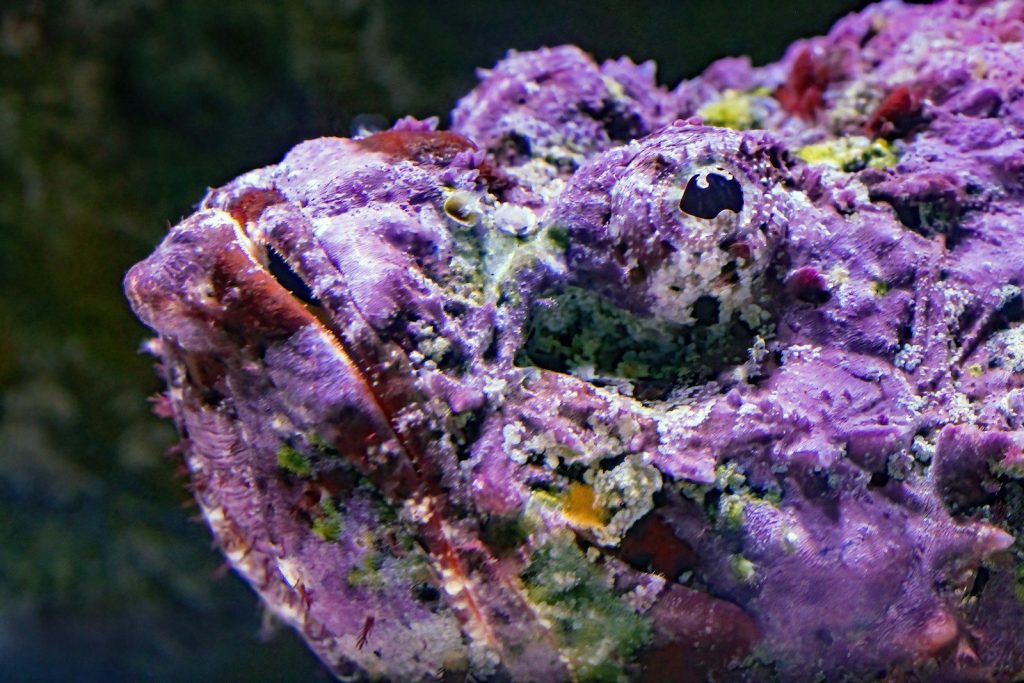
    Blue jays are extremely smart birds. They remember food locations, learn patterns, and quickly figure out where easy meals can be found. While this intelligence makes them fascinating to watch, it can also create long-term problems if you decide later that you no longer want them visiting your yard. Once blue jays learn that your feeders provide reliable food, they may return daily and even bring more jays with them.

    Their clever behavior can also make them harder to manage than smaller birds. Blue jays may outsmart simple feeder designs and quickly adapt to changes in feeding routines. Some homeowners report that blue jays become demanding visitors, loudly calling when feeders are empty or arriving in groups that overwhelm other birds. Because they are social and observant, they often learn from one another where food is available. This can turn a small feeding setup into a busy gathering spot faster than many people expect.

    Blue jays are not completely bad for your yard

    a blue and white bird
    Photo by Stephen Walker on Unsplash

    Even though there are good reasons to reconsider attracting blue jays, it is important to remember that they are still valuable parts of nature. Blue jays help forests by spreading acorns and seeds, which can grow into new trees. They also eat many insects, including pests that may damage gardens and plants. In some cases, their loud alarm calls warn other birds when predators are nearby.

    These birds also show strong family bonds and impressive intelligence. Many bird lovers enjoy watching their social behavior and problem-solving skills. The key is balance. If you decide to attract blue jays, it may help to use separate feeders for smaller birds and place protective cover nearby. Understanding both the benefits and the challenges of blue jays can help you create a backyard that supports many different bird species instead of just one dominant visitor.

  • Mysterious extinct animals are still reportedly spotted across the American wilderness

    Mysterious extinct animals are still reportedly spotted across the American wilderness

    Across the American wilderness, stories about extinct animals still appearing in forests, swamps, and mountain valleys continue to spark curiosity. Hunters, hikers, birdwatchers, and local residents have shared reports for decades about creatures that science says are gone forever. Some sightings are likely mistakes, while others remain hard to explain.

    These mysterious extinct animals still reportedly spotted across the American wilderness have become part of American folklore, but many are also tied to real species that once lived in huge numbers across the country. This article explores the most famous cases, the facts behind the sightings, and why people still believe these lost animals may survive in hidden corners of the wild.

    The ivory-billed woodpecker mystery

    Ivory billed Woodpecker” by Ecoagriculture Partners is licensed under CC BY-NC-SA 2.0

    The ivory-billed woodpecker is one of the most famous “possibly extinct” animals in America. This giant bird once lived in the swamp forests of the southeastern United States. It was known for its large white bill, striking black-and-white feathers, and loud knocking sounds that echoed through the trees. Logging destroyed much of its old-growth forest habitat during the late 1800s and early 1900s. The last widely accepted sighting in the United States happened in Louisiana in 1944. Even so, people continue reporting sightings in Arkansas, Louisiana, Florida, and other southern states. Birdwatchers often describe seeing a very large woodpecker with bright white markings flying through remote forests. Scientists have searched many of these areas, but no clear proof has been found.

    The mystery became even bigger in 2005 when researchers announced they may have rediscovered the bird in Arkansas after recording blurry video footage. The news spread quickly across the country and gave hope that the species still survived deep in the swamps. Since then, debates have continued among scientists, bird experts, and the public. Some experts believe the sightings are mistakes involving pileated woodpeckers, which look somewhat similar. Others think a tiny hidden population may still survive in remote wetlands that humans rarely visit. Because the southern swamps are so large and difficult to search, the mystery refuses to disappear.

    Passenger pigeons and strange flock reports

    Ectopistes migratorius (passenger pigeon) 3” by James St. John is licensed under CC BY 2.0
    Passenger pigeons once filled the skies of North America in numbers almost impossible to imagine today. Early settlers described flocks so large they darkened the sky for hours. These birds traveled in giant groups across eastern forests, feeding on nuts and seeds. Sadly, heavy hunting and large-scale forest destruction caused the species to collapse quickly during the late 1800s. The last known passenger pigeon, named Martha, died in a zoo in 1914. The extinction shocked the country because the birds had once been among the most common animals in America.

    Even after their extinction, strange reports continued to appear. Some hikers and rural residents claimed they had seen unusually large flocks of pigeons moving through forests in states like Pennsylvania, Michigan, and Ohio. Most experts believe these sightings were cases of mistaken identity involving mourning doves or rock pigeons. Still, the stories continue because people struggle to believe such a massive species could disappear so completely. The passenger pigeon became a powerful symbol of how quickly humans can wipe out wildlife, and the mysterious sightings keep its memory alive in American culture.

    Rumors of surviving Carolina parakeets

    Conuropsis carolinensis (Carolina parakeet) 2” by James St. John is licensed under CC BY 2.0
    The Carolina parakeet was the only parrot species native to the eastern United States. These colorful green birds with yellow heads once lived from Florida to the Midwest. They traveled in noisy flocks and were often seen near rivers and forests. Farmers sometimes viewed them as pests because they ate fruit crops, while hunters killed many for feathers used in women’s hats. Habitat loss also hurts their population. The last known Carolina parakeet died in captivity in 1918, only a few years after the extinction of the passenger pigeon.

    For many years afterward, people claimed they still heard or saw bright green parrots in southern forests and swamps. Reports came from states like Florida, Georgia, and South Carolina. Some people believed hidden flocks survived in remote wetlands where few humans traveled. Scientists, however, never found proof of living Carolina parakeets. Many sightings were likely escaped pet parrots, which are now common in parts of the United States. Even so, the idea of a lost American parrot hiding in swamp forests continues to fascinate bird lovers and wildlife historians.

    Giant ground sloth legends in the Southwest

    Giant ground sloths Megalocnus rodens and Megalonyx wheatleyi at the American Museum of Natural History” by Dallas Krentzel is licensed under CC BY 2.0
    Long before humans built cities across North America, giant ground sloths roamed the continent. These huge mammals could stand taller than a person and weighed hundreds or even thousands of pounds depending on the species. Most disappeared around 10,000 years ago near the end of the Ice Age. Fossils have been discovered across the American Southwest, especially in desert caves and dry regions. Scientists believe climate change and hunting by early humans may have helped cause their extinction.

    Despite their ancient disappearance, stories about giant hairy creatures living in remote deserts and mountains have survived for generations. Some Native American stories describe large clawed animals hiding in caves. In modern times, hikers and explorers in the Southwest have occasionally reported seeing strange slow-moving creatures unlike bears or known wildlife. These stories are usually connected to cryptid legends rather than science, but they often borrow details from extinct ground sloths. While there is no evidence that giant ground sloths survived into modern times, their fossil discoveries and frightening size continue to inspire mysterious tales across the American wilderness.

    Mammoths and mastodons in northern folklore

    Mammut americanum – Burning Tree Mastodon (Upper Pleistocene, 11.39 ka; Burning Tree Golf Course, south of Heath, southern Licking County, central Ohio, USA) 2” by James St. John is licensed under CC BY 2.0
    Woolly mammoths and mastodons once lived across much of North America during the Ice Age. These giant relatives of modern elephants roamed cold grasslands and forests thousands of years ago. Fossils have been found in many states, including Alaska, Michigan, and Texas. Most scientists agree they disappeared around 10,000 years ago, although some small mammoth populations survived longer on isolated Arctic islands. Their massive bones and tusks amazed early settlers, who sometimes believed they belonged to giant monsters.

    Stories about elephant-like creatures wandering remote wilderness areas continued long after mammoths disappeared. Native American legends in parts of the north described giant shaggy animals moving through snowy landscapes. During the 1800s, explorers and fur traders occasionally claimed they saw enormous unknown beasts in isolated regions of Canada and Alaska. Most modern experts believe these stories grew from fossil discoveries, imagination, and misunderstandings. Still, mammoths remain one of the most famous extinct animals tied to mysterious wilderness sightings because their huge fossils are still uncovered today.

    Why these sightings continue today

    Photo by BĀBI on Unsplash

    One reason mysterious extinct animal sightings continue is that America still contains vast wilderness areas. Deep swamps, mountain forests, deserts, and northern tundra can be difficult for humans to fully explore. Many people feel it is possible for rare animals to remain hidden in remote places. Scientists have rediscovered species before, including animals once believed extinct. These rediscoveries give hope that other lost creatures could still survive somewhere unnoticed. Even blurry photographs, strange sounds, or quick sightings are enough to keep these stories alive.

    Human psychology also plays a major role in these reports. People often misidentify animals during brief or emotional encounters. Lighting, distance, weather, and excitement can easily change what someone thinks they saw. A large woodpecker may suddenly seem like an ivory-billed woodpecker. A group of pigeons may remind someone of passenger pigeons described in old stories. Social media and online videos now spread these claims faster than ever before. Even without proof, mysterious extinct animals continue capturing public imagination because they connect people to the idea that nature may still hold hidden secrets waiting to be discovered.

  • Animals are considered the worst choices for pets to keep

    Animals are considered the worst choices for pets to keep

    Many people dream about owning unusual animals. A monkey wearing clothes or a giant snake in a glass tank may look exciting online. But some animals are very poor choices for pets. They can become dangerous, stressed, sick, or impossible to care for in a normal home. In many cases, these animals suffer because people do not understand their needs. Some can also spread diseases or hurt humans without warning.

    Animals considered the worst choices for pets often need special food, huge spaces, expert care, or wild environments that homes cannot provide. This article explains why certain animals should usually stay in the wild or under trained care. You will learn about the dangers, health risks, legal problems, and animal welfare concerns linked to keeping these creatures as pets.

    Primates are too wild for home life

    Grey-Shanked Douc Langur at The Endangered Primate Rescue Center – Cuc Phuong National Park, Vietnam” by ChrisGoldNY is licensed under CC BY-NC 2.0

    Monkeys and other primates are one of the worst pet choices for most people. They may look smart and playful when young, but they often become aggressive as they grow older. Adult monkeys can bite, scratch, throw objects, and attack people when scared or upset. Even small monkeys are very strong for their size. Some primates also carry dangerous diseases that can spread to humans. Health experts warn that wild animals like monkeys should not be kept as pets because they can spread serious germs and become unpredictable.

    Primates also suffer badly in private homes. They are social animals that normally live in groups and spend hours climbing, exploring, and communicating. A cage or bedroom cannot replace a jungle or large sanctuary. Many owners become overwhelmed by the cost and care needs. Online discussions from animal experts and sanctuary workers often describe rescued monkeys living with stress, poor diets, and behavior problems after being kept as pets.

    Big cats are dangerous and difficult

    Leopard” by Mitchell Fitzsimmons is licensed under CC BY 2.0

    Tigers, lions, leopards, and other big cats are extremely risky pets. Even when raised by humans, they still act like wild predators. A playful swipe from a tiger can seriously injure or kill someone. These animals need large spaces, raw meat diets, and expert handlers. They can also escape and threaten neighbors, pets, and local wildlife. Many states and countries have strict laws about owning big cats because of these dangers.

    Big cats also face serious welfare problems in private ownership. Animal rescue groups and former workers at roadside zoos have reported poor living conditions, tiny cages, and unhealthy breeding practices. Cubs may look cute for photos, but they quickly become too large and dangerous to handle. Some online discussions explain how many exotic cat owners are unable to give proper lifelong care. These animals belong in accredited zoos or protected wildlife areas where trained experts can meet their needs.

    Venomous reptiles create major risks

    Photo by Arnaud Padallé on Unsplash

    Venomous snakes, poisonous frogs, and other toxic reptiles are terrible choices for pets. A single bite can cause severe injury or death. Medical treatment is often expensive, and special antivenom may not be available nearby. Health experts strongly advise against keeping venomous animals in homes because they are unpredictable and dangerous.

    Even nonvenomous reptiles can create problems for owners. Large snakes like pythons and boas need secure habitats, heating systems, and special feeding routines. Some grow much larger than owners expect. Reptiles can also carry Salmonella bacteria, which may spread through contact with the animal or even its tank water. The CDC says reptiles and amphibians are more likely than many other pets to carry germs that make people sick. Many people buy reptiles without understanding how much work and cost they require over many years.

    Alligators and crocodiles should stay in the wild

    Crocodile” by AndreaTX is licensed under CC BY-NC-ND 2.0

    Alligators and crocodiles may seem fascinating, but they are among the worst animals to keep as pets. These reptiles are powerful predators with strong jaws and fast attack speeds. Even smaller alligators can seriously hurt humans. As they grow, they need huge enclosures, deep water areas, and heavy security. Most homes cannot safely contain them.

    These animals also live for decades and continue growing throughout much of their lives. Owners who buy baby alligators often realize too late that the animal will become massive and dangerous. Some people abandon them in lakes, rivers, or parks, where they can threaten local ecosystems and people. Wildlife experts warn that wild animals should never be treated like household pets because they can injure humans and spread disease. In many places, private ownership of crocodilians is heavily restricted or illegal for public safety reasons.

    Exotic birds need more care than people expect

    Blue and Yellow Macaw” by Steve Wilson – over 10 million views Thanks !! is licensed under CC BY 2.0
    Large parrots and exotic birds are often sold as colorful and friendly pets, but they can become very difficult to manage. Some parrots live more than 50 years, which is a huge commitment. They are loud, messy, and highly emotional animals that need daily mental stimulation. Without enough attention, birds may scream constantly, pull out their feathers, or become aggressive.

    Birds also need large cages, social interaction, and specialized diets. Many owners underestimate the time needed to keep them healthy and happy. Some exotic birds become depressed when left alone for long periods. They are intelligent creatures that need activities similar to what they would experience in nature. A bored parrot in a small cage can develop severe stress and behavioral issues. Sadly, many birds are surrendered to shelters because owners are not prepared for the responsibility.

    Farm animals do poorly inside homes

    two black and white sheep grazing in a field
    Photo by Suhi on Unsplash

    Some people try to keep pigs, goats, or other farm animals as house pets. While these animals may seem cute at first, they are not designed for indoor living. Farm animals need outdoor space, fresh air, exercise, and proper environments. Health experts explain that livestock are meant for farm settings, not homes or apartments.

    Pigs and goats can become destructive indoors. They may chew furniture, damage floors, and create hygiene problems. Farm animals can also carry germs that spread to humans. Even smaller “mini pigs” often grow much larger than owners expect. Many people buy them believing they will stay tiny forever, only to discover they can weigh hundreds of pounds. Once the animals become too hard to manage, shelters and rescues are left to handle the problem. This creates stress for both the animals and the people caring for them.

  • Animals that sought help and were met with unexpected kindness in return

    Animals that sought help and were met with unexpected kindness in return

    Animals that sought help from humans have created some of the most touching stories ever shared. In many cases, these animals were hurt, trapped, scared, or separated from their families. Even though they could not speak, they found ways to show people they needed help. What happened next often surprised everyone involved.

    These true stories show how kindness can cross the line between humans and animals. From dolphins swimming toward rescuers to elephants guiding people toward danger, these moments remind us that animals are smart, emotional, and deeply aware of the world around them. In this article, you will read about real animals that searched for help and the caring humans who answered their call.

    Dolphins that swam toward rescuers

    dolphin with head sticking out of water during daytime
    Photo by Damian Patkowski on Unsplash

    One of the most famous examples happened on a beach in Spain when a dolphin swam close to shore with fishing line wrapped tightly around its mouth. People nearby noticed the dolphin was not acting normally. Instead of swimming away, it stayed close and allowed humans to approach. Beachgoers carefully removed the tangled line while the dolphin stayed calm during the rescue. After it was freed, the dolphin slowly returned to deeper water where two other dolphins were waiting nearby.

    Another well-known case involved a dolphin approaching divers because a fishing hook was stuck in its fin. The animal repeatedly came close to the divers and stayed still long enough for them to remove the hook. Experts who study dolphins say these moments show how intelligent the animals are. Dolphins often understand when humans can help with problems they cannot solve alone, especially when the danger comes from fishing gear or pollution created by people.

    A mother elephant searching for help

    Male African Bush Elephant Calf, Amboseli National Park” by . Ray in Manila is licensed under CC BY 2.0
    In parts of Asia and Africa, rescuers have reported cases where mother elephants appeared to seek human help when their calves were trapped. One widely shared rescue involved a baby elephant stuck in deep mud near a village. Witnesses said the mother elephant stayed close but did not attack rescuers when they arrived. Instead, she watched carefully while workers used ropes and digging tools to free the calf from the muddy pit.

    Elephants are known for their strong family bonds and high intelligence. Scientists have long studied their emotional behavior, including the way they protect injured family members and react to death within their herds. Some experts believe elephants can recognize when humans are trying to help instead of harm them. In rescue stories like these, villagers and wildlife workers often say the adult elephants seemed to understand that people were trying to save the young calf rather than take it away.

    Whales that trusted humans in dangerous moments

    grey dolphin on body of water during daytime
    Photo by Todd Cravens on Unsplash

    Large whales usually avoid people, which is why rescuers are often shocked when injured whales approach boats for help. In several real-life rescues, humpback whales tangled in ropes or fishing nets stayed surprisingly calm while divers cut away the heavy lines wrapped around their bodies. Some rescuers said the whales even rolled gently in the water to make the work easier and safer.

    One famous marine scientist named Nan Hauser shared a story about a humpback whale that repeatedly pushed her through the water while she was diving. At first, she thought the whale was acting aggressively, but she later realized a tiger shark was nearby. She believed the whale was trying to protect her from danger. Stories like these continue to amaze researchers because whales are known for showing protective behavior toward other sea animals, including seals and smaller whales.

    Dogs and farm animals that brought humans to safety

    Pig in Road.” by amandabhslater is licensed under CC BY-SA 2.0

    Not all stories involve wild animals. Some of the most emotional moments have come from pets and farm animals that understood when people were in trouble. One famous case involved a pig named Lulu. When her owner collapsed from a heart problem, Lulu escaped from her pen and ran into the road. She lay down in front of passing cars until someone stopped to help. Thanks to her actions, emergency workers reached the woman in time.

    Dogs have also led humans toward trapped puppies, injured owners, or missing children. Animal experts say dogs are especially skilled at reading human emotions and body language. Many dogs quickly notice fear, pain, or panic. Over time, scientists have learned that animals do not always react only through instinct. In many cases, they appear to make choices based on care, trust, and strong emotional connections with humans.

    Sea animals protecting creatures outside their species

    three dolphins on body of water during daytime
    Photo by Hanson Lu on Unsplash

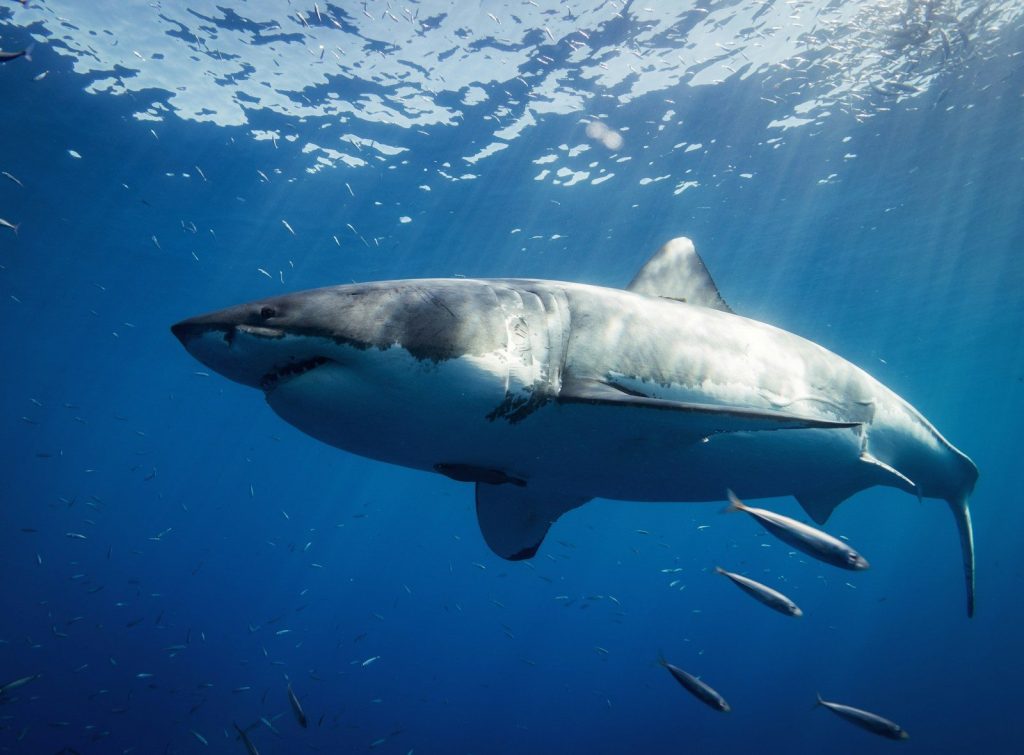
    Some of the most surprising stories involve animals helping creatures that are not even part of their own species. Dolphins have been reported circling swimmers to protect them from sharks. In New Zealand, swimmers once noticed dolphins surrounding them tightly in the water. Later, they discovered a great white shark nearby. Experts believe the dolphins were trying to shield the humans from danger.

    Another amazing event happened when a friendly dolphin named Moko helped guide stranded pygmy whales back to sea after rescuers struggled for more than an hour. Witnesses said the whales seemed confused and stressed until the dolphin arrived. After Moko appeared, the whales followed closely behind and safely returned to deeper water. Scientists still study why animals sometimes help unrelated species, but many believe social animals like dolphins and whales may react strongly to distress signals from other living creatures.

    Why humans and animals form these bonds

    person near two brown elephants near body of water
    Photo by Kym Ellis on Unsplash

    Researchers who study animal behavior say many species are far more emotionally aware than people once believed. Elephants comfort each other, dolphins cooperate in groups, and whales protect weaker animals from predators. Some scientists believe these actions come from empathy, while others think social animals simply respond strongly to signs of distress around them.

    At the same time, many humans risk their own safety to rescue animals trapped in oceans, forests, roads, or flooded areas. Wildlife rescuers often spend hours helping injured creatures even when the job is dangerous. These moments create powerful connections between humans and animals. Even though people and animals communicate in different ways, these stories show that trust and kindness can still exist between them.

  • Steve Irwin’s final moments revealed as he sought one last shot before fatal accident

    Steve Irwin’s final moments revealed as he sought one last shot before fatal accident

    Steve Irwin’s final moments still shock fans around the world nearly two decades later. The famous wildlife expert, known as “The Crocodile Hunter,” spent his life teaching people to respect animals and nature. On September 4, 2006, that mission ended in a tragic accident while he was filming near Australia’s Great Barrier Reef. Reports from eyewitnesses and crew members later revealed what happened during the final minutes before the fatal stingray strike.

    This article explains the verified details behind Steve Irwin’s last dive, why he wanted “one last shot” for the camera, what witnesses saw, and how the accident unfolded. It also looks at the reaction around the world and the legacy he left behind through his family and conservation work.

    Steve Irwin was filming a new documentary

    person holding video camera
    Photo by Thomas William on Unsplash

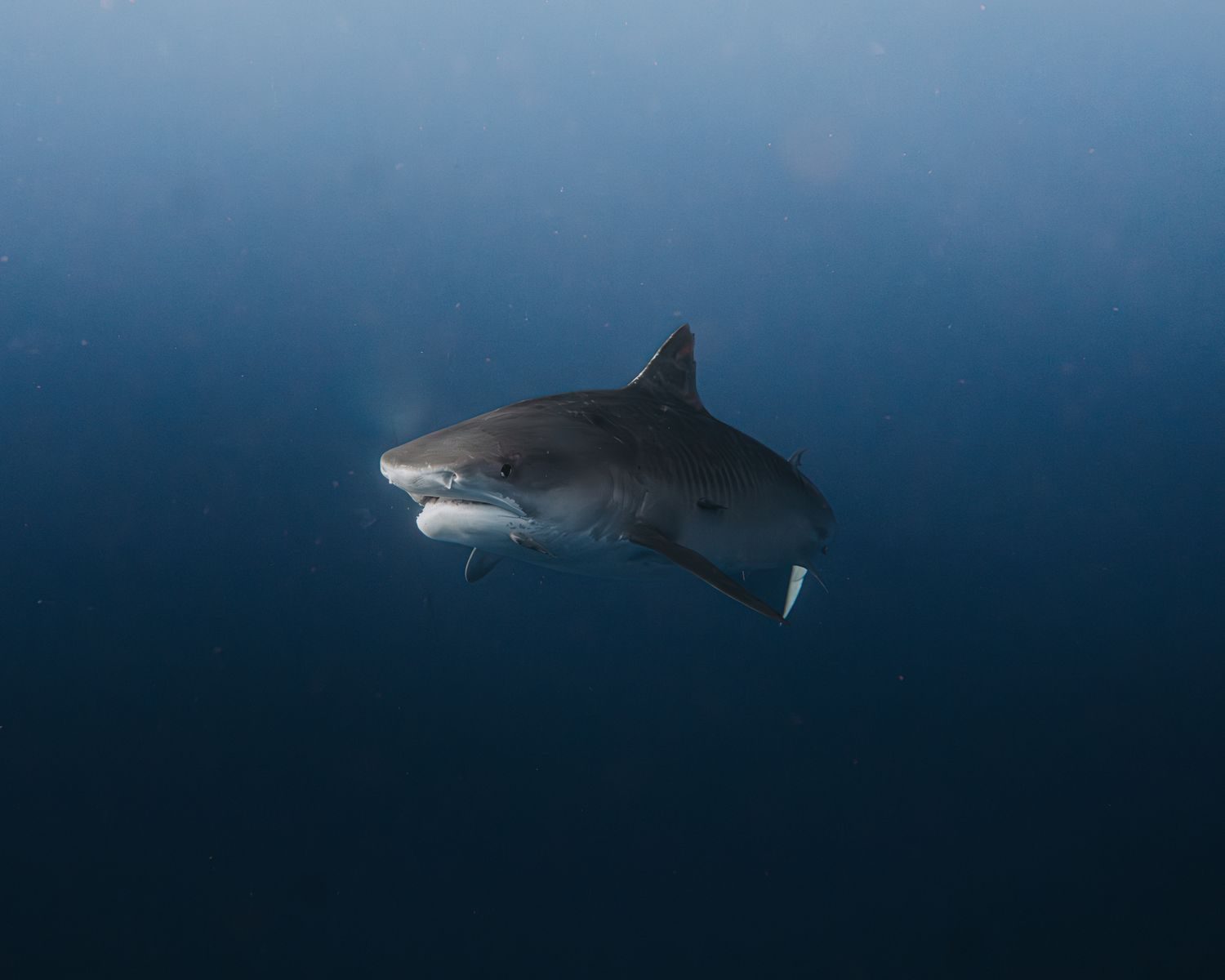
    Steve Irwin was in Queensland, Australia, filming a project called “Ocean’s Deadliest.” The documentary was being made near Batt Reef, close to the Great Barrier Reef. According to reports from crew members, bad weather had made it hard to film tiger sharks, which were the main focus of the project. Because of the rough conditions, the team decided to capture footage of other sea animals instead.

    That day, Irwin and underwater cameraman Justin Lyons spotted a very large stingray in shallow water. Lyons later explained that the animal looked calm and peaceful. The crew believed they could safely film it for the documentary and possibly use the footage for a children’s television project connected to Irwin’s daughter, Bindi. At the time, nobody believed the encounter would become deadly.

    The “one last shot” changed everything

    Stingray, Grand Cayman” by GANDALF_GREY is licensed under CC CC0 1.0

    Justin Lyons later shared that Steve Irwin wanted one final camera shot before leaving the water. The idea was simple. Irwin would swim behind the stingray while the cameraman captured the animal moving away. It was meant to be a dramatic but peaceful ending shot for the documentary sequence.

    Instead, the stingray suddenly reacted in defense. Lyons said the animal lifted itself and began striking wildly with its tail. The attacks happened in only a few seconds. One of the barbs pierced Irwin directly in the chest. Experts later explained that stingrays are usually not aggressive, but they may defend themselves if they feel trapped or threatened. Lyons believed the stingray may have mistaken Irwin’s shadow for a predator like a tiger shark.

    Witnesses described the heartbreaking scene

    Water” by rrrtem is licensed under CC BY 2.0
    The accident happened very quickly. At first, Justin Lyons did not even realize how badly Irwin had been injured. He was still filming as the stingray swam away. When he turned the camera back toward Irwin, he saw blood spreading through the water. That was the moment he understood something was terribly wrong.

    Lyons tried to help his longtime friend immediately. He said the crew rushed Irwin back toward the boat while performing CPR. During those moments, Lyons recalled Irwin calmly saying, “I’m dying.” Those were reported to be among his final words. Despite the rescue efforts, the wound was catastrophic because the stingray barb had pierced his chest near the heart. Medical experts later explained that the injury caused massive trauma within seconds.

    The footage was never released publicly

    person using professional video camera
    Photo by Jakob Owens on Unsplash

    After the tragedy, reports confirmed that the entire accident had been captured on video. The footage was handed over to Queensland police as part of the official investigation. Steve Irwin’s manager and close friend John Stainton later described the video as deeply disturbing and painful to watch.

    Stainton explained that the recording showed Irwin swimming above the stingray before the tail suddenly came up and struck him in the chest. He also revealed that Irwin pulled the barb from his chest moments before collapsing. Over the years, rumors spread online claiming the footage had leaked, but those claims were false. Public reports and people close to the family have repeatedly stated that the real video has never been released out of respect for Irwin and his loved ones.

    Steve Irwin’s death shocked the world

    Steve Irwin, ‘Crocodile Hunter’” by dbking is licensed under CC BY 2.0
    Steve Irwin was one of the most recognizable wildlife television stars in the world. Through “The Crocodile Hunter,” he brought animals into millions of homes and inspired children to care about nature. His high energy, excitement, and fearless attitude made him different from other television hosts. Fans admired how much he loved wildlife, even dangerous animals that many people feared.

    When news of his death spread, tributes poured in from across the globe. Visitors left flowers and messages outside Australia Zoo, the wildlife park run by the Irwin family. Television stations replayed his most famous moments, and many fans said they felt like they had lost a family member. Leaders, celebrities, and conservation groups all praised Irwin for helping people understand the importance of protecting animals and natural habitats.

    His family continued his conservation mission

    Person photographing bighorn sheep in a grassy field.
    Photo by Judy Beth Morris on Unsplash

    After Steve Irwin’s death, his family worked hard to continue the mission he cared about most. His wife, Terri Irwin, remained active in wildlife protection and continued leading Australia Zoo. Their children, Bindi Irwin and Robert Irwin, also followed in his footsteps and became well-known conservation advocates.

    Today, Steve Irwin’s influence can still be seen around the world. His television shows continue to attract new audiences, and many wildlife experts say he inspired a new generation to care about conservation. Even though his death was tragic, supporters believe his greatest achievement was helping millions of people feel connected to animals and the environment in a positive way. His message about respecting wildlife remains strong years after his final dive.