Category: Wildlife and animals

  • The discovery of these massive claws changed what scientists believed

    The discovery of these massive claws changed what scientists believed

    The discovery of these massive claws puzzled scientists for decades and completely changed what they believed about one of the strangest dinosaurs ever found. When the first giant claws were uncovered in Mongolia, researchers did not even think they belonged to a dinosaur.

    As more fossils were discovered over the years, scientists realized the truth was far more surprising. This article explains how the giant claws were first misunderstood, what later discoveries revealed, and why this fossil changed the way experts study dinosaur evolution.

    Giant claws started a scientific mystery
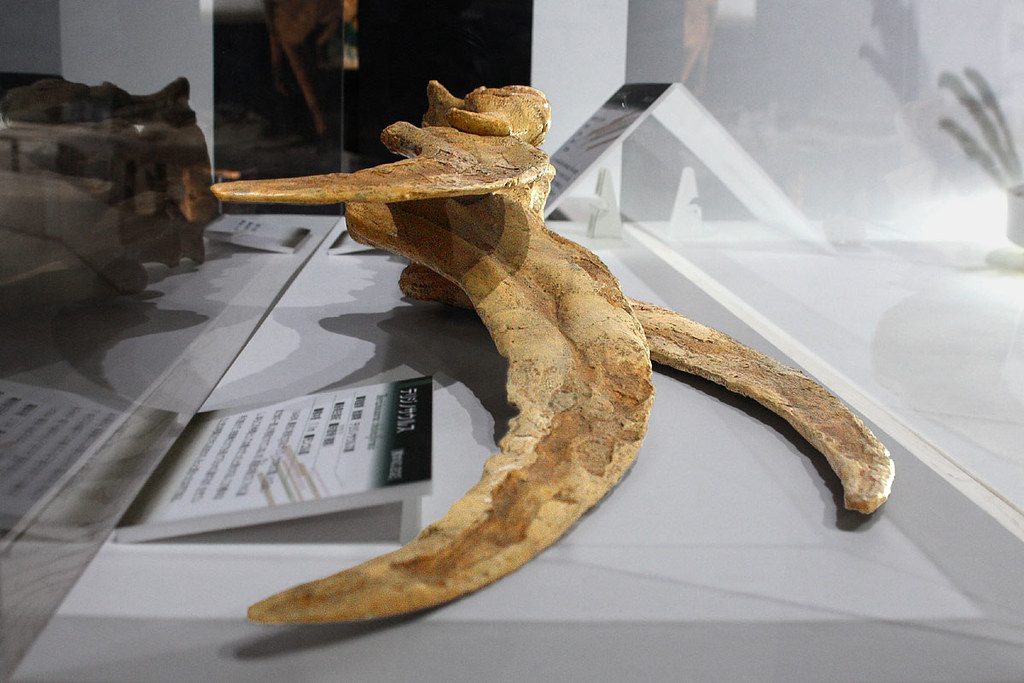
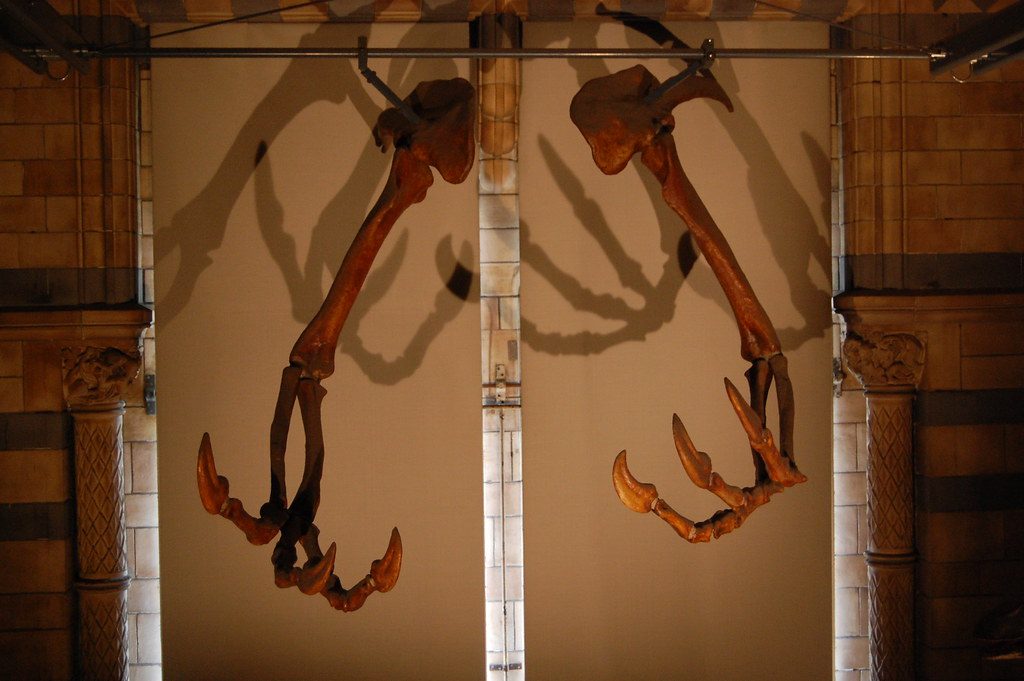
    Therizinosaurus – 02” by Kabacchi is licensed under CC BY 2.0

    In 1948, paleontologists discovered enormous fossil claws in the Gobi Desert of Mongolia. The claws were unlike anything seen before. Because only parts of the arms and a few other bones were found, scientists had very little evidence to work with.

    The unusual shape of the claws led researchers to believe they belonged to a giant turtle-like reptile that may have lived in water. This early idea seemed reasonable because no dinosaur with such huge claws had ever been discovered before.

    New fossils changed everything

    three people in lab coats looking at a tablet
    Photo by National Cancer Institute on Unsplash

    As more fossils were found during the 1970s and later years, scientists began comparing the giant claws with bones from related dinosaurs. These discoveries showed that the claws belonged to a strange two-legged dinosaur instead of a giant turtle.

    The dinosaur was named Therizinosaurus, meaning “scythe lizard.” It lived about 70 million years ago during the Late Cretaceous Period in what is now Mongolia. Even though it belonged to the theropod group, which includes famous meat-eaters, it was mainly a plant eater.

    The claws were unlike any others
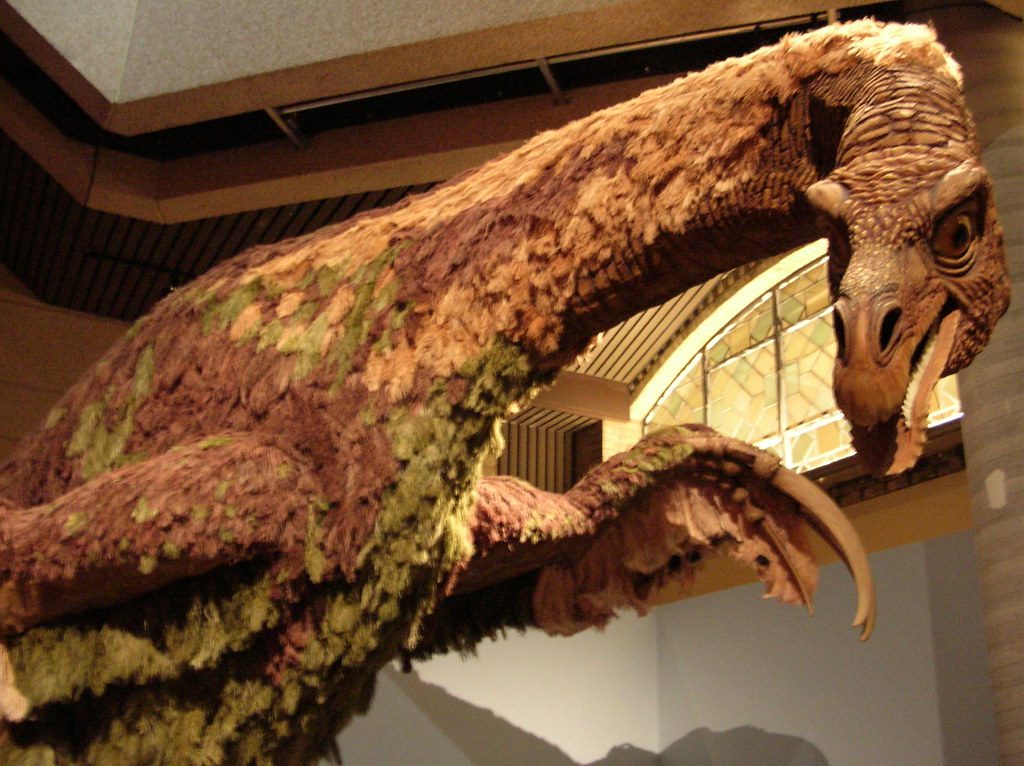
    Therizinosaurus” by AKMA is licensed under CC BY-NC 2.0

    Therizinosaurus had some of the longest claws ever known on a land animal. The bony part of each claw reached about 20 inches long, and the living claws were likely even longer because they were covered by a keratin sheath, much like modern bird claws.

    These huge claws were probably not built for slashing prey as many people once imagined. Instead, many scientists believe they helped the animal pull branches closer while feeding, reach high plants, or scare away predators by making the dinosaur look much larger.

    A strange dinosaur surprised experts
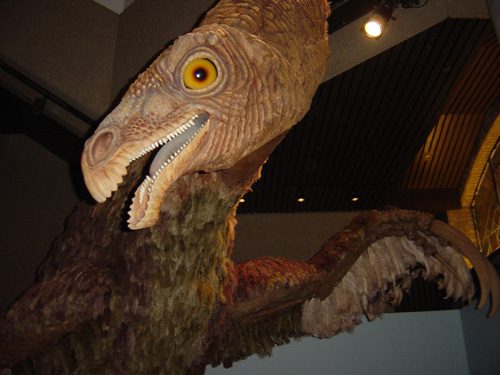
    Therizinosaurus model ROM” by Aaron Gustafson from Hamden, CT, USA is licensed under CC BY-SA 2.0

    When scientists finally understood what Therizinosaurus looked like, they realized it was unlike almost every other dinosaur. It had a long neck, a wide body, strong back legs, and a small head with a beak instead of sharp hunting teeth.

    This discovery challenged the old idea that all large theropod dinosaurs were fierce meat hunters. Therizinosaurus showed that members of this group evolved in different ways, with some becoming peaceful plant eaters instead of predators.

    The discovery changed dinosaur science

    Scientists in group discussion” by IITA Image Library is licensed under CC BY-NC 2.0

    The giant claws forced paleontologists to rethink how they identify fossils. The first discovery proved that judging an animal from only a few bones can lead to incorrect conclusions, especially when the fossil belongs to an unusual species.

    As more complete skeletons of related therizinosaurs were uncovered, scientists gained a better understanding of how this unique family evolved. The discoveries also helped explain how dinosaur groups could develop very different body shapes while sharing a common ancestor.

    Scientists are still learning from the claws

    a group of people working in a lab
    Photo by National Institute of Allergy and Infectious Diseases on Unsplash

    Even today, researchers continue studying the claws using computer models and comparisons with living animals. Some studies suggest the claws were too delicate for heavy fighting, while others support the idea that they were useful for feeding, display, or defense.

    The story of Therizinosaurus reminds us that science is always improving as new evidence appears. A few mysterious fossils once confused experts, but later discoveries transformed one of the greatest dinosaur mysteries into an important lesson about evolution and fossil research.
  • This bird has evolved to make snakes its main source of food

    This bird has evolved to make snakes its main source of food

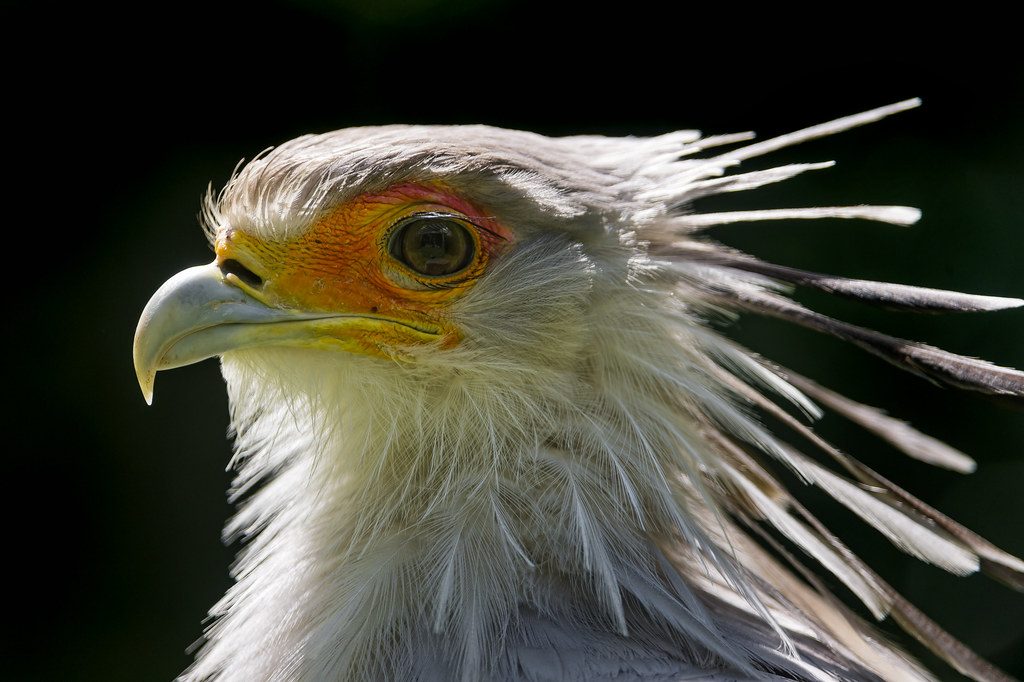
    Have you ever wondered if there is a bird that was built to hunt snakes? The secretary bird is one of the best examples in nature. This amazing bird has evolved many special features that help it catch, kill, and eat snakes, including some venomous ones.

    Its long legs, sharp eyesight, and powerful kicks make it one of the most unique hunters on Earth. In this article, you will learn how the secretary bird hunts, why snakes are such an important part of its diet, and the special adaptations that help it survive in the wild.
    What makes the secretary bird unique?

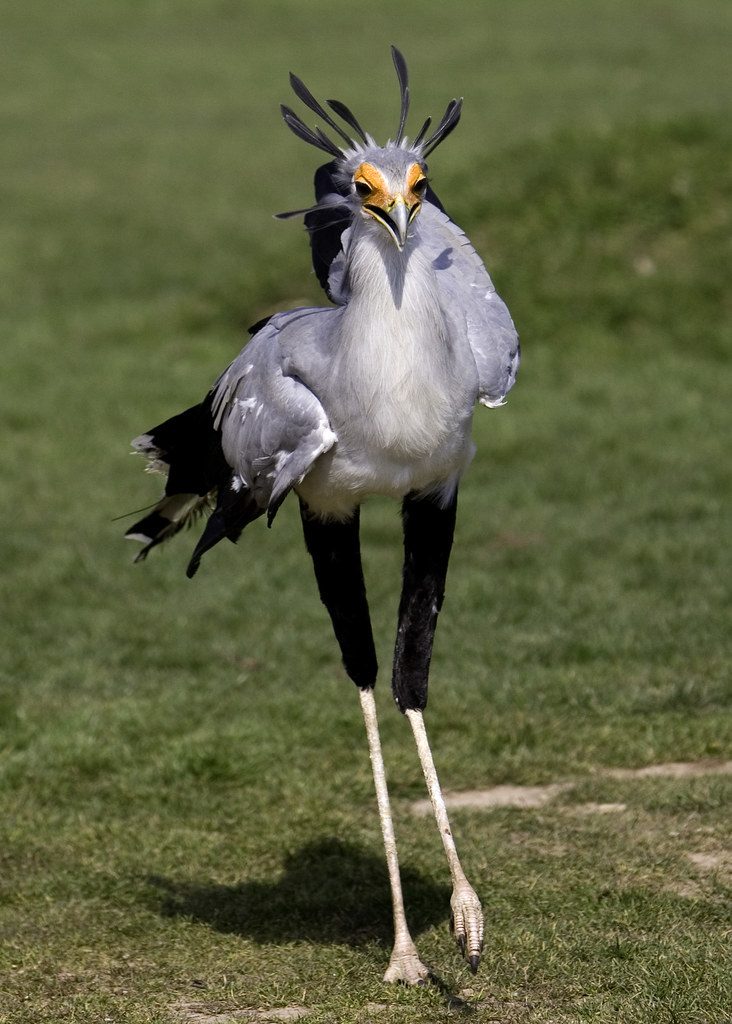
    Portrait of a secretary bird” by Tambako the Jaguar is licensed under CC BY-ND 2.0

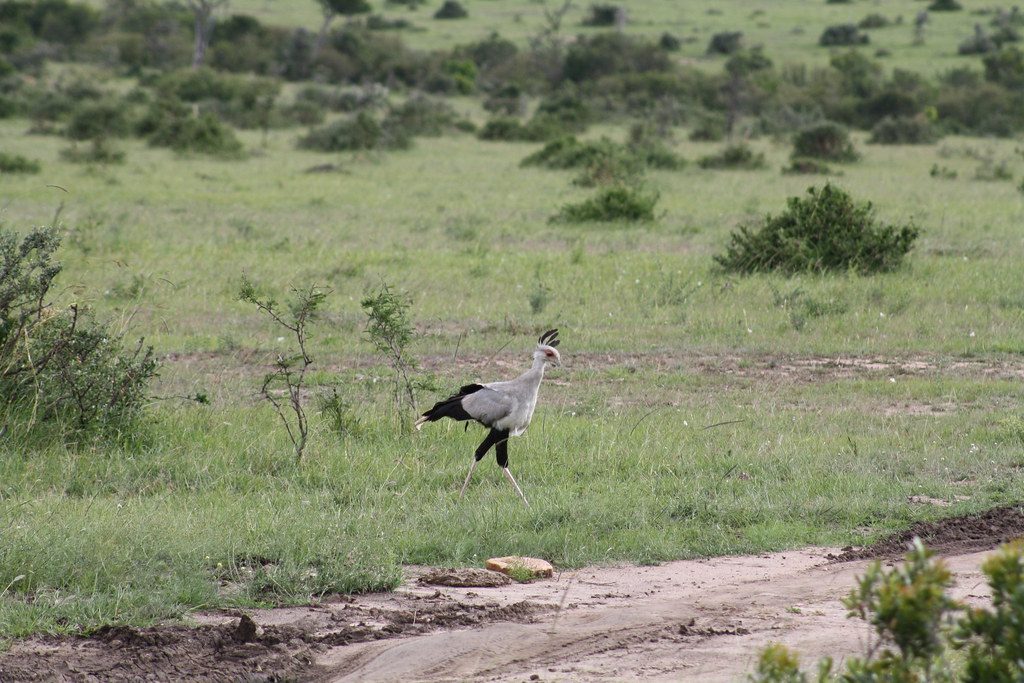
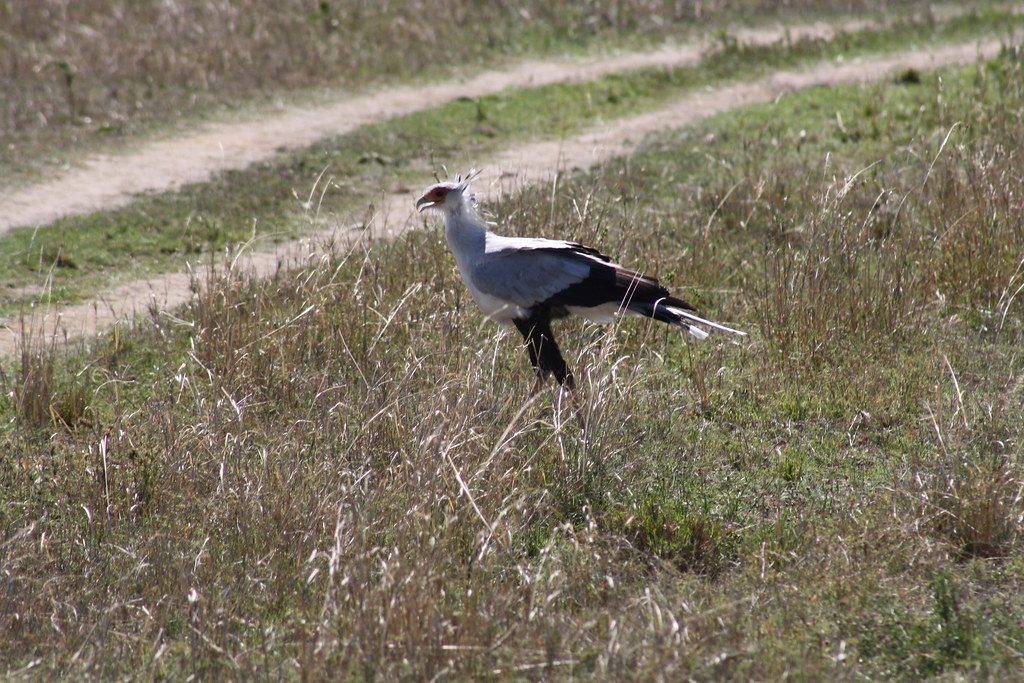
    The secretary bird lives in the open grasslands and savannas of sub-Saharan Africa. Unlike most birds of prey, it spends most of its time walking on the ground instead of hunting from the air. It can walk many miles each day while searching for food.

    Its body combines features from several birds. It has the hooked beak of a raptor, very long legs like a crane, and broad wings that help it fly when needed. This unusual body shape allows it to move quickly across open land while staying alert for prey.

    Why snakes are an important food source

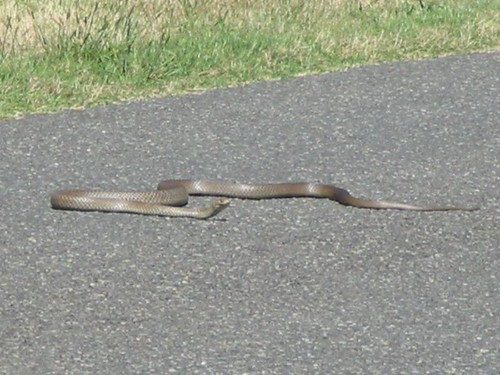
    Eastern Brown Snake” by wollombi is licensed under CC BY 2.0

    The secretary bird is famous for hunting snakes. Its scientific name even means “the archer of snakes,” showing how closely the bird has been linked with snake hunting for a long time. Venomous snakes such as cobras and puff adders can become part of its diet.

    Even though the bird eats many other animals, including lizards, rodents, insects, frogs, and small birds, snakes remain one of its best-known prey. This flexible diet helps the bird survive when one type of food becomes harder to find.

    How the bird catches dangerous snakes

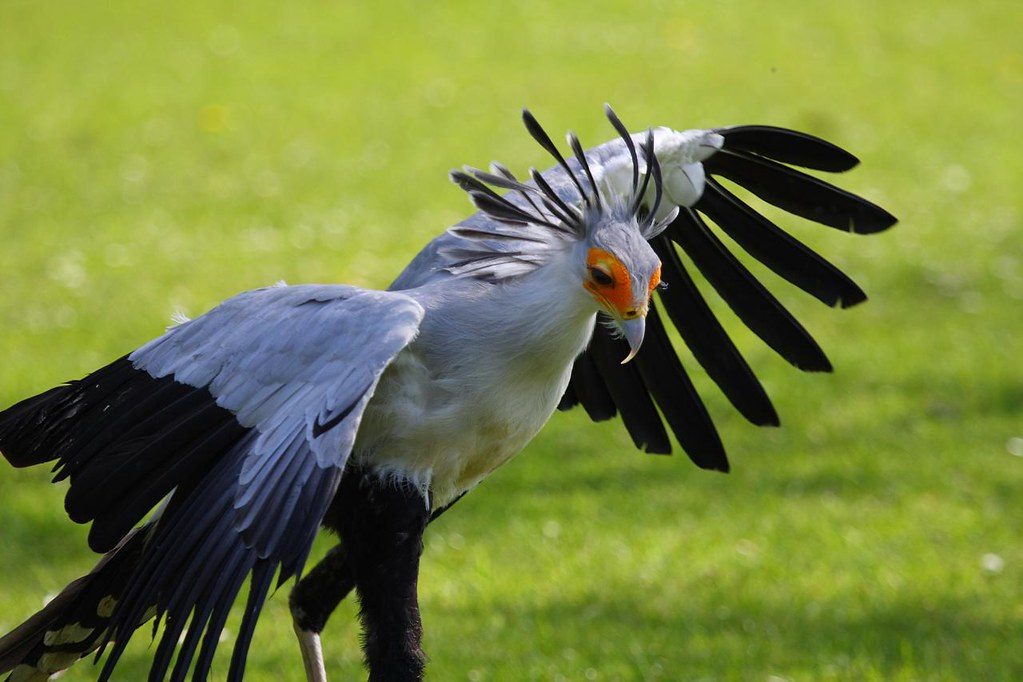
    Secretary Bird” by BrianScottImages is licensed under CC BY-NC-ND 2.0

    The secretary bird hunts by slowly walking through grass until it spots movement. Once it finds a snake, it carefully watches every move before attacking with amazing speed. It keeps a safe distance while staying ready to strike.

    Instead of grabbing a snake right away, the bird delivers powerful stomps with its feet. These fast kicks can stun or kill the snake before it has a chance to bite. The bird may spread its wings during the attack, helping distract the snake while protecting its body.

    Special features that protect the bird

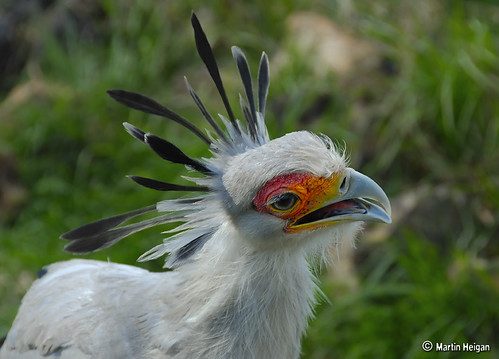
    Secretary Bird (Endangered)” by Martin_Heigan is licensed under CC BY-NC-ND 2.0

    Long legs are one of the secretary bird’s greatest defenses. They keep the bird’s body farther away from a striking snake, lowering the chance of a dangerous bite. Thick scales on the lower legs also provide extra protection.

    The bird’s excellent eyesight helps it notice even small movements in the grass. Strong leg muscles create fast and powerful strikes, while its sharp beak tears apart prey after it has been killed. Together, these traits make the secretary bird a highly skilled predator.

    How evolution shaped this hunter

    secretary bird” by Bob Hall Photos is licensed under CC BY-NC-ND 2.0

    Over many generations, secretary birds that hunted well were more likely to survive and raise young. Helpful traits, such as stronger legs, better vision, and careful hunting behavior, became more common over time through natural selection.

    The result is a bird that fills a special role in nature. Few other birds rely so heavily on walking and kicking to catch prey. Its hunting style is so unusual that it stands apart from nearly every other bird of prey alive today.

    Why the secretary bird matters in nature

    Secretary Bird” by shankar s. is licensed under CC BY 2.0

    The secretary bird helps keep ecosystems balanced by controlling populations of snakes, rodents, and other small animals. Healthy predator populations prevent any one prey species from becoming too numerous, which supports the overall health of grassland habitats.

    Today, the secretary bird faces threats from habitat loss, farming, and human activity. As grasslands disappear, finding enough food and safe nesting places becomes more difficult. Protecting these habitats is important for the future of this remarkable bird.

  • How crocodiles defend their space when lions come close

    How crocodiles defend their space when lions come close

    How crocodiles defend their space when lions come close is one of the most exciting wildlife questions in Africa. Both animals are powerful predators, and they often meet at rivers, lakes, and watering holes where they hunt or drink. These encounters can look dramatic, but they do not always end in a fight.

    Crocodiles usually rely on smart defense instead of chasing lions. In this article, you will learn why these animals protect their space, how they react when lions get too close, and what usually happens when two of Africa’s top predators meet.

    Why do crocodiles protect areas near the water

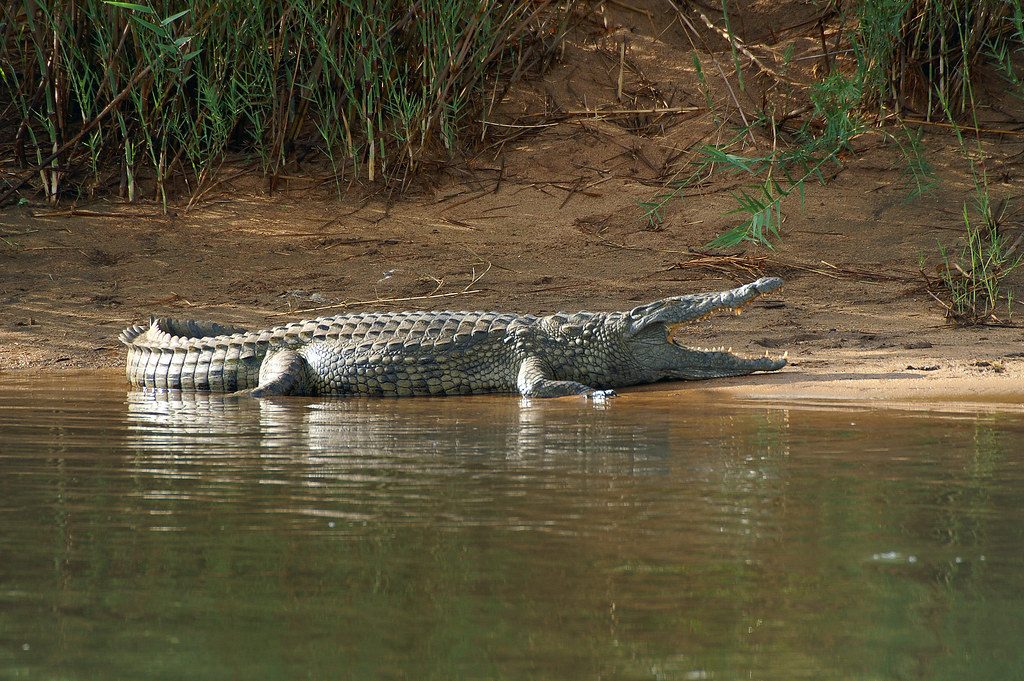
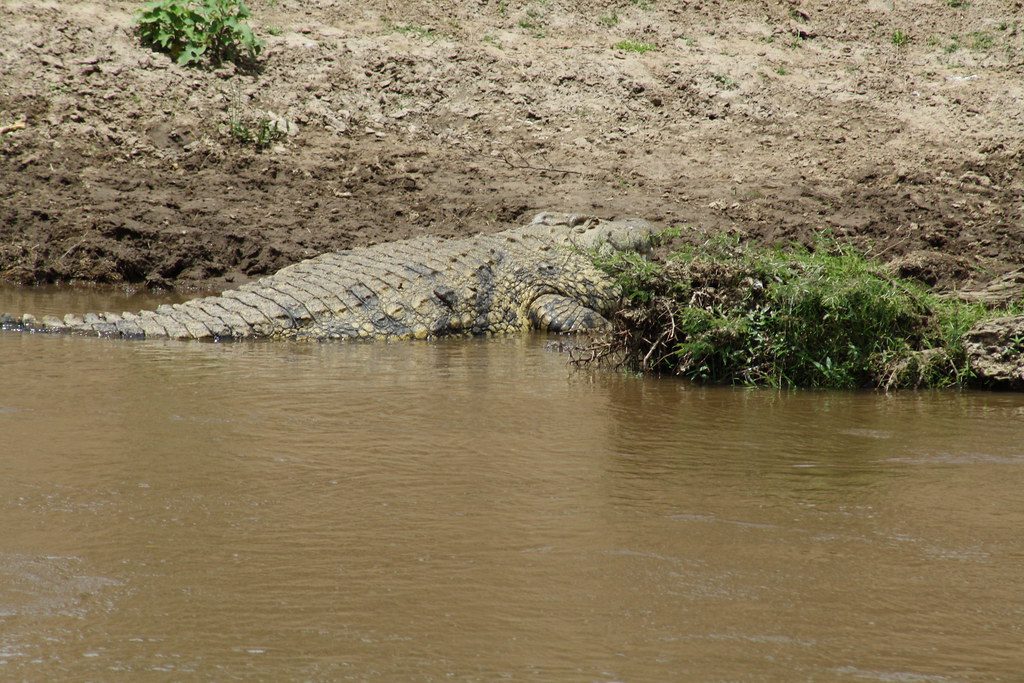
    Nile Crocodile” by shankar s. is licensed under CC BY 2.0

    Nile crocodiles spend much of their lives in rivers, lakes, and wetlands. These places provide food, safe resting spots, and places where females can nest. Because these areas are so important, large crocodiles often stay close to them and may defend the best locations from other crocodiles.

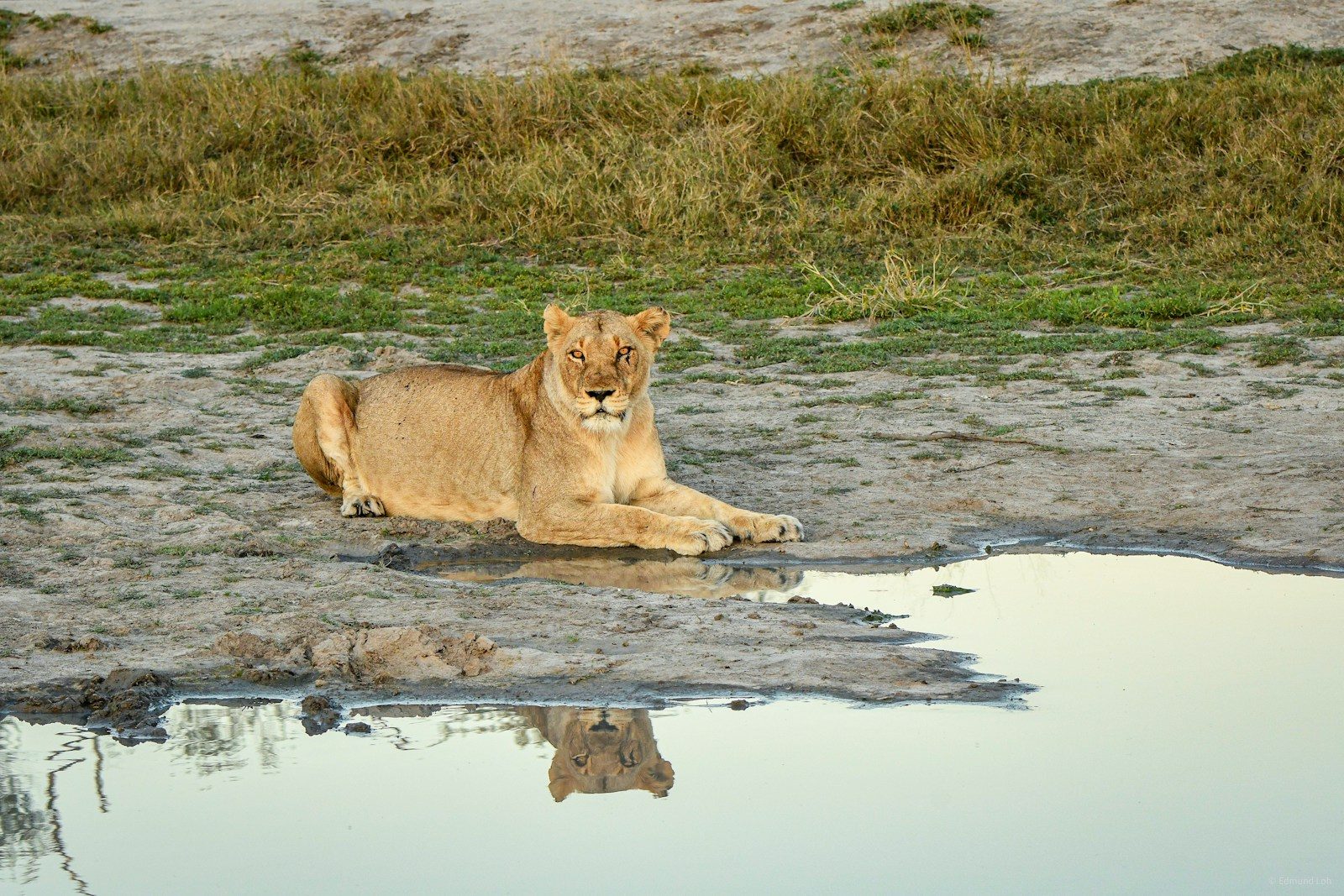
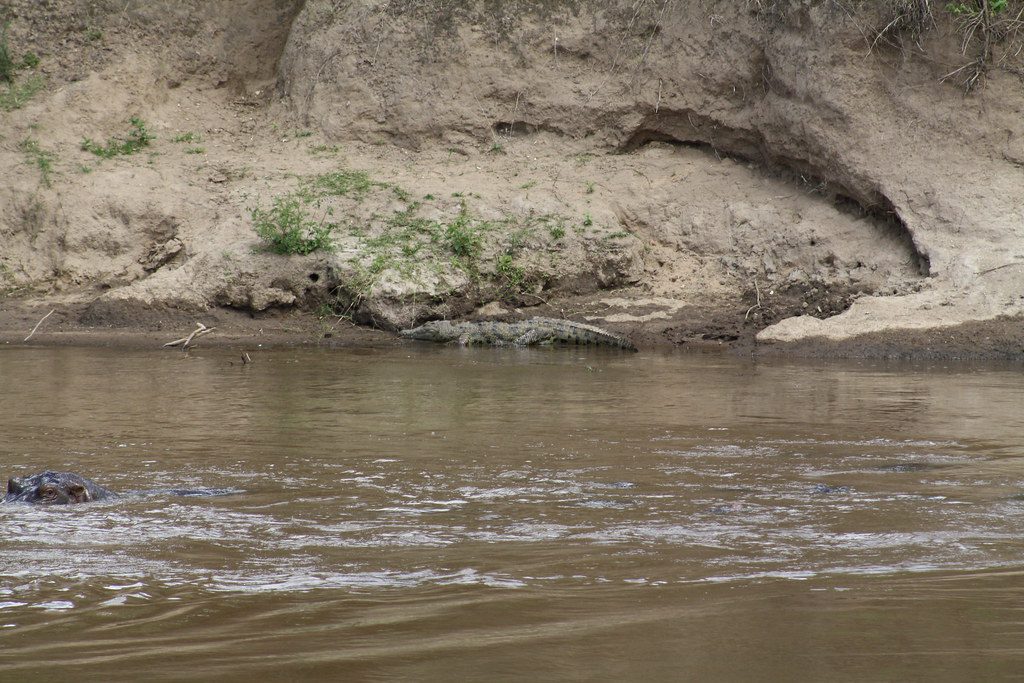
    When lions come to the water to drink or cross, they enter the crocodile’s hunting and resting area. The crocodile usually stays calm at first, but it watches every movement. If it believes the lion is too close or creates a threat, it may react to protect its space.

    How crocodiles warn lions to stay back

    On Lion’s Pond” by jurvetson is licensed under CC BY 2.0

    A crocodile does not usually rush toward a lion without a reason. Instead, it often starts with warning behaviors. It may raise its head above the water, open its mouth, hiss, or make a quick splash with its tail. These actions show that it is alert and ready to defend itself.

    Most lions understand these signals and avoid getting too close to the water’s edge. Lions know that crocodiles have a powerful bite and move much faster than expected over short distances. Because of this, many close encounters end without either animal attacking.

    What happens if a lion gets too close

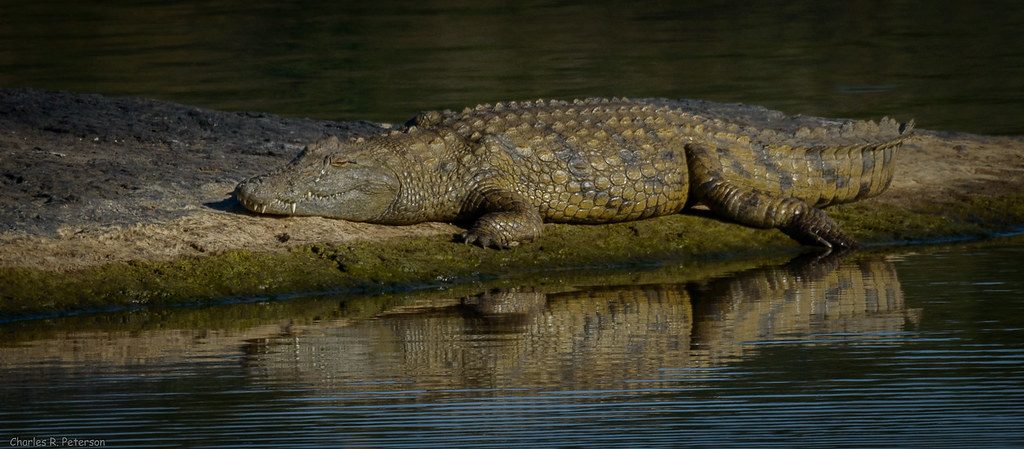
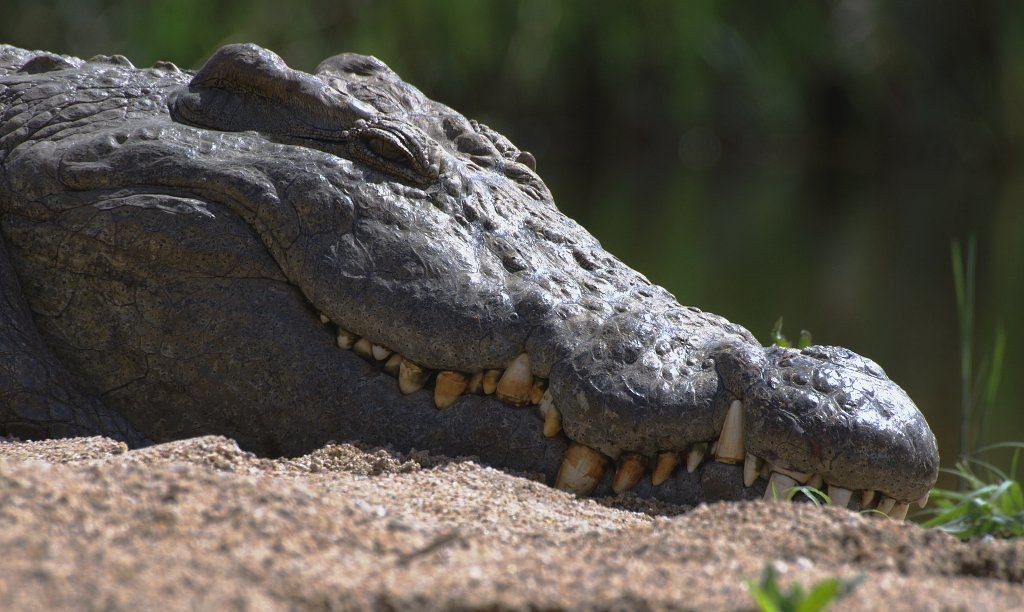
    Nile Crocodile and Reflection – South Africa” by petechar is licensed under CC BY-NC-ND 2.0

    If a lion comes within striking distance, especially while standing at the water’s edge, a crocodile may launch a sudden attack. It uses a quick burst of speed from the water and tries to grab the lion with its powerful jaws before pulling back toward deeper water.

    Even then, a successful attack is not guaranteed. Adult lions are strong and can escape if they react quickly or if other pride members help. Many surprise attacks fail because lions stay alert when drinking near crocodile habitat.

    Why water gives crocodiles the advantage

    Nile Crocodile (Crocodylus niloticus)” by Arno Meintjes Wildlife is licensed under CC BY-NC-SA 2.0

    Water is where crocodiles are strongest. Their bodies are built for swimming, and they can stay almost completely hidden while watching nearby animals. This allows them to surprise prey or defend themselves with very little warning.

    On dry land, crocodiles move much more slowly and use more energy. Lions are faster and more agile away from the water, so crocodiles usually avoid chasing them onto land. Instead, they stay close to the water, where they have the greatest advantage.

    Do crocodiles and lions always fight

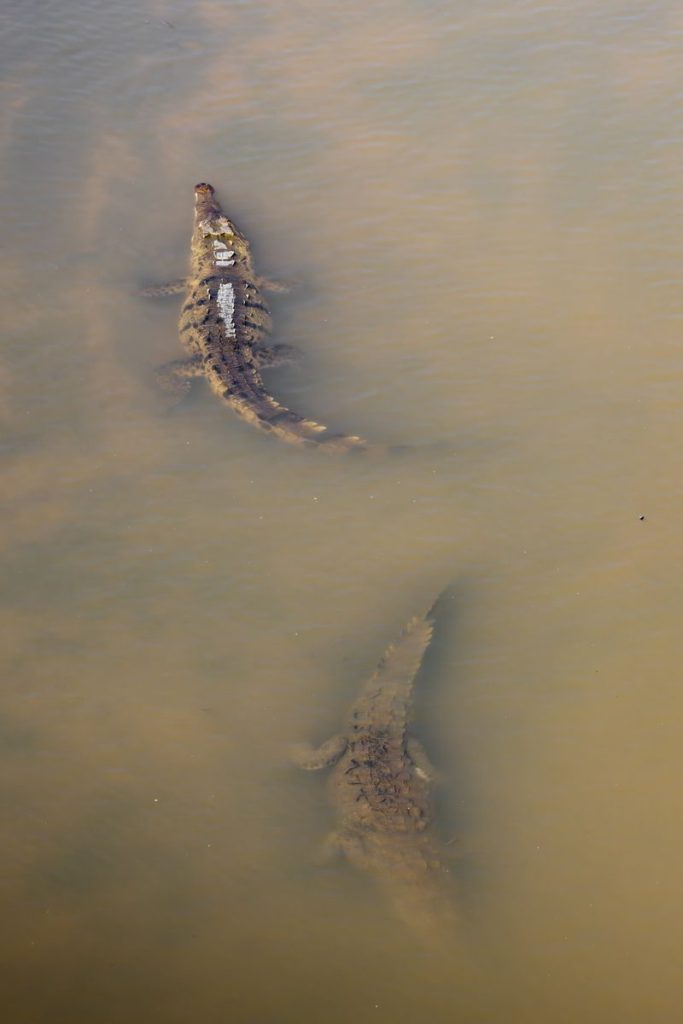
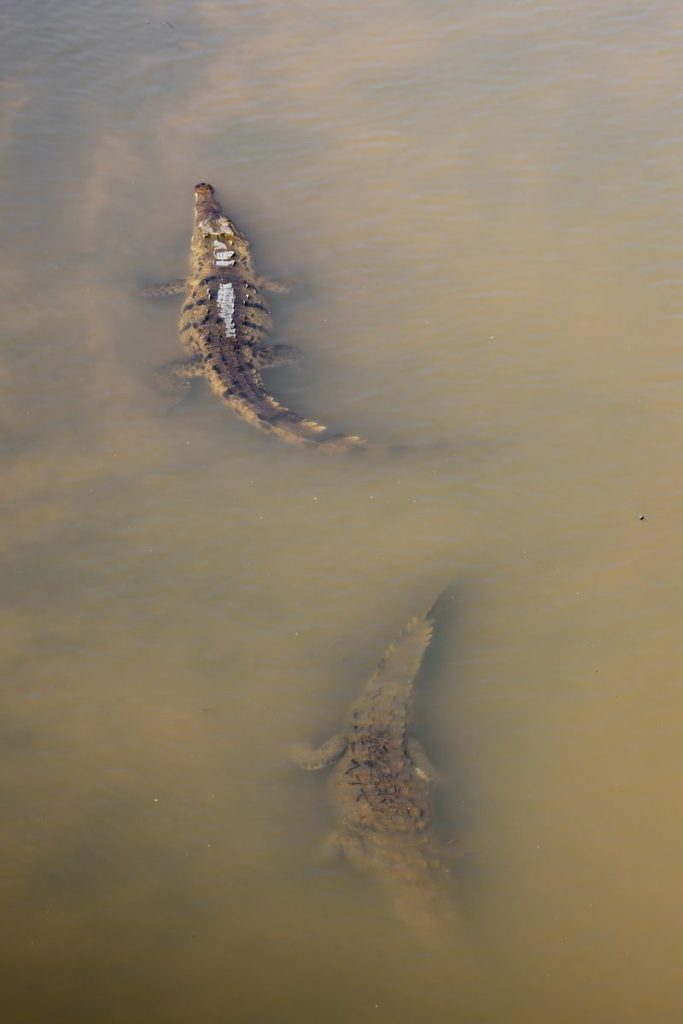
    Two crocodiles visible underwater in a murky, natural setting, showcasing wildlife behavior.
    Photo by Tomáš Malík on Pexels

    Most meetings between lions and crocodiles end peacefully. Both animals are experienced predators that understand the risks of serious injuries. A broken tooth, damaged jaw, or deep wound can make hunting difficult and threaten survival.

    Conflicts are more likely when food is involved or when one animal feels trapped. They may also compete over a fresh carcass near the water. In many cases, one animal simply backs away, avoiding a dangerous fight that neither side needs.

    Who usually wins these encounters

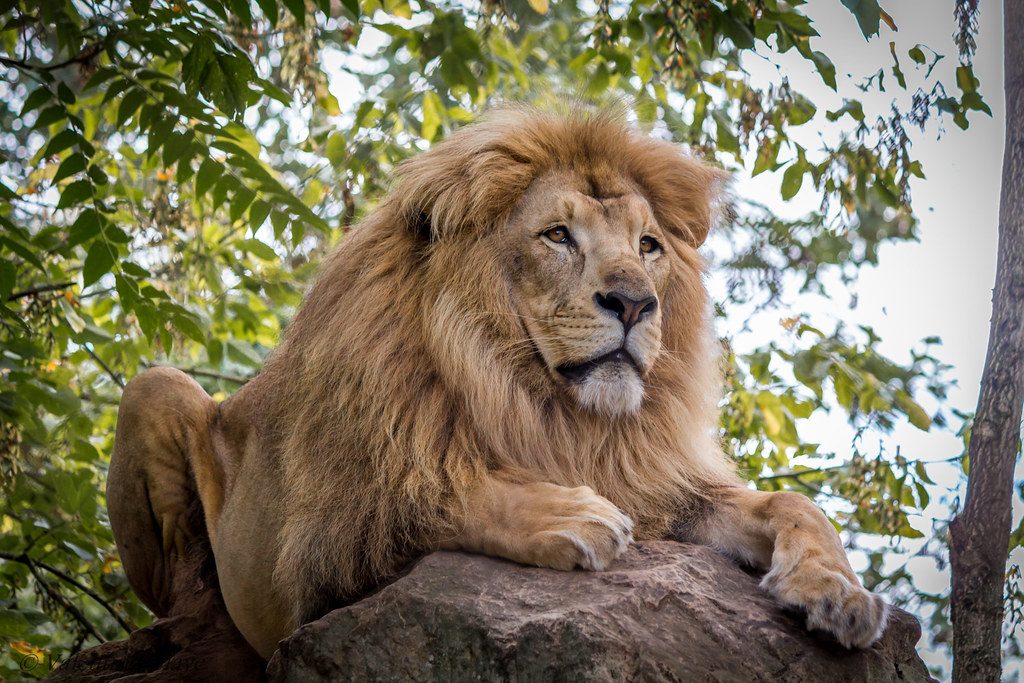
    Lion” by jonesbusy is licensed under CC BY-NC 2.0

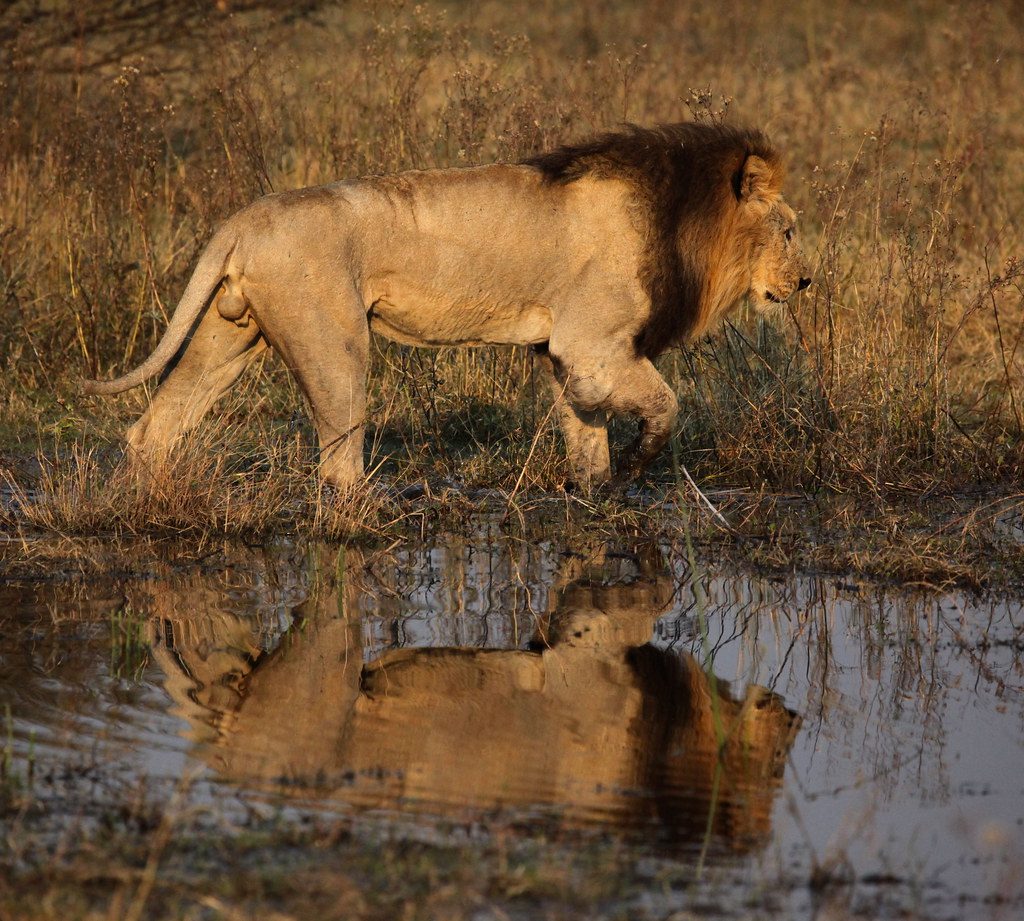
    There is no single winner in every crocodile and lion encounter. A large crocodile has a major advantage in deep water, where its powerful bite and surprise attack are most effective. A healthy adult lion has better chances on land because of its speed, strength, and agility.

    The outcome depends on many factors, including size, location, and whether the lion is alone or with its pride. Instead of constant battles, these predators usually respect each other’s strengths and avoid unnecessary risks whenever possible.

  • A seal’s gentle interaction with a diver captured an unforgettable encounter

    A seal’s gentle interaction with a diver captured an unforgettable encounter

    Have you ever wondered why a wild seal would swim right up to a diver instead of swimming away? A seal’s gentle interaction with a diver can look almost unbelievable, but these moments do happen when curious seals decide to investigate people underwater.

    While the encounter may seem like friendship, experts remind us that seals are still wild animals with natural instincts. In this article, you’ll learn why seals sometimes approach divers, what likely happened during this memorable encounter, how seals communicate through body language, and why respectful behavior keeps both humans and wildlife safe.

    Why the seal approached the diver

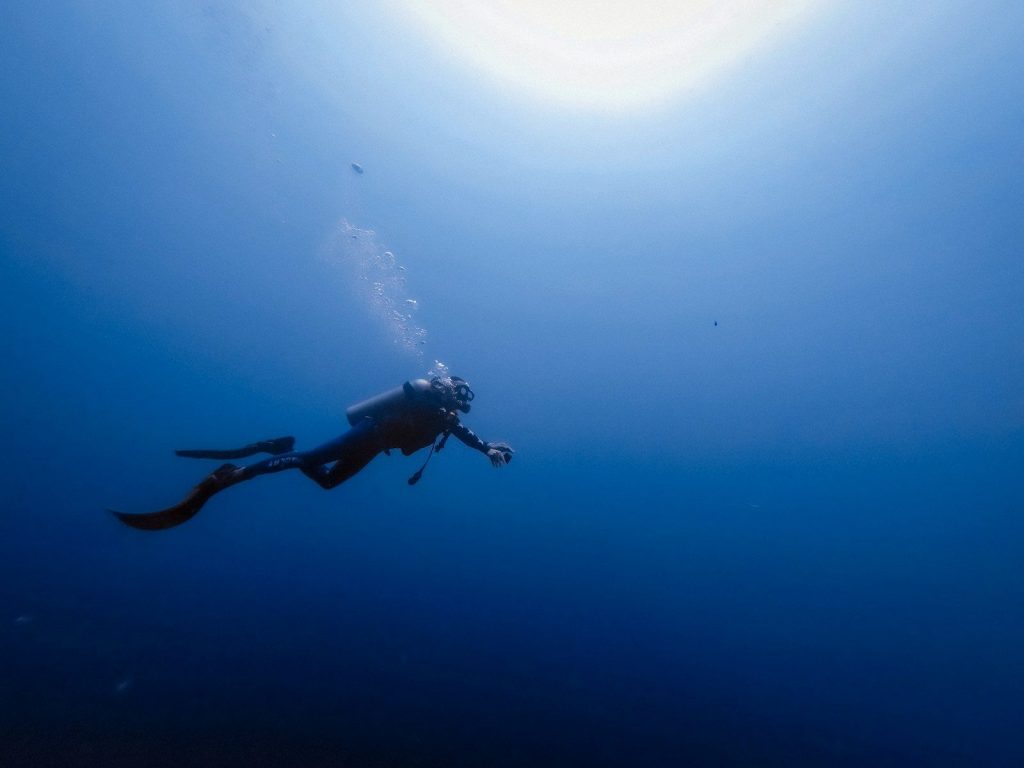
    person swimming under water photography
    Photo by Bobbi Wu on Unsplash

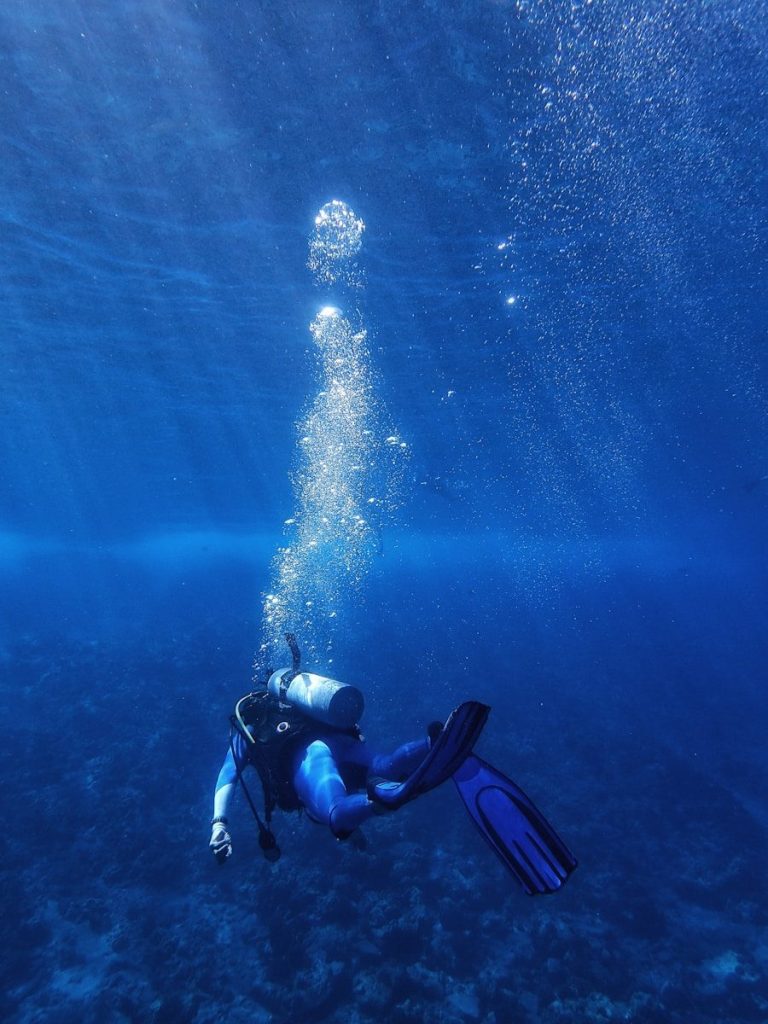
    Seals are naturally curious animals, especially younger ones. Divers often look and move differently from other sea life, making them interesting to investigate. A calm diver who stays still is less likely to frighten a seal, allowing the animal to swim closer on its own.

    In this encounter, the seal gently reached out with its flipper and touched the diver’s head. Marine experts believe this type of behavior is usually exploration rather than affection. The seal was likely using its flipper and sensitive whiskers to learn more about the unusual visitor.

    What the gentle touch really meant

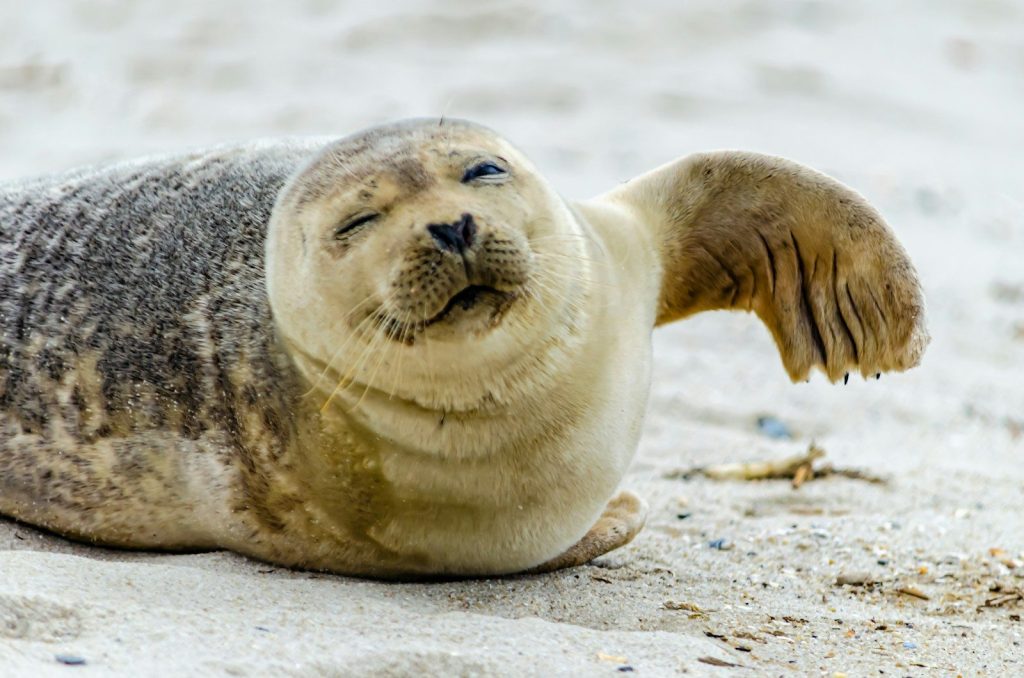
    seal lying on gray sand during daytime
    Photo by Steve Adams on Unsplash

    Many people describe the seal’s action as a “pat” because it looks similar to a human gesture. However, scientists caution against giving human emotions to wild animals. The seal was most likely examining the diver instead of trying to show love.

    Even so, the interaction shows how intelligent and curious seals can be. They often investigate floating objects, fish, and even diving equipment. A gentle touch is simply one way they gather information about something new in their environment.

    Why divers stayed calm

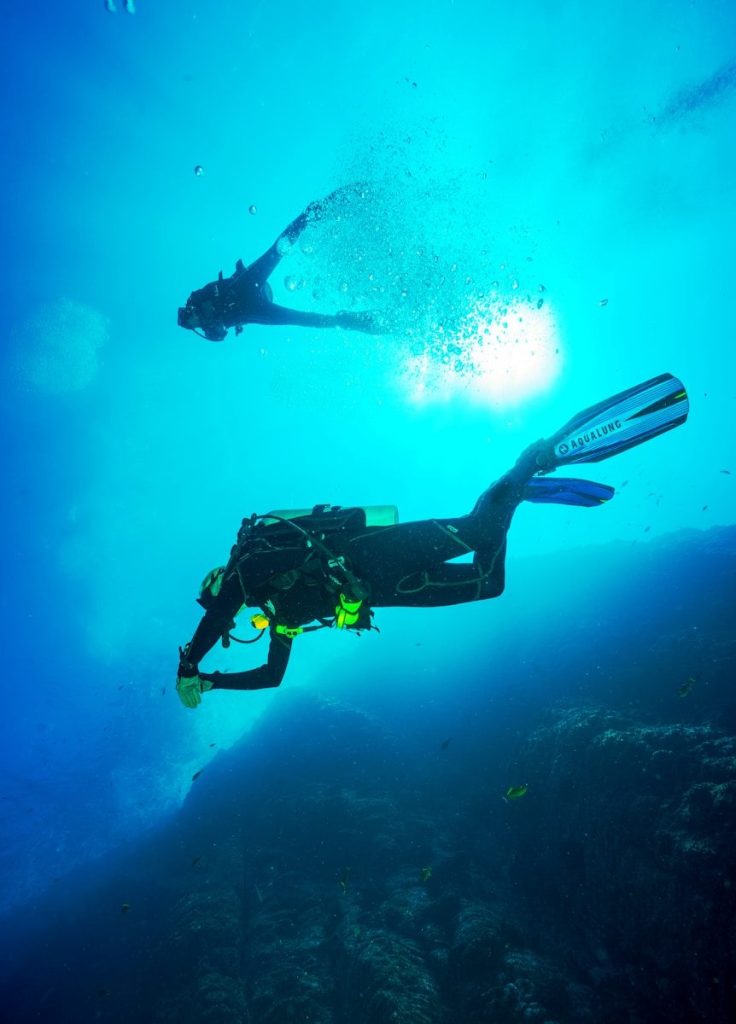
    photography of two persons underwater
    Photo by Francisco Jesús Navarro Hernández on Unsplash

    Experienced divers know that staying calm is the best response when wildlife comes close. Sudden movements can scare animals or make them feel threatened. Remaining relaxed allows the seal to decide how long the interaction lasts.

    The diver in this encounter did not chase, grab, or feed the seal. That respectful behavior helped keep the meeting peaceful. Wildlife experts encourage divers to let marine animals control any interaction instead of trying to start one themselves.

    How seals explore their world

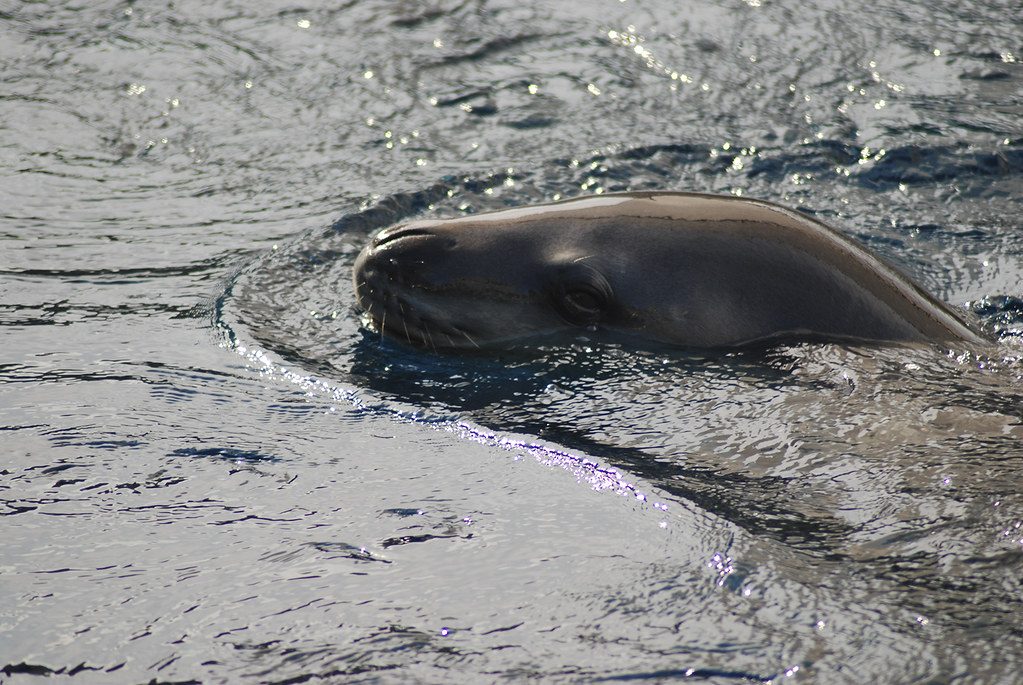
    Leopard Seal” by AegirPhotography is licensed under CC BY-NC 2.0

    Seals depend on excellent eyesight, hearing, and highly sensitive whiskers to understand their surroundings. Their whiskers can even detect tiny water movements left behind by swimming fish. These amazing senses help them hunt and safely travel through the ocean.

    Their front flippers also play an important role. Seals use them to steer, balance, and sometimes gently investigate objects they find underwater. A careful touch with a flipper is one way a curious seal can explore something unfamiliar without showing aggression.

    Why these encounters are uncommon

    underwater photography of diver during daytime
    Photo by Joseph Northcutt on Unsplash

    Most seals avoid people and continue swimming without stopping. Close interactions happen only under the right conditions, often when the animal feels relaxed, healthy, and unthreatened. Even then, there is no guarantee a seal will approach a diver.

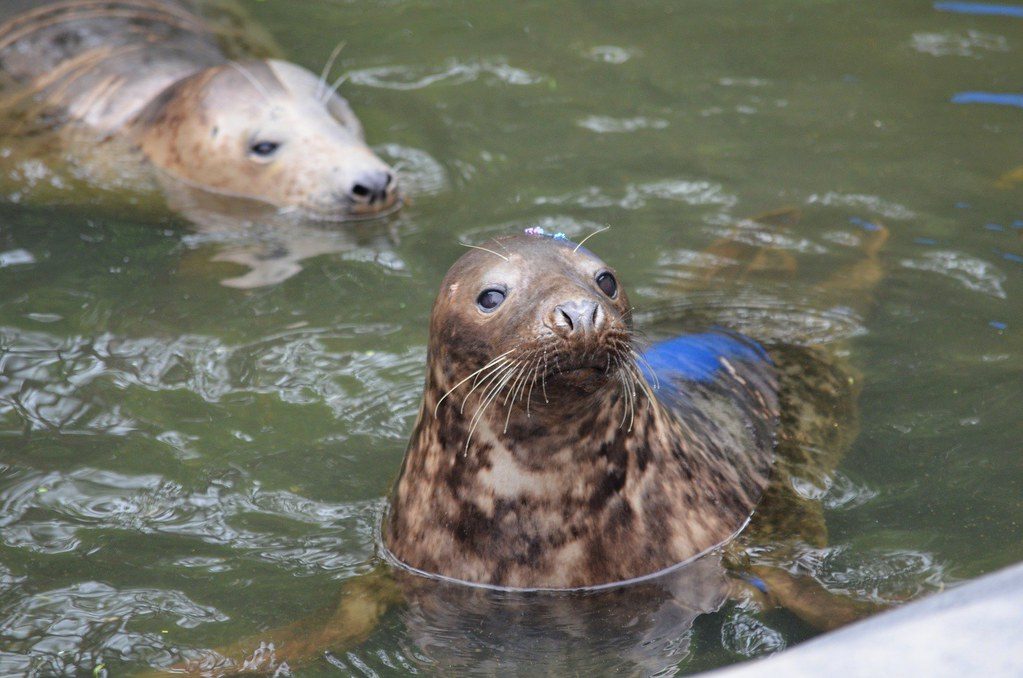
    Location also matters. Some diving areas are known for young gray seals or harbor seals that have become accustomed to seeing divers from a safe distance. Even in those places, every encounter is different because each seal behaves according to its own instincts.

    Respecting wildlife after the encounter

    Seal Rescue Ireland” by chripell is licensed under CC BY-SA 2.0

    A gentle meeting like this creates a wonderful memory, but it should never encourage people to seek physical contact with wild seals. They are protected marine mammals that deserve space. They can also bite if they feel frightened or cornered.

    The best wildlife experiences happen when humans act as quiet observers. Giving seals room to make their own choices protects their natural behavior and helps future visitors enjoy similar encounters without disturbing the animals.

  • Meet the shark with nearly all-around vision and a surprise attack strategy

    Meet the shark with nearly all-around vision and a surprise attack strategy

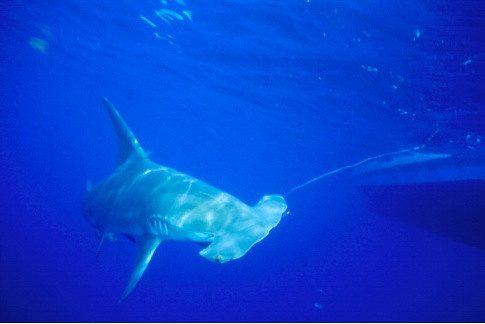
    Have you ever wondered how a shark can spot prey so quickly? The hammerhead shark has one of the most unusual heads in the ocean, and that shape gives it a big advantage. Its wide-set eyes help it see almost all around its body in the vertical plane, while its special hunting skills let it surprise prey from below. These features make hammerhead sharks some of the ocean’s most effective hunters. In this article, you’ll learn how their vision works, why their head is shaped like a hammer, and how they use smart hunting tactics to catch food.

    Why the hammerhead has such a strange head

    Hammerhead shark” by suneko is licensed under CC BY-SA 2.0

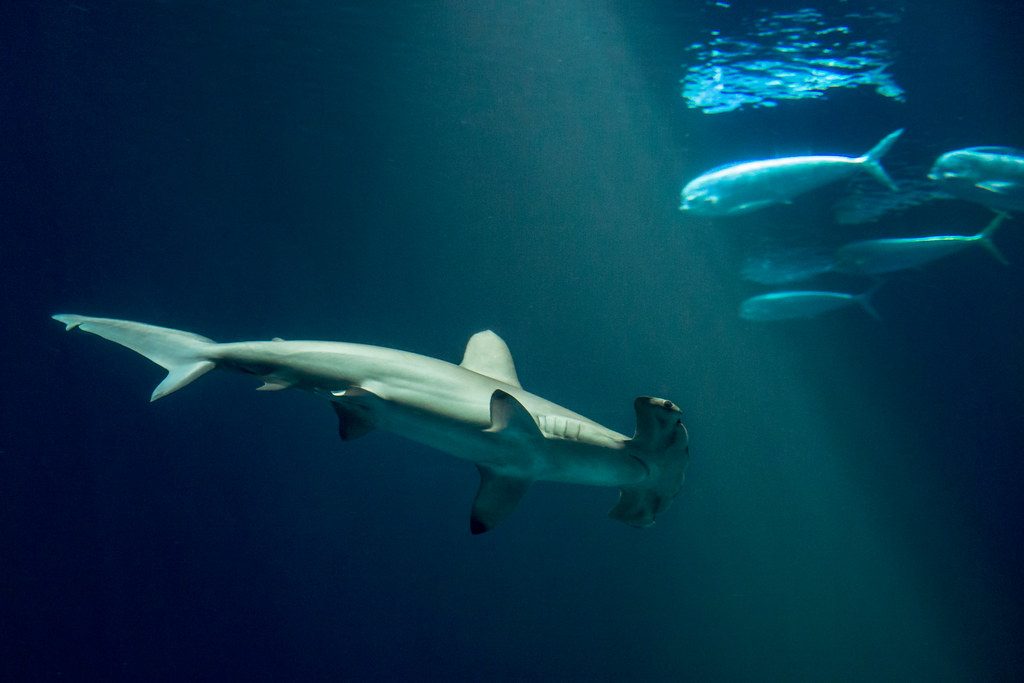
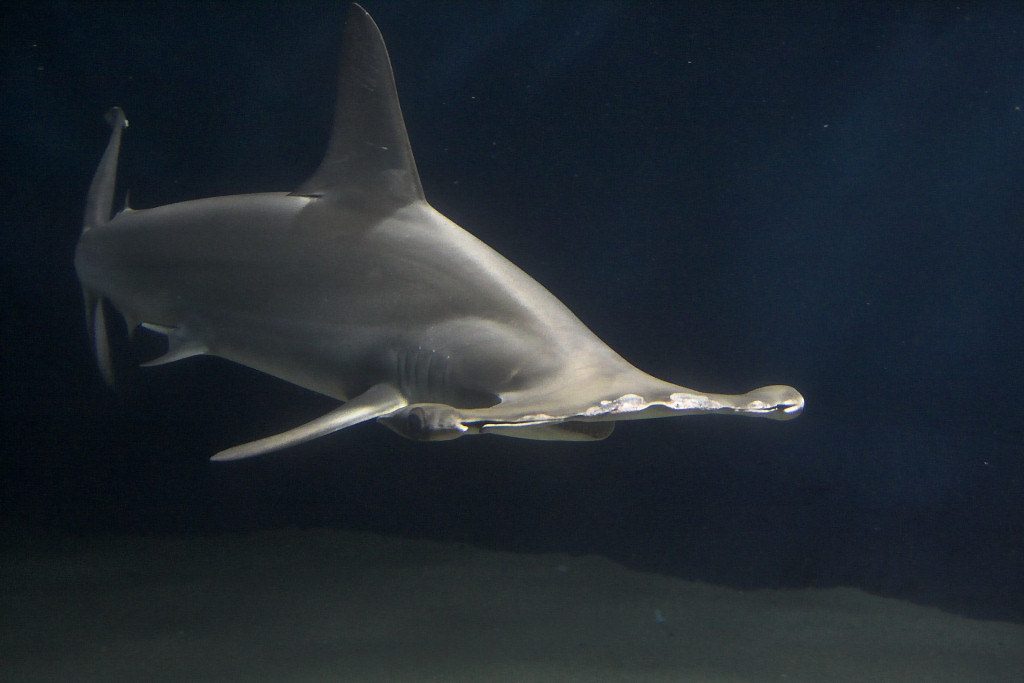
    The hammerhead’s wide, flat head is called a cephalofoil. Scientists believe this unique shape improves the shark’s vision and helps spread out important sensory organs. Its eyes sit at the far ends of the head, giving it a much wider view than most other sharks.

    The shark also has special organs called the ampullae of Lorenzini across its head. These tiny sensors detect weak electrical signals produced by living animals. This makes it easier to find prey hiding under sand or in cloudy water where eyesight alone is not enough.

    How its vision is almost all around

    Great Hammerhead Shark*” by MyFWC Florida Fish and Wildlife is licensed under CC BY-ND 2.0

    The hammerhead is often described as having nearly all-around vision because its eyes cover a very large field of view. Research shows it has a full 360-degree visual field in the vertical plane, allowing it to see both above and below at the same time.

    Its eye placement also creates better binocular vision than many other sharks. That means both eyes can focus on the same object, improving depth perception. This helps the shark judge distance more accurately when it is ready to attack.

    How it surprises prey from below

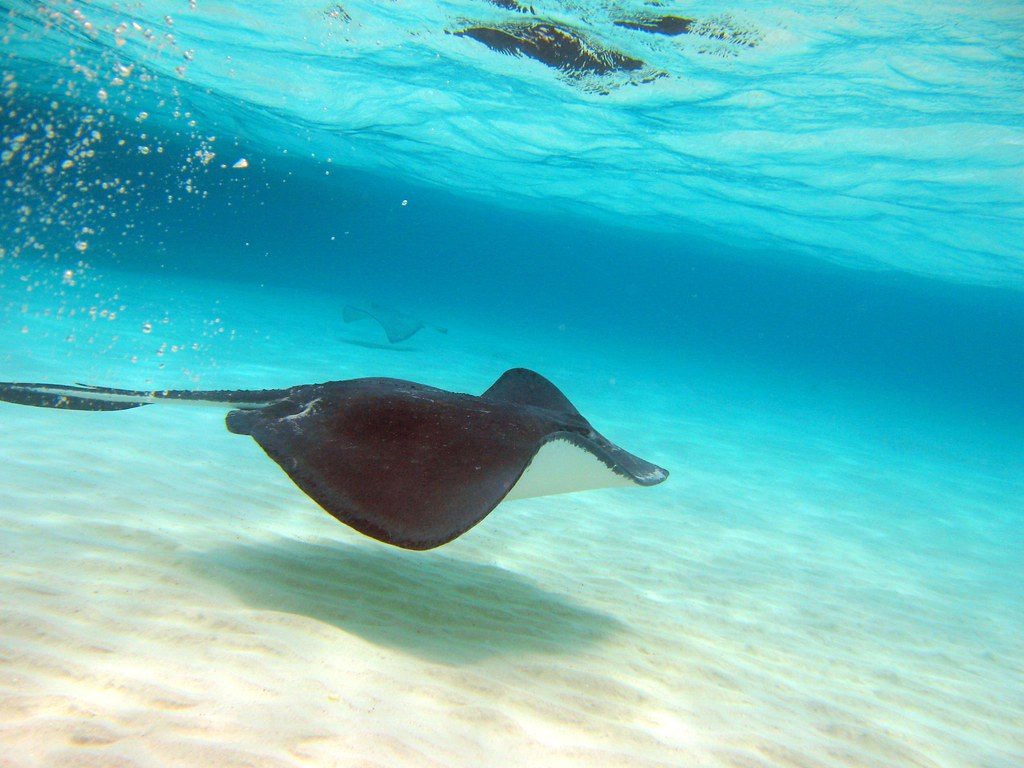
    Stingray, Grand Cayman” by GANDALF_GREY is licensed under CC CC0 1.0

    Hammerhead sharks often hunt stingrays, small fish, squid, and octopus. When searching the seafloor, they sweep their heads from side to side to detect hidden prey using both vision and electrical sensing.

    Once a stingray is found, the shark may swim above it and quickly strike downward. It often pins the stingray to the bottom with its broad head before taking a bite. This surprise attack gives the prey very little time to escape.

    More than eyesight helps the hunt

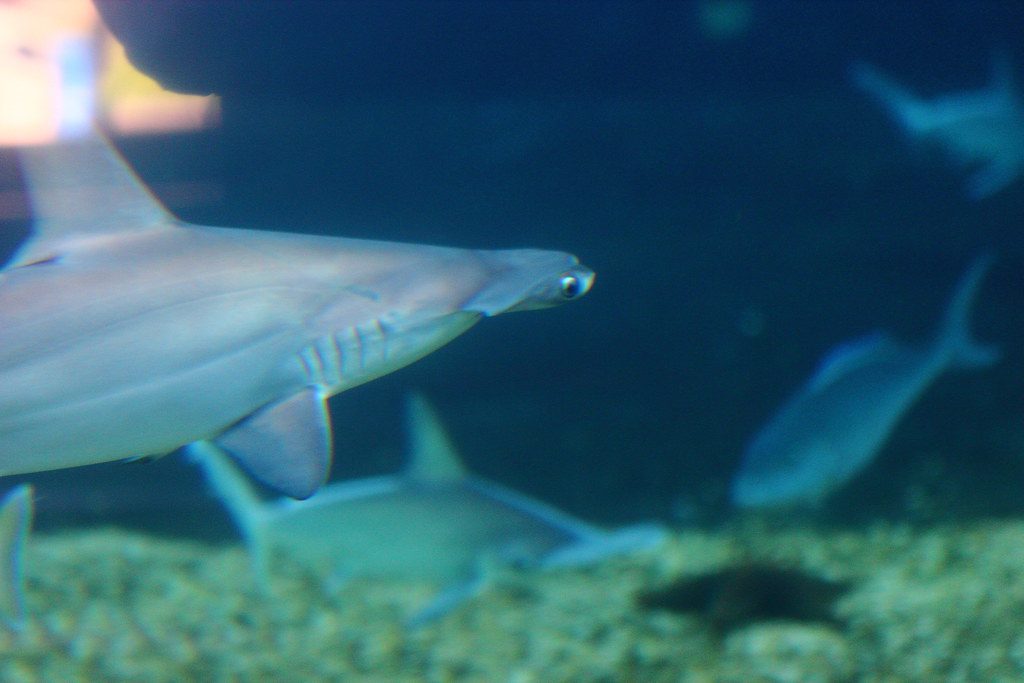
    Hammerhead Shark” by Averain is licensed under CC BY 2.0

    Vision is only one part of the hammerhead’s hunting toolkit. Like other sharks, it has an excellent sense of smell that helps it detect food from long distances. As it gets closer, electrical sensors become even more important.

    The shark also uses its lateral line, a sensory system that detects water movement and vibrations. Together, smell, vision, vibration sensing, and electroreception make the hammerhead a skilled predator in many ocean habitats.

    Where hammerhead sharks live

    Sailing to the Balearic Islands, Majorca, Minorca. an archipelago of Spain in the western Mediterranean Sea, near the eastern coast of the Iberian Peninsula.” by Nouhailler is licensed under CC BY-SA 2.0

    Different hammerhead species live in warm and tropical oceans around the world. They can be found near coastlines, coral reefs, continental shelves, and sometimes in deeper offshore waters. Young sharks often stay in shallow bays where they are better protected from larger predators.

    Some species gather in large schools during the day before hunting alone at night. Their diet includes fish, rays, squid, octopus, and crustaceans, depending on the species and location.

    Why these sharks need protection

    black fishing rod and body of water during golden hour
    Photo by James Wheeler on Unsplash

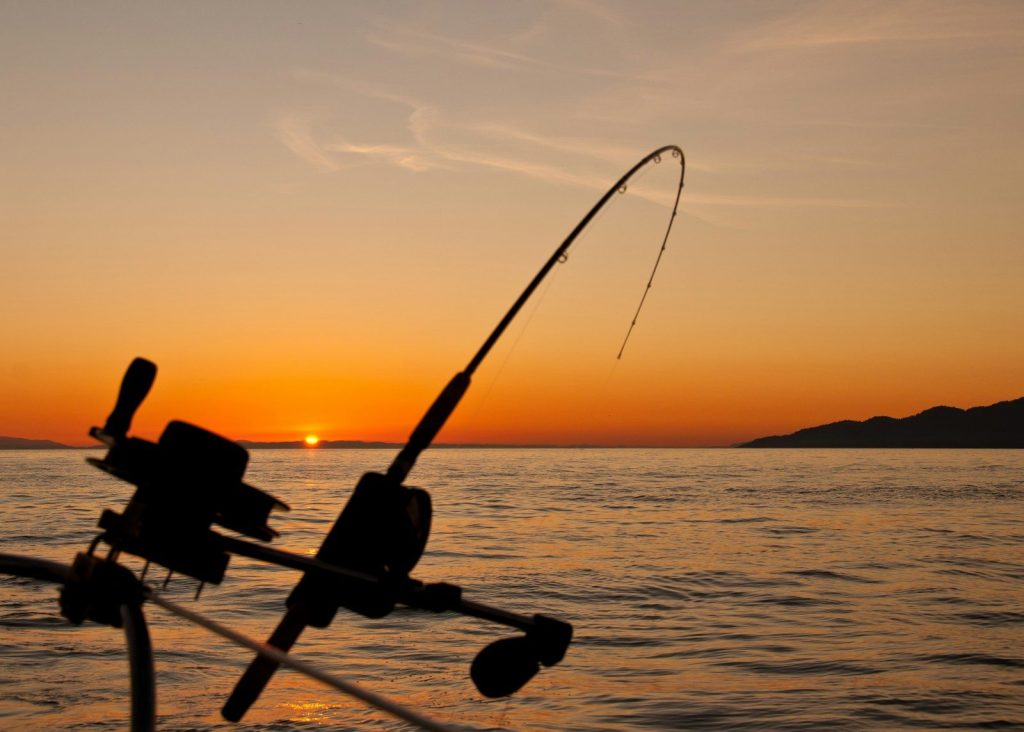
    Many hammerhead species face serious threats from overfishing and accidental capture in fishing gear. Their fins are highly valued in some markets, and slow reproduction makes it difficult for populations to recover after heavy losses.

    Scientists and conservation groups continue to study these remarkable sharks to better protect them. Healthy hammerhead populations help keep ocean ecosystems balanced by controlling the numbers of many prey species.

  • A human-shaped figure in the water left anglers searching for answers

    A human-shaped figure in the water left anglers searching for answers

    Have you ever looked into the water and thought you saw a person? That is exactly what happened when a human-shaped figure in the water caught the attention of anglers. At first, many believed they had found someone in danger, leading to confusion and concern. As more people looked closer, the mystery slowly unfolded.

    This article explains what anglers saw, why the discovery caused so much attention, what investigators found, and how similar events can happen. By the end, you will understand why human-shaped objects in the water can easily fool even experienced people.

    Why the figure alarmed nearby anglers

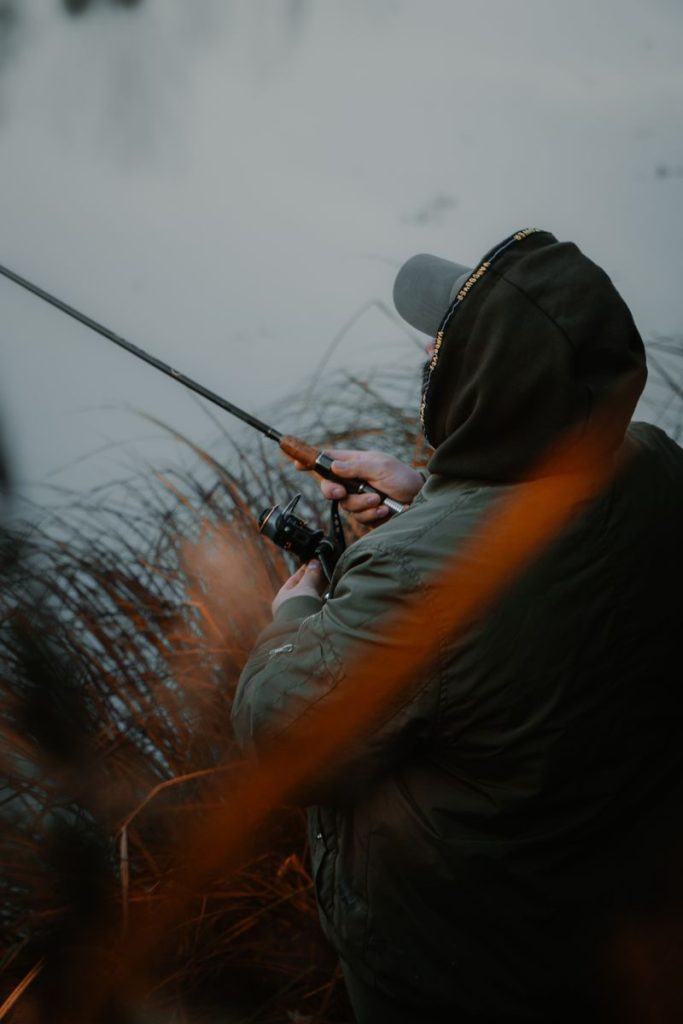
    A man in a hoodie fishes by a calm lake surrounded by autumn foliage.
    Photo by Cedé Joey on Pexels

    The strange shape was first noticed floating in the water by anglers who were spending time near the shoreline. From a distance, it looked very much like a human body. Because water, waves, and light can change the way objects appear, the sight immediately raised concern.

    The anglers quickly began searching for answers instead of ignoring what they had seen. Situations like this are treated seriously because every report of a possible person in the water could involve someone needing immediate help. Calling for assistance is always the safest choice.

    Rescue efforts began without delay

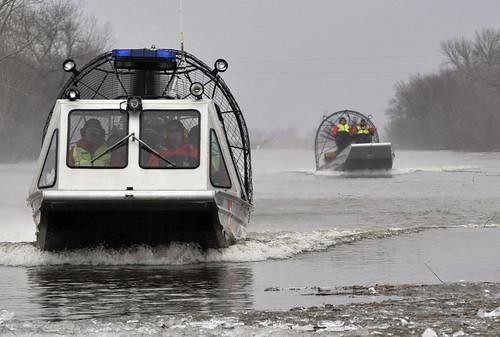
    Red River Flood Response [Image 12 of 15]” by DVIDSHUB is licensed under CC BY 2.0

    Emergency responders are trained to react quickly whenever someone reports a possible person in the water. In many cases, rescue teams cannot tell what an object is until they get much closer. Every minute matters if a real emergency is taking place.

    As responders approached, they carefully examined the floating object. Similar incidents have happened in different places where objects, training equipment, or debris have been mistaken for people because of their size, shape, and movement on the water.

    The mystery was finally explained

    a bird standing on top of a sandy beach next to the ocean
    Photo by Elinda Gjonomadhi on Unsplash

    A closer inspection revealed that the figure was not a person after all. Instead, it was a human-shaped object that created a powerful illusion when viewed from a distance. The object’s outline, combined with the movement of the water, made it appear much more realistic than it really was.

    Human eyes naturally recognize familiar shapes, especially faces and bodies. Scientists call this pattern recognition, and it helps explain why people sometimes mistake ordinary objects for something completely different. Water reflections can make these illusions even stronger.

    Why objects often look human in water

    Vesuvius Beach Sunset” by `James Wheeler is licensed under CC BY-NC-SA 2.0

    Water constantly changes because of waves, sunlight, shadows, and reflections. These conditions can hide important details while making simple objects seem lifelike. Even experienced anglers and boaters can be fooled when viewing something from far away.

    Floating logs, life-sized training dummies, damaged sculptures, and other debris have all been mistaken for people in past incidents. Once viewed from another angle or at a closer distance, the true identity usually becomes much easier to recognize.

    Similar mysteries have happened before

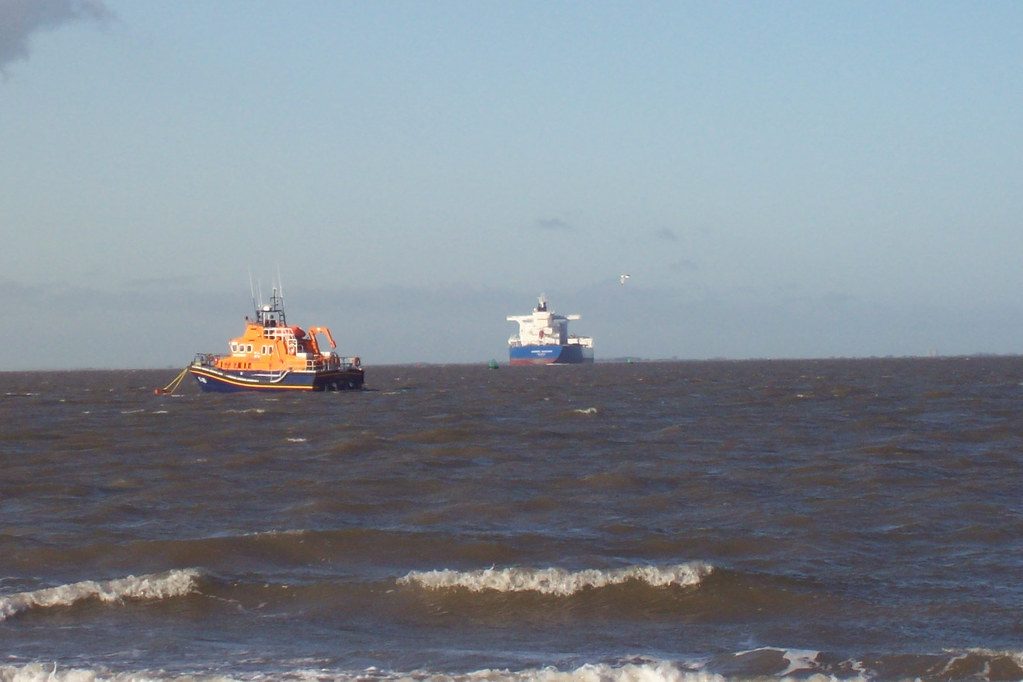
    BOATS AT SPURN HEAD” by summonedbyfells is licensed under CC BY 2.0

    Reports of human-shaped figures in lakes, rivers, and oceans appear from time to time around the world. Some have turned out to be rescue training dummies, while others were underwater sculptures or pieces of artwork that spread confusion after photos were shared online.

    These stories often become popular because the first images are taken from a distance, leaving room for many guesses. Once investigators examine the scene, the explanation is usually much simpler than the original rumors suggested.

    What this incident teaches everyone

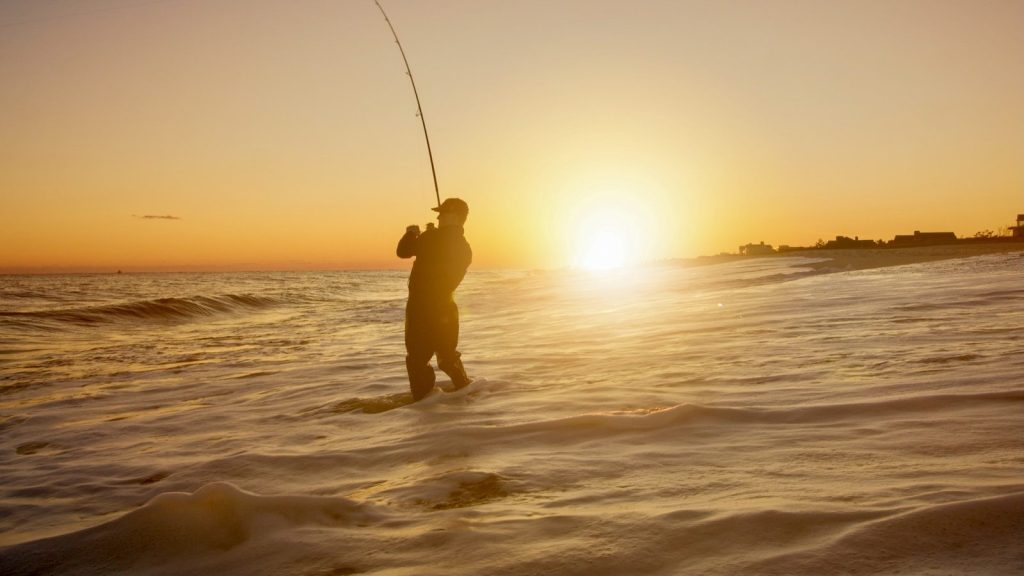
    silhouette of man fishing on sea during sunset
    Photo by Clay LeConey on Unsplash

    The anglers made the right decision by taking the sight seriously. Even though the figure was not a real person, reporting suspicious objects in the water helps protect lives. It is always better to investigate than to ignore something that could be an emergency.

    At the same time, this incident reminds us that appearances can be misleading. Nature, light, and water can create convincing illusions that challenge even careful observers. Looking closer before jumping to conclusions often reveals the true story.

  • Discover one of the most massive Nile crocodiles ever recorded

    Discover one of the most massive Nile crocodiles ever recorded

    The most massive Nile crocodiles ever recorded have amazed scientists and wildlife experts for decades. These giant reptiles are among the largest predators in Africa and can grow to incredible sizes under the right conditions. While many stories tell of monster crocodiles, only a few have been carefully measured and verified.

    In this article, you will discover one of the biggest Nile crocodiles ever recorded, learn what helped it reach such a huge size, and understand why these powerful reptiles remain some of the most impressive hunters on Earth.

    The biggest verified Nile crocodile

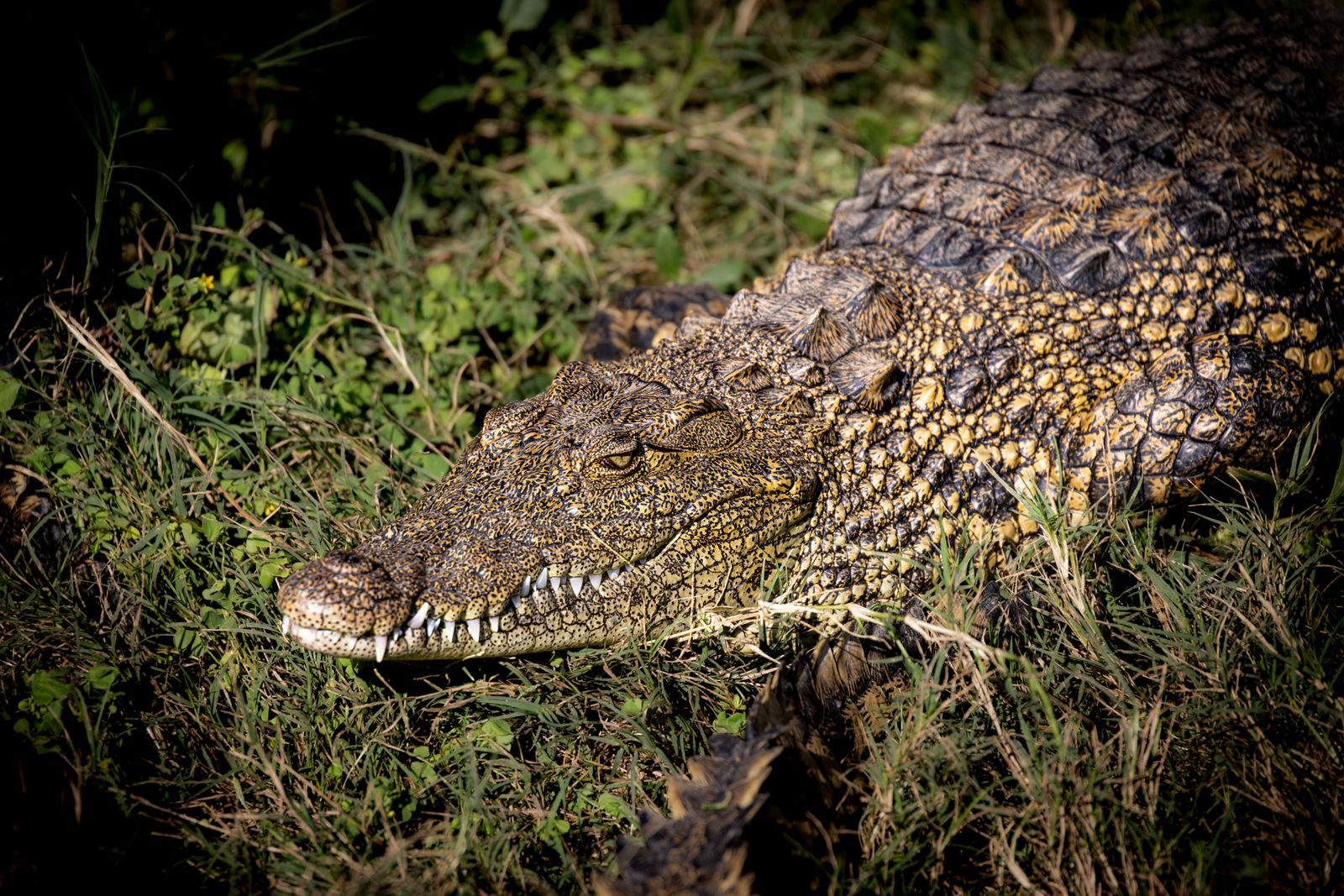
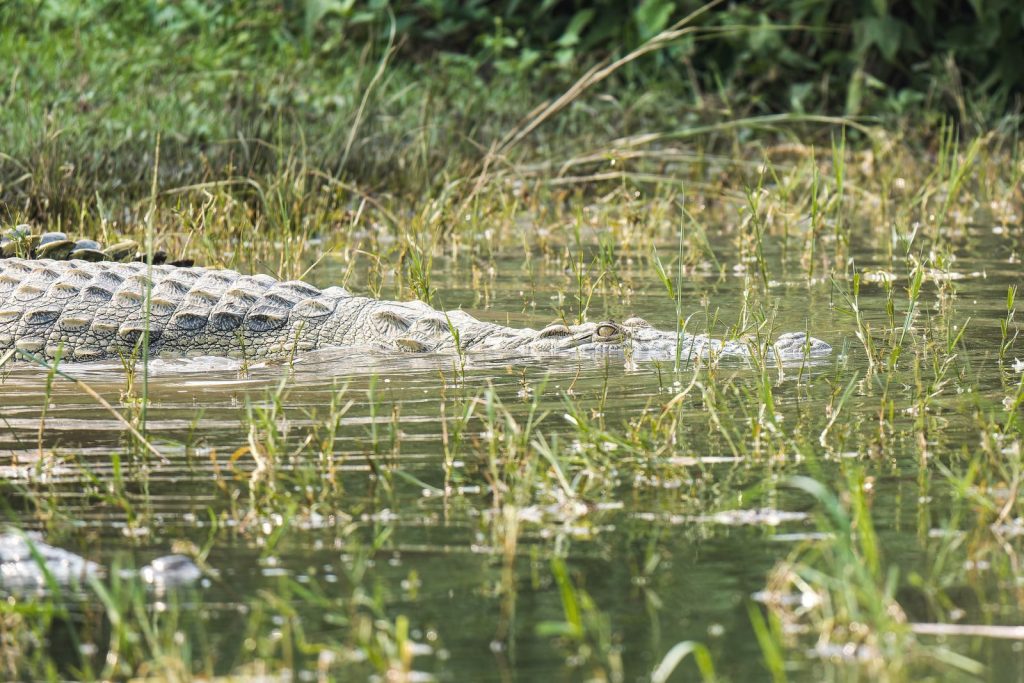
    Nile crocodile” by Arno Meintjes Wildlife is licensed under CC BY-NC-SA 2.0

    One of the largest verified Nile crocodiles ever recorded was a male shot near Mwanza, Tanzania. It measured about 21 feet 2 inches (6.45 meters) long and weighed between 2,300 and 2,400 pounds. It remains the largest accurately measured Nile crocodile on record.

    Many people have heard stories about even bigger Nile crocodiles, but most of those claims were never confirmed with careful measurements. Wildlife experts only accept records that include reliable measurements, making the Tanzania crocodile the best-known verified giant.

    Why some Nile crocodiles grow so large

    Bloated Nile Crocodile” by shankar s. is licensed under CC BY 2.0

    Nile crocodiles can live for many decades, giving them plenty of time to keep growing. Unlike many animals, they continue to grow slowly throughout their lives, although the growth rate becomes much slower as they age.

    A healthy habitat also plays a big role. Crocodiles living in large rivers and lakes with plenty of fish, birds, and mammals have better access to food. Good nutrition, favorable weather, and strong genetics can all help a crocodile reach an exceptional size.

    The legend of Gustave

    Two crocodiles visible underwater in a murky, natural setting, showcasing wildlife behavior.
    Photo by Tomáš Malík on Pexels

    One famous Nile crocodile is Gustave from Burundi. He became well known because local people believed he had attacked many humans over the years. Scientists estimated he may have been around 20 feet long and weighed about 2,000 pounds.

    Even though Gustave became famous around the world, he was never captured or officially measured. Because of that, experts do not consider him the largest verified Nile crocodile, even if he may have been one of the biggest living individuals.

    How giant crocodiles hunt

    Crocodile blending into swampy marshland, showcasing camouflage skills.
    Photo by Rino Adamo on Pexels

    Large Nile crocodiles are patient ambush predators. They wait quietly in the water with only their eyes and nostrils showing. When prey comes close to the edge, they strike with amazing speed using their powerful jaws.

    Their diet changes as they grow bigger. Smaller crocodiles mainly eat fish and insects, while giant adults can hunt antelope, zebras, wildebeest, and other large animals. They often drag prey into the water before eating it.

    Why measuring giant crocodiles is difficult

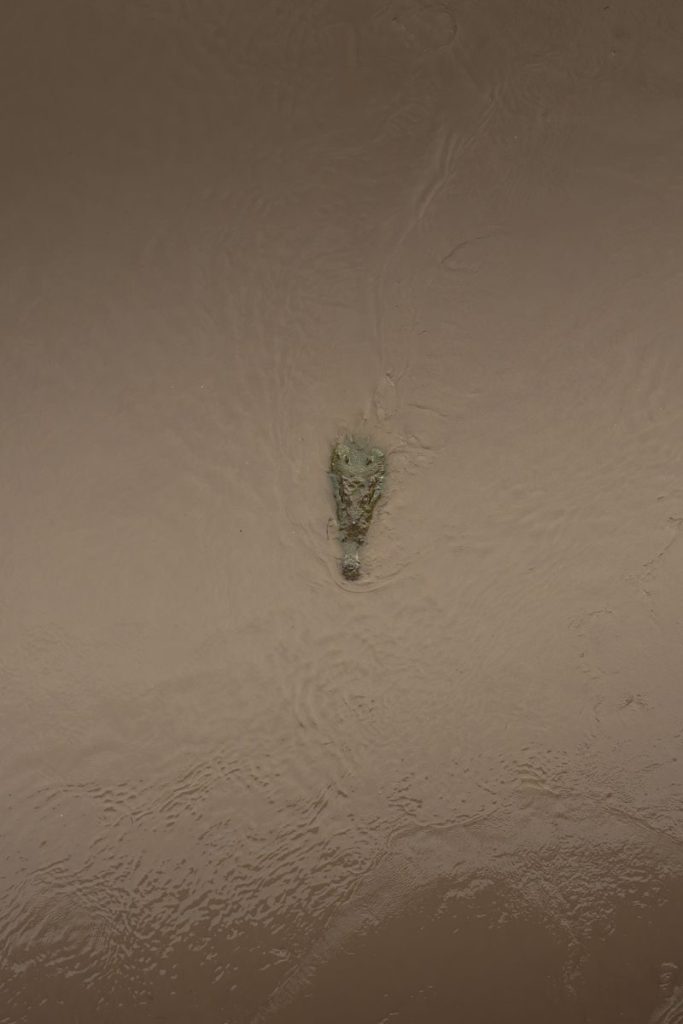
    A crocodile swims in a muddy river captured from above, showcasing wildlife in its natural habitat.
    Photo by Dante Muñoz on Pexels

    Getting an exact measurement of a wild crocodile is not easy. These animals are dangerous, strong, and often live in remote places. Many reported sizes come from quick estimates instead of careful scientific measurements.

    Scientists prefer to measure crocodiles directly after capture or after they have died. This method removes guesswork and allows researchers to compare records fairly. That is why only a small number of giant Nile crocodiles have officially entered the record books.

    Why these reptiles still fascinate scientists

    three people in lab coats looking at a tablet
    Photo by National Cancer Institute on Unsplash

    Nile crocodiles have survived for millions of years with very few changes to their body design. Their powerful jaws, thick armor-like skin, and excellent hunting skills have made them successful predators for a very long time.

    Studying these giant reptiles also helps scientists understand healthy freshwater ecosystems. As top predators, they help keep animal populations balanced and play an important role in maintaining nature across much of Africa.

  • A father’s brave encounter with a grizzly had a heartbreaking outcome

    A father’s brave encounter with a grizzly had a heartbreaking outcome

    A father’s brave encounter with a grizzly bear is a reminder that wildlife can be dangerous even during normal outdoor trips. Most grizzly bears avoid people, but close-range surprises can lead to fast and violent attacks. In some heartbreaking cases, parents have put themselves in harm’s way to protect their children.

    This article explains what happened during one well-known grizzly bear encounter, why the bear attacked, how the father responded, and what lessons hikers and families can learn. Understanding bear behavior and proper safety steps can help people make smarter choices when visiting bear country.

    The family was enjoying a normal hike

    a scenic view of a lake surrounded by mountains
    Photo by David Morris on Unsplash

    In August 2005, Johan Otter and his teenage daughter, Jenna, were hiking on a marked trail in Glacier National Park, Montana. The trail was popular, and the family was enjoying a peaceful morning outdoors. Everything changed when they suddenly came around a rocky bend.

    Just a few feet away stood a mother grizzly bear with her two cubs. The close distance gave both the hikers and the bear almost no time to react. Wildlife experts say surprise encounters at very short range are among the most dangerous situations because the bear may believe her cubs are in immediate danger.

    A father stepped in to protect his daughter

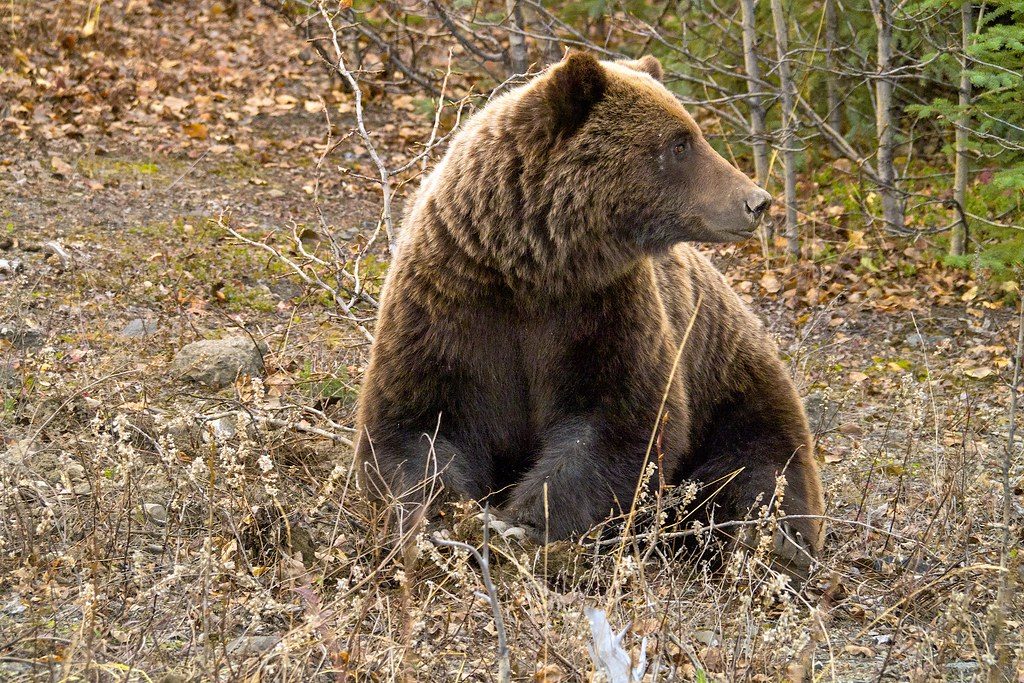
    Grizzly Bear in Alaska” by Princess-Lodges is licensed under CC BY-NC-ND 2.0

    As the grizzly charged, Johan moved into the bear’s path instead of letting it reach his daughter. During the attack, he later explained that his only thought was keeping the bear focused on him so Jenna could survive.

    The grizzly mauled Johan, causing severe injuries to his head, arms, legs, ribs, neck, and face. While the attack unfolded, Jenna fell about 50 feet down a nearby slope. Although she was injured in the fall, she escaped the direct force of the bear and survived.

    The attack left lasting injuries

    an ambulance driving down a street next to a building
    Photo by Walter Dziemianczyk on Unsplash

    Johan suffered around 20 major wounds, including broken ribs, a fractured eye socket, and a serious neck fracture. Doctors later said some of his injuries could easily have been fatal. Despite the damage, emergency responders were able to rescue both father and daughter.

    His recovery took months of medical care and rehabilitation. The experience also left emotional scars, but Johan continued working toward recovery. His survival became an example of both physical strength and determination after a life-threatening wildlife attack.

    Why the grizzly bear attacked

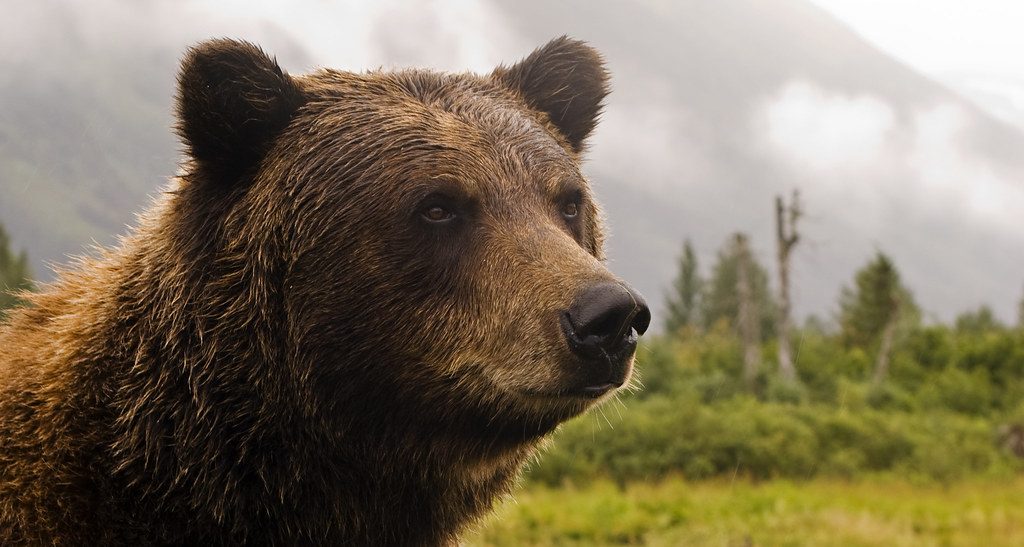
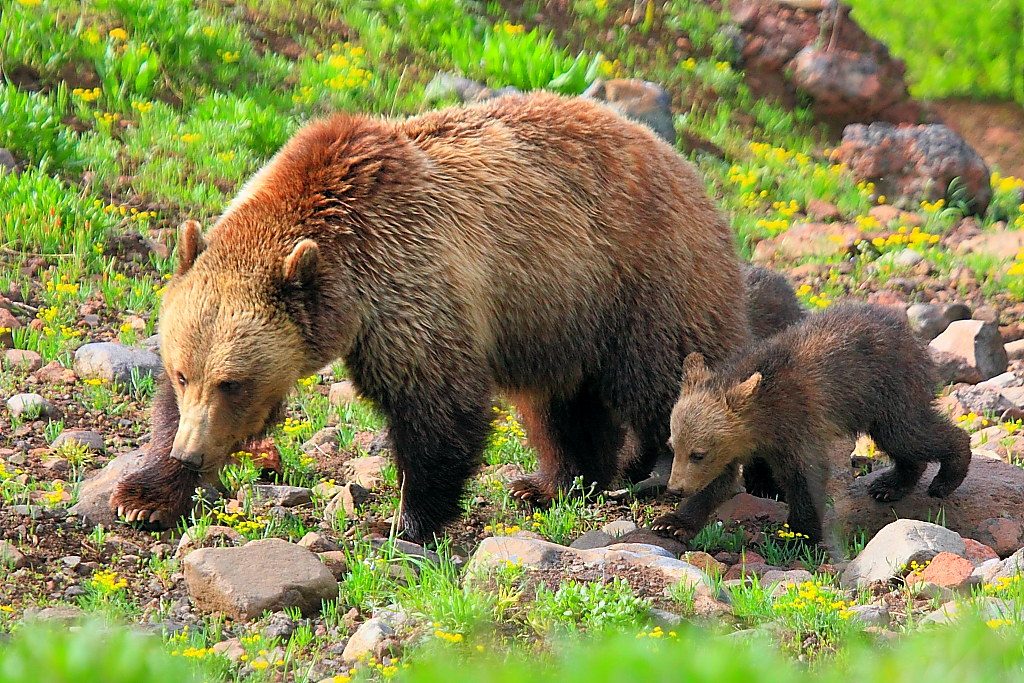
    IMG_2217 Grizzly Bear, Yellowstone National Park” by ThorsHammer94539 is licensed under CC BY-NC 2.0

    Wildlife officials determined that the bear was acting defensively rather than hunting people. Mother grizzly bears are known to react aggressively if they believe someone is threatening their cubs, especially during sudden close encounters.

    Experts say this type of defensive attack is different from a predatory attack. The hikers did not intentionally approach the cubs, but the surprise meeting happened at such close range that the bear reacted almost instantly to protect her young.

    The family returned to the trail

    Family hike” by quinn.anya is licensed under CC BY-SA 2.0

    About a year later, Johan and Jenna made the difficult decision to return to the same hiking trail. Going back was part of their healing process and helped them face the fear created by the attack.

    Johan said he understood that the grizzly was behaving as a protective parent. Instead of blaming the animal, he chose to respect the natural instincts of wildlife. Their return showed that recovery can include both physical healing and emotional courage.

    Safety lessons from the tragedy

    black and gray i love you print textile
    Photo by Nick Fewings on Unsplash

    Grizzly bear attacks remain rare, but they can happen in areas where bears live. National park officials advise hikers to travel in groups, make noise on the trail, carry bear spray, and stay alert, especially where visibility is limited.

    People should never approach bear cubs because the mother is often nearby. If a bear is seen, giving it plenty of space is the safest choice. Learning bear safety before entering grizzly habitat can greatly reduce the risk of a dangerous encounter.

  • These remarkable sharks surprised researchers with their existence

    These remarkable sharks surprised researchers with their existence

    The ocean still hides amazing secrets, and some of the biggest surprises have come from sharks that scientists never expected to find. These remarkable sharks surprised researchers with their existence because they looked unlike any known species, lived in places people rarely explored, or were discovered much later than experts thought possible. Some were found only by chance, while others remained hidden in the deep sea for decades.

    In this article, you will learn about six incredible sharks that changed what scientists knew about life in the ocean. Their discoveries prove that even today, Earth’s oceans still hold mysteries waiting to be uncovered.

    The megamouth shark shocked the scientific world

    Megamouth shark” by Stephanie_Asher is licensed under CC BY-NC-SA 2.0

    The megamouth shark became one of the greatest shark discoveries ever made. It was unknown to science until 1976, when a large shark became tangled in equipment on a U.S. Navy vessel near Hawaii. Scientists quickly realized they were looking at a completely new species.

    Unlike fast hunters such as great white sharks, the megamouth shark is a slow filter feeder. It swims with its huge mouth open, collecting tiny animals called plankton. Only a small number of megamouth sharks have ever been recorded, making it one of the rarest sharks on Earth.

    The goblin shark seemed almost unreal

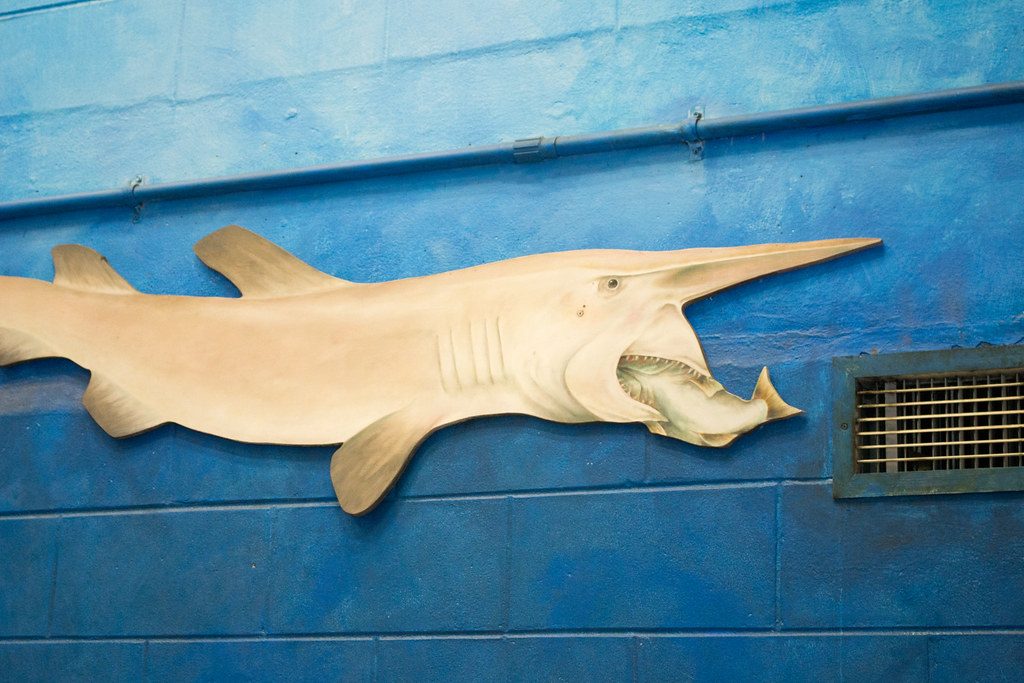
    Behind the Scenes” by NerdRVT is licensed under CC BY-NC-ND 2.0

    The goblin shark amazed researchers because of its strange appearance. It has a long, flat snout and jaws that can quickly shoot forward to grab prey. This unusual feeding system helps it catch fish and squid in the dark depths of the ocean.

    For many years, scientists knew the species mostly from sharks accidentally caught by fishing boats. Recent deep-sea expeditions finally captured healthy goblin sharks alive in their natural habitat, giving researchers their first close look at how these rare animals live far below the surface.

    The frilled shark looked like a living fossil

    Diver explores underwater world with sharks in Maldives' clear blue waters.
    Photo by Pexels User on Pexels

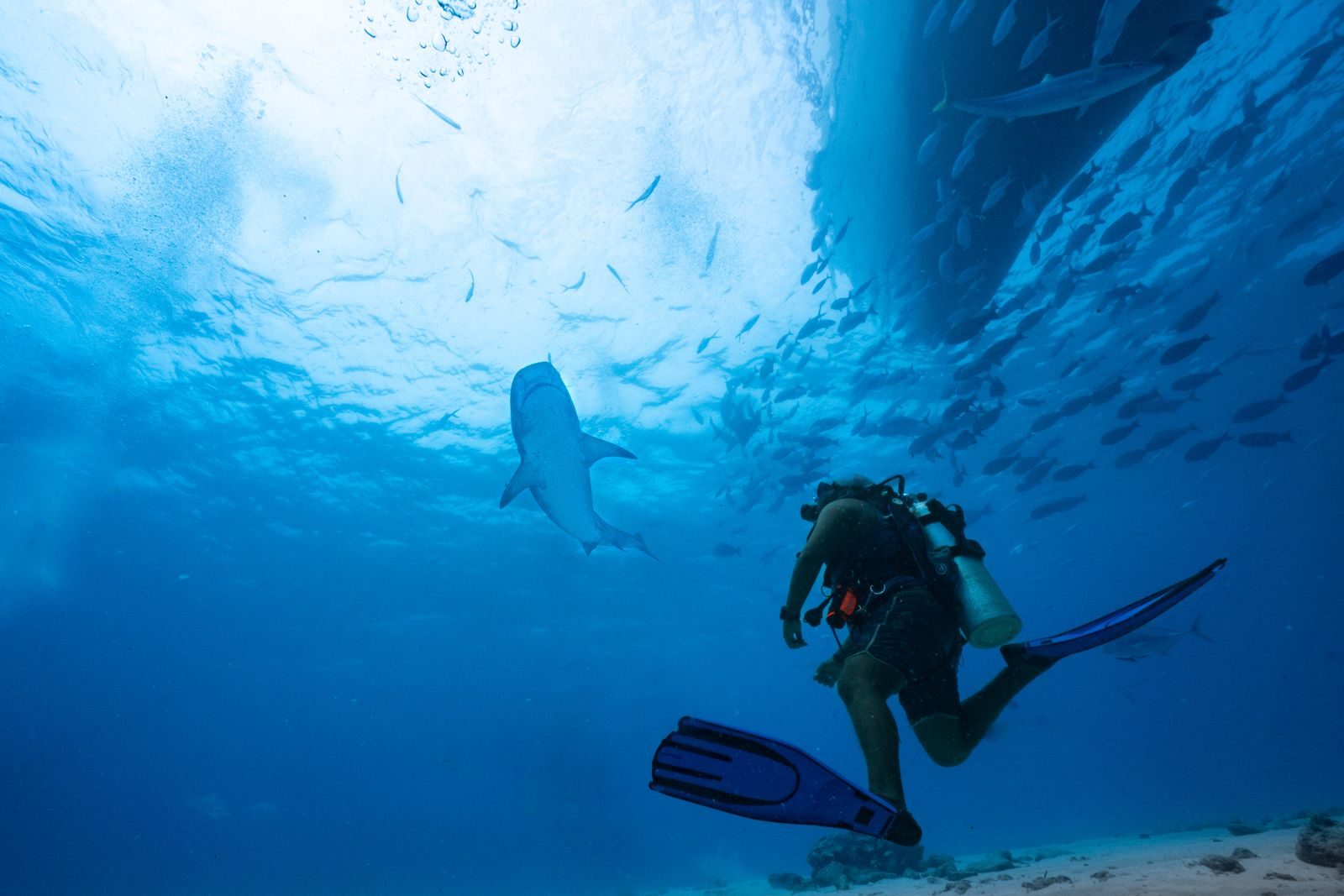
    When researchers first studied the frilled shark, they were surprised by how different it looked from modern sharks. Its long, eel-like body and rows of needle-shaped teeth made it seem like a creature from ancient seas.

    The frilled shark lives in deep water and is rarely seen by people. Scientists believe its body shape has changed very little over millions of years. Because of this, the species gives researchers important clues about how early sharks may have looked long before humans existed.

    The pocket shark stunned scientists

    A breathtaking view of sharks swimming among fish in shallow turquoise waters near the shore.
    Photo by Viktoriia Harber on Pexels

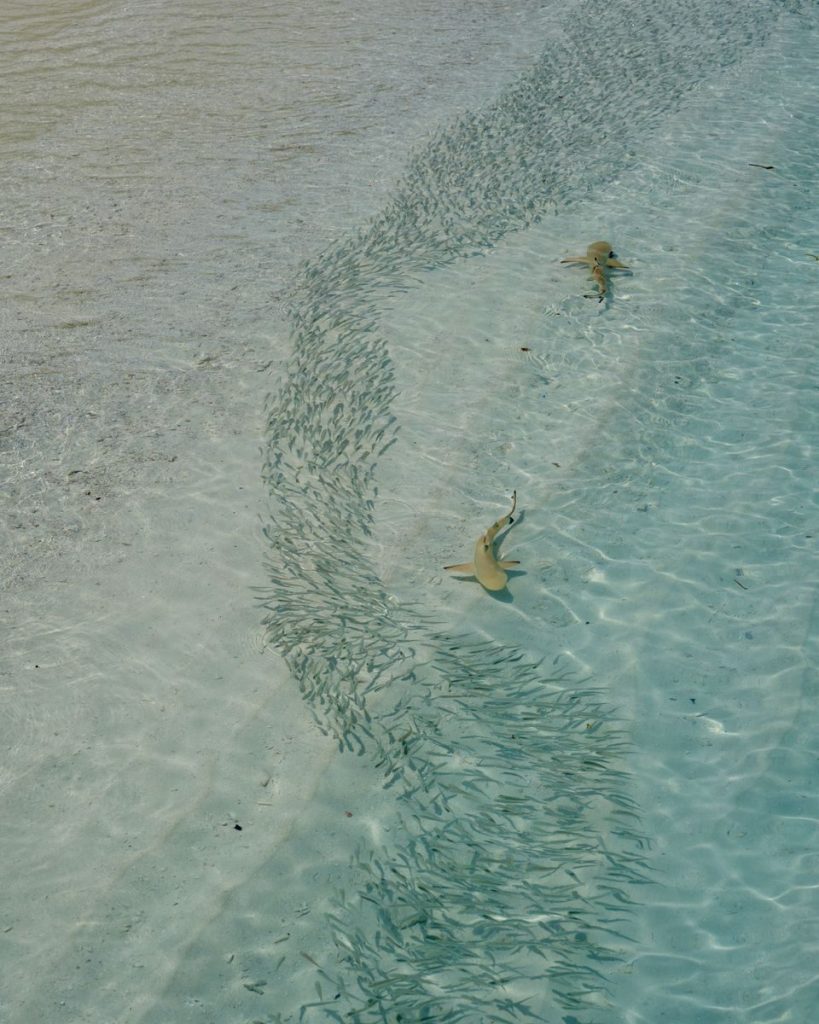
    The pocket shark is one of the rarest sharks ever found. Scientists have identified only a few specimens, making every discovery extremely valuable. One known specimen was collected in the Gulf of Mexico and later described as a new species after careful study.

    Researchers named it the pocket shark because it has small pocket-like openings near its front fins. Scientists are still studying what these structures do, but they may release glowing fluid or another substance. Much about this tiny deep-sea shark remains unknown, showing how little people have explored the deep ocean.

    The cookiecutter shark surprised experts with its feeding

    three people in lab coats looking at a tablet
    Photo by National Cancer Institute on Unsplash

    The cookiecutter shark is small, but its feeding behavior surprised scientists. Instead of swallowing large prey, it removes neat, round plugs of flesh from much bigger animals, including whales, dolphins, large fish, and even some sharks.

    Its strong suction and sharp lower teeth work together to create these distinctive bite marks. Scientists have even found its circular scars on submarines and underwater equipment. This unusual hunting method is unlike that of almost any other shark species.

    Deep-sea discoveries continue today

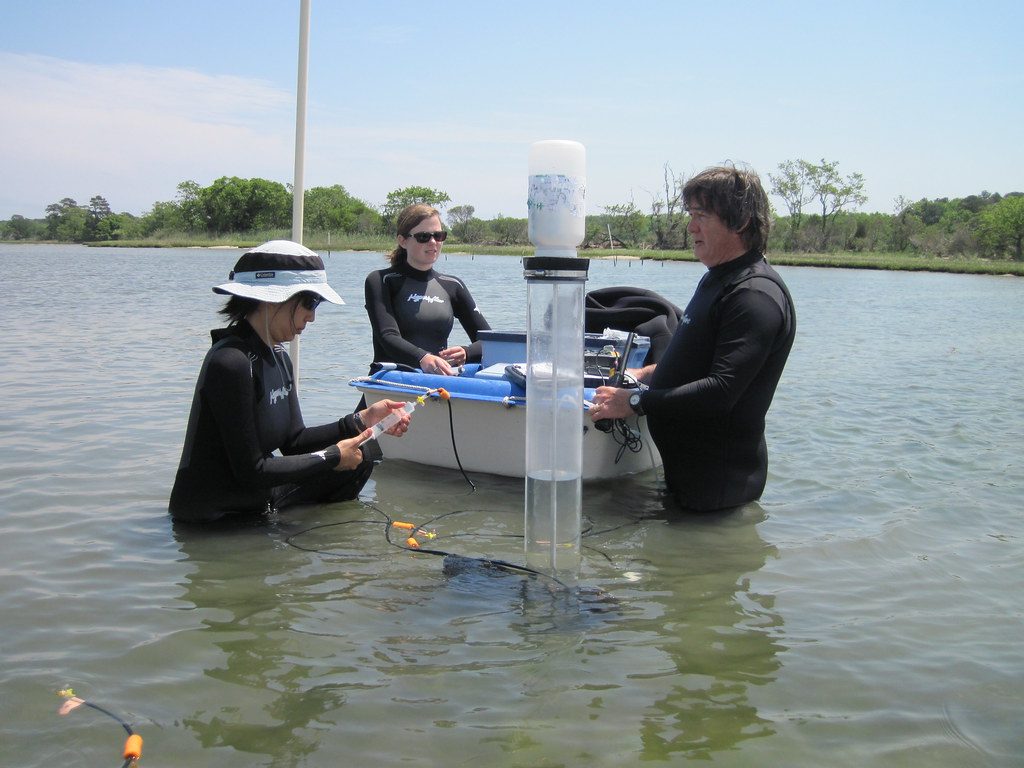
    Marine Scientist Jennifer Stanhope, VASG Graduate Research Fellow Annie Murphy, and Mark Luckenbach take water samples from the cores over the course of the day to measure the nutrient concentrations in the water. ©Margaret Pizer/VASG” by Virginia Sea Grant is licensed under CC BY-ND 2.0

    Scientists continue finding surprising sharks because much of the deep ocean remains unexplored. Better submarines, underwater cameras, and robotic vehicles now allow researchers to reach places that were once impossible to study.

    Every new discovery helps scientists better understand shark evolution, ocean ecosystems, and marine biodiversity. These remarkable sharks remind us that even in the modern world, the largest habitat on Earth still holds many exciting secrets waiting to be discovered.

  • What makes deep-sea animals so much more frightening?

    What makes deep-sea animals so much more frightening?

    The deep sea is home to some of the strangest animals on Earth. When people ask, “What makes deep-sea animals so much more frightening?” the answer is not just their sharp teeth or scary faces. It is the dark, silent world they live in and the amazing ways they have changed to survive. These creatures have evolved over millions of years to handle conditions that would quickly kill most animals.

    In this article, you will learn why deep-sea animals look so unusual, how their environment shapes their bodies, and why they seem so frightening to people. By the end, you will understand that these animals are not monsters. They are highly specialized survivors built for one of the toughest places on Earth.

    Life in complete darkness changes everything

    Underwater view with sunlight filtering through water.
    Photo by Digital Reach on Unsplash

    Sunlight disappears as you travel deeper into the ocean. Below about 3,300 feet (1,000 meters), there is almost no natural light. Animals cannot rely on normal vision, so many develop huge eyes, glowing organs, or other special senses to help them survive.

    Because food is hard to find, every chance to catch a meal matters. This is why many deep-sea animals have oversized mouths, long teeth, and expandable stomachs. These features may look frightening, but they help the animals eat whatever prey they can find before another meal disappears.

    Strange bodies help them survive

    Jellyfish” by szeke is licensed under CC BY-SA 2.0

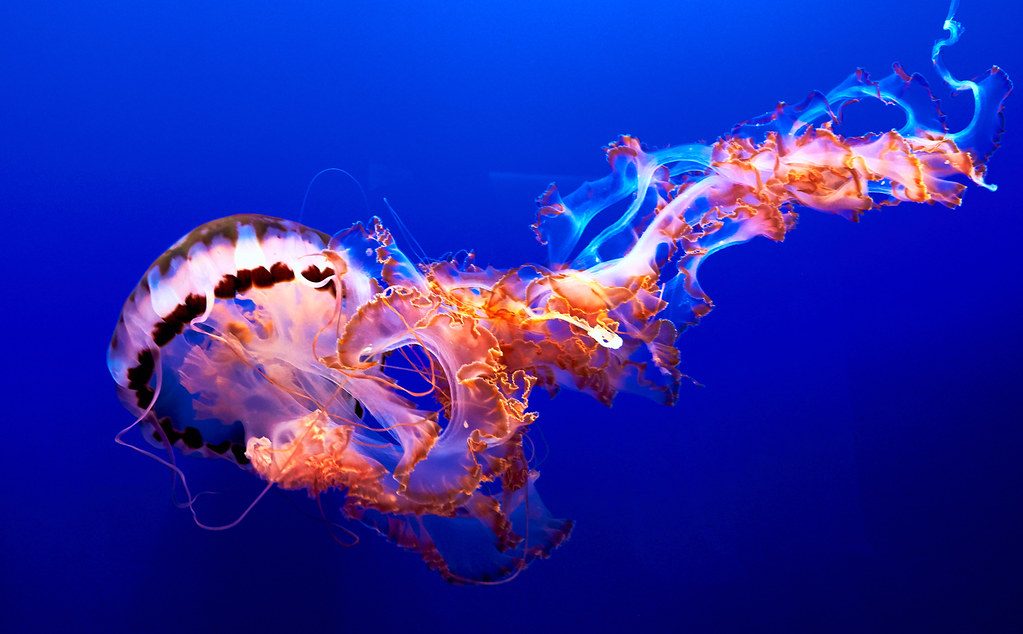
    Many deep-sea animals have soft, jelly-like bodies instead of strong bones and muscles. Water pressure increases greatly with depth, so these flexible bodies help them survive where humans could not. Most deep-sea animals also lack large air-filled spaces like lungs, making them better suited for crushing pressure.

    Some species have transparent skin, long fins, or unusual body shapes that seem alien to us. These features often help them blend into the darkness, save energy, or move quietly through the water instead of making them stronger or faster.

    Glowing makes them look mysterious

    glowing fish with coral” by stealthcook is licensed under CC BY-ND 2.0

    Many deep-sea animals produce their own light through a process called bioluminescence. They use glowing body parts to attract prey, communicate, confuse predators, or find mates in the darkness. Scientists estimate that most animals living in the open deep ocean produce light in some form.

    Humans usually connect glowing eyes or bright lights with danger, so these natural displays can seem scary. In reality, glowing is simply another survival tool, much like camouflage or sharp claws on land.

    Their hunting methods seem terrifying

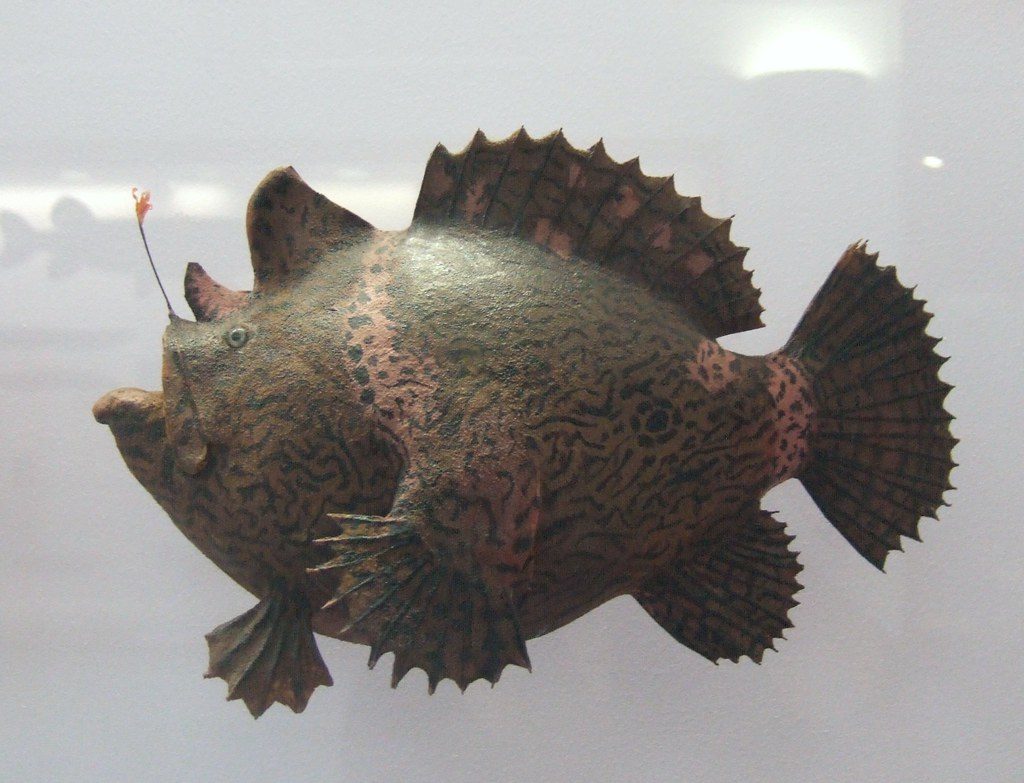
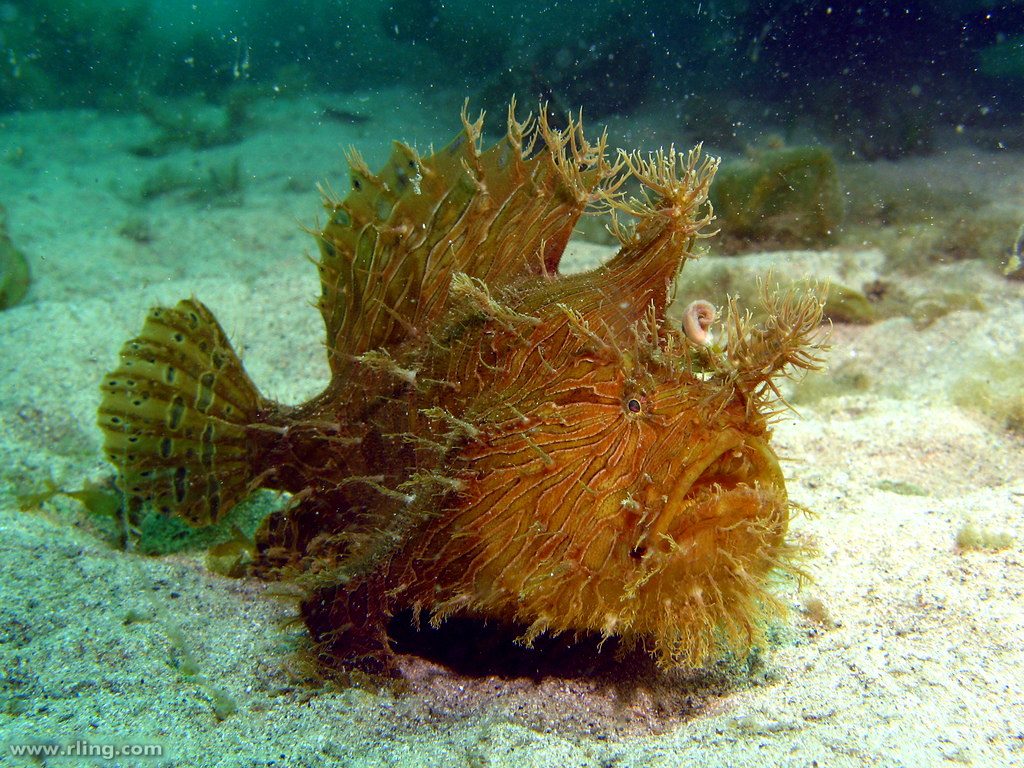
    Striped Anglerfish” by richard ling is licensed under CC BY-NC-ND 2.0

    Deep-sea predators often wait patiently instead of chasing prey. The famous anglerfish uses a glowing lure that hangs in front of its mouth. Curious fish swim closer, only to be caught by powerful jaws lined with sharp teeth.

    Other hunters have mouths that open very wide or teeth that point inward so prey cannot escape. Since meals are rare in the deep ocean, these animals have evolved to grab every feeding opportunity they get instead of letting valuable food swim away.

    Our brains fear what we cannot see

    Two people swimming in the calm ocean.
    Photo by Sara Ruffoni on Unsplash

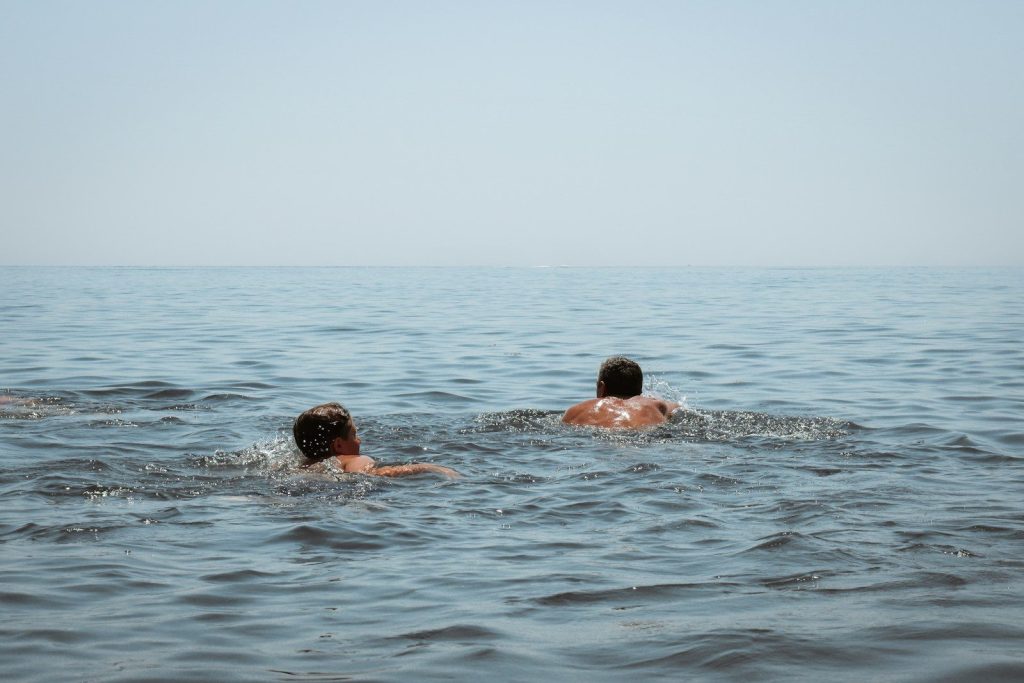
    People naturally fear places they cannot fully understand. The deep ocean is cold, dark, and mostly unexplored, so it leaves room for imagination. Strange-looking animals often appear much scarier because they live in a place that feels mysterious.

    Movies, books, and online pictures also focus on the most unusual deep-sea species. This creates the impression that every creature below the surface is dangerous, even though many are small, gentle, or avoid larger animals whenever possible.

    Deep-sea animals are built to survive, not scare us

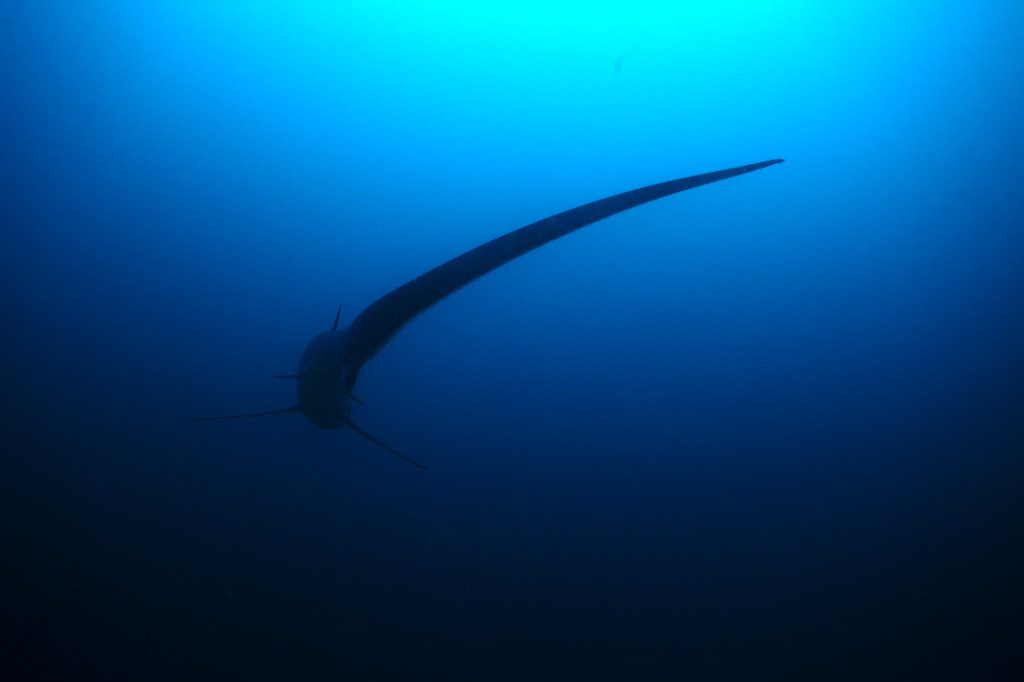
    Thresher Shark Tail” by PacificKlaus is licensed under CC BY-NC 2.0

    Most deep-sea animals are not trying to frighten anything. Their appearance is the result of millions of years of evolution in an environment with little food, freezing temperatures, darkness, and crushing pressure. Every unusual feature has a survival purpose.

    Scientists continue discovering new deep-sea species because so much of the ocean remains unexplored. Each discovery helps researchers better understand how life can survive under extreme conditions and reminds us that nature often looks very different from what we expect.