Category: Wildlife and animals

  • How megalodon would fit into today’s marine food chain

    How megalodon would fit into today’s marine food chain

    How megalodon would fit into today’s marine food chain is a question that has fascinated scientists and ocean lovers for years. This giant shark disappeared about 3.6 million years ago, but new research has helped experts better understand how it hunted and where it stood in the ocean food web.

    By studying fossil teeth and chemical clues locked inside them, scientists can compare megalodon with modern marine predators. This article explains where megalodon would likely fit in today’s oceans, what it would eat, how it might affect whales and sharks, and why its return would change marine ecosystems in major ways.

    Megalodon was a true top predator

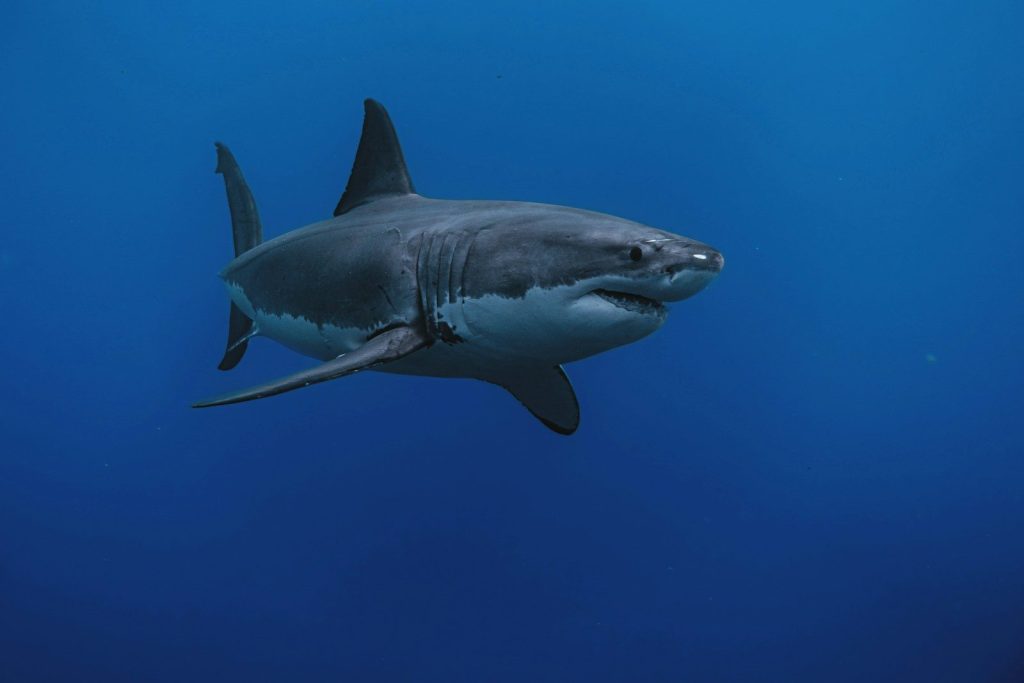
    megalodon” by ~scott is licensed under CC BY-NC-ND 2.0

    Megalodon was the largest predatory shark known to have lived. Most scientists estimate it reached around 50 to 65 feet long, making it much larger than today’s great white shark. Fossil teeth show it had powerful jaws built to crush bone and tear through large prey.

    Recent studies suggest megalodon occupied an even higher place in the food chain than modern apex predators. Instead of feeding on only one type of animal, it likely hunted many large marine species whenever the opportunity appeared, making it one of the ocean’s most successful hunters.

    What megalodon would likely eat today
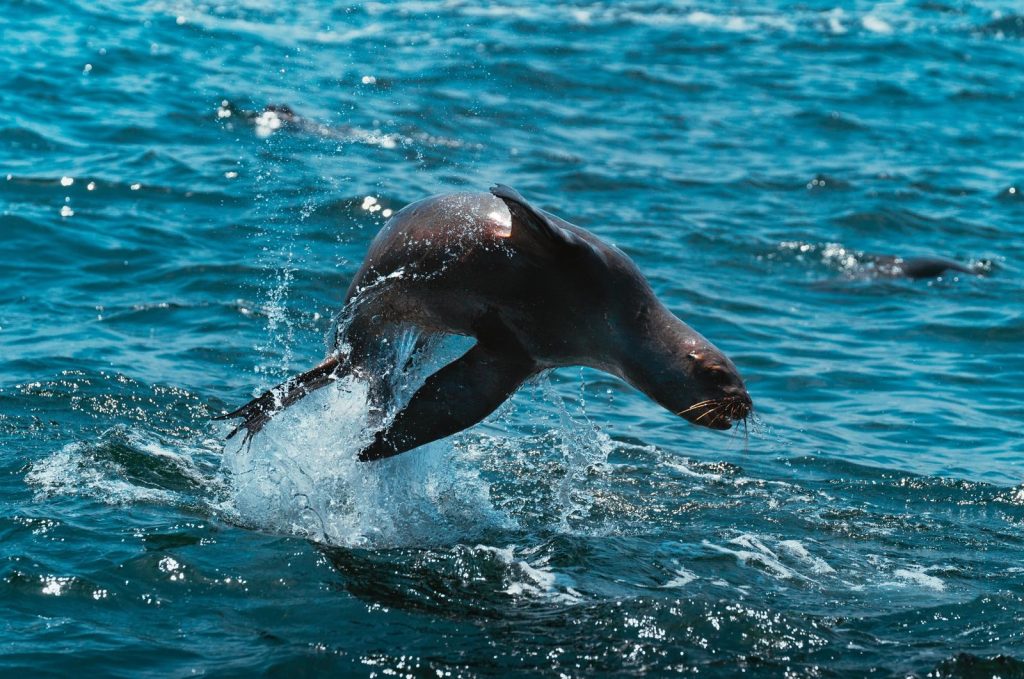
    A sea lion gracefully jumps out of the ocean on a sunny day, showcasing wildlife energy.
    Photo by Lyon Peru on Pexels

    If megalodon lived in today’s oceans, whales would probably remain one of its main food sources. Large baleen whales, smaller whales, dolphins, seals, sea lions, sea turtles, and even other sharks could all become prey depending on what was easiest to catch.

    Scientists now believe megalodon was an opportunistic feeder rather than a picky hunter. New fossil evidence suggests it ate animals from different parts of the food web instead of relying only on giant whales. This flexible diet would help it survive in many different ocean regions.

    How it would affect modern marine life
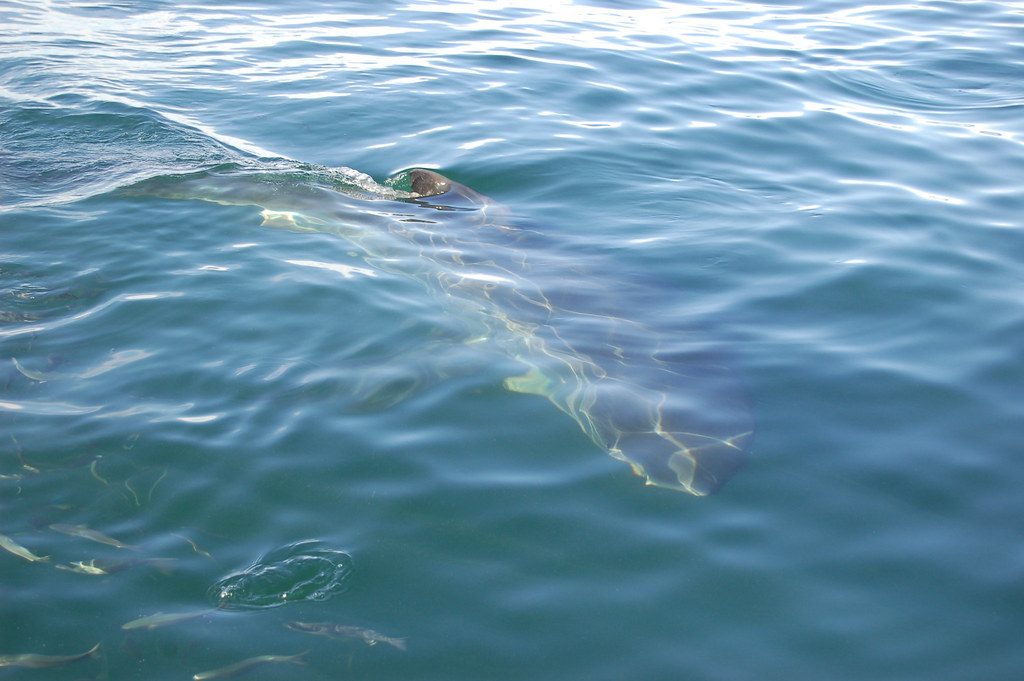
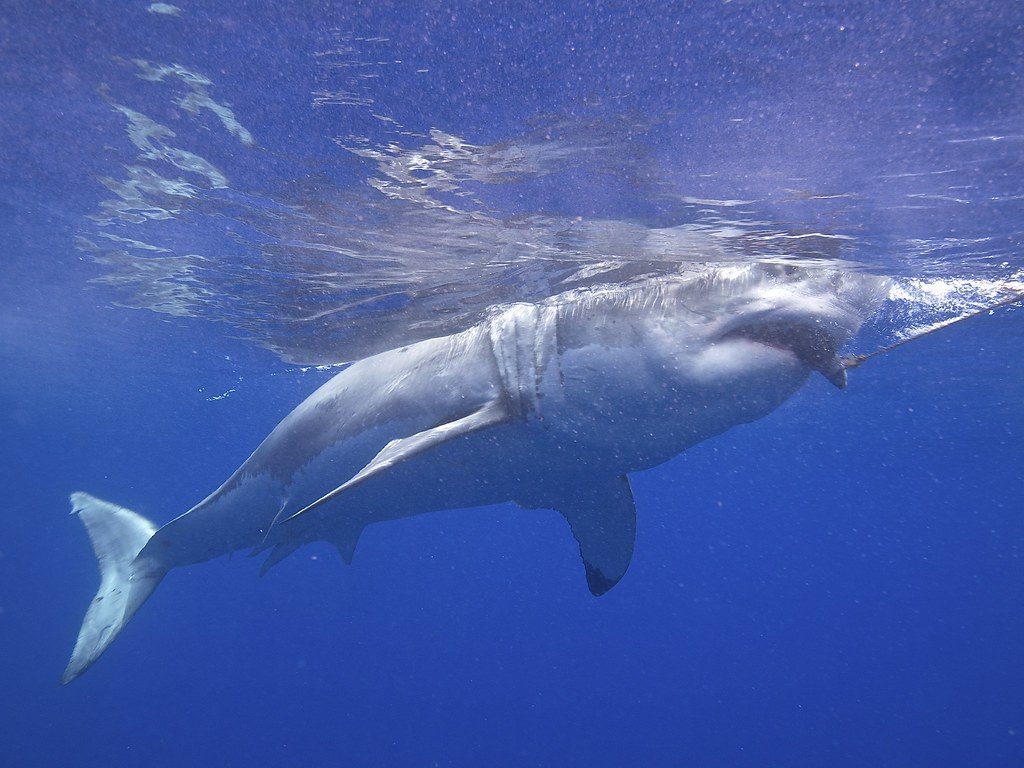
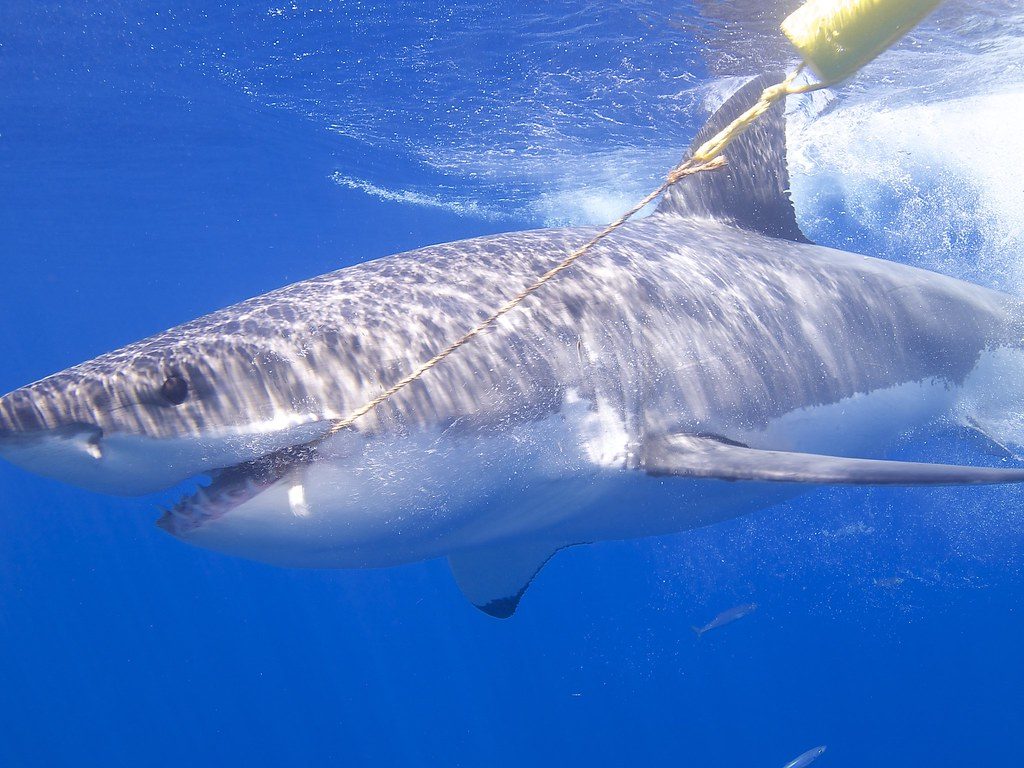
    White Shark Cage Diving, Gansbaai” by Sara&Joachim is licensed under CC BY-SA 2.0

    A predator as large as megalodon would likely reshape today’s marine ecosystems. Marine mammals might change where they migrate or gather, while other predators could avoid areas where the giant shark hunted.

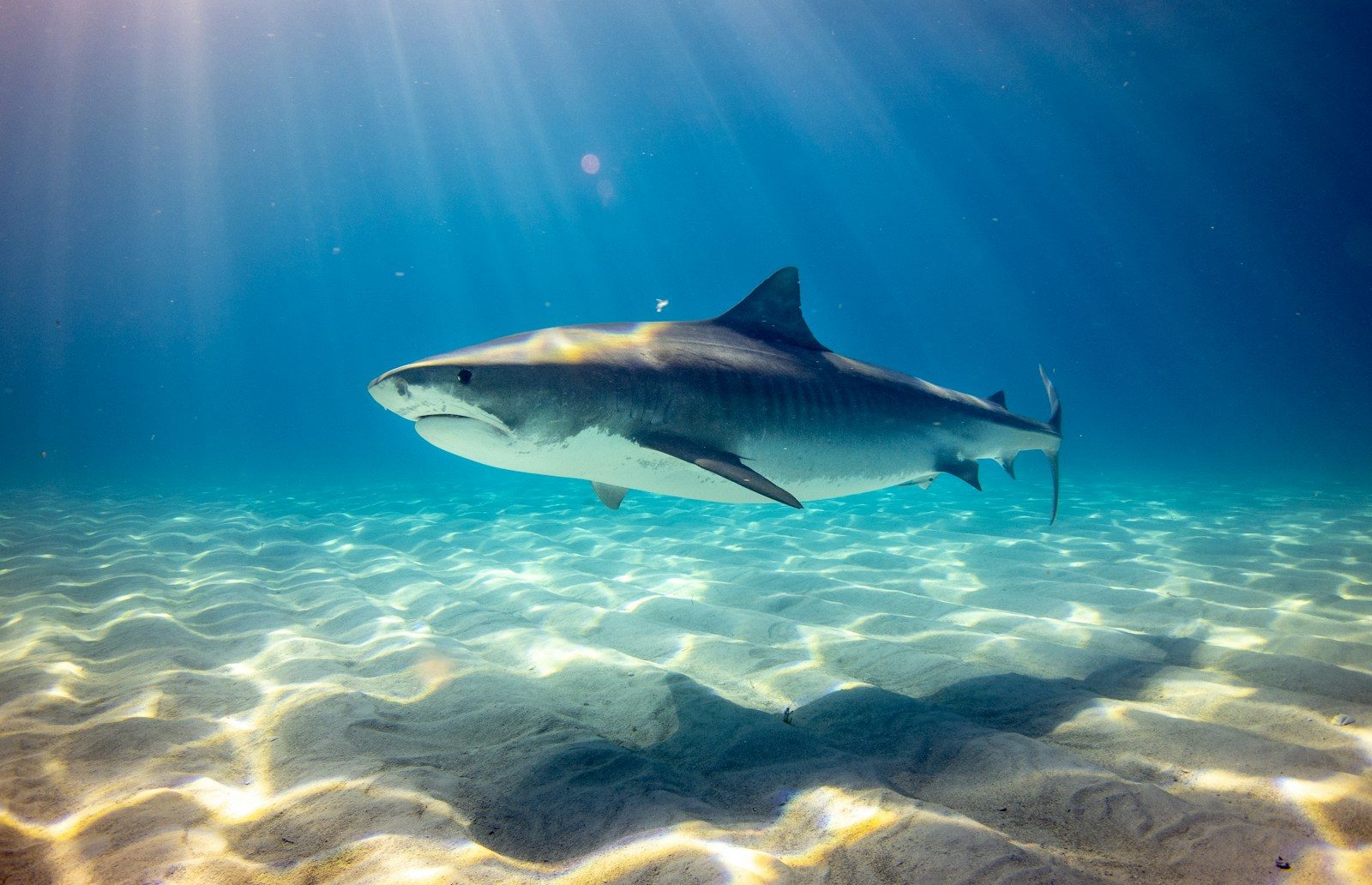
    Large sharks such as great whites, tiger sharks, and mako sharks would probably face strong competition for food. Young sharks and smaller predators could also become prey, changing the balance of many ocean habitats from coastal waters to the open sea.

    Could anything hunt megalodon?
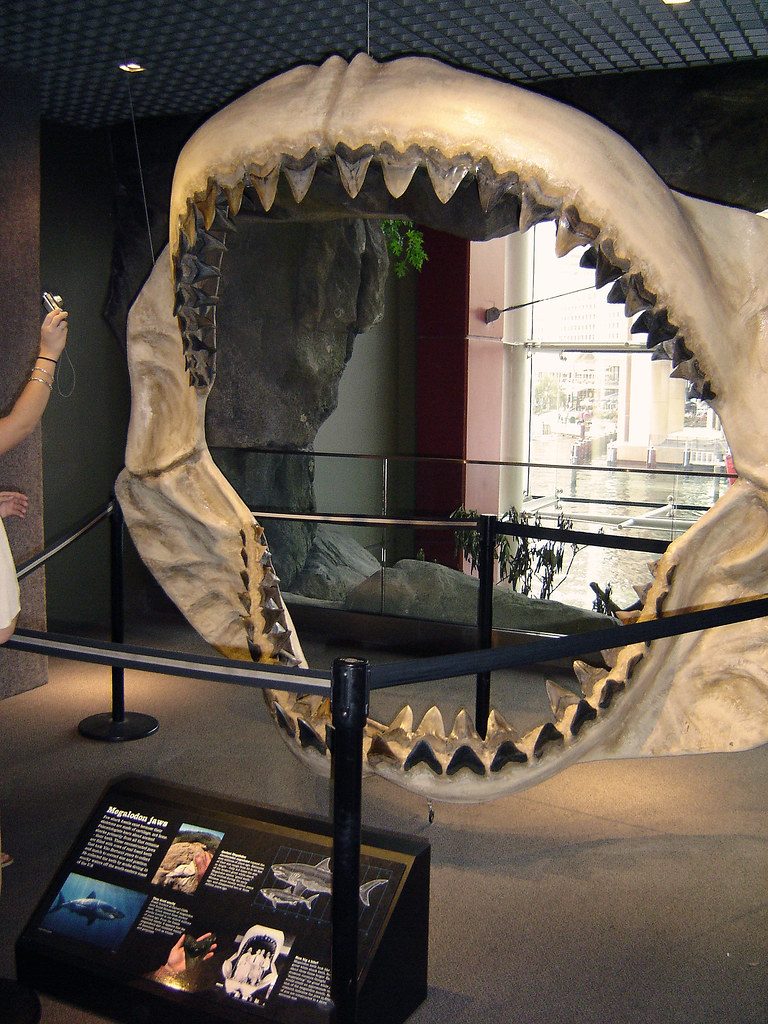
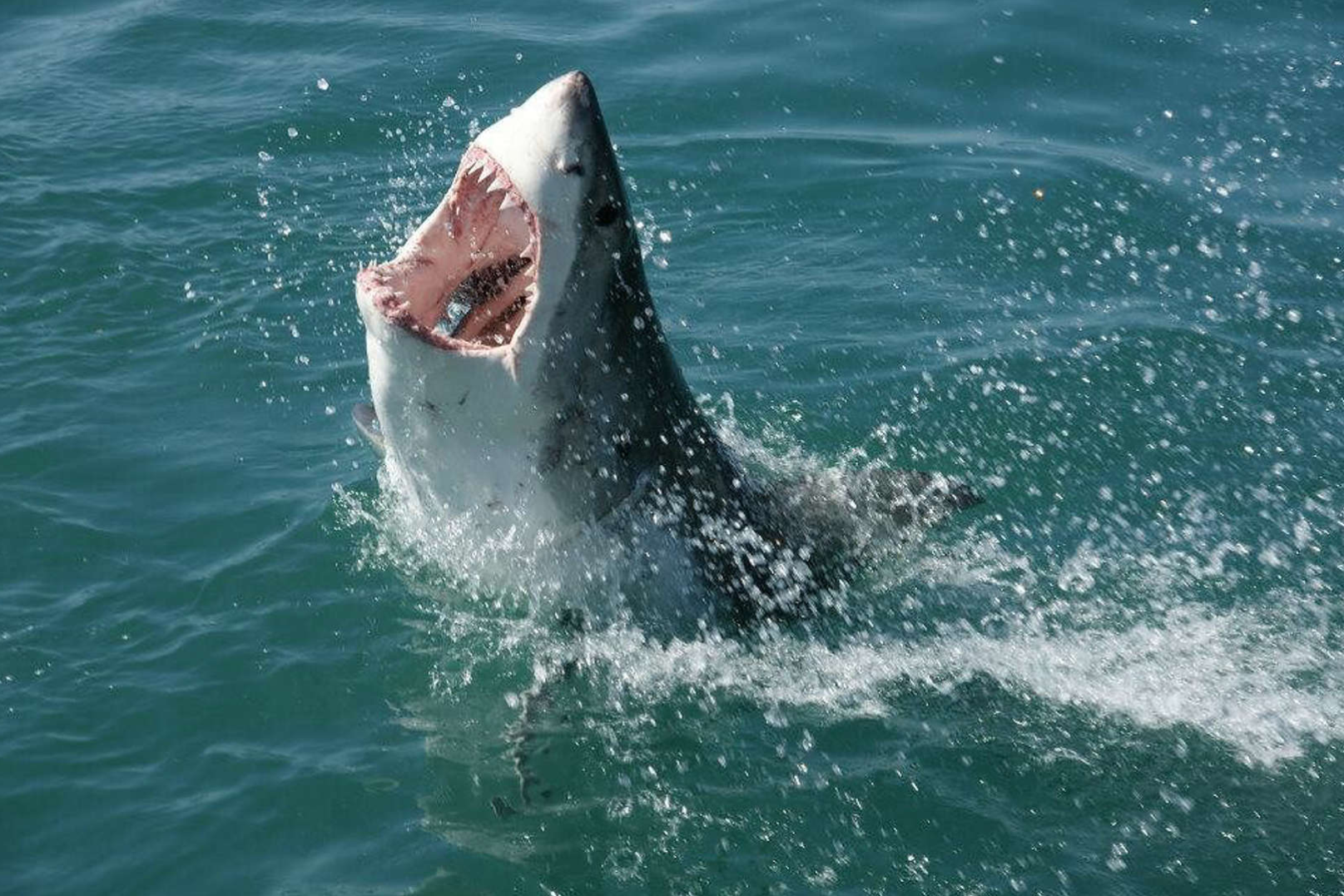
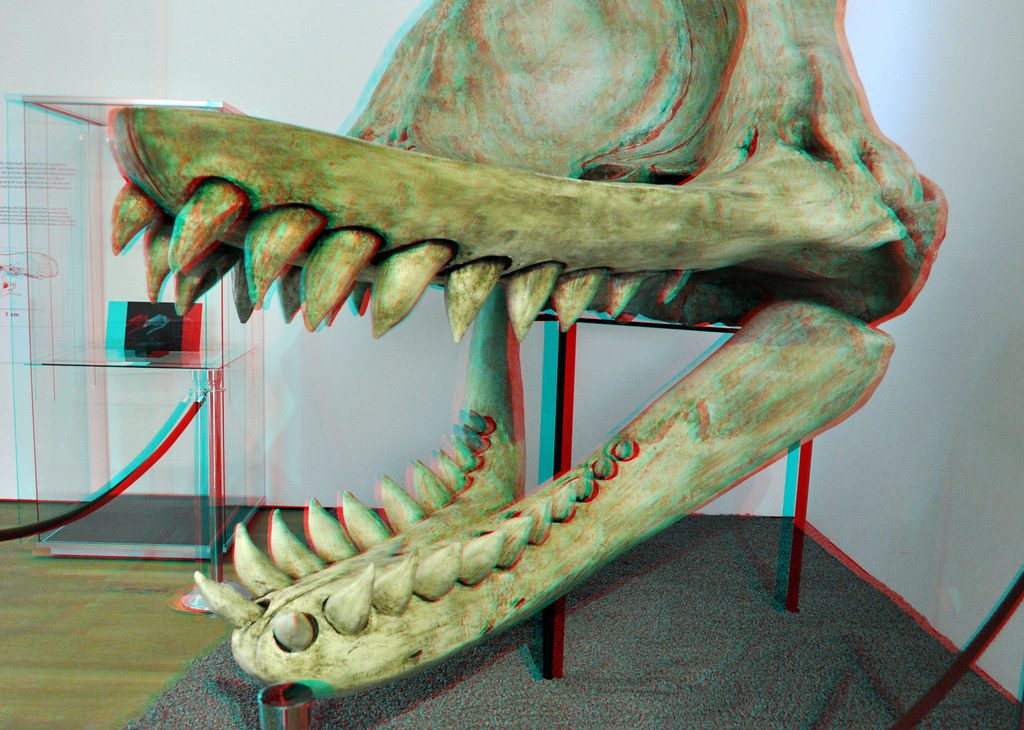
    Megalodon!!” by Carosaurus is licensed under CC BY-NC-SA 2.0

    An adult megalodon would almost certainly have no natural predators. Its enormous size, strength, and powerful bite would make it extremely difficult for any living marine animal to attack successfully.

    Young megalodons, however, may have faced danger. Like many modern sharks, they likely spent their early years in shallow nursery areas where they could avoid larger predators. As they grew, they would become increasingly difficult for other animals to challenge.

    Why scientists think it went extinct
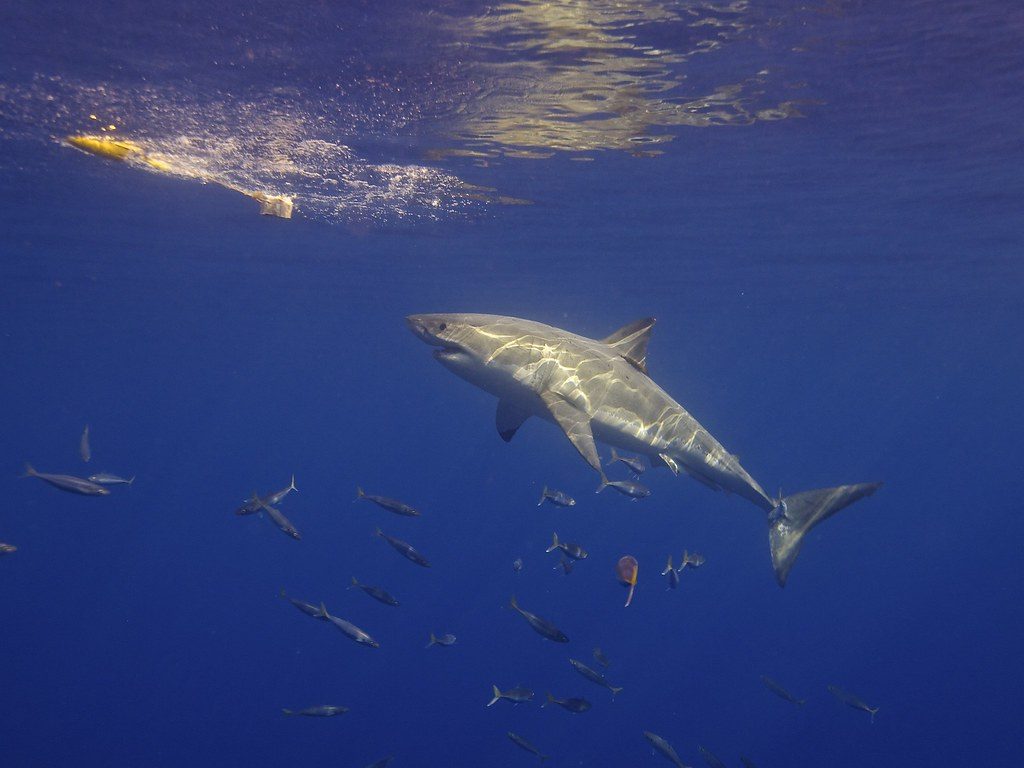
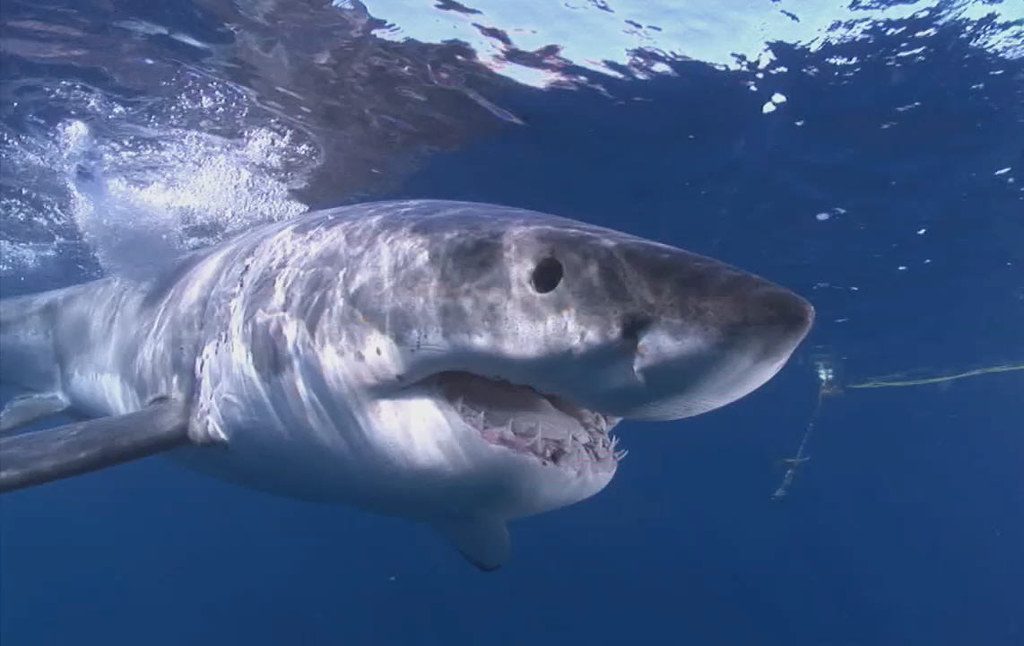
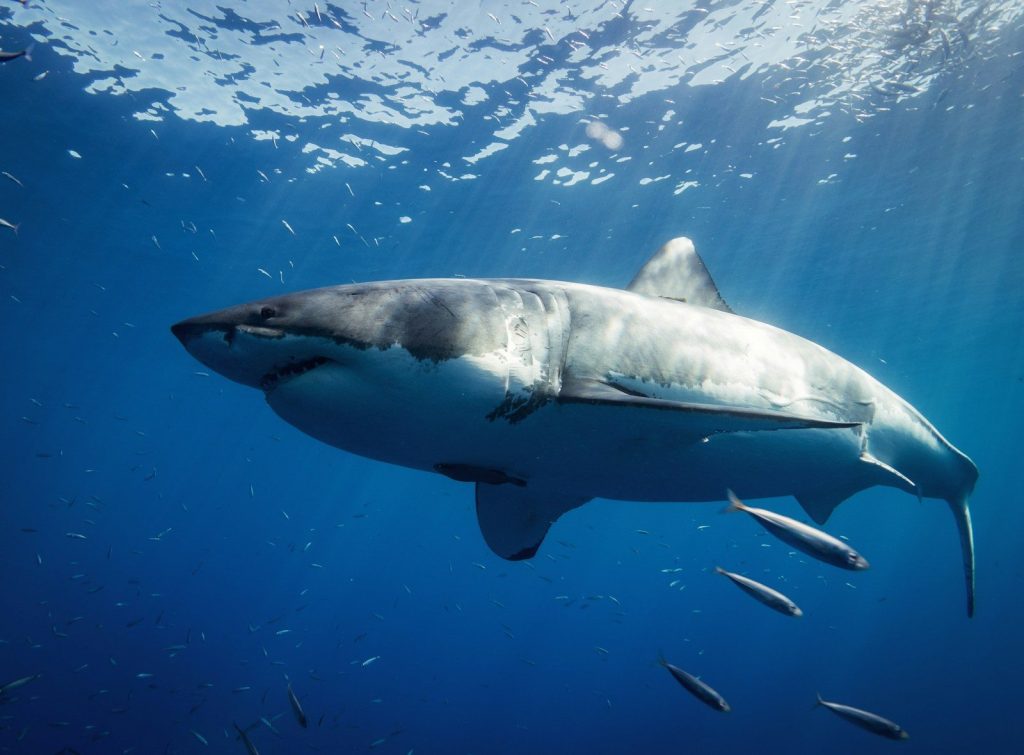
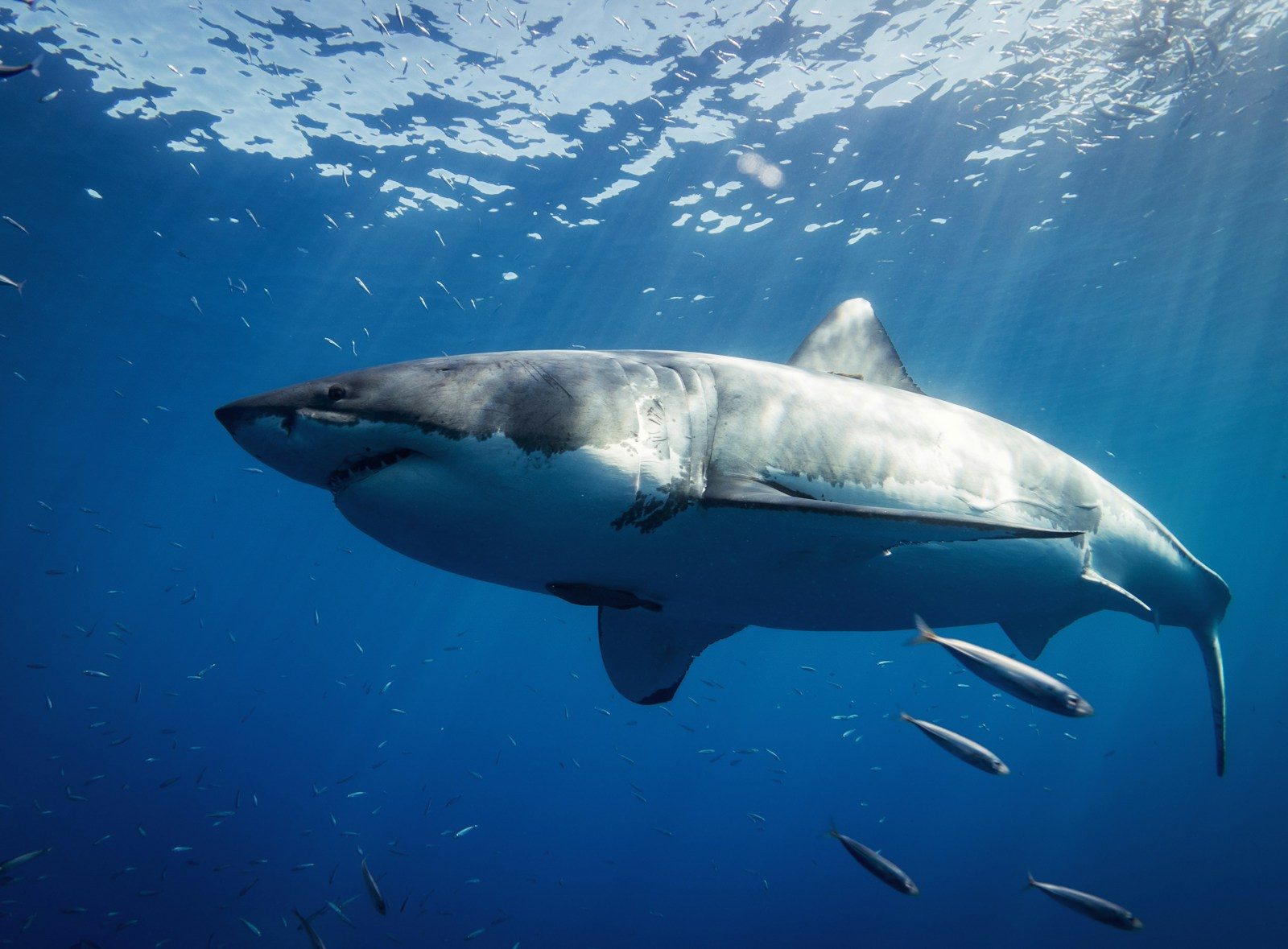
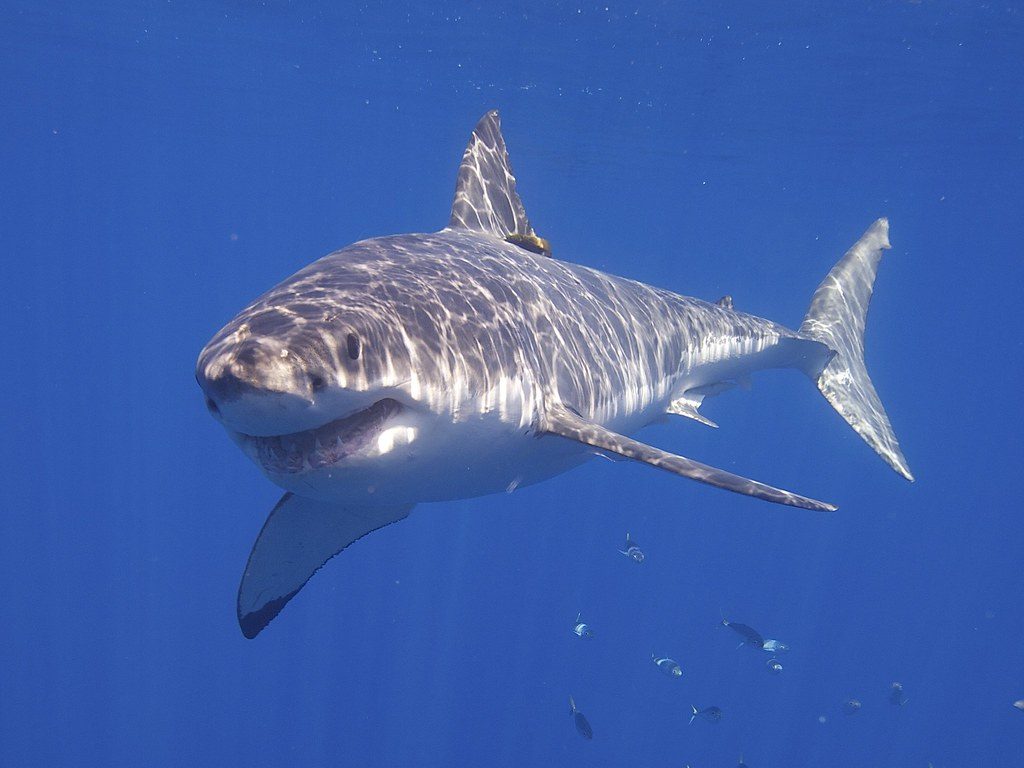
    Great White Shark” by Elias Levy is licensed under CC BY 2.0

    Scientists believe megalodon disappeared because several changes happened at the same time. Earth’s climate cooled, sea levels changed, and many of the smaller whales it depended on became less common or moved into colder waters.

    Competition from other predators, including the ancestors of today’s great white sharks, may also have increased pressure. Instead of one single cause, experts think a combination of climate change, changing prey, and competition slowly pushed megalodon toward extinction.

    What its return would mean today

    Megalodon Rebreather Courses” by DeepBlueDiving.gr is licensed under CC BY 2.0

    If megalodon suddenly returned today, it would become one of the most important predators in the ocean. It could influence whale behavior, shark populations, and the movement of many marine animals across the globe.

    Scientists also point out that today’s oceans are very different from the seas megalodon once lived in. Human fishing, ship traffic, pollution, and changing ocean temperatures would create new challenges. Even a giant predator would have to compete in a world that has changed dramatically over millions of years.
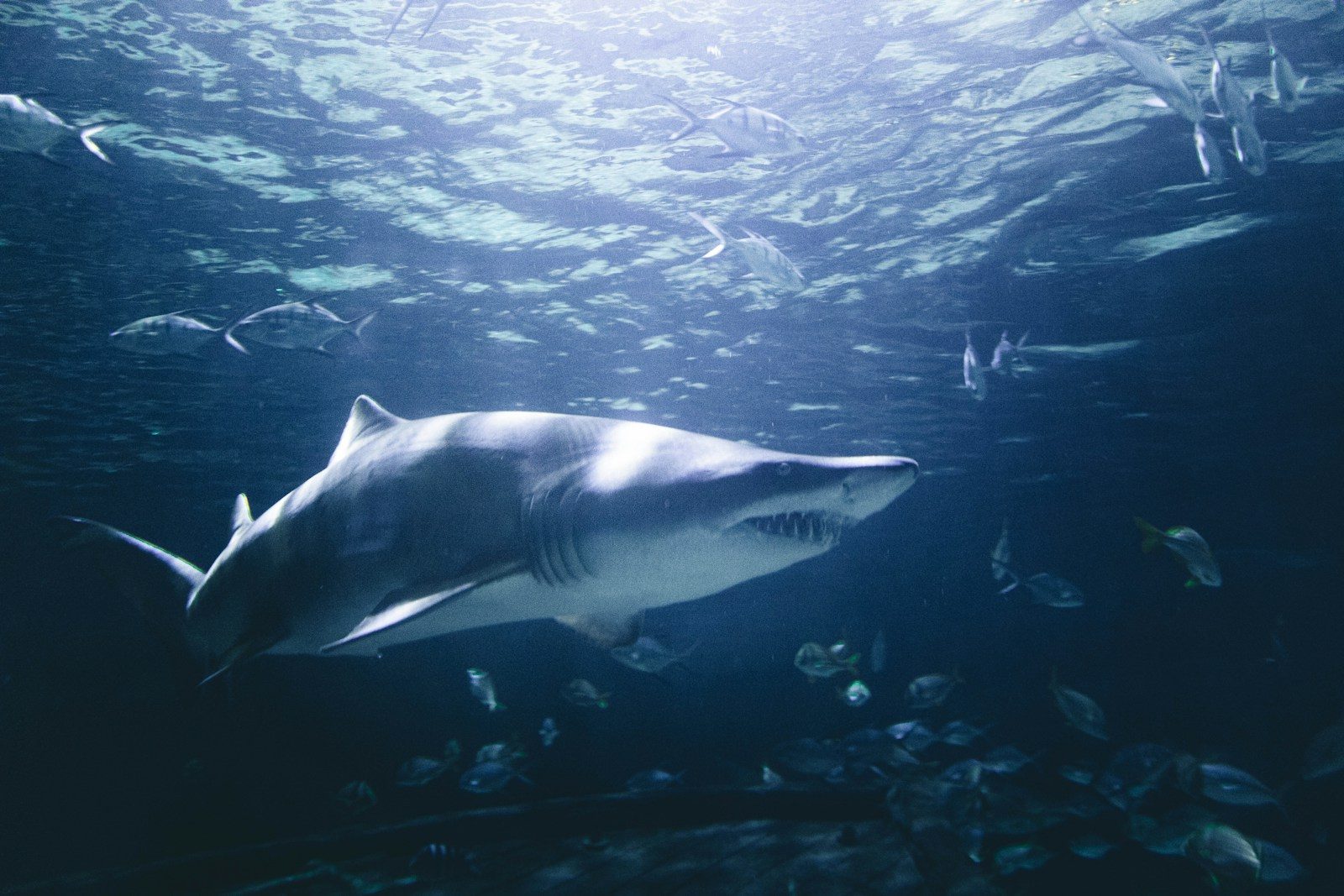
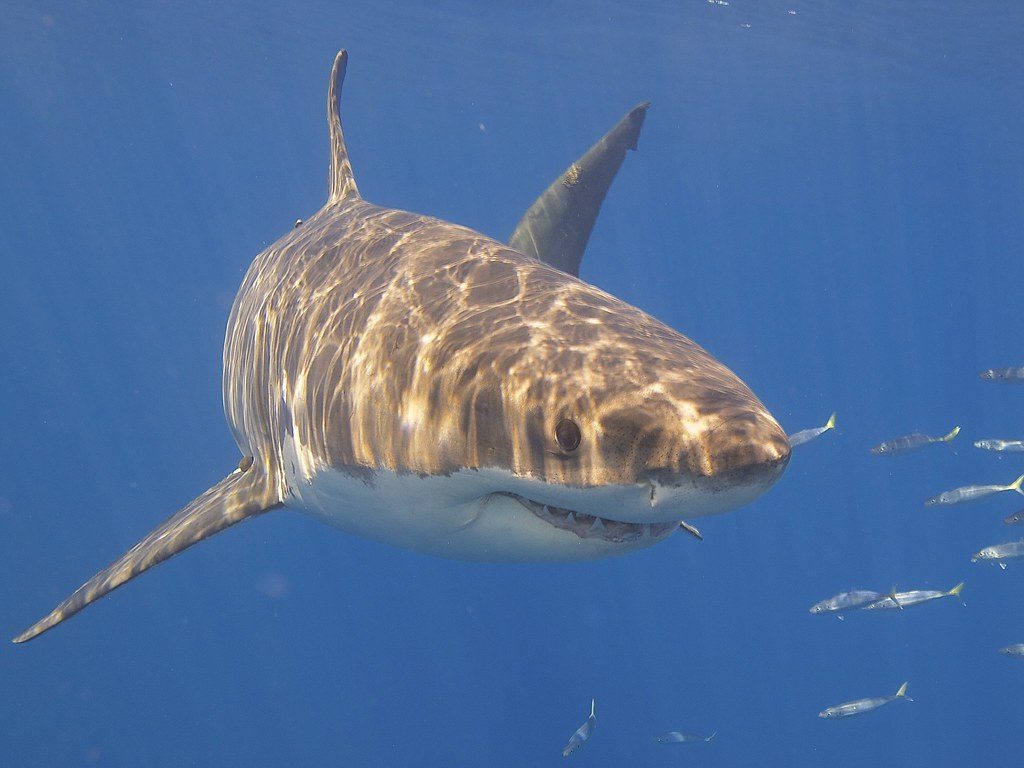
  • How great white sharks use their incredible senses to locate prey in the ocean

    How great white sharks use their incredible senses to locate prey in the ocean

    Great white sharks are among the ocean’s most successful predators, but their hunting ability depends on much more than sharp teeth. Scientists have discovered that these sharks combine several highly developed senses to locate prey, even in dark or murky water.

    From detecting faint scents to sensing tiny electrical signals produced by living animals, every part of their biology helps them survive. This article explains how great white sharks use their remarkable sensory systems, why the famous blood myth is misleading, and how their anatomy has evolved for life at the top of the food chain.

    Smell is only part of the story

    Great White Shark” by Elias Levy is licensed under CC BY 2.0

    Great white sharks have an excellent sense of smell, and a large portion of their brain is devoted to processing odors carried through seawater. This helps them detect potential food over long distances.

    However, sharks cannot simply smell a drop of blood from miles away, as popular myths often claim. Scientists explain that smell is only one part of a much more complex hunting system.

    They can feel movement in the water

    Great White Shark” by kqedquest is licensed under CC BY-NC 2.0

    Great white sharks also use a sensory system called the lateral line. This network of receptors detects vibrations and pressure changes created by swimming animals.

    Even when visibility is poor, the lateral line helps sharks determine the direction and movement of nearby prey. It allows them to track activity that might otherwise go unnoticed.

    A sixth sense detects electricity

    Great White Shark” by Elias Levy is licensed under CC BY 2.0

    One of the shark’s most remarkable adaptations is the ampullae of Lorenzini. These tiny jelly filled pores around the head detect weak electrical fields generated by muscle contractions and heartbeats.

    During the final moments of a hunt, this electroreception system allows a shark to locate prey with incredible precision, even if it is buried beneath sand or hidden from view.

    Vision and hearing complete the hunt

    Great White Shark” by Elias Levy is licensed under CC BY 2.0

    Great white sharks also depend on excellent eyesight, especially in clear water. Their eyes help identify the size, shape, and movement of potential prey before an attack.

    Hearing plays an important role as well. Sharks can detect low-frequency sounds that travel long distances through water, helping them locate struggling or injured animals before they come into view.

    Every sense works together

    Great White Shark” by Elias Levy is licensed under CC BY 2.0

    Scientists believe sharks use their senses in sequence rather than relying on only one. Smell and hearing help detect prey from farther away, vision becomes more important as the shark approaches, and electroreception guides the final strike.

    This combination of sensory systems makes great white sharks highly adaptable hunters in many different ocean environments, from shallow coastal waters to the open sea.

    Evolution created an efficient predator

    “Great White Shark in South Africa” by travelbagltd is licensed under CC BY 2.0

    The great white shark’s sensory abilities have developed over millions of years. Each adaptation improves its ability to locate food while reducing wasted energy during a hunt.
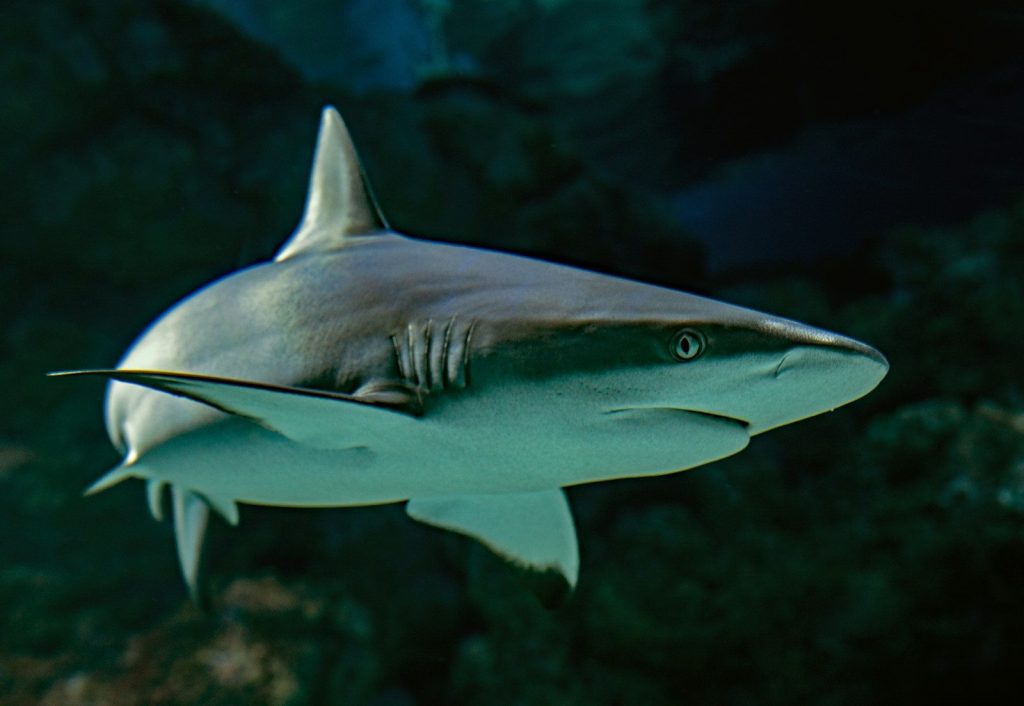
    Understanding how these senses work helps replace myths with science. Rather than relying on a single extraordinary ability, great white sharks succeed because multiple advanced senses work together with remarkable efficiency.

  • The remarkable sea creatures that prove great white sharks are not the largest

    The remarkable sea creatures that prove great white sharks are not the largest

    Great white sharks are famous for their size, power, and hunting skills. Movies and television have made them one of the most feared animals in the ocean. Yet the sea is home to creatures that are much larger than a great white shark.

    Some are living animals that peacefully filter tiny food from the water, while others were prehistoric predators that ruled ancient oceans millions of years ago. This article explores several remarkable sea giants that surpassed the great white shark in size and reveals why the ocean has always been home to truly enormous animals.

    Great white sharks are impressive predators

    white and black shark underwater
    Photo by Gerald Schömbs on Unsplash

    Great white sharks are among the largest predatory fish alive today. They have powerful jaws filled with rows of serrated teeth that are continuously replaced throughout their lives.

    Although they are impressive hunters, great white sharks are not the largest sharks or even the largest animals living in today’s oceans. Several species greatly exceed them in length, weight, or both.

    Megalodon was the largest known predatory shark

    Carcharocles megalodon” by Gunnar Ries zwo is licensed under CC BY-NC-ND 2.0

    Megalodon lived from about 23 million to 3.6 million years ago and was one of the most powerful marine predators ever discovered. Modern scientific studies estimate that the largest individuals probably reached lengths of 16 to 20 meters, making them far larger than any living shark.

    Its enormous teeth, some measuring more than 17 centimeters, were built to seize large marine mammals. Fossil evidence suggests that megalodon hunted whales, seals, and other large ocean animals before eventually becoming extinct.

    Mosasaurus ruled ancient seas

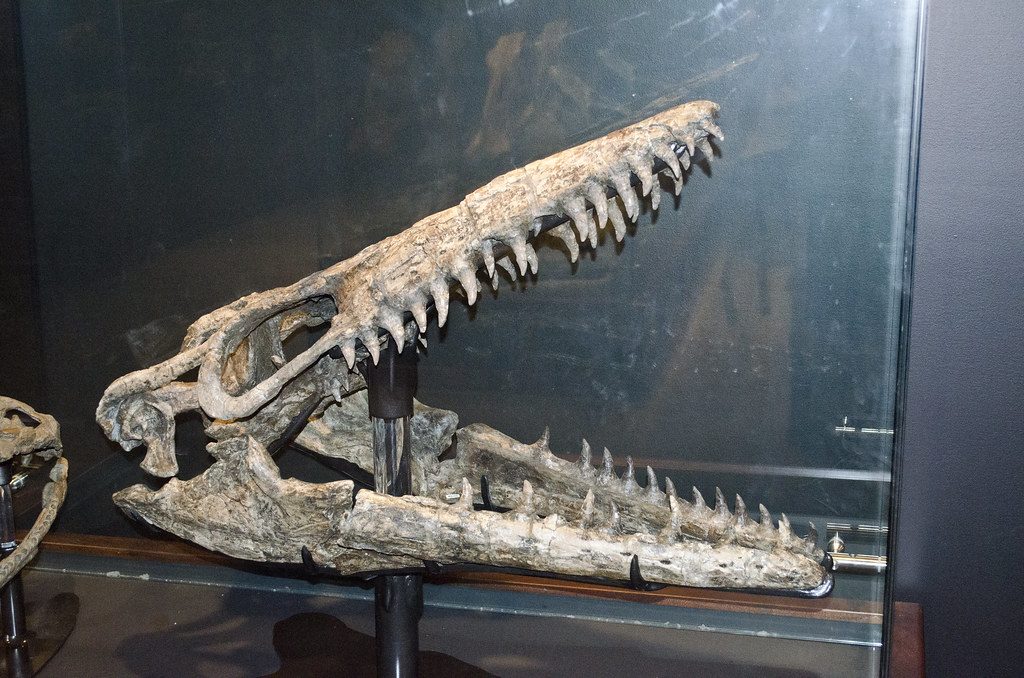
    Mosasaurus skull – CMRNWR Phillips County Montana – Museum of the Rockies – 2013-07-08” by Tim Evanson is licensed under CC BY-SA 2.0

    Mosasaurus was not a dinosaur or a whale. It was a giant marine reptile that lived during the Late Cretaceous period, roughly 70 to 66 million years ago. Adults are estimated to have reached about 14 to 17 meters in length.

    Its streamlined body, paddle-shaped limbs, and powerful tail allowed it to move efficiently through the water. Double-hinged jaws helped it swallow large prey, making it one of the top predators of its time.

    Livyatan was a giant prehistoric whale

    Livyatan melvillei 3D” by wim hoppenbrouwers is licensed under CC BY-NC-ND 2.0

    Livyatan was an ancient relative of today’s sperm whale that lived during the Miocene Epoch. Although scientists have only discovered limited fossils, estimates suggest it grew between 13 and 17 meters long and weighed tens of thousands of kilograms.

    Unlike modern sperm whales that mainly eat squid, Livyatan possessed massive interlocking teeth nearly 30 centimeters long. These powerful jaws were adapted for hunting large marine mammals.

    The blue whale is the true ocean giant

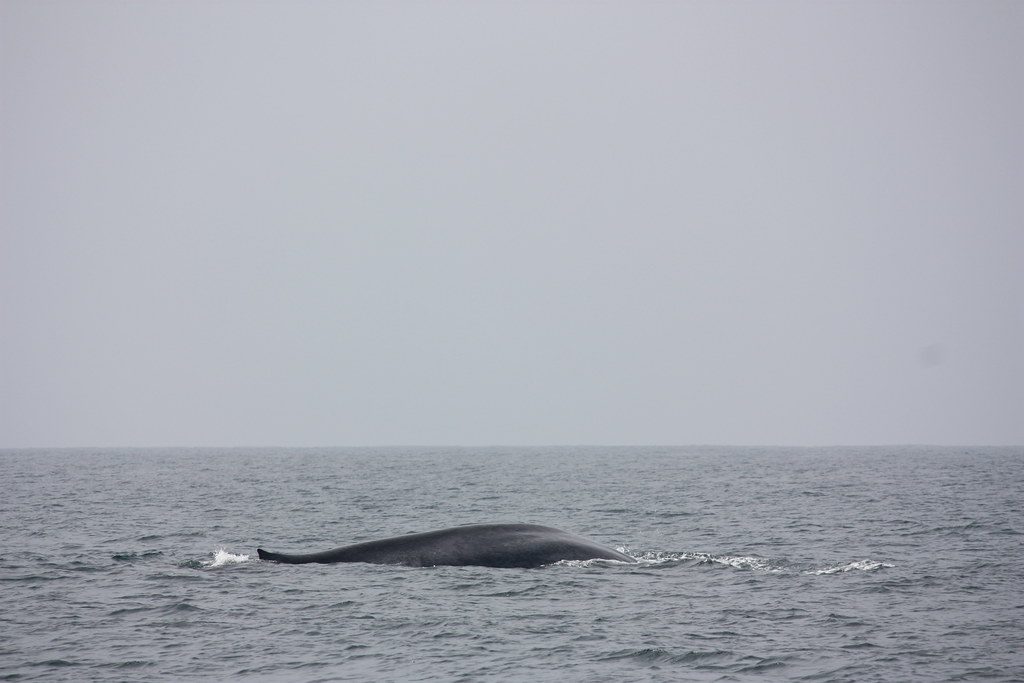
    Blue Whale” by D-Stanley is licensed under CC BY 2.0

    The blue whale is the largest animal known to have ever lived. Adults commonly reach about 30 meters in length and can weigh up to 200 tons, making them much larger than any living or extinct shark.

    Despite their enormous size, blue whales feed mainly on tiny krill. Using hundreds of baleen plates instead of teeth, they filter vast amounts of seawater to capture millions of small crustaceans each day.

    The ocean still holds incredible giants

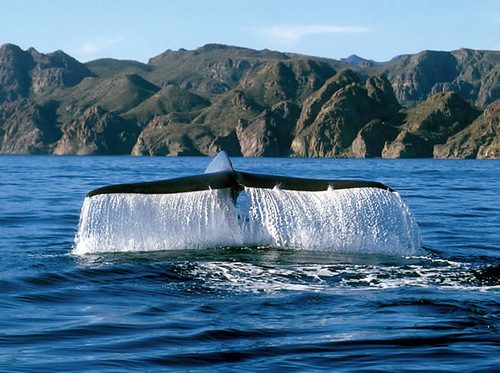
    Blue whale, Loreto, Baja California Sur” by Ken Bondy is licensed under CC BY-NC-SA 2.0

    The ocean contains an astonishing range of giant animals, from prehistoric predators to peaceful filter feeders. Comparing these species shows that size alone does not determine whether an animal is dangerous.

    Scientists continue studying both living and extinct marine giants to better understand how they evolved, hunted, and survived. Every new fossil and every modern observation helps reveal more about Earth’s extraordinary ocean history.

  • The warning signs sharks often show before a defensive bite

    The warning signs sharks often show before a defensive bite

    Sharks are often misunderstood as unpredictable predators, but scientists have found that some species display recognizable body language when they feel threatened. Lowered pectoral fins, stiff swimming, tight circling, and sudden bursts of speed can all be signs that a shark is becoming defensive.

    These behaviors do not guarantee that a bite will happen, but they provide valuable clues about the animal’s state of mind. This article explains the warning signals researchers have documented, why sharks display them, and what these behaviors reveal about one of the ocean’s most fascinating predators.

    Sharks communicate through body language

    a great white shark swimming in the ocean
    Photo by Gerald Schömbs on Unsplash

    Like many animals, sharks use body language to communicate with other sharks and with potential threats. Scientists refer to these behaviors as agonistic displays because they occur during conflict or when a shark feels challenged.

    These displays allow sharks to warn other animals before physical contact becomes necessary. In many situations, the goal is to avoid a fight rather than begin one.

    Lowered fins are an important signal

    selective focus photography of shark
    Photo by David Clode on Unsplash

    One of the best documented warning signs is the lowering of both pectoral fins. Researchers have observed this behavior in several shark species when they perceive a threat or become increasingly agitated.

    Scientists distinguish this posture from normal swimming because both fins remain held downward in a stiff, exaggerated position instead of moving naturally for steering.

    Swimming behavior often changes

    a great white shark swimming in the ocean
    Photo by Chase Baker on Unsplash

    A shark displaying defensive behavior may begin swimming with stiff, jerky movements instead of smooth, relaxed motion. Some species also make exaggerated turns, tight circles, or repeated passes near the perceived threat.

    Researchers have also documented arched backs, raised snouts, jaw gaping, and rapid acceleration in some species. Not every shark shows every behavior, and different species display different combinations of signals.

    Not every bite has a warning

    white shark under the sea
    Photo by Owen Harding on Unsplash

    Although warning displays are well documented, they do not occur before every shark bite. Some encounters happen so quickly that people observe little or no obvious behavioral change beforehand.

    Scientists emphasize that shark behavior depends on the species, the environment, and the reason for the encounter. Defensive, territorial, investigative, and feeding-related interactions may all look different.

    Researchers continue studying shark behavior

    a shark swimming in the water
    Photo by Gerald Schömbs on Unsplash

    Modern underwater cameras, drones, and long-term field observations have greatly improved scientists’ understanding of shark behavior. Careful video analysis allows researchers to compare body posture with what happens next.

    This research helps scientists separate normal swimming from genuine warning displays. Better knowledge also improves public education and supports safer wildlife observation.

    Understanding sharks reduces misconceptions

    group of sharks under body of water
    Photo by Jakob Owens on Unsplash

    Learning how sharks communicate reminds us that they are not mindless predators. Many warning displays appear designed to avoid unnecessary conflict rather than immediately attack another animal.

    The more researchers study shark behavior, the clearer it becomes that these ancient fish rely on predictable biological signals. Understanding those signals helps people appreciate sharks as complex wildlife instead of simply fearing them.

  • The giant fish that feeds more than 100 babies with a milk-like body secretion

    The giant fish that feeds more than 100 babies with a milk-like body secretion

    Most fish lay eggs and leave their young to survive on their own. The arapaima does something completely different. This giant freshwater fish protects hundreds of babies and produces a nutrient-rich body secretion that scientists often describe as milk-like. The discovery surprised researchers because this type of parental care is extremely rare in fish.

    Instead of simply guarding its young, the arapaima appears to use its own body to help them survive during the most dangerous stage of life. This article explains how this remarkable behavior works and why it is changing what scientists know about fish evolution.

    One of the world’s largest freshwater fish

    An arowana fish swims in the blue water.
    Photo by Torben Gettermann on Unsplash

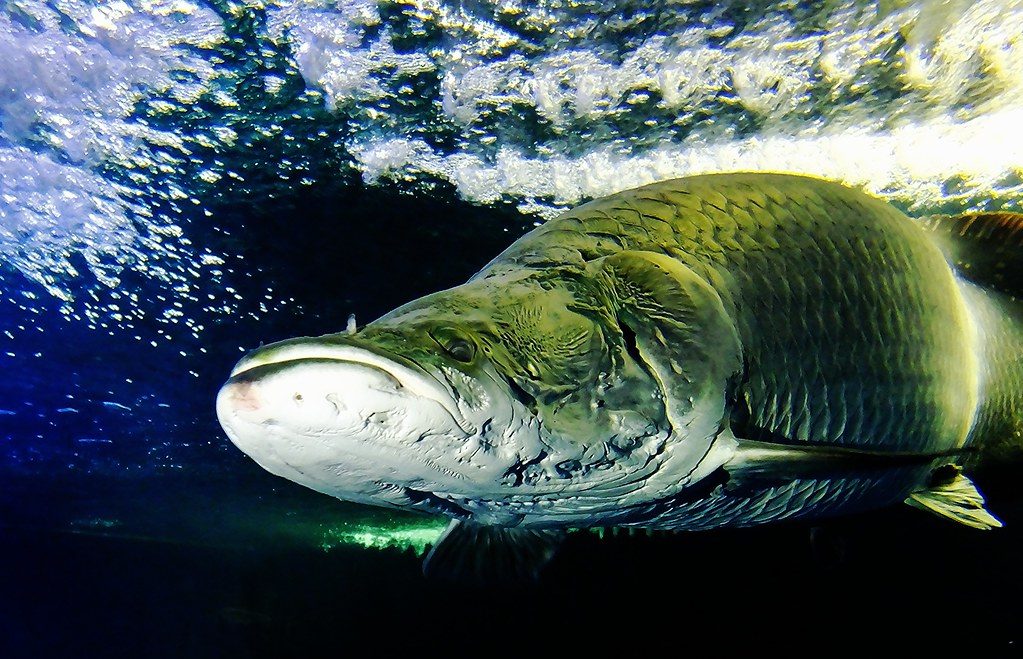
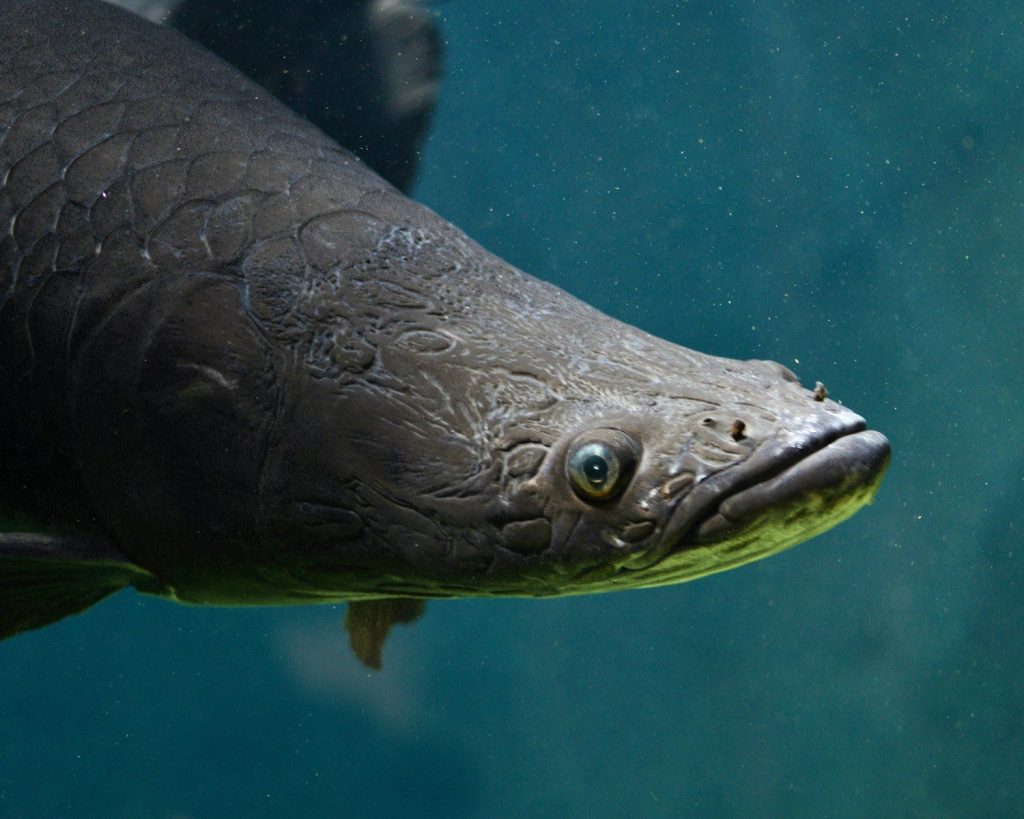
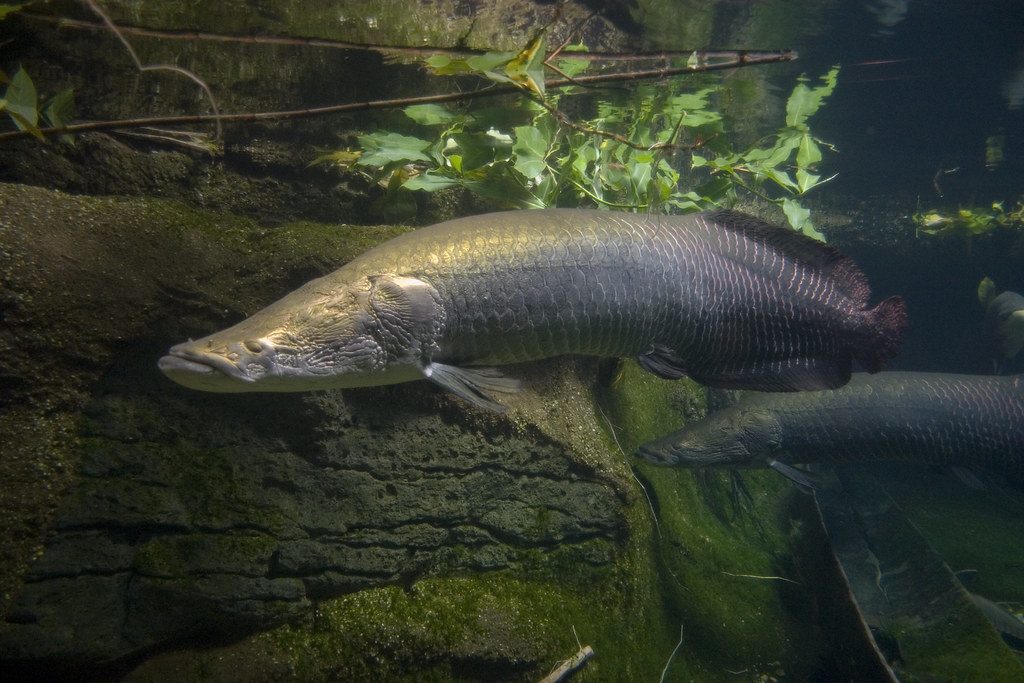
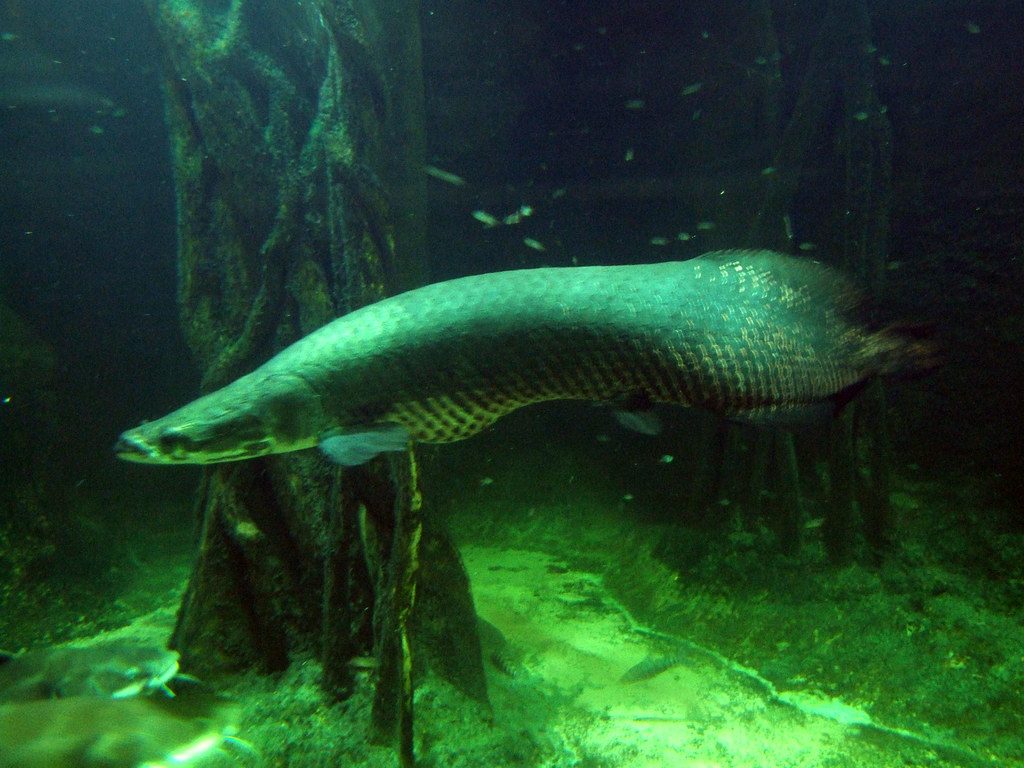
    The arapaima is one of the largest freshwater fish on Earth. It lives in the rivers and flooded forests of the Amazon Basin, where adults can grow nearly 3 meters long and weigh around 200 kilograms.

    Unlike most fish, the arapaima regularly swims to the surface to breathe air. This adaptation allows it to survive in warm waters where oxygen levels are often very low.

    Scientists found an unusual body secretion

    A blurry photo of a person holding a bottle
    Photo by Kenneth Schipper on Unsplash

    Researchers discovered that breeding adults produce a nutrient-rich fluid from glands on the head. Scientists often call this secretion “arapaima milk” because it appears to nourish young fish, although it is not true milk like that produced by mammals.

    Studies have identified hundreds of proteins and peptides within the secretion. Many of these compounds are linked with growth, immune function, and early development, suggesting the fluid plays an important role during the first weeks of life.

    Hundreds of babies stay close together

    See Arapaimas at the Smithsonian’s National Zoo” by Smithsonian’s National Zoo is licensed under CC BY-NC-ND 2.0

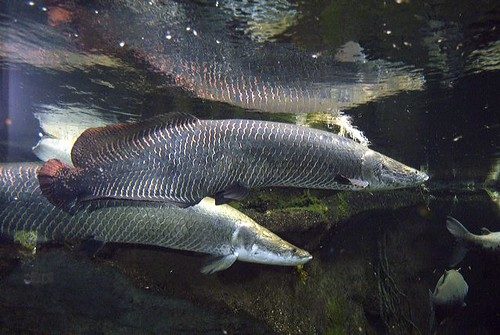
    After hatching, young arapaima remain tightly grouped around the head of a parent, usually the male. The family moves together through the Amazon while the adult protects the young from predators.

    Scientists believe the head secretion may also contain chemical signals that help keep the young fish together. This close formation makes it easier for the parent to defend hundreds of offspring at the same time.

    A rare form of parental care

    Arapaima” by greyloch is licensed under CC BY-SA 2.0

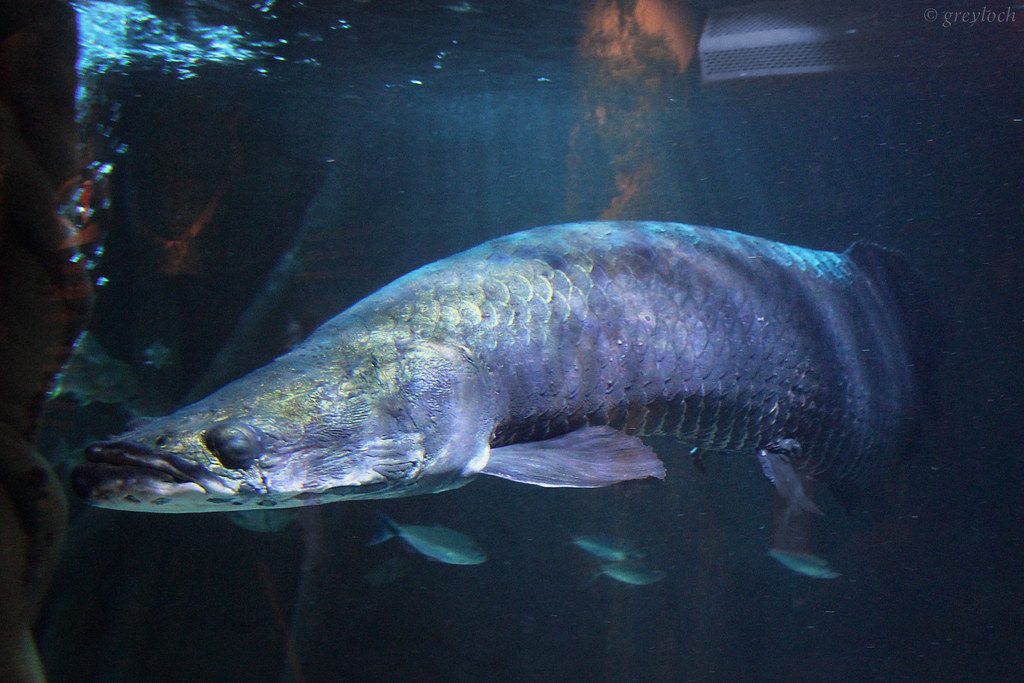
    Most fish provide little or no care after their eggs hatch. The arapaima is very different because parents remain with their offspring for an extended period while they gradually become independent.

    As the young grow, they begin feeding on tiny organisms in the water while continuing to stay near the adult. This combination of protection and nourishment greatly improves their chances of survival in the predator-rich Amazon ecosystem.

    Scientists are still studying this behavior

    Arapaima” by brian.gratwicke is licensed under CC BY-NC 2.0

    Although researchers have identified the unusual secretion, they are still investigating exactly how it benefits young arapaima. The fluid may provide nutrition, strengthen immunity, improve communication, or perform several functions at the same time.

    The discovery highlights how much remains unknown about even some of the world’s largest freshwater fish. New studies continue to reveal biological adaptations that were previously thought impossible in fish.

    Nature continues to surprise researchers

    Arapaima” by Travis S. is licensed under CC BY-NC 2.0

    The arapaima shows that evolution can produce parenting strategies that blur familiar categories. While the secretion is not mammalian milk, it performs several similar roles by helping offspring survive during their earliest stages of life.

    As scientists continue exploring the Amazon, they expect more discoveries that reshape our understanding of animal behavior. The arapaima remains one of the clearest examples that even well-known species can still hold remarkable scientific secrets.

  • The astonishing whale encounters that reveal the true power of great white sharks

    The astonishing whale encounters that reveal the true power of great white sharks

    Great white sharks are among the ocean’s most powerful predators, but even they rarely challenge animals much larger than themselves. On unusual occasions, however, scientists have documented great white sharks attacking live whales. These rare encounters reveal remarkable hunting strategies, incredible endurance, and the unpredictable nature of life in the sea.

    While the scenes appear dramatic, they also help researchers better understand how apex predators respond when an unexpected feeding opportunity appears. This article explores why these attacks happen, how sharks approach such enormous prey, and what scientists have learned from these extraordinary encounters.


    Great white sharks are expert hunters

    An angry Great White Shark” by TheGrantPeters is licensed under CC BY 2.0

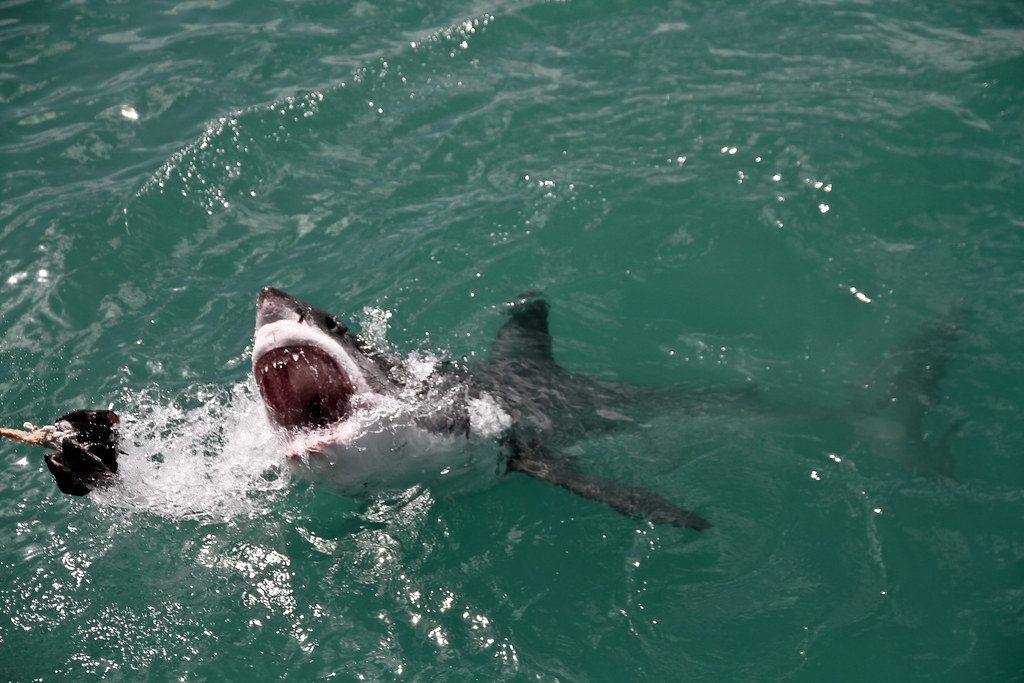
    Great white sharks hunt a wide variety of prey, including seals, sea lions, fish, rays, and smaller marine mammals. Their powerful bite, keen senses, and ability to detect vibrations make them highly successful ocean predators.


    Although they are capable hunters, great white sharks usually select prey that provides a good balance between energy gained and risk. Healthy adult whales are generally far too large and dangerous to become regular targets.

    Rare whale attacks have been documented

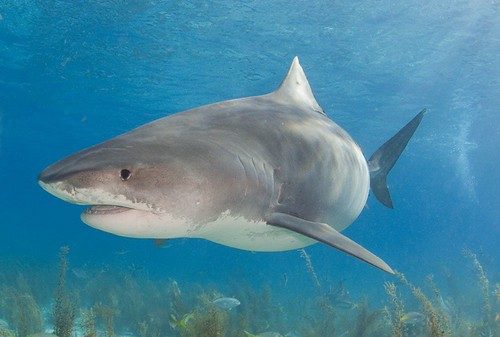
    Emma, the Tiger Shark” by WIlly Volk is licensed under CC BY-NC-SA 2.0

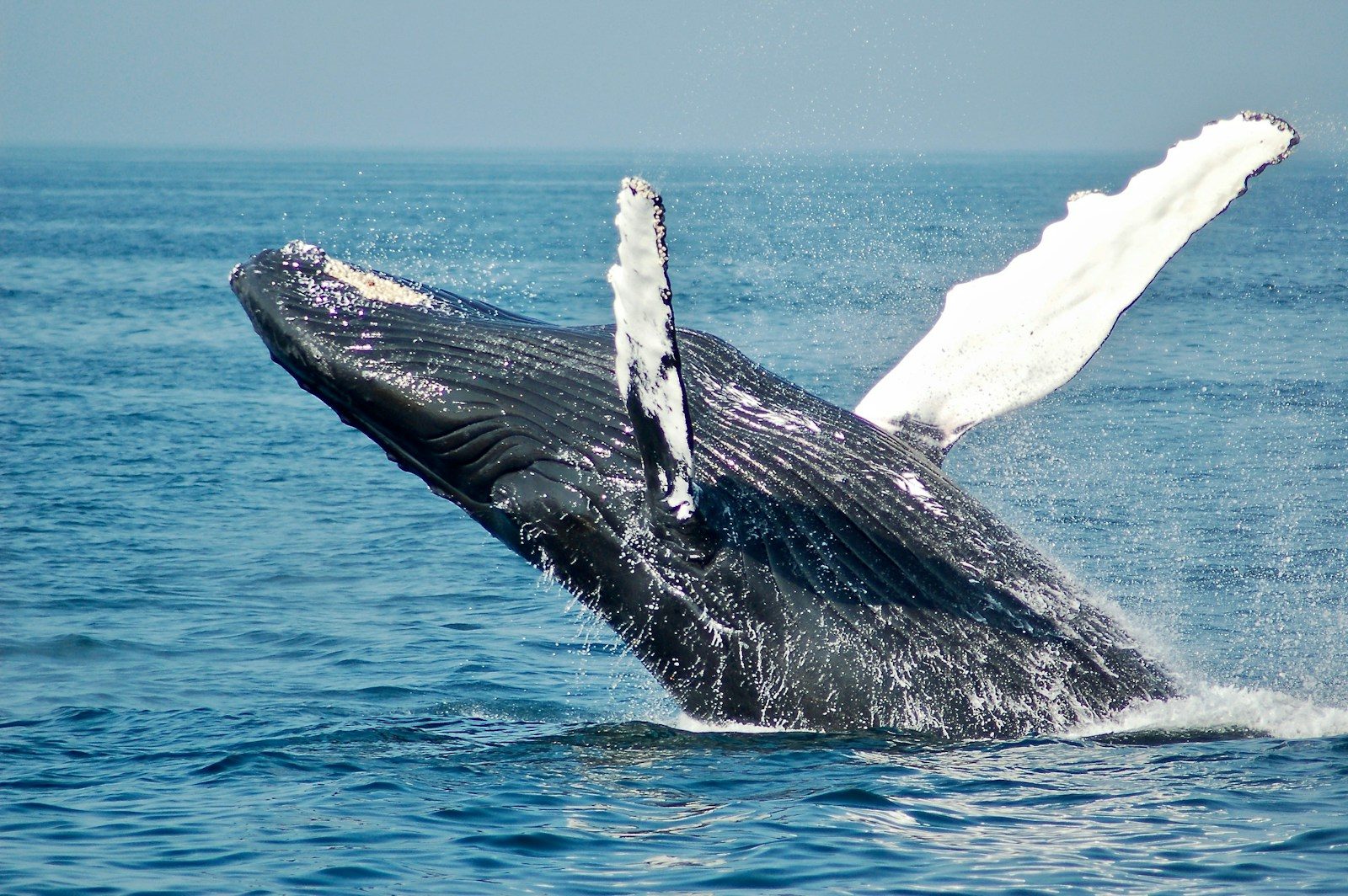
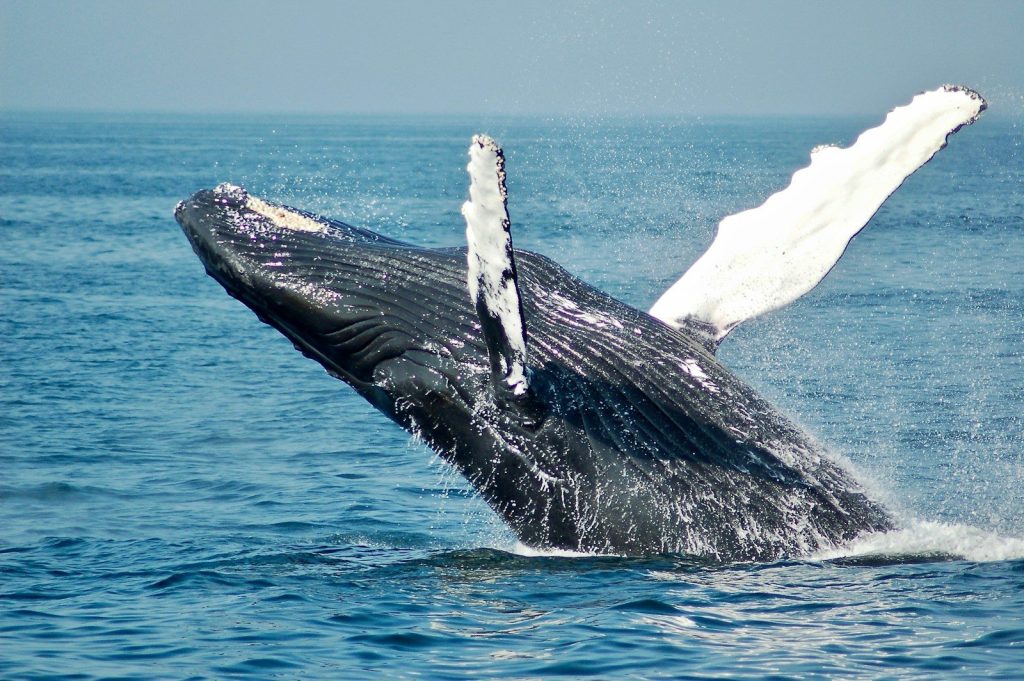
    Scientists have documented a small number of cases where great white sharks attacked live whales. One of the best-known observations involved a weakened juvenile humpback whale that had become entangled, making it far more vulnerable than a healthy animal.

    Researchers emphasized that this behavior is exceptionally uncommon. Prior to this observation, great white sharks were primarily known for scavenging whale carcasses rather than actively attacking living whales.

    The sharks used careful hunting tactics

    a great white shark swimming in the ocean
    Photo by Gerald Schömbs on Unsplash

    Instead of attacking randomly, the sharks repeatedly bit vulnerable areas near the whale’s tail and rear body. These attacks gradually reduced the whale’s ability to swim while increasing blood loss.

    Scientists observed that the sharks remained cautious throughout the encounter. By avoiding the whale’s strongest defensive movements, they reduced the risk of being struck by its powerful tail.

    Why whales remain difficult prey

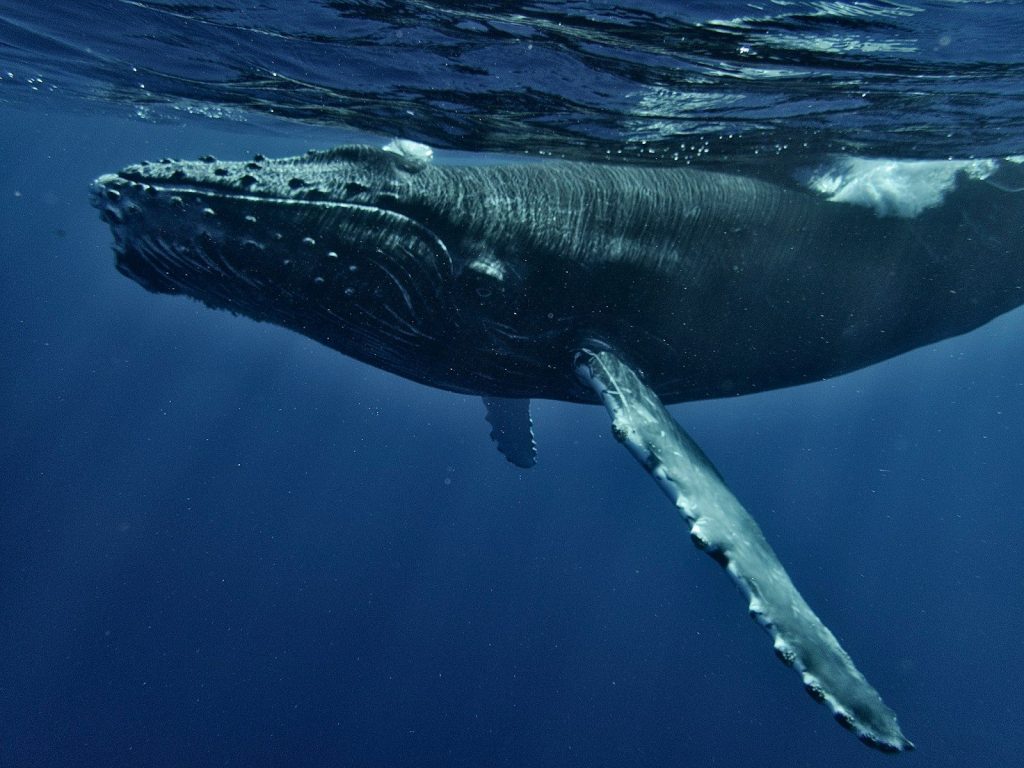
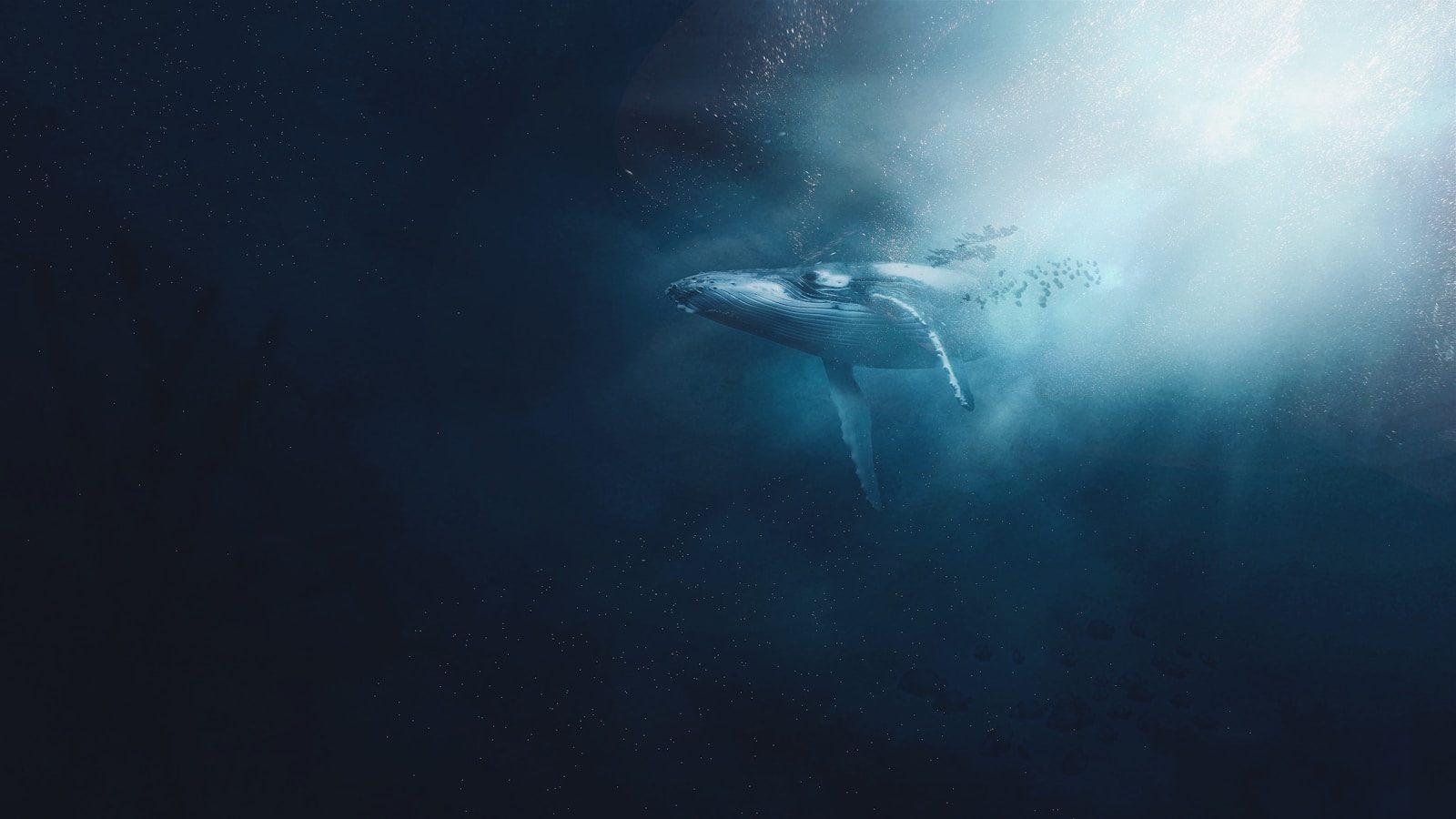
    a humpback whale swims under the surface of the water
    Photo by Chinh Le Duc on Unsplash

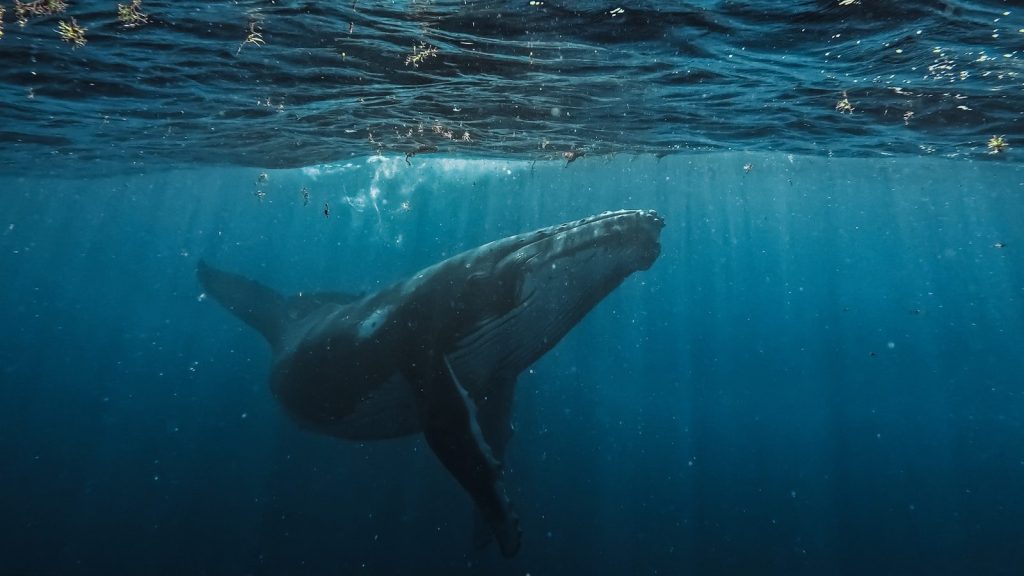
    Adult humpback whales can exceed 15 meters in length and weigh many tons. Their enormous size and strength make them extremely difficult and potentially dangerous opponents for any predator.

    Even juvenile whales can defend themselves with strong tail strikes and rapid movements. Because of these risks, great white sharks generally target smaller prey that can be captured with much less effort.

    Opportunistic feeding explains these encounters

    Great White Shark” by Elias Levy is licensed under CC BY 2.0

    Great white sharks are opportunistic predators that take advantage of situations when prey is weakened, injured, or unable to escape effectively. This behavior allows them to obtain large meals while avoiding unnecessary energy expenditure.

    Scientists believe the unusual whale attacks occurred because the vulnerable condition of the whale created an opportunity that would not normally exist. Such encounters should not be viewed as typical hunting behavior for the species.

    Rare events improve scientific understanding

    Great White Shark” by Elias Levy is licensed under CC BY 2.0

    Every unusual predator encounter provides valuable information about how marine ecosystems function. Direct observations help researchers understand hunting strategies that would otherwise remain unknown.

    Although great white sharks attacking live whales is extraordinarily rare, these documented events demonstrate that even well-studied predators can surprise scientists. The ocean continues to reveal behaviors that challenge long-held assumptions about its largest animals.

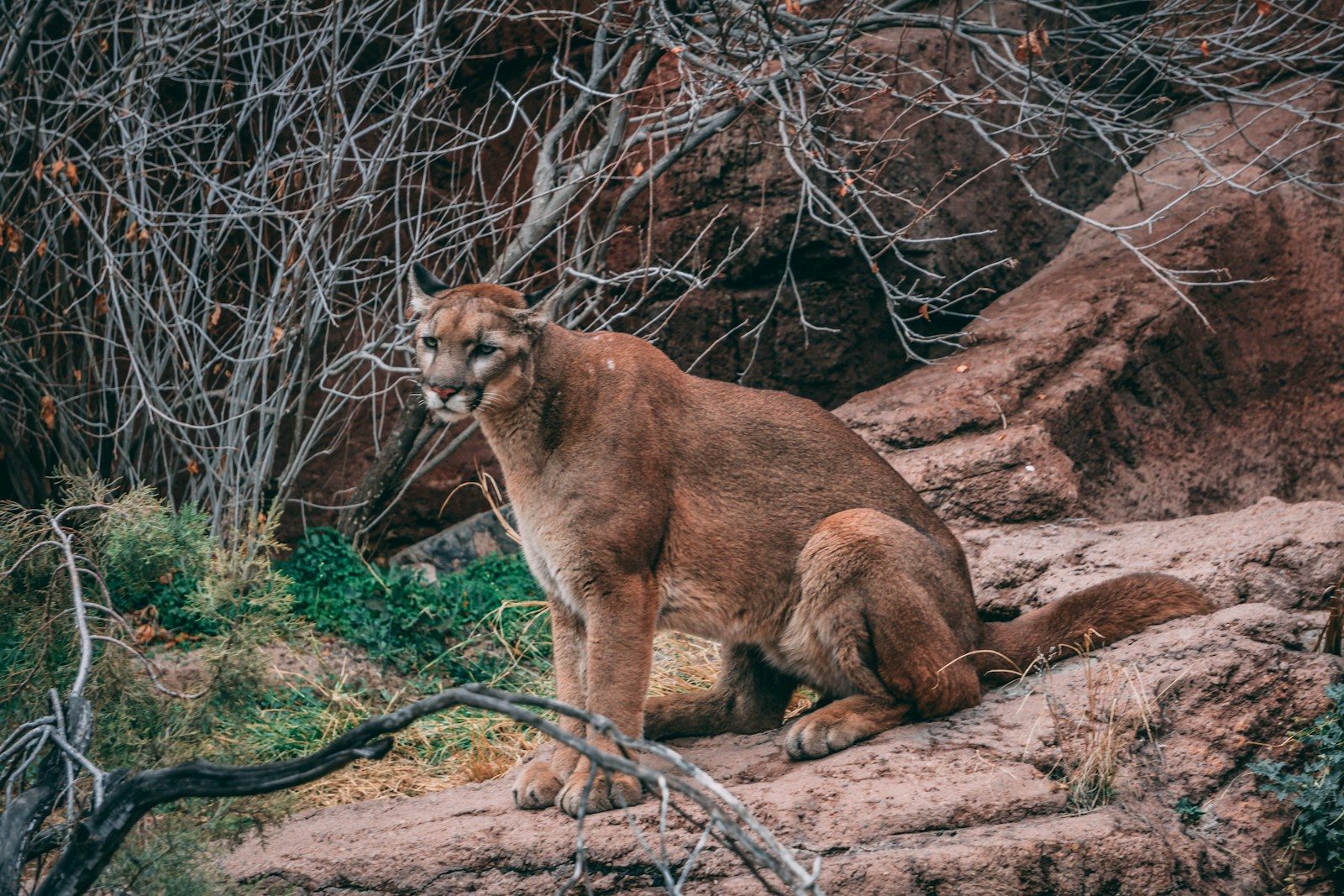
  • The 6 US states where mountain lion sightings are most likely to happen

    The 6 US states where mountain lion sightings are most likely to happen

    Mountain lions are among North America’s most elusive predators. Although they usually avoid people, they still roam across large areas of the western United States. Most people will never see one in the wild, but hikers, campers, and outdoor workers occasionally encounter these powerful cats.

    Knowing where mountain lions are most common can help visitors stay aware without creating unnecessary fear. This article explores six states with well-established mountain lion populations, why these animals thrive there, and how people can safely coexist with them.

    California has one of the largest populations

    cars on road between high rise buildings during daytime
    Photo by Lala Miklós on Unsplash

    California supports one of the largest mountain lion populations in the United States. The cats live in forests, mountains, deserts, and even near some suburban communities where suitable habitat remains connected.

    Despite frequent sightings, attacks on people remain extremely uncommon. Conservation efforts and wildlife crossings are also helping isolated mountain lion populations remain healthy.

    Colorado offers an ideal mountain lion habitat

    photography of green and brown forests
    Photo by Holly Mandarich on Unsplash

    Colorado’s mountains, forests, and abundant deer provide excellent habitat for mountain lions. Wildlife officials estimate the state supports several thousand animals spread across many regions.

    Most encounters happen when people hike, run, or recreate in mountain habitats. Experts recommend staying alert, especially during dawn and dusk when mountain lions are generally more active.

    Arizona has healthy cougar populations

    green cactus plants under blue sky
    Photo by Dulcey Lima on Unsplash

    Arizona’s rugged mountains, canyons, and desert landscapes provide ideal conditions for mountain lions. The state’s large areas of undeveloped land allow these predators to maintain wide territories.

    Because mountain lions naturally avoid humans, sightings are usually brief. Most reports involve animals quietly crossing roads or moving through remote wilderness areas.

    Utah remains strong mountain lion country

    a welcome to utah sign in the desert
    Photo by Arturo Rivera on Unsplash

    Utah’s varied landscapes support mountain lions across much of the state. Forests, rocky cliffs, and healthy deer populations provide food and shelter throughout the year.

    Outdoor recreation continues to grow in Utah, increasing the chances that hikers and mountain bikers may occasionally spot these elusive cats. Even so, direct encounters remain rare.

    Idaho supports wide-ranging predators

    gray, blue, and black concrete city buildings
    Photo by Alden Skeie on Unsplash

    Idaho contains vast wilderness areas where mountain lions continue to thrive. Large protected landscapes provide room for these solitary animals to hunt and establish territories.

    Because mountain lions require large home ranges, many spend their entire lives far from towns and cities. Most people visiting Idaho’s wilderness never see one.

    Montana completes the list

    snow capped mountains with valley and forest
    Photo by Kalen Emsley on Unsplash

    Montana’s mountains, forests, and abundant wildlife make it another important stronghold for mountain lions. Healthy populations of deer and elk provide reliable prey across much of the state.

    Wildlife experts recommend giving any mountain lion plenty of space. If one is encountered, people should remain calm, avoid running, appear as large as possible, and slowly back away while maintaining awareness.

  • The astonishing encounter between a great white shark and a giant humpback whale

    The astonishing encounter between a great white shark and a giant humpback whale

    Great white sharks are famous for hunting seals and other marine animals, but one remarkable encounter surprised scientists worldwide. Off the coast of South Africa, researchers witnessed great white sharks attacking a live humpback whale, something that had never been scientifically documented before.

    The event challenged long-held ideas about what these predators are capable of hunting. This article explains what happened, why the attack was so unusual, and what scientists learned from one of the rarest predator encounters ever recorded in the ocean.

    A rare encounter stunned researchers

    Great White Shark” by Elias Levy is licensed under CC BY 2.0

    Marine biologists observed the attack near Mossel Bay, South Africa, where they documented great white sharks attacking a live juvenile humpback whale. The whale had become weakened by entanglement, making it more vulnerable than a healthy whale.

    Researchers described the event as the first published scientific observation of great white sharks attacking and eventually killing a live humpback whale. Until then, great whites were mainly known for scavenging dead whales rather than hunting living ones.

    The sharks used a careful strategy

    Great White Shark” by Elias Levy is licensed under CC BY 2.0

    Instead of making random attacks, the sharks repeatedly targeted the whale’s tail and rear body. Scientists believe these bites increase blood loss while reducing the whale’s ability to swim effectively.

    Researchers also observed a behavior known as “bite and spit,” where the shark removed pieces of tissue without immediately swallowing them. This strategy had rarely been described during attacks on large marine mammals.

    Why whales are not normal prey

    blue whale on sea
    Photo by Todd Cravens on Unsplash

    Healthy adult humpback whales are enormous animals that can grow more than 15 meters long and weigh many tons. Their powerful tails can seriously injure predators that approach too closely.

    Because of their size and strength, great white sharks usually hunt much smaller animals such as seals, sea lions, and large fish. Living whales are generally not considered regular prey for these sharks.

    Great white sharks are opportunistic hunters

    Great White Shark” by Elias Levy is licensed under CC BY 2.0

    Great white sharks often take advantage of opportunities when prey is weakened, injured, or unable to escape. An entangled juvenile whale represents a very different situation from a healthy, free-swimming whale.

    Scientists emphasize that opportunistic feeding is common among many large predators. Rather than targeting the largest animals whenever possible, predators usually choose prey that offers the greatest reward for the least risk.

    The discovery expanded scientific knowledge

    Great White Shark” by Elias Levy is licensed under CC BY 2.0

    The observation provided valuable information about hunting behavior that had never been directly recorded before. Drone footage allowed researchers to analyze the sharks’ movements, attack patterns, and feeding strategy in exceptional detail.

    The findings also showed that great white sharks are more behaviorally flexible than scientists once believed. Under unusual circumstances, they may exploit prey that was previously considered outside their normal hunting range.

    Nature continues to surprise scientists

    grey dolphin on body of water during daytime
    Photo by Todd Cravens on Unsplash

    The ocean remains one of Earth’s least explored environments, and rare events like this remind researchers that animal behavior is often more complex than expected. Even well-studied predators can display behaviors that have never been documented before.

    Although attacks by great white sharks on live humpback whales are extremely uncommon, this encounter demonstrates how careful scientific observation continues to reshape our understanding of marine life.

  • The remarkable moments when intelligent prey outsmarted attacking orcas

    The remarkable moments when intelligent prey outsmarted attacking orcas

    Killer whales, also called orcas, are among the ocean’s most intelligent and successful predators. They hunt in family groups, communicate constantly, and use specialized techniques to catch everything from fish to large whales. Yet even these remarkable hunters do not succeed every time.

    Some prey escape through speed, teamwork, intelligence, or sheer determination. In rare cases, animals even fight back strongly enough to force the orcas to give up. This article explores why some orca hunts fail and what these unusual encounters reveal about life in the ocean.

    Orcas rely on teamwork

    Captivating view of orcas swimming in the clear waters of Juneau, Alaska.
    Photo by Simon Hurry on Pexels

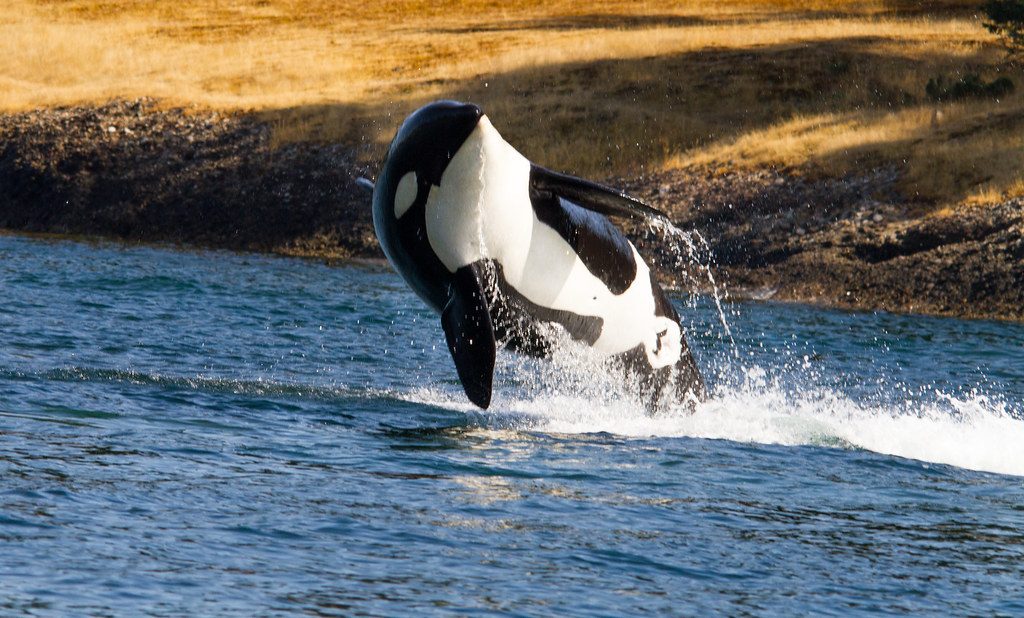
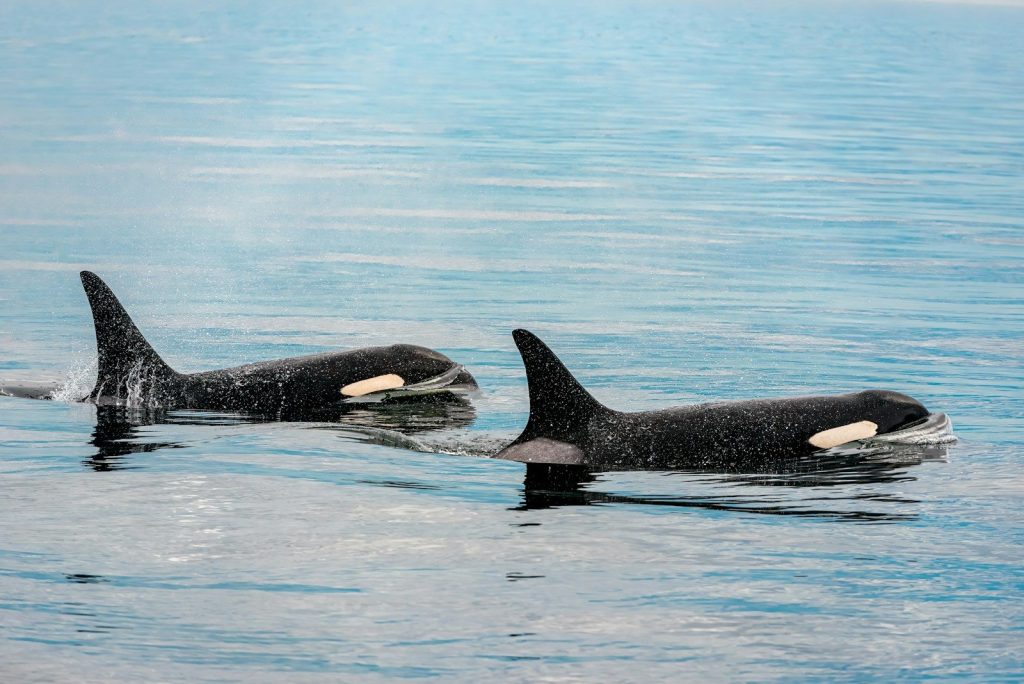
    Orcas rarely hunt alone when targeting large animals. Members of a pod work together by surrounding prey, taking turns attacking, and using coordinated movements learned from older family members.

    Different orca populations have developed their own hunting traditions. These techniques are passed from one generation to the next, making each pod highly specialized for the prey available in its region.

    Some prey refuse to surrender

    Oceanic white tip” by high hat beaver moustache man is licensed under CC BY-NC-ND 2.0

    Many marine animals have evolved effective defenses against predators. Fast swimming, sudden changes in direction, and staying close together can make it much harder for orcas to complete a hunt.

    Some prey species also form defensive circles or gather into tight groups. These formations reduce opportunities for individual animals to become isolated, forcing orcas to spend more time and energy during an attack.

    Humpback whales sometimes intervene

    blue whale on sea
    Photo by Todd Cravens on Unsplash

    One of the most remarkable behaviors documented by scientists involves humpback whales approaching hunting orcas. Researchers have observed humpbacks interrupting attacks on seals, sea lions, gray whale calves, and other animals by placing themselves between the predators and their target.

    Scientists are still studying why humpbacks behave this way. In some situations, they may be protecting their own calves, while in others, they appear to respond to distress calls from unrelated animals.

    Size and intelligence can change the outcome

    a humpback whale swims beneath the surface of the water
    Photo by Oliver Tsappis on Unsplash

    Large prey can sometimes resist long enough to discourage continued attacks. Adult whales, for example, may defend themselves with powerful tail strikes, while other marine mammals use coordinated group movements to reduce their risk.

    Intelligence also plays an important role. Animals capable of recognizing danger quickly and responding together may create enough confusion to interrupt an otherwise well-planned hunt.

    Hunting success is never guaranteed

    Killer Whale (Resident Orca)” by Shawn McCready is licensed under CC BY-ND 2.0

    Although orcas are apex predators, every hunt requires energy. If prey escapes repeatedly or becomes too difficult to capture, continuing the chase may no longer be worthwhile.

    Wild predators constantly balance effort against reward. Abandoning an unsuccessful hunt allows orcas to conserve energy and search for another opportunity rather than wasting valuable resources.

    Every failed hunt teaches scientists something

    two black and white orca swimming in a body of water
    Photo by Stephen Walker on Unsplash

    Successful hunts reveal how orcas capture prey, but unsuccessful hunts can be just as valuable for researchers. They show how prey species evolve defensive strategies and how predator and prey continue adapting to each other over time.

    These rare encounters remind us that nature is never completely predictable. Even one of the ocean’s most skilled hunters must sometimes accept defeat when intelligence, teamwork, or determination shifts the balance.

  • A rare white bison calf makes a remarkable arrival in Iowa

    A rare white bison calf makes a remarkable arrival in Iowa

    Have you ever wondered why the birth of one animal can make headlines across the country? A rare white bison calf makes a remarkable arrival in Iowa because these animals are among the rarest sights in North America. The calf was born at Neal Smith National Wildlife Refuge near Prairie City, Iowa, where wildlife staff first spotted it shortly after its birth on April 30, 2026.

    White bison are believed to occur only about once in every one million births in the wild, making this an extraordinary event. The calf’s arrival has excited wildlife lovers, conservationists, and many Native American communities. In this article, you’ll learn why this birth is so special, what makes the calf white, and how it highlights the success of bison conservation in the United States.

    A one-in-a-million surprise

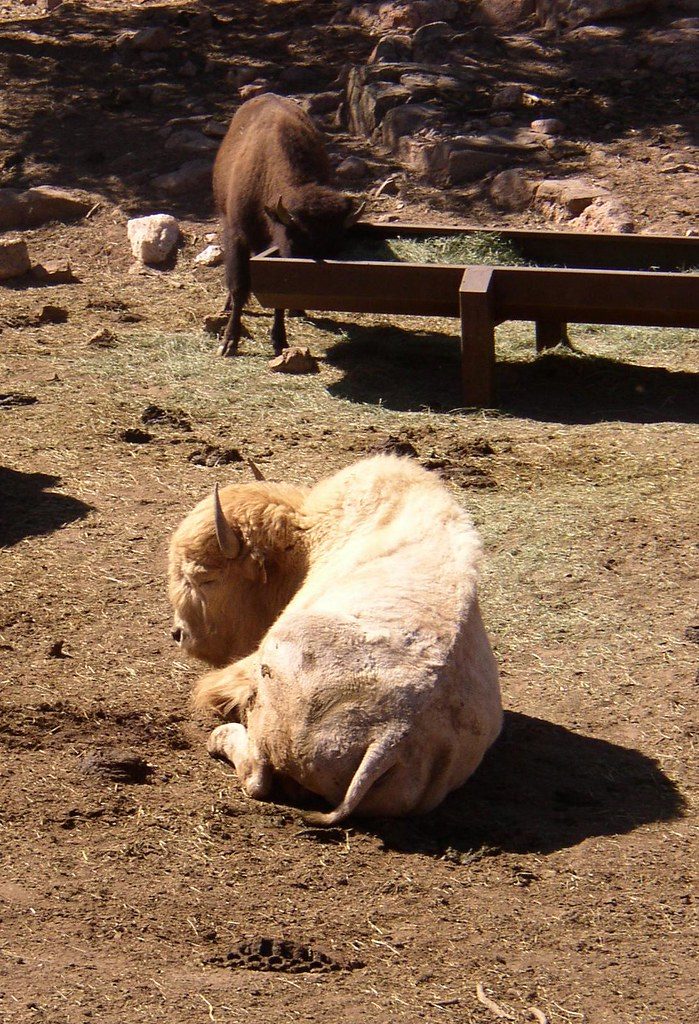
    White Bison” by Cowtools is licensed under CC BY-NC 2.0

    The rare white bison calf was born at Neal Smith National Wildlife Refuge during the 2026 spring calving season. Refuge staff discovered the newborn while carrying out routine herd checks and quickly realized they were seeing something very unusual. Most newborn bison are covered with reddish-brown fur, often earning them the nickname “red dogs.” This calf’s pale white coat immediately caught everyone’s attention.

    Refuge officials said there were more than a dozen calves born this spring, but only one had the rare white coloring. The birth has attracted visitors from across the region and has given the refuge an opportunity to teach people about wildlife conservation, prairie restoration, and the importance of protecting America’s national wildlife refuges.

    Why the calf is white

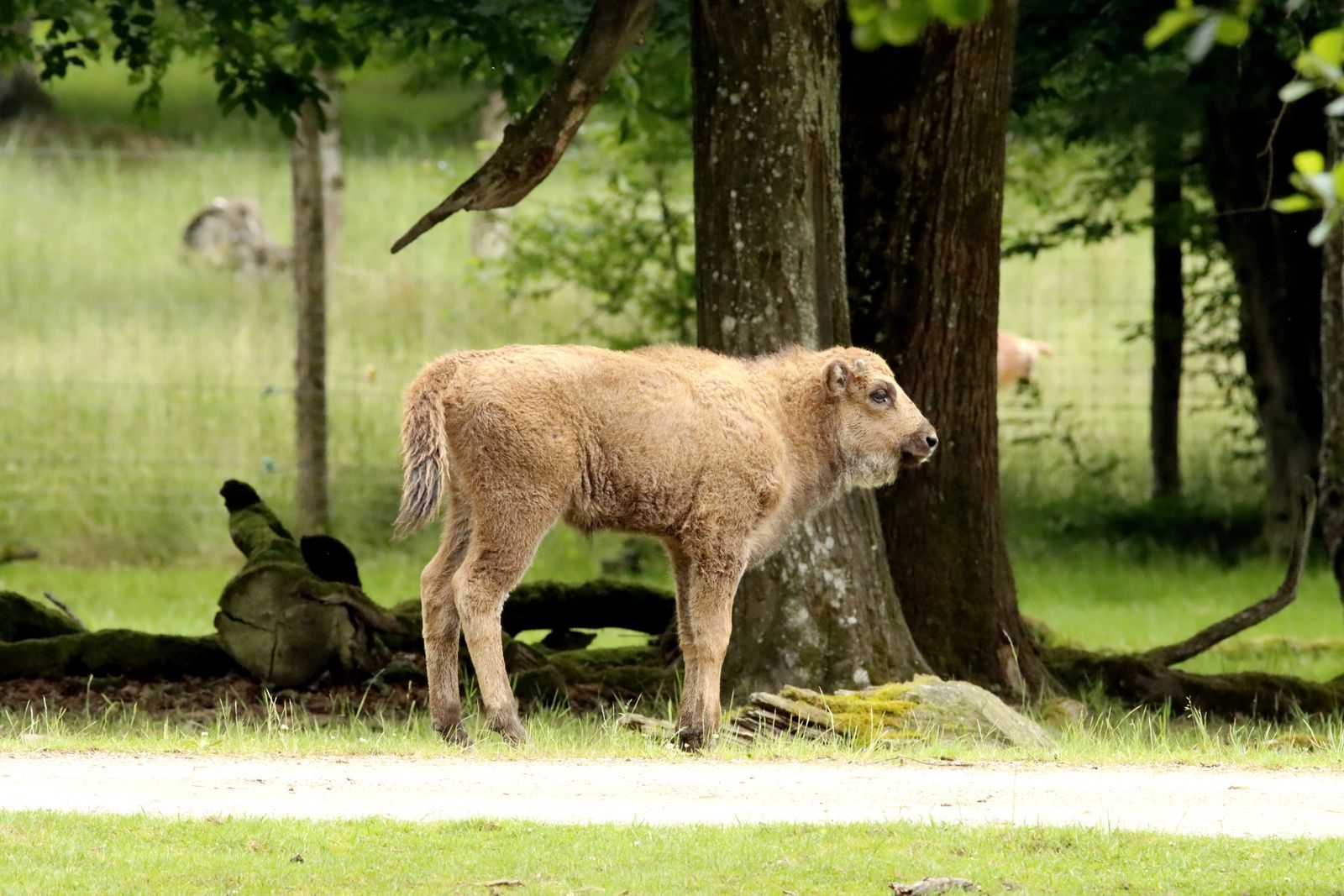
    Adorable bison calf standing near trees in a lush forest environment.
    Photo by patrice schoefolt on Pexels

    The calf’s white coat is caused by a rare natural genetic condition. Although many people think a white animal is albino, that is not the case here. Albino animals lack pigment throughout their bodies and usually have pink eyes and noses.

    This white bison is believed to have leucism, a condition that reduces pigment in the fur while allowing the animal to keep dark eyes, a dark nose, and dark hooves. Wildlife experts say the calf’s coat may change as it grows. Some pale calves become darker with age, while others remain much lighter than the rest of the herd.

    A symbol with deep meaning

    White Bison #2” by KMW2700 is licensed under CC BY 2.0

    White bison hold deep spiritual and cultural importance for many Native American tribes, especially those of the Great Plains. For generations, they have been seen as sacred symbols of hope, renewal, peace, and harmony with nature. Because white bison are so rare, each birth carries special meaning for many Indigenous communities.

    The calf’s arrival has reminded people that wildlife can bring together science, history, and culture. Refuge officials have welcomed the chance to share the story of the white bison while encouraging visitors to learn more about Native American traditions and the importance of respecting these beliefs.

    A success story for bison conservation

    bison grazing on grass near mountains during daytime
    Photo by Nick Dunlap on Unsplash

    American bison once roamed North America in huge numbers. Experts estimate that between 30 million and 60 million bison lived across the continent before the late 1800s. Heavy hunting and the loss of prairie habitat caused their population to collapse, leaving fewer than 1,000 wild bison by the end of the nineteenth century.

    Thanks to decades of conservation work, bison have made an impressive recovery. Protected herds now live in national parks, wildlife refuges, tribal lands, and private conservation areas. Although the species still needs careful management to protect its genetic diversity, the birth of this white calf is another reminder of how successful conservation efforts can be.

    Why the refuge matters

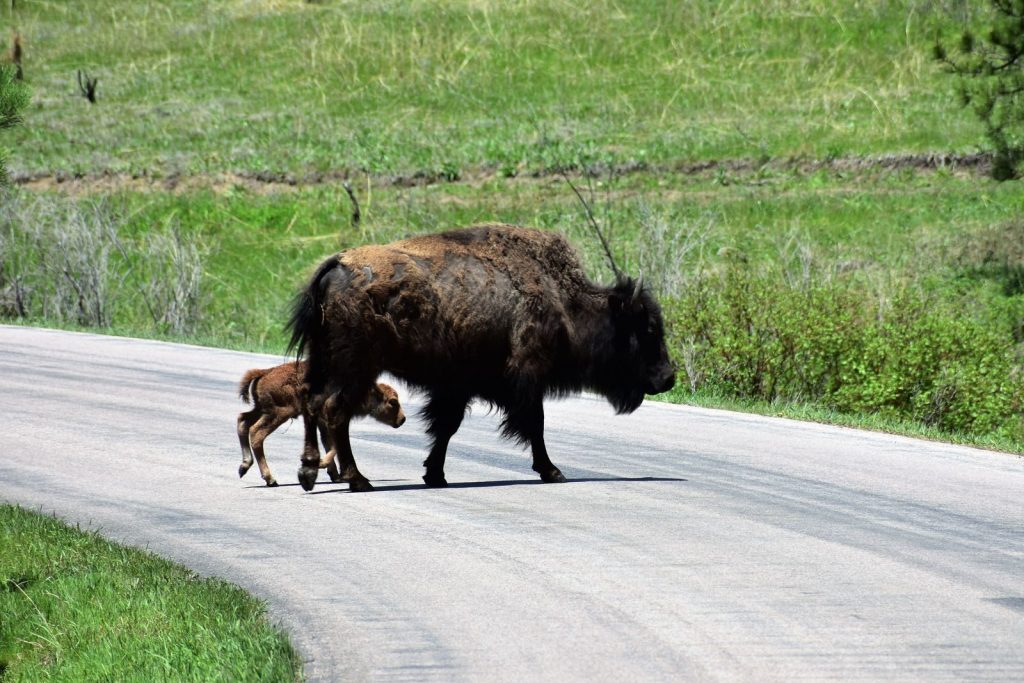
    A bison and its calf cross a rural road in South Dakota during spring, surrounded by lush green countryside.
    Photo by Thomas Shockey on Pexels

    Neal Smith National Wildlife Refuge was created to restore Iowa’s tallgrass prairie, one of the most endangered ecosystems in North America. The refuge protects thousands of acres of native grasses and wildflowers while providing habitat for birds, insects, mammals, and many other species.

    The bison herd plays an important role in keeping the prairie healthy. As the animals graze, move across the land, and create shallow wallows, they help native plants grow and create space for different wildlife to thrive. Their natural behavior helps maintain the balance of the prairie ecosystem much as it did centuries ago.

    What happens next for the young calf

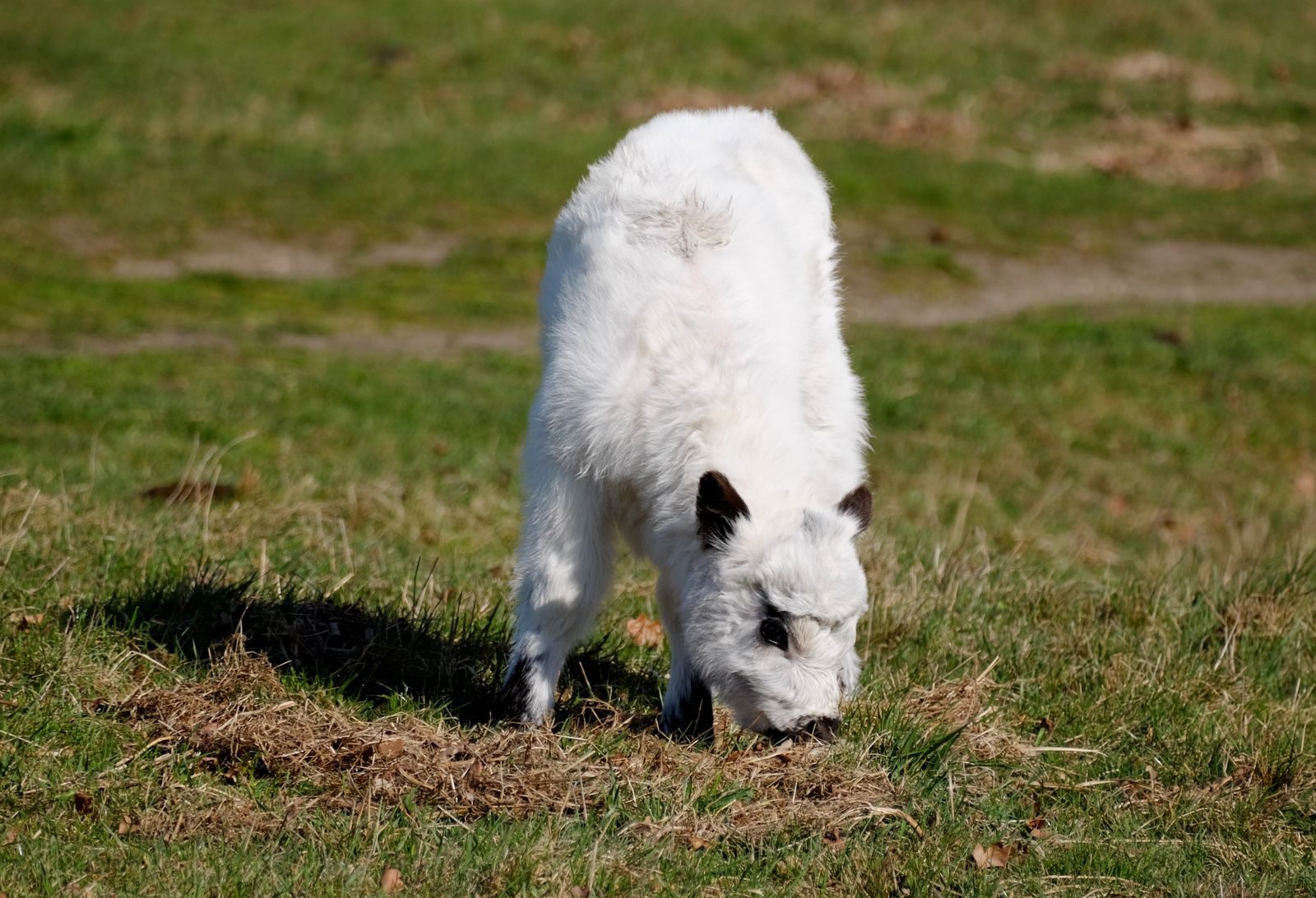
    A small white calf grazes on fresh grass in an open sunny field.
    Photo by Roman Biernacki on Pexels

    The young bison will remain close to its mother during its first months of life. Like other calves, it began standing and walking only a short time after birth. It will continue nursing while slowly learning to graze on prairie grasses as it grows stronger.

    Refuge staff will continue observing the herd from a safe distance to ensure the animals stay healthy without unnecessary human contact. As visitors come to see the rare calf, wildlife managers hope its story will inspire more people to appreciate conservation, protect natural habitats, and support efforts that keep America’s wildlife thriving.