Category: Wildlife and animals

  • The surprising reason Norfolk Island’s tiger sharks grow much larger than normal

    The surprising reason Norfolk Island’s tiger sharks grow much larger than normal

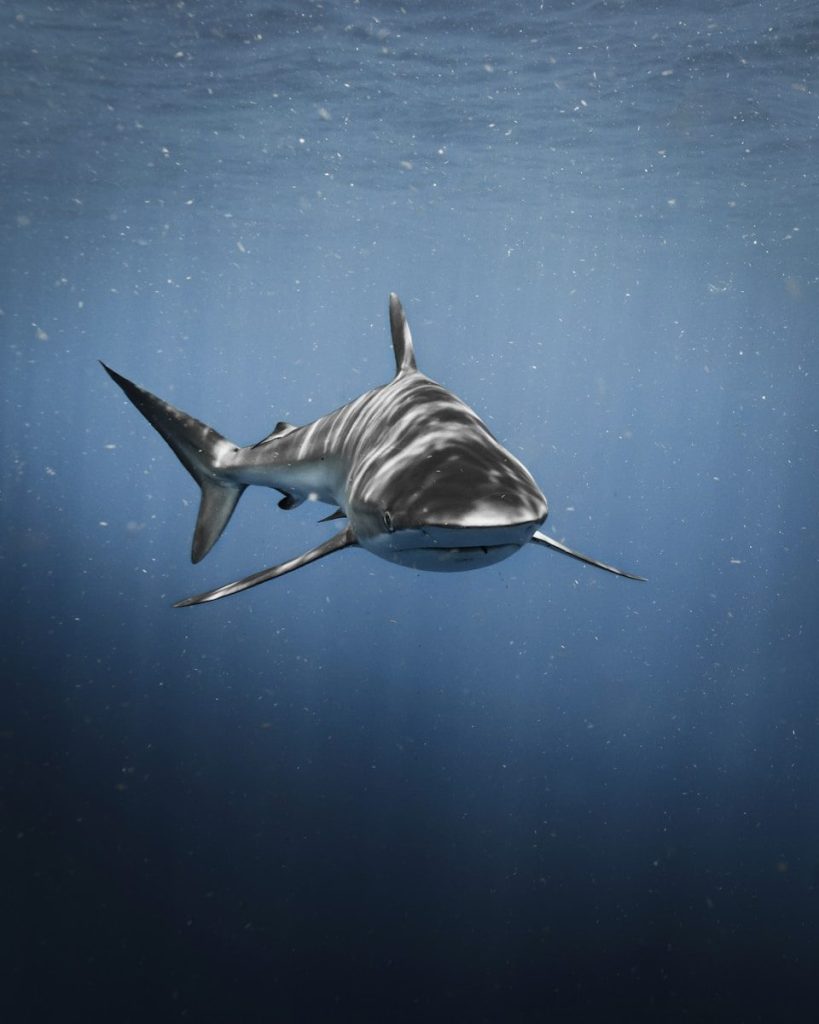
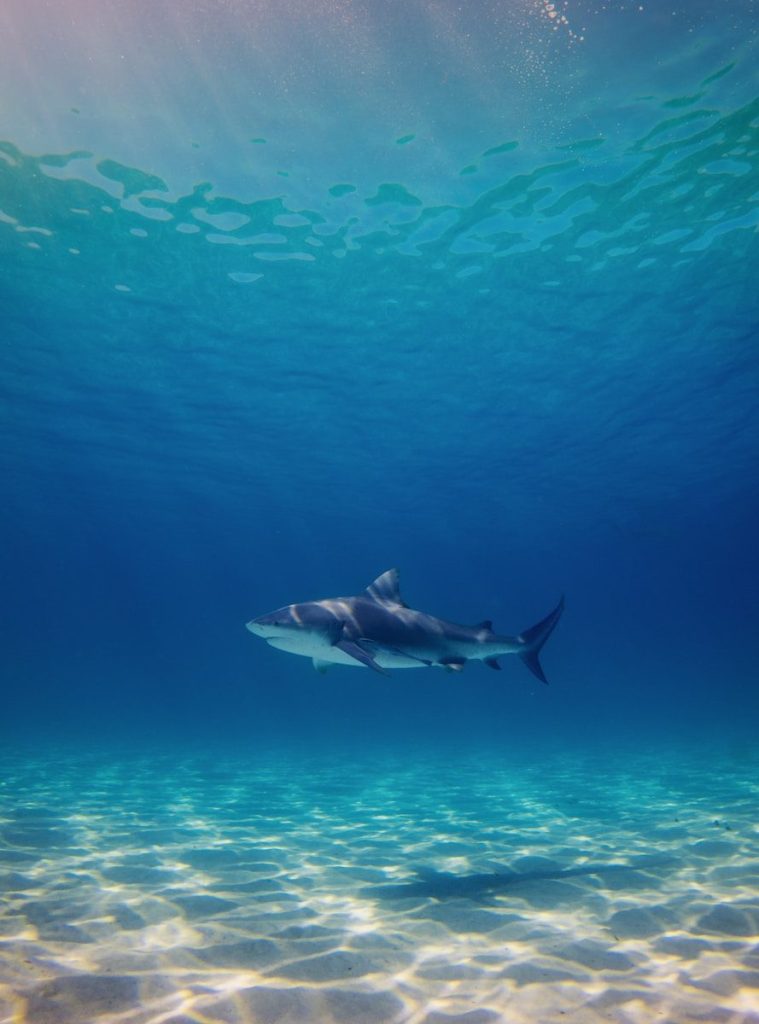
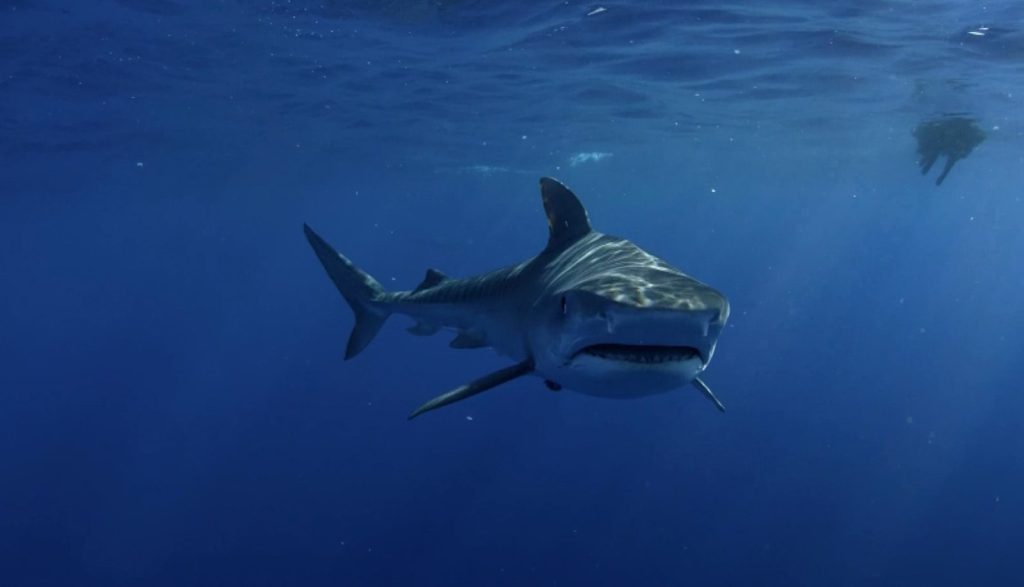
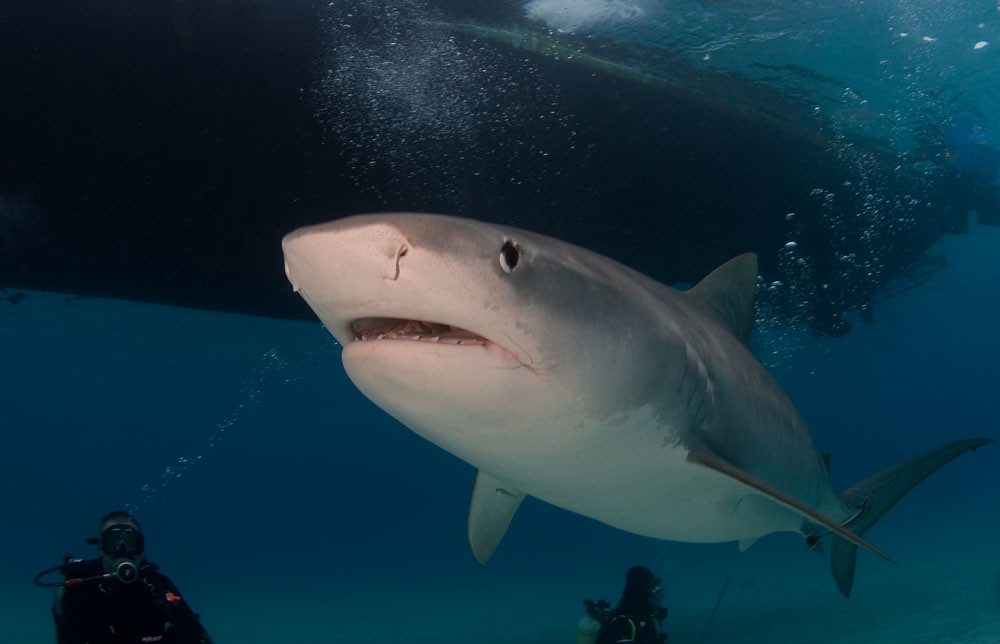
    Tiger sharks are already among the ocean’s largest predators, but those living around Norfolk Island in the South Pacific often grow even bigger. Some regularly reach nearly 15 feet in length, making them much larger than the average tiger shark found in many other parts of the world.

    For years, local residents believed discarded cattle carcasses explained the unusual growth. However, scientific research uncovered a far more surprising answer. This article explores why Norfolk Island supports such impressive tiger sharks, what scientists discovered about their diet, and why the findings changed how researchers view this unique marine ecosystem.

    A remote island with giant sharks
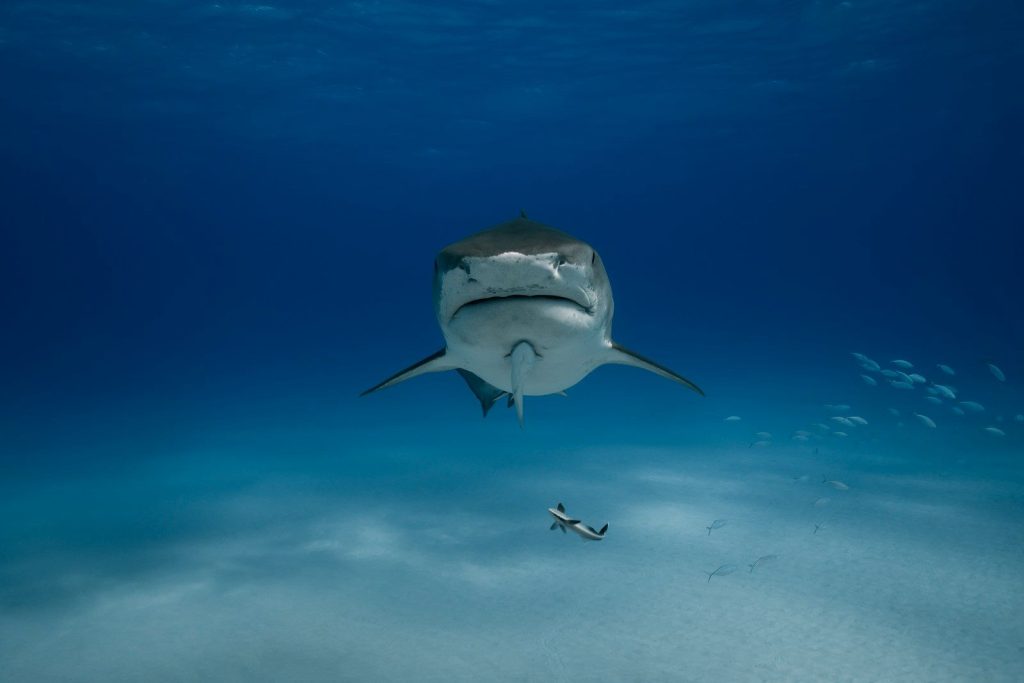
    a shark swimming in the ocean with a fish nearby
    Photo by Michael Worden on Unsplash

    Norfolk Island lies in the South Pacific about 900 miles east of mainland Australia. Despite its small size, the island has become famous for hosting an unusually high number of large tiger sharks.

    Researchers noticed that many sharks around the island were significantly larger than tiger sharks commonly recorded in nearby regions. This unusual pattern prompted scientists to investigate what was supporting such a healthy population of large predators.

    The first theory blamed cattle
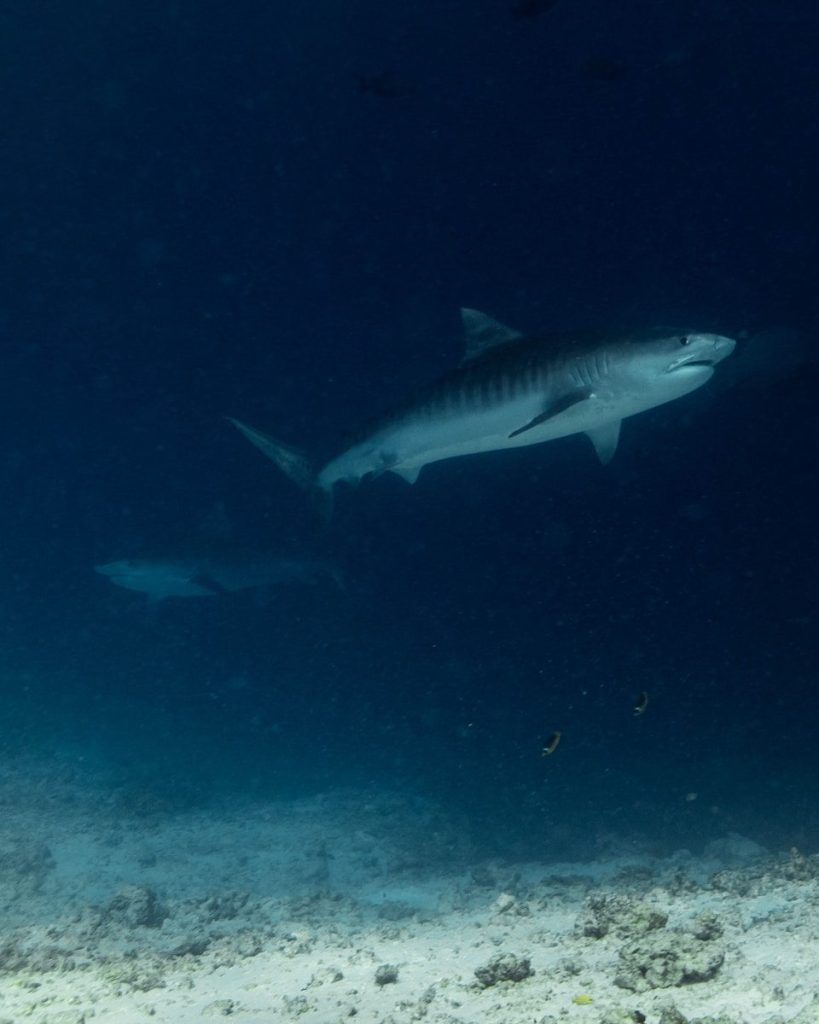
    a large shark swimming in the ocean
    Photo by Joel_Sharks on Unsplash

    For decades, cattle farming on Norfolk Island produced animal remains that were traditionally discarded into the ocean. Many people believed this steady supply of food explained why so many tiger sharks gathered near the island.

    Scientists tested this idea by analyzing blood and muscle samples from tiger sharks using stable isotope analysis. The results showed that cattle contributed only about 10% of the sharks’ diet, far less than expected.

    The real food source came from above

    a flock of birds flying over a body of water
    Photo by Shovit Chettri on Unsplash

    The research revealed that seabirds made up roughly 52% of the sharks’ diet. Thousands of wedge-tailed shearwaters nest on Norfolk Island, and at dusk, many gather in large floating groups on the ocean surface.

    These floating seabirds create an easy feeding opportunity for tiger sharks. Scientists believe the predictable supply of high-energy prey helps support the island’s unusually large shark population.

    Why seabirds are such valuable prey

    a bird flying in the sky
    Photo by engin akyurt on Unsplash

    Tiger sharks are opportunistic predators that eat a wide variety of animals, including fish, sea turtles, seabirds, and marine mammals. They take advantage of food sources that require less energy to capture.

    When thousands of seabirds rest together on the water each evening, sharks can approach from below and capture them efficiently. This dependable food source may allow more energy to be invested in growth instead of constantly searching for prey.

    Norfolk Island supports a unique ecosystem

    A scenic view of the ocean from a hill
    Photo by Grant Charsley on Unsplash

    The relationship between tiger sharks and seabirds shows how closely connected island ecosystems can become. A healthy seabird population helps sustain large marine predators, while the surrounding ocean provides habitat for both groups.

    Researchers also found that tiger sharks frequently use particular areas around the island, suggesting that both natural food sources and human activities may influence where the sharks spend their time.

    A mystery that changed scientific thinking

    A view of the ocean from a grassy hill
    Photo by Grant Charsley on Unsplash

    The Norfolk Island study demonstrated that assumptions about wildlife are not always correct. Although discarded cattle remains attracted attention for many years, careful scientific analysis revealed that seabirds play a much larger role in supporting these impressive predators.

    The findings also highlight how detailed ecological research can uncover hidden relationships between species. By understanding these connections, scientists gain a clearer picture of how complex marine ecosystems function and how they can be protected for the future.
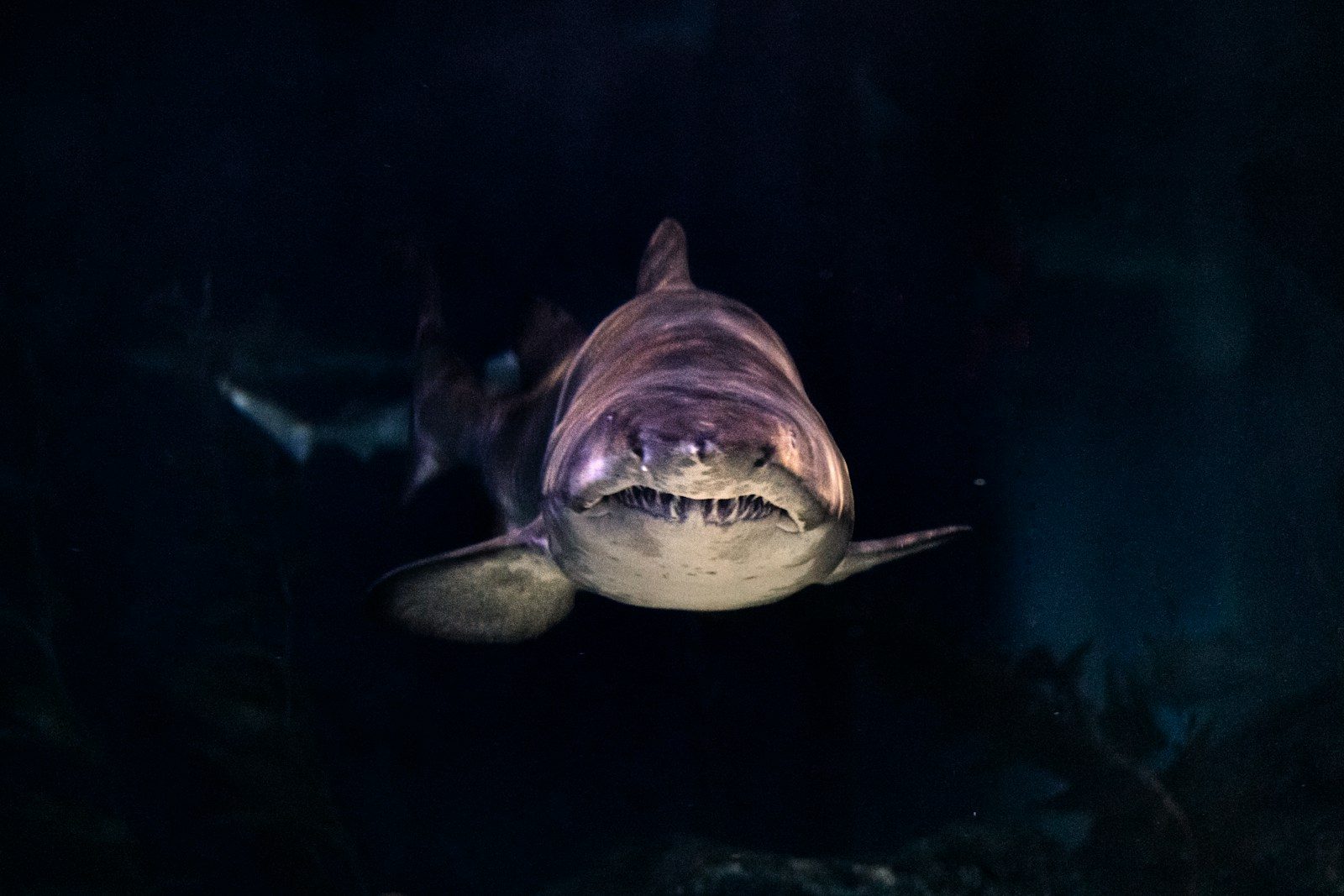
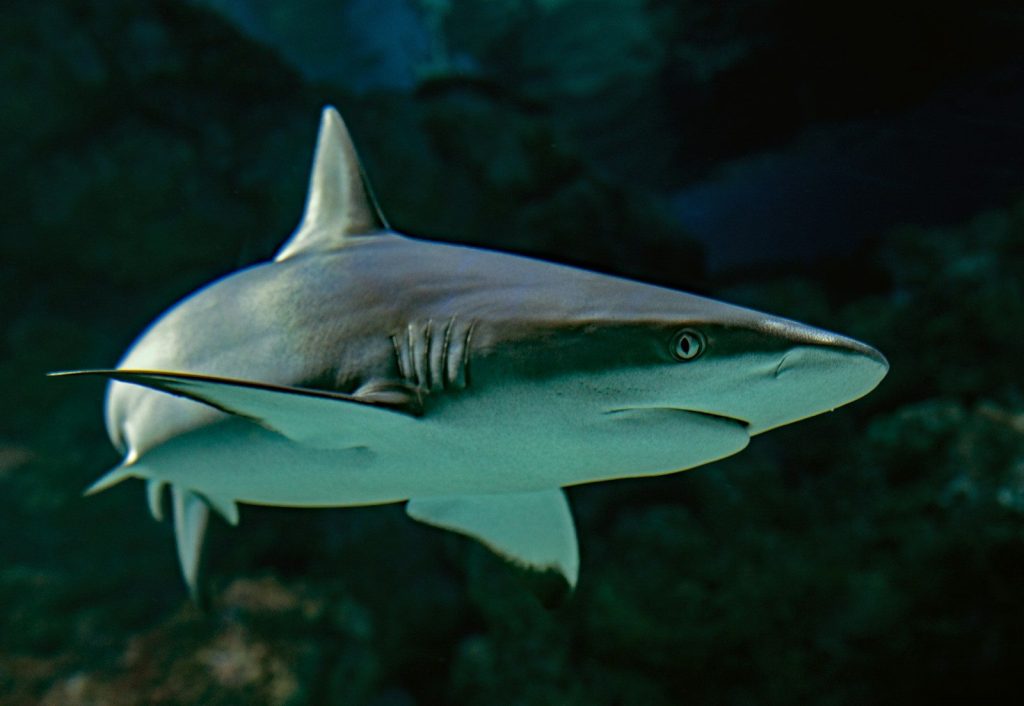
  • Scientists discovered hybrid sharks that blur the boundaries between two species

    Scientists discovered hybrid sharks that blur the boundaries between two species

    For many years, scientists believed different shark species rarely interbred in the wild. Then genetic testing revealed something unexpected. Along Australia’s east coast, researchers found sharks that were not fully one species or another. Instead, they were natural hybrids produced by two closely related blacktip shark species.

    Even more surprisingly, the hybrids were healthy enough to reproduce, creating multiple generations. This discovery changed how scientists think about shark evolution and raised new questions about how some species may respond to changing environments. This article explains how hybrid sharks form, why they survive, and what their existence means for marine science.

    A surprising scientific discovery

    selective focus photography of shark
    Photo by David Clode on Unsplash

    Researchers studying shark populations in Australia noticed that some blacktip sharks looked almost identical but did not match expected genetic patterns. DNA testing revealed that they were hybrids of the Australian blacktip shark and the common blacktip shark.

    The team identified dozens of hybrids living along more than 2,000 kilometers of Australia’s eastern coastline. Several generations of hybrid offspring showed that these sharks were successfully reproducing in the wild.

    How hybrid sharks form naturally

    a great white shark swimming in the ocean
    Photo by Chase Baker on Unsplash

    Hybridization happens when two closely related species mate and produce offspring. This process is uncommon in sharks because different species usually remain reproductively separate.

    In eastern Australia, the ranges of the Australian blacktip shark and the common blacktip shark overlap. Because they share the same waters, occasional interbreeding can occur naturally without any human involvement.

    DNA revealed what eyes could not

    a shark swimming in the water
    Photo by Gerald Schömbs on Unsplash

    The two parent species look so similar that scientists cannot always tell them apart by appearance alone. Genetic testing was necessary to identify which sharks were pure species and which were hybrids.

    Researchers combined DNA analysis with body measurements and vertebral counts to confirm the discovery. These techniques showed that hybrid sharks were much more widespread than anyone had expected.

    Why the discovery matters

    shark against black background
    Photo by Laura College on Unsplash

    The existence of fertile hybrid sharks demonstrates that evolutionary boundaries are sometimes more flexible than scientists once believed. Closely related species may occasionally exchange genes while still remaining distinct species.

    Some researchers have suggested that hybridization could help populations respond to changing environmental conditions by increasing genetic diversity. However, more research is needed before scientists know exactly how important this process is.

    Sharks continue to surprise scientists

    a great white shark swimming in the ocean
    Photo by Oleksandr Sushko on Unsplash

    Hybrid sharks are only one example of how genetics is transforming marine biology. Modern DNA technology is helping researchers identify hidden species, trace migration patterns, and better understand shark evolution.

    Many shark species remain difficult to study because they travel long distances and spend much of their lives far from shore. As genetic tools improve, scientists expect to make even more surprising discoveries.

    Evolution is still happening today

    a large shark swimming in the ocean
    Photo by Gerald Schömbs on Unsplash

    The discovery of hybrid sharks reminds us that evolution is an ongoing process rather than something that happened only in the distant past. Species continue to adapt, interact, and change as environments shift over time.

    Instead of rewriting everything scientists know about sharks, the hybrids add another piece to a much larger puzzle. They show that nature can be more flexible and more complex than people often imagine.

  • The dramatic moment sharks turned a prized sailfish catch into complete chaos

    The dramatic moment sharks turned a prized sailfish catch into complete chaos

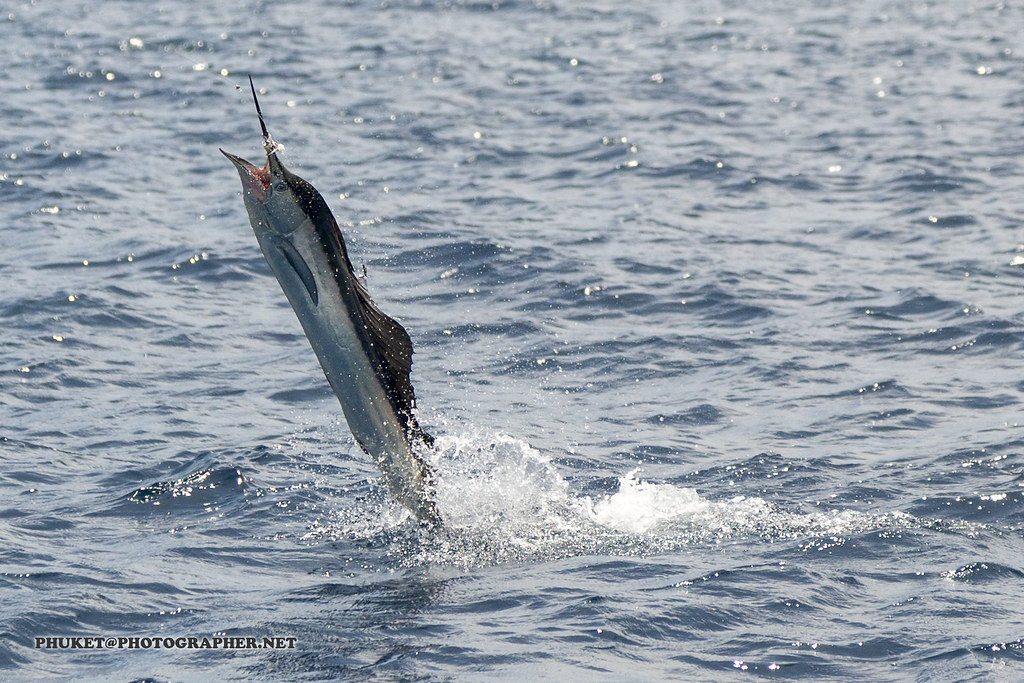
    Landing a giant sailfish is often the highlight of a fishing trip. But sometimes, just as the fish reaches the boat, another predator appears. In this dramatic encounter, sharks suddenly attacked a hooked sailfish, turning a successful catch into a struggle for survival.

    While the scene looked shocking, it also revealed a natural behavior that scientists and experienced anglers have observed for years. This article explains why sharks target hooked fish, how sailfish defend themselves, and what these encounters reveal about life in the open ocean.

    A successful catch changed instantly

    black fishing rod and body of water during golden hour
    Photo by James Wheeler on Unsplash

    The sailfish had nearly reached the boat after a long fight. Moments later, sharks appeared and began attacking the exhausted fish, creating a chaotic scene beside the vessel.

    Events like this happen more often than many people realize. Anglers call the loss of a hooked fish to a shark being “sharked,” especially when large predators take the catch before it can be released or brought aboard.

    Why sharks target hooked fish

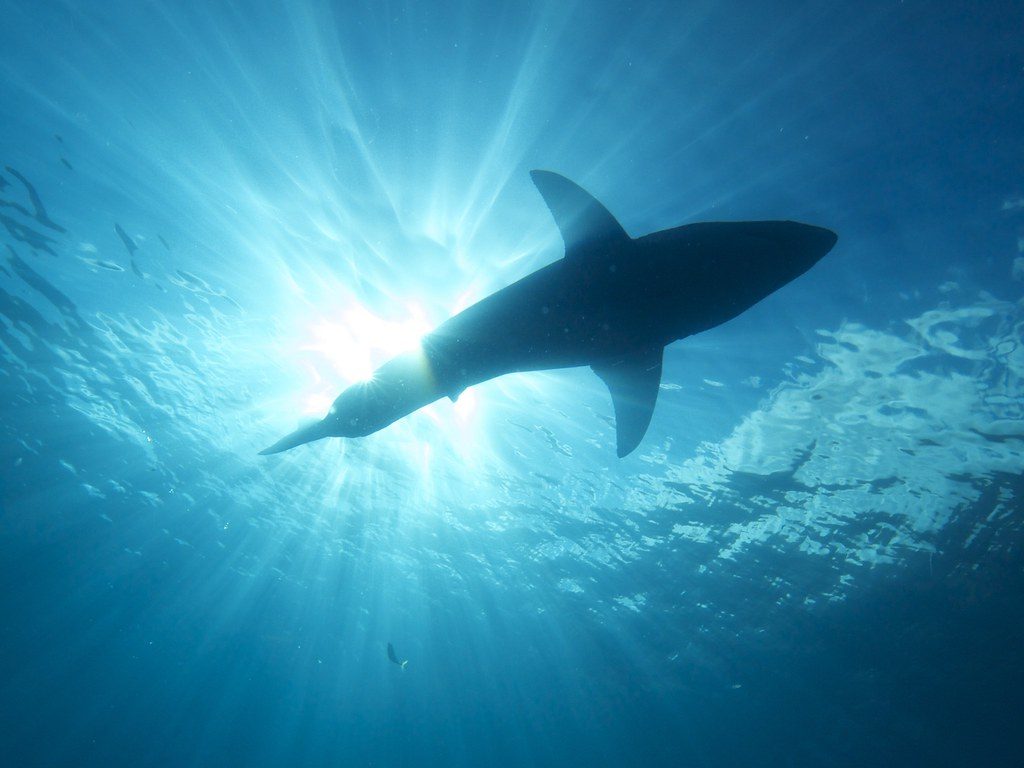
    Great White Shark” by Elias Levy is licensed under CC BY 2.0

    A hooked fish struggles, creates vibrations, and may release blood or body fluids into the water. Sharks have highly developed senses that allow them to detect these signals from considerable distances.

    Once a shark locates an easy meal, it often takes advantage of the opportunity. Catching an already exhausted fish requires far less energy than chasing healthy prey across the open ocean.

    Sailfish are built for speed

    a large fish is swimming in the water
    Photo by Michael Worden on Unsplash

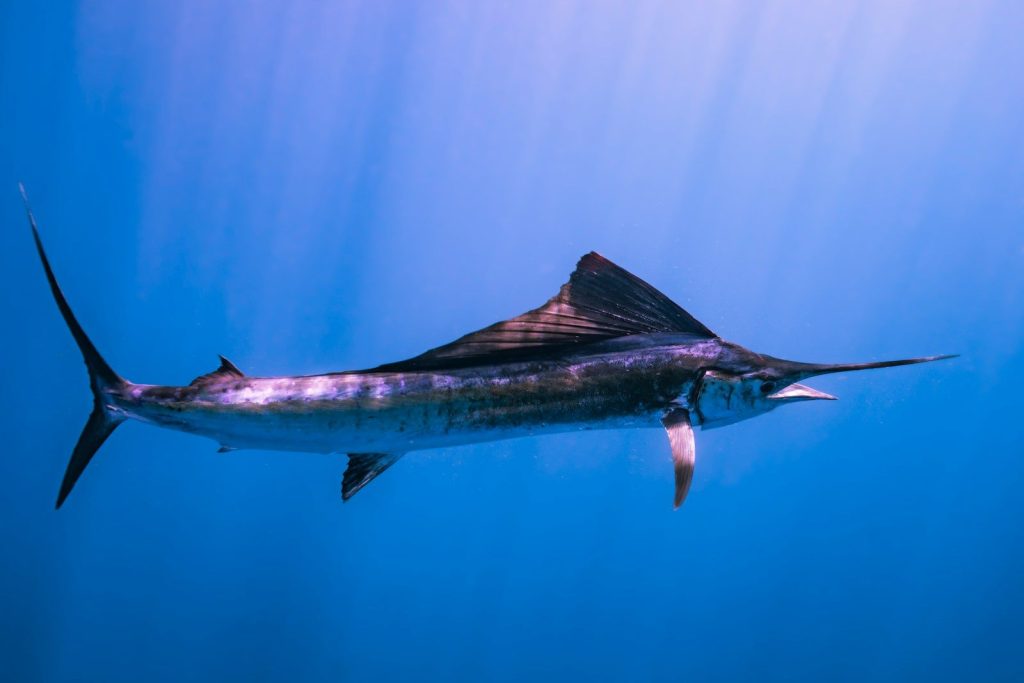
    Sailfish are among the fastest fish in the ocean. Their streamlined bodies, long bills, and powerful tails help them chase schools of fish with remarkable agility.

    During hunting, sailfish often slash through schools of small fish with their bills, injuring several prey before capturing one. This efficient hunting strategy makes them successful predators in open water.

    Sharks remain opportunistic predators

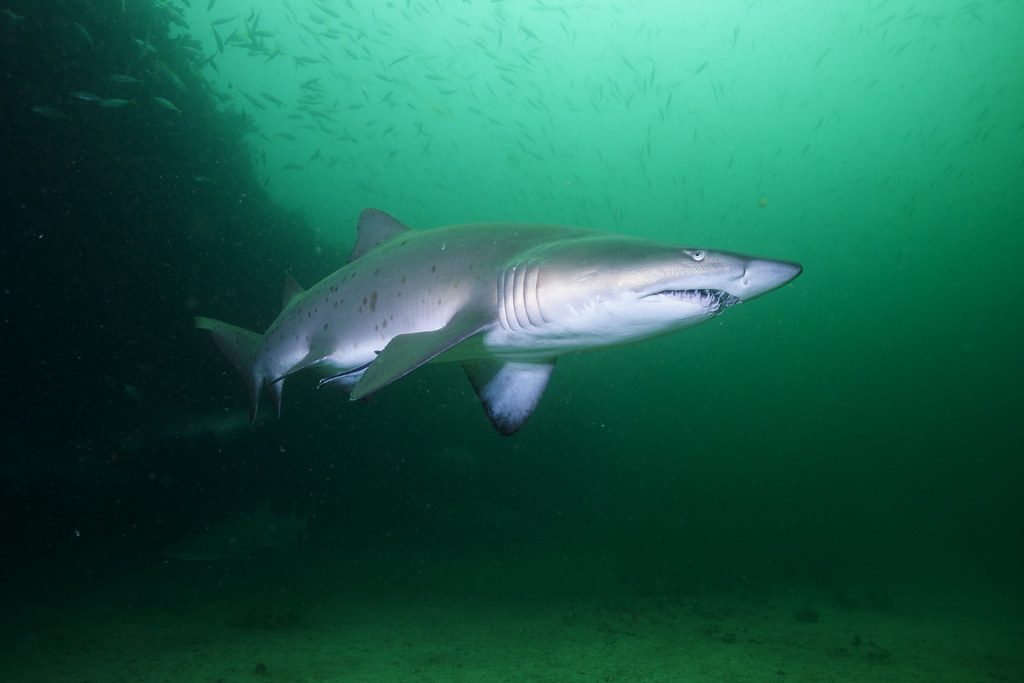
    Gray Nurse Shark” by PacificKlaus is licensed under CC BY-NC 2.0

    Many shark species are opportunistic feeders, meaning they take advantage of available food whenever possible. A struggling sailfish beside a fishing boat can become an attractive target because it is easier to catch than healthy prey.

    This behavior is not unusual or aggressive toward people. The sharks are responding to a feeding opportunity created by an injured fish rather than deliberately approaching humans.

    These encounters are becoming more familiar

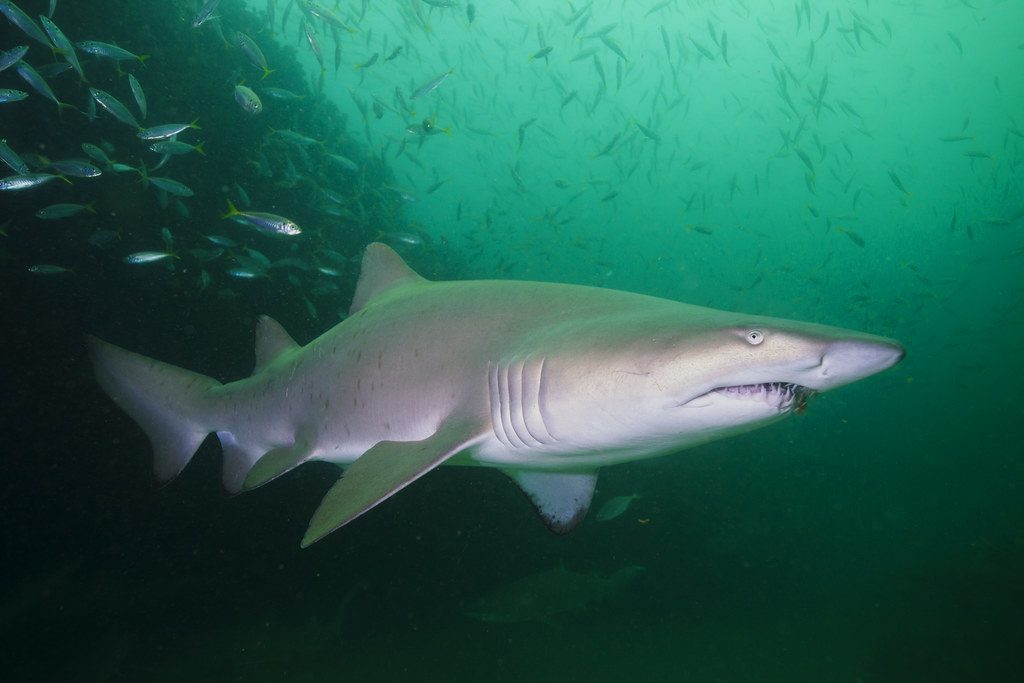
    Gray Nurse Shark
    Gray Nurse Shark” by PacificKlaus is licensed under CC BY-NC 2.0

    Charter captains and recreational anglers have increasingly reported sharks taking hooked game fish before they can be landed. This behavior has been documented with sailfish, marlin, tuna, and many other species.

    Scientists continue studying these interactions to better understand how fishing activity, shark behavior, and changing marine ecosystems influence encounters between predators and hooked fish.

    Nature always has the final word

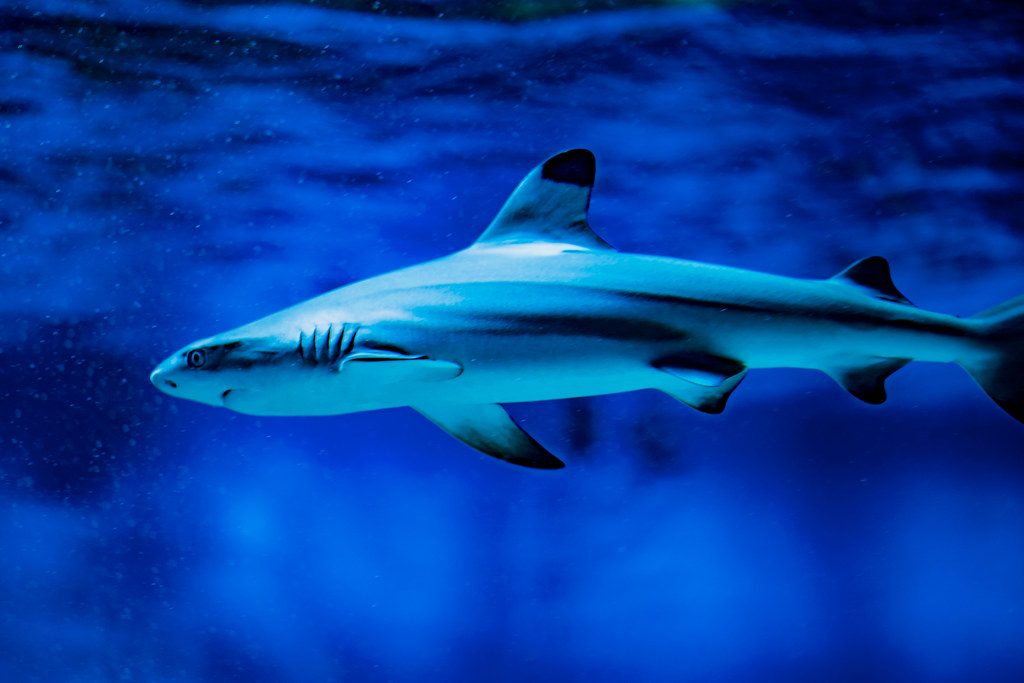
    Blacktip reef shark (Carcharhinus melanopterus) of Enoshima Aquarium, Fujisawa : ツマグロ(藤沢市・新江ノ島水族館)” by Dakiny is licensed under CC BY-NC-ND 2.0

    The battle beside the boat serves as a reminder that the ocean remains unpredictable. Even after a fish is hooked, it is still part of a complex food web where larger predators may suddenly appear.

    Watching sharks attack a giant sailfish highlights the incredible power of marine ecosystems. It also demonstrates that every fishing trip unfolds within a natural world where wild animals continue following the instincts that have helped them survive for millions of years.

  • How a 75-million-year-old fossil uncovered the feeding habits of tyrannosaurs

    How a 75-million-year-old fossil uncovered the feeding habits of tyrannosaurs

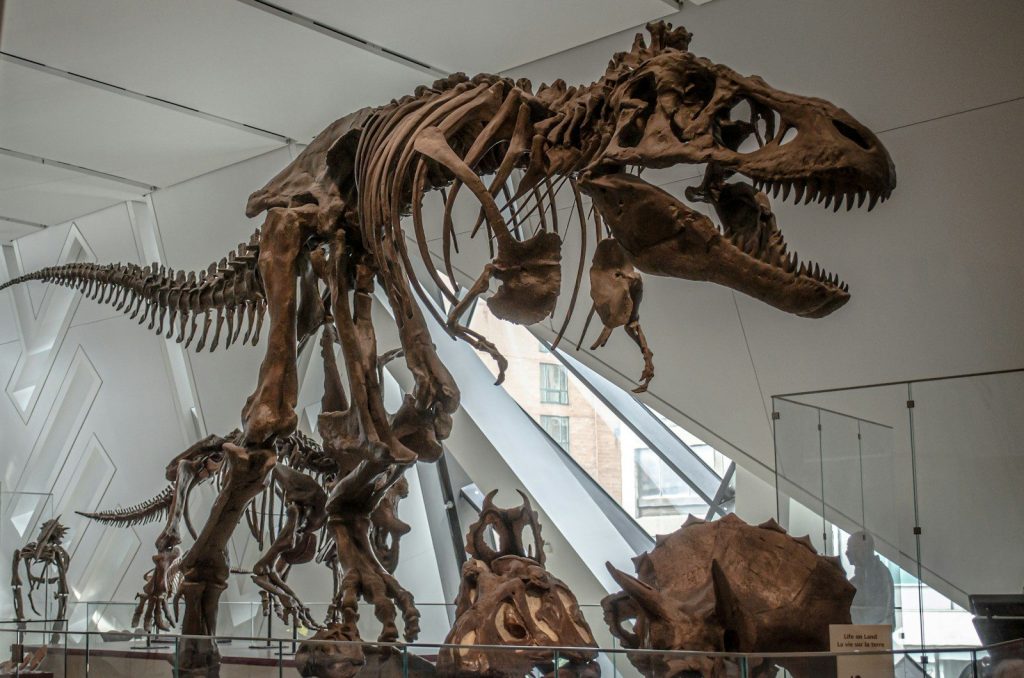
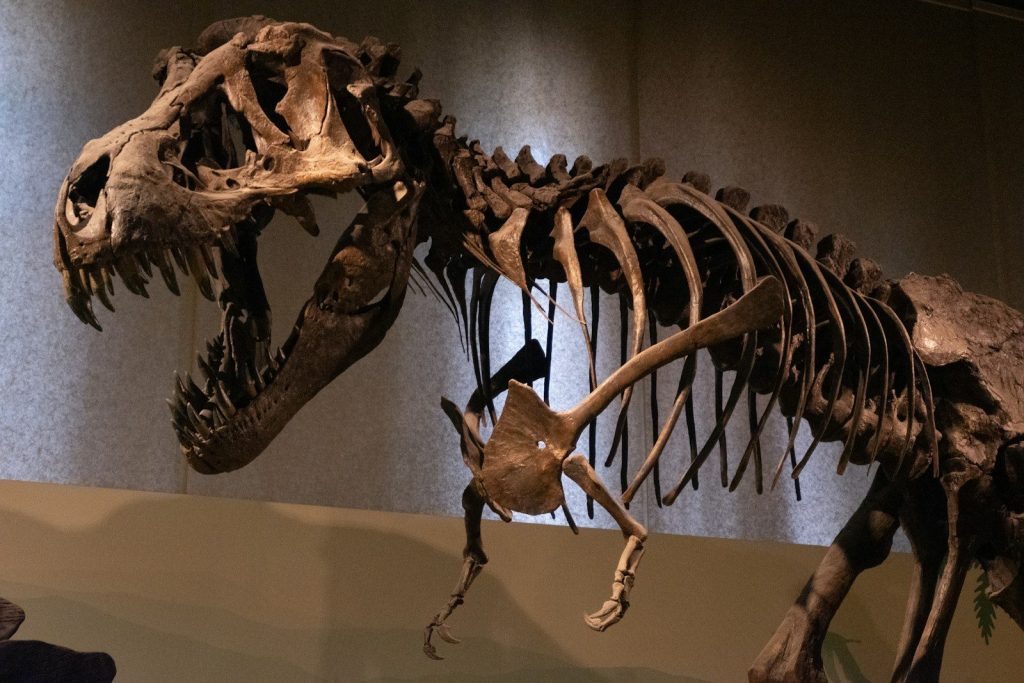
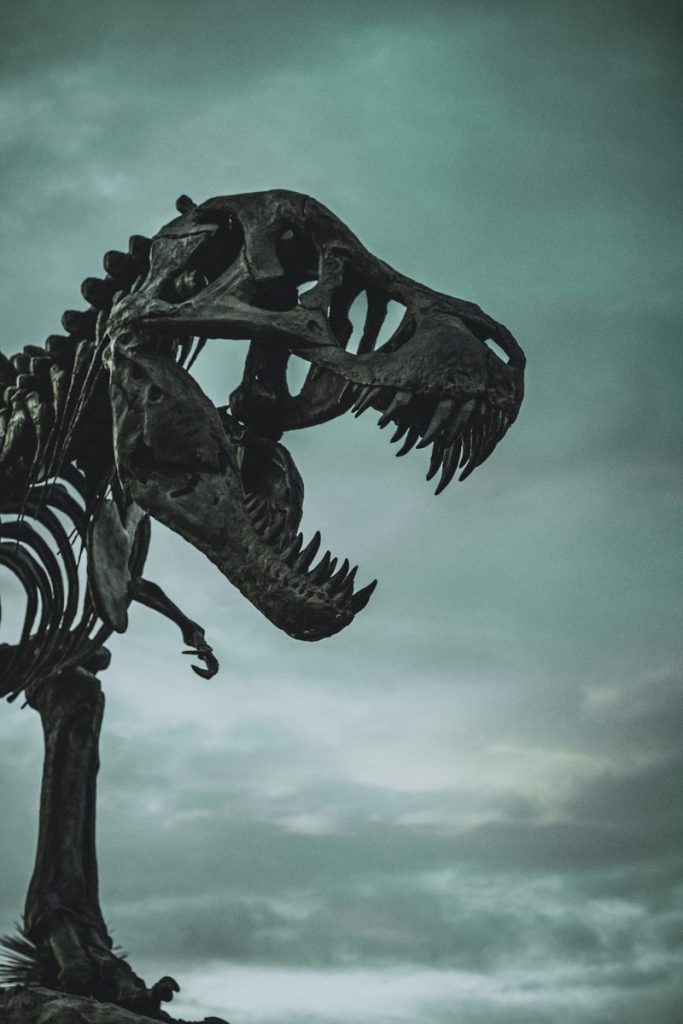
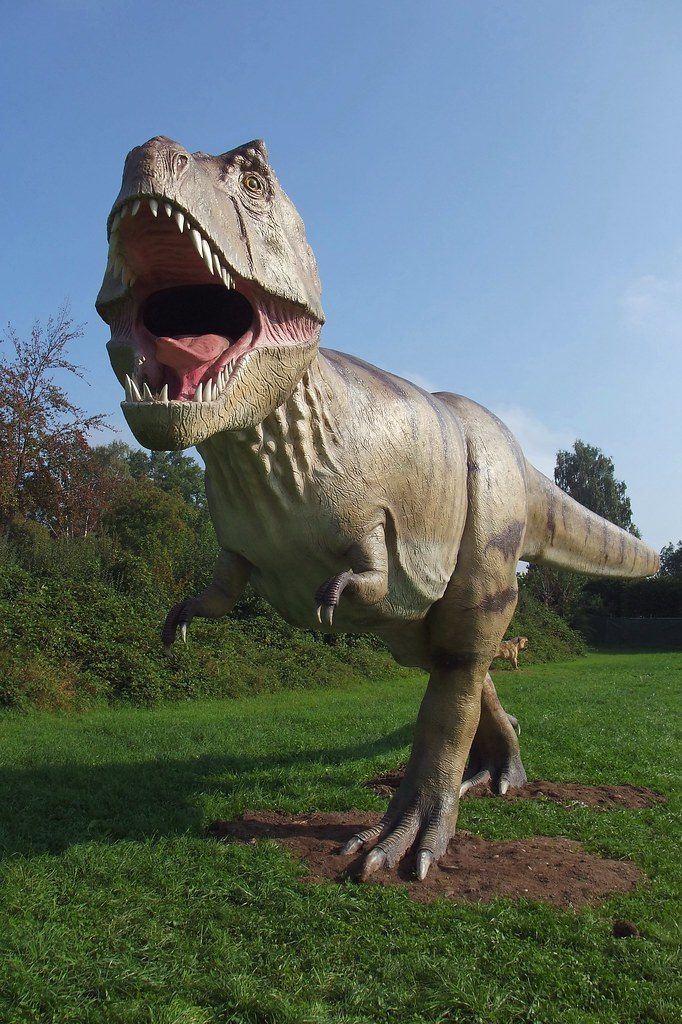
    Tyrannosaurs are famous as some of the most powerful predators ever to walk the Earth. For years, they have been pictured as fearless hunters chasing down large prey. However, a new fossil study reveals another side of these giant dinosaurs. Researchers found evidence that smaller tyrannosaurs also scavenged the remains of much larger relatives when the opportunity arose.

    By studying tiny bite marks preserved for 75 million years, scientists uncovered new clues about how these prehistoric predators survived. This article explains what researchers found, how they reached their conclusions, and why the discovery changes our understanding of tyrannosaur behavior.

    A fossil preserved an ancient meal

    brown animal skeleton on glass roof
    Photo by Narciso Arellano on Unsplash

    The discovery began with a fossilized foot bone found in Montana’s Judith River Formation. The bone came from a giant tyrannosaurid that lived about 75 million years ago, long before Tyrannosaurus rex appeared.

    Researchers identified 16 distinct bite marks across the bone. Their location and pattern suggested that another smaller tyrannosaurid had fed on the carcass after the animal had already died.

    Tiny marks revealed a big story

    A dinosaur skeleton in a museum with people looking at it
    Photo by Tofan Teodor on Unsplash

    Master’s student Josephine Nielsen used advanced 3D scanning to examine the fossil in great detail. Digital models allowed her to measure the depth, angle, and placement of every bite mark with remarkable precision.

    The analysis showed the marks were not random damage. Instead, they matched tooth impressions left by a smaller tyrannosaurid feeding on the larger dinosaur’s remains.

    The scavenger cleaned up the last remains

    a dinosaur skeleton standing on top of a rock
    Photo by Mac Cervantes on Unsplash

    The bite marks appeared on the foot, an area that contains very little meat. Researchers found no evidence that the larger dinosaur survived after the bites, indicating they happened after death rather than during a fight.

    This suggests the smaller tyrannosaurid was feeding late in the decomposition process. Instead of choosing only the richest parts of the carcass, it continued eating even after most of the flesh had disappeared.

    Hunting and scavenging both mattered

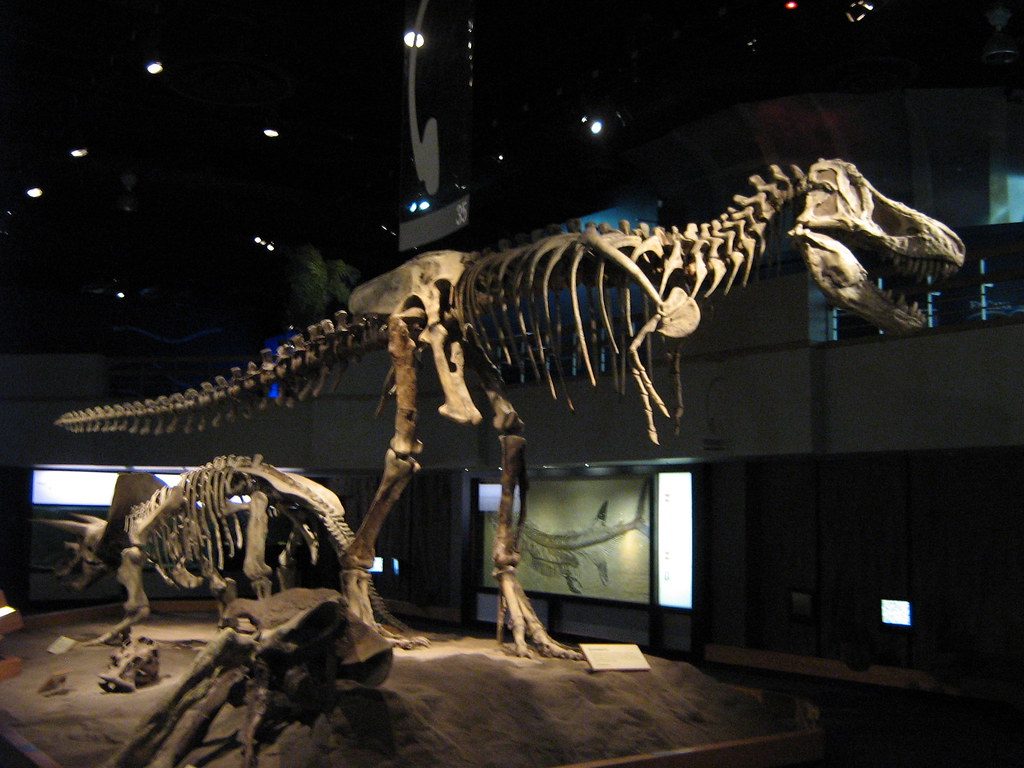
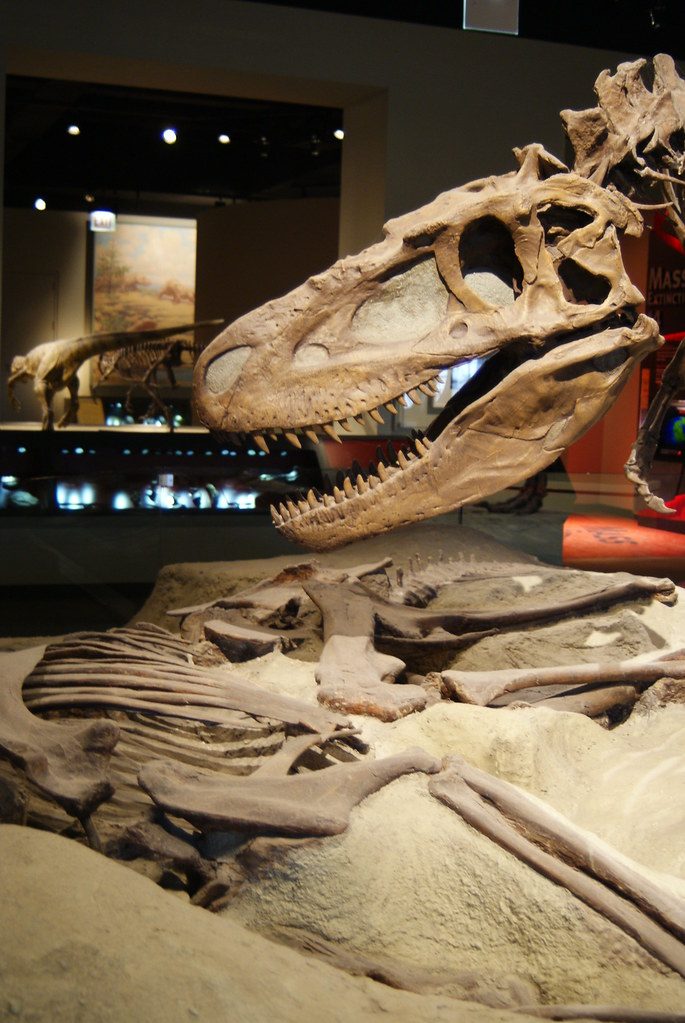
    Daspletosaurus torosus, a tyrannosaur from the late Cretaceous of North America at the Evolving Planet Exhibit at the Field Museum, Chicago, IL” by Dallas Krentzel is licensed under CC BY 2.0

    The new evidence does not mean tyrannosaurs were poor hunters. Their powerful skulls, massive teeth, and strong bite forces clearly show they were capable predators.

    Instead, the study suggests they behaved like many modern carnivores. When an easy meal became available, they took advantage of it rather than wasting energy searching for fresh prey.

    Modern technology unlocked ancient clues

    Goldach – Tyrannosaur” by Kecko is licensed under CC BY 2.0

    Rather than working directly with the original fossil, Nielsen studied a digital model and a 3D printed copy. This protected the valuable specimen while allowing researchers to inspect details that would have been difficult to see otherwise.

    Scientists also used a standardized method for classifying bite marks. This approach helps researchers compare fossils more accurately and understand dinosaur behavior with greater confidence.

    Dinosaur behavior is becoming clearer

    Prairie Tyrannosaur” by Tau Zero is licensed under CC BY-NC-SA 2.0

    Each new fossil provides another piece of the puzzle about how dinosaurs lived millions of years ago. Even small traces, such as tooth marks, can reveal surprising details about feeding habits and survival strategies.

    The discovery shows that tyrannosaurids were practical animals that used every available food source. Instead of fitting neatly into the role of hunter or scavenger, they likely did both whenever the opportunity arose.

  • Why sailors once feared the oceanic whitetip shark more than almost any other predator

    Why sailors once feared the oceanic whitetip shark more than almost any other predator

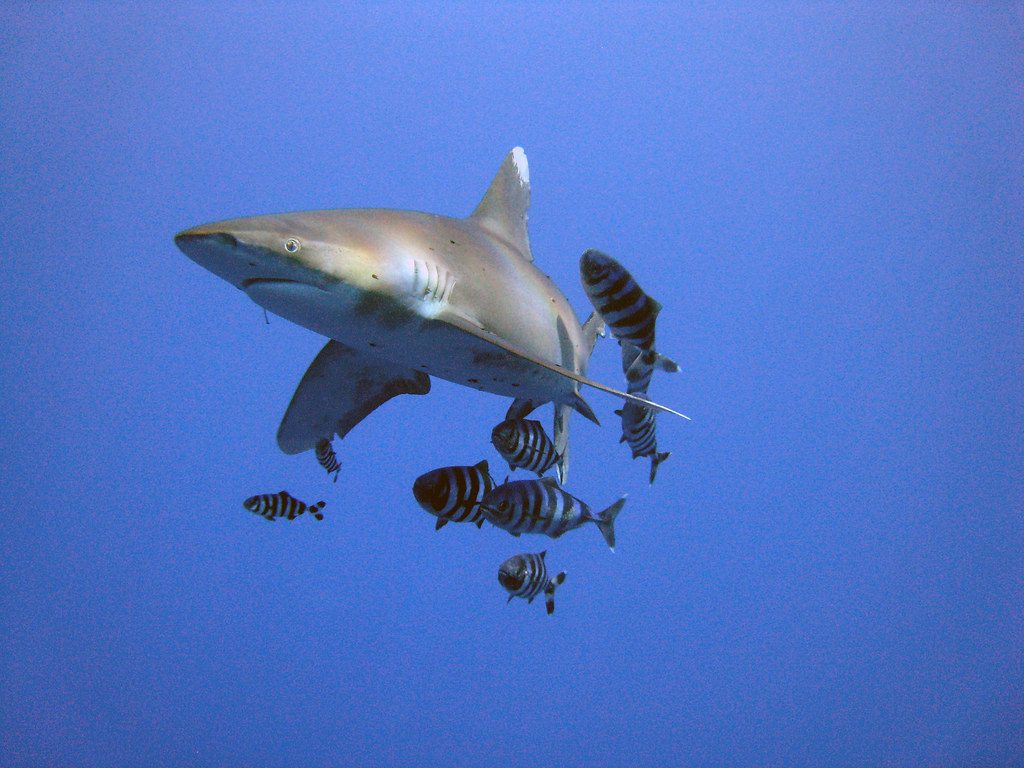
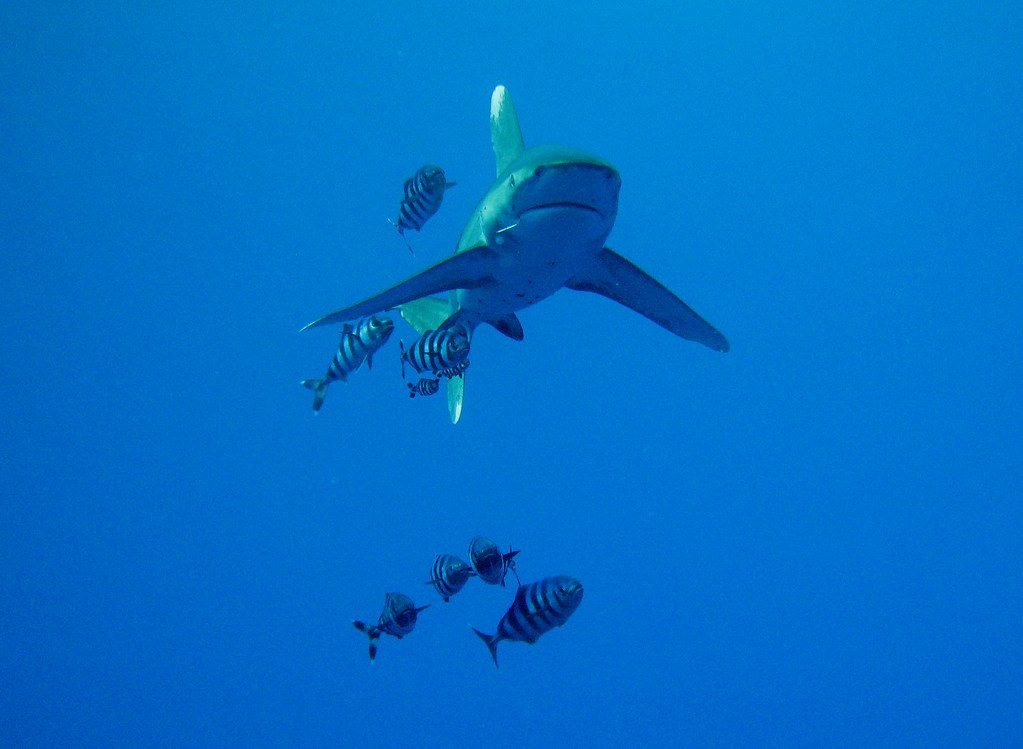
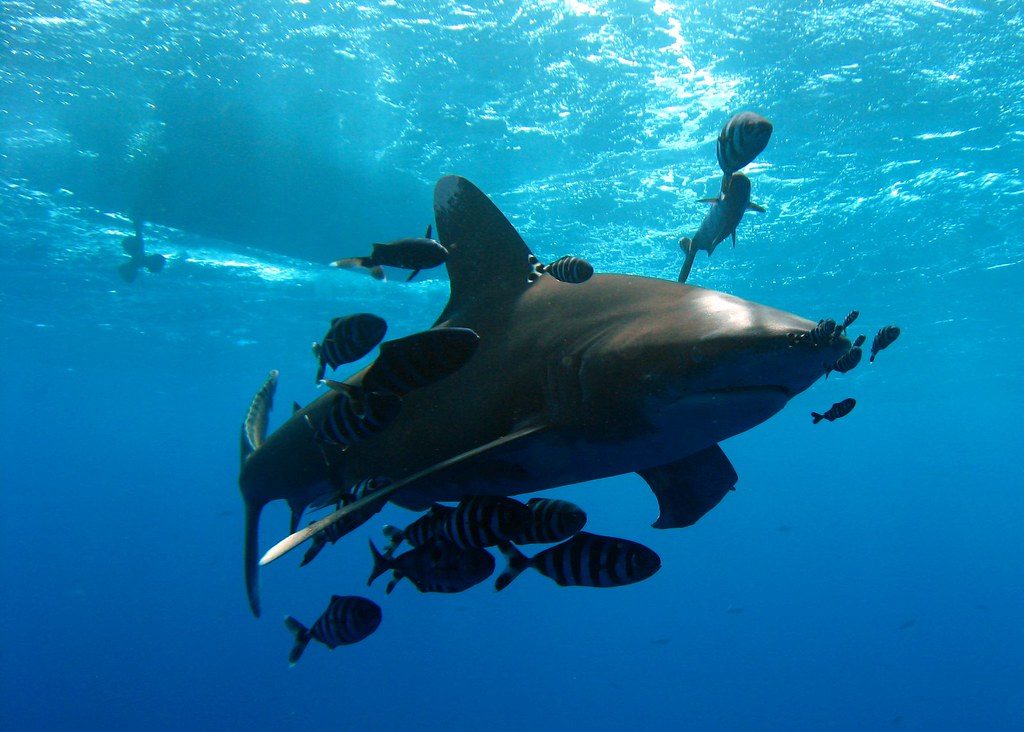
    Far from shore, where rescue may take days to arrive, one shark earned a reputation that few others could match. The oceanic whitetip shark spent centuries roaming the open ocean, often following ships and investigating anything floating on the surface. Its behavior around shipwrecks led many sailors to fear it more than coastal sharks. Yet today, this famous predator faces a very different challenge.

    Once among the most common large sharks in the open sea, it has declined dramatically across much of its range. This article explores why the oceanic whitetip became so feared, how it behaves, and why protecting it has become an important conservation goal.

    A shark built for the open ocean

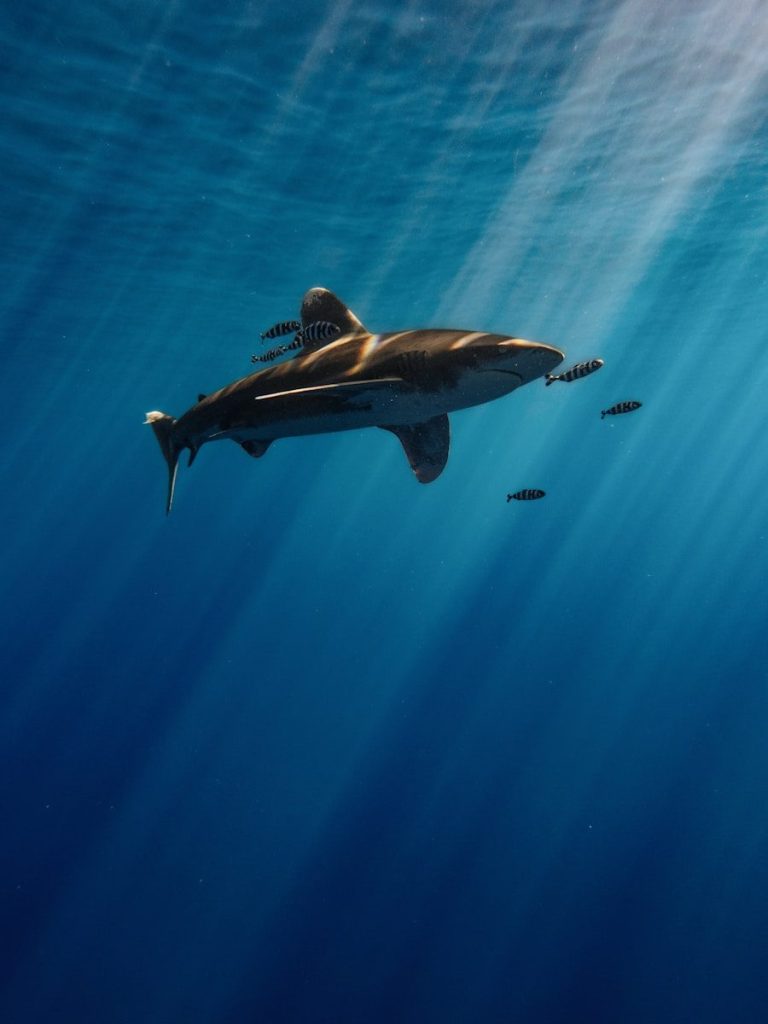
    Oceanic Whitetip Shark (Carcharhinus longimanus, Red Sea)” by alfonsator is licensed under CC BY-NC-ND 2.0

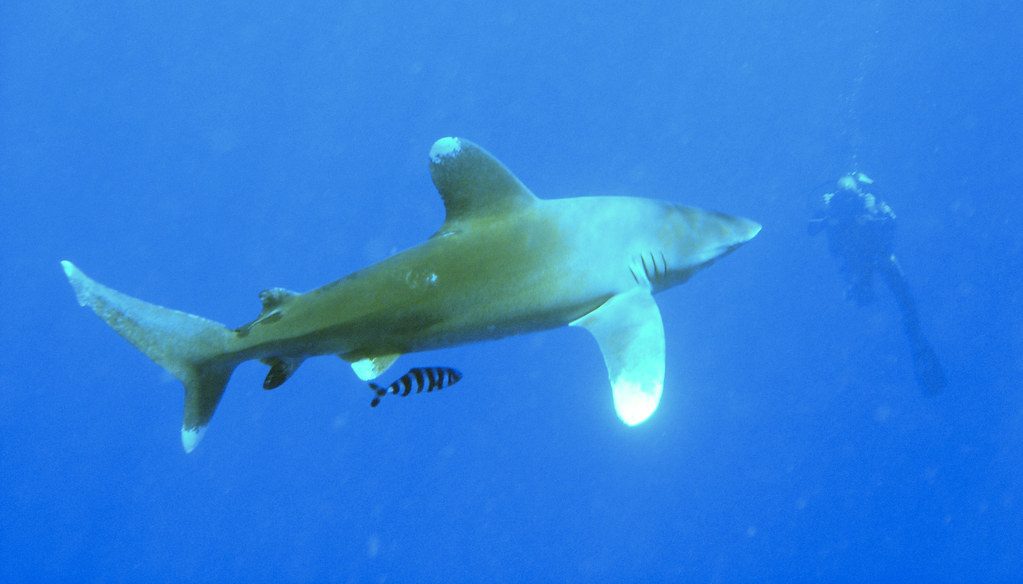
    Unlike many sharks that stay near coastlines, the oceanic whitetip spends most of its life far offshore in warm tropical and subtropical waters. It is easy to recognize by its long, rounded pectoral fins marked with bright white tips.

    This shark usually patrols the upper layers of the open ocean, where it searches for fish, squid, and other marine animals. Because it lives so far from land, people rarely encounter it during normal beach activities.

    Why sailors feared this species

    Oceanic Whitetip 2” by Michael Aston is licensed under CC BY-NC 2.0

    For centuries, sailors called oceanic whitetips “sea dogs” because they often followed ships crossing the open ocean. They were known to investigate floating objects and animals struggling near the surface.

    This behavior became especially significant during shipwrecks and aircraft crashes. Survivors waiting in the water sometimes encountered oceanic whitetips, contributing to the shark’s reputation as one of the most feared predators far from shore. Although some historical fatalities are linked to this species, exact numbers remain uncertain.

    Curiosity makes them effective hunters

    Oceanic whitetip in the sun” by cold_water_diver is licensed under CC BY-NC-SA 2.0

    Oceanic whitetips are opportunistic predators that investigate potential food sources carefully. They often approach slowly before deciding whether to continue or leave the area.

    Their varied diet includes fish, squid, and other marine animals. This flexible feeding strategy helped them become one of the most successful predators in the open ocean for thousands of years.

    A species now facing serious decline

    Whitetip shark” by Chika is licensed under CC BY 2.0

    Despite their fearsome reputation, oceanic whitetip sharks are now far more threatened by humans than humans are by them. Commercial fishing, accidental bycatch, and the international shark fin trade have caused populations to fall sharply across much of their range.

    Because of these declines, the species is listed as Critically Endangered by the International Union for Conservation of Nature. In many areas where they were once common, sightings have become increasingly rare.
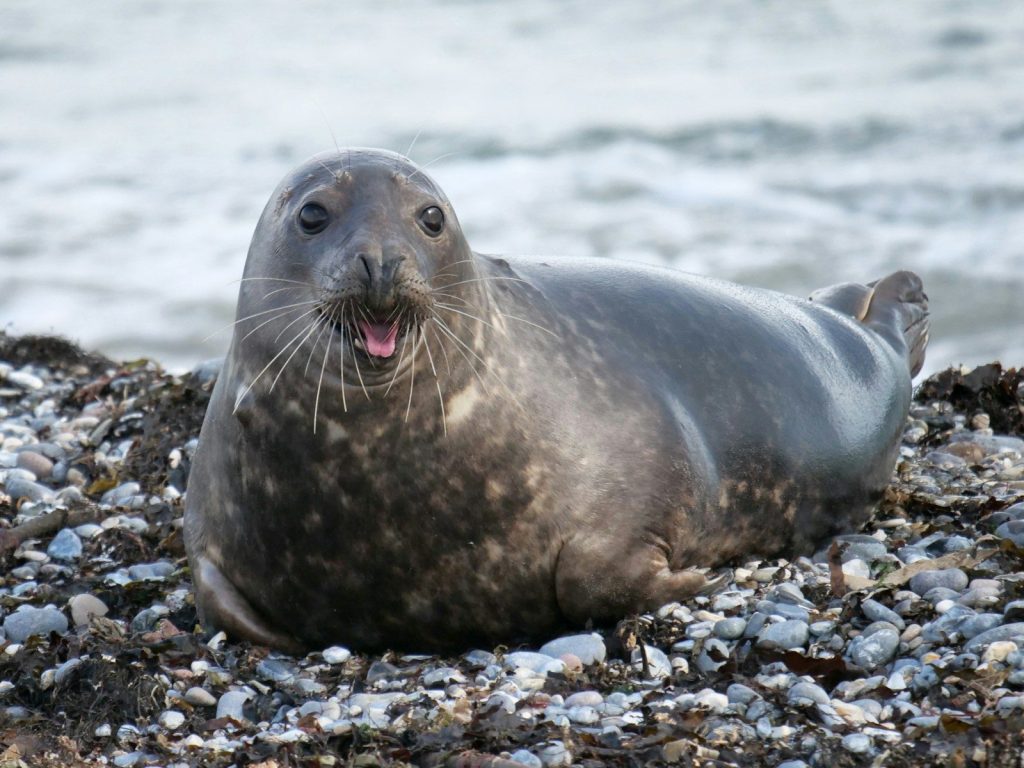
    Conservation is becoming the priority

    Whitetip Shark” by USFWS Pacific is licensed under CC BY-NC 2.0

    Governments and conservation organizations have introduced protections aimed at reducing fishing pressure on oceanic whitetips. International agreements now limit or prohibit parts of the commercial trade involving this species.

    Scientists continue tracking shark populations to better understand migration routes, breeding areas, and the effectiveness of conservation efforts. These studies help guide future protection measures.

    A predator worth protecting

    Whitetip Reef Shark” by richard ling is licensed under CC BY-NC-ND 2.0

    The oceanic whitetip remains one of the open ocean’s most remarkable predators. Its history explains why generations of sailors respected and feared it, but its future depends on successful conservation rather than old legends.

    Understanding the true story of this shark replaces myth with science. It reminds us that even powerful apex predators can become vulnerable when human activity changes the balance of the ocean.

  • The shocking shark encounters that reveal how quickly calm moments can turn dangerous

    The shocking shark encounters that reveal how quickly calm moments can turn dangerous

    Coming face-to-face with a large shark is one of the most intense experiences a person can have in the ocean. While such encounters are uncommon, they can change quickly if people and sharks get too close.

    Marine researchers have studied these interactions for years to better understand why sharks approach, investigate, or sometimes become more assertive. This article examines several types of shark encounters, explains factors that influence shark behavior, and highlights practical lessons to help people stay safer while sharing the ocean with these remarkable predators.

    Every shark behaves differently

    three shark underwater
    Photo by Talia Cohen on Unsplash

    Not all sharks react the same way. Tiger sharks, bull sharks, and oceanic whitetip sharks each have distinct habitats, behaviors, and hunting styles that shape how they interact with their environments.

    Understanding which species is present can help explain its behavior. While some sharks are naturally more curious, others may simply pass by without showing much interest in nearby people.

    Curiosity is not always aggression

    Great White Shark” by Elias Levy is licensed under CC BY 2.0

    Many sharks investigate unfamiliar objects by swimming close or gently bumping them. Scientists describe this as exploratory behavior rather than an immediate attempt to attack.

    A shark approaching a diver, surfer, or boat does not automatically mean it intends to bite. Remaining calm and avoiding sudden movements may help reduce unnecessary escalation during some encounters.

    Human behavior can influence encounters

    Blacktip reef shark (Carcharhinus melanopterus) of Enoshima Aquarium, Fujisawa : ツマグロ(藤沢市・新江ノ島水族館)” by Dakiny is licensed under CC BY-NC-ND 2.0

    Several shark incidents begin when people unknowingly enter areas where sharks are feeding or hunting. Activities such as spearfishing or remaining near struggling fish can attract predators because of vibrations and scents in the water.

    Maintaining awareness of the environment, avoiding unnecessary risks, and respecting a shark’s personal space can reduce the likelihood of a dangerous interaction.

    Different situations require different responses

    Gray Nurse Shark” by PacificKlaus is licensed under CC BY-NC 2.0

    Open-ocean species such as the oceanic whitetip often behave differently from coastal sharks like bull or tiger sharks. Their responses depend on food availability, habitat, and the circumstances of each encounter.

    Marine experts emphasize that there is no single rule for every encounter. Careful observation and calm behavior are generally considered more effective than panic.

    Shark attacks remain uncommon

    Great White Shark” by Elias Levy is licensed under CC BY 2.0

    Although dramatic videos often receive widespread attention, shark bites remain rare compared with the millions of people who enter the ocean every year. Most encounters end without physical contact.

    Researchers continue studying shark behavior to better understand why some encounters become more serious while many others end peacefully. Ongoing research also helps improve public safety without harming shark conservation efforts.

    Respect creates safer encounters

    Shark” by StormyDog is licensed under CC BY 2.0

    Sharks are important apex predators that help maintain healthy marine ecosystems. Giving them space and understanding their natural behavior benefits both wildlife and people.

    The most valuable lesson from close encounters is not fear but awareness. Respecting wild animals, recognizing changing conditions, and making thoughtful decisions in the water can greatly improve safety while allowing people to appreciate these remarkable ocean predators.

  • The incredible hunting strategy that makes leopard seals Antarctica’s top predators

    The incredible hunting strategy that makes leopard seals Antarctica’s top predators

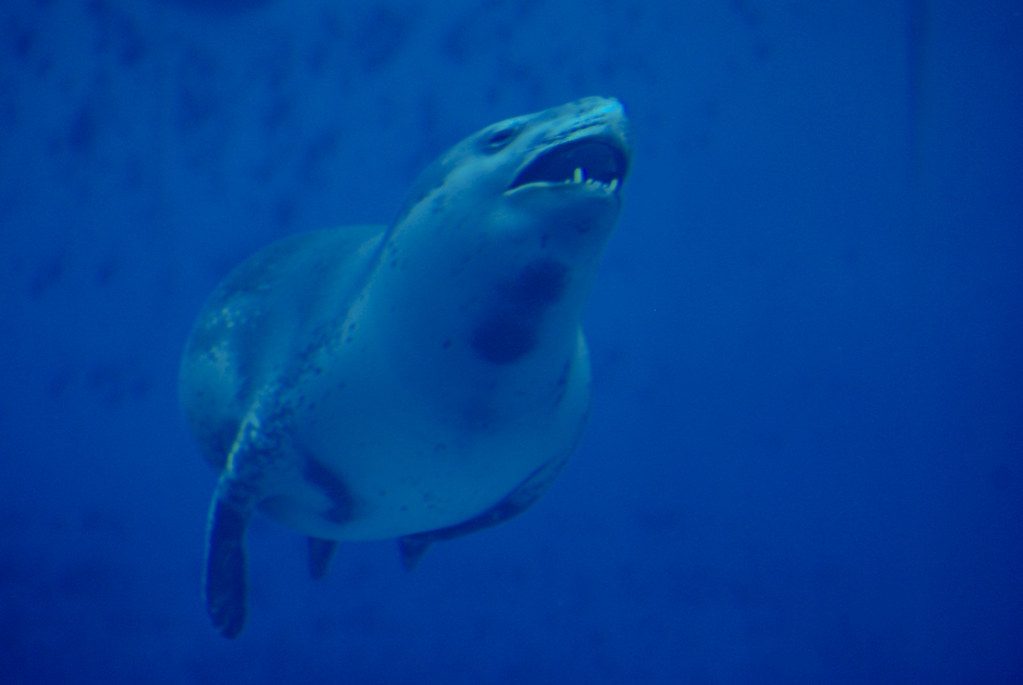
    Antarctica’s icy waters are home to one of the ocean’s most remarkable predators. The leopard seal may look playful while resting on sea ice, but beneath the surface, it is a fast, intelligent hunter capable of catching penguins, fish, squid, and even other seals.

    Every encounter between a leopard seal and a flock of penguins becomes a test of speed, timing, and survival. This article explores how leopard seals hunt, what makes them such effective predators, and why they play an important role in one of Earth’s harshest ecosystems.

    Antarctica’s top seal predator

    seal on rocky shore during daytime
    Photo by karlheinz_eckhardt Eckhardt on Unsplash

    The leopard seal is the second-largest seal species in Antarctica and one of the region’s apex predators. Adults can grow several meters long and possess powerful jaws filled with sharp teeth designed for capturing a wide variety of prey.

    Unlike many other Antarctic seals, leopard seals usually live alone. Their solitary lifestyle allows them to patrol large hunting areas around pack ice where many prey species gather.

    Penguins are always alert

    penguins on snow covered fields during daytime
    Photo by Derek Oyen on Unsplash

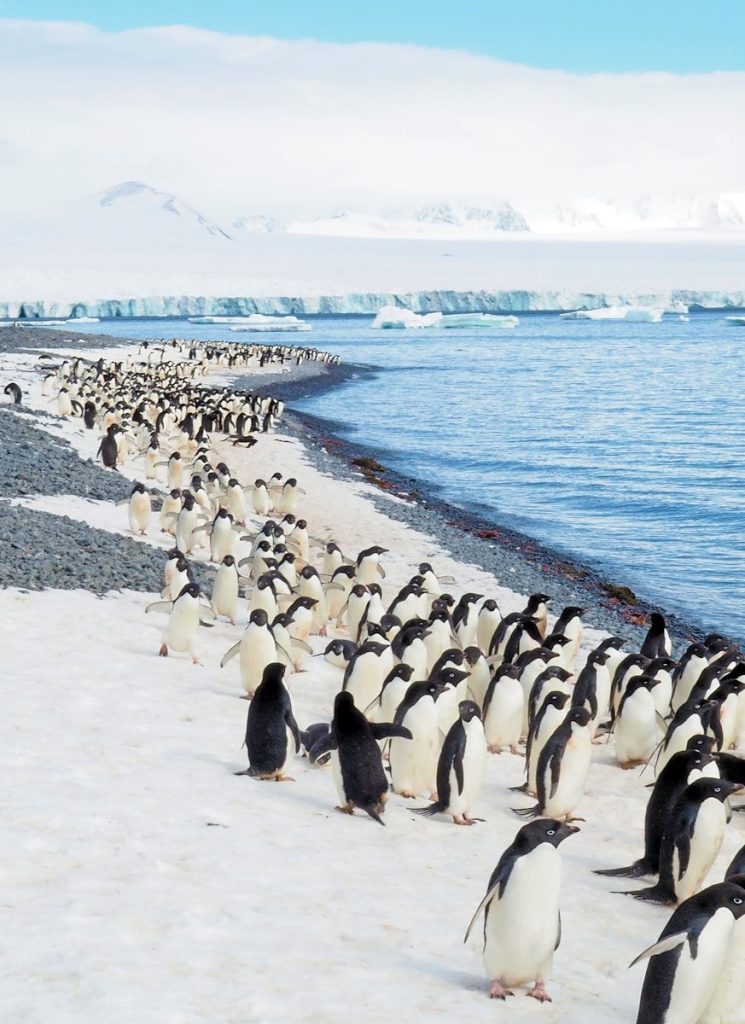
    Many penguin species must enter the ocean to feed, even though predators may be waiting nearby. Leopard seals often patrol the edges of sea ice where penguins first enter the water, creating ideal ambush sites.

    Not every attack succeeds. Penguins use quick turns, rapid swimming, and nearby ice as protection, and many manage to escape despite the seal’s speed.

    Built for powerful hunting

    Leopard Seal” by AegirPhotography is licensed under CC BY-NC 2.0

    Leopard seals combine speed, strong jaws, and excellent underwater vision to capture prey. They can accelerate rapidly and strike with little warning, making them highly effective hunters beneath the ice.

    Their diet is surprisingly varied. While adults commonly hunt penguins and young seals, they also eat fish, squid, and even krill, filtering small prey through specialized teeth when needed.

    Life in a frozen world

    Leopard Seal (Hydrurga leptonyx)” by Gregory ‘Slobirdr’ Smith is licensed under CC BY-SA 2.0

    Antarctica presents extreme challenges for every animal. Thick blubber helps leopard seals stay warm, while streamlined bodies allow them to move efficiently through freezing water.

    Living in such a demanding environment has shaped every part of the leopard seal’s biology. Their hunting skills are the result of millions of years of evolution in one of Earth’s coldest ecosystems.

    Rare encounters with humans

    Leopard seal IMG_9509” by OZinOH is licensed under CC BY-NC 2.0

    Although leopard seals can injure people, encounters with humans are uncommon because they live in remote Antarctic waters. Most seals avoid direct interaction with researchers and visitors.

    Scientists have documented only a small number of aggressive encounters, including the tragic death of marine biologist Kirsty Brown in Antarctica in 2003. Such incidents remain exceptionally rare.

    A vital part of Antarctica’s ecosystem

    penguins on white sand beach during daytime
    Photo by Tam Minton on Unsplash

    Leopard seals help maintain healthy marine ecosystems by regulating populations of penguins, fish, and other prey species. As apex predators, they play an important role in preserving ecological balance.

    Watching a leopard seal hunt offers a remarkable glimpse into life in the Southern Ocean. Their strength, intelligence, and specialized adaptations continue to fascinate scientists studying one of the world’s most challenging environments.

  • How invasive Burmese pythons are transforming the Florida Everglades one meal at a time

    How invasive Burmese pythons are transforming the Florida Everglades one meal at a time

    The Florida Everglades is home to one of the world’s most famous wetlands, but it is also the center of one of America’s largest invasive species problems. Burmese pythons, originally brought into the United States through the pet trade, have established a breeding population that continues to spread across South Florida.

    These giant snakes can grow more than 5 meters long, swallow surprisingly large prey, and reproduce rapidly. This article explains how Burmese pythons became established in the Everglades, why they are so difficult to control, and how they continue to affect native wildlife.

    How the invasion began

    brown and green snake
    Photo by Joshua J. Cotten on Unsplash

    Burmese pythons are native to Southeast Asia but were imported into the United States as exotic pets. Over time, released or escaped snakes established breeding populations in the Florida Everglades, where the warm climate allowed them to thrive.

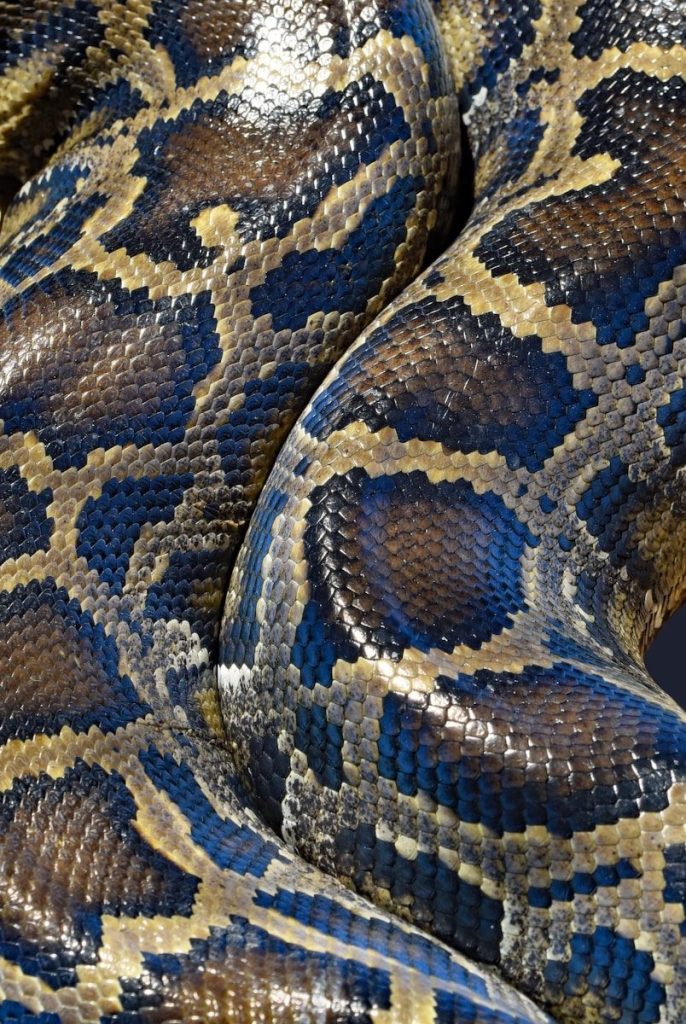
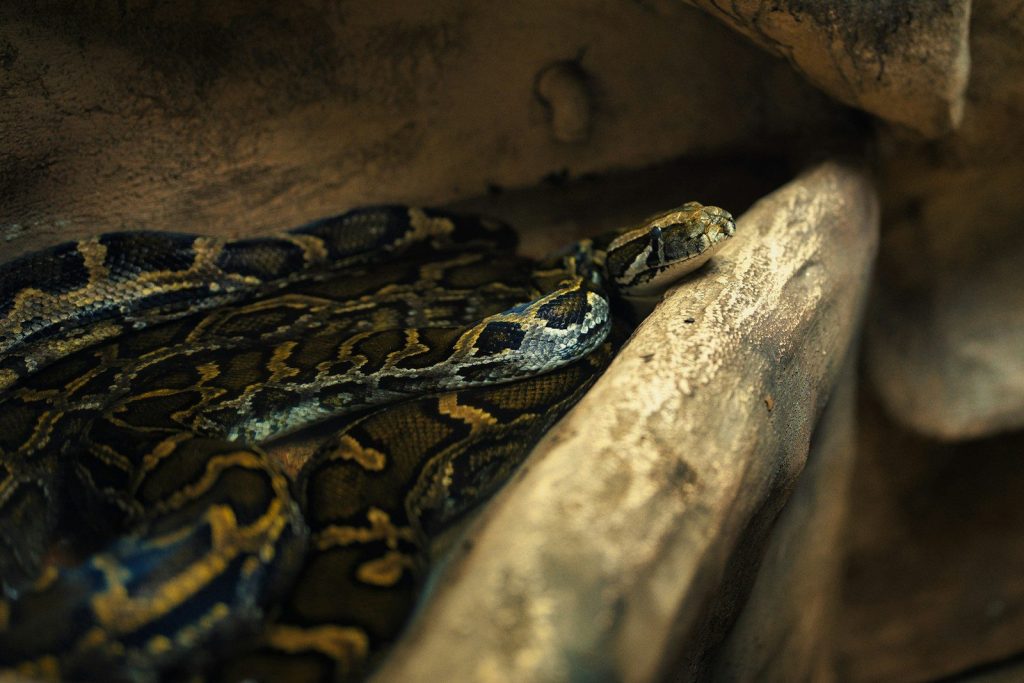
    Once the population became established, the snakes spread through wetlands, forests, and marshes. Their secretive behavior and excellent camouflage made them extremely difficult to detect, allowing their numbers to grow largely unnoticed.

    Built to become successful predators

    brown and black snake
    Photo by David Clode on Unsplash

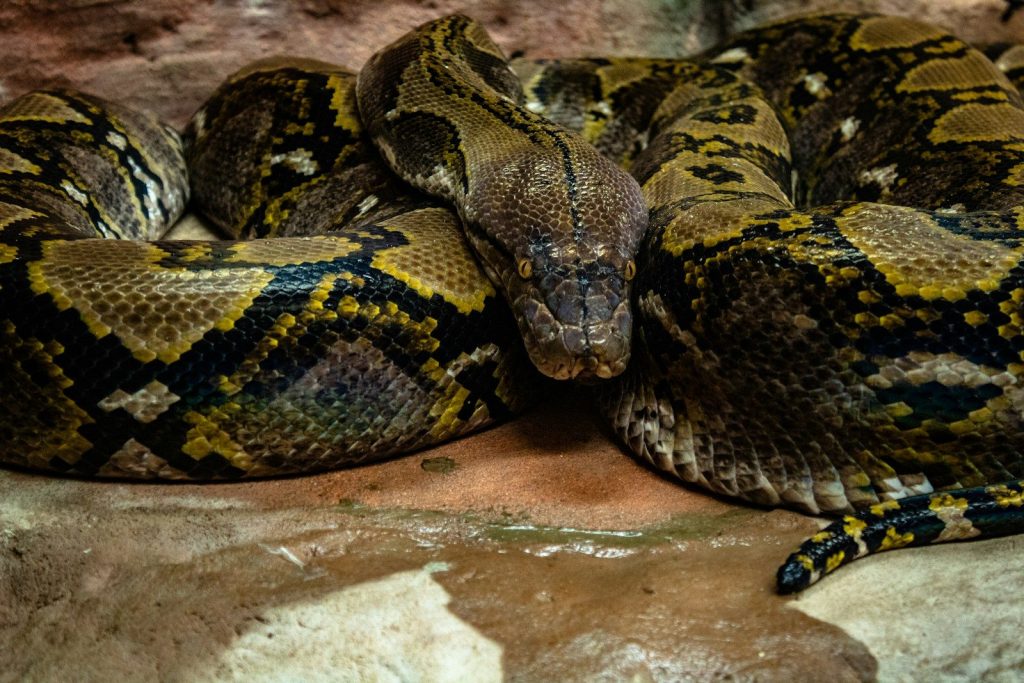
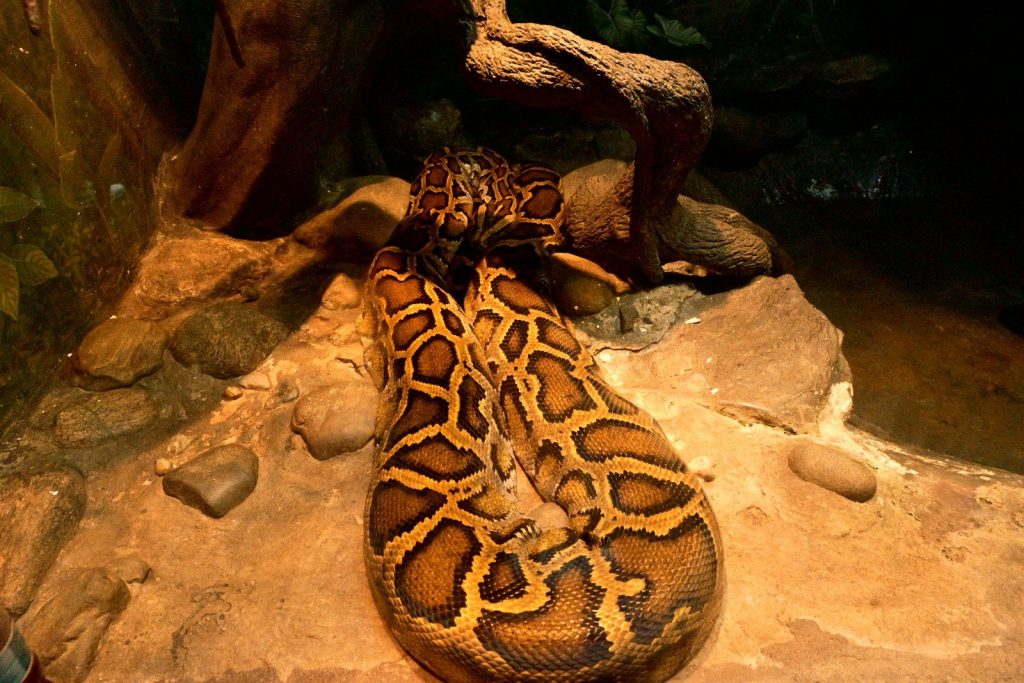
    Burmese pythons are among the largest snakes in the world. Adults can exceed 5 meters in length, weigh up to 90 kilograms, and females may lay dozens of eggs in a single clutch, allowing populations to increase quickly.

    These powerful constrictors feed on a wide variety of animals. Scientists have documented them consuming birds, mammals, reptiles, and even alligators, making them one of the Everglades’ most adaptable predators.

    Native wildlife has suffered dramatic declines

    A patterned python snake coiled on brown rocks.
    Photo by Y on Unsplash

    Researchers have linked the spread of Burmese pythons with major declines in several native mammal populations. A landmark study found that raccoon sightings dropped by 99.3%, opossum sightings by 98.9%, and bobcat sightings by 87.5%, while rabbits became extremely rare or disappeared from some heavily invaded areas.

    Although ecosystems are influenced by many factors, evidence strongly suggests Burmese pythons have become a major driver of these declines within Everglades National Park. Their broad diet allows them to prey on many different native species.

    Why is removing them so difficult

    Two pythons coiled together on a branch.
    Photo by Jadon Barnes on Unsplash

    Unlike many invasive animals, Burmese pythons spend much of their time hidden beneath dense vegetation or in water. Their camouflage and secretive behavior make them extremely difficult to locate, even for experienced hunters.

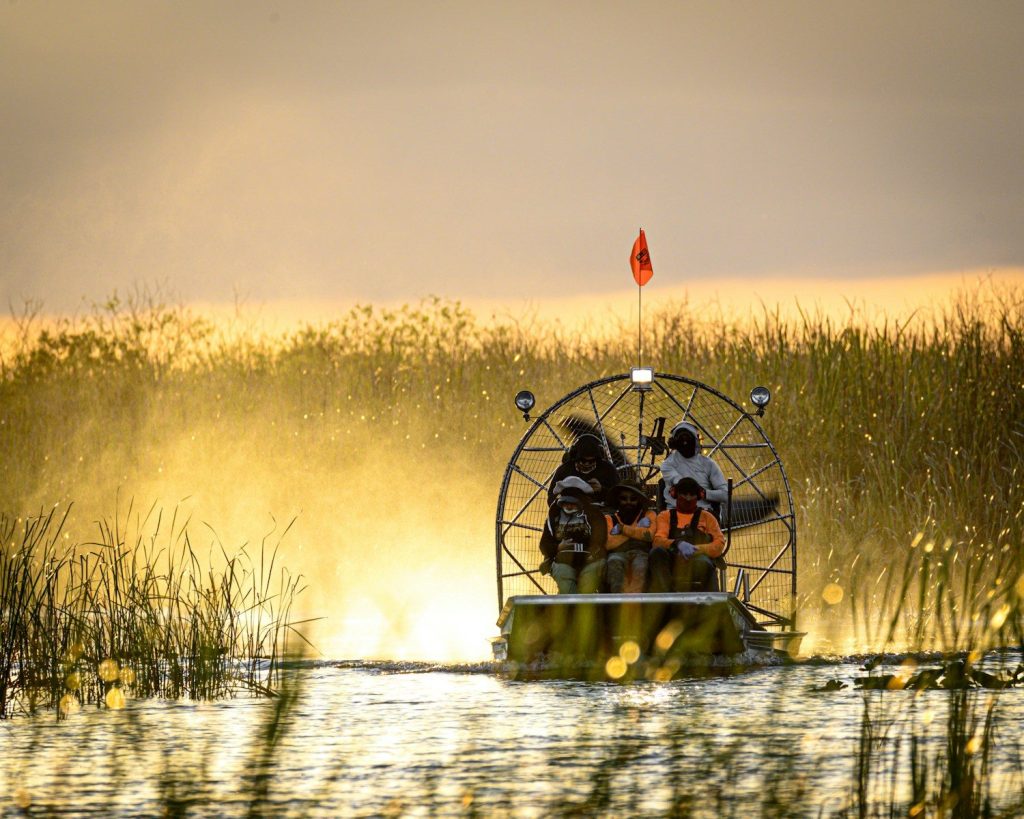
    Florida has organized removal programs, professional hunting teams, and annual python challenges that have removed thousands of snakes. However, wildlife experts agree that complete eradication is unlikely because many pythons remain undetected and continue reproducing.

    Scientists continue searching for better solutions

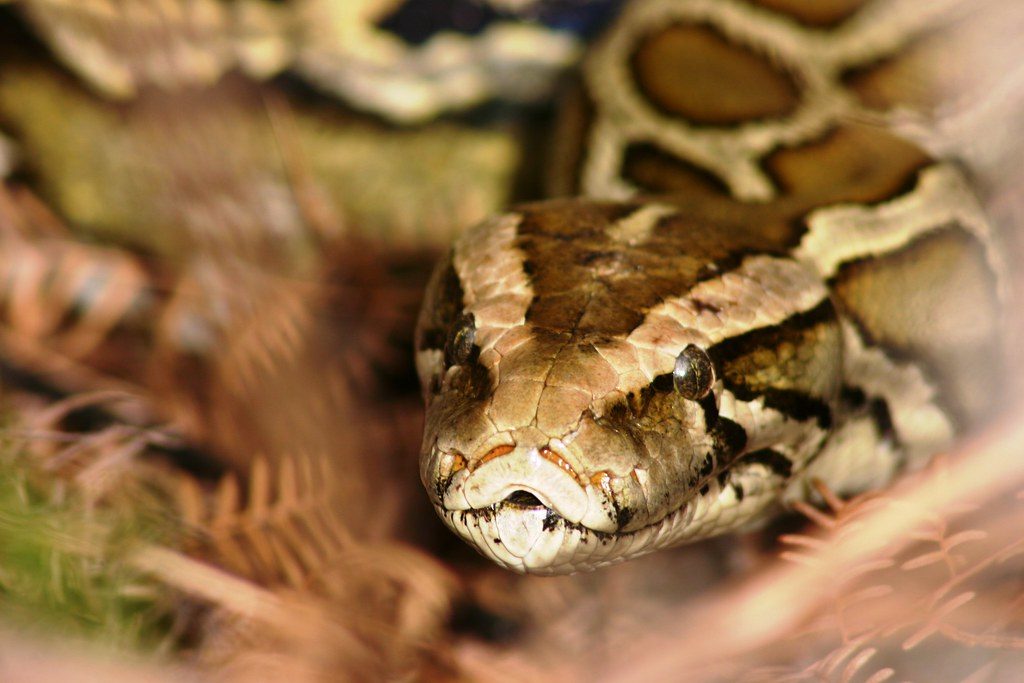
    Burmese Python Closeup” by MyFWC Florida Fish and Wildlife is licensed under CC BY-ND 2.0

    Researchers are developing new methods to locate invasive pythons, including radio telemetry, trained detection animals, and improved tracking techniques. These tools help wildlife managers remove more snakes and better understand how they spread.

    Conservation agencies also continue to monitor native wildlife to assess the long-term effects of python predation. The information helps guide future management strategies throughout the Everglades.

    The Everglades remains a conservation challenge

    a couple of people on a boat in a body of water
    Photo by Richard Sagredo on Unsplash

    The Burmese python invasion shows how quickly an introduced species can reshape an ecosystem. A small number of released pets eventually became one of the most significant wildlife management challenges in North America.

    Although thousands of snakes have been removed, protecting the Everglades will require continued monitoring, research, and public awareness. The story serves as a reminder that preventing invasive species is often far easier than eliminating them once they become established.

  • How the mighty Barbary lion disappeared from the wild after centuries of hunting

    How the mighty Barbary lion disappeared from the wild after centuries of hunting

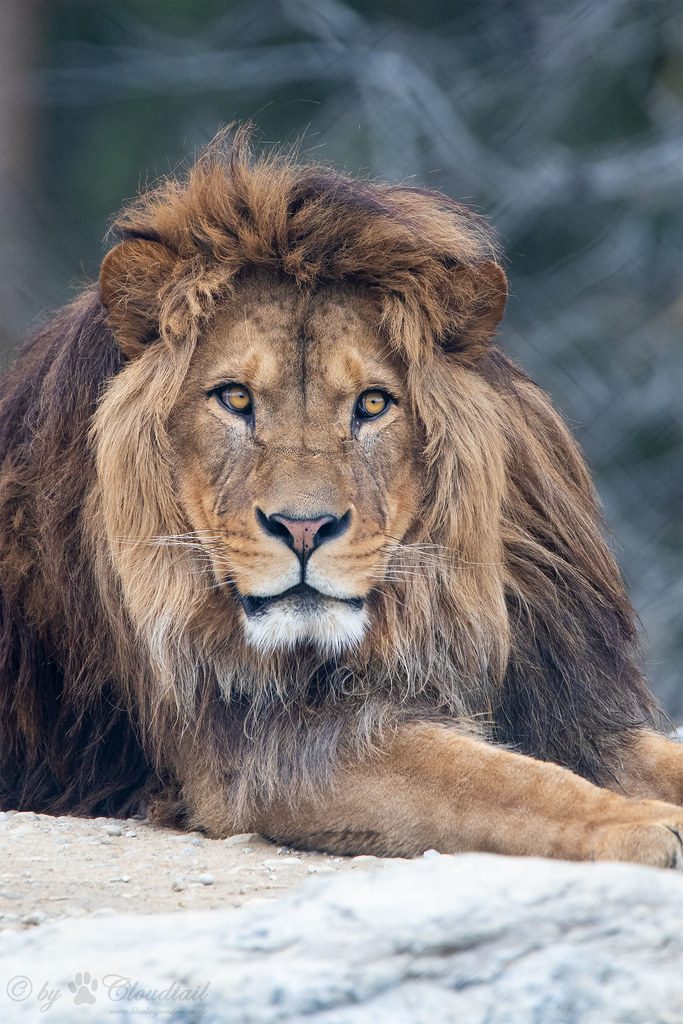
    The Barbary lion was once one of the most impressive predators in North Africa. Known for its large size and thick, dark mane, it lived across the Atlas Mountains and surrounding regions for thousands of years. Today, it no longer survives in the wild. Heavy hunting, expanding human settlements, and habitat loss gradually pushed this remarkable lion toward extinction.

    Yet its story may not be completely over. Scientists continue studying captive lions that could still carry part of their genetic heritage. This article explores the rise and fall of the Barbary lion and the ongoing search for its surviving legacy.

    A lion unlike any other

    Barbary Lion” by flickkerphotos is licensed under CC BY-SA 2.0

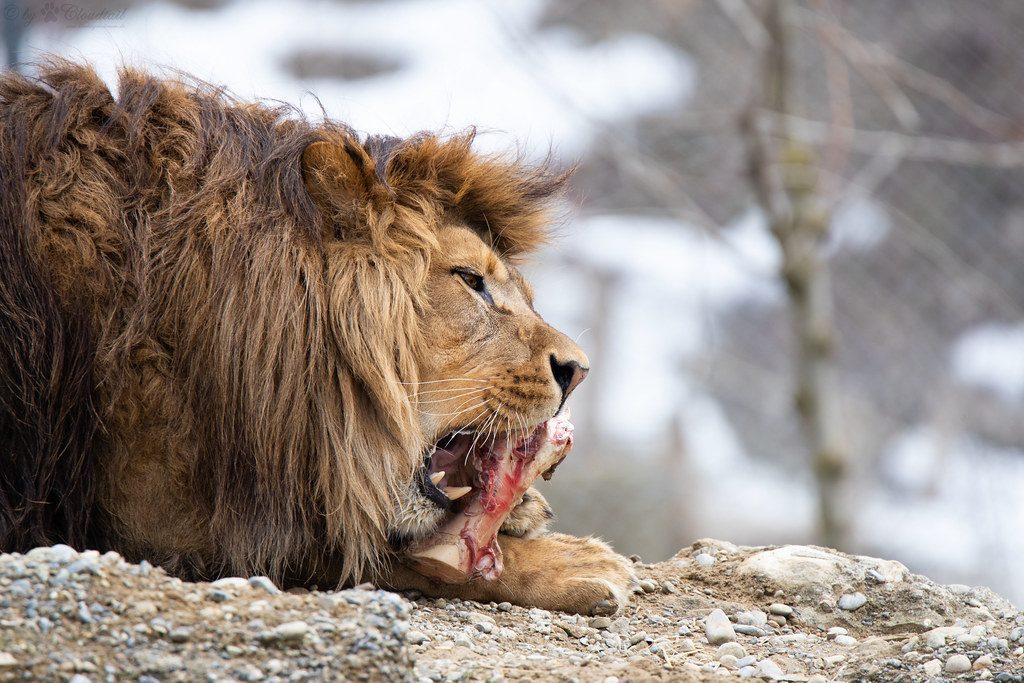
    The Barbary lion once roamed across North Africa, from Morocco to Egypt. It lived in forests, mountains, and scrublands, where it hunted large mammals and stood at the top of the food chain.

    The lions were famous for their impressive appearance. Many males developed thick, dark manes that extended over their shoulders and chest, although scientists now believe mane size was influenced by both genetics and environmental conditions rather than being unique to this population.

    Human expansion changed everything

    Barbary Lion” by Artbandito is licensed under CC BY-NC-ND 2.0

    As firearms became more common and human settlements spread across North Africa, Barbary lions faced growing pressure. Governments even offered rewards for killing lions because they were seen as threats to livestock and people.
    Over time, hunting and shrinking habitat led to their numbers collapsing. Small groups survived longer in remote mountain regions, but the population continued to decline until the species disappeared from the wild.
    The last wild Barbary lions

    Barbary lion” by Cloudtail the Snow Leopard is licensed under CC BY-NC-ND 2.0

    For many years, people believed the Barbary lion disappeared much earlier than it actually did. Historical records suggest that isolated groups survived in Algeria and Morocco well into the twentieth century, with the last known wild populations disappearing during the 1960s.

    This gradual disappearance shows that extinction is often a slow process rather than a single event. Small populations may survive for years before finally vanishing from their natural habitat.

    Could its bloodline still survive

    Barbary lion portrait” by Cloudtail the Snow Leopard is licensed under CC BY-NC-ND 2.0

    Although the Barbary lion is extinct in the wild, researchers continue studying captive lions descended from the historic Moroccan royal collection. Some of these animals may still carry portions of the Barbary lion’s genetic ancestry.

    However, scientists have not confirmed that any living lion represents a completely pure Barbary lion. Modern genetic research suggests these captive lions contain mixed ancestry, making the question far more complex than once believed.

    Why the Barbary lion still matters

    Barbary lion” by Cloudtail the Snow Leopard is licensed under CC BY-NC-ND 2.0

    The story of the Barbary lion highlights how quickly human activity can transform an ecosystem. Losing a top predator affects prey populations, habitats, and the balance of nature throughout an entire region.

    Its history also demonstrates the importance of protecting species before they become critically endangered. Once wild populations have disappeared, restoring them becomes far more difficult than preventing their decline in the first place.

    Hope through conservation science

    Skull of a Barbary Lion” by quinet is licensed under CC BY 2.0

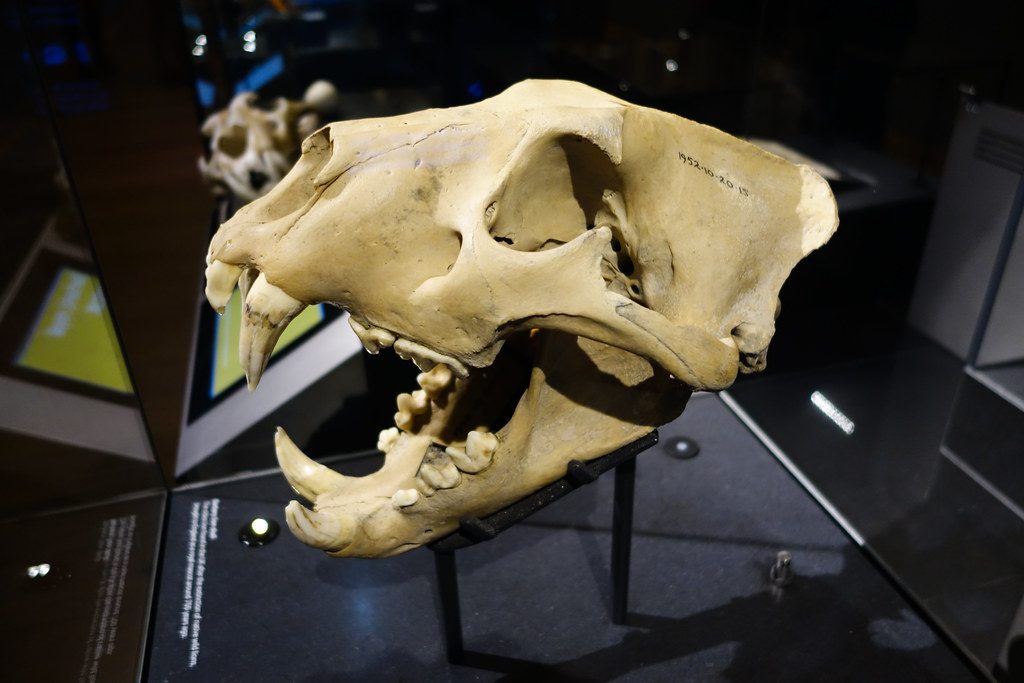
    Researchers continue using genetics to better understand the history of North African lions and identify animals that may preserve part of the Barbary lion’s heritage. These studies could guide future conservation efforts, even if a true Barbary lion can never be fully restored.

    The Barbary lion remains one of the world’s most famous lost predators. Its story serves as both a warning about the impact of human activity and a reminder that science still has much to learn about the animals that once ruled our planet.

  • The shocking moment an alien fish hunted a brilliant blue crayfish

    The shocking moment an alien fish hunted a brilliant blue crayfish

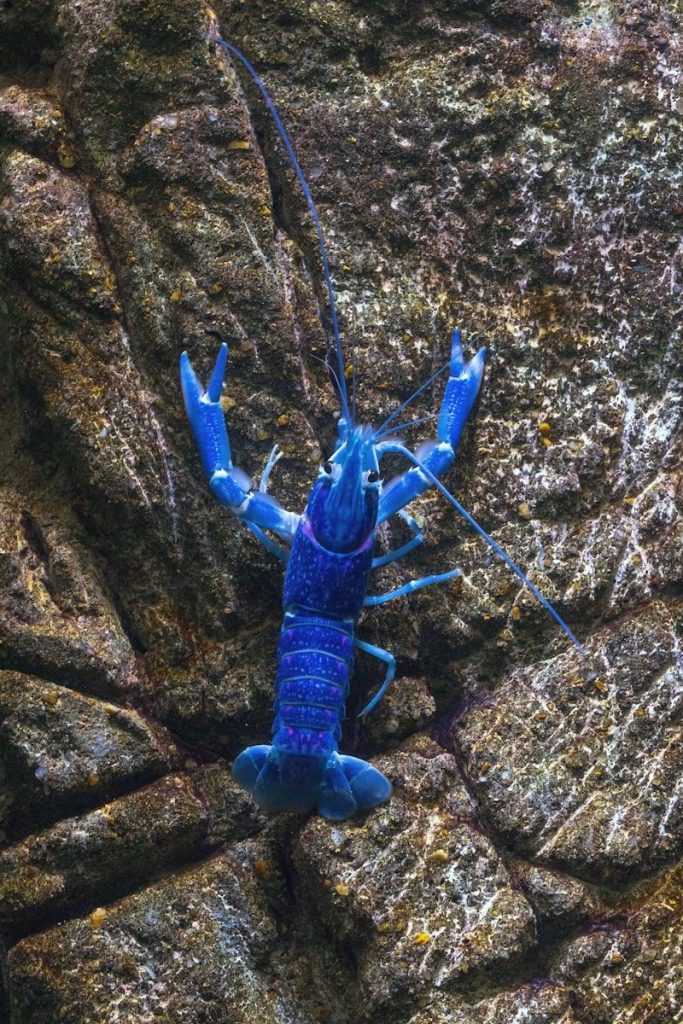
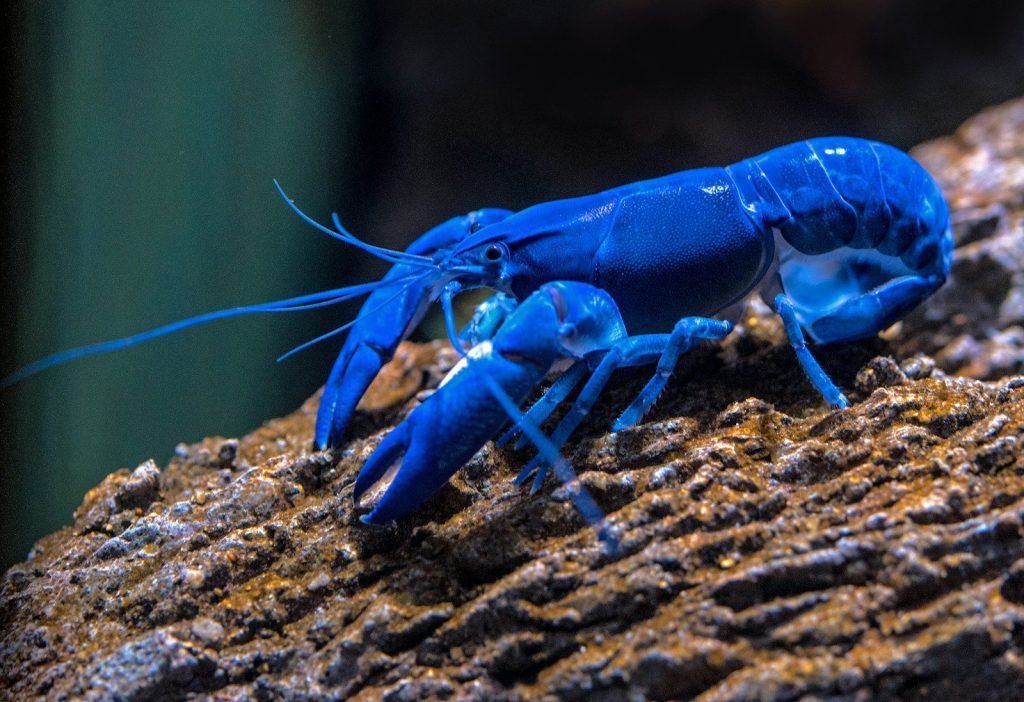
    Few underwater encounters are as striking as watching a brightly colored blue crayfish face an unusual predatory fish. The brilliant blue shell created a stunning contrast against the strange appearance of the so-called alien fish, turning an ordinary feeding into a dramatic display of instinct and survival.

    Every movement happened in seconds as predator and prey reacted to one another. This article explores why the encounter was so fascinating, what makes blue crayfish so unusual, and how specialized predators have evolved to hunt efficiently in aquatic environments.

    An unforgettable underwater encounter

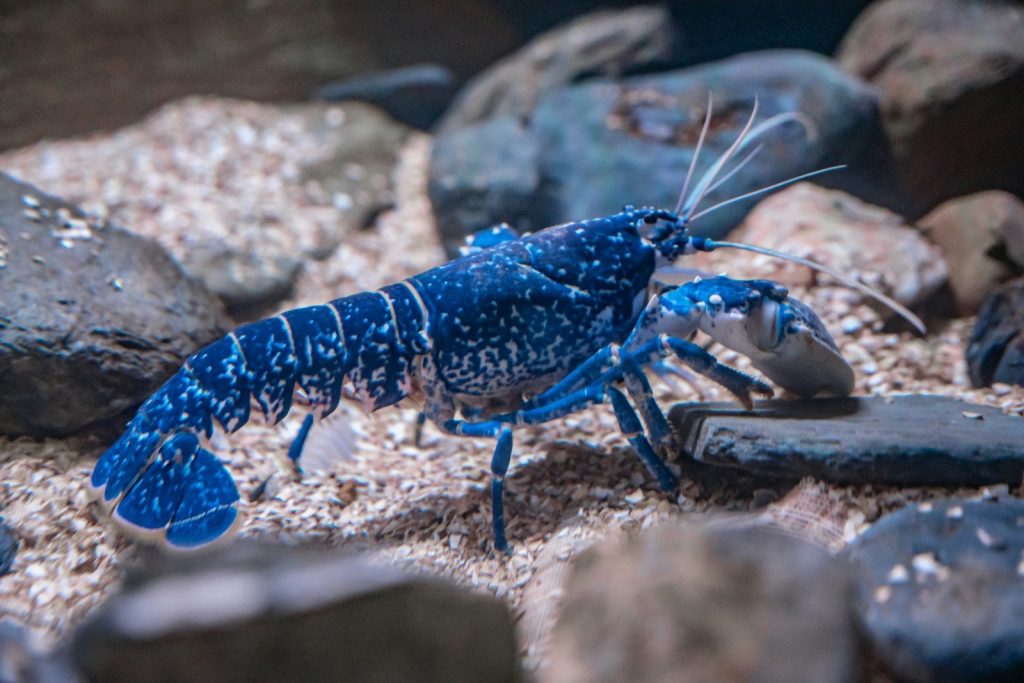
    A blue lobster sitting on top of a rock
    Photo by David Clode on Unsplash

    The feeding began when a rare blue crayfish entered the water, while an unusual predatory fish waited nearby. The bright colors made the encounter especially eye-catching as both animals reacted to each other’s movements.

    Within moments, instinct took over. The predator responded with remarkable speed, showing how quickly feeding behavior can unfold in aquatic environments where hesitation often means losing a meal.

    Why blue crayfish are so unusual

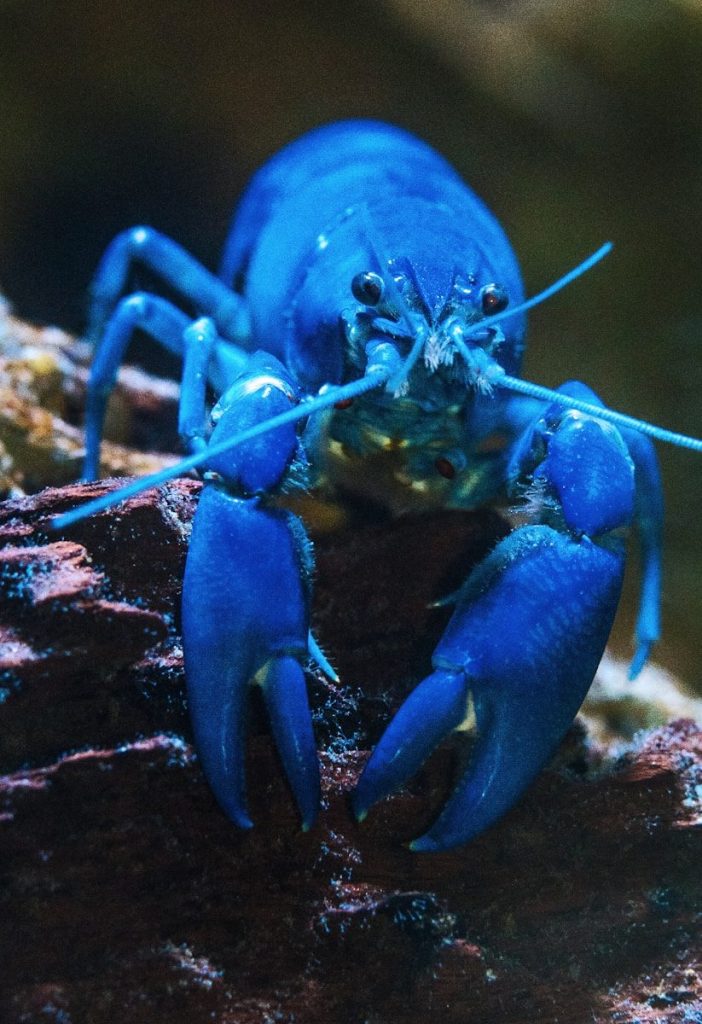
    blue lobster on rock
    Photo by David Clode on Unsplash

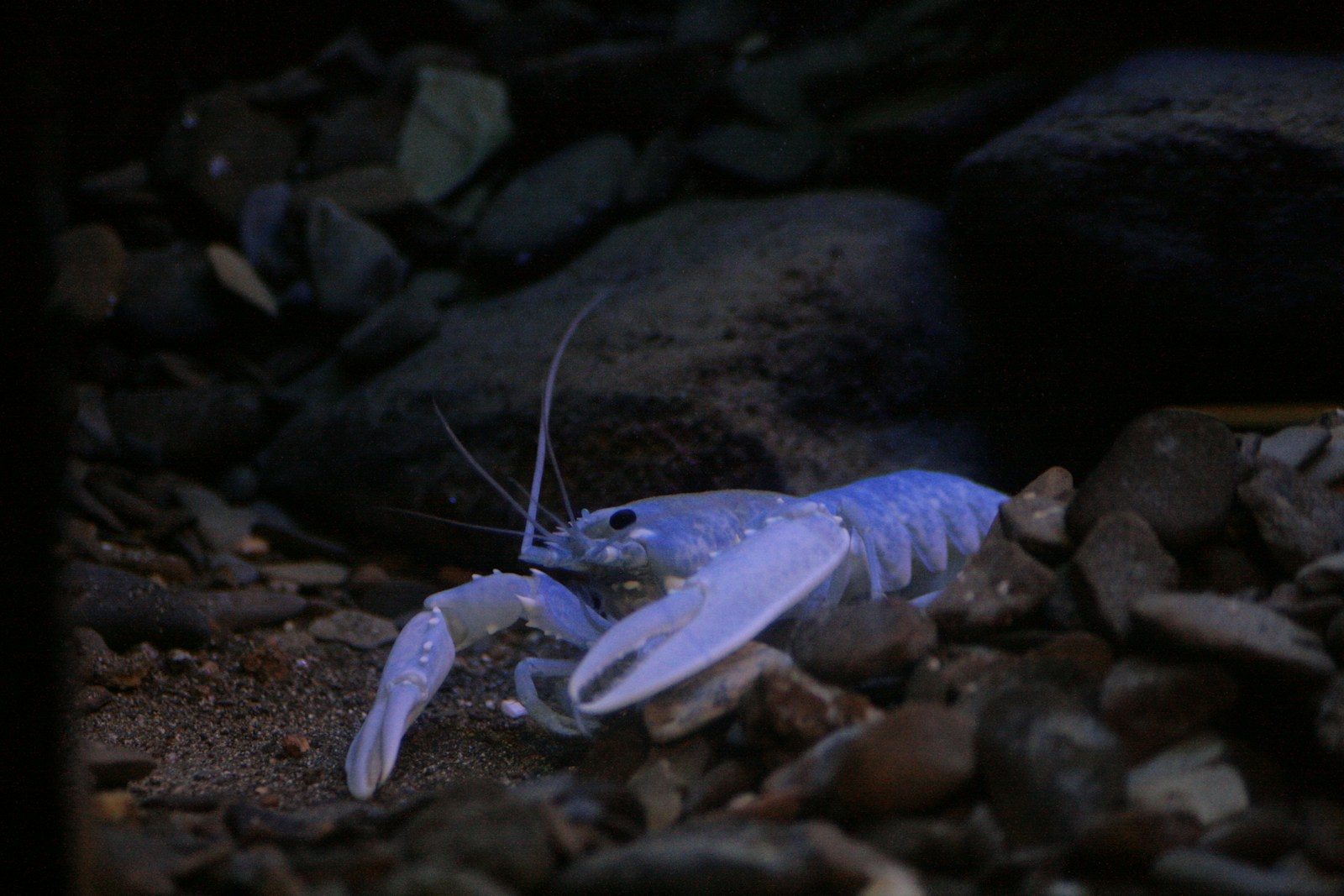
    Blue crayfish stand out because of their remarkable coloration. In the wild, blue individuals are uncommon in many species and usually owe their appearance to genetic differences that affect shell pigments, although selectively bred aquarium strains are much more common.

    Their bright color makes them visually impressive but may also reduce natural camouflage. Depending on the habitat, a vivid blue shell can make a crayfish easier for predators to spot.

    A predator built for hunting

    Aquarium Fish” by david.torcivia is licensed under CC BY 2.0

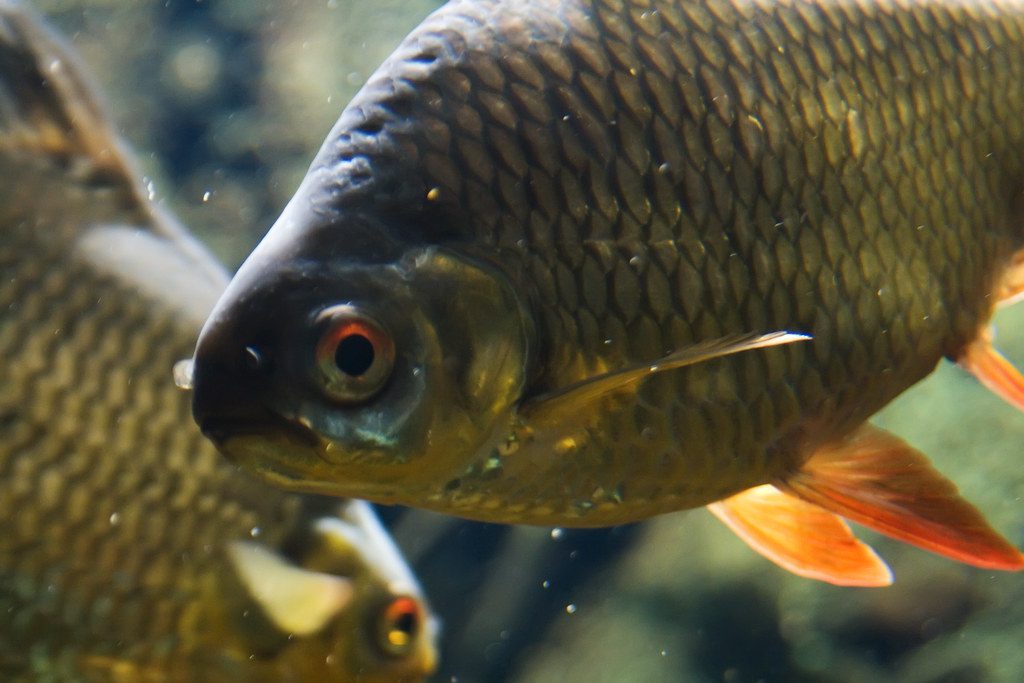
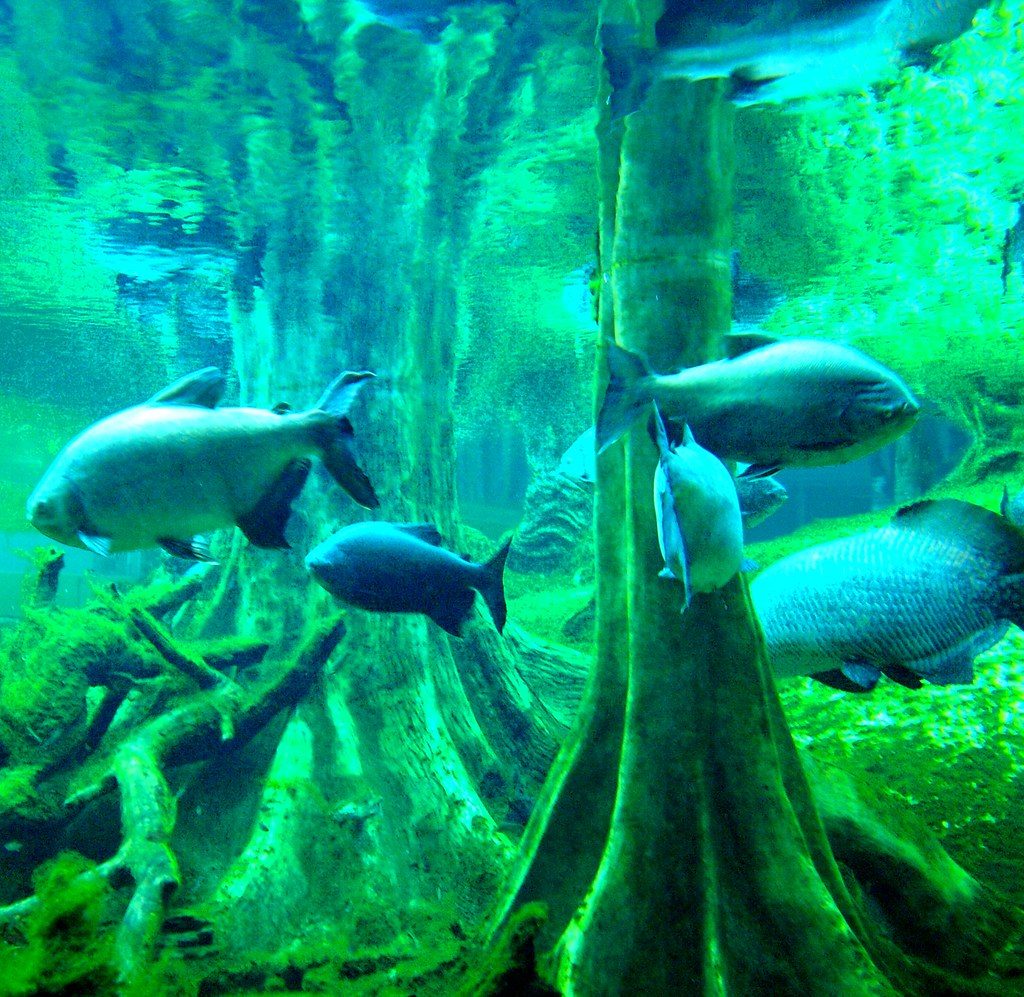
    Many unusual aquarium fish have evolved specialized jaws, powerful bites, or rapid strike speeds that allow them to capture prey before it can escape. These adaptations are the result of millions of years of evolution.

    Instead of relying solely on strength, aquatic predators often depend on perfect timing. A single fast strike is usually more effective than a long chase, especially in environments where prey can quickly hide.

    Every feeding is a survival test

    Barcelona Aquarium fishes” by Oh-Barcelona.com is licensed under CC BY 2.0

    Predators hunt to survive, while prey rely on defensive behaviors, hard shells, and quick reactions to avoid becoming food. Every encounter becomes a contest between attack and escape.

    Even heavily armored crayfish are not completely protected. Their strong claws and shell provide important defenses, but determined predators can still overcome them under the right conditions.

    Nature is both beautiful and unforgiving

    a blue lobster is standing on some rocks
    Photo by Winston Tjia on Unsplash

    The vivid colors of the blue crayfish made the encounter visually stunning, but the event also demonstrated an important ecological reality. Feeding interactions are essential for maintaining healthy aquatic food webs.

    Although dramatic to watch, these behaviors are part of the natural balance that exists in rivers, lakes, and aquariums. Predators and prey have evolved together over millions of years.

    A closer look at aquatic ecosystems

    blue lobster
    Photo by David Clode on Unsplash

    Watching unusual species interact helps people better understand animal behavior and survival strategies. Every feeding event reveals adaptations shaped by evolution.

    The encounter between the alien fish and the blue crayfish also reminds us that aquatic ecosystems contain extraordinary diversity. From brilliantly colored crustaceans to highly specialized predators, life beneath the surface is often more remarkable than it first appears.