The deep sea is home to some of the strangest animals on Earth. When people ask, “What makes deep-sea animals so much more frightening?” the answer is not just their sharp teeth or scary faces. It is the dark, silent world they live in and the amazing ways they have changed to survive. These creatures have evolved over millions of years to handle conditions that would quickly kill most animals.
In this article, you will learn why deep-sea animals look so unusual, how their environment shapes their bodies, and why they seem so frightening to people. By the end, you will understand that these animals are not monsters. They are highly specialized survivors built for one of the toughest places on Earth.
Life in complete darkness changes everything
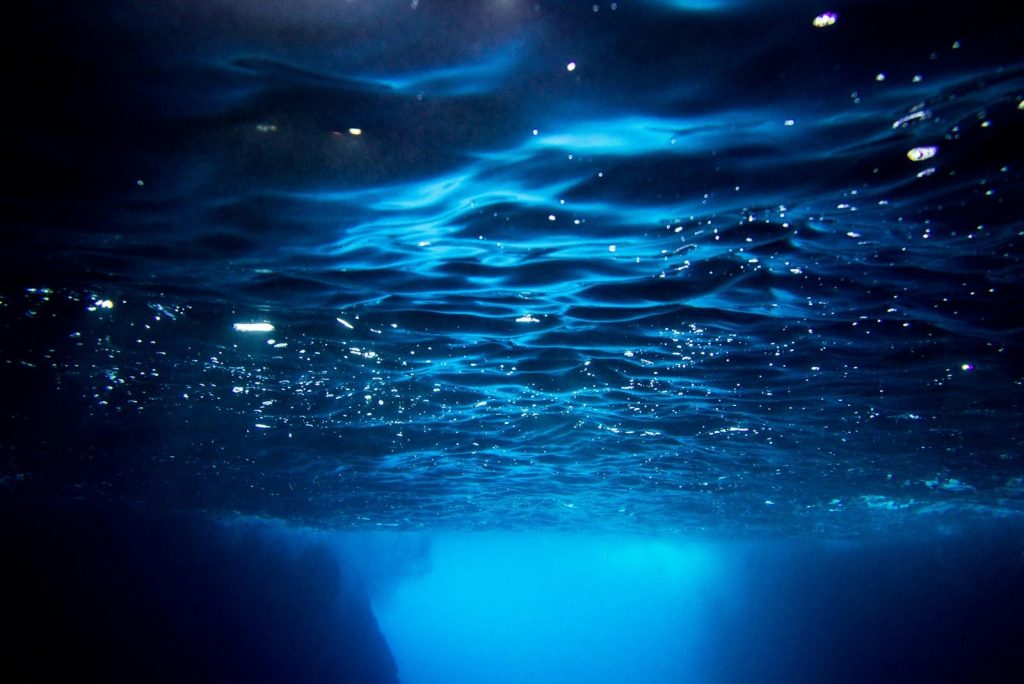
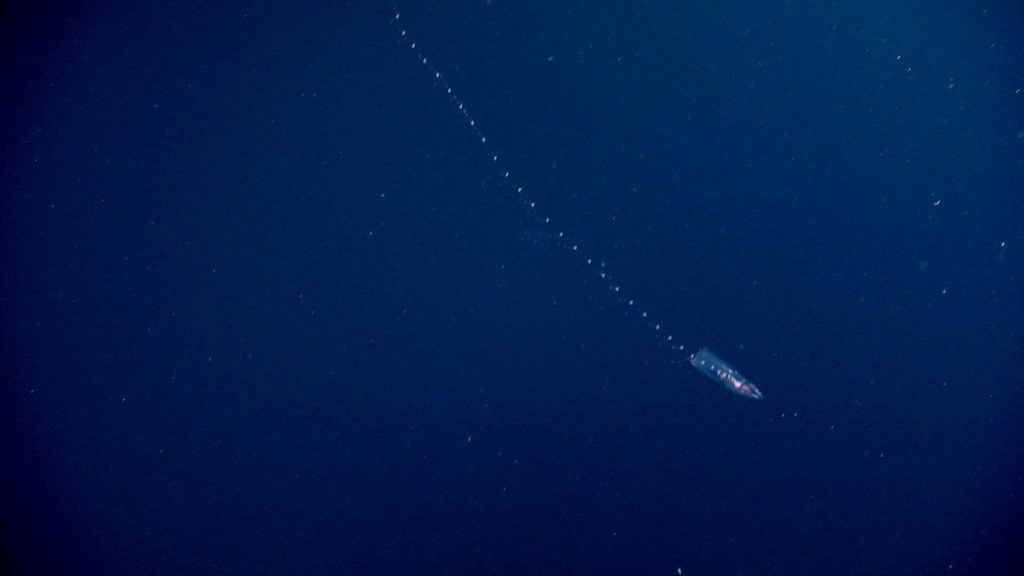
Sunlight disappears as you travel deeper into the ocean. Below about 3,300 feet (1,000 meters), there is almost no natural light. Animals cannot rely on normal vision, so many develop huge eyes, glowing organs, or other special senses to help them survive.
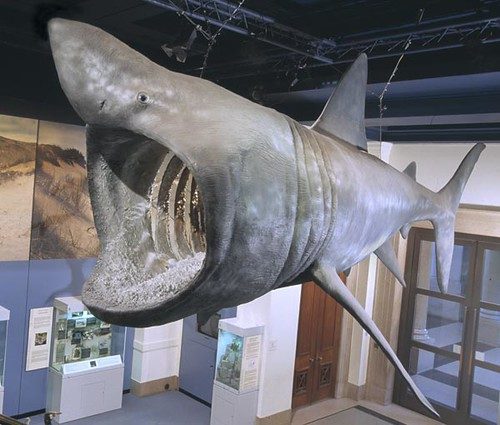
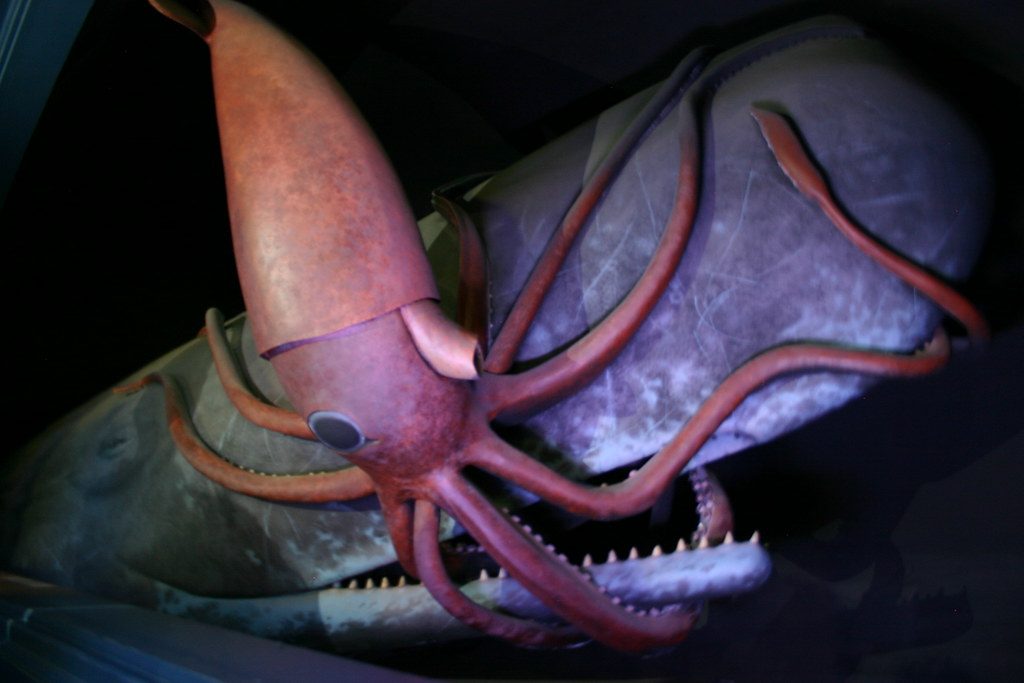
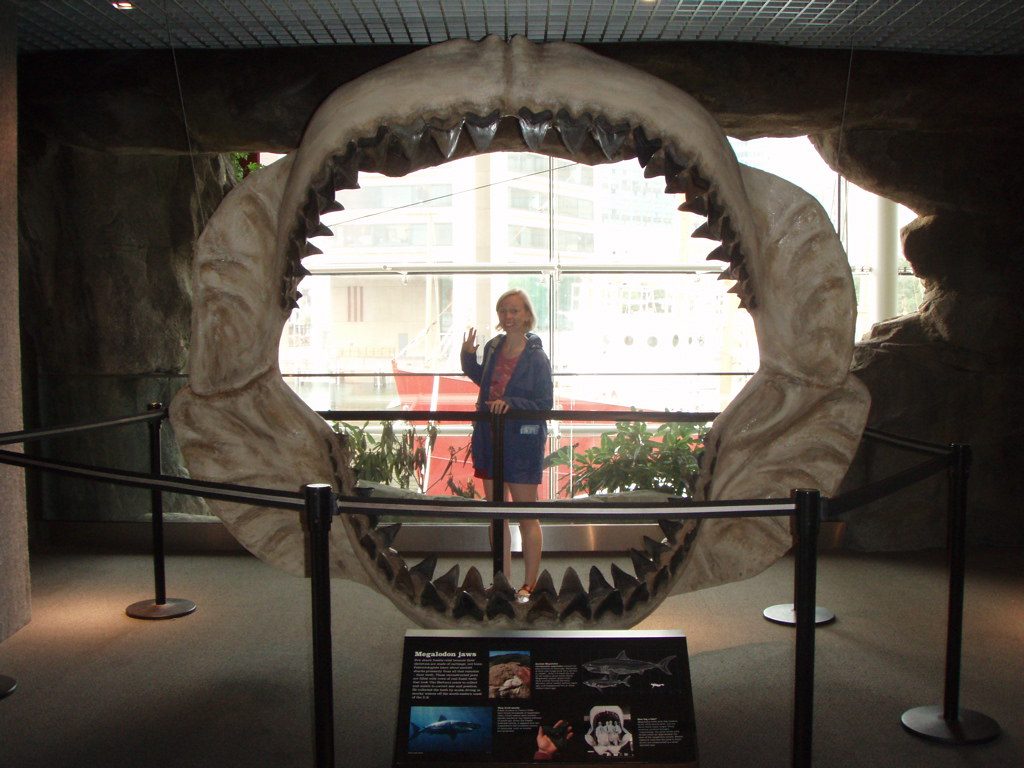
Because food is hard to find, every chance to catch a meal matters. This is why many deep-sea animals have oversized mouths, long teeth, and expandable stomachs. These features may look frightening, but they help the animals eat whatever prey they can find before another meal disappears.
Strange bodies help them survive
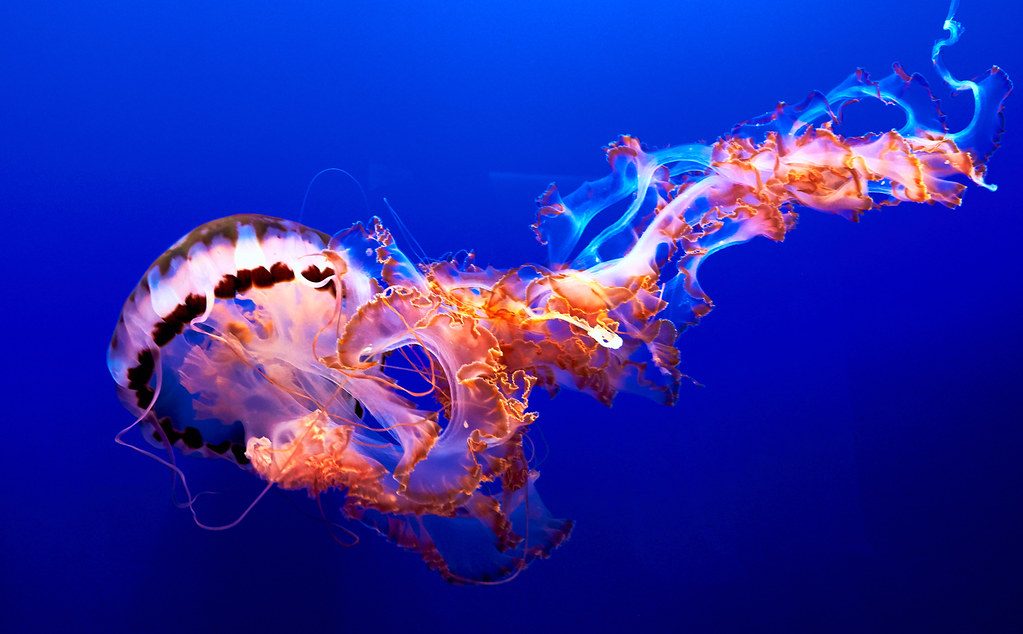
Many deep-sea animals have soft, jelly-like bodies instead of strong bones and muscles. Water pressure increases greatly with depth, so these flexible bodies help them survive where humans could not. Most deep-sea animals also lack large air-filled spaces like lungs, making them better suited for crushing pressure.
Some species have transparent skin, long fins, or unusual body shapes that seem alien to us. These features often help them blend into the darkness, save energy, or move quietly through the water instead of making them stronger or faster.
Glowing makes them look mysterious
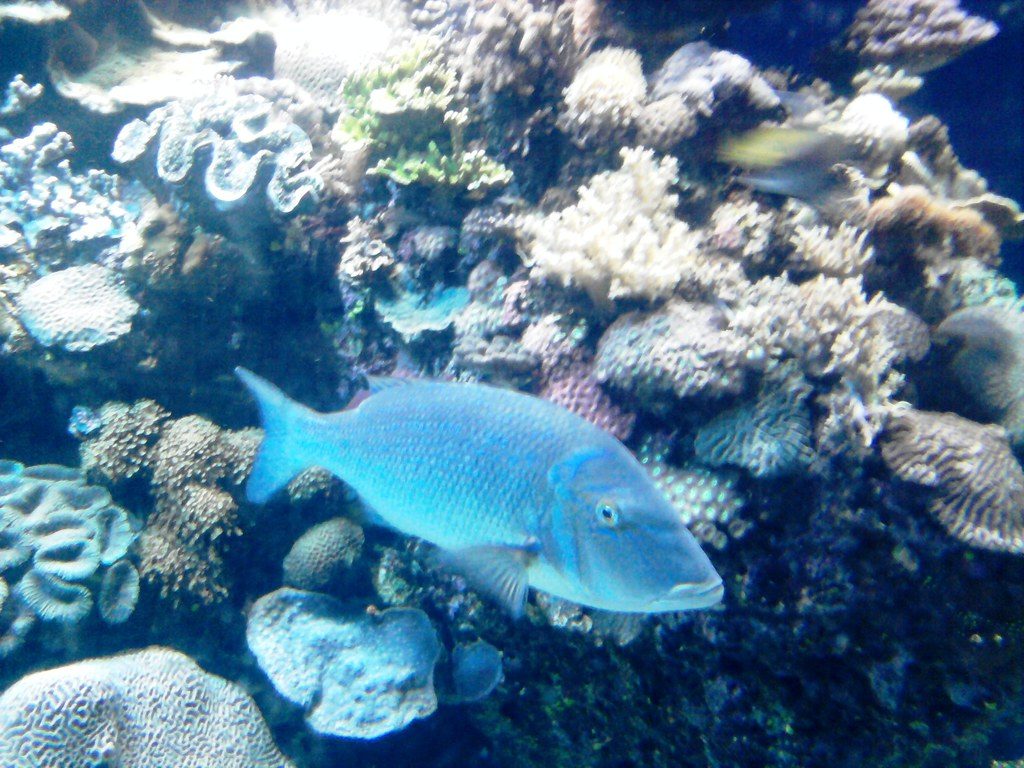
Many deep-sea animals produce their own light through a process called bioluminescence. They use glowing body parts to attract prey, communicate, confuse predators, or find mates in the darkness. Scientists estimate that most animals living in the open deep ocean produce light in some form.
Humans usually connect glowing eyes or bright lights with danger, so these natural displays can seem scary. In reality, glowing is simply another survival tool, much like camouflage or sharp claws on land.
Their hunting methods seem terrifying
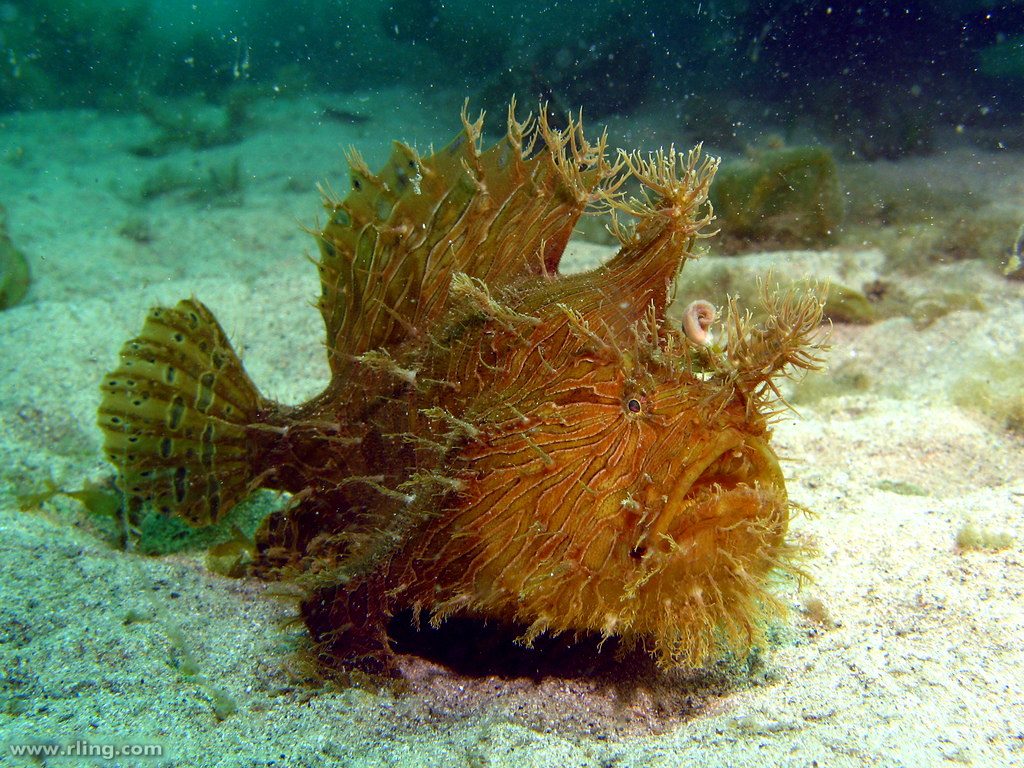
Deep-sea predators often wait patiently instead of chasing prey. The famous anglerfish uses a glowing lure that hangs in front of its mouth. Curious fish swim closer, only to be caught by powerful jaws lined with sharp teeth.
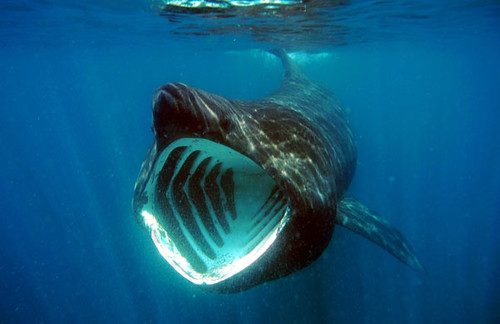
Other hunters have mouths that open very wide or teeth that point inward so prey cannot escape. Since meals are rare in the deep ocean, these animals have evolved to grab every feeding opportunity they get instead of letting valuable food swim away.
Our brains fear what we cannot see
People naturally fear places they cannot fully understand. The deep ocean is cold, dark, and mostly unexplored, so it leaves room for imagination. Strange-looking animals often appear much scarier because they live in a place that feels mysterious.
Movies, books, and online pictures also focus on the most unusual deep-sea species. This creates the impression that every creature below the surface is dangerous, even though many are small, gentle, or avoid larger animals whenever possible.
Deep-sea animals are built to survive, not scare us
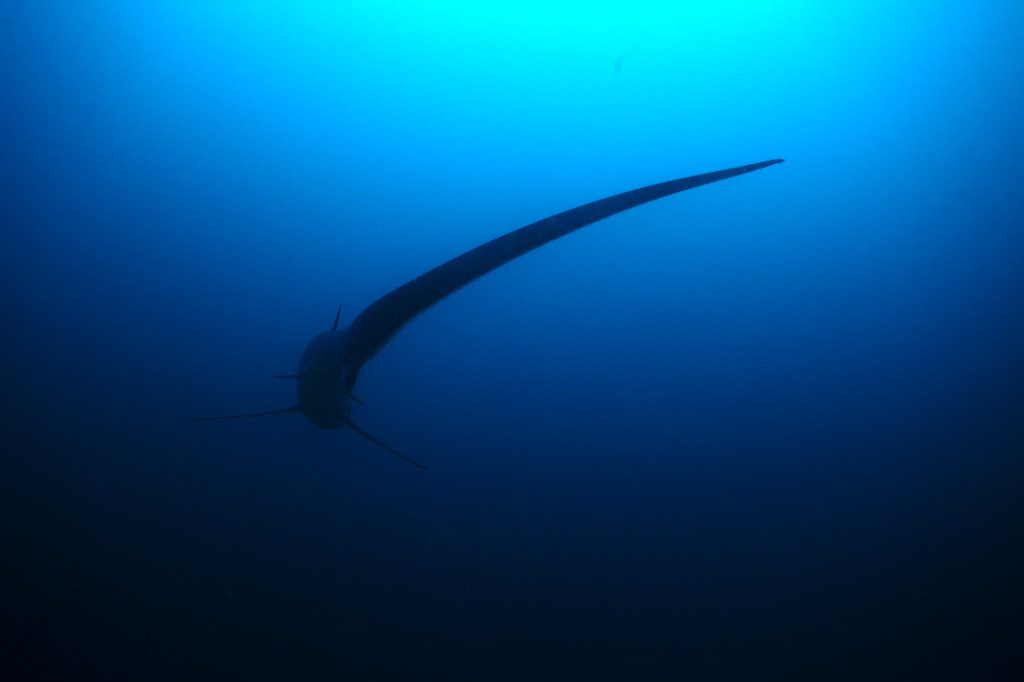
Most deep-sea animals are not trying to frighten anything. Their appearance is the result of millions of years of evolution in an environment with little food, freezing temperatures, darkness, and crushing pressure. Every unusual feature has a survival purpose.
Scientists continue discovering new deep-sea species because so much of the ocean remains unexplored. Each discovery helps researchers better understand how life can survive under extreme conditions and reminds us that nature often looks very different from what we expect.