The enormous sea creatures most people never see live far below the ocean’s surface, where sunlight barely reaches. Because these animals stay in deep or open waters, very few people ever see them alive. Some are the biggest animals on Earth, while others are so rare that scientists have only recently captured them on camera.
In this article, you’ll discover six amazing ocean giants, where they live, why they are so hard to find, and what makes each one special. By the end, you’ll have a better understanding of the hidden giants that call the ocean home.
Blue whales rule the ocean
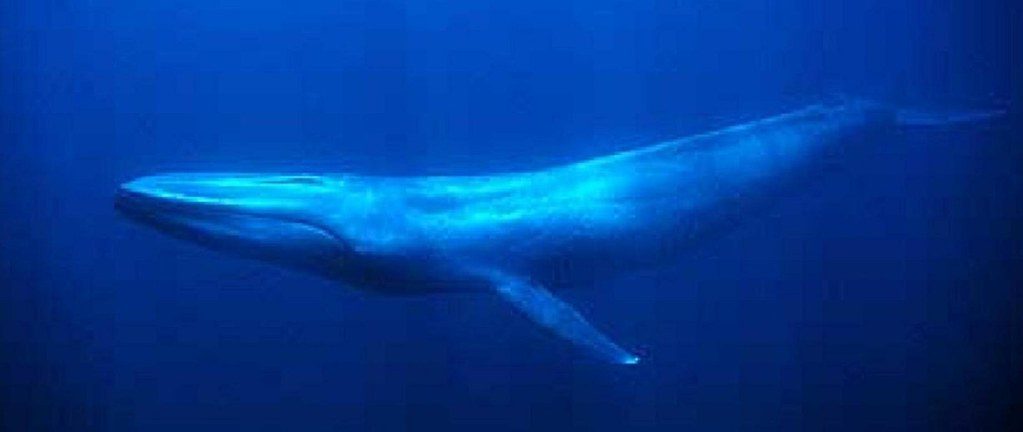
The blue whale is the largest animal ever known to live on Earth. Adults can grow to about 100 feet long and weigh more than 150 tons. Even though they are huge, they mostly eat tiny shrimp-like animals called krill by filtering them from seawater.
Blue whales spend much of their lives in deep offshore waters, which is why many people never see one. They travel long distances between feeding and breeding areas and are protected in many parts of the world because commercial whaling greatly reduced their numbers in the past.
Giant squids stay hidden in the deep
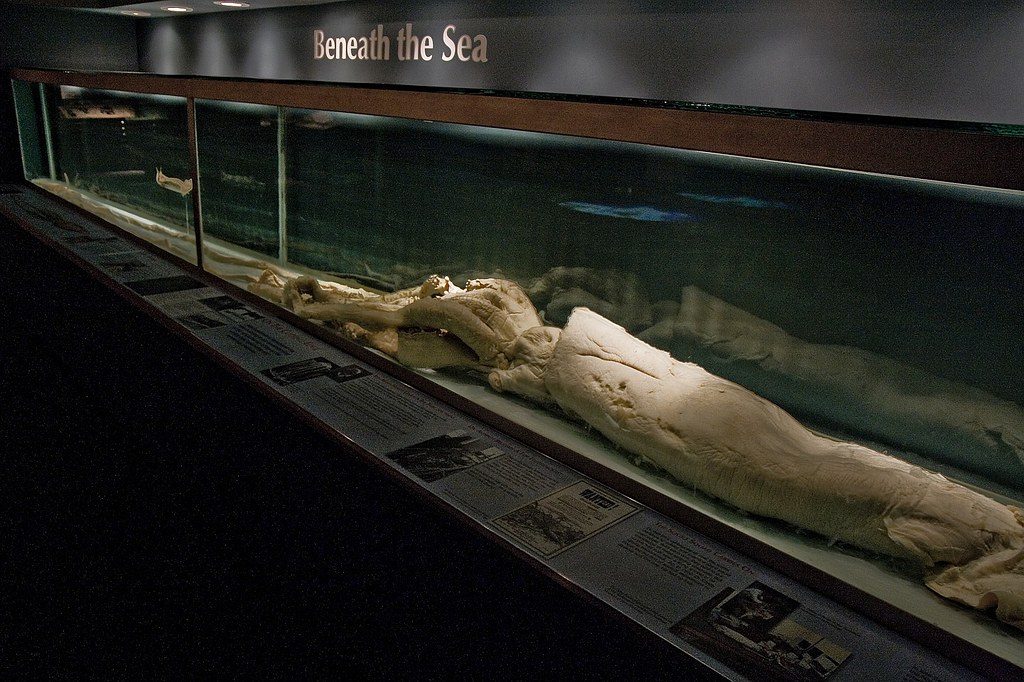
The giant squid is one of the ocean’s greatest mysteries. It can grow more than 40 feet long and has some of the largest eyes in the animal kingdom. Those giant eyes help it spot predators and prey in the dark depths.
Scientists rarely see giant squids alive because they usually live hundreds or even thousands of feet below the surface. Most early knowledge came from animals caught in fishing nets or remains found inside sperm whales. Only in recent years have cameras captured more evidence of these elusive giants.
Colossal squids remain a mystery
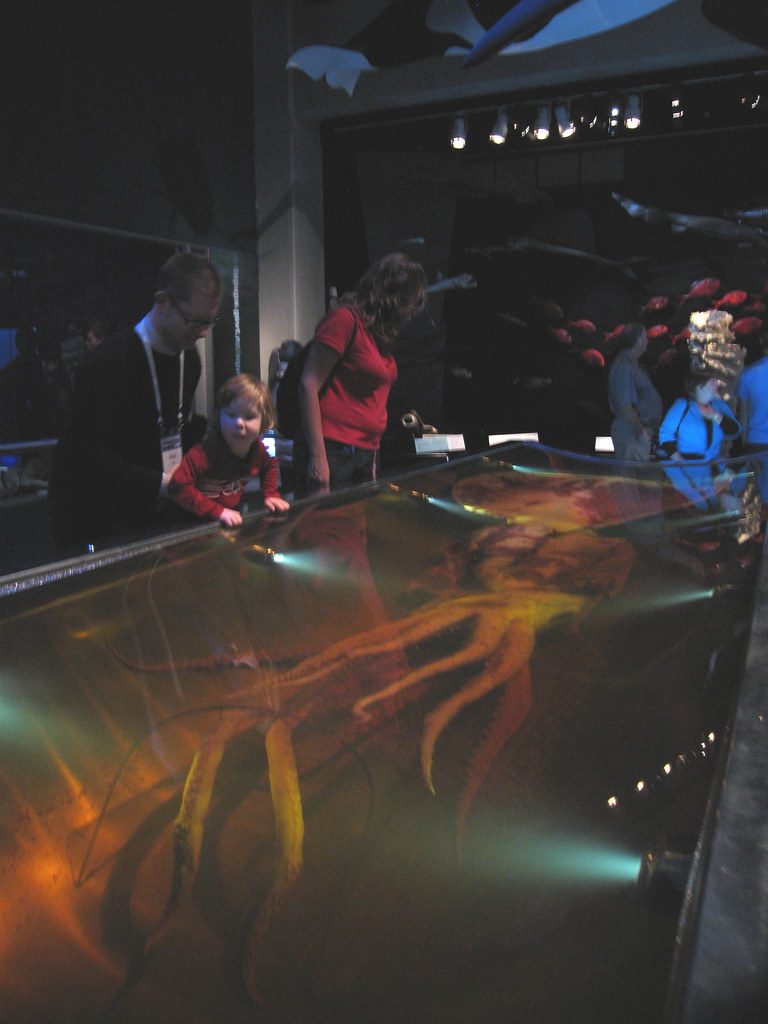
The colossal squid is different from the giant squid. It is shorter but much heavier and is considered the world’s heaviest invertebrate. It also has sharp hooks on its arms and huge eyes that help it survive in the dark waters around Antarctica.
For more than 100 years, scientists searched for a living colossal squid in its natural habitat. In 2025, researchers recorded the first confirmed video of a live juvenile colossal squid in the deep ocean, showing how little we still know about this remarkable animal.
Whale sharks are gentle giants
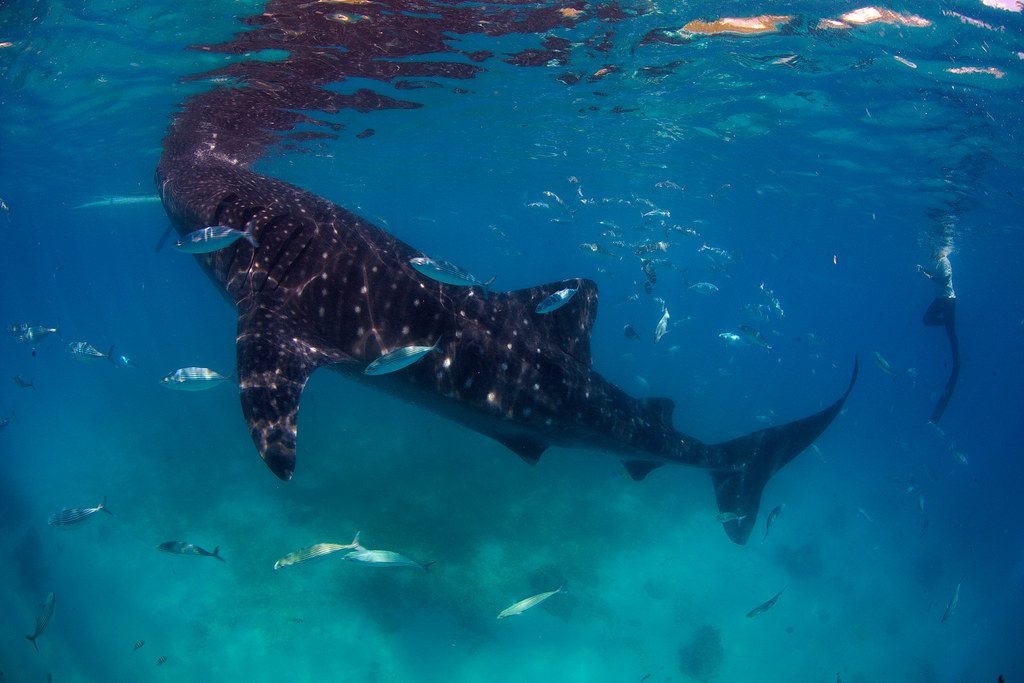
The whale shark is the largest fish alive today. It can grow over 40 feet long, yet it feeds mainly on tiny plankton, small fish, and fish eggs. Despite its size, it is calm and is not known to hunt people.
Whale sharks live in warm oceans around the world but spend much of their time far from shore. Because they travel across huge areas of open ocean and dive deep, many people never have the chance to see one in the wild. The species is listed as endangered because of fishing, ship strikes, and habitat threats.
Giant oarfish inspire sea monster stories
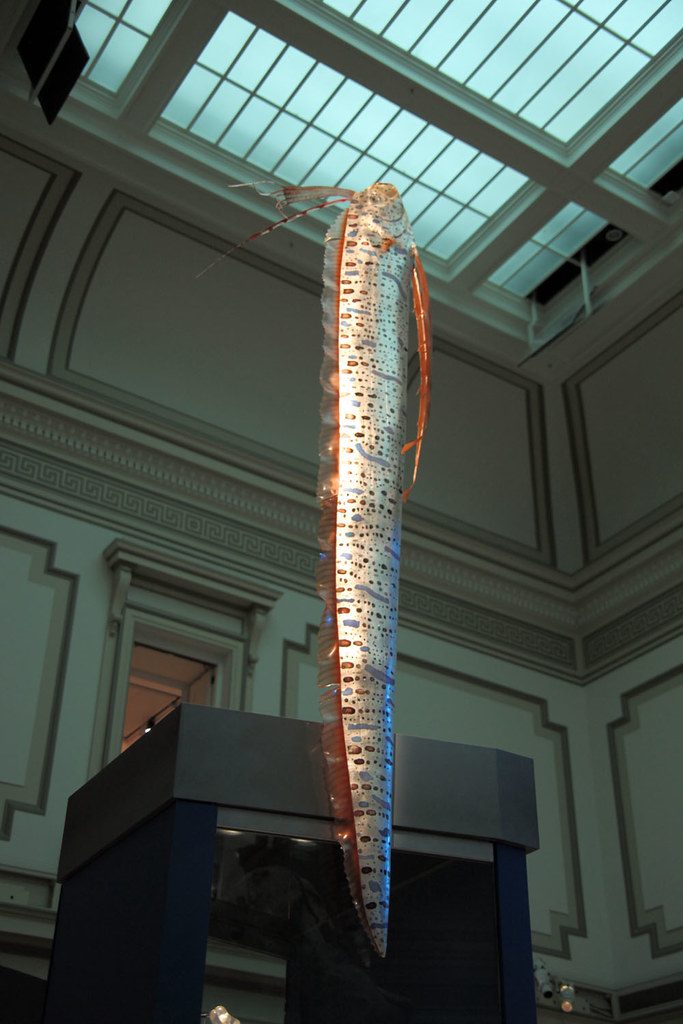
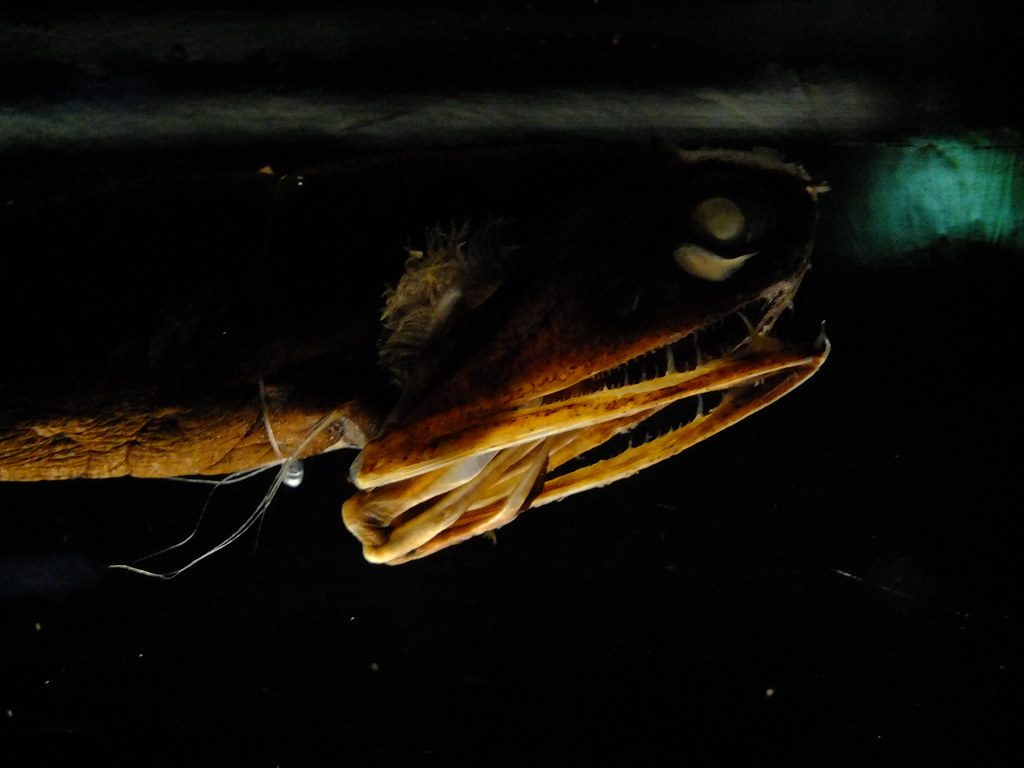
The giant oarfish is a long, silver fish that can reach about 30 feet in length. It has a ribbon-like body and bright red fins, giving it a strange appearance unlike most other fish.
Oarfish usually live in deep ocean waters and are rarely seen by humans. Most sightings happen when sick or dying fish drift close to the surface or wash onto beaches. Their unusual shape has inspired many old stories about mysterious sea serpents.
Giant siphonophores stretch for amazing distances
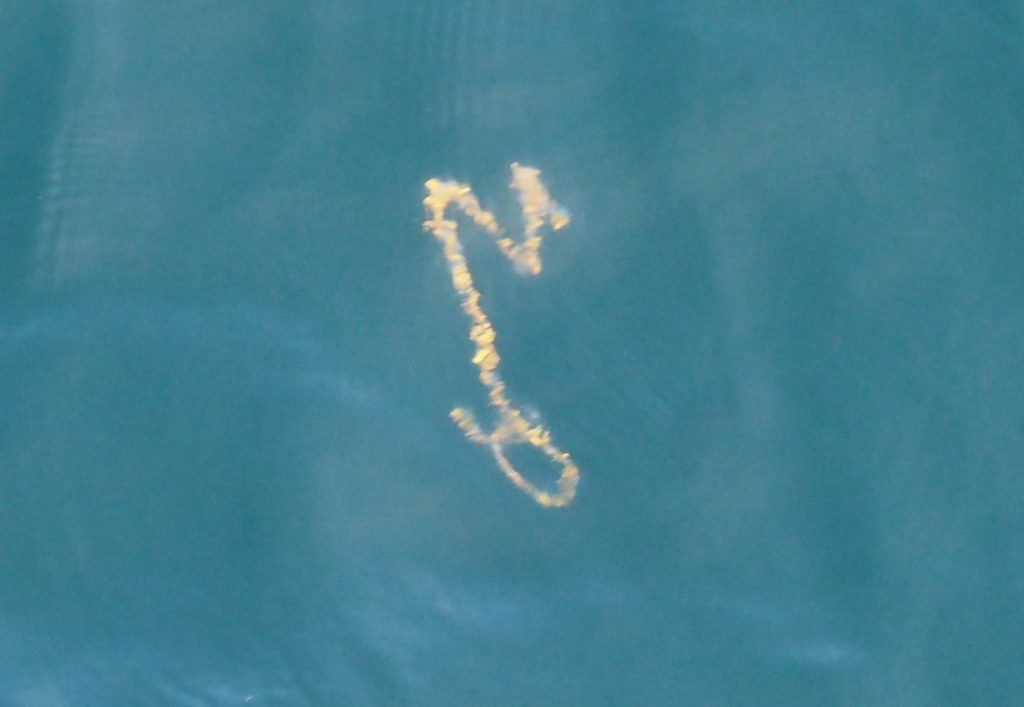
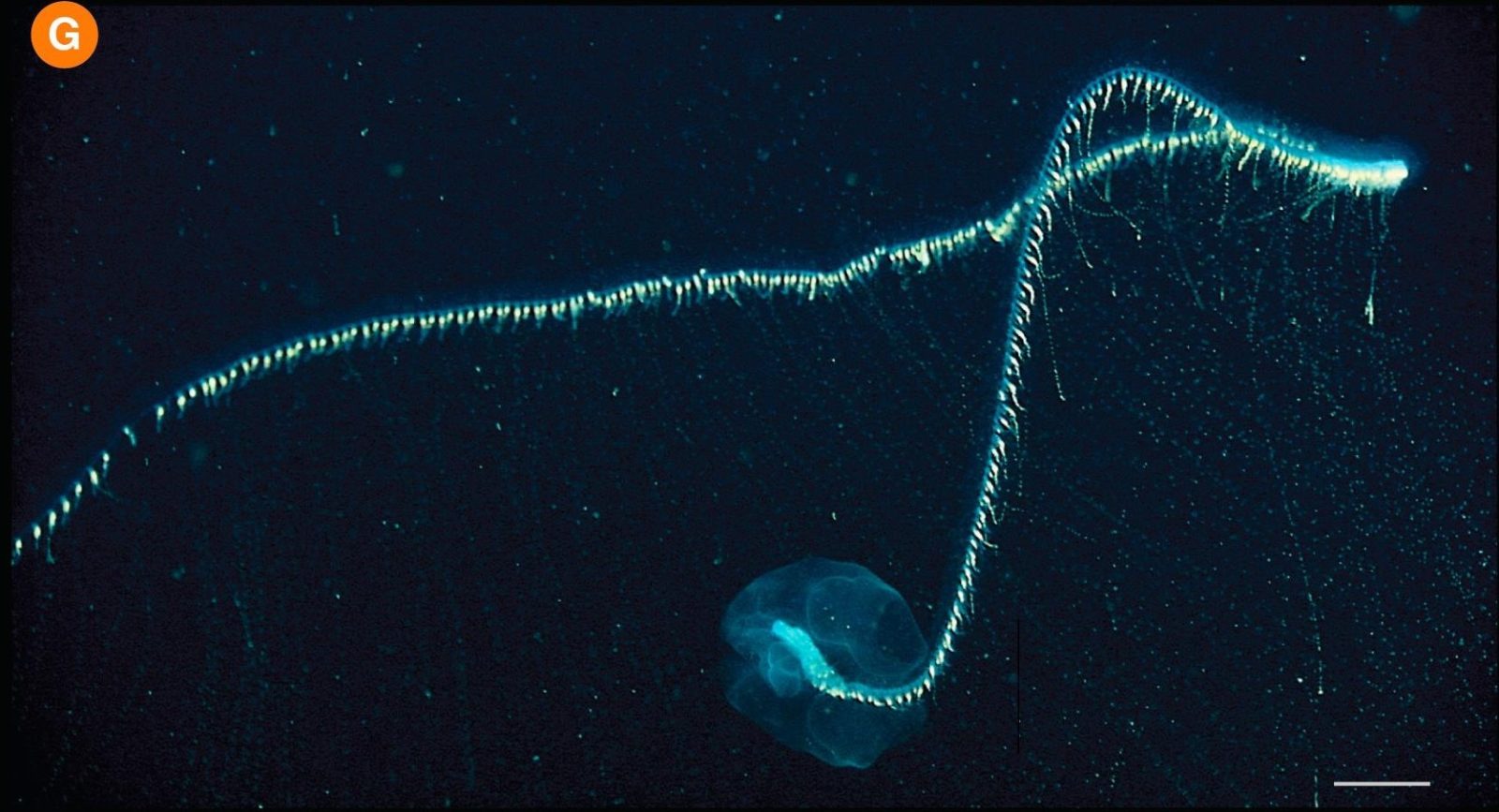
A giant siphonophore may look like one giant animal, but it is actually a colony made of many tiny animals working together. Each part has its own job, such as feeding, swimming, or reproducing.
Some giant siphonophores can grow longer than a blue whale, making them among the longest animals ever recorded. They drift through deep ocean waters, where special underwater vehicles have helped scientists discover just how large these fragile creatures can become.